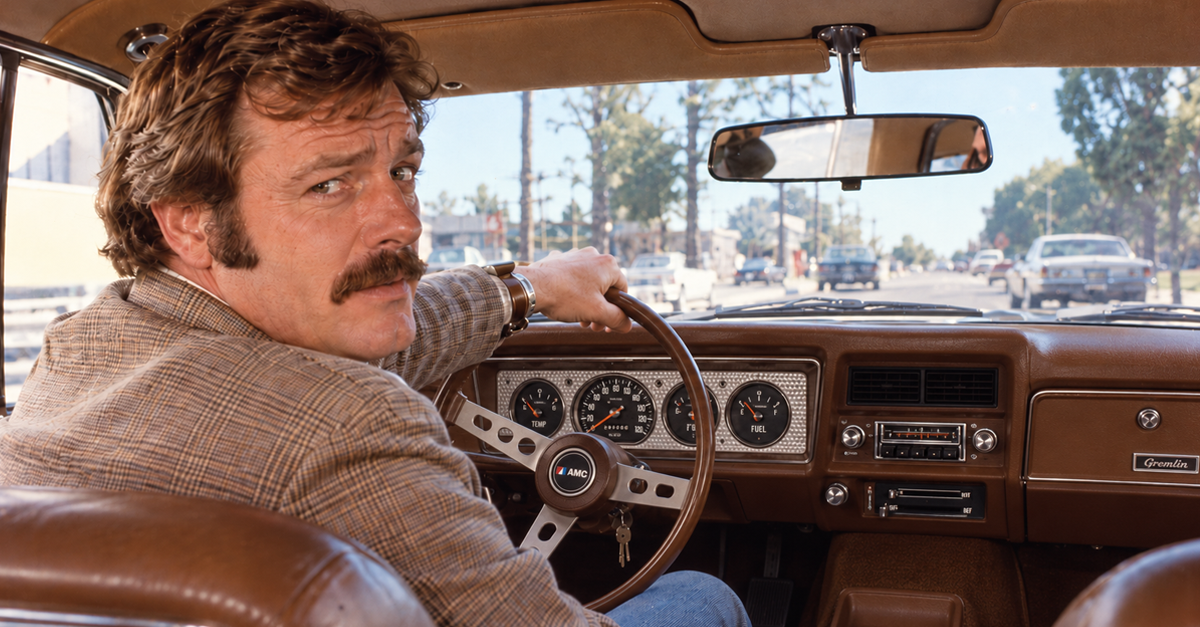
Remember When Dashboards Were Full Of Mystery?
Before touchscreens took over, car dashboards were packed with strange knobs, levers, and buttons that younger drivers might not recognize today. Some controlled the engine, others operated hidden mechanical features, and a few could leave you completely baffled if you didn't know what they did. Back then, understanding your dashboard was practically a driving skill.
How many of these forgotten controls can you still identify today?
Choke Knob
That little knob marked "CHOKE" helped start cold engines before fuel injection became widespread. Pulling it restricted airflow into the carburetor, creating a richer fuel mixture for easier starting. Drivers gradually pushed it back in as the engine warmed up, or risked wasting fuel and making the engine run poorly.
 SealyPhoto, CC BY-SA 4.0, Wikimedia Commons
Pull-Out Headlight Switch
Many classic American cars had a large pull-out knob instead of today's familiar headlight controls. Pulling it partway typically activated the parking lights, while pulling it farther switched on the headlights. On some models, twisting the same knob adjusted dashboard brightness or activated the interior light.
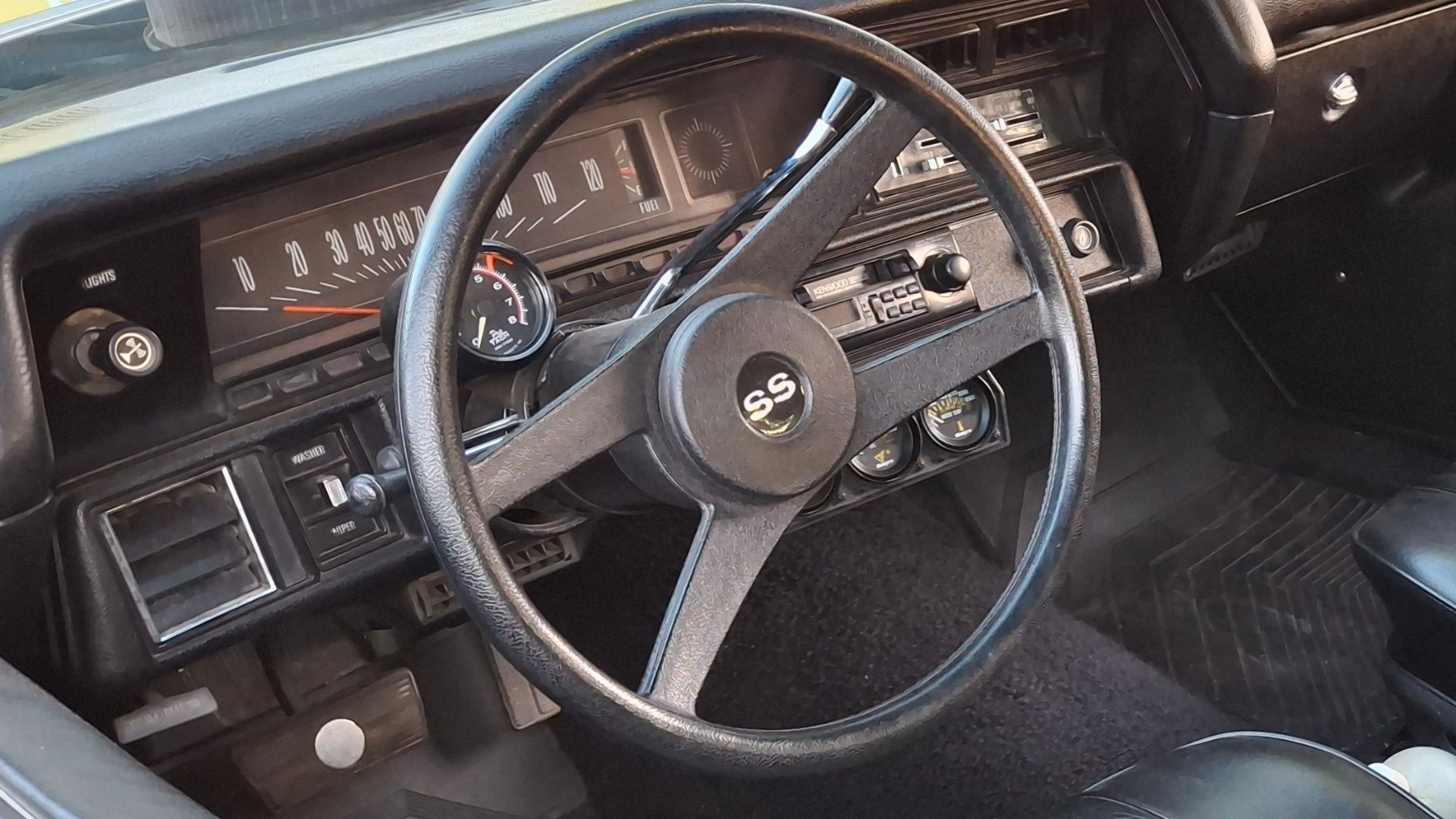
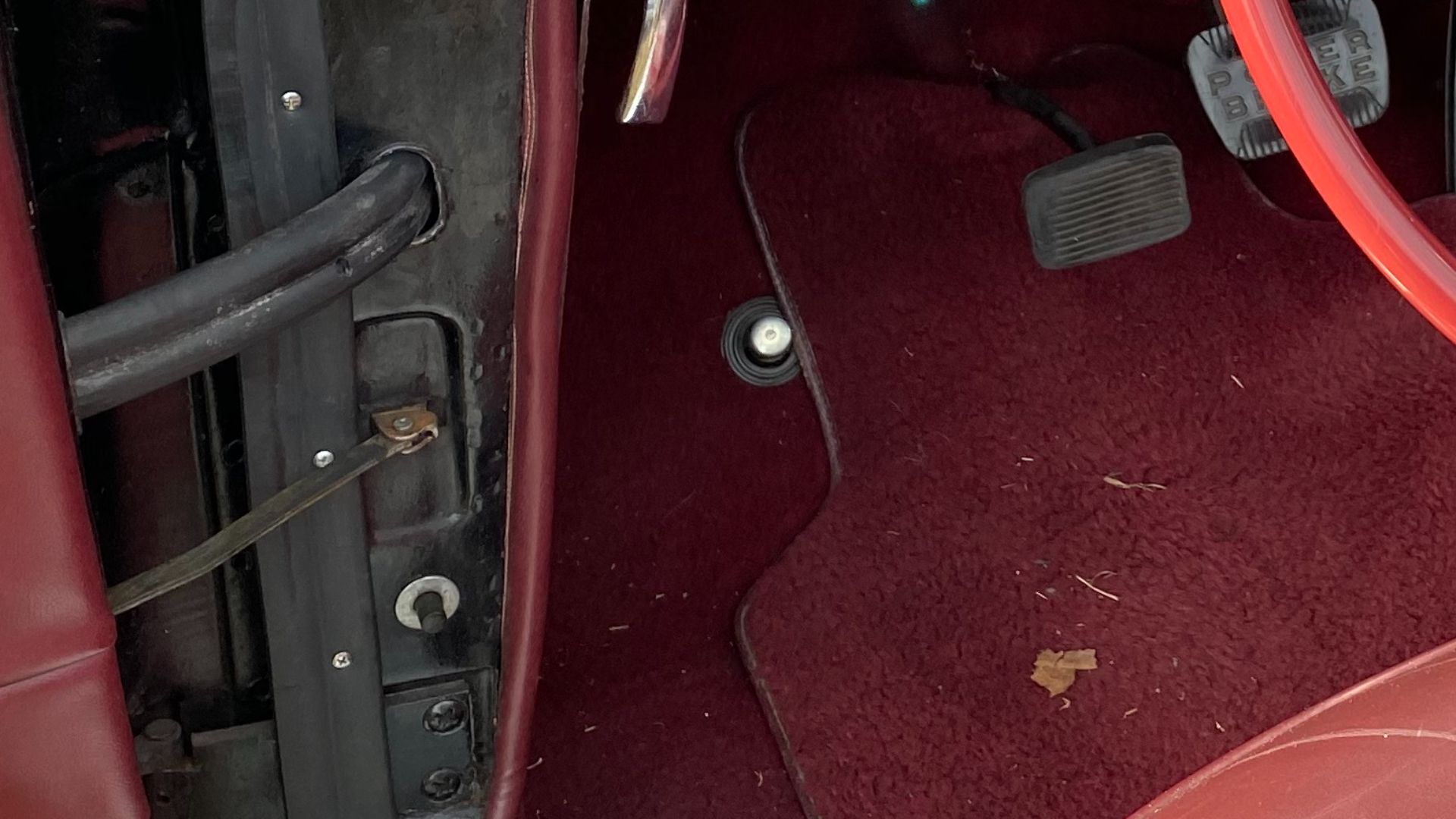
Floor-Mounted Headlight Dimmer Switch
Ever notice a small metal button on the floor of an old car? That was the headlight dimmer switch, allowing drivers to change between high and low beams with their left foot. Chevrolet's 1970 owner's manual specifically describes this arrangement, which eventually gave way to steering-column controls.
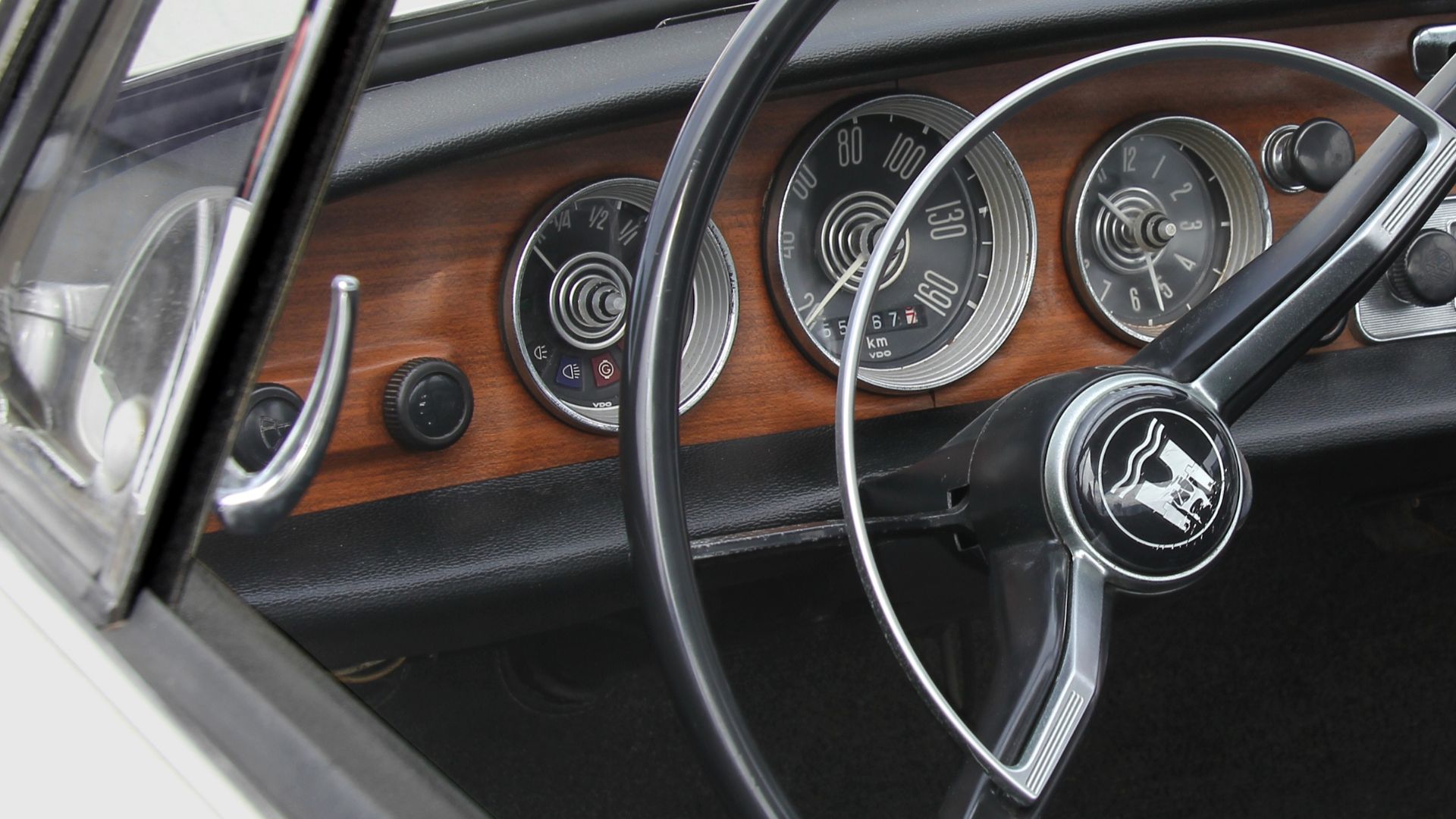
Windshield Wiper Knob
Before steering-column wiper stalks became common, many cars had a dedicated dashboard knob for the windshield wipers. In the 1970 Volkswagen Karmann Ghia, turning the knob activated a two-speed wiping system. Drivers had to reach toward the dashboard whenever rain started falling.
 Lothar Spurzem, Wikimedia Commons
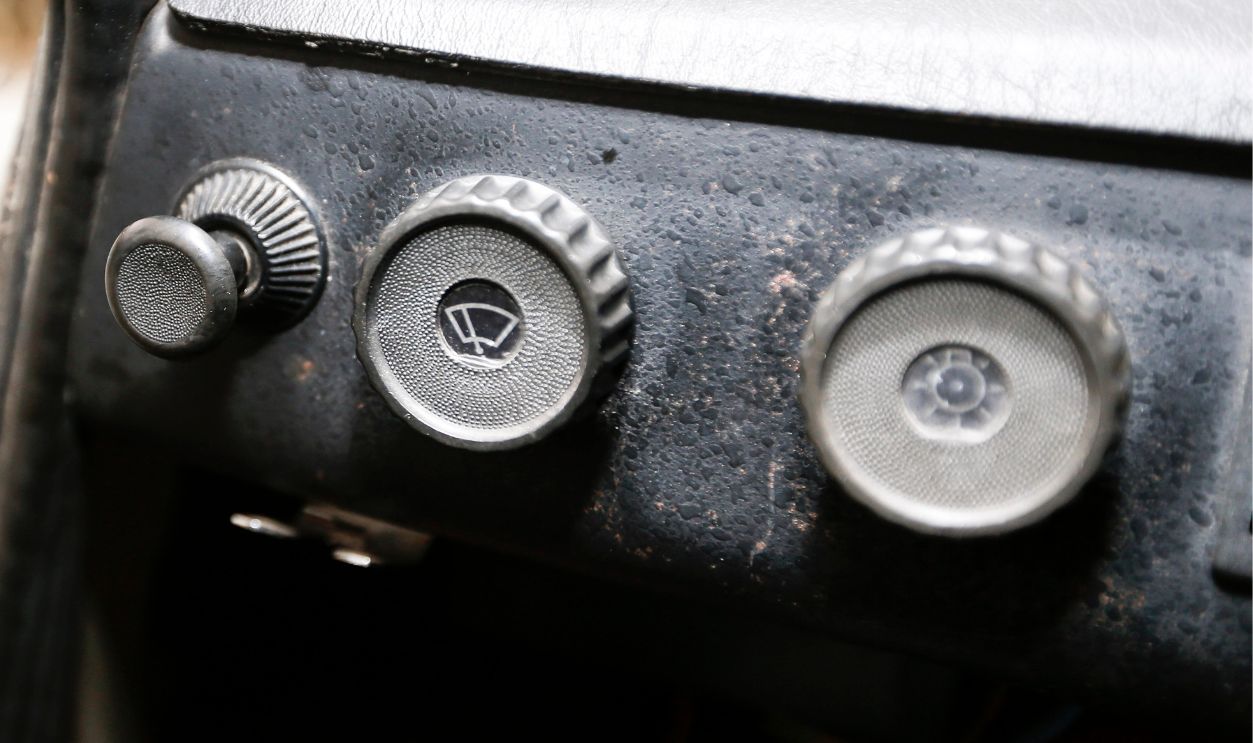
Windshield Washer Button
Cleaning the windshield once meant finding a separate washer control rather than flicking a stalk. Some older systems used pushbuttons or mechanically operated pumps to spray cleaning fluid onto the glass. Depending on the vehicle, drivers sometimes had to activate the wipers separately.
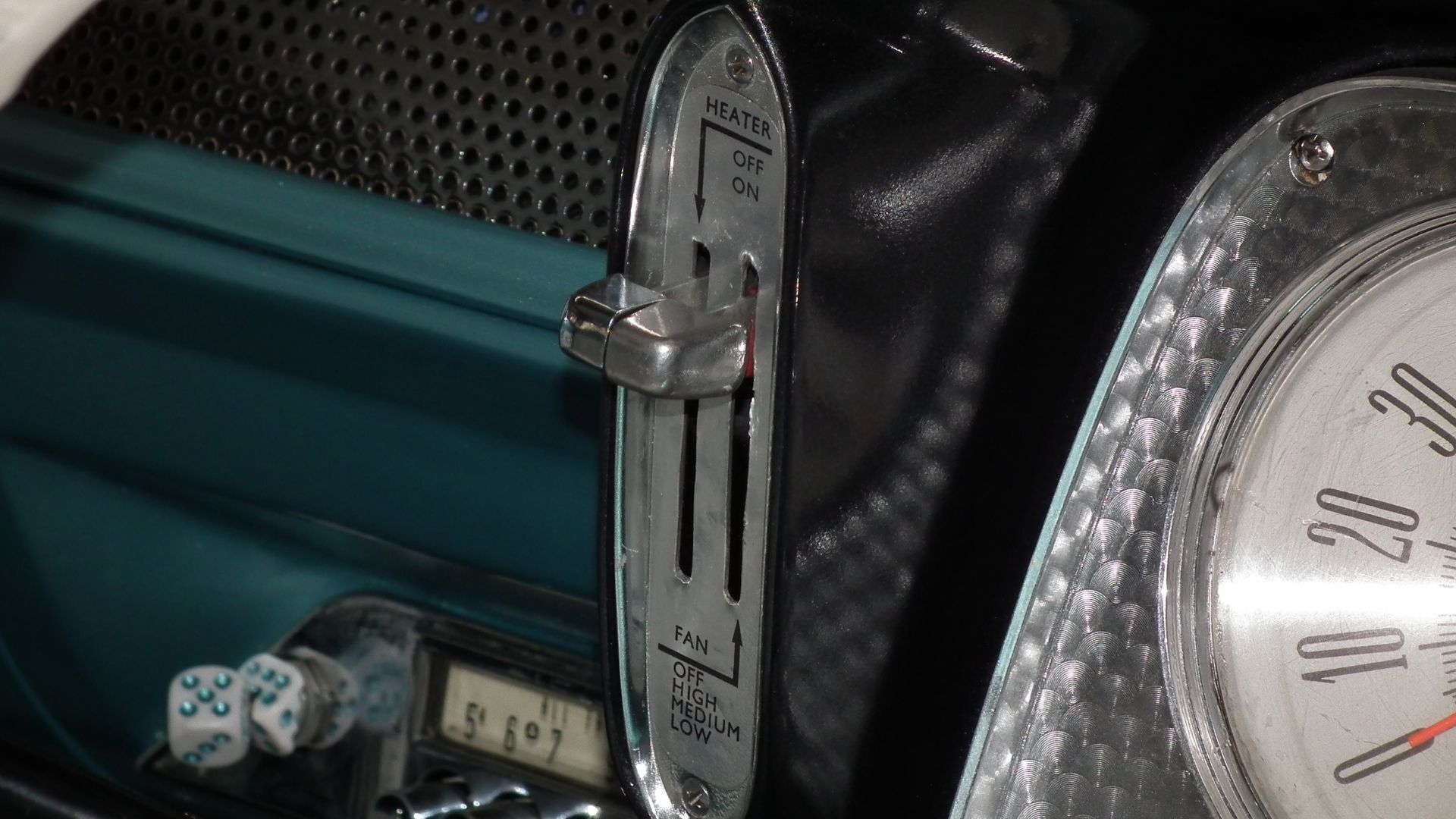
Heater Control Lever
Those sliding heater levers weren't just sending instructions to an electronic computer. In many older cars, moving a lever physically pulled a cable connected to a heater valve or ventilation door. If the cable seized or disconnected, the lever could slide back and forth without accomplishing anything.
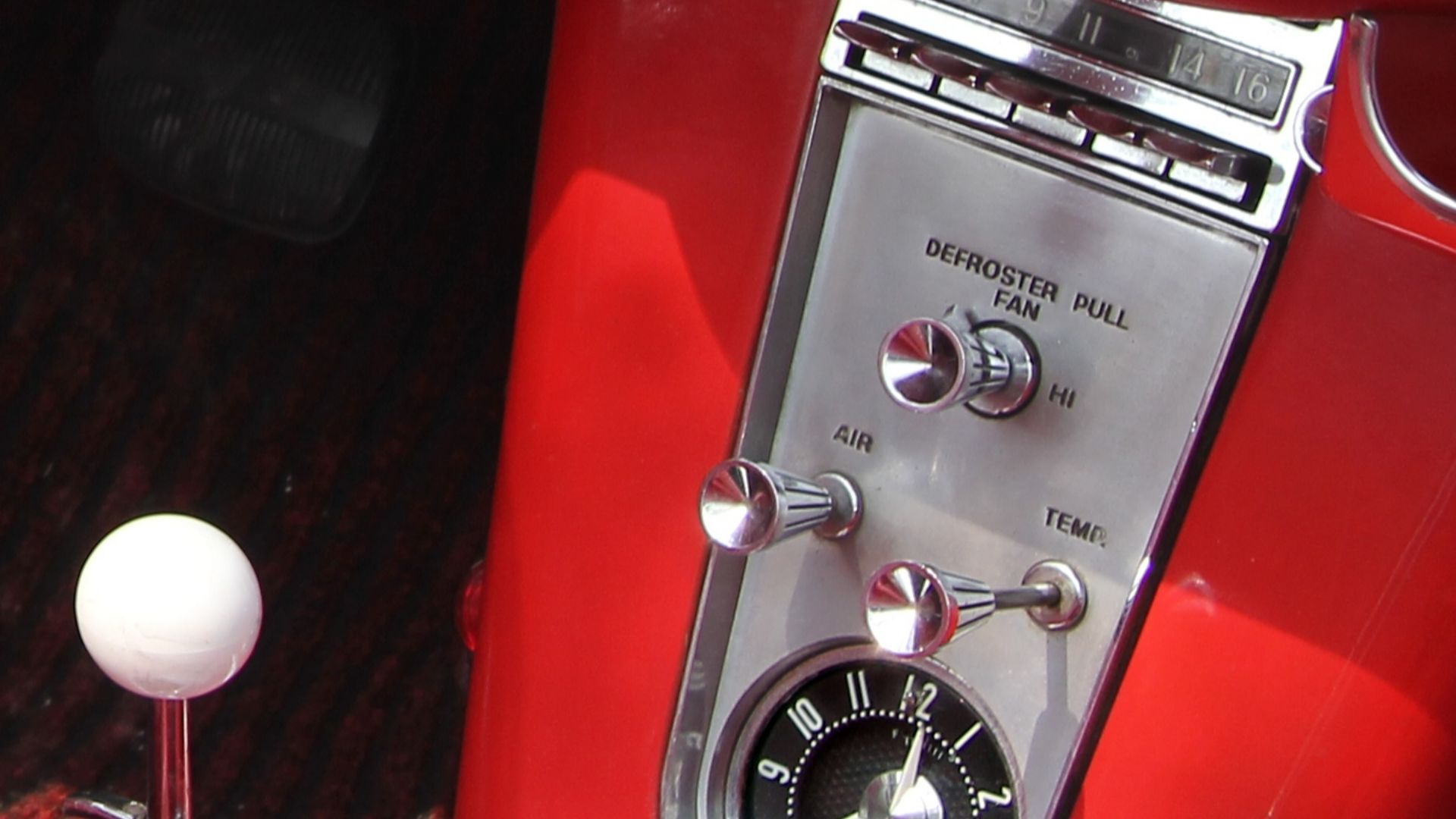
Defroster Lever
Clearing a fogged windshield once required adjusting several controls instead of pressing a single button. A dedicated defroster lever directed warm airflow toward the windshield rather than the floor. Drivers often had to adjust the heater temperature and blower speed separately to get the glass clear.
 Lothar Spurzem, Wikimedia Commons
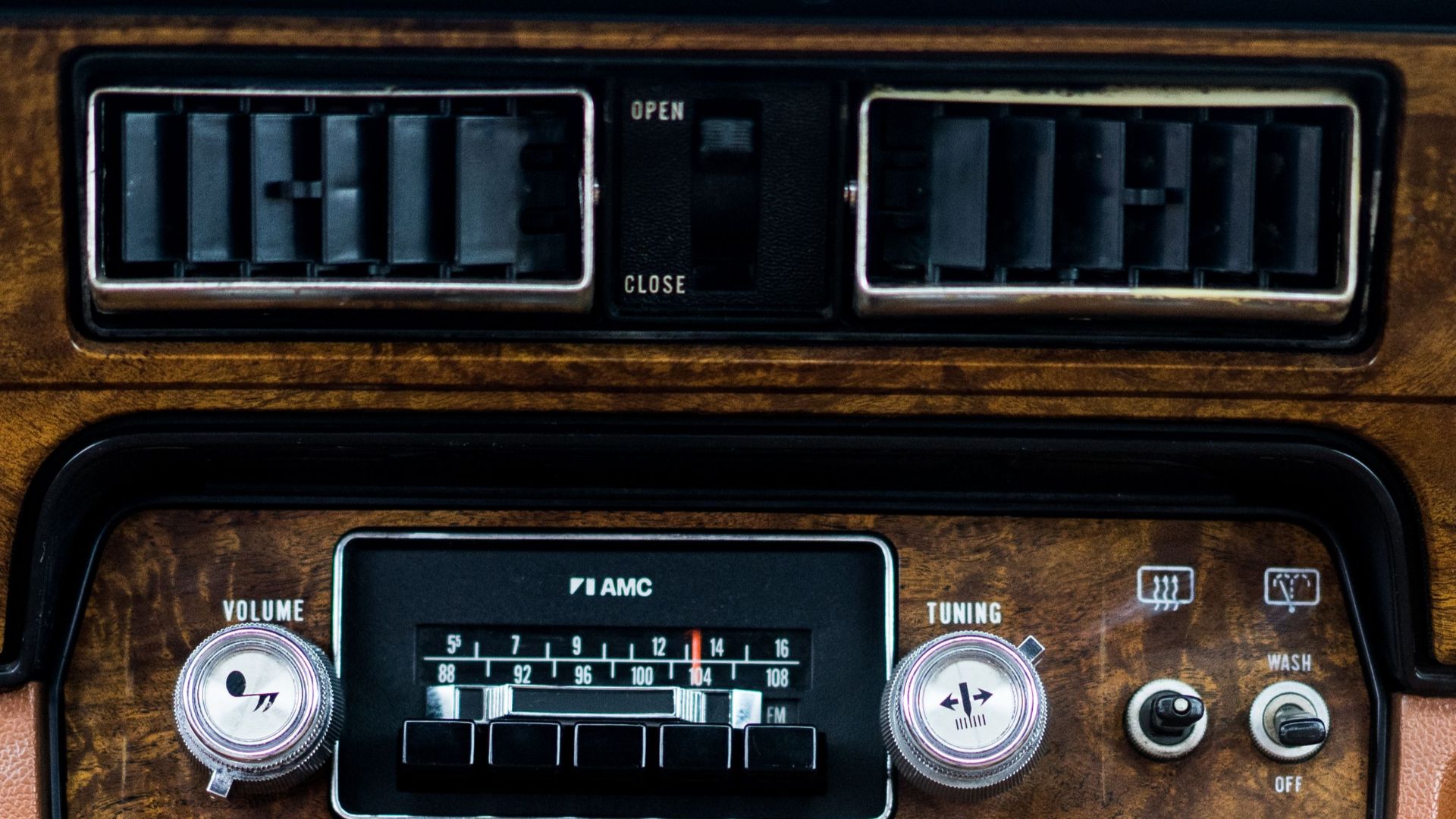
Fresh-Air Vent Control
Before automatic climate control, some cars had a knob or lever that opened a flap to admit outside air. With the flap open, air could flow into the cabin as the vehicle moved, even without the blower running. It provided welcome ventilation on warm days, especially in cars without air conditioning.
Hidden Headlight Override Knob
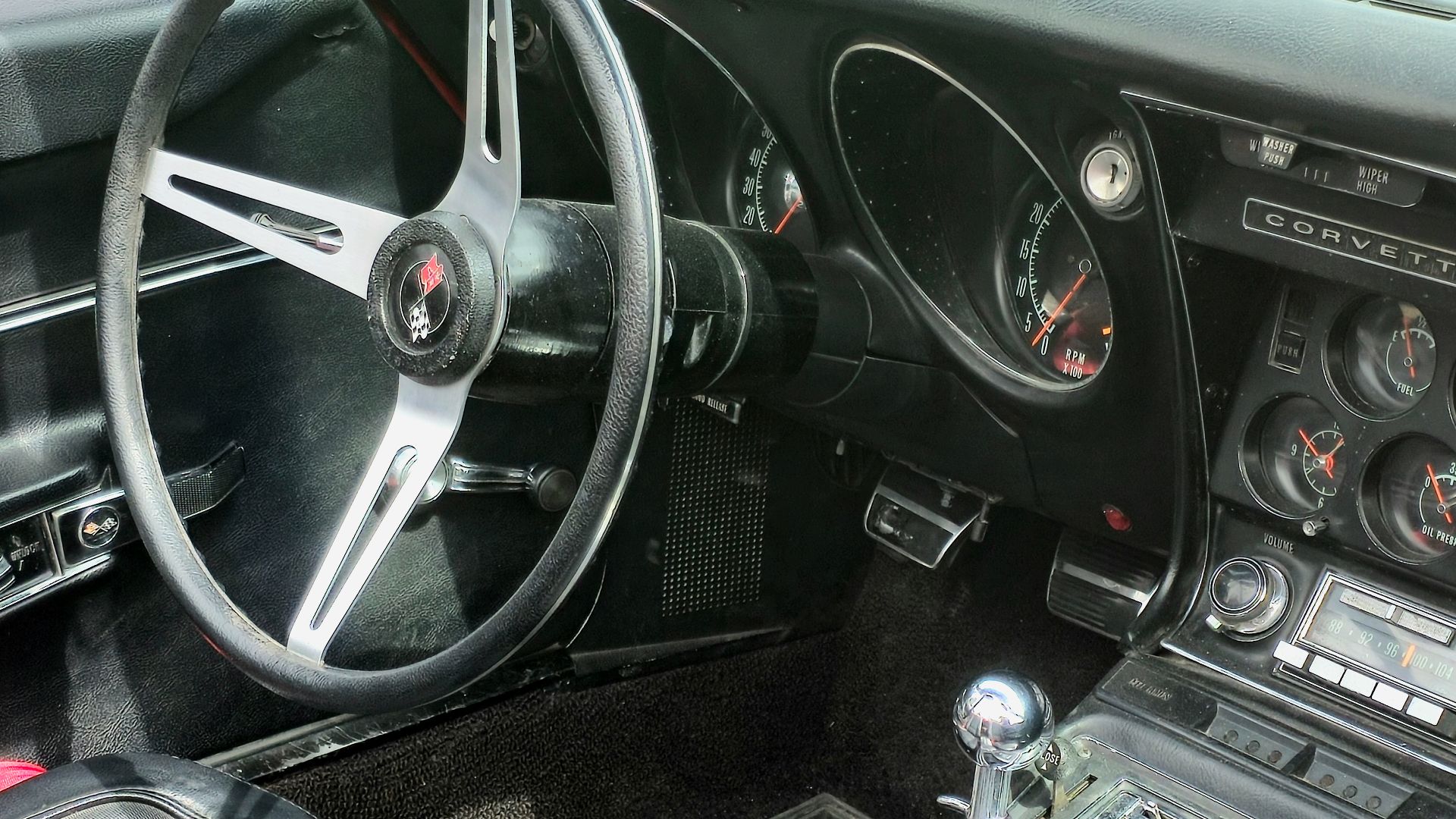
Some Corvettes had a particularly mysterious control beneath the dashboard. On the 1969 Corvette, a manual override knob could raise the vacuum-operated headlight doors independently of the normal headlight switch. The system was clever, but a vacuum leak could leave those famous pop-up headlights refusing to cooperate.
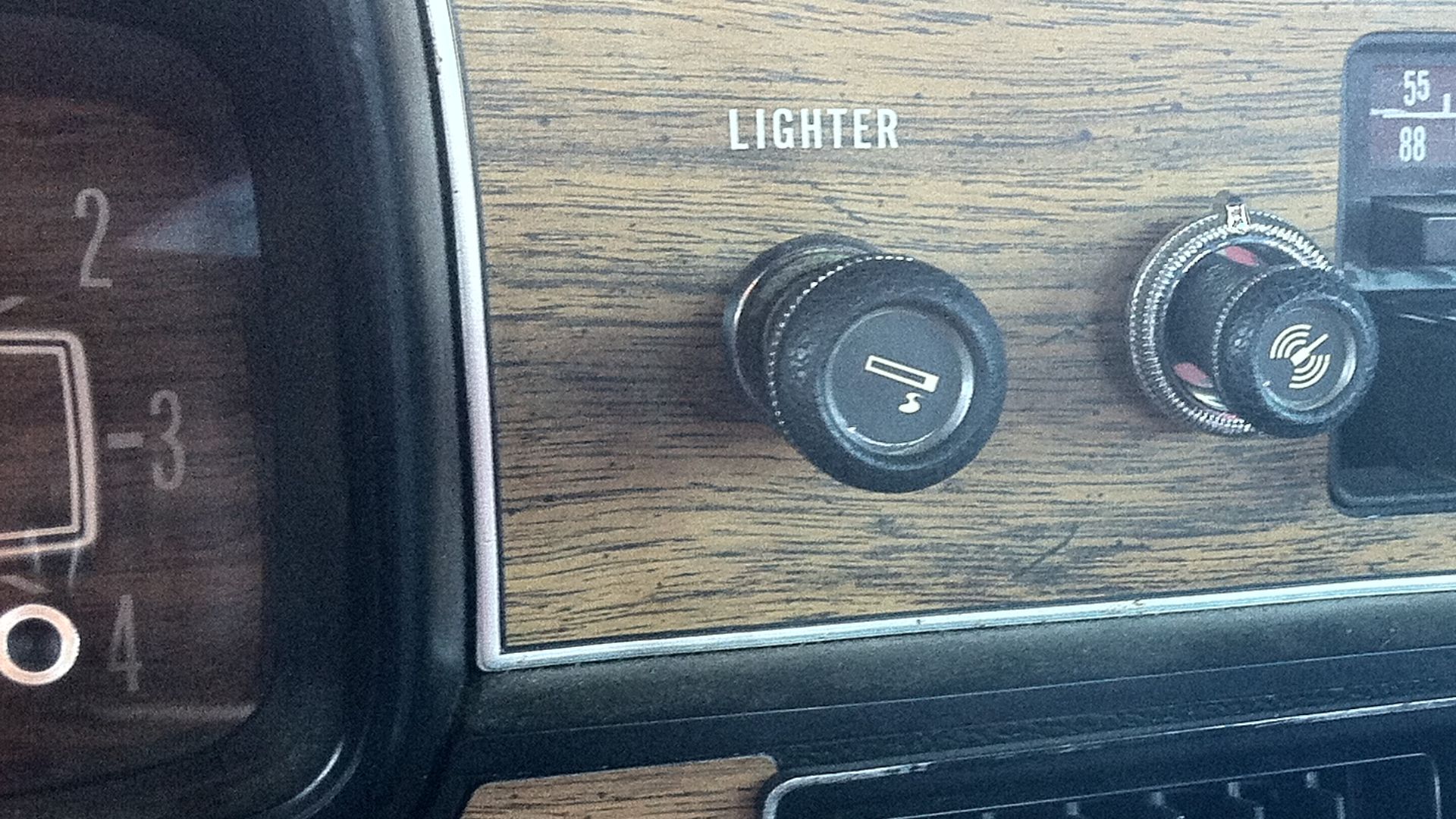
Cigarette Lighter
That round socket on an older dashboard once had a very different purpose from charging phones. Drivers pushed in a removable cigarette lighter, waited for its heating element to glow hot, and then pulled it out when it popped back. The same socket eventually became a convenient power source for portable electronics.
Power Tailgate Window Switch
Some old station wagons had an unusual dashboard switch that operated the rear tailgate window. In certain 1970 Chevrolet wagons, drivers could lower or raise the glass electrically without leaving the front seat. The window had to be fully lowered before opening the tailgate, making this a surprisingly important control to understand.
Radio Preset Buttons
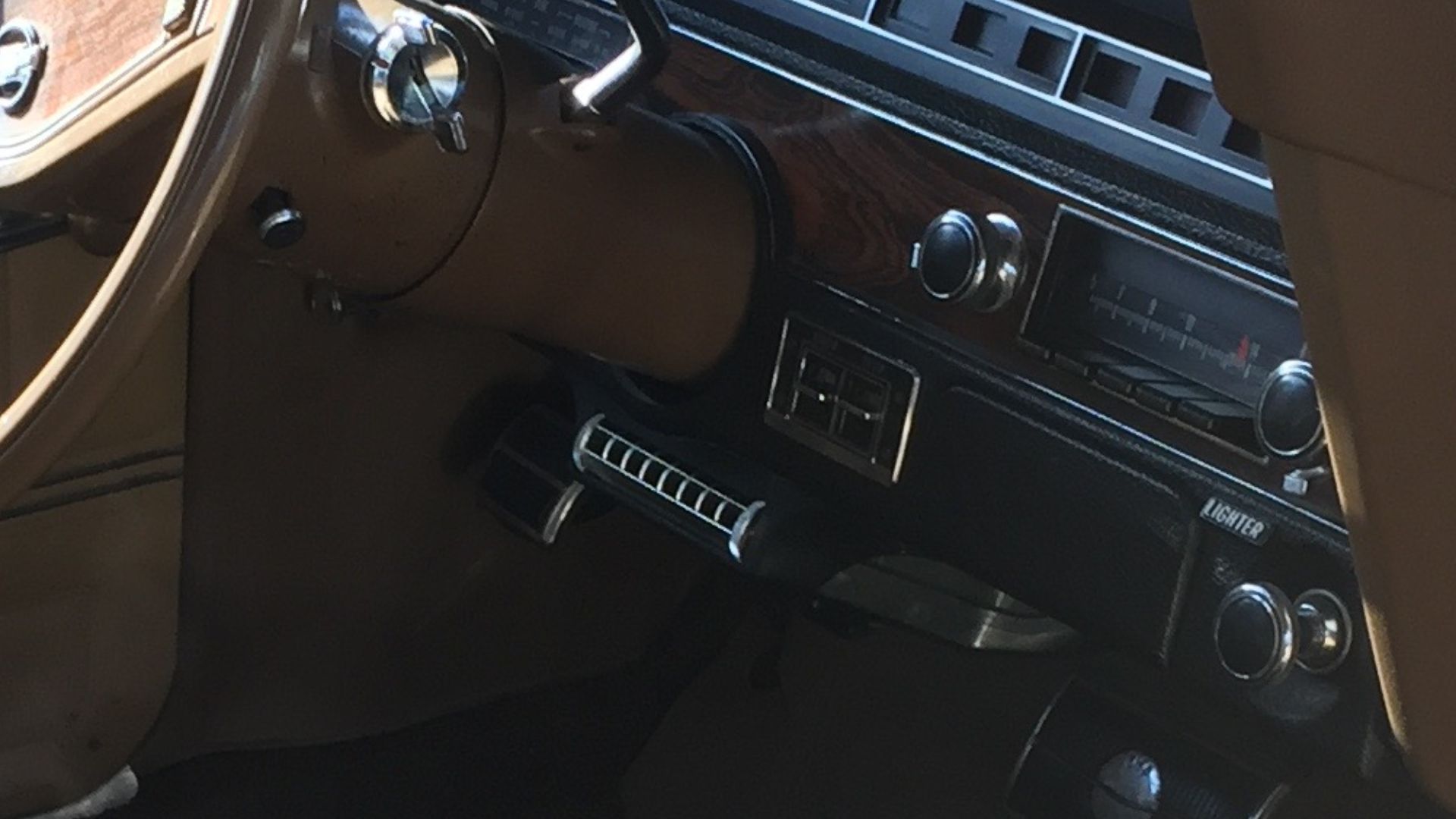
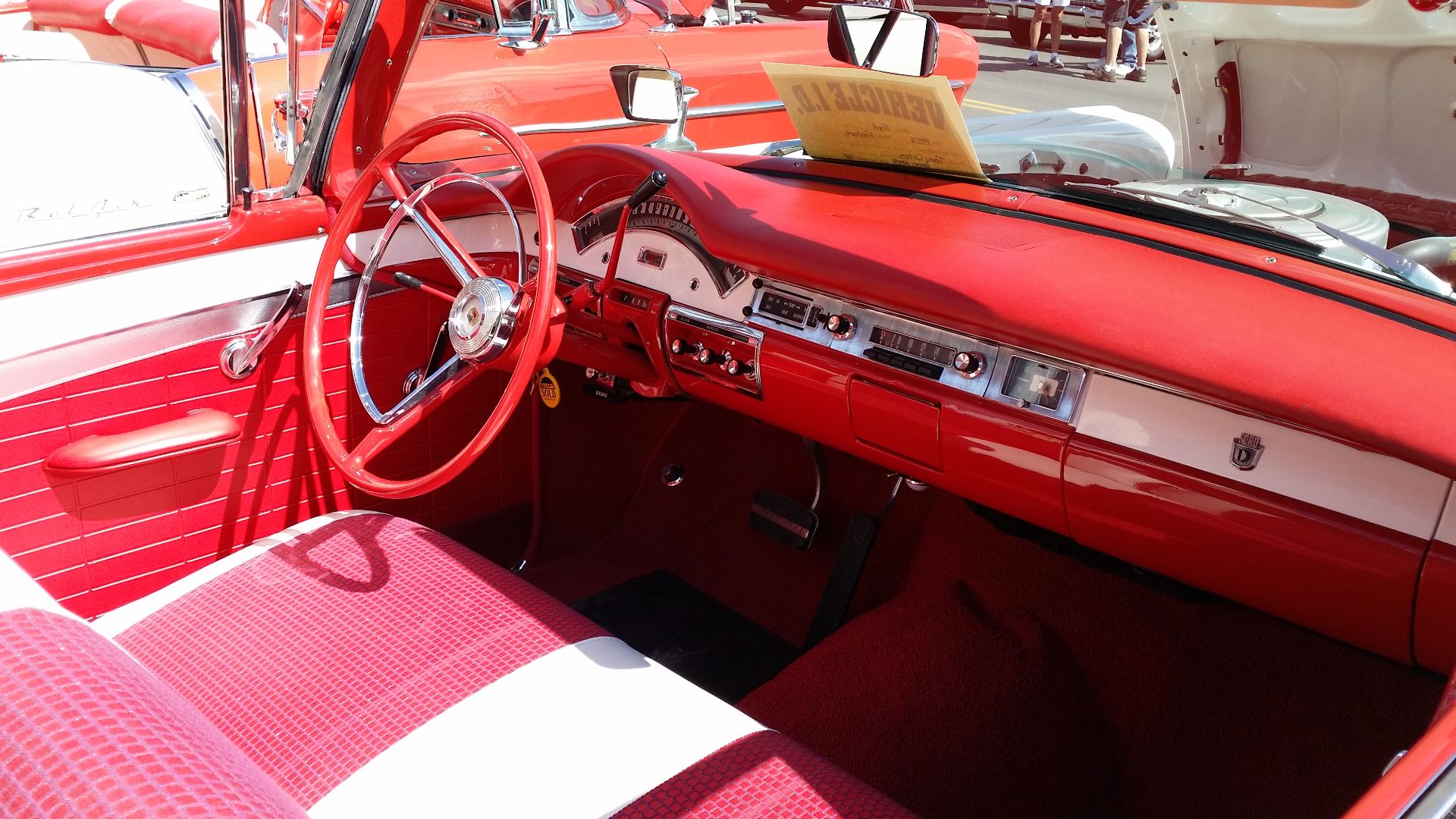
Mechanical radio presets required a little more effort than tapping a touchscreen. On Chevrolet's 1970 pushbutton radios, drivers pulled a preset button outward, tuned to their favorite station, then pushed the button back in to save it. Pressing that button later mechanically returned the tuner to the stored station.
 Eric Friedebach, Wikimedia Commons
Radio Tuning Knob
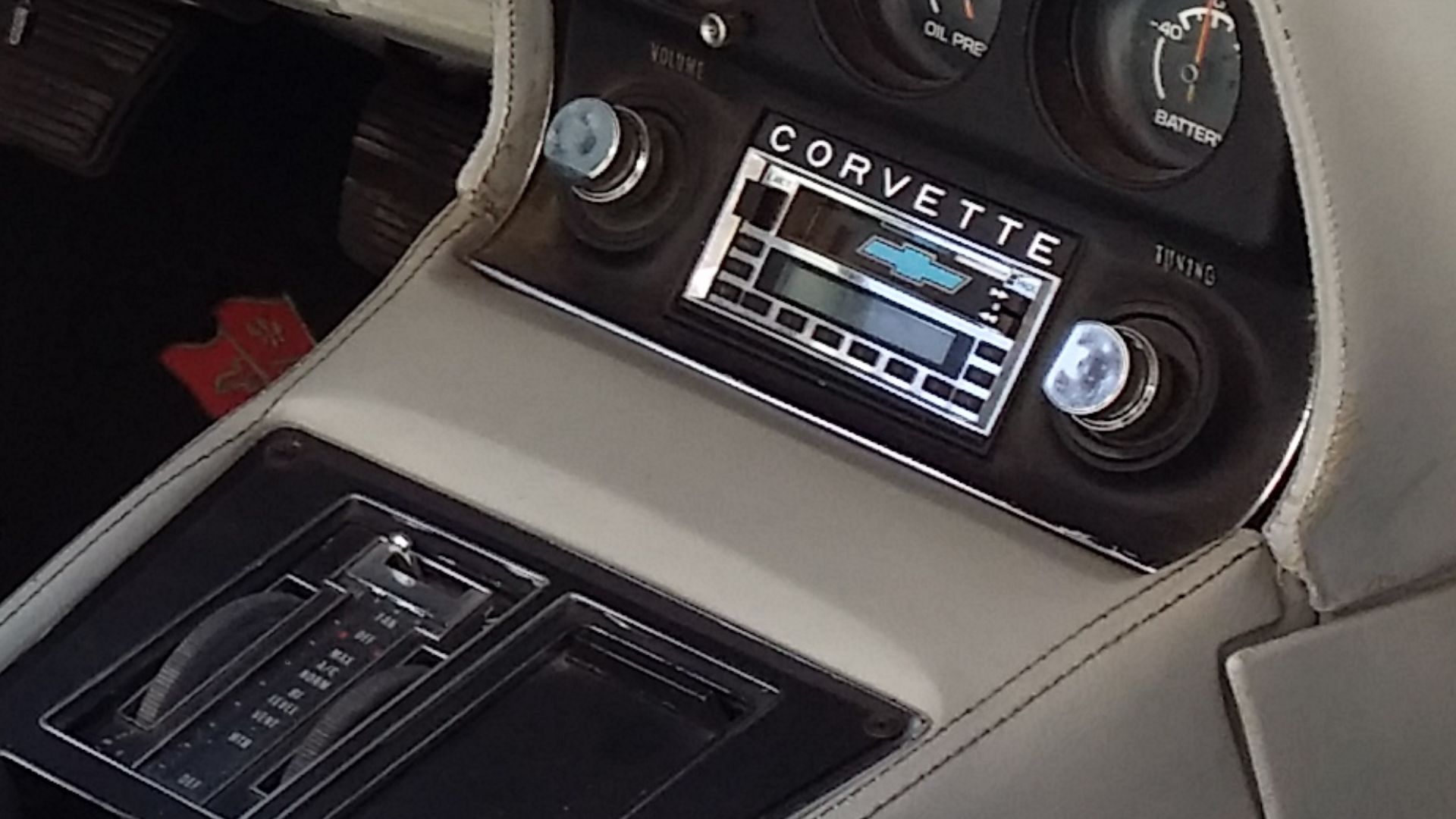
Before digital frequency displays, tuning a radio meant watching a small pointer move across a numbered dial. Turning the knob shifted the tuner until the desired AM or FM station came through clearly. Finding a weak station could require some delicate adjustments, particularly when reception changed during a drive.
 Eric Friedebach, Wikimedia Commons
Power Antenna Switch
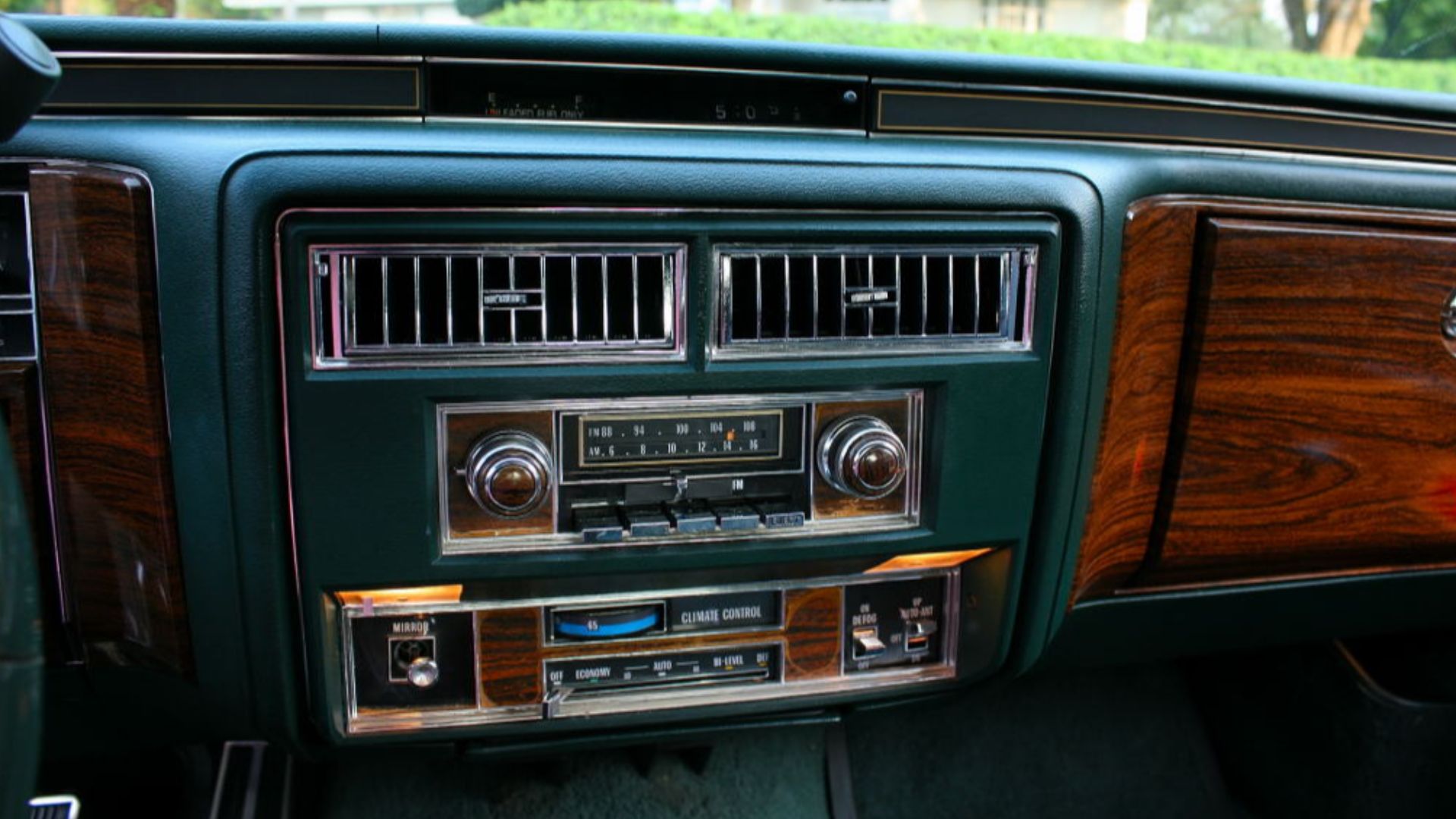
Some older luxury cars featured power antennas that extended when the radio was switched on. Other models offered a separate switch that allowed drivers to raise or lower the metal mast themselves. It was a neat convenience until the mechanism jammed, leaving the antenna permanently extended or stuck halfway up.
 That Hartford Guy from Hartford, Connecticut, USA, Wikimedia Commons
Hazard Warning Switch
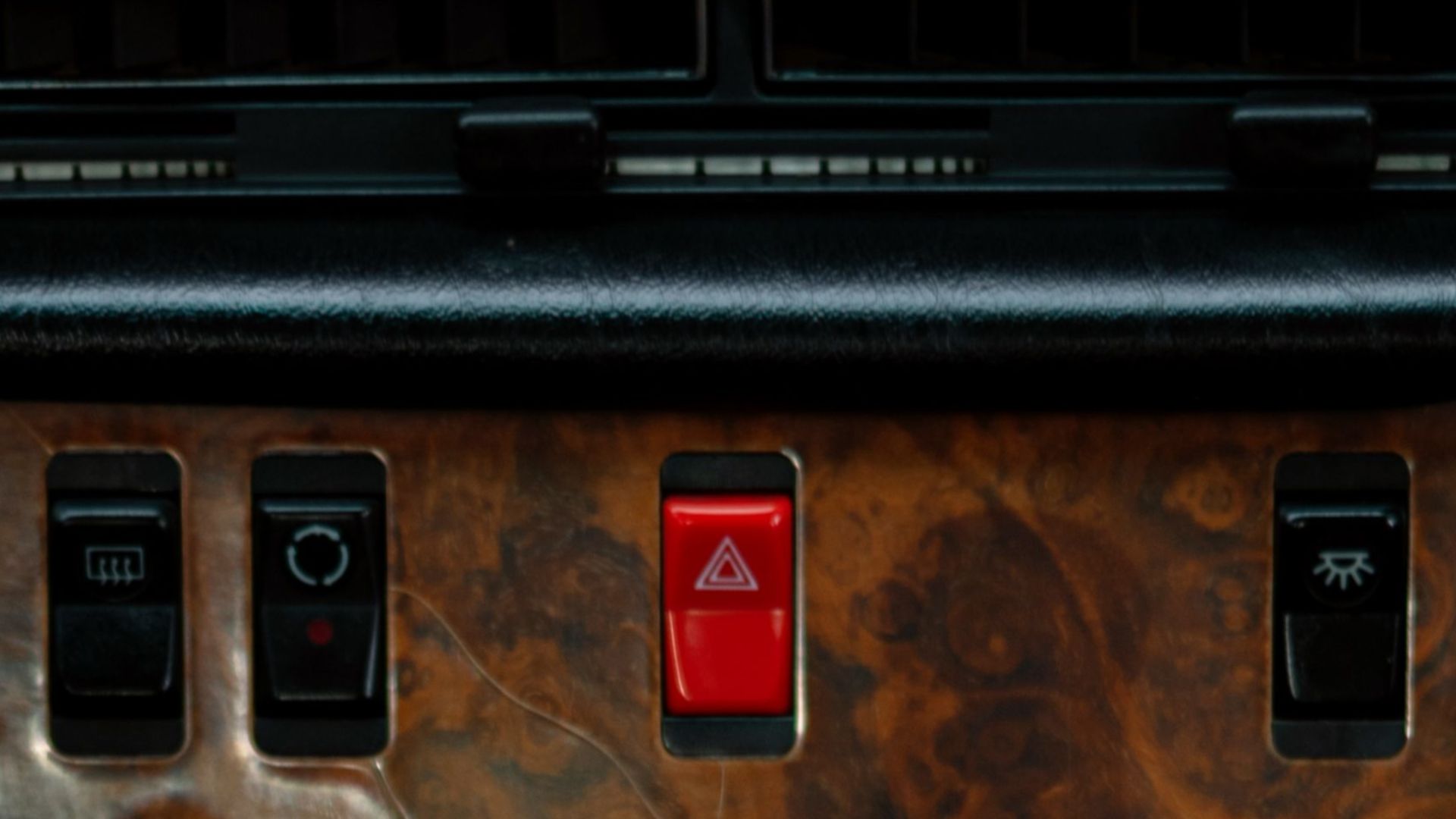
Not every vintage hazard-warning switch operated the way modern drivers might expect. In the 1970 Chevrolet station wagon, drivers pushed a small button inward near the steering column to activate the emergency flashers. Pulling the same button outward canceled them, and the system could operate with the ignition switched off.
Parking Brake Release Handle
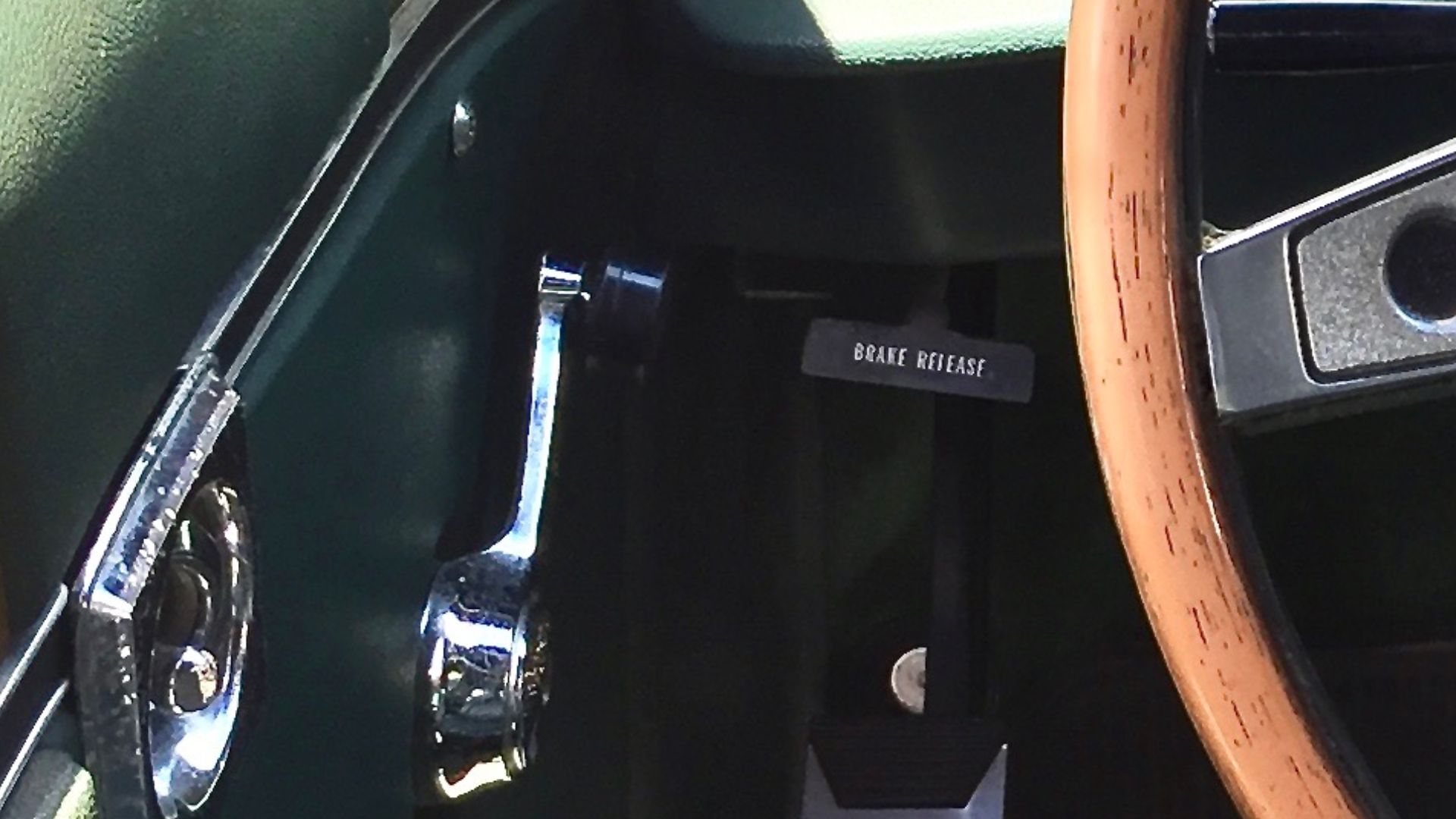
Many older American cars used a foot-operated parking brake rather than a handbrake between the seats. After pressing the parking-brake pedal to engage it, drivers pulled a separate release handle beneath the dashboard. Someone unfamiliar with the arrangement could spend an embarrassing amount of time searching for the release.
Cruise Control Switch
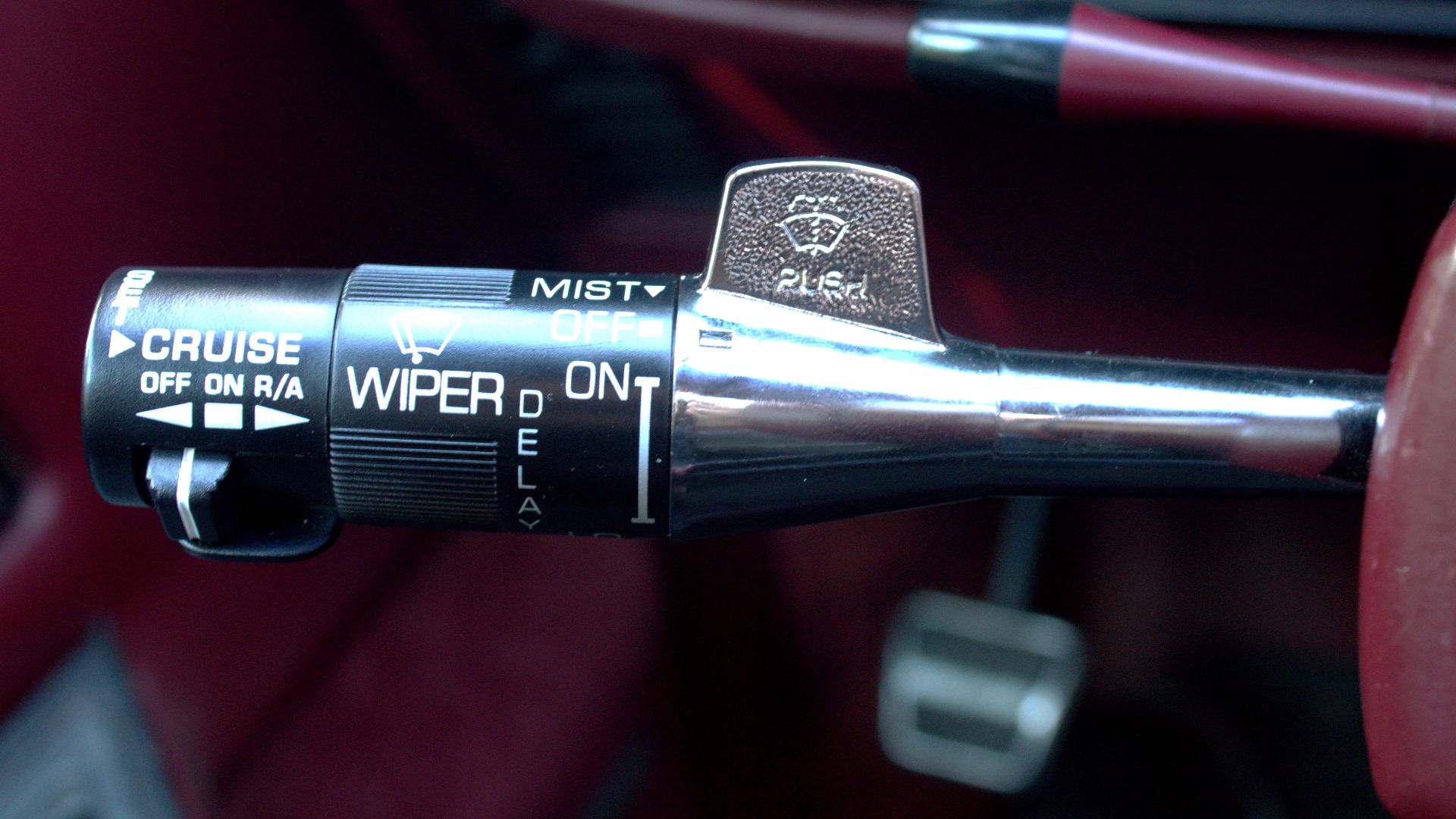
Early cruise-control systems weren't always operated by convenient steering-wheel buttons. General Motors offered its Cruise-Master system with controls that varied by model and year, allowing drivers to select and maintain a cruising speed. Unlike today's familiar arrangements, understanding the procedure could require consulting the owner's manual.
 Jacek Rużyczka, Wikimedia Commons
Trip Odometer Reset Knob
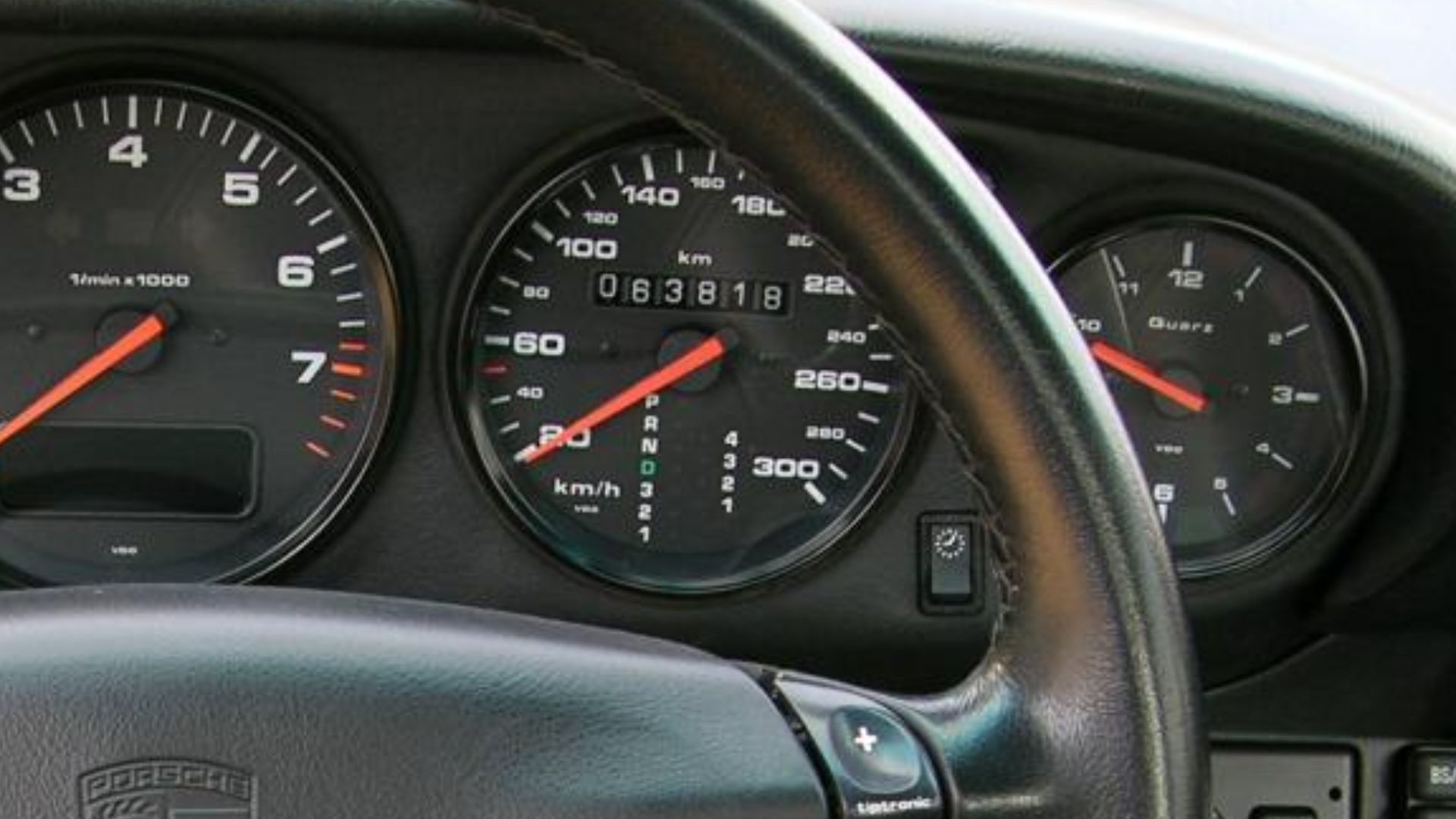
That tiny knob protruding from an old speedometer served a surprisingly useful purpose. Depending on the instrument design, pressing or turning it reset the trip odometer to zero. Drivers used the mileage counter to monitor fuel consumption, measure journeys, and track distances between stops.
 The Car Spy, Wikimedia Commons
Overdrive Control
Some older manual-transmission vehicles had a separate overdrive control mounted near or beneath the dashboard. Depending on the transmission, pulling or pushing it changed whether the overdrive mechanism could engage. When operating, overdrive reduced engine speed relative to road speed, making highway travel quieter and more economical.
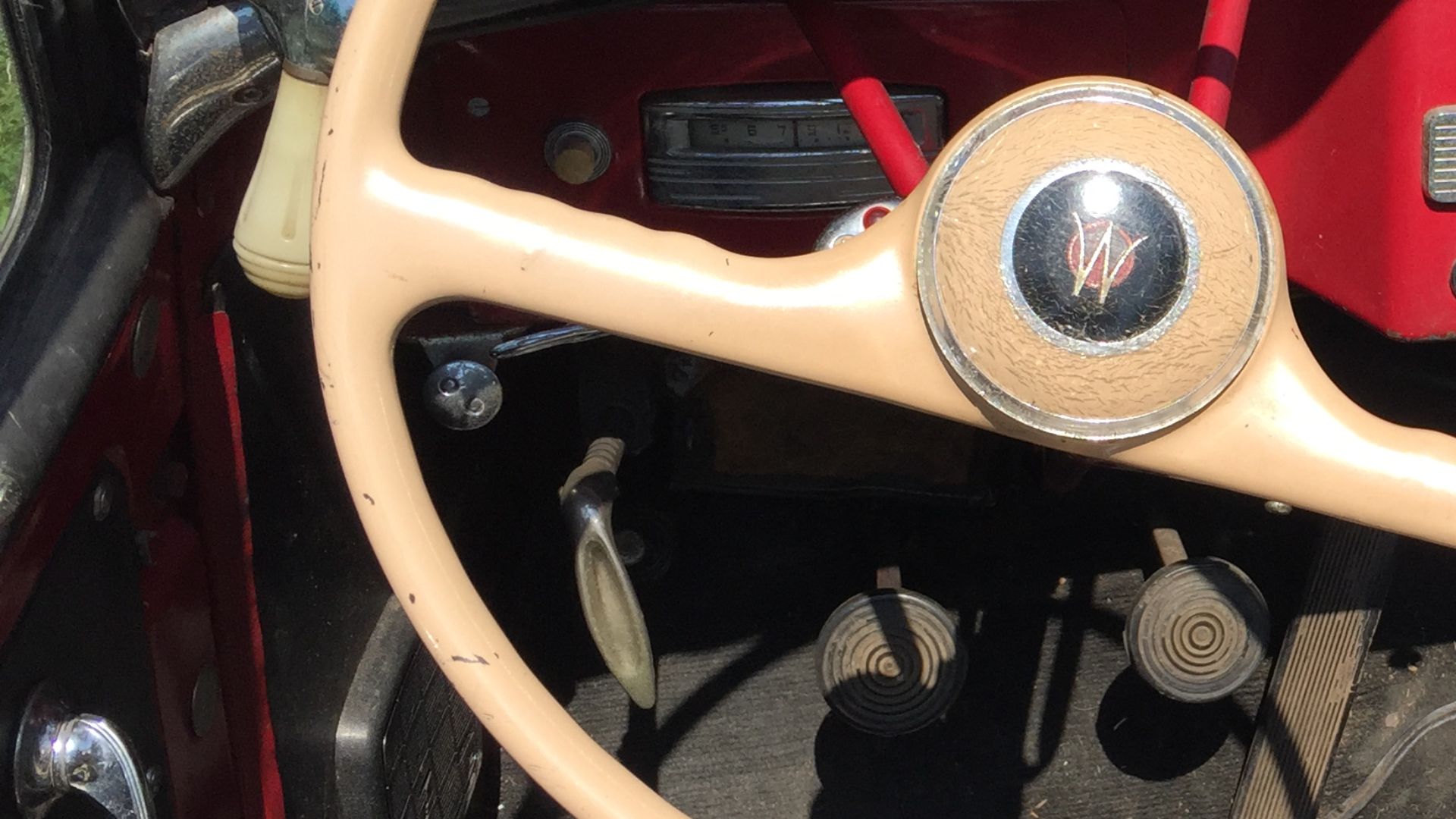
Hand Throttle Knob
A knob marked "THROTTLE" might look like an early cruise-control device, but it worked differently. On cars such as the Alfa Romeo Giulietta Spider, a hand throttle allowed drivers to adjust engine speed mechanically without holding down the accelerator. Unlike cruise control, it didn't automatically regulate the vehicle's road speed.
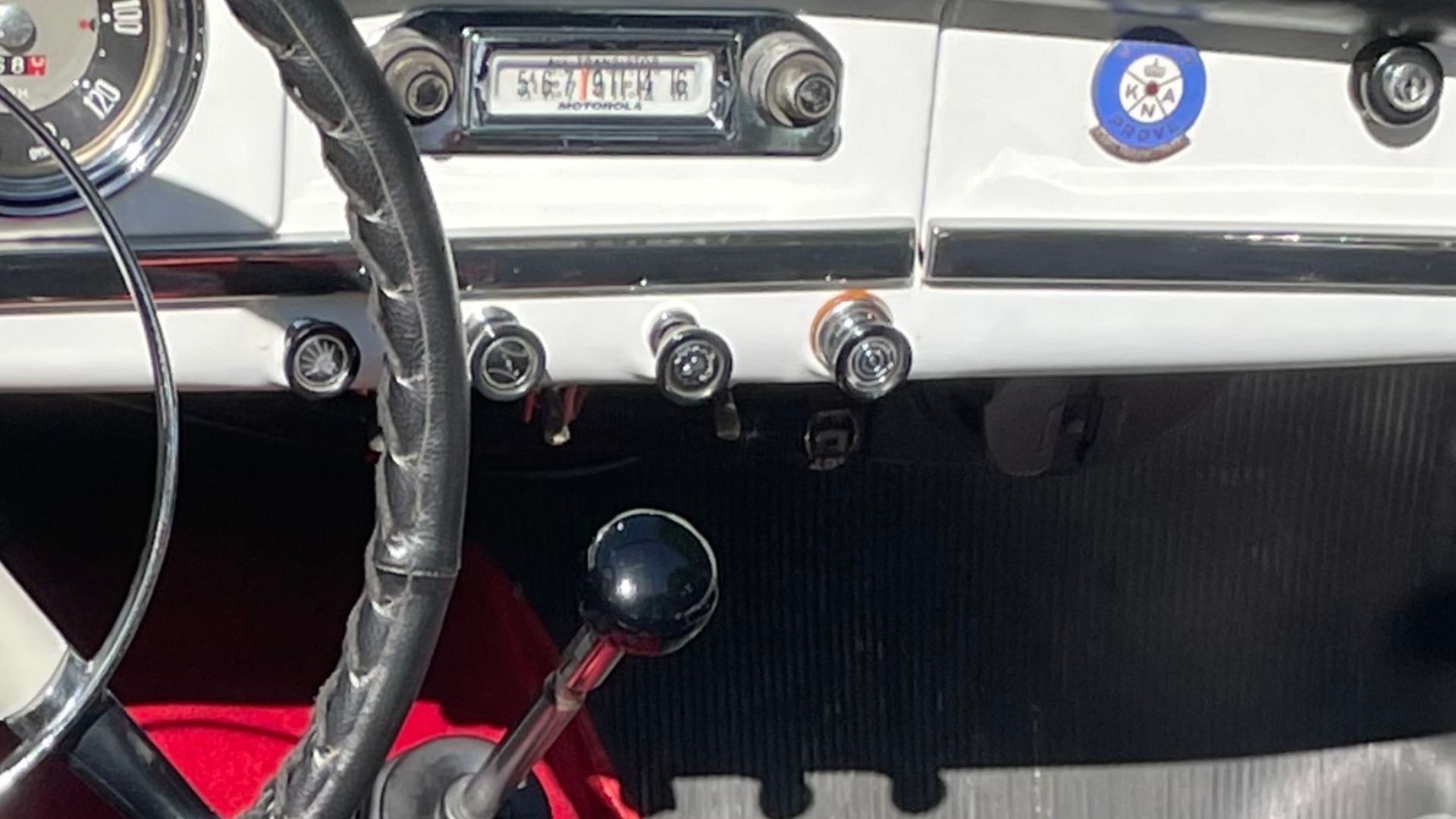
Headlight Washer Control
Some older luxury cars offered a surprisingly sophisticated way to clean dirty headlights. The optional system described in Chevrolet's 1970 owner's manual used high-pressure jets to wash the low-beam lamps when the windshield washer control was held down. It shared the windshield washer fluid reservoir, avoiding the need for a separate supply.
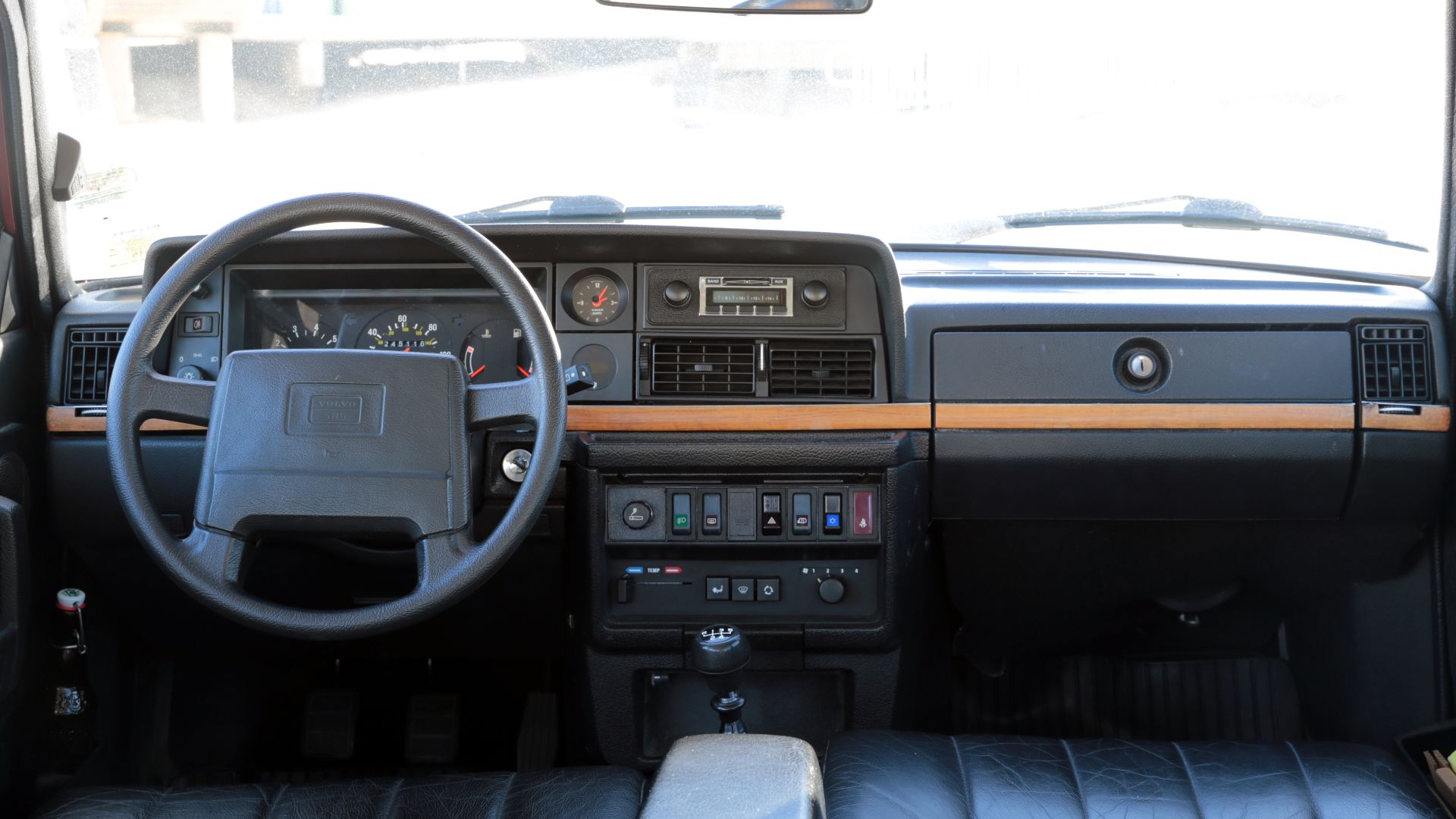 Mr.choppers, Wikimedia Commons
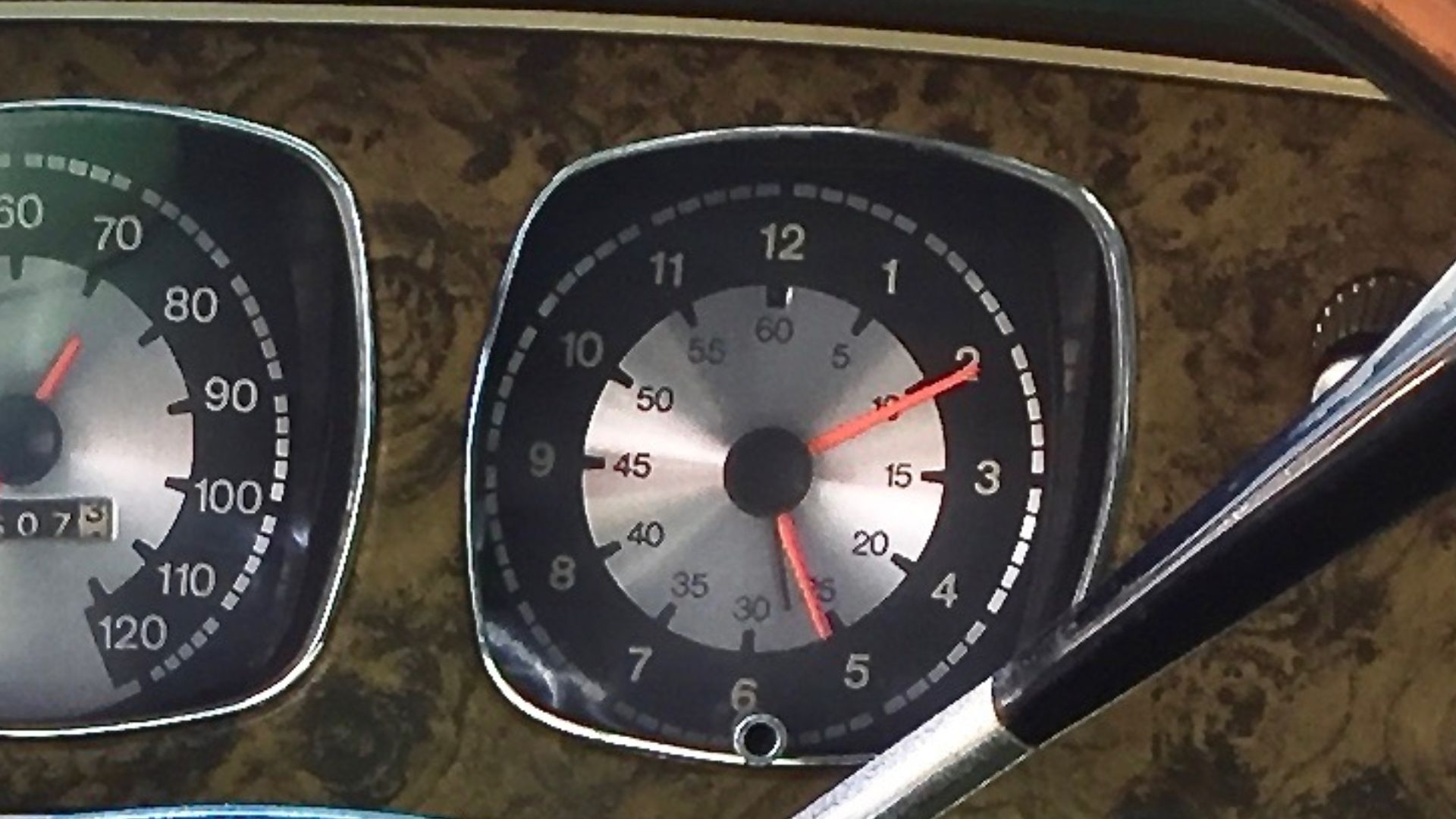
Clock Adjustment Knob
Before digital displays and automatically synchronized clocks, setting the dashboard clock was a manual job. Older cars frequently had an analog clock with a small knob that drivers pulled or turned to adjust the hands. It was a tiny control, but one that owners might use regularly when the clock lost time.
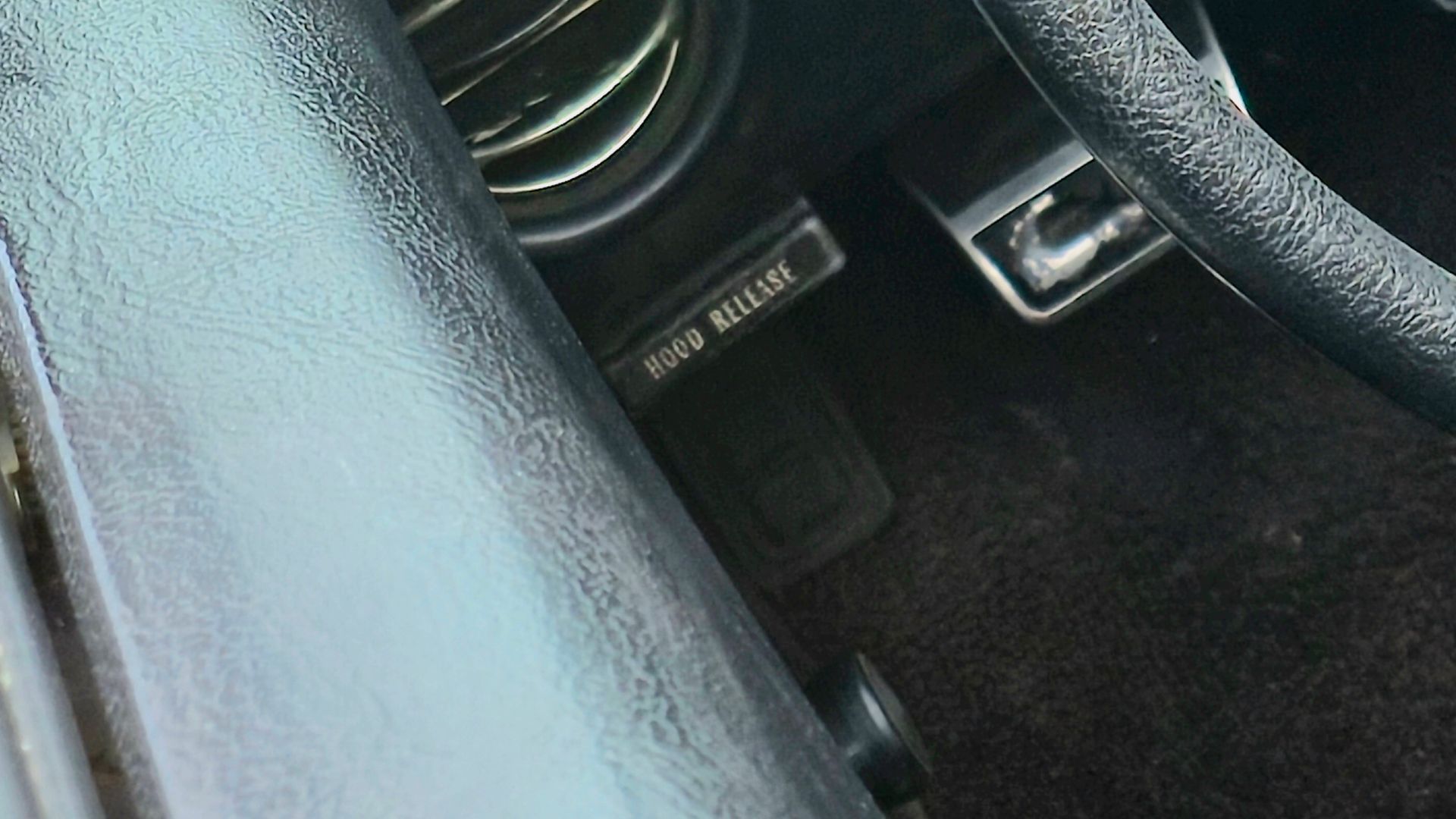
Hood Release Handle
Some cars had a small handle or lever tucked beneath the instrument panel that could easily escape a new driver's attention. Pulling it released the primary hood latch, after which a second safety catch usually had to be released at the front of the car. The system remains common, but its location and appearance have varied considerably between vehicles.
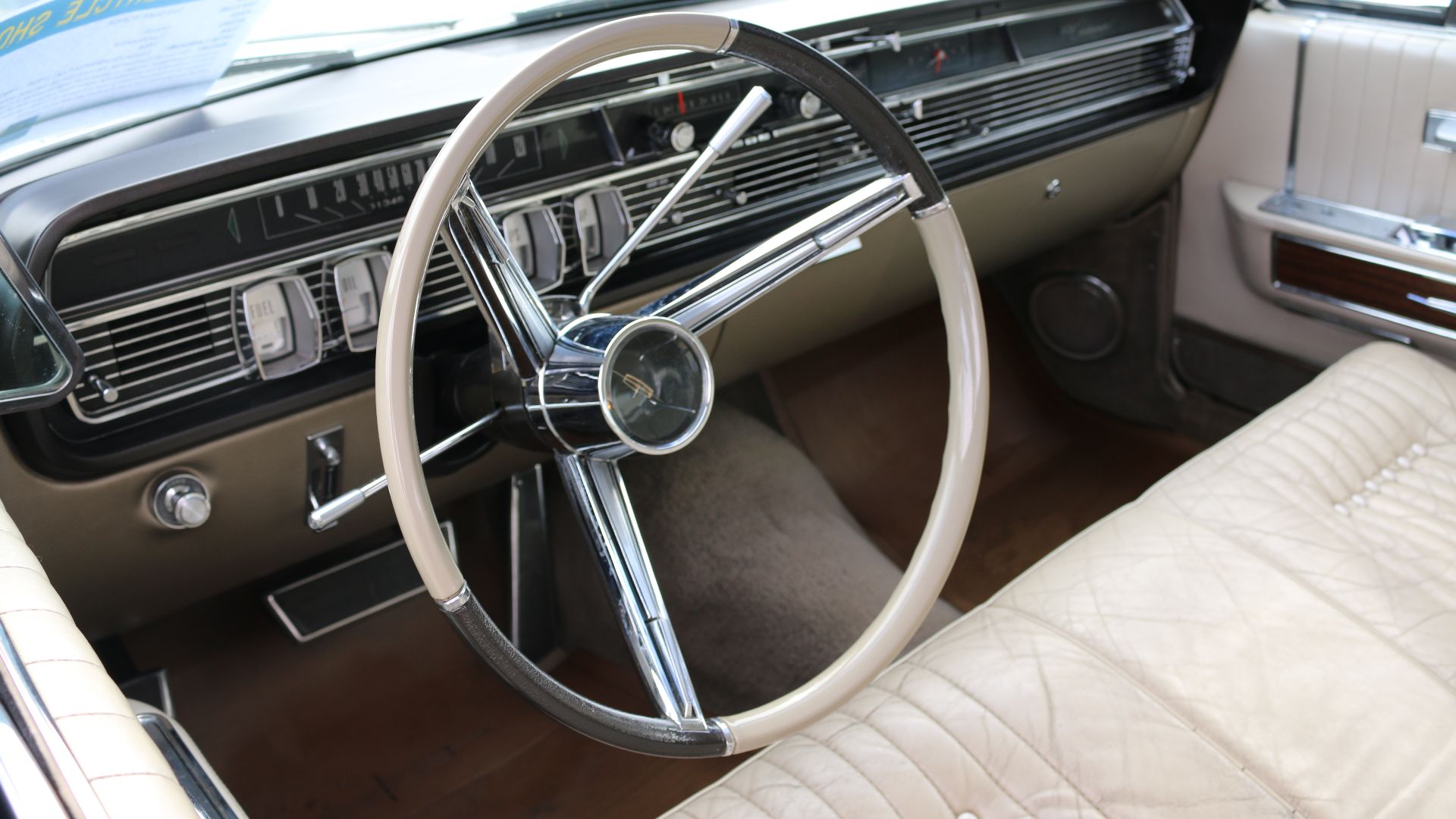
Convertible Top Switch
Power-operated convertible roofs existed long before today's elaborate retractable hardtops. On many older convertibles, drivers first released the roof latches near the windshield, then operated a switch to raise or lower the soft top. The electric or hydraulic mechanism did much of the heavy lifting, but it wasn't necessarily a one-button operation.
 Jeremy from Sydney, Australia, Wikimedia Commons
Rear Speaker Fader Knob
Remember that little knob marked "FADER" beneath an old car radio? It adjusted the balance of sound between the front and rear speakers, letting drivers decide where the music played loudest. Modern stereos still offer the same function, although it's usually hidden inside an electronic audio menu.
Could You Still Operate An Old Dashboard?
For anyone who learned to drive decades ago, these mysterious controls were simply part of everyday motoring. You knew which knob helped start a cold engine, which button changed your headlights, and how to find your favorite radio station without a digital display. Modern dashboards are easier in many ways, but there's something satisfying about knowing exactly what every old-fashioned switch does. Which of these controls do you remember using?
You May Also Like:
American Cars From The 1970s And 1980s That Were Secretly Built By Foreign Automakers