Value Before Vanity
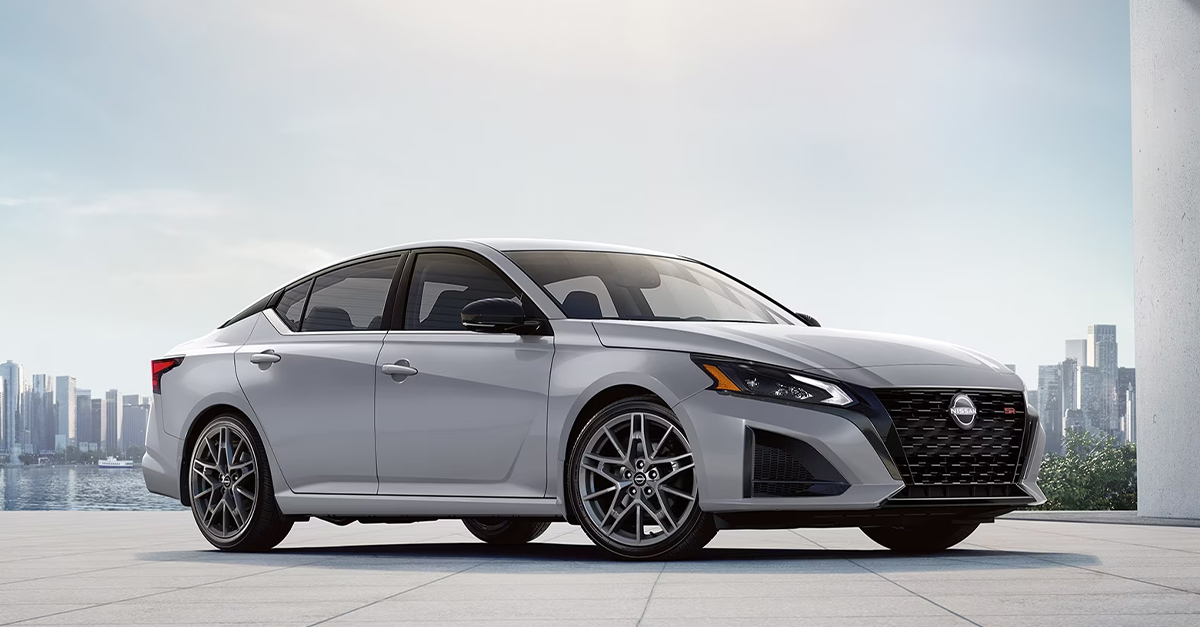
Some classic cars hide their true value in plain sight. Many remain affordable because they were built in huge numbers and supported by decades of parts availability. For those looking for a chance, restoration provides the means without breaking the bank.

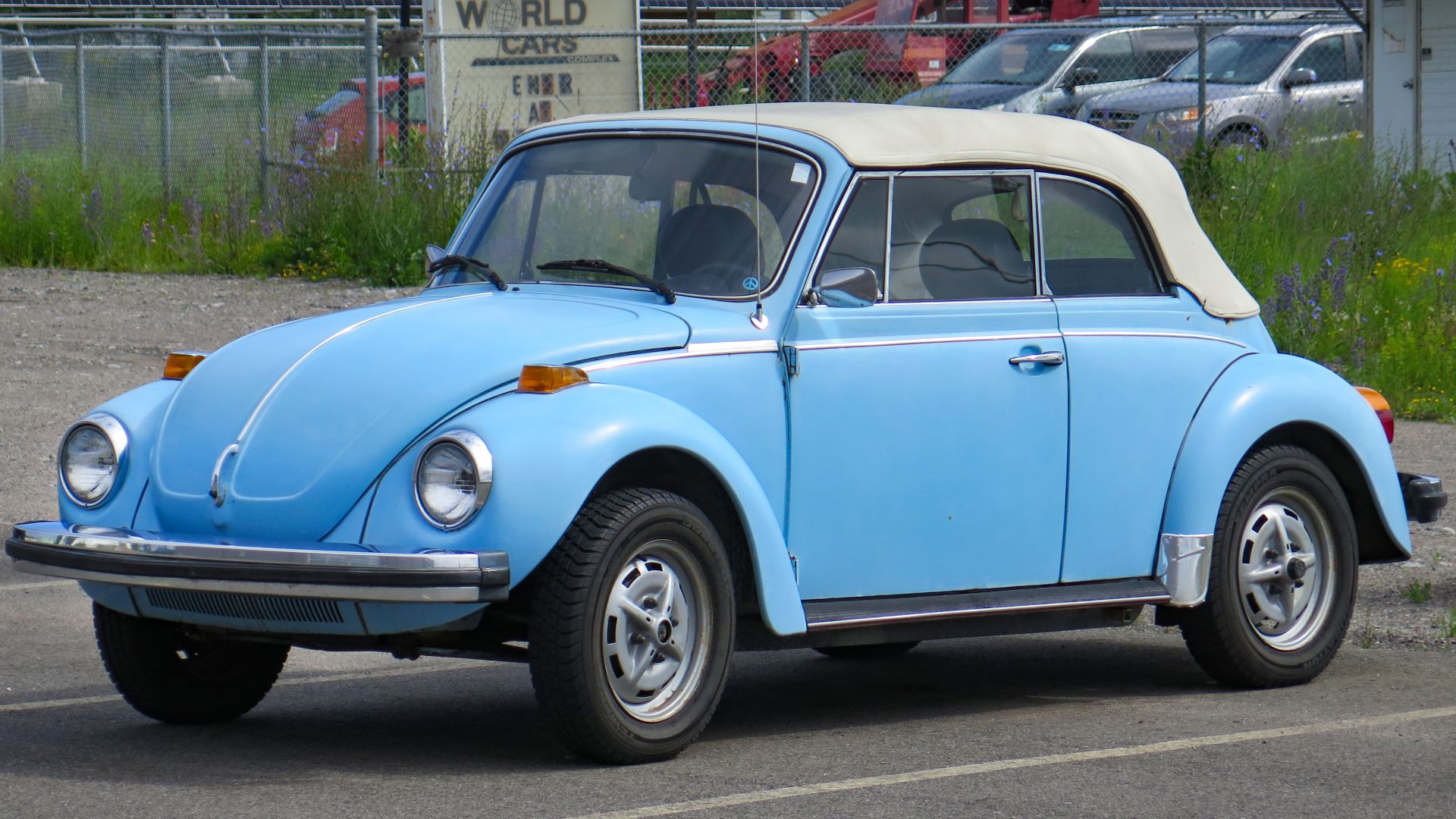
Volkswagen Beetle (1950–1979)
Few cars fit the refurbishment-friendly formula better than the Beetle. With more than 21 million units produced between 1938 and 2003, parts availability remains unmatched. Its rear-mounted, air-cooled flat-four, ranging from 1131cc to 1584cc, kept engineering simple. This helped rough project cars cost far less than clean, finished examples.
Ford Mustang (1964–1970)
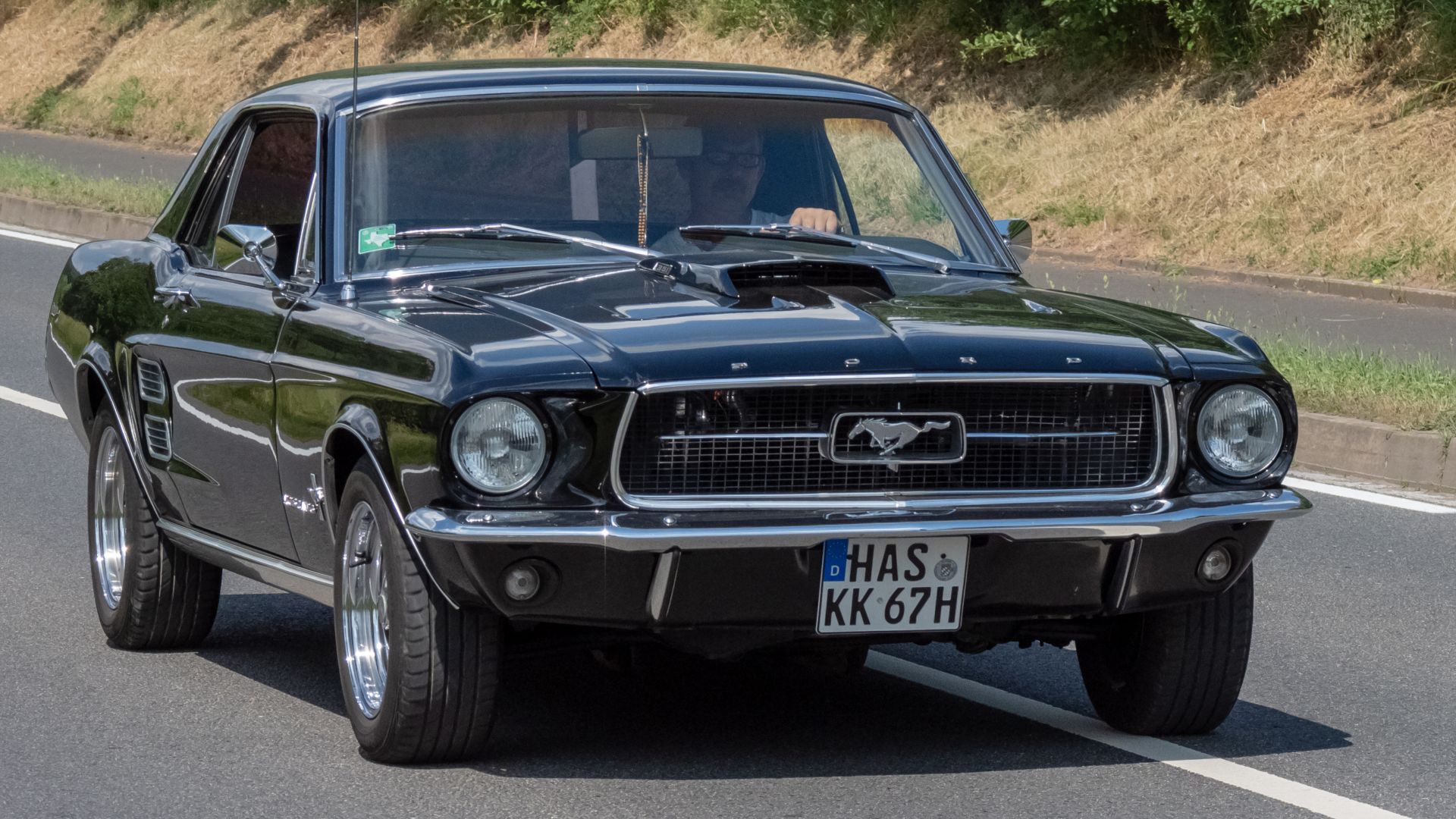
Released on April 17, 1964, at the New York World’s Fair, the Mustang redefined affordable performance. Selling 22,000 units on its first day, it offered engines from a modest 170ci six-cylinder to a 289ci V8. That massive production volume still keeps revival costs below market values.
Chevrolet Camaro (1967–1973)
This beast was introduced in September 1966 as Chevrolet’s answer to the Mustang. The Camaro benefited from GM’s shared F-body platform with the Pontiac Firebird. Engine choices ranged from a 230ci inline-six to rare COPO 427ci V8s.
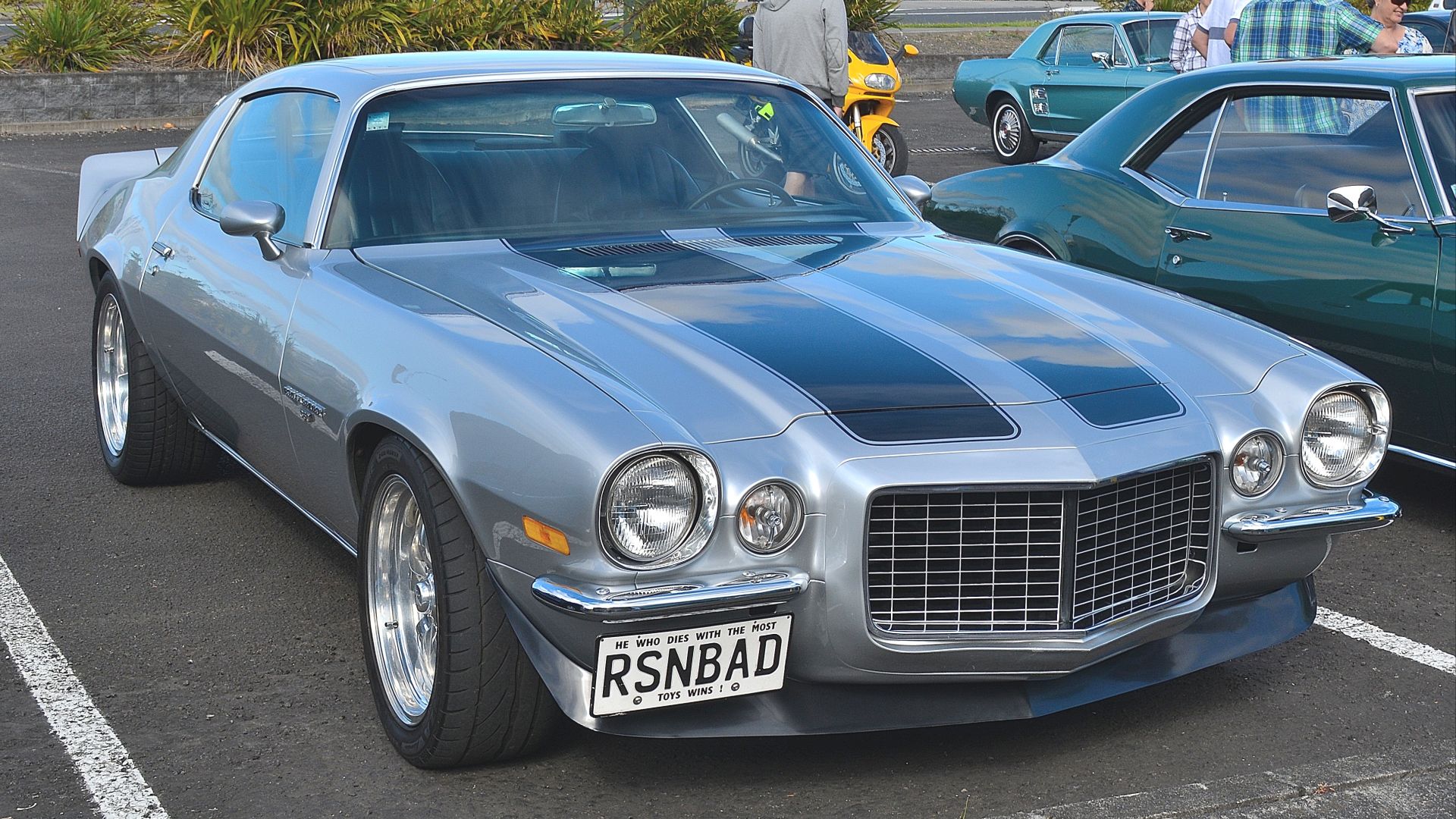 GPS 56 from New Zealand, Wikimedia Commons
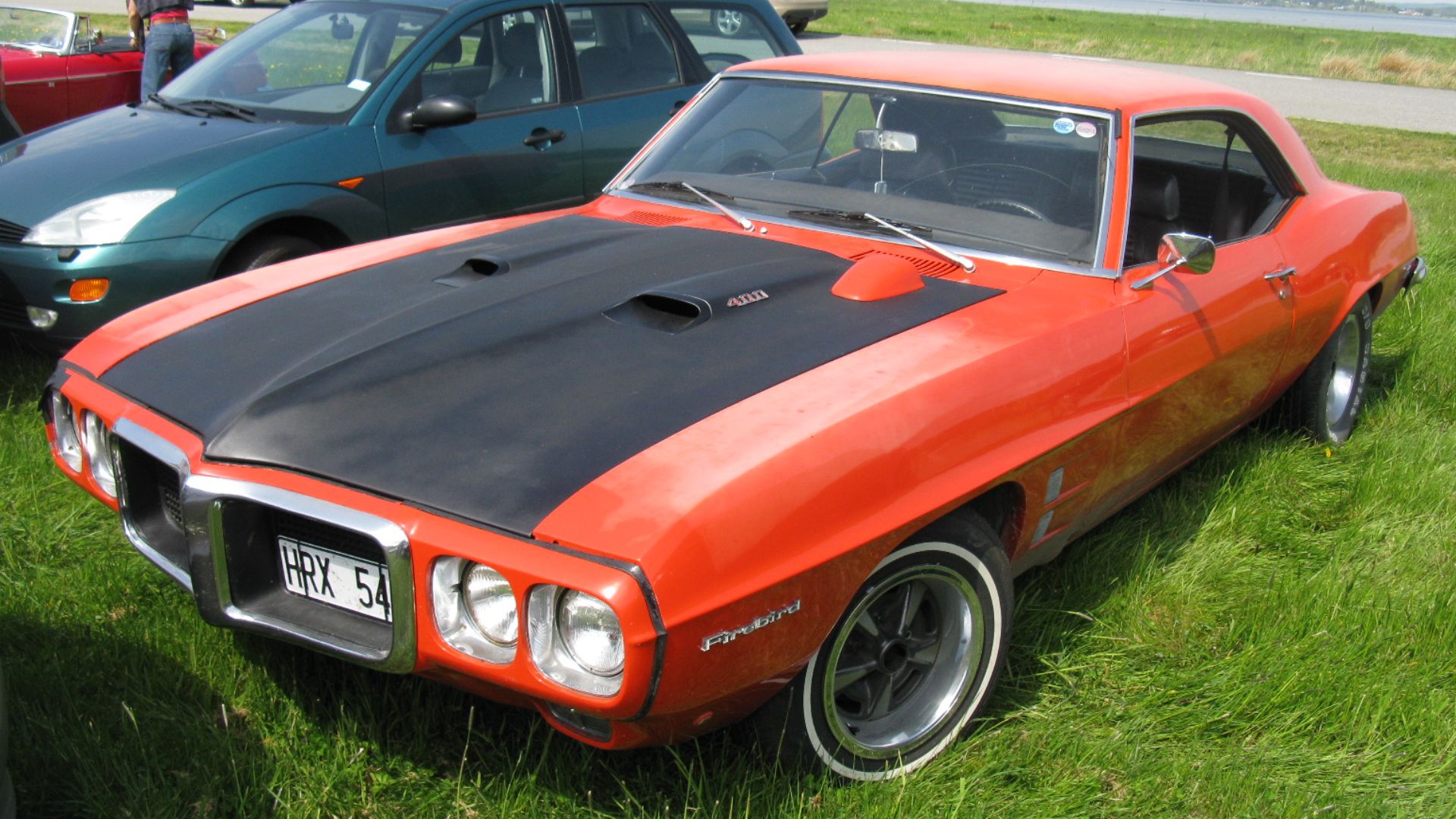
Pontiac Firebird (1967–1969)
Although it shared the F-body platform, Pontiac-specific engines and styling set it apart. The Firebird arrived just months after the Camaro but carved out its own identity. Five trims tied to engine options created flexibility for restorers working within realistic budgets.
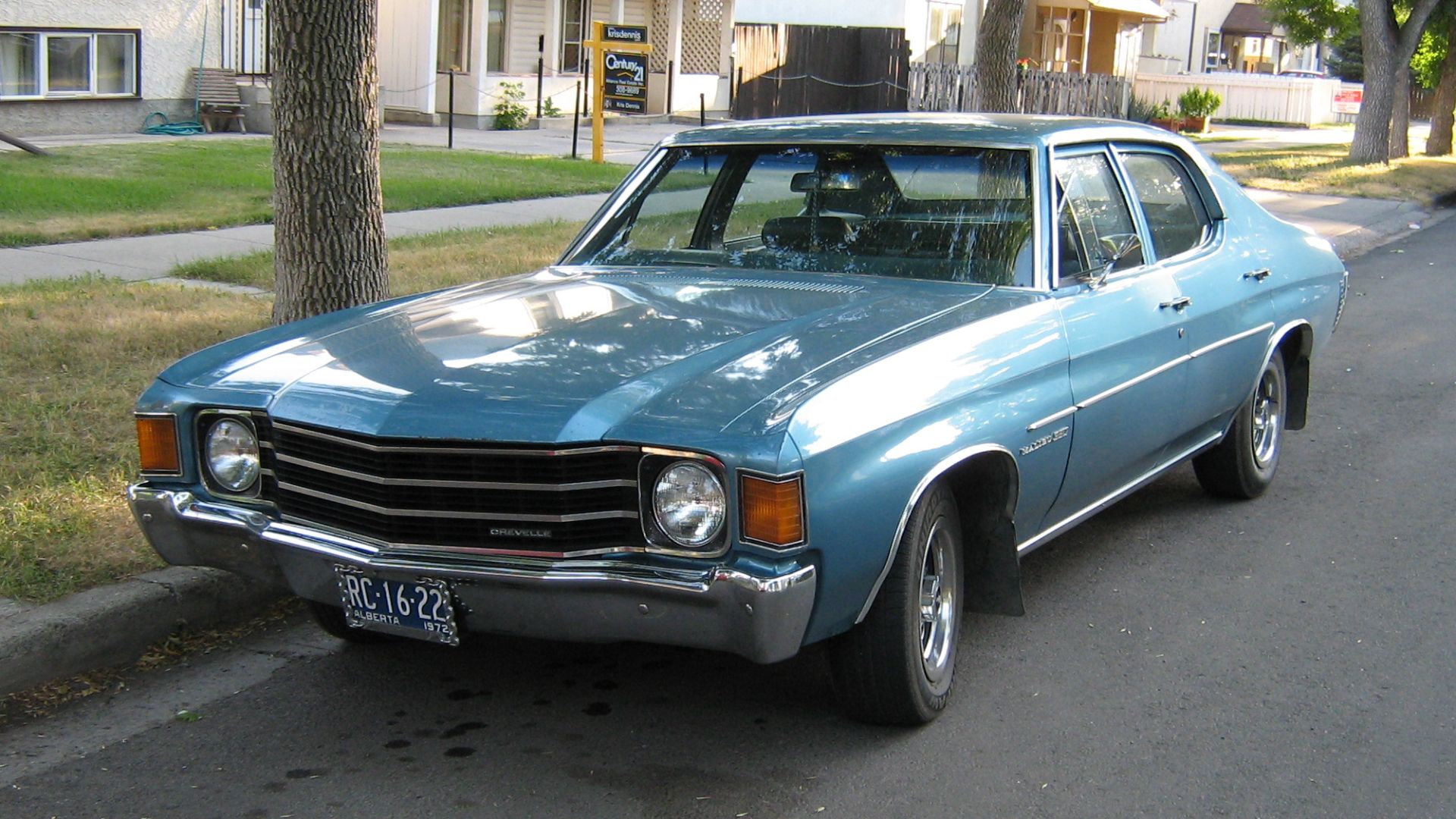
Chevrolet Chevelle (Non-SS, 1968–1972)
As the second generation of the Chevelle, this car debuted in 1968 with a shorter 112-inch wheelbase and broad appeal. Non-SS models dominated sales by serving families and fleets. Built on GM’s shared A-body platform, these cars earned a reputation for affordability.
 dave_7 from Lethbridge, Canada, Wikimedia Commons
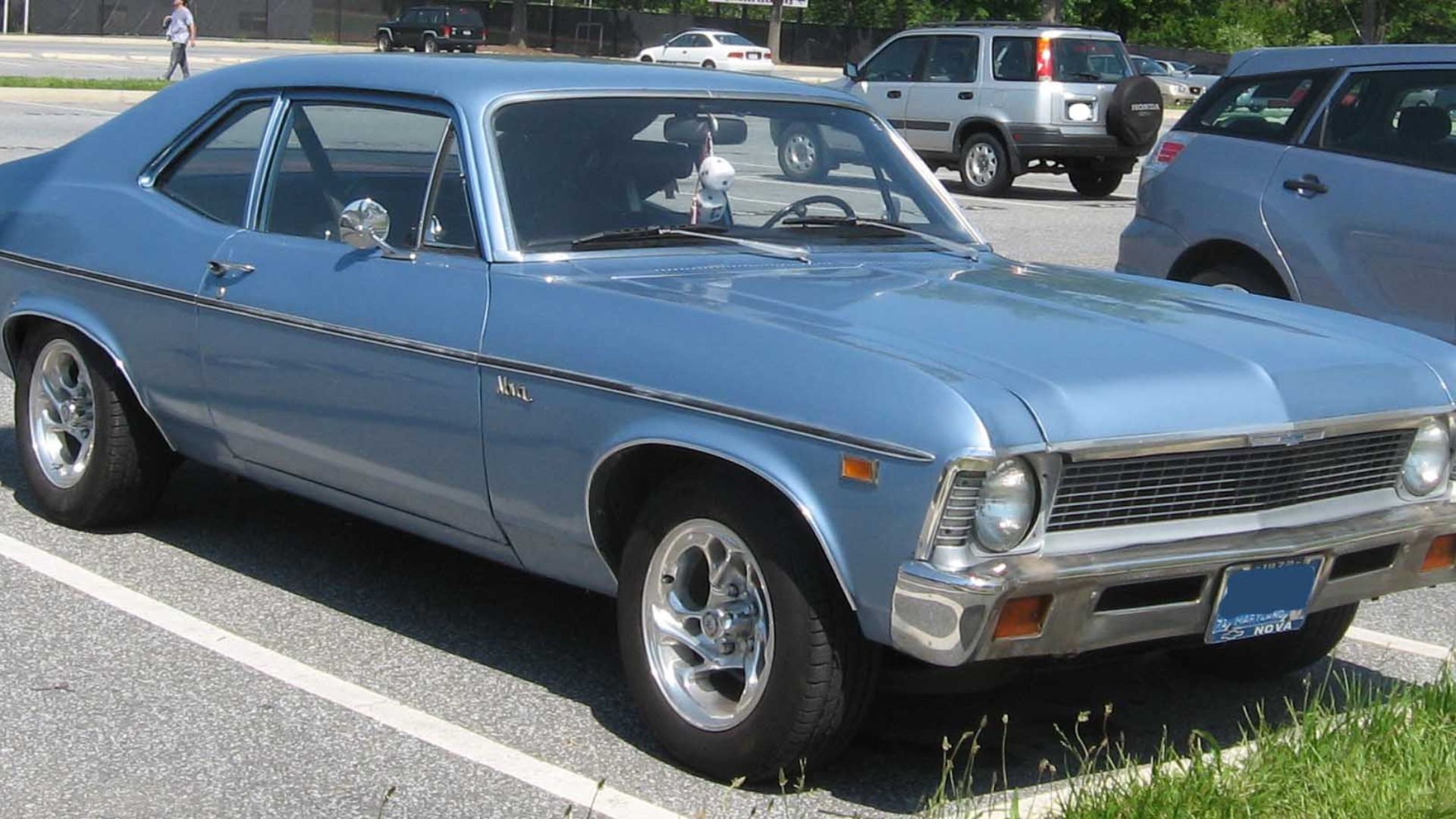
Chevrolet Nova (1968–1972)
The Nova rode on Chevrolet’s X-body platform and delivered surprising versatility. It was redesigned in 1968 with sharper lines. Additionally, the simple construction and plentiful donor cars make restoring a Nova cheaper than buying a pristine example.
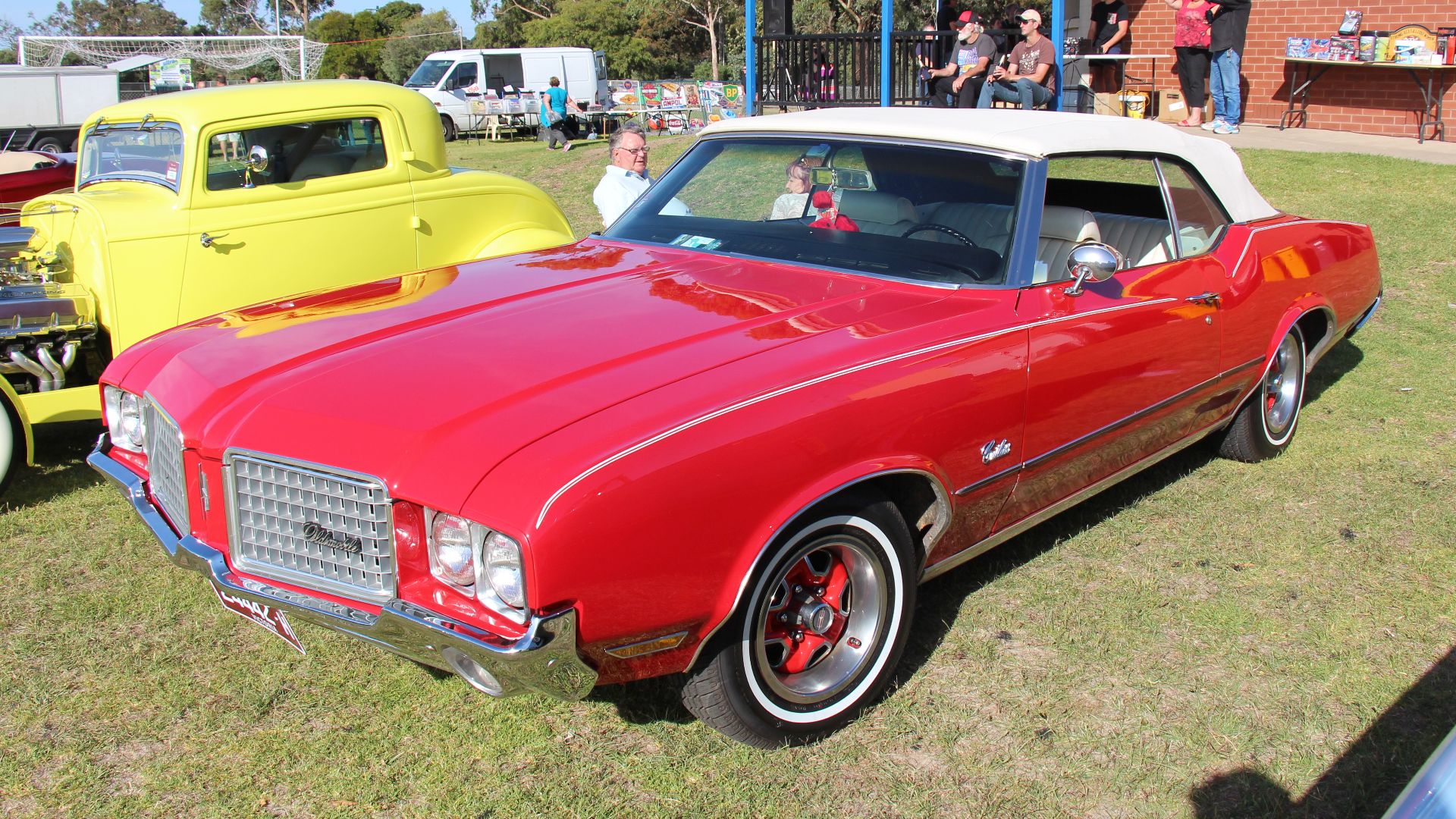
Oldsmobile Cutlass (1968–1972)
By the early 1970s, it had become Oldsmobile’s best-selling model line. Sharing GM’s A-body platform with the Chevelle, Skylark, and Tempest/LeMans, the Cutlass balanced performance and accessibility. Engine choices stretched from a 250ci inline-six to Rocket V8s topping out at 455ci.
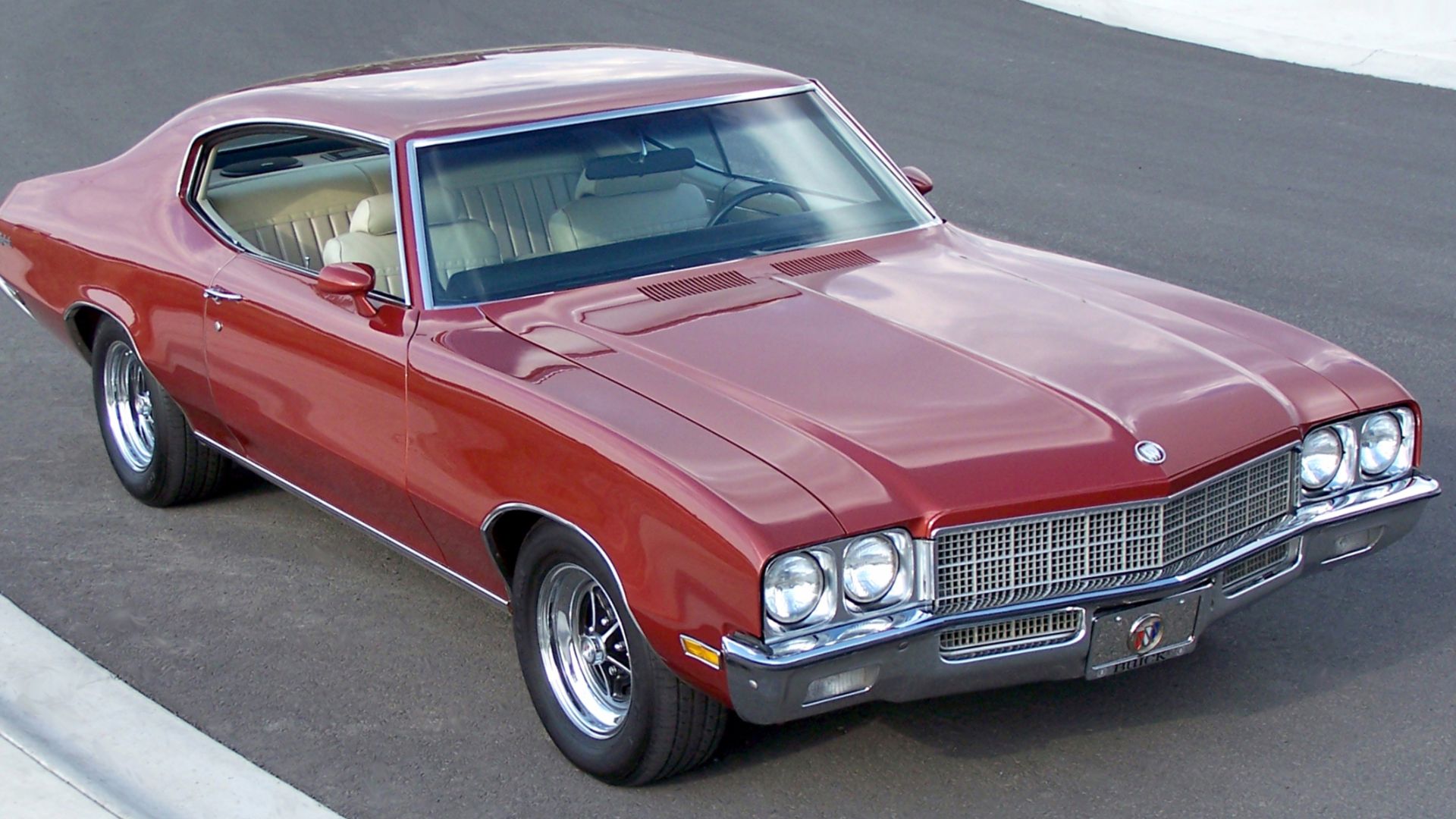
Buick Skylark (1968–1972)
Buick positioned this one as an entry-level mid-size with engines from a 250ci inline-six to a 455ci V8. That blend of comfort and simplicity keeps revival costs manageable. Reworked and redesigned in 1968 with semi-fastback styling, the Skylark rode on GM’s familiar A-body platform.
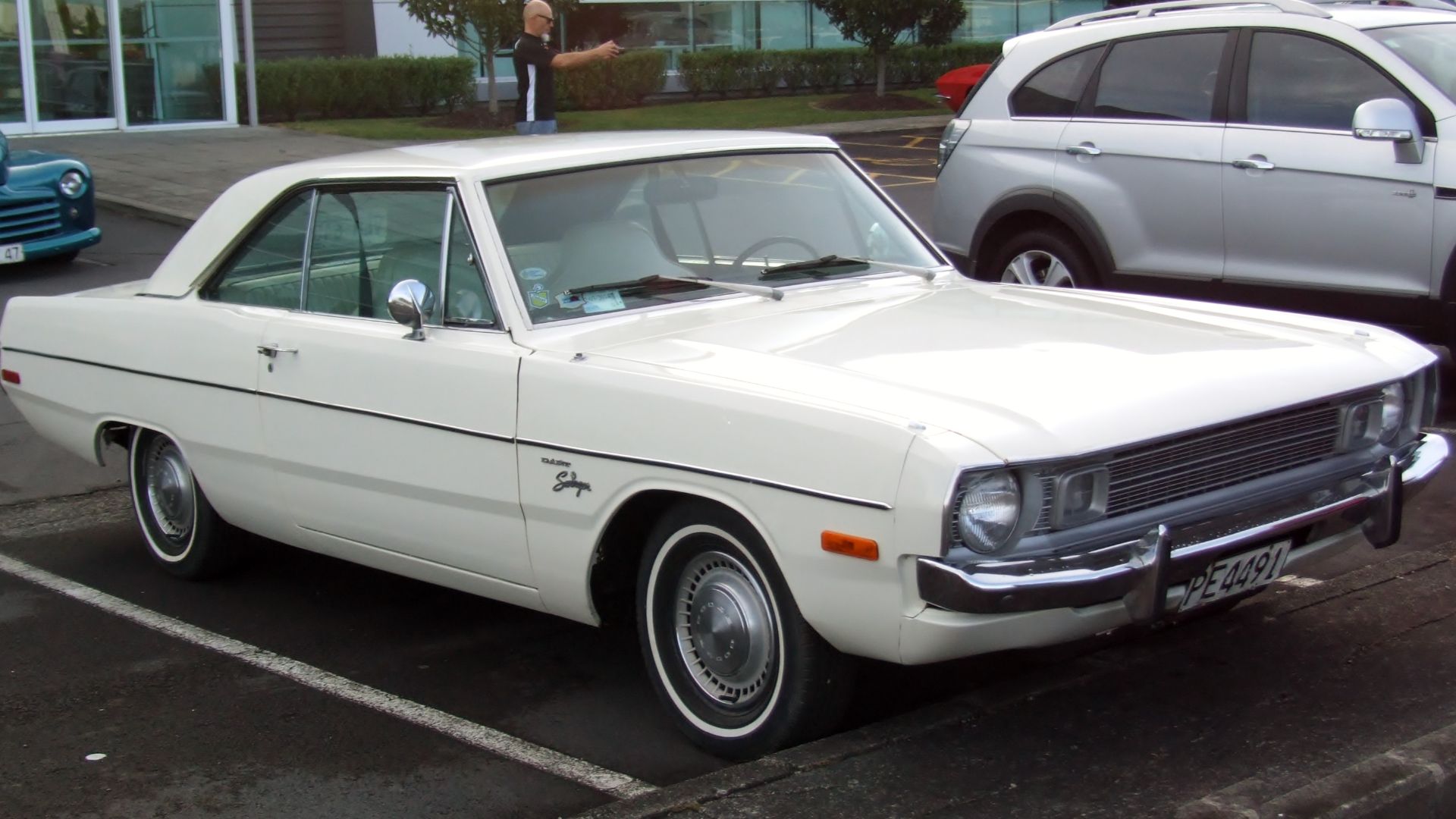
Dodge Dart (1968–1972)
Buyers could choose anything from a 170ci slant-six to a 340ci V8 in performance trims. Chrysler’s compact A-body Dart earned a reputation for durability and low ownership costs. Its widespread use among families, fleets, and even factory taxi packages keeps parts plentiful and affordable.
 GPS 56 from New Zealand, Wikimedia Commons
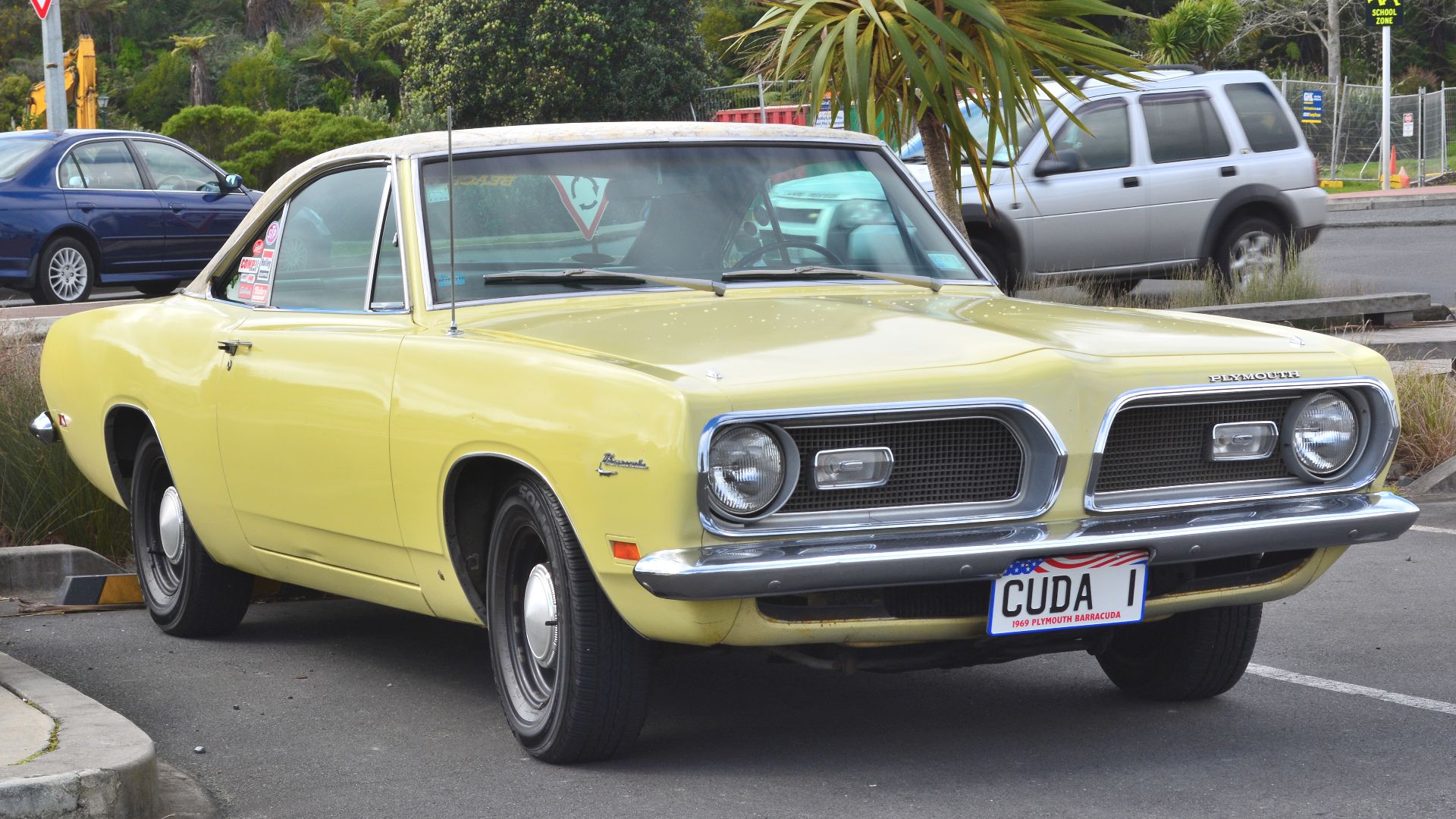
Plymouth Barracuda (Non-High Performance, 1967–1969)
The Barracuda was restyled in 1967 on Chrysler’s A-body platform, allowing it to distinguish itself from the Valiant while keeping production costs manageable. Engine options included a 225ci slant-six and small-block V8s, with Hemi engines available on special trims.
 GPS 56 from New Zealand, Wikimedia Commons
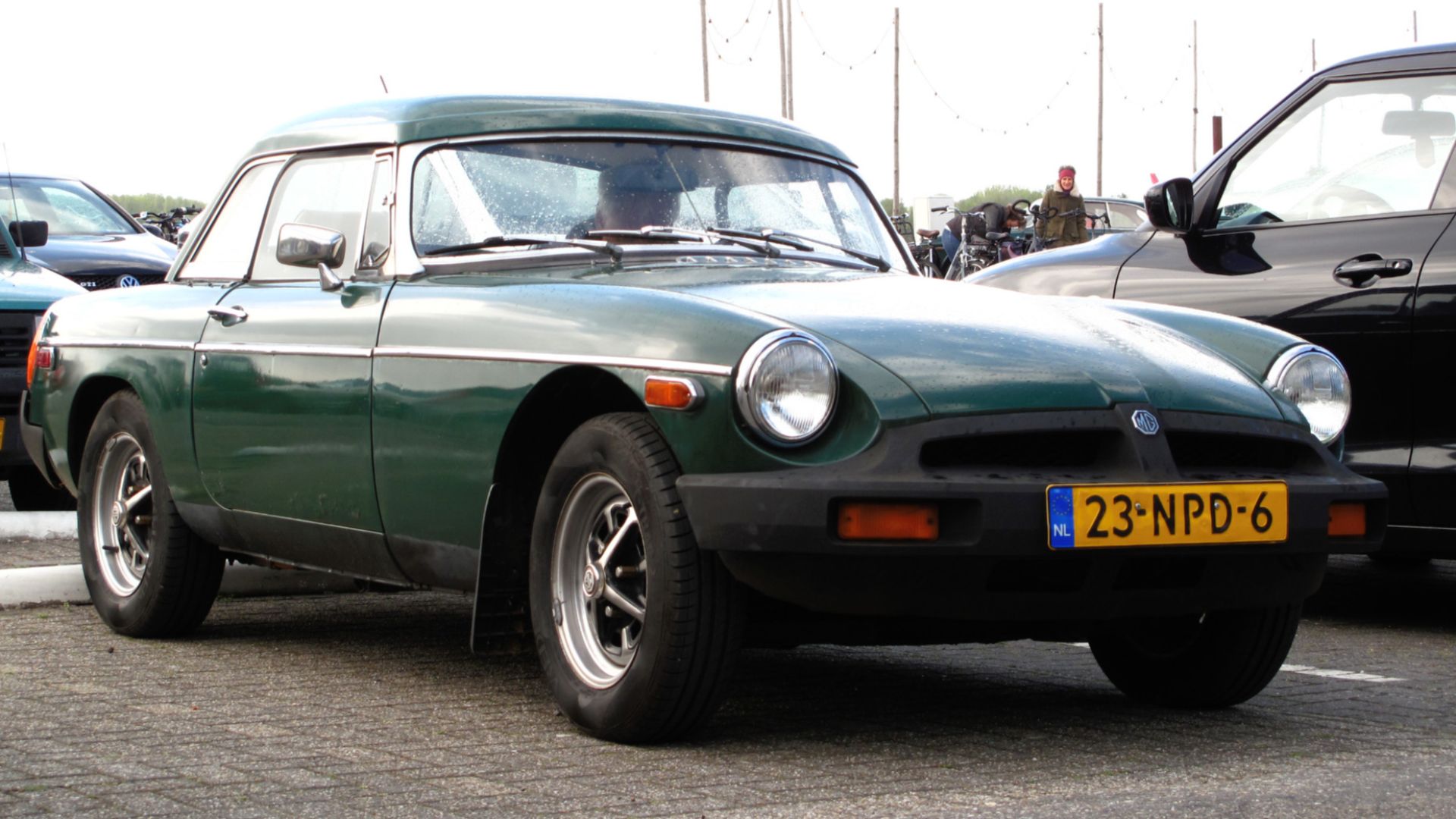
MG MGB (1962–1980)
Produced from 1962 to 1980, this beast exceeded 500,000 units to become one of the era’s best-selling sports cars. Most used a 1.8L inline-four, while select GT models received a Rover V8. Its pioneering monocoque construction helped simplify repairs and control expenses.
 Rutger van der Maar, Wikimedia Commons
Triumph TR6 (1969–1976)
A 2.5L inline-six delivered between 104 and 150 horsepower depending on regulations. Shared mechanicals with earlier models keep refurbishment straightforward and cost-effective. Built from 1969 to 1976, the Triumph TR6 found its largest audience in the United States, with over 91,000 exported.
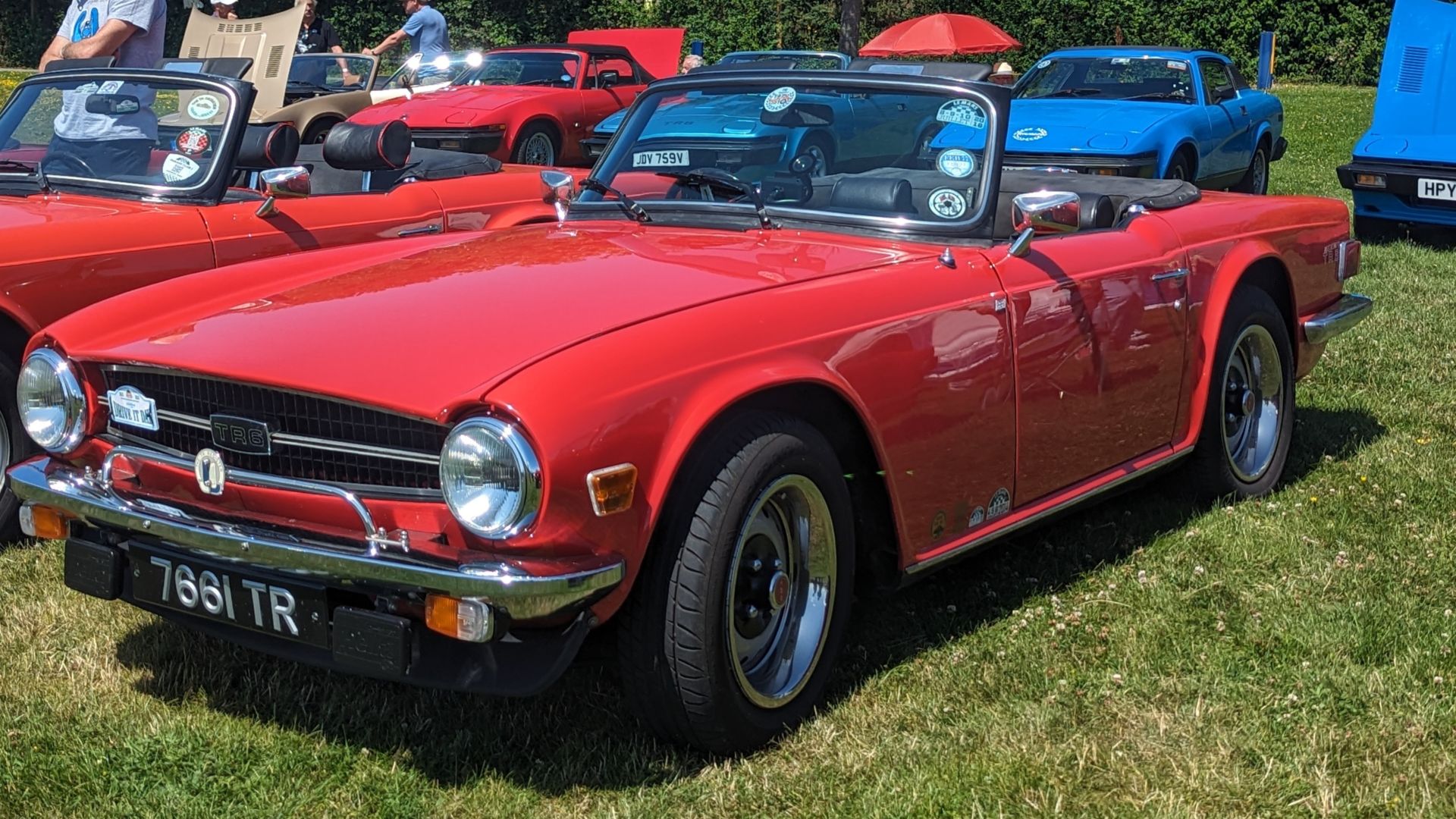
Fiat 124 Spider (1968–1978)
Did you know this one was styled by Pininfarina? The Fiat 124 Spider reached US buyers in 1968 with engineering that stood out for its class. Twin-cam engines, four-wheel disc brakes, and a five-speed manual kept it advanced, while 1.4L to 2.0L DOHC engines kept restoration within reach.
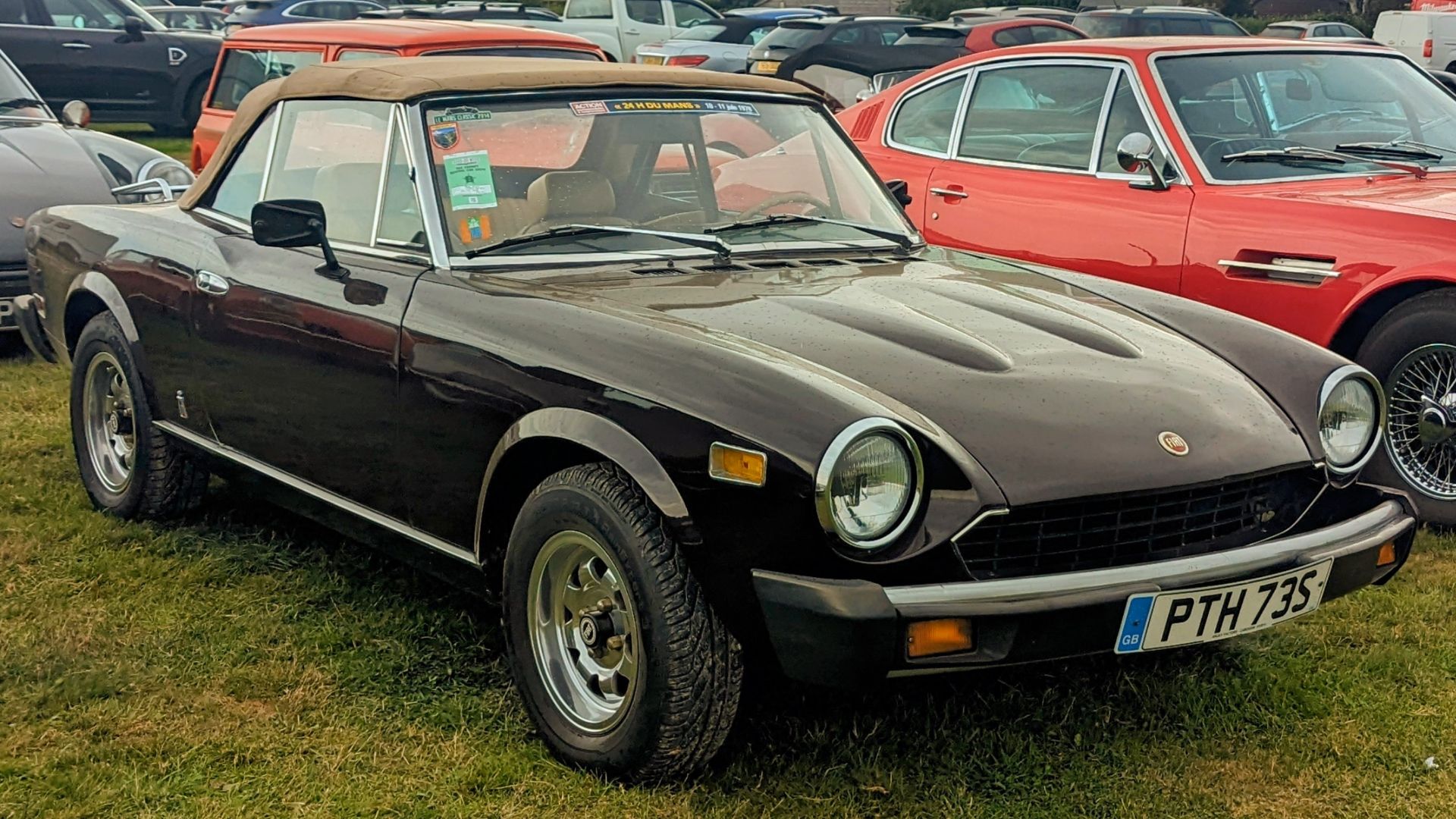
Chevrolet C10 Pickup (1967–1972)
As part of Chevrolet’s “Action Line” trucks, the C10 blended utility with comfort from 1967 through 1972. Engine choices ran from a 250ci inline-six to a 402ci big-block V8. Its independent front suspension with coil springs gave it a smoother ride than many rivals.
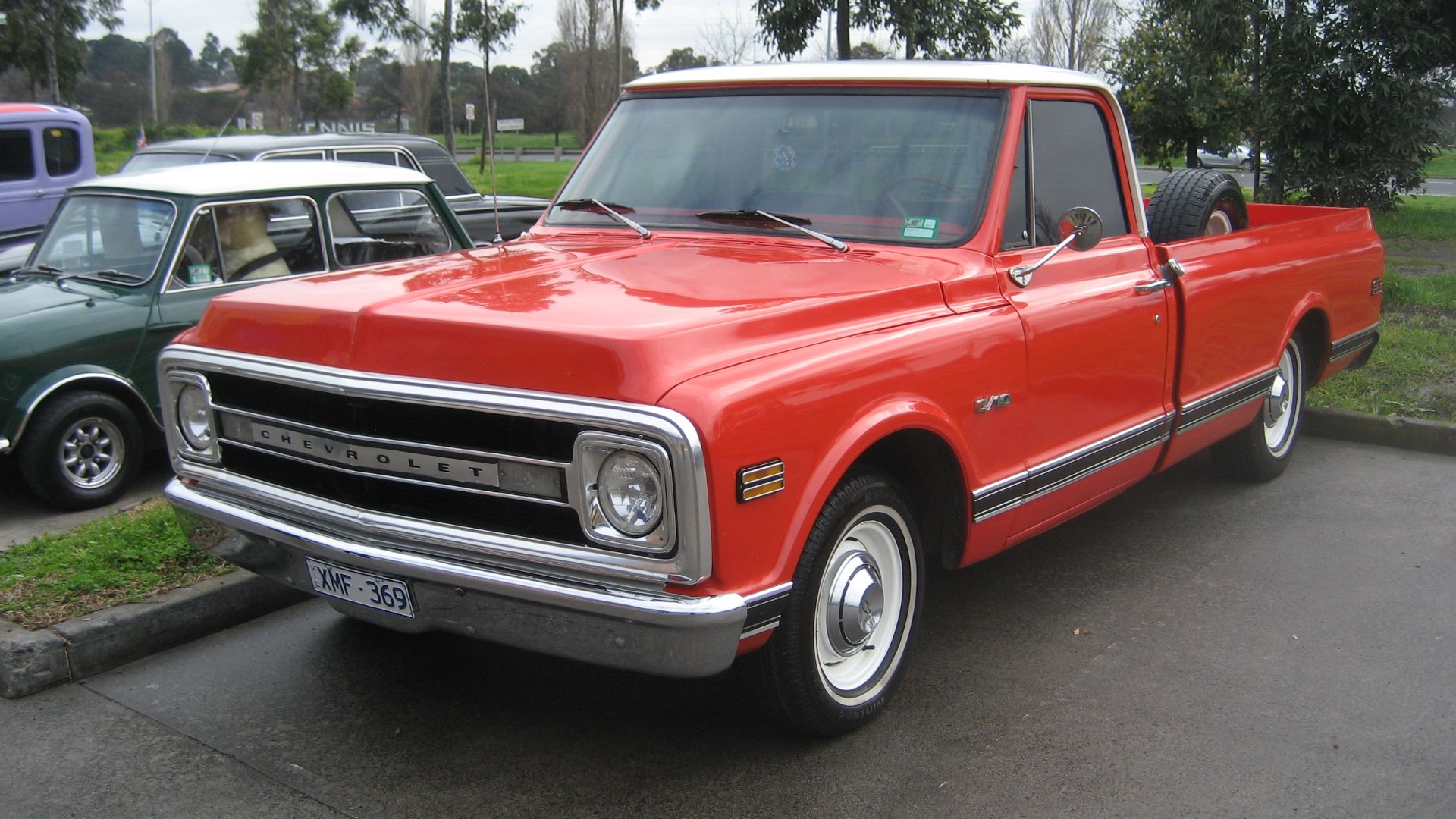
Ford F-100 (1965–1972)
Spanning Ford’s fourth and fifth truck generations, the F-100 offered straightforward construction and broad engine availability. Buyers could choose anything from a 240ci inline-six to a 390ci V8. Late-1960s Styleside beds and optional factory air conditioning added comfort without complicating restorations.
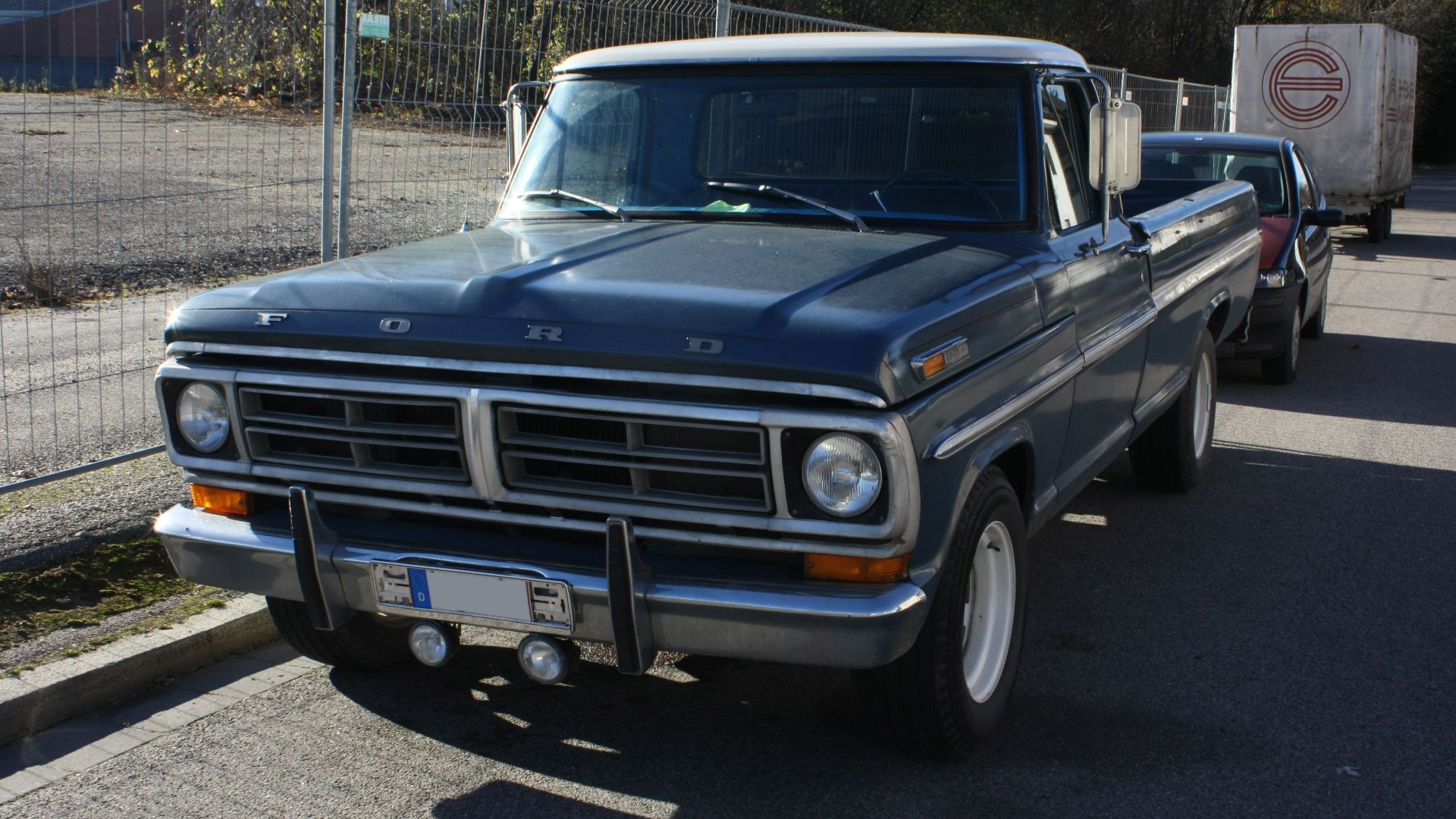
Plymouth Duster (1970–1974)
The Duster was a fastback variant of the Valiant that used Chrysler’s A-body platform, shared with the Dart. Its engine options ranged from a 198 cubic inch slant-six to a powerful 340 cubic inch V8. The car’s affordability and widespread production have made Dusters accessible to modern restorers.
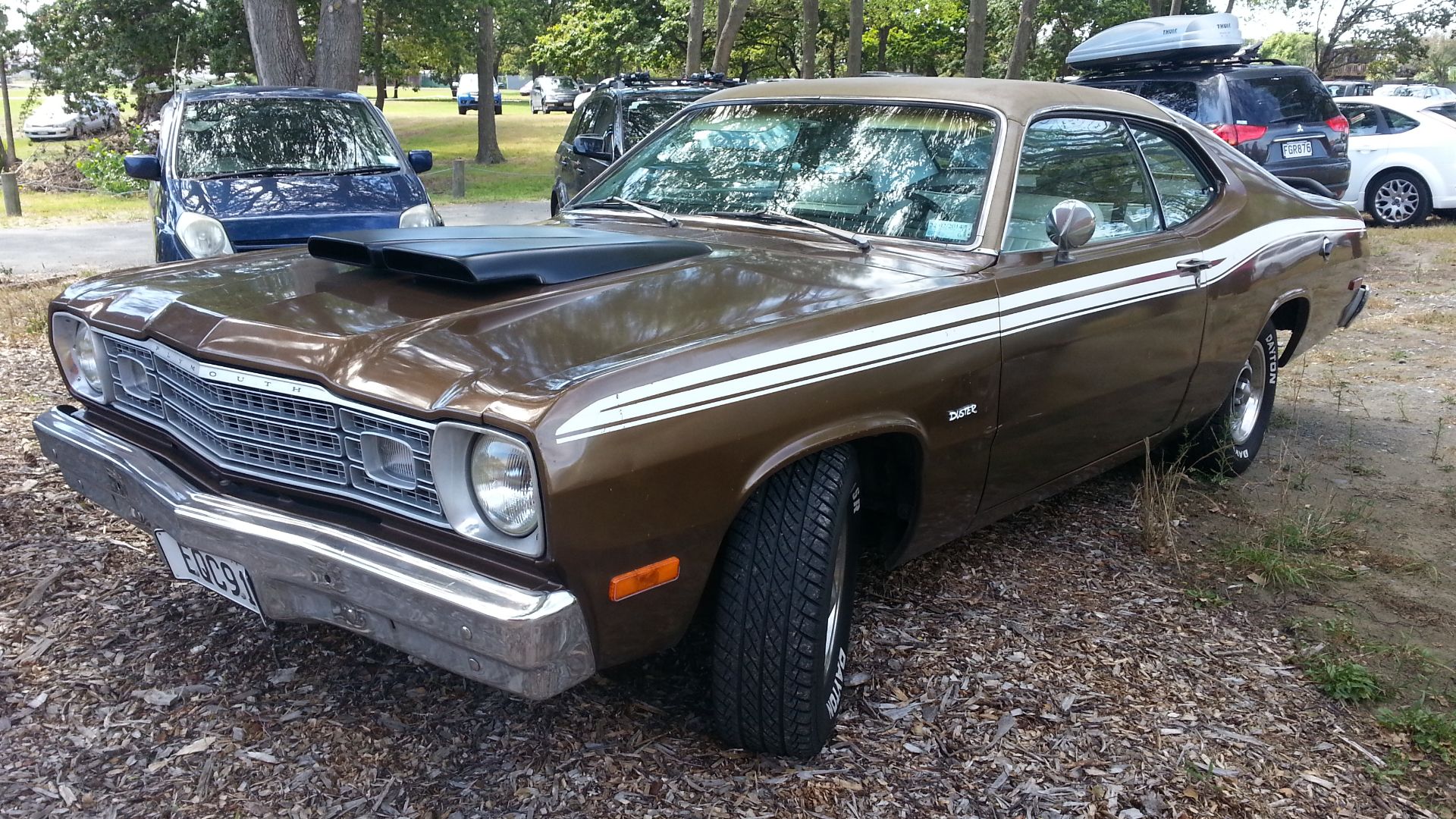 Riley from Christchurch, New Zealand, Wikimedia Commons
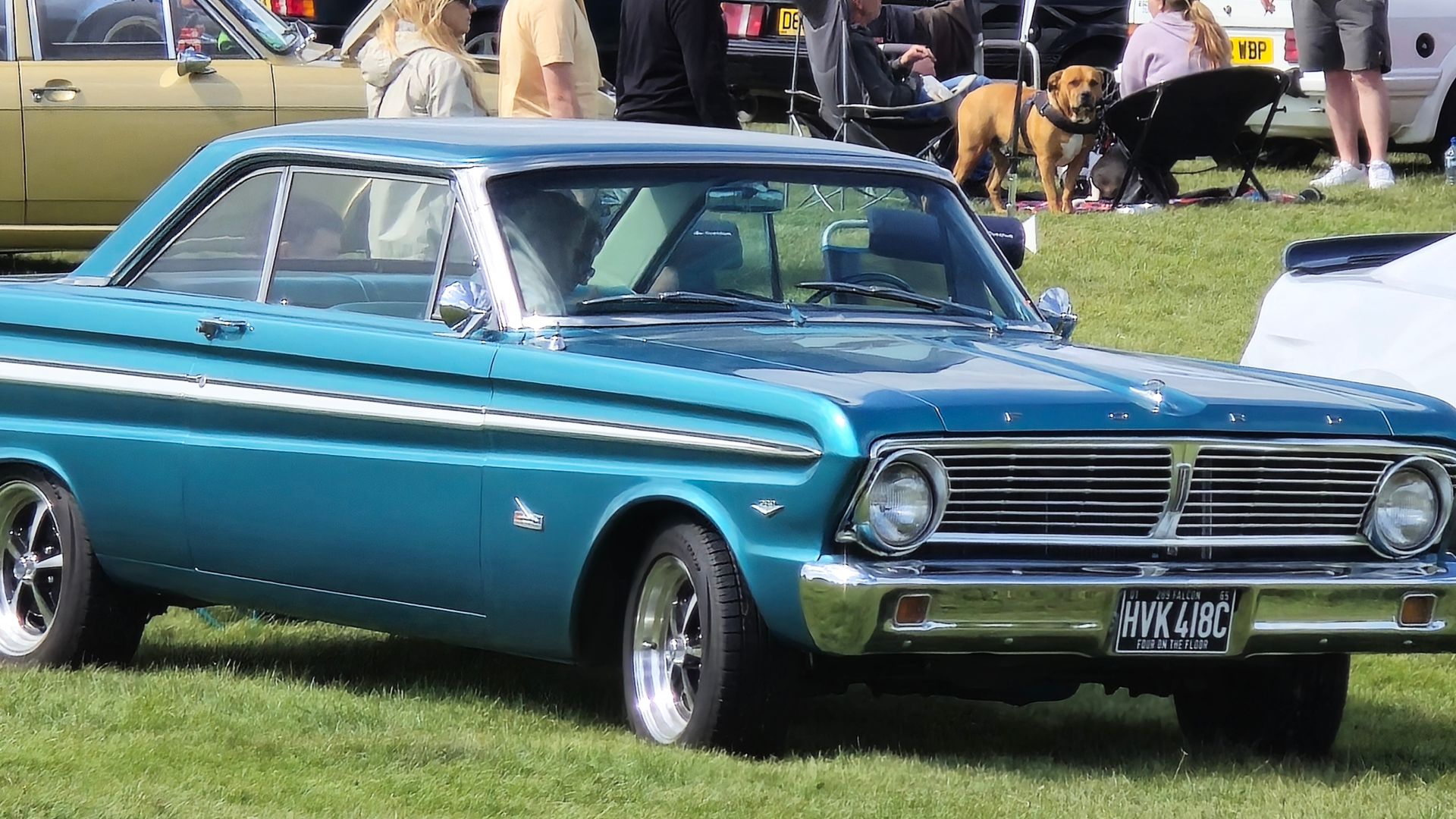
Ford Falcon (1960–1965)
Ford introduced the Falcon in 1960 as its first compact car, targeting the Corvair and Valiant. It was built on a simple platform that later served as the foundation for the original 1964½ Mustang, enhancing long-term parts availability.
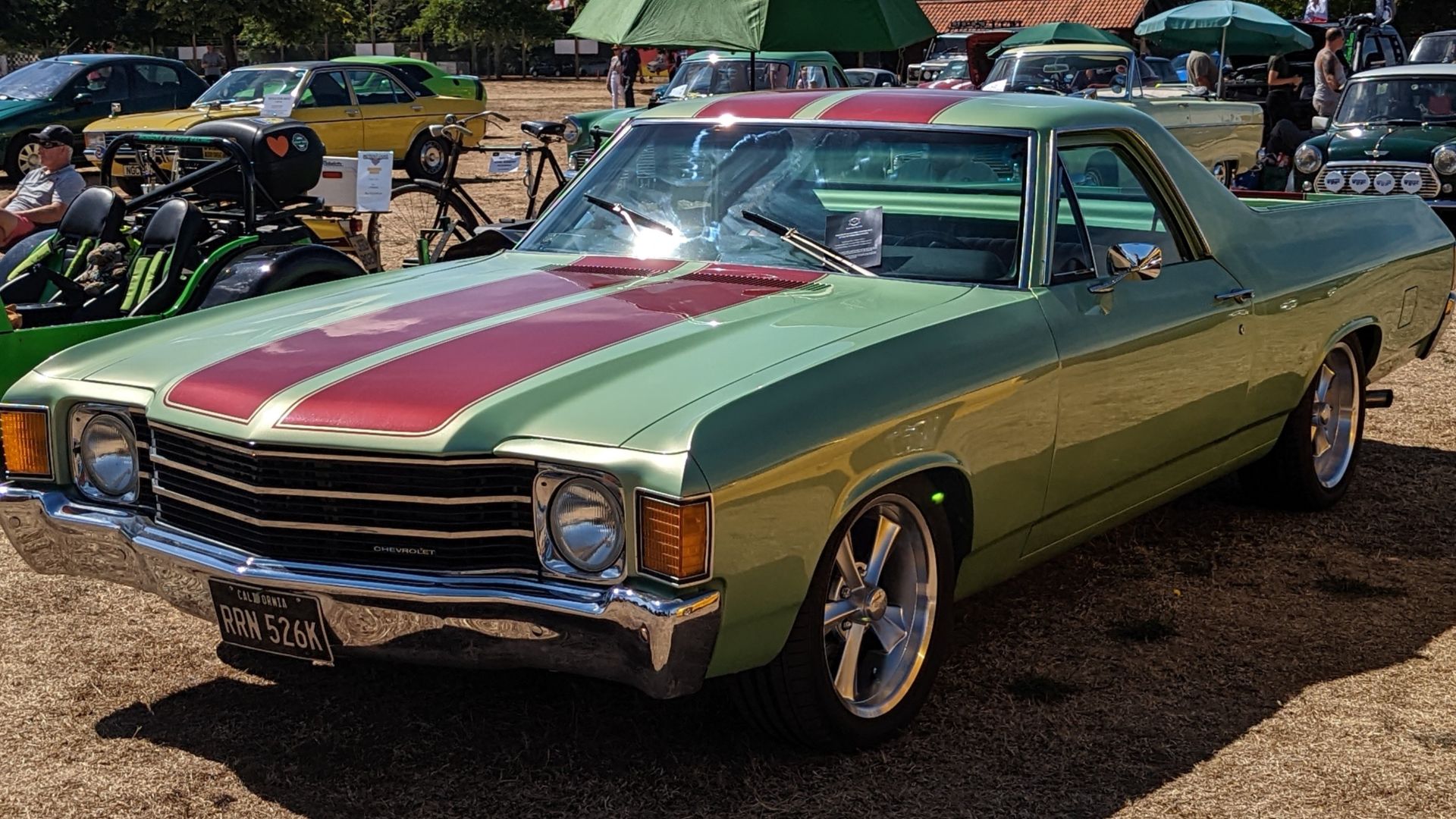
Chevrolet El Camino (1968–1972)
Built on the Chevelle platform, the El Camino blended passenger-car manners with pickup utility during its 1968–1972 run. The third generation offered engines, including a 250ci inline-six. Marketed as a “personal pickup,” it balanced versatility with approachable costs.
GMC Sprint / Sierra (C/K) (1967–1972)
Alongside the Sprint, the Sierra C/K pickups were part of the Action Line generation. The available engines mirrored those of Chevrolet, ranging from a 250 cubic-inch inline-six to a 454 cubic-inch V8. It was introduced in 1971.
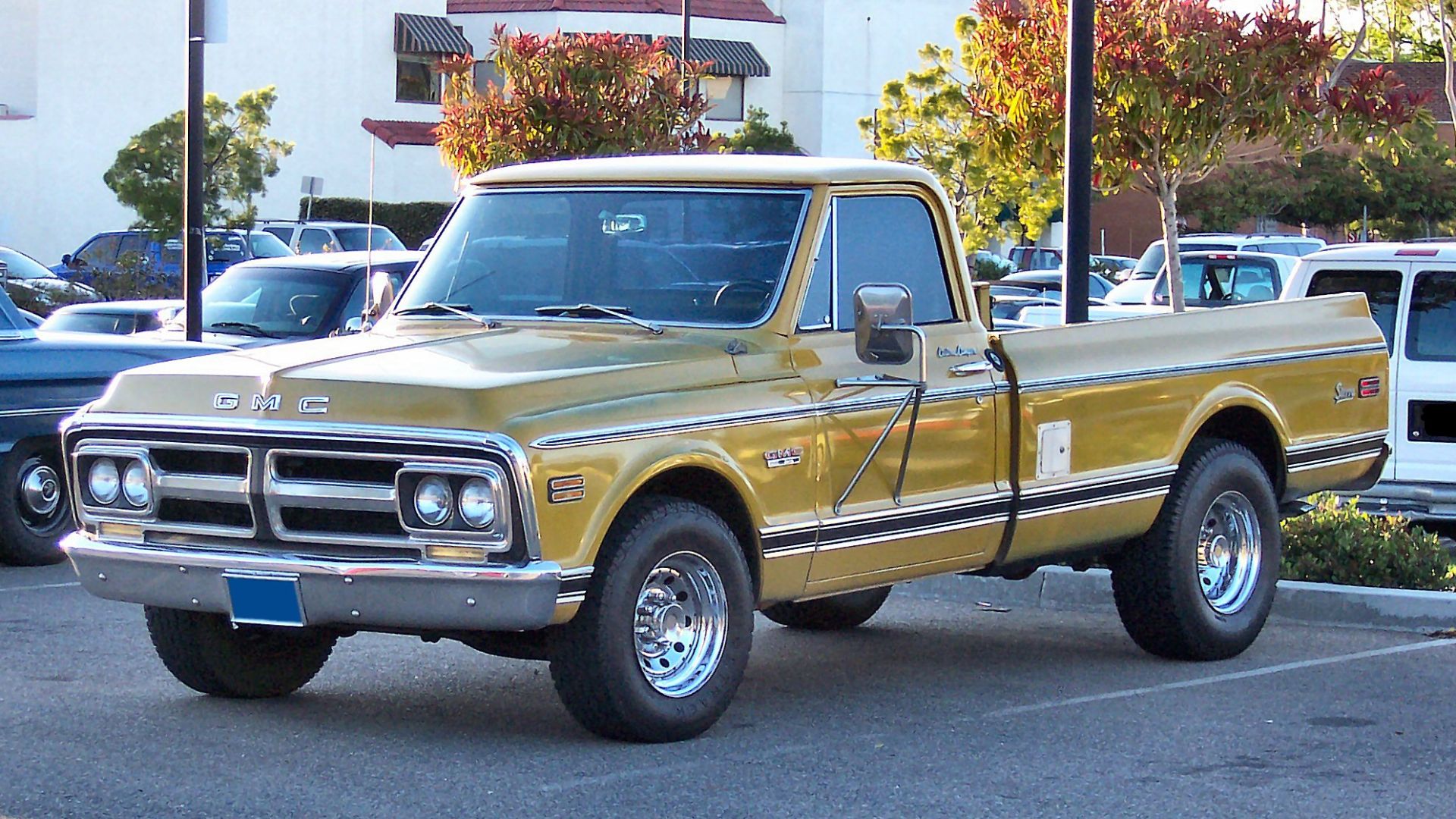 Photo by User:Morven., Wikimedia Commons
Triumph Spitfire (1962–1980)
Giovanni Michelotti created the Triumph Spitfire, which was introduced in 1962 and operated until 1980 with an emphasis on simplicity. It had a body-on-frame design, small inline-four engines. The same was built on a reduced Herald chassis.
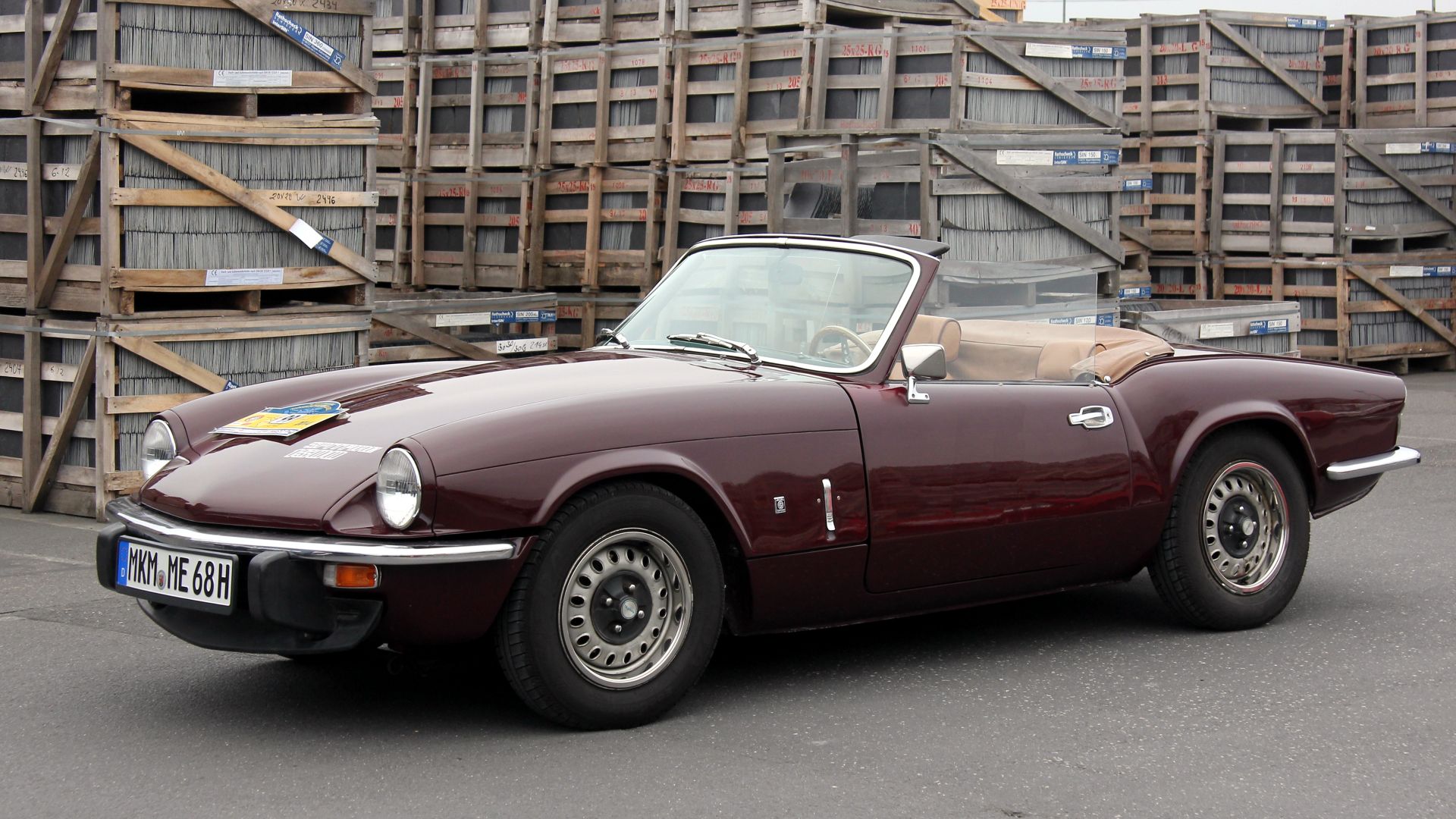 Lothar Spurzem, Wikimedia Commons
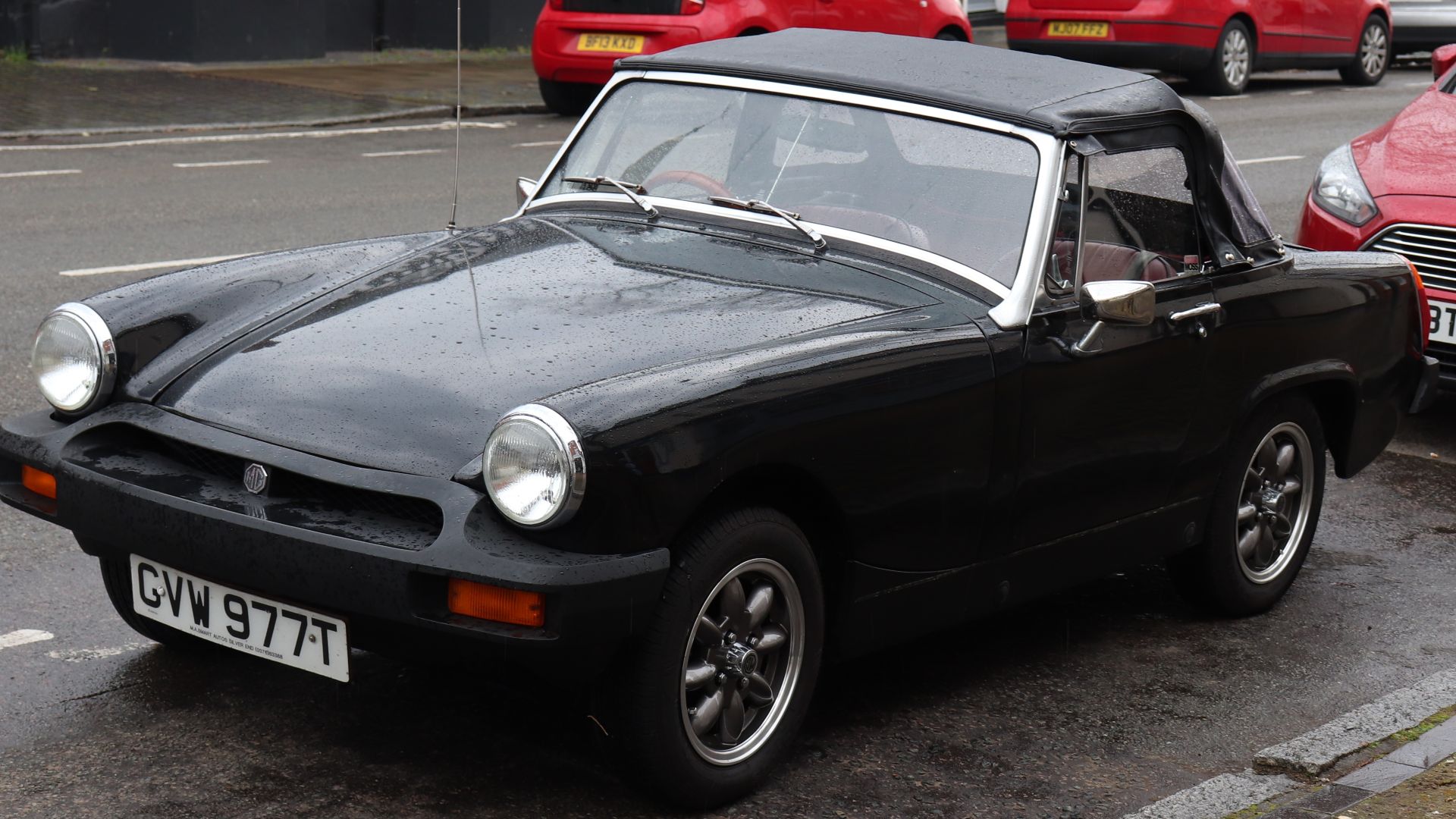
MG Midget (1961–1979)
From 1961 to 1979, the MG Midget exceeded 220,000 units worldwide. Closely related to the Austin-Healey Sprite, it shared many mechanical components. Power came from modest inline-four engines, which strengthened its reputation as an affordable sports car.
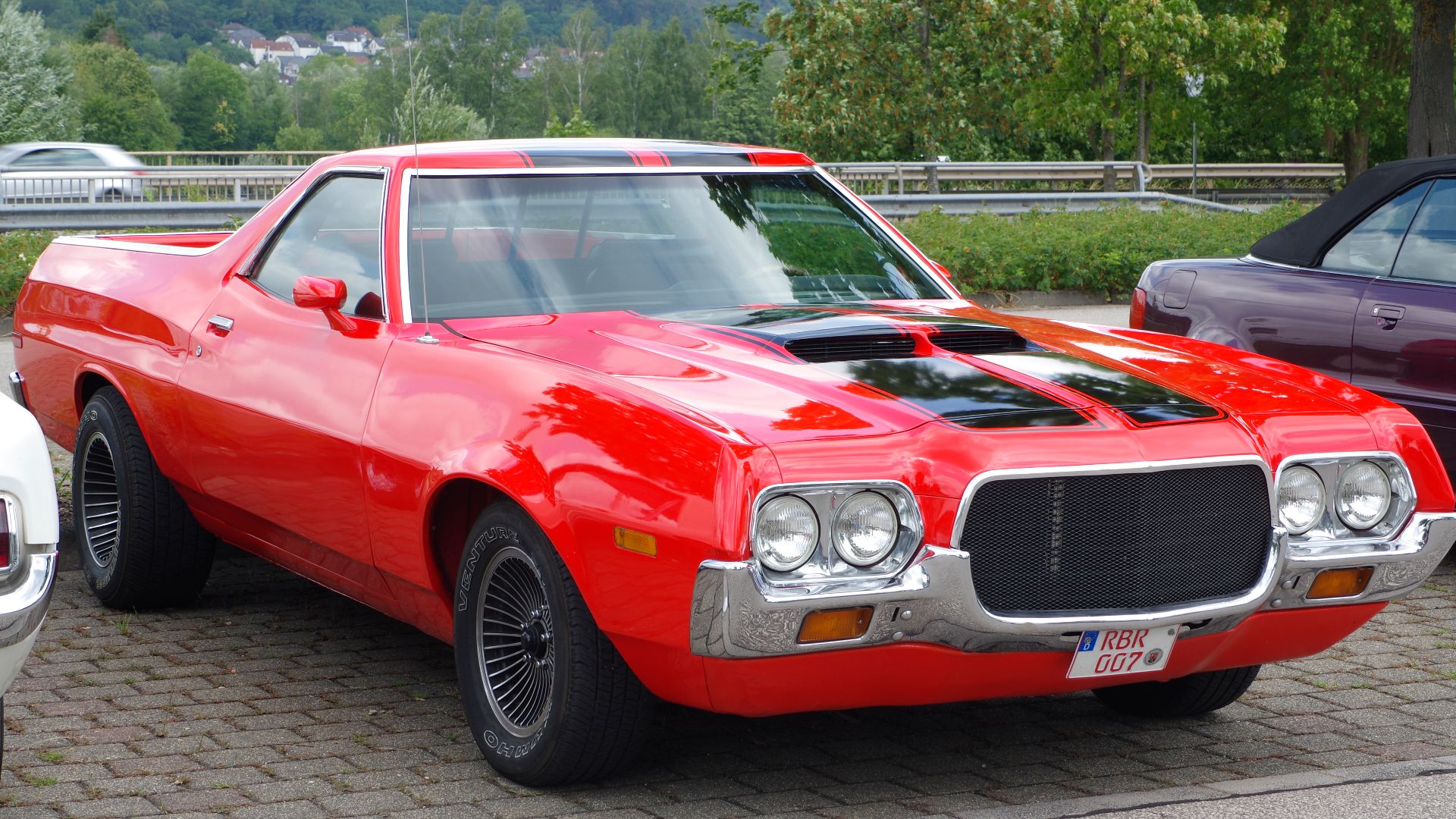
Ford Ranchero (1968–1972)
Based on the Fairlane and Torino platform, the 1968–1972 Ranchero blended passenger-car comfort with pickup utility. Engine offerings stretched from a 200ci inline-six to a 429ci V8. Marketed as more than a car or truck, it appealed to buyers wanting versatility without complexity.
 Berthold Werner, Wikimedia Commons
Chevrolet Monte Carlo (1970–1972)
Chevrolet launched the Monte Carlo in 1970 as its first personal luxury coupe, aimed squarely at the Thunderbird. Built on the shared A-body platform with the Chevelle, it offered engines from a 350ci inline-six to a 454ci V8, with the SS 454 delivering real performance credentials.
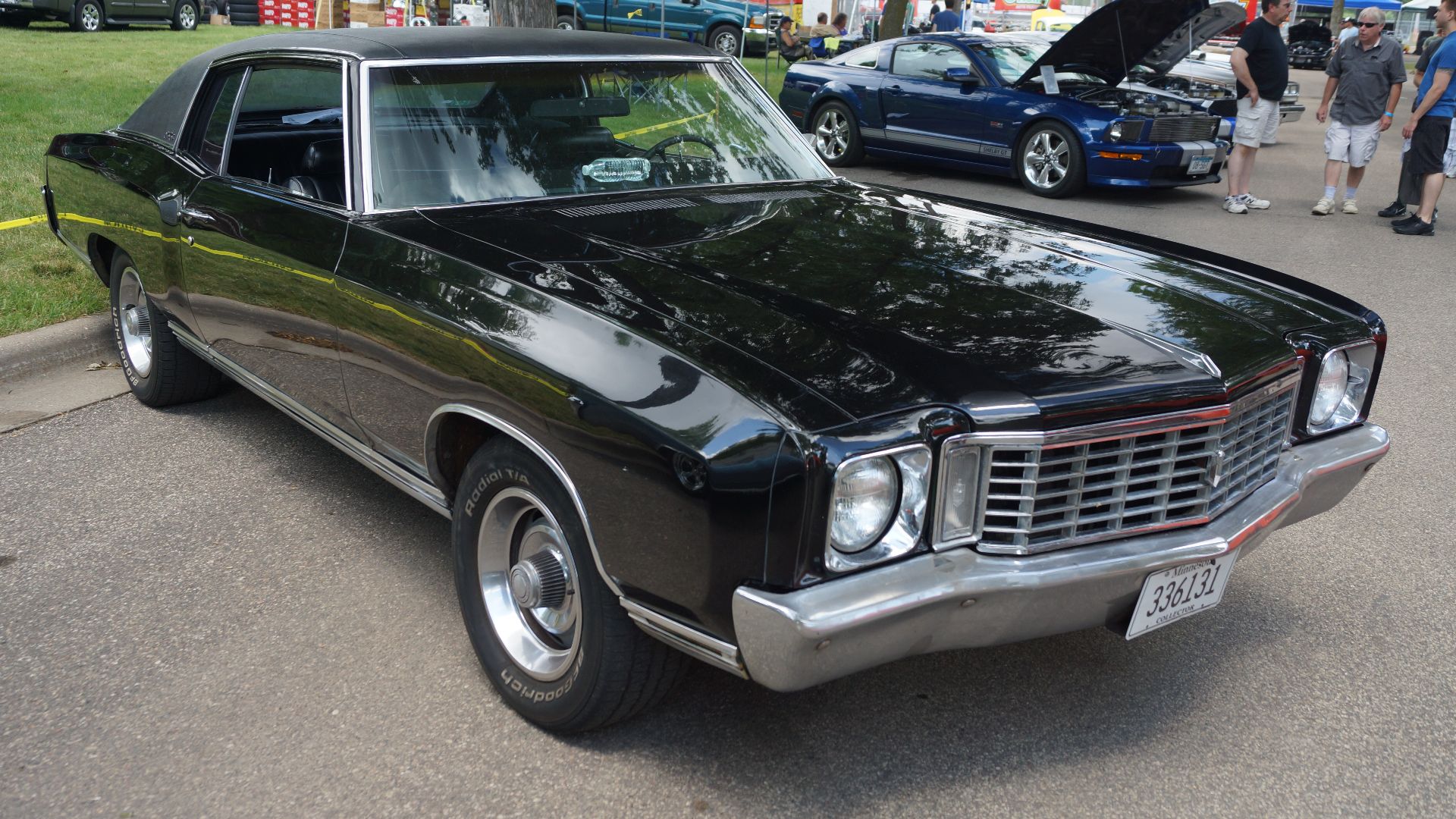 Greg Gjerdingen from Willmar, USA, Wikimedia Commons
AMC Hornet (1970–1977)
This car was released in 1970 as a successor to the Rambler. The AMC Hornet became the cornerstone of the brand's compact lineup. Additionally, its platform was used for several other AMC models, ensuring long-term parts availability for restorers.
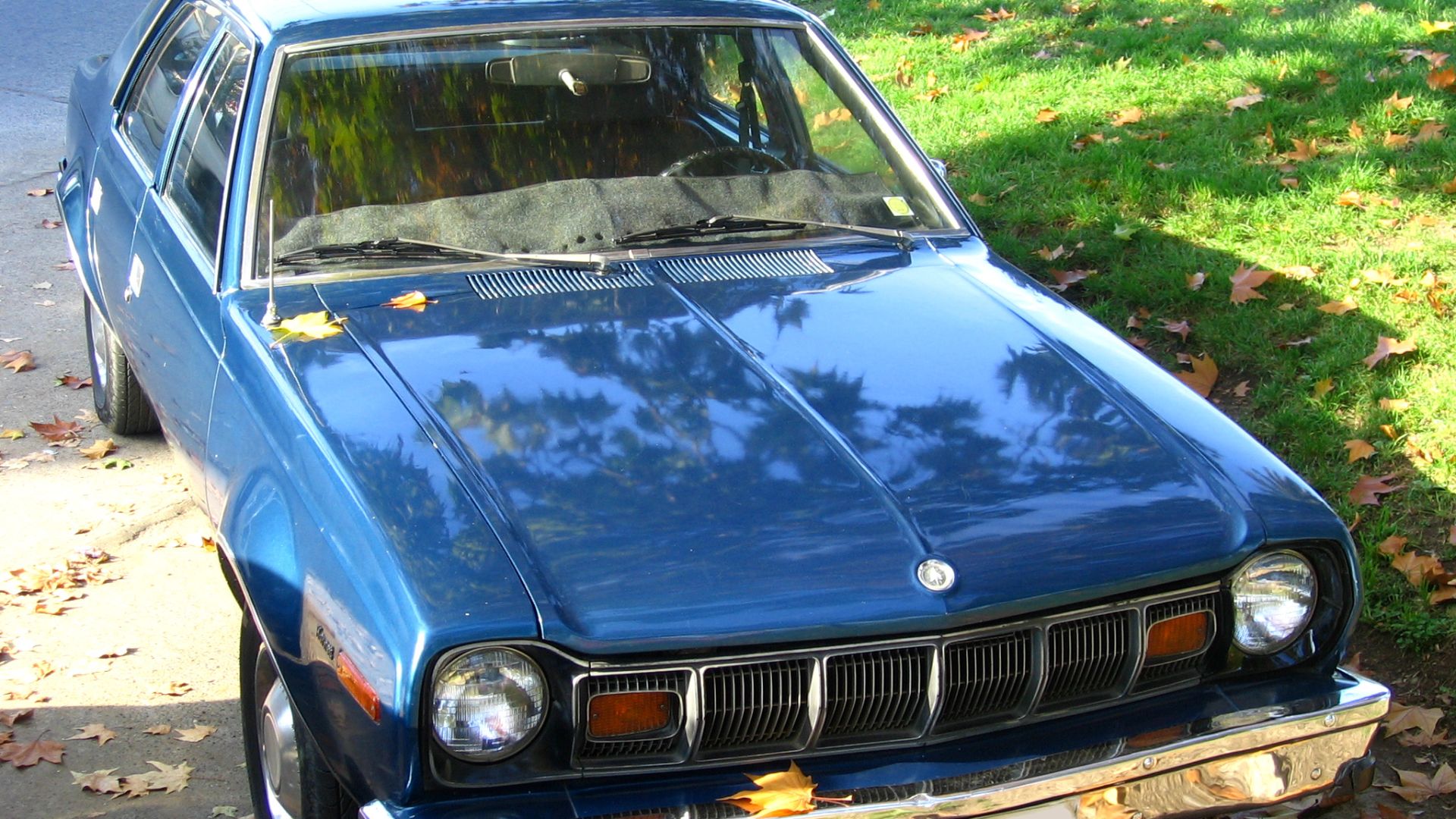 order_242 from Chile, Wikimedia Commons
Volkswagen Karmann Ghia (1955–1974)
Produced from 1955 through 1974, the Karmann Ghia paired Italian styling by Ghia with German construction from Karmann. Beneath its sleek body sat proven Beetle mechanicals, including a rear-mounted, air-cooled flat-four engine. Coupe and convertible options kept ownership flexible.
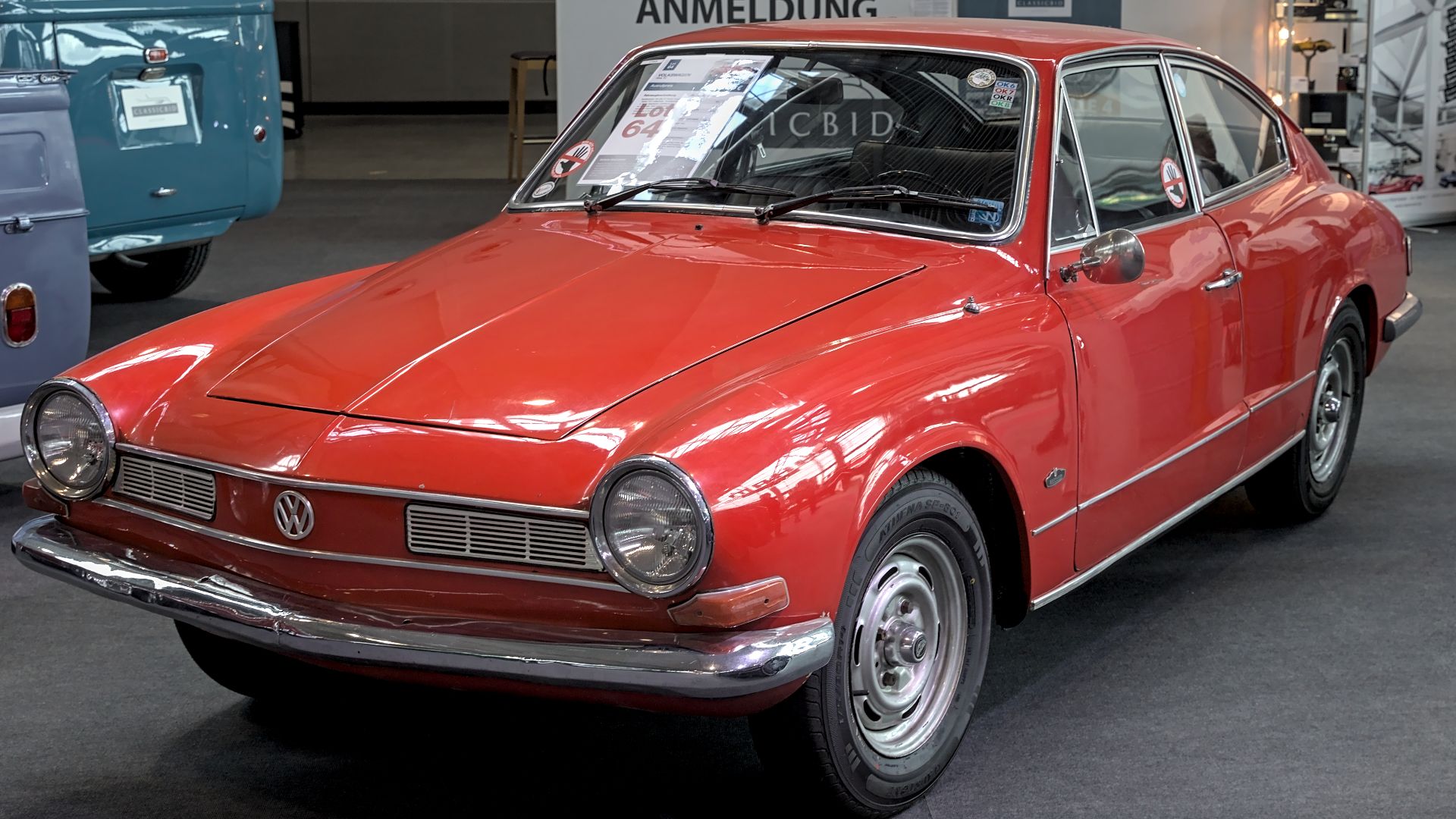 Alexander-93, Wikimedia Commons