My Car Thinks I'm Tired. Is It Actually Watching Me?
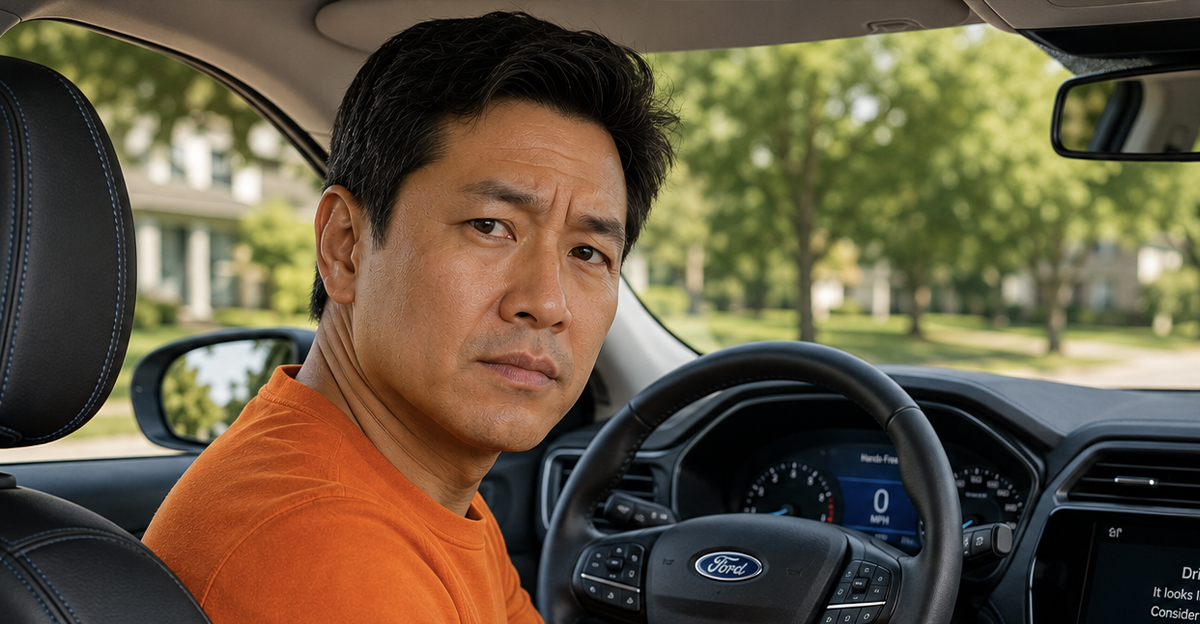
It can be a little unsettling when your car suddenly flashes a message telling you to take a break even though you feel perfectly awake. Many newer vehicles, including some with advanced driver-assistance or self-driving features, now monitor driver attention in an effort to reduce fatigue-related crashes. But while these systems can be remarkably sophisticated, they aren't mind readers.
Driver Monitoring Is Becoming Much More Common
Driver monitoring systems were once limited to a handful of luxury vehicles. Today, they're appearing in everything from family SUVs to electric vehicles. They're especially common on vehicles equipped with advanced driver-assistance systems (ADAS), hands-free highway driving features, and partial self-driving technologies. As vehicles become more capable, manufacturers also want to ensure drivers remain ready to take over when necessary.
Self-Driving Doesn't Mean Driver-Free
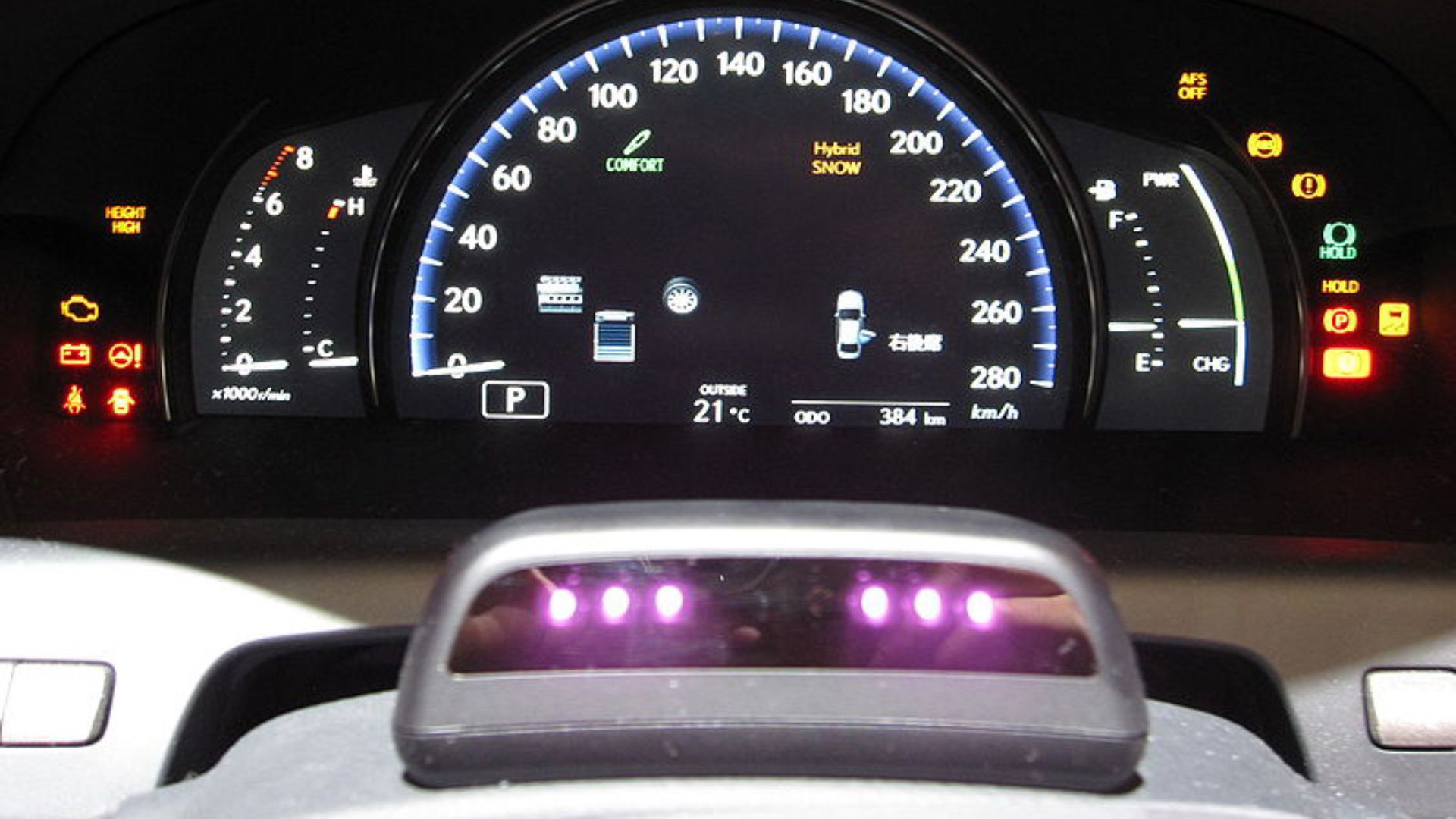
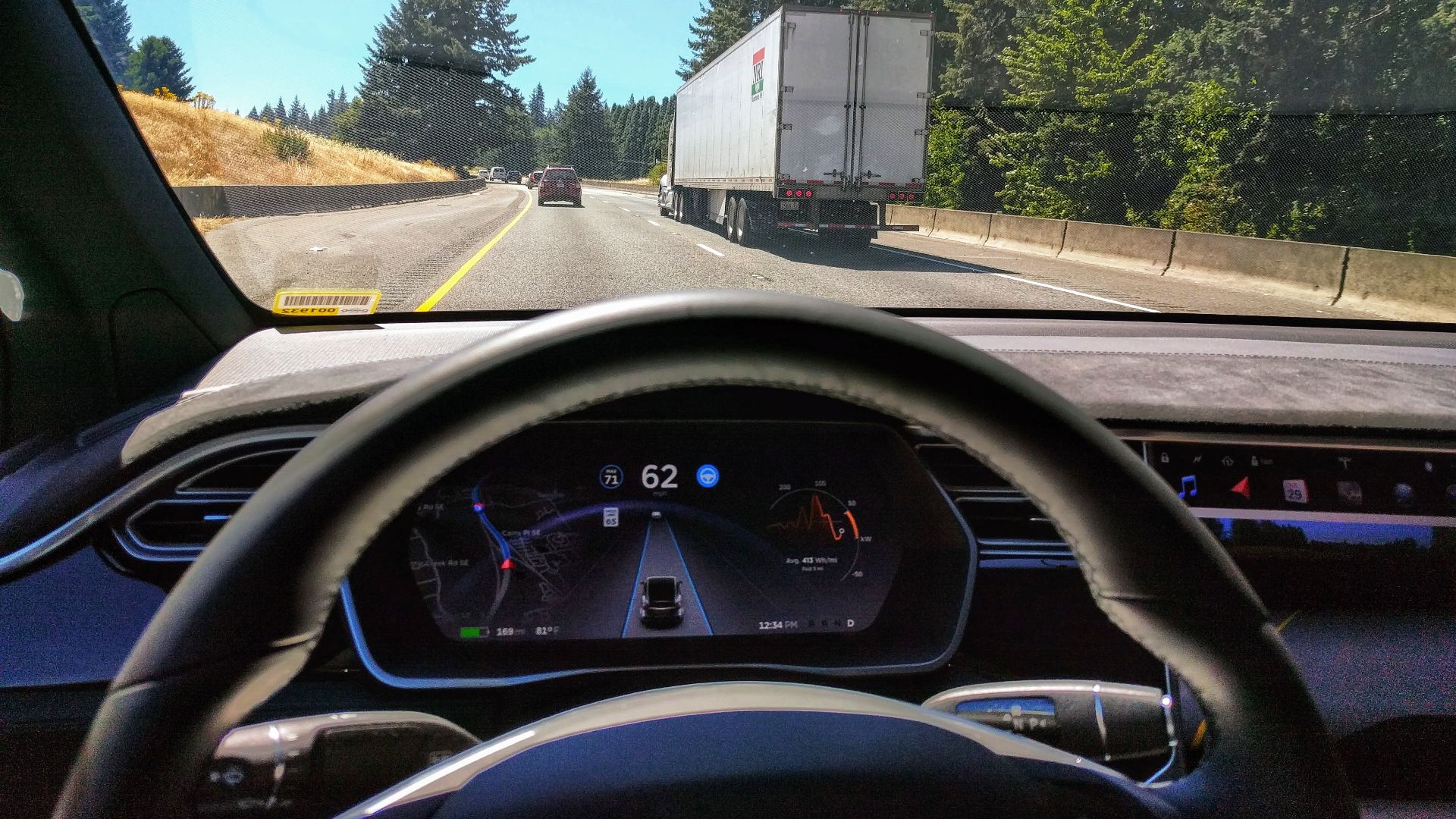
Despite the marketing around "self-driving" vehicles, most systems on the road today still require an attentive human driver. Features such as Tesla Full Self-Driving (Supervised), Ford BlueCruise, GM Super Cruise, Mercedes-Benz Drive Pilot (where legally available), and similar systems all expect the driver to remain prepared to intervene. Monitoring the driver's alertness has become an important part of that safety strategy.
 Ian Maddox , Wikimedia Commons
Some Cars Watch Your Eyes
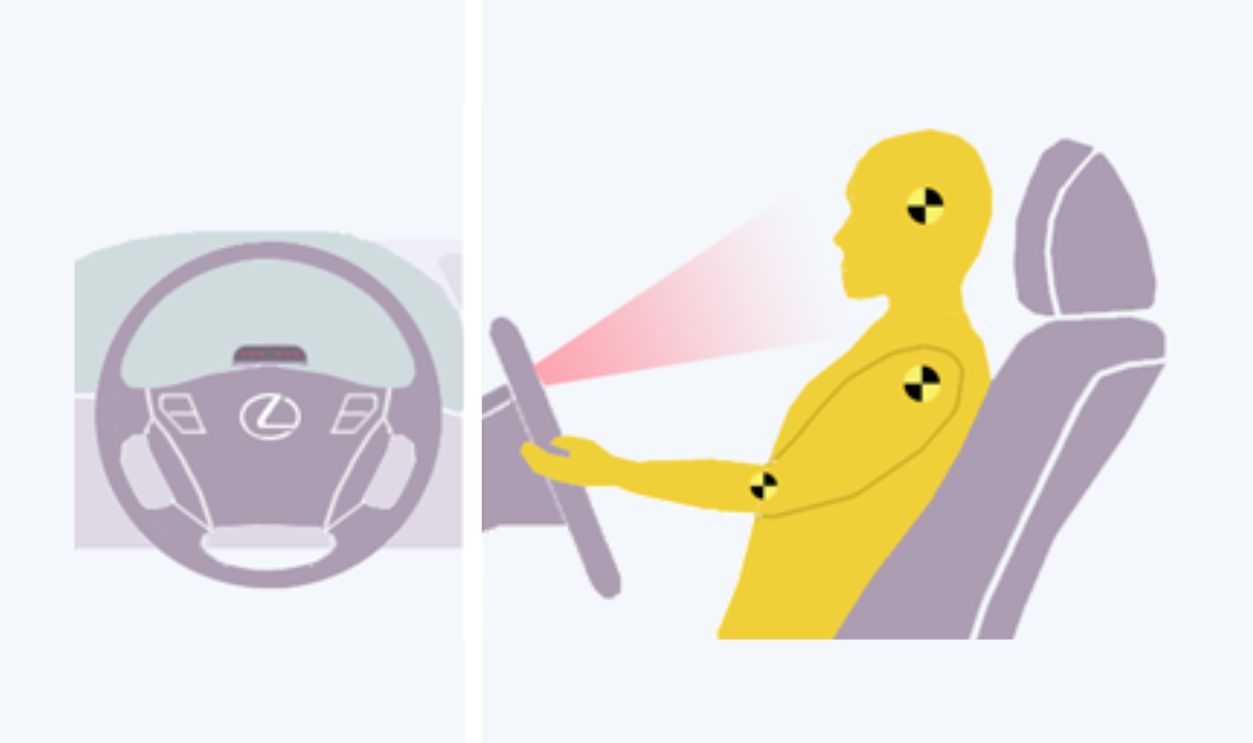
Many newer vehicles use an infrared camera mounted near the steering column, instrument cluster, or rearview mirror. The camera can estimate where you're looking, whether your eyes remain open, how often you're blinking, and whether your gaze stays on the road. It isn't trying to determine exactly what you're thinking. Instead, it's looking for signs that your attention may be drifting.
 Enigma3542002 at English Wikipedia, Wikimedia Commons
Others Focus On Driving Behavior
Not every fatigue detection system uses a camera. Some vehicles estimate driver alertness by analyzing steering inputs, lane position, braking patterns, acceleration, and other driving behaviors. If your steering corrections become inconsistent or the vehicle notices unusual weaving, it may conclude that fatigue is becoming a possibility.

Many Systems Combine Multiple Inputs
The most advanced systems don't rely on just one signal. They may combine eye tracking, steering behavior, vehicle speed, lane-keeping information, navigation data, and the amount of time you've been driving. Looking at several factors together generally produces more reliable results than relying on a single measurement.
Time Behind The Wheel Matters
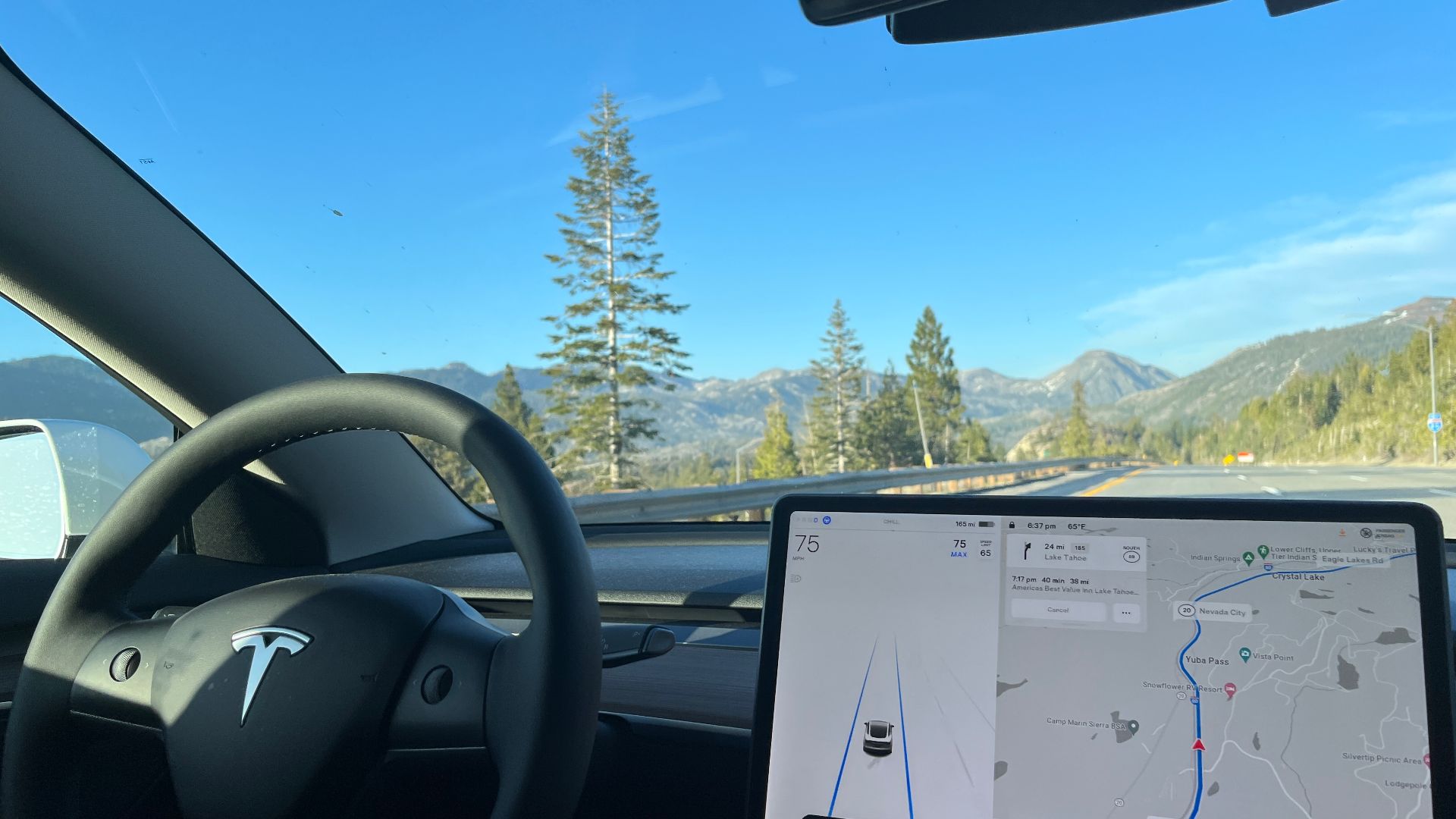
Even if you're driving perfectly, some vehicles become more sensitive after several hours on the road. Long, uninterrupted trips naturally increase the likelihood of fatigue. Your car may begin issuing reminders simply because you've been driving for an extended period without stopping.

Looking Away Can Trigger Alerts
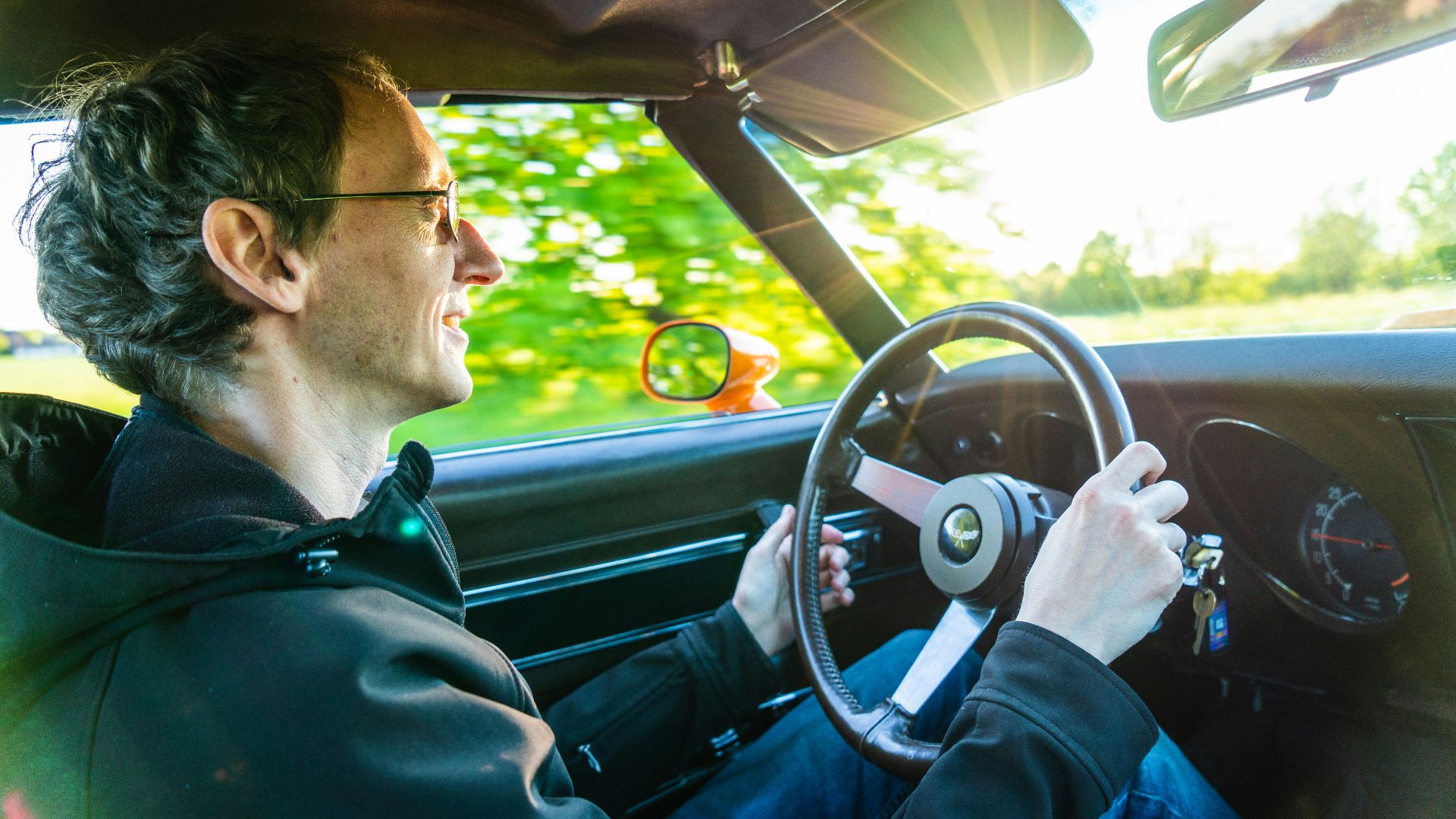
If you spend several seconds looking at your navigation screen, adjusting climate controls, searching for something in the cabin, or talking to passengers, the system may interpret that as inattention. Even though you're not tired, the vehicle often can't distinguish between distraction and fatigue. It simply knows your attention has left the road.
Sunglasses Usually Aren't A Problem
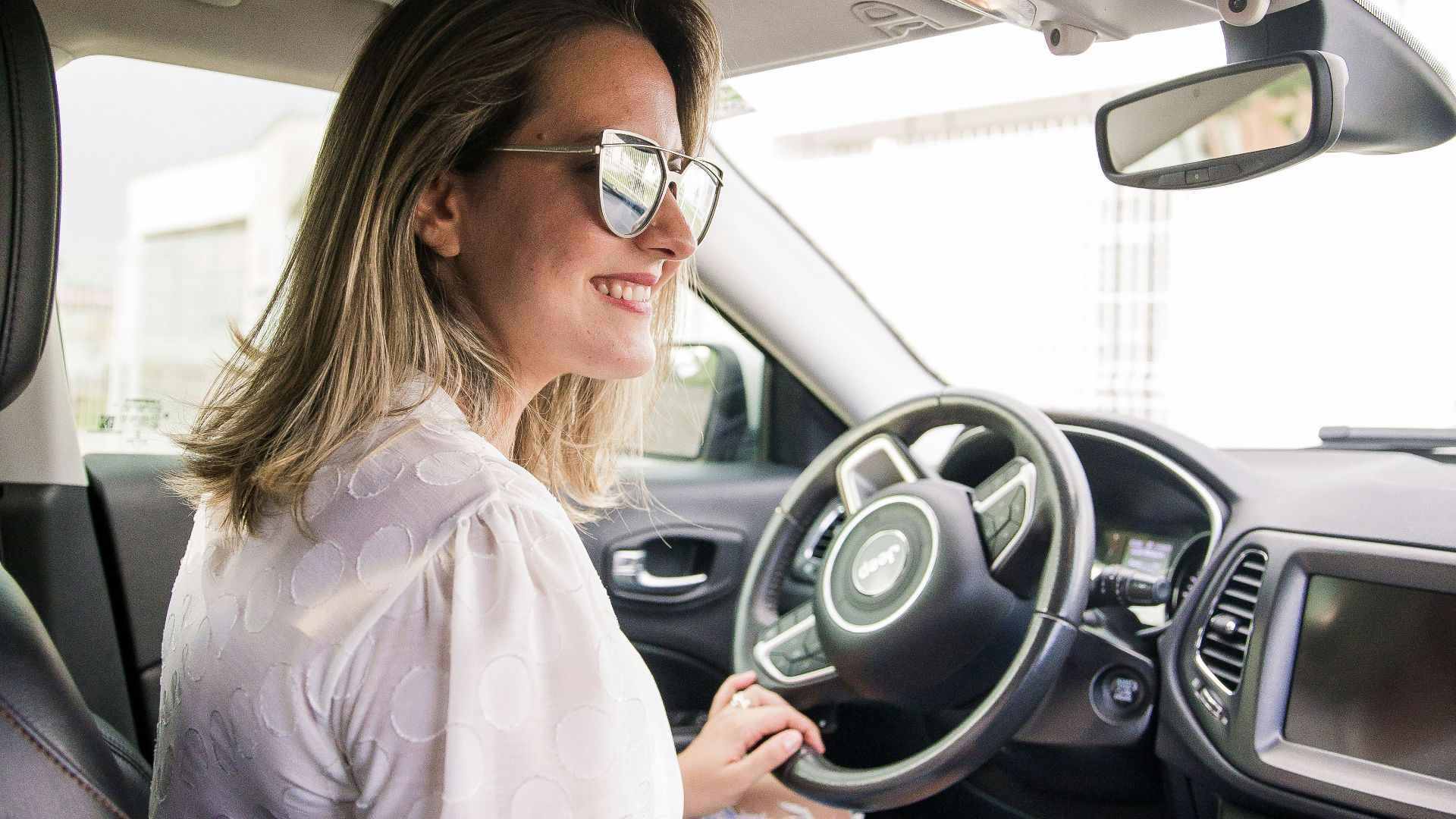
Many infrared driver-monitoring cameras are designed to function even when drivers wear sunglasses. However, certain lenses, hats, poor lighting, or unusual seating positions may reduce the system's ability to monitor your eyes accurately. If the camera can't reliably detect your attention, it may become more cautious.

Bright Sunlight Can Affect Performance
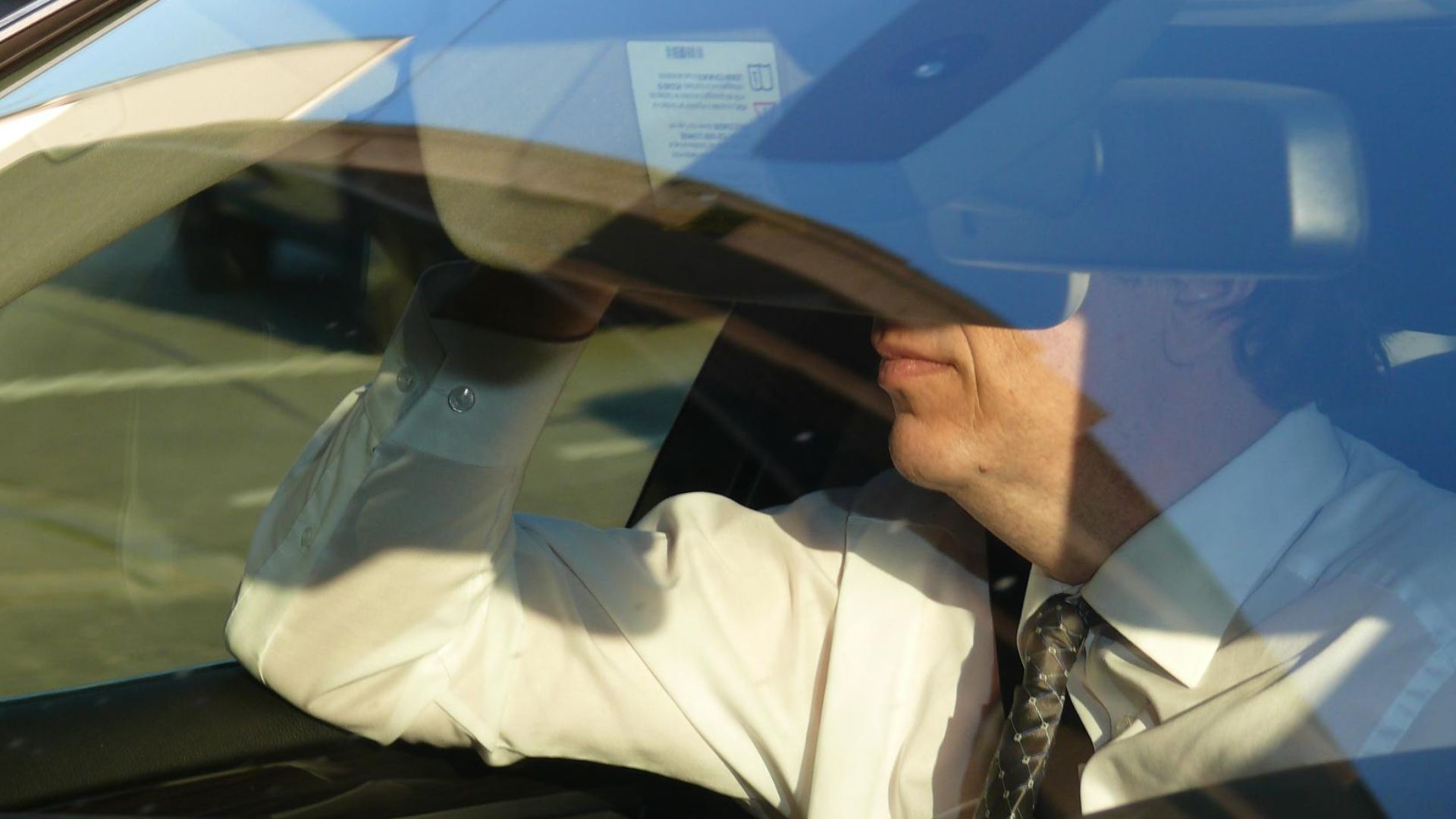
Although manufacturers work hard to minimize environmental interference, direct sunlight, heavy shadows, fogged windshields, or dirty camera lenses can occasionally affect system performance. A simple cleaning of the camera area may resolve unexpected alerts.
Construction Zones Can Confuse The System
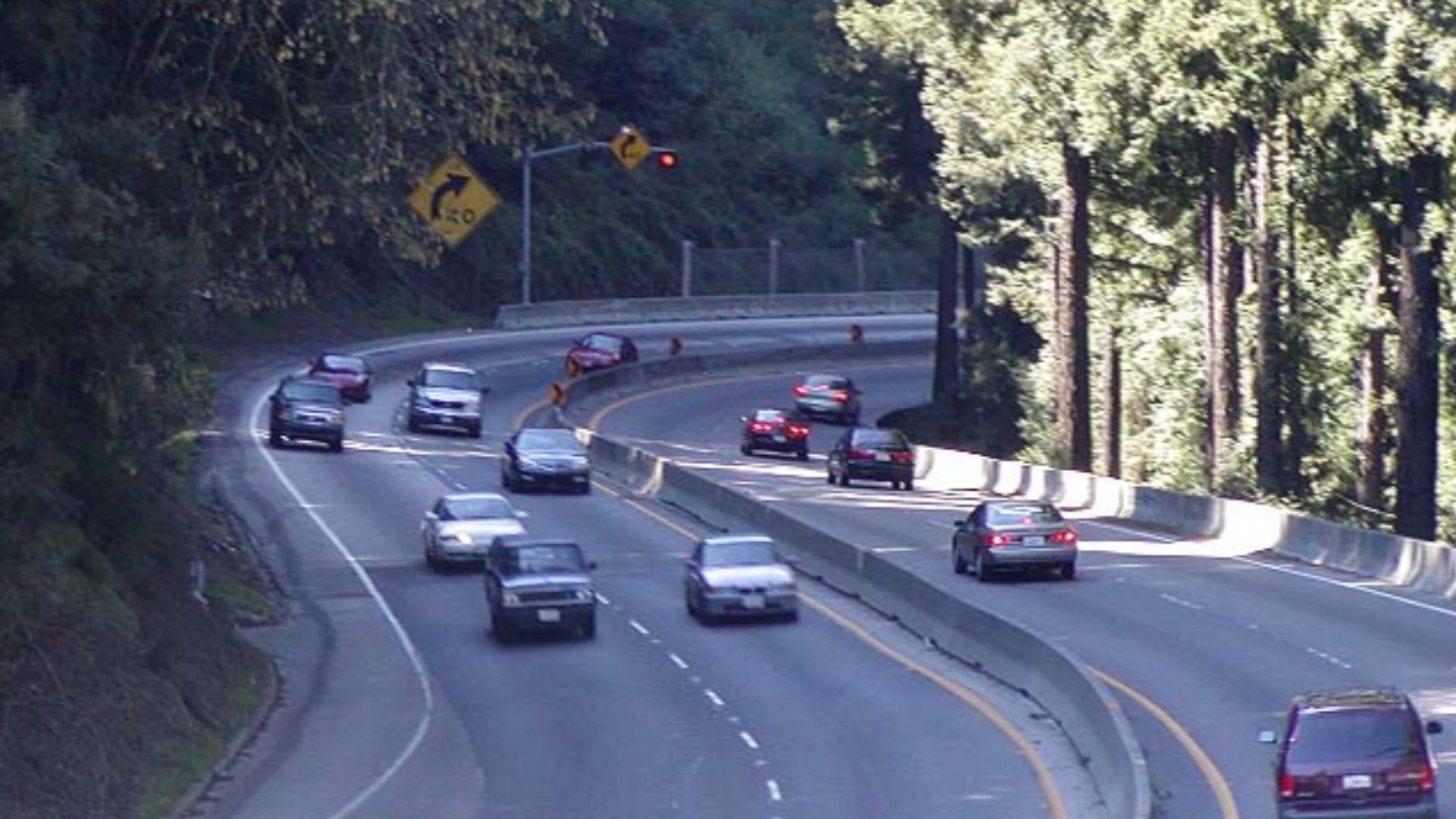
Temporary lane markings, faded paint, sharp curves, and unusual road layouts sometimes make it harder for the vehicle to interpret normal driving behavior. If the car detects frequent steering corrections or inconsistent lane positioning, it may mistakenly interpret those actions as signs of fatigue.
Weather Can Play A Role
Heavy rain, snow, fog, or poor visibility can influence both the driver-monitoring system and the vehicle's lane-detection cameras. When road markings become difficult to see, the system may have less confidence in its assessment and behave more conservatively.

Every Manufacturer Uses Different Algorithms
There's no industry-wide definition of driver fatigue detection. Each automaker develops its own software, thresholds, and warning logic. That means one vehicle may issue frequent reminders while another rarely displays them under similar driving conditions. Two cars driven the same way can behave very differently.
False Alerts Do Happen
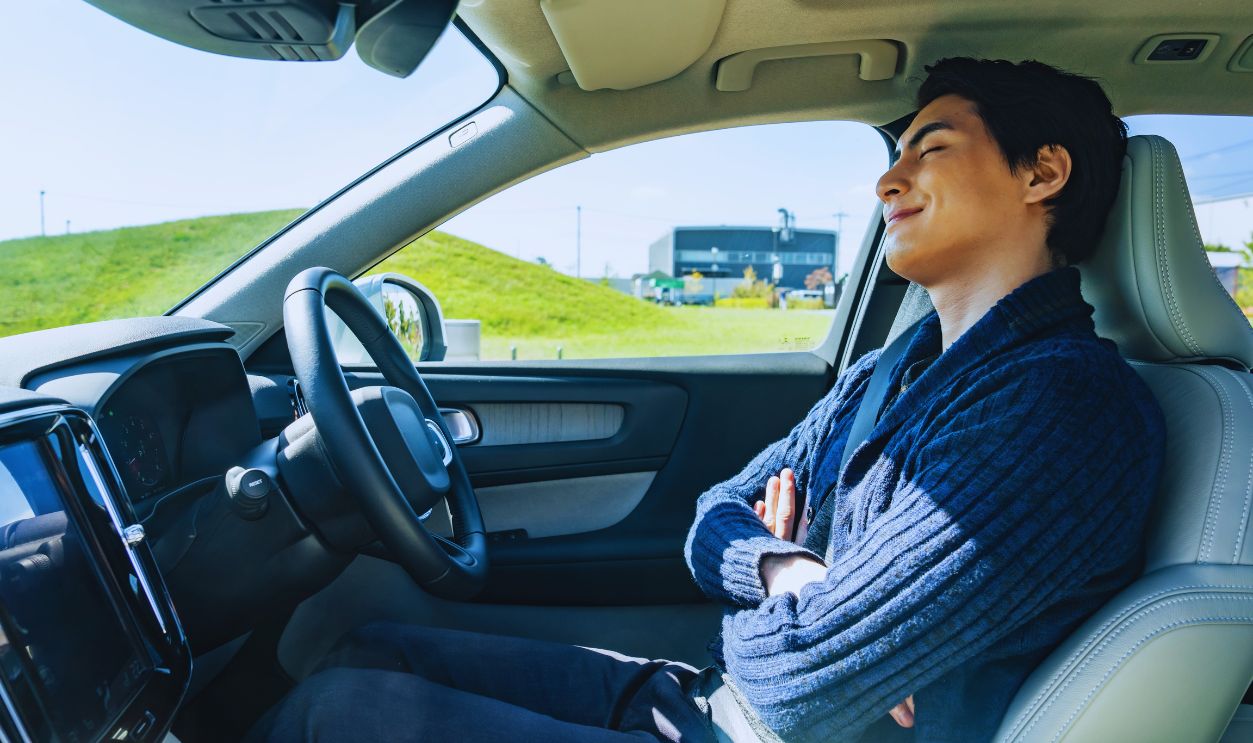
Driver-monitoring technology has improved dramatically, but it isn't perfect. Alert drivers occasionally receive unnecessary break reminders. Manufacturers generally prefer occasional false alerts over missing a genuinely fatigued driver. From a safety standpoint, that trade-off is usually considered acceptable.
Don't Ignore Every Warning
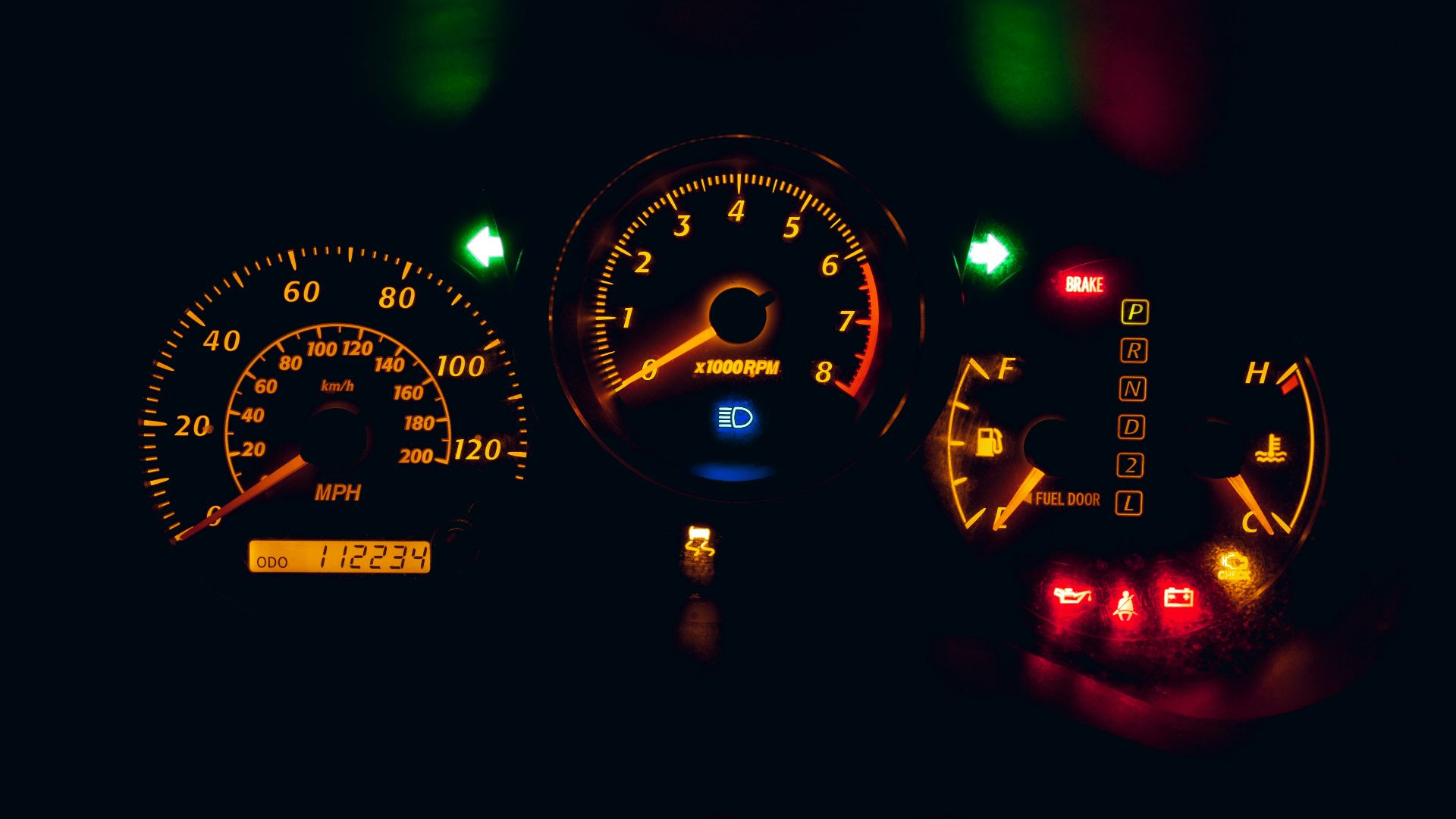
Even if you believe the system made a mistake, it's worth taking a moment to assess yourself honestly. Fatigue often develops gradually, and many drivers underestimate how tired they actually are. A quick stretch, a short walk, or a brief stop may confirm that you're fine or reveal that a break really would help.

Camera Position Matters
If you've adjusted your seat significantly or the steering wheel blocks part of the camera's view, the monitoring system may not function as intended. The owner's manual often explains recommended seating positions that allow the cameras to work properly.
Software Updates Can Improve Accuracy
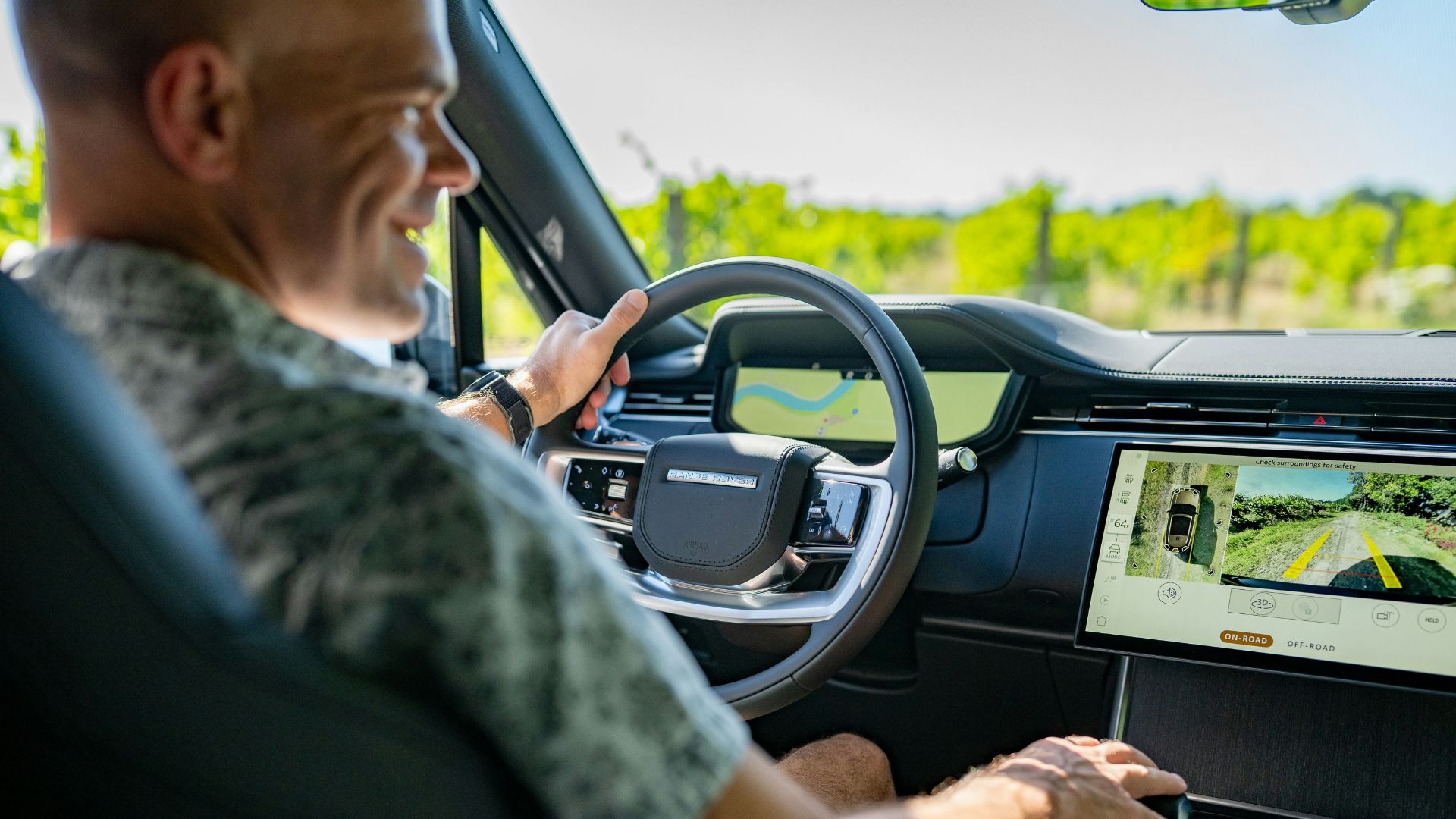
As driver-monitoring technology evolves, manufacturers occasionally release software updates that refine detection algorithms and reduce unnecessary warnings. If your vehicle receives over-the-air updates or has outstanding service campaigns, those updates may improve system performance over time.
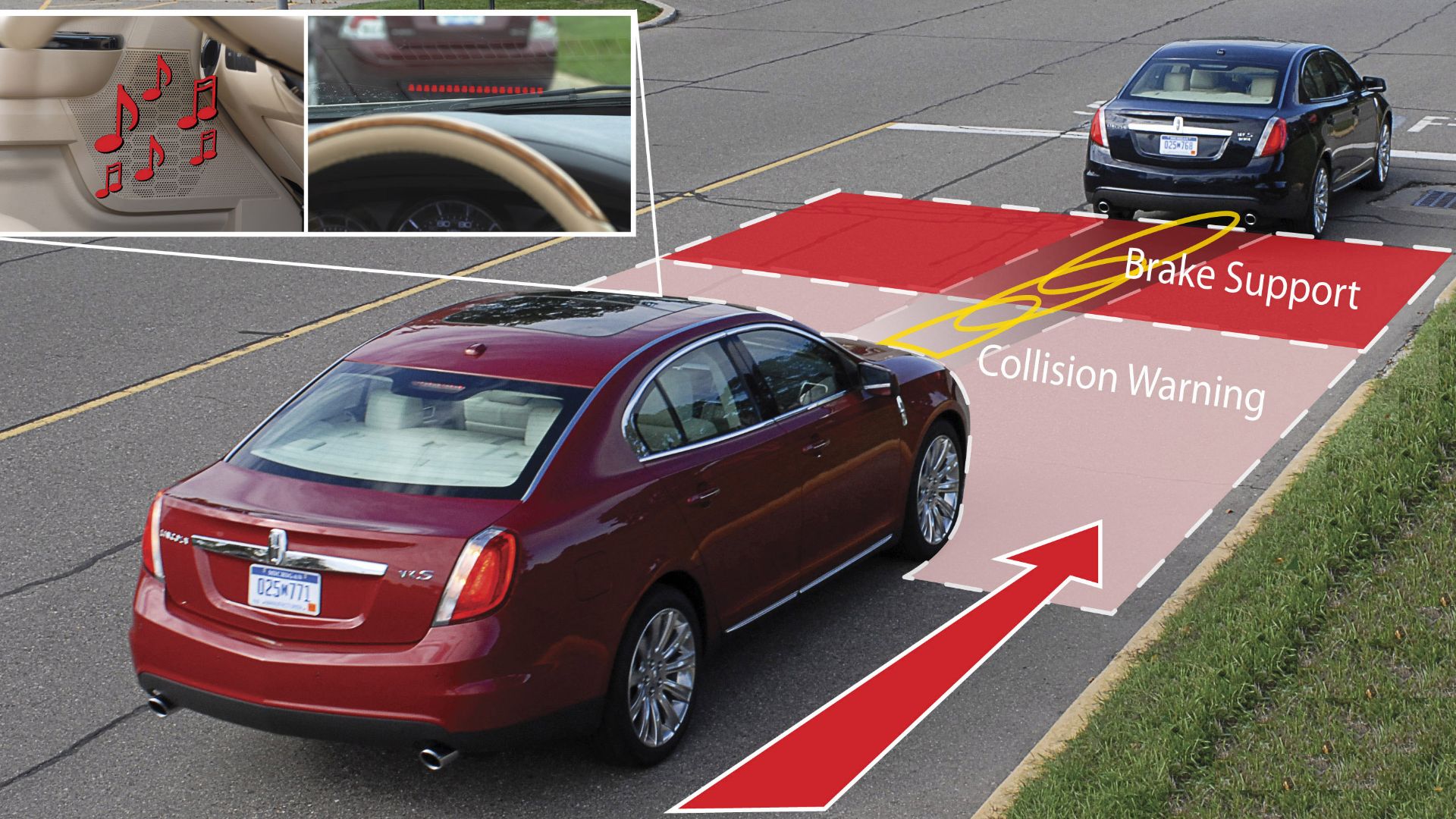
Driver Monitoring Is Separate From Automatic Braking
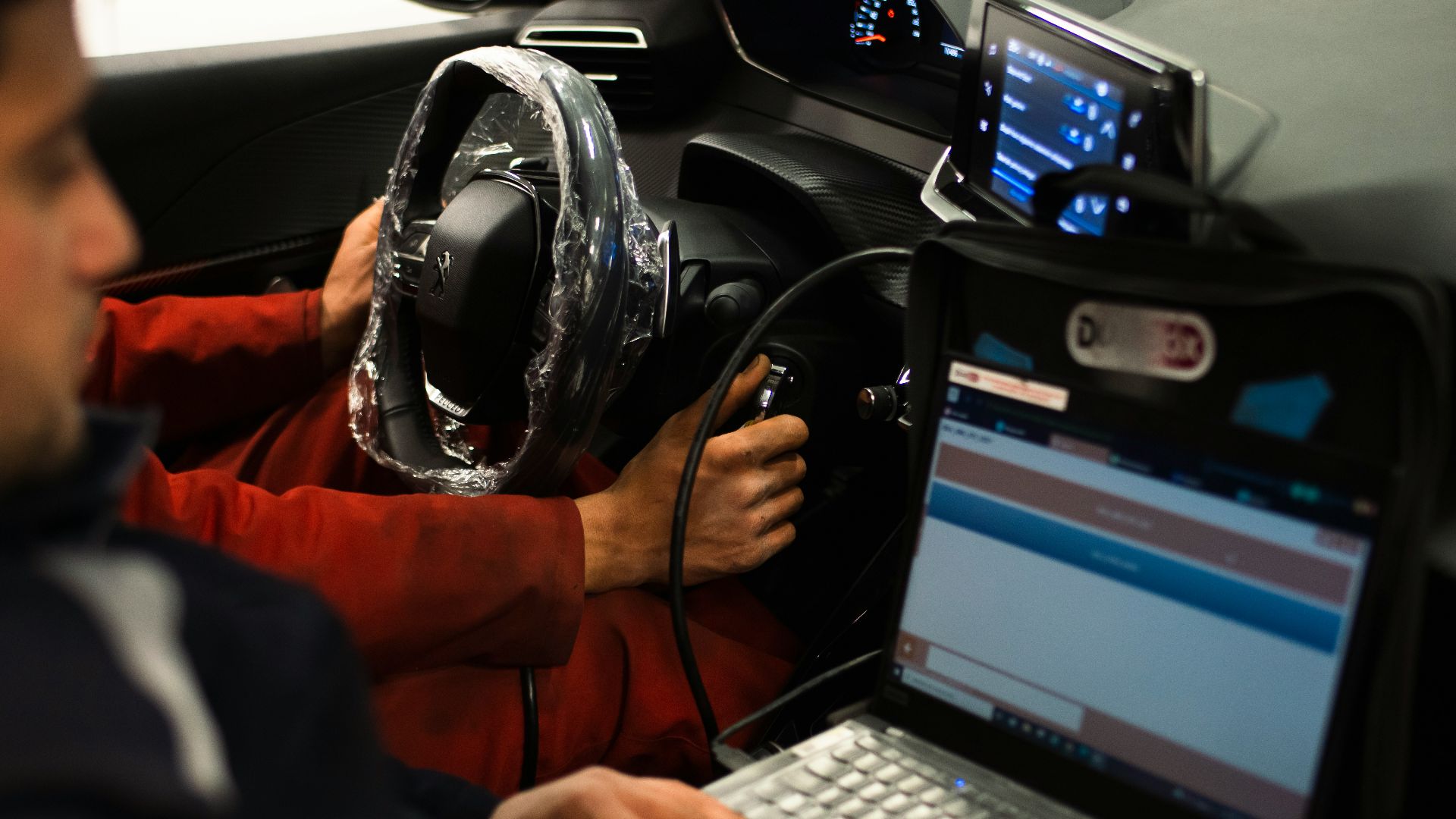
Some owners assume every safety feature shares the same sensors. In reality, driver monitoring usually operates independently from systems like automatic emergency braking or blind-spot monitoring. A problem with one doesn't necessarily mean the others are malfunctioning.
 Ford Motor Company from USA, Wikimedia Commons
Read The Owner's Manual
Every manufacturer explains its driver-monitoring system a little differently. Your owner's manual should describe what the warnings mean, how the system determines driver attention, and any limitations you should understand. Spending a few minutes reviewing those pages can answer many common questions.

Warning Messages Shouldn't Become Constant
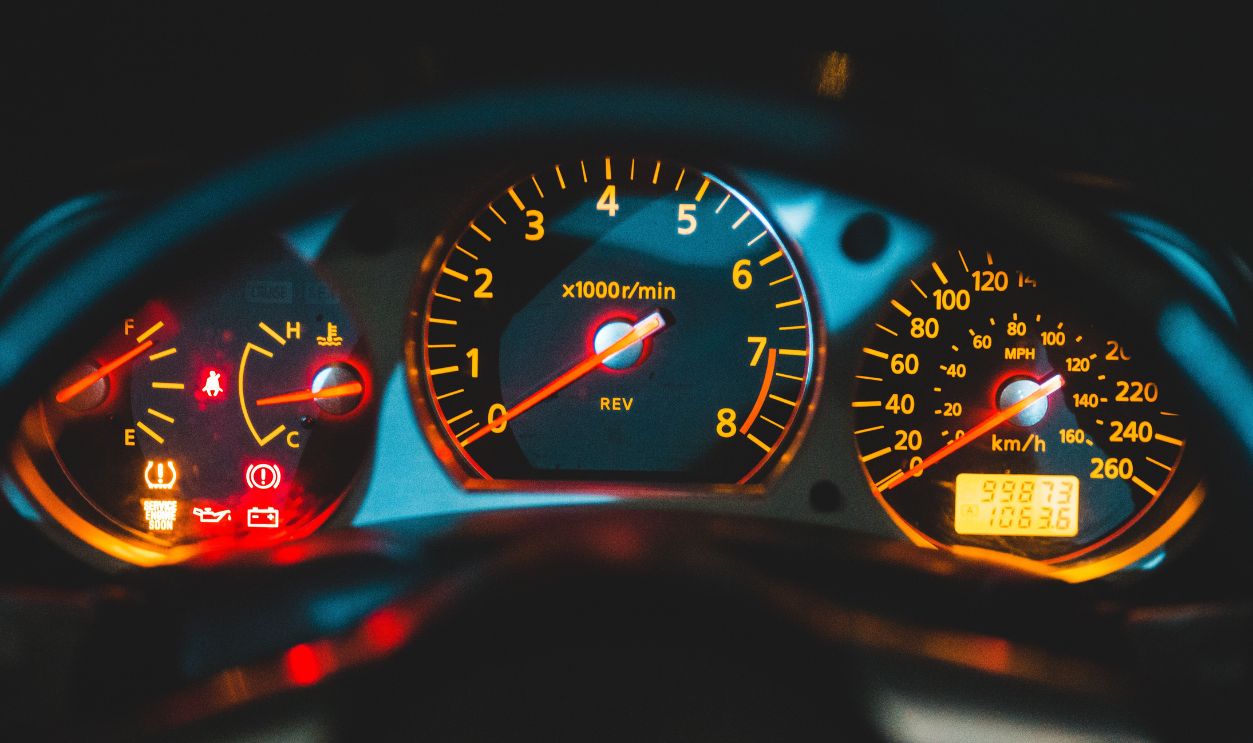
An occasional reminder is normal. Constant alerts during ordinary driving may indicate the system needs attention. If the warnings become frequent despite attentive driving, schedule an inspection. A dealership or qualified repair facility can check for stored diagnostic codes, camera calibration issues, software updates, or sensor problems.
Some Systems Can Be Adjusted
Depending on the manufacturer, you may be able to adjust certain driver-assistance settings through the infotainment system. While many safety features can't be completely disabled, some vehicles allow drivers to customize warning sensitivity or notification preferences. Always review the owner's manual before changing these settings.
Future Systems Will Become Even Smarter
Automakers continue investing heavily in driver-monitoring technology. Future systems may better distinguish between distraction, drowsiness, medical emergencies, and normal driving behavior. As more vehicles incorporate partial automation, accurate driver monitoring will likely become even more important.
The Goal Isn't To Annoy You
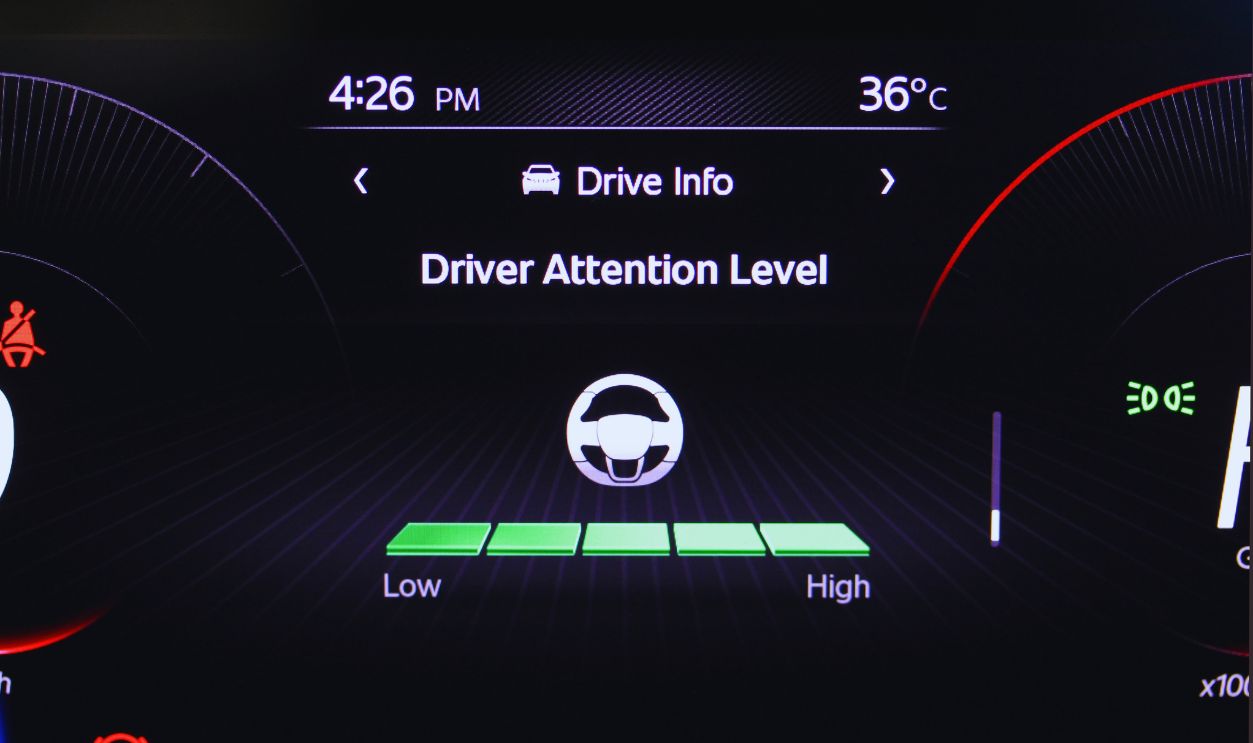
A break reminder can feel unnecessary when you're fully alert, but the technology isn't trying to judge your driving. It's using patterns, sensors, and probability to identify situations that resemble fatigue or inattention. Sometimes it gets those judgments wrong, but its purpose is to reduce crashes rather than criticize the driver.
Your Car Doesn't Actually Know If You're Tired
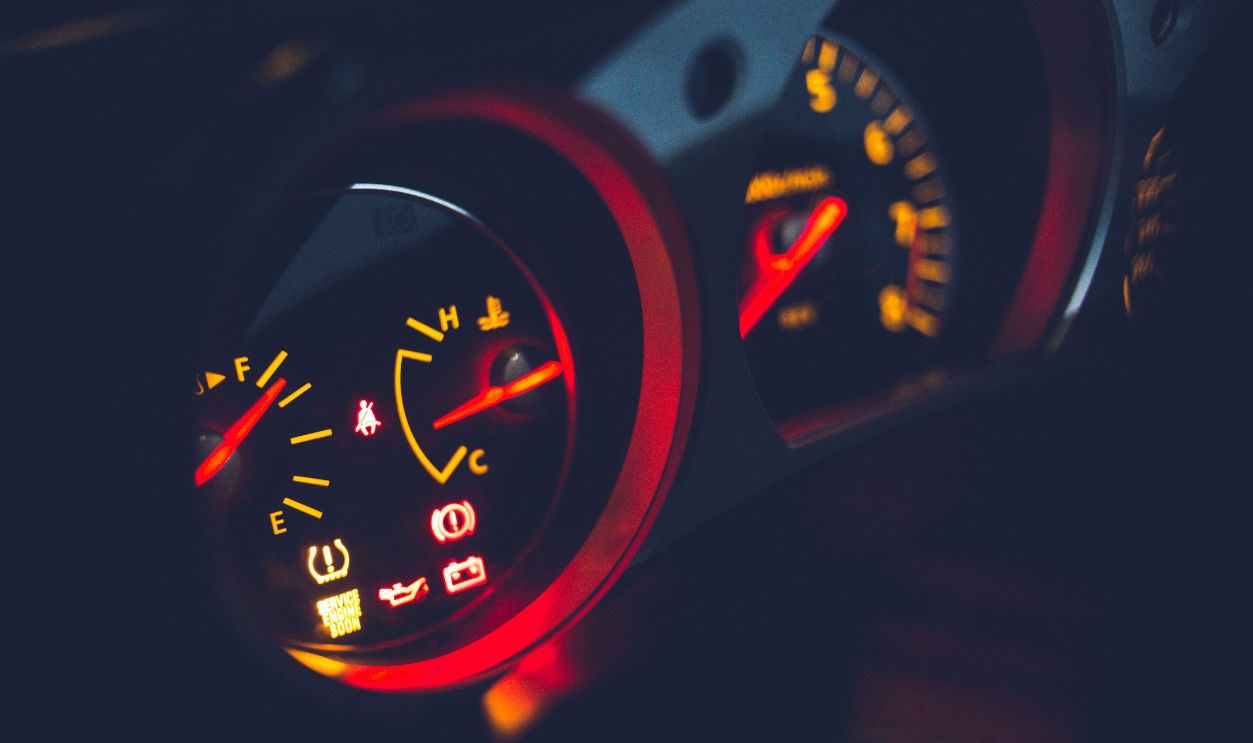
If your vehicle keeps telling you to take a break even though you feel perfectly fine, the system isn't detecting fatigue directly. It's interpreting clues such as eye movement, steering behavior, lane position, driving time, and attention patterns to estimate whether you may need a rest. Understanding how your particular vehicle monitors driver alertness can help explain why those warnings appear, and if they become unusually frequent, a software update or system inspection may be all that's needed to get things working properly.

You May Also Like:
My HOA says I can’t charge my EV overnight in my own driveway. Can they really stop me?