
Wait, What Exactly Did I Pay For?
You paid hundreds or perhaps thousands of dollars for a dealer's ceramic-coating package because it sounded like serious paint protection. Then you read the warranty and discover exclusions for scratches, stone chips, road debris, wash damage, and other everyday problems. If the warranty excludes the things most likely to hurt your paint, what exactly did you buy?

Ceramic Coating Is A Real Product
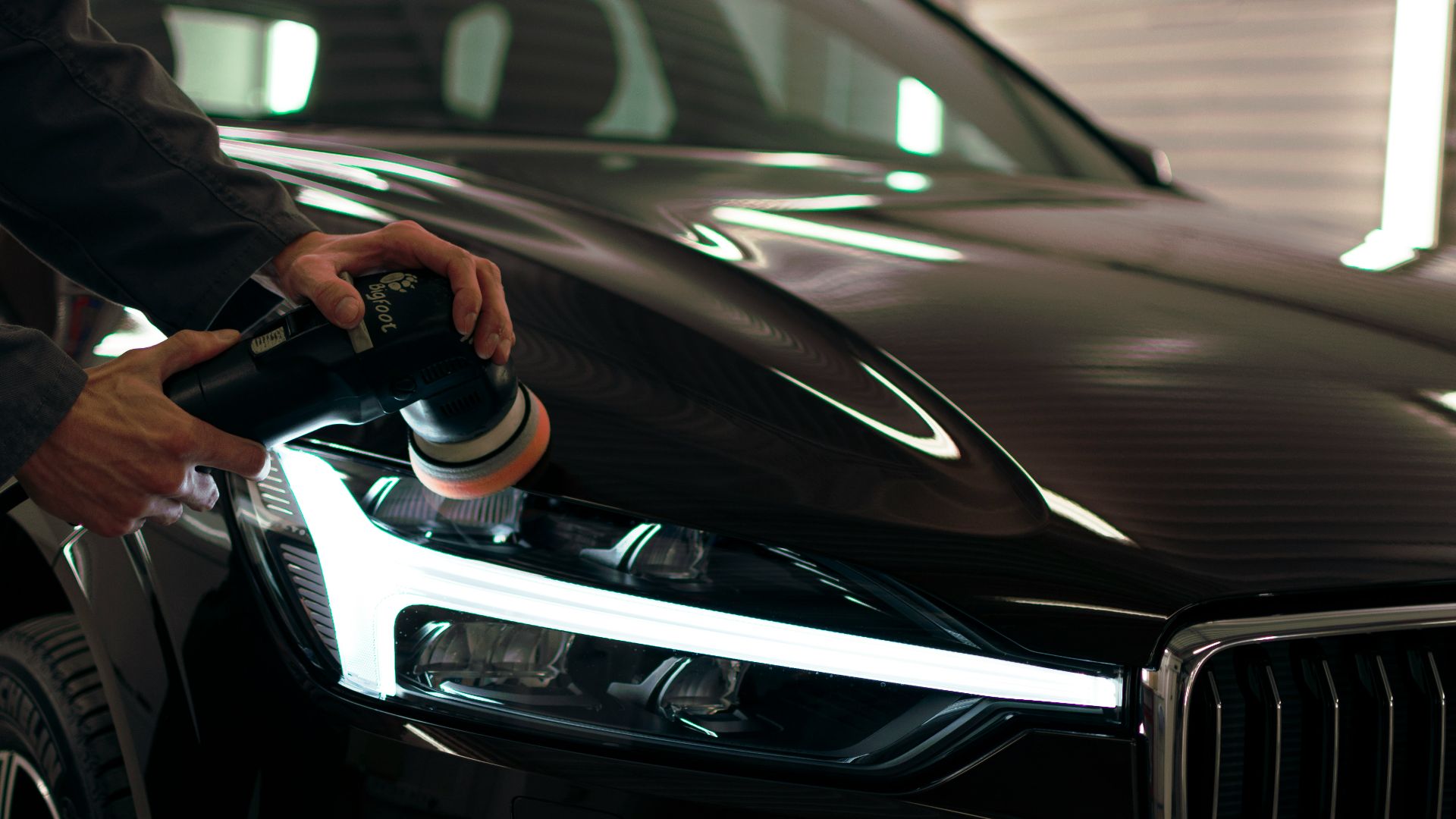
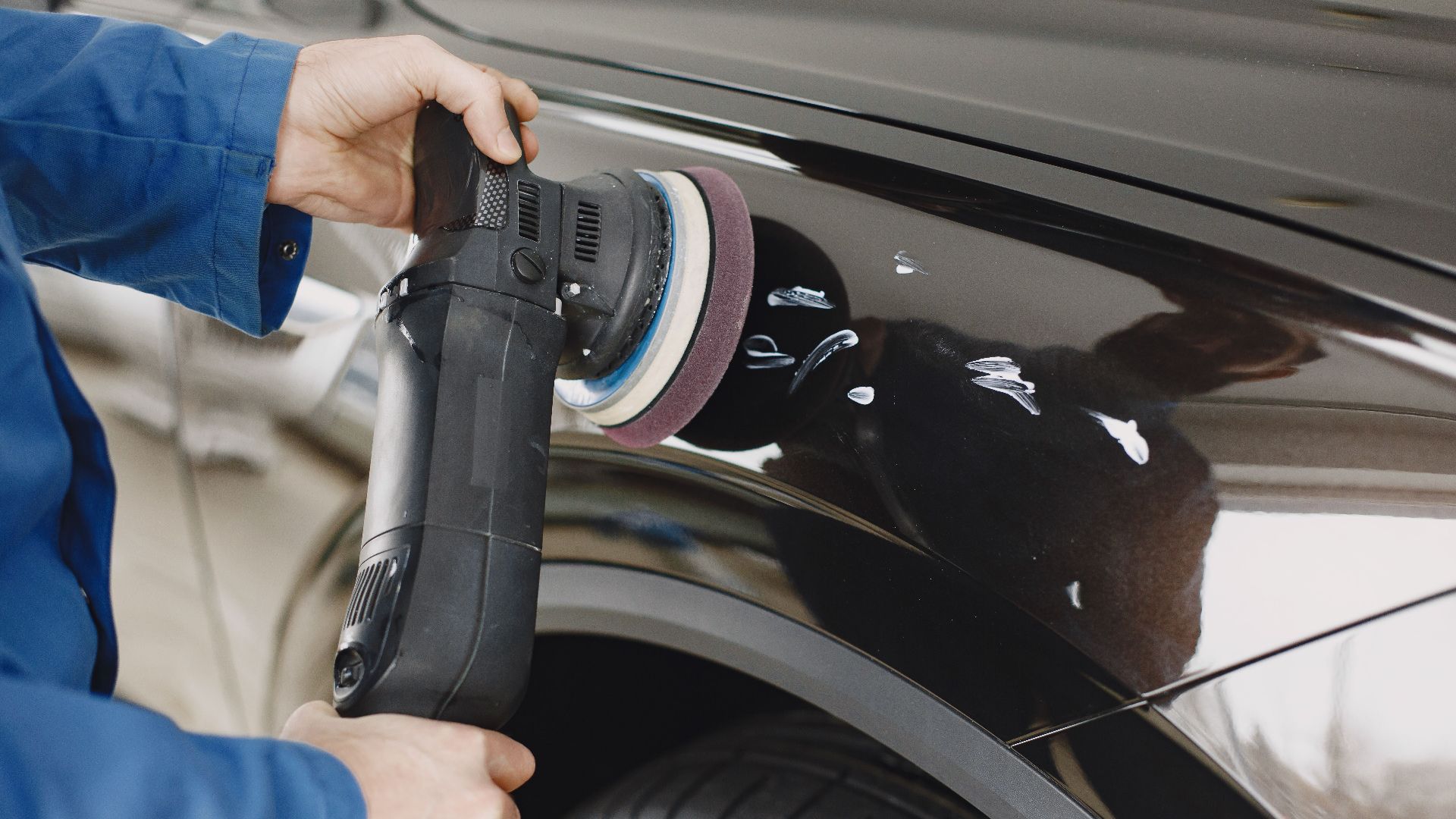
Ceramic coating isn't automatically a scam. It's a liquid product applied to a vehicle's exterior that cures into a protective layer over the paint. Depending on the product, it can create a hydrophobic surface, make the vehicle easier to clean, reduce surface friction, and provide protection against certain environmental contaminants.
But It Isn't Invisible Armor
This is where expectations often go wrong. Ceramic coating isn't the same as covering your vehicle with a hard protective shell. A rock traveling toward your hood at highway speed can still chip the paint, a shopping cart can still scratch a door, and a careless car wash can still leave marks.
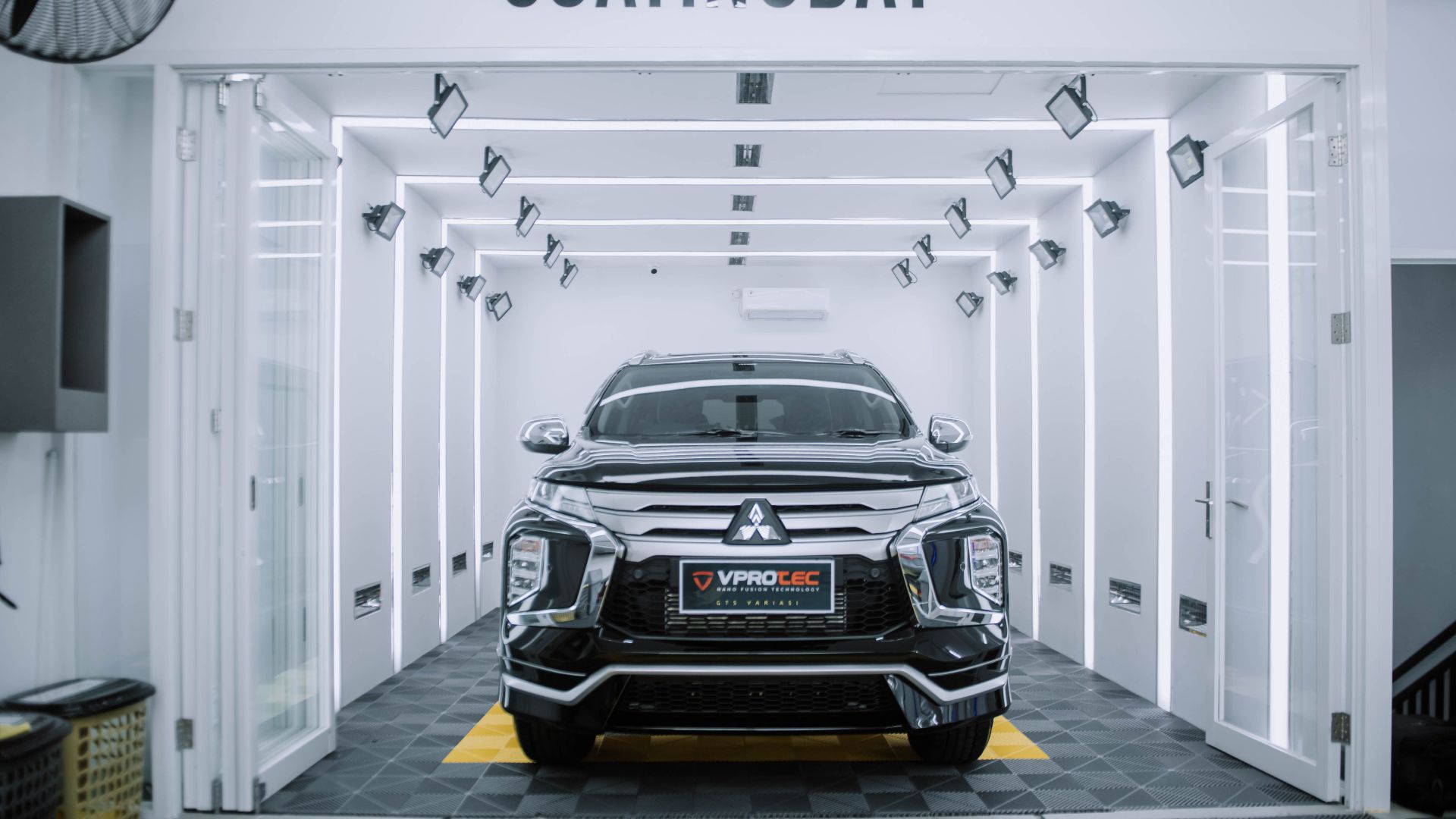
Even Major Coating Warranties Have Exclusions
For example, 3M's ceramic-coating warranty covers defects in the coating itself, including yellowing, cracking, flaking, or peeling during its stated warranty period. But it excludes dents, chips, certain scratches, physical impacts from rocks or road debris, and some damage caused by improper washing or products used afterward.
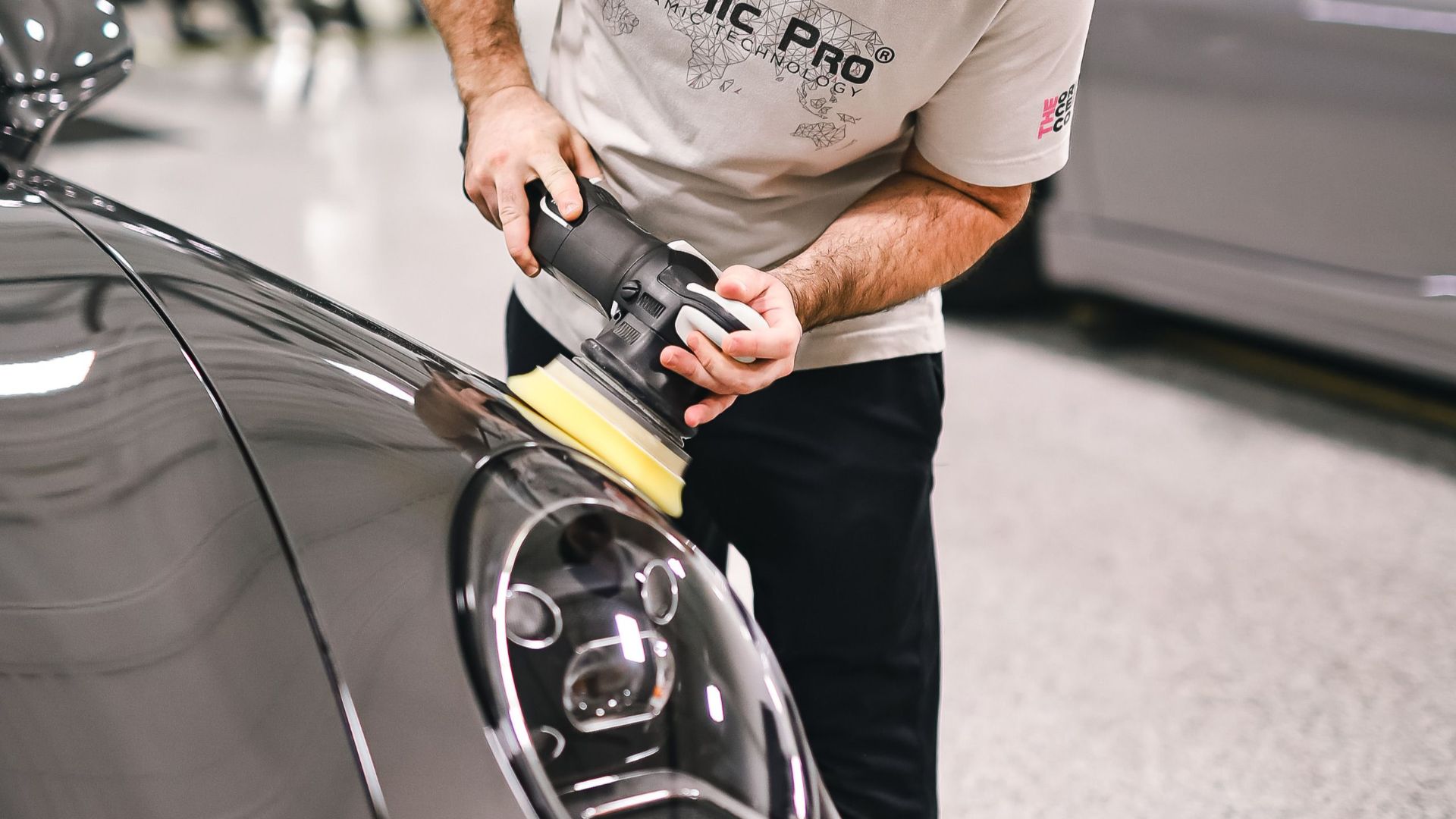
That's Probably Not What You Imagined At The Dealership
If a salesperson described the package as something that would "protect your paint," you may reasonably have pictured protection against scratches and chips. The actual warranty may define protection much more narrowly. That's why the sales pitch and written contract both matter.

Environmental Protection Is Often The Real Benefit
Some ceramic coatings are designed primarily to help resist environmental contamination and make surfaces easier to maintain. Depending on the product and warranty, protection may involve UV exposure, oxidation, bug residue, bird droppings, acid rain, or similar contaminants. That can be valuable, but it isn't the same as physical impact protection.
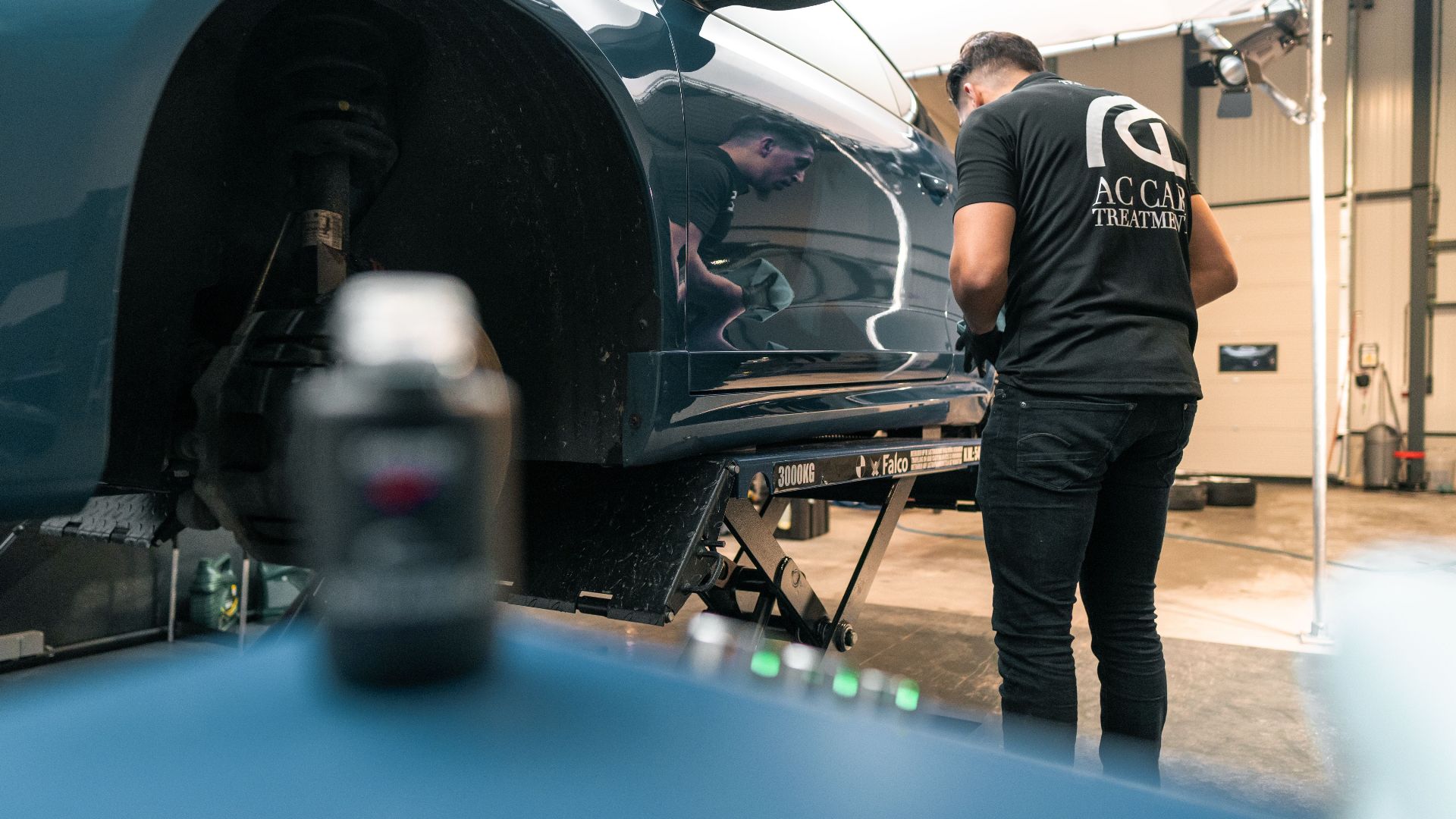
Bird Droppings Can Get Complicated Too
Even environmental protection can come with conditions. Some warranties require contaminants to be removed promptly and exclude damage caused when bird droppings, tree sap, bugs, or mineral deposits remain on the surface too long. A coated vehicle still needs maintenance.

Water Spots May Not Be As Simple As They Sound
A warranty may advertise protection against certain environmental damage while excluding particular water spotting. Opti-Coat's current terms, for example, cover some environmental damage but exclude water spots or etching caused by tap or sprinkler water left to dry on the surface.
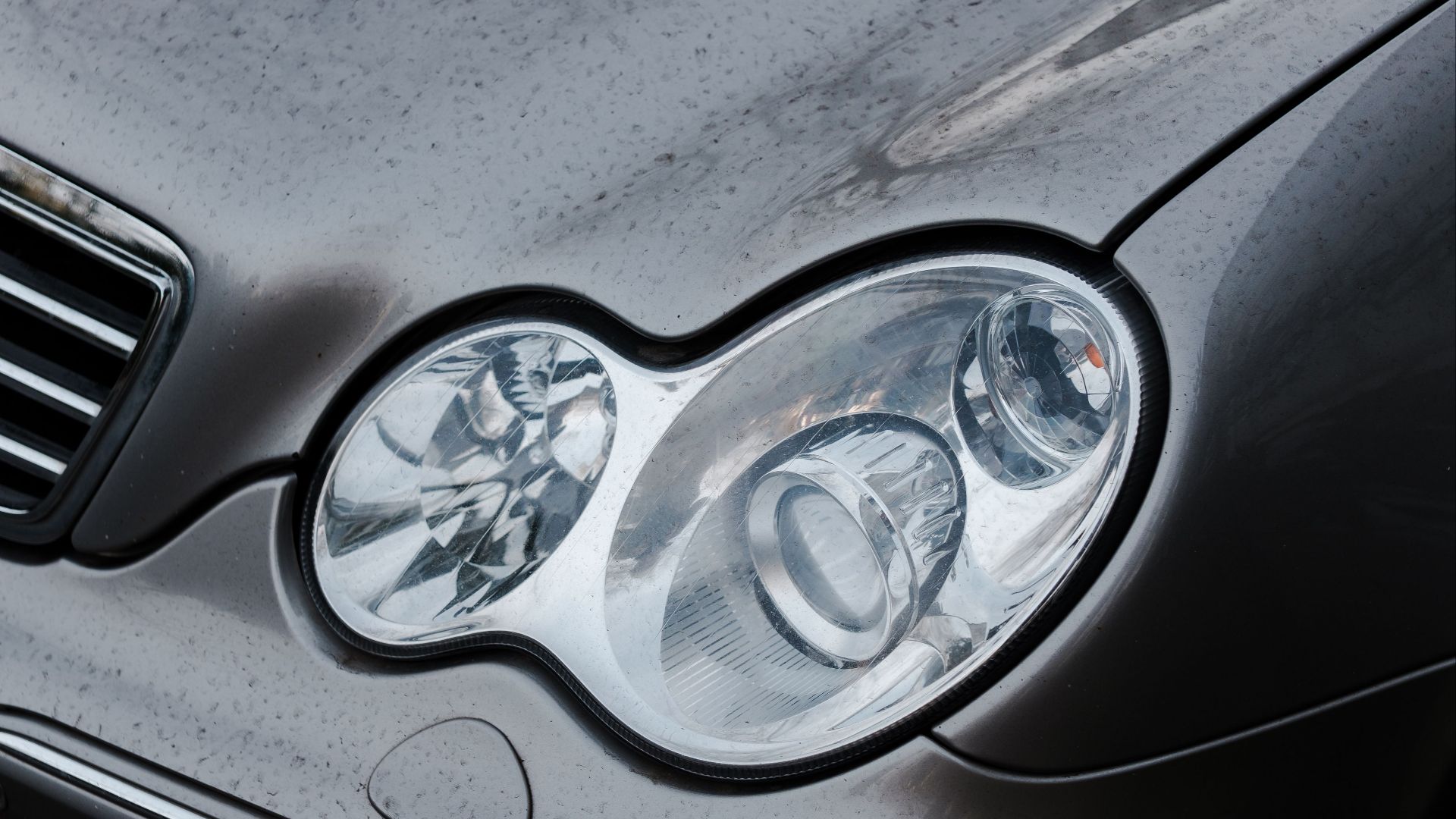
Scratches Are Commonly Excluded
This is one of the biggest surprises for buyers. Some ceramic-coating warranties expressly exclude scratches, stone chips, abrasions, or damage caused by physical impacts. That's because a thin coating isn't designed to absorb impacts the way a thicker physical barrier can.
Ceramic Coating Isn't Paint Protection Film
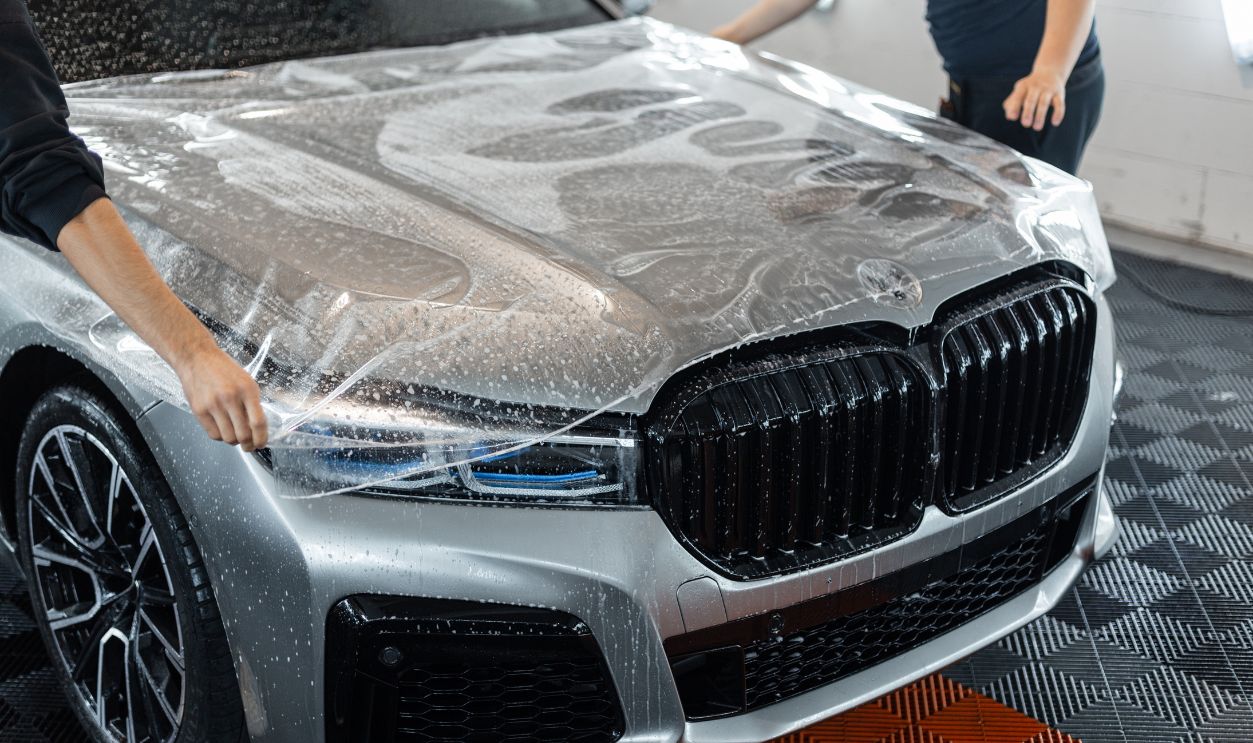
Paint protection film, often called PPF, is a physical film installed over painted surfaces. Ceramic coating is a liquid coating. They serve overlapping but different purposes, so don't assume a ceramic package provides the same resistance to physical damage as a protective film.
Now Look At What The Dealer Charged
Pull out your purchase agreement rather than relying on memory. Look for descriptions such as "ceramic protection," "appearance protection," "paint protection," "environmental protection package," or a branded product name. Find the exact price because that number may have disappeared into your financing paperwork.

Dealer Add-Ons Can Cost Serious Money
The FTC specifically identifies special paint coatings as dealer add-ons and warns consumers that optional products can add significantly to the price of a vehicle. Federal regulators have also pursued dealerships accused of charging customers for paint coatings and other add-ons they didn't knowingly agree to purchase.
Financing Makes A $1,500 Package Cost More
Suppose the coating package costs $1,500 and you roll it into a six-year auto loan. You aren't necessarily paying only $1,500. You're borrowing that money and paying interest on it along with the vehicle. The CFPB warns that financed add-ons increase both the amount borrowed and the total amount repaid.

Here's A Simple Example
Finance a $1,500 coating package for 72 months at 8% APR and, viewed on its own, that amount would require roughly $26 per month and about $1,894 in total payments. That's nearly $400 in interest on top of the original price. Suddenly, the fine print on that coating warranty matters a lot more.
 Stanislaw Mikulski, Shutterstock
The Monthly Payment Can Hide The Real Price
A salesperson might say the protection package adds "only about $25 a month." That sounds easier to swallow than saying you're spending roughly $1,800 or $2,000 over several years. The CFPB recommends evaluating the total cost of add-ons rather than focusing only on the monthly payment.

Was The Package Actually Optional?
Dealer add-ons generally aren't something a dealer can secretly slip into the deal or falsely claim you must buy. The FTC says dealers can't charge consumers for add-ons they didn't agree to or misrepresent an optional product as required. Paint coatings have specifically appeared in federal enforcement actions involving disputed dealer add-ons.
"It's Already On The Car" Deserves Scrutiny
You may hear that the coating has already been applied and therefore can't be removed from the deal. The FTC has specifically warned that dealers can't misleadingly imply an installed option is unavoidable and force consumers to pay extra for it when it is actually optional.
 Vukasin Ljustina, Shutterstock
Read The Warranty Like A Claims Adjuster
Make two lists: what the warranty expressly covers and what it expressly excludes. Look for scratches, chips, oxidation, UV damage, bird droppings, bug residue, tree sap, acid rain, water spots, vandalism, collisions, road debris, automatic car washes, and improper maintenance. The differences can reveal what you actually purchased.

Check The Maintenance Requirements
A long warranty isn't very useful if you accidentally void it. Some coating programs require particular washing methods, periodic inspections, approved maintenance products, or professional servicing. Others exclude damage associated with automatic brush washes or abrasive cleaning.

A "10-Year Warranty" Doesn't Mean Ten Years Of Everything
Warranty length makes a powerful sales pitch, but duration and coverage are separate questions. A ten-year warranty that covers coating failure but excludes the paint damage you're most concerned about isn't equivalent to ten years of comprehensive paint protection.
Always ask, "Ten years of coverage for what?"

Find Out Who Actually Backs The Warranty
The dealer may have sold the package, but the warranty could be administered by the coating manufacturer or another company. Identify the warrantor, claims process, required installer, transfer rules, maintenance requirements, and remedy if a covered problem occurs.
Don't wait until the paint is damaged to discover whom you're supposed to call.

The Remedy May Be Smaller Than You Expect
A successful warranty claim doesn't necessarily mean a complete repaint. Depending on the contract, the remedy may involve repairing or retreating the affected area or reapplying the coating. Opti-Coat's published terms, for example, describe repair and retreatment of qualifying affected areas.

Check Whether The Warranty Transfers
If you plan to sell the vehicle, find out whether the coating warranty follows the car. Some protection warranties are non-transferable or impose conditions on transfers. That matters if the salesperson suggested the package would help the vehicle's future resale value.

Can You Cancel The Package?
Check the contract immediately. Some vehicle add-on products provide cancellation rights, although the exact right depends on the product, agreement, state law, and circumstances. The CFPB advises consumers to evaluate optional add-ons carefully and notes that cancellation rights may exist for some dealer products.

A Refund Might Not Arrive As Cash
If a financed add-on is cancelable and you receive a refund, find out where the money goes. Depending on the arrangement, a refund for a financed product may be credited toward the loan balance rather than handed to you as spending money.
Read the cancellation section before assuming how the refund works.

What If The Sales Pitch Was Very Different?
Save advertisements, brochures, text messages, emails, and anything the salesperson gave you. If the package was represented as covering damage that the written warranty clearly excludes, the issue may go beyond simple buyer disappointment. The FTC prohibits deceptive practices involving dealer add-ons.

So... What Did You Actually Buy?
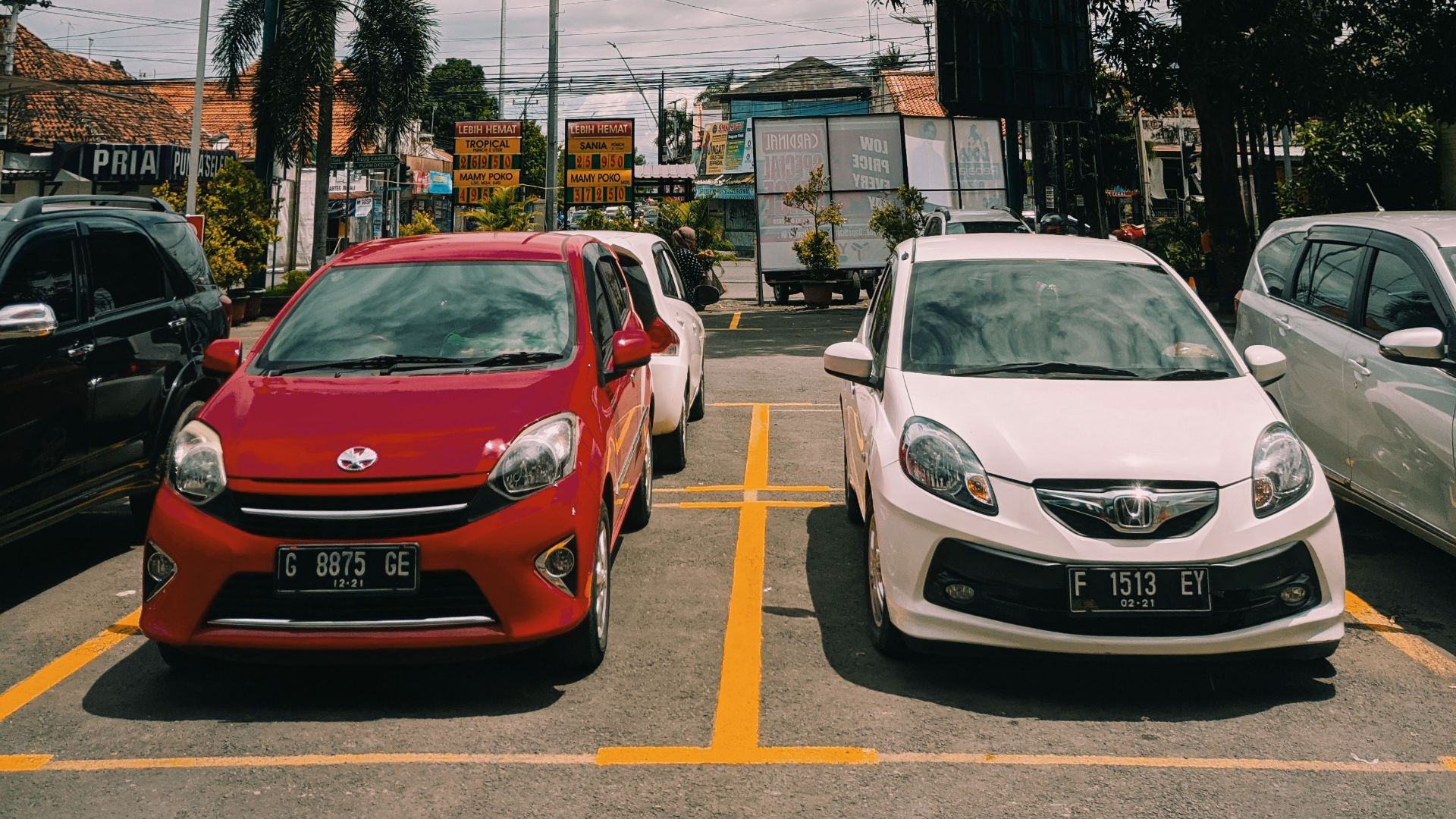
Most likely, you bought a professionally applied surface coating plus whatever limited warranty is described in the contract. It may make the paint easier to clean, improve water repellency, enhance gloss, and provide protection against certain environmental contaminants. What you probably didn't buy was an invisible force field against every scratch, chip, rock, car wash, stain, or parking-lot mishap.
Does That Mean The Package Was Worthless?
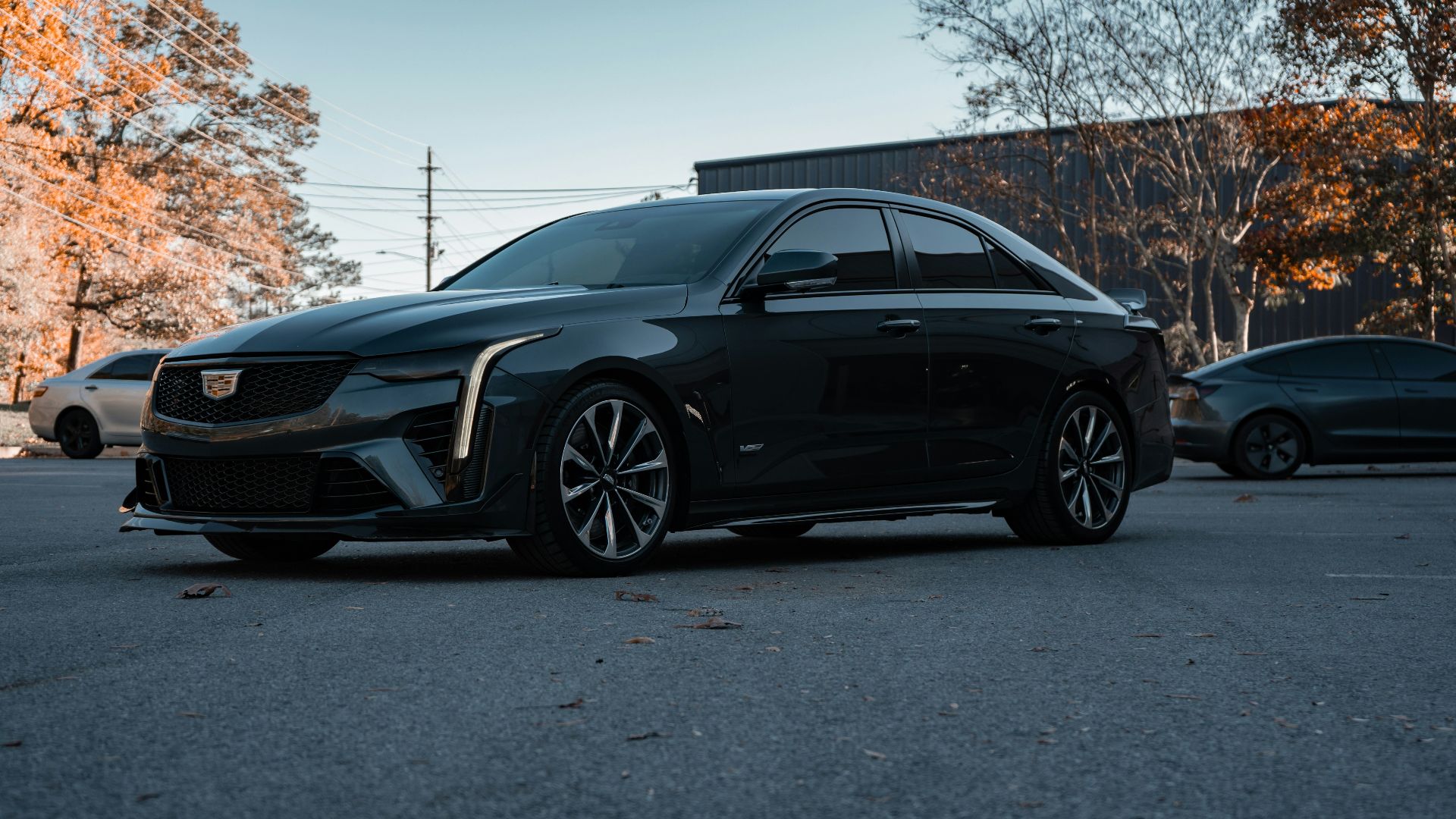
Not necessarily. A quality coating can provide real benefits to someone who values easier cleaning, gloss, hydrophobic performance, and environmental protection. The financial question is whether those benefits and the actual warranty justify what you paid, especially if you financed the package and are paying interest on it.
The Bottom Line
Pull out the purchase agreement and warranty and compare the sales description with the actual coverage. Confirm the package price, what was applied, who backs it, how long coverage lasts, what maintenance is required, what damage is excluded, and whether cancellation is possible.
If you paid $1,500 for a coating expecting protection from stone chips and scratches, but the warranty expressly excludes both, the biggest problem may not be the ceramic coating itself. It may be that the product you bought and the protection you thought you bought were two very different things.
You May Also Like: My mechanic warned me about buying a truck with cylinder deactivation. The salesperson says it saves tons of fuel. What should I do?