One Small Part Can Lead To A Very Expensive Repair
Your mechanic says your engine needs a new timing belt or timing chain, and suddenly you're looking at a repair bill that could run into thousands of dollars. Both parts keep your engine running properly, but they have very different maintenance requirements, costs, and potential problems.
So what's the difference between a timing belt and a timing chain, and what should you know before approving an expensive repair?

Both Parts Perform The Same Essential Job
Most cars have either a timing belt or a timing chain, not both. Your engine's crankshaft moves the pistons, while the camshaft controls when the valves open and close. The timing belt or chain keeps these components synchronized. If they fall out of sync, your engine can stop running or suffer serious damage.
What Exactly Is A Timing Belt?
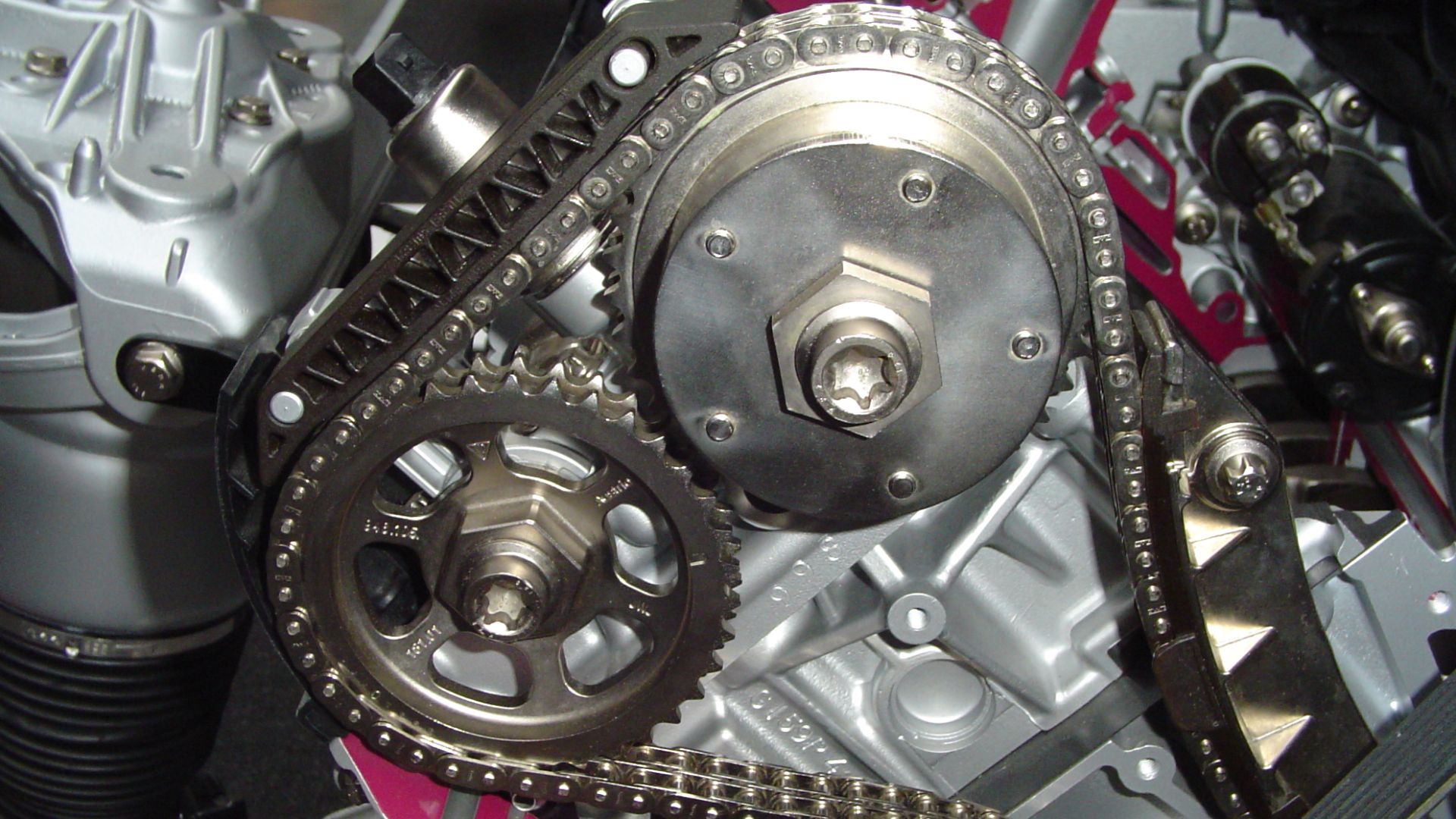
A timing belt is a reinforced rubber-based belt with teeth that engage matching pulleys. It connects the crankshaft to the camshaft, keeping their movements synchronized as the engine runs. Timing belts are relatively lightweight and quiet, but they gradually deteriorate and eventually require replacement.
 ProjectManhattan, Wikimedia Commons
How Is A Timing Chain Different?
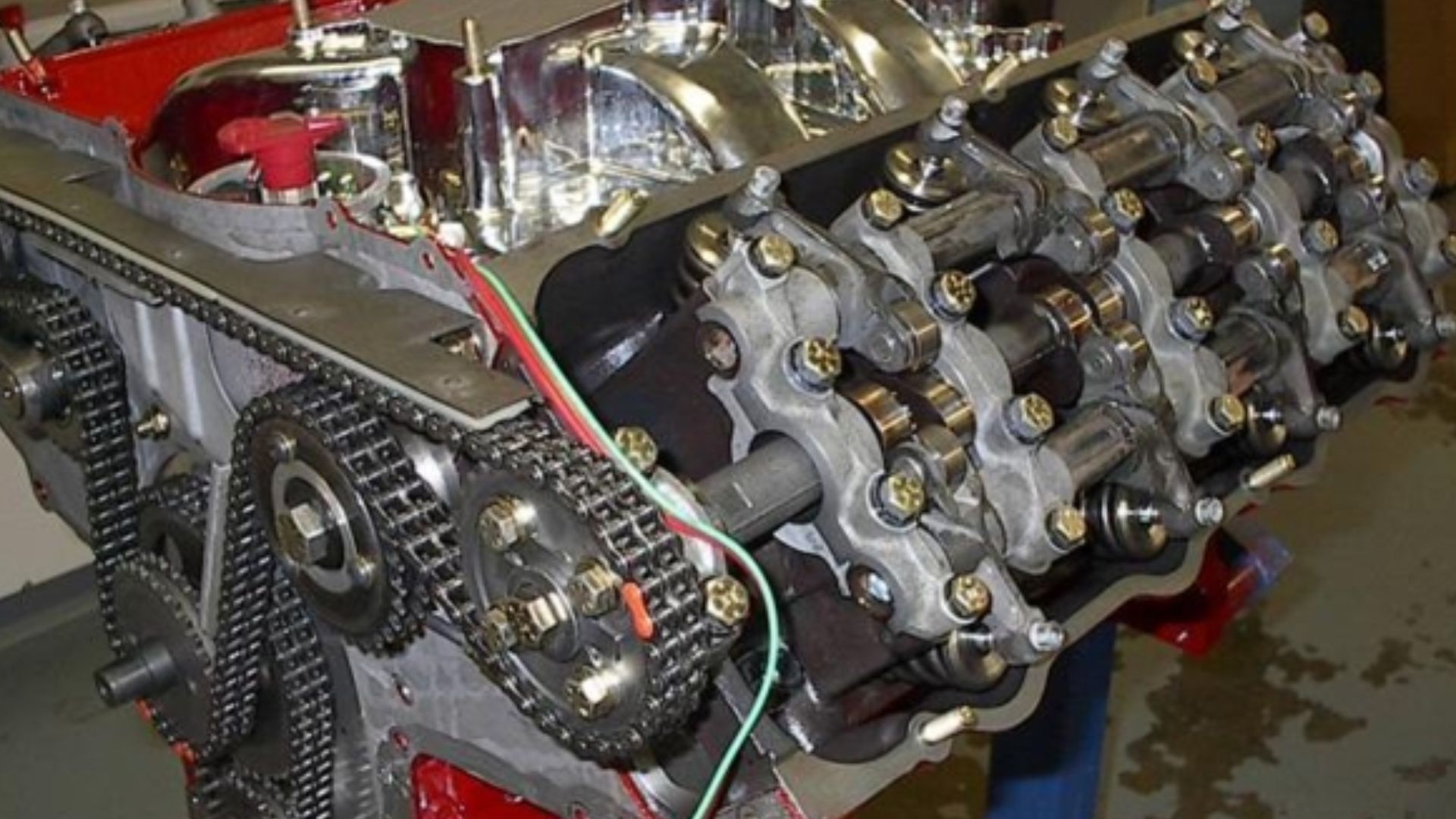
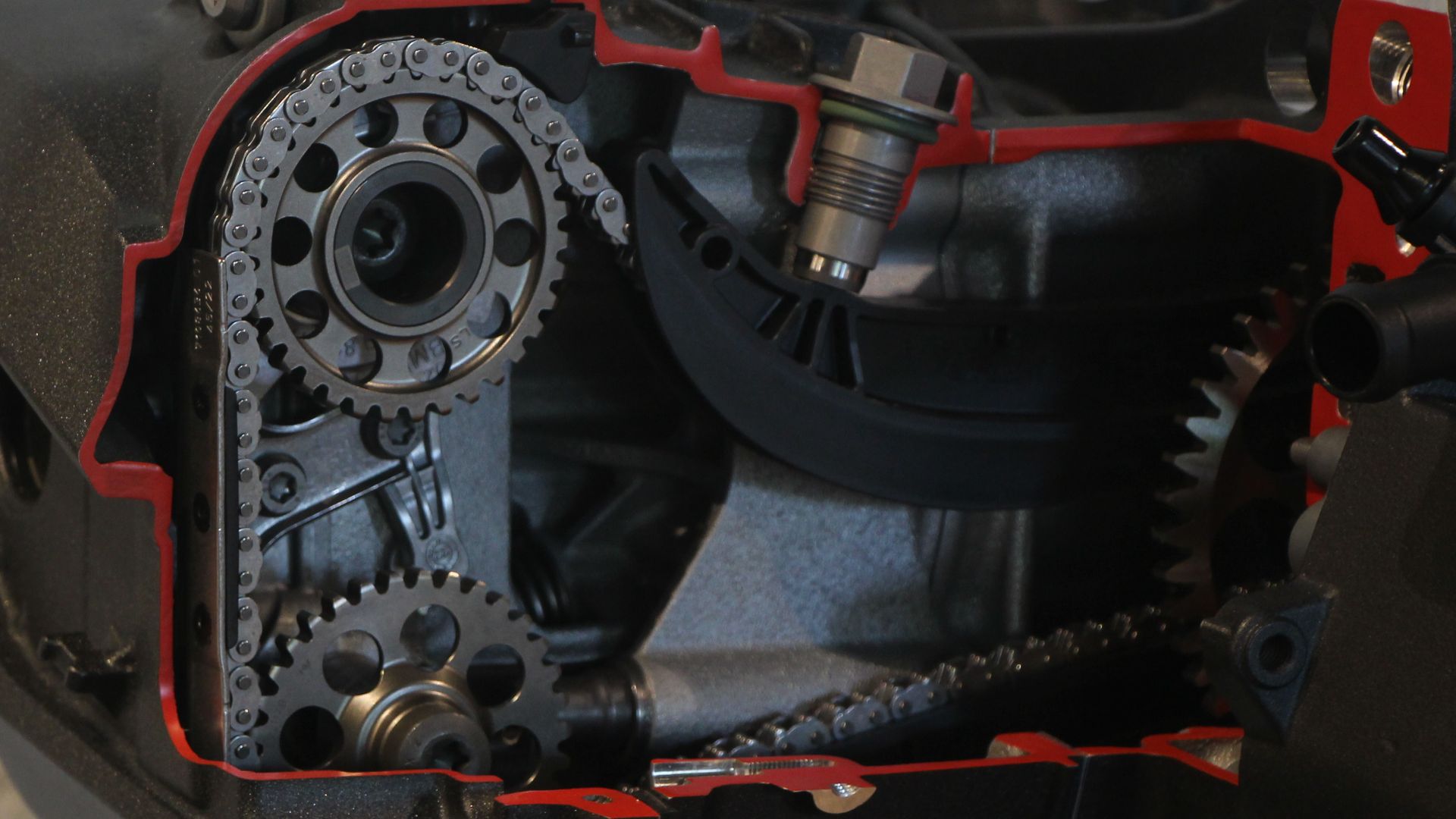
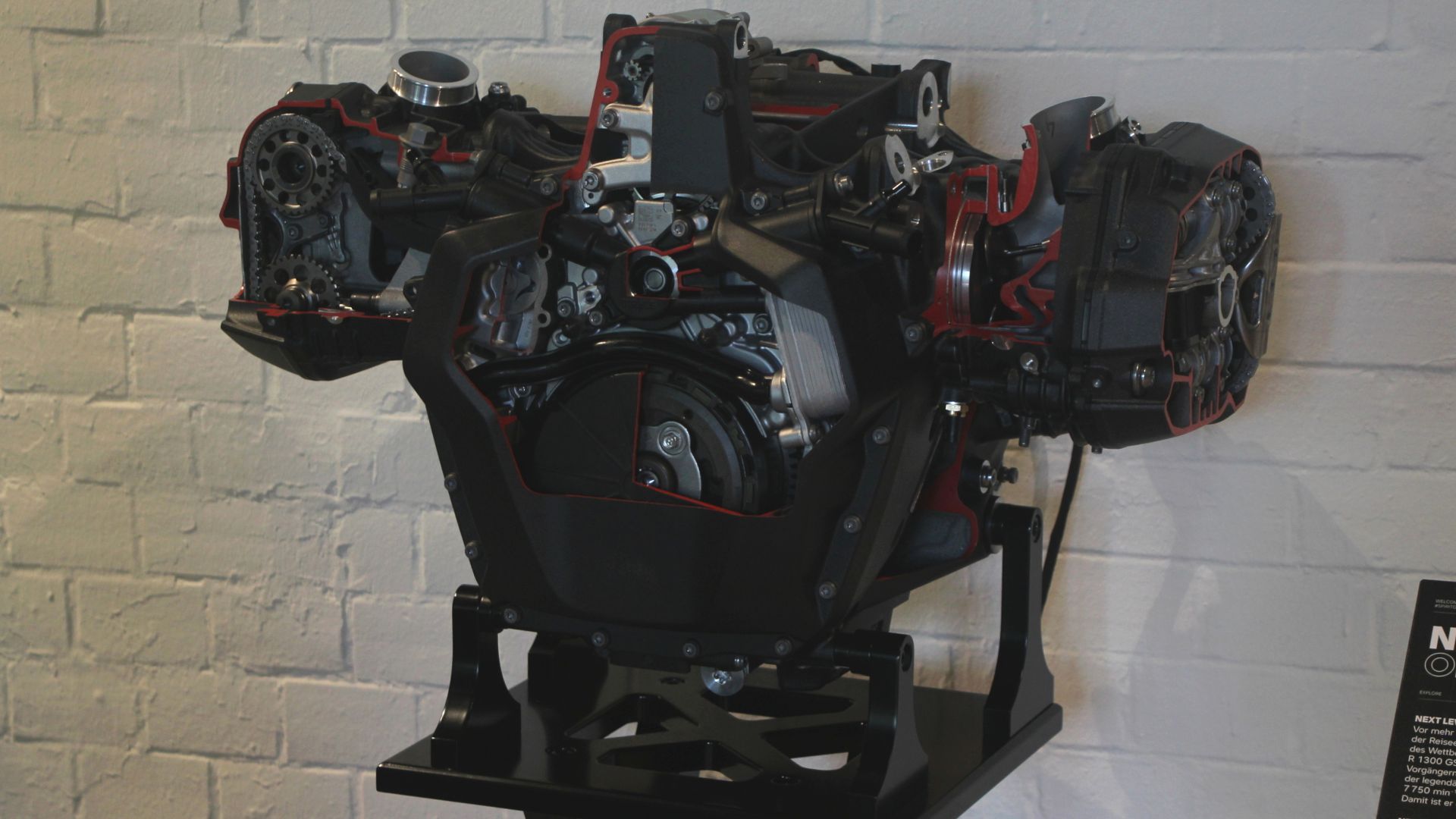
A timing chain performs the same job using metal links instead of reinforced rubber. It runs over toothed sprockets and is generally lubricated by engine oil. Timing chains typically last longer than belts, but their metal construction doesn't make them immune to wear.
Timing Belts Have Scheduled Replacement Intervals
Depending on the vehicle, manufacturers may recommend timing belt replacement anywhere from around 60,000 miles to more than 100,000 miles. The correct interval depends on your particular engine, so checking the maintenance schedule is essential. Waiting too long can turn a routine replacement into a much more expensive repair.

Timing Chains Usually Last Much Longer
Unlike timing belts, many timing chains have no scheduled replacement interval under normal operating conditions. Some are designed to last for the expected service life of the engine without routine replacement. However, worn chains, guides, and tensioners can still require repairs.
 Wikisympathisant, Wikimedia Commons
How Much Does Timing Belt Replacement Cost?
According to RepairPal's September 2026 estimates, the average timing belt replacement costs between $918 and $1,338 in the United States. That includes parts and labor but excludes taxes and additional repairs. Your actual cost depends on the vehicle, engine design, and local labor rates.

Timing Chain Replacement Can Cost Even More
RepairPal estimates that timing chain replacement averages between $2,120 and $2,764 in the United States as of September 2026. The higher price largely reflects the extensive labor often required to access the chain. This makes confirming the diagnosis especially important before authorizing the work.

Why Manufacturers Use Different Designs
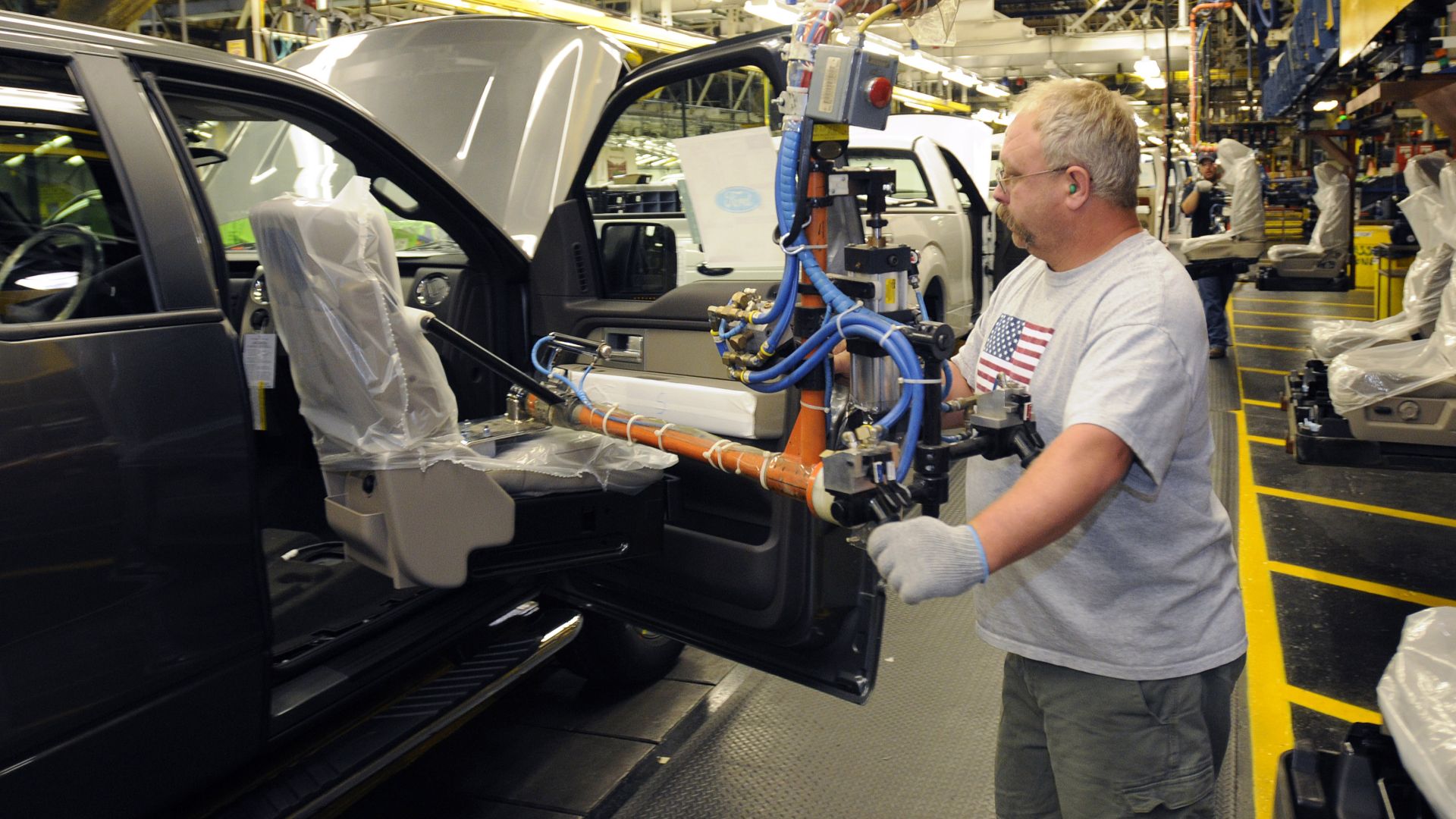
Timing belts are lightweight, relatively quiet, and can simplify certain engine designs. Timing chains are generally more durable but require lubrication and can add weight and mechanical noise. Manufacturers choose between them based on engine packaging, manufacturing costs, and performance requirements.
 Ford Motor Co, Wikimedia Commons
Timing Chains Have Made A Comeback
Timing belts became especially common in passenger cars during the 1980s and 1990s. Since then, timing chains have become increasingly popular in many engine designs because of their expected durability. However, some modern engines still use timing belts, so a newer car doesn't necessarily have a chain.
 Wikisympathisant, Wikimedia Commons
How Do You Know Which One Your Car Has?
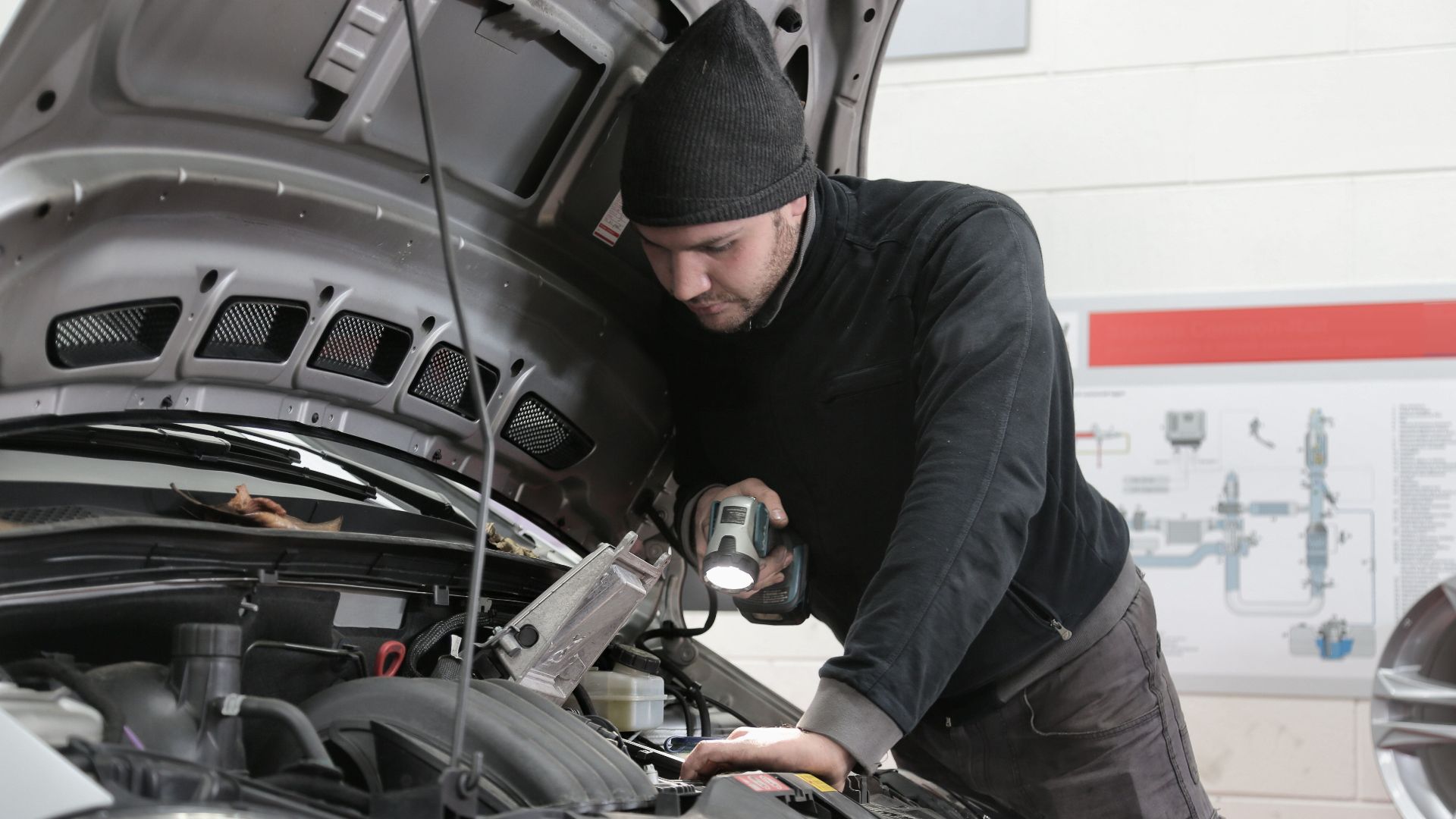
Your owner's manual or manufacturer maintenance information is the best place to start. You can also ask a mechanic to identify your timing system using the exact model year and engine. Different engines offered in the same vehicle model may use different timing systems.

You Usually Can't See Either Component
Traditional timing belts are generally hidden behind protective covers, while timing chains typically operate inside sealed engine housings. Some modern engines also use oil-lubricated timing belts that run inside the engine. Because these components are usually concealed, assessing their condition often requires specialized inspection.
Don't Confuse It With Your Serpentine Belt
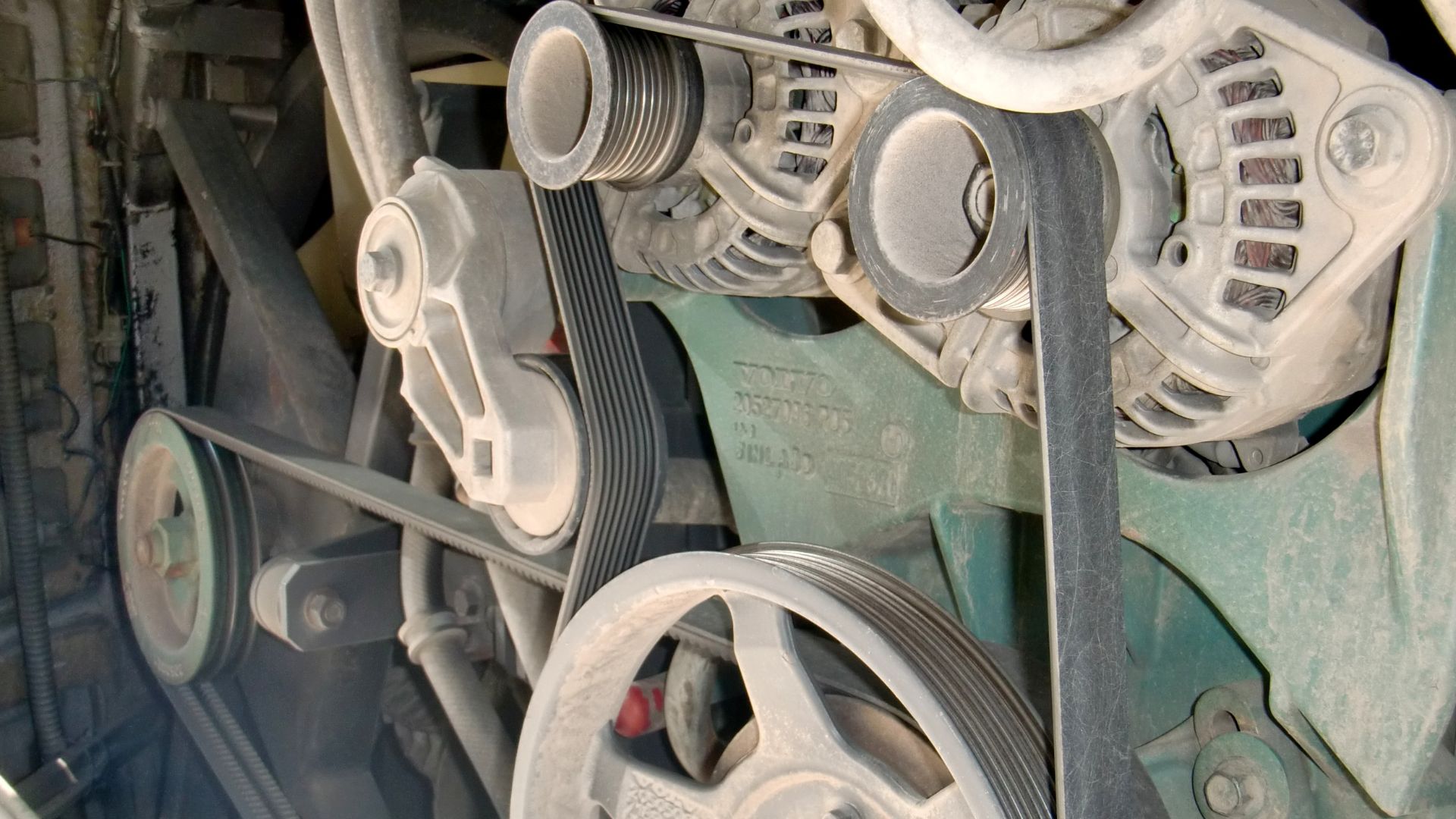
The serpentine belt is another important engine component, but it performs a different job. It typically drives accessories such as the alternator, air-conditioning compressor, and sometimes the power-steering pump. Replacing a worn serpentine belt is not the same as replacing your engine's timing belt.
Mileage Isn't The Only Thing That Matters
Timing belts can deteriorate with age, even when a vehicle has relatively low mileage. Repeated exposure to heat, flexing, and contamination can weaken their materials over time. Some manufacturers specify time-based replacement limits, making it important to check both mileage and age recommendations.

Your Engine Oil Helps Protect The Timing Chain
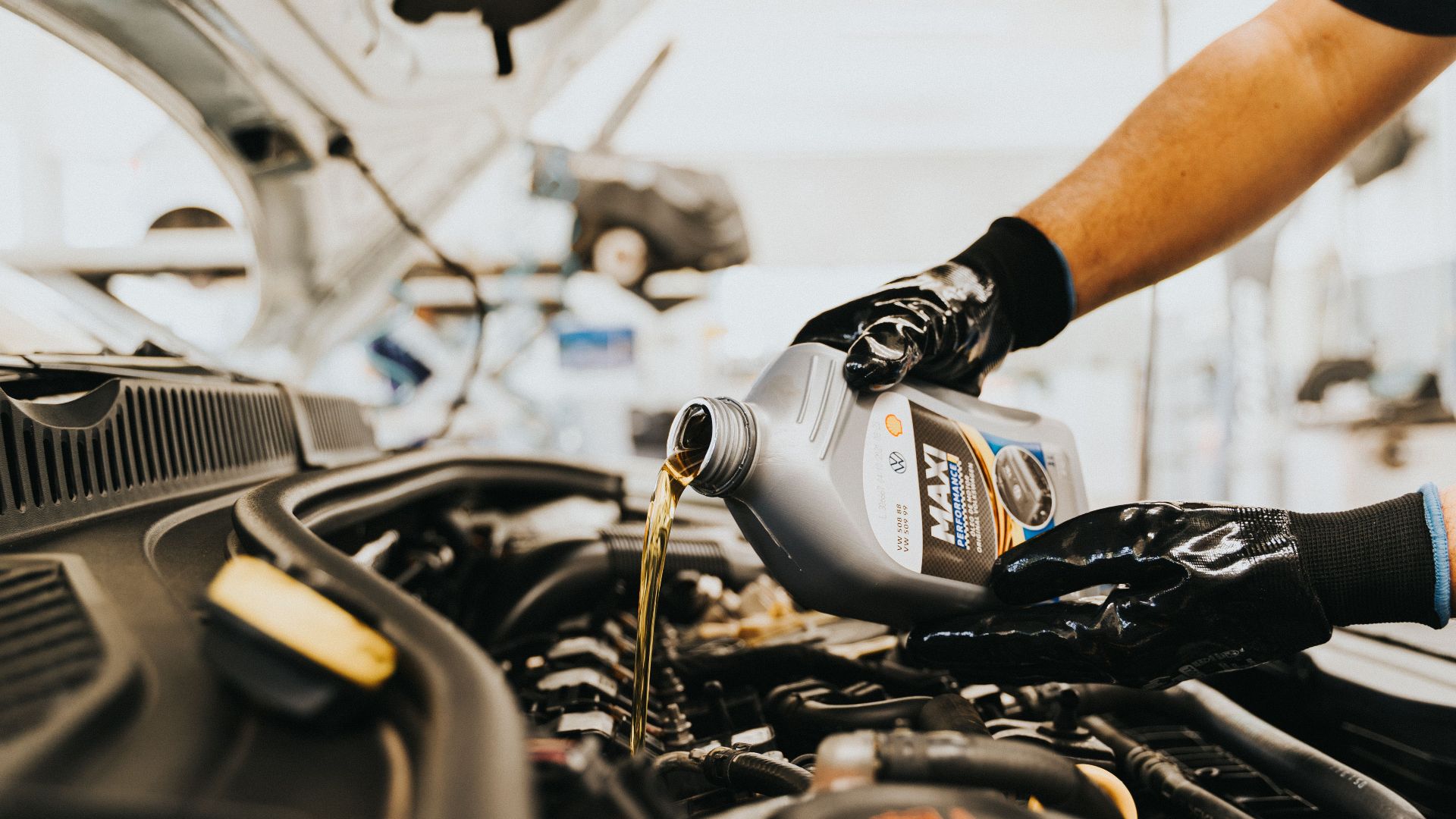
Most timing chains operate inside the engine, where motor oil lubricates their moving components. Neglected oil changes, contamination, and incorrect oil can contribute to timing system problems. Following your manufacturer's oil specifications and maintenance intervals helps protect the chain and related mechanisms.
Sometimes The Chain Isn't The Problem
Timing chain systems use tensioners and guides to maintain proper tension and alignment. If these components wear or fail, the chain can develop excessive slack even without breaking. Depending on the diagnosis, repairing the system may require replacing the tensioner, guides, chain, or several components together.
A Worn Timing Belt May Give Little Warning
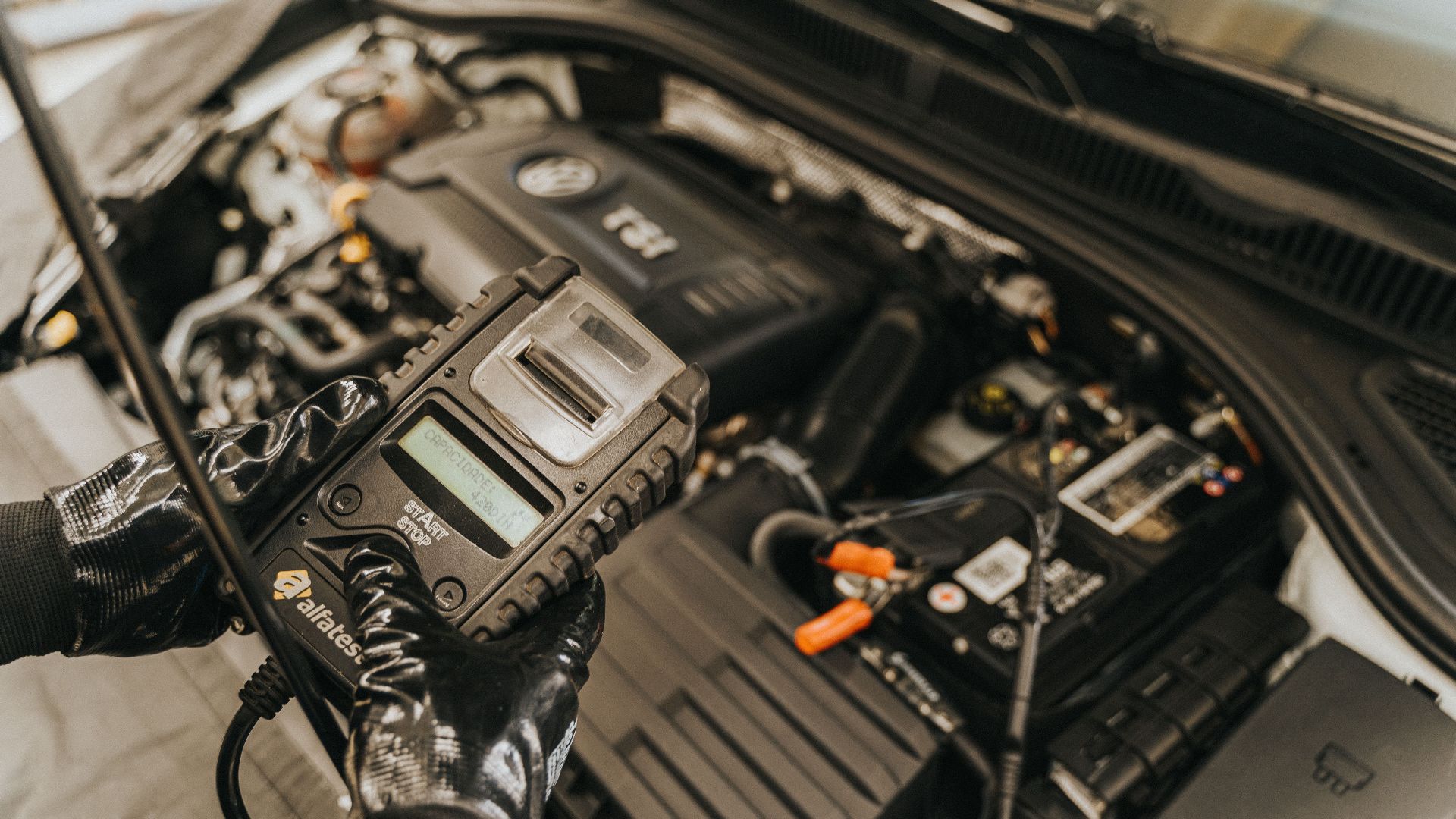
Some deteriorating timing belts develop cracking, damaged teeth, or other visible defects. However, belts can also fail without making obvious noises or noticeably affecting engine performance beforehand. That's why preventive replacement according to the manufacturer's schedule is so important.

A Rattling Noise Could Signal Trouble
A metallic rattling sound during engine startup can sometimes indicate a worn timing chain or faulty tensioner. The noise may be especially noticeable before normal oil pressure is established. Other engine components can create similar sounds, so a professional diagnosis is necessary before replacing the chain.

Your Check Engine Light May Offer Another Clue
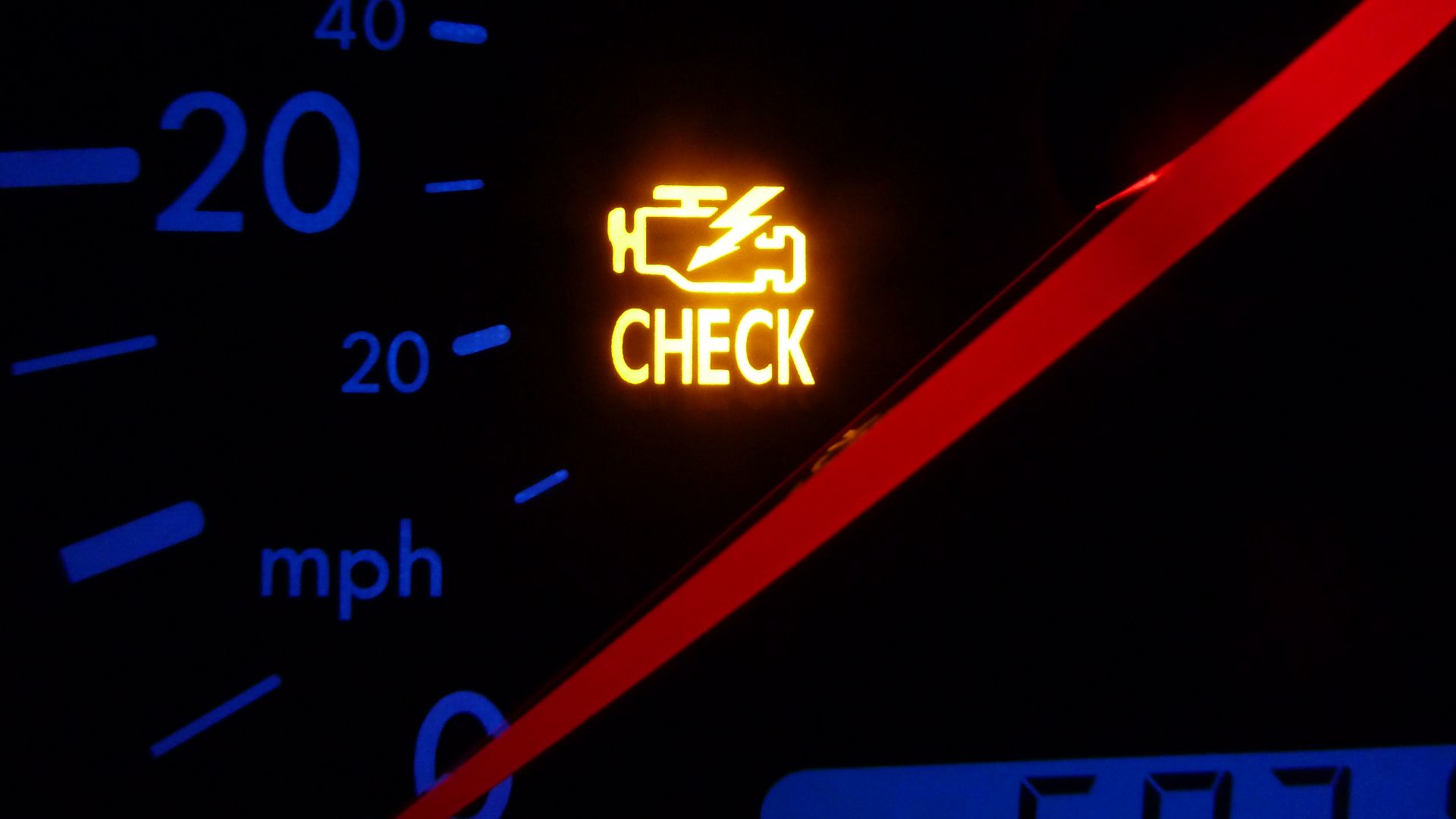
Incorrect valve timing can sometimes trigger the check engine light, particularly when the engine computer detects a mismatch between crankshaft and camshaft positions. Diagnostic trouble code P0016, for example, indicates a problem with the correlation between those components. However, sensors and other engine-control faults can also cause timing-related codes, so further testing is necessary.
 Wikiuser100000, Wikimedia Commons
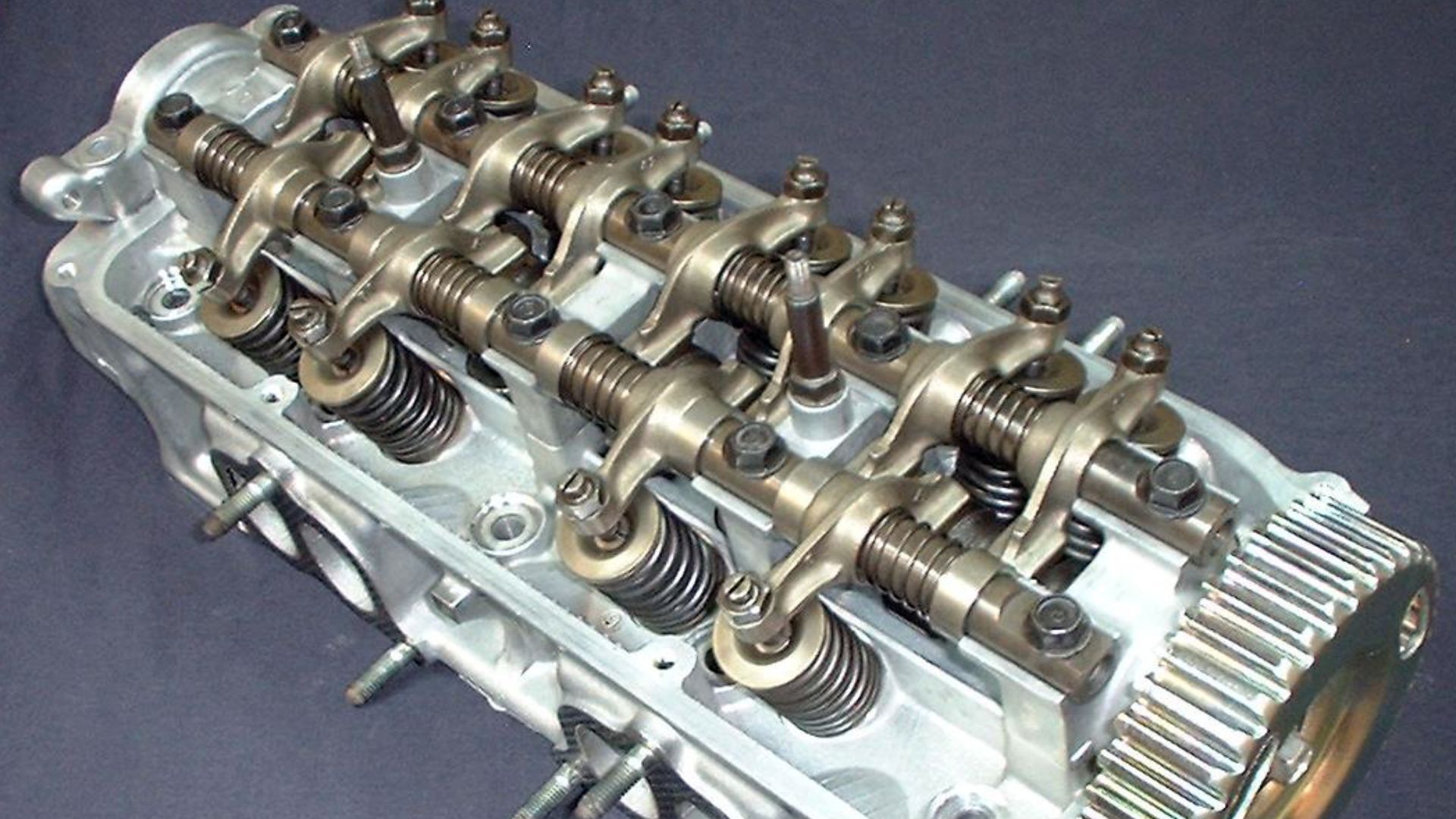
What Happens Inside An Interference Engine?
In an interference engine, the pistons and valves occupy overlapping areas of the cylinders at different points in the operating cycle. Precise timing prevents them from colliding during normal operation. If the timing belt or chain loses synchronization, the pistons can strike open valves and cause extensive damage.
 IJB TA at English Wikipedia (Original text: Ian Brockhoff), Wikimedia Commons
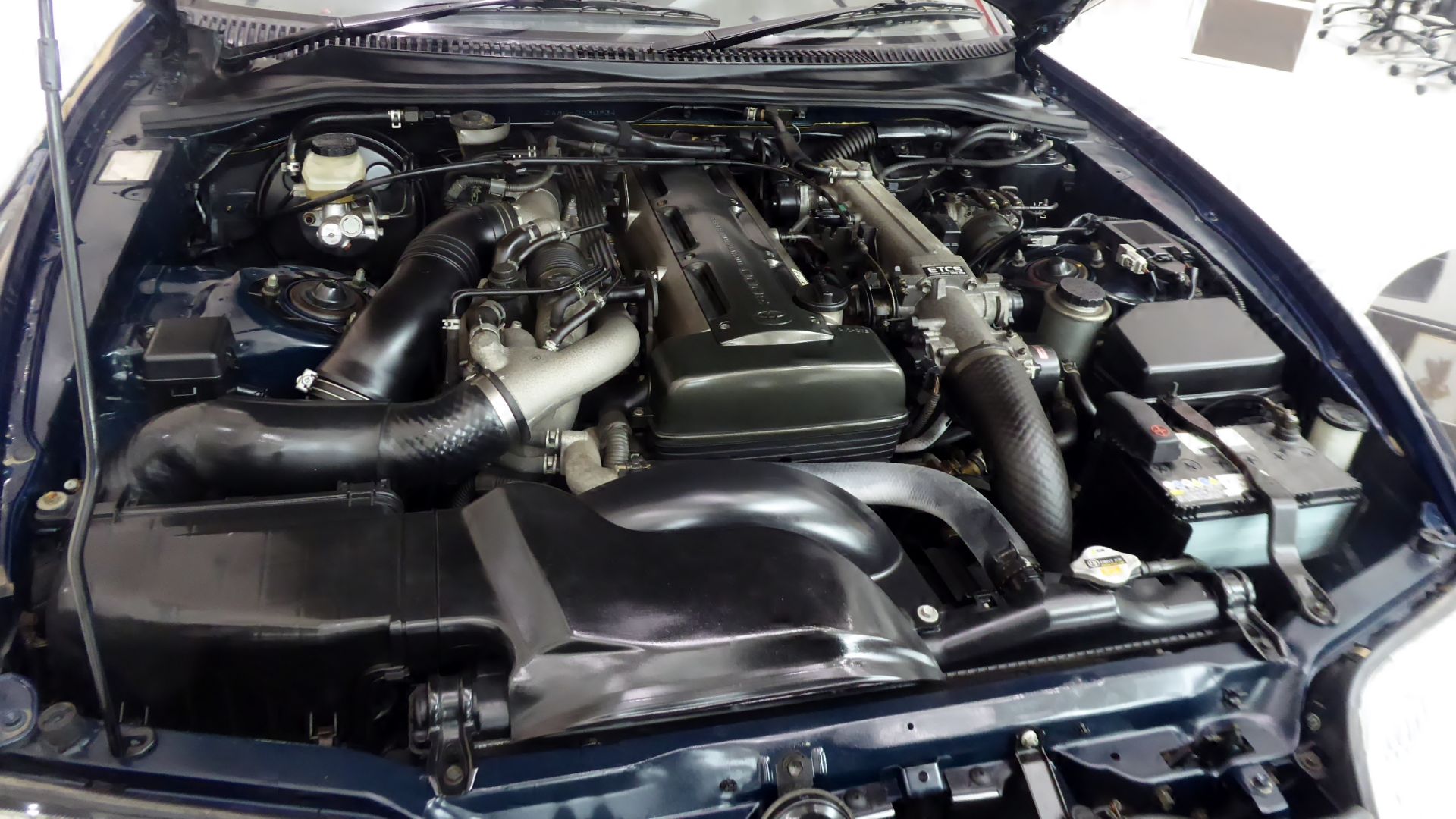
Non-Interference Engines Have An Advantage
Non-interference engines generally provide enough clearance to avoid piston-to-valve collisions when valve timing is lost. If a timing belt breaks, the engine will usually stop without suffering that particular type of internal damage. However, the vehicle still requires repairs, and other damage cannot automatically be ruled out.
 Tokumeigakarinoaoshima, Wikimedia Commons
What Happens When A Timing Belt Breaks?
A broken timing belt can cause your engine to shut down suddenly, leaving you stranded. The starter may continue turning the engine over, but the engine won't run because the camshaft is no longer properly synchronized. If you suspect a broken timing belt, avoid repeated starting attempts and arrange for professional inspection.

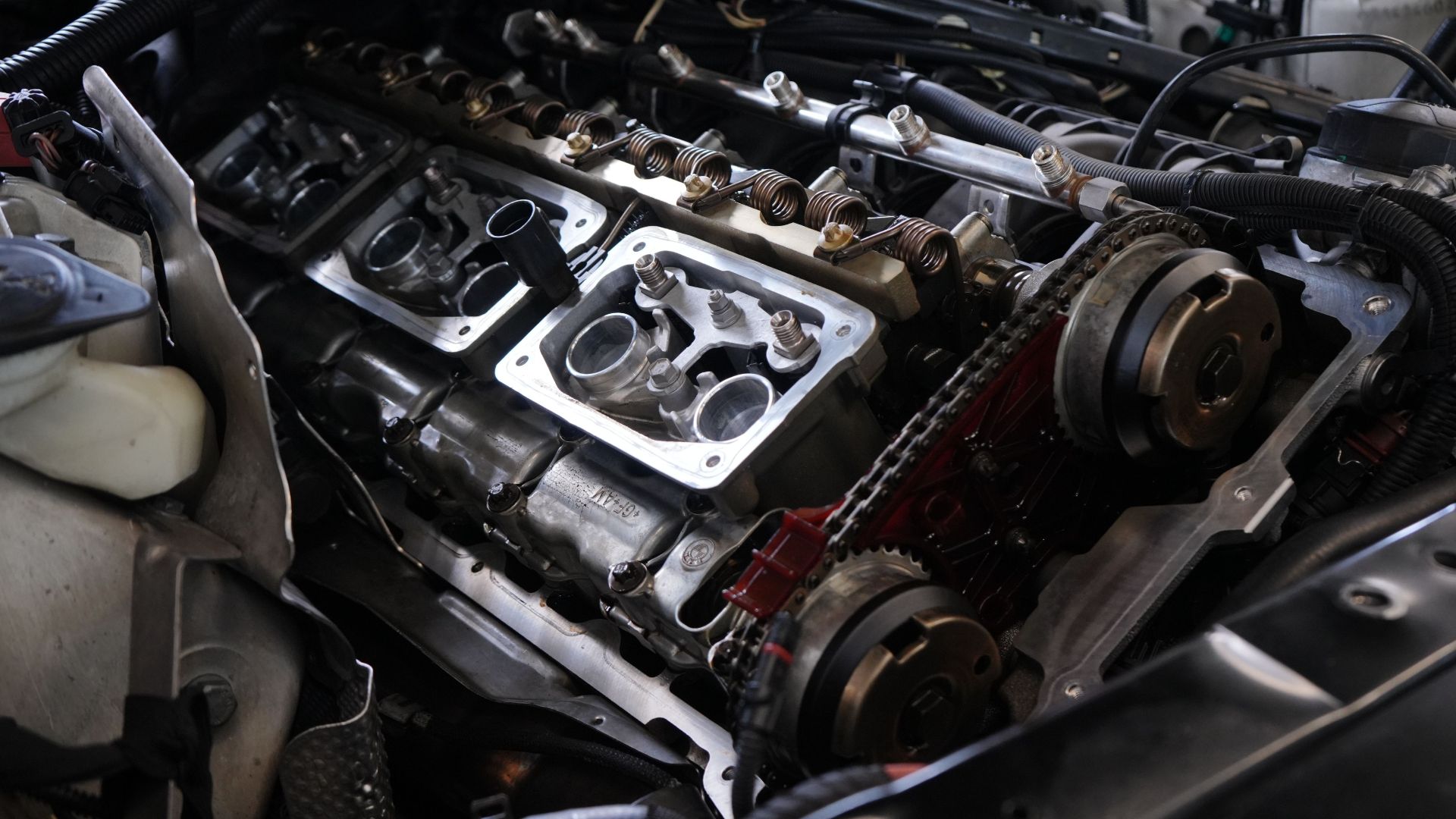
Timing Chains Can Lose Synchronization Too
Timing chains are durable, but worn chains, guides, or tensioners can allow excessive slack to develop. In severe cases, the chain can jump teeth on its sprockets, throwing the engine's valve timing out of alignment. The result can include rough running, misfires, difficulty starting, or serious engine damage.
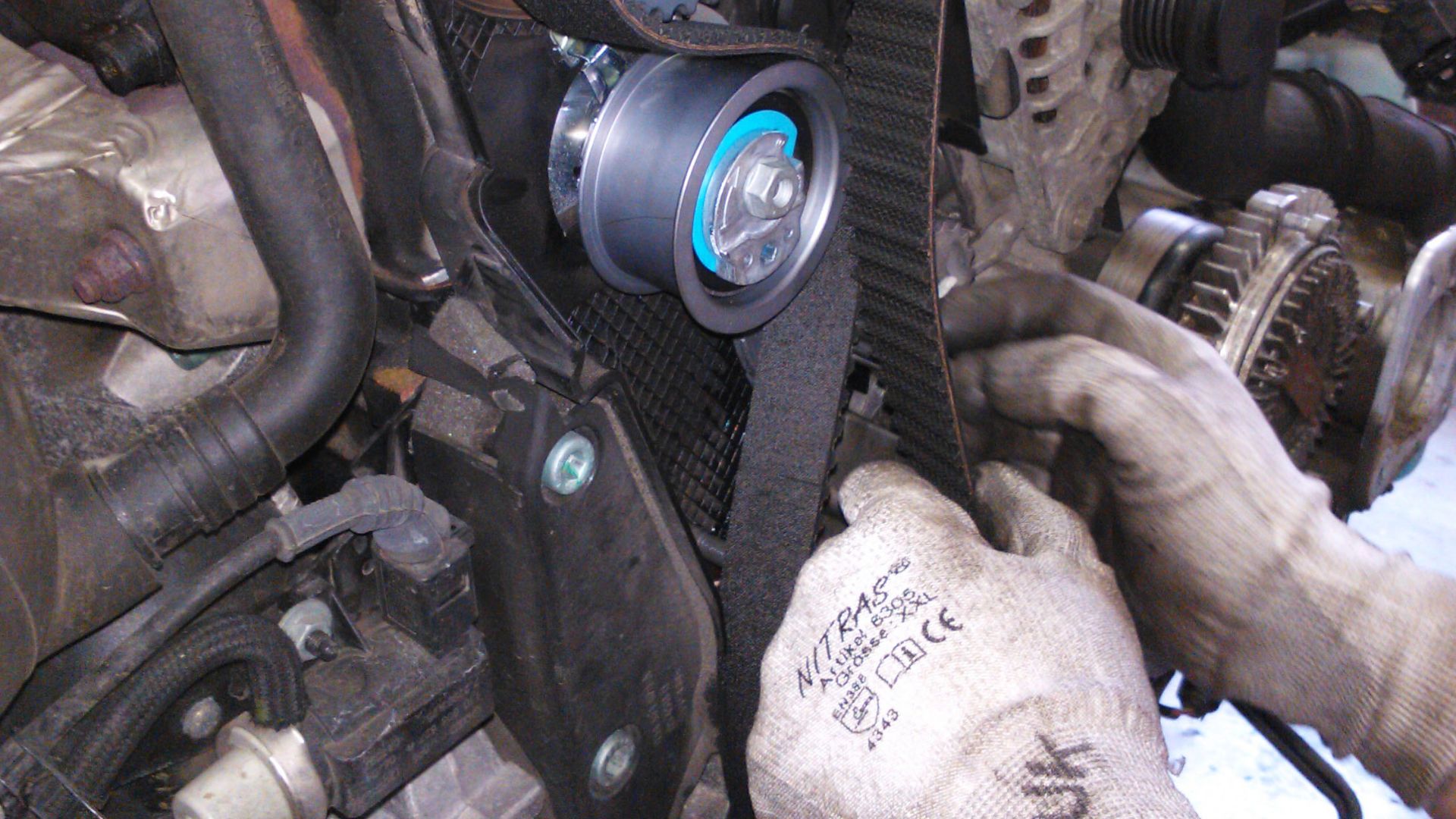
Replacing A Timing Belt Involves More Than The Belt
A typical timing belt service may also include replacing tensioners and idler pulleys. These components experience wear, and a failure could compromise the newly installed belt. Replacing them together can help avoid paying for overlapping labor or another unexpected repair.
 Petar Milosevic, Wikimedia Commons
Why Your Mechanic Might Recommend A Water Pump
Some engines use the timing belt to drive the water pump, which circulates coolant through the engine. When the pump is located within the timing belt assembly, mechanics often recommend replacing it during the same service. Doing both jobs together can save labor compared with dismantling the timing system again later.

Timing Chain Repairs Can Be More Complicated
Replacing a timing chain may require removing engine covers, accessories, and other components to access the mechanism. Depending on the engine, the mechanic may also replace guides, tensioners, sprockets, and seals. This extensive disassembly is a major reason timing chain repairs can cost considerably more than routine timing belt services.
Why Labor Makes Such A Big Difference
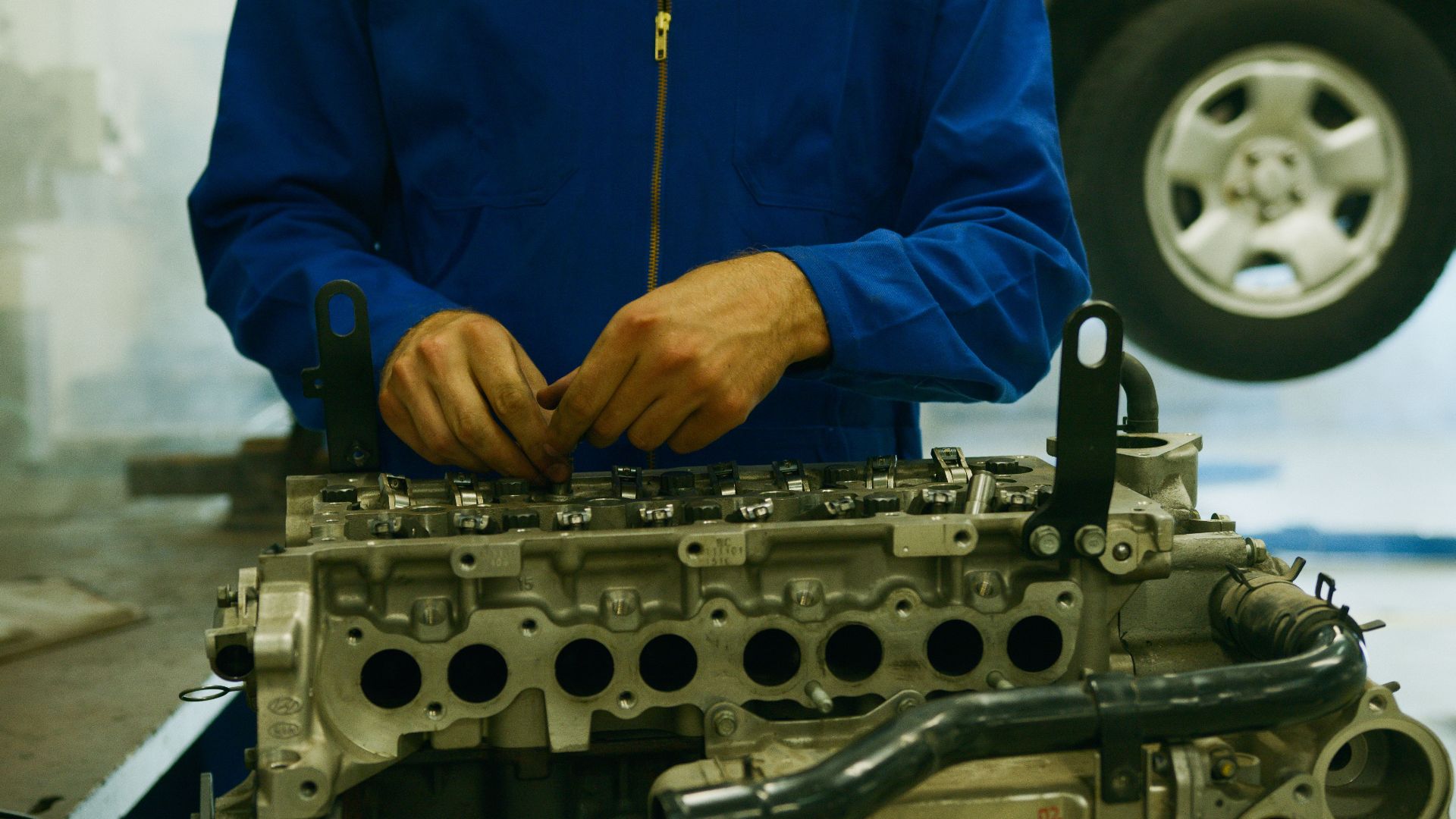
The belt or chain itself is often only a portion of the total repair cost. Mechanics must access the timing components, carefully align the engine, install the replacement parts, and verify correct operation. Because engine layouts vary considerably, two vehicles can have very different labor charges for similar repairs.
Ask Your Mechanic To Explain The Diagnosis
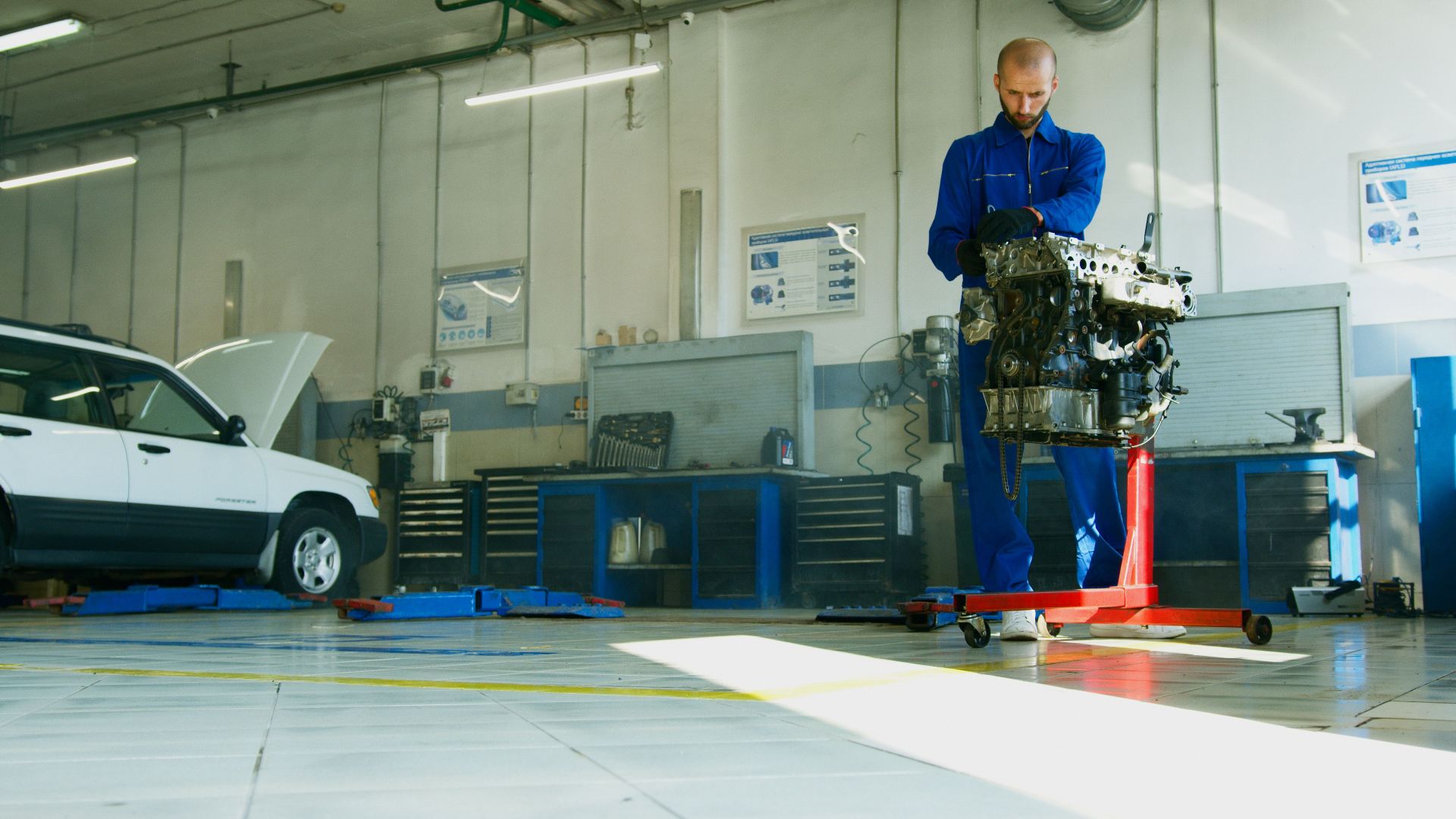
If your mechanic recommends timing chain replacement, ask what evidence shows the system is failing. A proper diagnosis may involve trouble codes, mechanical inspections, or measurements of timing chain wear and alignment. A rattling noise or check engine light alone doesn't necessarily justify replacing the entire timing system.

Know Exactly What The Estimate Includes
Before approving repairs, request an itemized estimate showing replacement parts, labor charges, and additional recommended work. For timing belt service, ask whether the tensioner, pulleys, and water pump are included when applicable. For timing chain repairs, confirm which components are actually faulty and whether the estimate includes related parts and seals.

Know When To Approve The Repair
If your timing belt is approaching its manufacturer-specified replacement interval, preventive service may be necessary even when your engine runs perfectly. A timing chain, however, generally shouldn't require replacement solely because your car has reached a particular mileage unless the manufacturer recommends it. Understanding that difference, and asking for diagnostic evidence, can help you avoid unnecessary expenses without putting your engine at risk.

You May Also Like:
The Most Expensive Repairs On Cheap Used Cars, According To Mechanics
My car failed inspection because of a tiny rust hole. What happens if I ignore it?