The Quiet Street That Suddenly Became A Highway
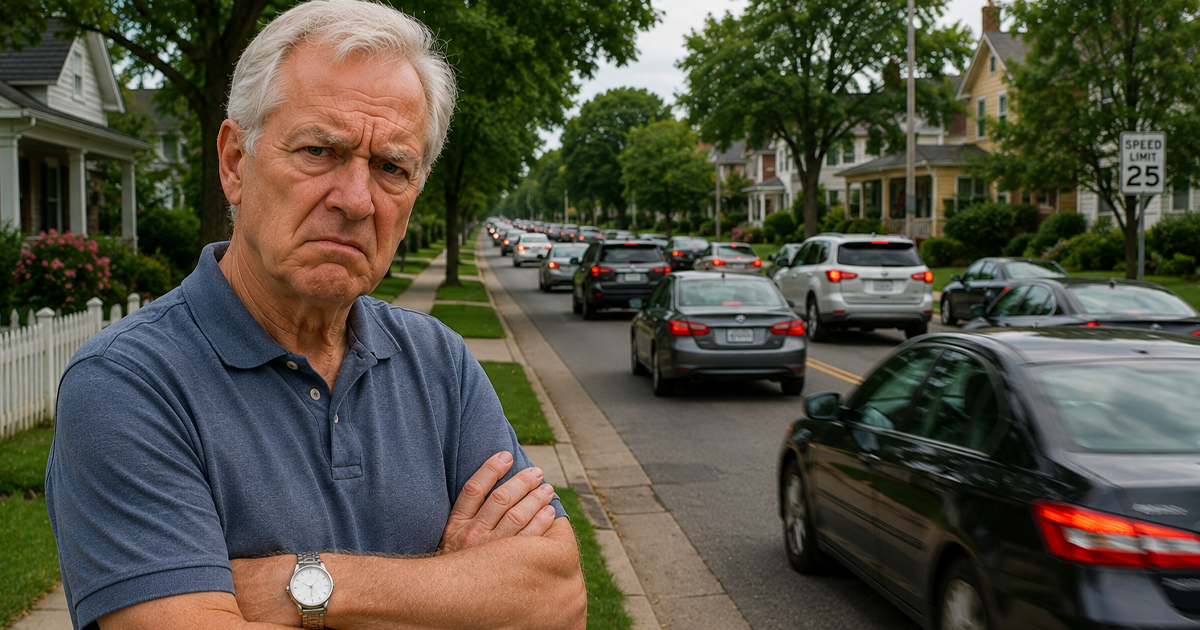
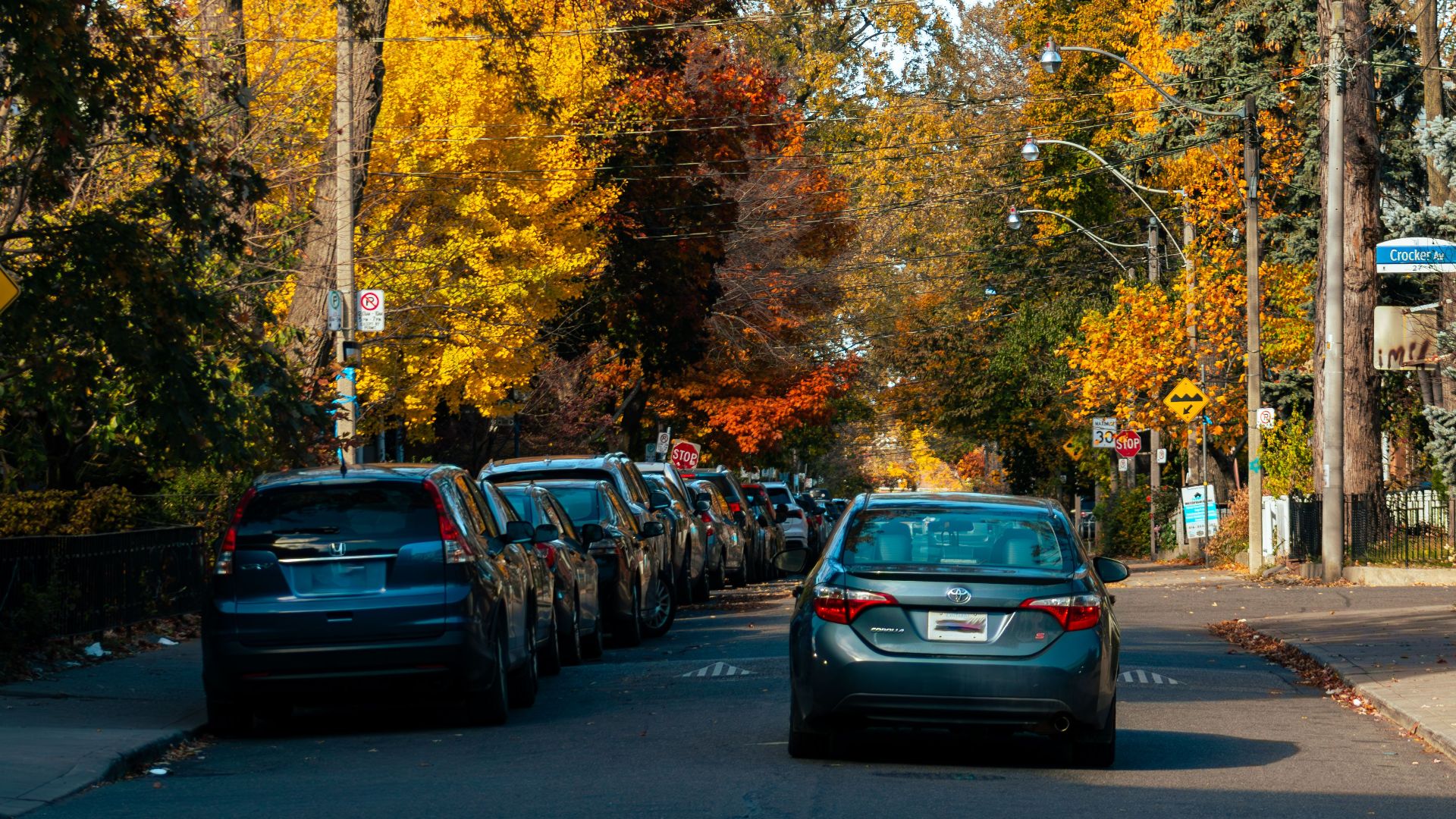
For years, your street was peaceful. Kids rode bikes, neighbors walked dogs, and traffic was mostly limited to people who actually lived there. Then one day, navigation apps seemed to discover your neighborhood, and everything changed. Is there anything you can do? Well, maybe.
It Usually Starts Gradually
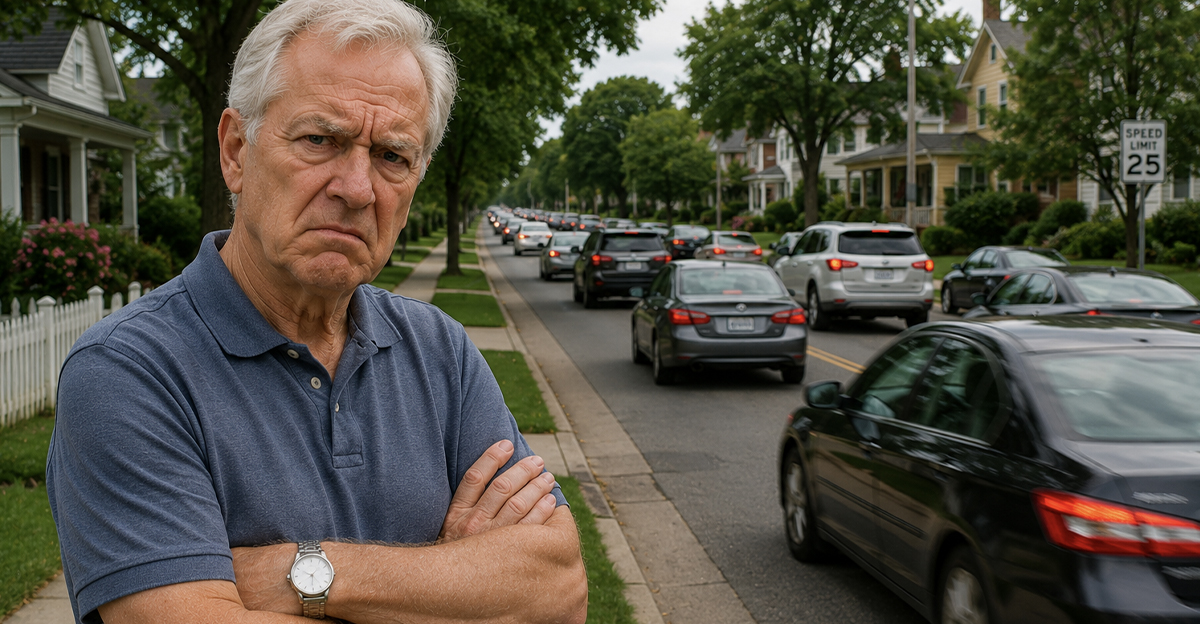
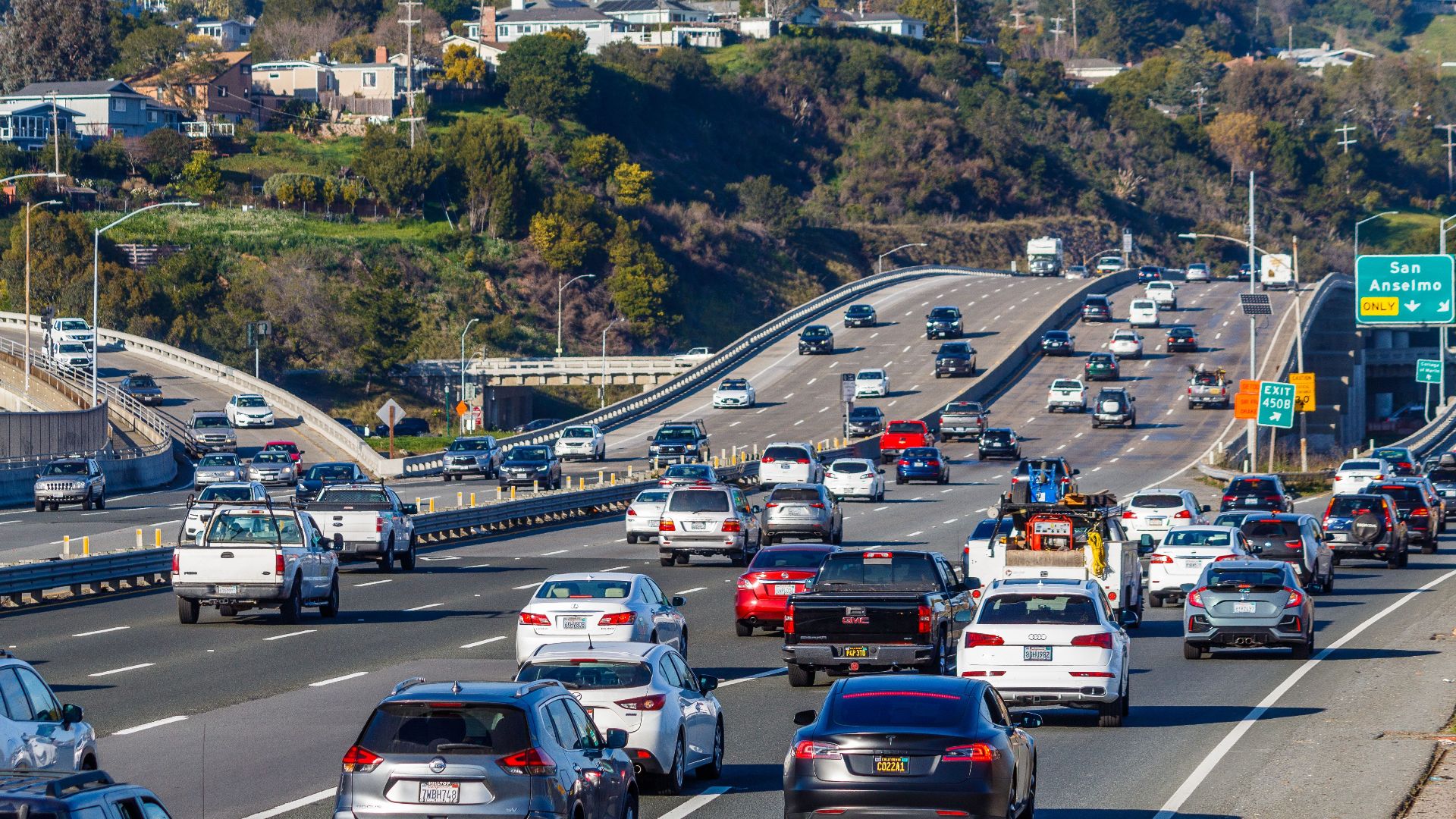
At first, you notice a few unfamiliar cars. Then there are dozens. Before long, rush-hour traffic is streaming past your front yard like somebody accidentally built a freeway.
So, Can A Mapping Error Really Cause This?
Absolutely. Modern navigation apps influence millions of driving decisions every day. A routing change, road closure, or mapping error can dramatically alter traffic patterns almost overnight.
It Happens More Often Than People Think
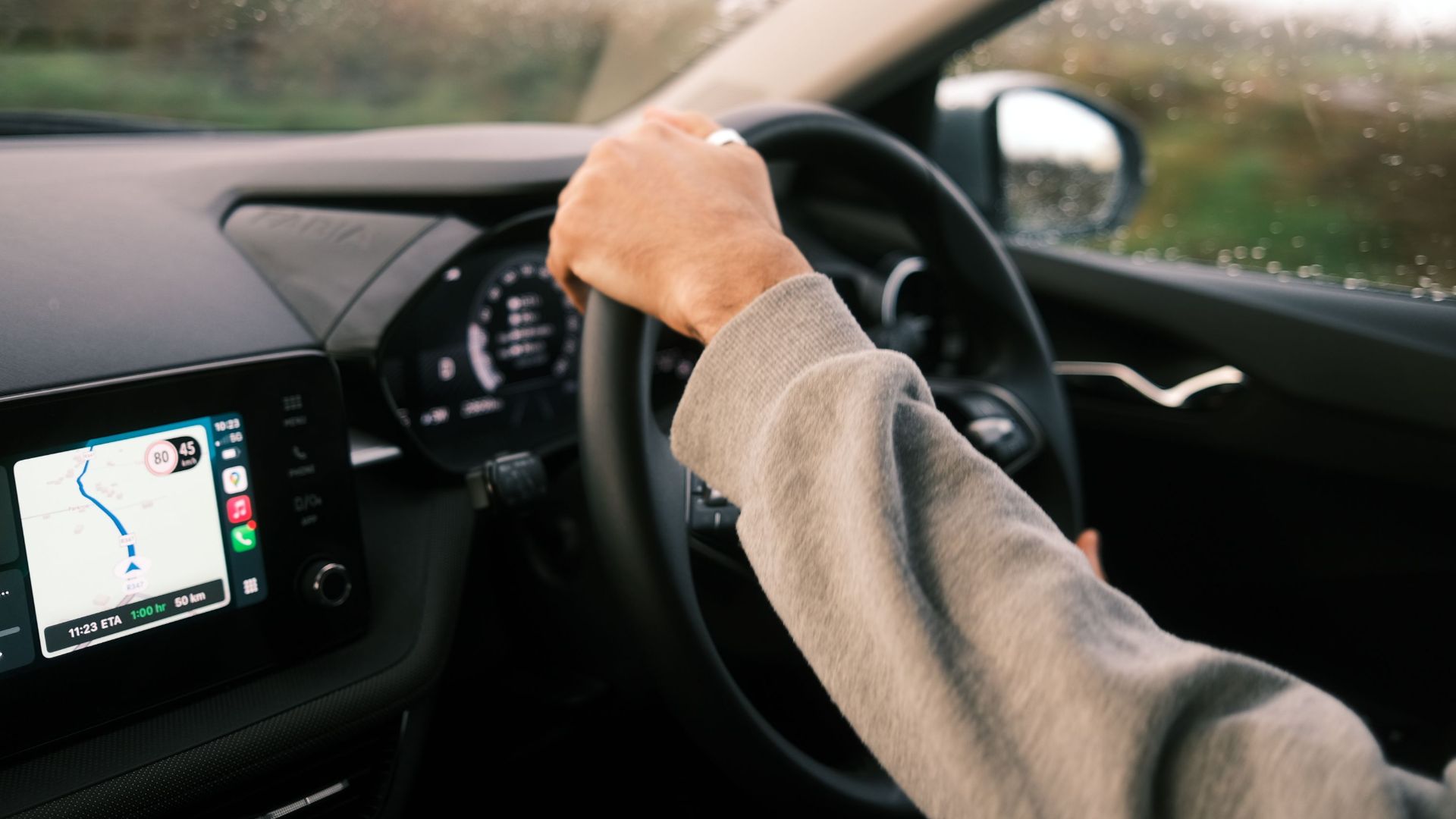
Residents across North America have reported quiet residential streets suddenly becoming popular shortcuts because of GPS recommendations from apps like Google Maps, Apple Maps, and Waze.
The Apps Aren't Actually 'Wrong'
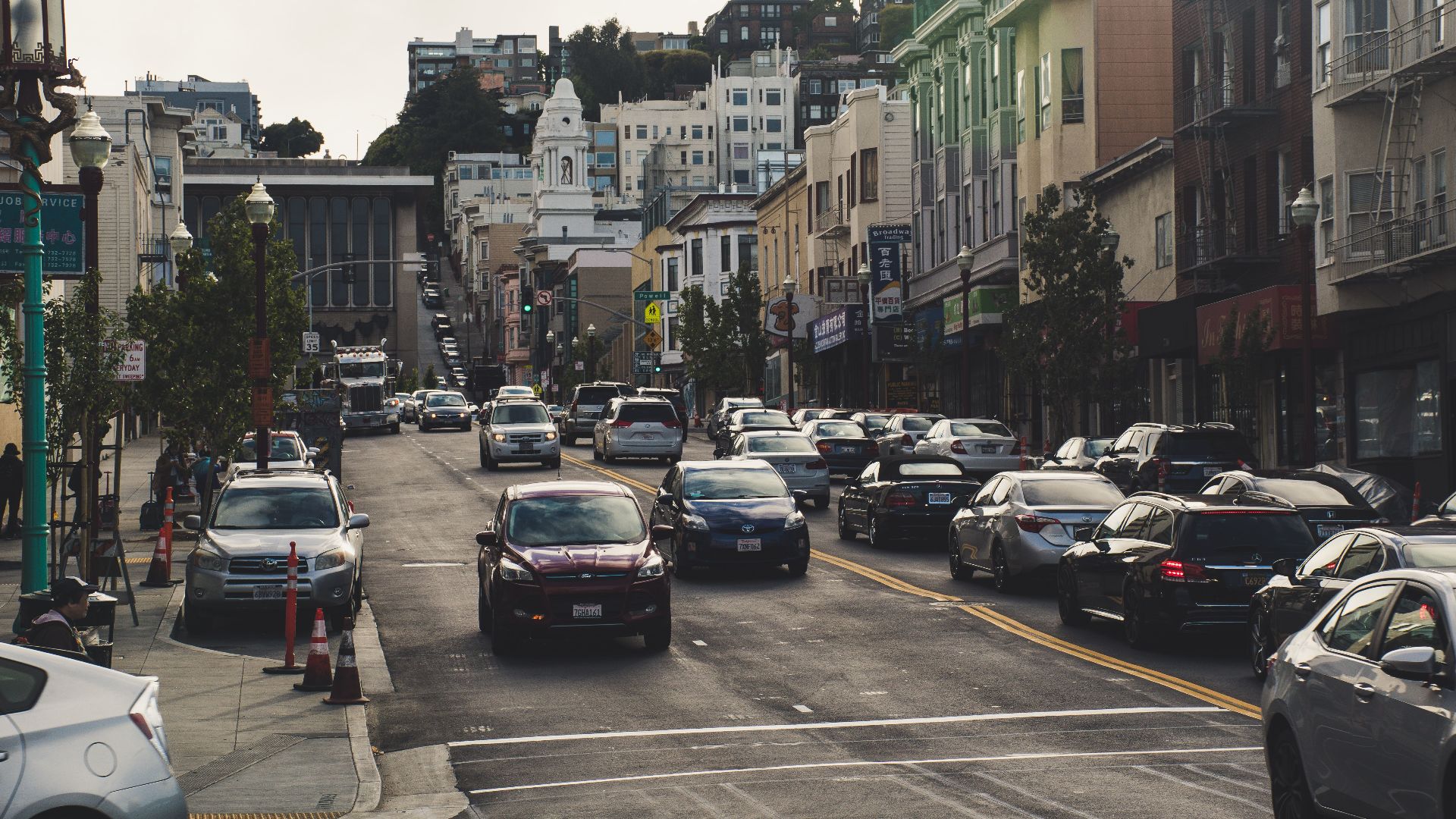
This is one of the frustrating parts. Sometimes the route is technically correct. The app simply decides your neighborhood street is the fastest option.
A Few Seconds Can Change Everything
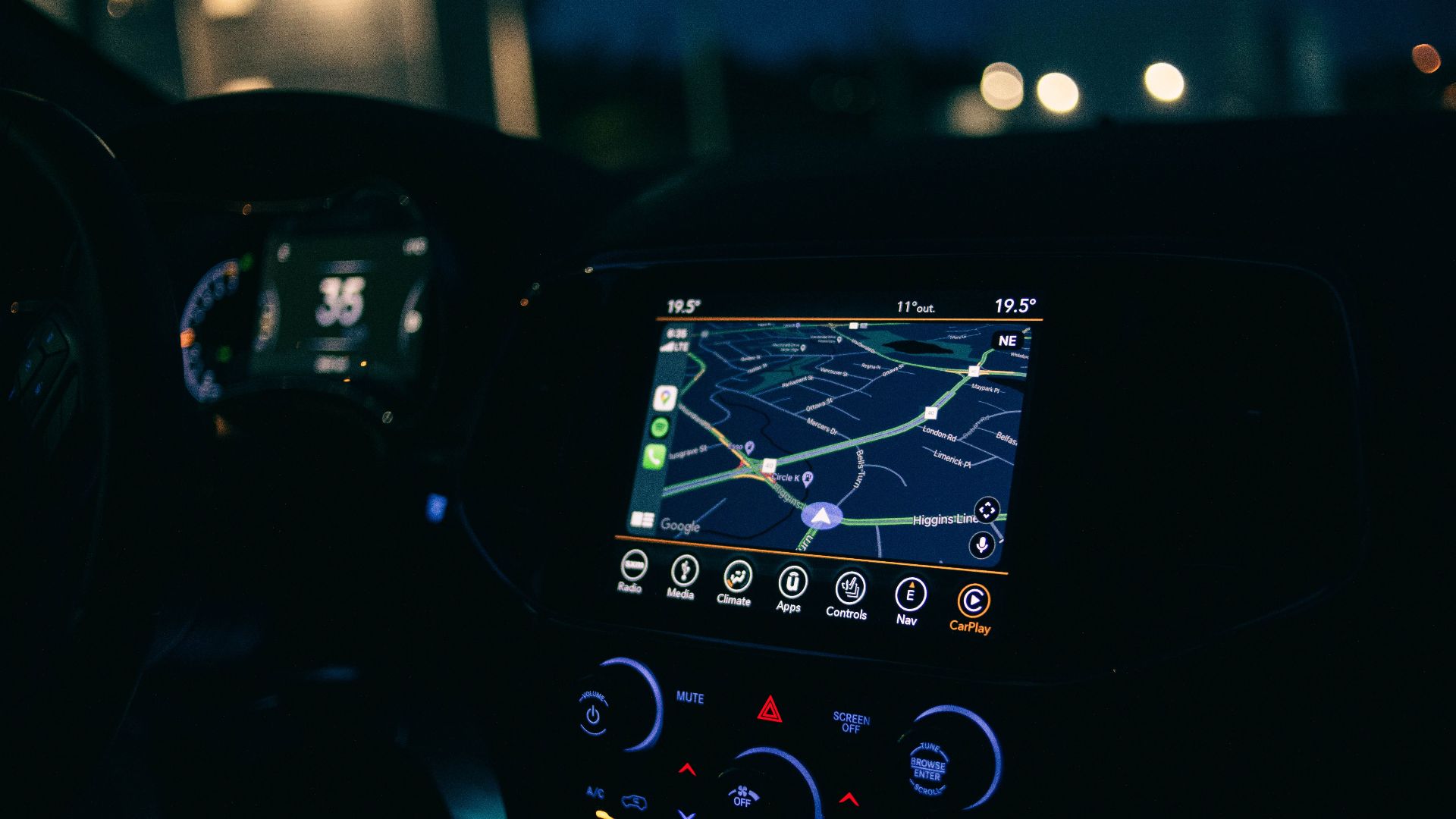
Many navigation systems are designed to save drivers time. If routing through a residential area saves even a minute or two, the app may start directing traffic there.
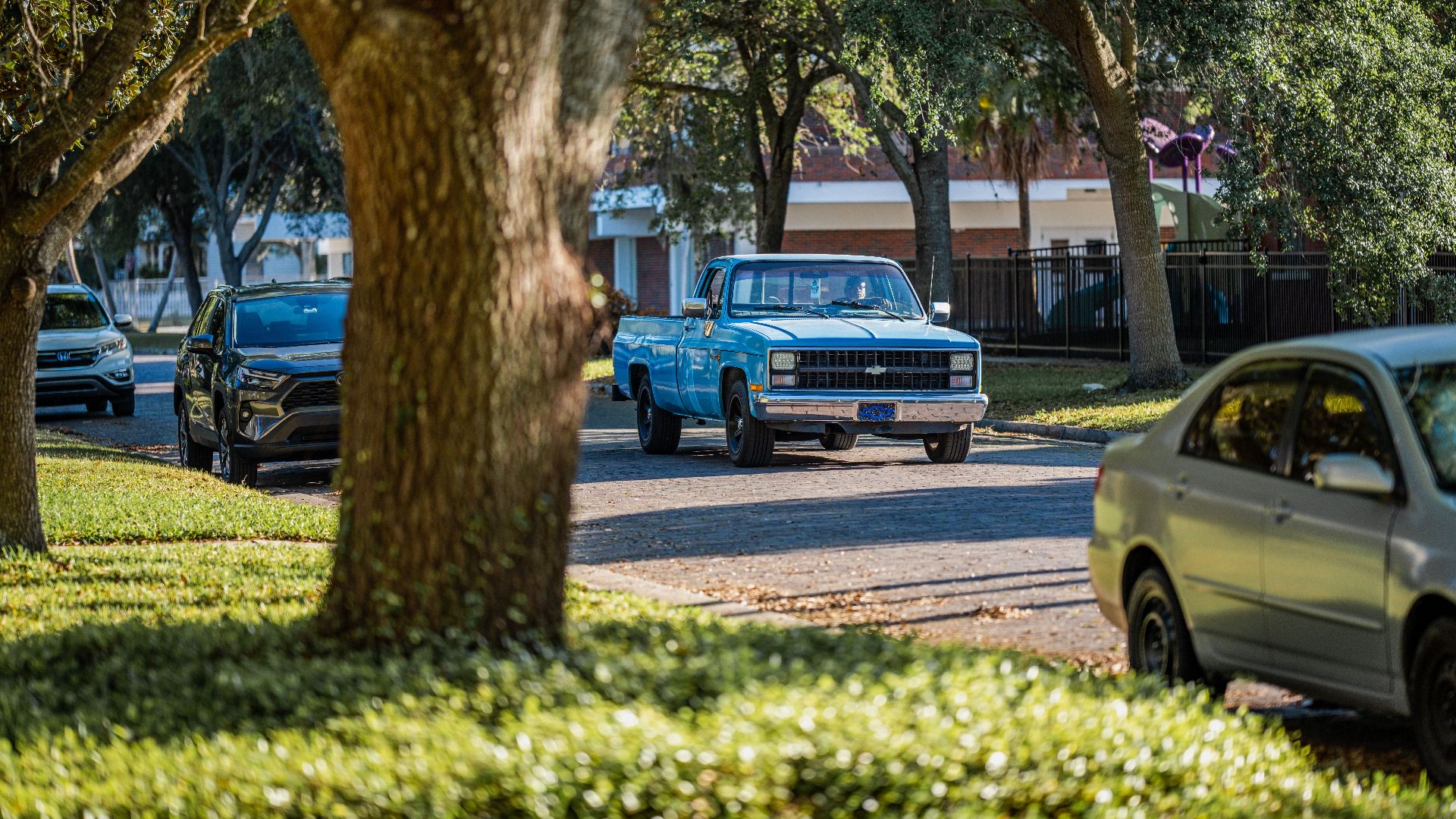
Construction Often Triggers The Problem
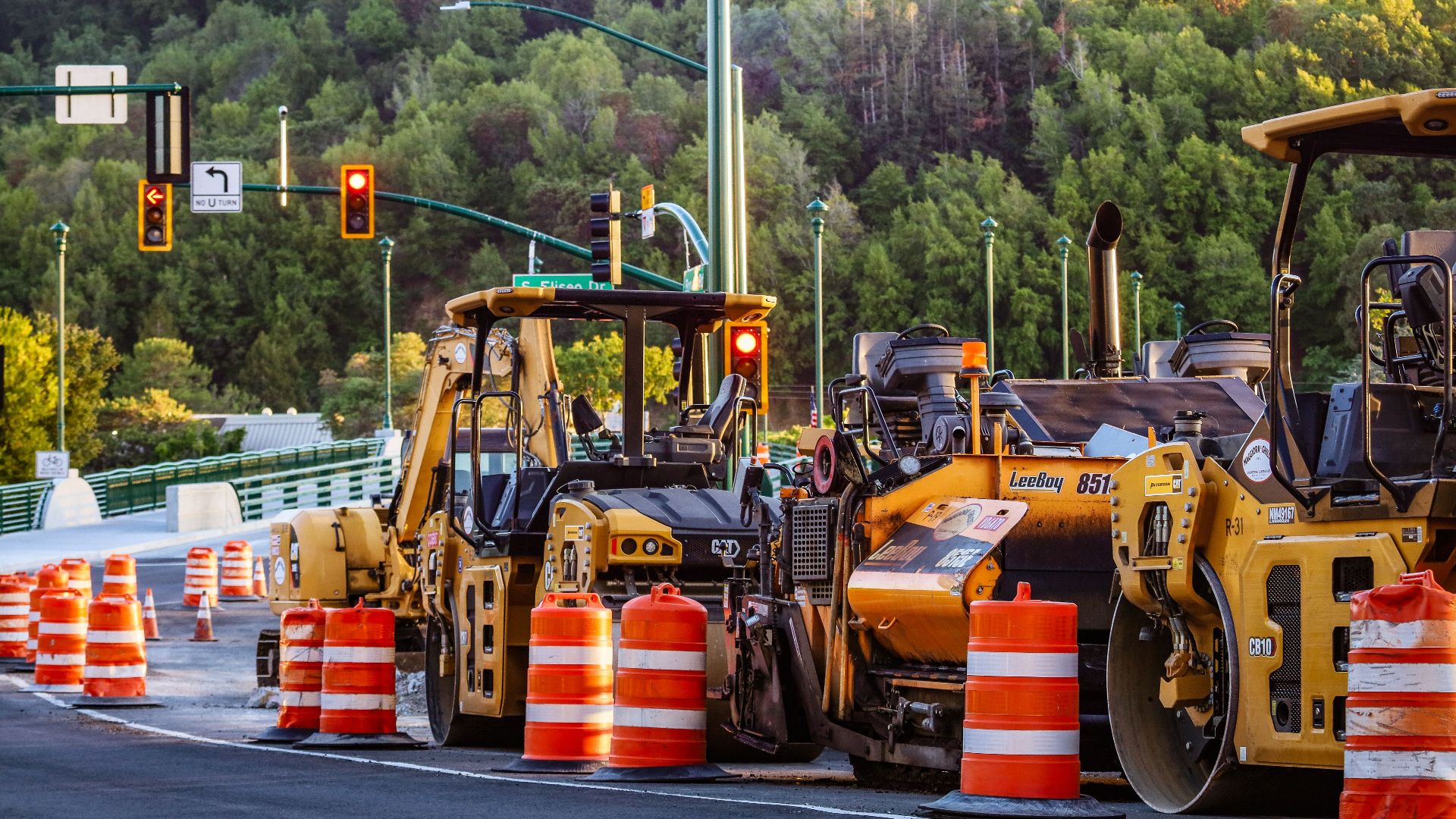
Road construction, bridge repairs, lane closures, and detours frequently cause navigation systems to search for alternative routes through neighborhoods.
One Update Can Create Chaos
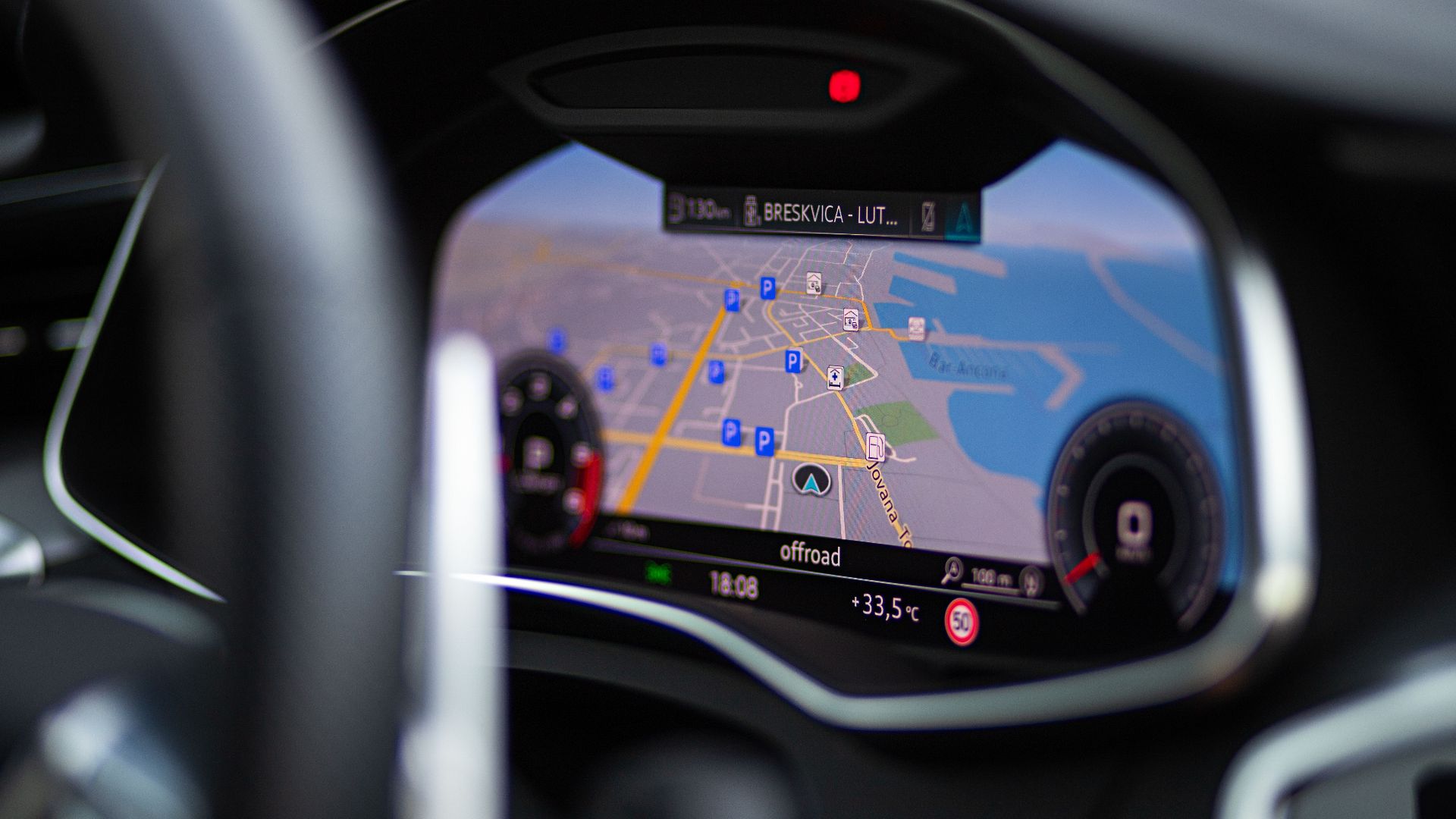
A software update or map database change can sometimes alter routing behavior without local residents having any warning.
Residents Usually Notice First
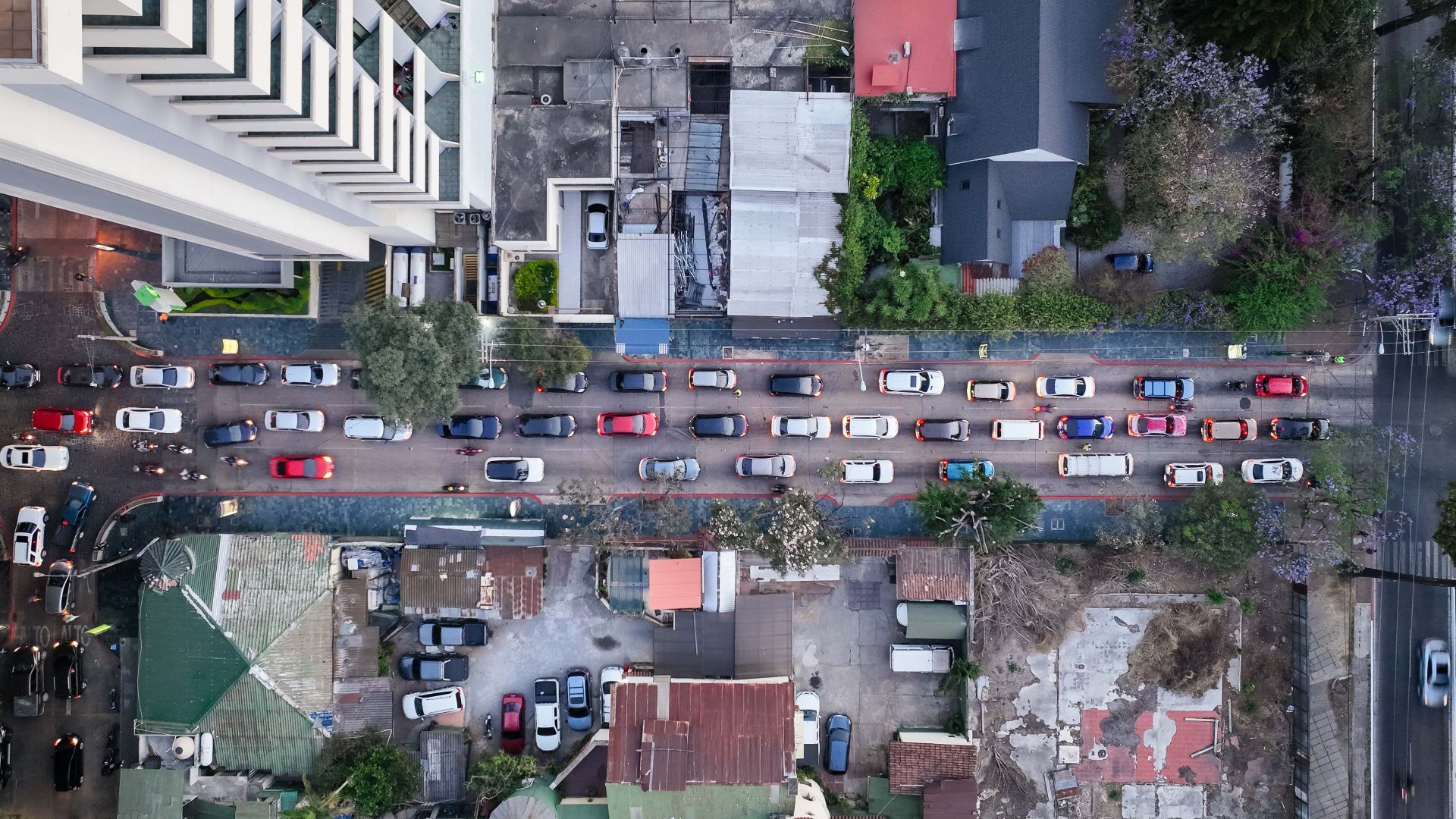
Long before transportation agencies become aware of the issue, local residents often see the increase in traffic, speeding, noise, and congestion.
Traffic Can Bring Safety Concerns
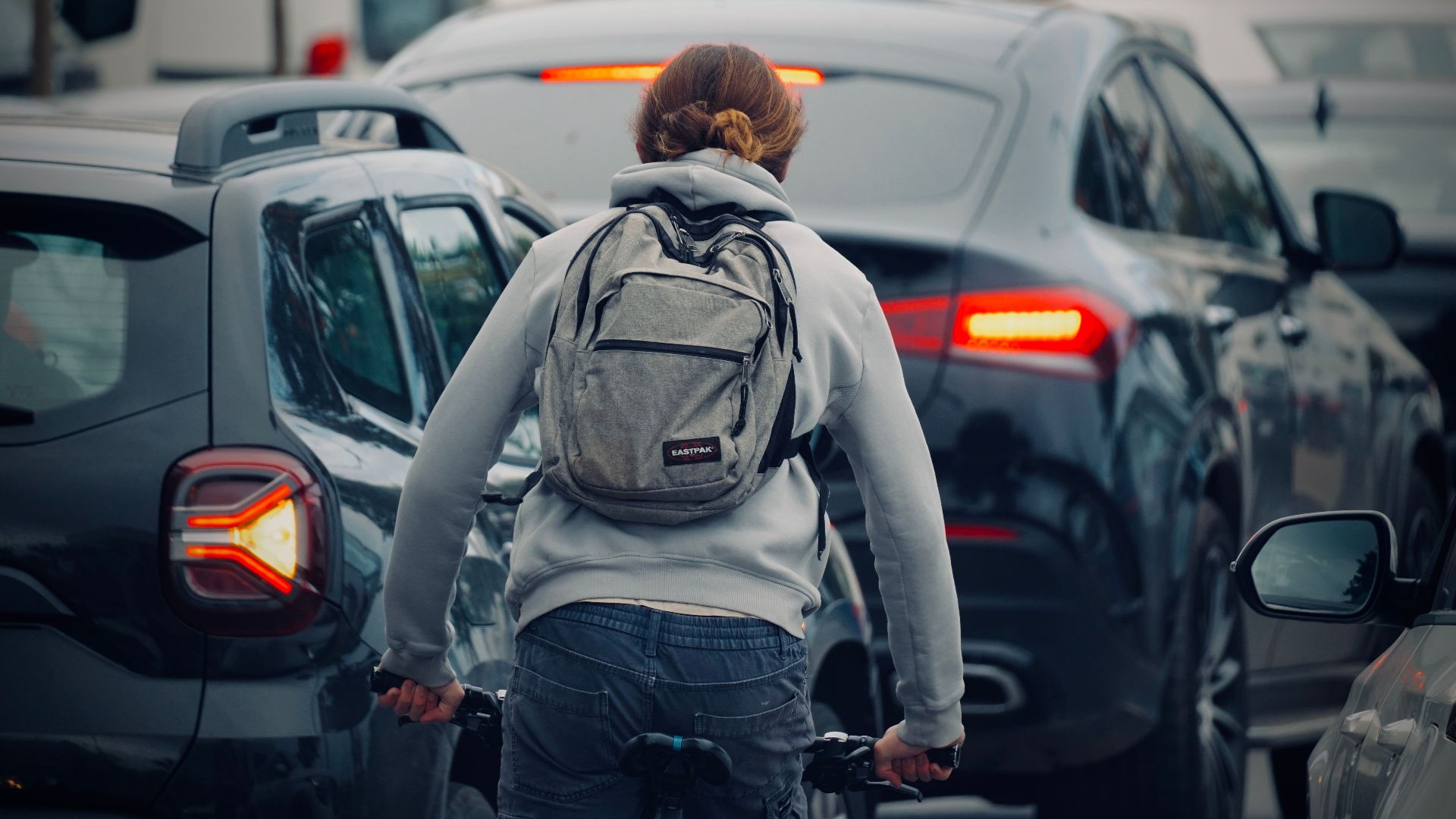
More vehicles mean more potential conflicts with pedestrians, cyclists, children, pets, and local drivers entering or leaving driveways.
Noise Complaints Often Follow
What used to be a quiet morning can suddenly sound like rush hour. Increased traffic volume usually brings more engine noise, braking, and honking.
Speeding Can Become A Bigger Problem
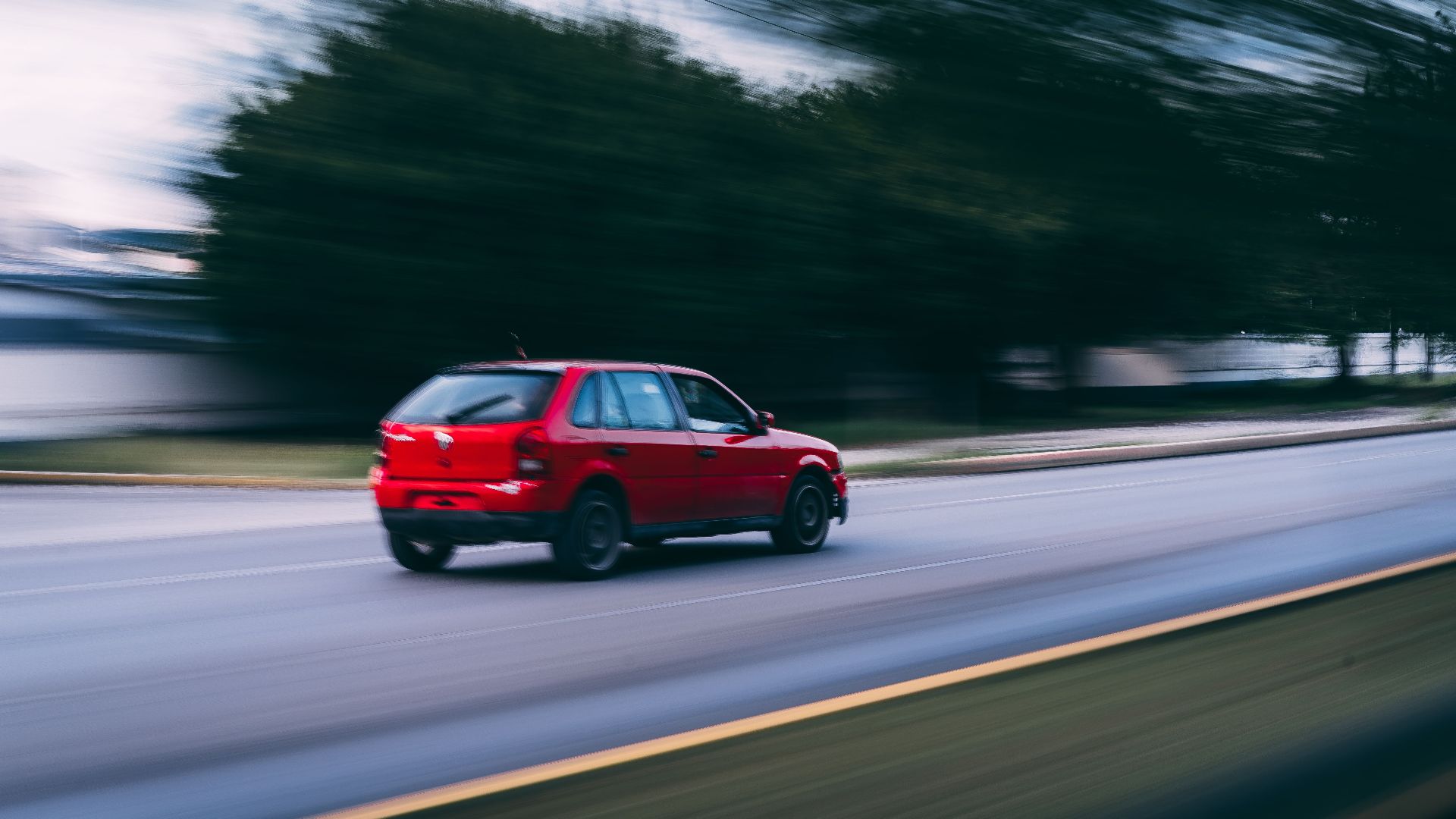
Drivers following navigation instructions are often focused on reaching their destination. Some may travel faster than appropriate for residential streets.
Can You Contact The Mapping Company?
Yes. Most major navigation platforms allow users to report mapping issues, incorrect road information, and problematic routing behavior.

Google Maps Has A Reporting Process
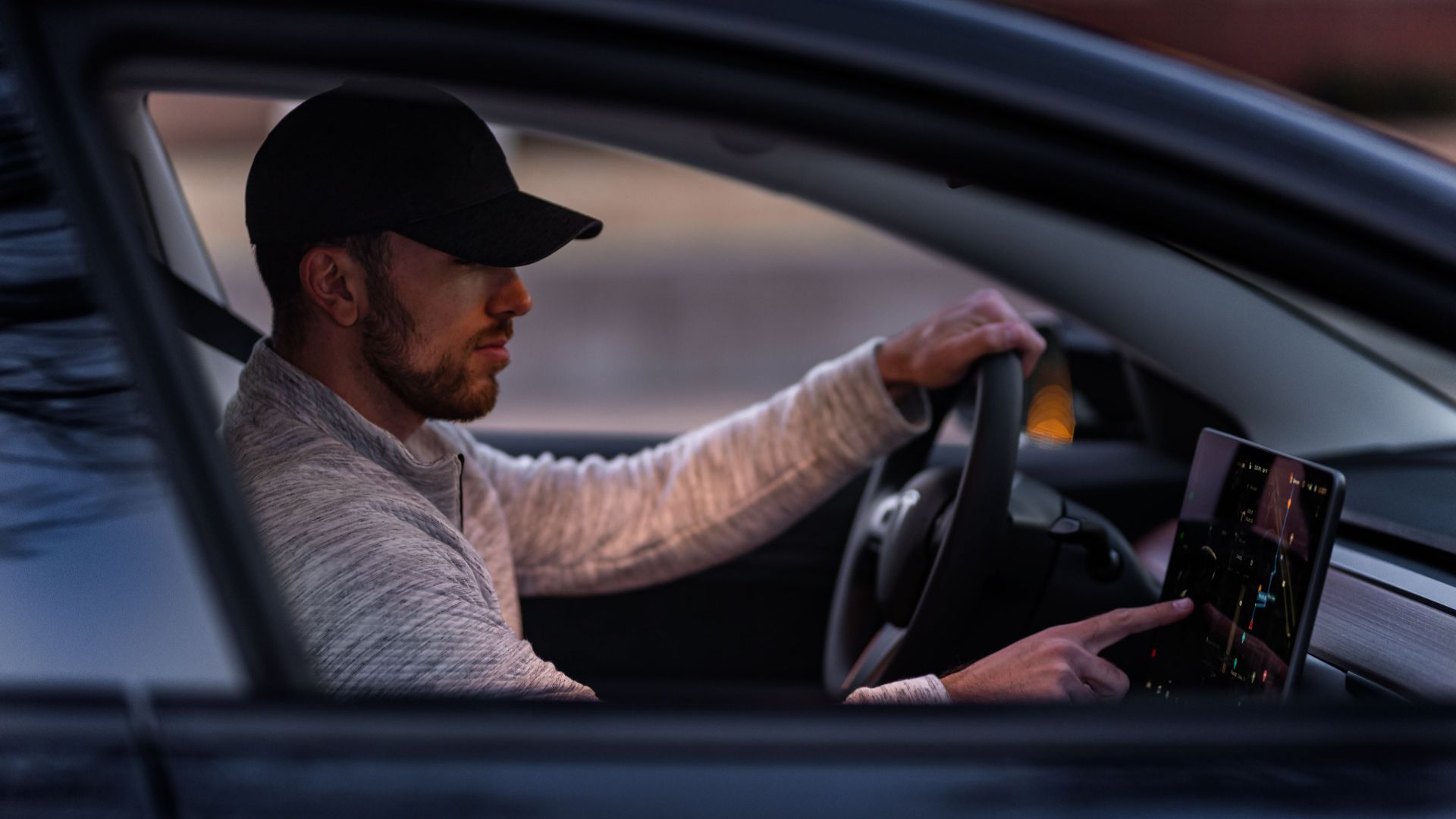
Users can report navigation concerns directly through Google Maps. While changes aren't immediate, reports do get reviewed.
Waze Accepts Community Reports
Waze relies heavily on community feedback and volunteer map editors. In some situations, routing concerns can be reviewed relatively quickly.

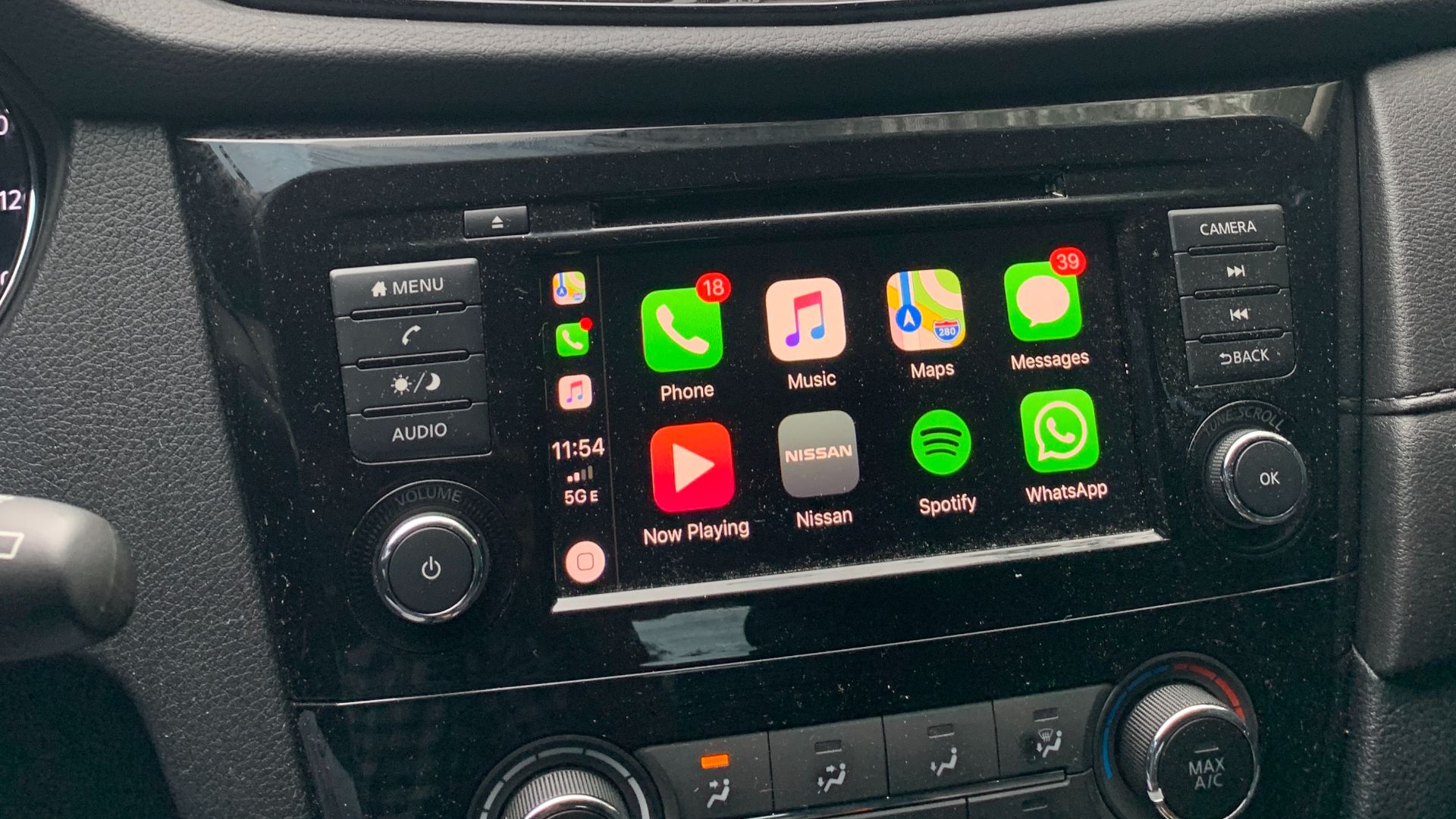
Apple Maps Allows Feedback Too
Apple also provides mechanisms for reporting map errors and navigation issues through its Maps application.
The City May Need To Get Involved
In many cases, mapping companies are more likely to act when transportation departments or local governments provide supporting information.
Data Matters
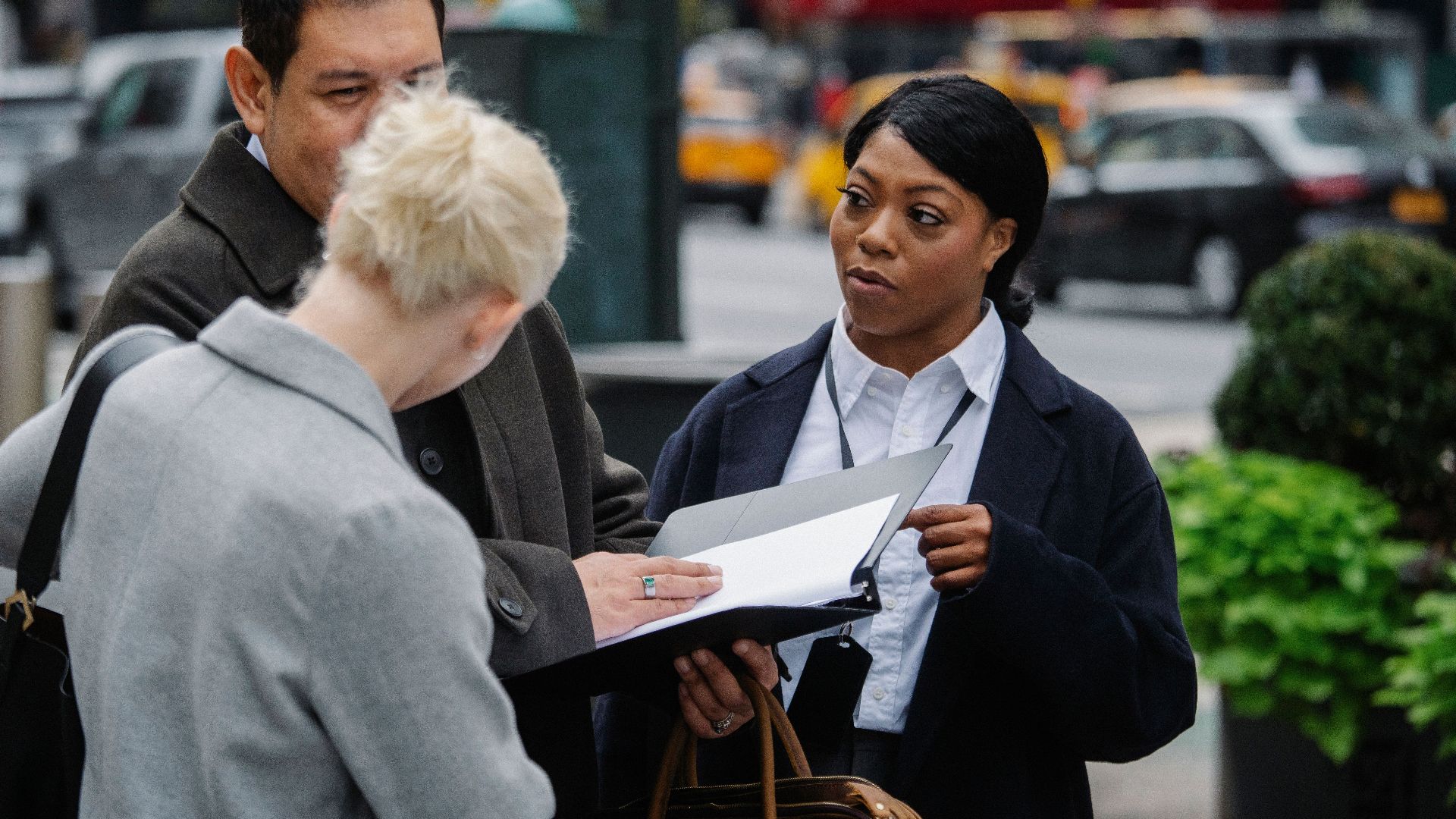
Cities often collect traffic counts, speed data, and safety information to demonstrate that a routing problem is creating legitimate issues.

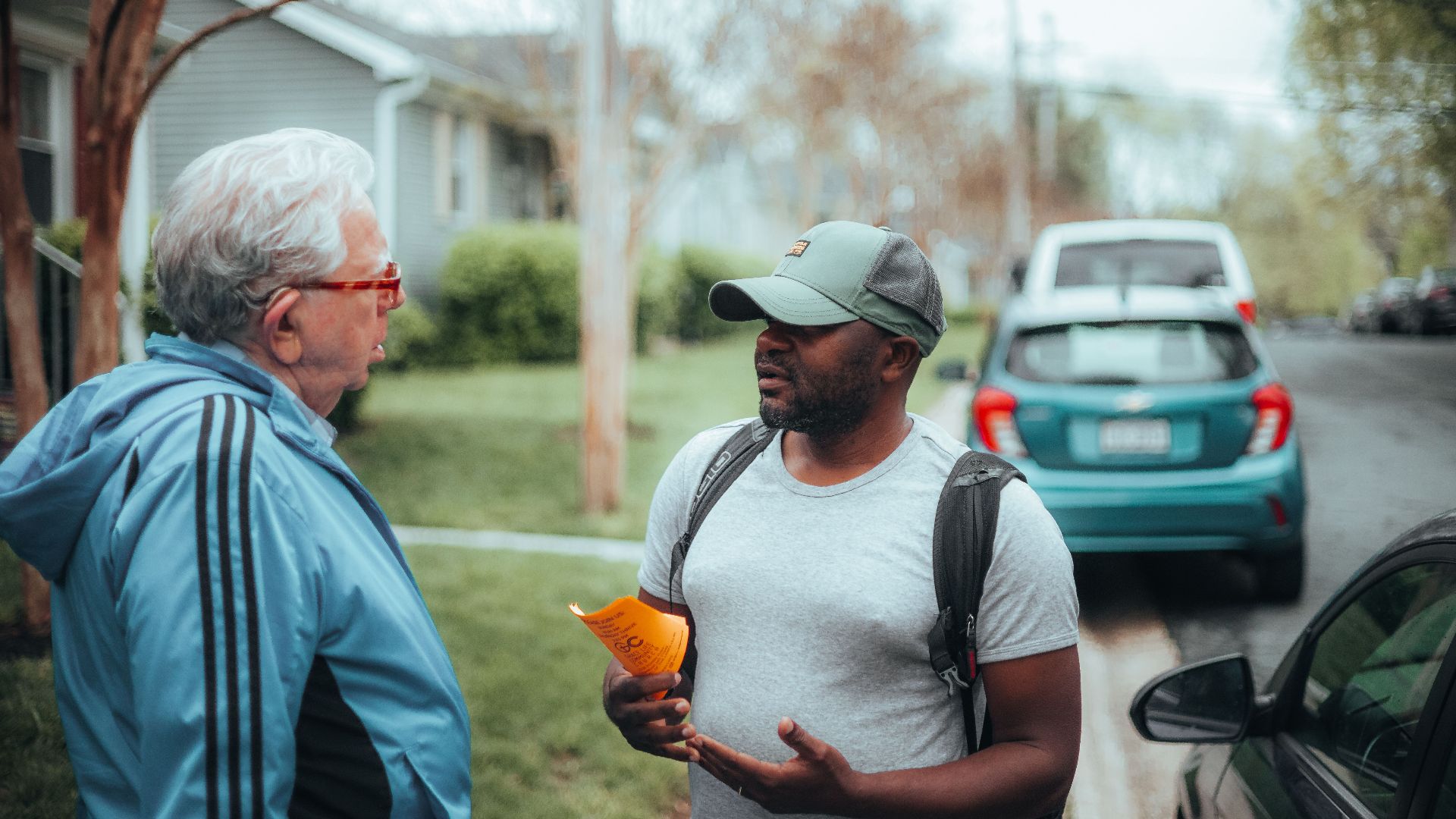
Neighbors Should Work Together
One complaint may not attract much attention. Dozens of residents documenting the same problem often carry much more weight.

Temporary Solutions Sometimes Help
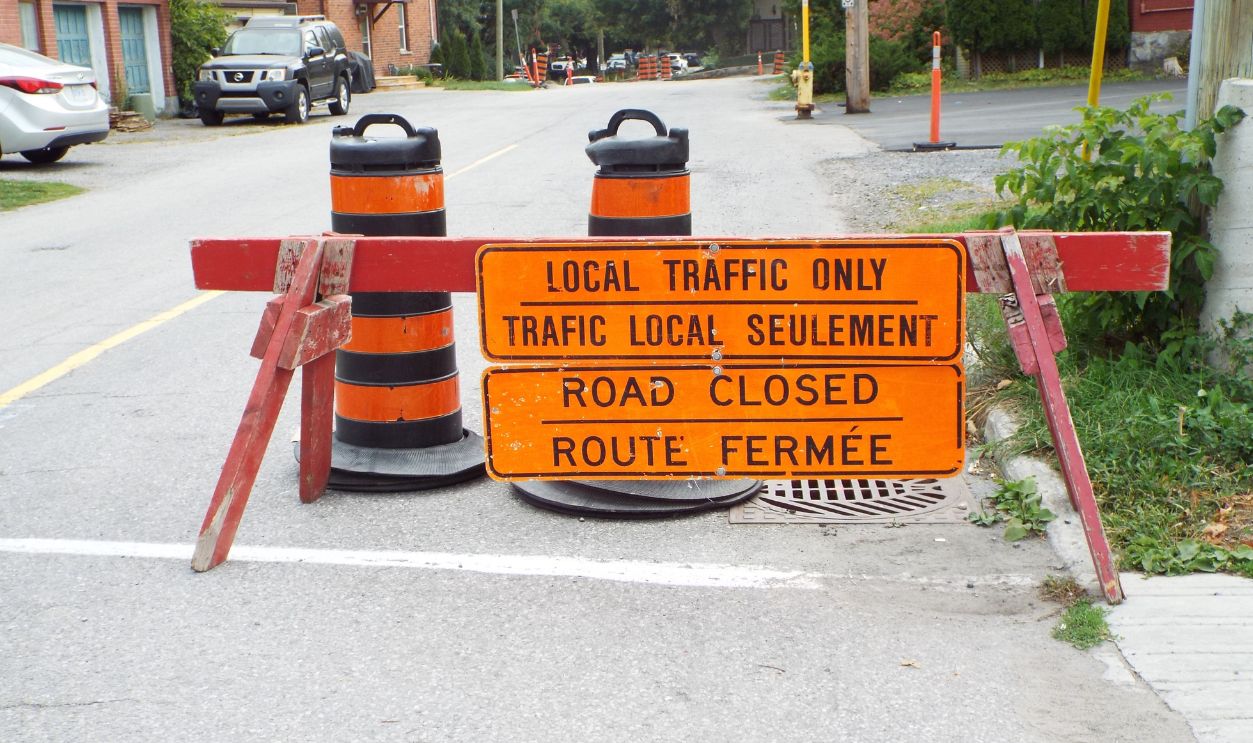
Additional signage, temporary traffic controls, or targeted enforcement can occasionally reduce the impact while larger solutions are being explored.
Traffic-Calming Measures May Be Considered
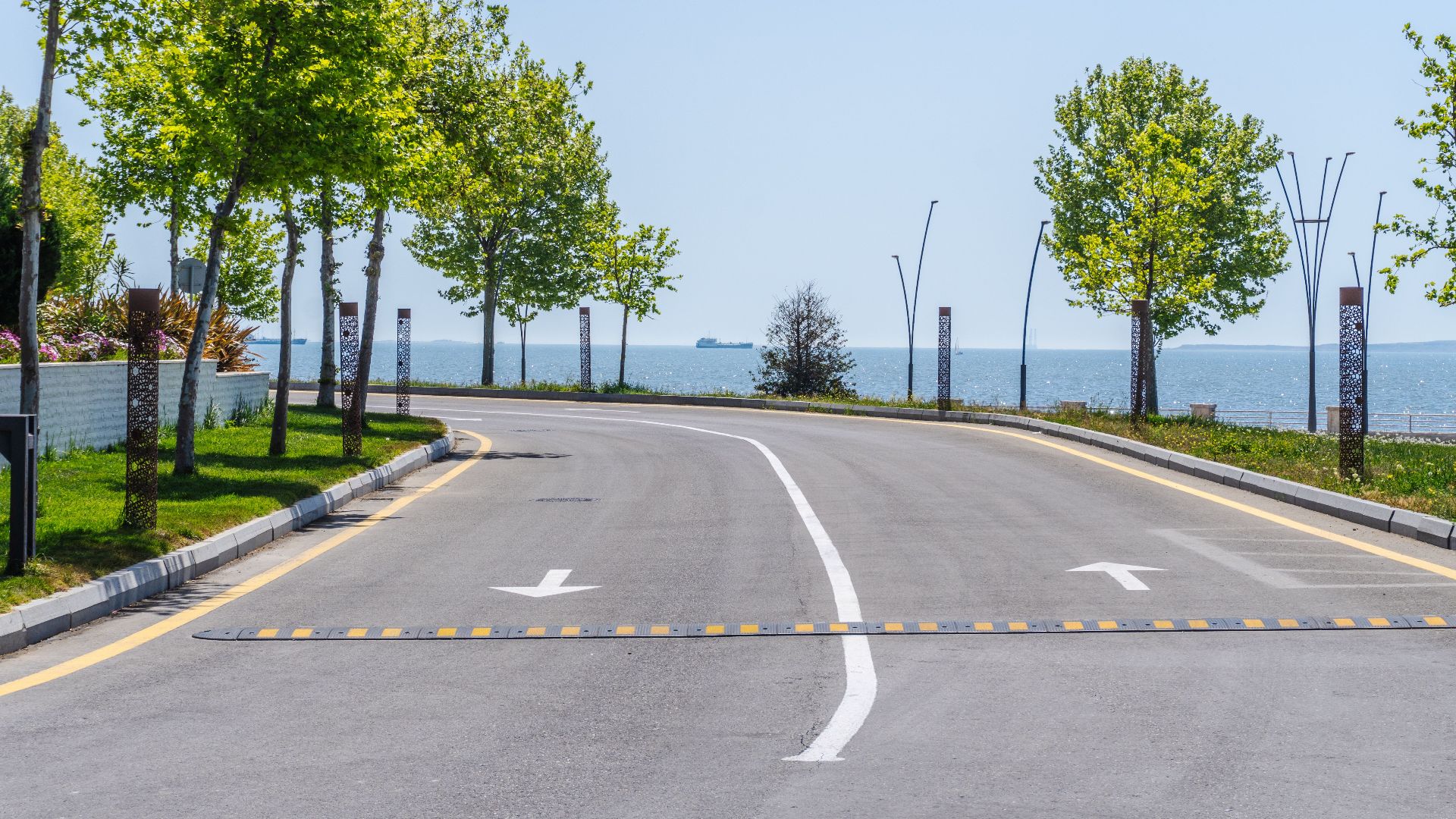
Some communities install speed humps, curb extensions, traffic circles, or other traffic-calming features to discourage shortcut traffic.
Not Everyone Likes Those Solutions
Ironically, traffic-calming measures sometimes create new complaints from residents who dislike slower speeds, altered parking, or longer travel times.

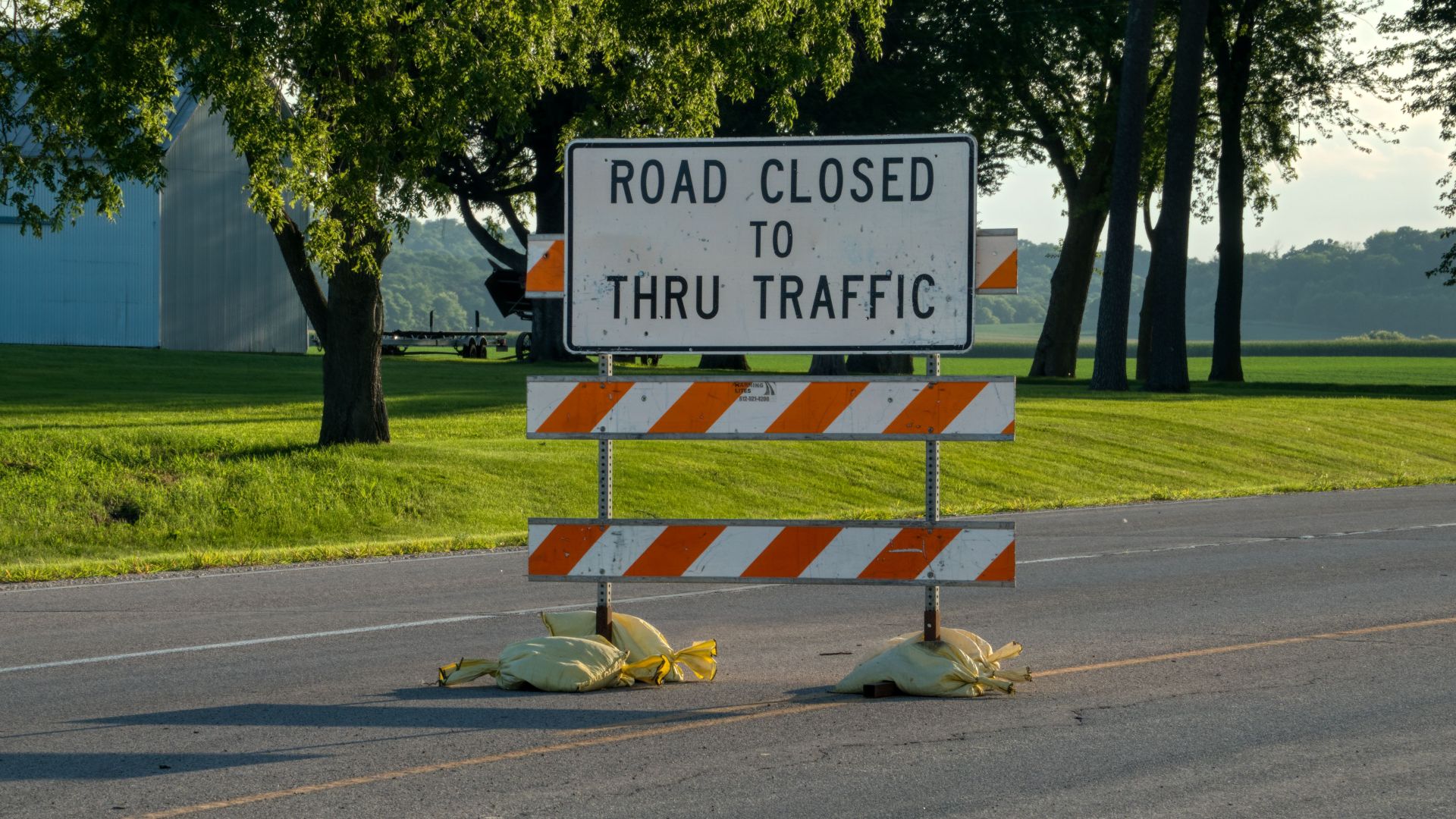
Road Closures Are Rare
Many residents immediately ask for a road closure. However, cities are usually reluctant to completely close public roads unless serious safety concerns exist.
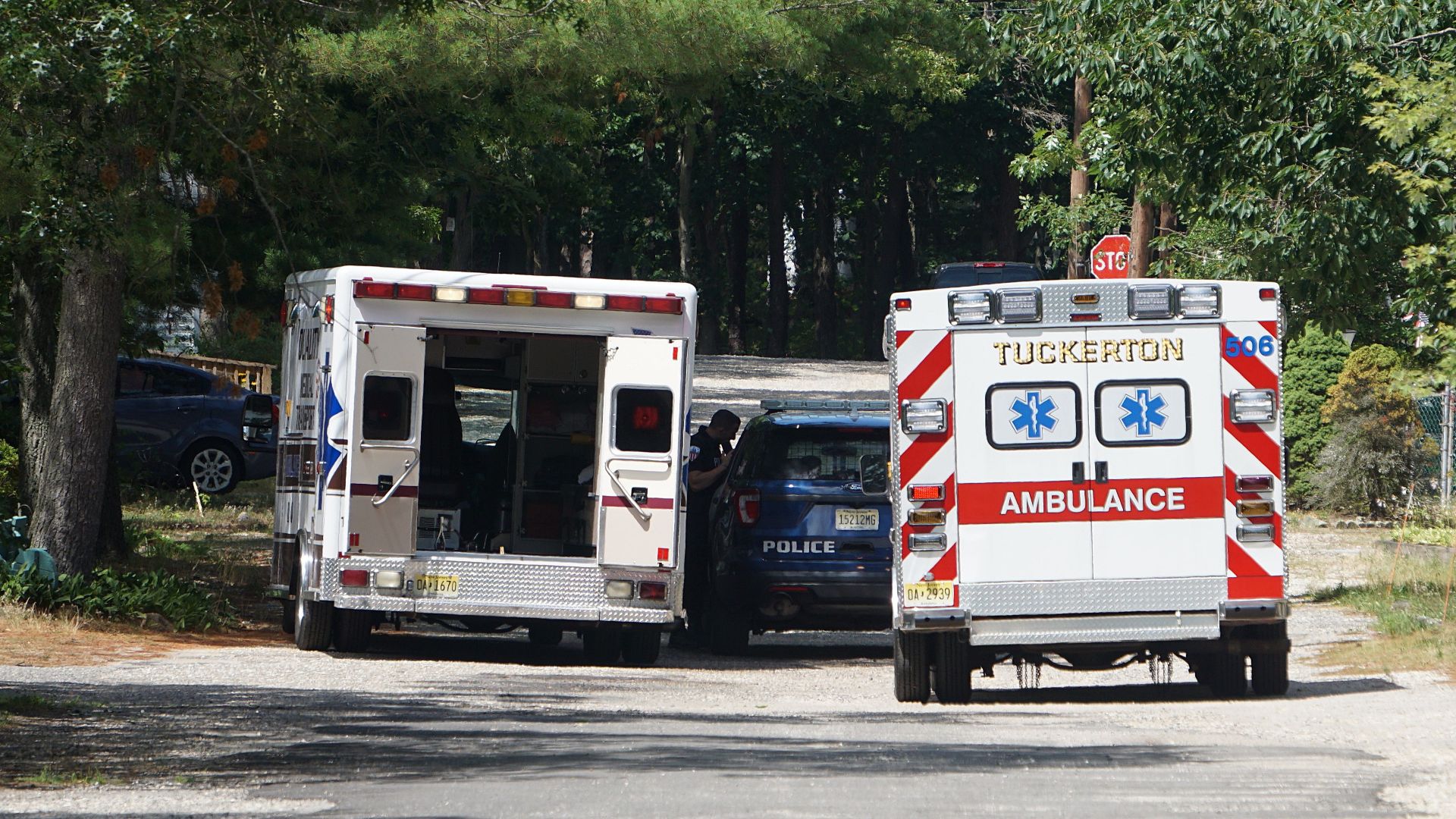
Emergency Access Must Be Preserved
Any solution has to consider police, fire, ambulance, utility, and service vehicle access to the neighborhood.
The Process Usually Takes Time
This is one of the most frustrating realities. Even when everyone agrees there's a problem, studies, approvals, and map updates rarely happen overnight.
Sometimes The Problem Fixes Itself
When construction projects end or major roads reopen, navigation systems often return to their previous routing patterns automatically.
Keep A Record Of What You're Seeing
Photos, videos, traffic counts, speeding incidents, and specific times of day can help local officials better understand the issue.

Don't Forget About Local Officials
City council members, transportation departments, and public works agencies often have more influence over long-term solutions than individual residents realize.

The Biggest Mistake Residents Make
Many people assume the mapping company will notice the problem on its own. In reality, most routing issues only get attention after residents start reporting them.
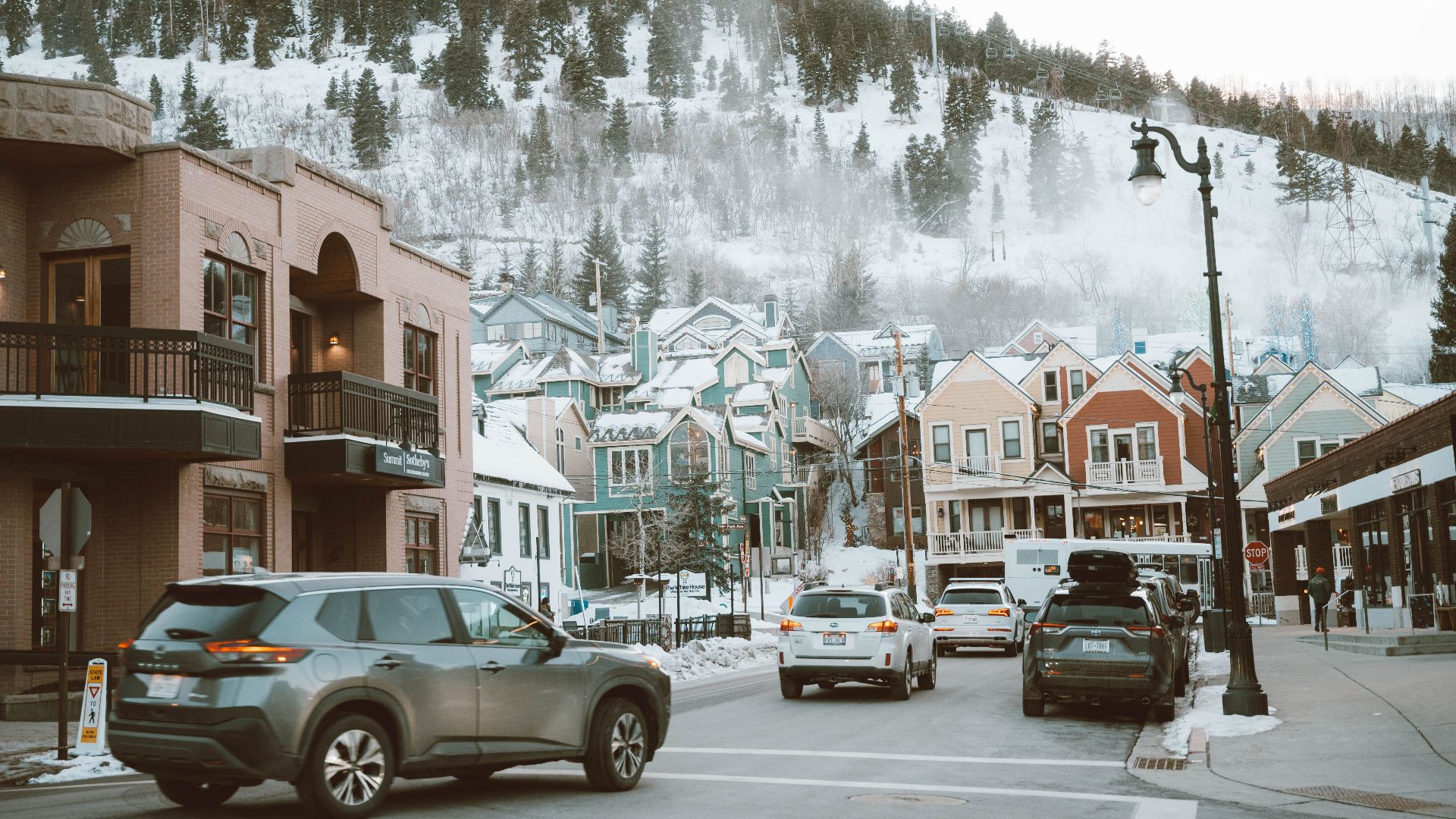
So, How Do You Get It To Stop?
Start by reporting the issue to the navigation companies, document the impacts, involve your neighbors, and contact local transportation officials. The solution often requires pressure from both residents and government agencies.
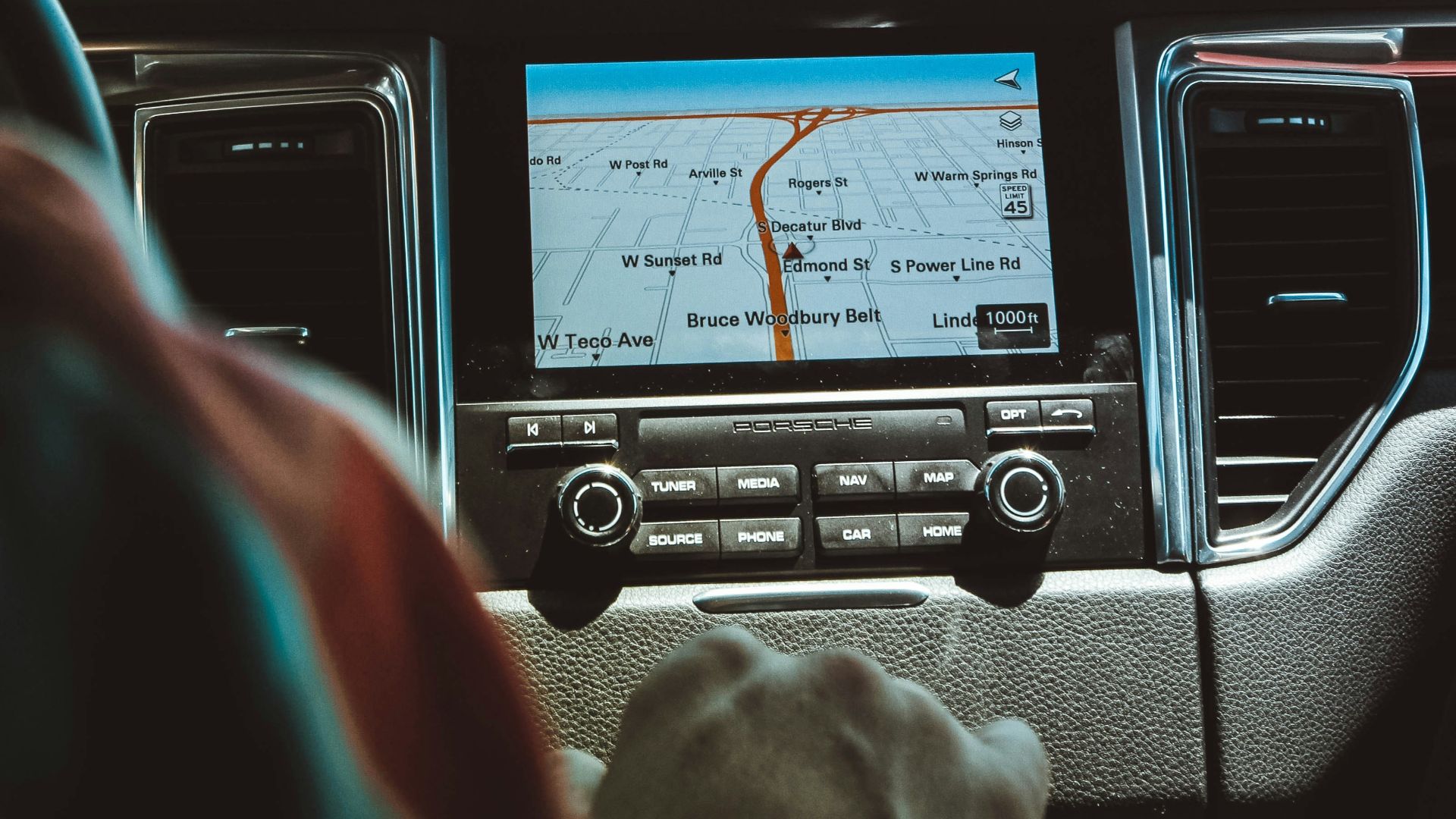
The Reality Behind Modern Navigation
GPS apps are incredibly useful, but they're designed to help drivers reach destinations efficiently—not necessarily to protect neighborhood peace and quiet. When those goals collide, residents often need to become part of the solution.
You May Also Like: