A Disturbing Discovery
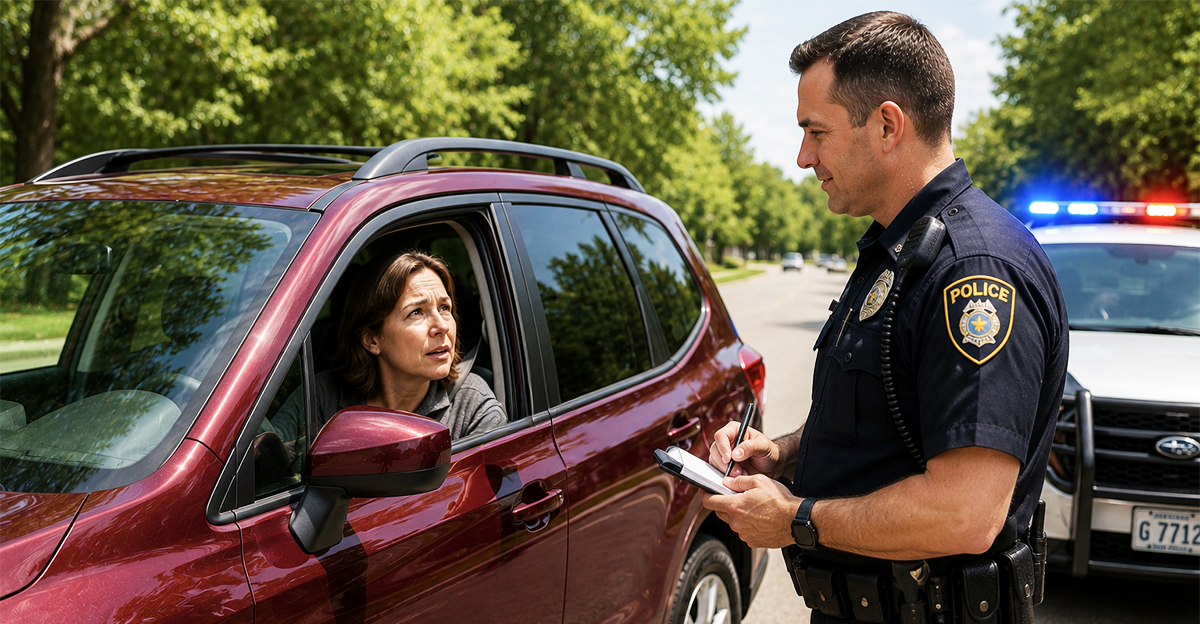
You were pulled over only to learn that your car was flagged by an automated license plate reader, and now you are wondering who has your information and why. The answer depends on who operates the system, why the plate was flagged, and what happens to the data afterward.
What Are Plate Readers?
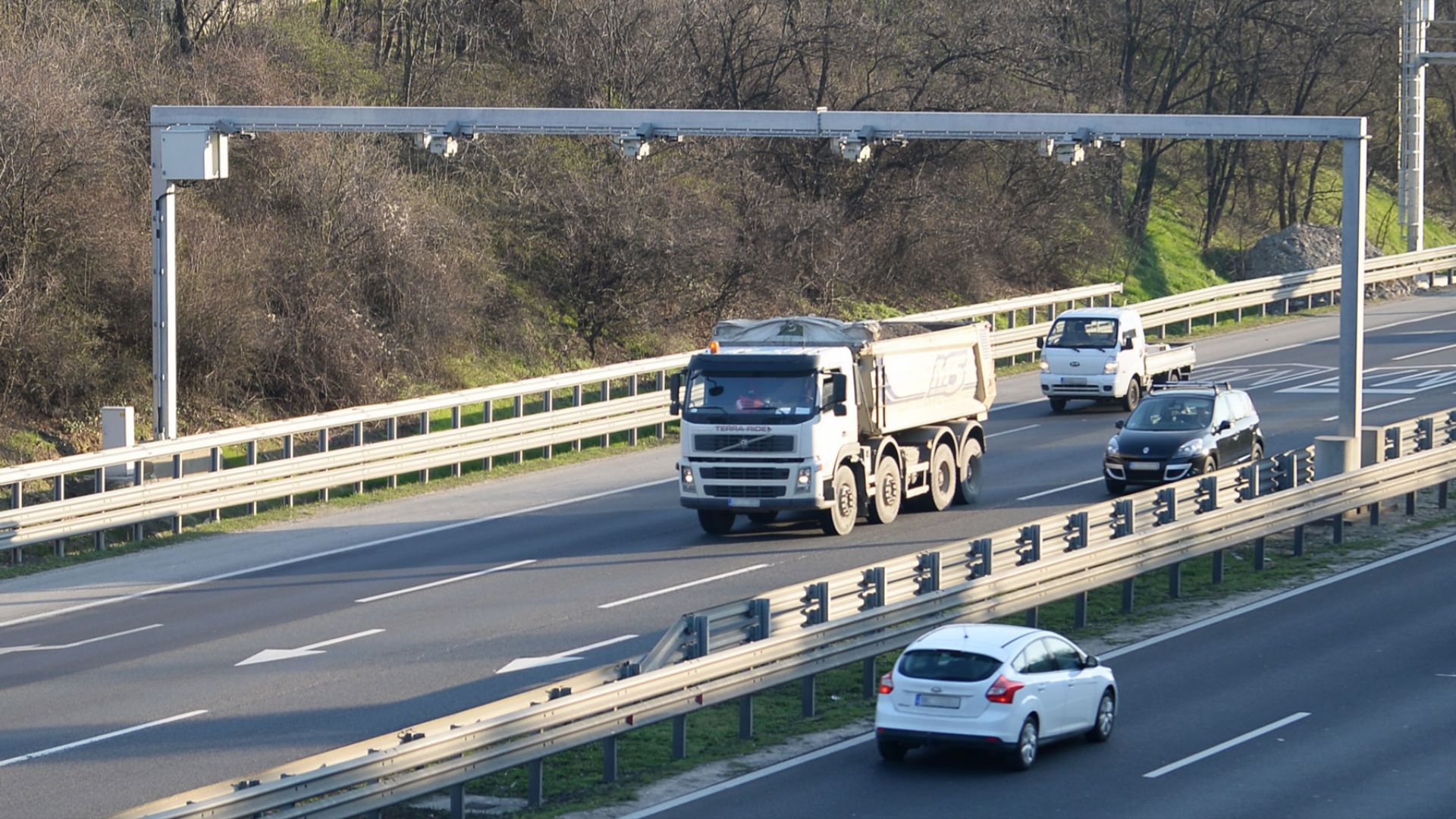
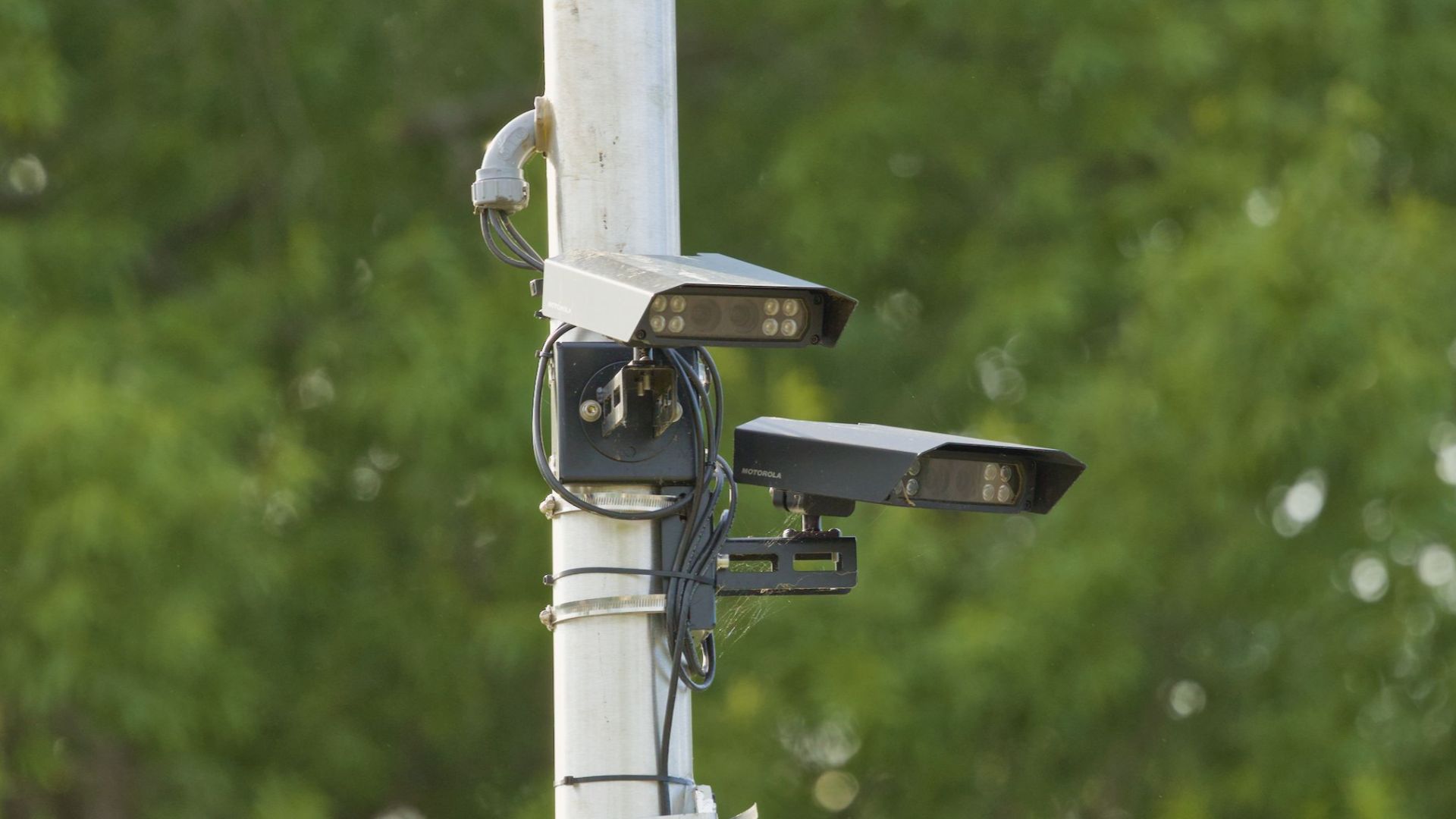
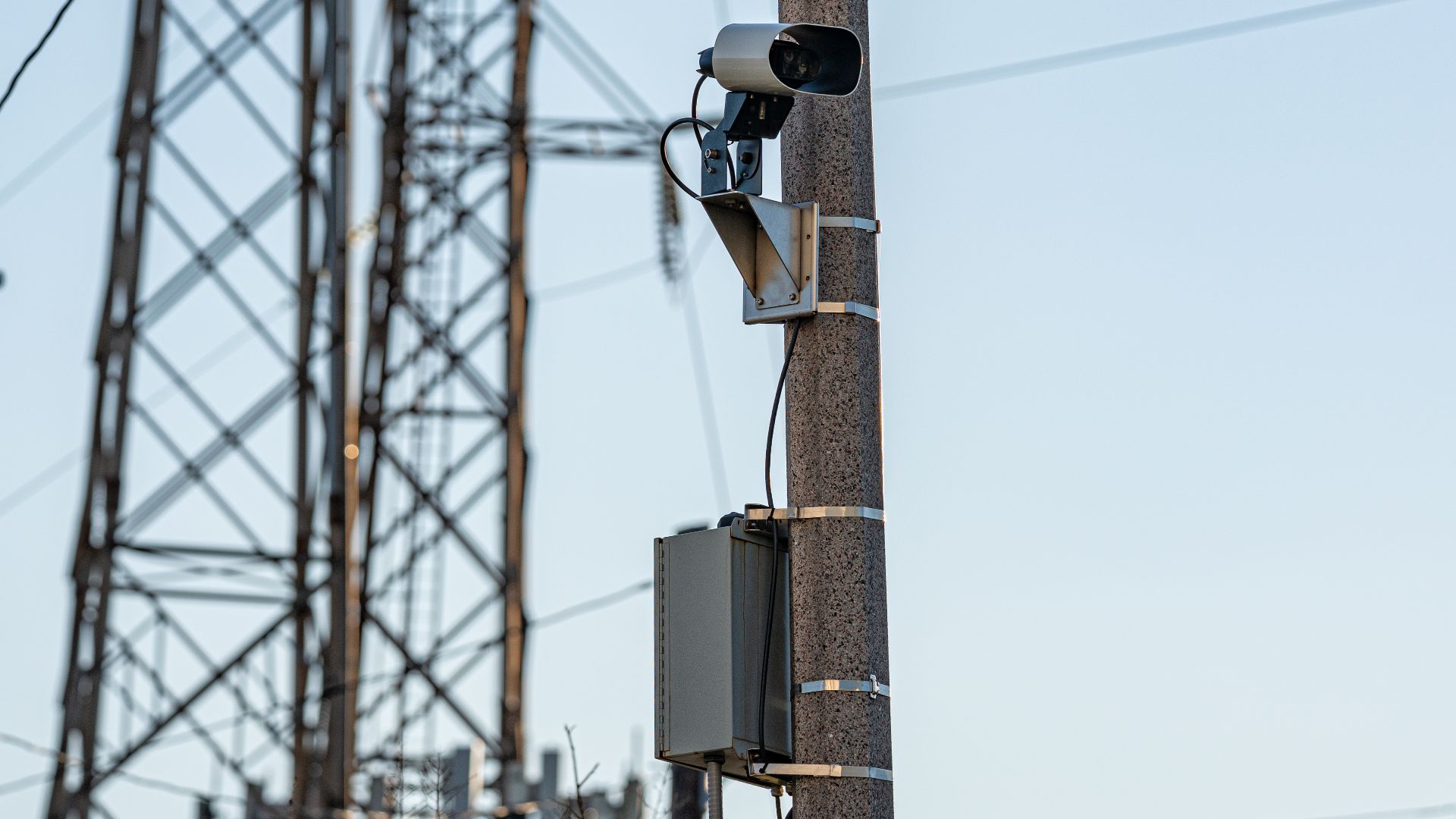
Automated license plate readers, usually called ALPRs for short, use cameras and software to photograph vehicles and convert plate images into searchable letters and numbers. Systems can be mounted on police cars, roadside poles, traffic infrastructure, parking facilities, or other fixed and mobile locations.
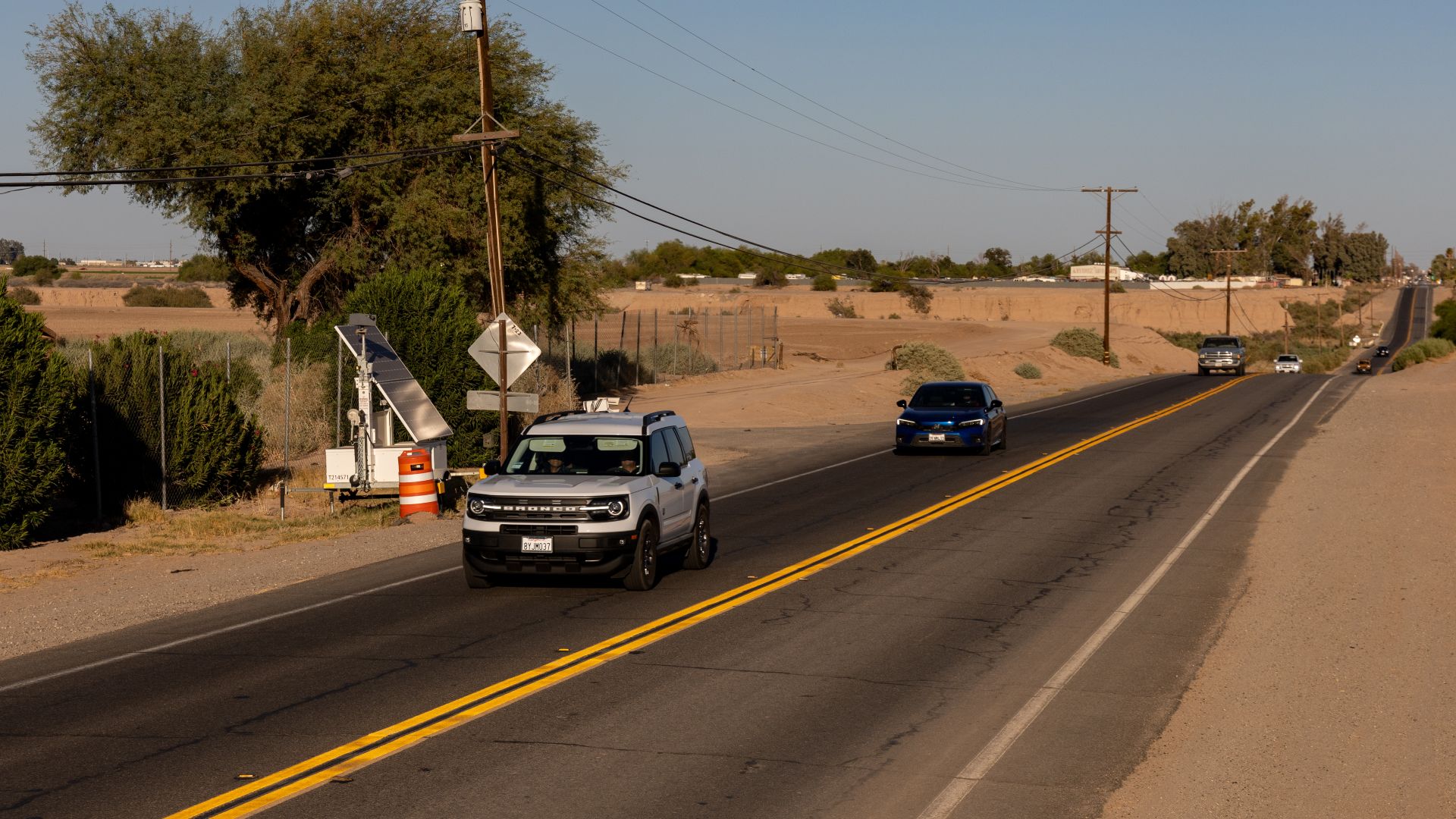 Dugan Meyer, Wikimedia Commons
Millions Of Automatic Scans
Unlike an officer manually checking a suspicious vehicle, ALPR systems can scan large numbers of passing cars automatically. Each scan may create a record connecting a license plate with a particular place and time, even when the driver is not suspected of doing anything wrong.
What Does Flagged Mean?
A flag usually means the plate produced a match or alert within the system being used. That might involve a law enforcement hot list, a local investigative list, a missing-person case, or another database of vehicles that an agency considers relevant to an investigation.
Why Plates Get Flagged
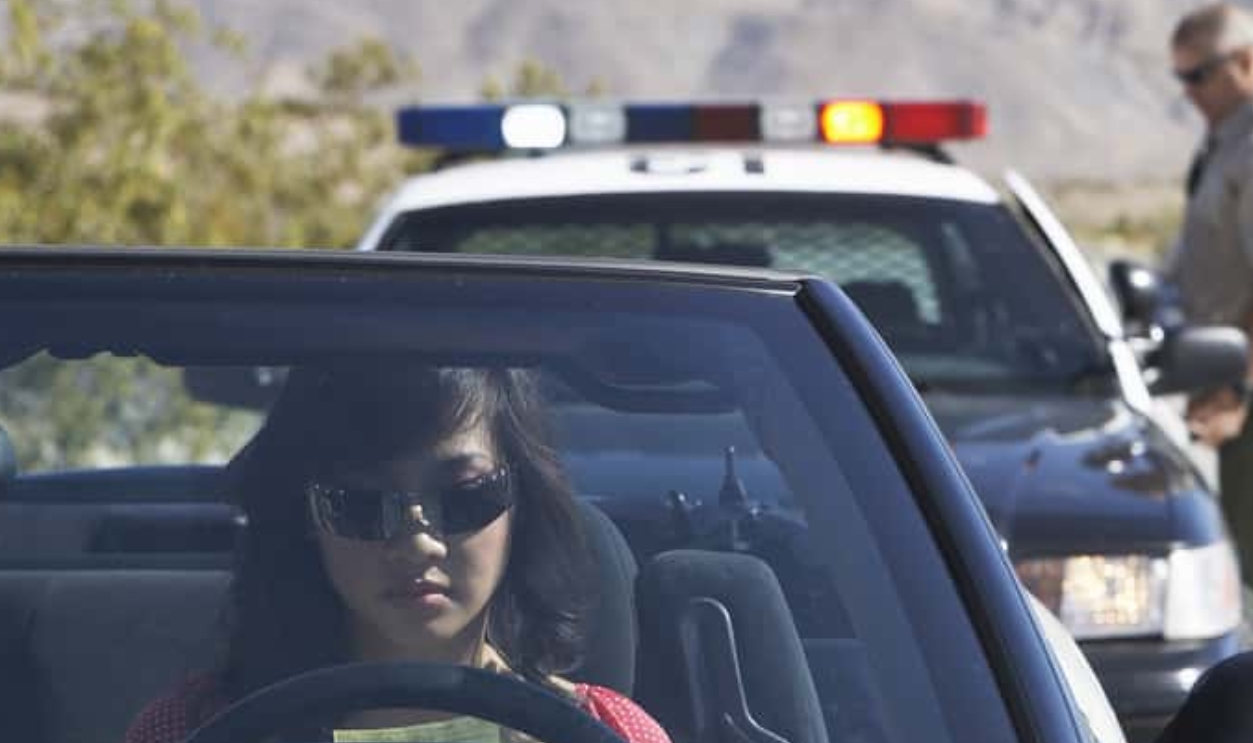
Stolen vehicles are an obvious example, but hot lists can contain plates associated with missing or endangered people and vehicles connected to investigations. The Department of Homeland Security describes hot lists as databases of known plates and vehicles of interest, typically associated with stolen vehicles or investigations.

A Flag Is Not Guilt
A plate match does not necessarily mean the driver committed a crime. Cars change owners, rental vehicles change drivers, family members share vehicles, records become outdated, and innocent cars can be associated with places or people relevant to an investigation without establishing wrongdoing by the current driver.
You May Never Know
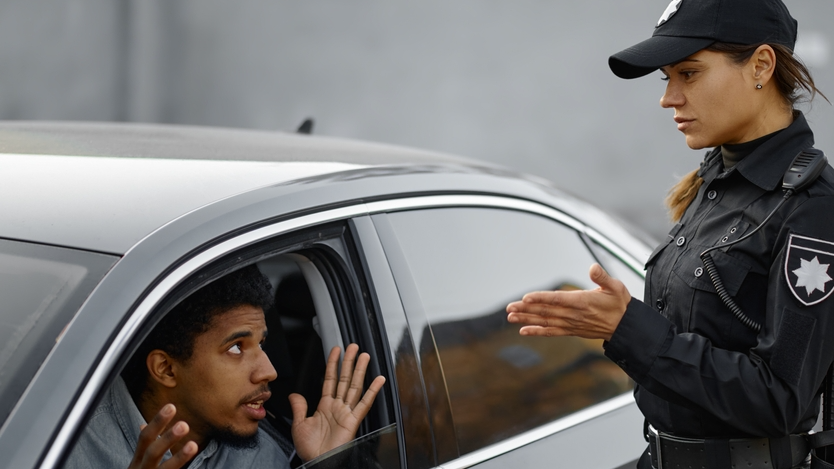
There is generally no automatic nationwide notification system telling ordinary drivers that their plates produced ALPR alerts. You might discover a problem during a traffic stop, through contact with investigators, in court records, or by obtaining records from an agency where disclosure laws permit access.
Police May Verify Alerts
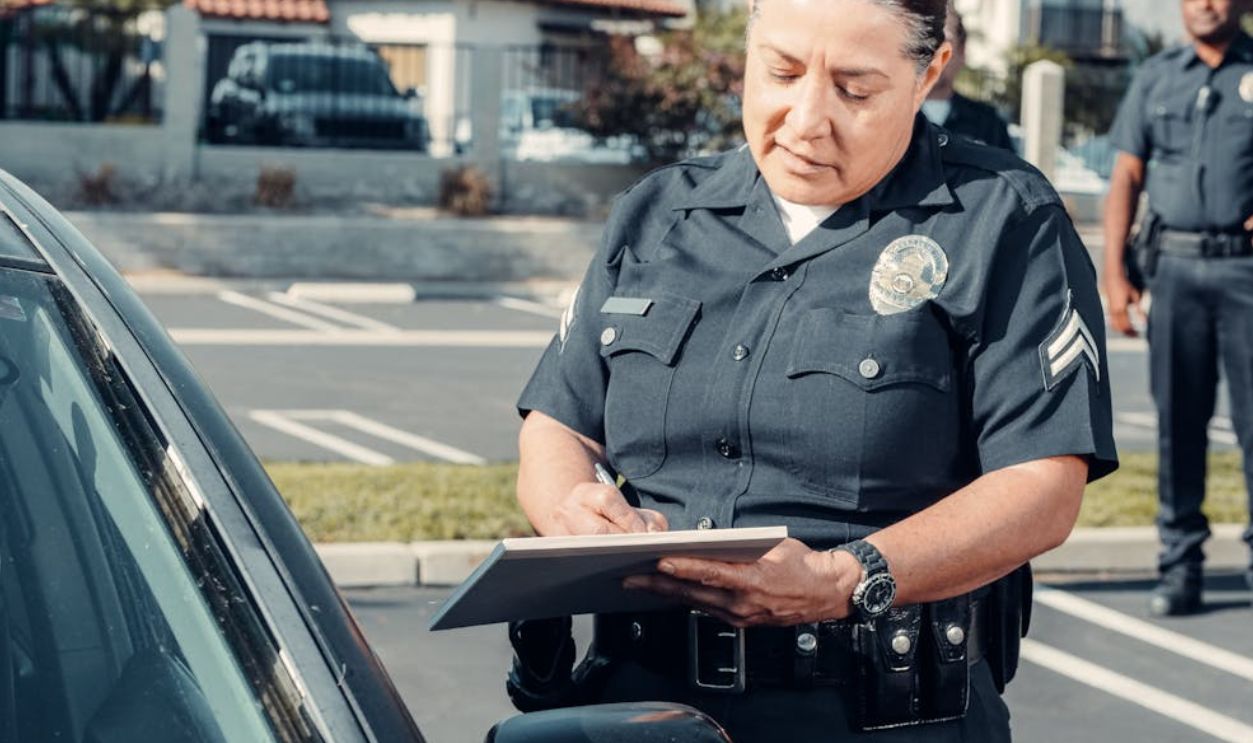
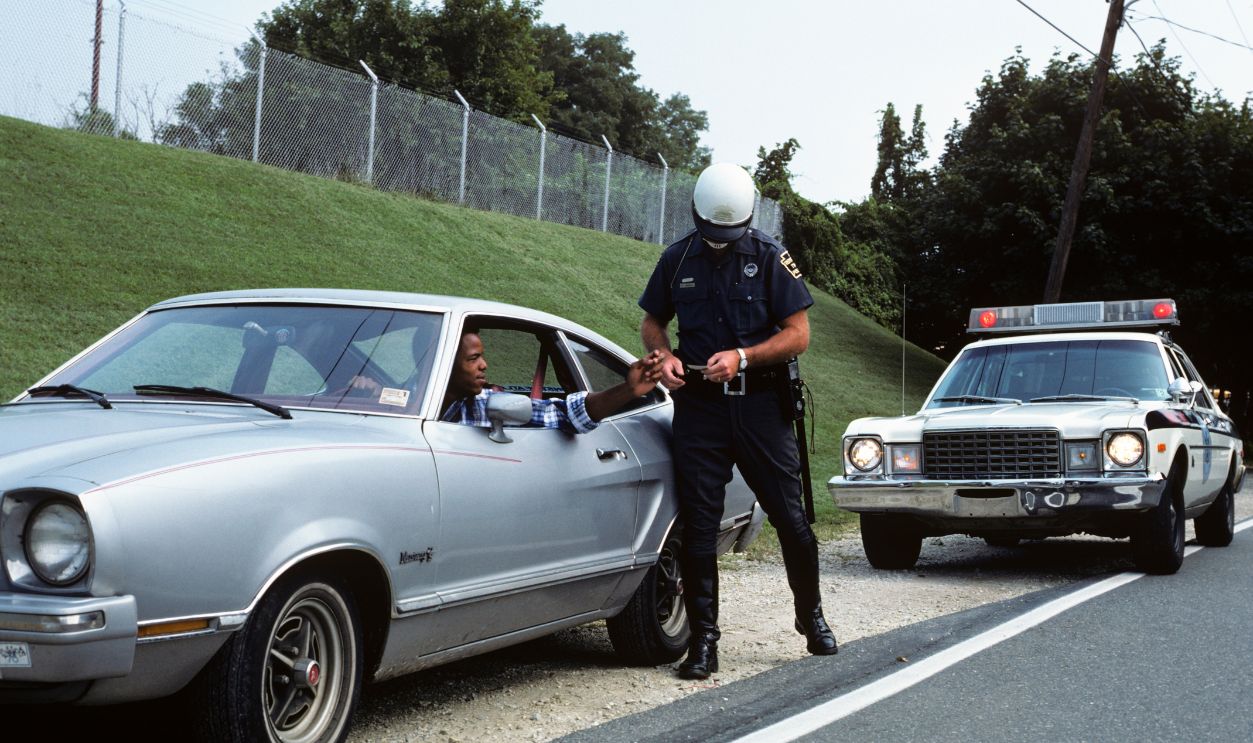
A responsible agency should not treat a machine-generated match as unquestionable proof. ALPR guidance describes the technology as a tool that captures plates, converts images into characters, checks databases, and alerts officers. Human verification remains important before enforcement action is taken.
The Technology Makes Mistakes
ALPR systems can misread plates. CBS News found errors caused by optical character recognition problems and combinations of machine, human, and administrative mistakes. Glare, camera alignment, and similar characters can contribute to incorrect readings, with consequences ranging from erroneous toll charges to dangerous police encounters.
Innocent Drivers Get Stopped
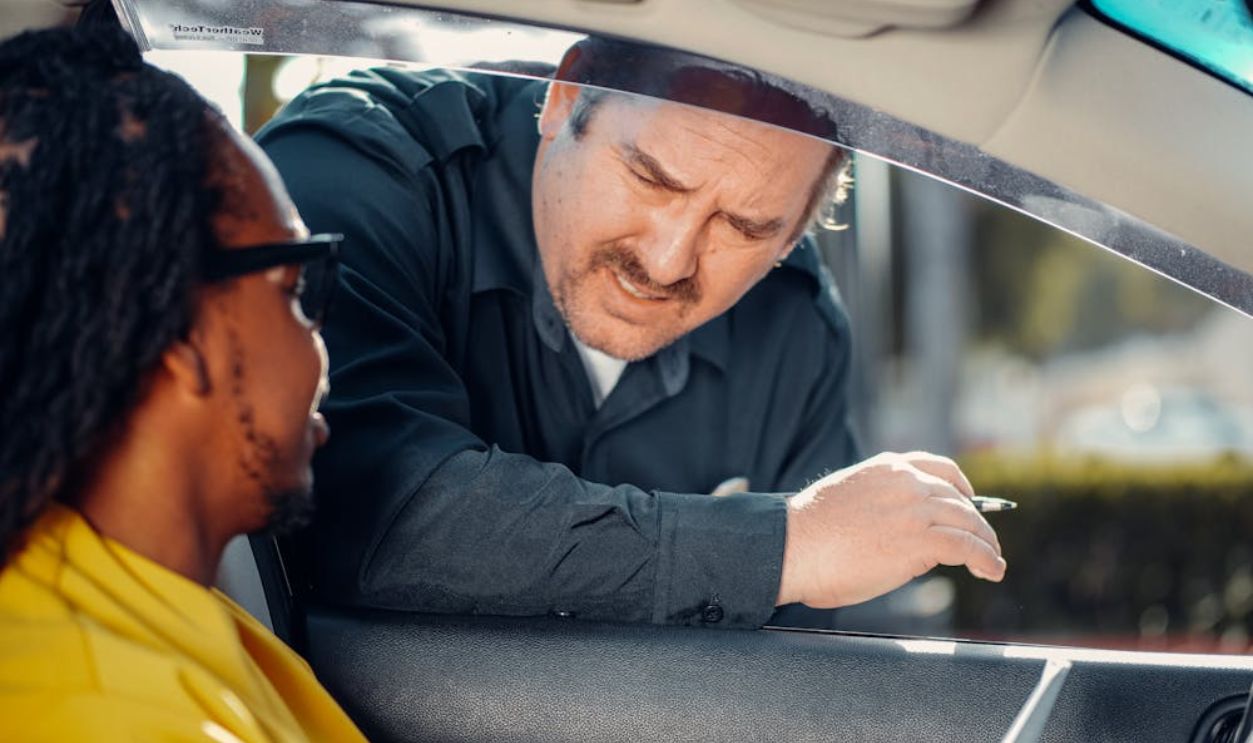
CBS News verified more than a dozen incidents in which ALPR systems were involved in wrongful stops. Privacy advocates have also documented cases in which innocent drivers and passengers faced frightening detentions after technology or database errors incorrectly connected their vehicles with stolen-car reports or other alerts.
Your Plate Reveals Something
A license plate is displayed publicly, but ALPR surveillance creates a different privacy question. One passing driver seeing your plate is different from a network recording repeated locations and times, storing those observations, and making them searchable to people who were never physically present.
 Tony Webster, Wikimedia Commons
Patterns Reveal Much More
A single scan may seem harmless. Repeated scans can potentially show patterns involving where a vehicle regularly travels. Privacy advocates argue that stored ALPR records can reveal visits to medical offices, religious institutions, political gatherings, workplaces, homes, and other sensitive destinations.
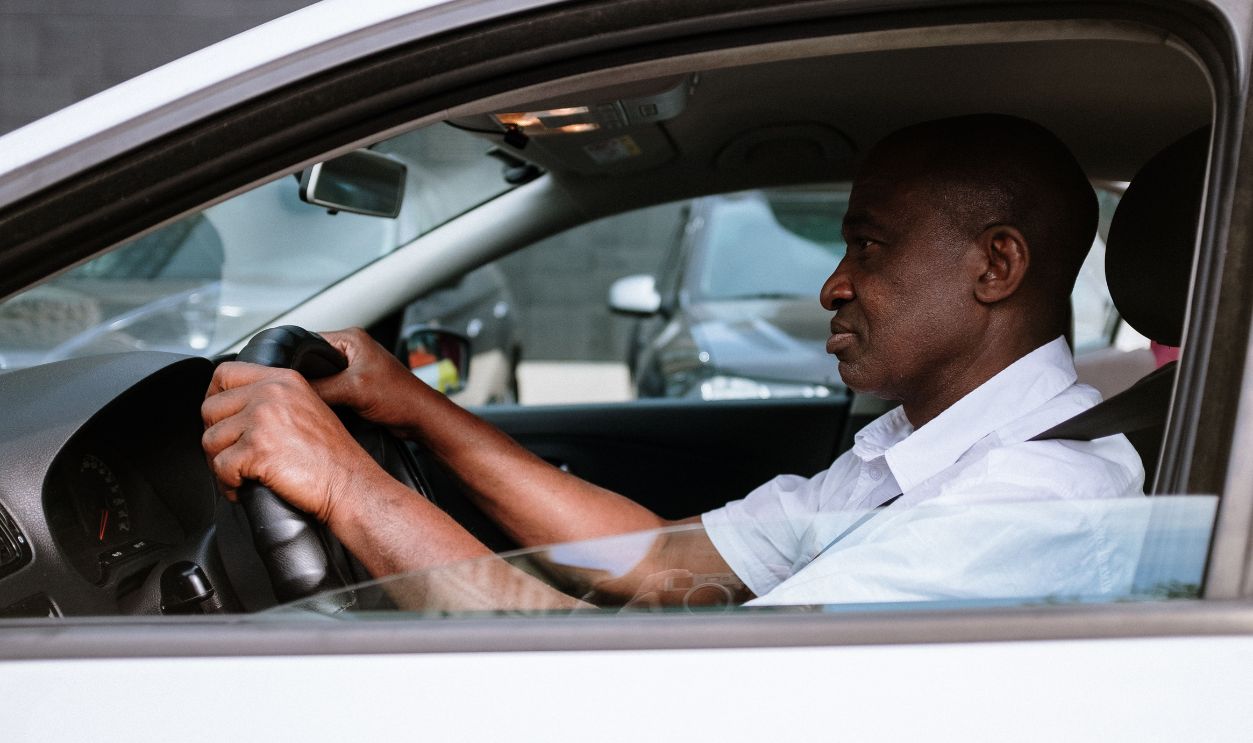
Who Has The Data?
That depends on the system. ALPR technology is used by police departments and other public agencies, but private businesses and organizations also operate readers. Data access, storage, and sharing rules vary significantly among systems, agencies, contracts, and jurisdictions.

Rules Vary By State
There is no single nationwide rule governing every ALPR database. The National Conference of State Legislatures has documented differing state approaches to collection, access, and retention. California, for example, places specific limits on how long certain California Highway Patrol ALPR data may be retained.
 Sharon Hahn Darlin, Wikimedia Commons
Retention Really Matters
Privacy risk grows when routine scans are retained and made searchable. A system designed to find a stolen car in real time can also create a historical record of vehicle movements. Retention periods may be established by state law, local policy, agency rules, or provider arrangements.

Sharing Expands The Concern
Your information may not necessarily remain with the agency whose camera recorded your plate. Privacy debates increasingly focus on whether ALPR data can be searched or shared across jurisdictions, making local collection potentially useful to outside agencies investigating entirely different matters.

Security Is Another Issue
Privacy is not only about authorized government access. Any large database containing vehicle locations can become sensitive if improperly accessed or poorly secured. Researchers and journalists have reported security concerns involving exposed ALPR feeds and vehicle data, illustrating why access controls and technical safeguards matter.

Misuse Can Happen
Even accurate information can be abused. CBS News reported cases in Kansas involving authorities improperly using plate-reader systems to stalk former partners. Such incidents illustrate a central privacy concern: the problem is not limited to false readings when legitimate data can also be misused.
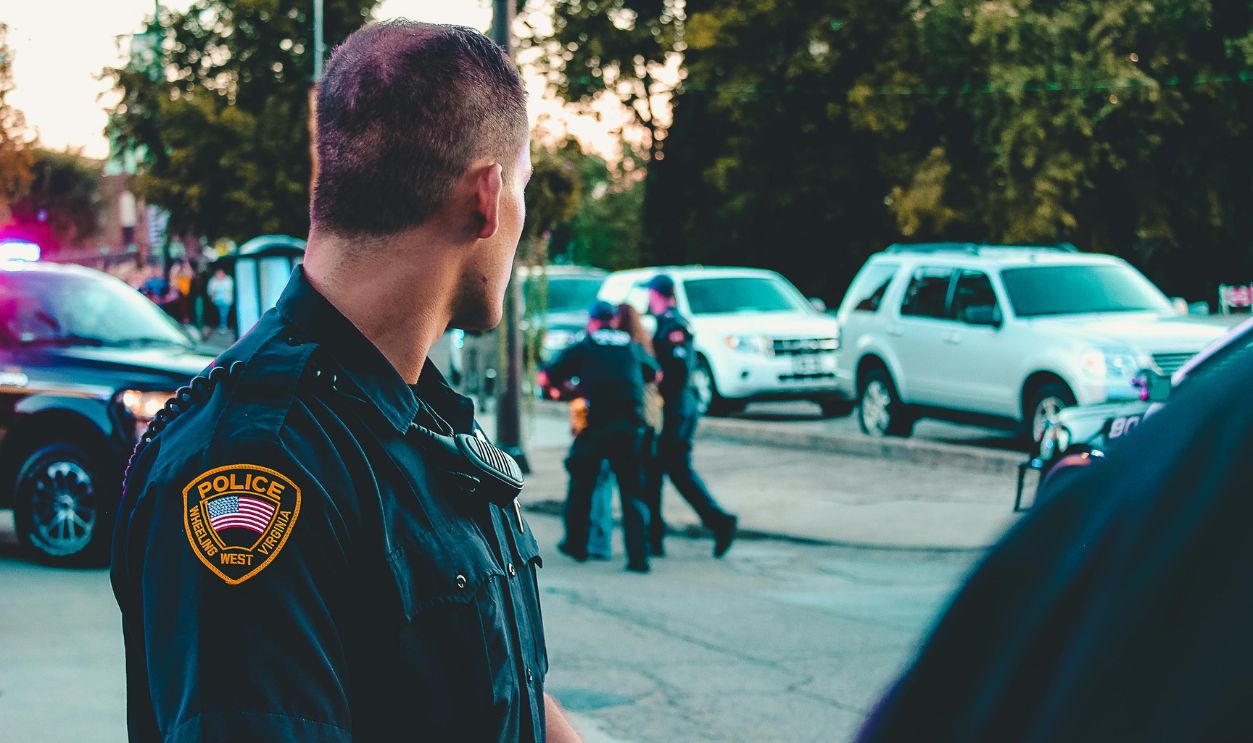
Start With The Agency
If you have concrete reason to believe your plate was wrongly flagged, document exactly what happened. Record dates, locations, officer names, agency information, citations, reports, and statements made during any stop. Then ask the responsible agency about its correction, complaint, and records-request procedures.

Check Your Own Records
Make sure your registration, title, insurance, and plate information are current, especially after buying or selling a vehicle. If a plate was reported stolen, transferred incorrectly, or connected with outdated ownership records, correcting the underlying government record may be more important than challenging an individual camera scan.

Get Help When Needed
If a false alert led to detention, arrest, vehicle seizure, financial loss, or repeated stops, consider speaking with a qualified attorney in your state. Legal options depend heavily on the facts, jurisdiction, agency involved, and whether the problem arose from technology, database information, or human conduct.

Privacy Questions Remain
So, yes, an ALPR scan means information about your vehicle may have been collected, but a flag doesn't automatically mean strangers have your name and address. The bigger issue is how plate observations are connected, retained, searched, shared, secured, and corrected when something goes wrong.

You May Also Like: