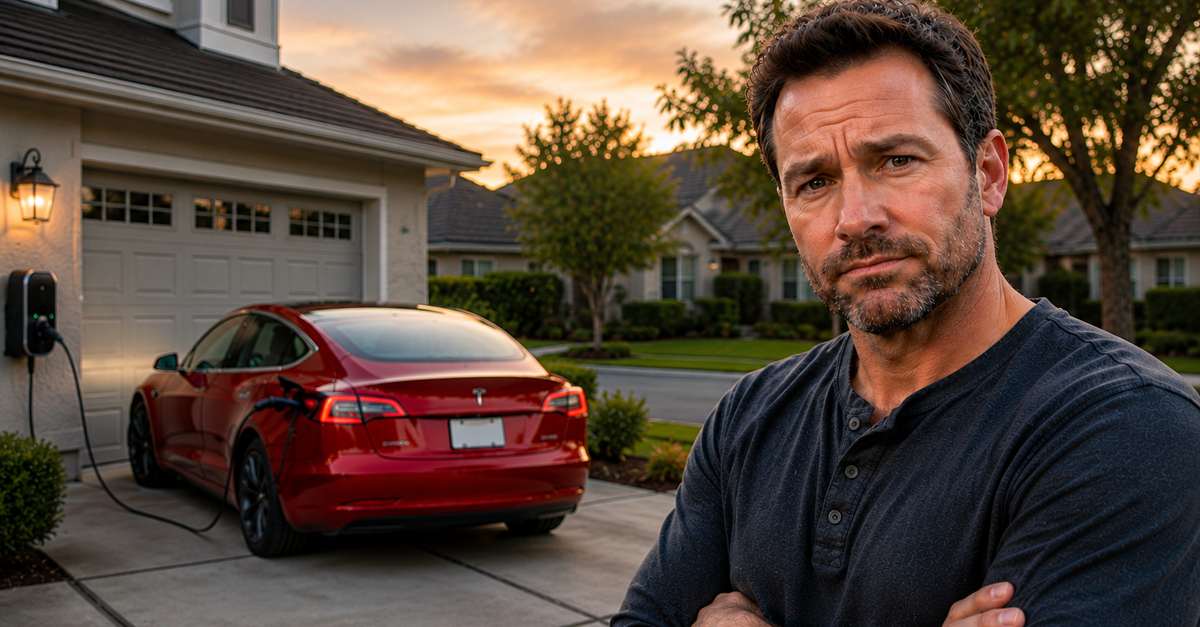
The Short Answer Is Maybe
Your HOA may be able to regulate EV charging, but it usually cannot just make up a blanket ban where state law protects you. The answer depends on your state, your HOA documents, and whether your driveway or parking space is legally yours. Start by separating the board’s opinion from what the rules and law actually say.
Your Driveway Matters A Lot
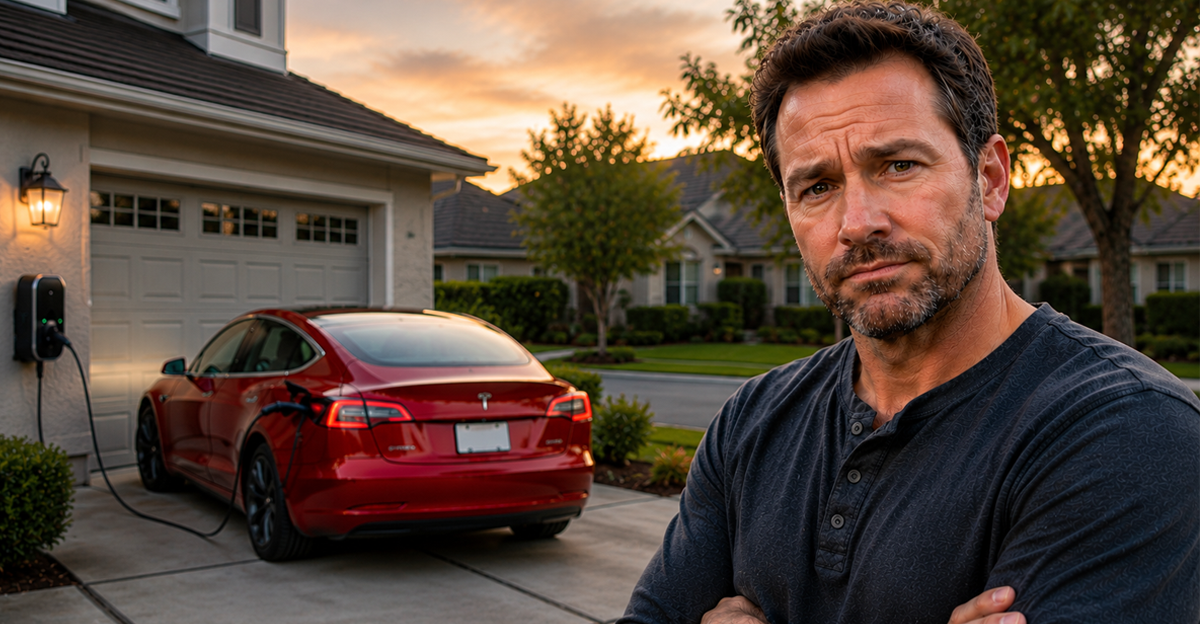
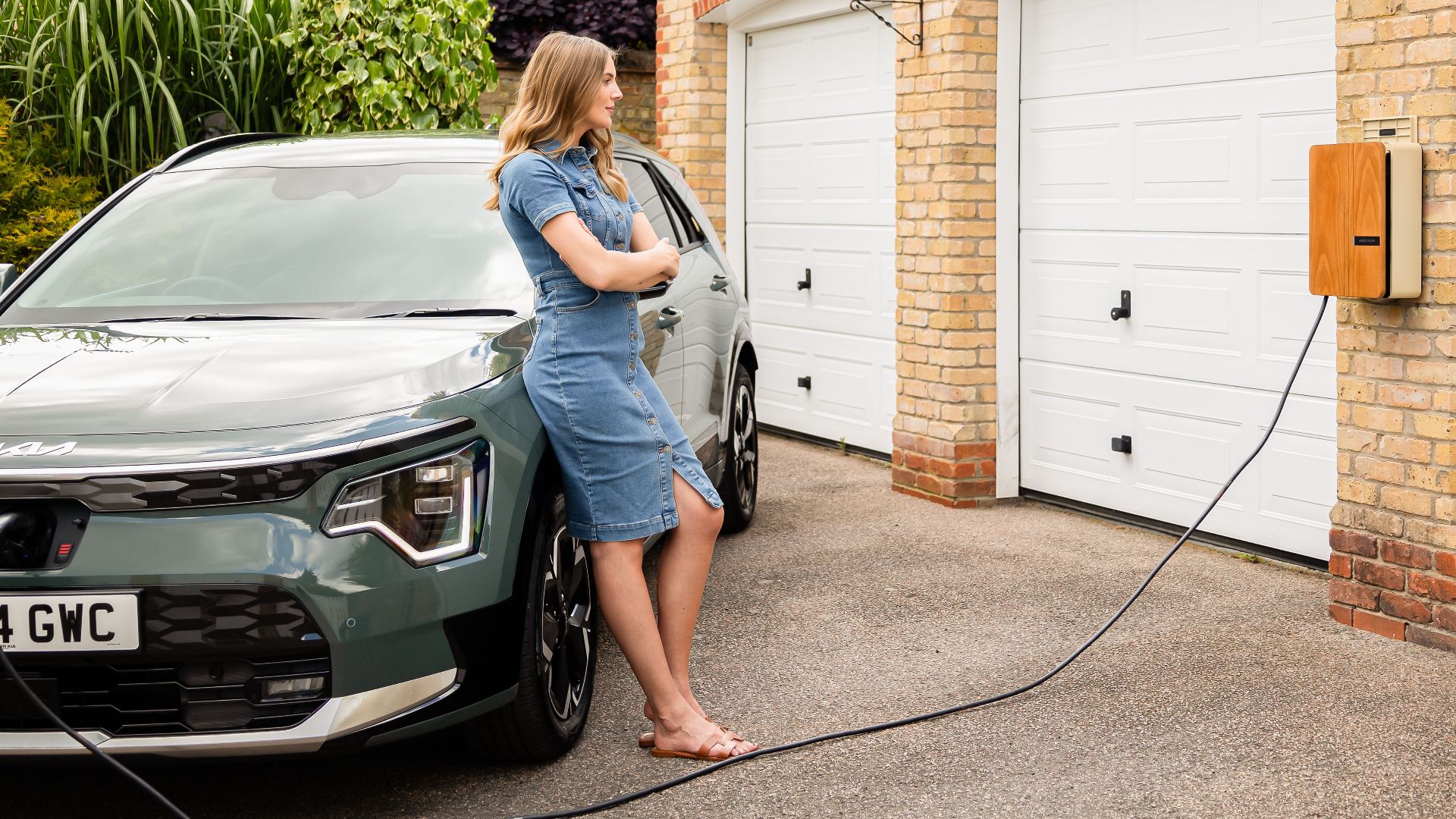
A driveway sounds simple, but HOA law often depends on ownership. If the driveway is part of your privately owned lot, you usually have stronger arguments than someone charging in a shared parking area. If it is a common element or limited common element, the HOA may have more control over installation, insurance, appearance, and wiring.

Overnight Charging Is Normal
Most EV owners charge at home overnight using Level 1 or Level 2 equipment. Federal energy guidance says outdoor residential charging can be safe, including in rain, when outdoor-rated equipment is used. That makes a rule against “overnight charging” harder to justify if the setup is legal, permitted, and safe.
Level 1 Charging Is The Simple Case
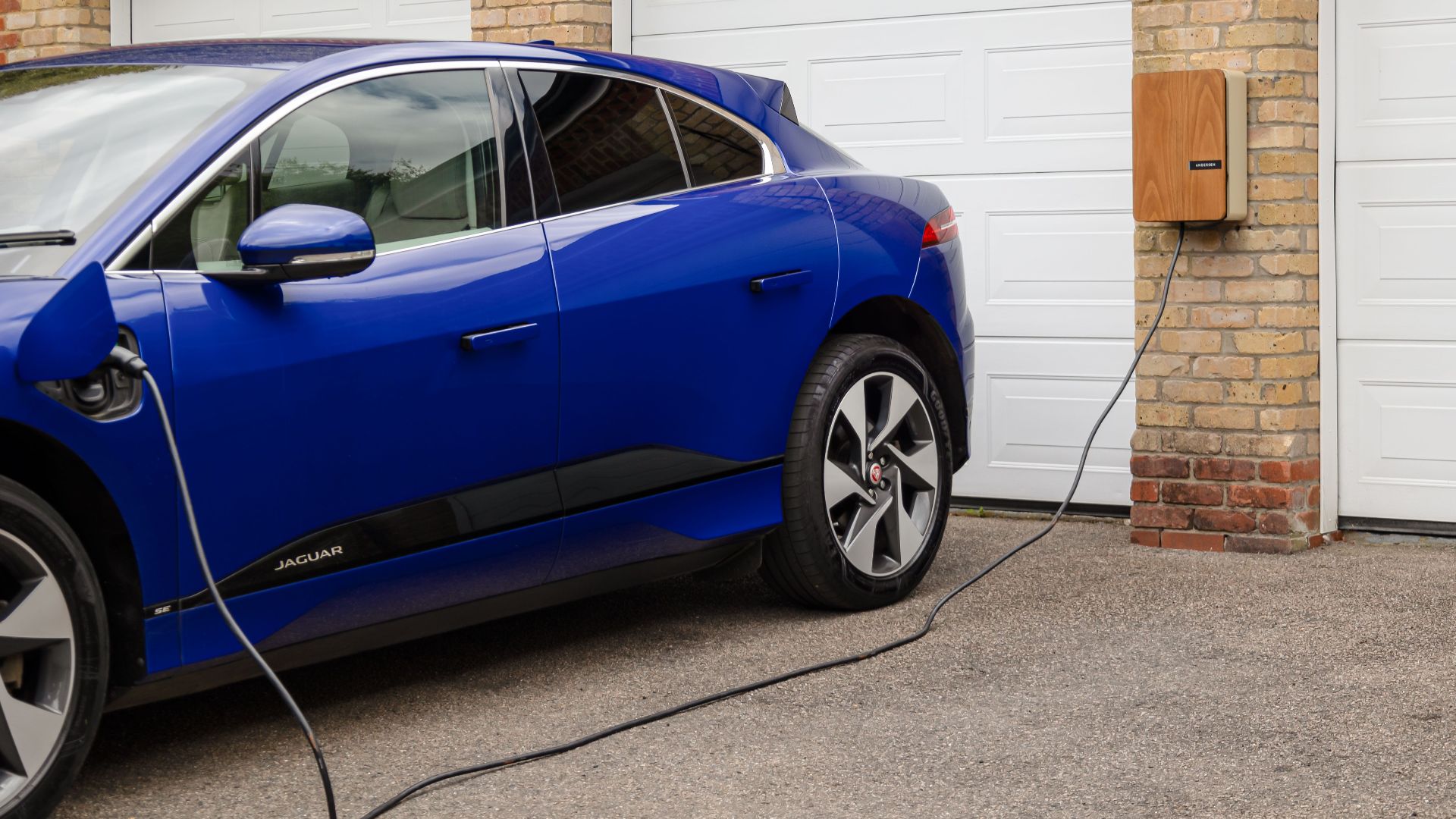
Level 1 charging uses a regular 120-volt outlet, similar to a household appliance. It is slower, but it can work for short commutes and plug-in hybrids. If you are only using the cord that came with the car, the HOA may still raise safety or cord-placement issues.
Level 2 Charging Changes The Conversation
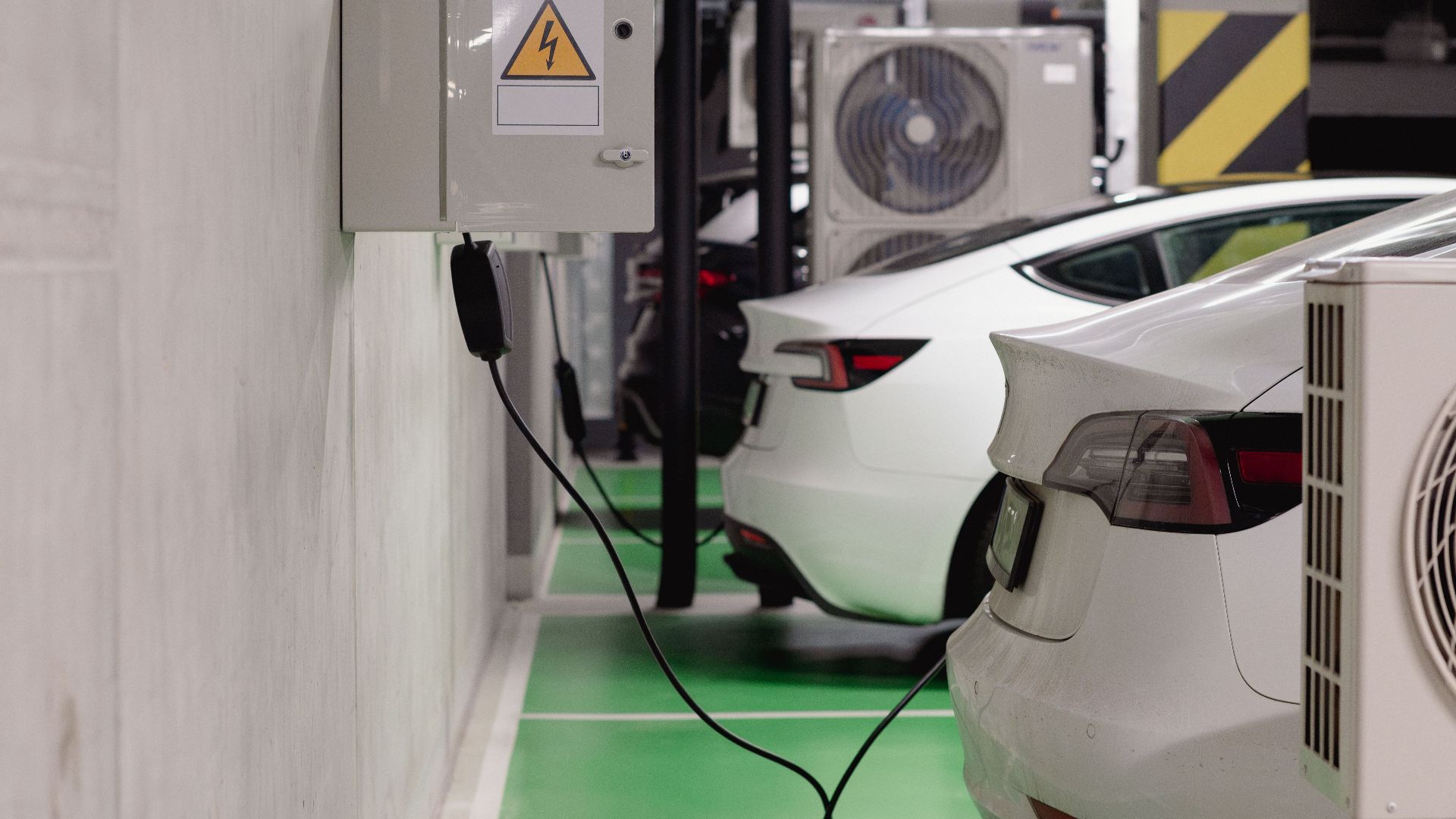
Level 2 charging uses 240 volts and usually needs professional installation. EPA guidance says Level 2 chargers commonly run from 16 to 80 amps and require proper electrical planning. That gives the HOA a legitimate reason to ask for permits, licensed work, and proof that the system is safe.
A Ban Is Different From A Rule
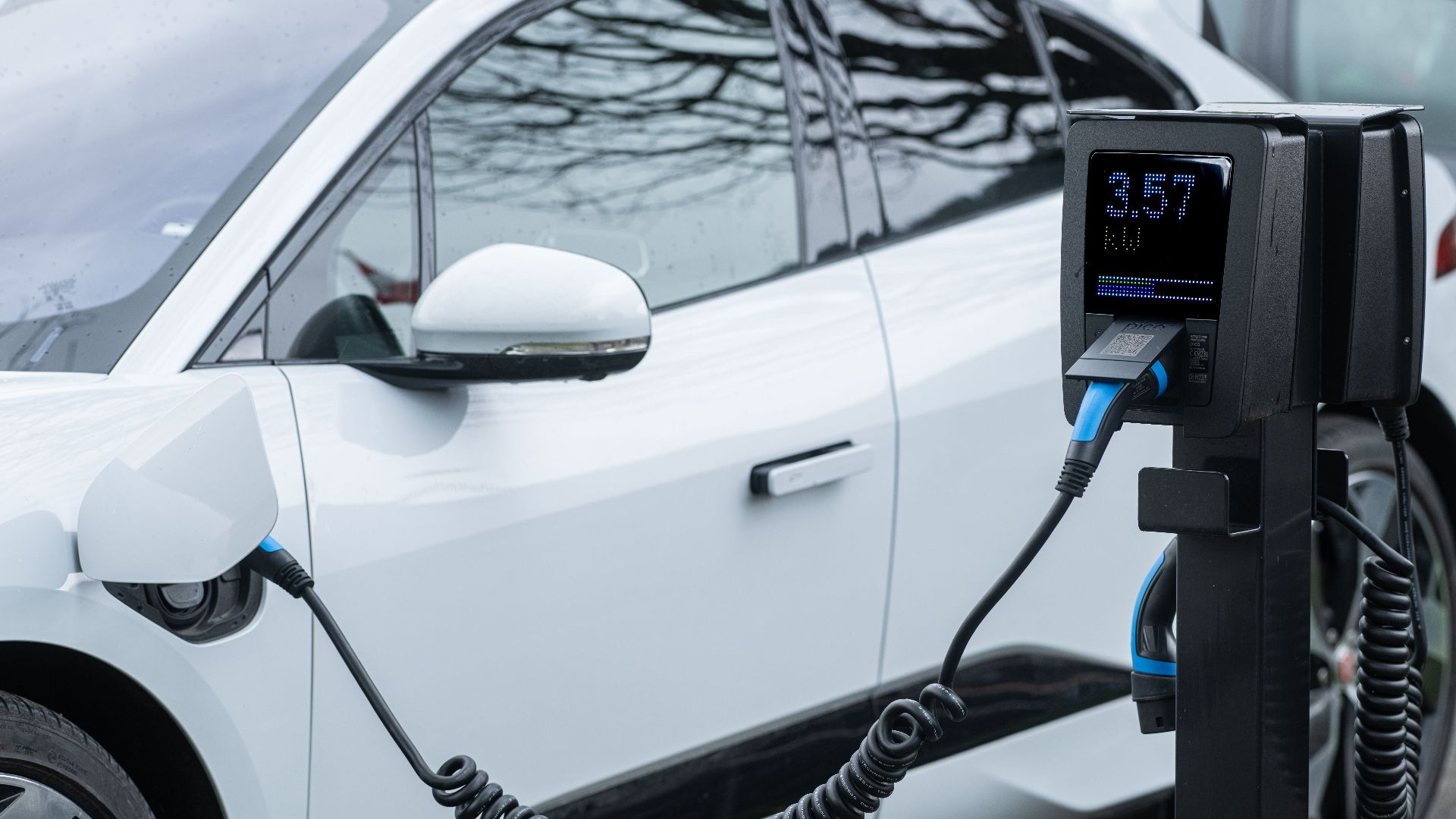
There is a big difference between “you can never charge here” and “submit an architectural application first.” Many right-to-charge laws block unreasonable restrictions while still allowing reasonable safety and appearance standards. That means the board may be allowed to regulate the charger without being allowed to kill the idea entirely.

California Is Very EV Friendly
California law says HOA rules that effectively prohibit or unreasonably restrict EV charging stations in an owner’s unit or designated parking space are void and unenforceable. The law still allows reasonable restrictions that do not significantly raise cost or reduce performance. California also requires written approval or denial, and a delayed response can matter.
Florida Protects Many Condo Owners
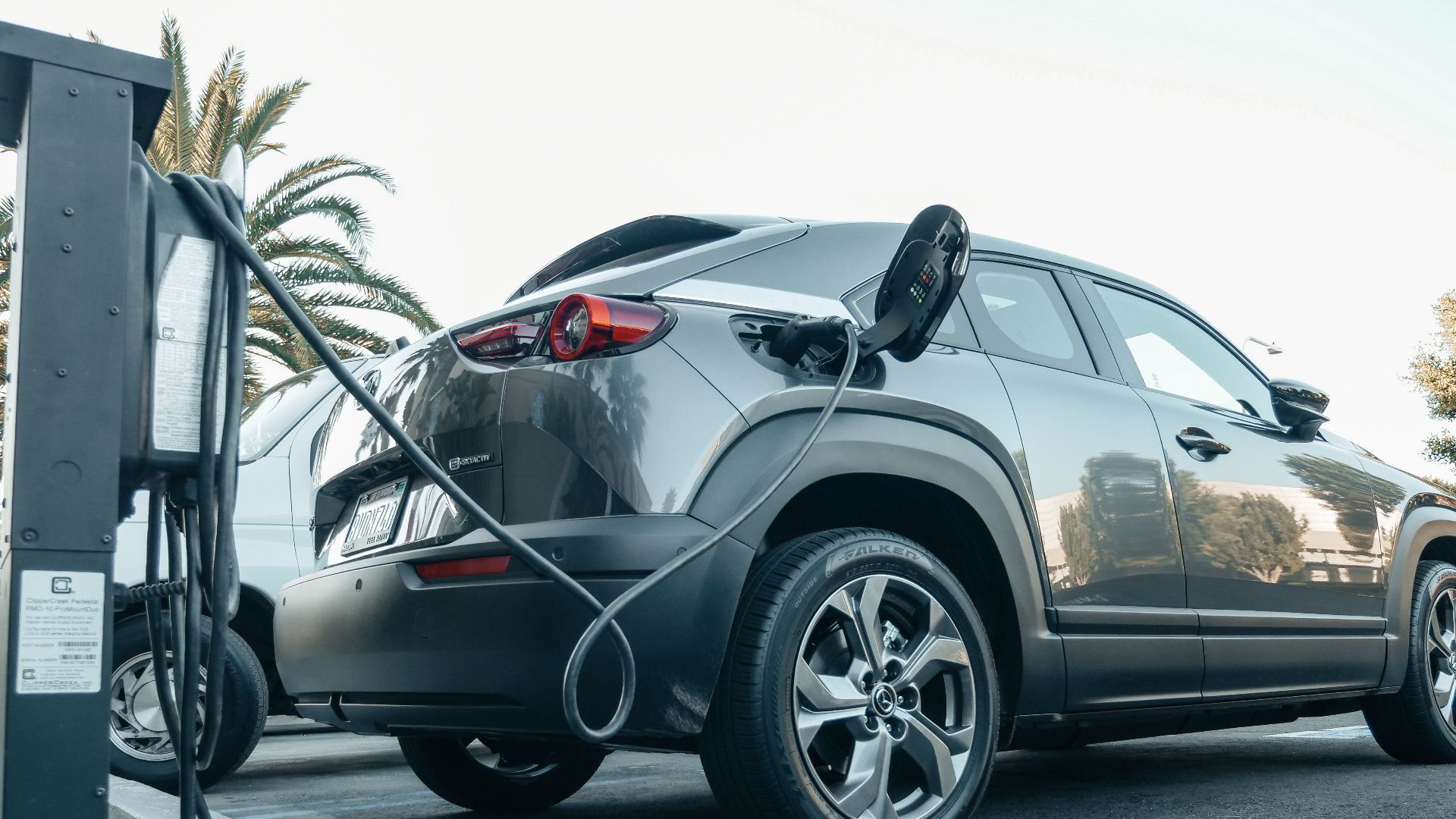
Florida law says condominium associations may not prohibit EV charging stations in a unit owner’s limited common element or exclusively designated parking area. The owner can still be responsible for installation, operation, maintenance, repair, insurance, removal, and electricity costs. The association can also require safety compliance and reasonable architectural standards.
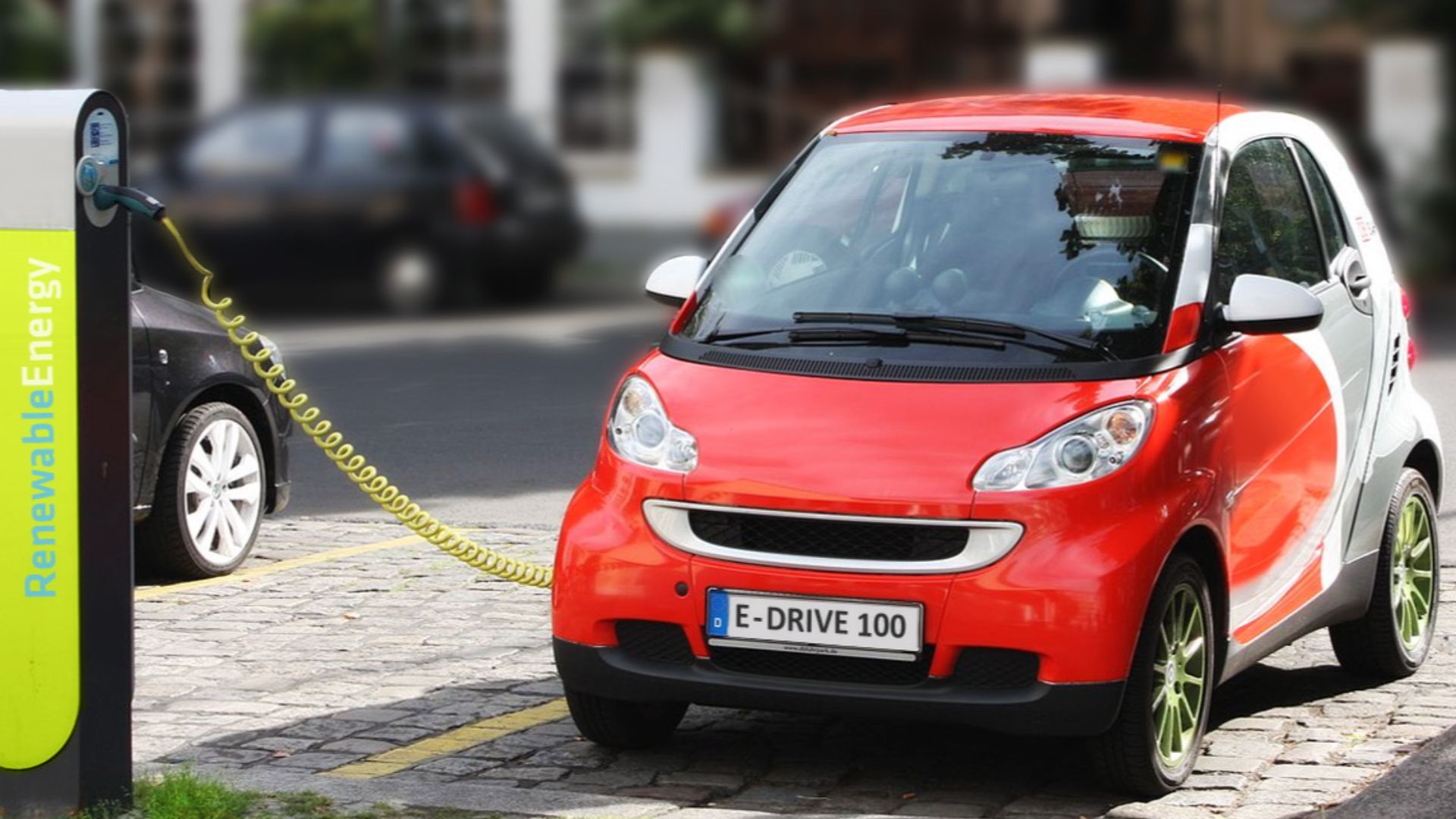 original: Michael Movchinedited by Felix Muller, Wikimedia Commons
Virginia Gives Owners A Path
Virginia law generally prevents a property owners’ association from prohibiting a lot owner from installing an EV charging station on property owned by that owner, unless recorded governing documents say otherwise. The association may set reasonable restrictions on number, size, place, and manner of installation. The owner may also have indemnity and insurance responsibilities.
New Jersey Also Limits Blanket Restrictions
New Jersey law bars common interest community associations from prohibiting or unreasonably restricting EV charging stations in designated parking spaces. The law gives associations room to impose reasonable conditions. That is the pattern in many states: yes to safety rules, no to reflexive bans.
Colorado Focuses On Meaningful Access
Colorado law is written to prevent common interest communities from creating artificial restrictions on EV adoption. It encourages communities to allow charging stations and even consider common-area charging as an amenity. That does not erase HOA authority, but it does limit unreasonable interference.
Your State May Be The Decider
Not every state has the same right-to-charge protections. Some states protect homeowners, condo owners, or assigned parking users, while others leave more power in the HOA documents. This is why advice from another EV owner online can be useless if they live under different laws.
HOA Documents Still Matter
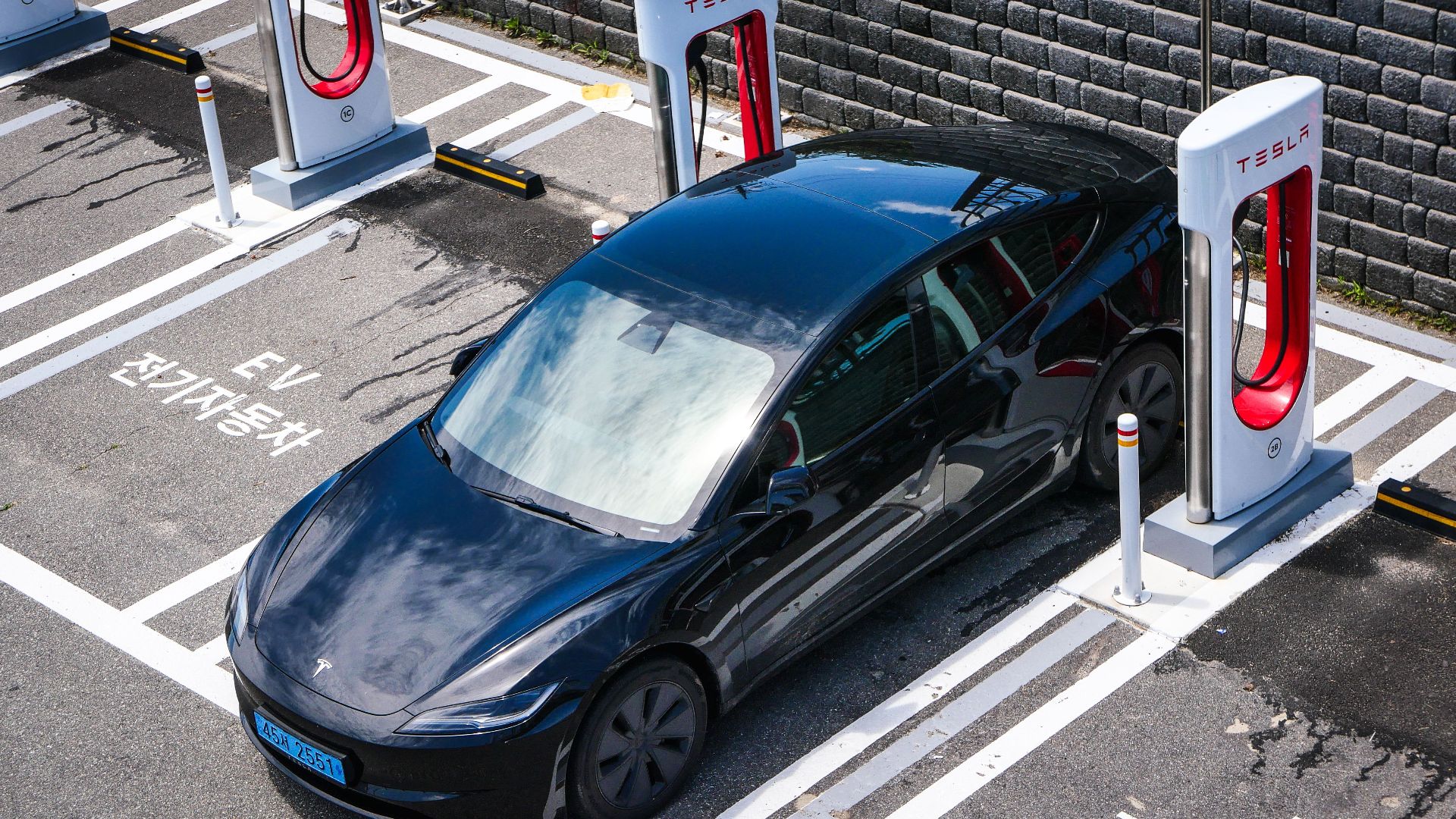
Your declaration, covenants, bylaws, and architectural rules are the first documents to read. Look for language about exterior modifications, parking, electrical work, nuisance rules, cords, and common areas. Older HOA documents may not mention EVs at all, but broad architectural rules can still apply.

Safety Is The Board’s Strongest Argument
The HOA is on firmer ground when it asks for code-compliant equipment, permits, licensed installation, and outdoor-rated gear. EPA guidance says Level 2 charging creates a constant electrical load for hours, so proper electrical sizing matters. A board that focuses on safety is in a much better position than a board that simply dislikes EVs.
Extension Cords Are A Weak Spot
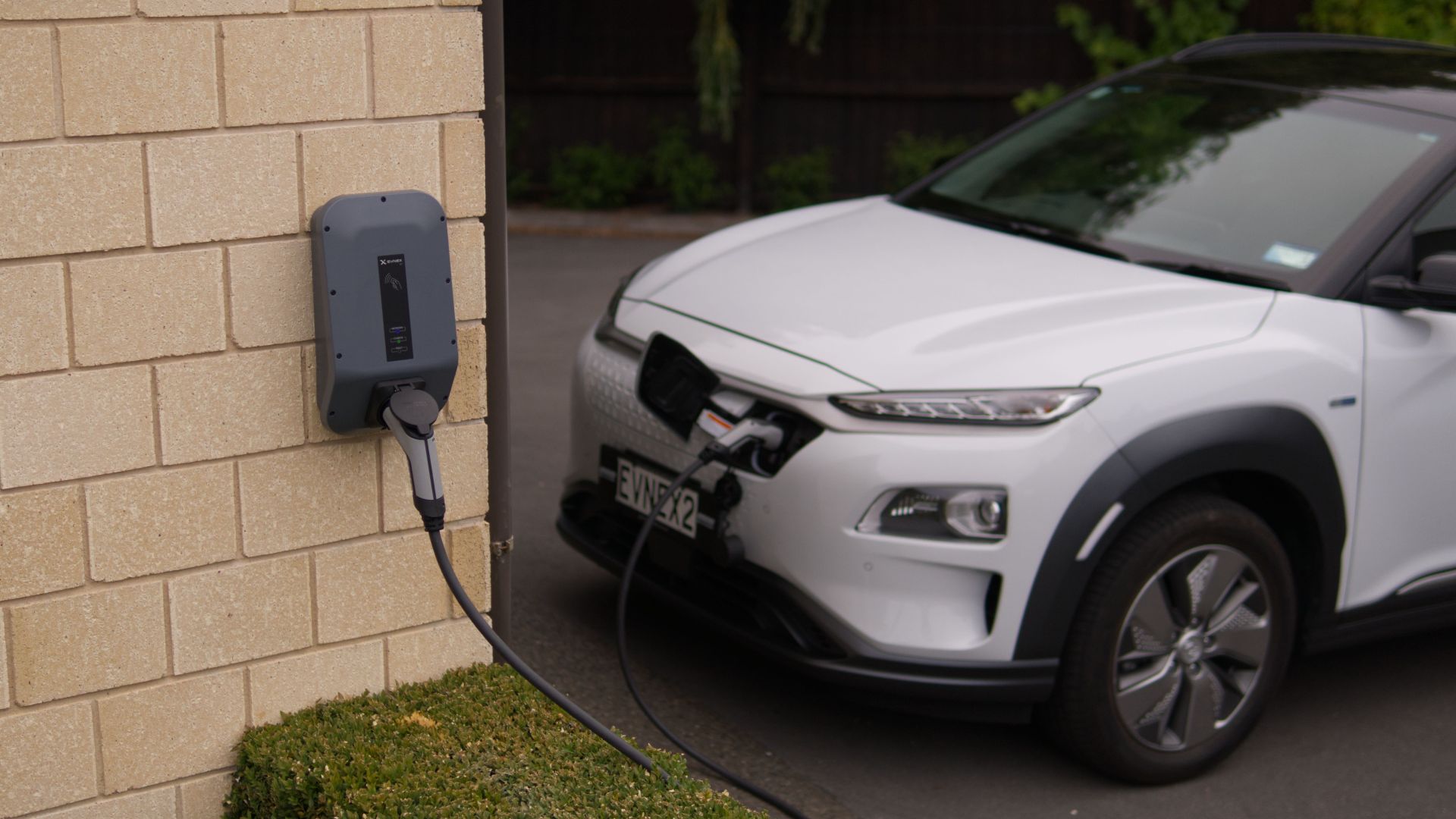
Running an extension cord across a sidewalk, driveway apron, or shared area can create a tripping hazard. Even EV-friendly laws usually do not protect unsafe or sloppy charging setups. If your current setup looks temporary, exposed, or easy to trip over, fix that before fighting the HOA.
The Electricity Bill Is Usually Yours
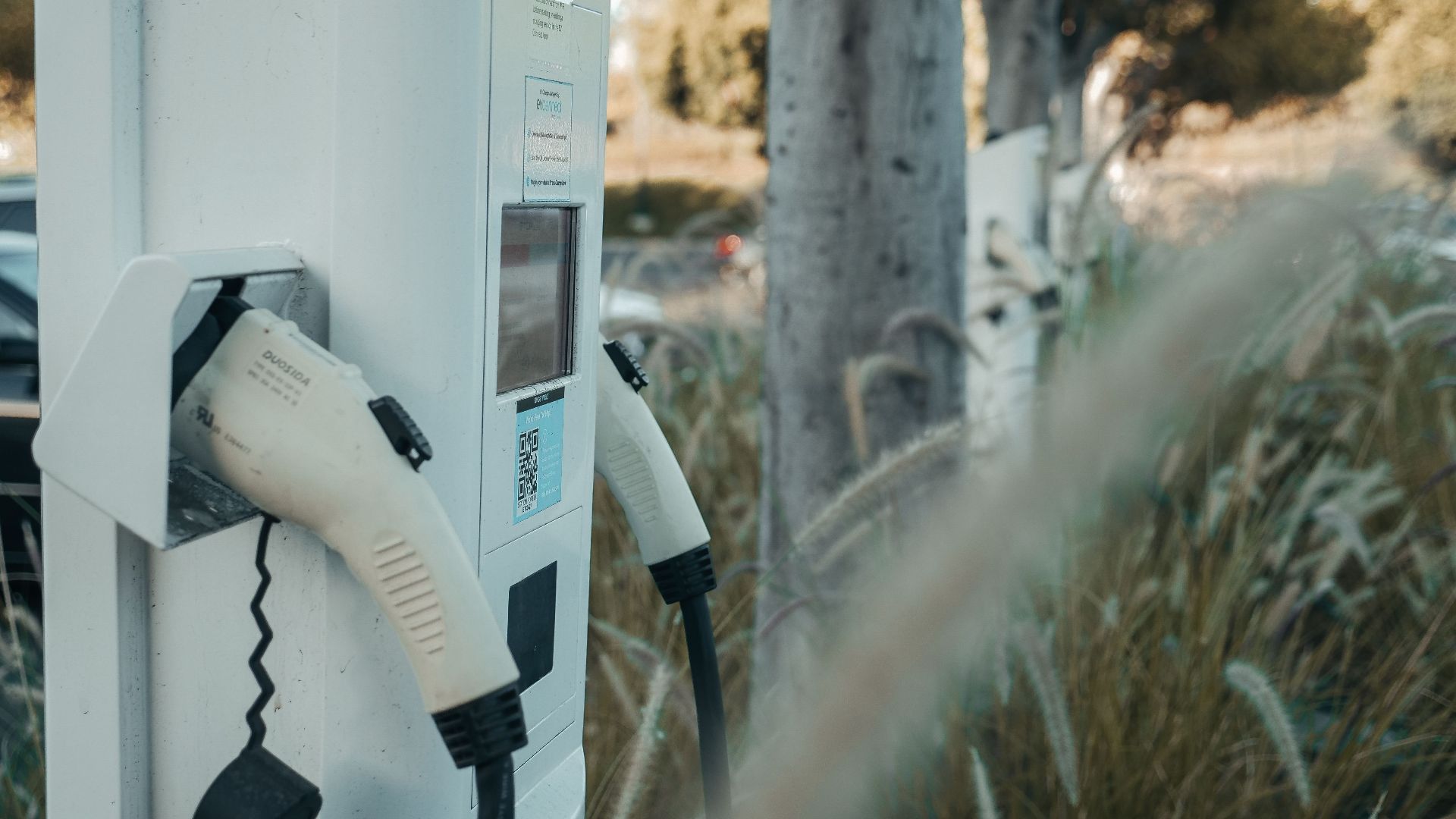
Right-to-charge laws often let associations require the owner to pay for electricity used by the charger. Some communities require separate metering, embedded metering, or reimbursement. That is usually a reasonable condition, not an illegal roadblock.
Insurance Can Come Up
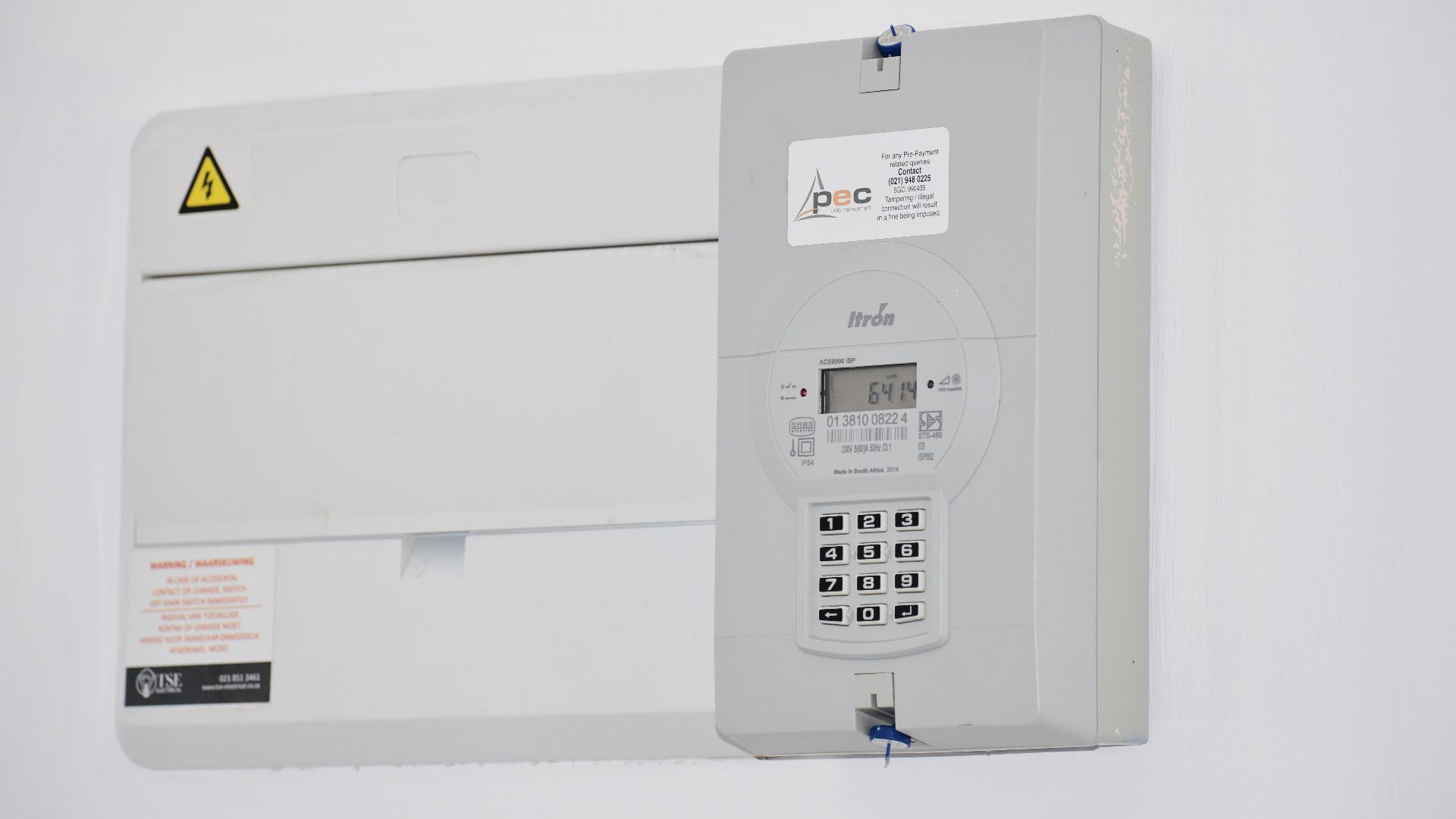
Some states allow associations to require proof of insurance for a private charger. California and Florida both include insurance-related provisions for certain installations. If your HOA asks for a certificate of insurance, that request may be allowed depending on your state and parking arrangement.

Appearance Rules Can Be Valid
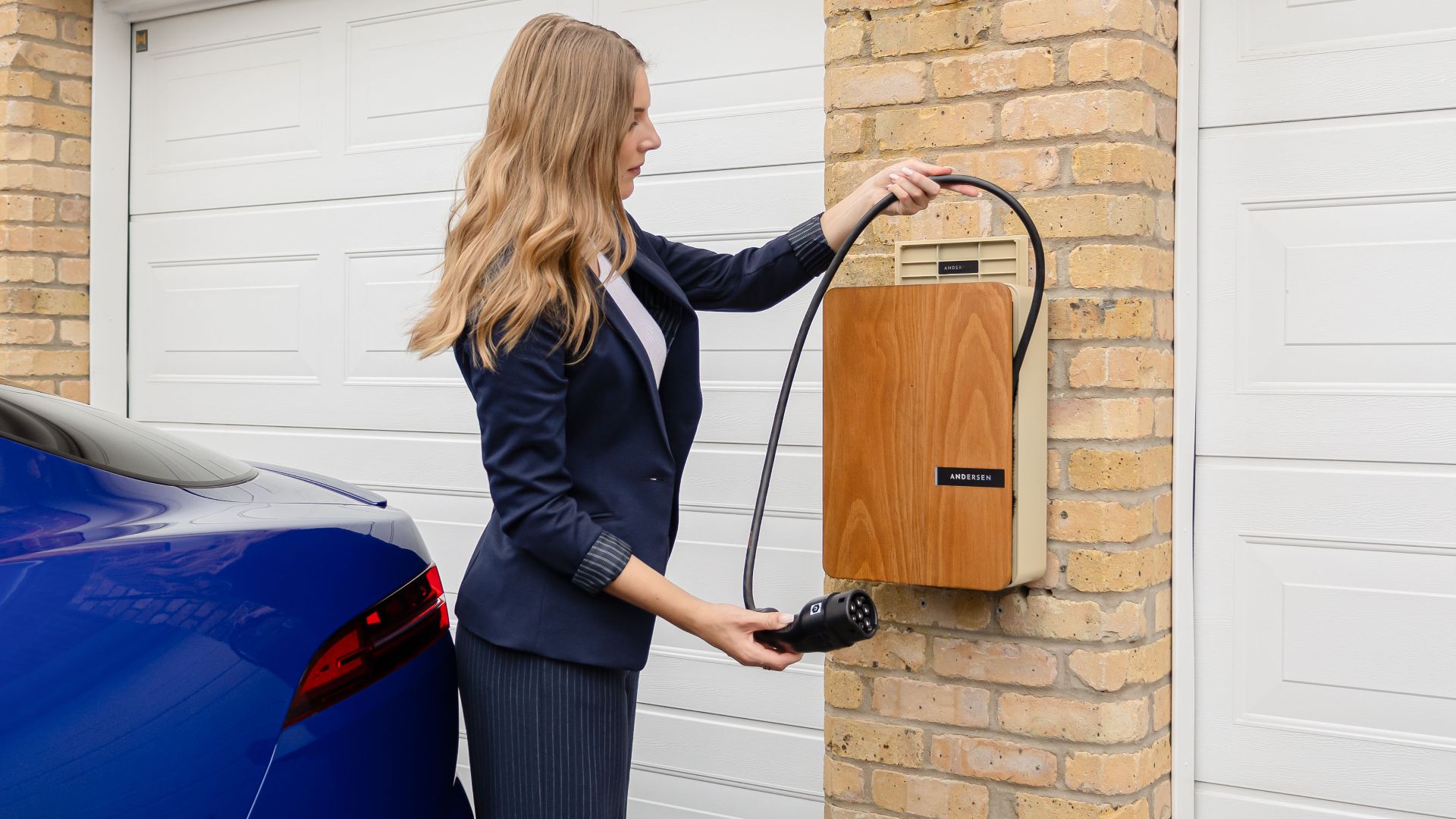
An HOA may be able to regulate where equipment is mounted, how conduit is routed, and whether visible hardware matches community standards. The key word is reasonable. A rule that hides wiring neatly is different from a rule that makes installation impossible.
Common Areas Are Trickier
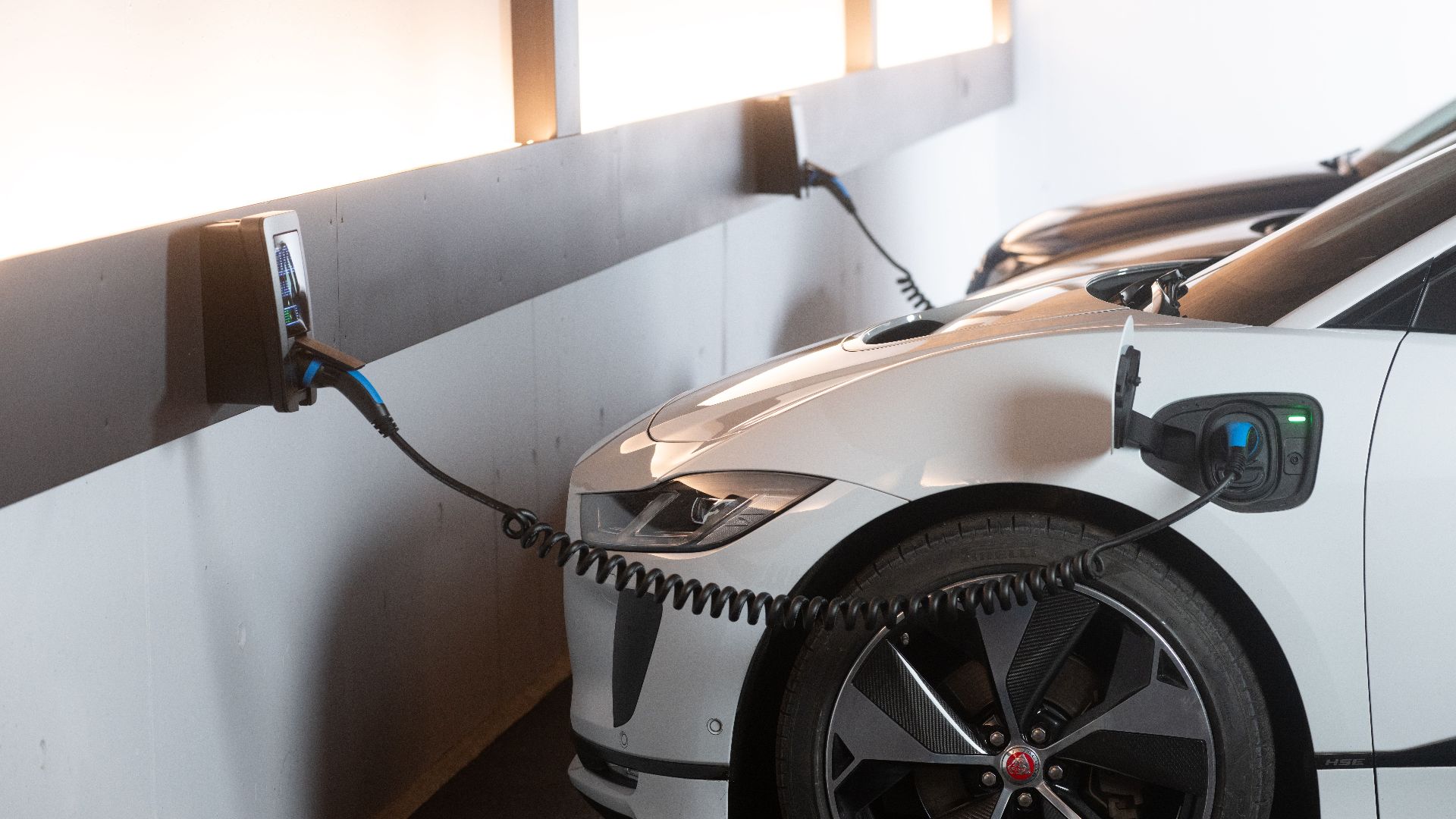
If the charger must cross common property or be installed in shared space, the HOA usually gets more say. California, for example, sets extra conditions for chargers in common areas or exclusive-use common areas. Shared property raises questions about easements, maintenance, damage, access, and future buyers.
Permits Can Help Your Case
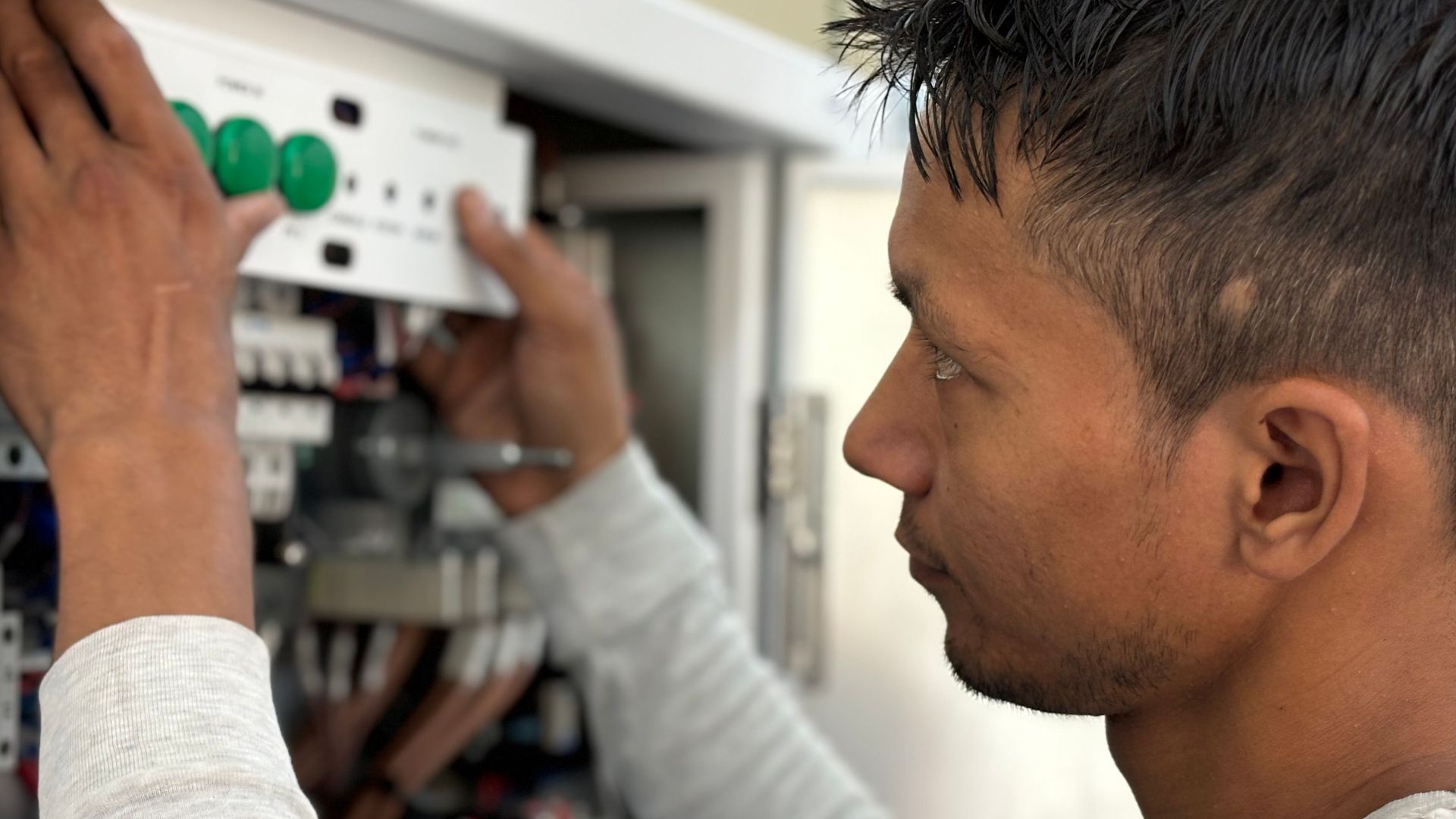
A permit is not just paperwork. It shows the installation is being reviewed under local electrical and building rules. Bringing a permit plan, electrician proposal, equipment specs, and charger location diagram can make your request much harder to dismiss.

Smart Chargers Can Reduce Friction
Some chargers can schedule charging for off-peak hours, track energy use, and control access. EPA guidance notes that advanced chargers can include scheduling, energy tracking, and unauthorized-use prevention. Those features may answer common HOA concerns before they become objections.
Do Not Ignore A Violation Letter
Even if the HOA is wrong, ignoring notices can make the dispute more expensive. Respond in writing, ask for the specific rule they believe you violated, and request the appeal process. Keep the tone calm because the paper trail may matter later.

Ask For The Exact Rule
A board member saying “we do not allow that” is not the same as a valid restriction. Ask for the covenant, bylaw, architectural rule, or state-law basis behind the denial. If they cannot identify one, the association may be relying on preference rather than authority.

Offer A Cleaner Plan
A strong response includes a licensed electrician, outdoor-rated equipment, permit compliance, safe cord routing, and a promise to pay your own electricity. Include photos or a simple drawing showing where the charger will sit. The easier you make approval, the harder it is for the HOA to look reasonable by saying no.
Know What They Can Still Require
Even in EV-friendly states, an HOA may require architectural approval, code compliance, licensed installation, maintenance responsibility, damage responsibility, insurance, and cost reimbursement. Those conditions can be annoying, but they are often legal. The fight is usually over whether the conditions are reasonable or designed to block charging.

When A Ban May Stick
A ban is more likely to hold where no right-to-charge law applies, where the driveway is common property, or where the proposed setup creates a real safety problem. It may also hold if your recorded governing documents clearly restrict the installation and state law does not override them. That is why the details matter more than the angry headline.

The Practical Bottom Line
Your HOA might be able to control how you charge, but it may not be able to stop you completely. If your state has a right-to-charge law and your plan is safe, permitted, and reasonable, you may have a strong case. Before escalating, gather the documents, get an electrician’s plan, and ask the board for a written decision.

You May Also Like:
Electric cars save you so much money over gas vehicles. Why haven't you switched yet?