When A Safety Feature Becomes The Problem
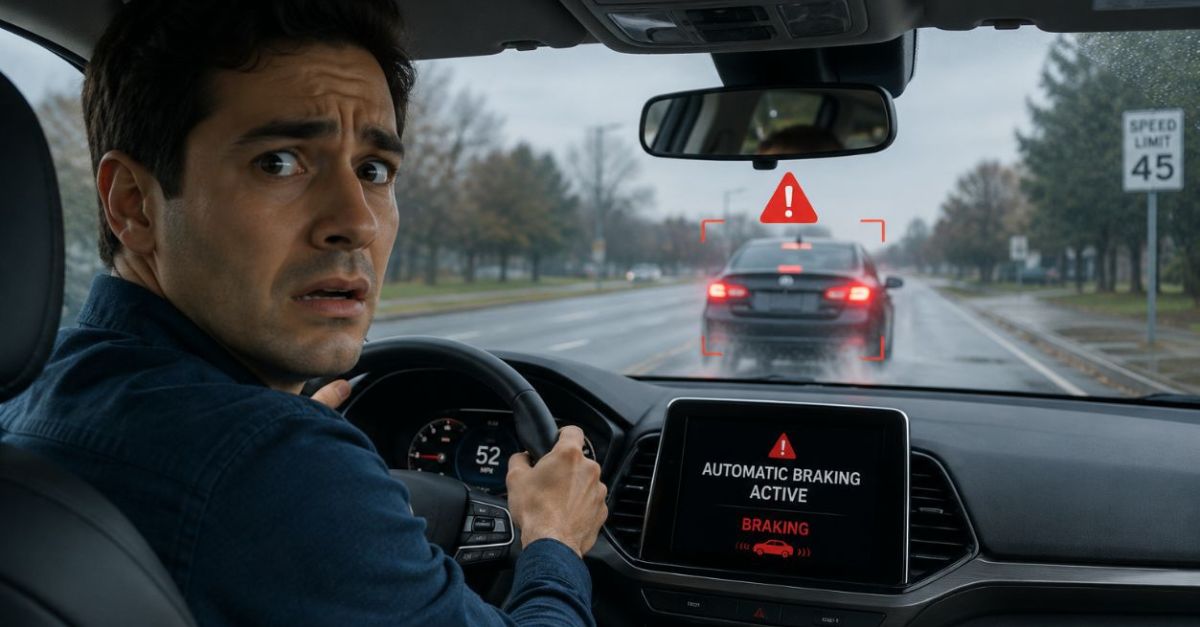
Automatic emergency braking is meant to help prevent crashes, not cause one. But some drivers say their cars suddenly hit the brakes when the road ahead is clear. When that split-second shock leads to a wreck, the next question is obvious: can the automaker be held responsible?
What Phantom Braking Means
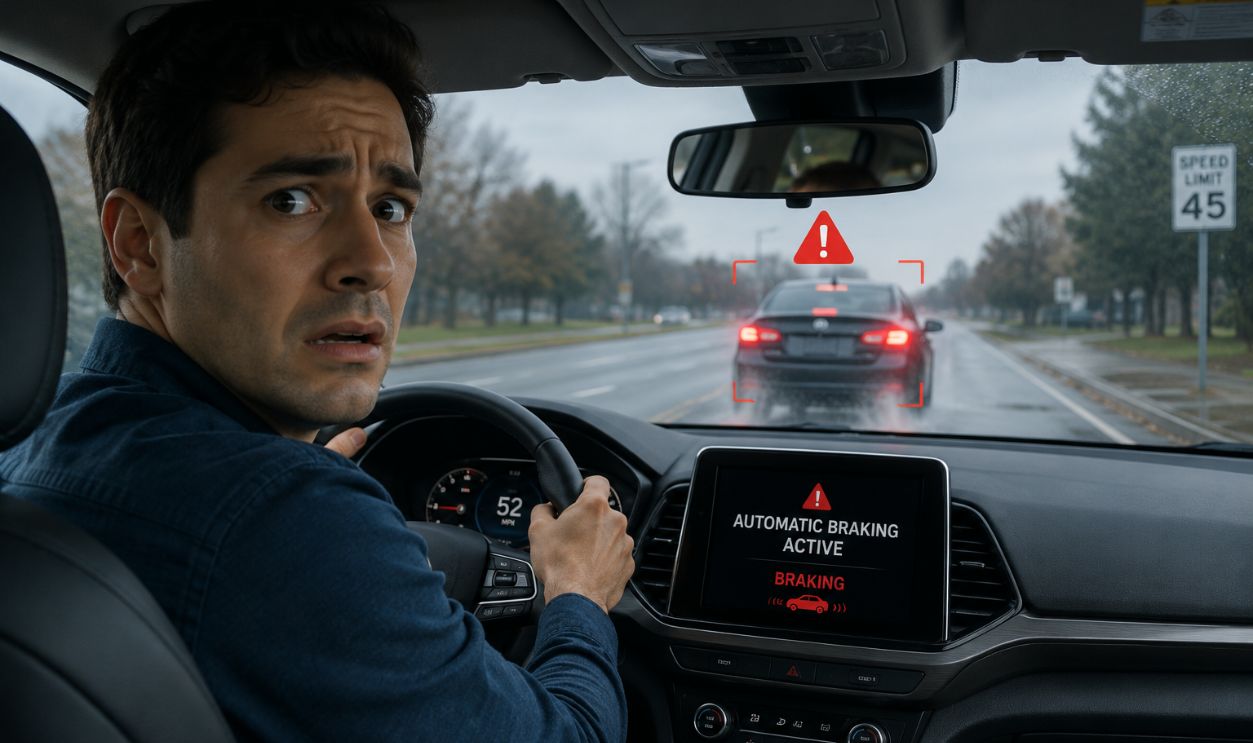
“Phantom braking” is the term people use when a car brakes hard because its sensors or software think there is danger ahead when there really is not. The issue has come up again and again in complaints about driver-assistance features, especially forward collision warning and automatic emergency braking. Even a brief, unnecessary stop can cause a rear-end crash or make a driver lose control.

These Features Still Do Not Replace The Driver
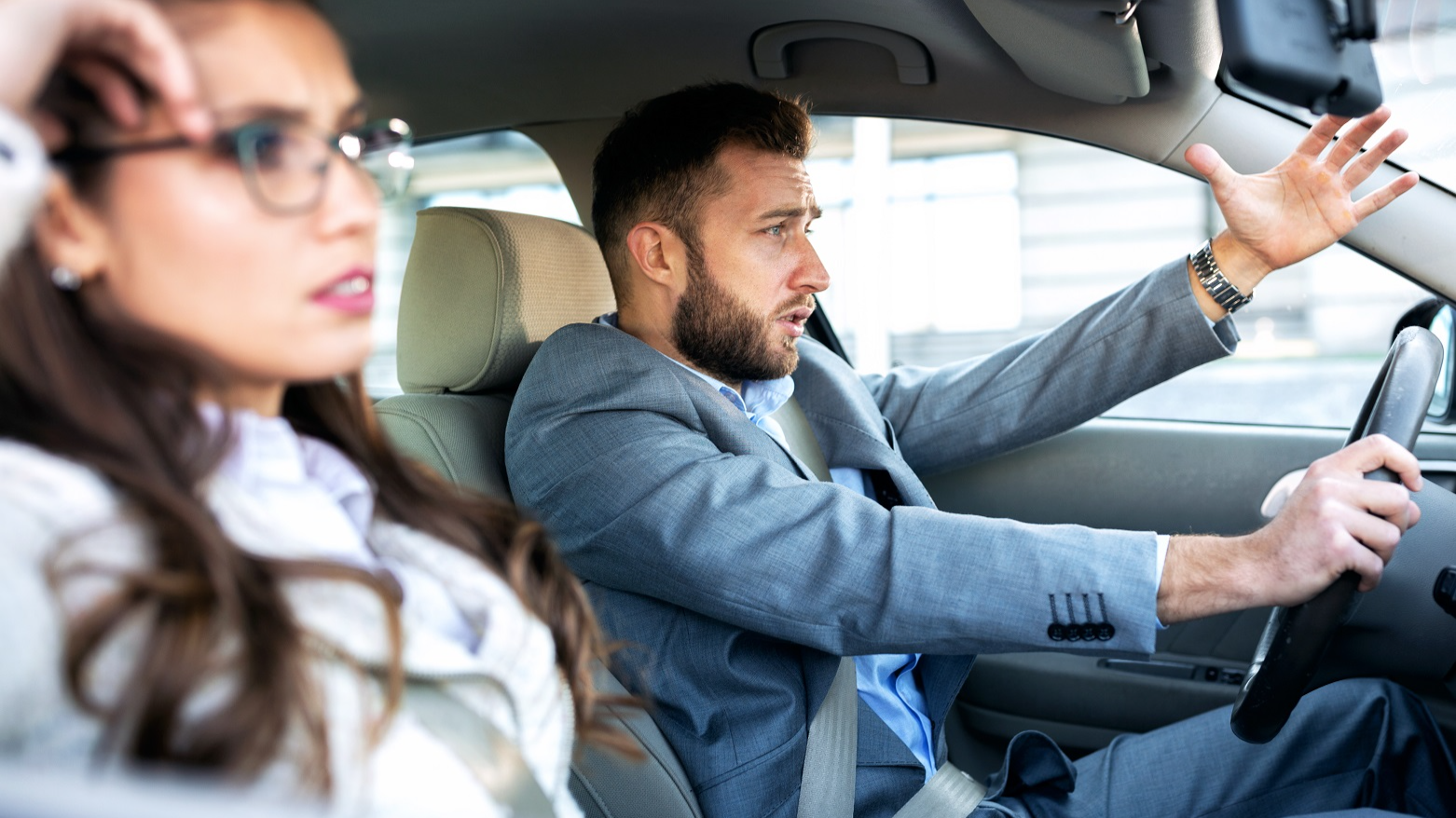
Automatic emergency braking, or AEB, is a driver-assistance feature, not a self-driving system. The National Highway Traffic Safety Administration says AEB is designed to reduce or avoid crashes by braking when a crash is about to happen. It can help, but it can also get things wrong.
Regulators Have Been Pushing AEB For Years
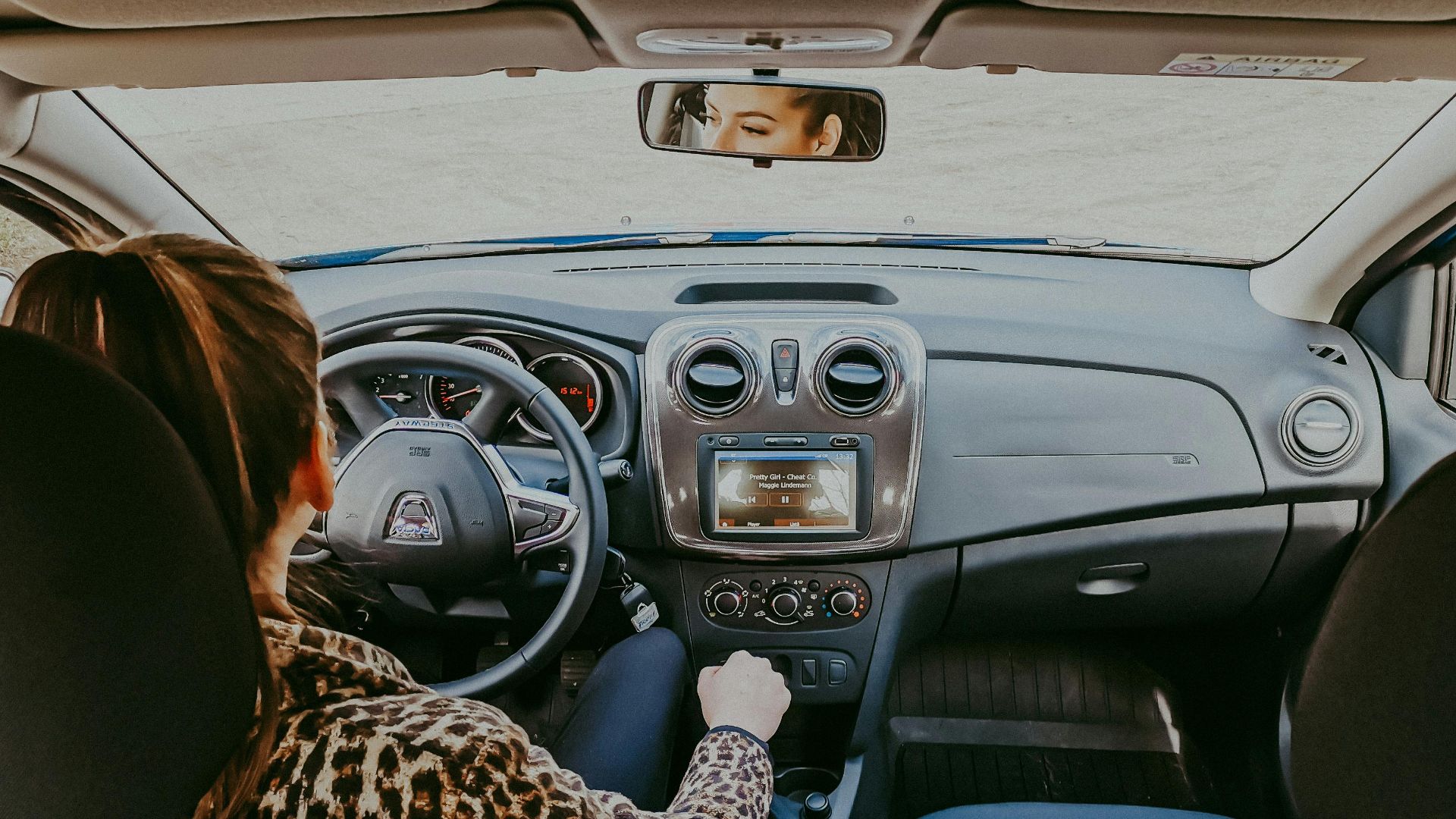
NHTSA has spent years encouraging automakers to add more crash-avoidance technology, including AEB. In June 2024, the agency issued a final rule requiring AEB on nearly all new passenger cars and light trucks, with standards that will phase in over time. That tells you regulators think the technology does more good than harm overall, even though false braking complaints are still a serious issue.
Tesla Helped Push Phantom Braking Into The Spotlight
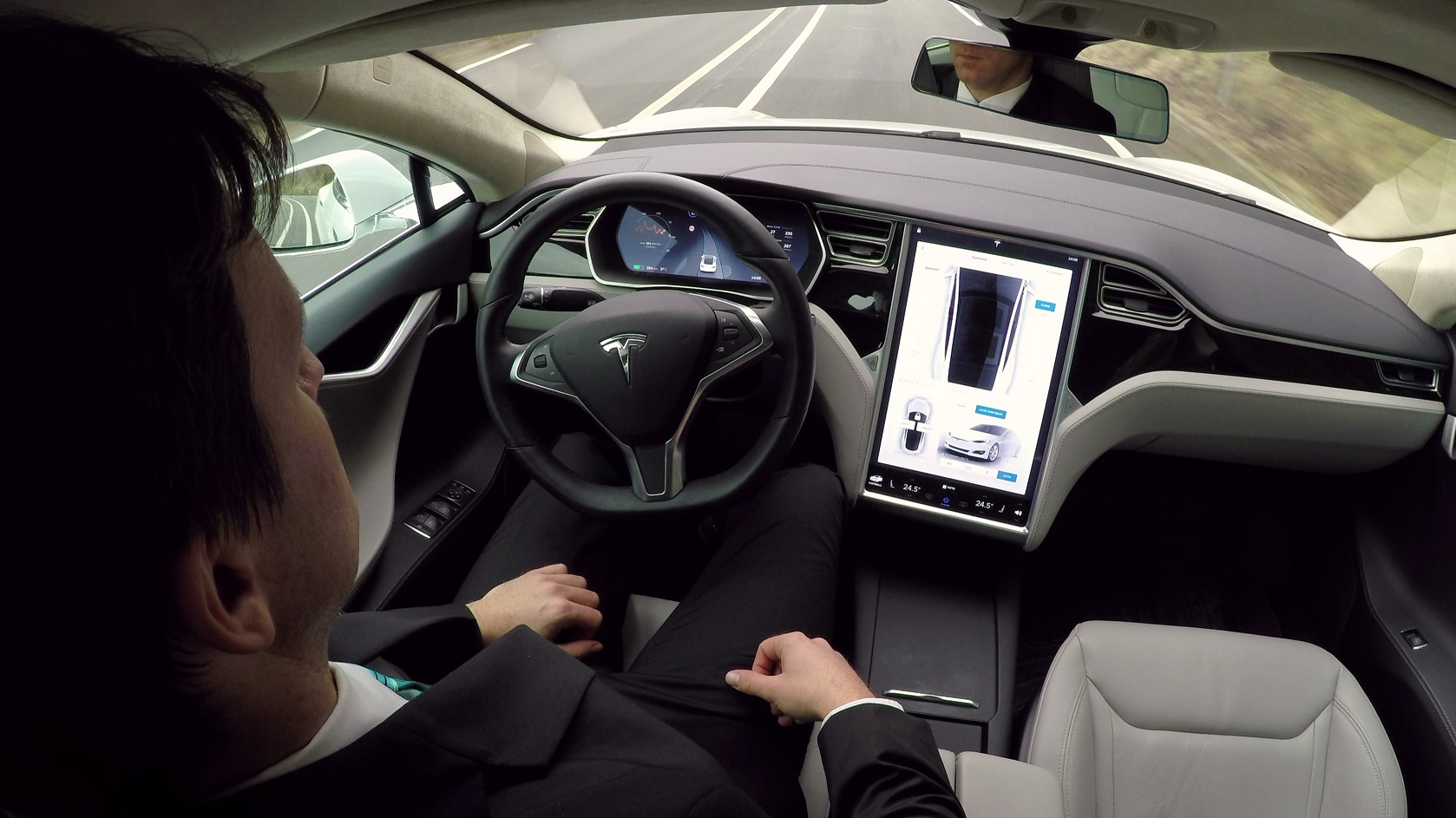
One of the highest-profile phantom braking controversies involved Tesla vehicles using Autopilot and related systems. In February 2022, NHTSA said it had received 354 complaints about unexpected braking in 2021 and 2022 Tesla Model 3 and Model Y vehicles. The agency opened a defect investigation through its Office of Defects Investigation to take a closer look.
The 2022 Probe Zeroed In On Highway Driving
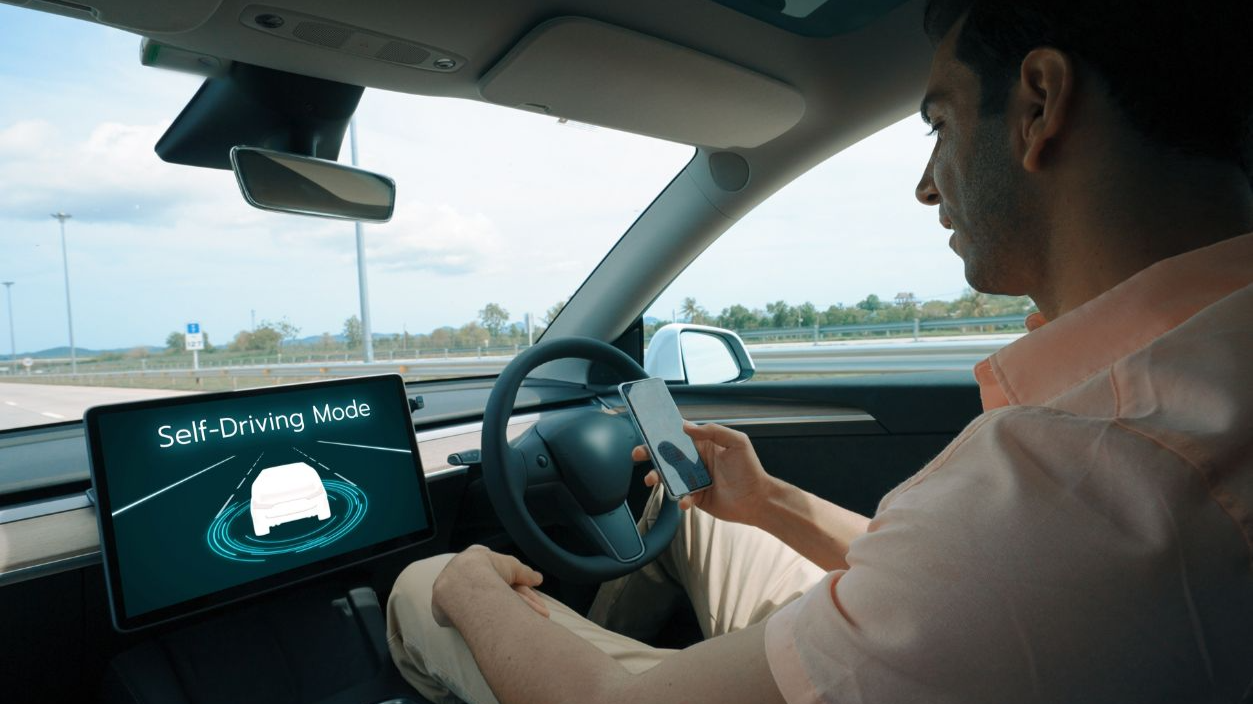
NHTSA’s investigation summary said drivers reported sudden deceleration while using Autopilot at highway speeds. Some said it happened on open roads with no nearby obstacles, often after cresting hills or when large trucks were in adjacent lanes. According to the agency, owners described rapid and unpredictable braking that could put following traffic at risk.
 Summit Art Creations, Shutterstock
Tesla Was Not The Only Automaker Facing Complaints
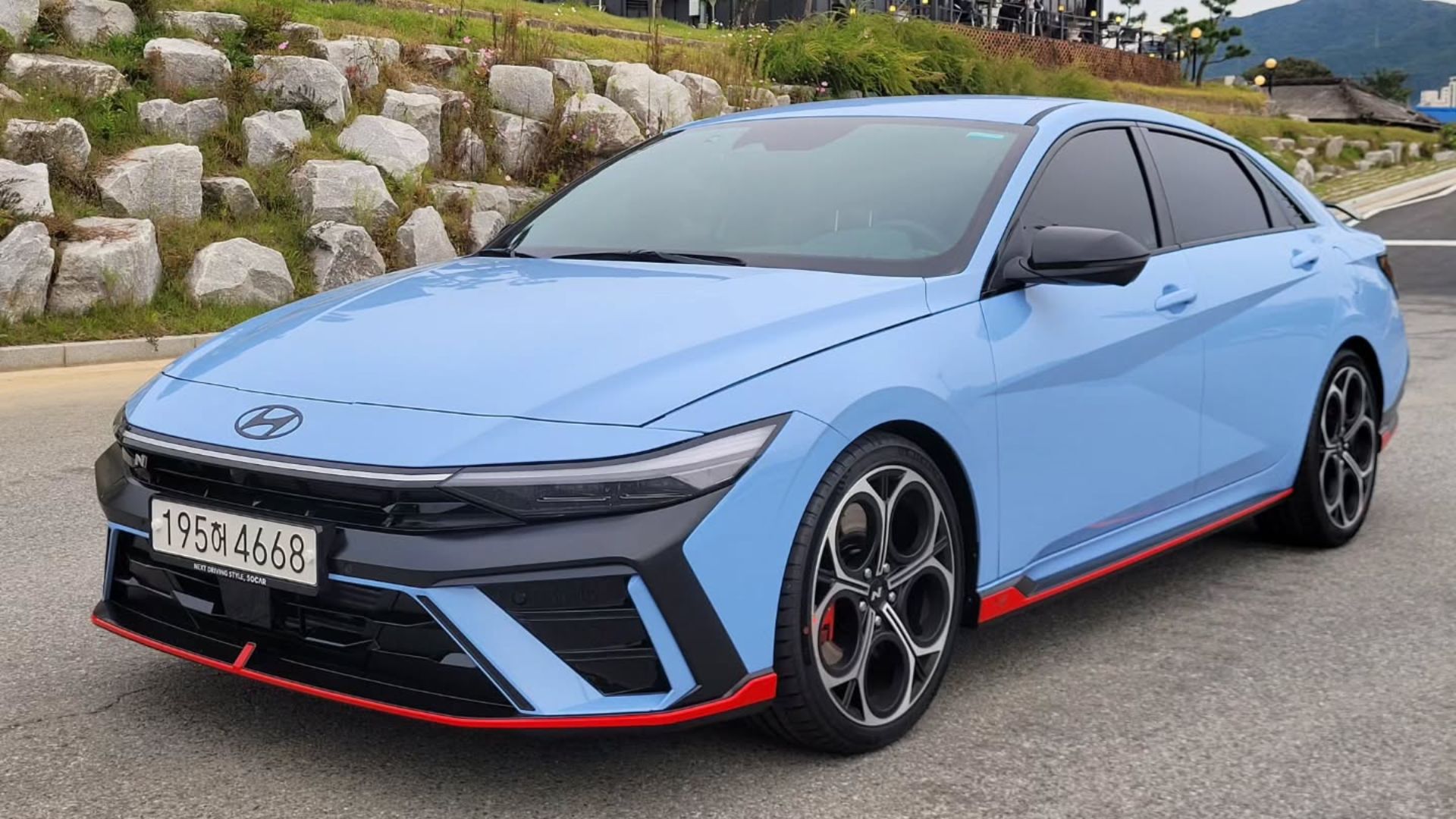
Phantom braking has not been tied to just one brand. Federal records and consumer complaints have also raised concerns about similar issues in vehicles made by Honda, Nissan, Hyundai, Volkswagen, and others. In a real lawsuit, the key question is not whether one company got more headlines. It is whether the specific system in the crash was defectively designed, built, or marketed.
There Was Also A Separate Investigation Into Autopilot
In August 2021, NHTSA opened another investigation into Tesla’s Autopilot after a series of crashes involving first responder vehicles. That was separate from the phantom braking probe, but it added to the growing federal focus on how advanced driver-assistance systems behave on real roads. Together, the investigations put even more attention on automaker responsibility.
 Natecation, CC BY-SA 4.0, Wikimedia Commons
Why A Car Might Brake For No Good Reason
AEB systems rely on cameras, radar, and software to read the road. Shadows, overpasses, lane changes, roadside objects, bad weather, dirty sensors, and unusual traffic patterns can all throw that reading off. If the system wrongly decides a crash is coming, it may brake even when the lane ahead is clear.
The Core Legal Issue Is Product Liability
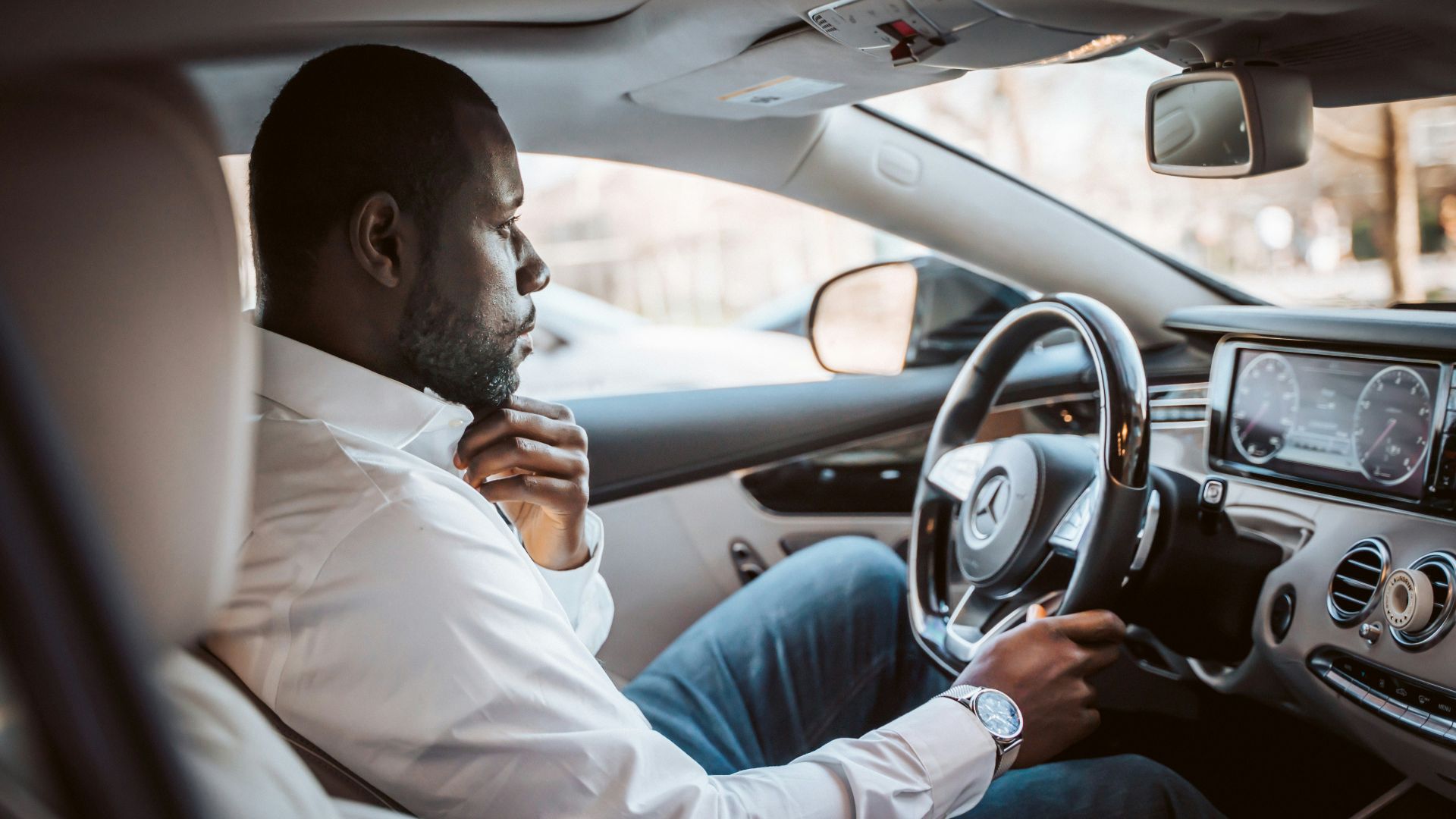
If a safety feature causes a crash, the automaker may be responsible under product liability law. That usually means a claim based on a design defect, a manufacturing defect, or a failure to warn. Put simply, the question is whether the vehicle or system was unreasonably dangerous and whether that problem caused the crash.

Yes, An Automaker Can Be Held Responsible
The short answer is yes. If a vehicle’s braking system, sensors, or software malfunctioned and that defect caused injuries or property damage, the manufacturer may be liable. But proving that usually takes more than a driver saying the car braked on its own. These cases often turn on technical evidence, vehicle data, and whether the system was being used the way it was supposed to be used.

Drivers Still Have Responsibilities
Owner’s manuals and on-screen warnings usually make it clear that AEB and similar tools are only assist systems. Drivers are still expected to pay attention, stay in control, and be ready to brake or steer. If a driver ignored warnings, misused the feature, or was following too closely, that can affect who ends up paying and how much.

Warnings And Marketing Can Matter A Lot
A case may focus not just on the tech itself, but also on what the company told buyers. If the marketing made the system sound more capable than it really was, that can become a big part of the dispute. Courts and juries often look closely at ads, manuals, software prompts, and whether the system’s limits were clearly explained.

Government Action Helps, But It Does Not Decide A Lawsuit
If NHTSA opens an investigation, orders a recall, or spots a trend, that can be useful evidence. But a federal investigation does not automatically prove an automaker is legally responsible in a specific crash. You still have to connect the defect to the accident, the injuries, and the losses involved.

Recalls Can Change The Whole Case
If your vehicle was recalled for false braking, object detection failures, or software issues, that can be a major fact in a claim. A recall can support the argument that the automaker knew or should have known there was a safety problem. It can also raise questions about whether the owner got notice and had the repair done.

The Car’s Data May Tell The Story
Modern vehicles often store useful crash-related data, and some systems also log driver-assistance activity. Depending on the vehicle and the crash, that information may show speed, braking, warnings, and whether an assist feature was active. Preserving that evidence quickly can be critical, because cars get repaired, totaled, or overwritten with new data.
Video Evidence Can Be Huge
Dashcam footage, traffic cameras, and nearby surveillance video can help show exactly what happened in the seconds before a crash. A video may show that the road was clear when the vehicle braked or that the driver behind had almost no time to react. It can also reveal another explanation, like a merging car or a hazard the driver missed.
 U.S. Customs and Border Protection, Wikimedia Commons
Rear-End Crashes Get Complicated Fast
In many states, the driver in the rear starts out looking like the one at fault in a rear-end collision. Phantom braking can scramble that usual rule if the lead vehicle stopped suddenly because of a defective system. Fault may end up being shared among drivers, or a manufacturer may be brought into the case if the technology played a major role.

Software Updates Can Become Key Evidence
Many newer vehicles get over-the-air or dealer-installed software updates that change how driver-assistance systems behave. If an automaker later changed calibration, warning thresholds, or alerts after complaints started piling up, that timeline may matter in court. Details like when the update came out and what it was meant to fix can be important.
What To Do Right After It Happens
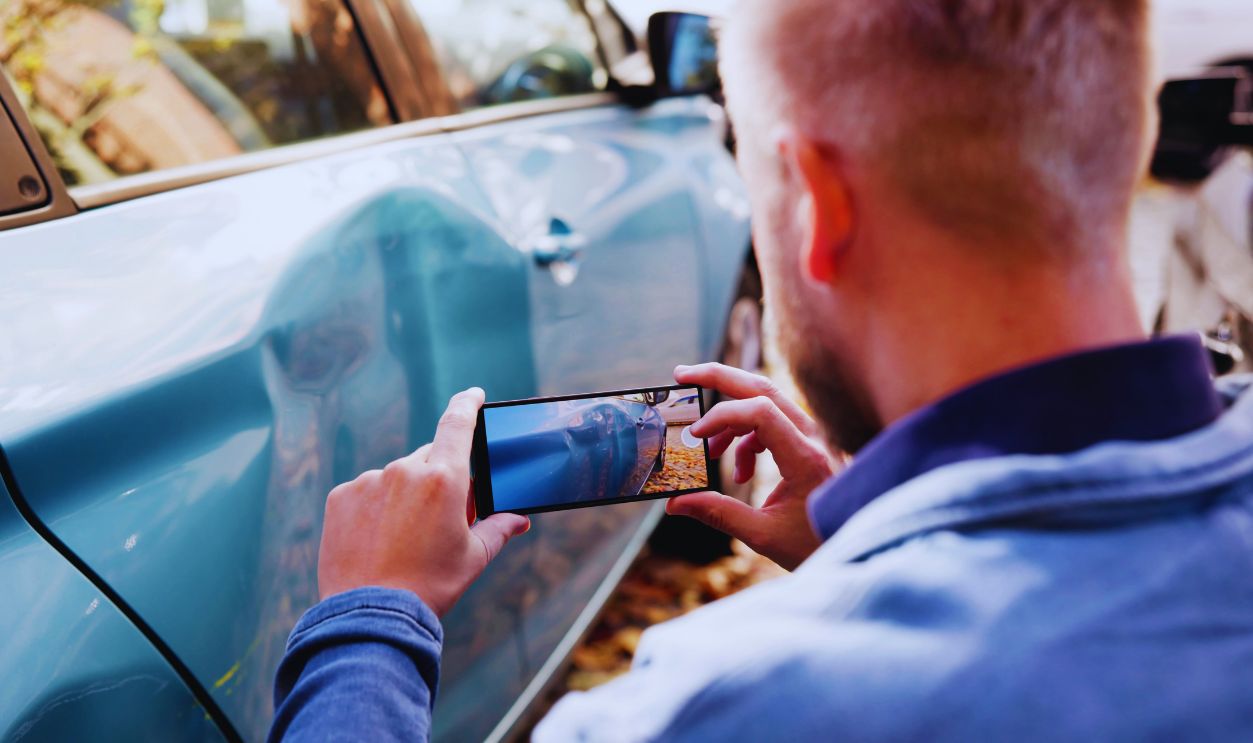
If your car brakes unexpectedly and causes a crash or near miss, document everything as soon as it is safe. Take photos, save dashcam footage, and write down the time, weather, road conditions, speed, and whether cruise control or driver assistance was on. Memory fades fast, and small details can make a big difference later.

Report The Problem
Drivers can report suspected safety defects to NHTSA through its complaint system. Those reports help regulators spot patterns across brands, model years, and software versions. You should also tell your insurer and notify the dealer or manufacturer, especially if warning lights, messages, or repeat incidents show up.

Do Not Hurry To Fix The Vehicle
If there was a serious crash and you think the safety system failed, talk to your insurer and, if needed, a lawyer before major repairs start. An expert may need to inspect the vehicle, pull data, and check the sensors and control modules. Once the car is repaired or destroyed, proving a defect can get much harder.

Medical Records Matter Too
Even a lower-speed crash caused by sudden braking can cause real injuries, especially to the neck, back, and shoulders. If you are hurt, get medical care and keep up with treatment. Those records help show how badly you were injured and connect the injuries to the crash.

Class Actions And Injury Cases Are Not The Same
Some phantom braking lawsuits focus on economic losses, like reduced vehicle value or repeated repair visits. Others are personal injury cases based on a specific crash and specific harm. That difference matters because the evidence, deadlines, and possible recovery can look very different.

Lemon Laws Might Also Come Into Play
If your car keeps braking unexpectedly and the dealer cannot fix it after a reasonable number of tries, state lemon laws or warranty laws may offer another option. Those claims usually focus on the repeated defect itself rather than a single accident. They can still matter if the problem keeps coming back after updates or service appointments.

The Hardest Part Is Usually Proving Cause
The toughest issue in many of these cases is showing that the system actually caused the crash. The automaker may argue the driver overreacted, the car behind was following too closely, or a real hazard triggered the braking. That is why objective proof like crash data, inspections, and video often decides the case.
Federal Rules Do Not Wipe Out State Law Claims
Even with the federal government requiring AEB on new vehicles, injured drivers can still bring state law claims if they believe a system was defective. A federal safety standard may shape the arguments, but it does not automatically protect a company from every lawsuit. Following the rule can help the defense, but it is not always the end of the matter.

The Bottom Line
If your car’s safety tech suddenly slams on the brakes and causes a wreck, the automaker can be responsible. But frustration is not enough. These cases rise or fall on evidence like stored vehicle data, documented complaints, recall history, video, and expert review. The smart move is to treat it like any serious crash and preserve as much proof as you can before it disappears.