The Temptation Is Real
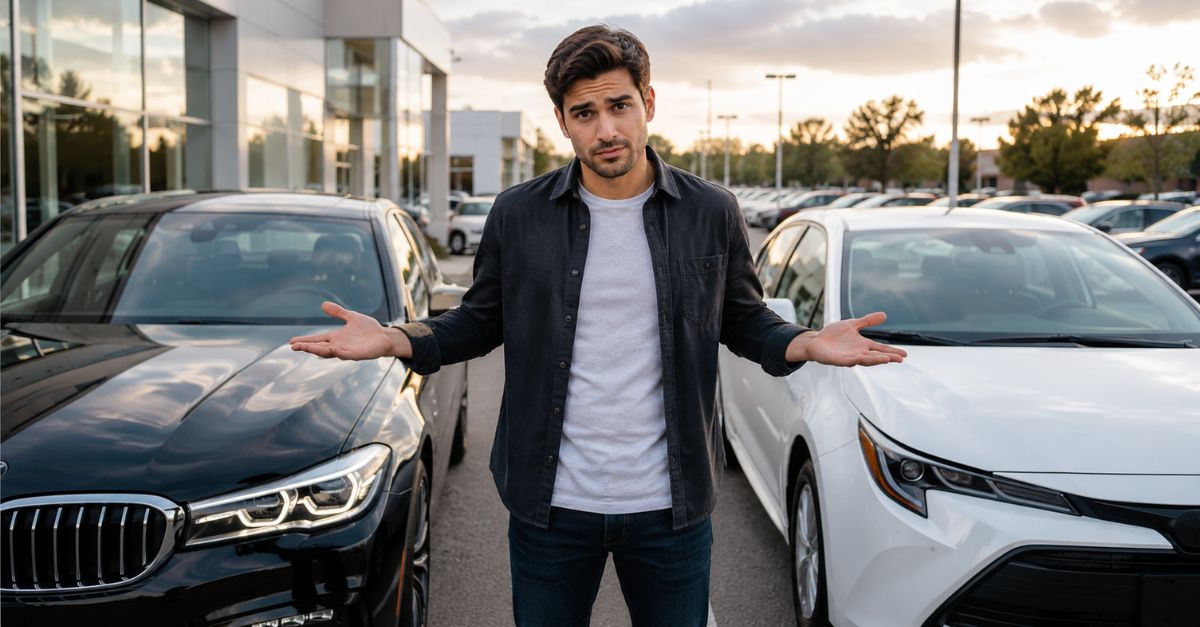
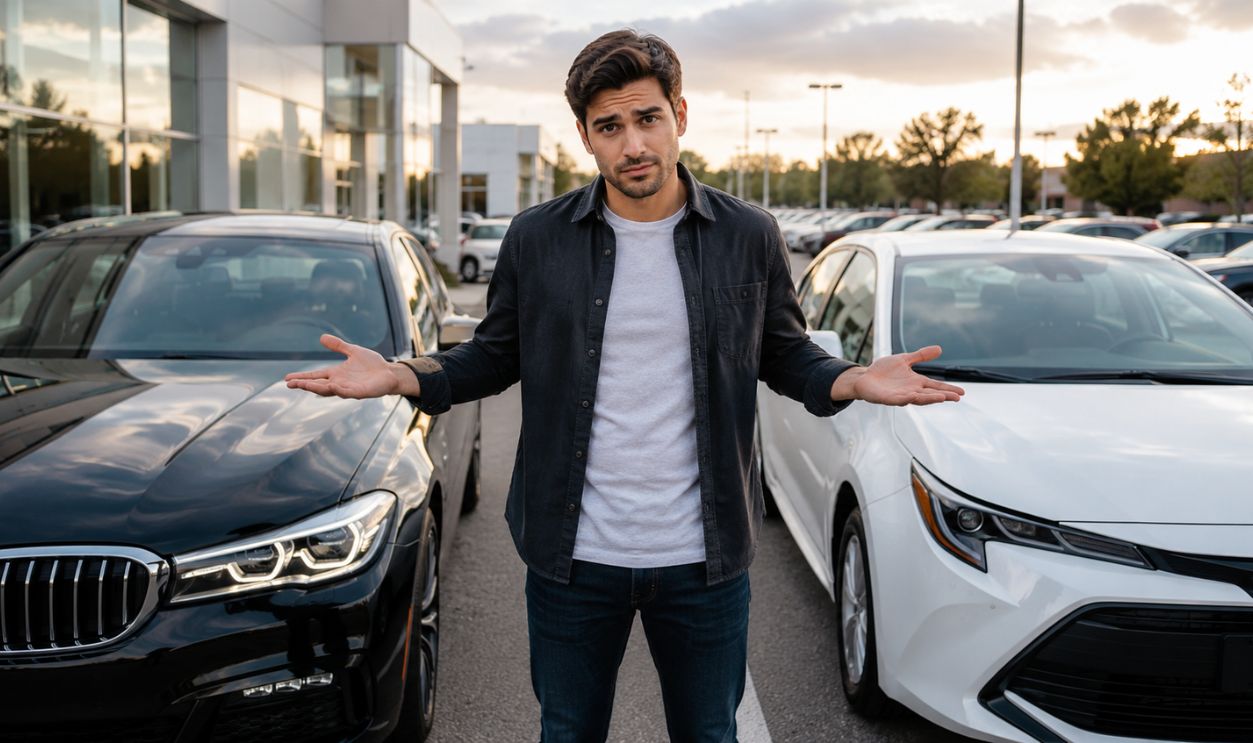
A lightly used BMW, Mercedes-Benz, or Lexus can look like a steal next to a brand-new economy sedan. Your friend is not wrong to be tempted. Luxury cars often lose value fast in the first few years, which makes them look like a lot of car for the money. But the sticker price is only the start, and that's where this gets interesting.
Why Used Luxury Looks So Good On Paper
Luxury cars often take a harder depreciation hit early on, which can make a three- to five-year-old premium car seem like a bargain. Kelley Blue Book notes that depreciation is one of the biggest costs of owning a car, and more expensive vehicles can lose a lot of value quickly. That means a buyer may get more features, more power, and a nicer interior for the same money as a new economy car.
The Purchase Price Is Only Round One
The sale price matters, but the total cost of ownership matters more. Fuel, insurance, repairs, maintenance, registration, and financing can change the whole picture. A used luxury car can be cheaper to buy and still cost much more to own over the next five years.

Repair Bills Can Change The Mood Fast
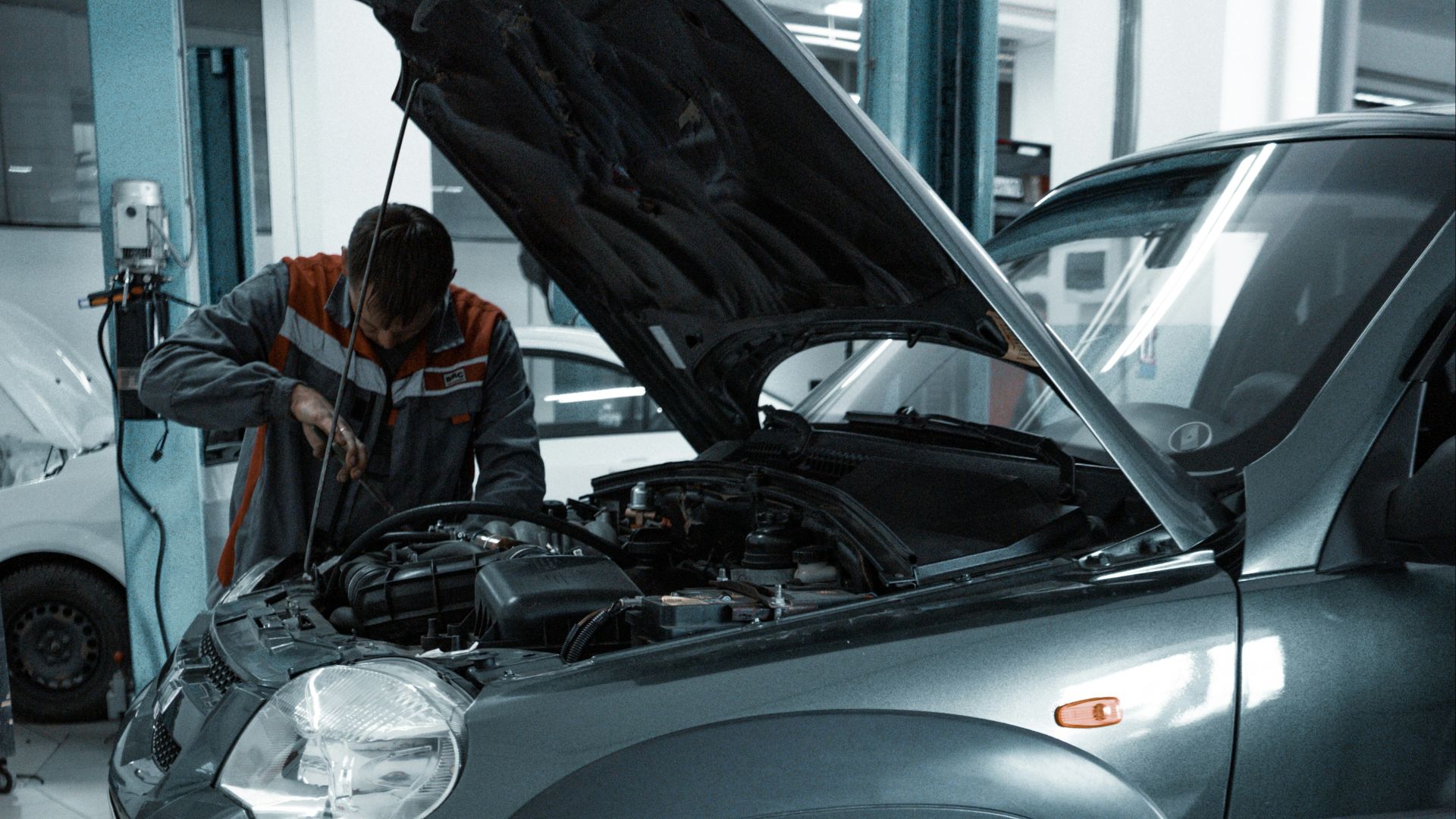
Consumer Reports has repeatedly found that some luxury brands cost more to repair and maintain as they age. Even when reliability is decent, parts and labor for premium vehicles are often pricier than for economy cars. That is not just a stereotype. Specialized parts, bigger wheels, more complex suspensions, and extra electronics all cost real money to fix.

Maintenance Does Not Care That You Saved On The Purchase
A used luxury car still needs luxury-car maintenance. Brake jobs, tires, fluid services, and suspension work are usually more expensive than they are on a small economy car. AAA has long warned that ownership costs go well beyond fuel, and maintenance is a big reason two cars with similar prices can have very different long-term costs.
Tires Alone Can Be A Wake-Up Call
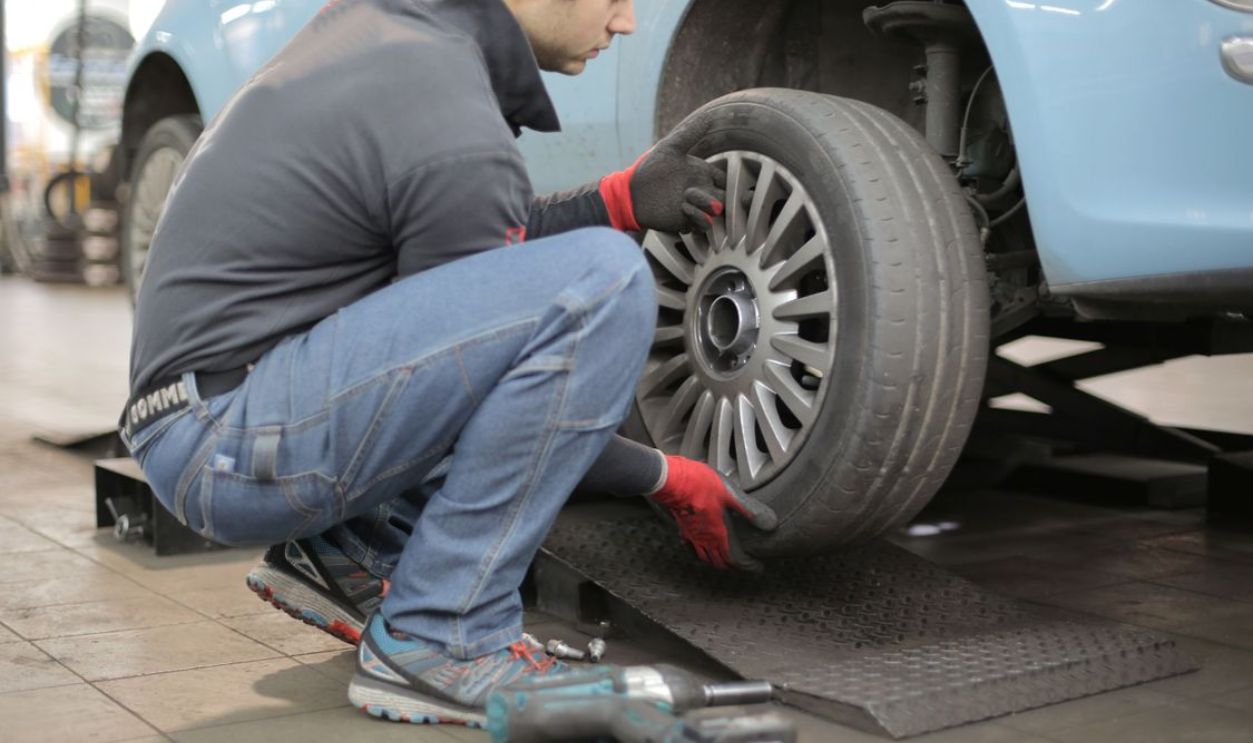
Many luxury cars use bigger, lower-profile tires, and replacing them can hurt. Some also need run-flat tires or higher speed-rated tires, which pushes the bill even higher. A new economy car usually rides on smaller, cheaper tires that are easier to replace.
Insurance May Not Be The Bargain You Expect
Insurance companies look at repair costs, theft rates, safety outcomes, and vehicle value, not just age. A used luxury car may still cost more to insure than a new compact, especially if the parts and bodywork are expensive. The Insurance Information Institute recommends getting quotes before buying, because the idea that used always means cheaper often falls apart here.

Fuel Economy Matters More Than People Think
A new economy car usually wins at the gas pump, and that difference adds up. EPA fuel economy data shows that compact sedans and hybrids can beat older luxury cars by a wide margin. If someone drives a lot, fuel costs alone can wipe out the savings from buying used.

Premium Gas Can Add Another Hit
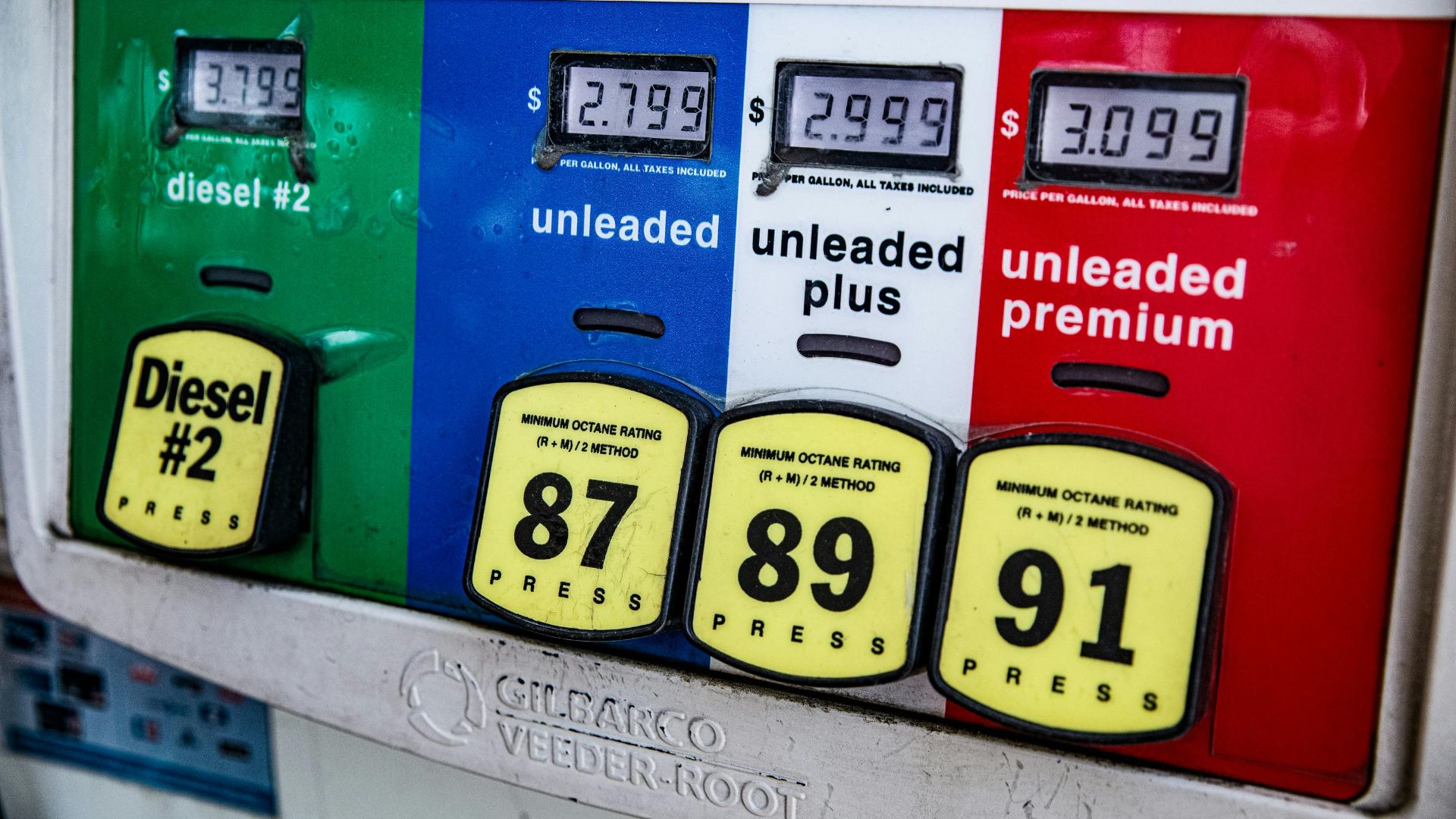
Many luxury cars require or recommend premium fuel. That is not always a deal breaker, but it is another ongoing cost a buyer needs to count. Plenty of new economy cars run just fine on regular gas, which makes day-to-day costs easier to manage.
Reliability Is Not Just About The Badge
Not every luxury car is a money pit, and not every economy car is dependable. Lexus and Acura have done well in many reliability studies, while some mainstream brands have had weak years and trouble spots. The real question is not luxury versus economy in general. It is which exact model, engine, transmission, and model year you are comparing.

Age And Complexity Can Be A Rough Combo
Used luxury cars often pack in more technology and mechanical complexity, and by the time you buy one, it is already a few years old. Air suspensions, adaptive dampers, panoramic roofs, turbo engines, and advanced infotainment systems can be great when they work. As the car ages, though, more complexity usually means more chances for something expensive to go wrong.

Warranty Coverage Changes Everything
A new economy car usually comes with a full factory warranty, and some brands offer especially long coverage. Hyundai and Kia, for example, have long been known for lengthy powertrain warranties on new vehicles. A used luxury car may have little or no factory warranty left unless it is certified pre-owned, and that can make a huge difference in peace of mind.

Certified Pre-Owned Can Make Used Luxury Safer
A certified pre-owned luxury car can be a smarter middle ground than a random used one found online. Manufacturer CPO programs usually include inspections, limited warranty coverage, and other perks that lower the risk. But CPO cars also cost more, so the buyer is paying extra for that added protection.

Depreciation Can Help You Or Hurt You
Your friend is right that the first owner usually takes the biggest depreciation hit. But a used luxury car can keep dropping in value quickly if it gains a reputation for expensive repairs or weak reliability. A new economy car may lose value more slowly in absolute dollars and can sometimes be easier to resell because more buyers want one.
Resale Value Is About Demand, Not Prestige
Mainstream compact cars and small SUVs often stay in demand because they are cheaper to own. A ten-year-old luxury sedan can be much harder to sell without cutting the price, because many buyers worry about repair costs. Prestige can help attract attention, but it does not always help when it is time to resell.
Financing Can Quietly Change The Math
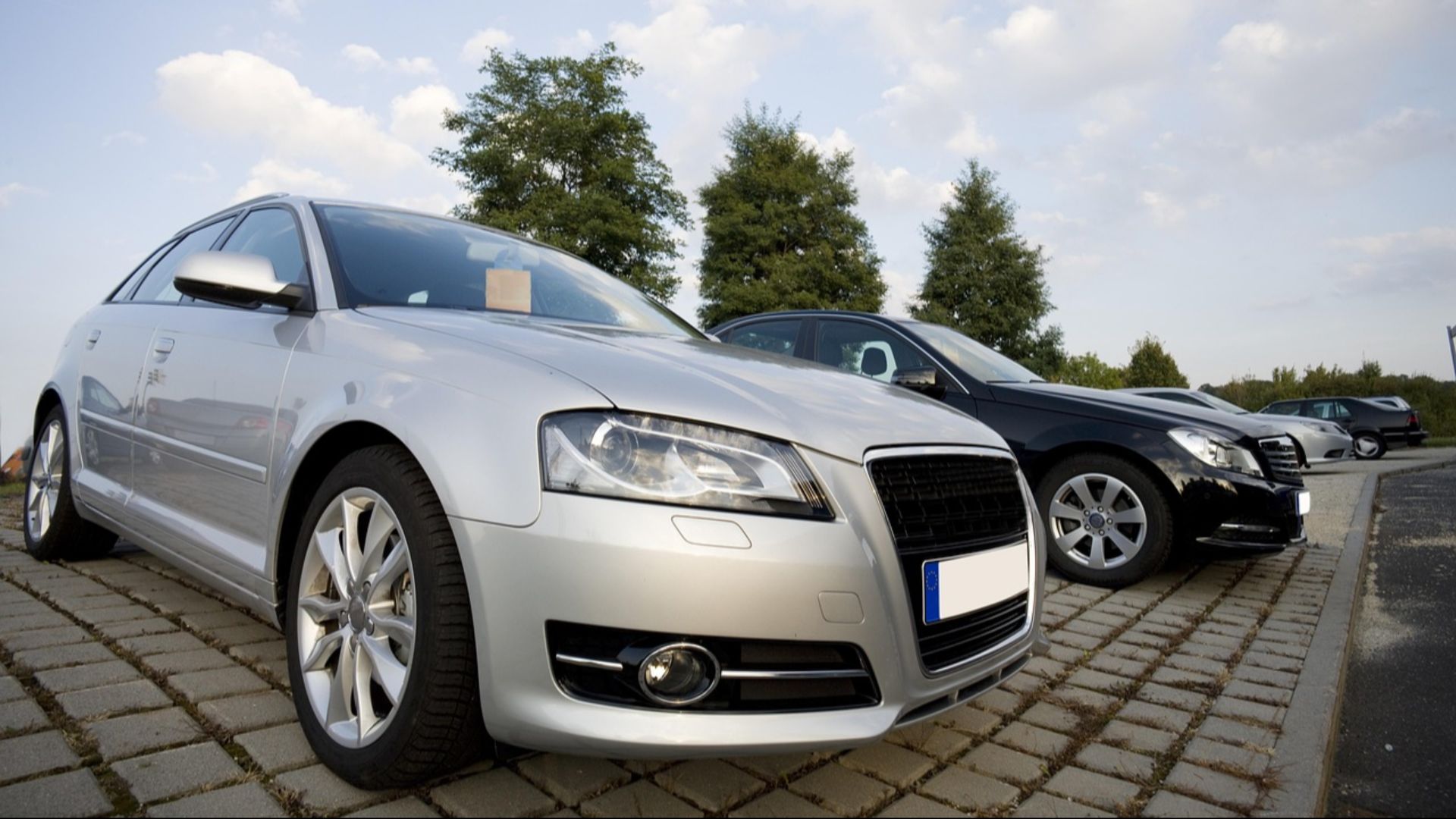
Loan terms can reshape the comparison more than people expect. New cars often qualify for lower interest rates through manufacturer deals, while used-car loans usually come with higher rates. If a buyer stretches a used luxury car over a long loan at a higher APR, the bargain can lose its shine quickly.

Economy Cars Are Better Equipped Than They Used To Be
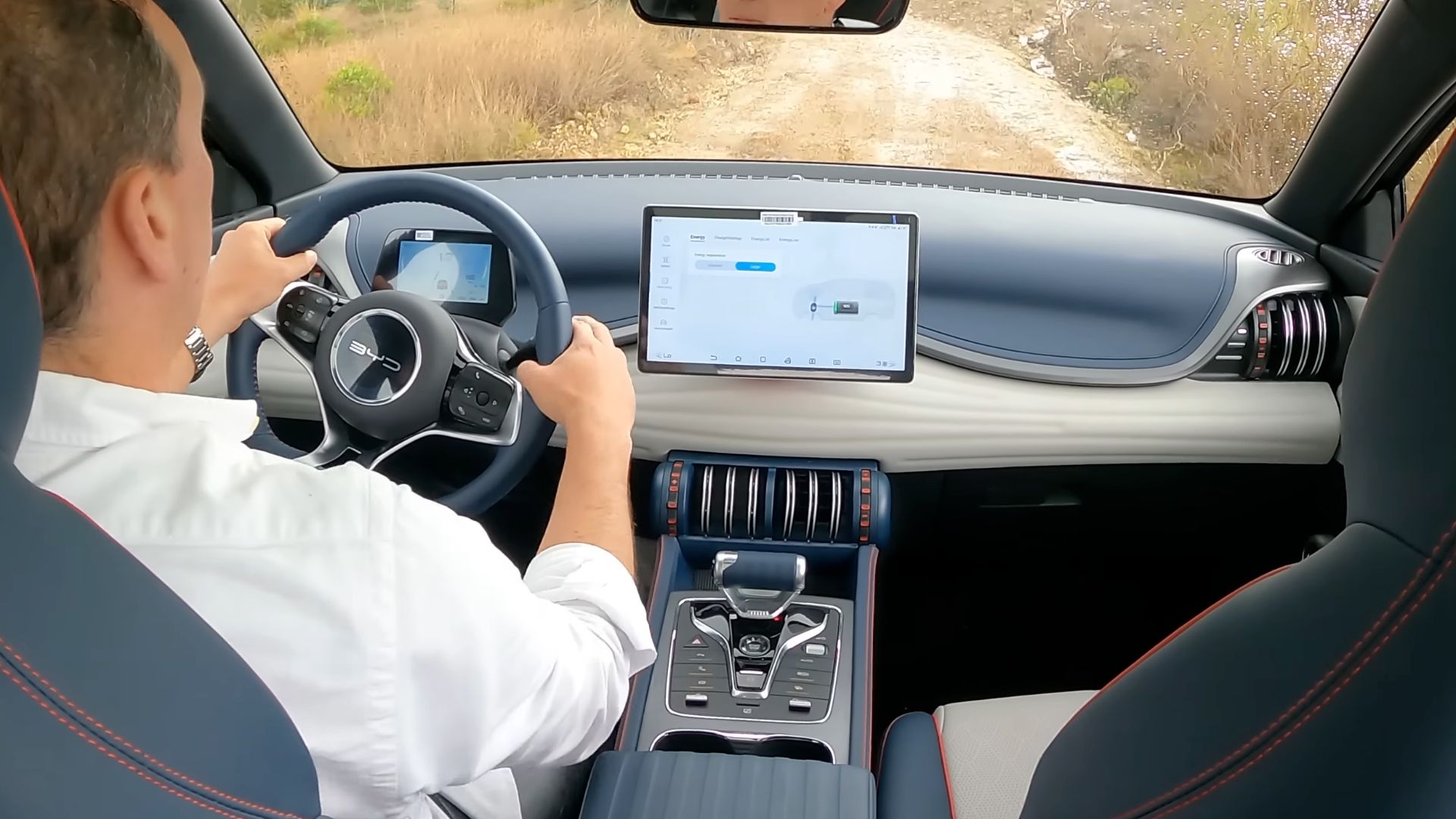
The comfort and tech gap is not what it used to be. Many new economy cars now offer adaptive cruise control, smartphone integration, heated seats, driver-assist features, and strong fuel economy. For a lot of people, the older luxury feel is no longer worth the extra risk and cost.
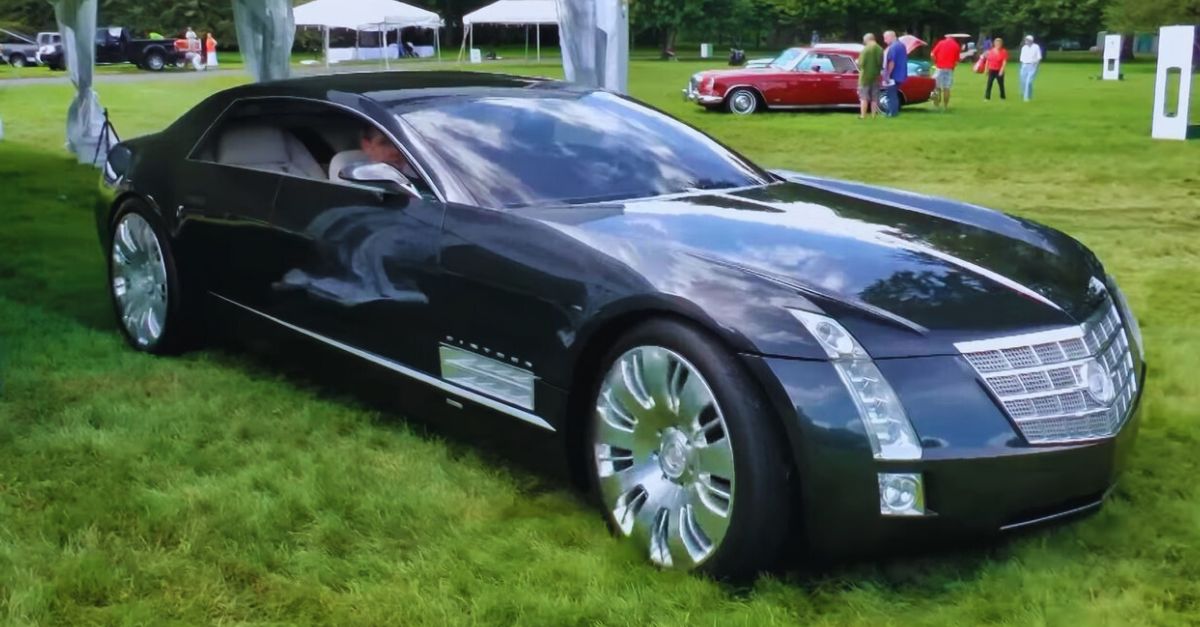
 Autosdeprimera, Wikimedia Commons
Safety Should Be Part Of The Decision
A newer economy car may come with newer crash-avoidance tech and more up-to-date safety engineering. The Insurance Institute for Highway Safety and NHTSA have both shown how features like automatic emergency braking have become more common over time. A used luxury car from several years back may still be safe, but newer design and standard features can give the advantage to the new economy model.

Luxury Does Not Always Mean Peace Of Mind
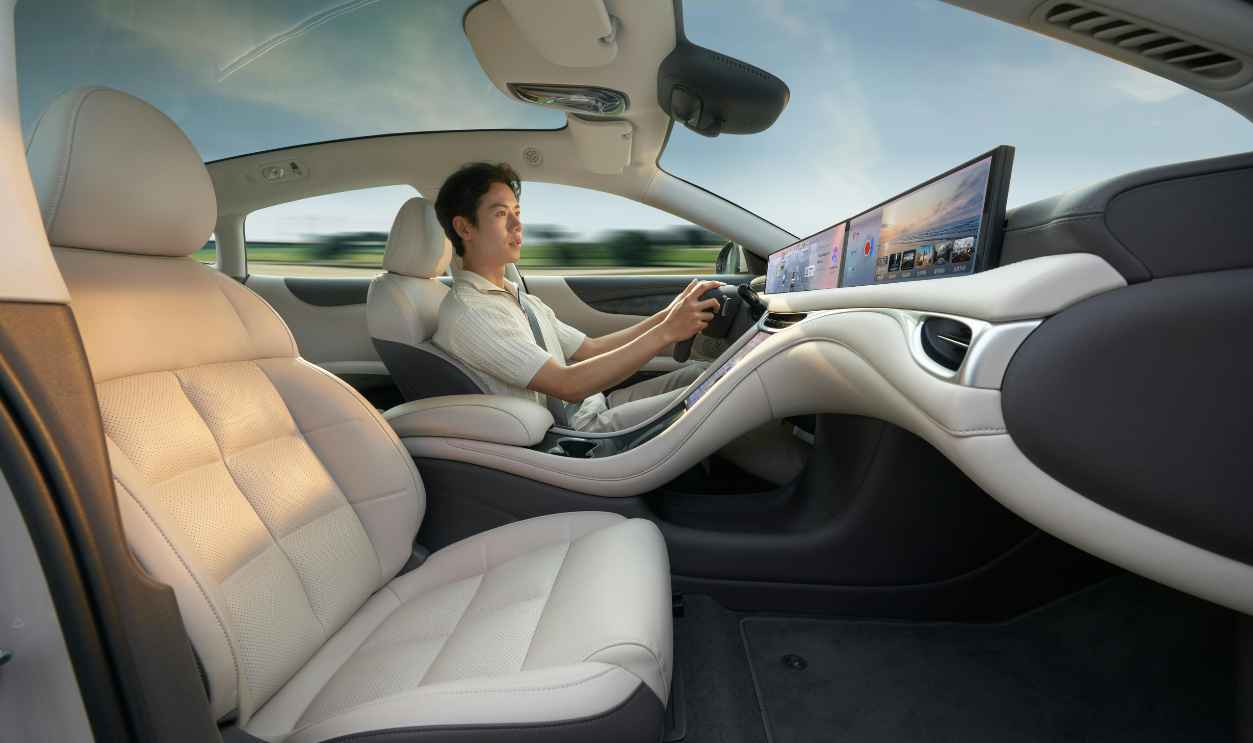
There is a big difference between enjoying a quiet cabin and stressing over every warning light. Many drivers end up caring more about predictability than leather seats once the bills start showing up. If the extra comfort comes with surprise repair bills in the thousands, it stops feeling very luxurious.
When Used Luxury Really Can Be The Smart Buy
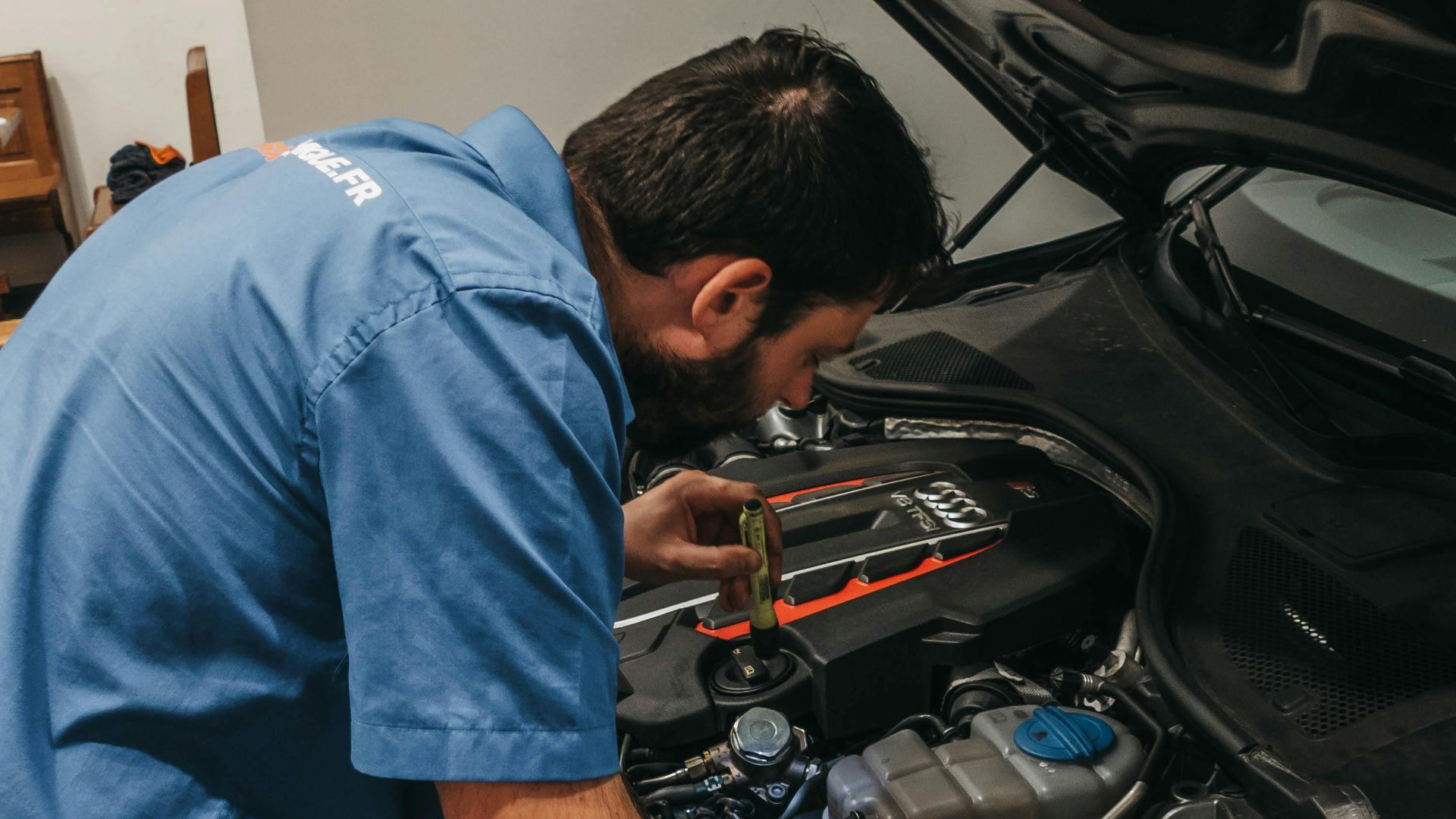
A used luxury car can absolutely be the better choice if the model has a strong reliability record, the maintenance history is complete, and a pre-purchase inspection checks out. This can work especially well for buyers who do not drive huge miles, have money set aside for repairs, and care a lot about comfort or performance. In that situation, the first owner may have taken the depreciation hit while the second owner gets the upside.

When It Goes Bad, It Goes Bad Fast
The danger is buying the badge instead of the vehicle. Skipping service records, ignoring common problem areas, or stretching the budget just to get into a premium brand can lead to expensive trouble in a hurry. Sometimes a low price on a used luxury car is a bargain. Sometimes it is a warning sign.
New Economy Cars Offer A Different Kind Of Value
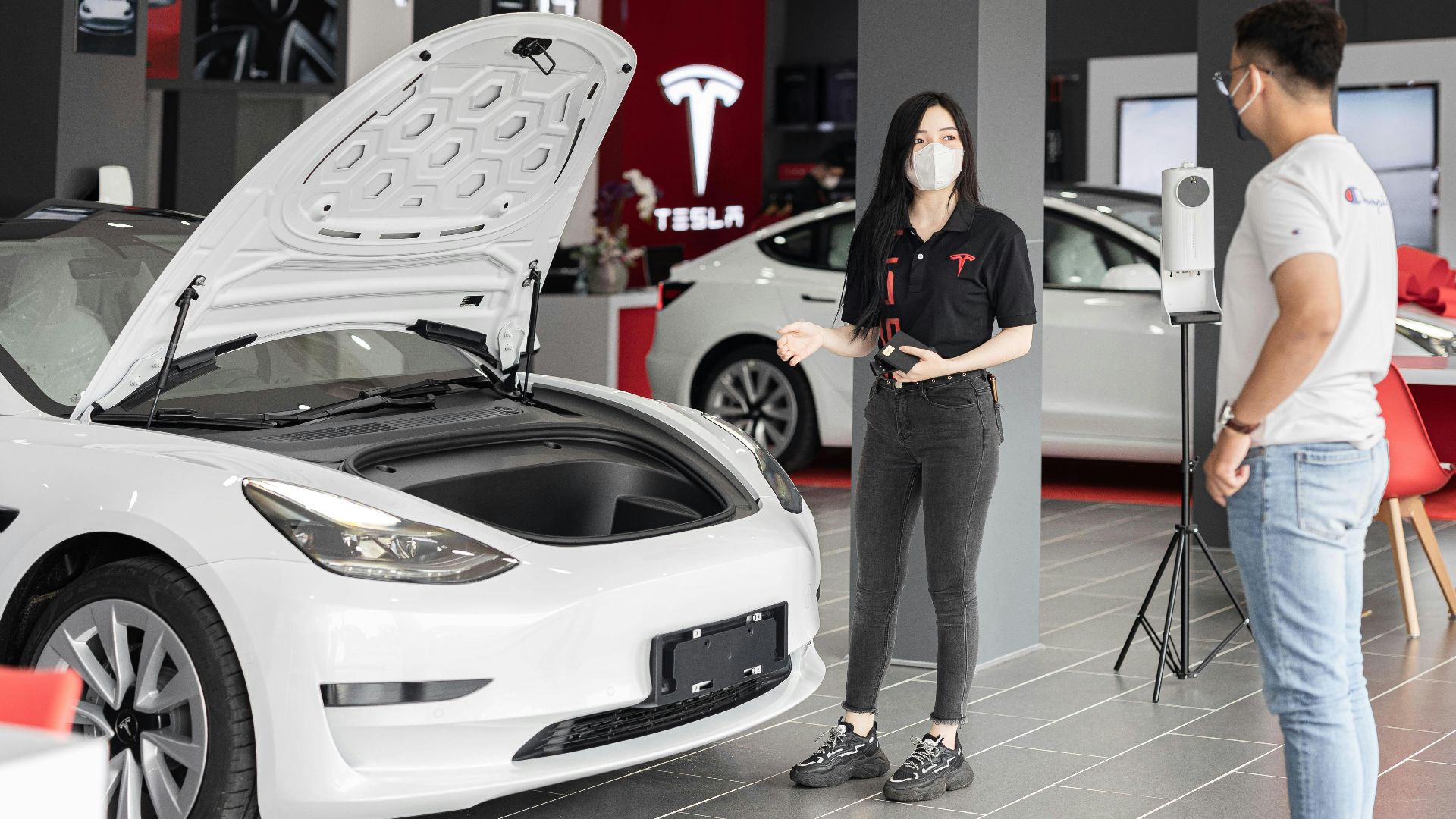
A new economy car is rarely as exciting as a German sport sedan. But it can offer predictable payments, lower running costs, modern safety features, and warranty coverage that helps keep expensive surprises away. For many households, that kind of stability matters more than an upscale badge.

It Really Comes Down To Risk Tolerance
If you enjoy cars, understand maintenance, and can handle higher running costs, a used luxury car can make sense. If you need reliable transportation with as little drama as possible, a new economy car often fits real life better. Neither option is always smarter, but one is usually the safer financial bet.
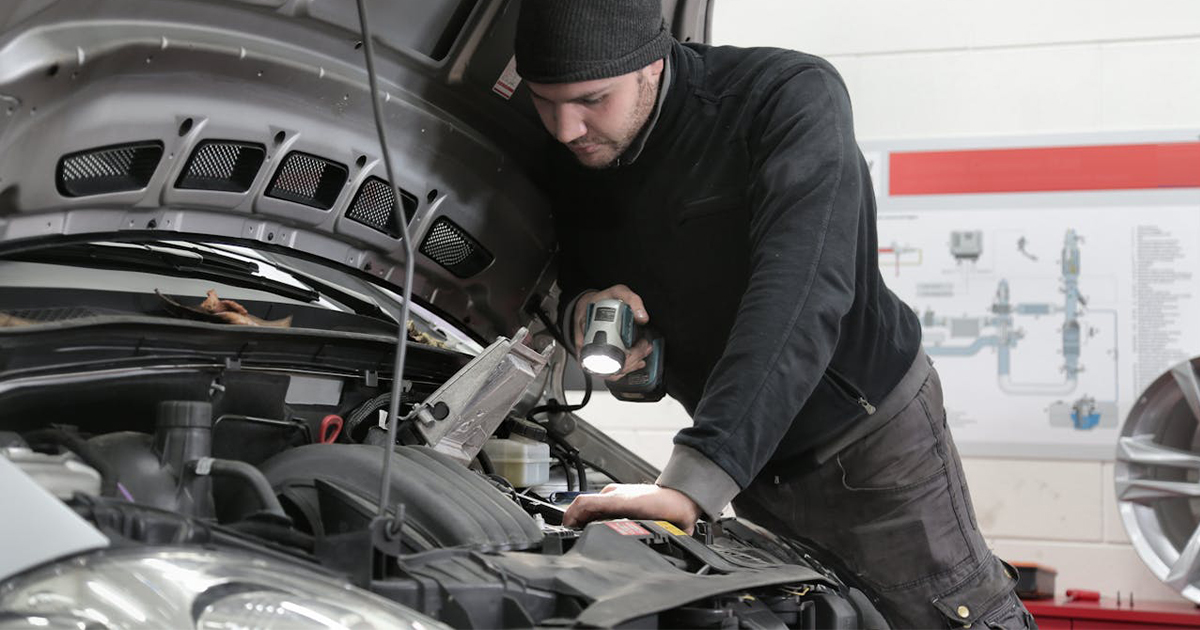
 Hryshchyshen Serhii, Shutterstock
How To Test The Idea The Right Way
Compare five-year ownership costs, not just purchase prices. Get insurance quotes, estimate fuel costs with EPA data, check the warranty, and research reliability for the exact year and powertrain. Then price out a pre-purchase inspection and look up common repairs, because that is where the real story usually shows up.

A Smart Checklist Before Buying Used Luxury
Get a vehicle history report, but do not stop there. Ask for service records, check for recalls, inspect the tires and brakes, scan for hidden electronic issues, and have an independent mechanic do a pre-purchase inspection. If the seller pushes back on any of that, walk away.

A Smart Checklist Before Buying New Economy
Do not assume every new compact is basically the same. Compare warranty coverage, dealer fees, insurance quotes, fuel economy, and likely depreciation before signing anything. It is also worth checking whether a lightly used version of the same economy model gives you a better mix of value and coverage.

So Is Your Friend Missing Something
Probably. He is likely focused on upfront value and not paying enough attention to ownership costs, repair risk, and the cushion that comes with a warranty and lower running expenses. A used luxury car can be a great buy in the right case, but if you want the safer all-around choice, a new economy car often wins where it counts.
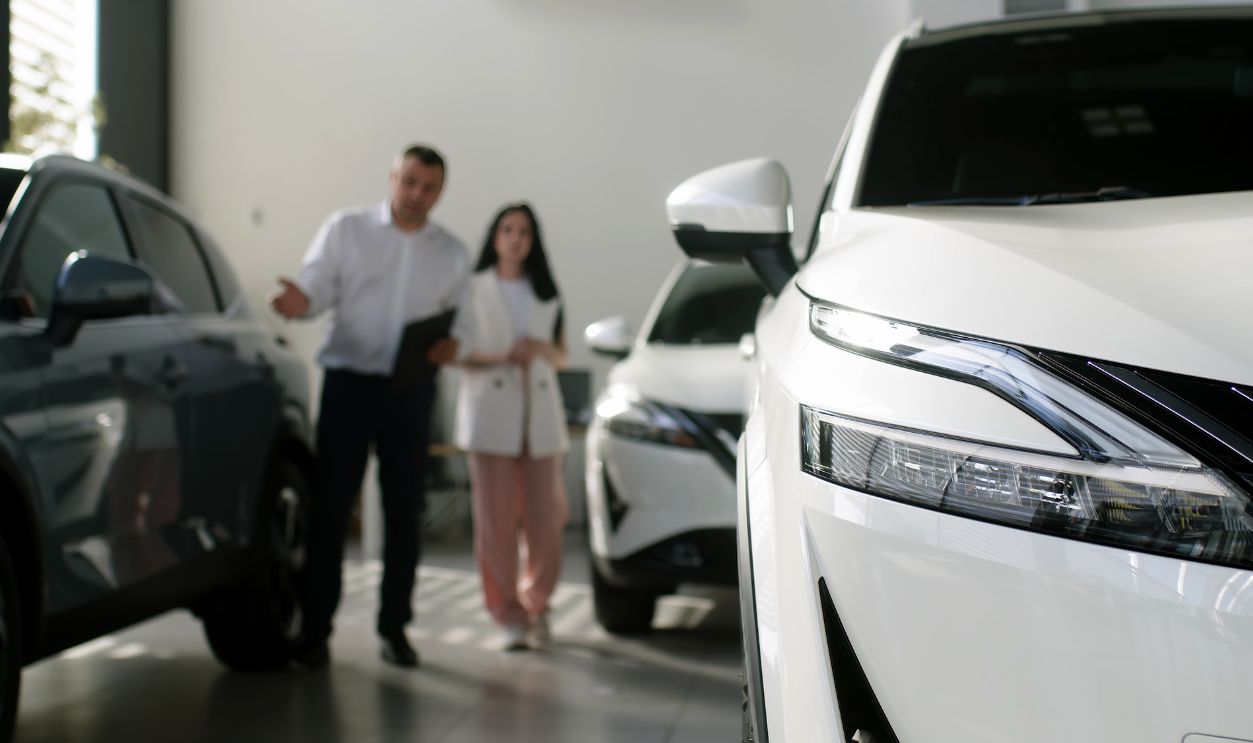 Wedmoments.stock, Shutterstock