Turning The Tables On Charging
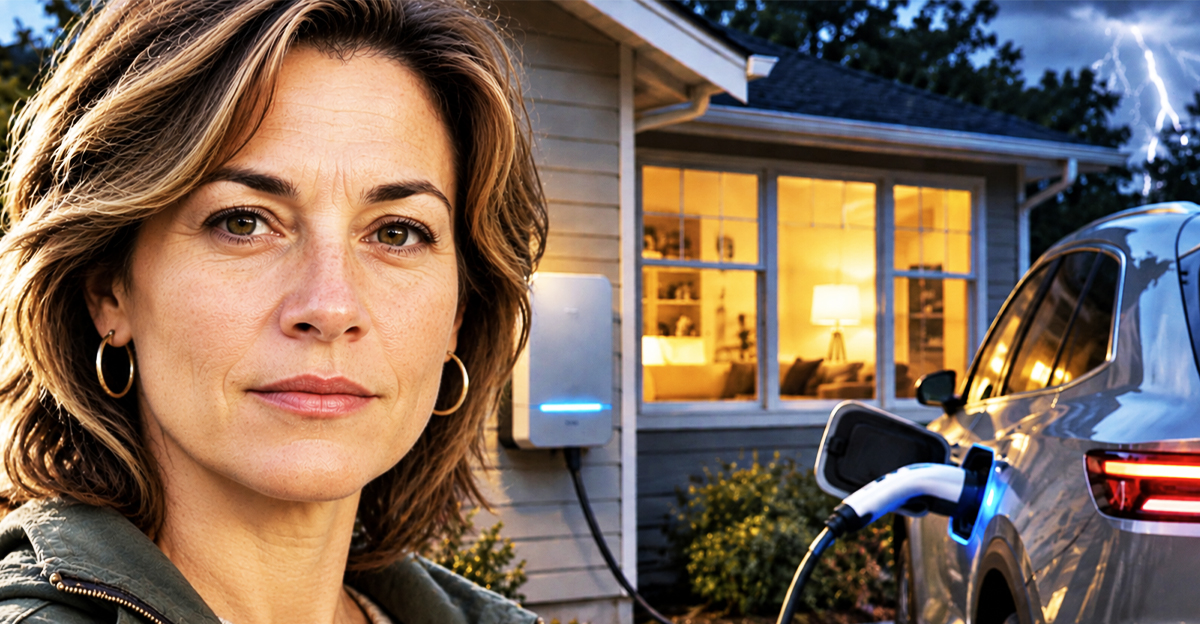
Imagine looking out your window during a power outage and realizing that your emergency power supply is sitting in your driveway. Thanks to bidirectional charging, some electric vehicles can already supply electricity to household appliances, power an entire home, or even send electricity back into the grid. It's a technology with enormous potential, but there are some important things EV buyers should know before counting on it.
How Bidirectional Charging Works
Conventional electric vehicle charging is essentially a one-way street. Electricity travels from the power grid through a charging station and into your vehicle's battery, where it's stored until needed to operate the car.
Bidirectional charging allows that process to work in reverse. With the appropriate equipment, electricity stored in the vehicle's battery can be converted into usable alternating current and supplied to an external electrical system.
Instead of simply being a means of transportation, your electric vehicle becomes a mobile energy storage system with potentially valuable applications far beyond driving.
Three Different Types Of Technology
Not all bidirectional charging systems offer the same capabilities. Vehicle-to-load (V2L) technology allows you to operate individual electrical devices, such as power tools, camping equipment, and portable appliances, directly from your vehicle.
Vehicle-to-home (V2H) takes things considerably further by supplying electricity to your home's electrical system during an outage or periods of expensive electricity.
Vehicle-to-grid (V2G) allows your car to send electricity back into the wider power grid. Depending on your electricity provider and local regulations, you could potentially receive financial compensation for making your battery's stored energy available.
How Long Could Your Car Power Your Home?
The battery capacity of a modern electric vehicle can be substantially greater than that of a dedicated residential battery backup system. Some electric vehicles have batteries capable of storing more than 100 kilowatt-hours (kWh) of electricity.
Consider an electric vehicle with a fully charged battery offering 100 kWh of usable capacity and a household that consumes 30 kWh daily. After allowing for energy conversion losses and retaining some battery capacity for driving, the vehicle could potentially supply electricity for two to three days.
Restricting consumption to essential appliances, lighting, and communications equipment could extend that period considerably. However, the system's maximum power output determines how many appliances you can operate simultaneously, regardless of how much energy remains in the battery.
Some Vehicles Already Do It
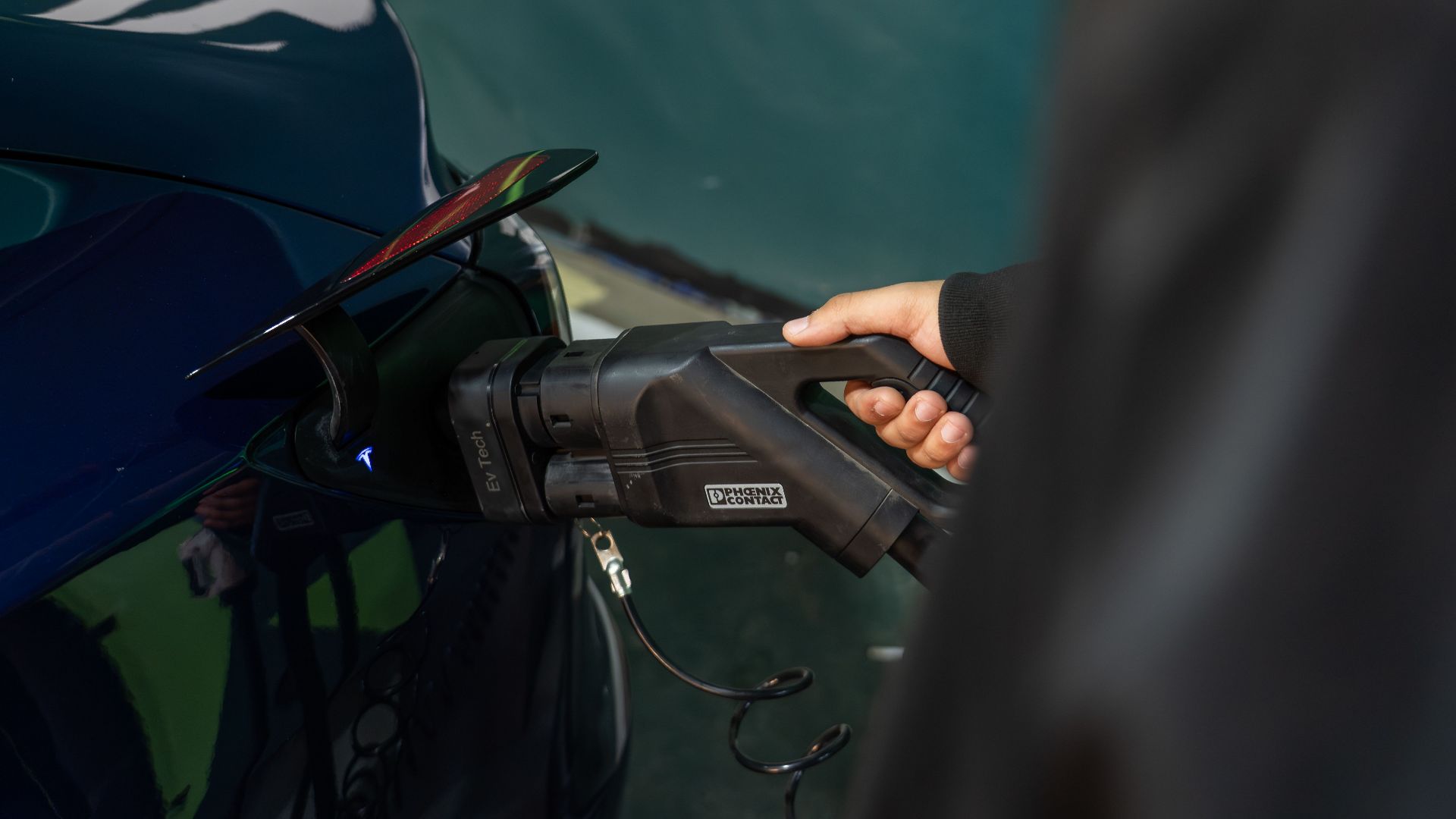
The Ford F-150 Lightning helped bring the concept of vehicle-to-home charging into the mainstream. Ford originally estimated that an extended-range Lightning equipped with its home integration system could power a typical American household for up to three days, or considerably longer with electricity rationing.
Other automakers have also been developing bidirectional charging capabilities. However, buyers should distinguish between vehicles that already support home backup power and those whose manufacturers merely promise to introduce the technology through future software updates or additional hardware.
You'll Need More Than A Charger
Unfortunately, powering your house isn't necessarily as simple as plugging your electric car into an existing home charging station.
A dedicated bidirectional charging system may require compatible charging equipment, an inverter, a home integration system, and modifications to your electrical panel. The system must also safely disconnect your home from the wider electricity grid during an outage to prevent electricity from endangering utility workers.
Professional installation is essential, and the combined equipment and installation costs can easily run into thousands of dollars. Obtain a detailed installation estimate before making bidirectional charging a major factor in your purchasing decision.
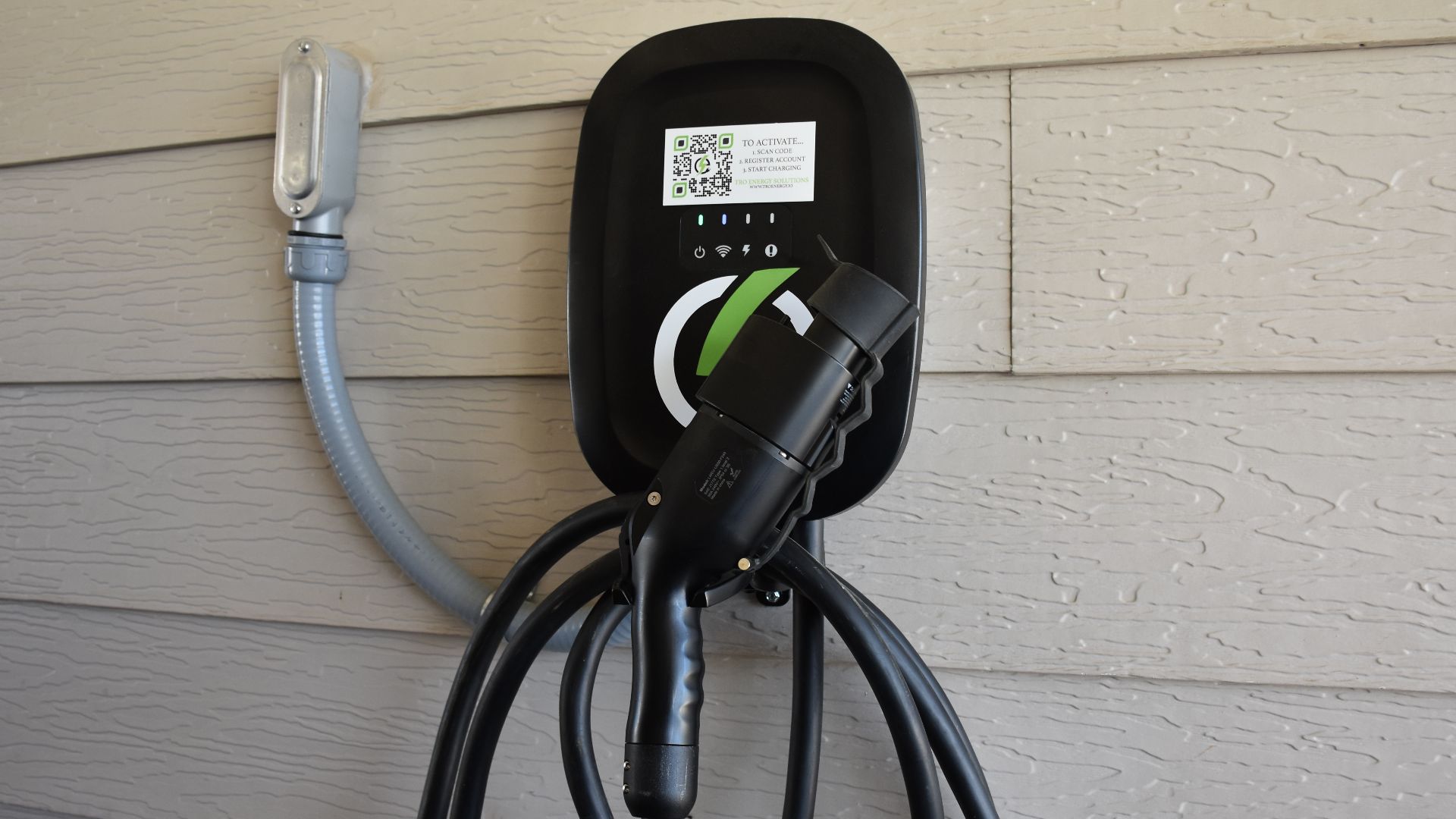 Janecze Wright, Fort Cavazos Public Affairs, Wikimedia Commons
Could It Reduce Your Electricity Bills?
Many electricity providers offer time-of-use pricing, charging substantially less for electricity during periods of low demand, typically overnight.
With a compatible bidirectional charging system, you could charge your vehicle when electricity is inexpensive and then use some of that stored energy to power your household during more expensive peak periods.
Ford introduced its Home Power Management technology in select markets in 2025, allowing properly equipped F-150 Lightning owners to take advantage of differences in electricity prices throughout the day. However, your potential savings depend on local electricity rates, equipment and software costs, energy conversion losses, battery wear, and how frequently your vehicle is available at home.
Your Car Could Help The Grid
Perhaps the most ambitious application of bidirectional charging involves thousands of electric vehicles working together as a distributed energy storage network.
During exceptionally hot summer afternoons, for example, participating vehicles could supply electricity to the grid when air-conditioning systems are placing considerable strain on generating capacity.
Electricity providers could compensate vehicle owners for participating in these programs. However, widespread residential vehicle-to-grid services still face challenges involving infrastructure, utility regulations, equipment compatibility, and the development of appropriate financial incentives.
What About Battery Degradation?
Electric vehicle batteries gradually deteriorate with age and use. Understandably, some owners might be reluctant to subject their expensive battery packs to additional charging and discharging cycles just to save money on electricity.
The actual impact depends on factors including battery chemistry, operating temperature, depth of discharge, and how intelligently the charging system manages the battery.
Occasionally using your car during a power outage is very different from discharging it into your home's electrical system every day. Before participating in either arrangement, check whether your manufacturer's battery warranty covers the intended application.
Is It Worth Paying Extra For?
Bidirectional charging could be particularly attractive if you live somewhere prone to power outages, have access to inexpensive overnight electricity, or already own a compatible residential solar energy system. However, integrating an electric vehicle with existing solar equipment or residential battery storage may require additional hardware or modifications.
Before purchasing an EV, however, establish exactly which bidirectional capabilities it supports, what additional equipment you'll need, and whether the system is compatible with your home and electricity provider.
The technology may eventually transform electric vehicles from relatively expensive household purchases into valuable energy management assets. For now, its greatest appeal might be something much simpler: knowing that the next time your neighborhood goes dark, the car sitting in your driveway could help keep your lights on.
You May Also Like:
My electric vehicle insurance costs more than the car payment. Is this actually the new normal?