The Sticker Shock
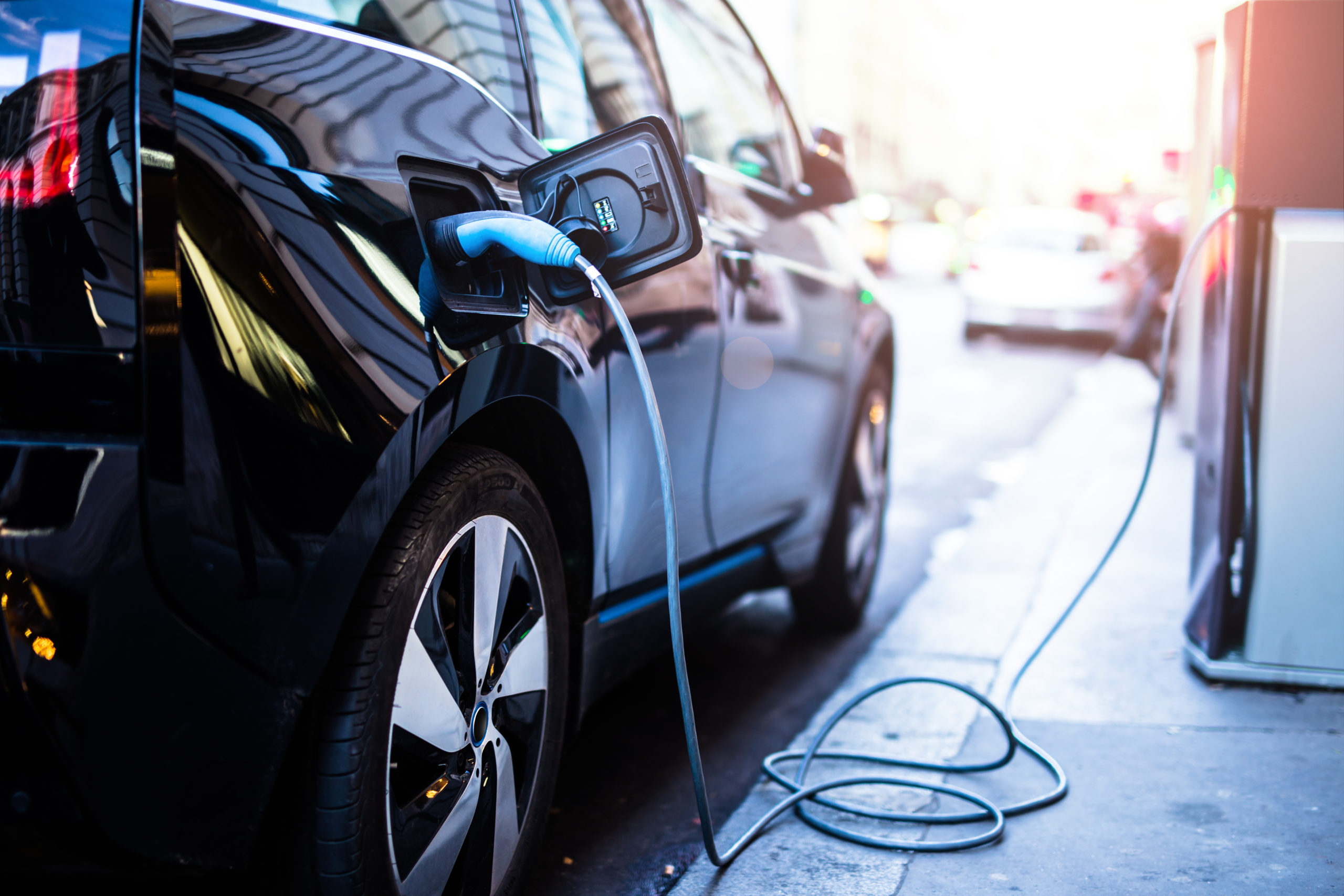
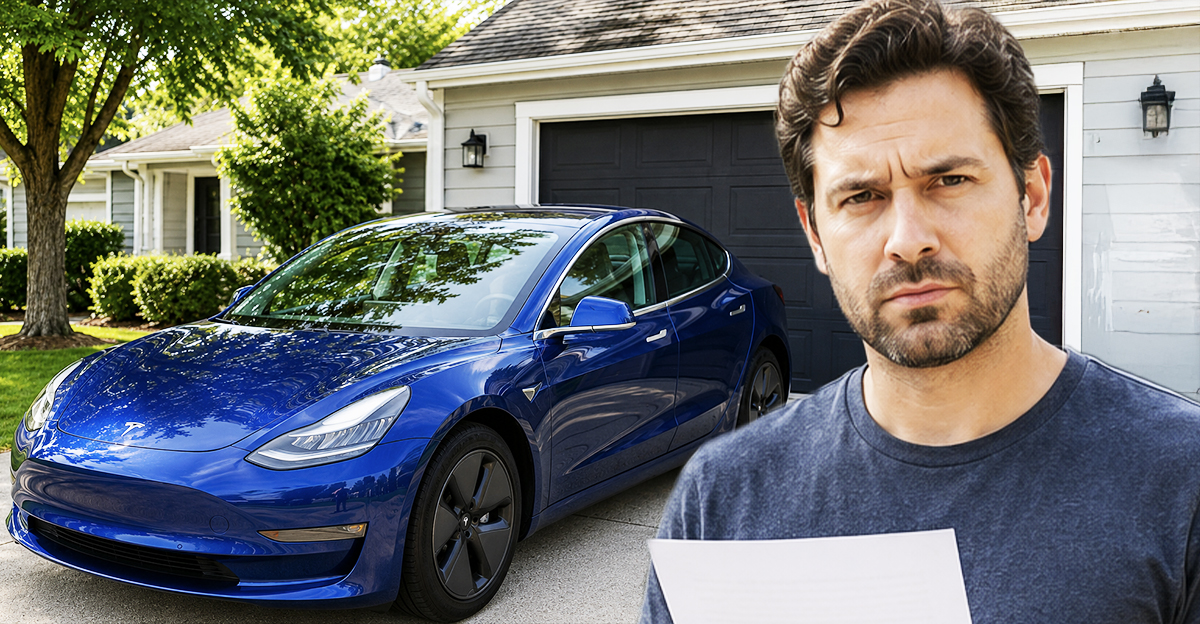
You buy an electric vehicle expecting lower fuel and maintenance costs, then discover the insurance bill is larger than your monthly loan payment. That situation can feel absurd, but you are not alone. For some drivers, especially those with newer EVs, insurance has become one of the largest ownership expenses.
Why EV Rates Rose
Insurance premiums have increased across much of the United States in recent years. Inflation, higher repair costs, more expensive replacement parts, and rising claim payouts have affected nearly every vehicle category, but electric vehicles have been hit particularly hard.
Repair Costs Matter
Insurance companies focus heavily on repair expenses. Many EVs contain specialized components, sensors, cameras, and battery systems that can make even relatively minor accidents more expensive to fix than comparable gasoline-powered vehicles.
Battery Concerns
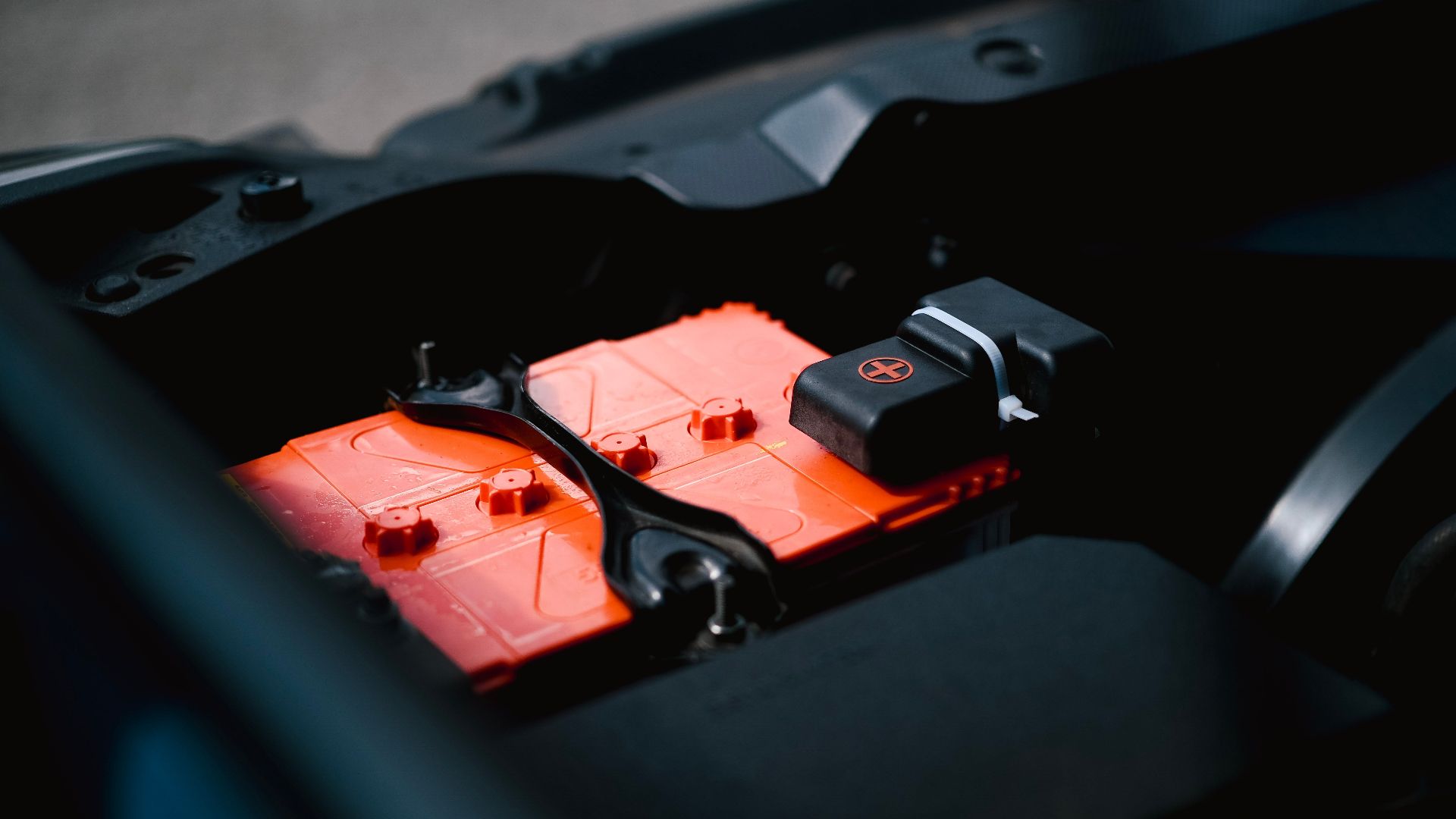
The battery pack is often the most expensive component in an electric vehicle. Even when a battery is not damaged, insurers may worry about the cost of inspections, testing, or replacement following a collision that might affect the pack.

Limited Repair Networks
Not every body shop is certified to repair electric vehicles. In some areas, insurers have fewer repair facilities available, which can increase labor costs, transportation expenses, and repair times after an accident.
 Jose Ricardo Barraza Morachis, Pexels
Parts Can Be Expensive
Some electric vehicles use unique parts that are not widely stocked. If replacement components must be shipped from specialized suppliers, claim costs can rise quickly. Insurance companies generally pass those higher expected costs along through premiums.

Vehicle Value Counts
Many EVs remain relatively expensive compared with traditional vehicles. Insurers consider the cost of replacing the entire vehicle after a total loss. Higher vehicle values often translate into higher comprehensive and collision premiums.
Fast Cars Cost More
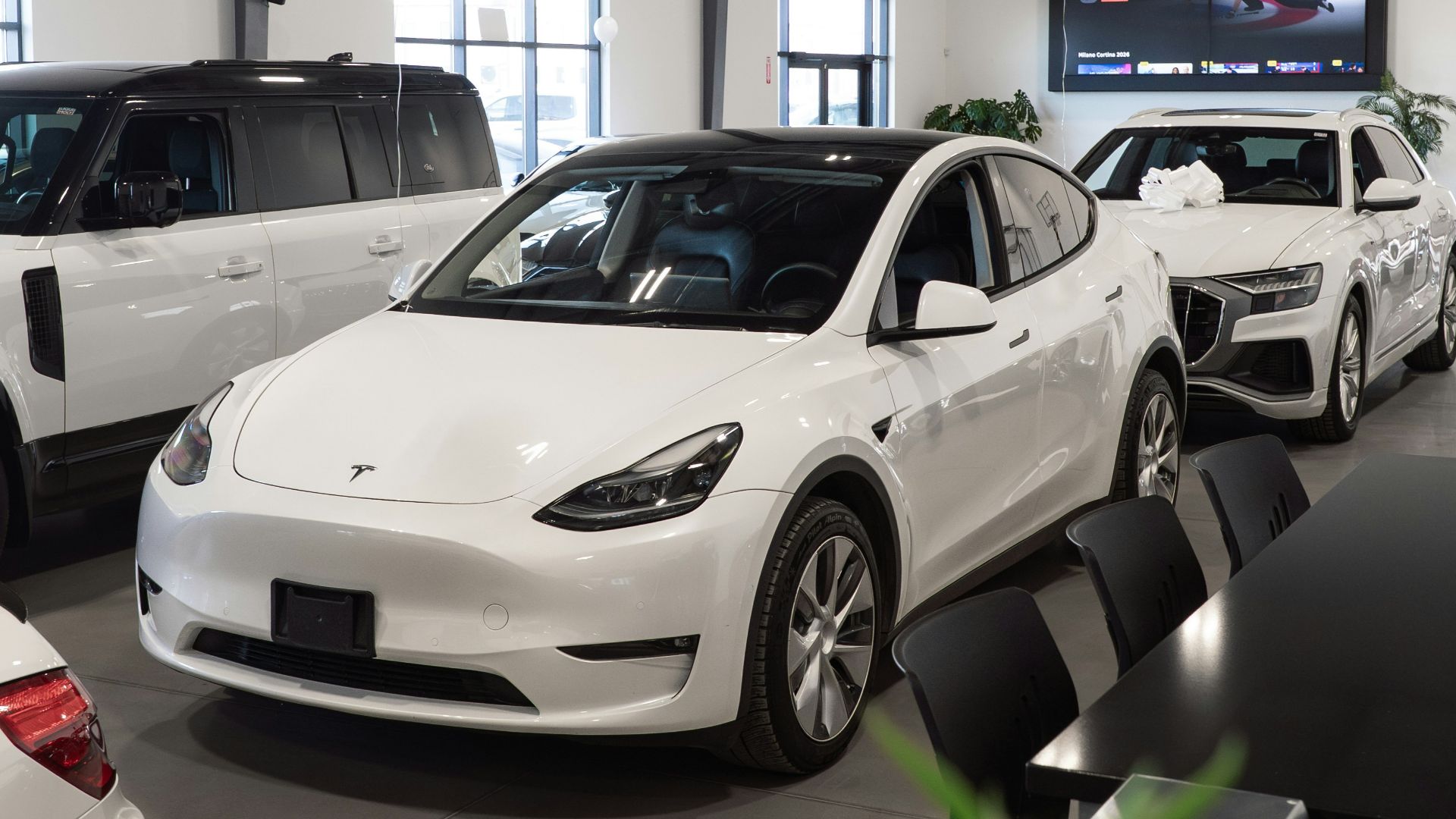
Electric vehicles frequently deliver strong acceleration and high performance. Insurance companies often associate faster vehicles with greater claim risk, regardless of whether the individual owner drives aggressively or cautiously.
Location Plays A Role
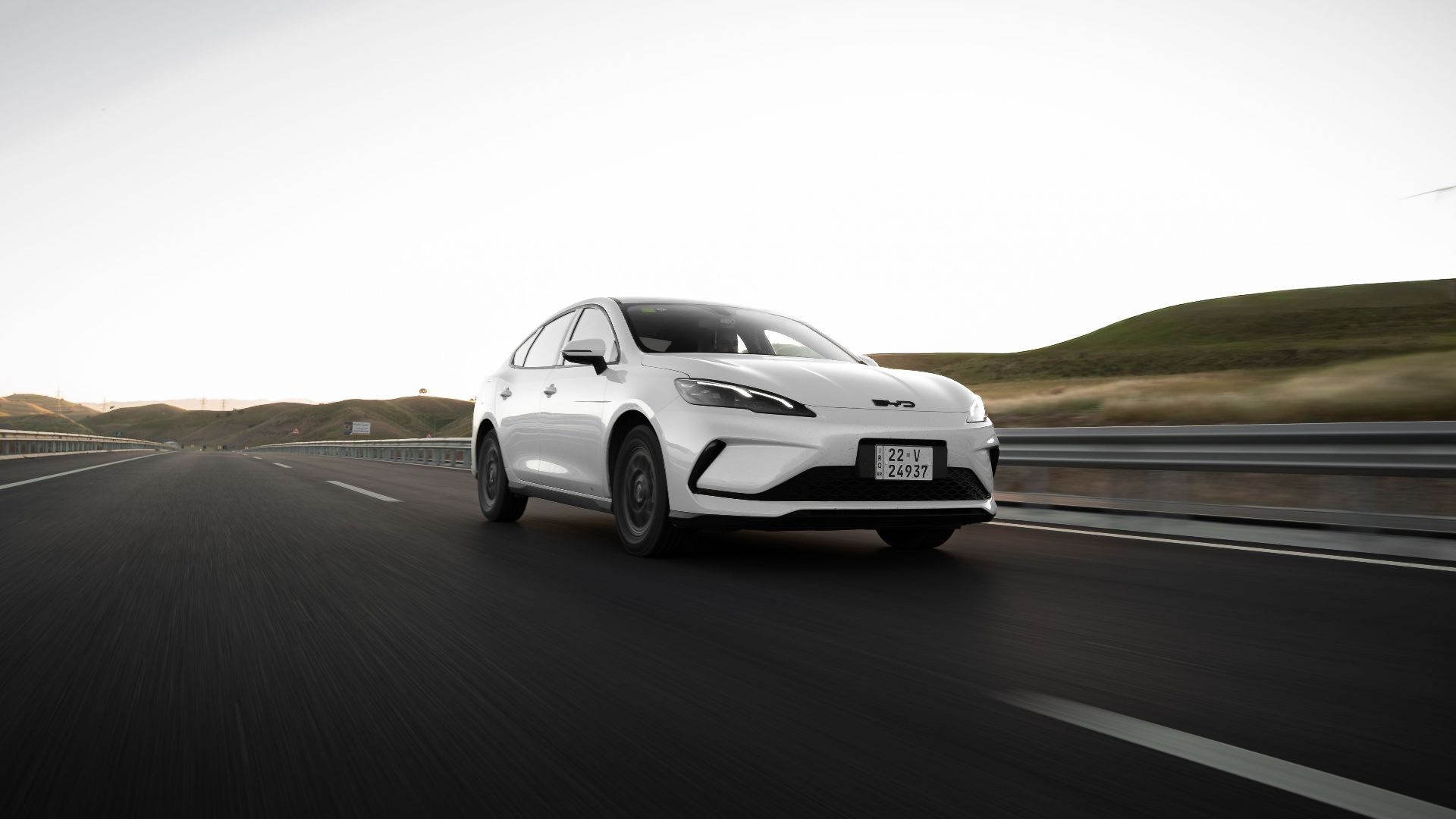
Your ZIP code can have a surprisingly large effect on insurance pricing. Areas with higher theft rates, more accidents, severe weather risks, or costly repair markets often generate significantly higher premiums for both EVs and conventional vehicles.

Driver History Matters
The vehicle itself is only part of the equation. Age, driving record, credit-based insurance score where permitted, claims history, and annual mileage can influence your premium just as much as the type of vehicle you drive.

Some EVs Cost Less
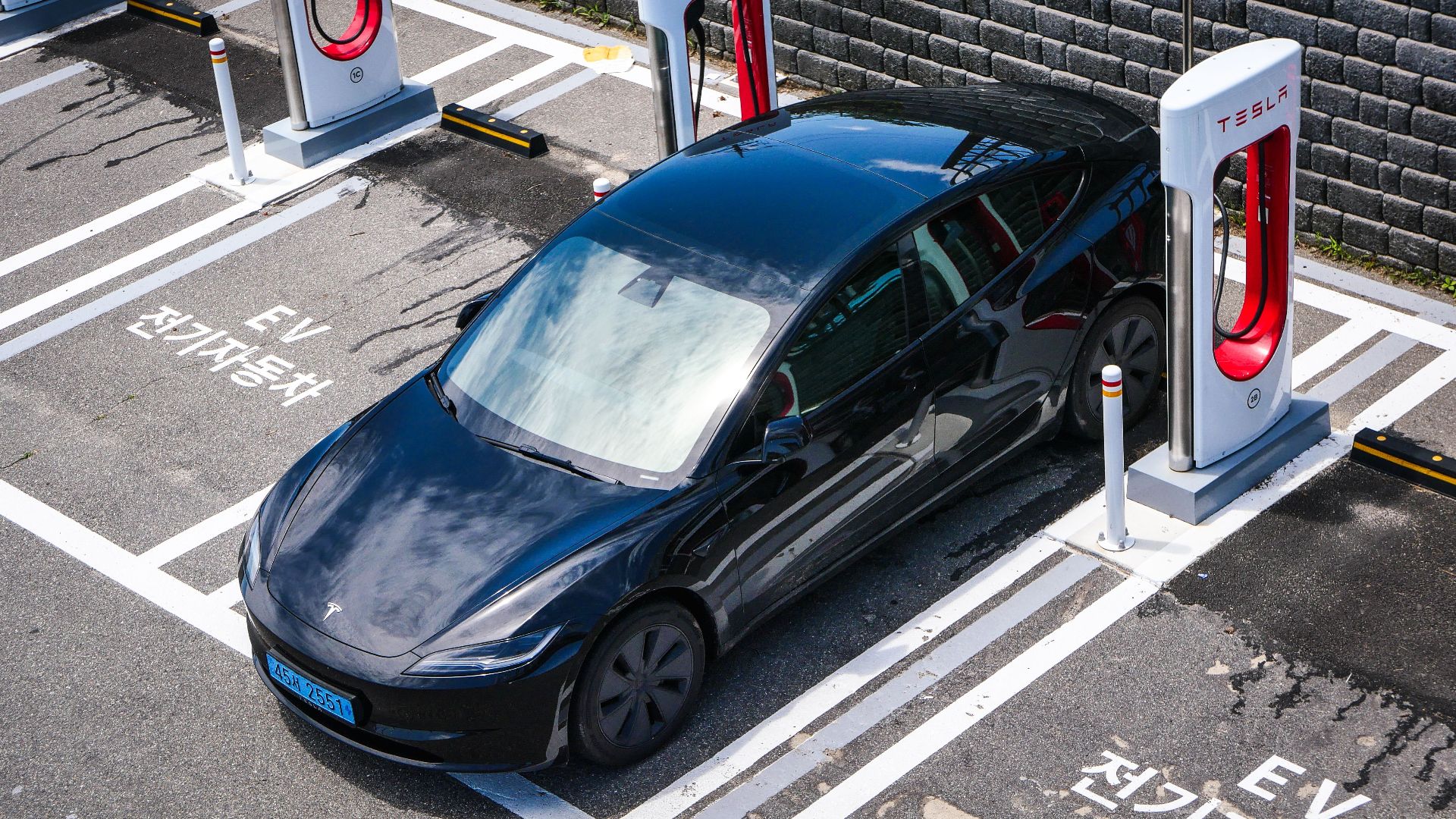
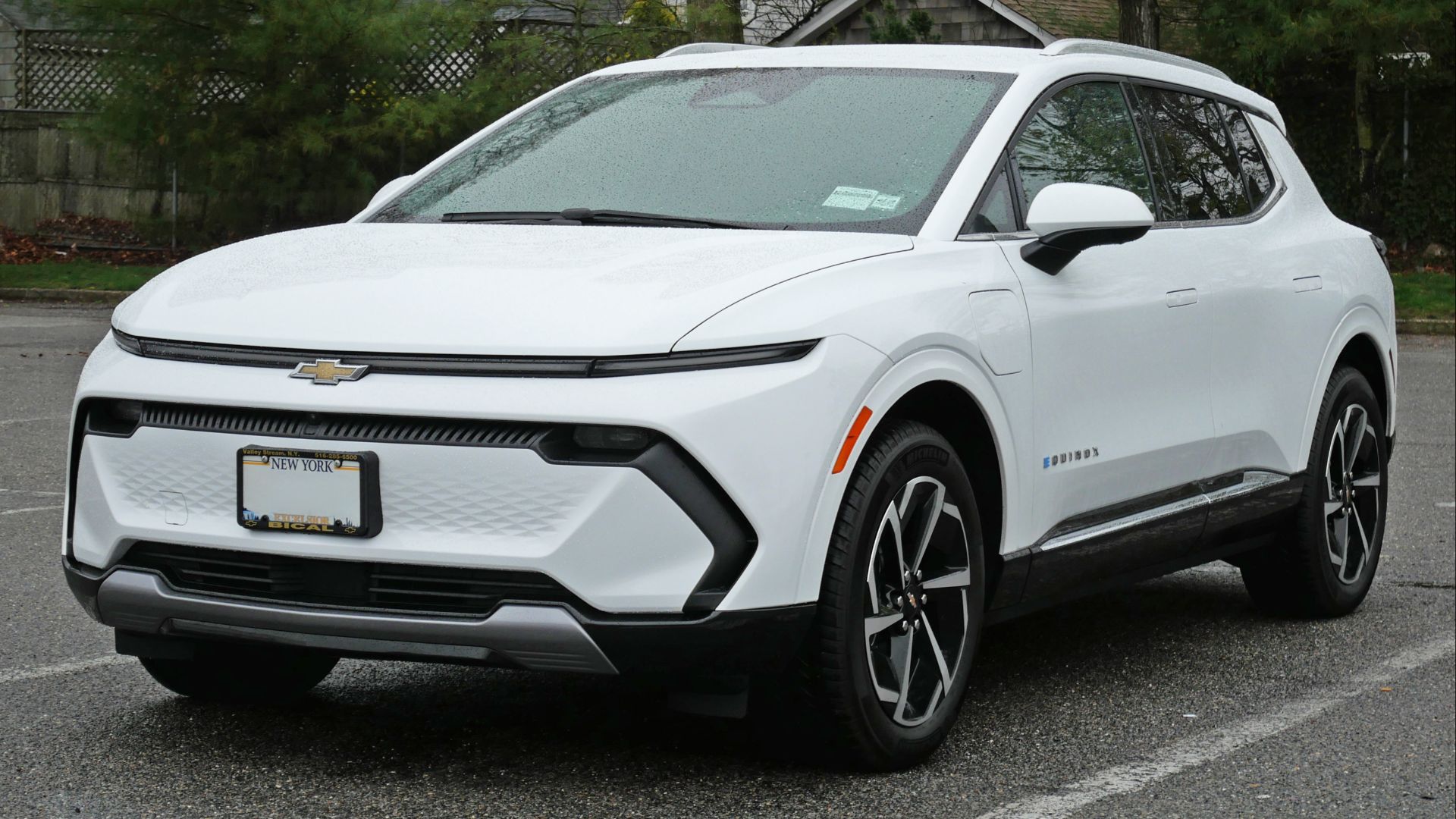
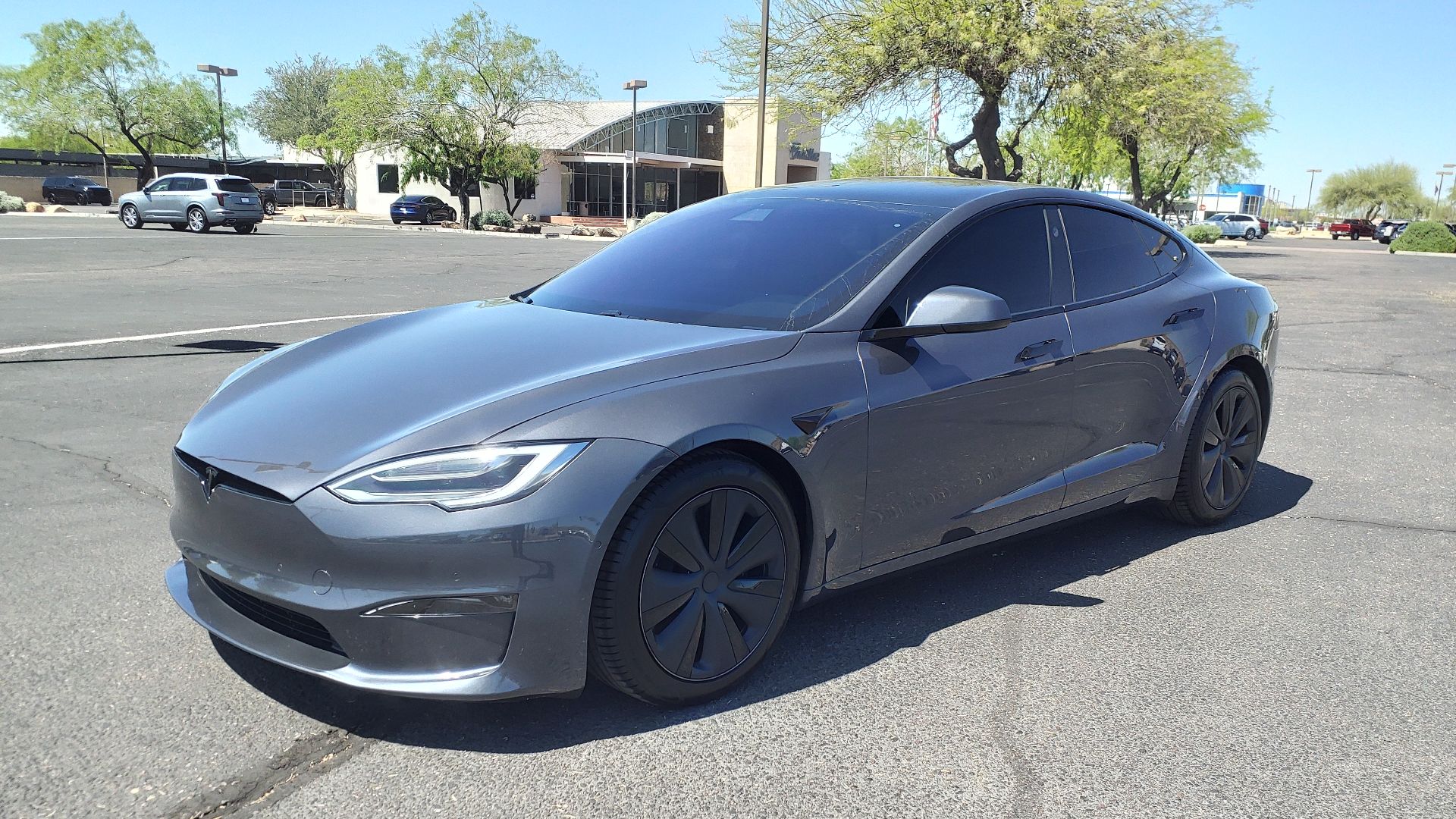
Not every electric vehicle generates the same insurance premium. Models such as the Chevrolet Equinox EV, Hyundai Kona Electric, and Nissan Leaf are often cited by owners as relatively affordable to insure. On the other hand, vehicles such as the Tesla Model S Plaid and Rivian R1S can produce significantly higher premiums because of their higher values, performance, and repair costs.
Luxury Models Hurt
Luxury electric vehicles often produce some of the highest premiums in the market. Expensive body panels, advanced technology, specialized repairs, and higher replacement values can dramatically increase the insurer's potential financial exposure.
New Technology Risks
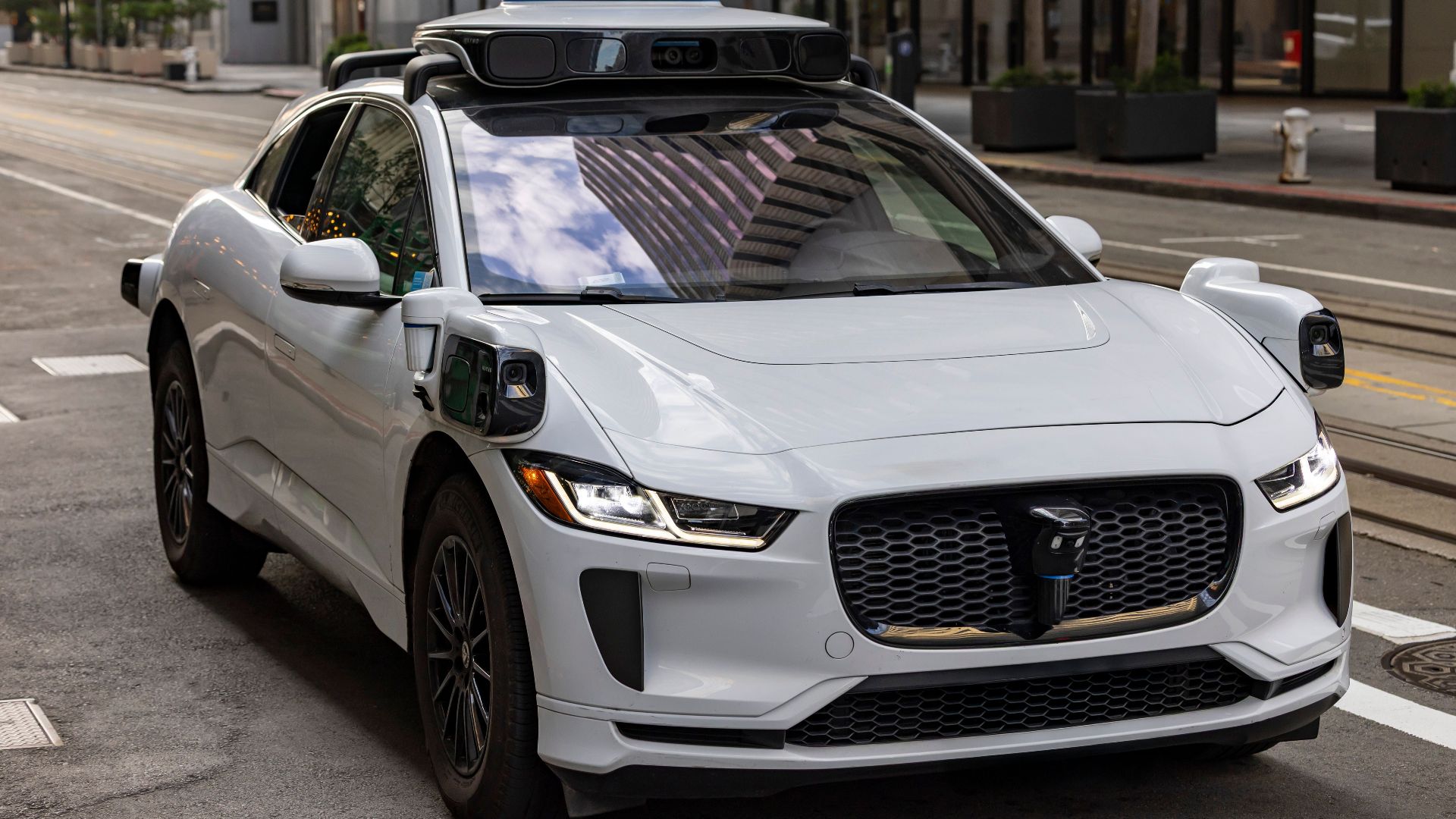
Insurers sometimes charge more when repair data is limited. New models and recently introduced technologies may create uncertainty about future claim costs, leading some carriers to price policies conservatively until more data becomes available.
Compare Multiple Quotes
One of the most effective strategies is shopping around. Different insurance companies can produce dramatically different quotes for the exact same driver and vehicle. Comparing several carriers may uncover surprisingly large savings opportunities.

Revisit Coverage Levels
You should periodically review your coverage choices. Increasing deductibles or adjusting optional coverages may reduce premiums. However, any changes should be made carefully so you still maintain protection that matches your financial situation.

Ask About Discounts
Many insurers offer discounts for bundling policies, completing safe driving programs, maintaining a clean driving record, installing telematics devices, or carrying multiple vehicles on the same policy. Small discounts can add up over time.

Consider Vehicle Choice
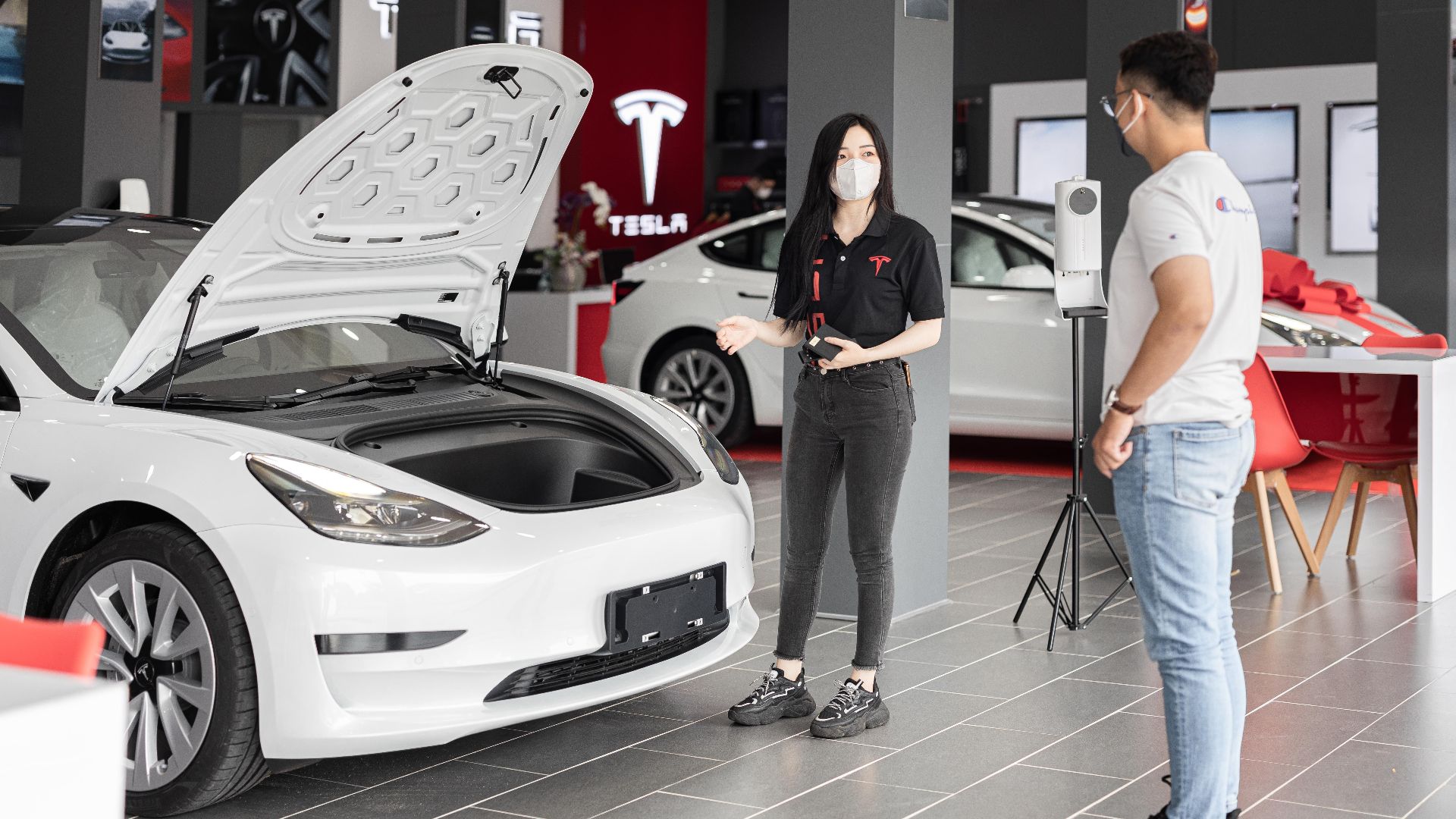
If insurance costs are a major concern, obtain quotes before purchasing your next vehicle. A less expensive EV or a model with lower repair costs may produce meaningful savings over several years of ownership.
Mileage Can Help
Drivers who travel fewer miles each year may qualify for lower premiums or usage-based insurance programs. Because risk generally increases with time spent on the road, lower annual mileage can sometimes generate meaningful savings.

Credit Impacts Pricing
In many states, insurers may consider credit-related factors when setting premiums. Improving your credit profile over time could potentially reduce insurance costs, although the rules vary depending on where you live.

Lease Requirements Matter
Leased vehicles often require higher coverage limits than you might otherwise choose. If your EV is leased, the lender's insurance requirements may contribute to premiums that seem unusually expensive.

When It Becomes Problematic
If insurance costs consistently exceed your vehicle payment and strain your budget, it may be worth reevaluating the overall economics of ownership. Lower operating costs do not help much if insurance expenses overwhelm the savings.

Look At Total Costs
When evaluating any vehicle, focus on total ownership costs rather than monthly payments alone. Insurance, registration fees, charging expenses, depreciation, financing, and maintenance all contribute to the true cost of driving.

The Bottom Line
It is not unusual for some EV owners to encounter insurance premiums that rival or even exceed their car payments, particularly for newer or more expensive models. While the situation can be frustrating, careful comparison shopping, smart coverage decisions, and thoughtful vehicle selection can often reduce the financial burden.

You May Also Like:
The Best New EVs You Can Buy For Under $40,000
Excellent EV Alternatives For Your Gas-Guzzling Trucks For 2026