The Charger Was The Easy Part
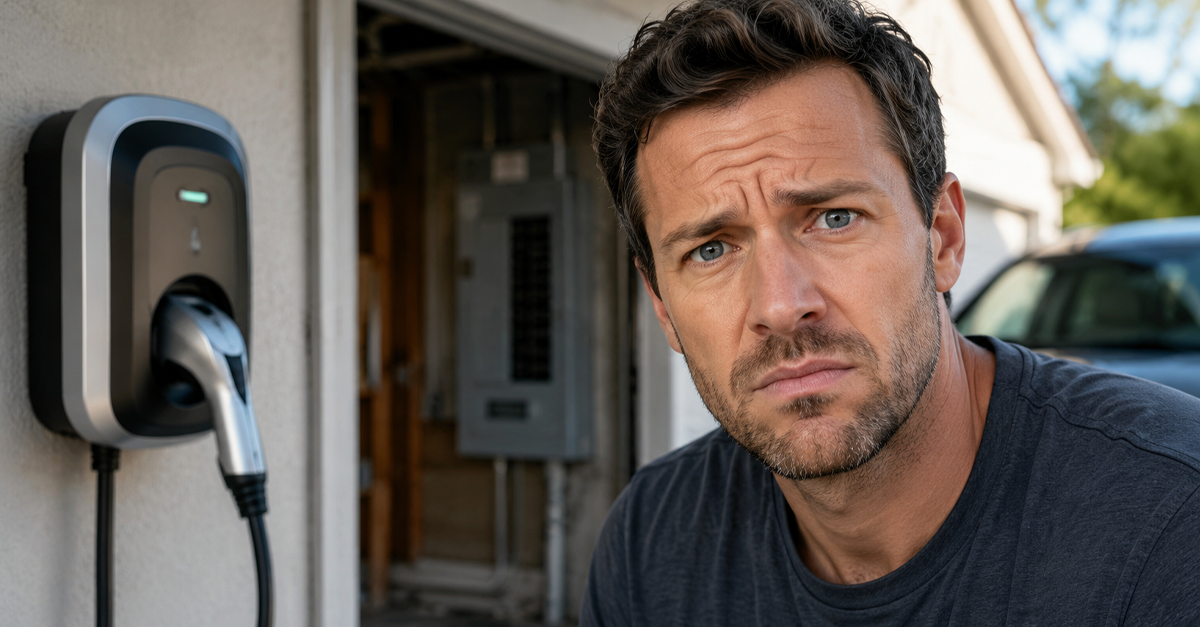
Buying an electric vehicle can feel modern and simple, but then the home charger paperwork hits. Many drivers expect the installation to be as straightforward as mounting a box on the garage wall. Then the electrician mentions permits, inspections, load calculations, and maybe even a panel upgrade. Will it always be like this? The reality is more complicated than most people think.
Home Charging Is The Whole Point
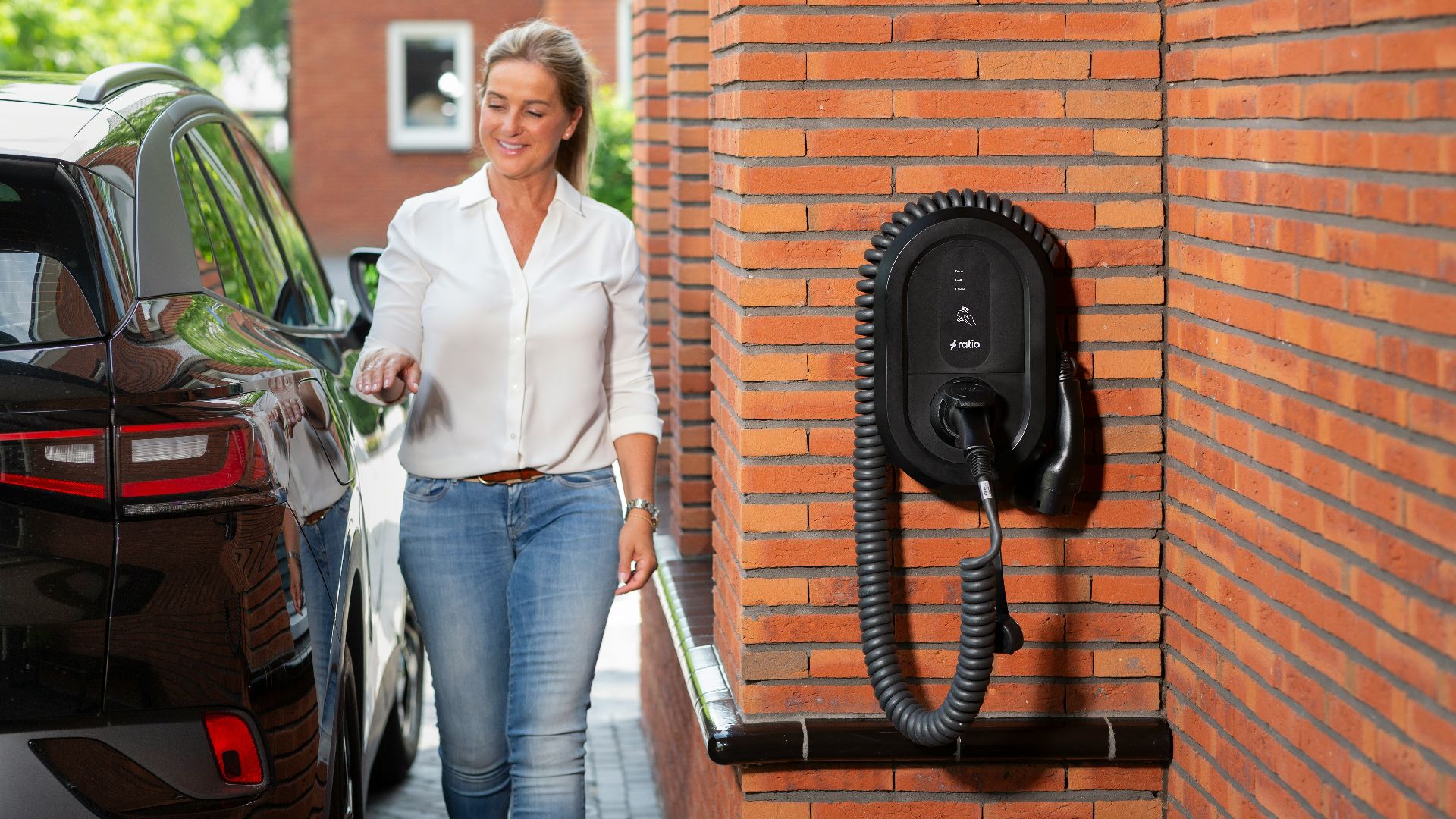
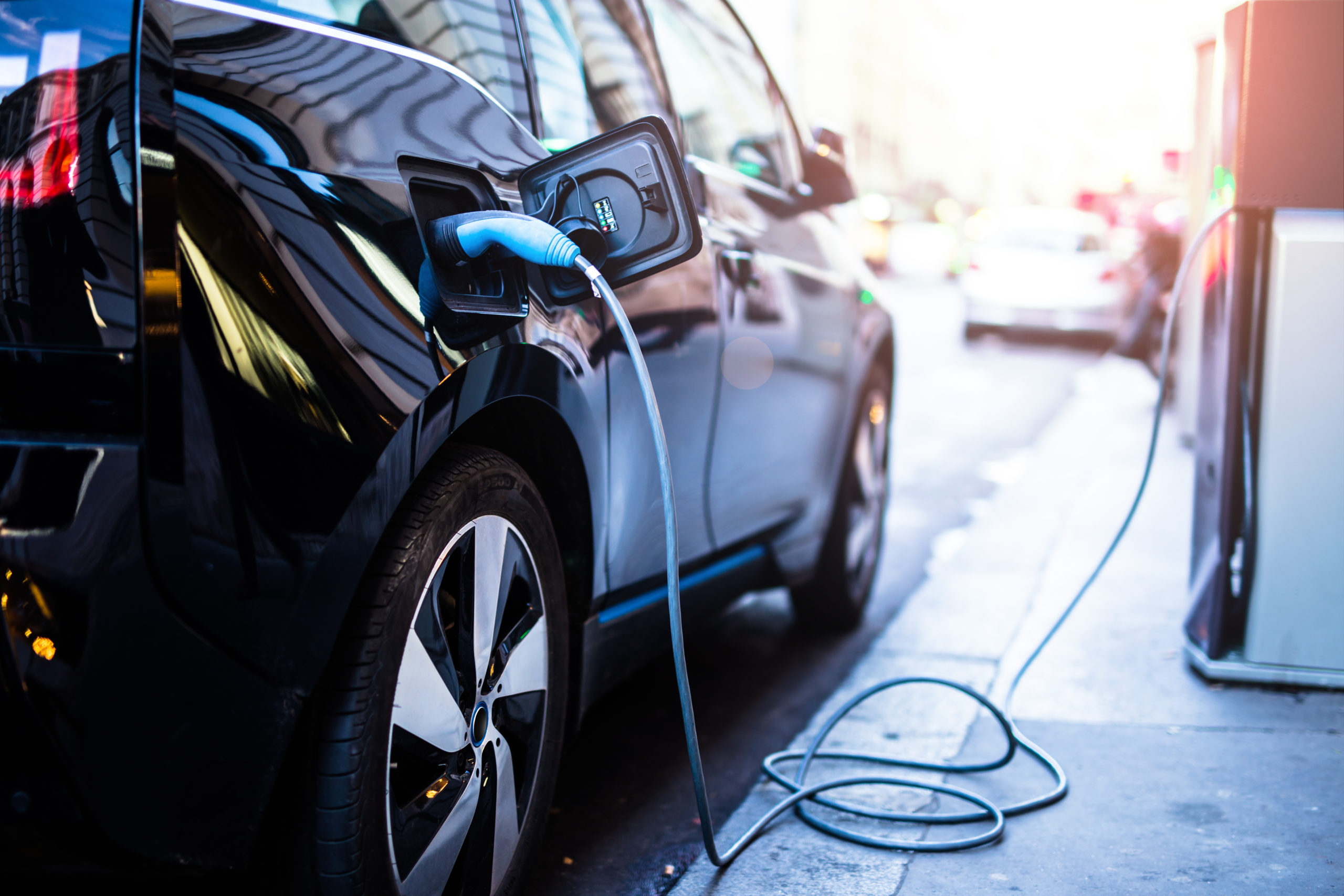
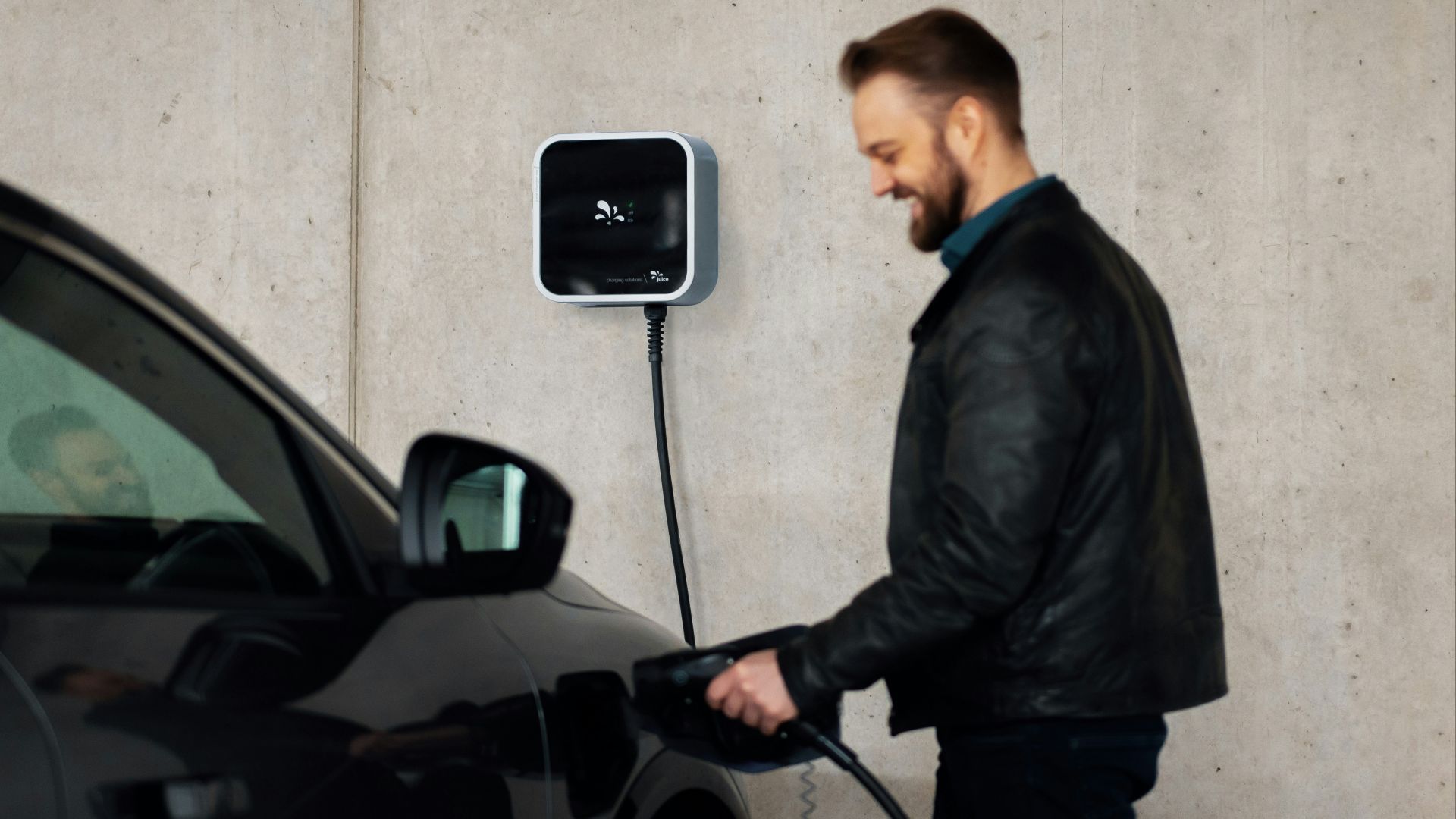
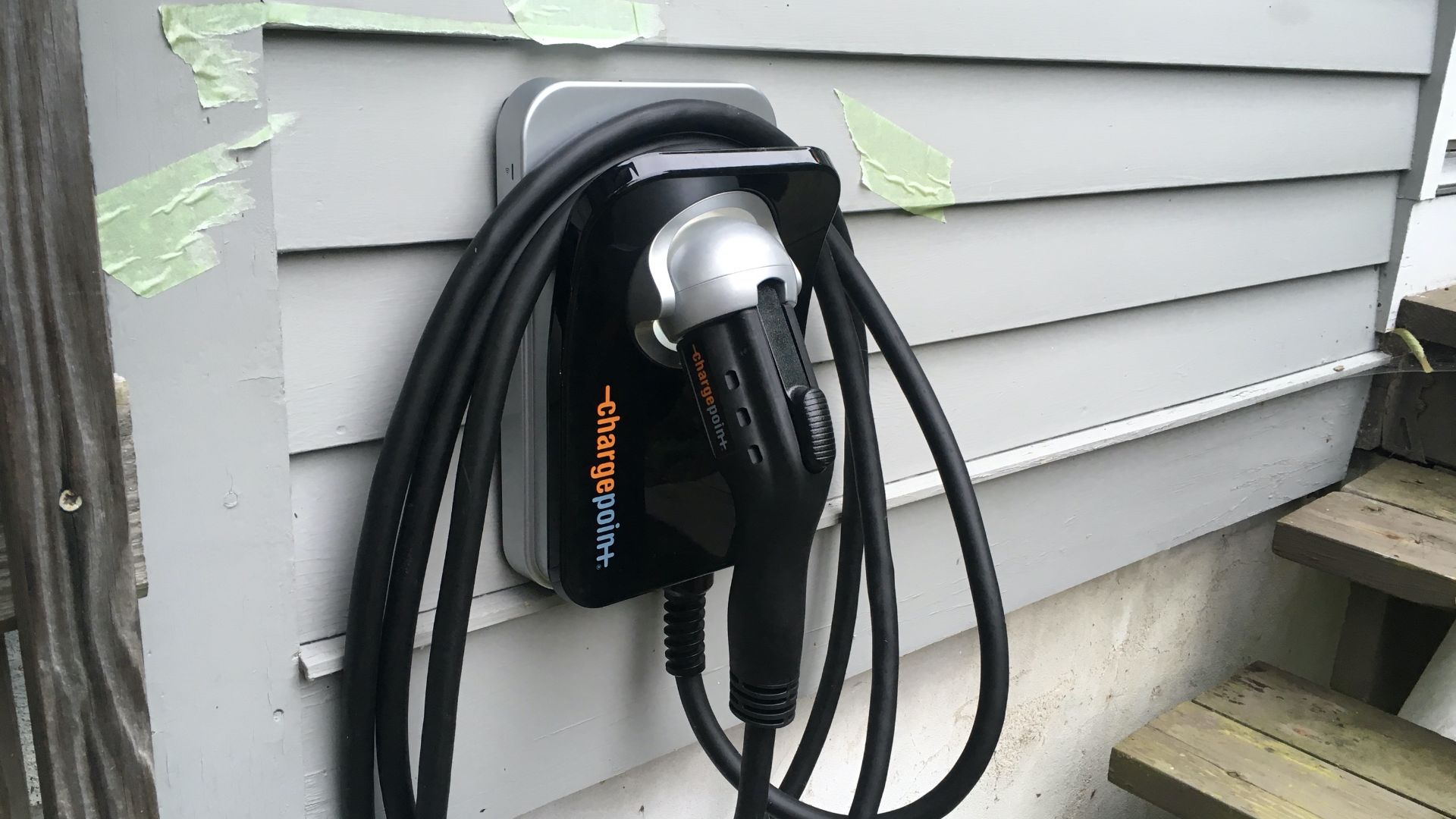
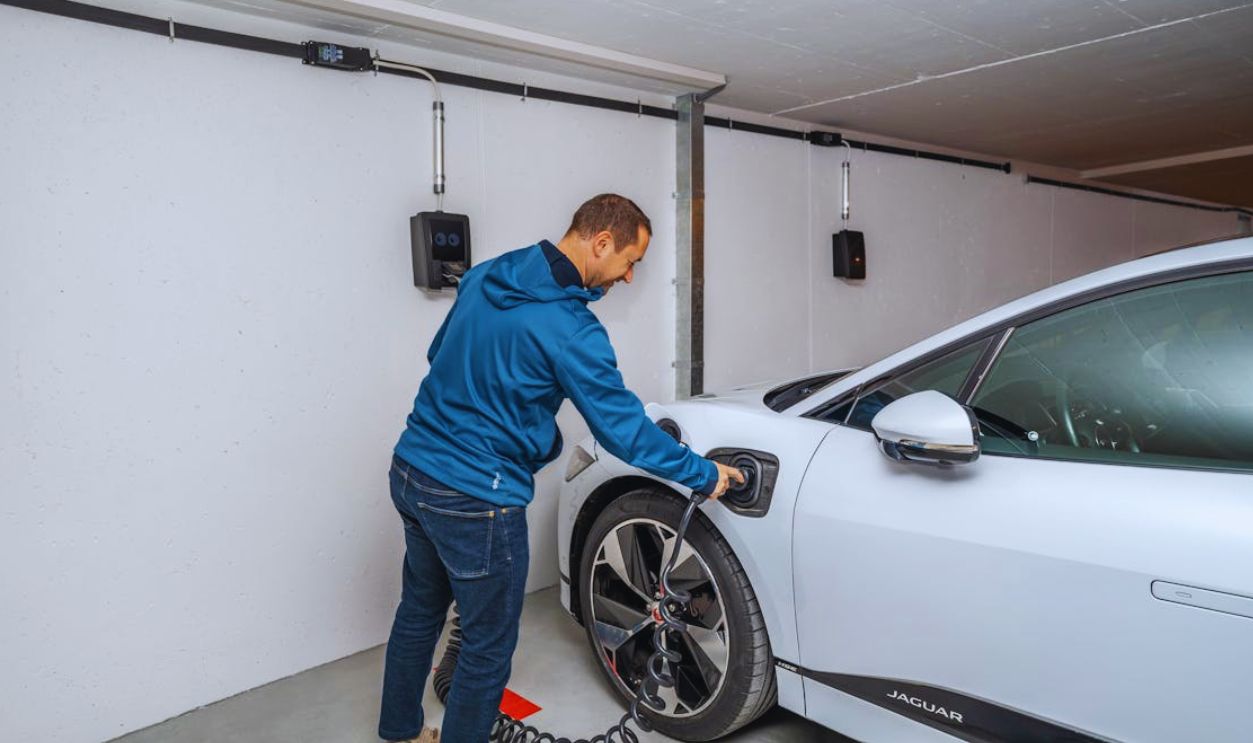
Home charging is still the most convenient way many EV owners keep their cars ready. The U.S. Department of Energy says most EV drivers charge overnight at home using Level 1 or Level 2 equipment. Level 1 uses a regular household outlet, while Level 2 typically uses a 208-volt or 240-volt circuit. That faster setup is why so many owners want a dedicated home station.
The Permit Is Not Just Red Tape
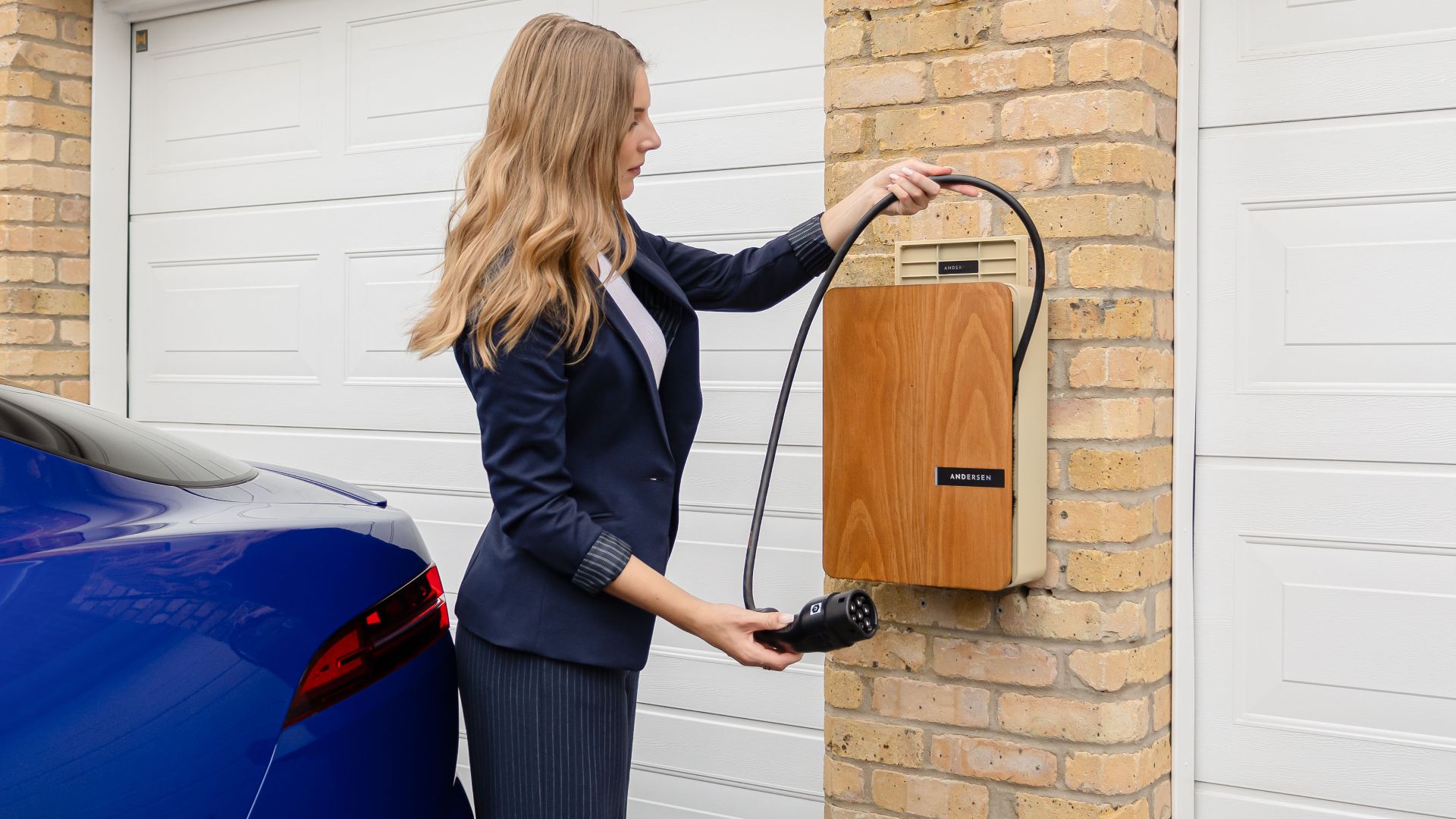
A Level 2 charger is not a phone charger with a bigger plug. It is a high-load electrical installation connected to the home’s wiring system. That is why many jurisdictions require electrical permits before installation. The permit process is meant to confirm that the circuit, panel, wiring, breaker, charger, and installation location are safe.

The Rules Vary By Location
One frustrating part is that permitting is not the same everywhere. The Alternative Fuels Data Center notes that permitting processes can create barriers for EV infrastructure when they are unclear or inconsistent. Some cities have online forms and quick approvals. Others still rely on slower reviews, local office hours, and inspections that can be hard to schedule.
Your Electrician Has To Check The House First
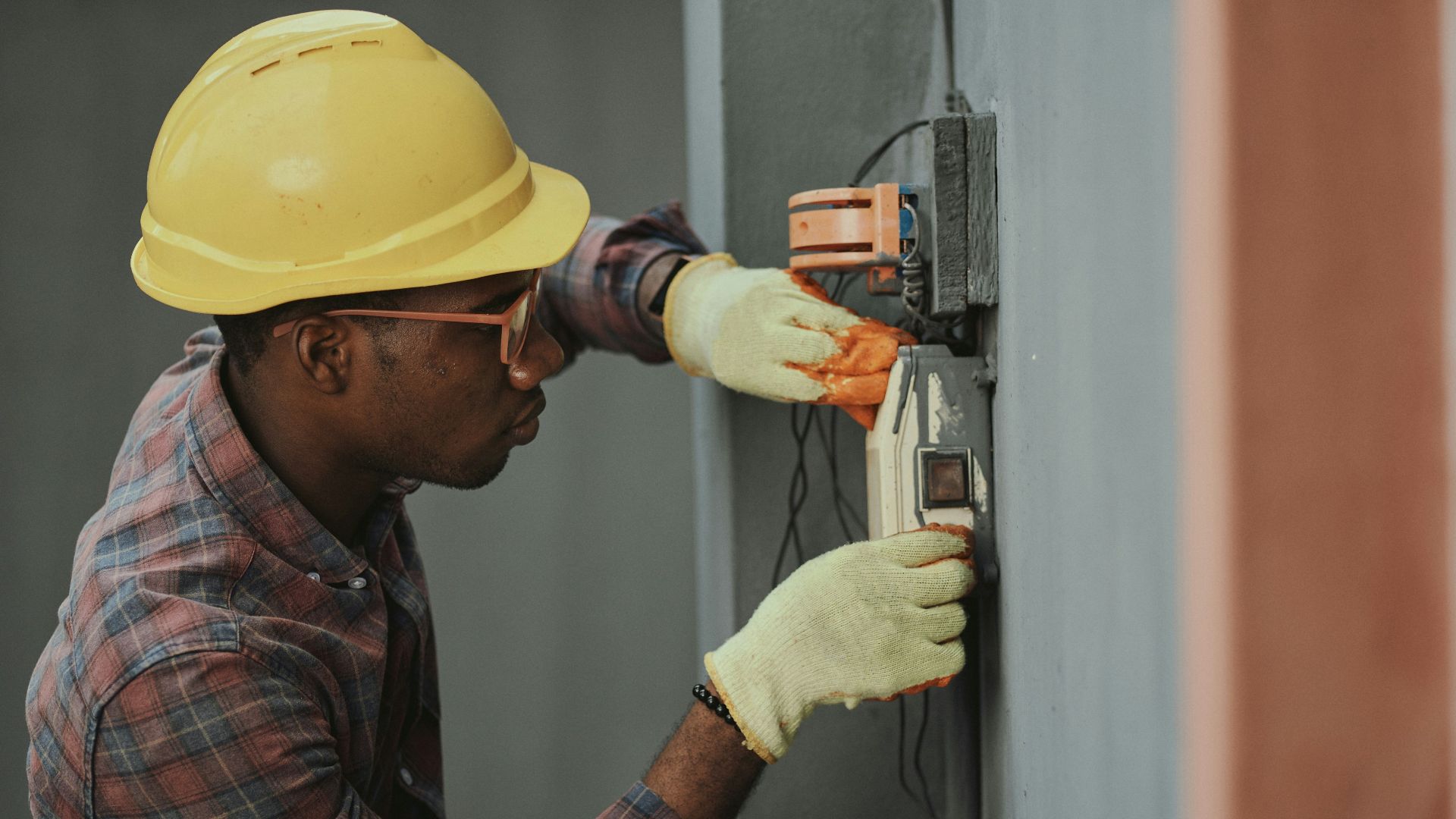
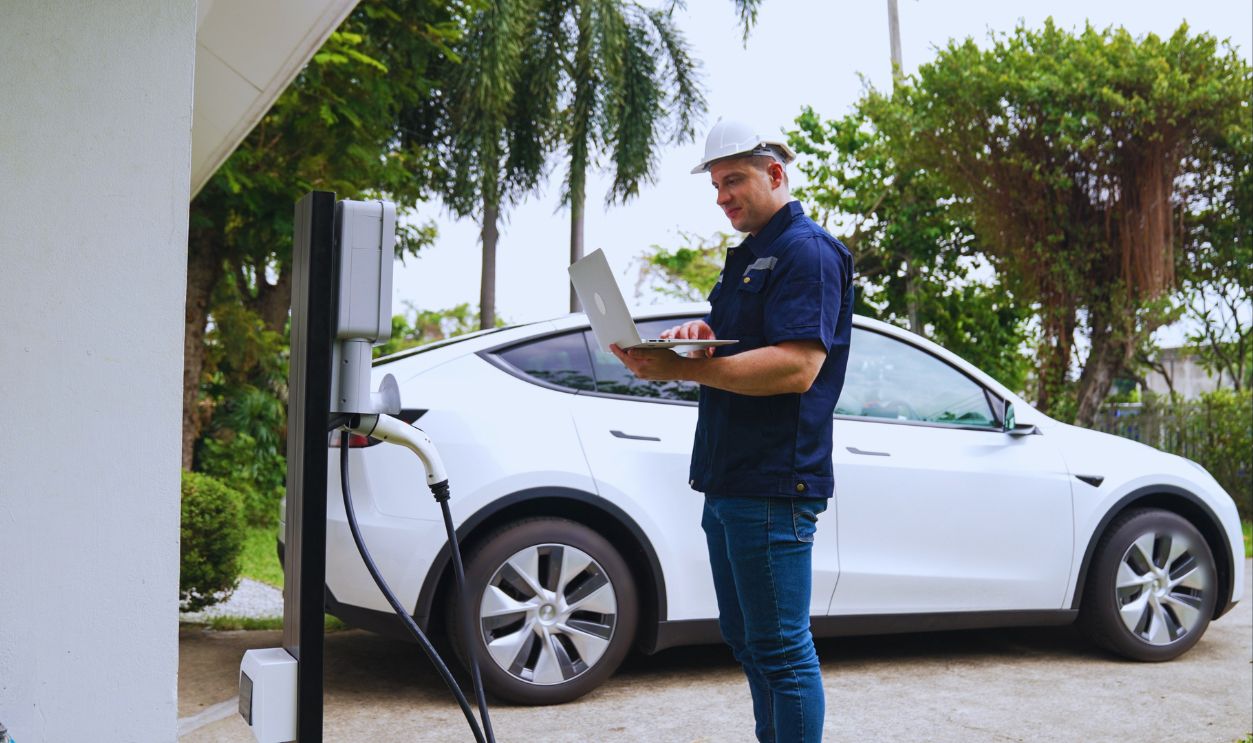
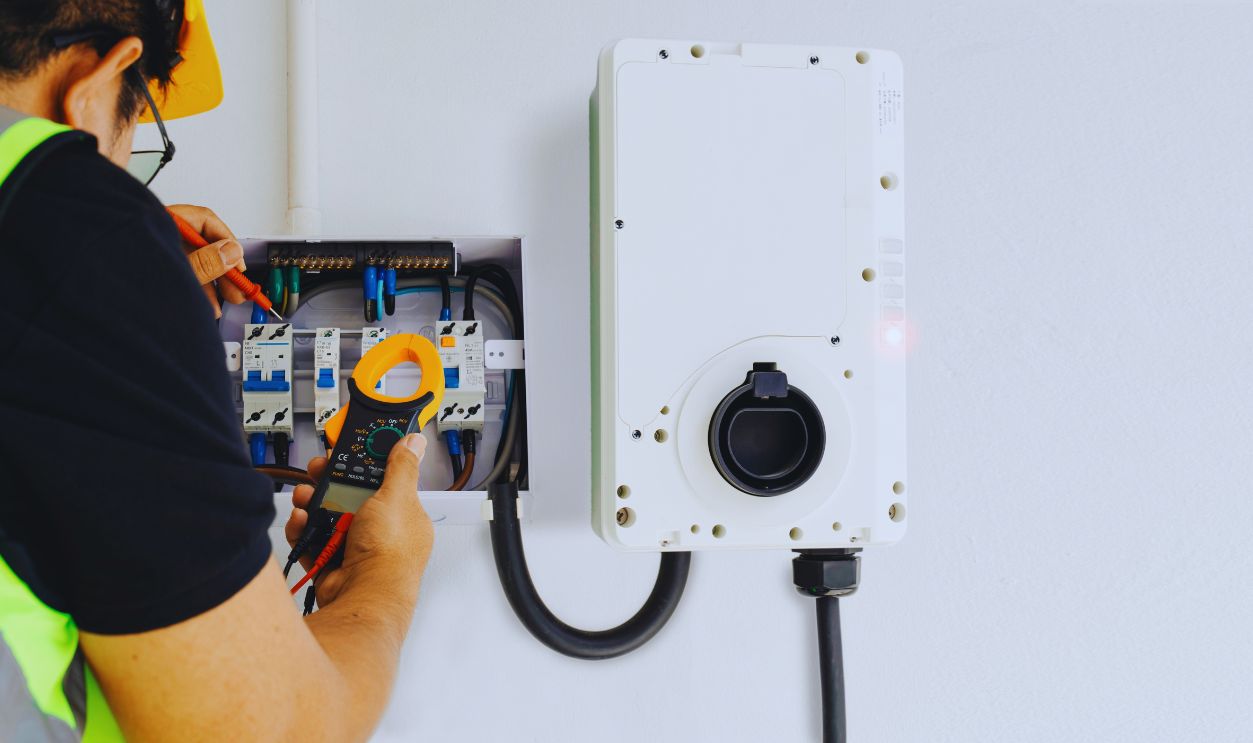
A good contractor usually starts with the electrical panel. The installer needs to know whether the home has enough capacity for a new continuous load. Older homes may need a panel upgrade or a different charging setup. That first inspection can change a quick job into a bigger project.
The Charger May Not Be The Biggest Cost
The hardware itself is only one part of the bill. The Department of Energy says EV charging infrastructure has “soft costs,” including permitting, inspections, administration, customer acquisition, and utility coordination. Those costs can add time and money even when the equipment is already available. That is why a simple charger purchase can turn into a multi-step home project.
Electrical Codes Are Trying To Keep Up
EV charging rules have evolved as vehicles and chargers have changed. The National Fire Protection Association says Article 625 of the National Electrical Code covers equipment and conductors that connect an EV to a power supply. That article has been updated across code cycles as charging technology has developed. In plain English, the rulebook is still adapting to a fast-growing market.
Safety Is The Main Reason Permits Survive
Permits are annoying, but electrical safety is not optional. Improper EV charger installations can create overheating, shock, and fire risks. Technical Safety BC warns that installing an EV charger without the proper permit can put the vehicle, home, building, and property at risk. That is the strongest reason permitting is unlikely to disappear entirely.
Canada Has The Same Basic Issue
Canadian EV drivers face similar requirements. Ontario tells homeowners and businesses to get a permit from the Electrical Safety Authority before starting an EV charging station installation. Technical Safety BC also tells residents to obtain the correct electrical installation permit and hire a licensed contractor. The details change by province, but the safety logic is similar.
Condos Can Be Even Slower
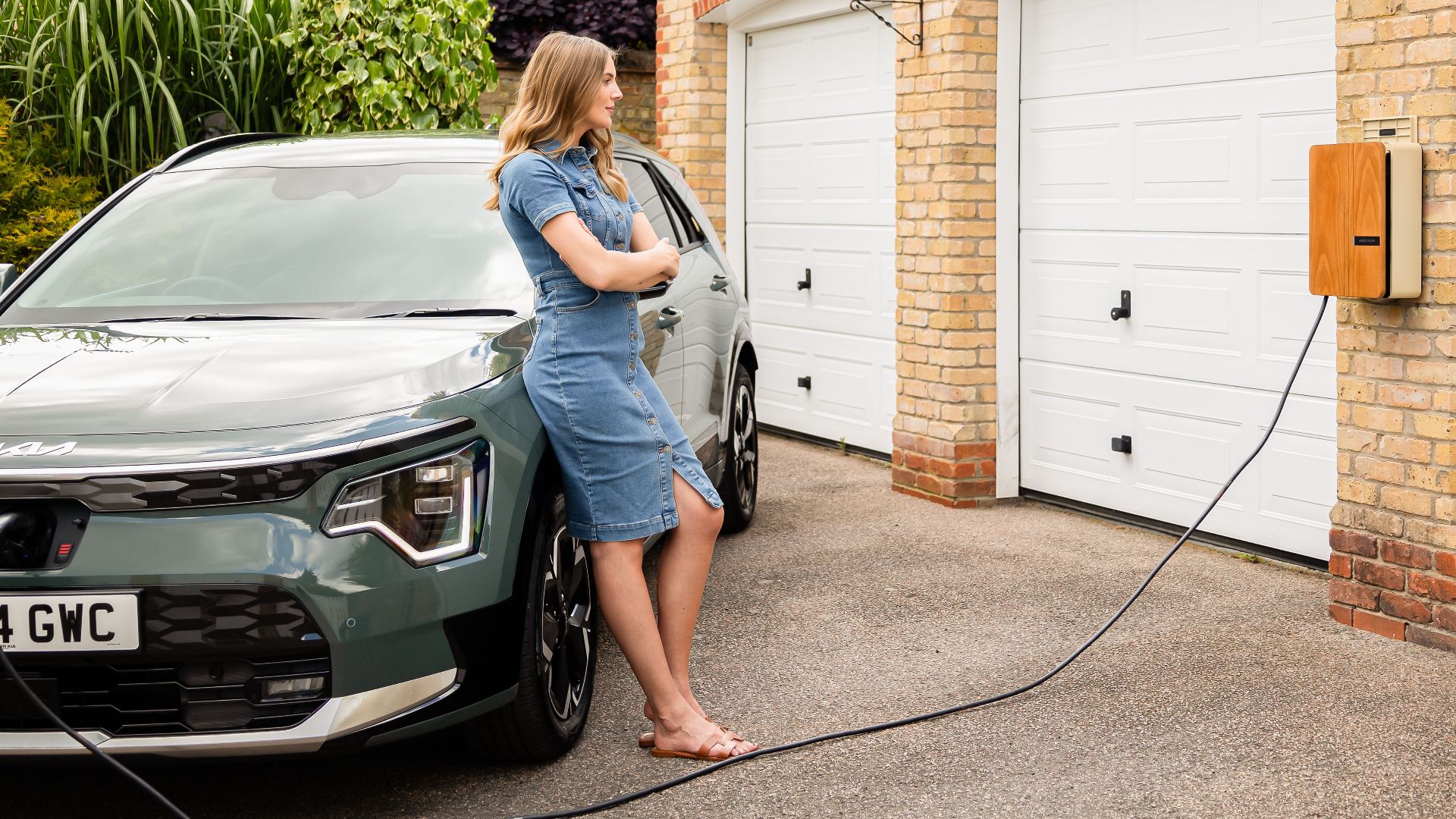
Single-family homes are usually simpler than condos and apartment buildings. In Ontario, condo owners who apply to install EV charging systems on common elements may need information or permission from the condo corporation. That can include electrical room access or building schematics. The result is a process that can involve owners, boards, contractors, inspectors, and utilities.
Multi-Unit Buildings Are A Bigger Puzzle
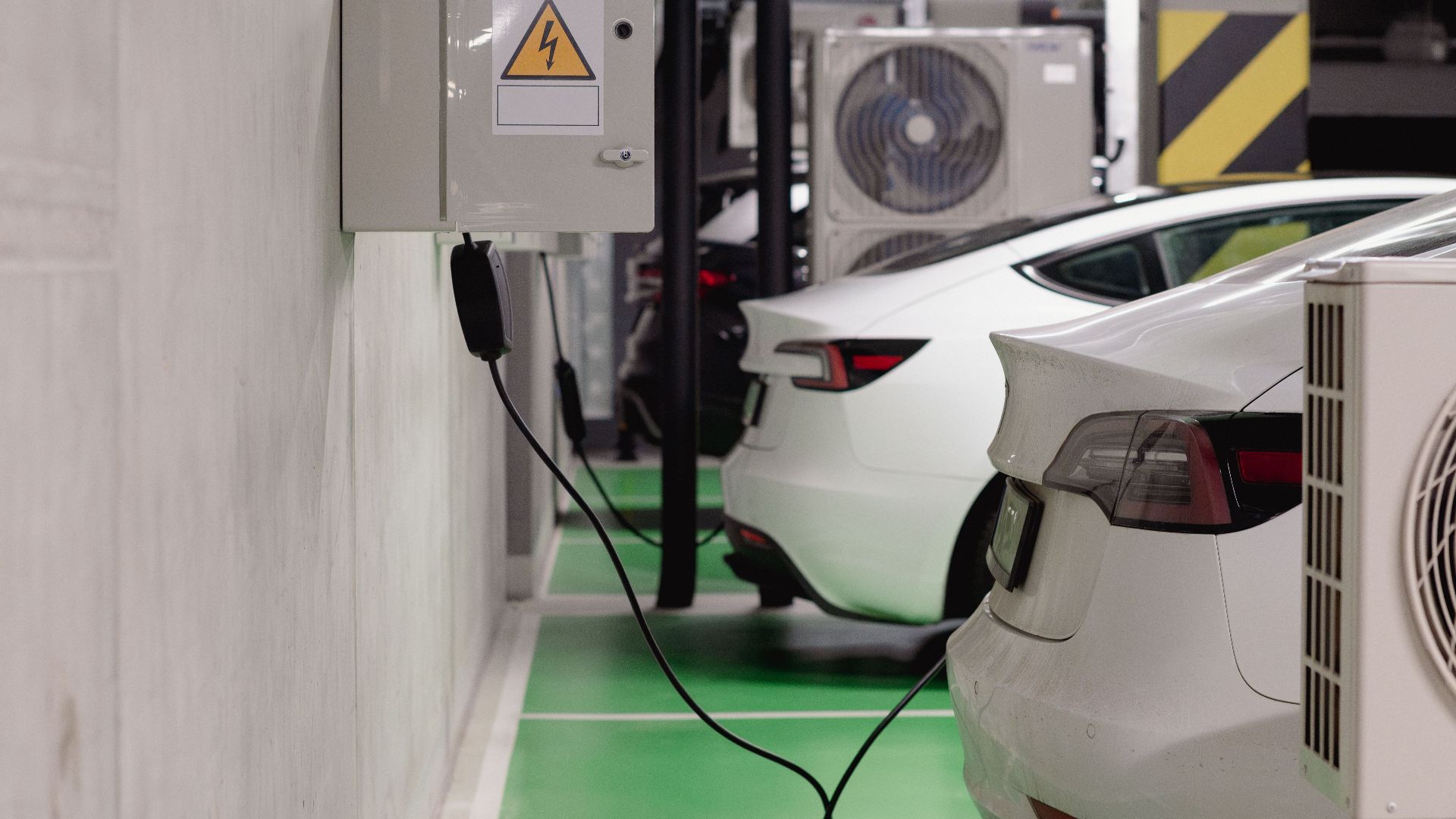
Natural Resources Canada says tenants, building owners, strata councils, and property managers all have roles in charger planning for multi-unit residential buildings. These buildings may need electrical studies, cost-sharing plans, and decisions about shared infrastructure. That makes permitting feel slower, but the issue is bigger than the permit form. The building itself may not have been designed for widespread EV charging.
Some Places Are Already Streamlining
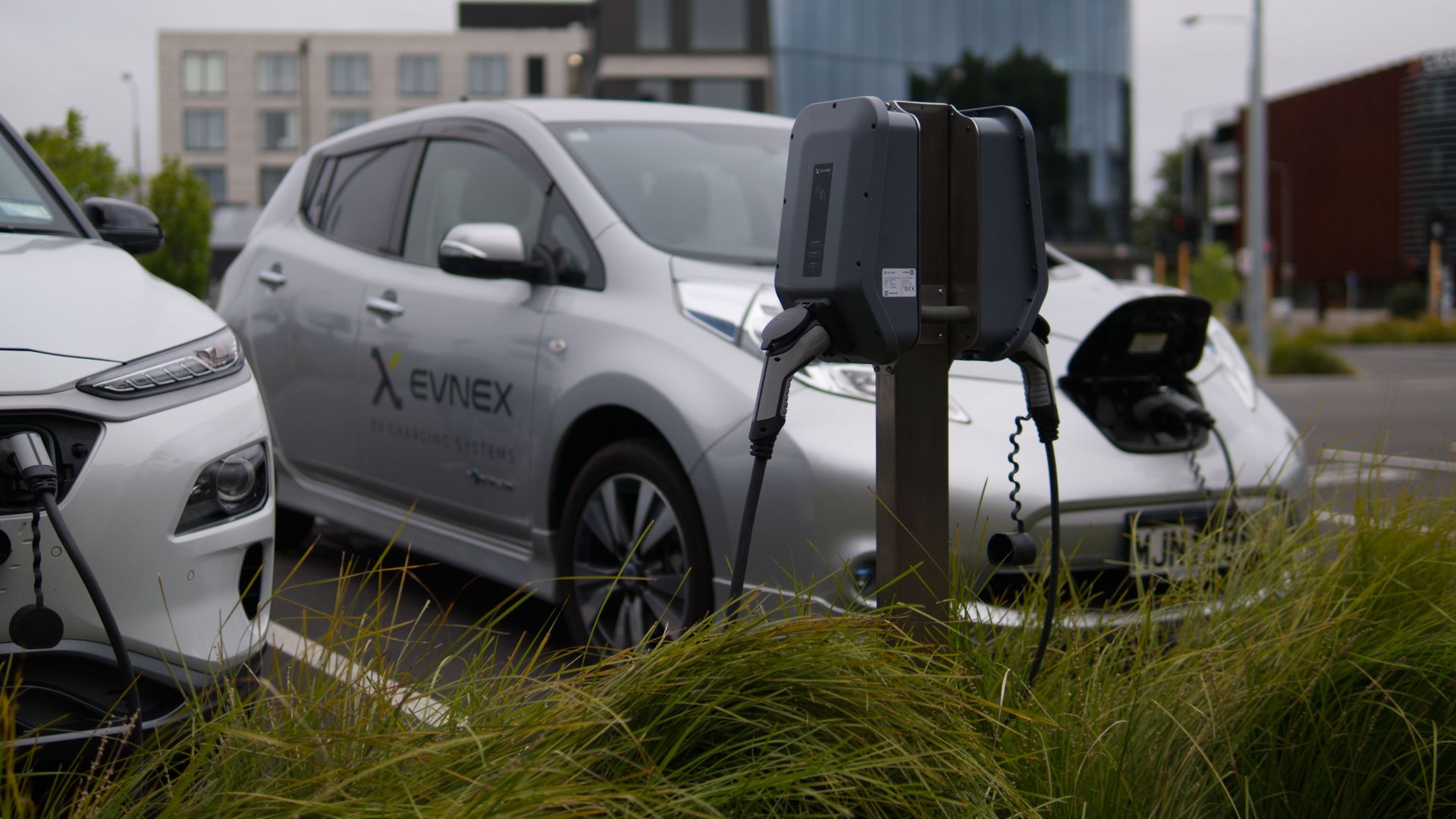
The good news is that governments know this is a problem. California requires cities and counties to adopt expedited and streamlined permitting processes for EV chargers. The Alternative Fuels Data Center also tracks state and local policies meant to speed EV charging approvals. Those reforms show that permitting can become easier without being eliminated.
California Became A Major Test Case
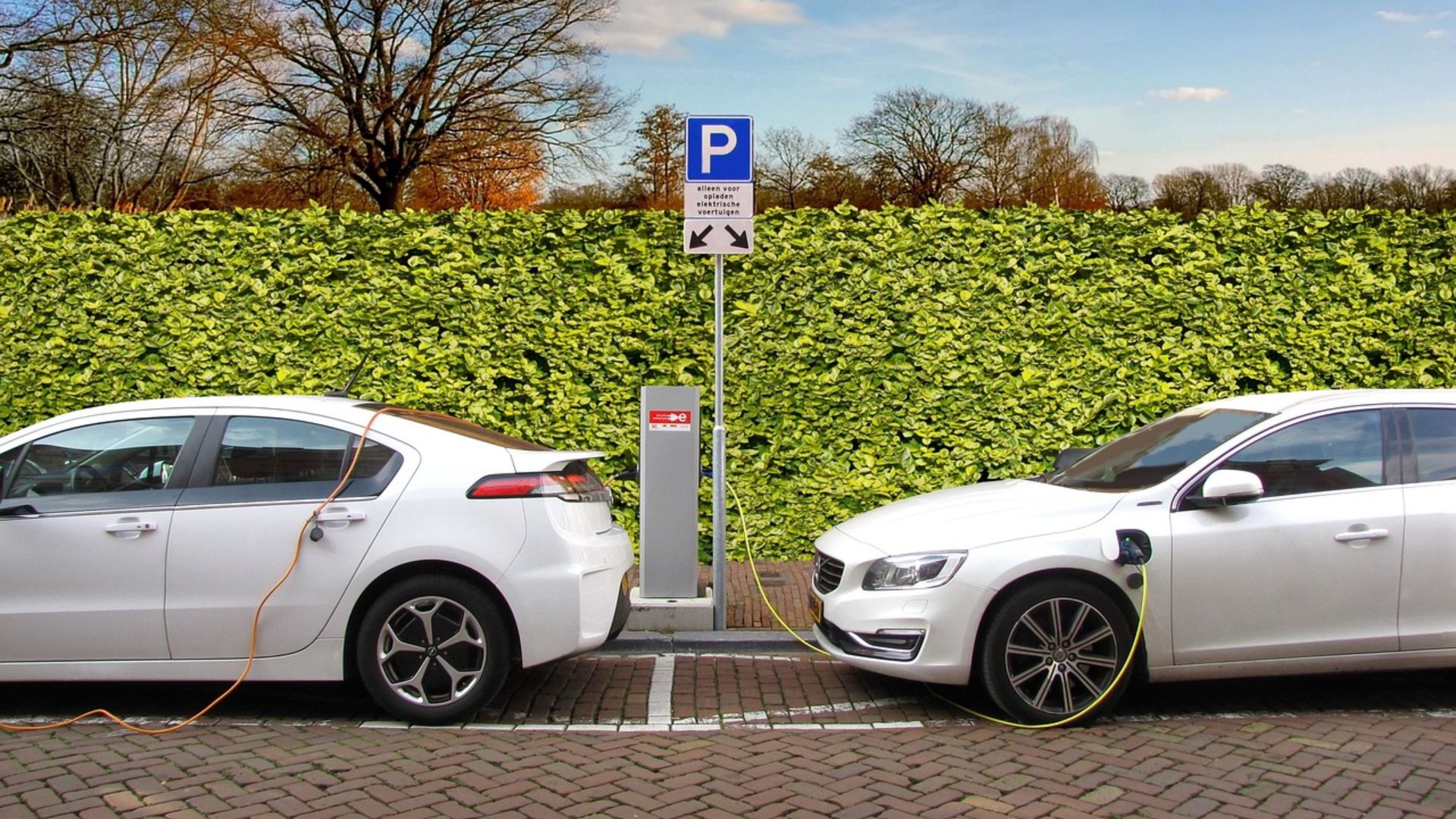
California’s EV charger permit streamlining law was created to make local permitting less burdensome. The state developed model ordinances, guidance, and readiness tools for local governments. That matters because local permitting is often where EV adoption gets slowed down. California’s approach has become one of the clearest examples of trying to standardize the process.
Other States Are Moving Too
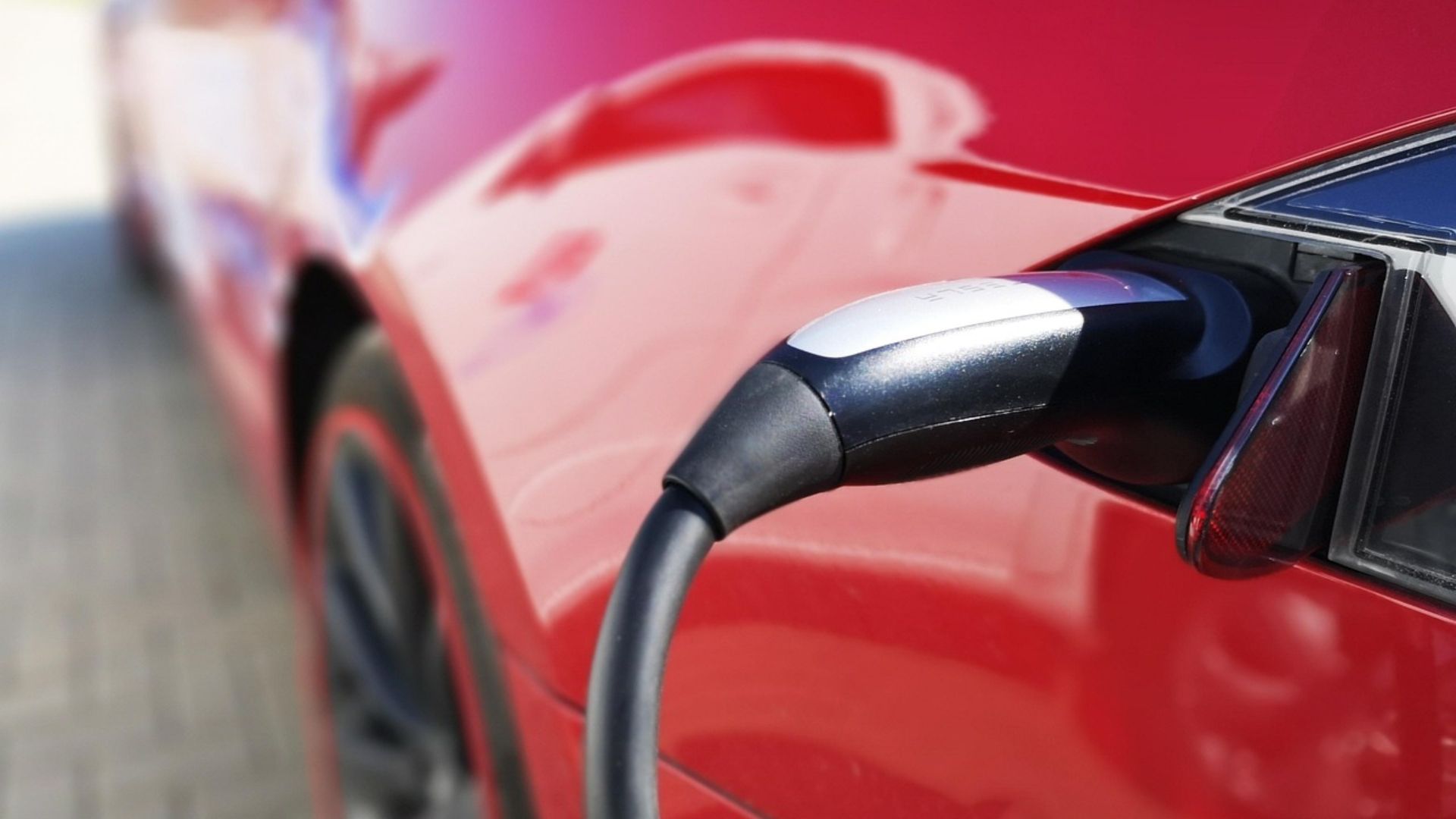
Delaware has also adopted local permitting rules for EV charging stations. Its policy requires municipalities to approve or deny a permit within 90 days of receiving an application. That does not make installation instant, but it creates a defined timeline. For homeowners, a predictable delay is still better than an open-ended one.
Public Chargers Face Even Bigger Delays
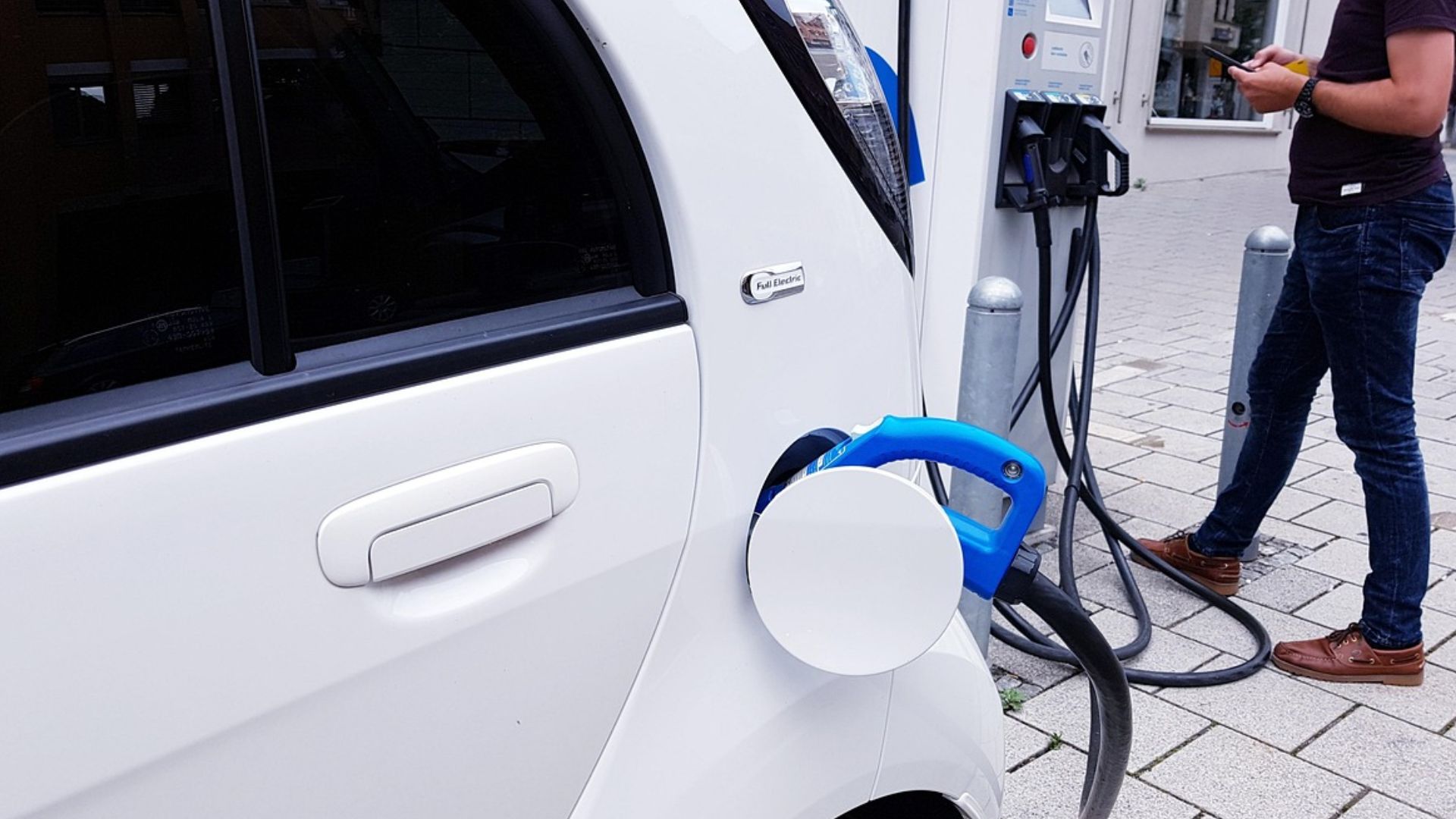
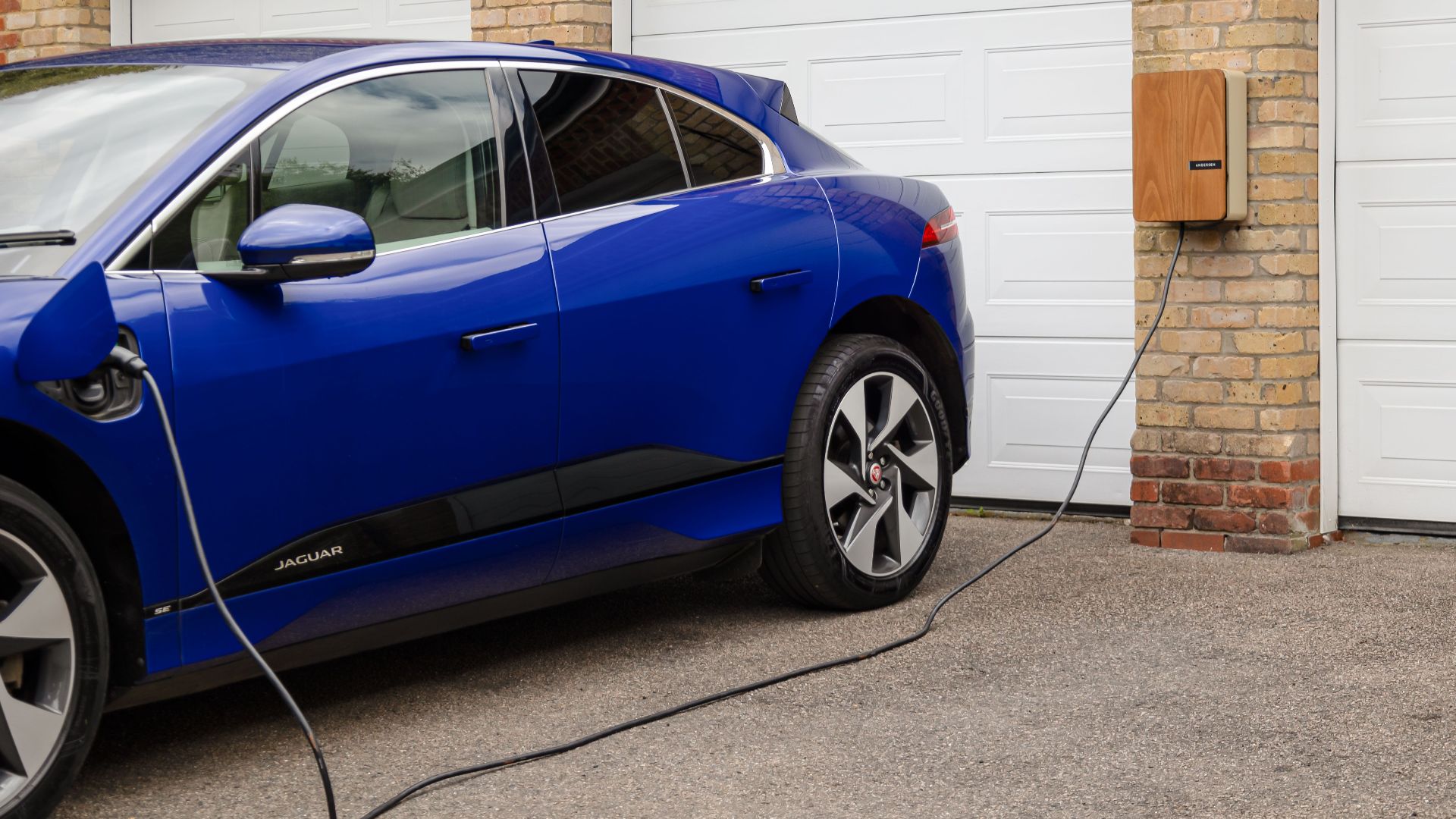
Homeowners are not the only ones frustrated. Public charging projects can face site selection, permitting, utility coordination, construction, and grid connection delays. The Joint Office of Energy and Transportation has published resources on permitting and site selection for charging infrastructure. Public charging is more complex than a garage install, but the same bottleneck shows up again.
Utility Coordination Can Slow Things Down
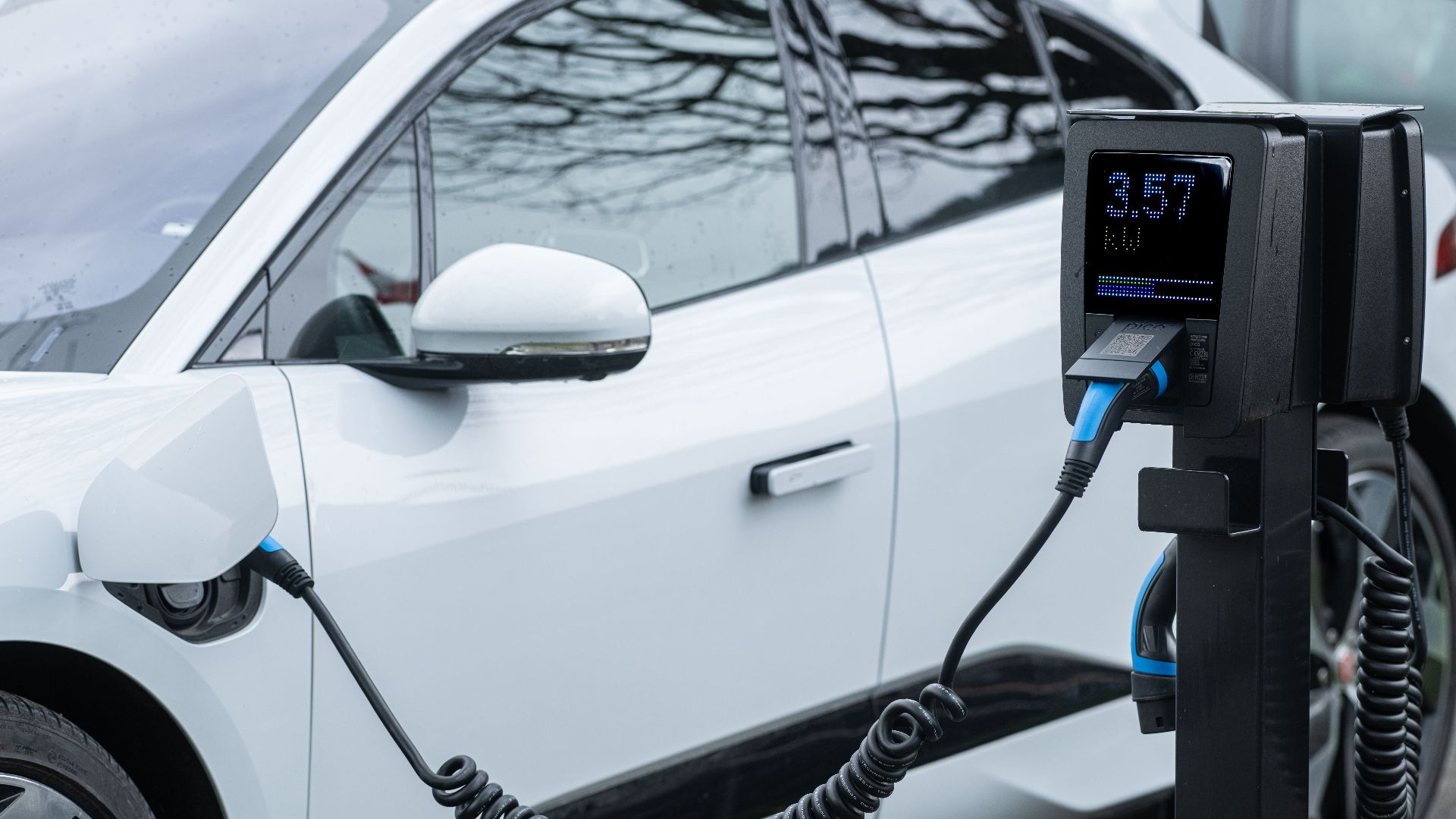
Some charger projects need more than a municipal permit. They may require utility approval, service upgrades, or transformer work. Ontario announced a streamlined process for EV charging connections beginning in May 2024 for public charging stations. That reform is aimed at public infrastructure, but it shows utilities are under pressure to make charger connections more predictable.
New Homes May Eventually Be Easier
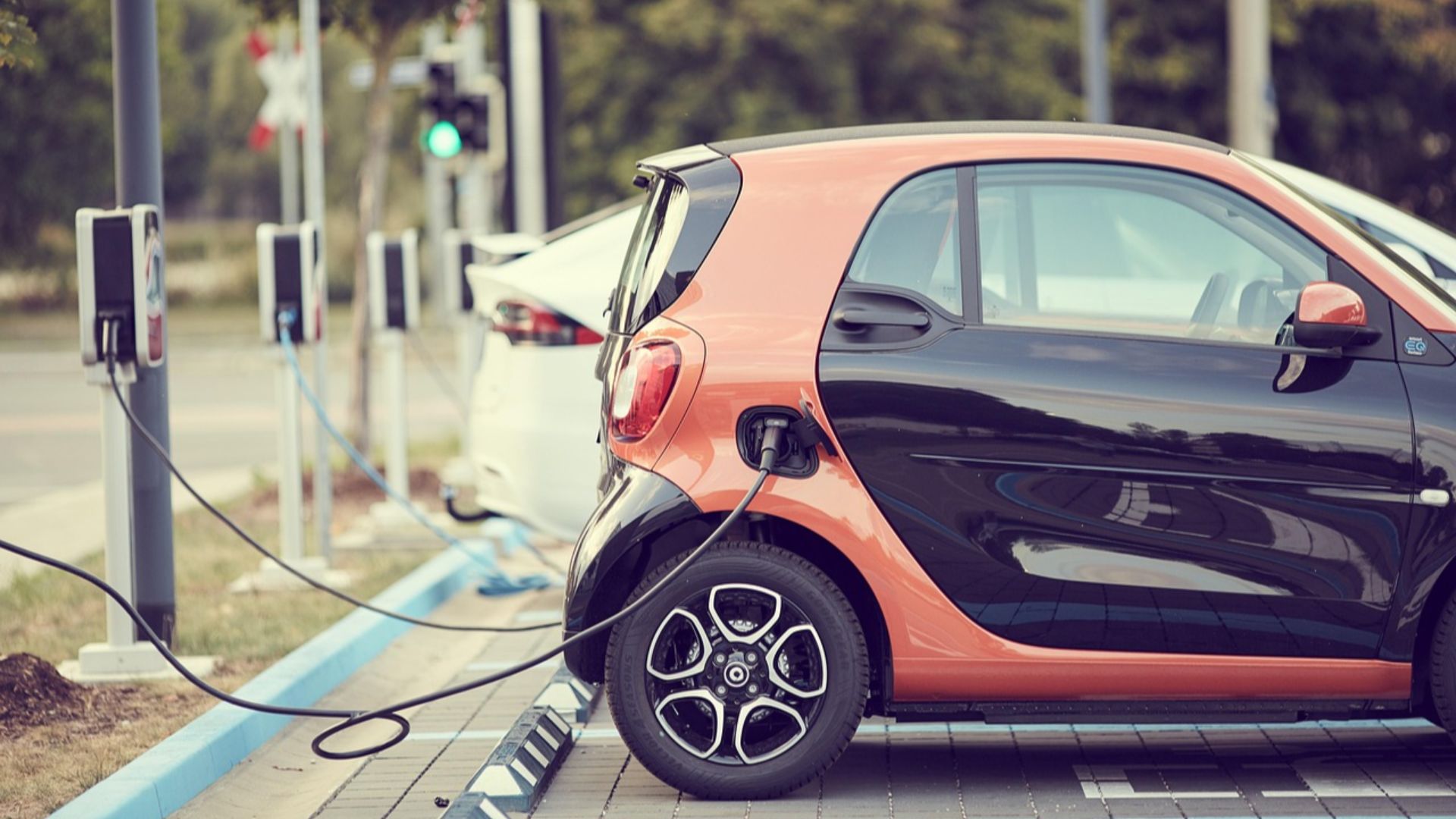
One long-term fix is to build homes EV-ready from the start. The Alternative Fuels Data Center describes EV-capable and EV-ready parking spaces as ways to reduce future installation barriers. EV-ready wiring can make a future charger less invasive and less expensive to install. That could make tomorrow’s home charging permits less painful than today’s retrofits.
EV-Ready Is Not The Same As Charger-Installed
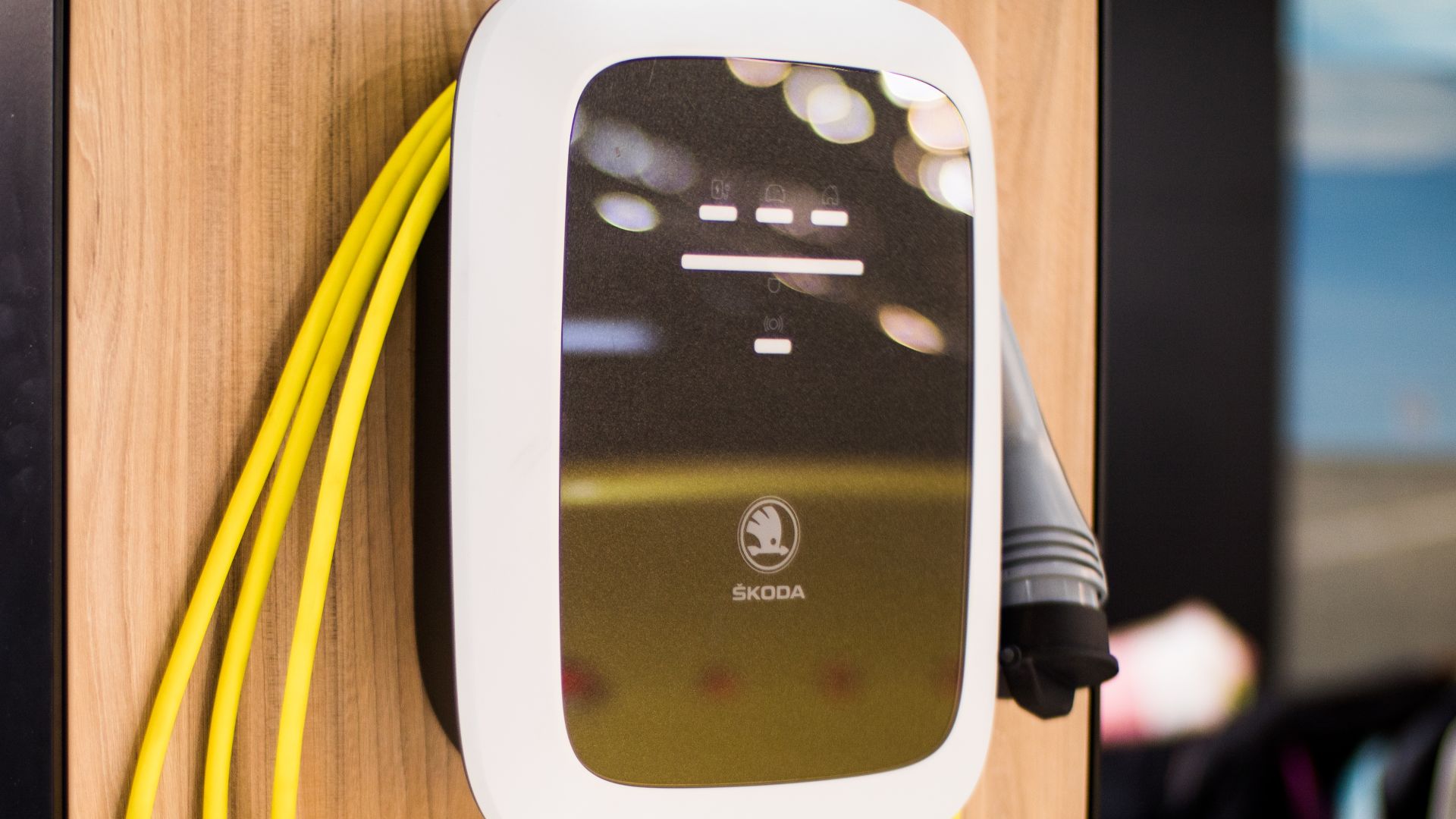
An EV-capable space may include panel capacity and raceway for future wiring. An EV-ready space generally goes further by including a full circuit near the parking spot. An EV-installed space has the charging equipment already in place. These categories matter because each step reduces the work needed later.
 Summit Art Creations, Shutterstock
Building Codes Are Moving Slowly
The 2024 International Energy Conservation Code includes voluntary EV-ready provisions for residential buildings. Voluntary is the key word. States and municipalities still decide whether to adopt those provisions. That means homeowners will keep seeing different rules depending on where they live.
The Fastest Install Is Usually The Simplest House
The easiest projects tend to be single-family homes with modern panels, nearby parking, and short wiring runs. The slowest projects often involve older service panels, detached garages, trenching, condos, shared parking, or utility upgrades. Permitting may take the blame, but the physical conditions often create the delay. The paperwork simply exposes those complications.
Online Permits Could Help A Lot
One practical improvement is digital permitting. Online applications, standard checklists, and same-day approvals for simple residential jobs can reduce friction. The Alternative Fuels Data Center says several states, municipalities, and utilities provide guides to streamline EV charging permits. That is the direction homeowners should want.

Standard Checklists Make Contractors Faster
Installers can move faster when the rules are predictable. A clear checklist tells them which load calculations, equipment specs, site plans, and photos are needed. It also helps inspectors focus on safety instead of missing paperwork. Standardization may not make permits exciting, but it can make them less maddening.
Permits Will Probably Not Vanish
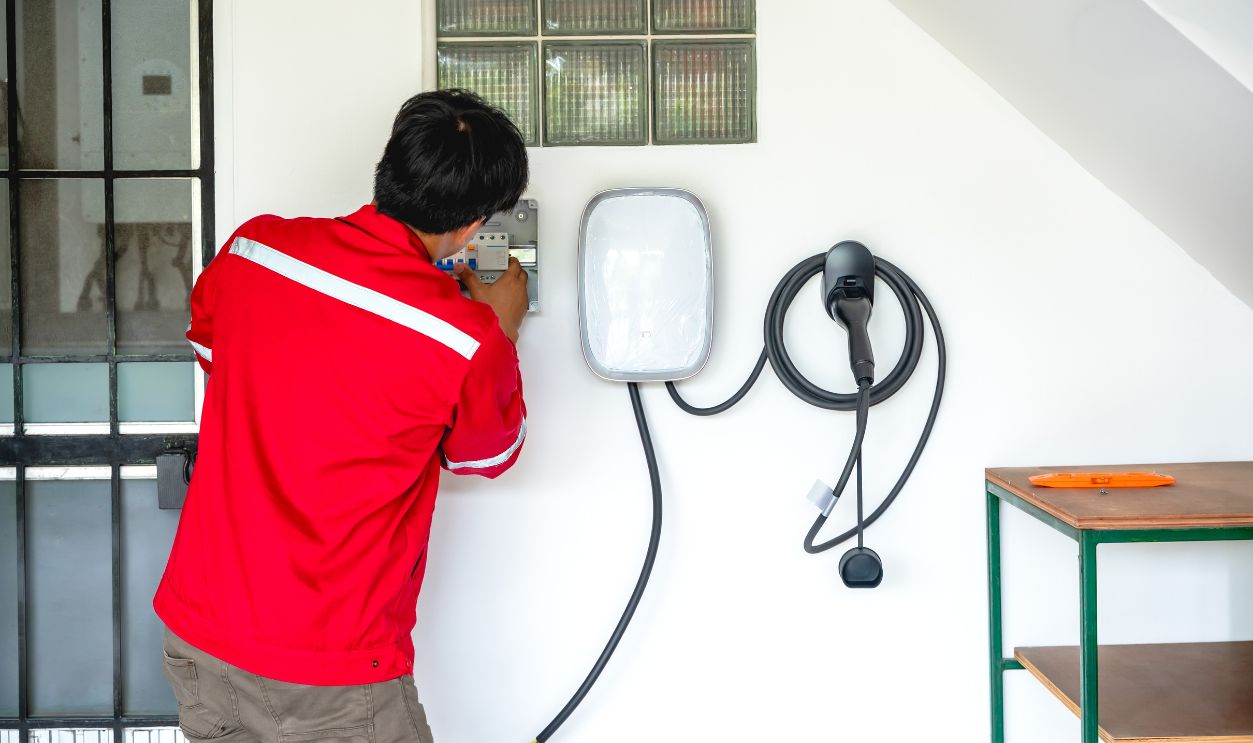
The honest answer is that home charger permitting will probably get easier, but it will not disappear. Electrical work still has to meet safety codes. Inspectors still need to confirm that high-load equipment was installed correctly. The better future is not no oversight, but faster and clearer oversight.
Homeowners Can Avoid Some Delays
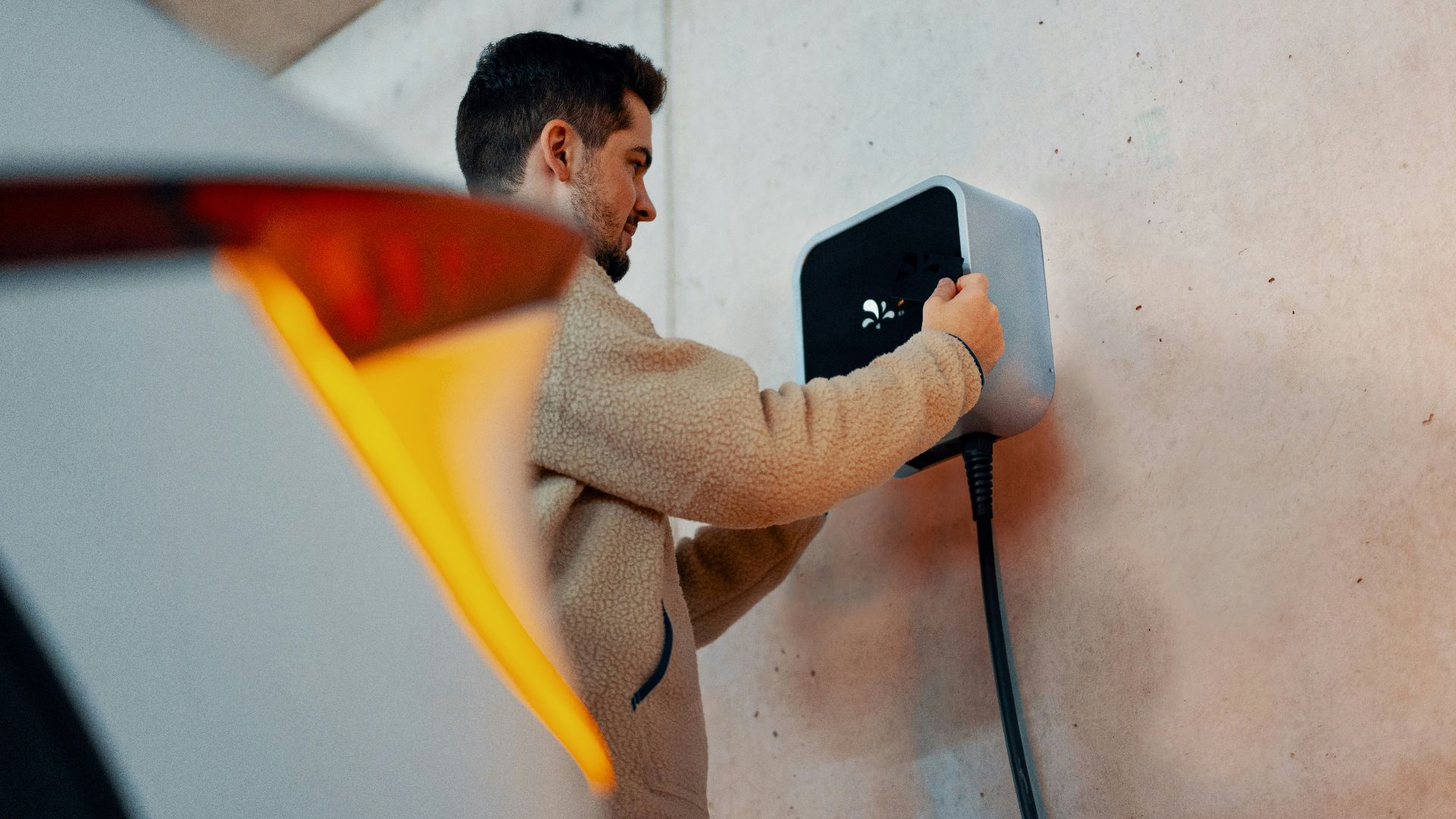
The best move is to call a licensed electrician before buying the charger. Ask whether your panel has enough capacity and whether your area requires a permit before work begins. Check whether your utility has EV charger programs, load management options, or connection requirements. Getting those answers early can prevent the project from stalling after the equipment arrives.
Load Management May Reduce Upgrades
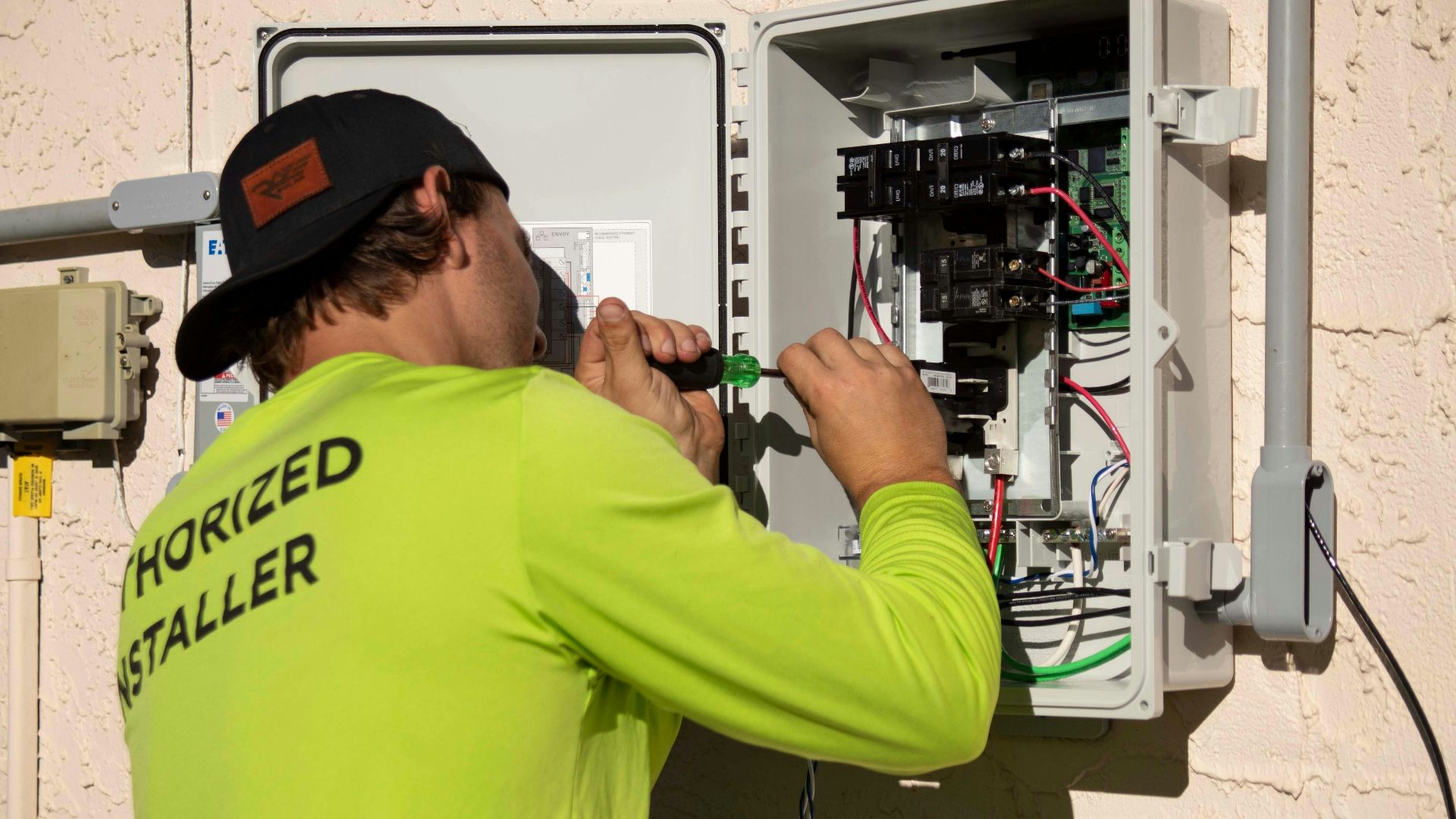
Some homes can avoid expensive panel upgrades by using approved load management equipment. These systems can limit charging when the home is using too much power elsewhere. Code rules and local acceptance still matter, so homeowners should not assume every device will pass inspection. Still, this is one area where technology may make permitting easier over time.
The Process Is Improving Unevenly
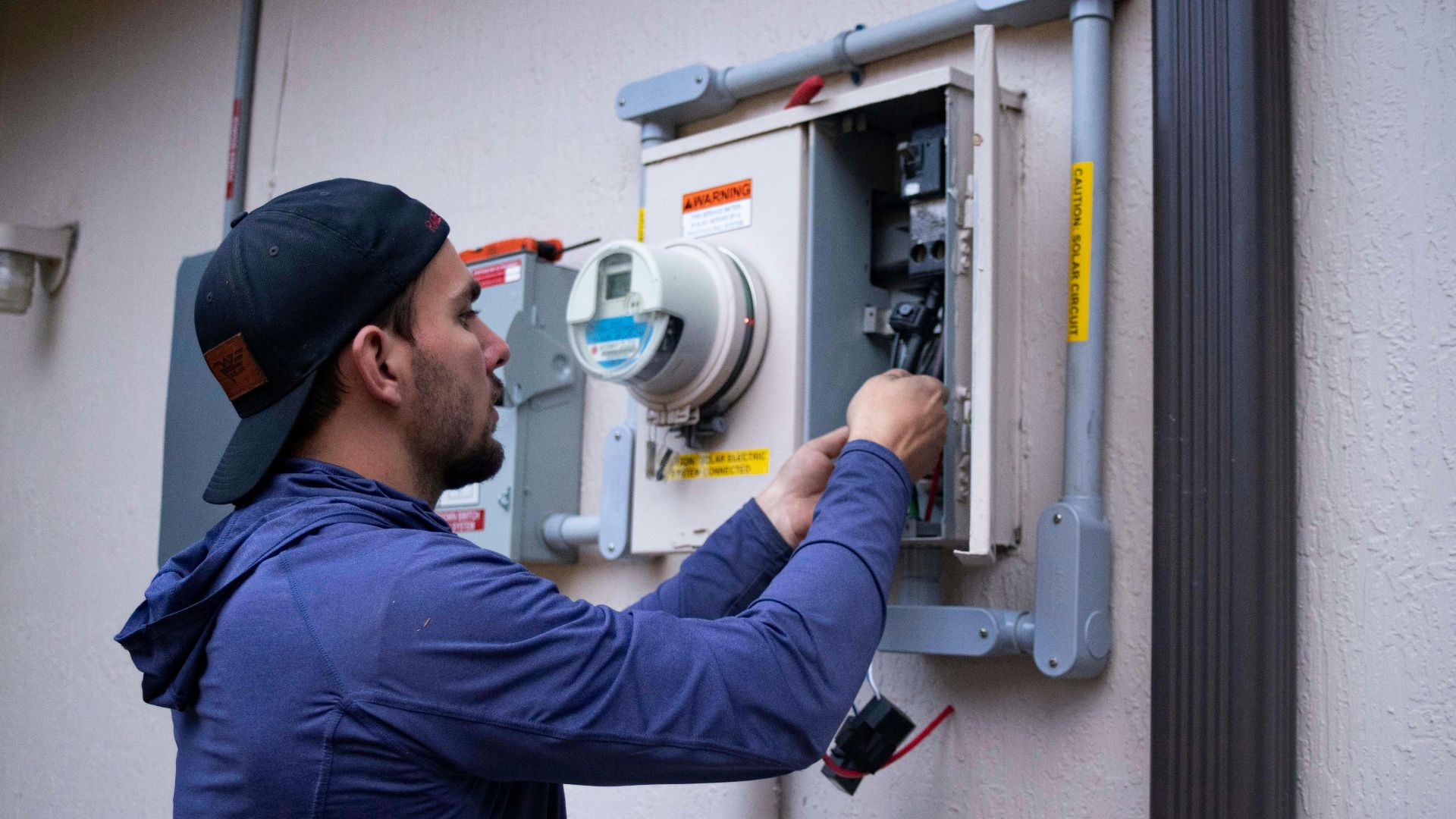
EV adoption has forced cities, utilities, and code officials to rethink old processes. Some places are already building faster systems, while others are still catching up. That unevenness is why one homeowner gets approval quickly and another waits weeks. The trend is toward streamlining, but the experience still depends heavily on location.
The Real Answer Is Yes, But Slowly
More EV-ready construction, better online permitting, clearer checklists, and smarter load management should reduce delays. The catch is that safety inspections will remain part of the process. For now, the smartest plan is to treat the permit as part of the installation, not as an unexpected obstacle.