When Your HOA Says “No” To Your EV Charger
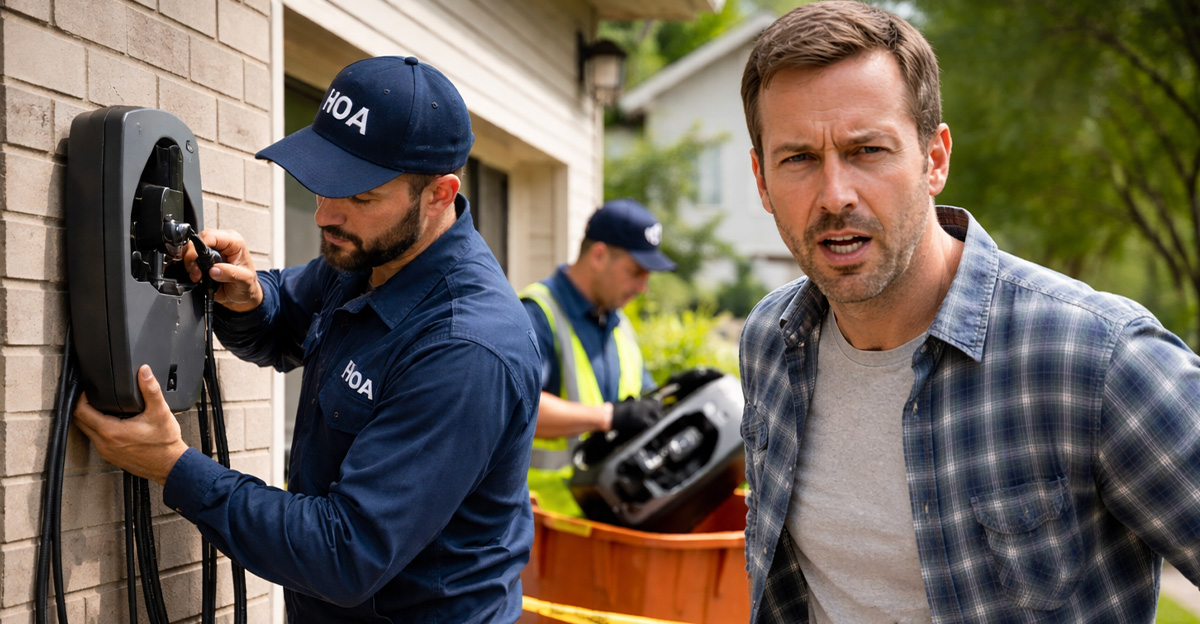
You finally made the leap to an electric vehicle. No more gas stations, fewer emissions, and the quiet satisfaction of plugging in at home while you sleep. Then comes the letter from the HOA: your home charger is a “fire hazard” and therefore not allowed. Suddenly your convenient new routine is replaced with confusion—and a very reasonable question: where exactly are you supposed to charge your car? If this scenario sounds familiar, you’re not alone. Across the country, homeowners are navigating the growing pains of EV adoption while their HOAs try to keep up. Let’s unpack what’s really going on and what your options might be.
Why EV Chargers Are Showing Up In Neighborhood Disputes
Electric vehicles are becoming more common every year, but many homeowners associations were created long before EV chargers existed. Their rules often cover things like satellite dishes, paint colors, and fences—but not charging stations. When something new appears that wasn’t anticipated in the bylaws, boards sometimes react cautiously or defensively. That’s why EV chargers are popping up in HOA disputes. It’s usually not about one homeowner installing a plug—it’s about a community grappling with new technology.
The HOA’s Main Concern: Safety
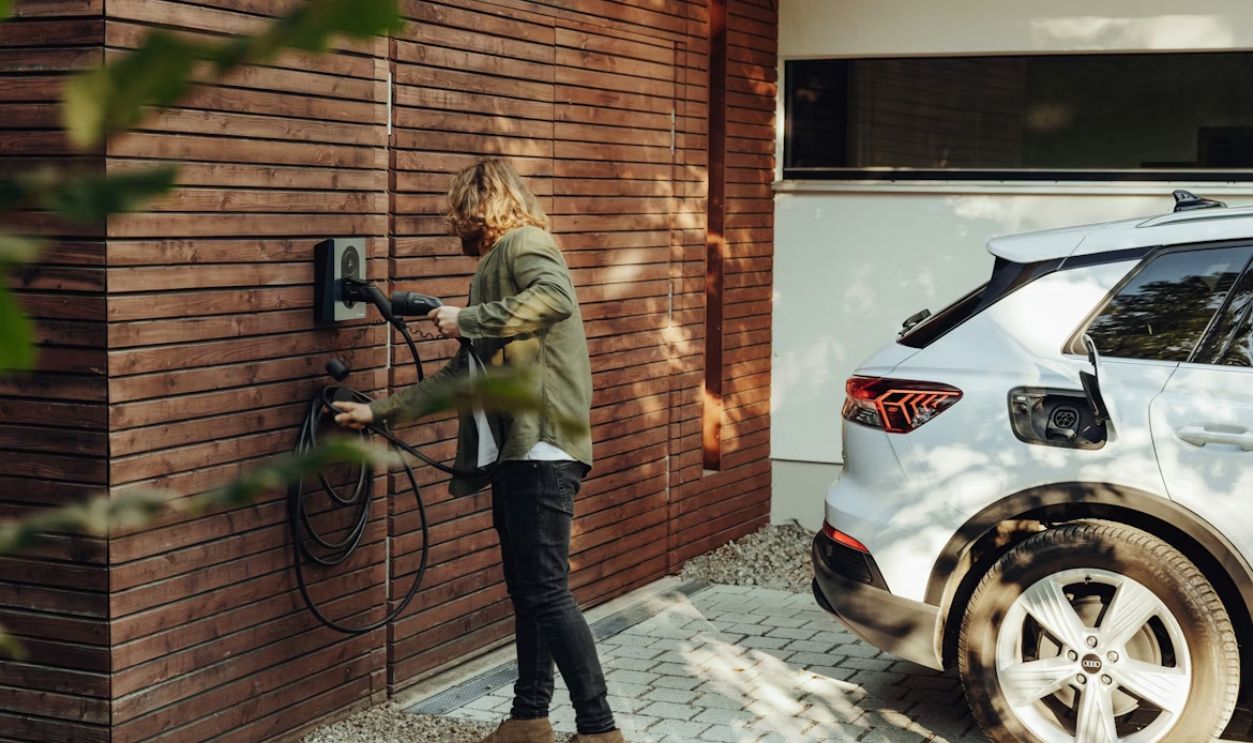
Most HOAs that object to EV chargers cite safety concerns, especially the risk of fire. Boards may worry about overloaded circuits, improper installations, or unfamiliar equipment mounted on exterior walls. In reality, those fears often stem from a lack of understanding rather than evidence. Modern EV chargers are designed with strict safety standards and multiple protective features. Still, when an HOA hears the words “high voltage,” alarm bells tend to ring.
What The Data Actually Says About EV Charger Fires
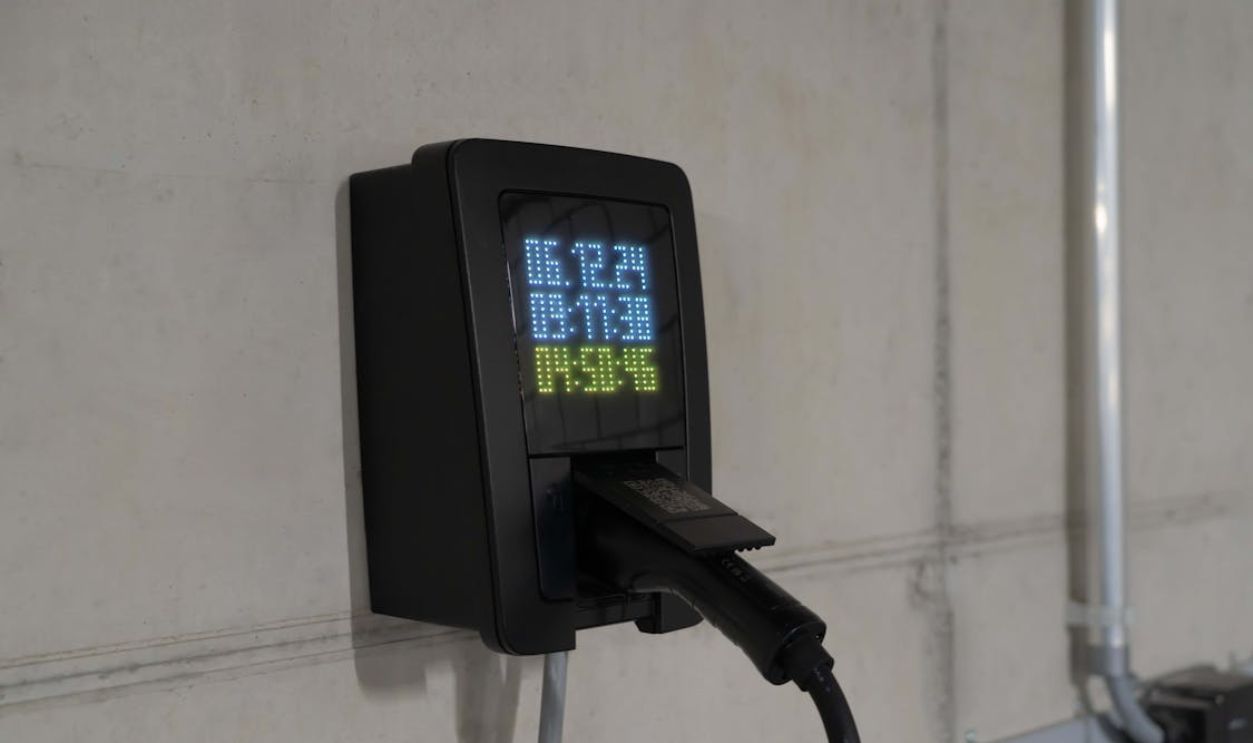
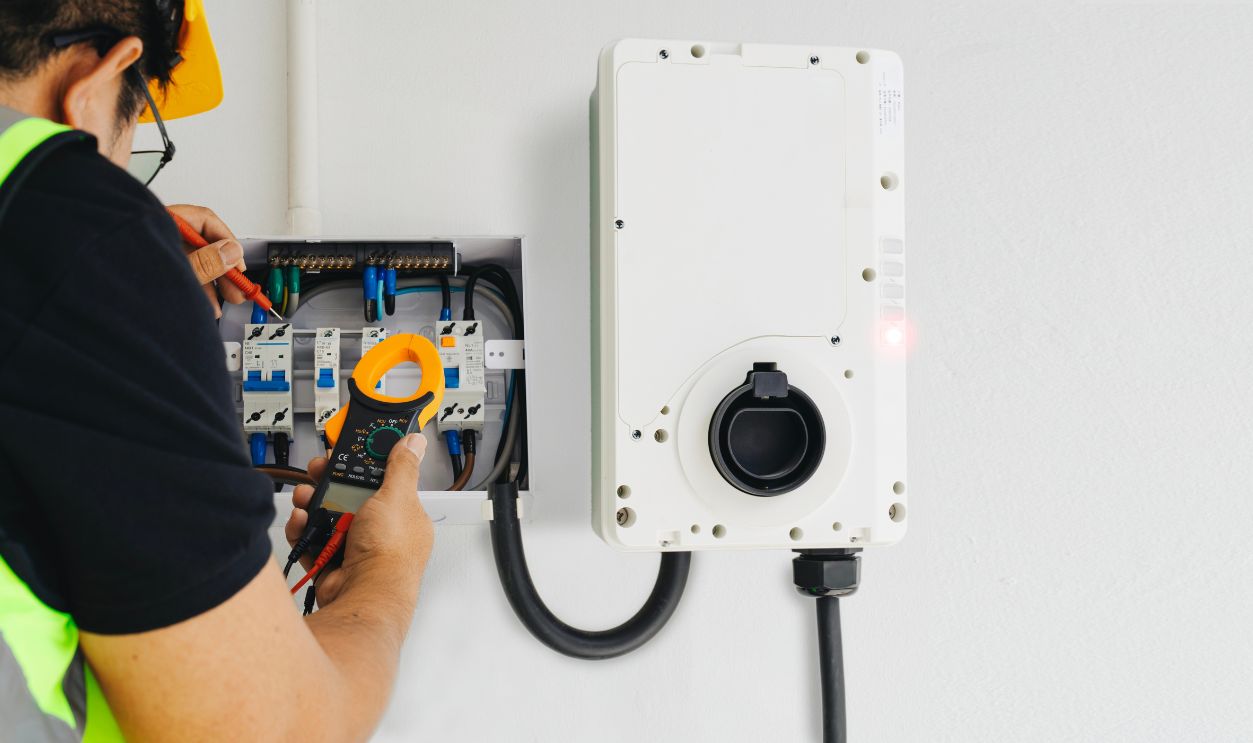
Despite the fear factor, EV home chargers are not widely associated with fires when installed correctly. Licensed electricians follow building codes, use dedicated circuits, and install protective breakers specifically designed for this type of equipment. Millions of EV chargers operate safely in garages and driveways across North America. Like any electrical appliance, problems can occur if something is installed improperly—but the technology itself isn’t inherently dangerous.
Why HOAs Sometimes Jump To Conclusions
HOA boards are often made up of volunteers who simply want to protect their community. When unfamiliar technology appears, the safest response may seem like banning it outright. Unfortunately, that reaction can create frustration for homeowners who feel like they’re being punished for embracing newer, cleaner transportation. The clash often boils down to communication gaps between homeowners who understand the technology and boards that haven’t had time to research it.

The Growing Reality: More Residents Will Drive EVs
One of the biggest issues with banning chargers is that electric vehicles aren’t going away. In fact, they’re becoming more common every year. Automakers are investing billions into EV production, and many governments are encouraging the transition. That means HOAs will increasingly have residents who need a reliable place to charge. Trying to stop the trend entirely is a bit like trying to ban Wi-Fi in the early 2000s—it may delay the change, but it won’t stop it.
Charging At Home Is The Whole Point
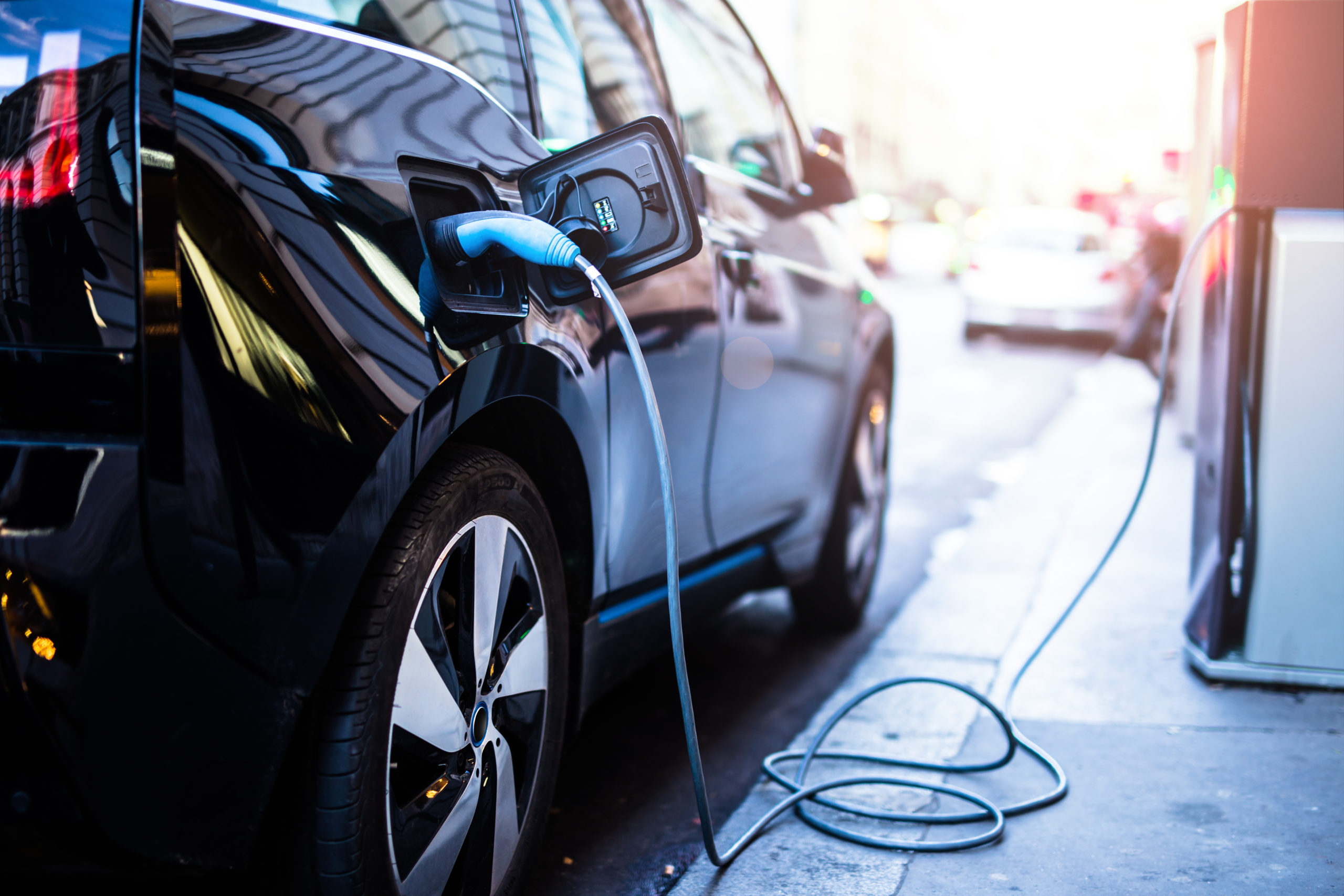
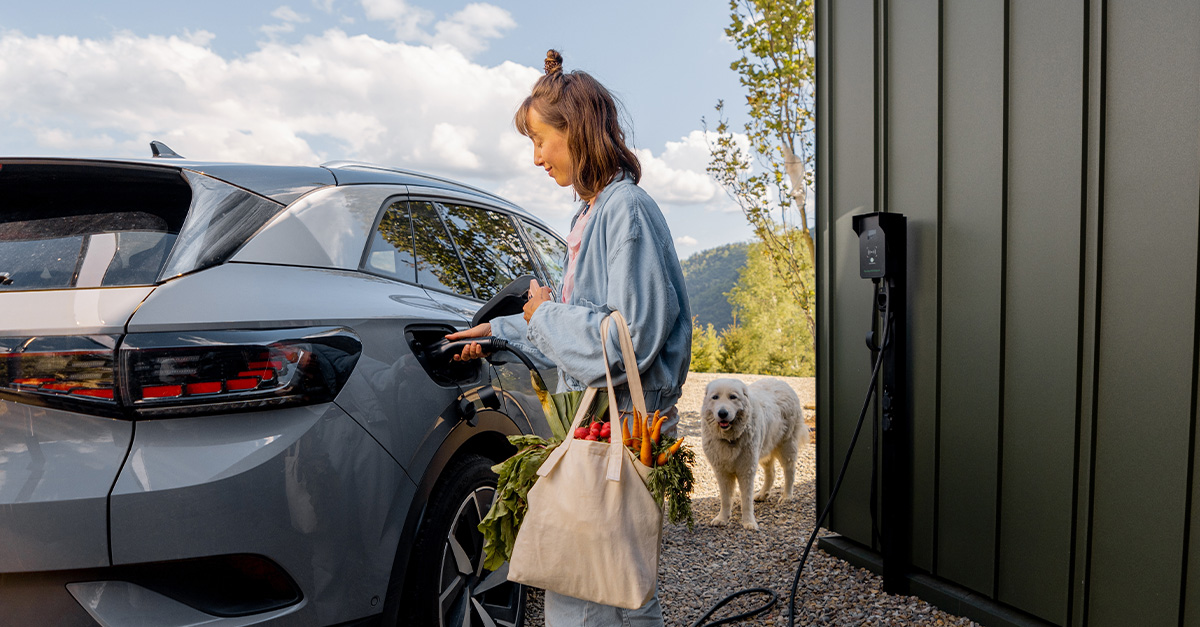
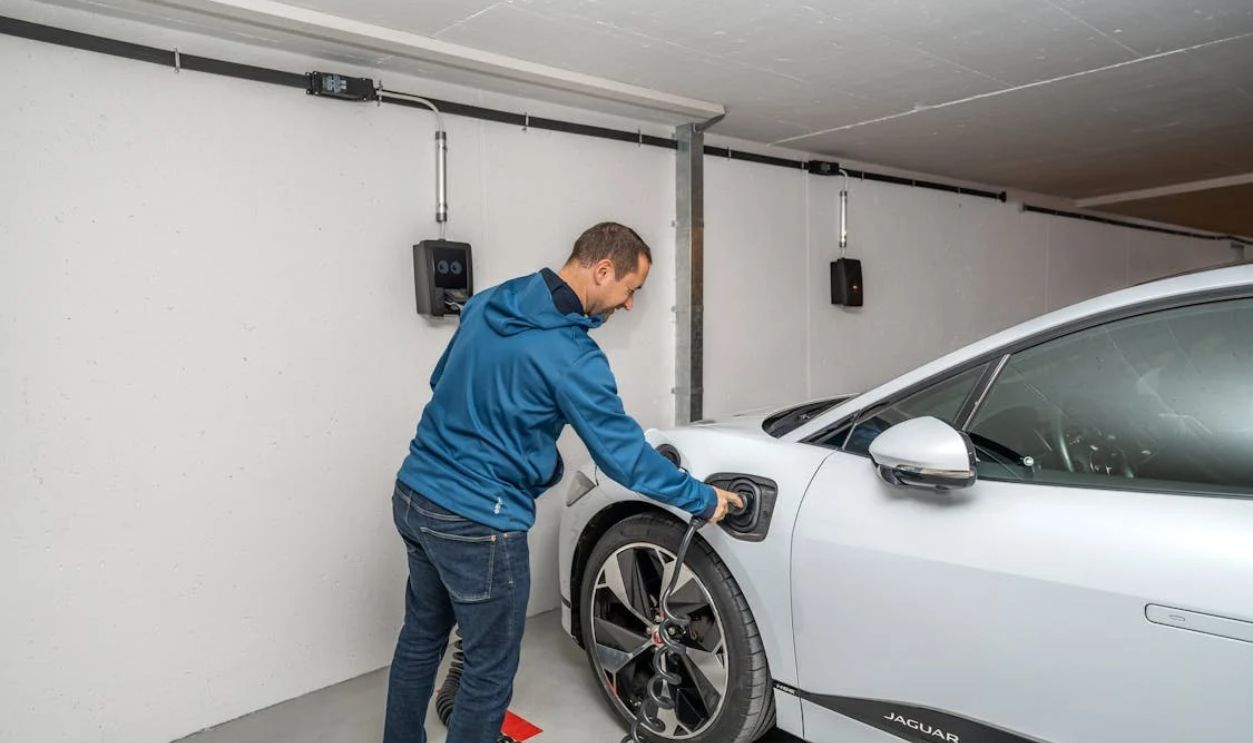
For many EV owners, home charging is the primary benefit of owning an electric car. Instead of making special trips to fuel up, you plug in overnight and wake up to a full battery. Removing that convenience fundamentally changes the ownership experience. Without home charging, EV drivers must rely on public stations, which may not always be available or convenient.
Public Chargers Aren’t Always Nearby
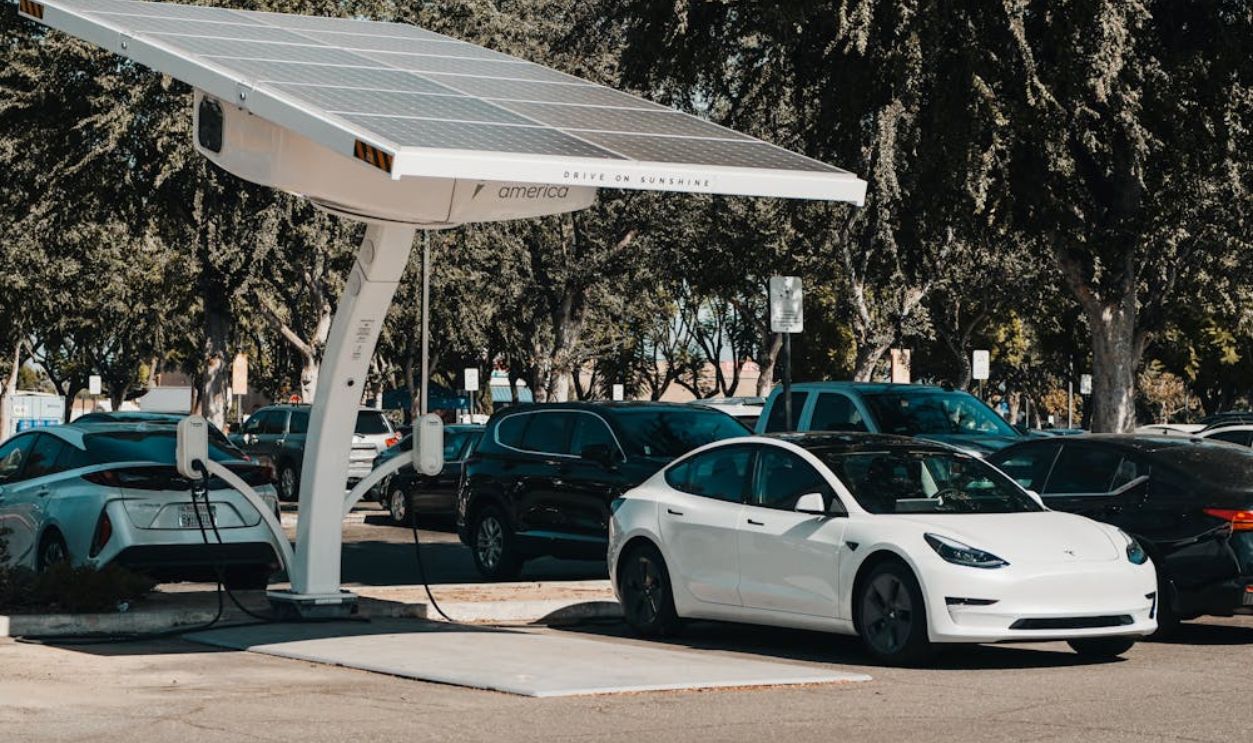
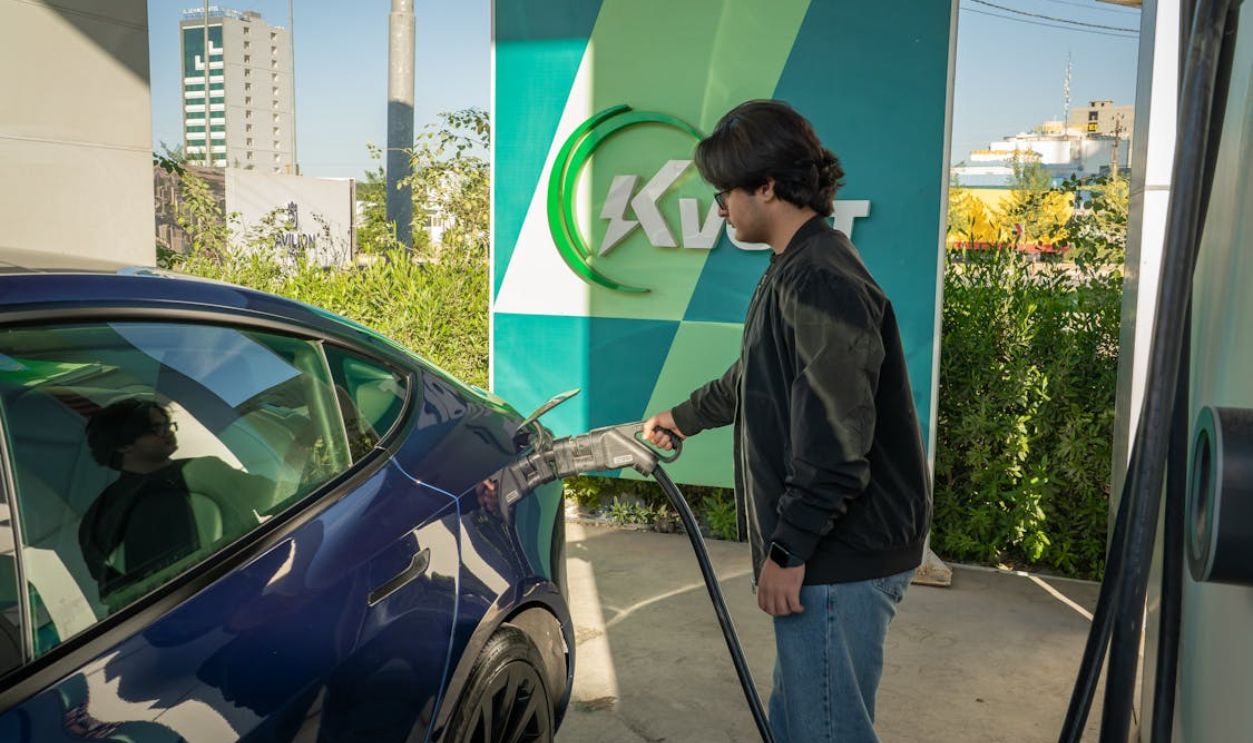
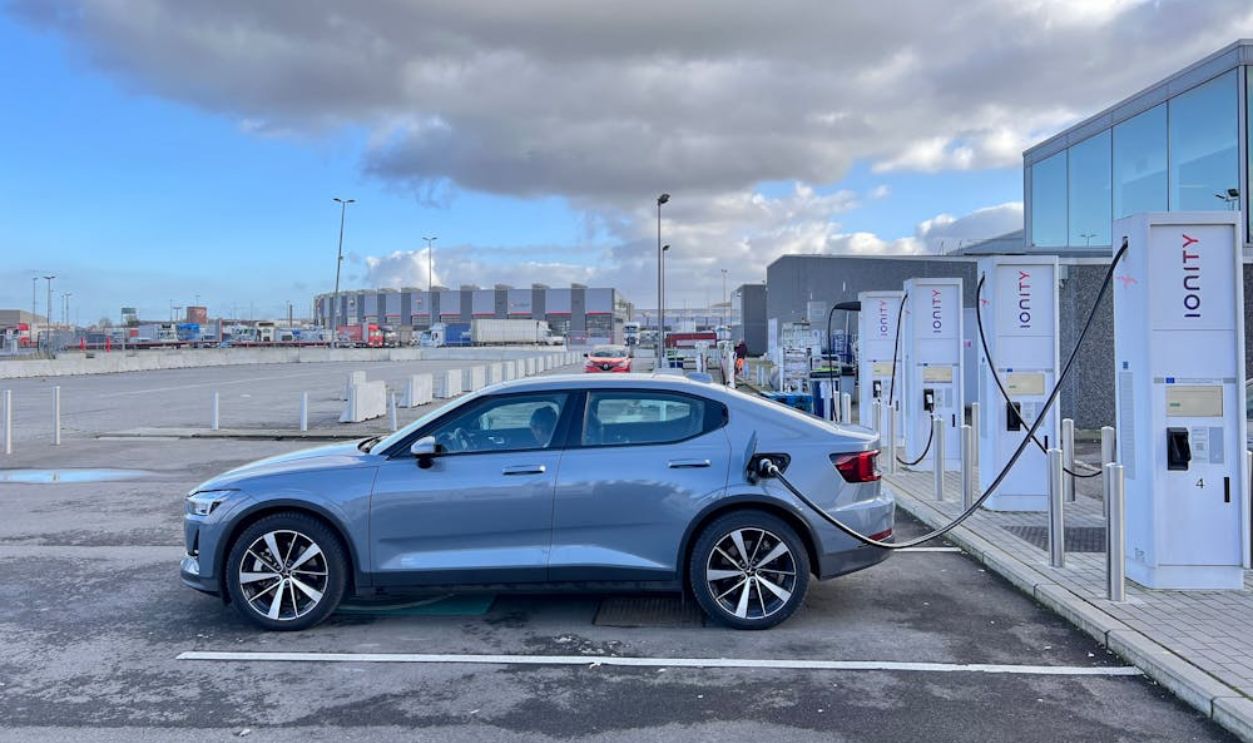
HOAs sometimes suggest that homeowners simply use public charging stations instead. While that sounds reasonable on paper, it can be unrealistic depending on where you live. In many suburban areas, public chargers may be miles away or limited in number. That means longer trips just to refuel your vehicle—and potentially waiting in line behind other EV drivers.
Public Charging Can Be Time-Consuming
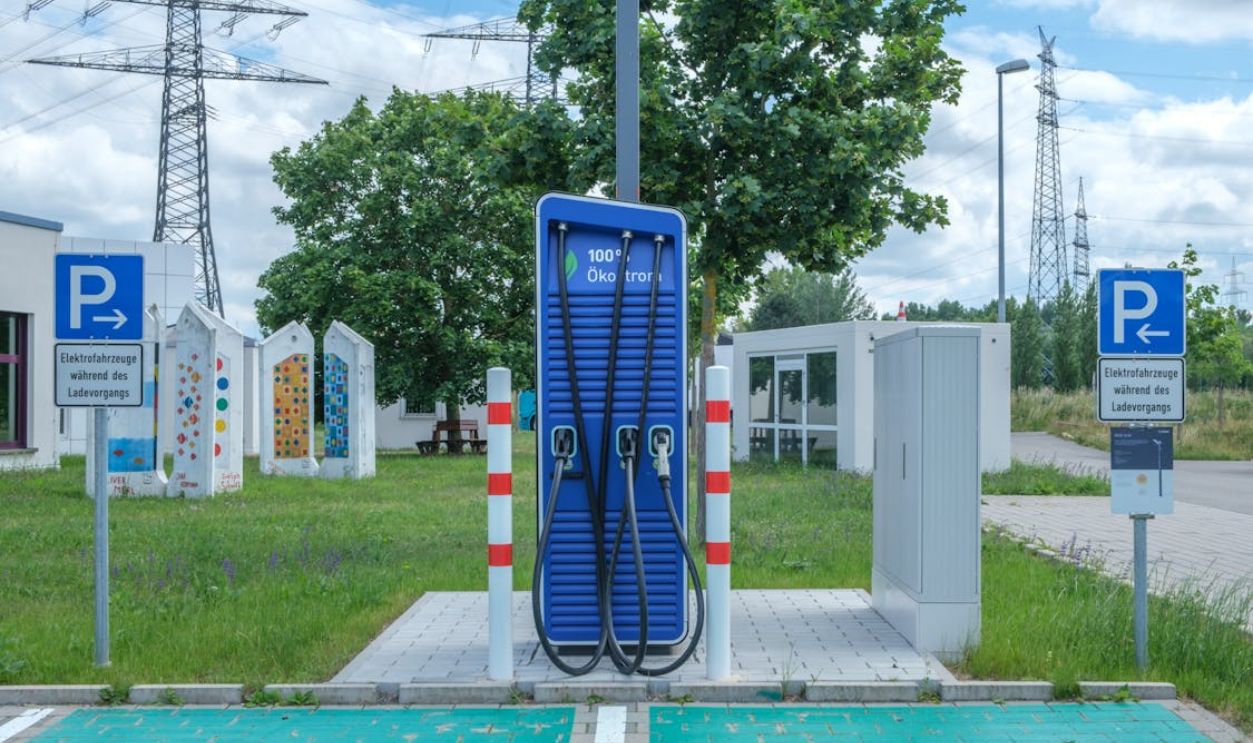
Even fast chargers take longer than filling a gas tank. A rapid charging station might bring your battery to 80% in 30 minutes, but slower chargers can take several hours. If public stations are your only option, charging becomes something you must plan your day around. Suddenly, what should have been a simple overnight routine turns into a logistical puzzle.
It Can Also Be More Expensive
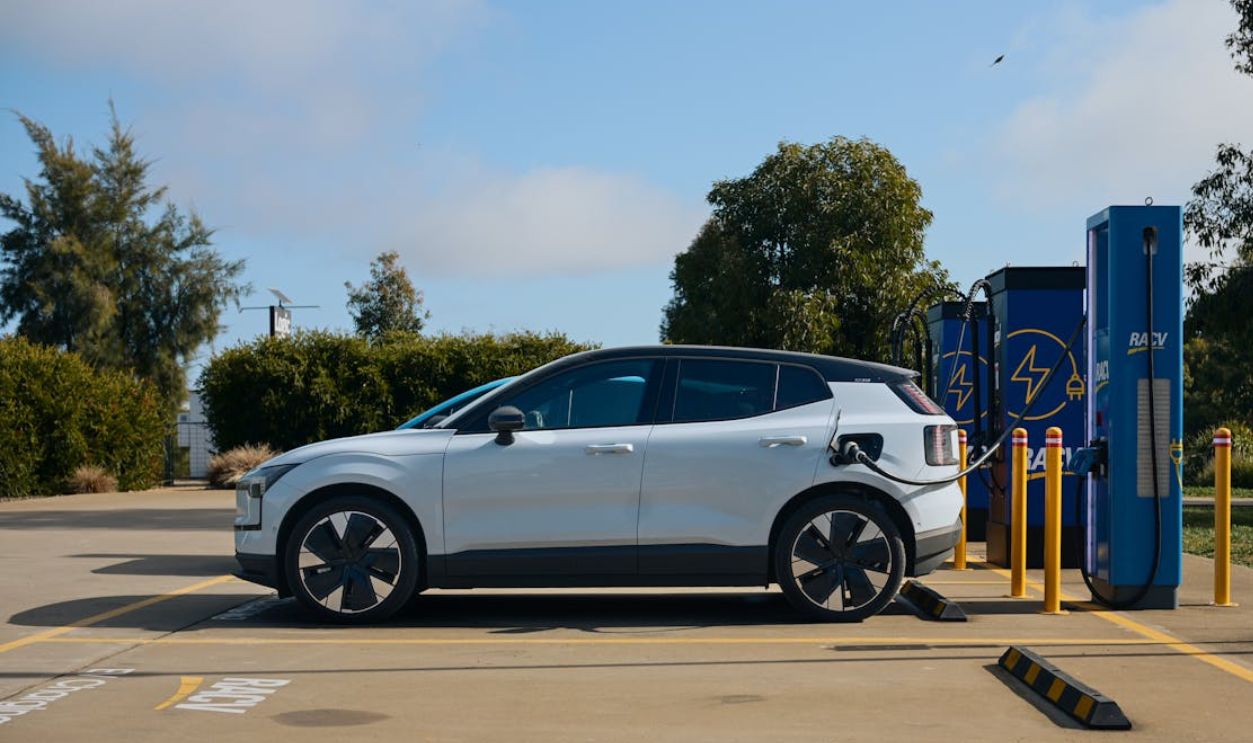
Another downside of relying on public charging is cost. Home electricity rates are typically much cheaper than the price per kilowatt-hour at public charging networks. Some fast chargers can be surprisingly expensive, especially if demand is high. Over time, the extra cost can eat into one of the major financial advantages of owning an EV.
The HOA Might Not Realize The Inconvenience
From the board’s perspective, telling someone to use public chargers may seem like a perfectly reasonable compromise. After all, charging stations exist in many cities. What they may not realize is how much inconvenience that solution creates. For EV owners, home charging isn’t just a luxury—it’s a core part of how the vehicle is meant to be used.

Some States Have “Right To Charge” Laws
Here’s where things get interesting. Several states have passed laws protecting homeowners’ ability to install EV chargers. These “right to charge” laws limit how much HOAs can interfere with reasonable installations. In many cases, associations can impose safety requirements but cannot outright ban chargers. If you live in one of these states, your HOA’s rule might not hold up legally.
These Laws Are Becoming More Common
The number of right-to-charge laws has been steadily increasing as EV adoption grows. Legislators recognize that access to charging infrastructure is essential for the transition to electric transportation. Because of this, new laws are appearing across the country to prevent HOAs from blocking installations without valid reasons.
Even Without A Law, Negotiation Can Help
If your state doesn’t have specific EV protections, you may still be able to work things out with your HOA. Often, the issue isn’t the charger itself but concerns about how it’s installed. Providing documentation from a licensed electrician or explaining the safety features of your charger can help reassure the board.

Showing Proof Of Professional Installation
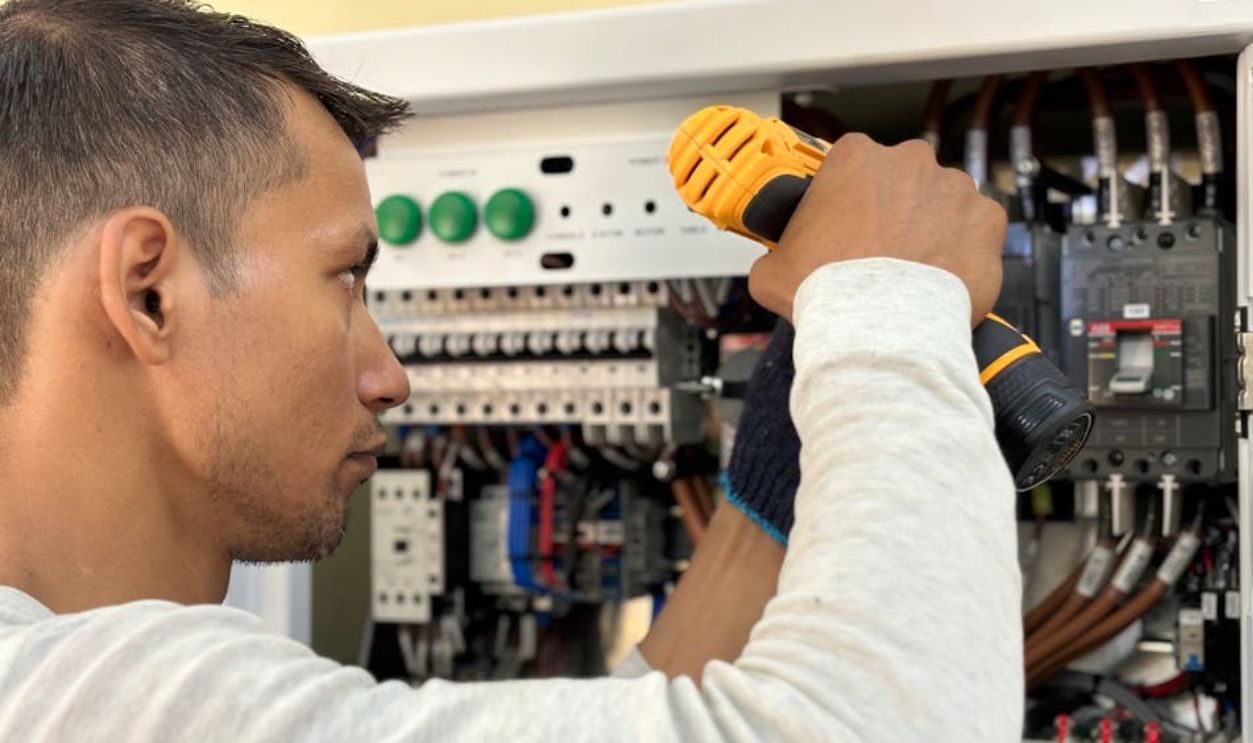
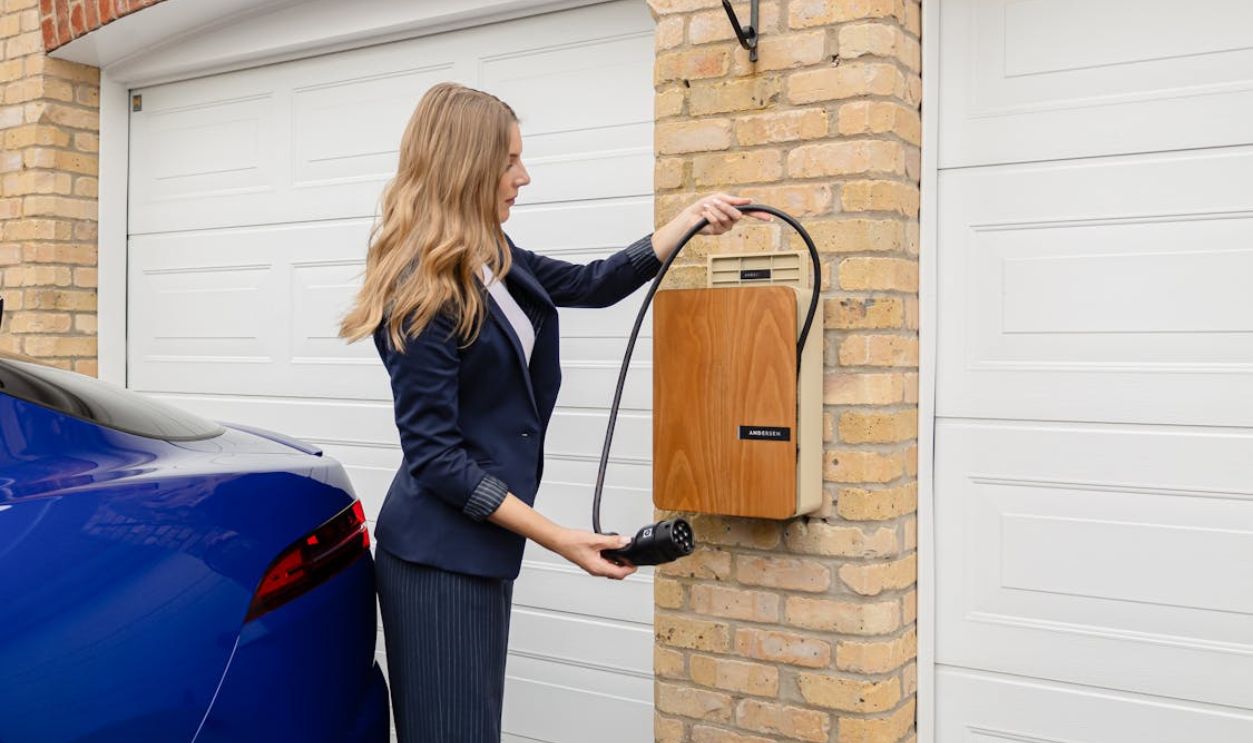
One of the easiest ways to calm HOA fears is by demonstrating that the charger was installed professionally. A permit, inspection, and electrician’s documentation show that the equipment meets building codes. Once the board understands that the installation follows recognized standards, their concerns may fade.
Suggesting Reasonable Guidelines
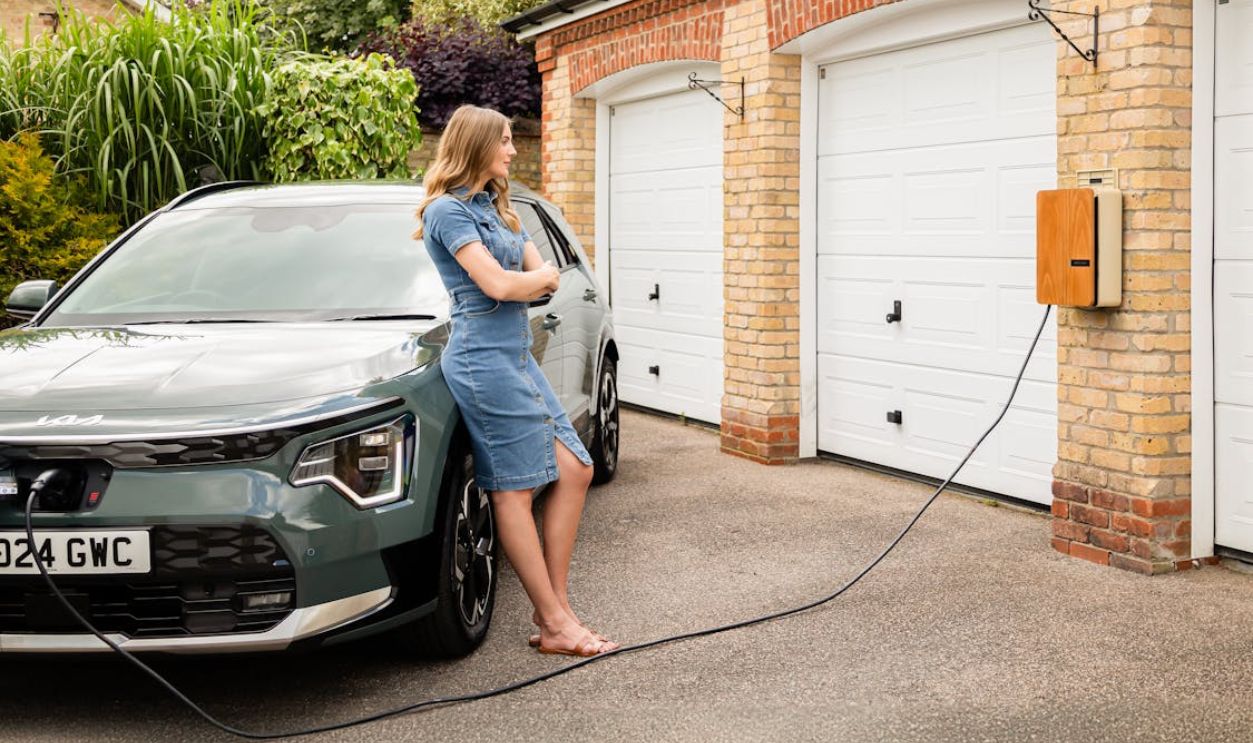
Sometimes HOAs are more comfortable if they can set clear guidelines for chargers. That might include requirements like using licensed electricians, hiding wiring neatly, or placing chargers in less visible locations. These types of rules allow EV owners to charge their vehicles while preserving the aesthetic concerns many HOAs prioritize.
Educating The Board About EV Technology
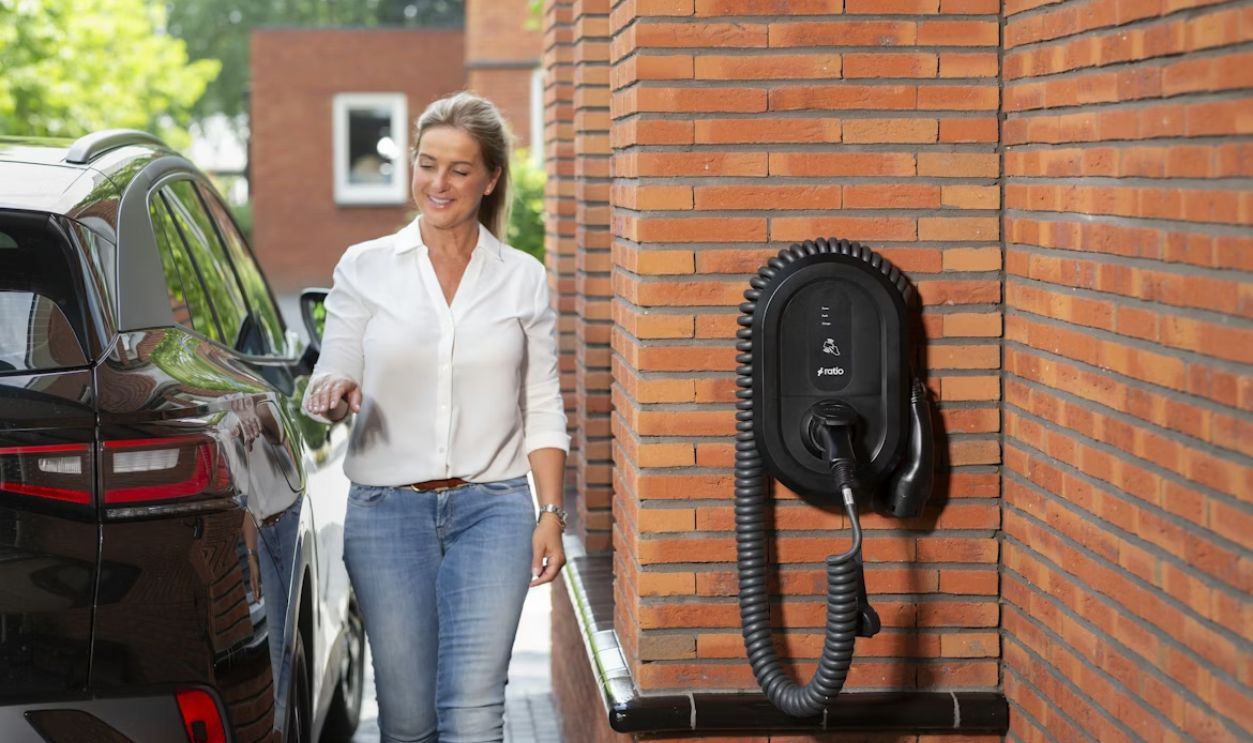
Believe it or not, a simple explanation can go a long way. Many people still imagine EV charging as some mysterious high-voltage process. In reality, most home chargers are not dramatically different from other major appliances like dryers or ovens. Helping the board understand the basics can remove much of the fear surrounding the issue.

Other Neighbors Might Want Chargers Too
Another thing to keep in mind is that you may not be the only homeowner interested in installing a charger. Once one EV appears in the neighborhood, more often follow. Instead of treating each installation as a one-off problem, HOAs may eventually need a consistent policy for everyone. Your request could actually help start that conversation.
Some Communities Install Shared Chargers
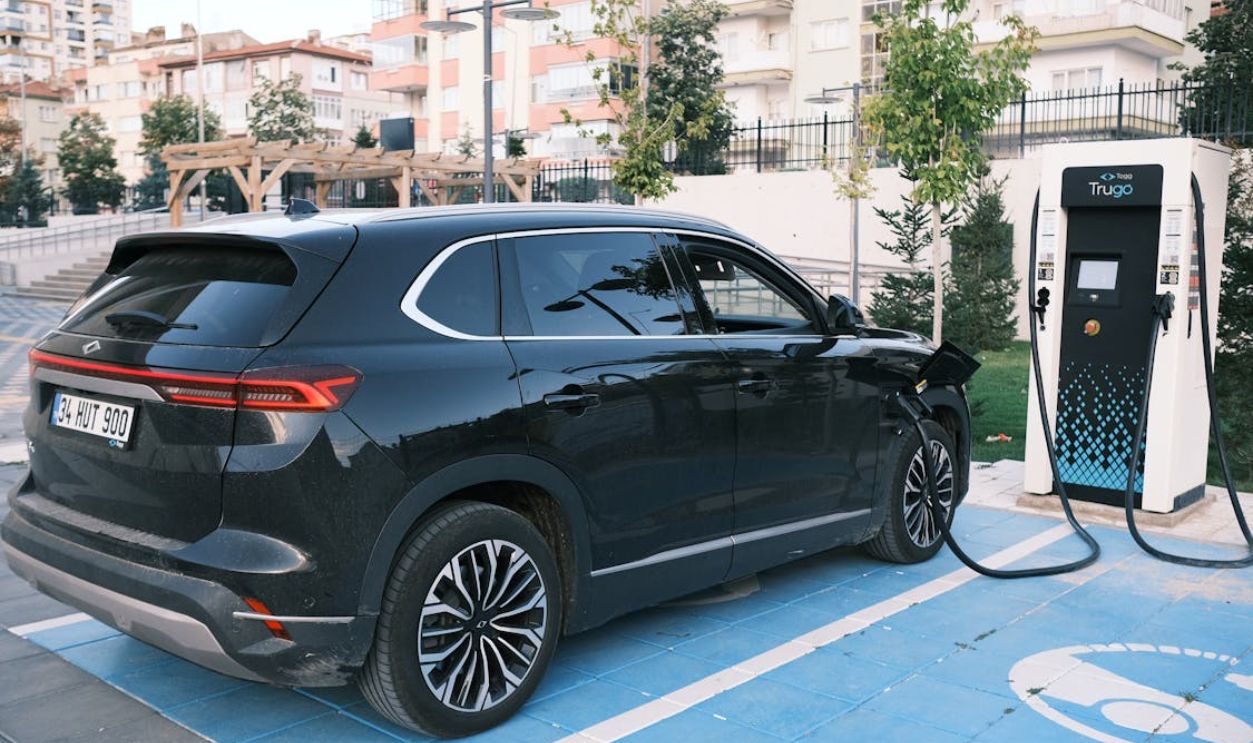
In certain neighborhoods, HOAs have chosen a different approach: installing shared charging stations for residents. This solution is more common in townhome or condo communities with limited parking options. While it doesn’t replace home charging entirely, it can offer a convenient option for residents who can’t install their own equipment.
Communication Beats Confrontation
It’s easy for disputes like this to become emotional. After all, nobody enjoys being told they’re breaking the rules. But approaching the conversation calmly and cooperatively can make a big difference. When homeowners and boards work together instead of arguing, they’re far more likely to find a solution that satisfies everyone.

Review The HOA Rules Carefully
Before pushing back against the board, it’s important to read the HOA’s governing documents. Some associations may not actually have a rule that clearly bans EV chargers. In those cases, the board might simply be interpreting existing rules about exterior modifications or electrical equipment.

Document Everything
If the disagreement continues, keeping records can be helpful. Save letters, emails, installation paperwork, and inspection reports. Documentation creates a clear timeline and demonstrates that you’ve taken responsible steps to ensure your charger is safe and compliant.

Legal Advice Is Sometimes Necessary
In rare cases, homeowners may need legal advice to resolve a dispute with their HOA. Attorneys familiar with property law and association rules can help clarify your rights and the HOA’s authority. Fortunately, many charger conflicts are resolved long before things reach that stage.

EV Chargers Are Becoming Normal
The truth is that EV chargers are quickly becoming a standard feature of modern homes. Just like air conditioners, internet cables, or solar panels, they represent changing technology and evolving lifestyles. HOAs that adapt early often avoid years of disputes later on.
The Conversation Is Bigger Than One Charger
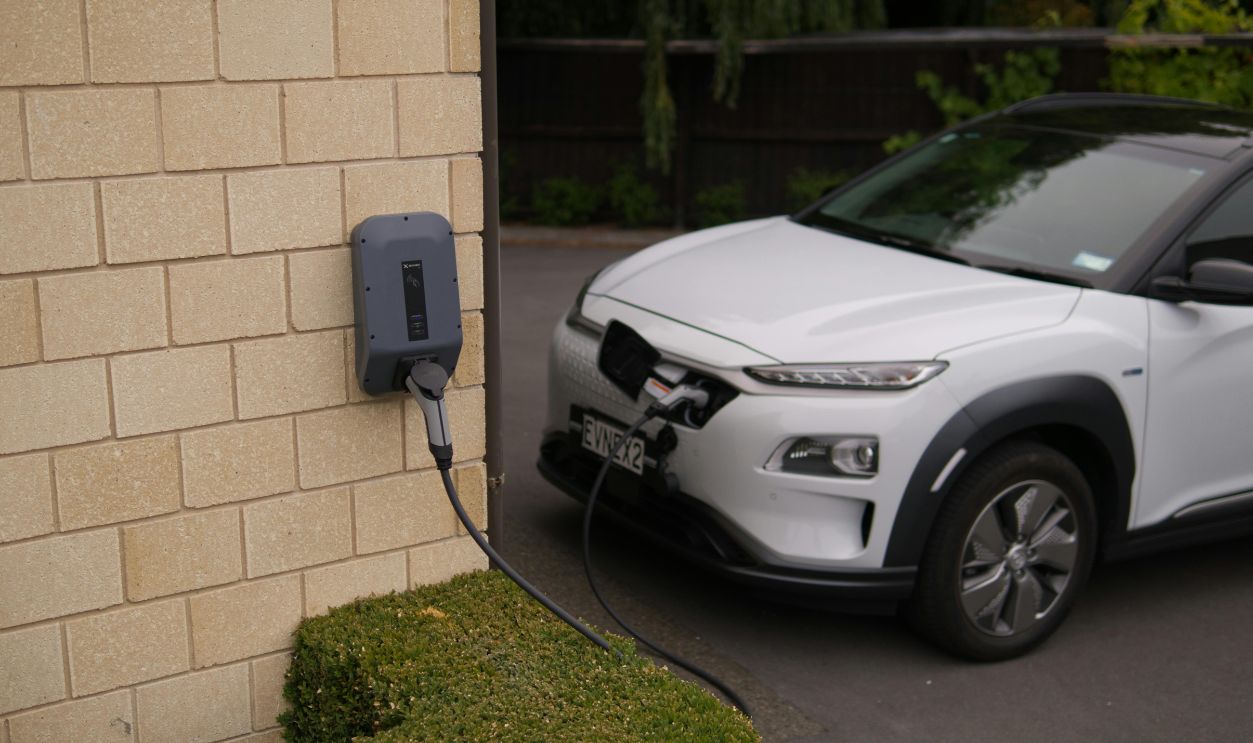
When you zoom out, the debate isn’t really about one device mounted on a garage wall. It’s about how communities adapt to new technology. Electric vehicles represent a major shift in transportation, and neighborhoods will inevitably evolve alongside that shift.
The Future Of HOAs And EV Charging
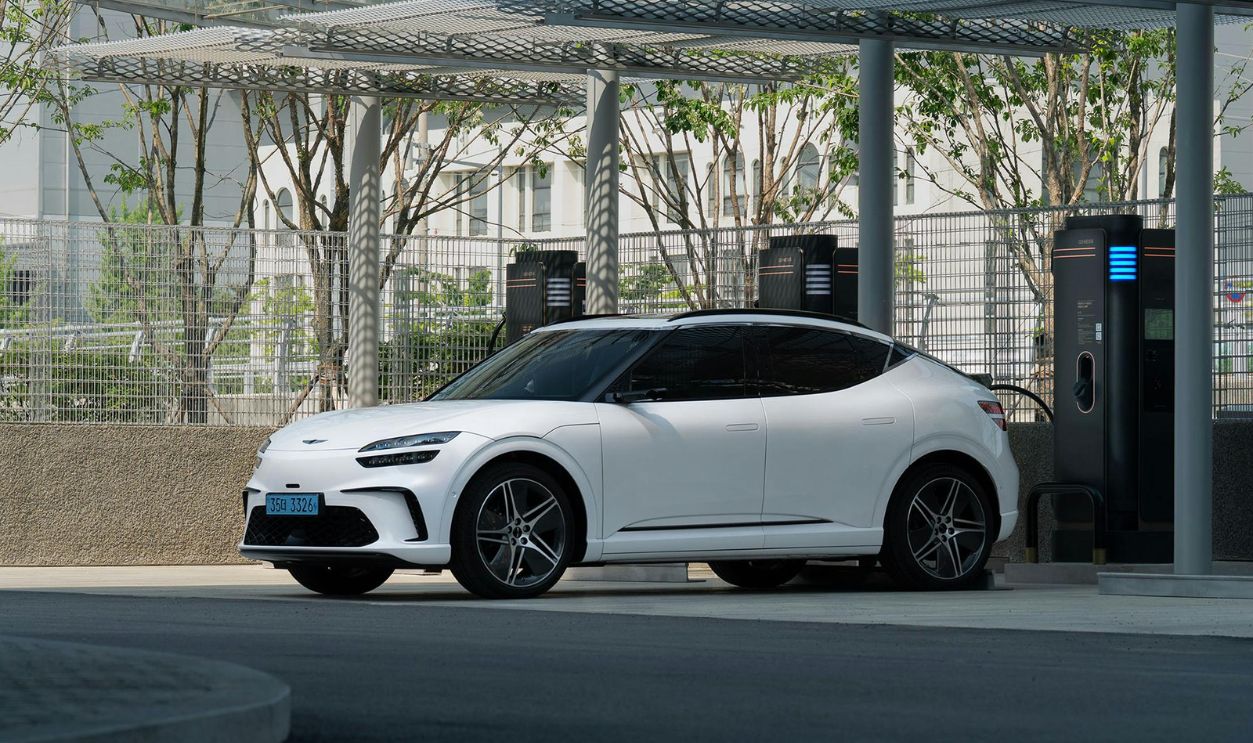
Many housing experts believe EV charging will eventually be written directly into HOA rules and building standards. Future communities may include chargers in every garage or shared charging stations built into parking areas. What feels controversial today could soon become completely ordinary.
Finding A Solution That Works
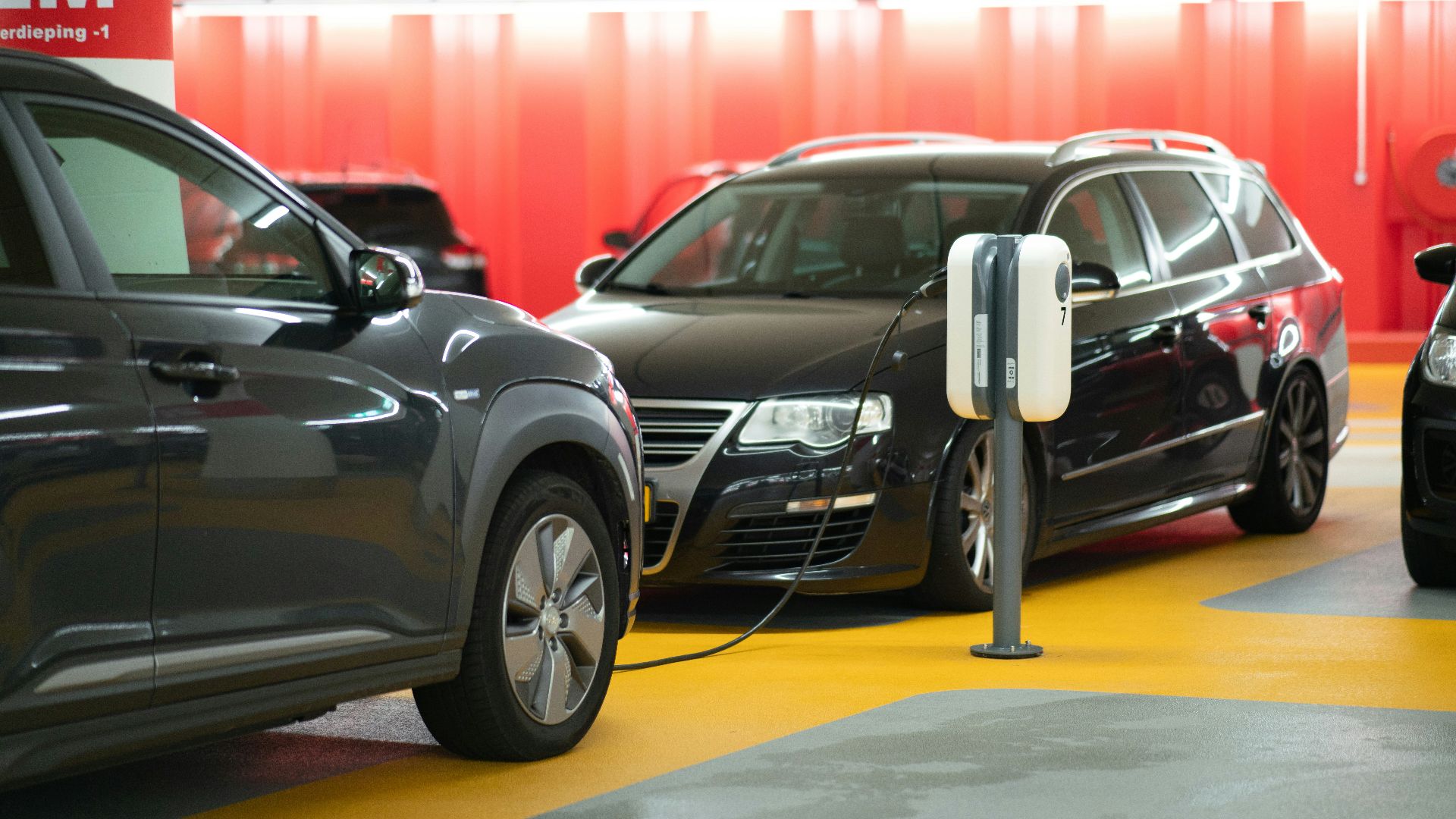
At the end of the day, most homeowners simply want a practical place to charge their vehicles. And most HOAs want to maintain safety and neighborhood standards. With a little research, communication, and flexibility on both sides, those goals don’t have to conflict. As EV ownership continues to rise, communities will inevitably figure out how to make charging work—preferably without sending anyone on a midnight hunt for the nearest public charger.
You May Also Like:
The Fiat 131 Abarth Was The Rally Legend No One Saw Coming
You Don’t Need A Detailer To Get That Showroom Shine—Just Follow These Smart Cleaning Hacks