The Most Expensive Thing Sitting Still
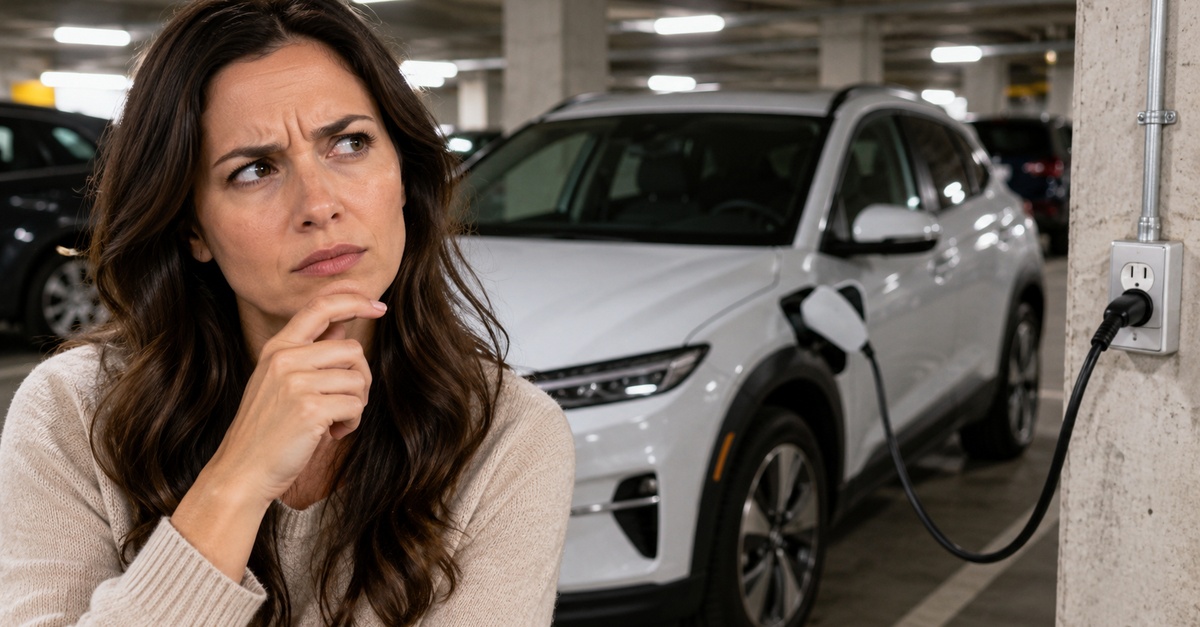
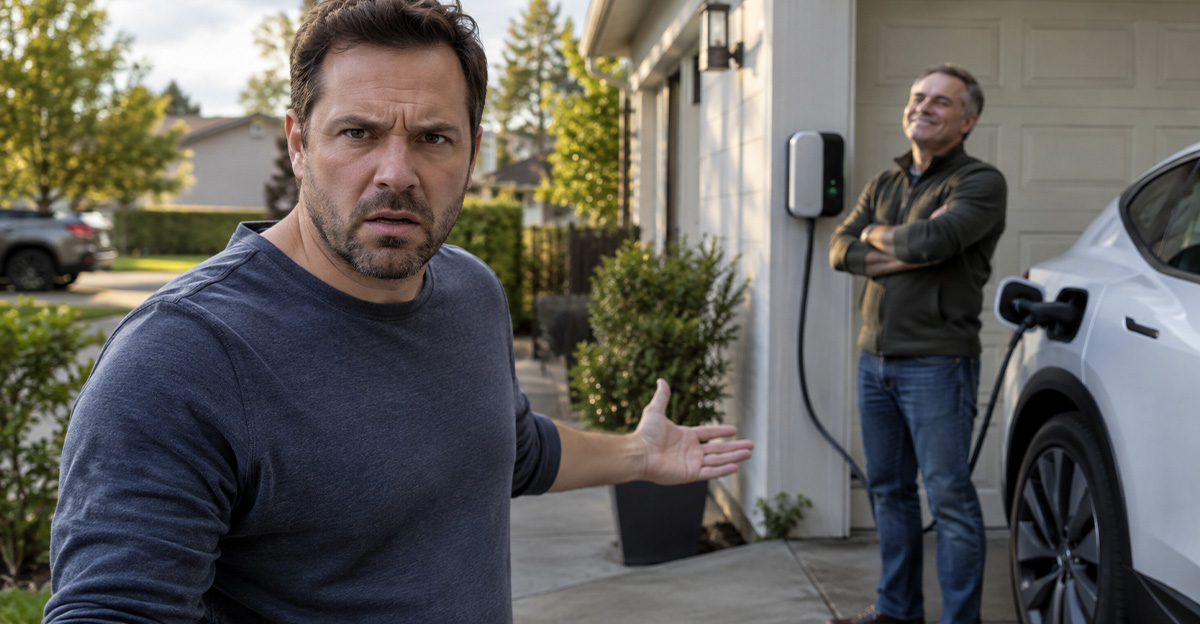
Working from home sounded like it would slash your driving costs. Instead, your car spends most days parked while insurance, registration, maintenance, and loan payments keep arriving. Selling it may seem drastic, but questioning whether you still need it is perfectly reasonable.

Cars Cost Money Without Moving
A parked car is not a free car. Insurance premiums continue, registration renewals still arrive, and depreciation quietly reduces its value. Even if you barely buy gas anymore, the largest expenses of car ownership may continue almost exactly as they did before.
Start With Your Real Monthly Cost
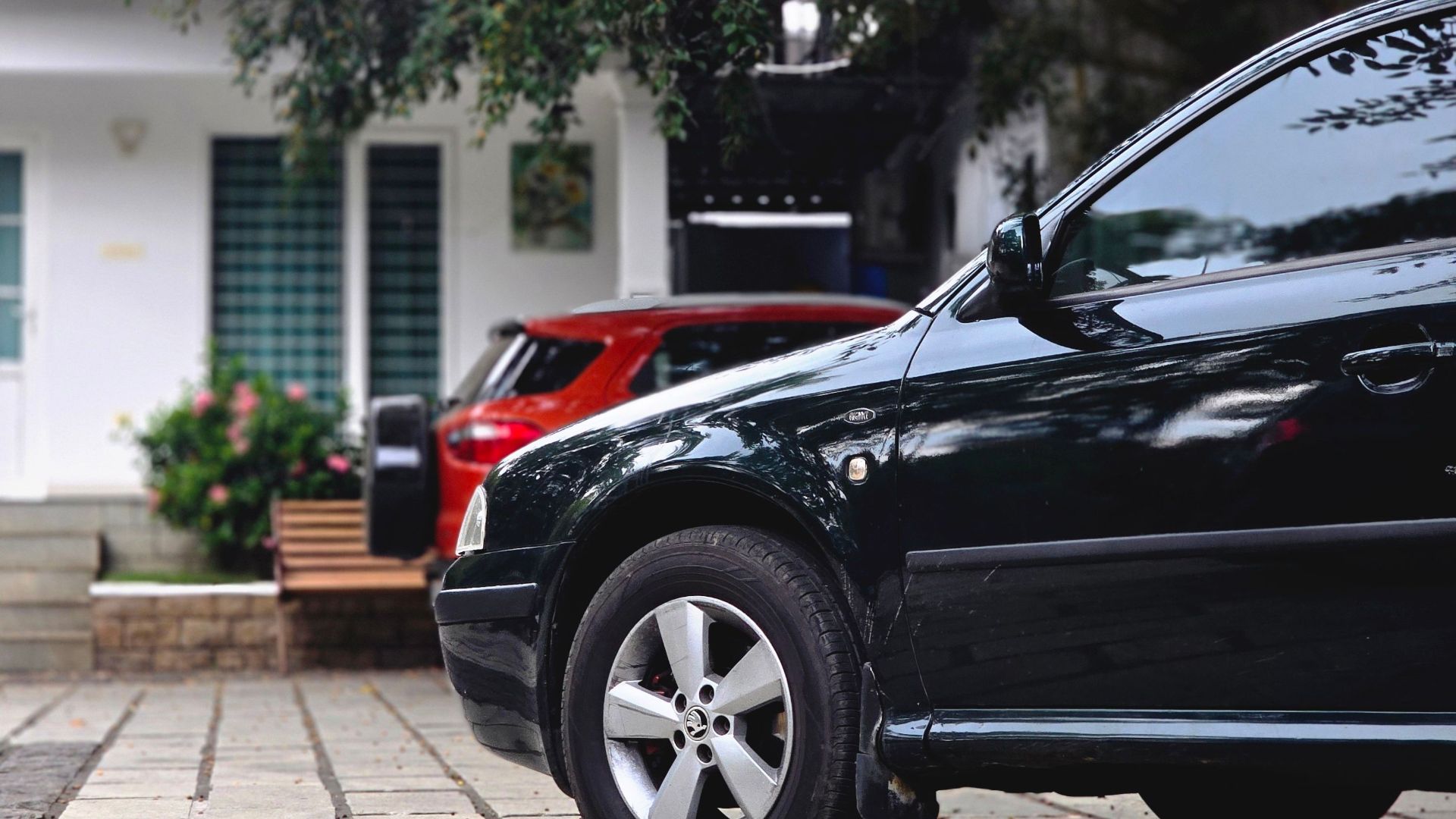
Add up your loan payment, insurance, parking, registration, maintenance, fuel, and roadside assistance. Then include annual expenses by dividing them across 12 months. The final number may be uncomfortable, but it gives you a fair comparison against life without the car.

Do Not Ignore Depreciation
Depreciation does not appear as a monthly bill, which makes it easy to forget. However, your vehicle may be losing value every year while sitting in the driveway. Selling sooner can sometimes preserve more of its remaining value, especially if demand for your model is healthy.

Calculate How Often You Drive
Look back over the last three months. How many times did you actually use the car? Separate necessary trips from journeys you could have made another way. You may discover that you are paying hundreds of dollars each month for only a handful of drives.
Convenience Has Real Value
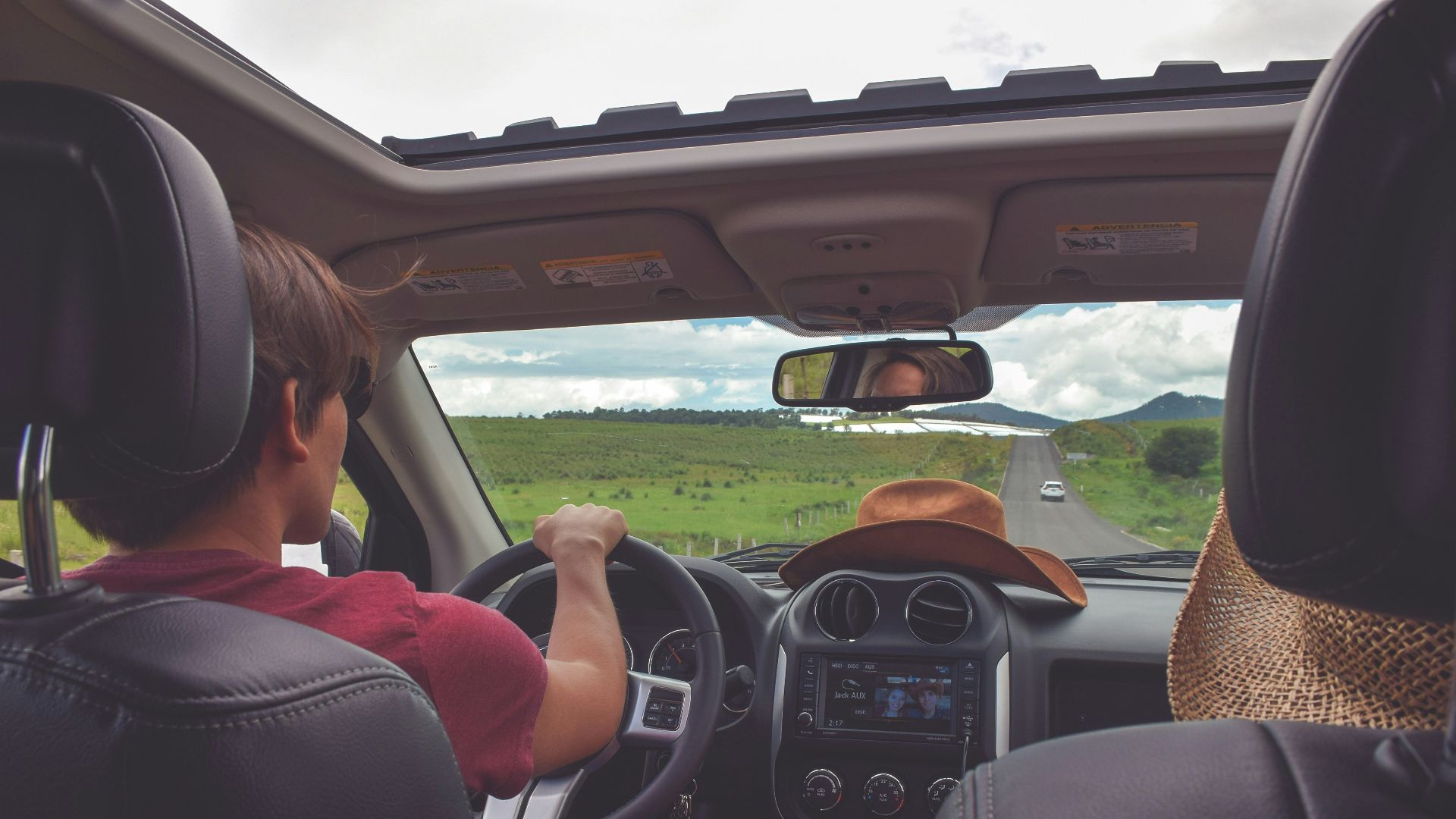
Not every benefit fits neatly into a spreadsheet. A car lets you leave whenever you like, carry groceries easily, visit relatives, and handle emergencies. Selling it may save money, but you should also consider how much that freedom and flexibility matter to you.

Consider Where You Live
Giving up a car is much easier in a walkable neighborhood with reliable public transit. It becomes tougher in rural areas or suburbs where stores, doctors, and friends are miles away. Your postal code may matter more than your remote-work schedule.

Test Life Without It
Before listing the car, try leaving it parked for two or three weeks. Use transit, walking, cycling, taxis, and delivery services instead. Keep track of the cost and frustration. This experiment reveals problems before you make a decision that is difficult to reverse.

Price Out Public Transit
A monthly transit pass can seem expensive until you compare it with car ownership. Even several hundred dollars a month may still cost less than payments, insurance, parking, repairs, and depreciation. The key is comparing total costs rather than focusing on one ticket price.

Rideshares May Still Be Cheaper
Spending $25 on a ride can feel painful because the cost is immediate. Car expenses often feel smaller because they are spread across multiple bills. A few rideshare trips each week could still cost far less than keeping a vehicle that rarely leaves home.
Car Rentals Fill The Gaps
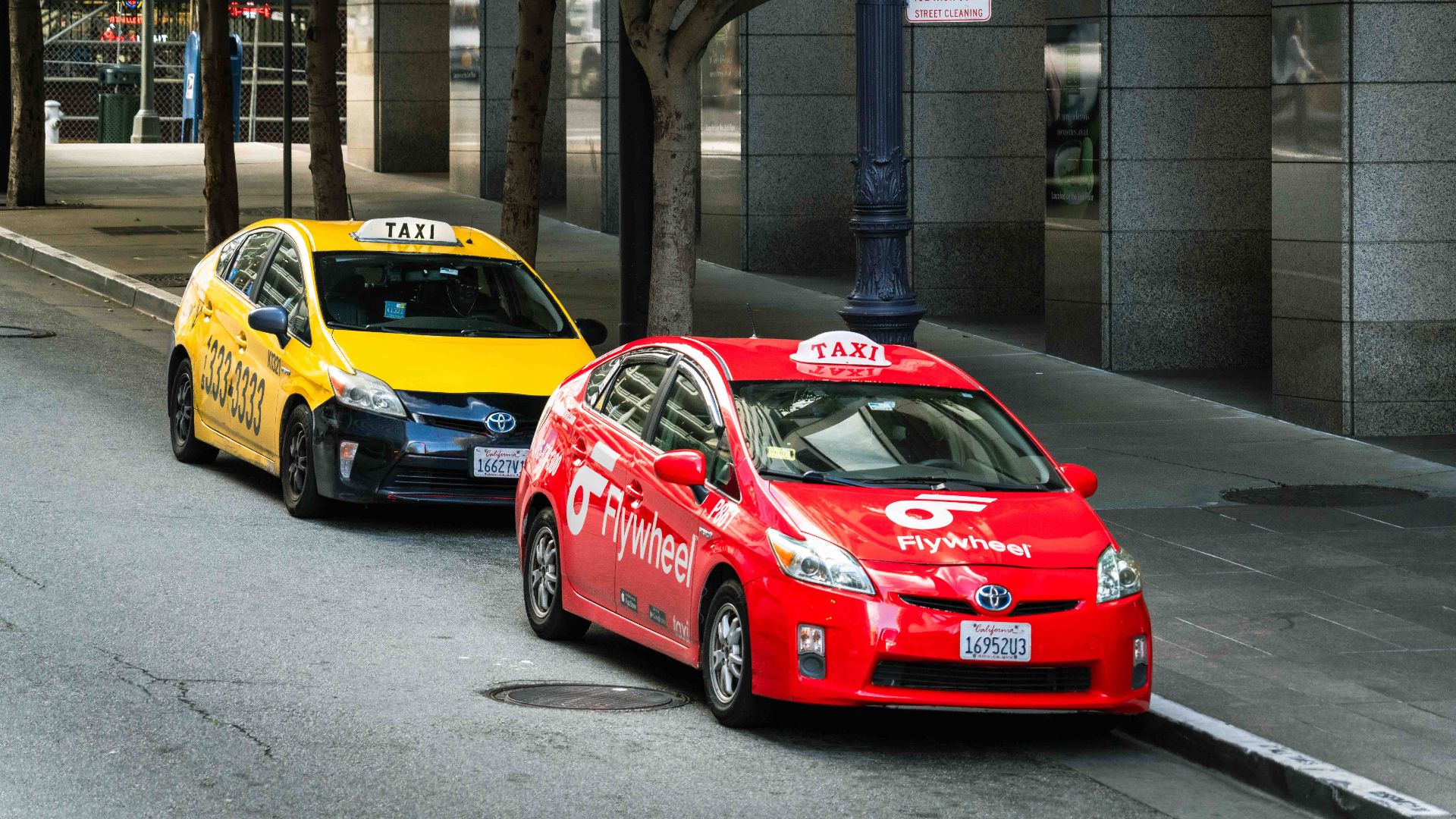
Selling your car does not mean you can never drive again. You can rent a vehicle for weekend trips, family visits, or large shopping runs. Occasional rentals may look pricey, but they could be cheaper than funding a car for all 365 days.

Car-Sharing Can Be Useful
Car-sharing services allow members to book vehicles by the hour or day. They can work well for people who need a car occasionally but not constantly. Availability varies by area, so check nearby vehicles, rates, membership fees, and booking rules before relying on one.
Grocery Delivery Changes The Equation
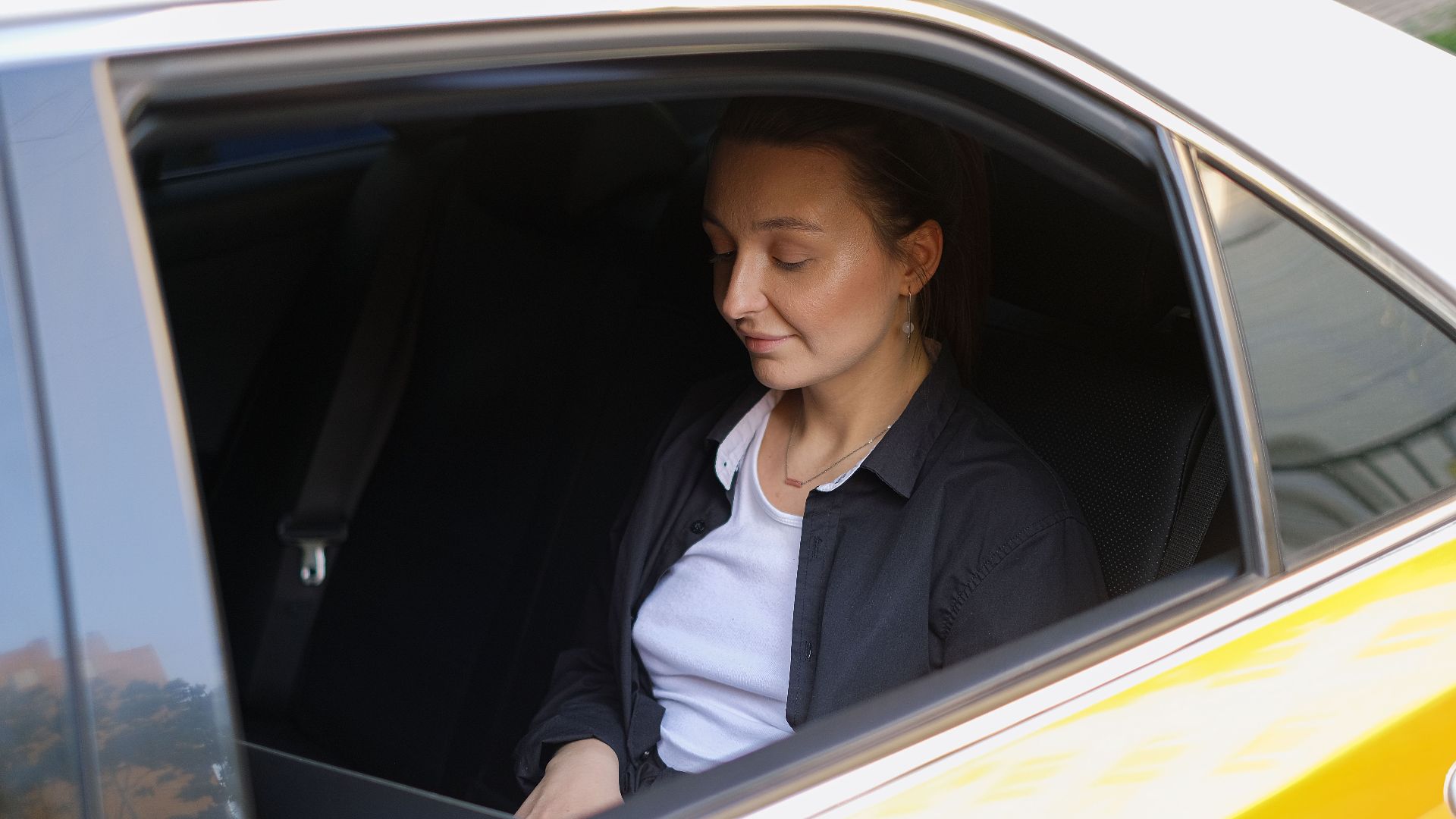
Many people keep a car mainly for groceries and household errands. Delivery services can reduce that need considerably. Fees and tips add up, but they may still be cheaper than car ownership—and carrying heavy bags from your doorstep is easier than hauling them from a parking lot.

Think About Medical Appointments
Routine appointments may be manageable by transit or rideshare, but emergencies are different. Consider how you would reach urgent care, a hospital, or a family member quickly. Having a clear backup plan can make selling the car feel much less risky.

What About Children And Pets?
School runs, daycare pickups, sports practices, and veterinarian visits can make car-free living complicated. That does not make it impossible, but it requires more planning. Families should test alternative transportation during their busiest weeks, not during an unusually quiet stretch.

Your Social Life Matters Too
Will selling the car make you turn down dinners, weekend visits, or spontaneous plans? Saving money is helpful, but isolation is not. Think about whether friends and family are accessible without driving—or whether you would slowly stop seeing them because every trip feels difficult.

Remote Work May Not Be Permanent
Your current job may be fully remote, but policies and employers can change. You could eventually need to commute again. That does not mean you must keep the car forever, but it is worth considering how easily you could replace it if your work situation changes.

Selling A Financed Car Takes Planning
If you still owe money, compare the loan balance with the car’s selling price. When the loan exceeds the vehicle’s value, you may need to cover the difference. Contact the lender before selling so you understand the payoff process and any paperwork involved.

Insurance Savings Can Be Significant
Insurance can remain expensive even when you drive very little. Ask your insurer about low-mileage discounts, usage-based coverage, or reduced annual mileage before selling. A cheaper policy may allow you to keep the convenience of the car without paying quite as much.

Parking Costs Can Tip The Balance
Paid parking can turn an underused car into a serious financial burden. Apartment garages, downtown permits, and private spaces may cost thousands each year. If parking is one of your largest expenses, selling the car may produce immediate and noticeable savings.

Maintenance Does Not Completely Stop
Cars that sit unused can develop their own problems. Batteries lose charge, tires develop flat spots, brakes can rust, and fluids age. Driving less may reduce wear, but it does not eliminate maintenance. Sometimes a rarely used car becomes surprisingly needy.
Could You Downsize Instead?
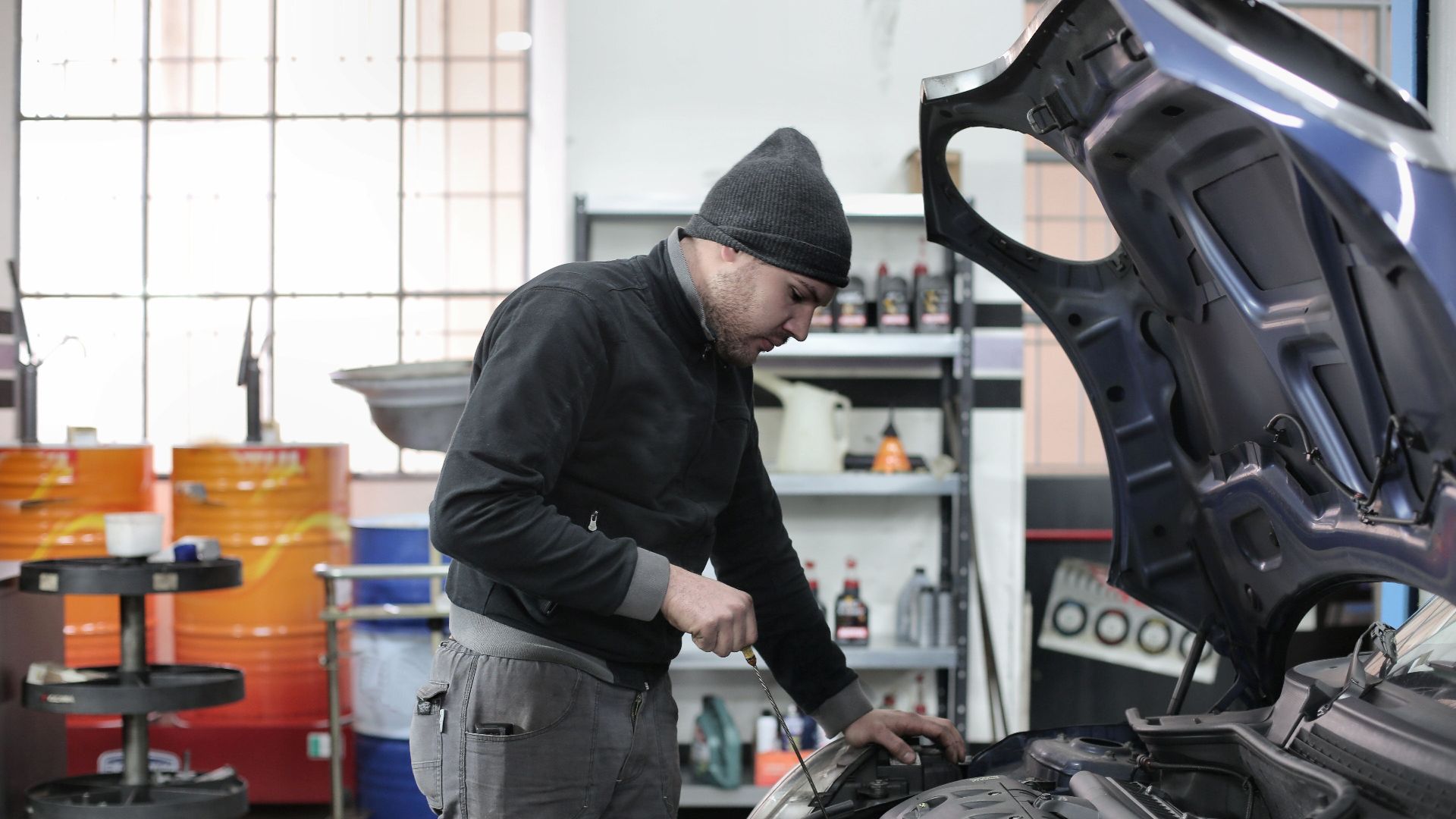
Selling does not have to mean becoming permanently car-free. You could trade an expensive vehicle for an older, cheaper model. Lower payments, insurance, and depreciation may provide a compromise between saving money and keeping transportation available whenever you need it.
Could Your Household Share One Car?
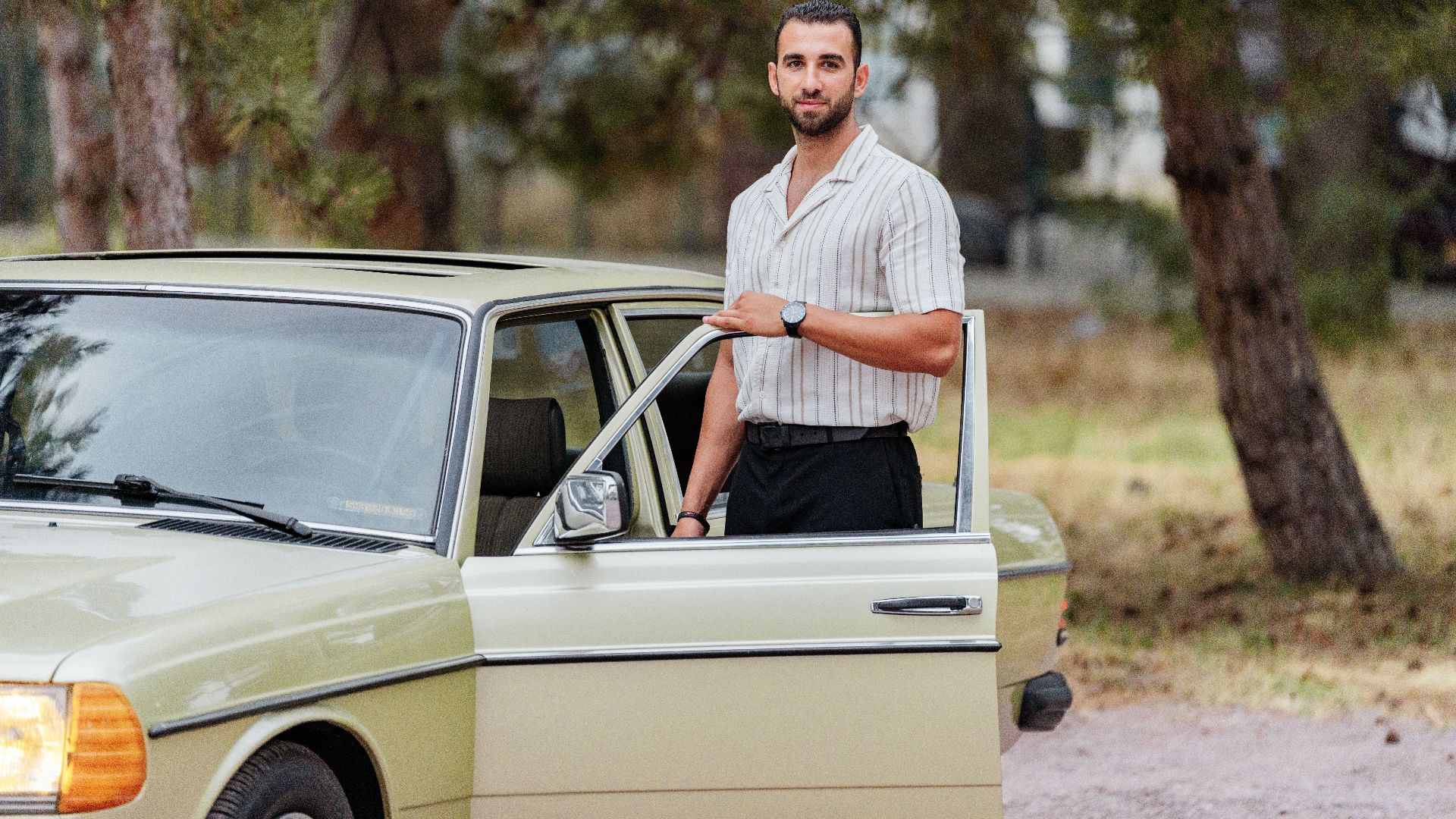
Two-car households often discover they no longer need both vehicles after one person begins working remotely. Sharing requires communication and scheduling, but selling the second car can create substantial savings without leaving the household completely dependent on transit or rideshares.
Put The Savings Somewhere Useful
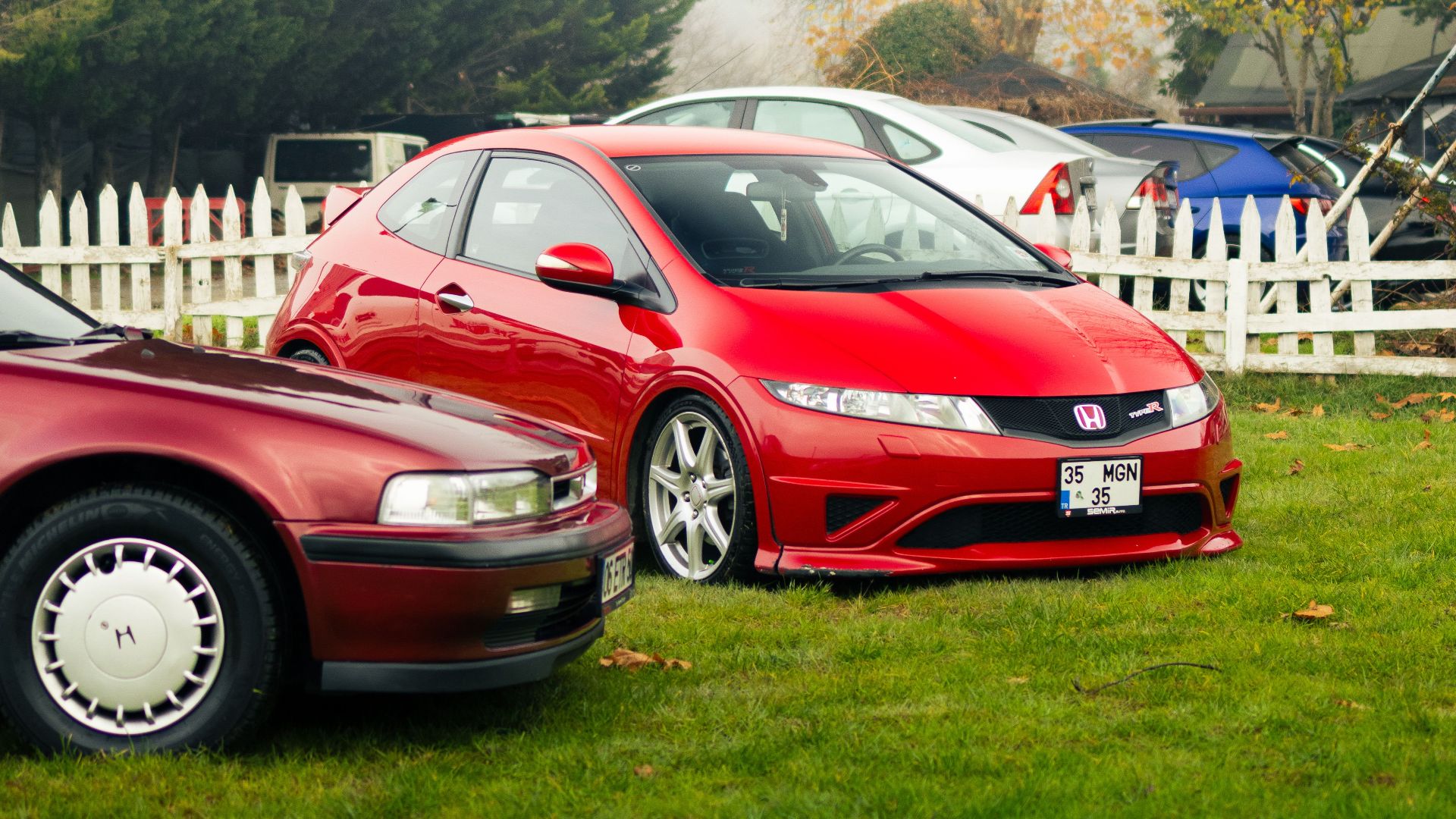
Selling the car feels more rewarding when the money has a purpose. You could pay down debt, build an emergency fund, invest for retirement, or increase your travel budget. Watching those savings grow may feel better than watching a parked vehicle collect leaves.
 cornerstone accounting, Unsplash
Account For Replacement Costs
Car prices can change, and buying another vehicle later may be expensive. Include taxes, registration, financing, and dealer fees when imagining a future replacement. Selling now may save money, but repurchasing later could absorb part of those savings.

Make The Decision Reversible
You do not need to declare yourself car-free forever. Sell the vehicle, set aside part of the proceeds, and reassess after six months. When the money is available for a replacement, the decision feels less frightening and more like a practical experiment.

Selling It Is Not Crazy
Keeping a car you rarely use is not automatically foolish, and selling it is not automatically extreme. The right choice depends on your location, lifestyle, finances, and tolerance for inconvenience. Run the numbers, test the alternatives, and choose the option that improves your daily life.

You May Also Like:
Five Of The Best American-Made Cars