The Unexpected Repair Bill
You came in for routine service, but the mechanic recommends something your owner's manual never mentions. Is it truly necessary or simply an expensive extra? The answer depends on evidence, not merely the maintenance calendar.

Maintenance And Repairs Aren't The Same Thing
A maintenance schedule covers planned jobs like oil changes, inspections, and filter replacements. It cannot predict when a hose leaks or suspension parts wear out. An unscheduled repair can therefore be fully justified.
Let The Owner's Manual Set The Baseline
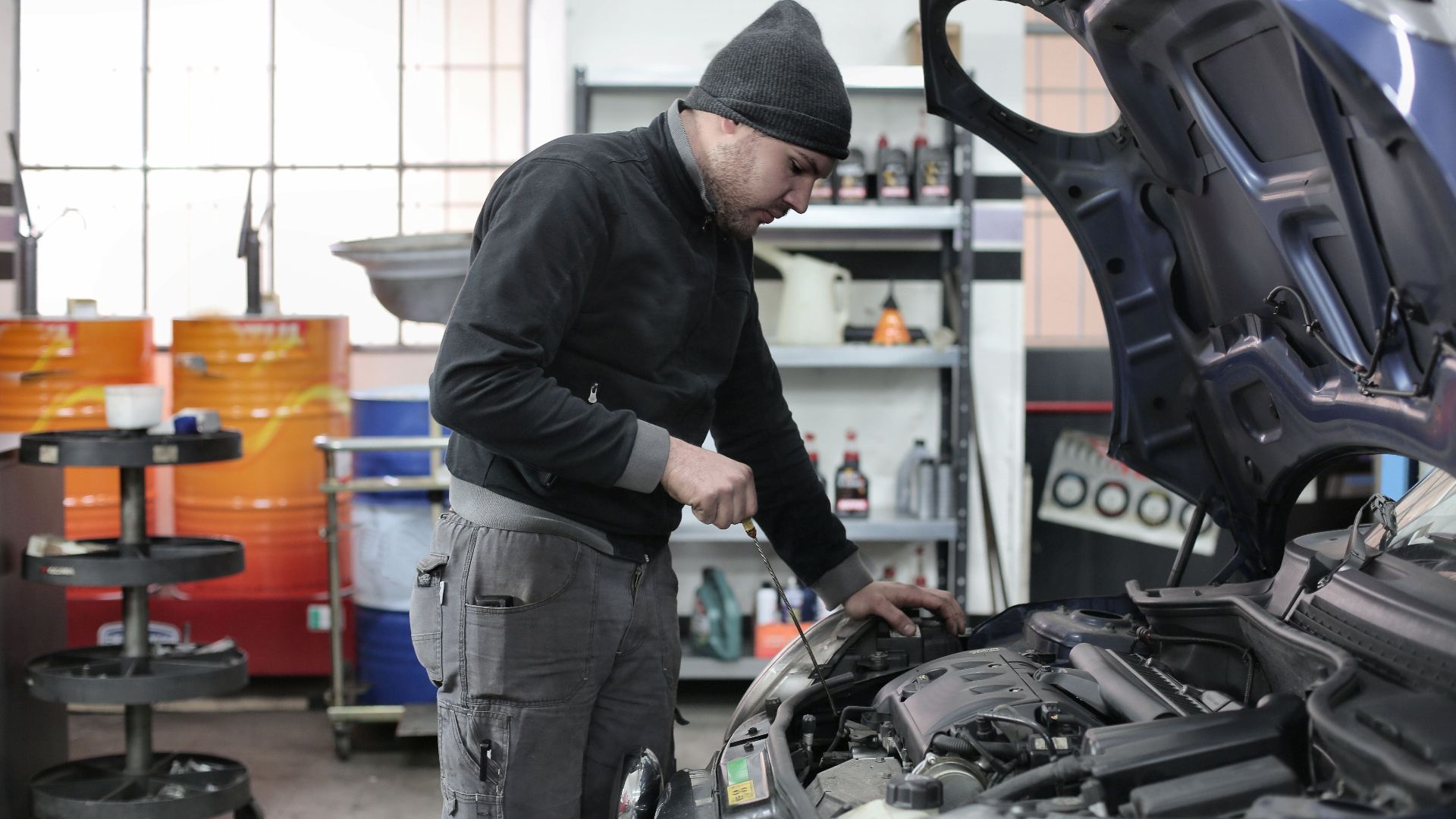
Find the maintenance booklet for your exact model and year. Compare recommended services with the manufacturer's stated service intervals. If the shop suggests something different, ask what makes your car an exception.

Check The Fine Print About Driving Conditions
Manufacturers sometimes specify different intervals for demanding driving conditions. Frequent short trips or towing may change the recommendations. Ask which precise schedule applies and what about your driving makes it relevant.

Start With One Simple Question
Ask, "What did you find that makes this necessary?" A worn part, active leak, and routine service offer aren't equivalent. A convincing answer identifies a specific problem rather than citing mileage alone.
 Mangkorn Danggura, Shutterstock
Ask How The Problem Was Diagnosed
Diagnosis can require inspection, measurements, or testing before parts are ordered. Ask what the technician actually checked and what the results showed. That's how you distinguish a confirmed failure from an educated guess.
 Quality Stock Arts, Shutterstock
Request Photos Or A Demonstration
You don't need mechanical expertise to request evidence. Photos or a demonstration of a damaged component can clarify a recommendation. Ask the technician to show you the affected part when that is practical and safe.

A Trouble Code Is Only A Clue
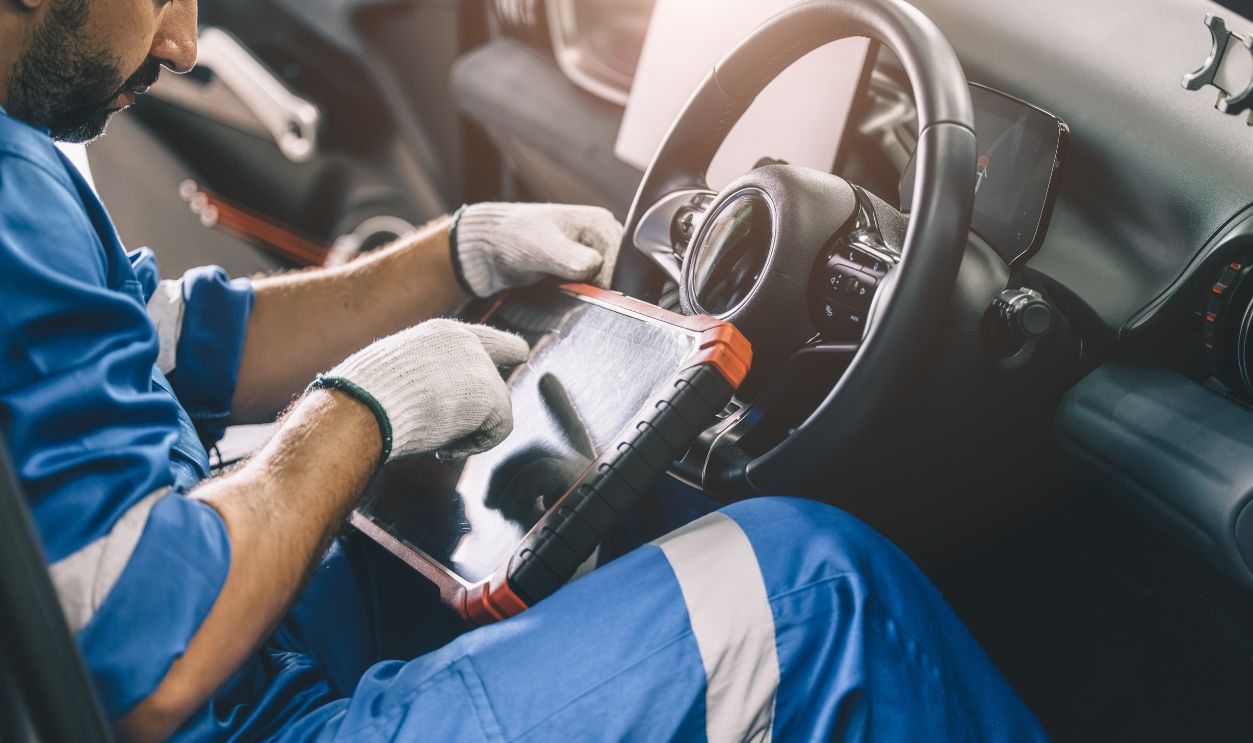
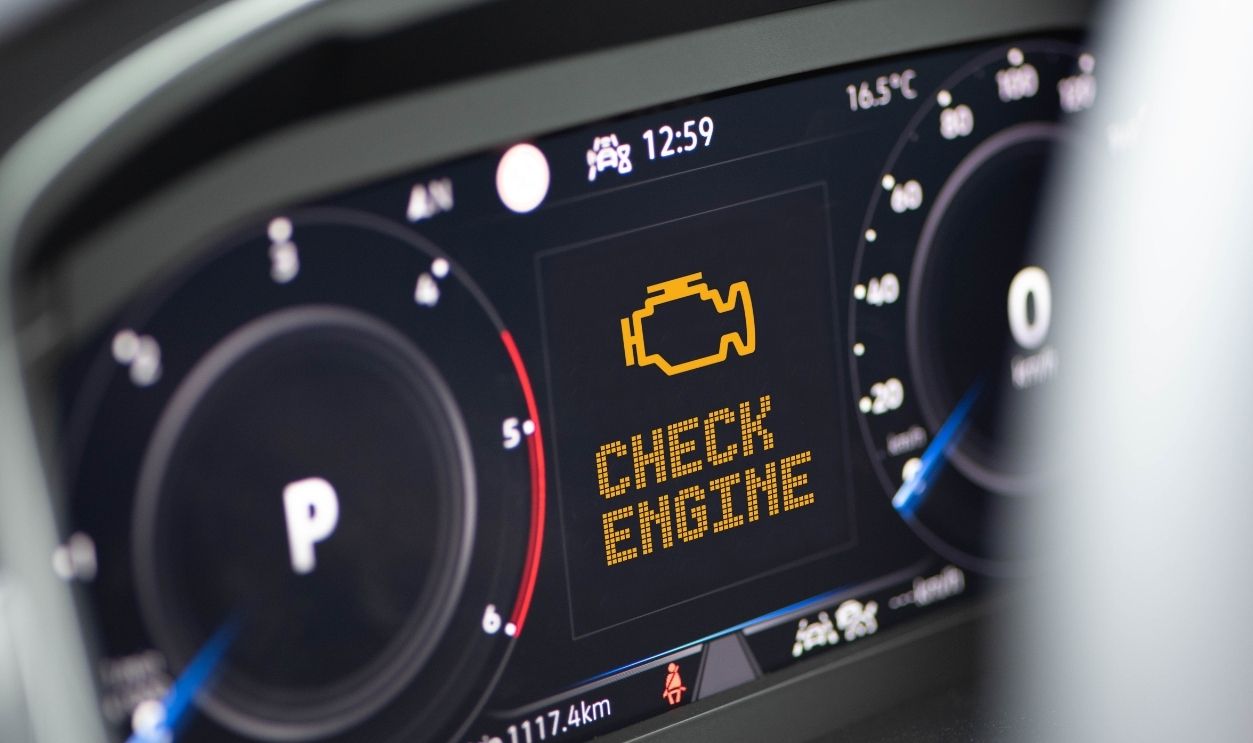
A scanner can retrieve diagnostic trouble codes when the check-engine light appears. Those codes indicate possible causes, not necessarily a failed part. Ask what specific further testing confirmed the proposed replacement.
 Jose Ricardo Barraza Morachis, Pexels
A Flashing Check-Engine Light Is Different
Not every dashboard warning carries the same urgency. A flashing check-engine light calls for stopping somewhere safe and seeking immediate service. Even a steady light deserves evaluation before the underlying problem potentially worsens.
 Bartolomiej Pietrzyk, Shutterstock
Brake Pads Don't Follow A Perfect Calendar
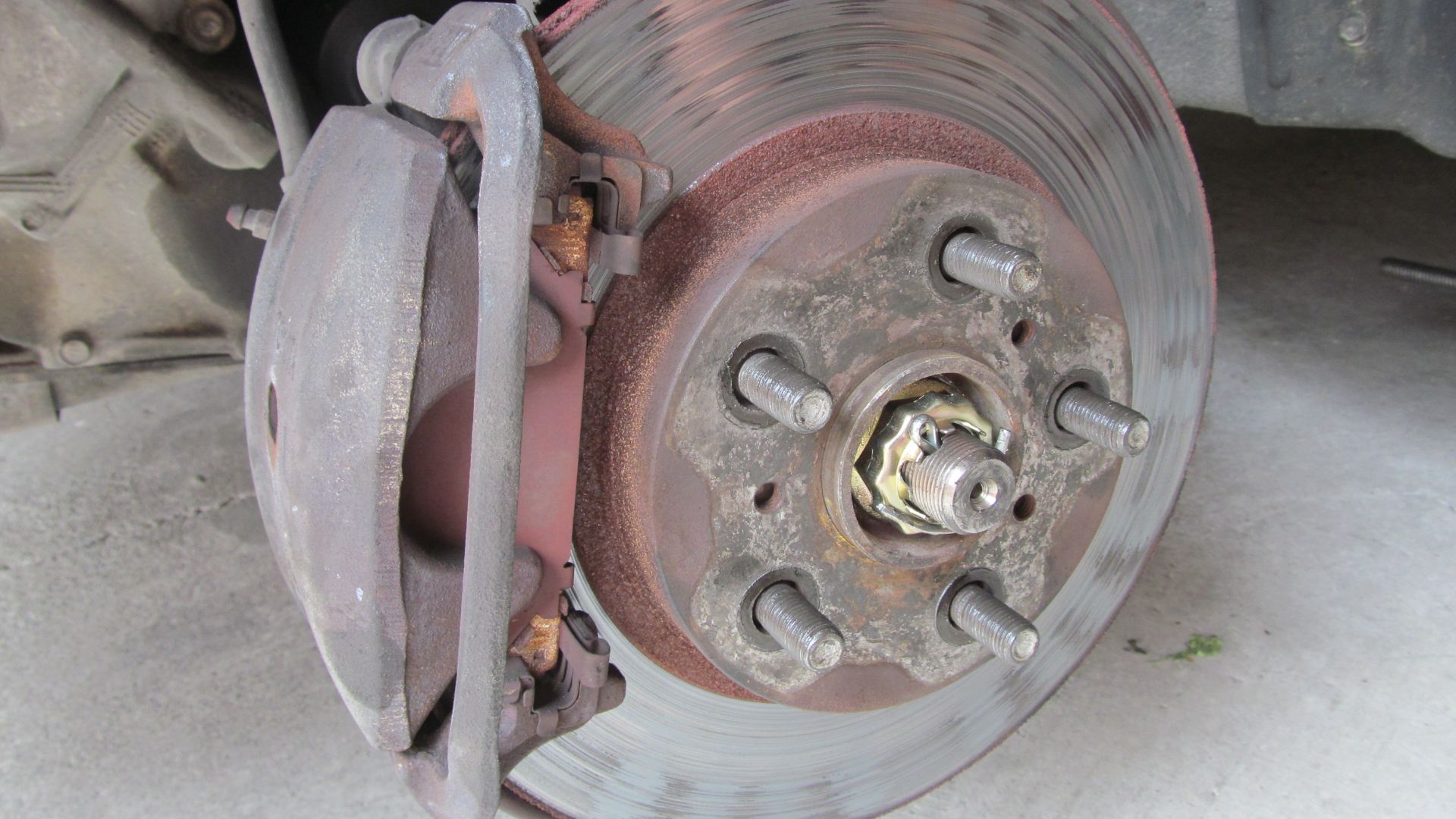
Brake pads wear at different rates depending on driving habits. Replacing them between scheduled services may be reasonable. Ask for their remaining thickness and whether the pads wear evenly across both sides of each axle.
 Riley from Christchurch, New Zealand, Wikimedia Commons
Brake Rotors Deserve Their Own Explanation
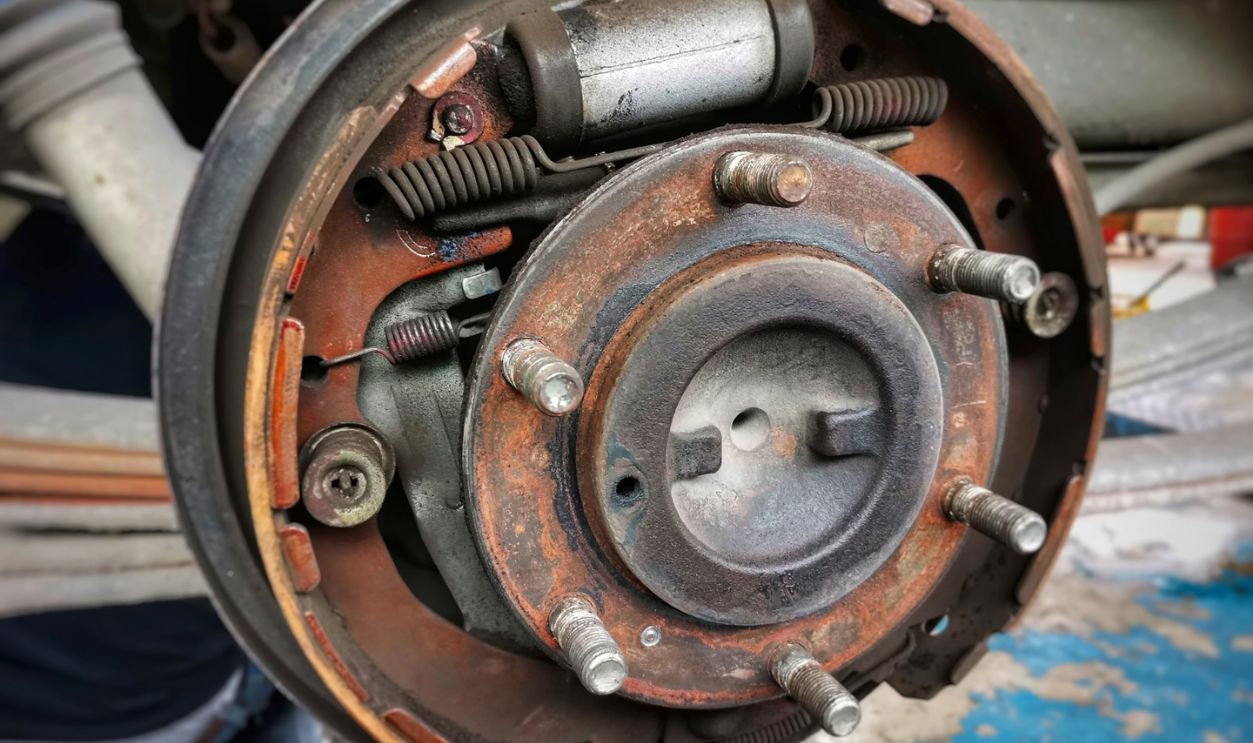
Needing new pads doesn't automatically establish that the rotors need replacement. Ask whether they are damaged or below manufacturer specifications. The shop should explain why they cannot safely remain in service.
Tire Wear Can Force An Earlier Decision
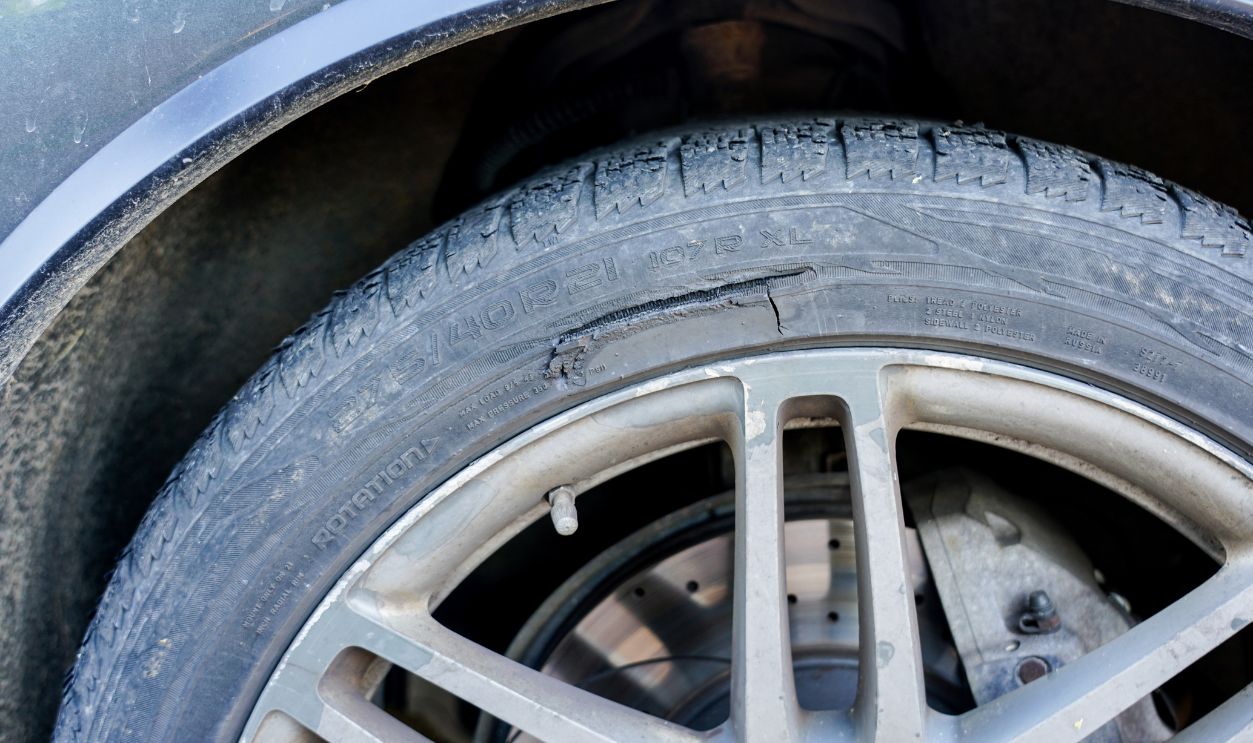
Tires may need replacement before any expected mileage target. Federal safety guidance says replace them at 2/32 inch of tread. Bulges, cuts, or other damage can also justify careful inspection by a professional.
 Zigmunds Dizgalvis, Shutterstock
Uneven Tire Wear Is A Useful Clue
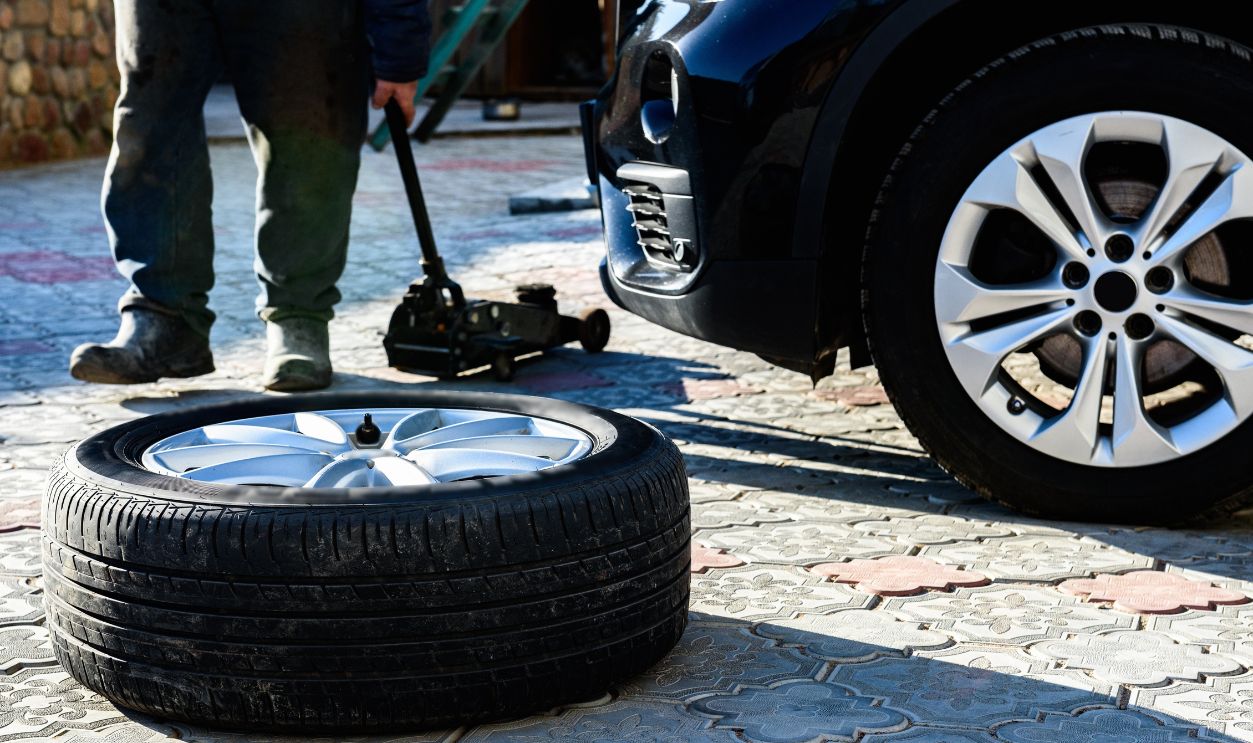
Patchy tread or worn edges can indicate inflation, alignment, or suspension problems. Replacing tires alone might leave the cause untouched. Ask the mechanic to explain the wear pattern before approving replacements.
 Natallia Ploskaya, Shutterstock
Wheel Alignment Isn't Automatically Due
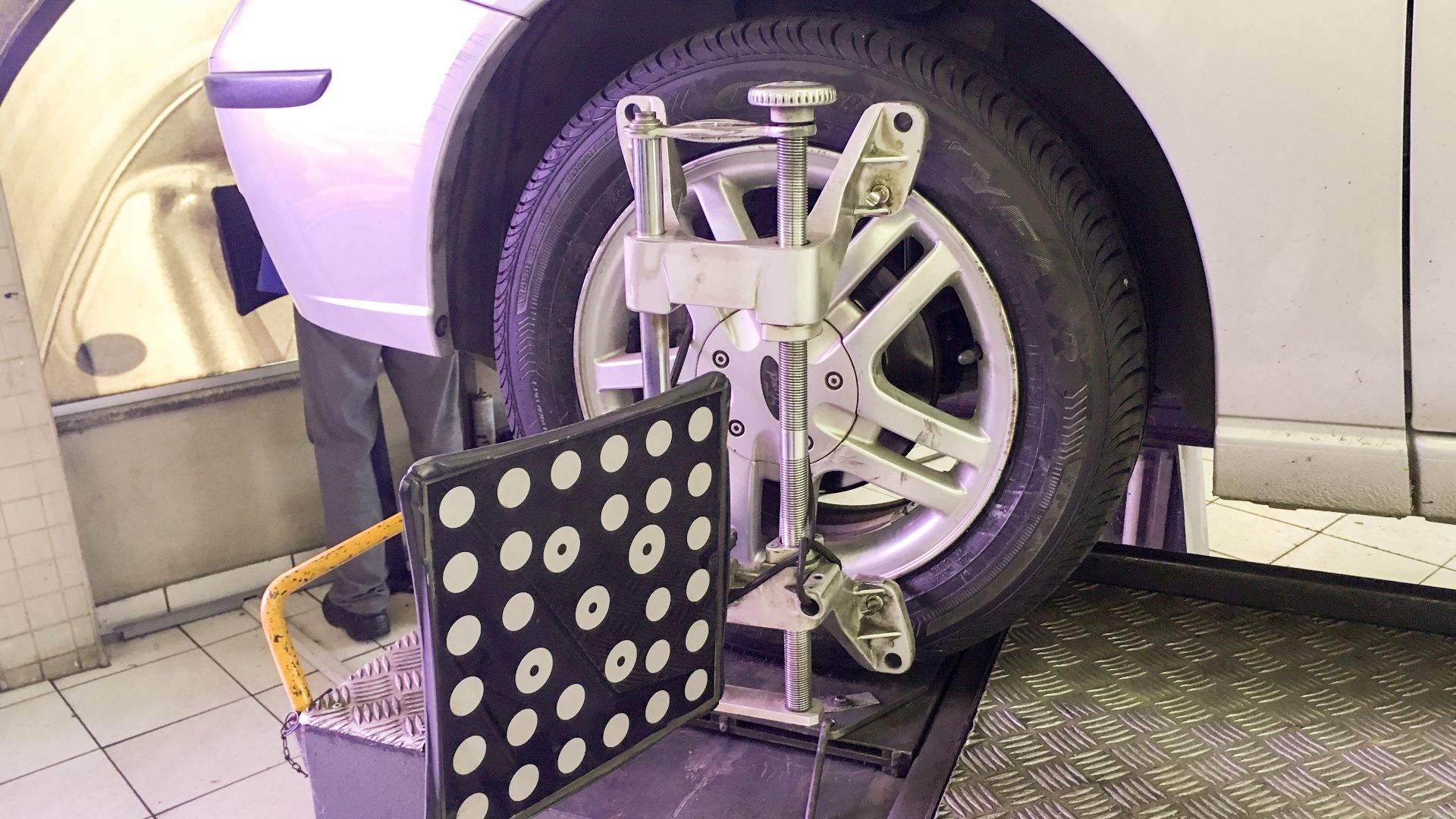
Pulling, uneven tread wear, and an off-center steering wheel can justify checking alignment. Request the actual measurements rather than accepting a routine package. Damaged steering or suspension components may need attention first.
 Photograph by Mike Peel (www.mikepeel.net)., Wikimedia Commons
A Leaking Hose Is Not Routine Maintenance
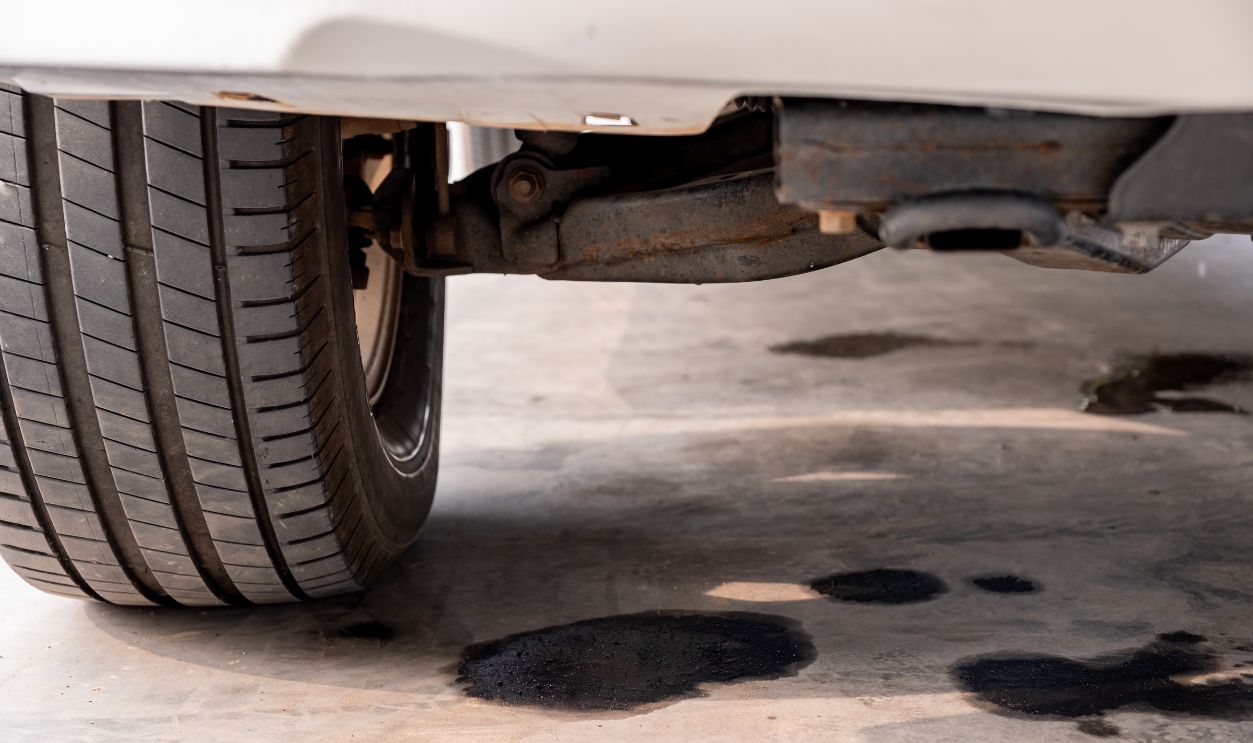
A cooling-system hose can leak regardless of its scheduled inspection date. Cracks, soft areas, or fluid loss warrant investigation. Ask where the leak starts and whether a simple loose connection could explain it.
Belts Should Be Judged By Their Condition
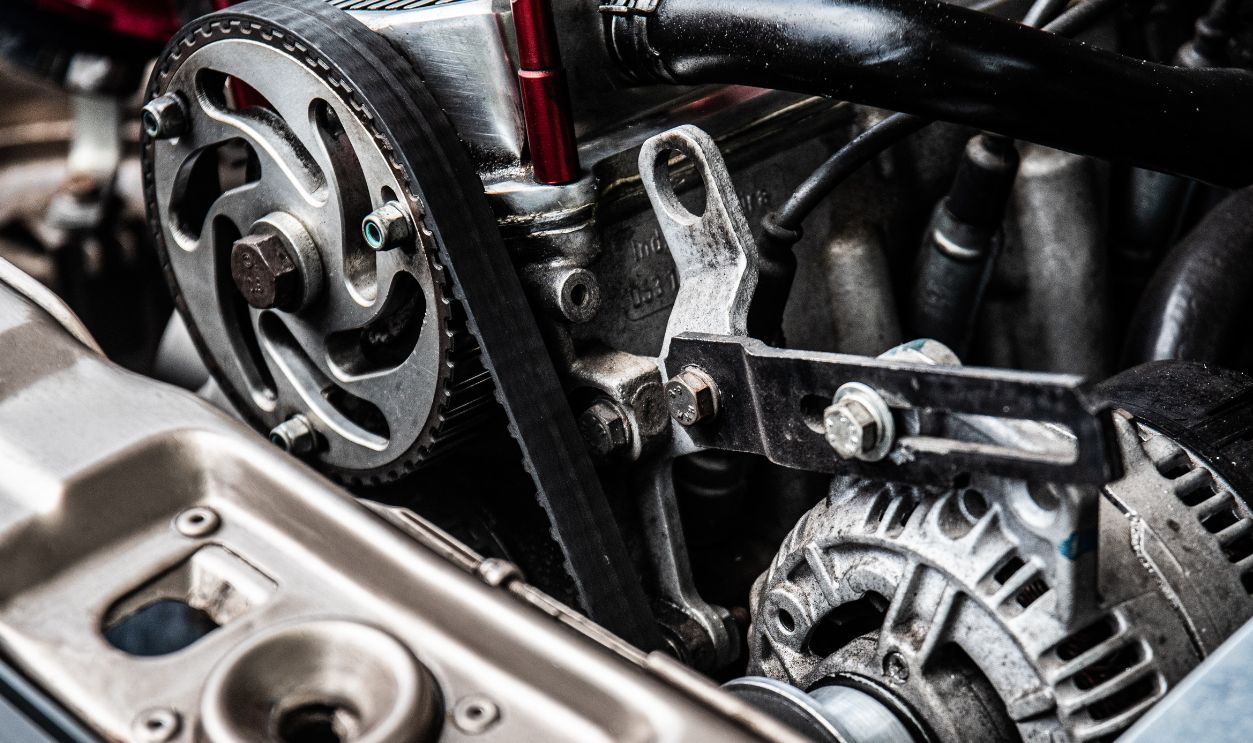
Belts can deteriorate between scheduled inspections. Fraying, glazing, and significant cracking are warning signs, although not every surface mark requires replacement. Ask to inspect the belt, tensioner, and the condition of associated pulleys.
A Dusty Air Filter Isn't Always Finished
An engine air filter may look dusty while still functioning. Many manufacturers recommend inspecting it and replacing it only when needed. Ask whether it's restricted or has actually reached its specified replacement interval.
 Piyawat Nandeenopparit, Shutterstock
Treat Unscheduled Fluid Flushes Carefully
A fluid change may be appropriate, but a generic flush package isn't automatically required. Ask what interval, test, or condition justifies it. Confirm that the shop plans to use the correct manufacturer-approved fluid.
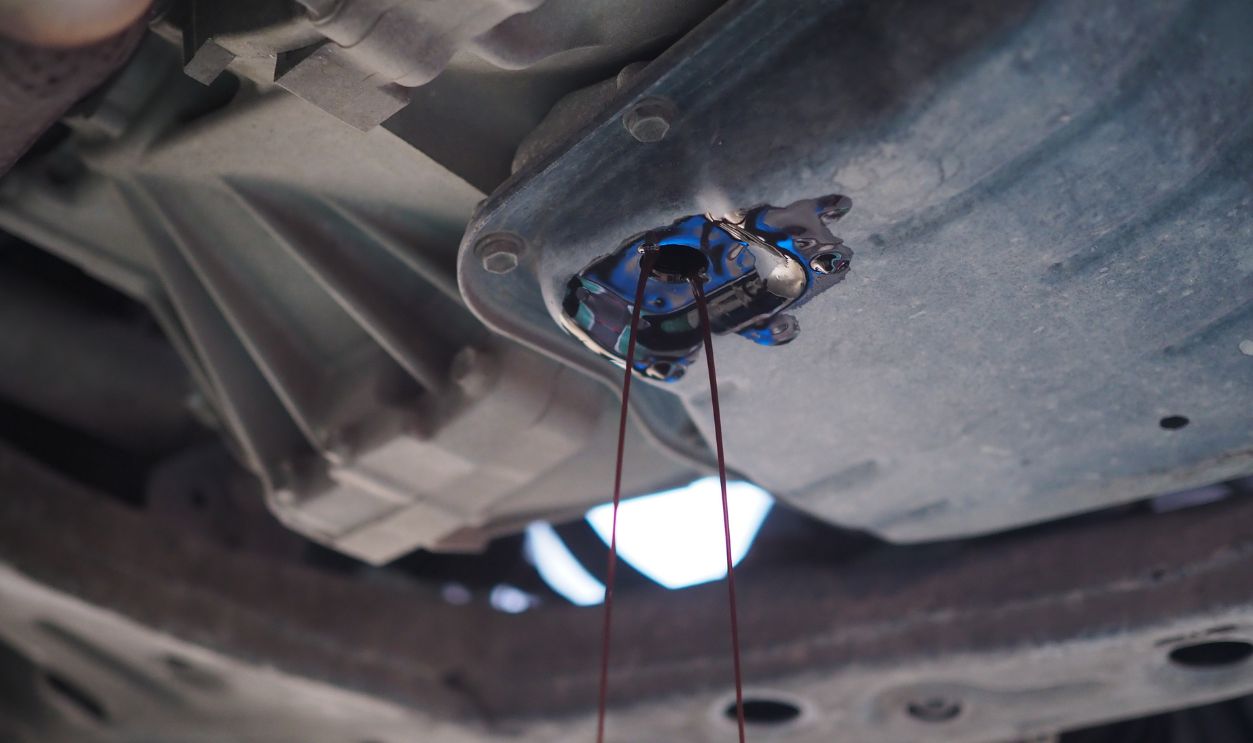
Don't Automatically Pay For An Upgrade
A shop might suggest a pricier fluid or broader service package. Higher cost doesn't automatically mean better protection. Ask why the upgrade benefits your particular vehicle and whether its fluid specifications match manufacturer requirements.

Check For An Open Safety Recall
The suggested repair might involve a part covered by a safety recall. Search your vehicle identification number through NHTSA before paying. Affected vehicles generally receive the manufacturer's recall remedy free.

Manufacturer Bulletins May Add Context
Automakers issue technical service bulletins and other communications about known problems. NHTSA lets owners search many by year, make, and model. A bulletin aids diagnosis but doesn't automatically promise free repairs or blanket coverage.

Find Out Whether Your Warranty Applies
Before approving expensive work, check your manufacturer's warranty and any service contract. Coverage depends on the defect and exclusions, including normal wear. Keep maintenance records available when requesting any applicable warranty coverage.

You Usually Aren't Tied To The Dealership
In the United States, using an independent shop doesn't itself void a manufacturer's warranty. However, damage caused by incorrect repairs can affect related coverage. The manufacturer must establish that connection when denying coverage.

Ask What Happens If You Wait
Ask the mechanic to separate safety concerns from inconveniences and future maintenance. Brake or steering trouble may be more urgent than a dirty filter. Request a clear explanation of what could happen if you delay the repair.

Some Repairs Can Be Monitored
Not every worn component needs immediate replacement. If usable life remains, request measurements and an appropriate future reinspection point. Confirm that postponing the work won't create a pressing safety concern.

Clarify Diagnostic Charges First
Finding a fault can require paid diagnostic time even without repairs. Shops may charge if you take the car elsewhere afterward. Ask upfront about the testing fee and scope before approving diagnosis.
 Frame Stock Footage, Shutterstock
Insist On A Written, Itemized Estimate
A written estimate should identify the problem, parts, and labor charges. Ask whether components are new, rebuilt, or used, and whether fees are included. Compare competing quotes for equivalent work rather than price alone.

Don't Give Blanket Permission For Extra Work
Require the shop to contact you before expanding the agreed work or cost. Authorization rules vary by jurisdiction, but clear written documentation protects both sides. Never sign a blank repair order.

A Second Opinion Is A Normal Step
For costly or complicated recommendations, consider another qualified shop's opinion. Share the symptoms and available documents, but allow an independent examination. Confirm the price of any additional independent diagnosis beforehand.

Keep The Paperwork And Make The Call
Keep estimates, photos, test results, invoices, and service records. They help document what was done and may support future warranty claims. The best decision combines manufacturer guidance with evidence of an actual problem.

You May Also Like: