Sticker Shock Returns
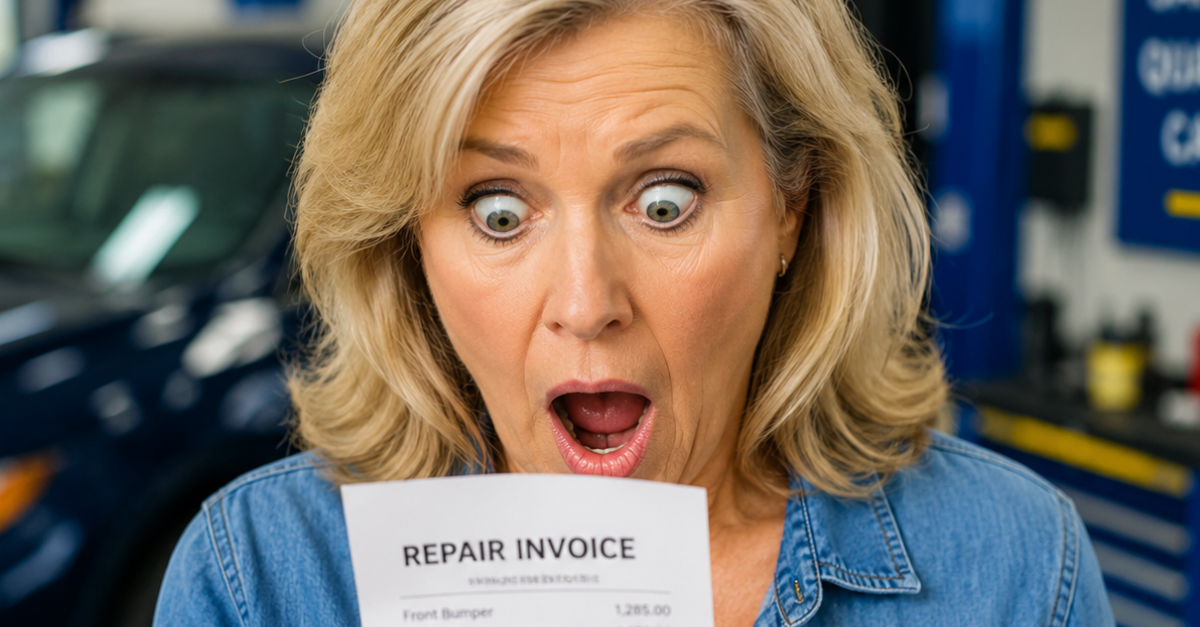
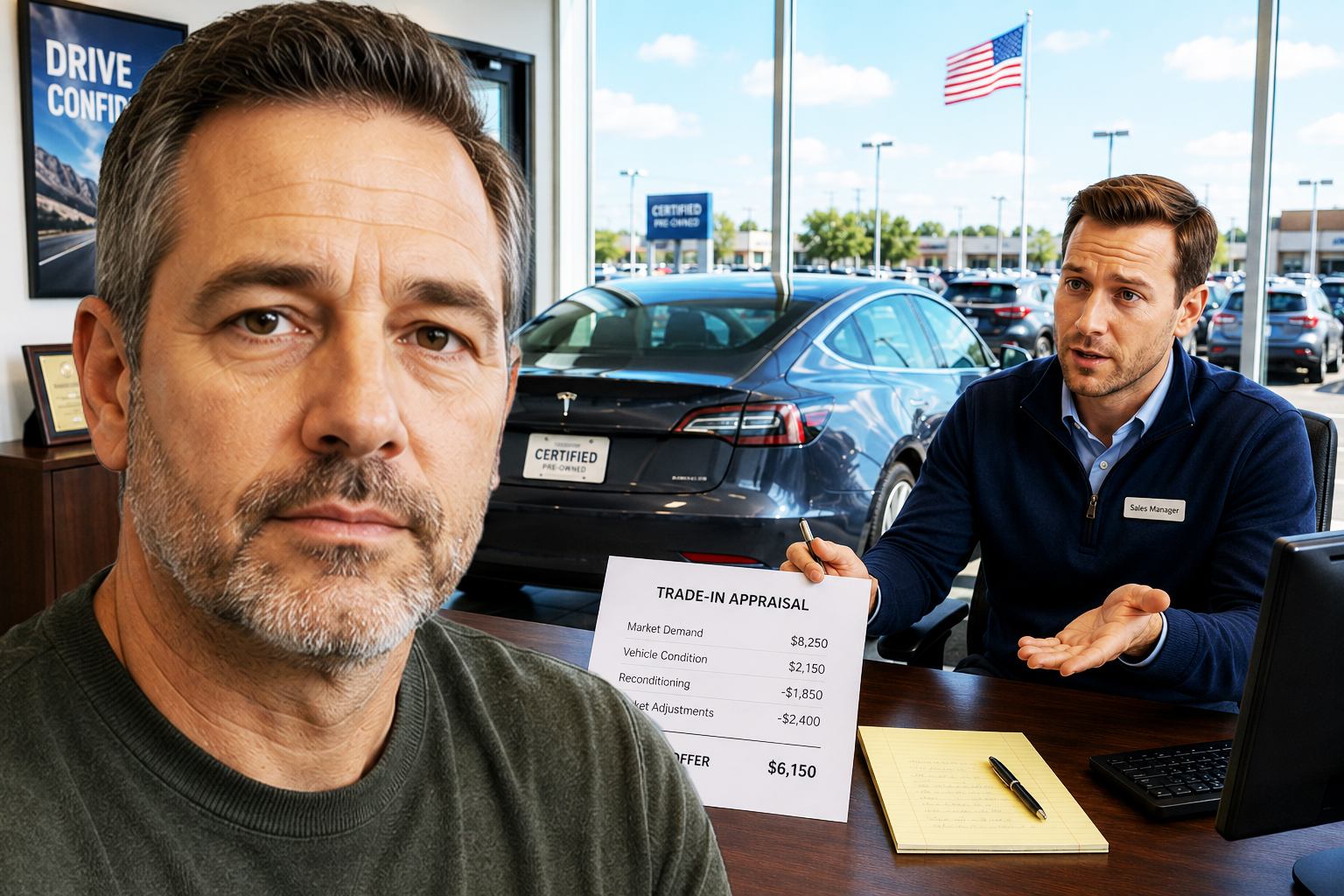
You paid a premium for a new electric vehicle expecting to save money through lower fuel and maintenance costs. Then came the trade-in appraisal, and the number was far lower than expected. That frustrating experience has become all too common for electric vehicle owners, but there are several reasons why it happens.
Depreciation Hits Hard
Every new vehicle loses value over time, but many electric vehicles have depreciated faster than comparable gasoline models. That can leave owners feeling as though years of fuel savings disappeared the moment they visited a dealership or began shopping for another vehicle.
Fuel Savings Are Real
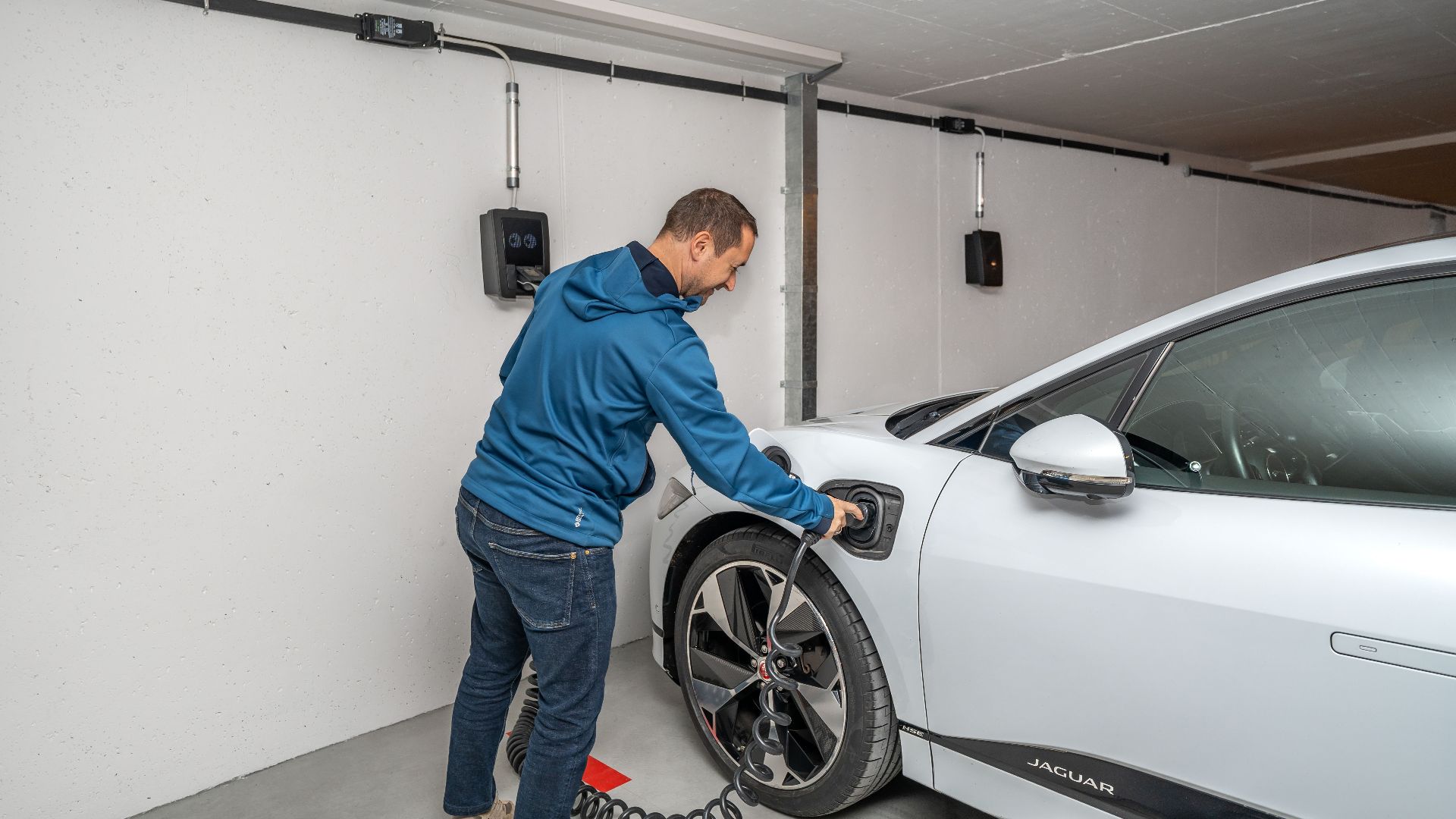
The financial picture is not entirely negative. Charging an EV generally costs less than buying gasoline, especially if you charge primarily at home. Electric vehicles also eliminate oil changes and reduce many routine maintenance expenses, helping offset part of the initial purchase price.
Incentives Change The Math
Federal tax credits and state incentives can significantly reduce the effective purchase price of a new EV. The challenge comes later because used buyers usually compare your vehicle against discounted new models, making your trade-in compete with prices you may never actually paid.
New Prices Keep Falling
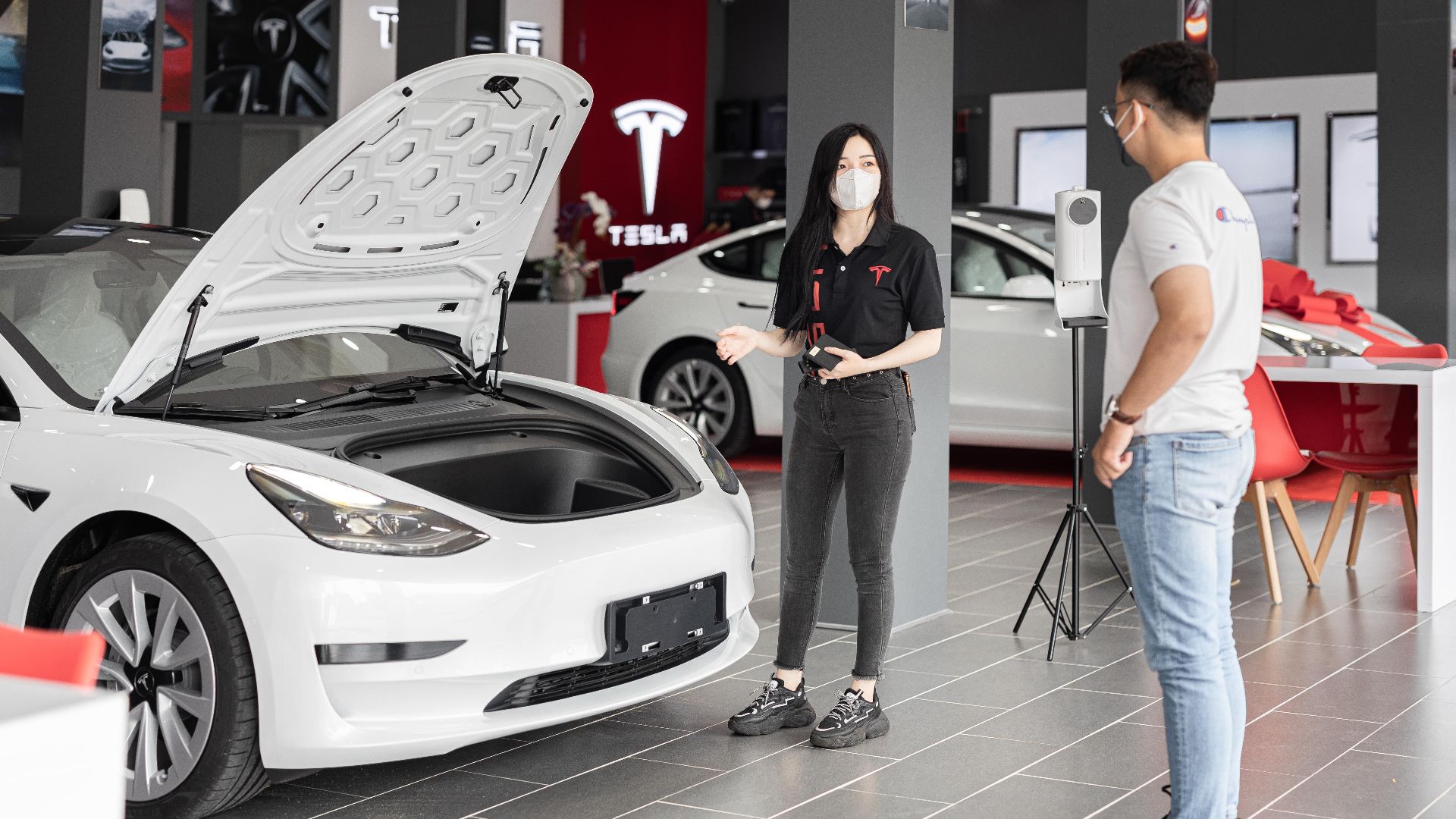
Many manufacturers have lowered EV prices or offered generous incentives to remain competitive. Those discounts benefit new buyers but can hurt existing owners. If a brand-new model suddenly costs thousands less, your used vehicle must also become less expensive to attract buyers.

Technology Moves Quickly
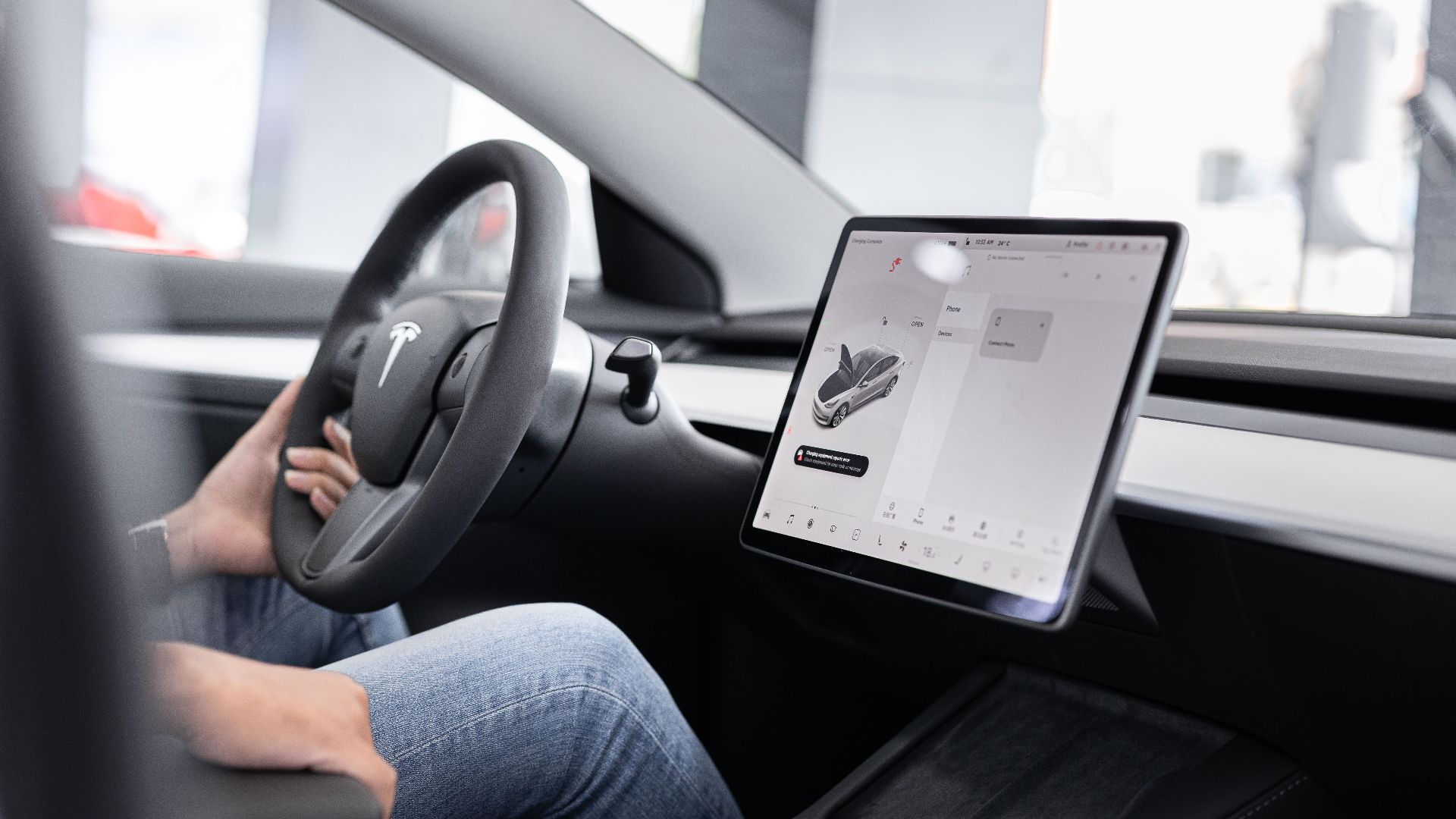
Electric vehicle technology continues advancing rapidly. Improvements in battery chemistry, charging speeds, driving range, and software can make a three-year-old EV seem much older than a similarly aged gasoline vehicle. Buyers naturally place greater value on the newest technology available.
Battery Questions Matter
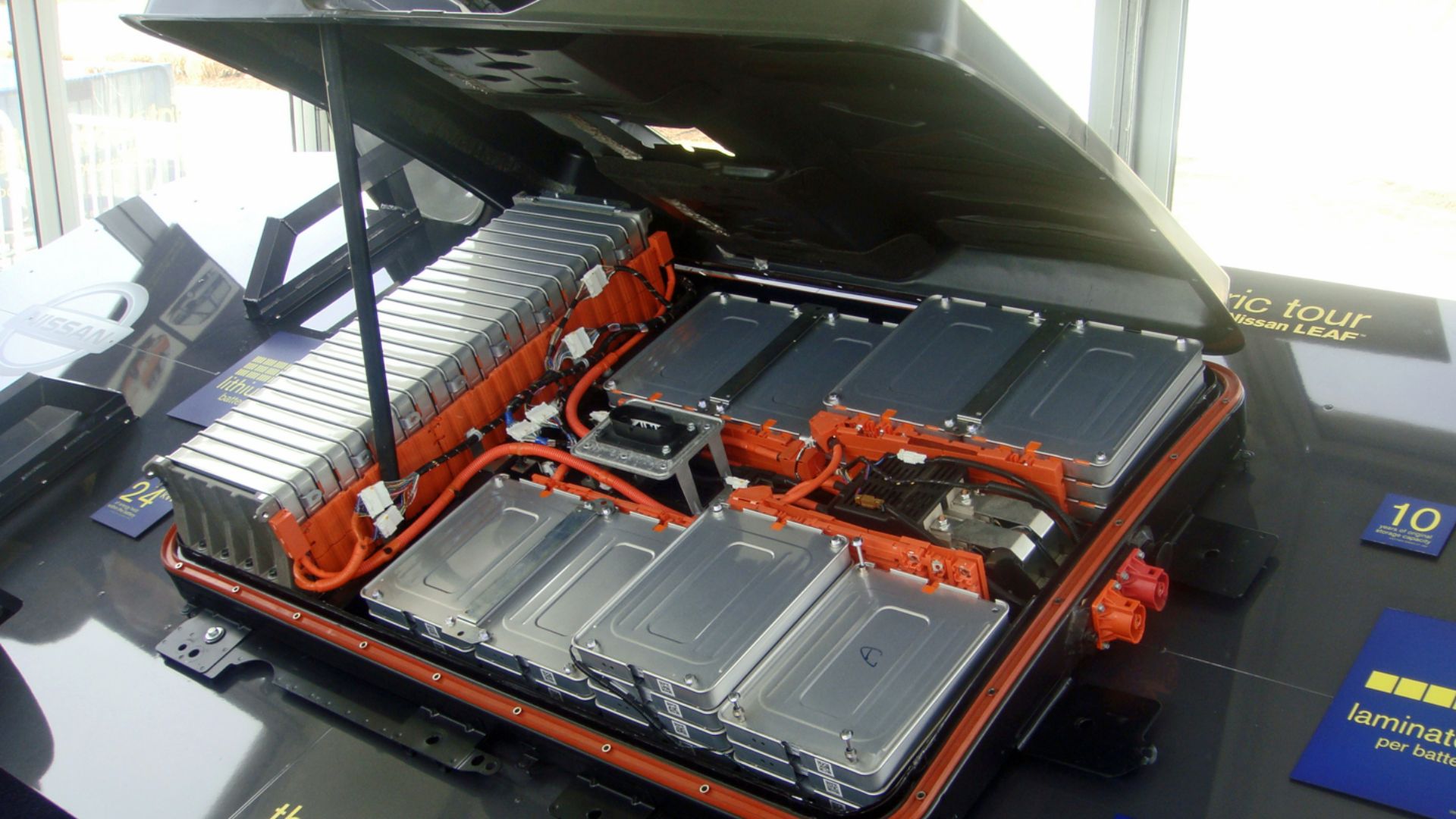
For many shoppers, the battery remains the biggest unknown. Buyers often wonder how much capacity has been lost, how much driving range remains, and what a future battery replacement might cost. Even when those fears are exaggerated, they can still influence resale prices.
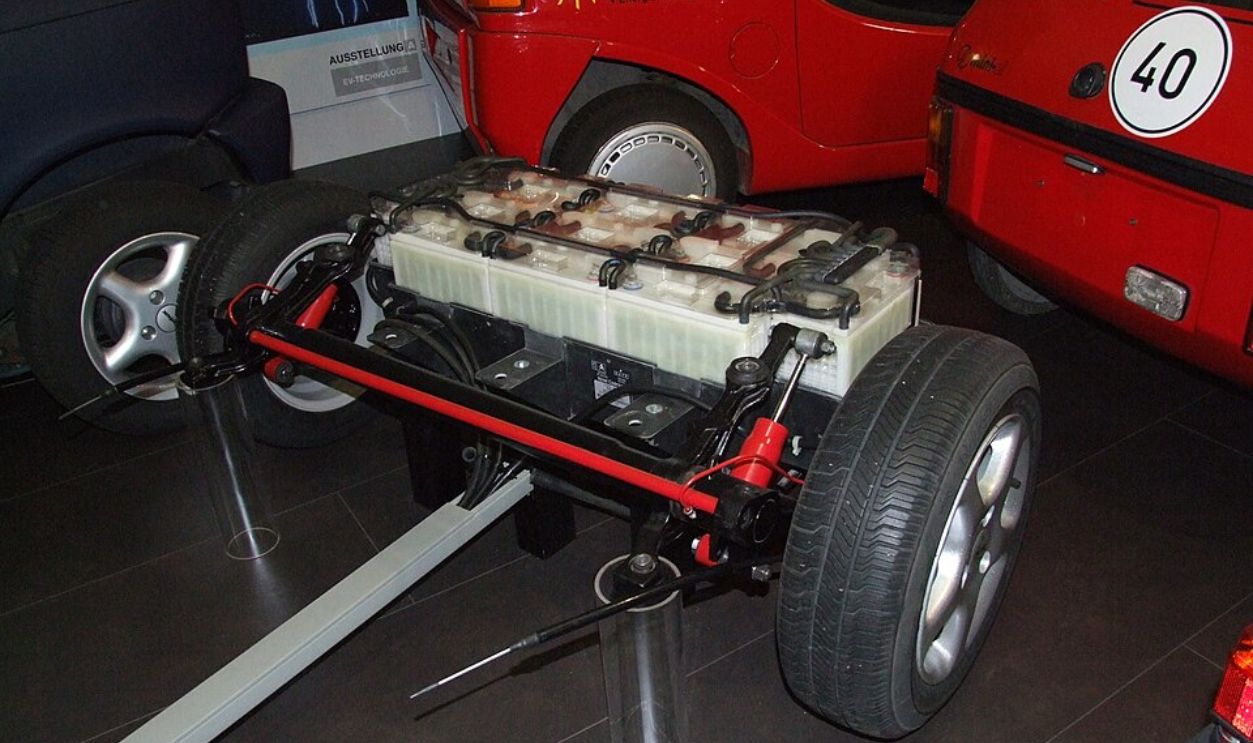 Claus Ableiter, CC BY-SA 4.0, Wikimedia Commons
Battery Health Is Critical
Battery health has become one of the most important measures of a used EV’s value. A vehicle with documented battery performance and strong remaining capacity generally attracts more buyer confidence than one with little information about its long-term condition.
Modern Batteries Last Longer
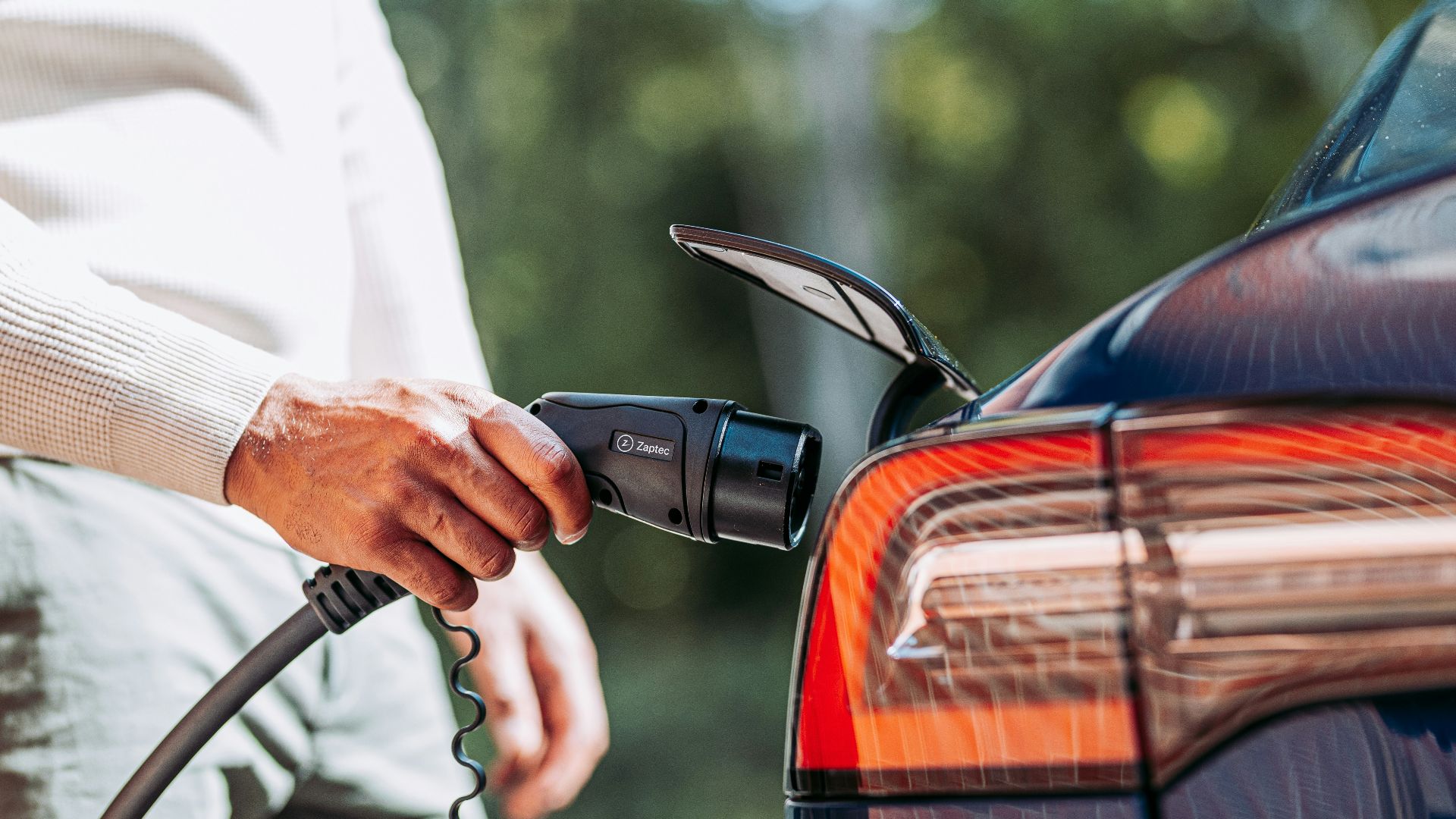
Fortunately, modern batteries have proven more durable than many early predictions suggested. Recent data indicates that most newer EVs retain around 95 percent of their original driving range after five years, and battery replacement rates have fallen dramatically as technology has improved.
 Mariordo Mario Roberto Duran Ortiz, Wikimedia Commons
Warranty Offers Confidence
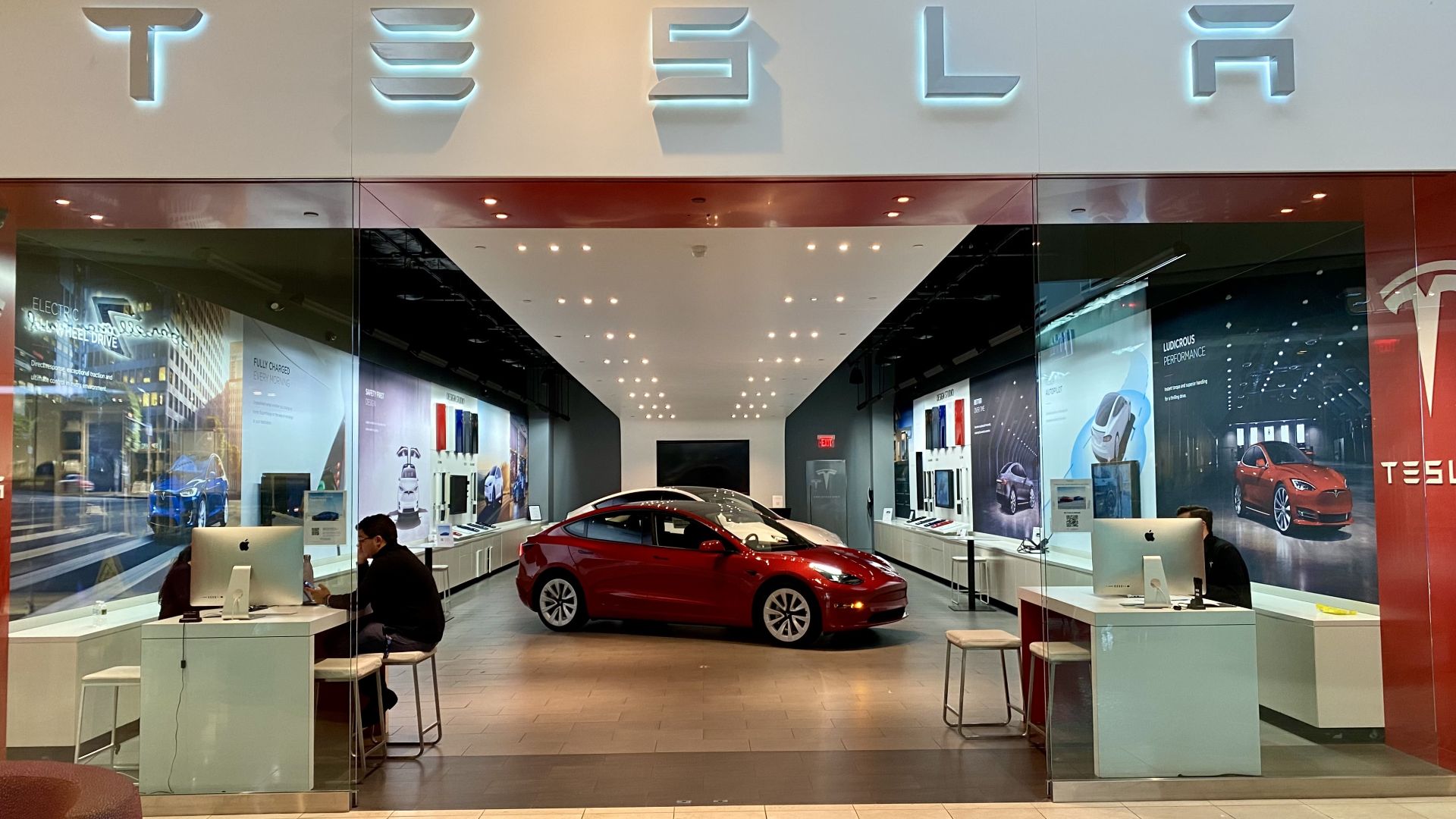
Most manufacturers provide long battery warranties, often lasting eight years or around 100,000 miles or more. Remaining warranty coverage can reassure used buyers because it reduces the financial risk associated with one of the vehicle’s most expensive components.
 Phillip Pessar, Wikimedia Commons
Supply Has Increased
The used EV market has expanded rapidly as leased vehicles return to dealerships and early adopters trade for newer models. Greater supply generally puts downward pressure on prices, especially when dealers have multiple similar vehicles competing for the same buyers.

Buyers Have More Choices
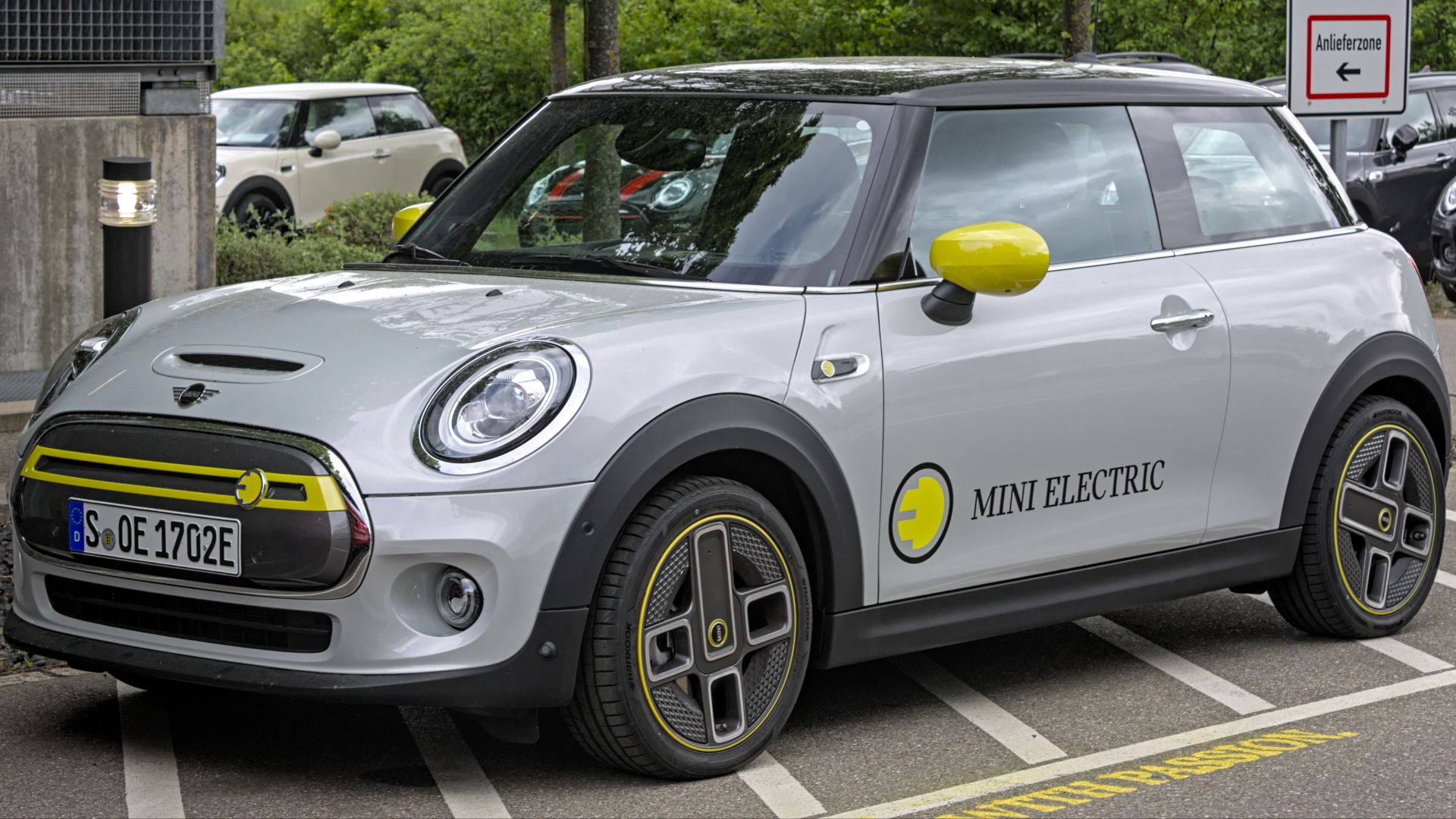
Only a few years ago, used EV shoppers had relatively limited options. Today they can compare numerous brands, battery sizes, and price points. Increased competition benefits buyers, but it also means sellers have less pricing power than before.
 Alexander Migl, Wikimedia Commons
Used Buyers Benefit
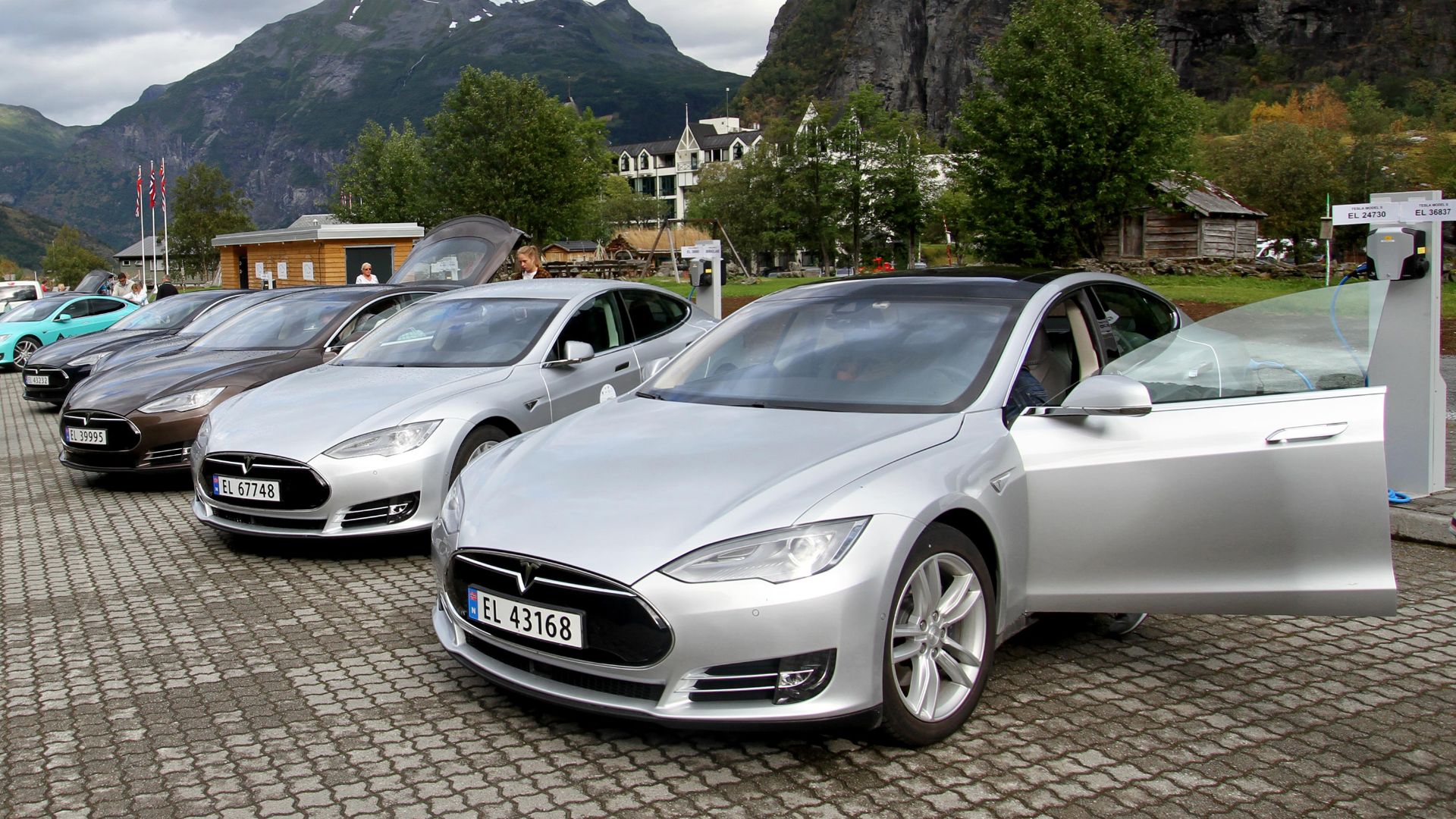
The very depreciation that frustrates first owners creates attractive opportunities for second owners. Someone purchasing a lightly used EV may receive thousands of dollars in savings while still enjoying modern technology, substantial battery life, and remaining factory warranty coverage.
 Norsk Elbilforening (Norwegian Electric Vehicle Association), Wikimedia Commons
Tax Credits Affect Resale
Government incentives can influence resale values in unexpected ways. If a new vehicle qualifies for substantial incentives, some shoppers will choose new over used unless the used model is priced accordingly. That dynamic can accelerate depreciation during the first several ownership years.

Trade In Vs Private
Dealership trade-in offers often differ significantly from private-party selling prices. Dealers must leave room for reconditioning, transportation, warranty obligations, and profit. If maximizing resale value is your goal, selling privately may produce a stronger financial outcome, although it usually requires more effort.
 Wedmoments.stock, Shutterstock
Keep Charging Records
Documenting your ownership can help reassure future buyers. Service records, software updates, battery inspections, and consistent maintenance demonstrate responsible ownership. If available, battery health reports provide valuable evidence that the vehicle has continued performing as expected.

Protect Battery Life
You cannot stop battery aging completely, but you can adopt habits that promote long-term battery health. Avoiding prolonged exposure to extreme temperatures, following manufacturer charging recommendations, and minimizing unnecessary stress on the battery may help preserve long-term performance.

Condition Still Counts
Battery health is important, but buyers still evaluate everything else. Clean paint, an undamaged interior, complete maintenance records, functioning technology, and quality tires all contribute to resale value. An attractive vehicle makes buyers more comfortable regardless of its powertrain.

Timing Makes A Difference
Market conditions change constantly. Selling immediately after major manufacturer price reductions or large incentive programs may produce disappointing offers. If your finances allow flexibility, waiting for inventory levels and pricing to stabilize could improve resale prospects.

Leasing Changes The Risk
Some shoppers lease EVs specifically because they worry about depreciation. Leasing shifts much of the residual value risk to the leasing company, although monthly payments, mileage limits, and lease-end costs should still be carefully reviewed before signing an agreement.

Every Model Is Different
Not every EV depreciates at the same rate. Brand reputation, charging network access, battery range, software support, reliability, and overall demand all influence resale values. Some models hold their value considerably better than others, making research especially important before buying.
Think Beyond Resale
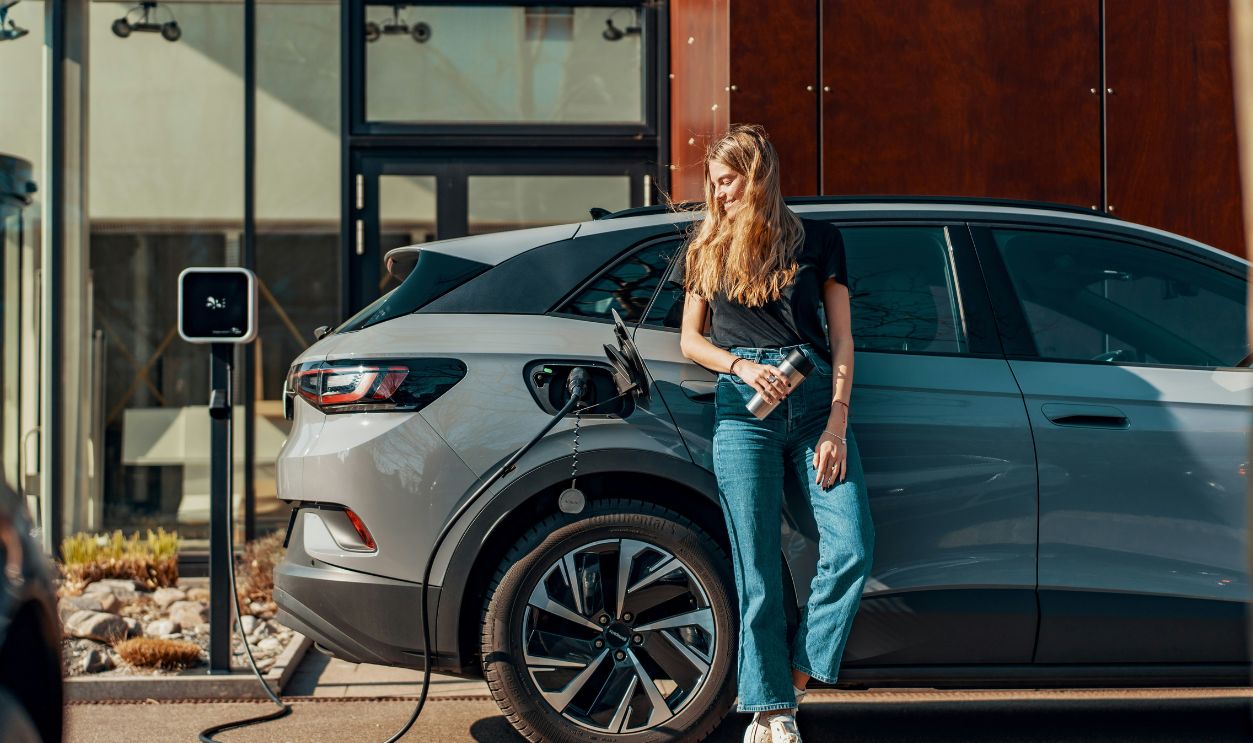
It is easy to focus entirely on depreciation, but ownership costs include more than resale value. Fuel savings, maintenance expenses, insurance, financing costs, incentives, and your planned ownership period all contribute to the vehicle’s overall financial picture.

The Market Is Maturing
The used EV market continues evolving. Falling prices have made electric vehicles accessible to many buyers who previously could not afford them. At the same time, improving battery durability and greater consumer familiarity are gradually strengthening confidence in used electric vehicles.
Buy With A Plan
Before purchasing your next EV, estimate not only the purchase price but also expected depreciation, incentives, charging costs, insurance, and ownership length. Looking at the complete financial picture will give you a much better understanding of whether an electric vehicle fits your budget.

Saving Money Takes Balance
An EV can still be an excellent financial decision, but only if you consider every part of ownership. Lower fuel and maintenance costs may offset some depreciation, while careful model selection, battery care, and smart timing can improve your chances of retaining as much value as possible.
You May Also Like:
The 12 most reliable electric vehicles—and 12 you should avoid