The Charger Says Everything Is Normal
The cable connects, the session starts, and there aren’t any obvious errors. Yet the car still seems to gain range much more slowly than expected. Before assuming the charging station is defective, it helps to remember that the station is only one piece of a surprisingly complicated conversation between the electrical supply, the car, and its battery.
Start With The Number The Car Is Actually Receiving
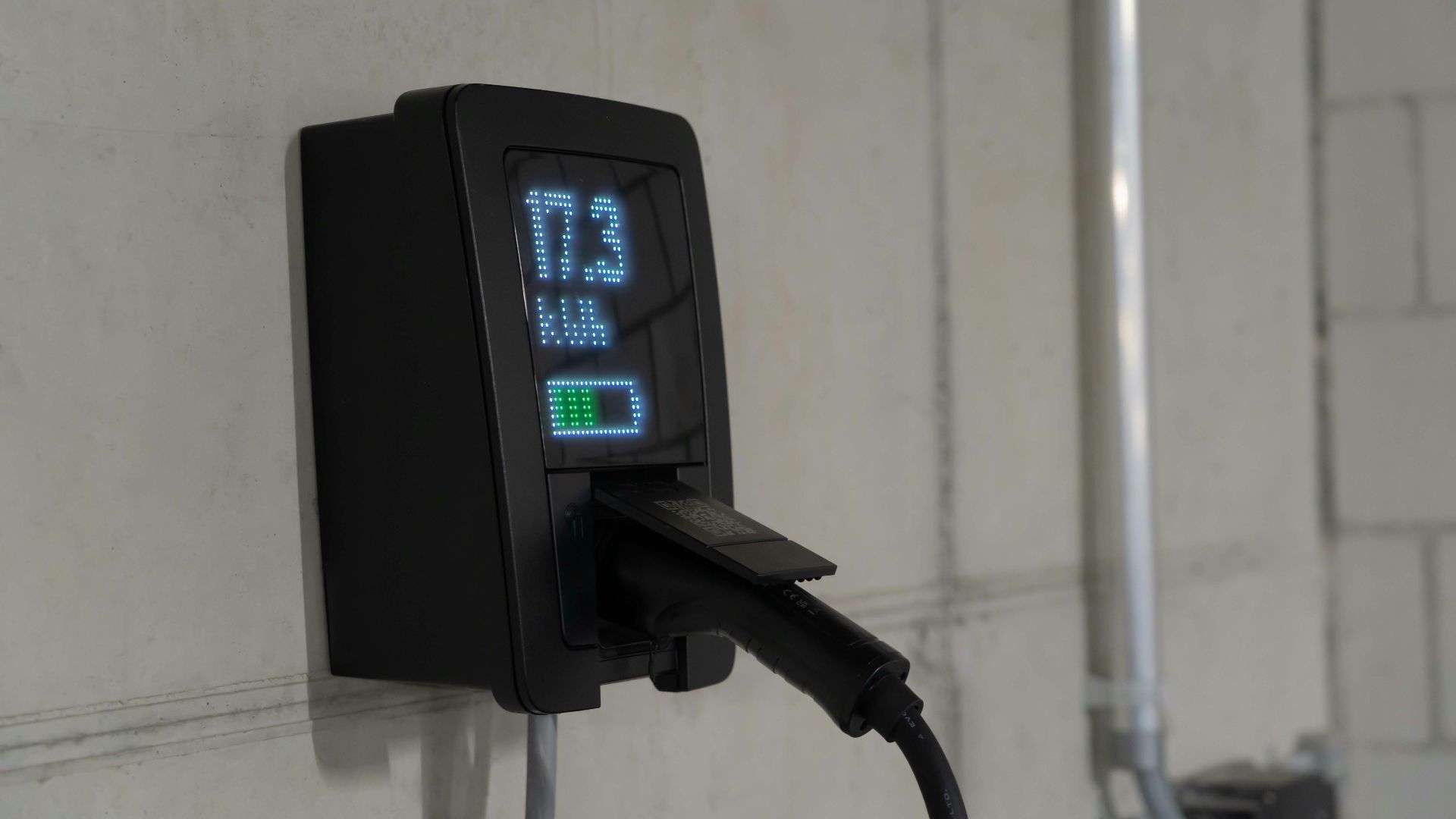
Look at the charging screen in the vehicle or charging app and find the current power rate in kilowatts. That tells you much more than simply watching the estimated completion time. If a Level 2 charger is supplying 7.2 kW consistently, for example, it may be doing exactly what the circuit and vehicle allow.
Don’t Confuse Kilowatts With Kilowatt-Hours
Kilowatts measure charging power at a particular moment, while kilowatt-hours measure how much energy has been delivered. Think of kilowatts as the speed of the flow and kilowatt-hours as the amount that ultimately went into the battery. Mixing the two can make a perfectly normal charging session seem slow.
Check What Your EV Can Actually Accept
A powerful charging station can’t force an EV to accept more electricity than the vehicle was designed to handle. Car and Driver points out that the car’s onboard charger determines the maximum Level 2 charging rate. A home station capable of 11.5 kW won’t make a vehicle with a 7.2-kW onboard charger charge at 11.5 kW.
The Wall Unit Isn’t Technically Doing All The Charging
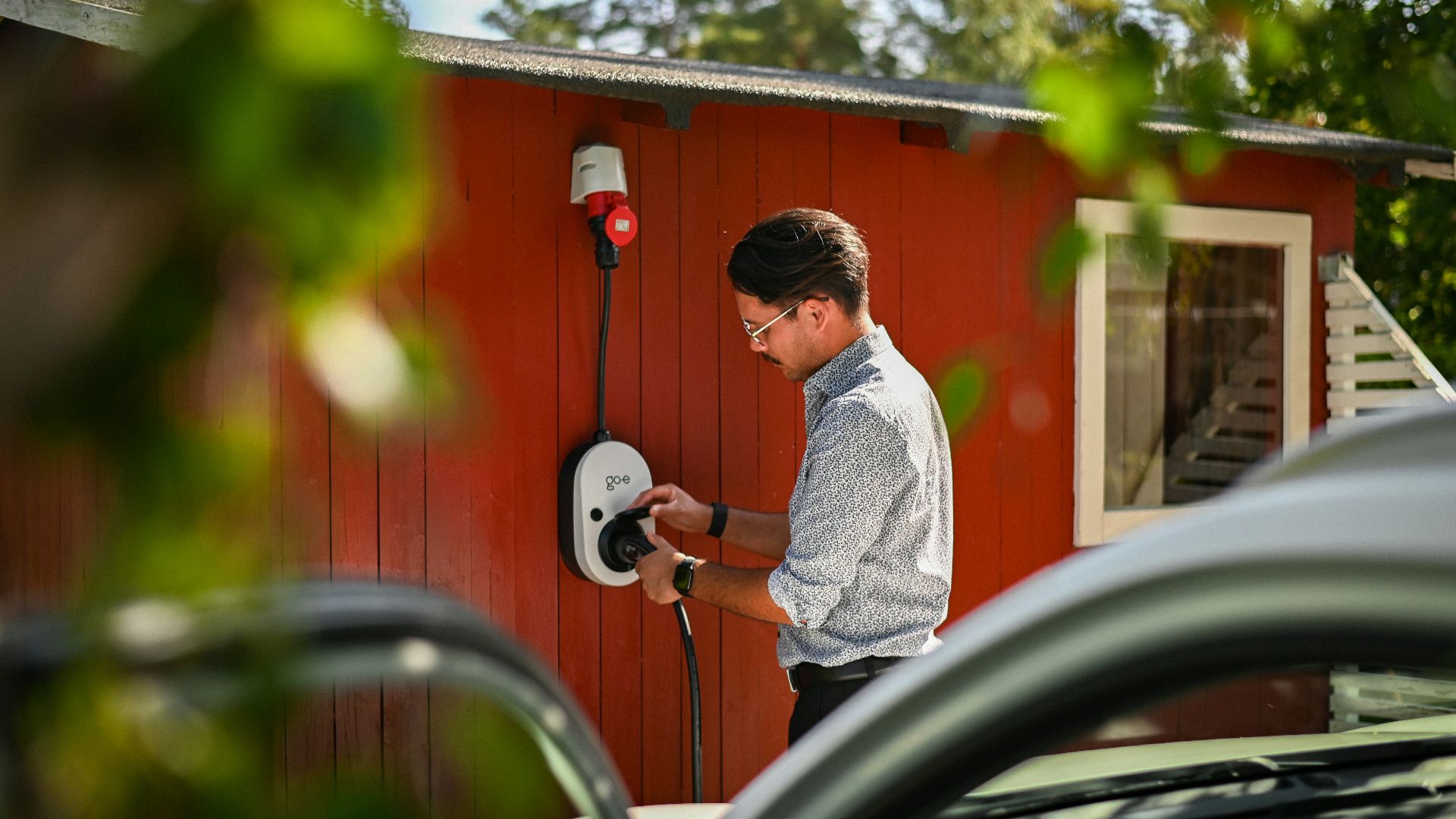
With Level 1 and Level 2 charging, the device on the wall is technically EV supply equipment. The actual charger that converts AC electricity into the DC energy stored in the battery is built into the vehicle. That distinction explains why two cars connected to the same wall unit can charge at very different speeds.
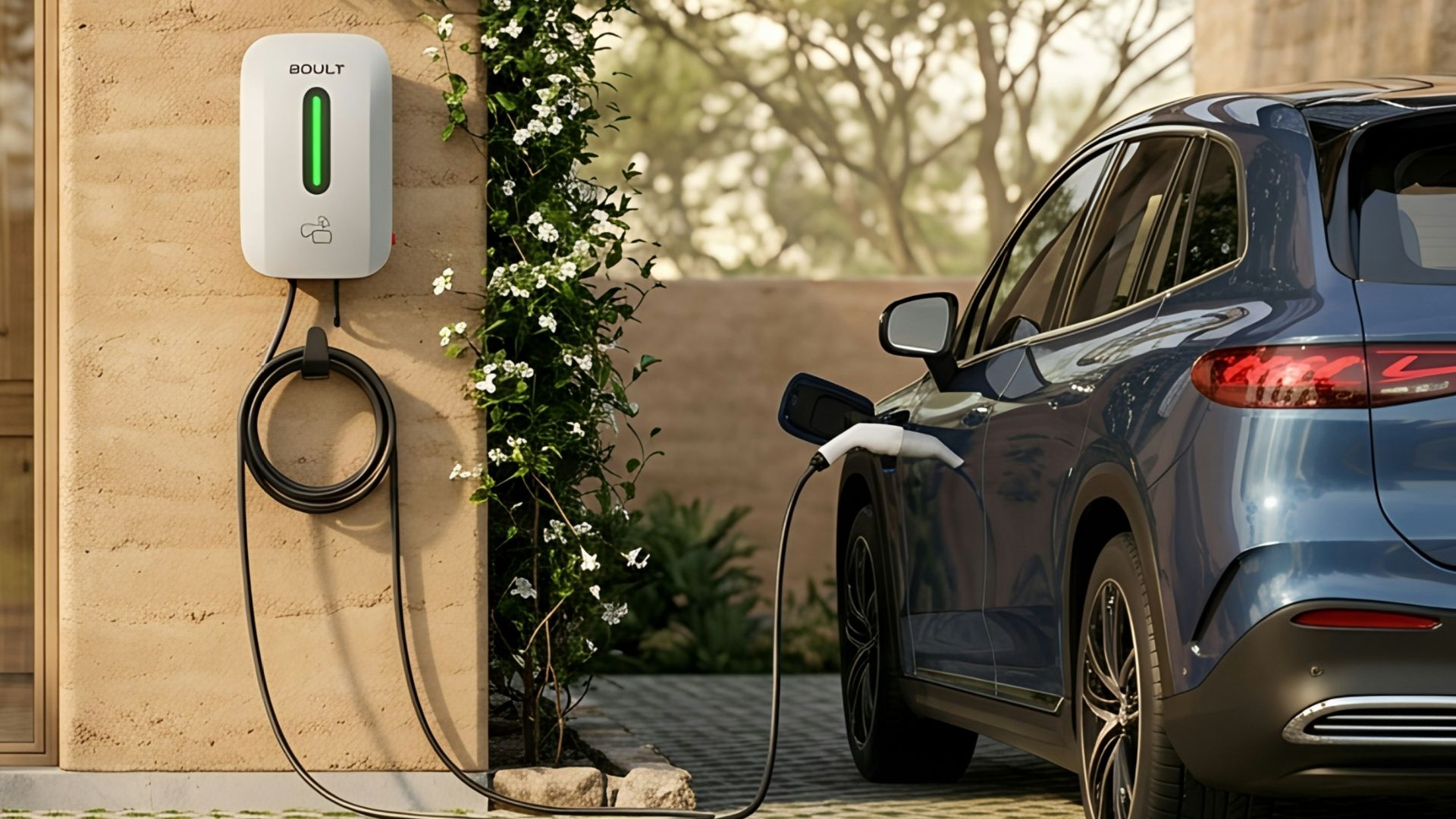 Christian Rebero Twahirwa, Unsplash
Check The Circuit Rating Too
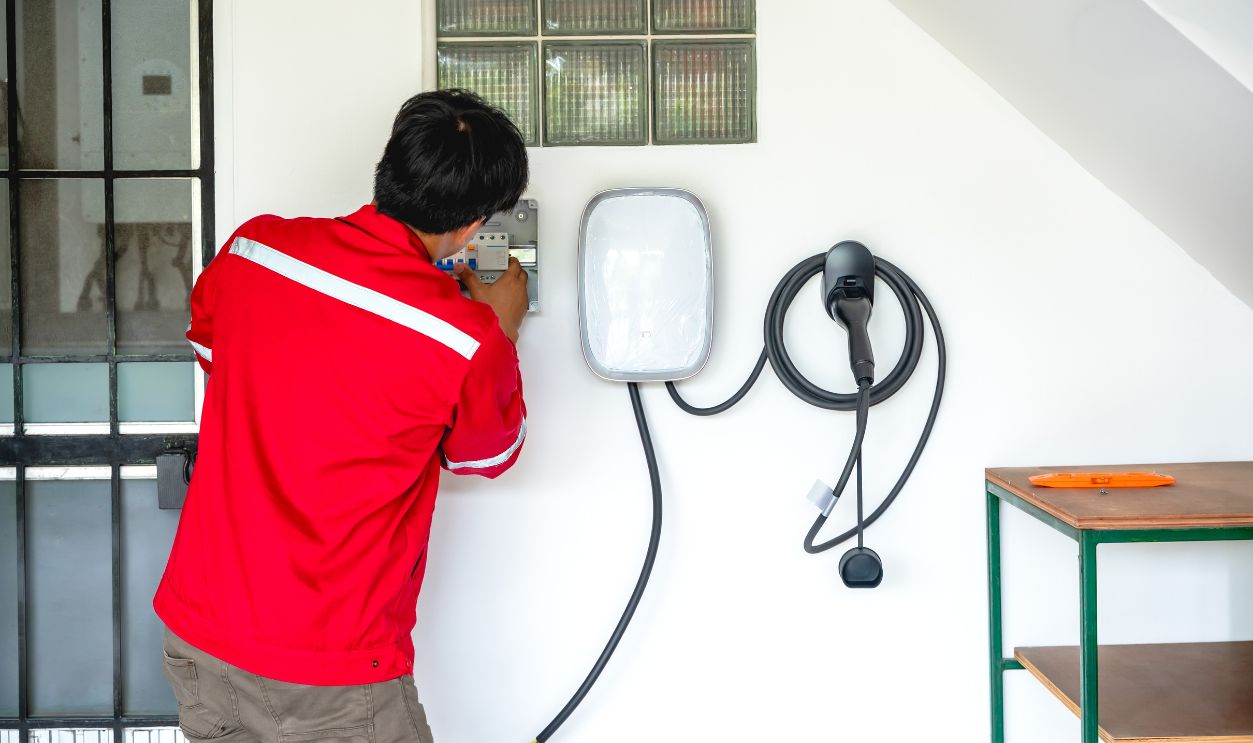
A Level 2 charger might be capable of 48 amps, but that doesn’t mean the home electrical circuit is configured to deliver that much. A unit installed on a lower-amperage circuit may have been intentionally set to a lower output.
Continuous Loads Have Their Own Limits
EV charging is considered a continuous electrical load, so the usable charging current is typically lower than the breaker’s full rating. A 50-amp circuit, for example, commonly supports 40 amps of continuous charging. That can translate to roughly 9.6 kW on a 240-volt supply.
A Plug-In Charger May Be Slower Than A Hardwired One
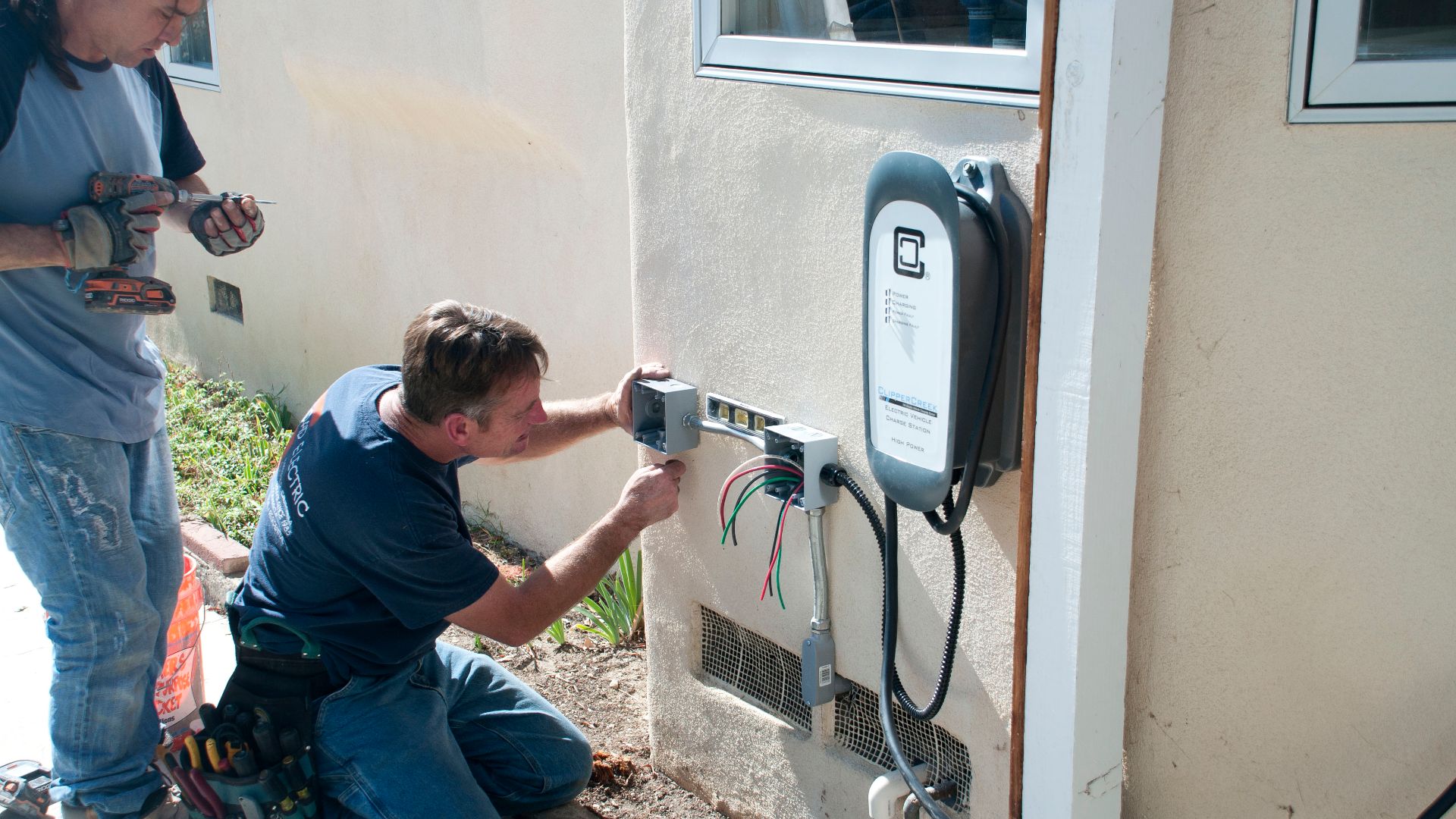
Some plug-in home chargers are limited to lower current than hardwired installations. If the owner expected the maximum speed advertised on the charger box, check which installation method was actually used and what output level the electrician configured.
Check The Charger’s Settings
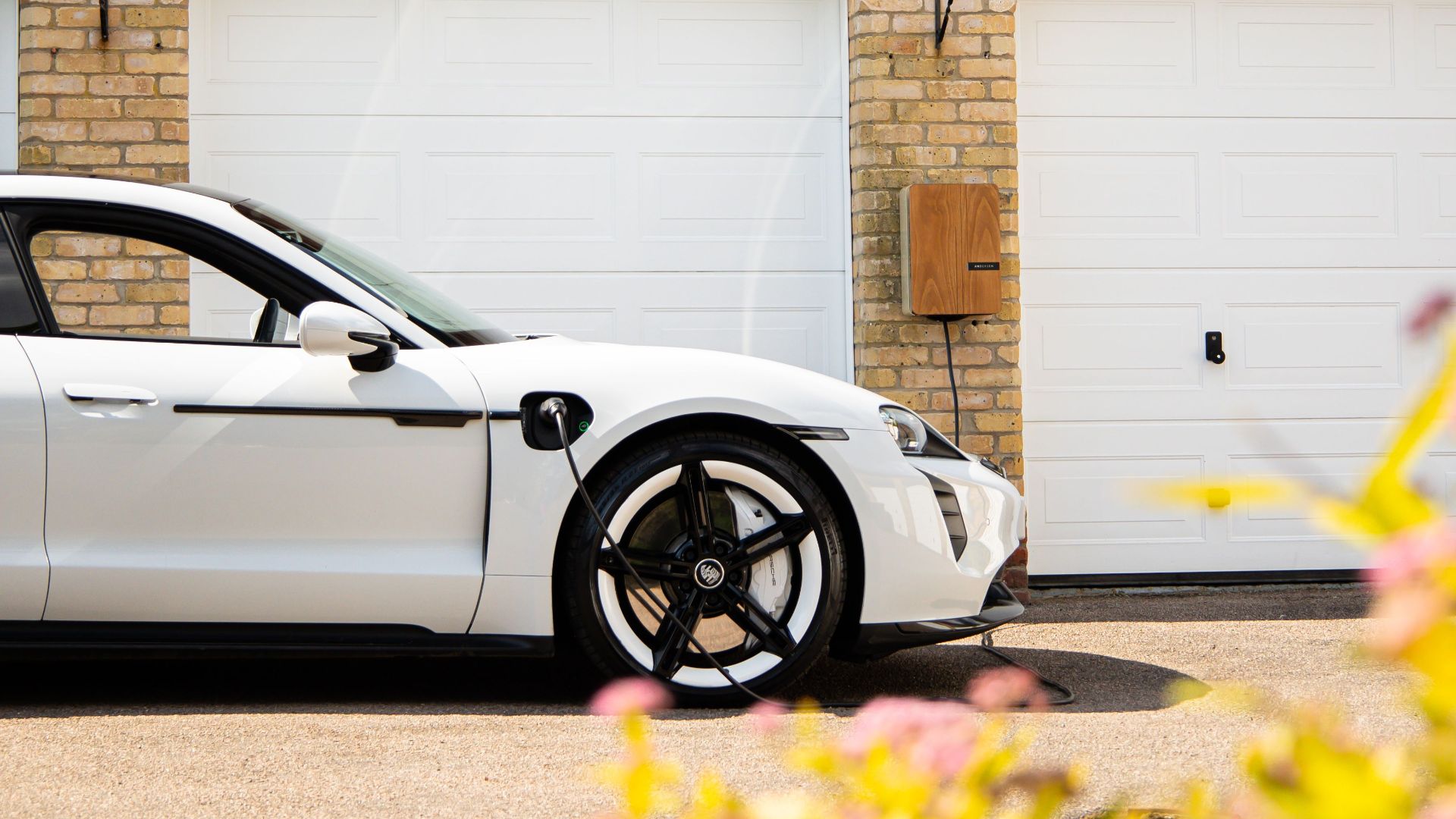
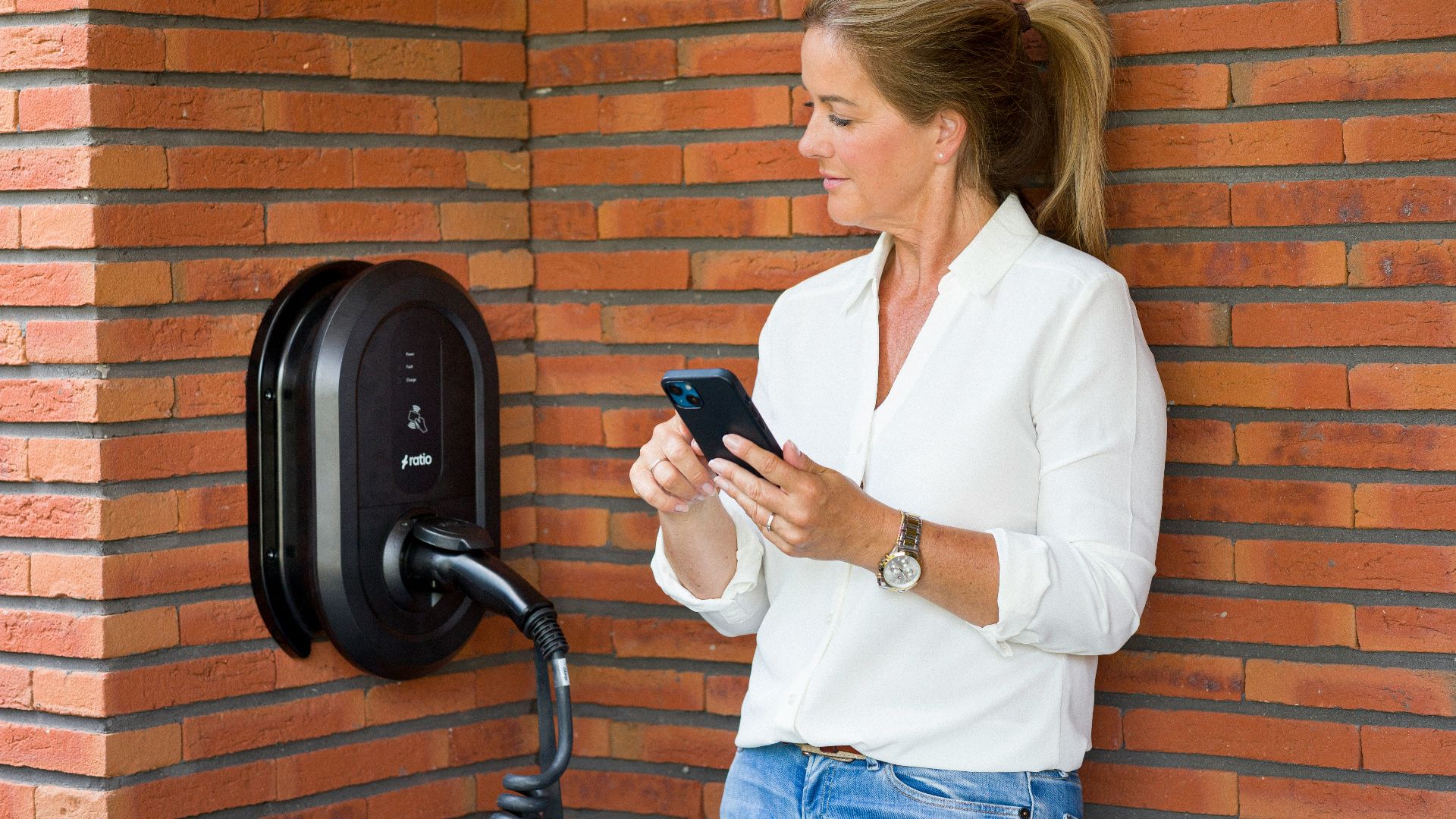
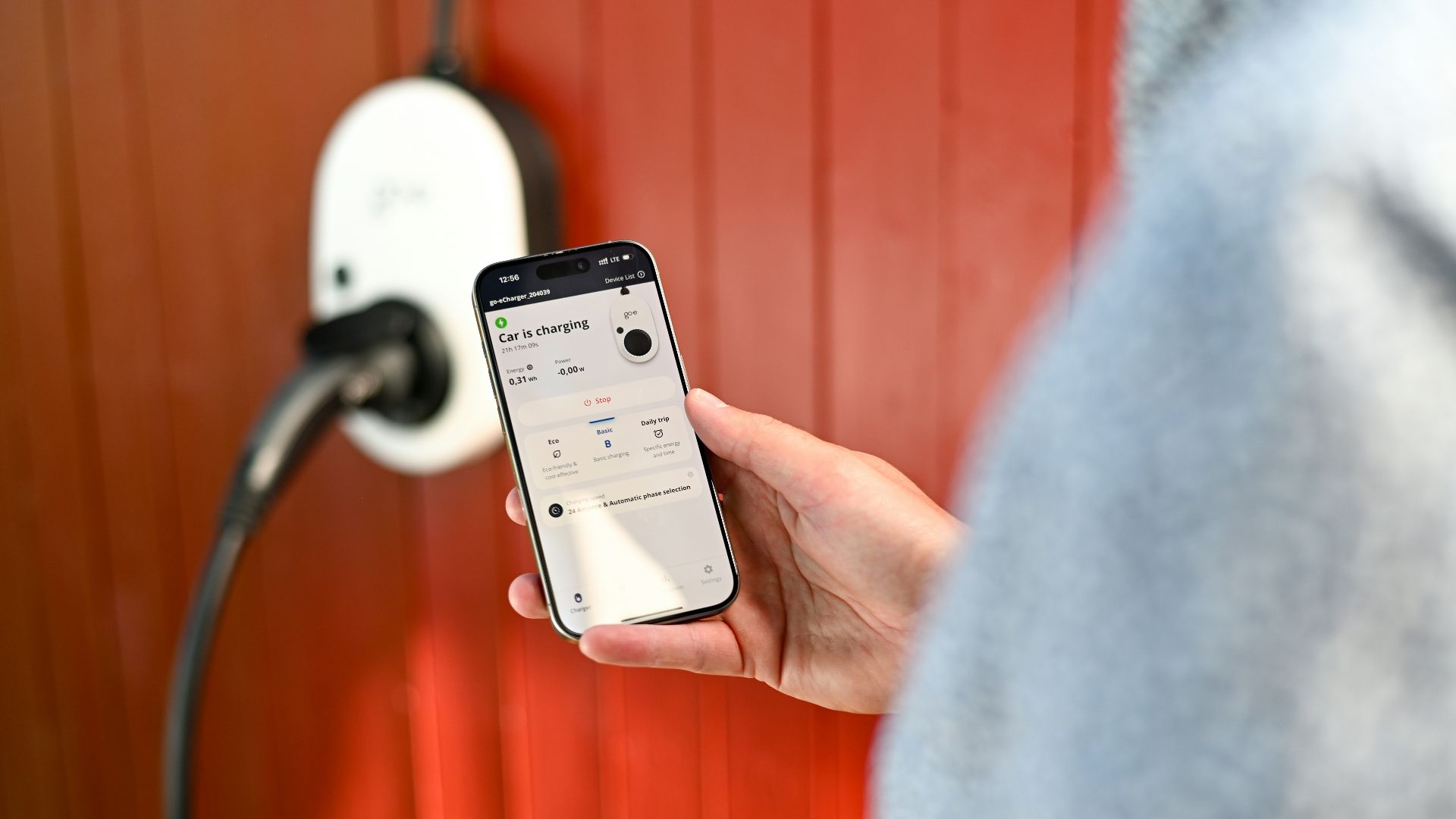
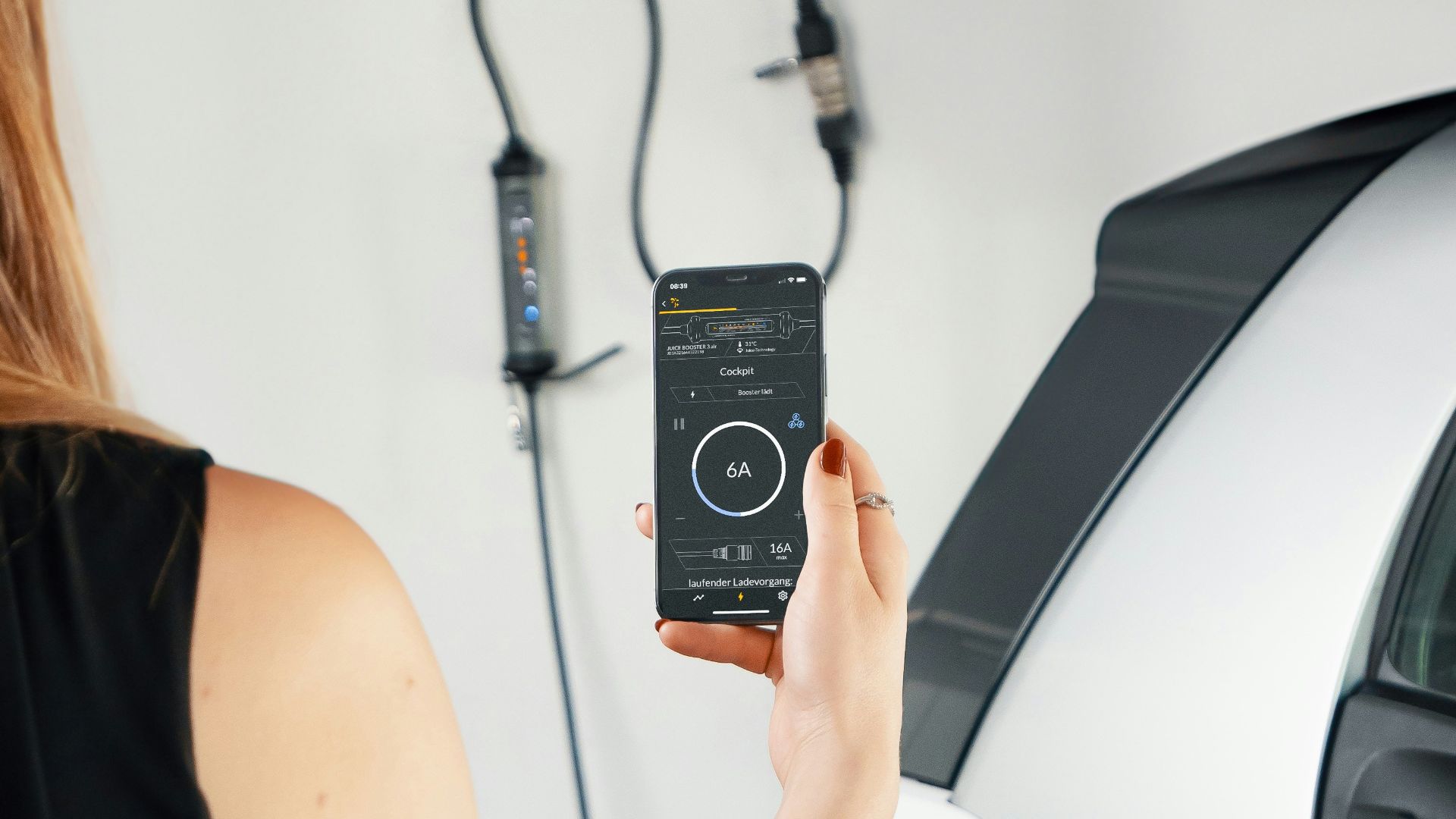
Many smart chargers allow owners or installers to adjust maximum amperage through an app or setup menu. A unit capable of 48 amps may have been set to 24 or 32 amps intentionally. That could happen because of the circuit size, panel capacity, utility program, or simply an incorrect configuration.
The Car May Have Its Own Current Limit
Some EVs also let the driver reduce AC charging current from the dashboard or app. That can be useful when charging from an older outlet or limited electrical source, but it can also be forgotten. Check whether the vehicle itself is set to a reduced charging level.

Battery Percentage Changes Everything On Fast Chargers
DC fast-charging speeds aren’t constant from empty to full. EVs generally accept high power when the battery is at a lower state of charge and gradually reduce it as the pack fills. Seeing a 150-kW-capable EV charging at a fraction of that rate near 90% can be completely normal.
The Famous Peak Number Can Be Misleading
Manufacturers love advertising maximum charging rates, but that number may only occur during a relatively small portion of the session. Car and Driver has found that average charging speed over a useful range can matter far more than the single highest number the vehicle briefly reaches.

Above 80 Percent Can Feel Painfully Slow
Many EVs noticeably reduce DC fast-charging power around 80%. Electrify America specifically tells drivers to expect charging levels to fall toward the end of a session. Depending on the vehicle, getting from 80% to 100% can take disproportionately longer than the earlier part of the charge.
Start Fast-Charging Lower If You Want To Test It
If you want to know whether the car can achieve something close to its advertised fast-charging performance, arriving at 70% isn’t a particularly useful test. Try a compatible high-power charger with the battery much lower and properly warmed, then observe what happens through the middle of the charging curve.
Battery Temperature Can Be The Real Culprit
Lithium-ion batteries don’t like charging extremely quickly when they’re too cold or too hot. The battery-management system can deliberately reduce charging power to protect the pack. That means the same vehicle and charger can produce very different speeds on different days.
Cold Weather Can Cut Charging Speed Dramatically
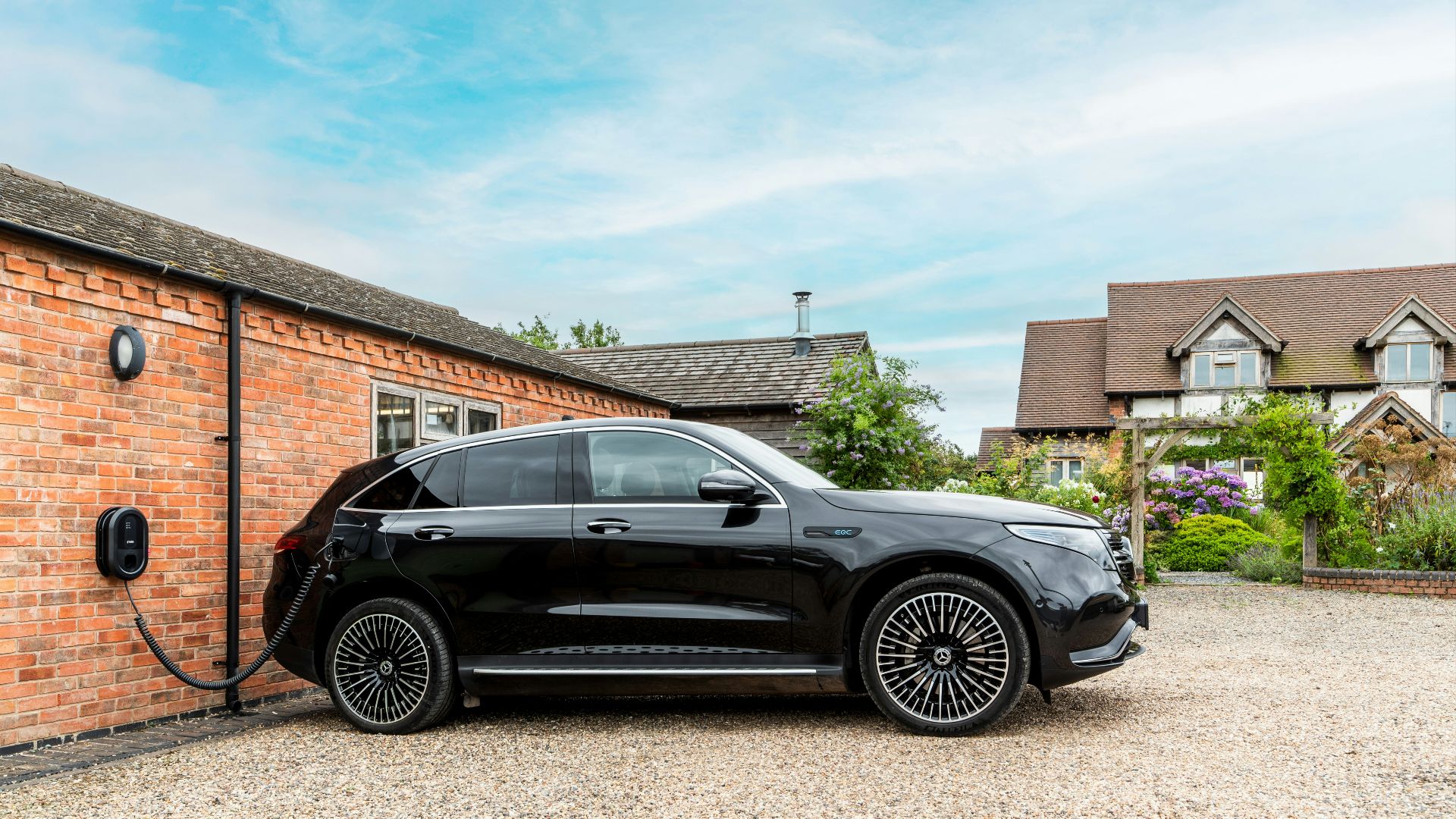
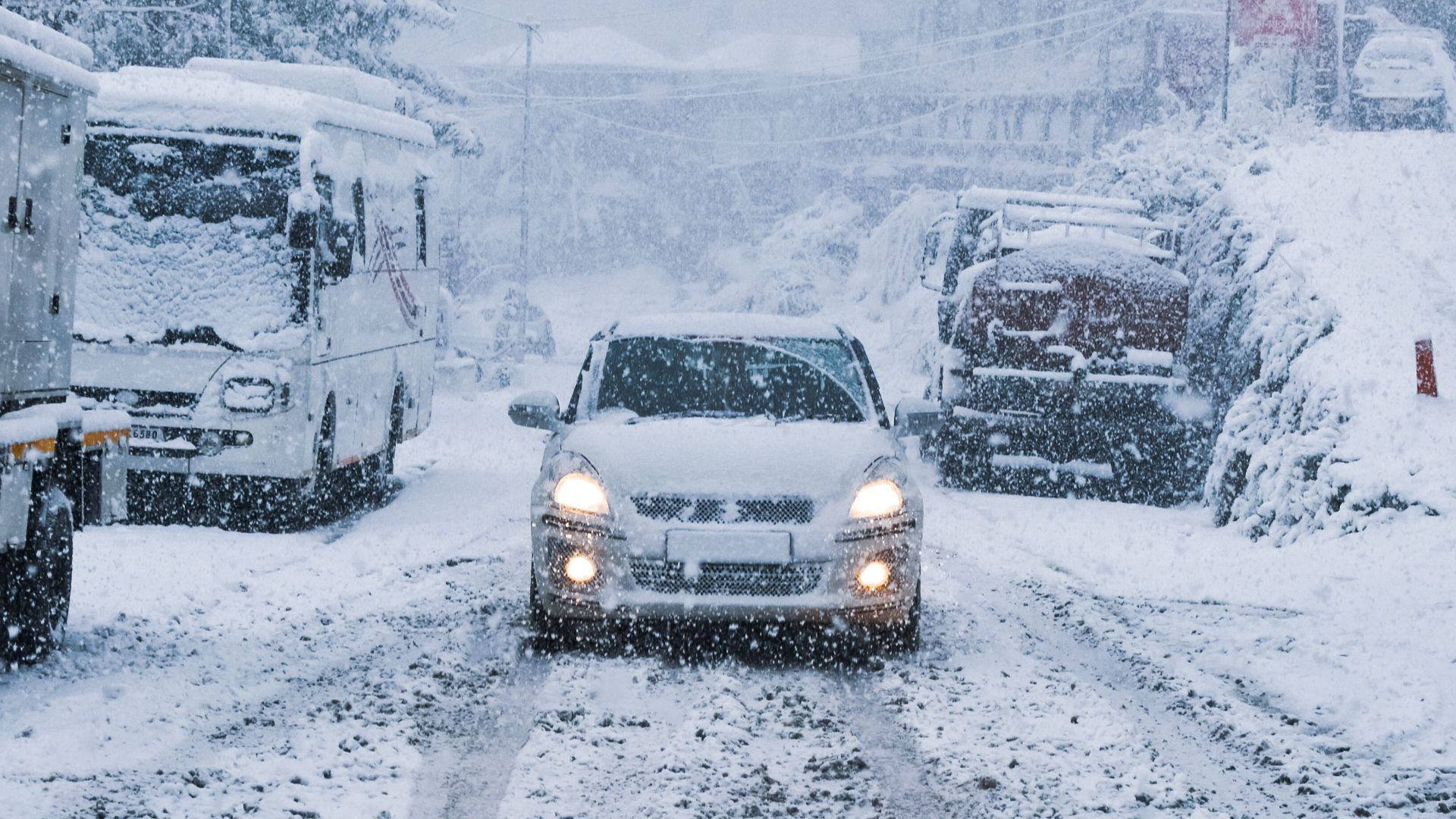
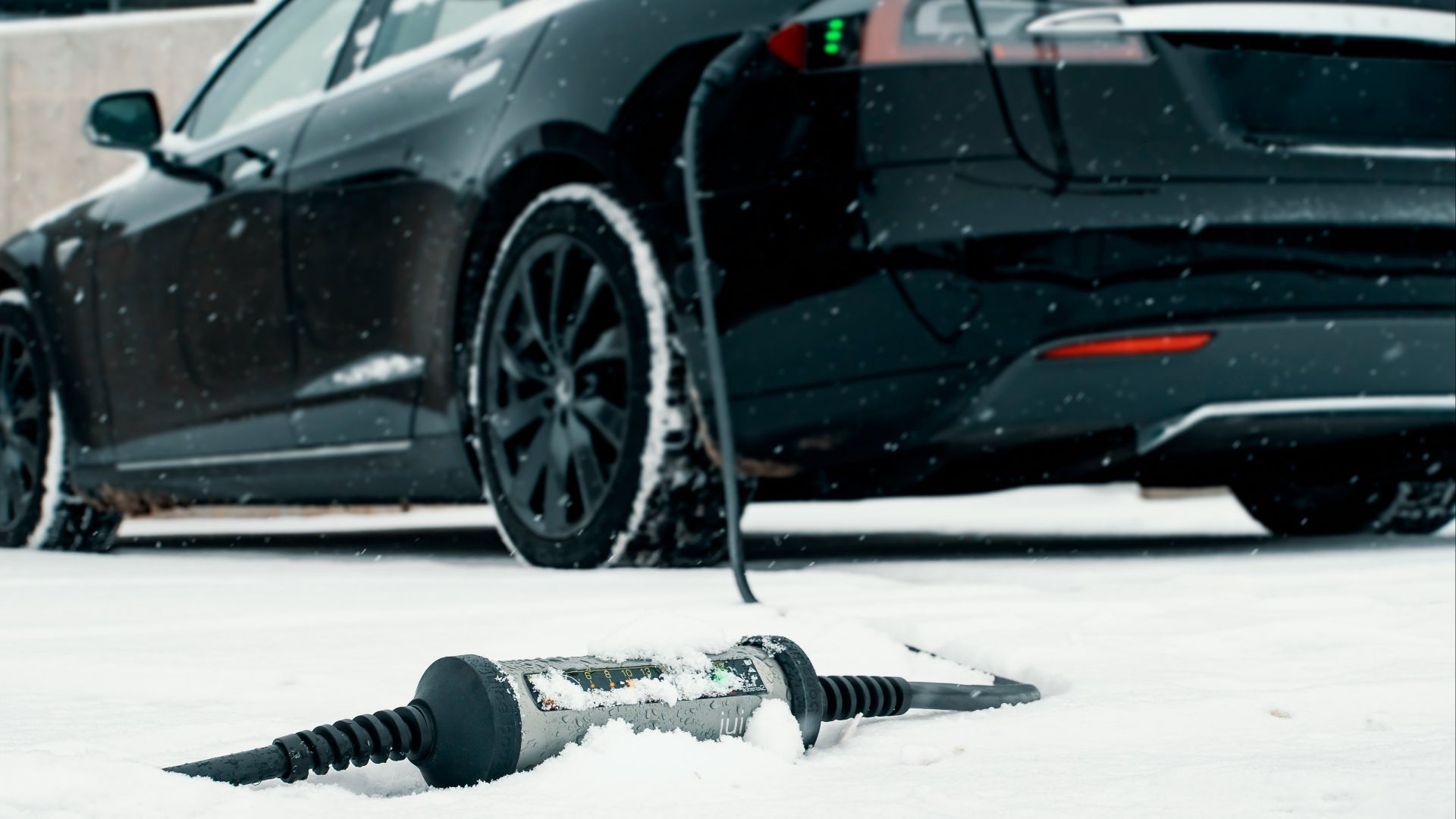
A freezing battery may accept far less power than a warm one, particularly at a DC fast charger. The car may spend part of the session warming the pack before allowing higher power. What looks like a weak charger may actually be the EV protecting a cold battery.
Preconditioning Can Make A Big Difference
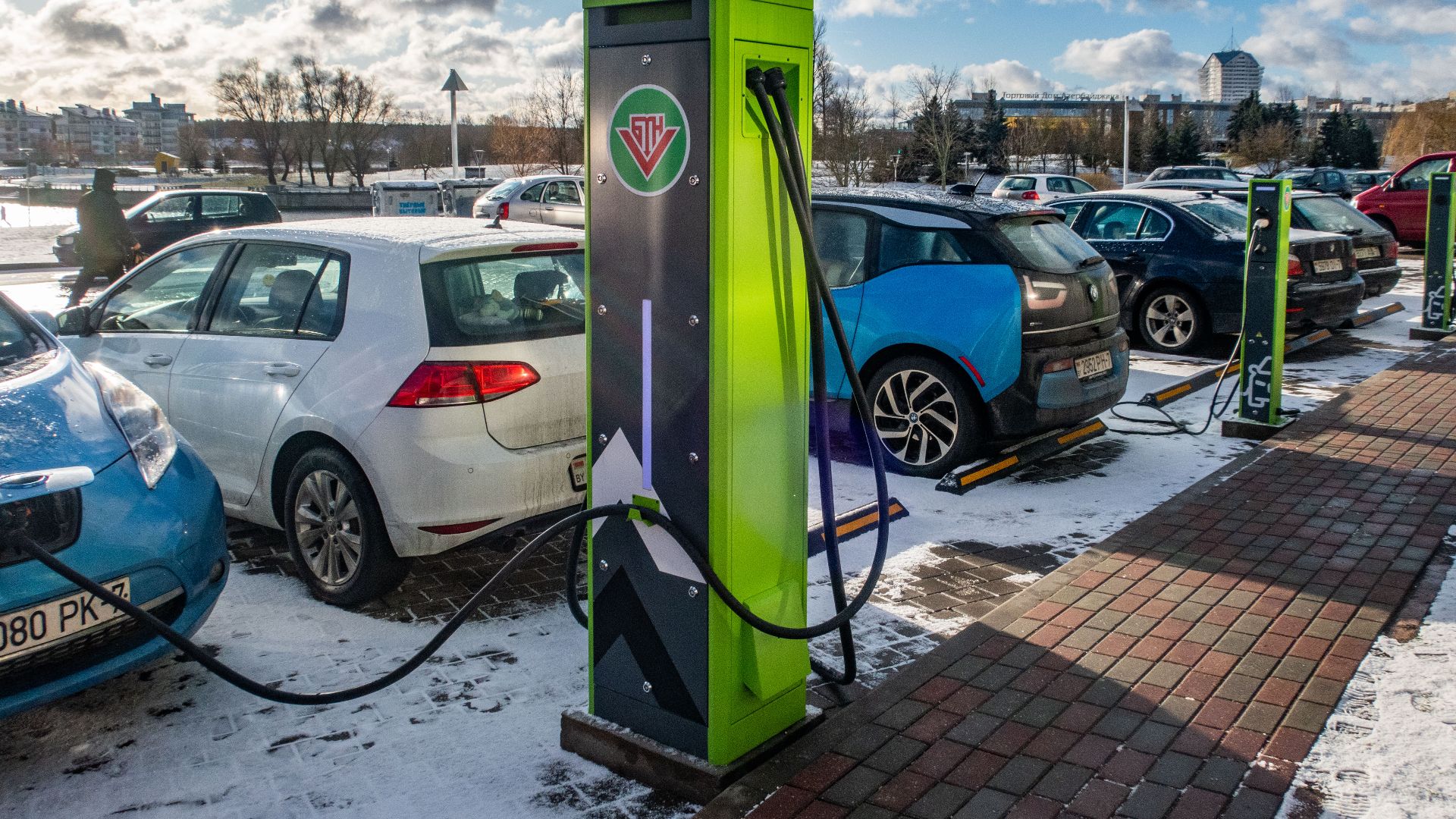
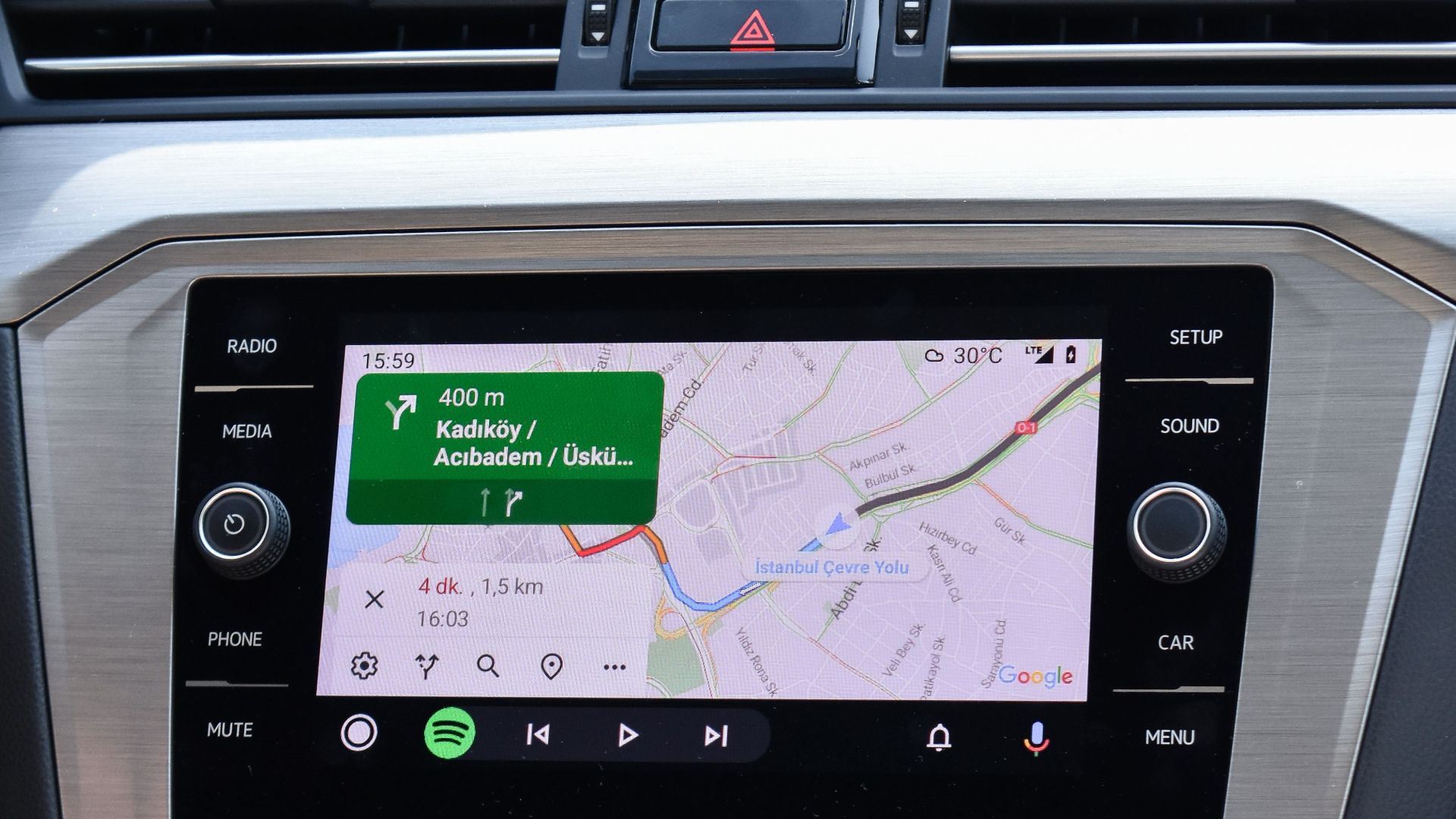
Many newer EVs can heat or cool the battery before arriving at a fast charger. On some models, this happens automatically when the driver selects a compatible fast charger through the car’s navigation system. Tesla and Ford both specifically recommend battery preconditioning to improve cold-weather charging performance.
Simply Driving To The Charger May Not Be Enough
A short trip in freezing temperatures may not warm the battery sufficiently for maximum charging. Some vehicles need significant time to precondition the pack. If the owner drives five minutes from a cold garage to a fast charger, a slow initial rate may be entirely expected.
Hot Batteries Can Slow Down Too
Extreme heat creates the opposite version of the same problem. After sustained highway driving, repeated fast-charging stops, or hot-weather operation, the battery-management system may reduce charging power until temperatures come under control.
 Shixart1985, Wikimedia Commons
Heating And Air Conditioning Use Some Of The Power
Sitting in the vehicle with the climate control running doesn’t necessarily stop the battery from charging, but some incoming energy may be diverted to heating, cooling, lights, electronics, or battery thermal management. EVgo notes that this can create a difference between what the charger delivers and what the battery actually receives.
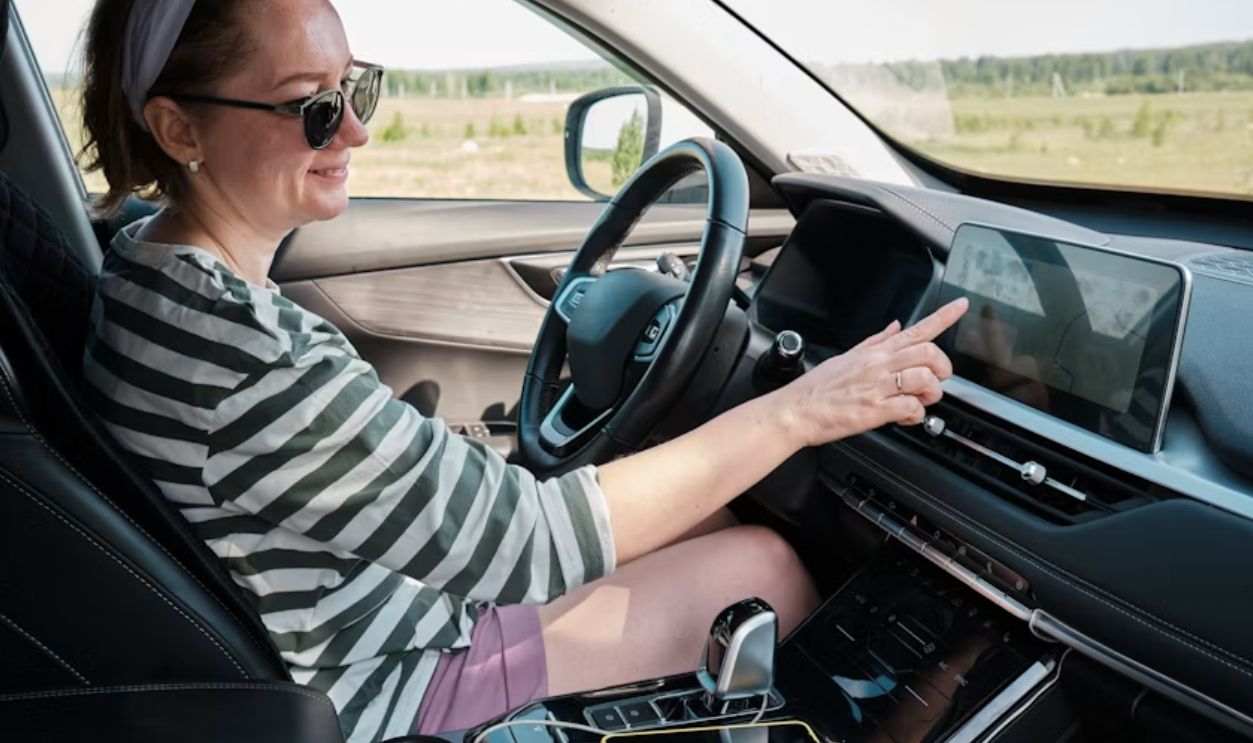
Shared Chargers May Divide The Available Power
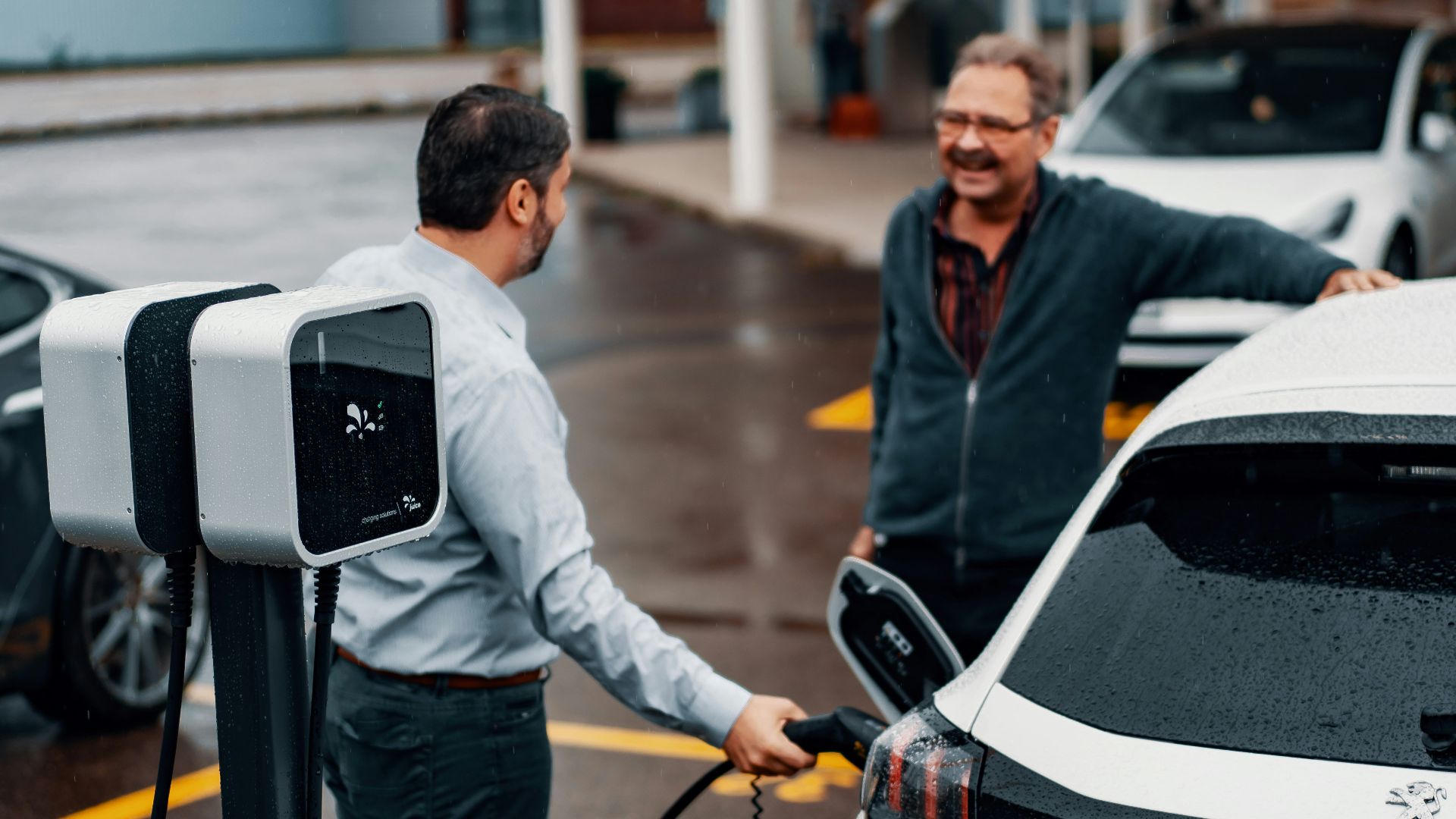
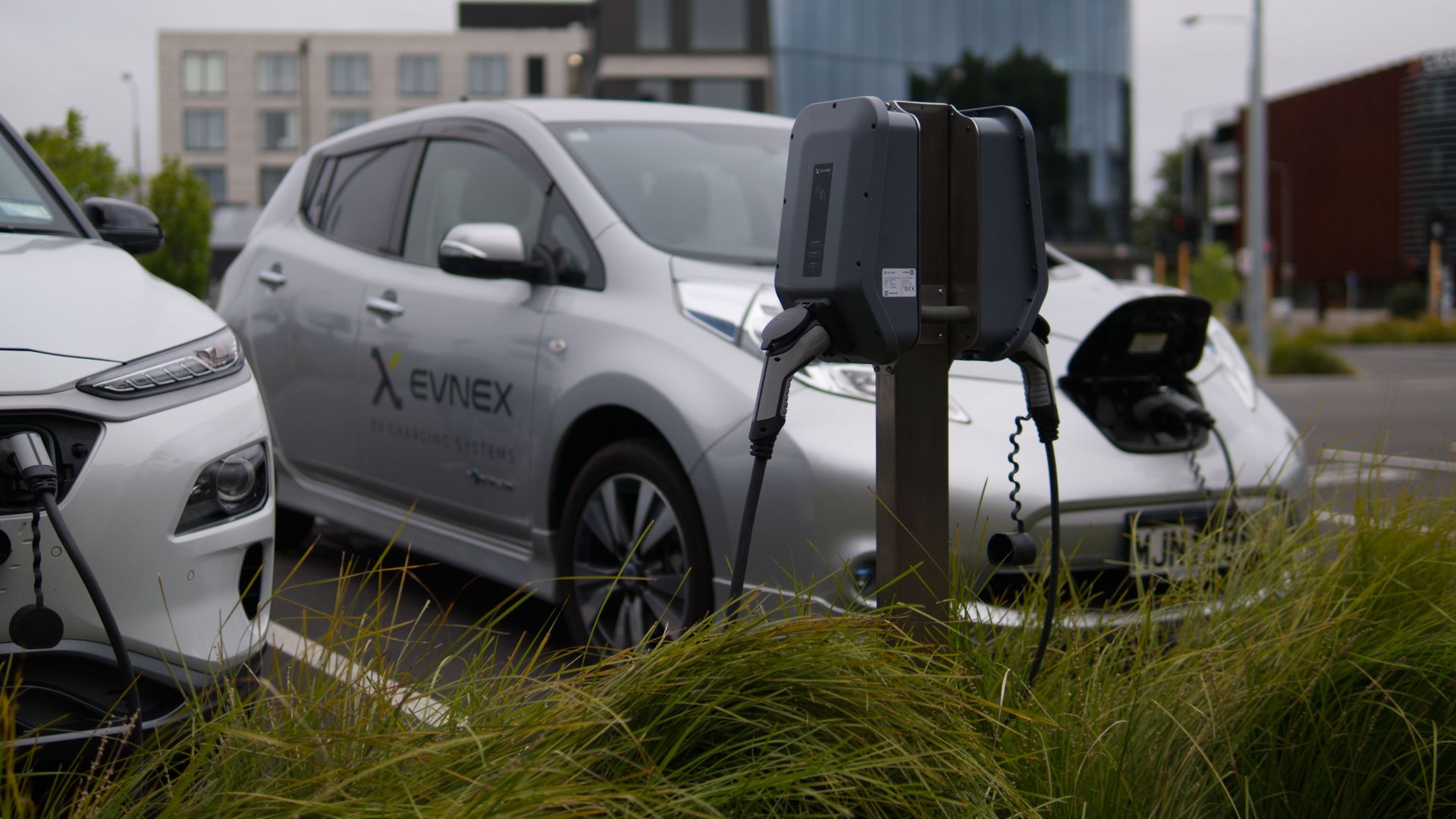
Some apartment, workplace, and public charging systems share a fixed electrical supply among several plugs. One vehicle might receive full power when the neighboring charger is empty and substantially less when several cars are connected.
Power Sharing Can Happen At Home Too
Households with two EV chargers may use load-sharing systems to prevent both cars from overwhelming the electrical service. If two vehicles plug in simultaneously, each may temporarily charge more slowly even though both chargers are operating exactly as designed.
Public Charger Ratings Aren’t Guarantees
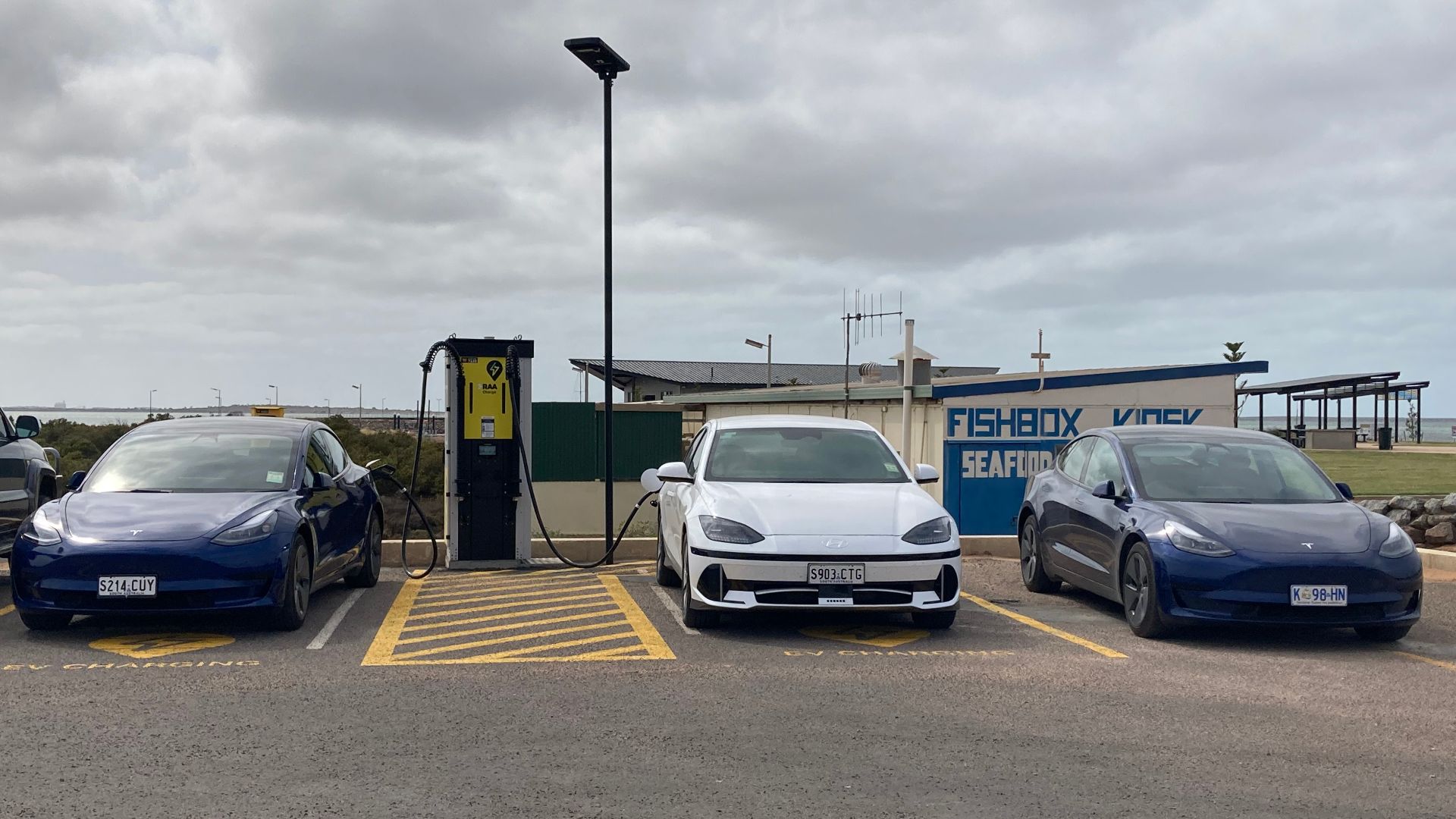
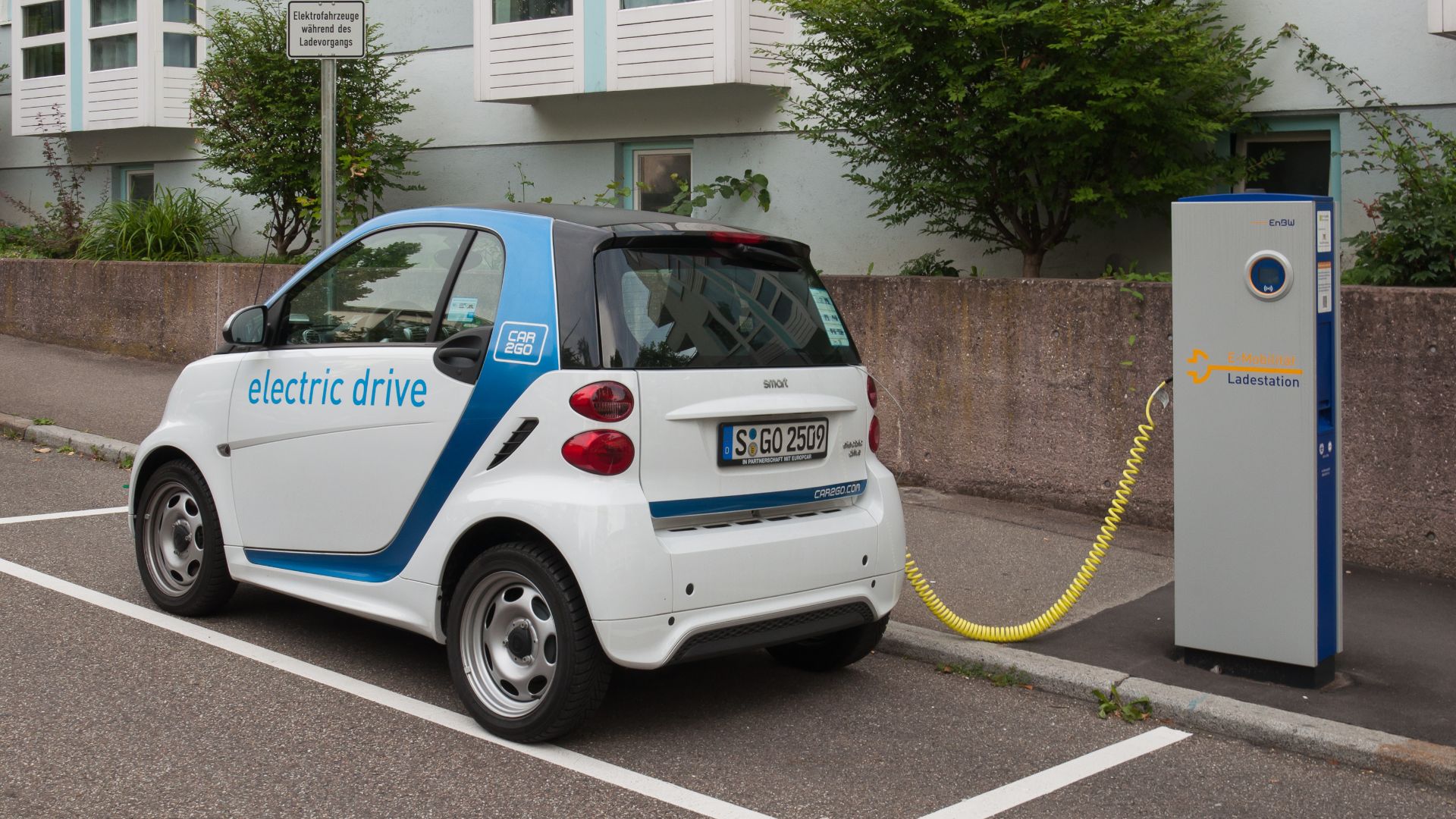
A station labeled 350 kW doesn’t promise that every vehicle will receive 350 kW. The EV must support the station’s voltage and current capabilities, and the cable can have its own limits. A 100-kW-capable vehicle gains nothing simply because the pedestal says 350 kW.
Battery Voltage Architecture Matters
Modern EVs use different battery voltages, commonly built around roughly 400-volt or 800-volt architectures. Charger current limits interact with that voltage, so a station may be unable to deliver its headline power to every vehicle even when neither the station nor car has a fault.
 Julian Herzog (Website), Wikimedia Commons
The Cable Can Be Part Of The Equation
Fast-charging cables are engineered for particular current levels, and some high-power units use liquid-cooled cables. The station and vehicle negotiate a safe rate based partly on the hardware involved. The biggest number printed on the charger cabinet doesn’t tell the whole story.
Check Whether The Car Is Scheduling Charging
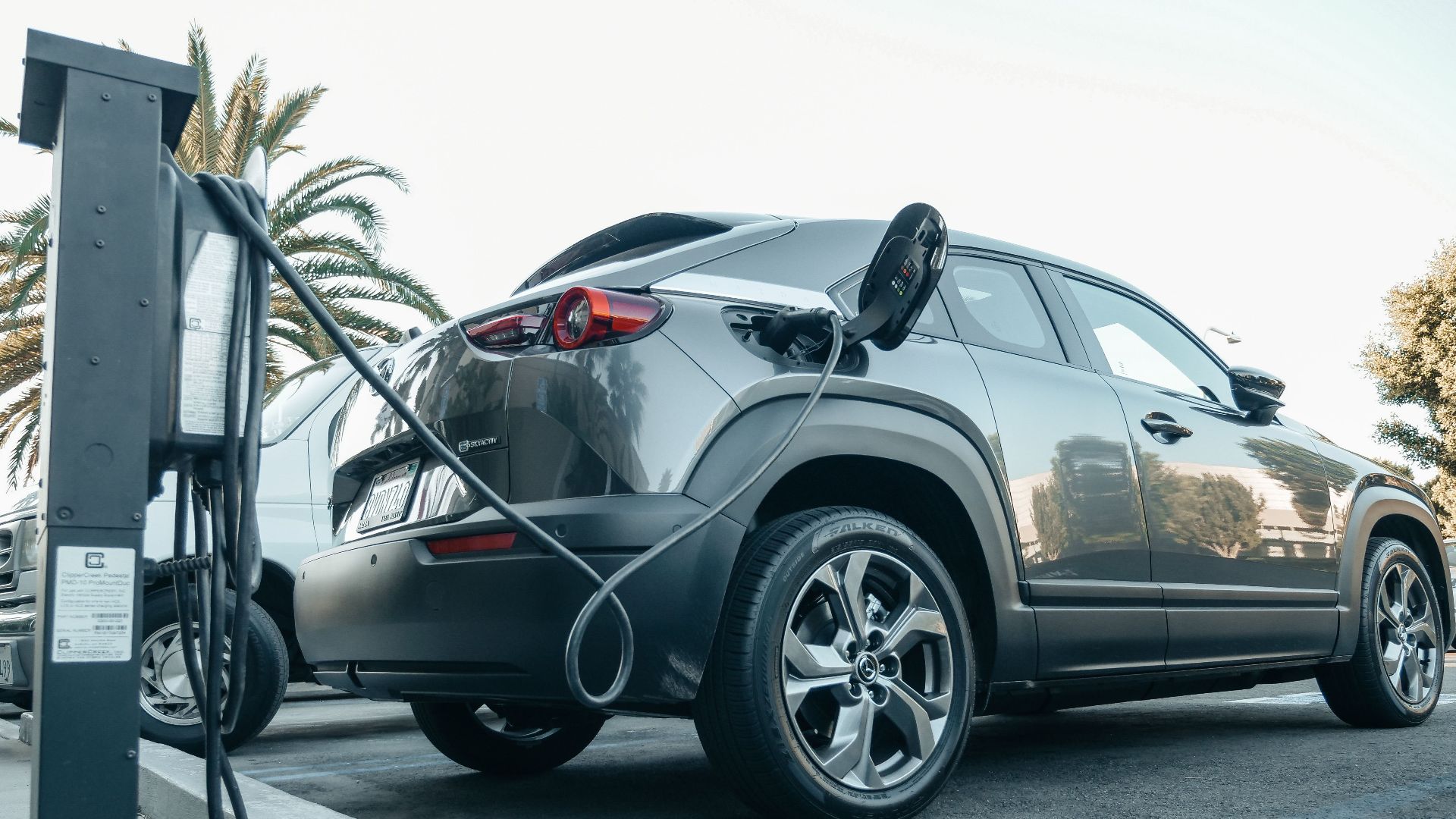
Home charging can appear mysteriously slow or delayed because the EV has been programmed to charge only during off-peak electricity hours. Check departure schedules, utility-rate settings, preferred charging times, and location-based charging rules before troubleshooting hardware.
Battery Conditioning Can Look Like Missing Energy
During very hot or cold conditions, some of the electricity drawn from the wall can be used to bring the battery toward a suitable temperature. The charger may be delivering normal power while less of that energy immediately appears as added battery percentage.
A Large Battery Takes Longer Even At A Good Rate
Drivers sometimes compare charging time rather than charging power. A pickup with a massive battery pack can take much longer to refill than a small crossover even if both are charging at the same kilowatt rate. Bigger batteries simply require more energy.
Battery Age Can Eventually Affect Performance
EV batteries gradually change as they accumulate years and miles. EVgo notes that deterioration can affect charging behavior as well as capacity. A noticeable and persistent change from the vehicle’s previous charging performance may therefore be worth discussing with the manufacturer or dealer.
Compare Several Charging Sessions Before Assuming Failure
One slow session doesn’t prove much. Compare charging performance at different battery percentages, temperatures, and stations. If the EV repeatedly underperforms under conditions where it should charge quickly, then you have much better evidence that something deserves diagnosis.

Try Another Charger Before Calling For Service
If the problem occurs only at one public unit, move to another dispenser at the same site if possible. Electrify America recommends doing exactly that when a station produces an error or unusual session. If the second charger immediately performs better, the first station becomes a more likely suspect.
Test Another EV On The Home Charger If Possible
At home, another compatible vehicle can be an excellent troubleshooting tool. If both vehicles charge slowly, investigate the charger, circuit, settings, or electrical supply. If the second vehicle charges normally, the issue probably lies with the first car or its settings.
The Charger Isn’t Always The One Holding Things Back
A functioning charging station can only offer power. The EV decides how much it’s willing and able to take. Before replacing hardware or blaming a public network, check the car’s charging limits, battery percentage, temperature, preconditioning, amperage settings, electrical circuit, scheduling, and whether power is being shared. Once those variables are understood, it becomes much easier to tell the difference between genuinely slow charging and an EV behaving exactly as designed.
You May Also Like:
My neighbor says my EV charger is lowering his property value. Can he complain to the city about it?