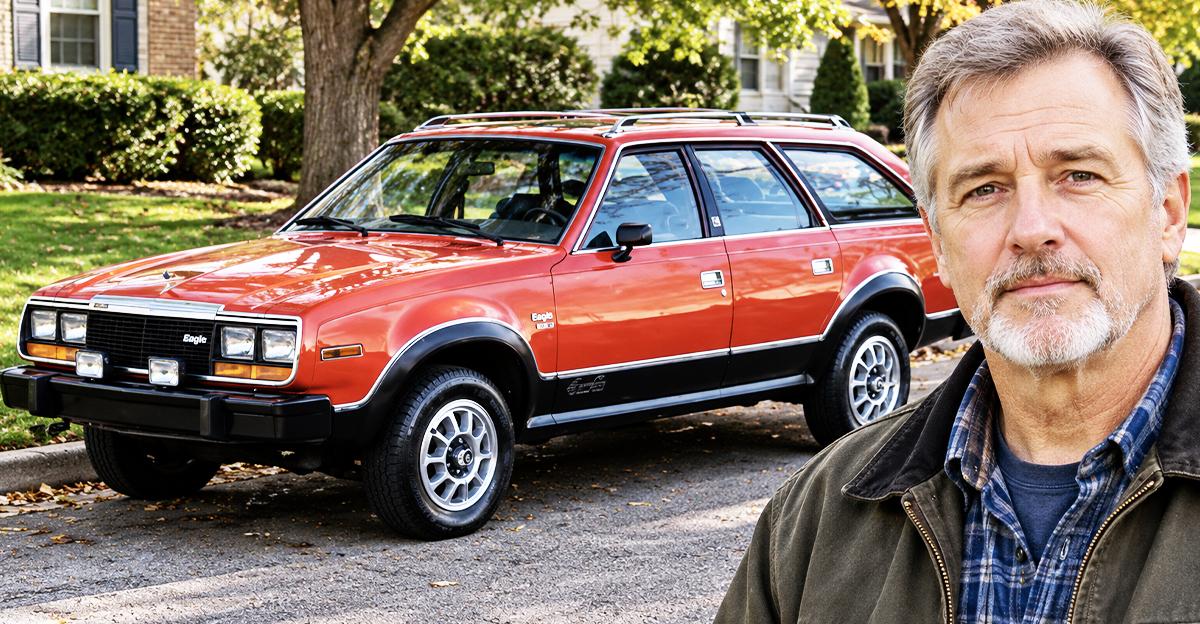
The Car That Predicted The Future
Imagine walking into an American Motors dealership in 1980 and finding something that looked suspiciously like a modern crossover SUV. The AMC Eagle combined the comfort of a family car with the traction and ground clearance of a four-wheel-drive vehicle. It was practical, versatile, and remarkably forward-thinking. Unfortunately, the company that built it wouldn’t survive long enough to see just how popular that combination would become.
AMC Needed A Miracle
By the late 1970s, American Motors Corporation was struggling against Detroit’s Big Three. Its aging passenger cars were losing ground, and the company lacked the money to develop an entirely new lineup. AMC did, however, have one valuable advantage: it owned Jeep. Engineers began wondering whether they could combine Jeep’s four-wheel-drive expertise with an ordinary passenger car.
A Clever Idea Takes Shape
AMC’s chief Jeep engineer, Roy Lunn, helped develop the concept, with assistance from Britain’s Ferguson Formula Developments. Rather than starting from scratch, AMC used its existing Concord passenger car as the foundation. Engineers raised the suspension, added four-wheel drive, and incorporated the necessary drivetrain components. The result was an unusual vehicle that could handle bad weather without behaving like a traditional truck.
Meet The 1980 Eagle
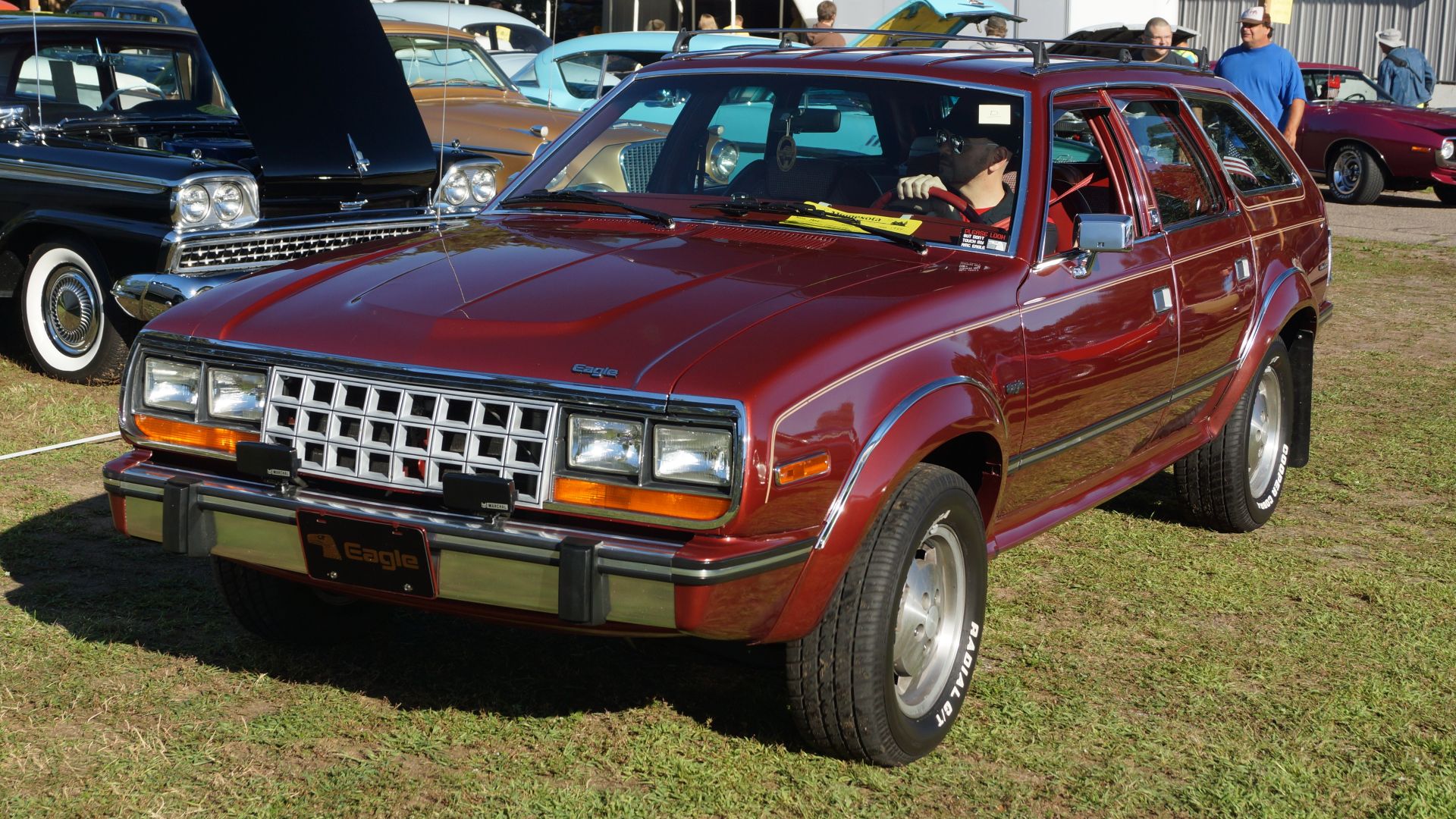
The Eagle arrived for the 1980 model year in two-door sedan, four-door sedan, and station wagon configurations. Its elevated ride height, chunky wheel-arch extensions, and larger tires gave it an unmistakable appearance. Under the hood was AMC’s familiar 258-cubic-inch, 4.2-liter inline-six engine. It wasn’t particularly quick, but performance wasn’t the point. The Eagle promised something more useful: everyday transportation with genuine all-weather capability.
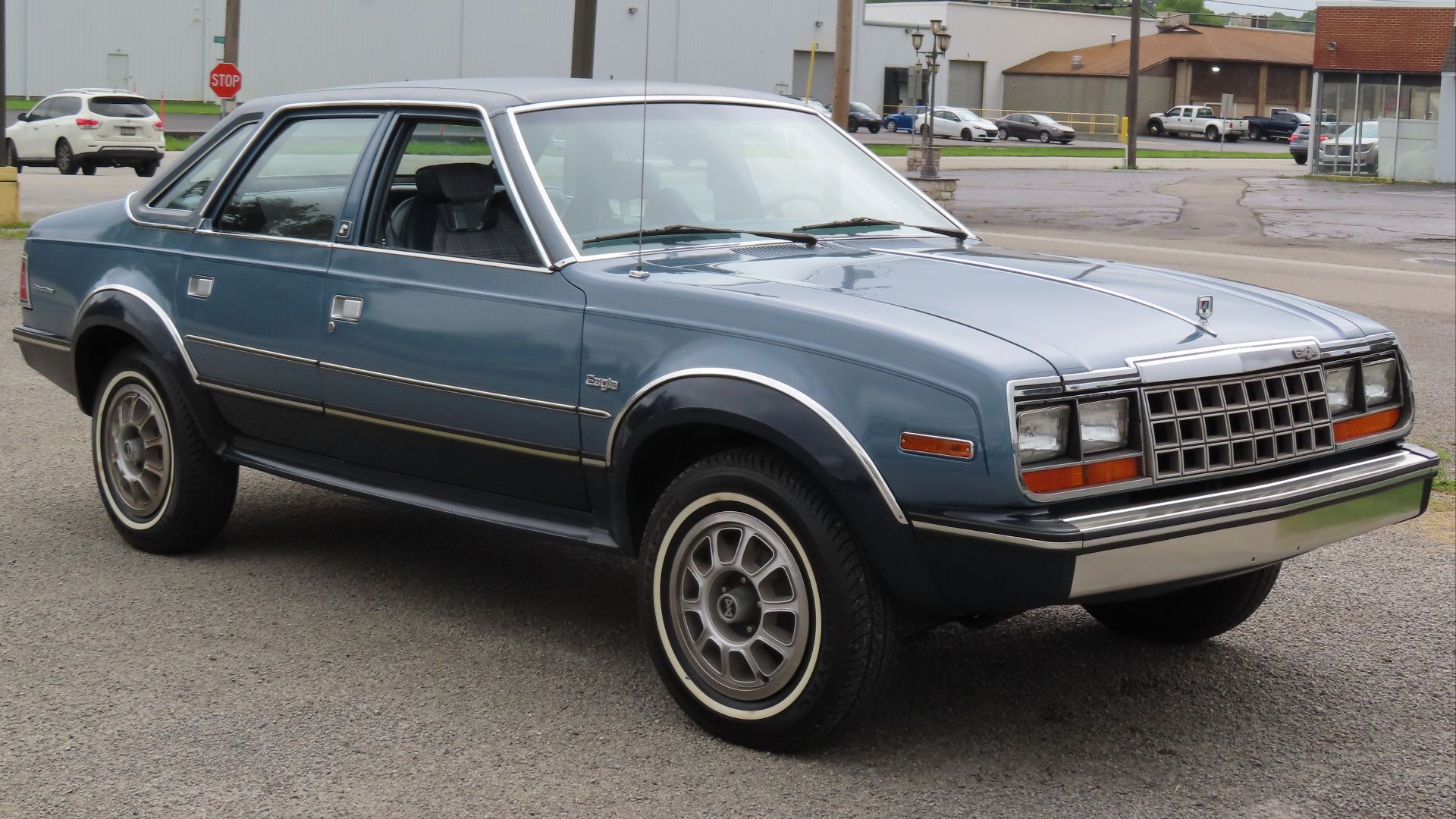 MercurySable99, Wikimedia Commons
Four-Wheel Drive Without Compromises
Traditional four-wheel-drive trucks often required drivers to engage their systems manually, and many couldn’t use four-wheel drive on dry pavement. The Eagle’s full-time system used a viscous coupling that allowed it to operate on ordinary roads without drivetrain binding. Combined with independent front suspension, this helped deliver a more carlike driving experience. Later Eagles offered Select Drive, allowing drivers to switch between two-wheel and four-wheel drive.
A Station Wagon With Superpowers
The Eagle station wagon became the lineup’s most enduring model. It offered familiar family-car practicality, with room for groceries, luggage, and passengers, but could also tackle snowy roads and muddy driveways. In many respects, it anticipated the appeal of today’s Subaru Outback and countless crossover SUVs. Buyers could enjoy much of a conventional car’s comfort without sacrificing the confidence of four-wheel-drive traction.
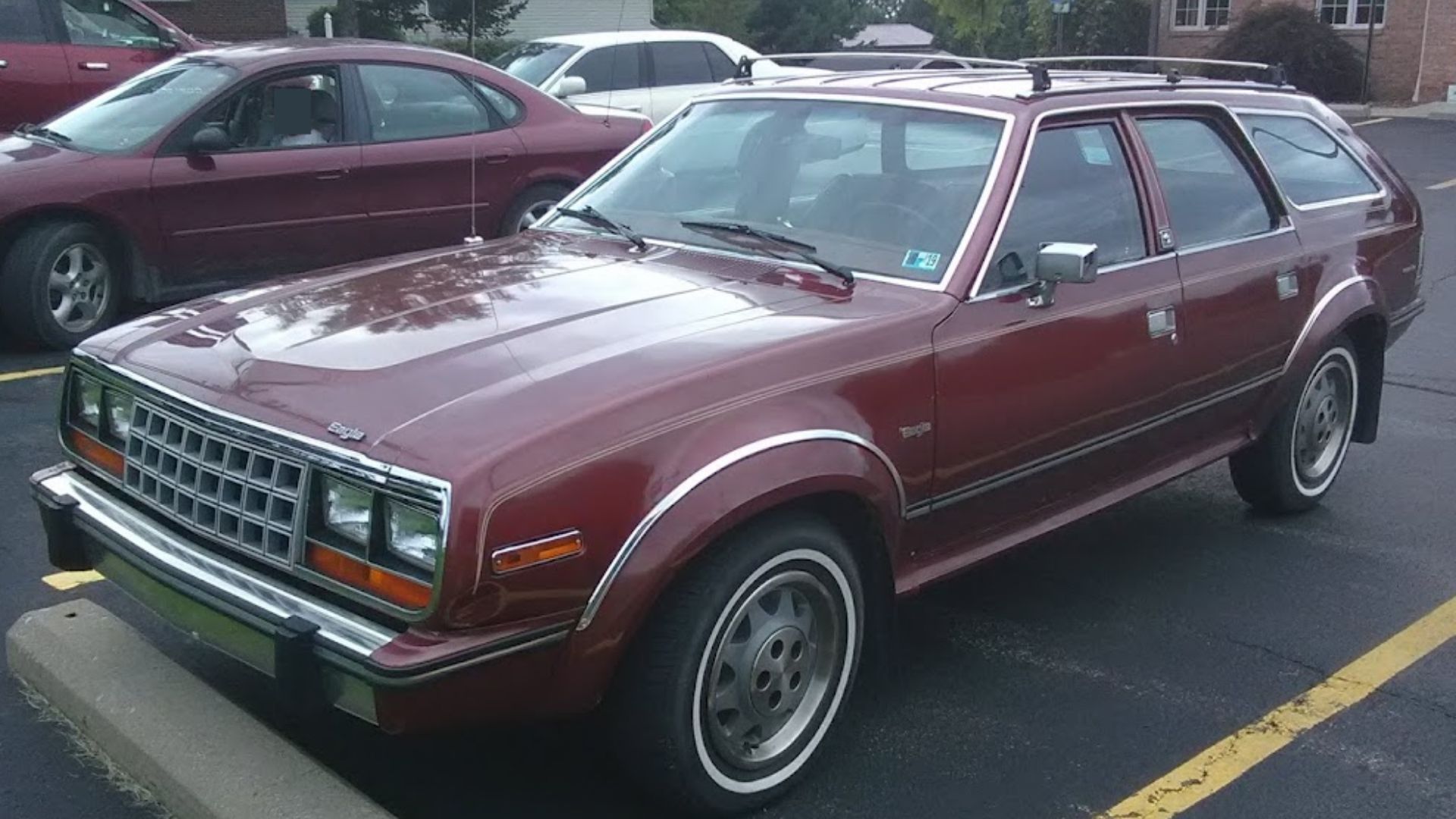 MercurySable99, Wikimedia Commons
AMC Gets Even More Adventurous
For 1981, AMC expanded the Eagle family with two smaller models based on the Spirit: the SX/4 hatchback and the unusual Kammback. The sporty SX/4 was particularly distinctive, combining compact-car proportions with raised suspension and four-wheel drive. AMC even offered a limited-production Sundancer convertible conversion. These variations demonstrated how flexible the concept was, although the station wagon remained the Eagle’s strongest long-term seller.
So Why Didn’t It Succeed?
The Eagle wasn’t an immediate failure. AMC built more than 45,000 for the 1980 model year, and the vehicle attracted buyers who appreciated its unusual abilities. However, the underlying Concord platform was already aging, fuel economy wasn’t especially impressive, and AMC had limited resources for major improvements. As newer competitors appeared, the Eagle increasingly looked like an old-fashioned car with an ingenious drivetrain.
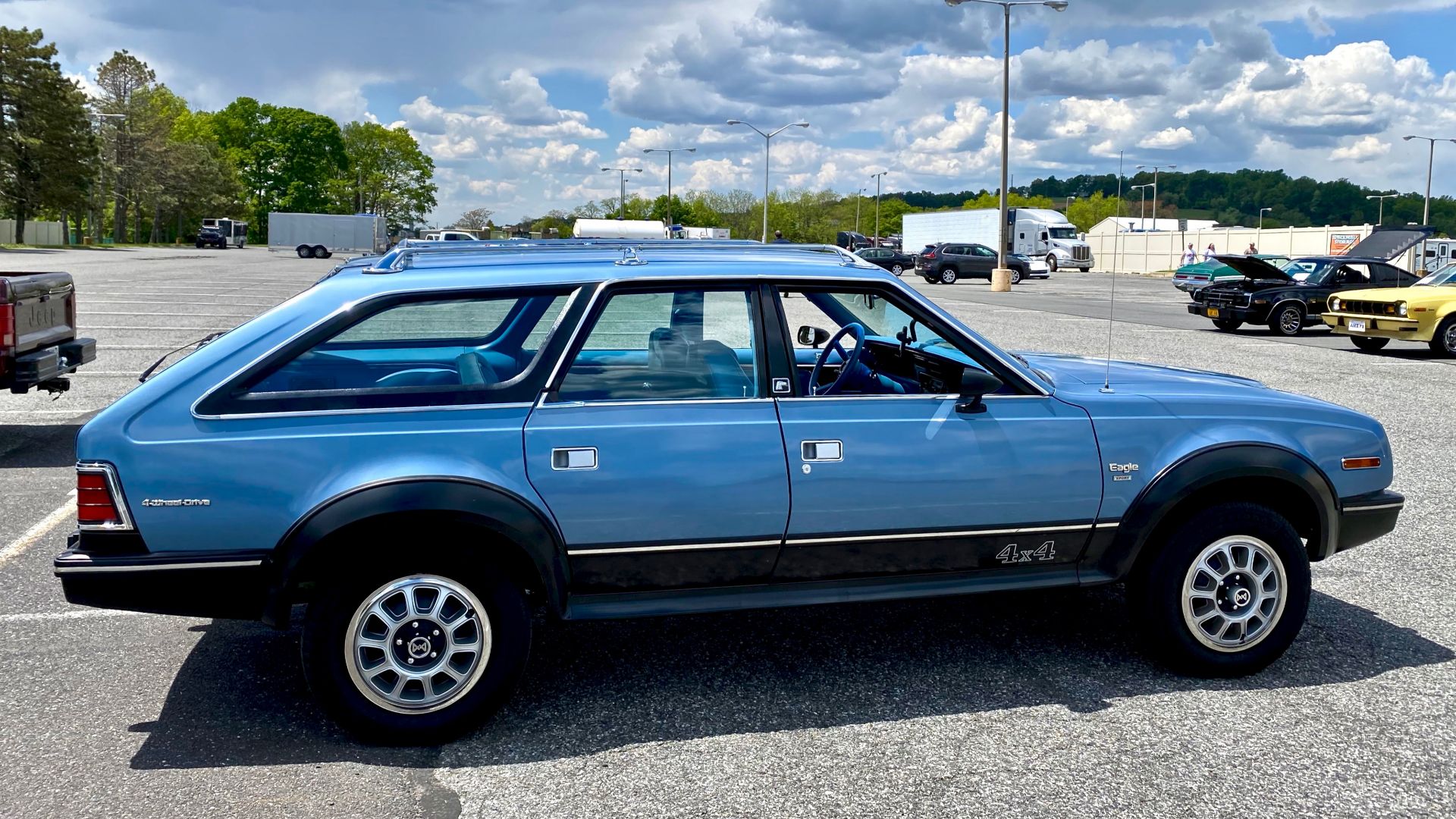
The Decline Of American Motors
AMC’s financial troubles eventually overshadowed the Eagle’s achievements. The company entered a partnership with Renault, directing considerable attention toward newer, front-wheel-drive passenger cars. Meanwhile, Jeep remained an increasingly valuable part of the business. Eagle production gradually declined, and the model received relatively few major updates. By 1986, annual production had fallen below 10,000 vehicles, a fraction of its early numbers.
Chrysler Ends The Story
Chrysler purchased American Motors in 1987, primarily gaining control of Jeep and its valuable products and facilities. The Eagle survived briefly into the 1988 model year, but only as a station wagon. The final example rolled off the assembly line in Brampton, Ontario, on December 14, 1987. Chrysler subsequently reused the Eagle name for a separate automotive brand, but the original four-wheel-drive AMC was finished.
Ahead Of Its Time
The AMC Eagle didn’t invent four-wheel-drive passenger cars, and Subaru had already explored similar territory. Nevertheless, its combination of raised ground clearance, full-time four-wheel drive, and familiar American family-car styling anticipated a major automotive trend. Today, crossovers dominate the market, offering essentially the same blend of comfort, versatility, and all-weather confidence. AMC recognized the appeal decades earlier. It simply couldn’t turn that insight into lasting corporate success.
You May Also Like:
Have You Forgotten These American Sedans That Were Way Ahead Of Their Time?
The Buick Reatta had a touchscreen back in 1988—so why did almost nobody buy it?