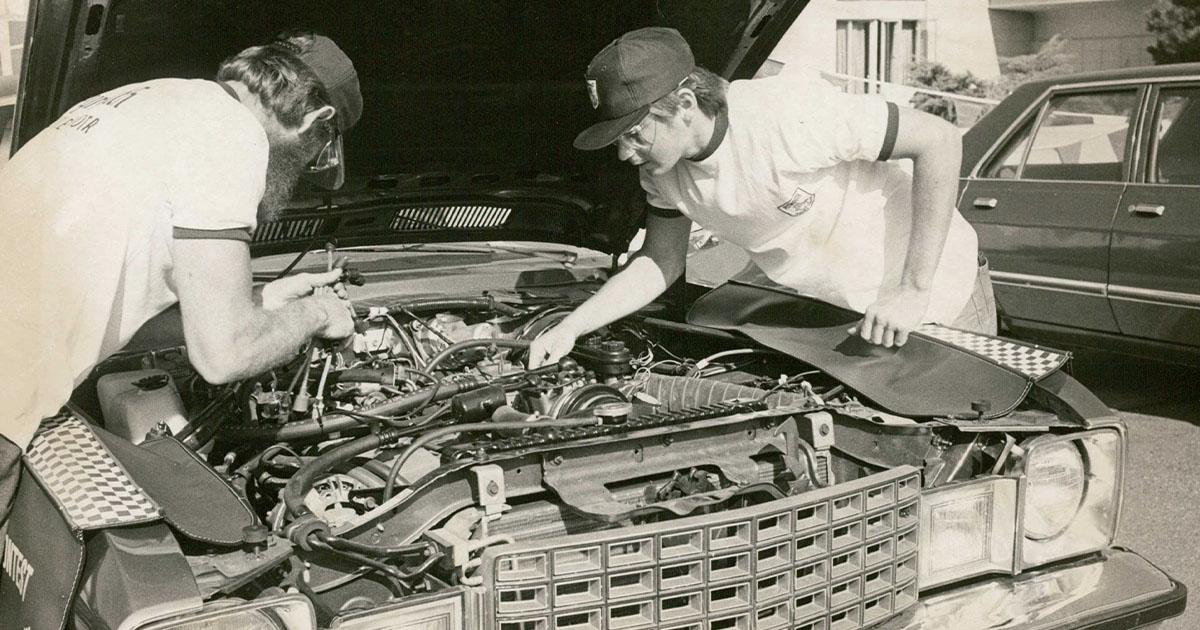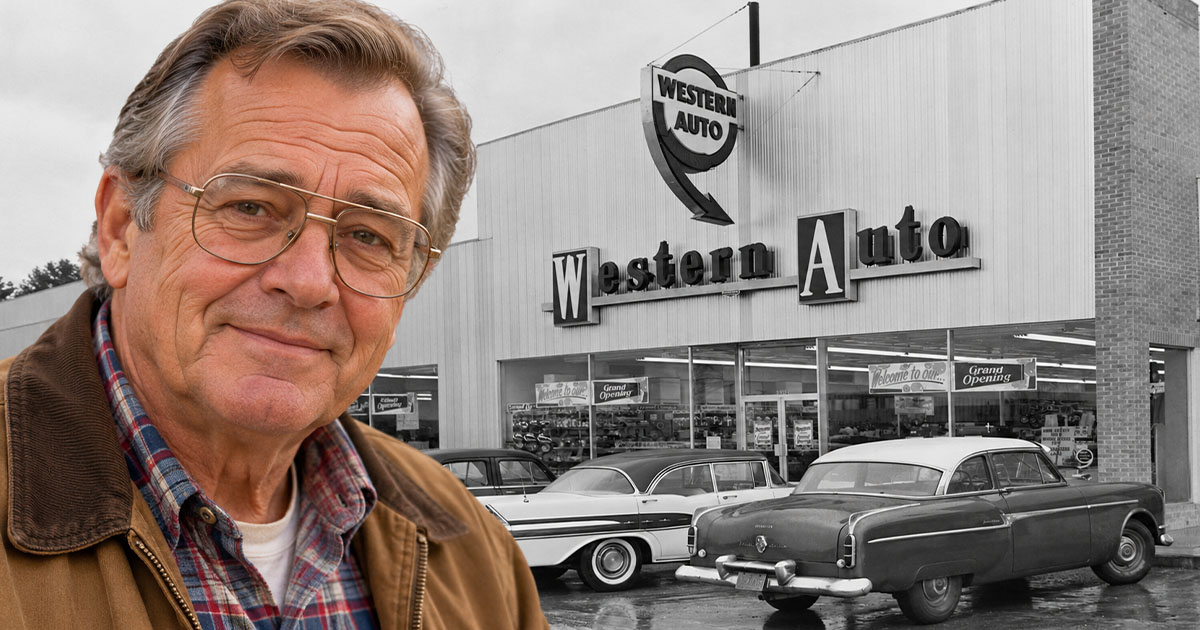
Remember When The Parts Counter Was Your Best Friend?
Before online shopping and YouTube repair tutorials, a trip to the auto parts store could save your entire weekend. You'd walk in carrying a greasy alternator, and the guy behind the counter somehow knew exactly what you needed. From neighborhood parts houses to giant discount chains, these stores supplied the spark plugs, fan belts, and brake shoes that kept America moving. Some disappeared completely, while others were swallowed by bigger companies. How many do you remember?
 Phillip Pessar, Wikimedia Commons (modified)
25. Carport Auto Parts
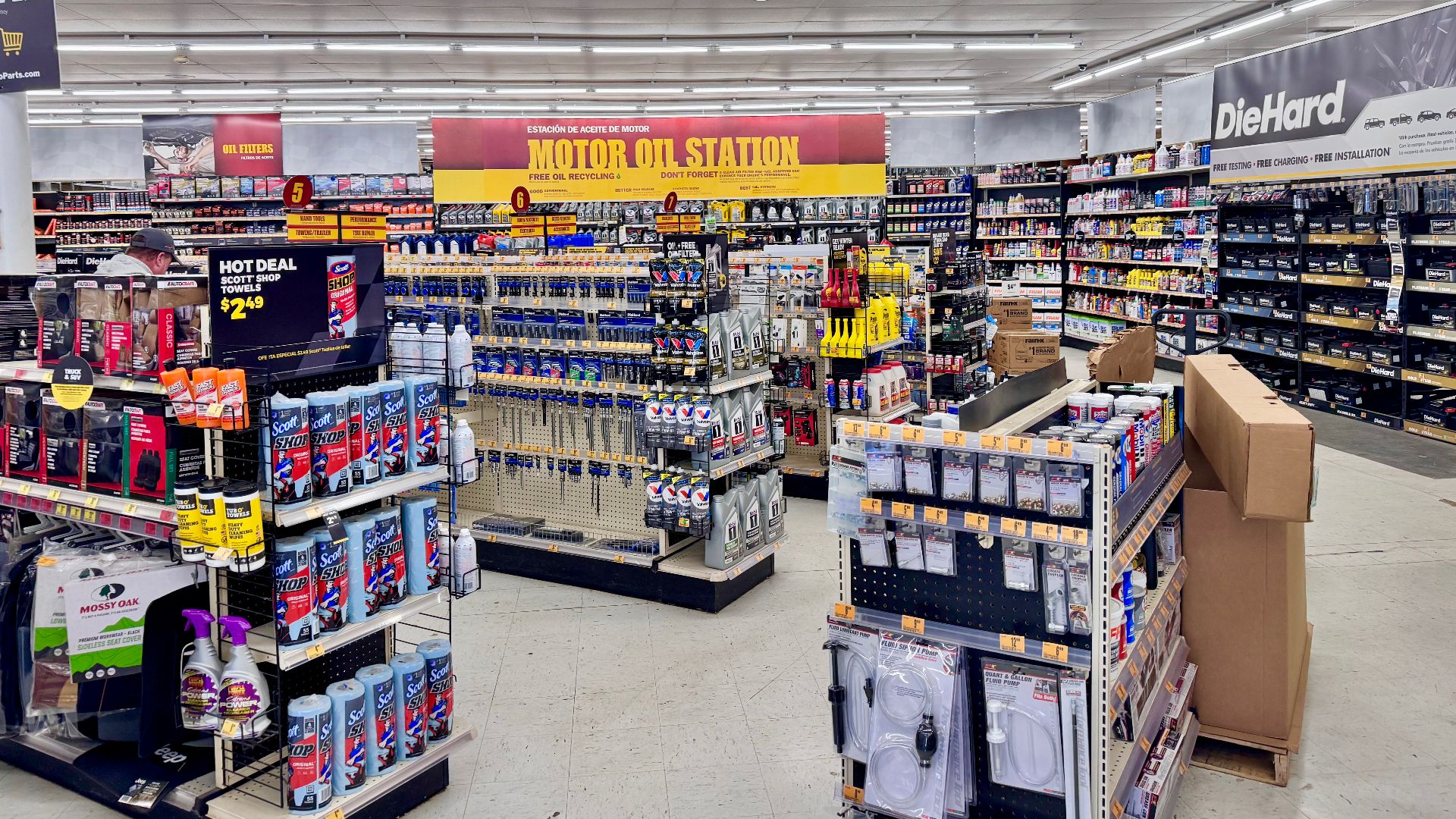
If you lived in Alabama or Mississippi, Carport Auto Parts might have been your neighborhood stop for replacement parts. The regional chain served drivers who preferred fixing their own cars instead of paying shop labor rates. Advance Auto Parts acquired its stores in 2001, and the Carport name eventually disappeared from the retail landscape.
 Harrison Keely, Wikimedia Commons
24. KarPro Auto Parts
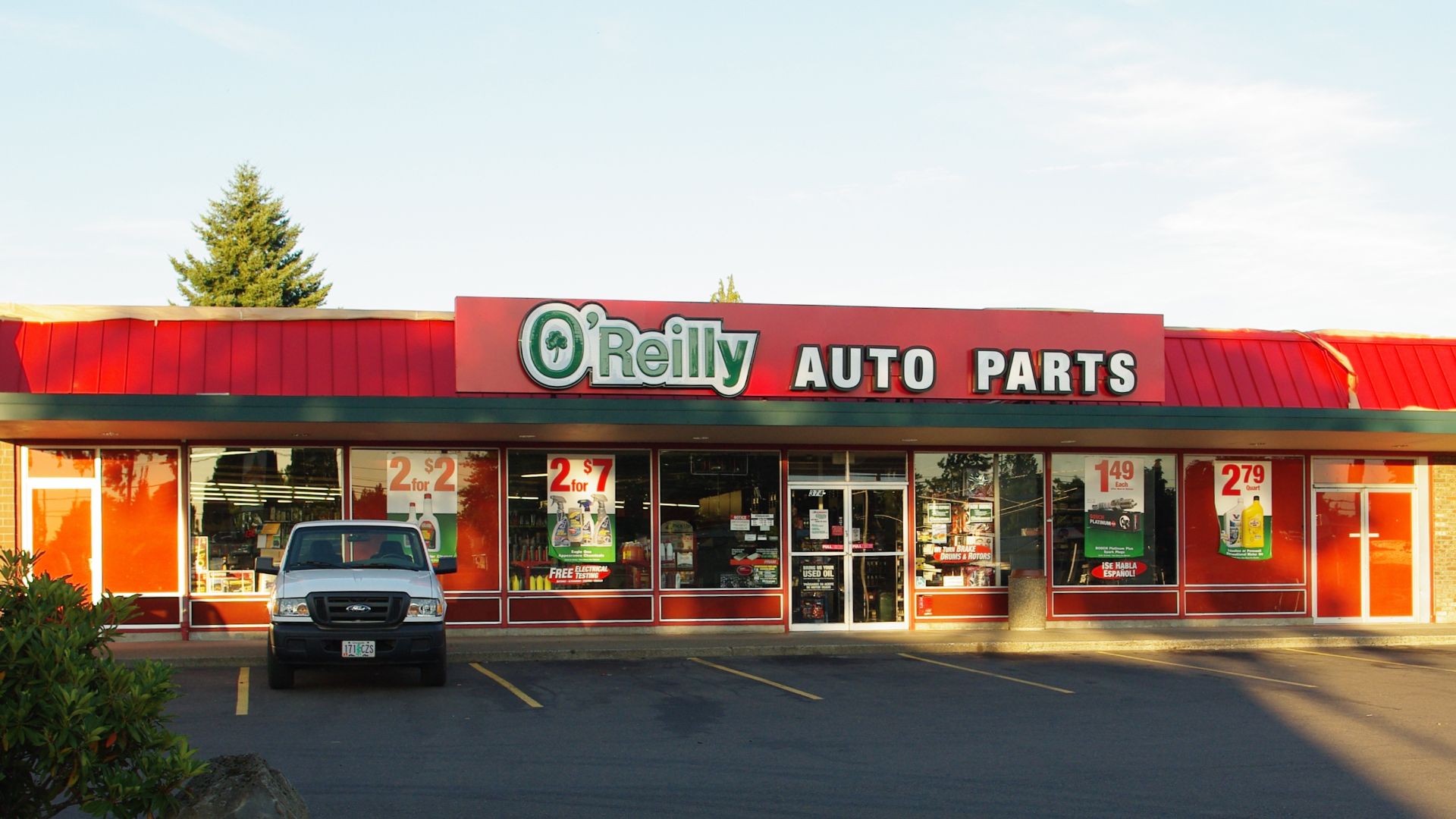
Arkansas drivers once had KarPro, a small regional chain where ordinary maintenance jobs meant a trip to the parts counter. O'Reilly acquired 14 KarPro stores and a Little Rock distribution facility in 2000. The name faded, but those stores helped expand a company that would eventually become a national giant.
 M.O. Stevens, Wikimedia Commons
23. Al's Auto Supply
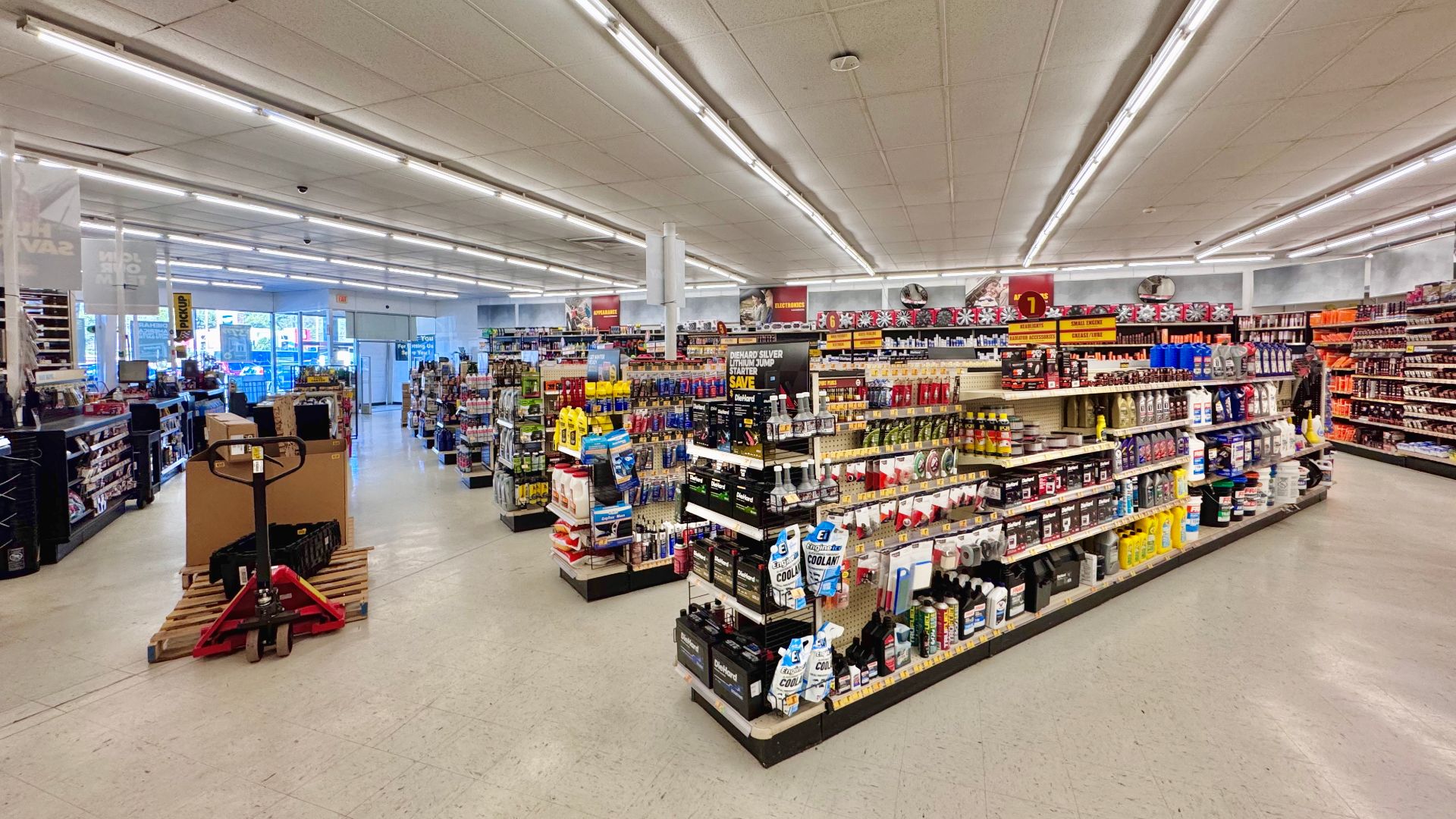
Al's Auto Supply began in Everett, Washington, and grew into a familiar name across parts of the Pacific Northwest. It sold the everyday necessities that kept older cars running, from filters to replacement electrical components. CSK Auto acquired Al's and Grand Auto Supply together in 1999, eventually converting the stores to other banners.
 Harrison Keely, Wikimedia Commons
22. Wheels Discount Auto
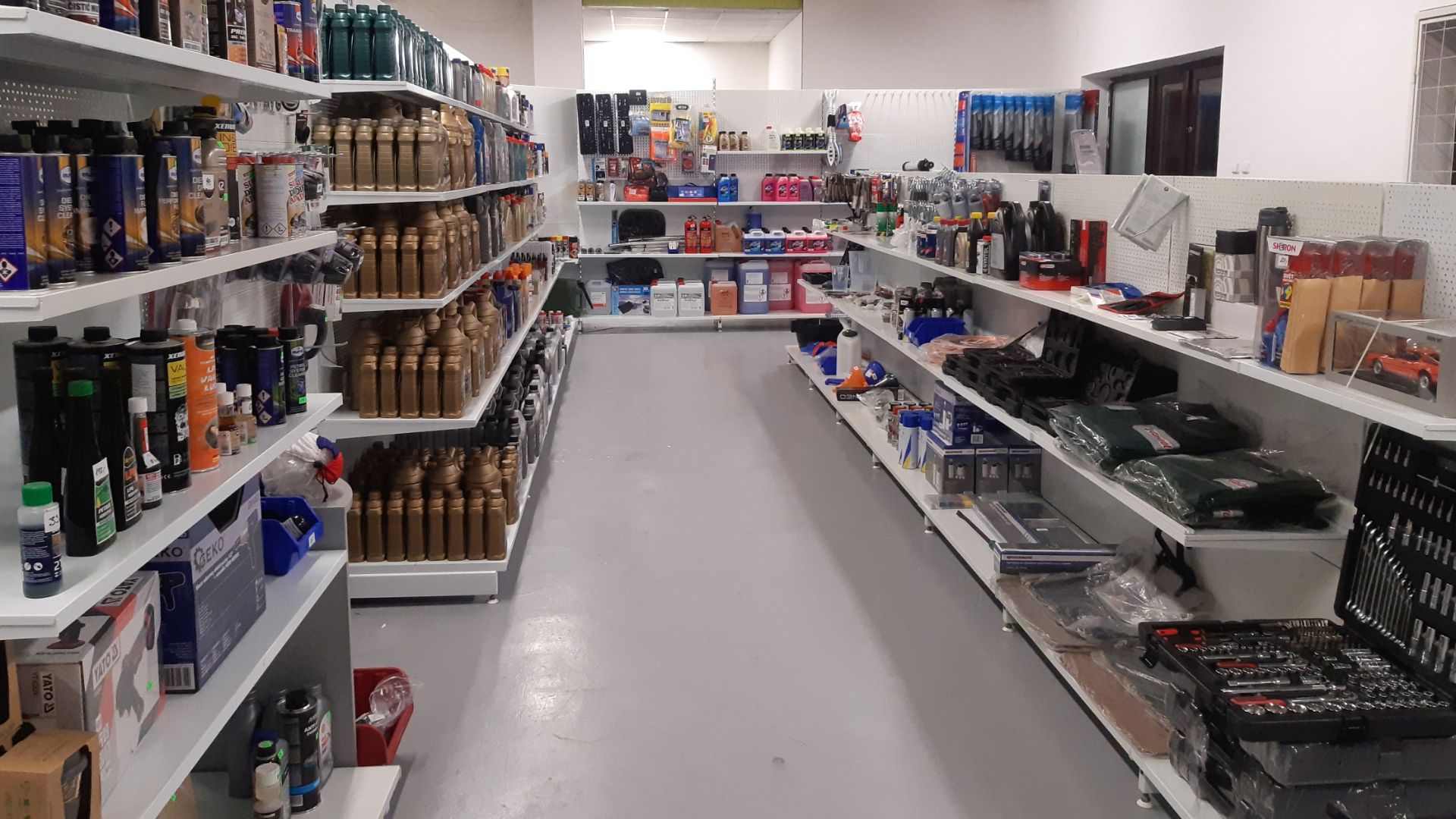
Remember when drugstore companies also operated auto parts businesses? Wheels Discount Auto was associated with Fay's, a retail company based in New York. Its stores catered to motorists hunting for affordable maintenance supplies. The chain eventually passed into the Parts America business, and the Wheels name disappeared as consolidation swept the industry.
21. Auto Palace
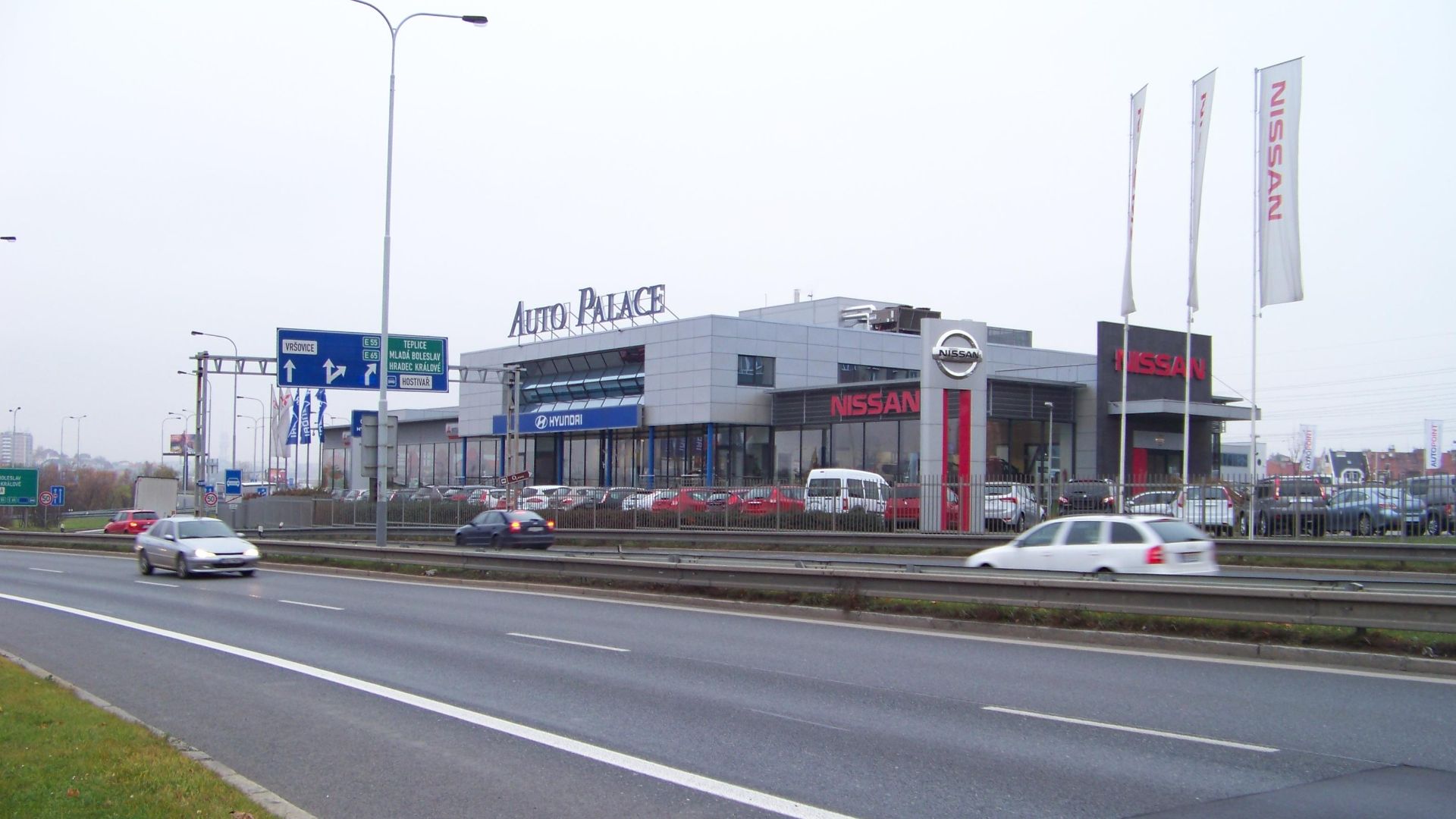
New England drivers might remember Auto Palace, which grew to 112 stores across six states. It was a convenient stop when your car needed a battery, belt, or brake parts. AutoZone purchased the chain in 1998 and converted its stores. One day your familiar neighborhood parts house had a completely different sign.
 ŠJů (cs:ŠJů), Wikimedia Commons
20. Big Wheel/Rossi Auto Parts
Drivers in Minnesota, North Dakota, and Wisconsin once relied on Big Wheel/Rossi. The chain operated 86 stores when CSK Auto purchased it in 1999 for approximately $60 million. Its regional identity gradually vanished as the locations joined a larger retail operation. Another familiar parts-counter name quietly rolled into history.
 deathpallie325, Wikimedia Commons
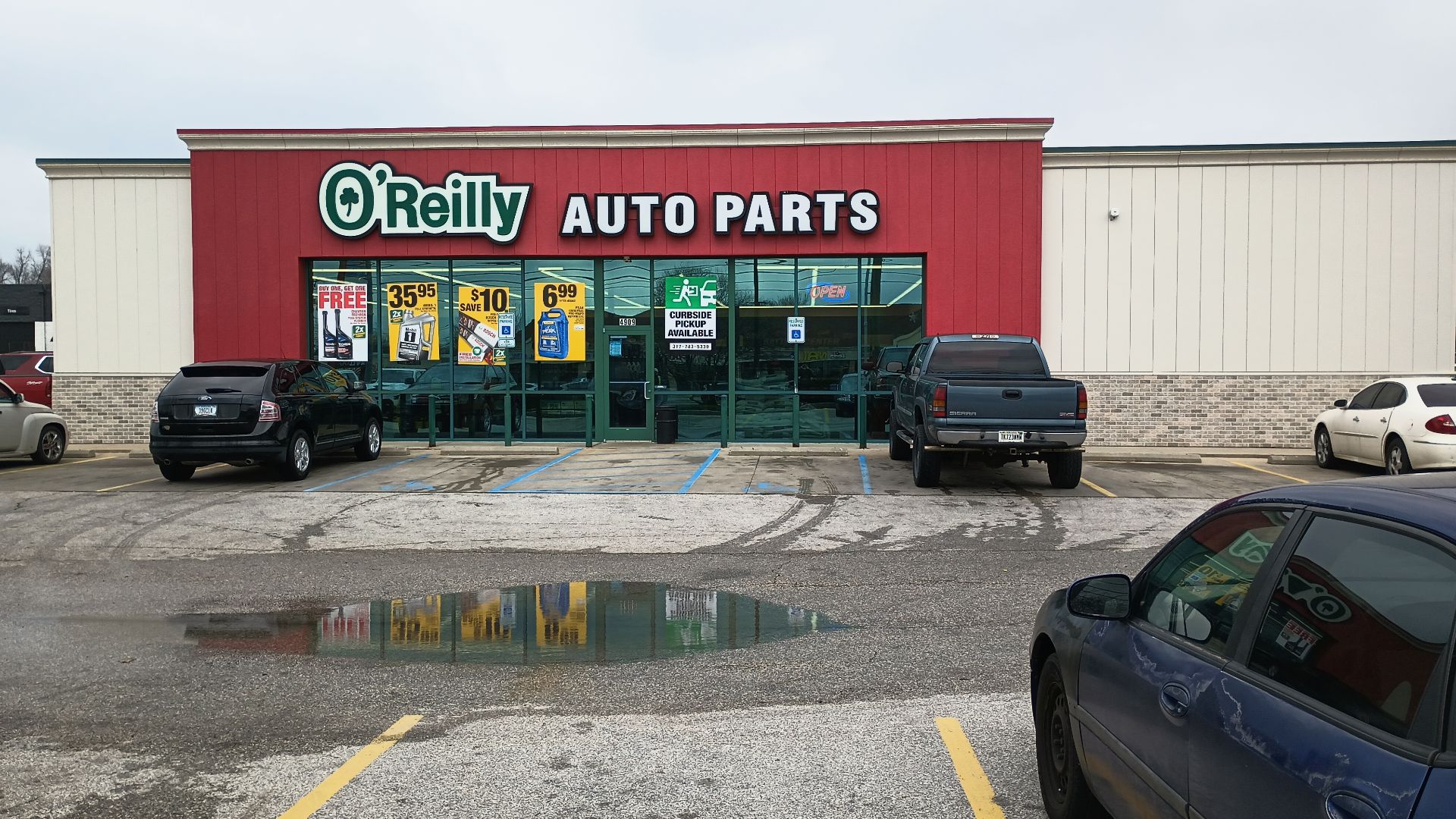
19. 10,000 Auto Parts
With a name like 10,000 Auto Parts, you'd hope they had the one obscure component your aging sedan desperately needed. This Midwestern chain was eventually absorbed into Champion Auto Stores around 1990. Its disappearance reflects an era when regional parts retailers were increasingly swallowed by larger competitors.
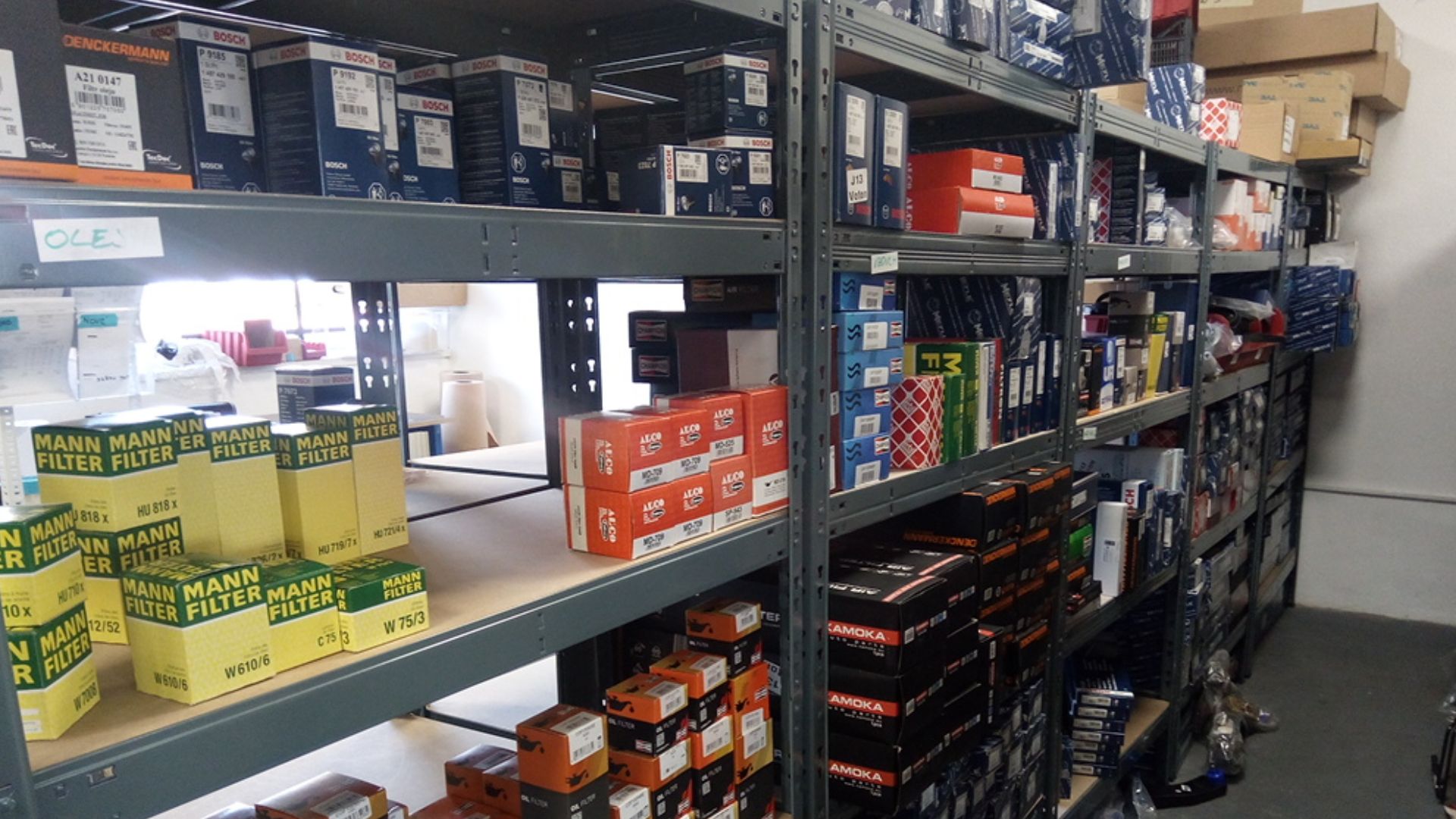
18. Champion Auto Stores
Champion Auto Stores was another familiar Midwestern name during the discount auto parts boom. Its retail locations catered to do-it-yourself mechanics looking for reasonably priced replacement parts and accessories. As the industry consolidated, the Champion name disappeared. For former customers, it remains a reminder of crowded parts aisles and Saturday repair projects.
 Ser Amantio di Nicolao, Wikimedia Commons
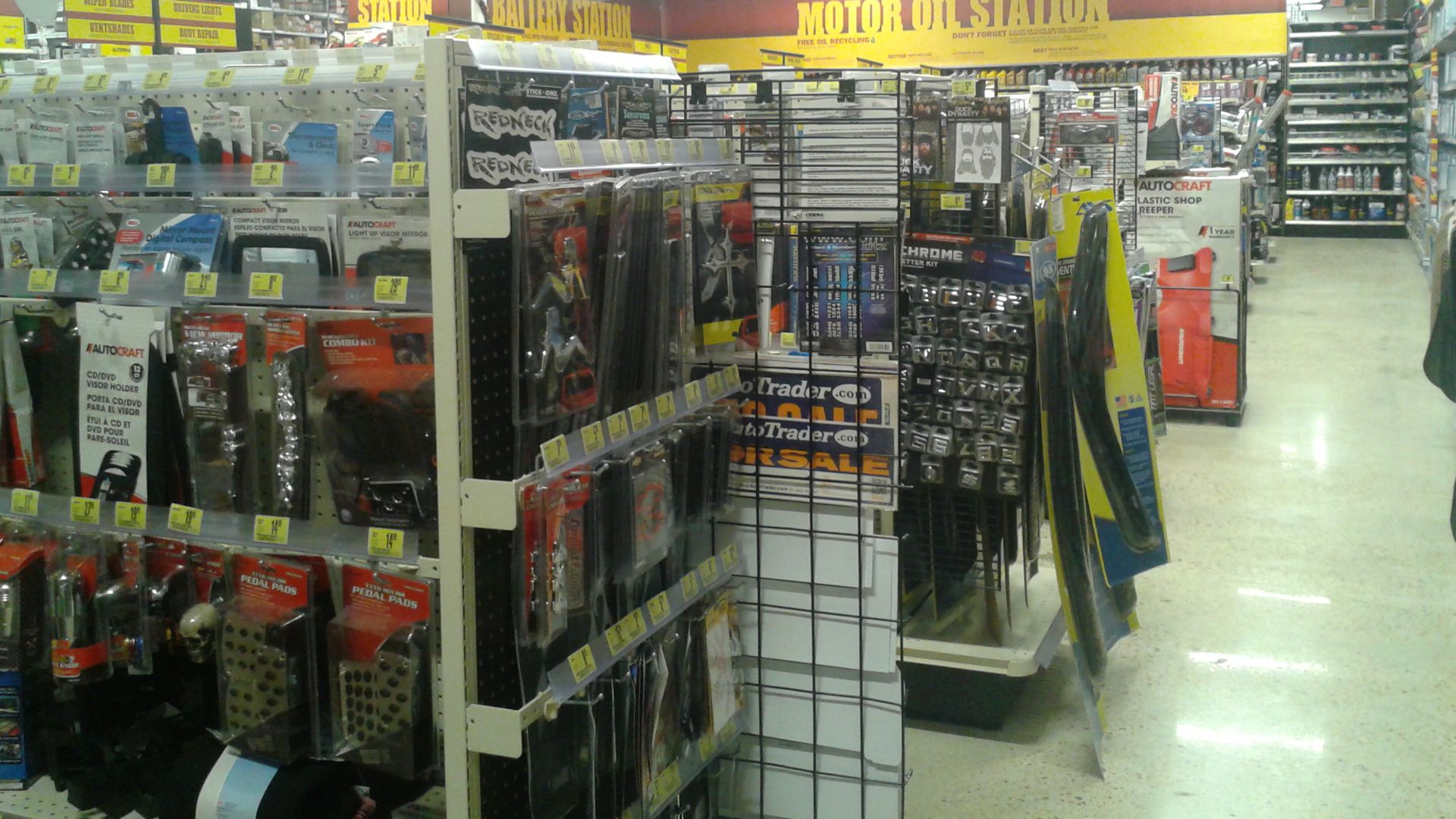
17. Auto Works
Founded in Michigan in 1976, Auto Works expanded through acquisitions and eventually reached roughly 252 stores across eight states. It offered the usual mix of repair parts and maintenance supplies. The company changed hands several times before closing in 1997. Apparently, selling replacement parts didn't guarantee a business could keep itself running.
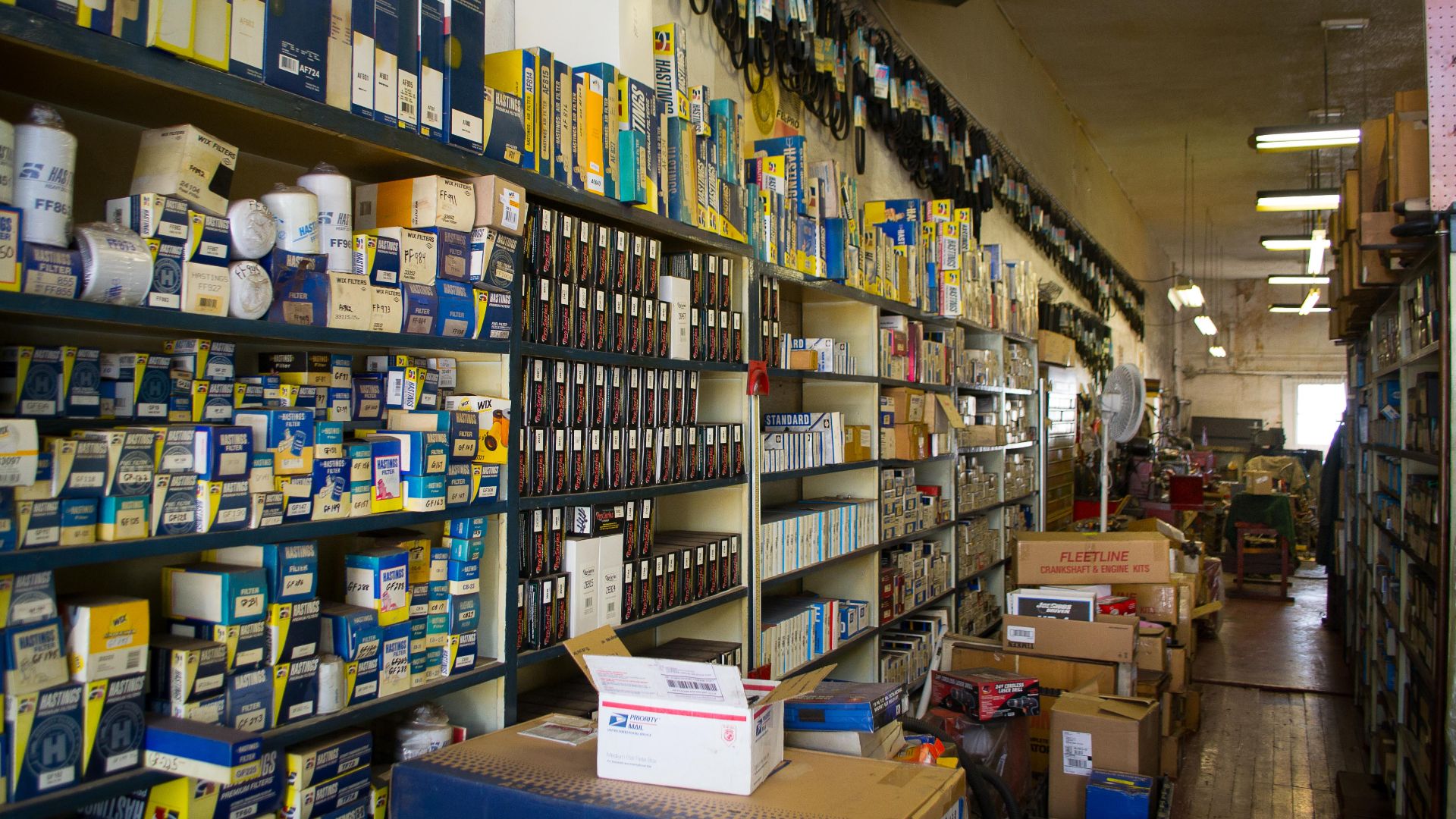
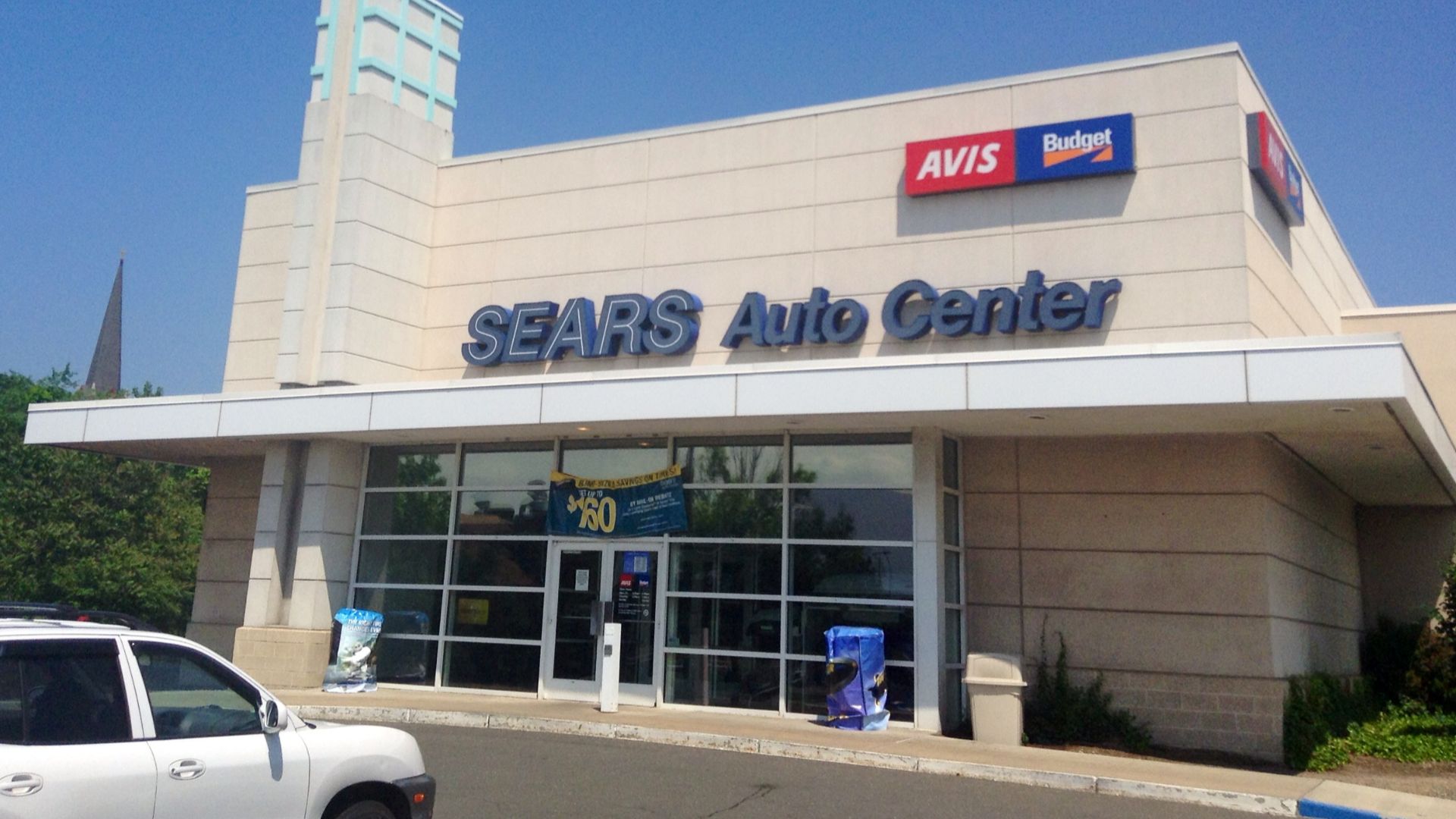
16. Parts America
Sears introduced Parts America in 1995 as a way to transform Western Auto locations into dedicated auto parts stores. It was a short-lived experiment in an increasingly competitive market. Advance Auto Parts acquired the business in 1998 and converted the stores. The name survived online for a while, but the storefronts vanished.
 Mike Mozart from Funny YouTube, USA, Wikimedia Commons
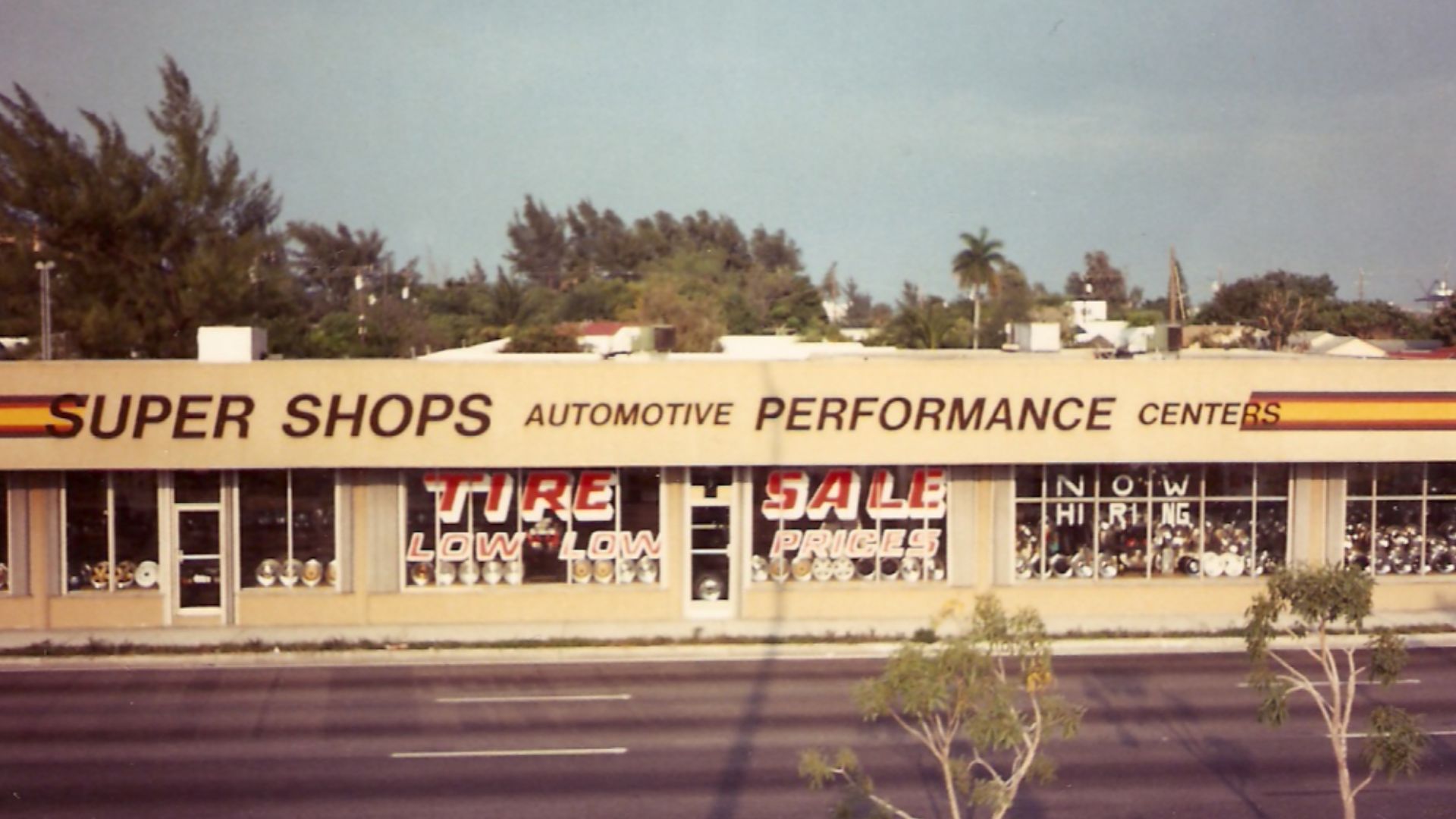
15. Super Shops
Super Shops was different from the ordinary parts store. It catered to enthusiasts who wanted performance upgrades, flashy wheels, and speed equipment. During the 1980s and 1990s, it became a recognizable name in the hot-rodding world. Financial trouble led to bankruptcy in 1998, ending a chain that made buying horsepower feel like a weekend adventure.
 WikiWalkerWoo, Wikimedia Commons
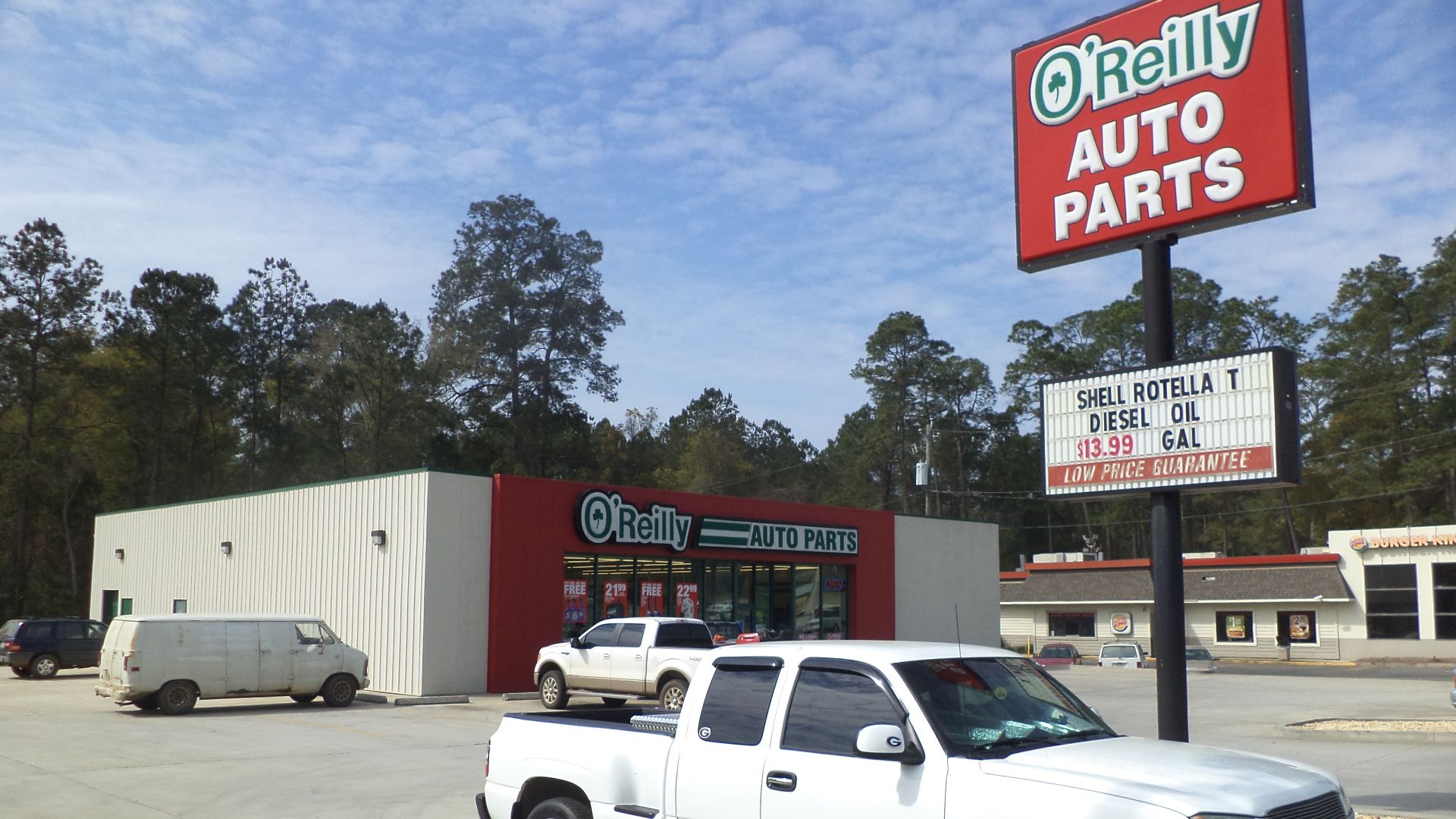
14. Hi/LO Auto Supply
Texas and Louisiana drivers once knew Hi/LO Auto Supply as a dependable regional chain. By 1998, it operated 182 stores, enough to attract O'Reilly Auto Parts. That acquisition nearly doubled O'Reilly's size at the time. Hi/LO disappeared from storefronts, but its locations helped turn a regional competitor into a much bigger operation.
 Michael Rivera, Wikimedia Commons
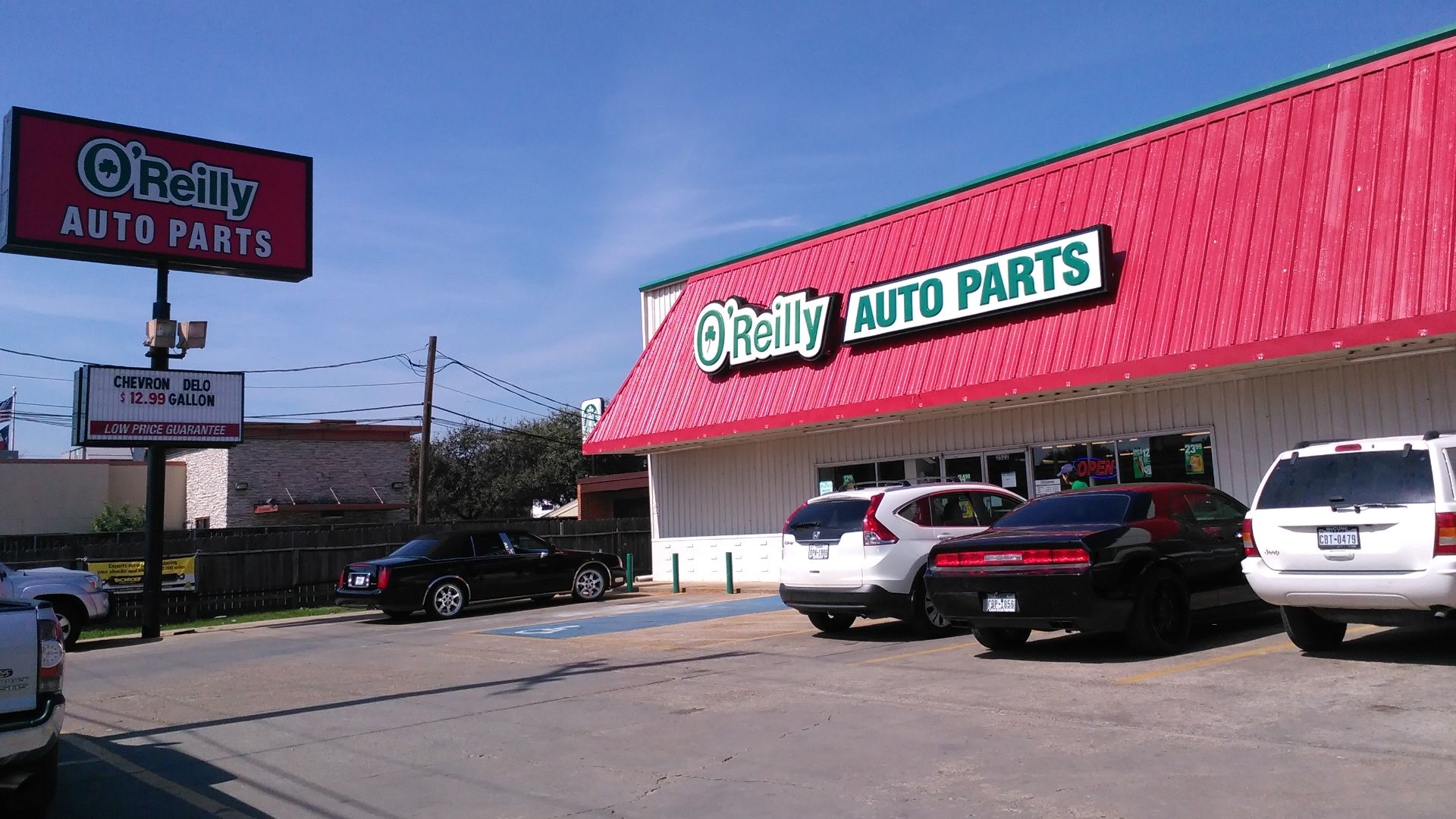
13. Grand Auto Supply
Grand Auto Supply was a familiar name across parts of the Western United States. Its stores sold replacement parts, accessories, and the little things that could rescue a weekend repair. In 1999, CSK Auto acquired Grand Auto and Al's Auto Supply in a combined 194-store deal. The Grand Auto name gradually gave way to newer signs.
 WhisperToMe, Wikimedia Commons
12. Big A Auto Parts
Big A was a recognizable name in the independent auto parts business, with stores and distribution operations supplying mechanics and everyday drivers. Its former corporate network faced financial difficulties during the 1990s, with major assets sold in 1998. The old chain changed dramatically, although the Big A name has continued in parts of the aftermarket.
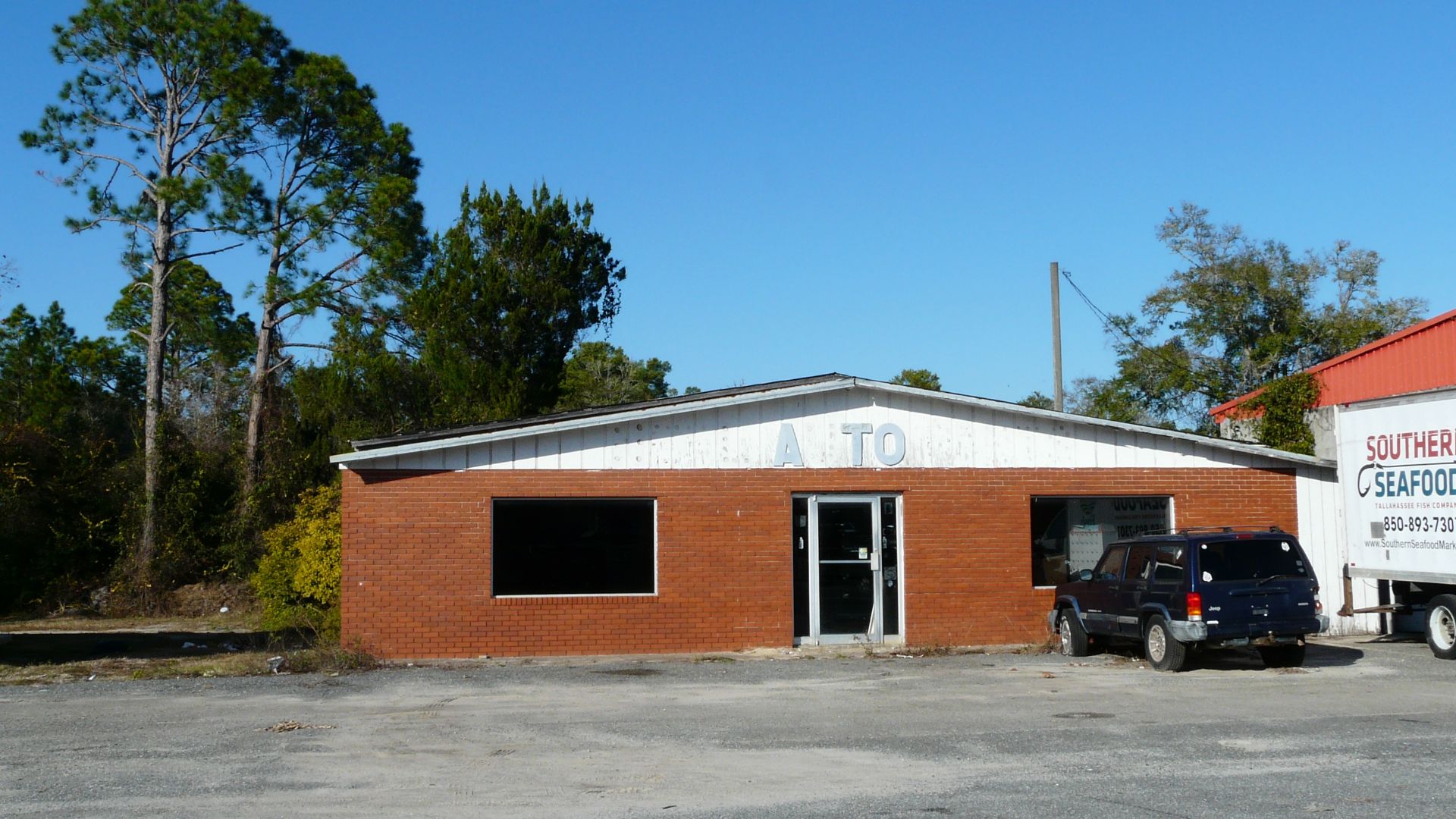 The Bushranger, Wikimedia Commons
11. Pep Boys Express
Pep Boys once operated smaller Express stores focused on parts and accessories rather than full automotive service. In 1998, AutoZone purchased 100 of these locations and converted them to its own format. The Express name disappeared, but it belonged to an era when retailers were experimenting with every possible way to sell motorists another set of spark plugs.
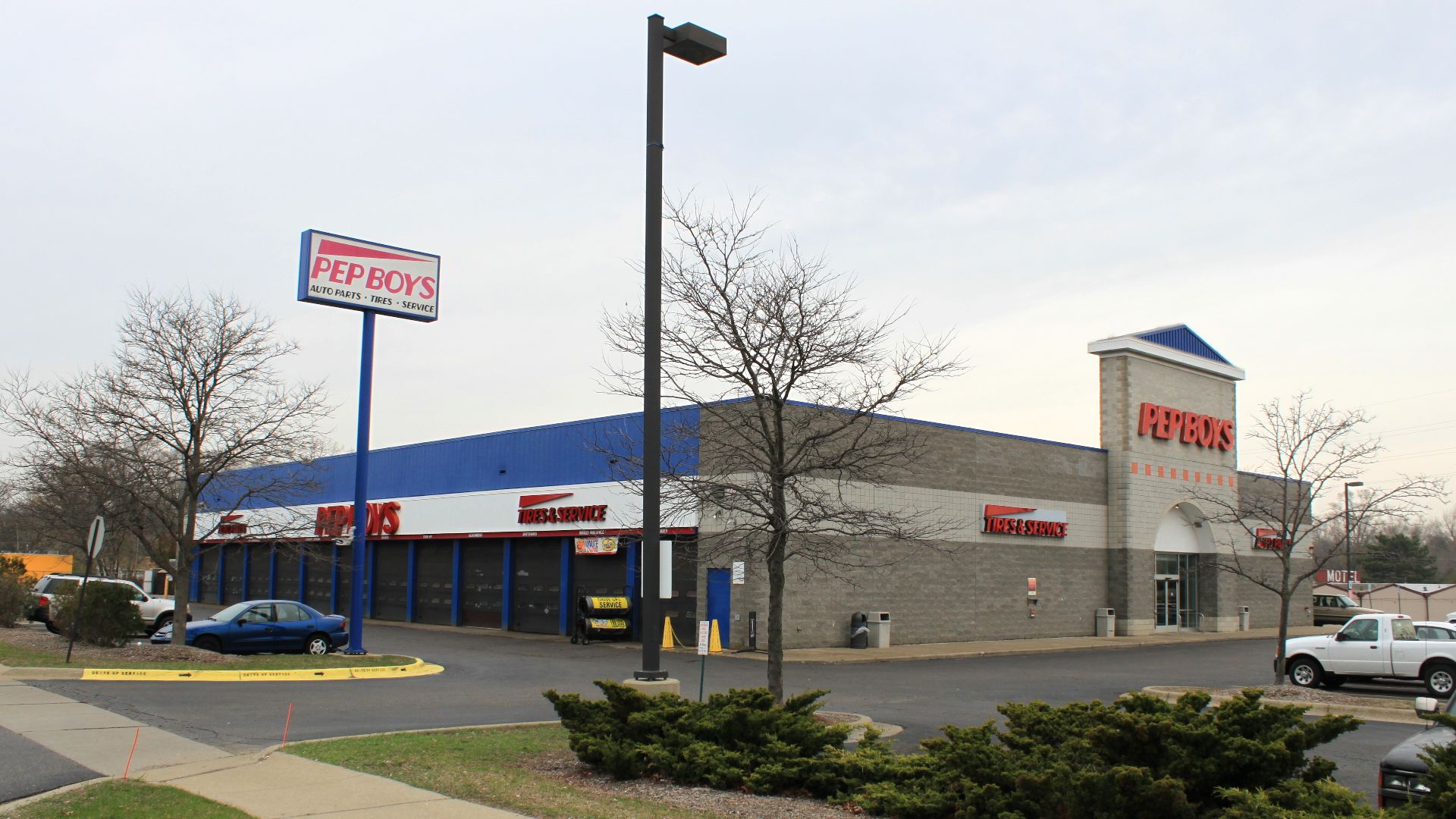 Dwight Burdette, Wikimedia Commons
10. Murray's Discount Auto Stores
Murray's was a familiar sight around Michigan and the Great Lakes region. Founded in 1972, it grew into a chain known for discount parts and automotive accessories. It later became part of CSK Auto, which O'Reilly acquired in 2008. The Murray's signs eventually disappeared, taking another piece of Detroit-area retail nostalgia with them.
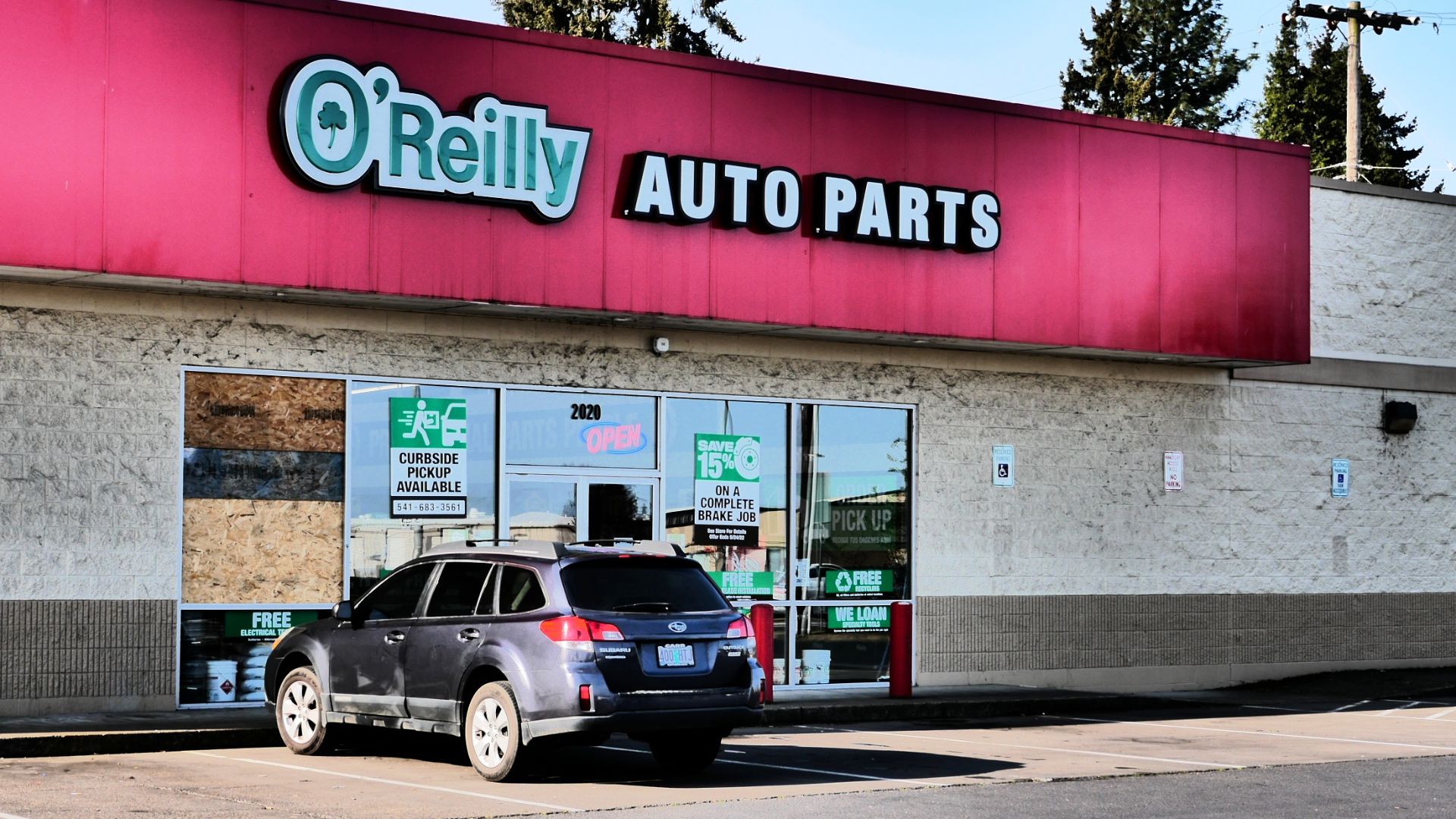
9. Checker Auto Parts
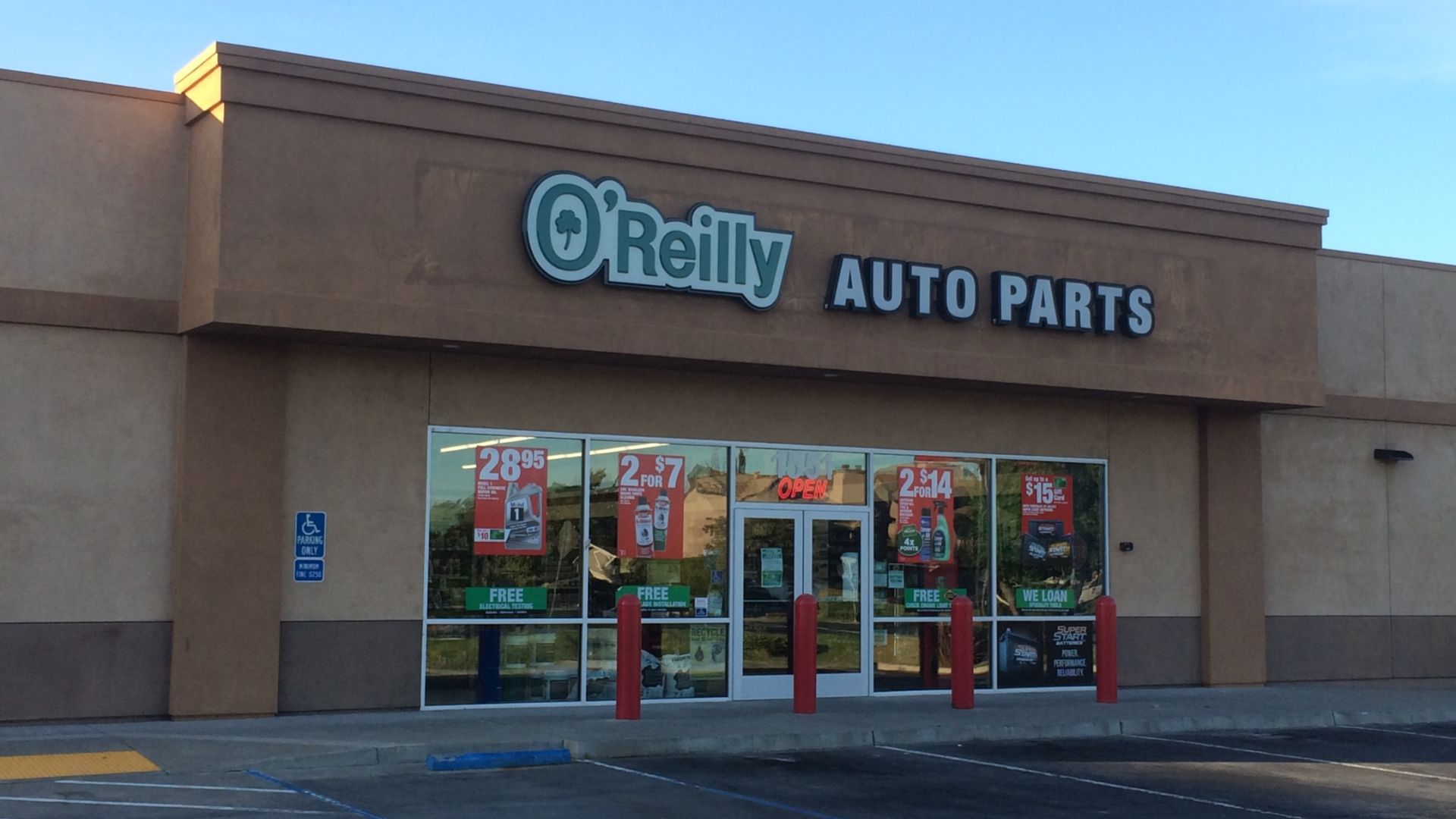
Checker Auto Parts began in Arizona in 1969 and became a major name across the Southwest, Mountain West, and other regions. Its stores sold everything from batteries to motor oil, making them regular stops for home mechanics. After O'Reilly acquired parent company CSK Auto in 2008, Checker locations were converted to the O'Reilly name.
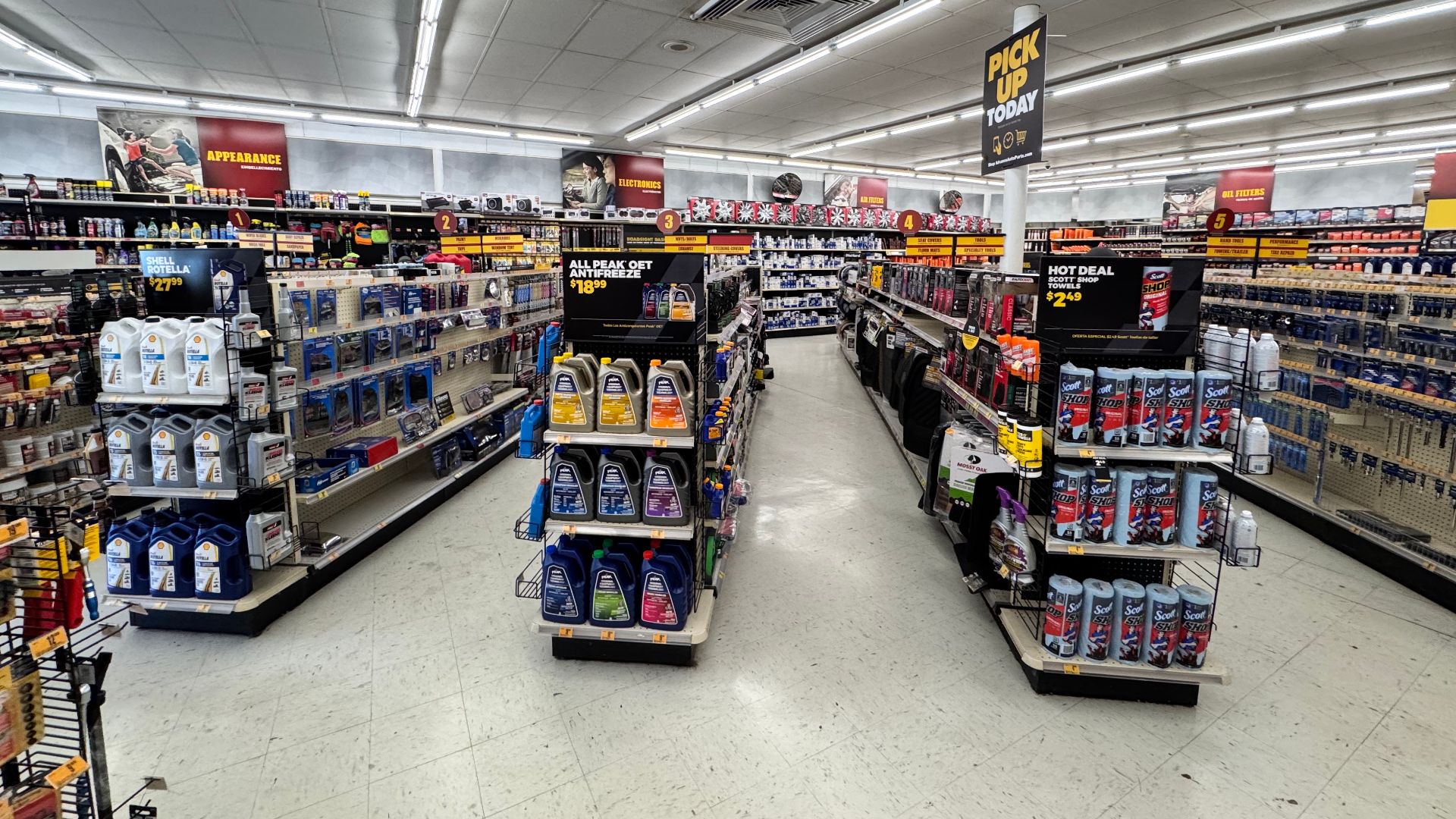 Harrison Keely, Wikimedia Commons
8. Schuck's Auto Supply
Pacific Northwest drivers remember Schuck's, a chain with roots stretching back to 1917. Its stores became familiar destinations for people maintaining aging pickups, family sedans, and weekend projects. Schuck's eventually joined the CSK Auto group before O'Reilly bought the company. For longtime customers, losing the familiar Schuck's sign marked the end of an era.
 TaurusEmerald, Wikimedia Commons
7. Discount Auto Parts
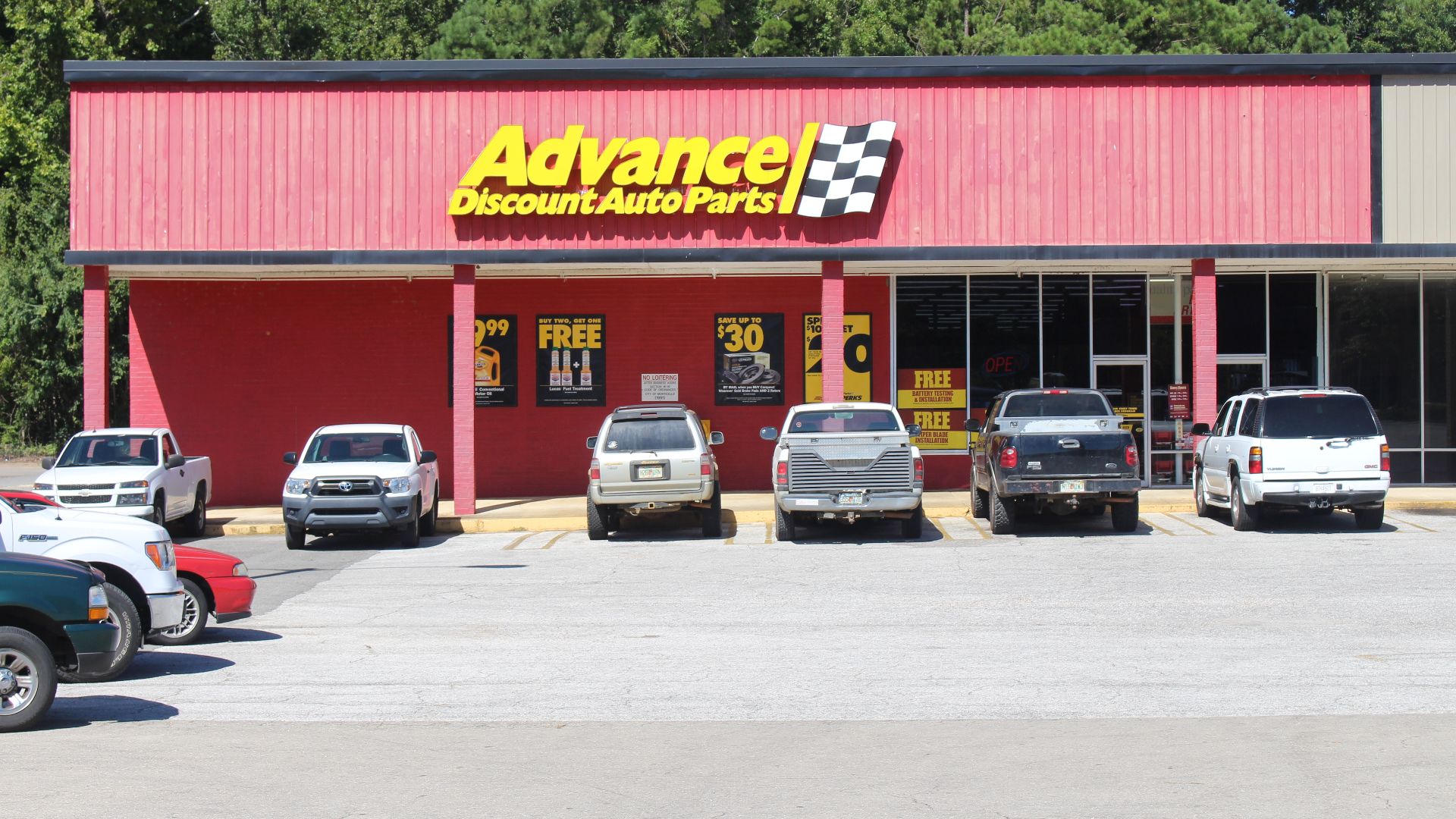
Discount Auto Parts was especially popular in Florida, where it had hundreds of locations. By 2001, the chain operated 671 stores across six Southern states. Advance Auto Parts acquired it that year, gradually replacing its familiar storefronts. For Florida drivers, Discount was once practically synonymous with buying an emergency battery or replacement alternator.
 Michael Rivera, Wikimedia Commons
6. Auto Shack
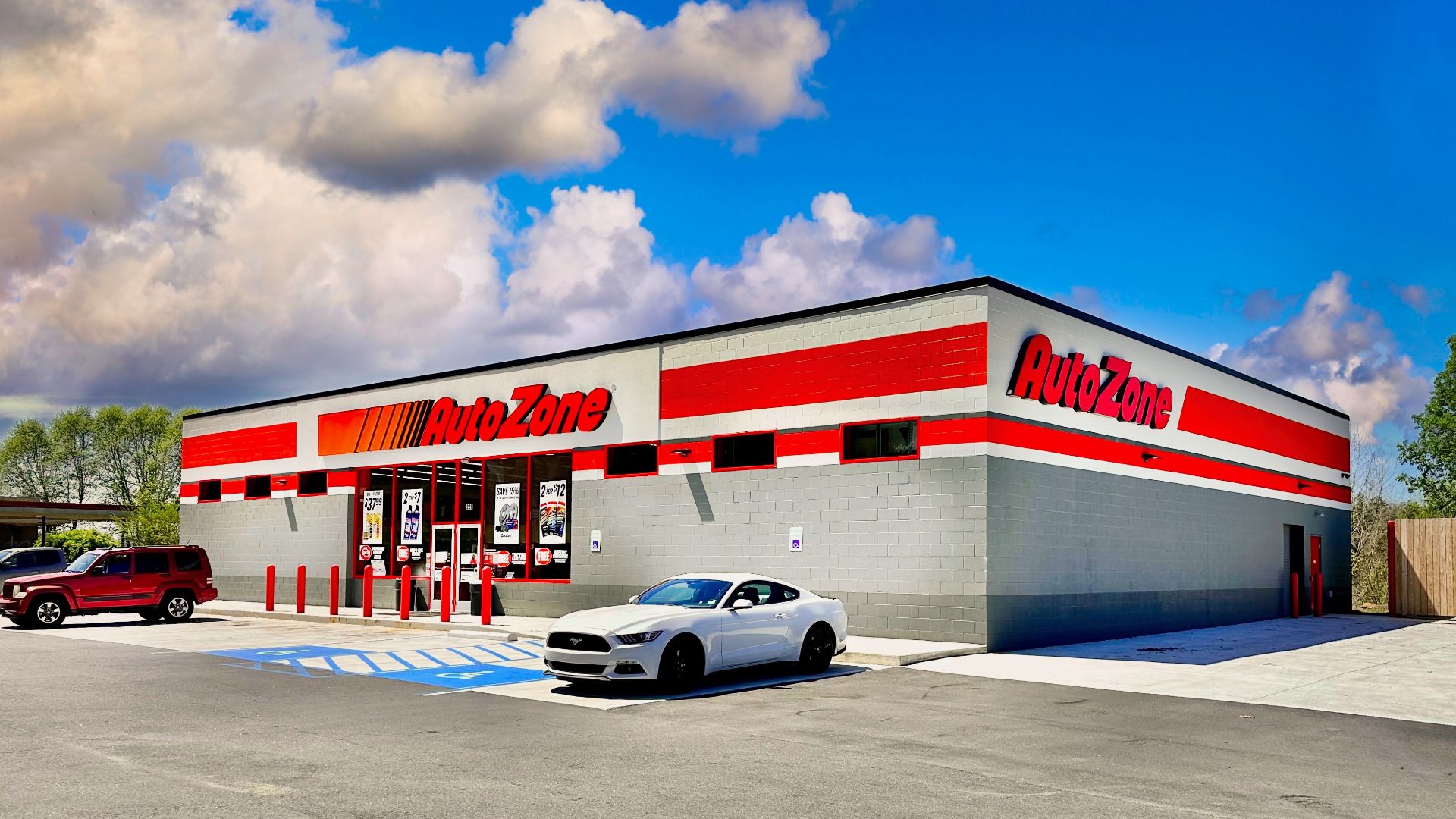
Before AutoZone became a household name, it was called Auto Shack. The first store opened in Forrest City, Arkansas, on July 4, 1979. The chain grew rapidly by offering parts at competitive prices in accessible retail stores. In 1987, it announced its change to AutoZone. Same basic business, but a name that would become much more recognizable.
 Harrison Keely, Wikimedia Commons
5. Chief Auto Parts
Chief Auto Parts started in California in 1955 and eventually became a major Western and Southern retailer. By 1998, it had grown to more than 500 locations. AutoZone acquired the chain that year and began converting its stores. For generations of do-it-yourself mechanics, Chief was the place to find parts without making a dealership appointment.
 Phillip Pessar, Wikimedia Commons
4. Trak Auto
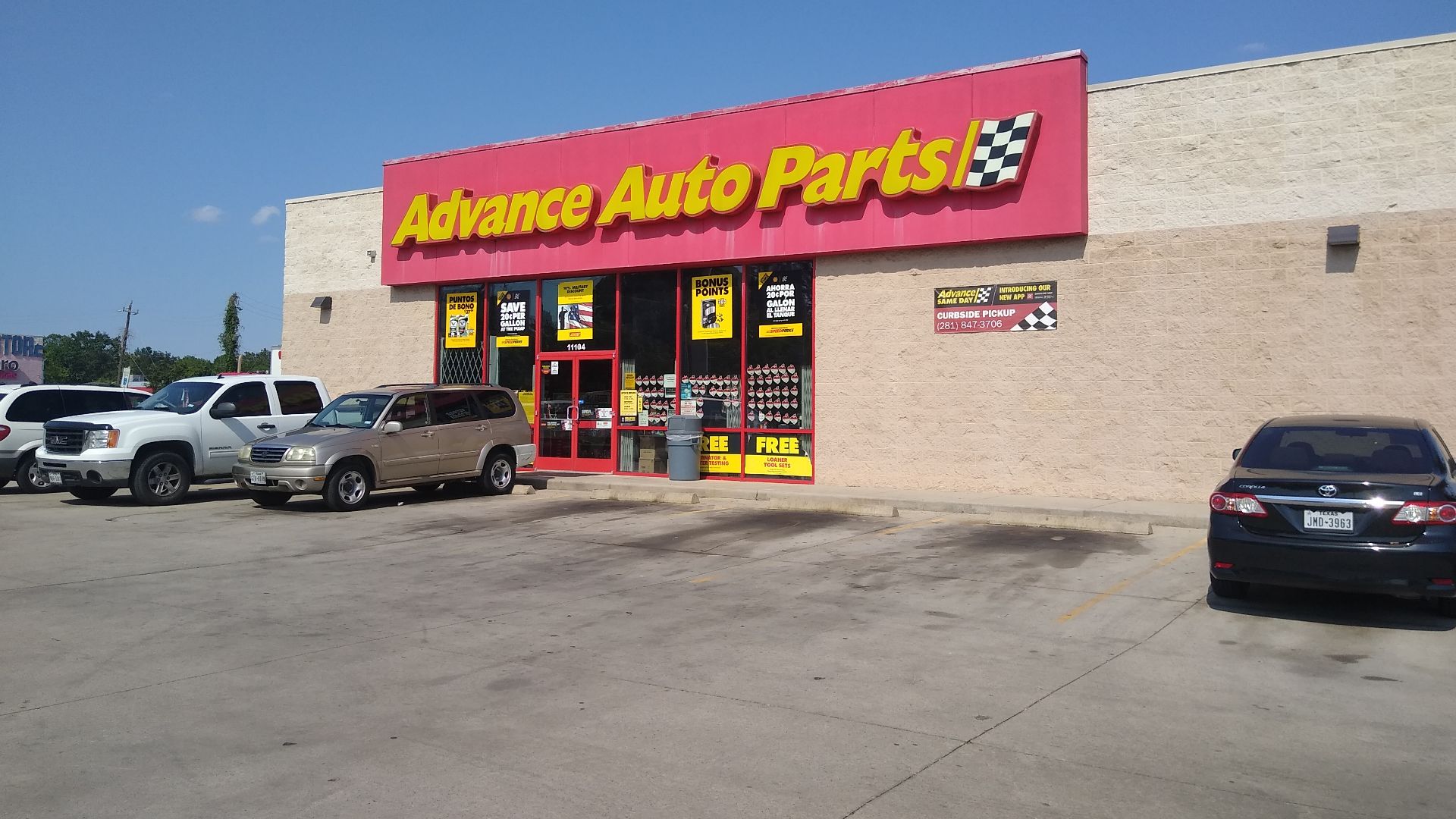
Trak Auto was a big name in the discount auto parts business during the 1980s and 1990s. Founded in 1981, it operated stores across several regions, including the Mid-Atlantic. Advance Auto Parts acquired its remaining business in 2002. The name disappeared, but plenty of former customers still remember wandering its aisles looking for the cheapest possible repair.
 WhisperToMe, Wikimedia Commons
3. Kragen Auto Parts
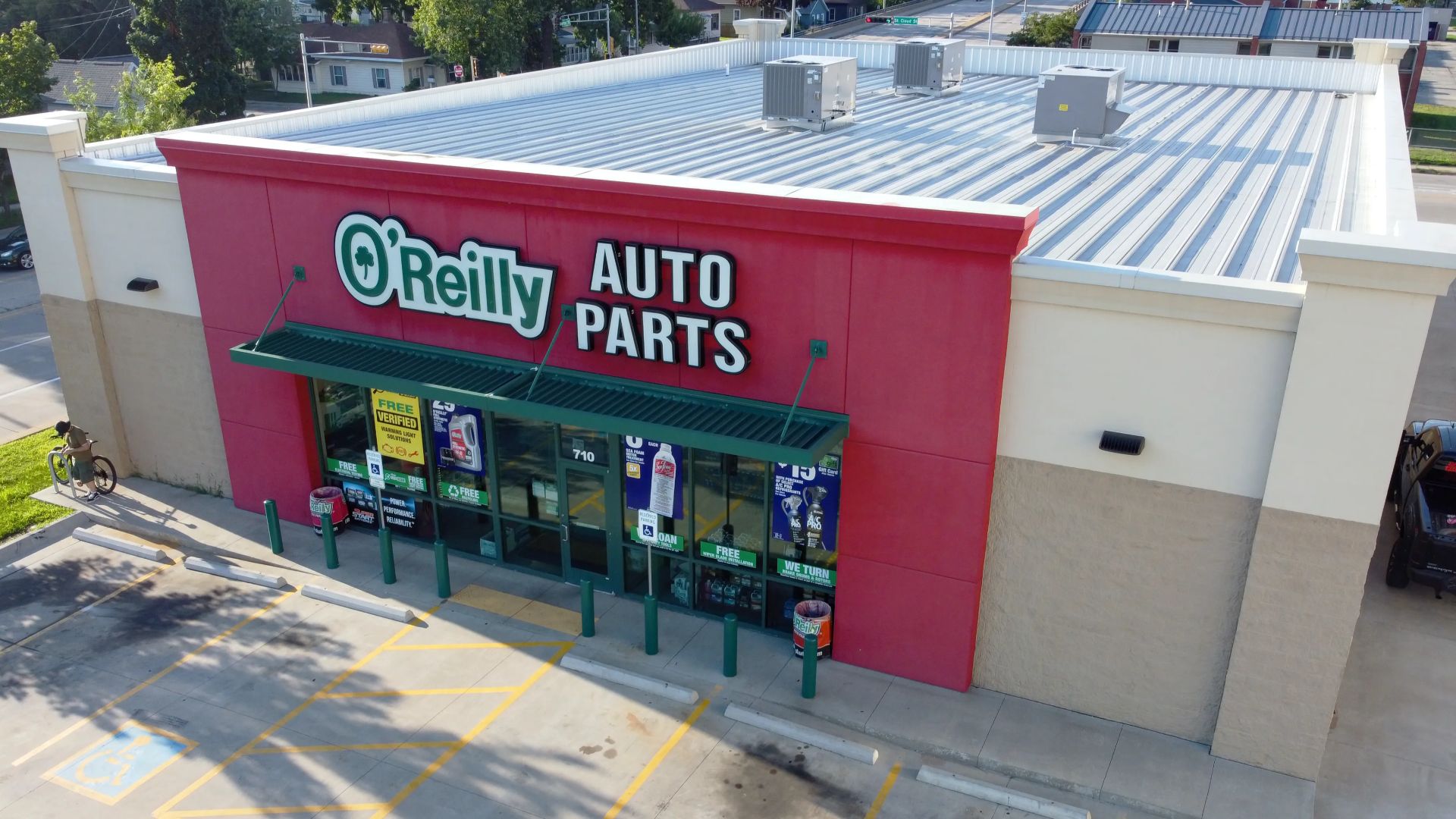
If you grew up in California, you probably remember Kragen. Founded in 1947, it became one of the West Coast's most recognizable auto parts retailers. Its stores supplied generations of motorists with batteries, filters, brakes, and accessories. After O'Reilly acquired CSK Auto in 2008, Kragen locations gradually received new signs. California's familiar parts counter was never quite the same.
2. OTASCO
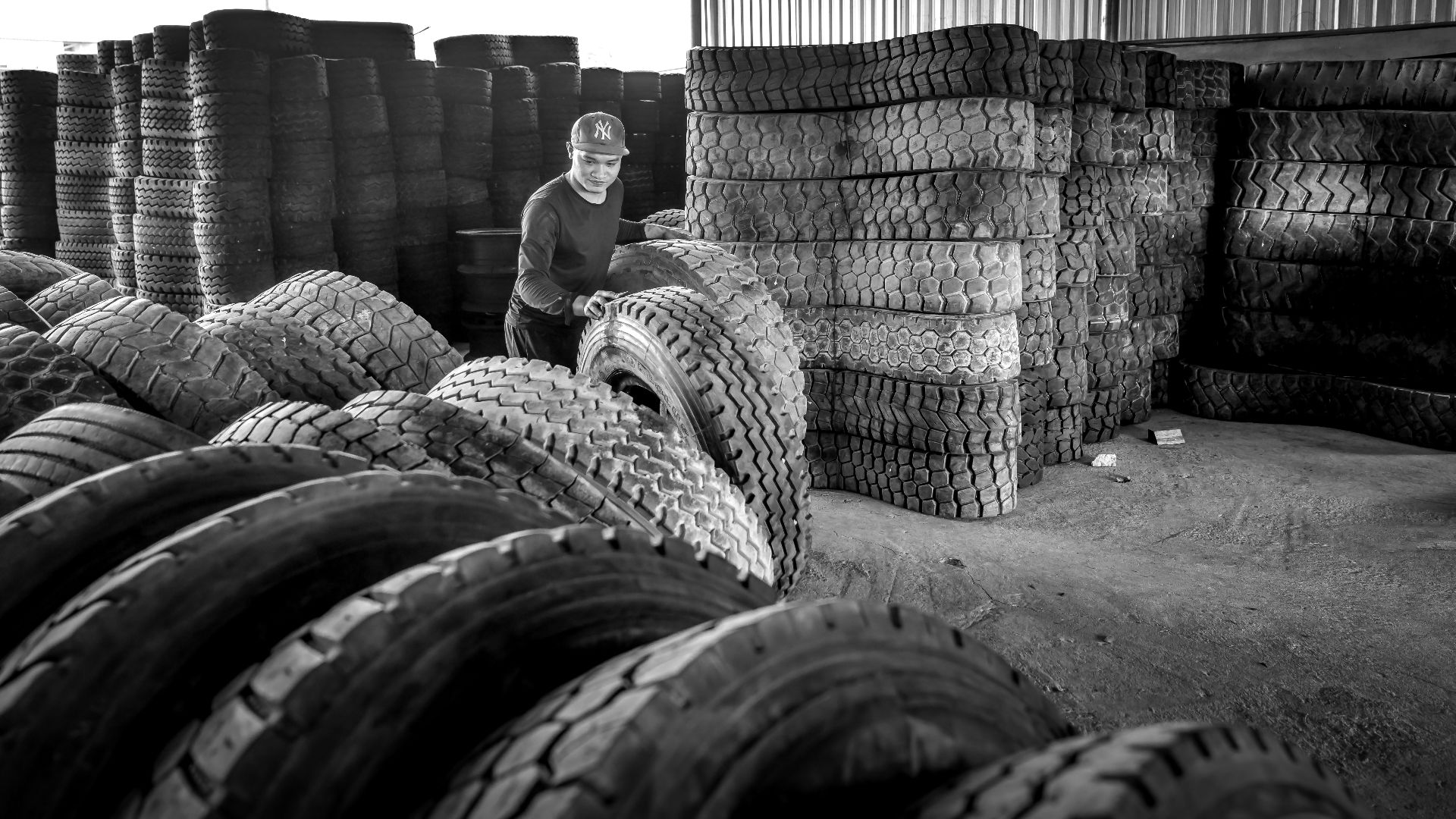
OTASCO stood for Oklahoma Tire and Supply Company, and it was much more than a parts store. Founded in 1918, the chain sold tires, automotive supplies, appliances, and household merchandise. By 1968, it had 455 locations across 12 states. Financial problems ended the corporate chain in 1989, although a few independently operated stores preserved its name.
1. Western Auto
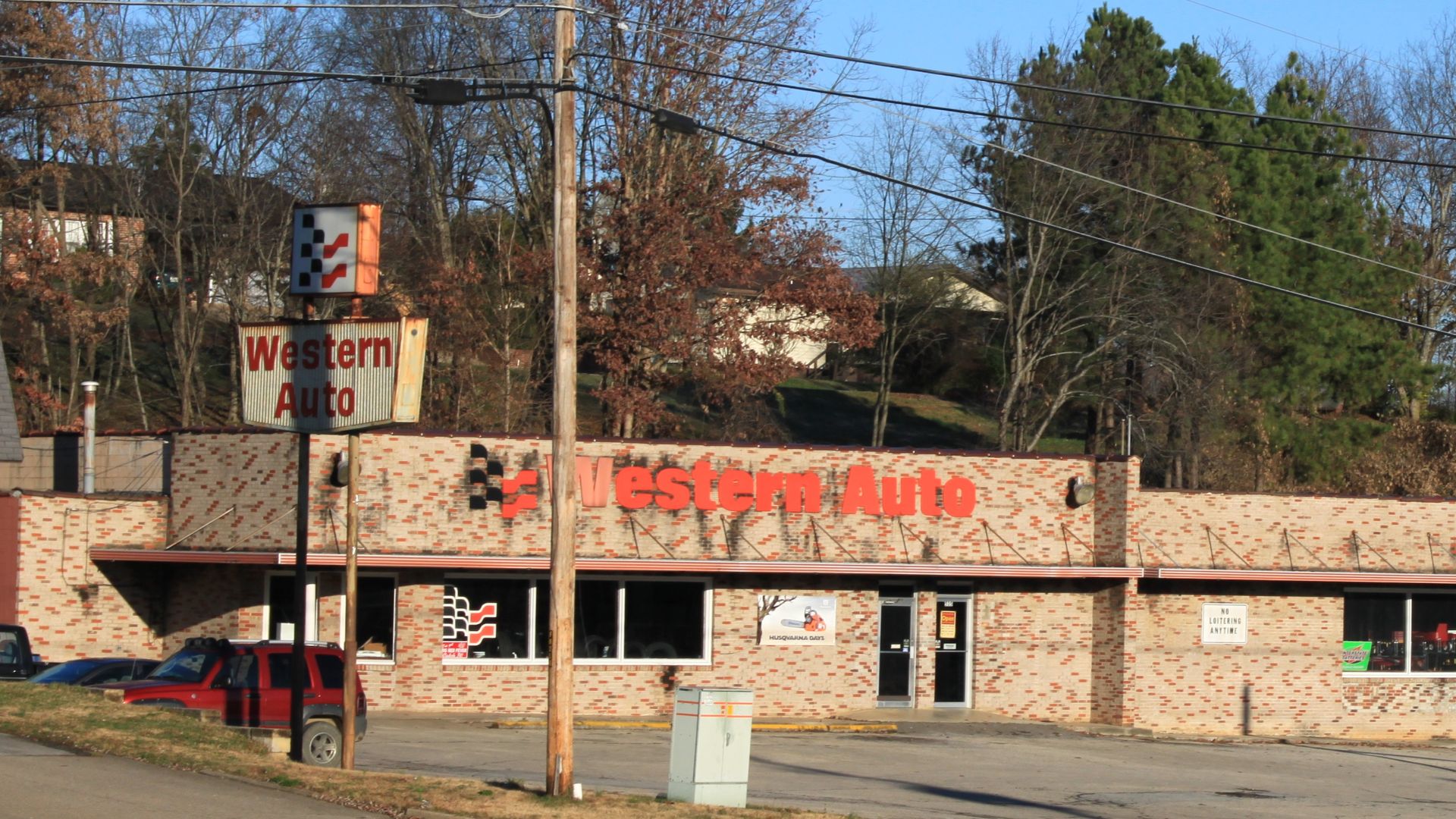
For generations of American drivers, Western Auto was practically an institution. Founded in 1909, it sold everything from tires and replacement parts to tools, bicycles, and household goods. Its stores were especially important in smaller communities where the local parts counter was also a neighborhood gathering place.
Sears acquired Western Auto in the late 1980s, and Advance Auto Parts took over much of its remaining business in 1998. The familiar red-and-white signs gradually disappeared from mainstream American retail. For many longtime motorists, Western Auto wasn't simply somewhere to buy a fan belt. It was where you learned how to keep your first car running.
 Dwight Burdette, Wikimedia Commons
You May Also Like:
Car Brands That Break Down The Most—According To Mechanics
New Car Models Baby Boomers Can’t Stand
Studies Now Show That Advanced Driver-Assistance Systems (ADAS) May Be Doing More Harm Than Good