When Families Started Sitting Higher
The family sedan didn’t disappear overnight. Through the 2000s, buyers gradually discovered they could get more cargo room, a taller driving position, available all-wheel drive, and room for kids without necessarily buying a minivan. Enter, the crossover. Plenty have been forgotten, but they helped turn the traditional sedan from America’s default family vehicle into just one option among many.
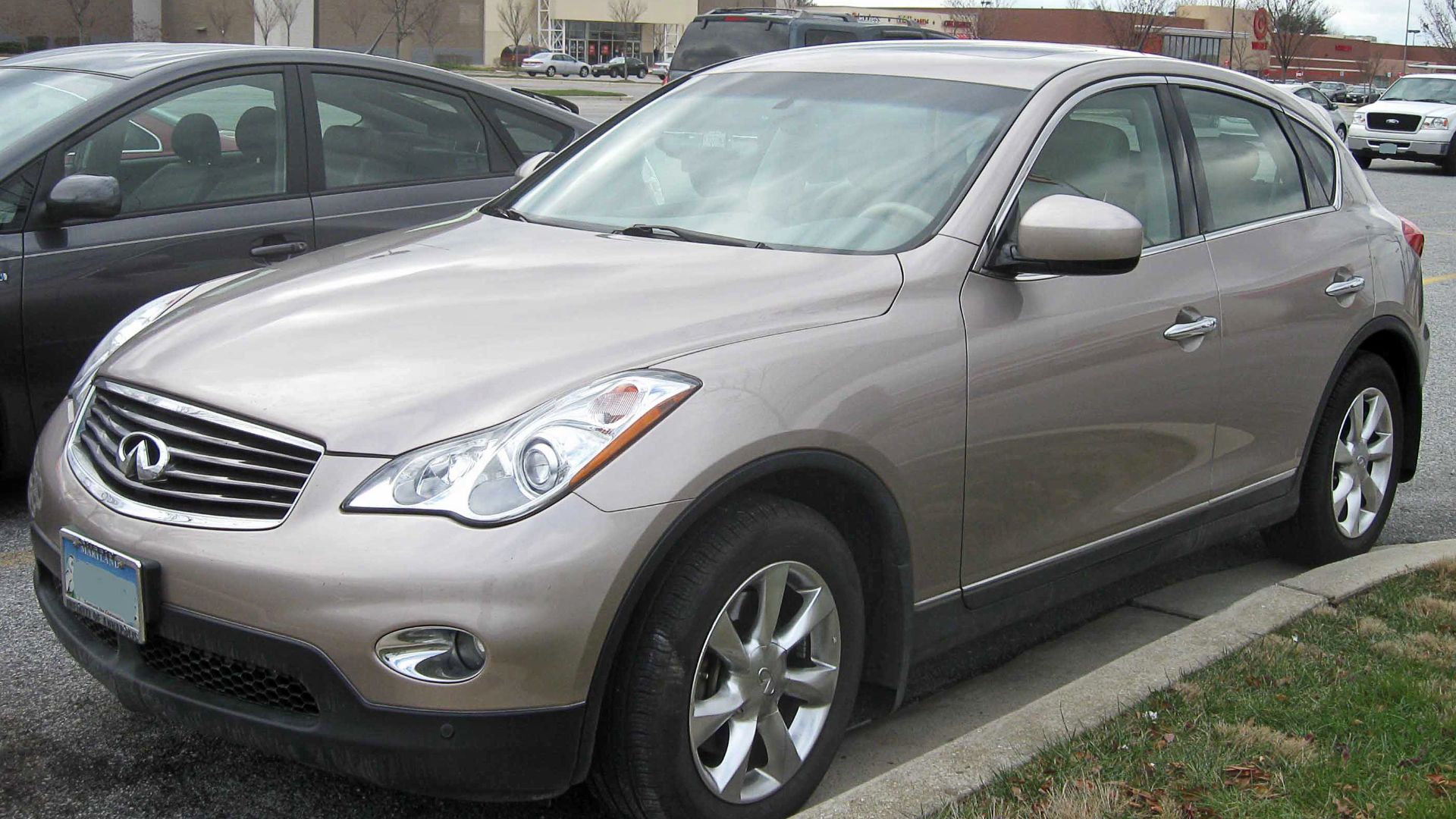
Infiniti EX (2008–2009)
The Infiniti EX showed just how blurry the line between sedan, wagon, and crossover had become. It was heavily related to Infiniti’s sporty G sedan, sat relatively low, and drove much more like a car than a traditional SUV. Yet the hatchback body, available all-wheel drive, and crossover marketing made it more appealing to buyers who no longer wanted to be seen shopping for a wagon. In many ways, the EX was a sporty five-door car that America would only accept once somebody called it a crossover.
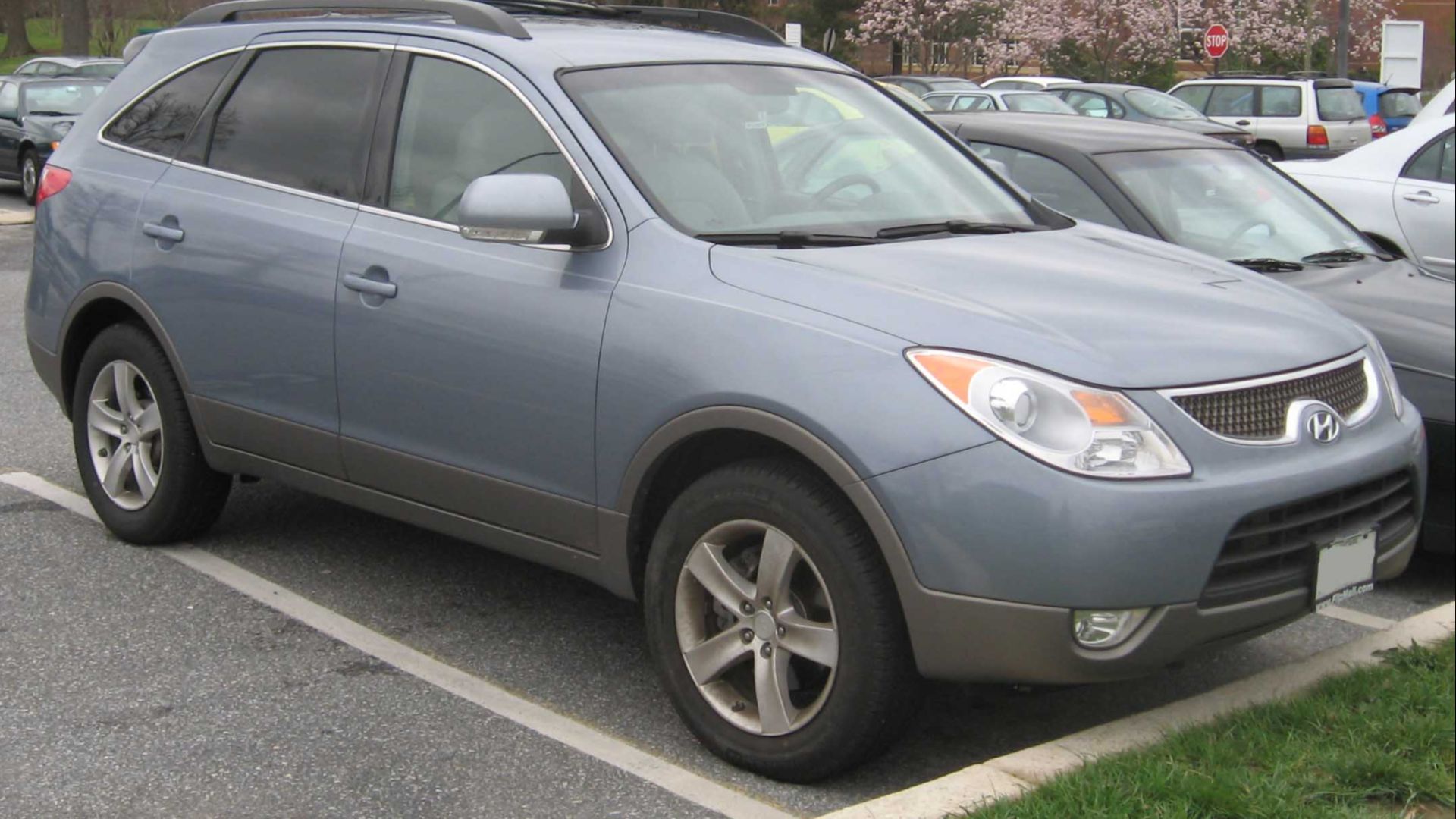
Hyundai Veracruz (2007–2009)
The Veracruz was proof that Hyundai’s ambitions had grown dramatically by the late 2000s. Rather than simply selling a cheap SUV, Hyundai created a quiet three-row crossover with a smooth V6, six-speed automatic, comfortable ride, and an interior aimed surprisingly close to premium competitors. Fully equipped versions were being compared with vehicles like the Lexus RX. It didn’t last long, but the Veracruz foreshadowed the three-row Palisade formula Hyundai would later turn into a major success.
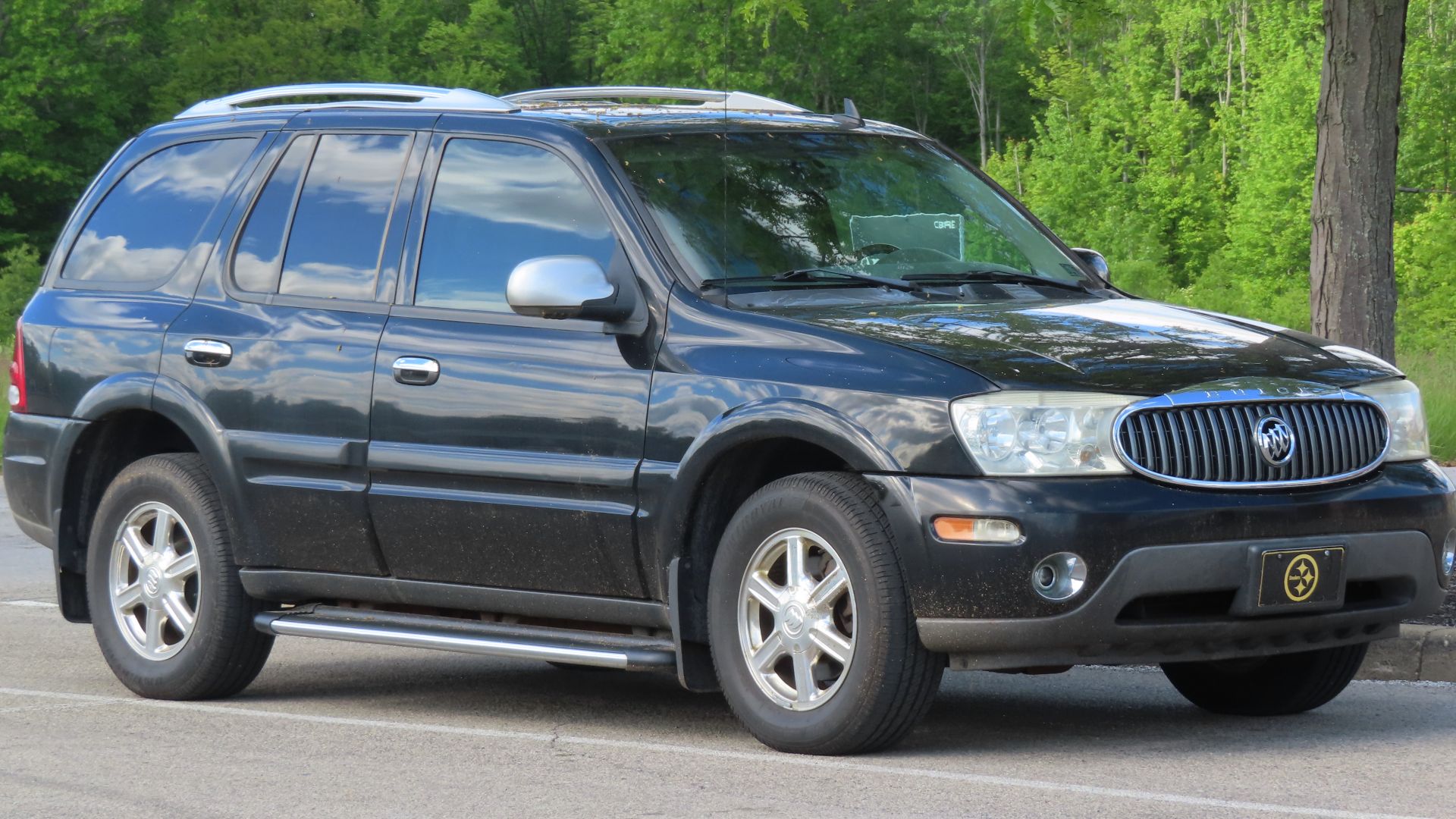
Buick Rainier (2004–2007)
The Buick Rainier was GM’s attempt to prove that traditional Buick buyers might abandon sedans if an SUV felt sufficiently comfortable and upscale. Introduced for 2004, it shared its basic architecture with the Chevrolet TrailBlazer and GMC Envoy but received softer suspension tuning, quieter appointments, and eventually available V8 power. It never became a household name, but its mission was important. Buick was learning that its future customers might prefer a cushy SUV to another Park Avenue.
 MercurySable99, Wikimedia Commons
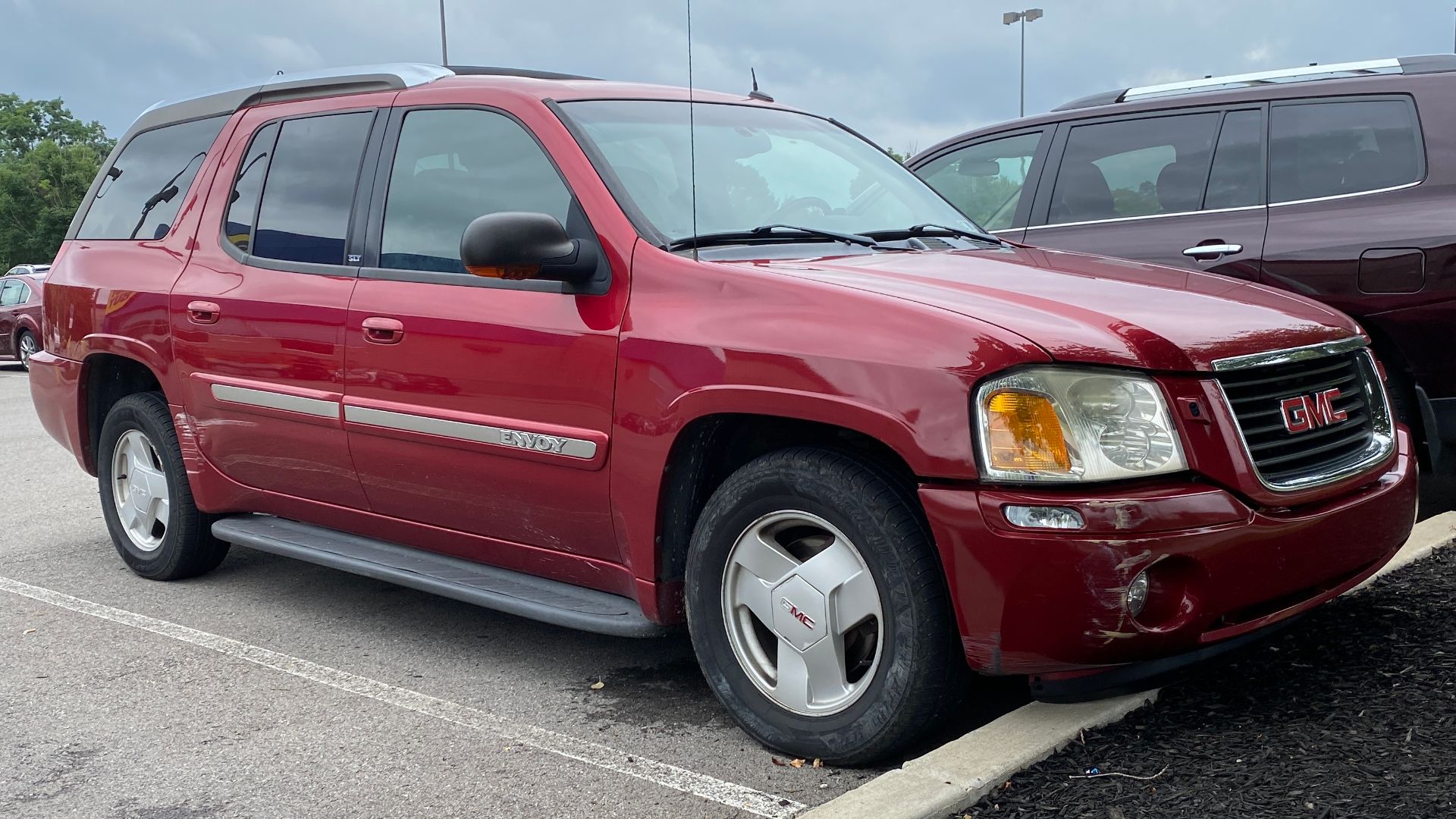
GMC Envoy XUV (2004–2005)
The Envoy XUV was what happened when GM tried to make one family vehicle perform almost every conceivable job. Its rear roof section could slide forward, the rear glass and midgate could move, and the cargo area could transform from an enclosed SUV compartment into something closer to a pickup bed. The mechanism was fascinating but complicated, and the resulting vehicle was huge and heavy. Still, its obsession with flexible cargo space reflected exactly why buyers were starting to leave sedans behind.
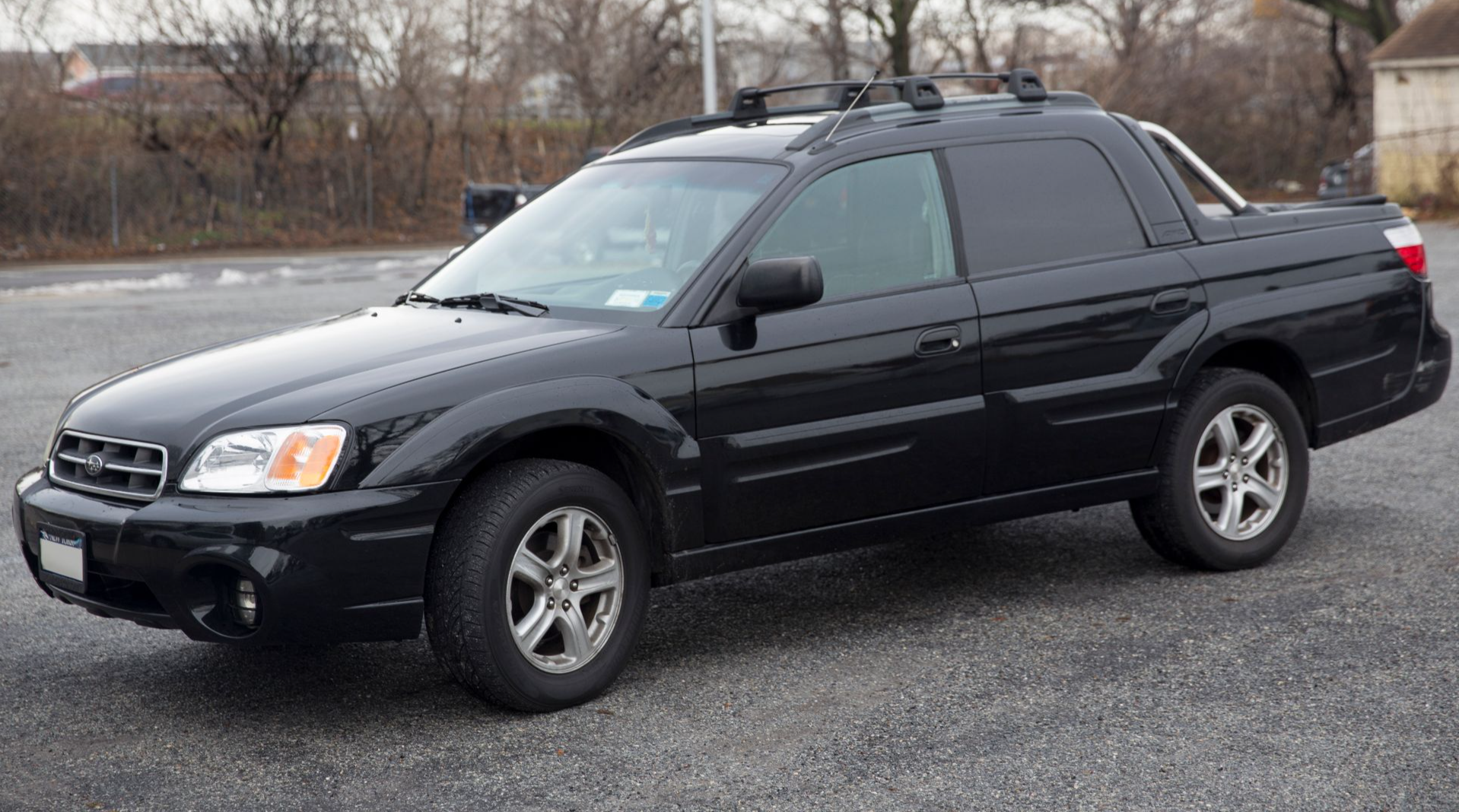
Subaru Baja (2003–2006)
The Subaru Baja was too strange to become a huge seller, but its basic idea looks much less weird today. Subaru took the Legacy Outback, chopped away the rear cargo roof, and created a tiny pickup bed with a “Switchback” opening that let longer cargo extend into the cabin. It still had four doors, all-wheel drive, and carlike road manners. Long before lifestyle pickups and crossover-based trucks became fashionable, the Baja was already trying to combine all of those things.
 Mr.choppers, Wikimedia Commons
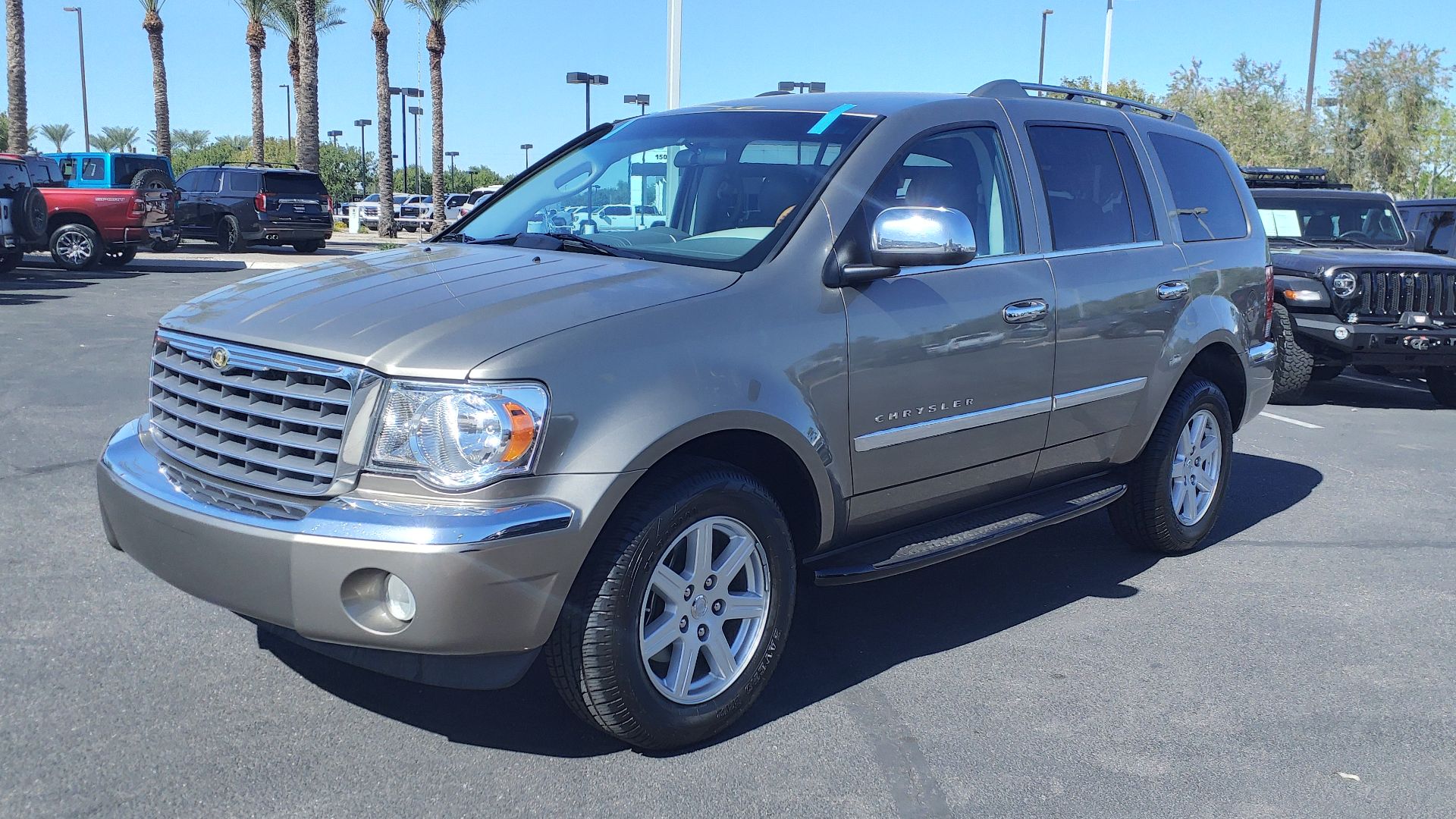
Chrysler Aspen (2007–2009)
The Chrysler Aspen arrived in 2007 as a more luxurious version of the Dodge Durango, giving Chrysler buyers an SUV big enough to replace both a family sedan and, for many households, a minivan. It offered three rows, available four-wheel drive, and Hemi V8 power, with a hybrid arriving late in its brief life. Unfortunately, it launched shortly before fuel prices and the financial crisis battered large SUV demand. Chrysler had correctly identified where family vehicles were going, but the Aspen arrived with the wrong formula at the wrong moment.
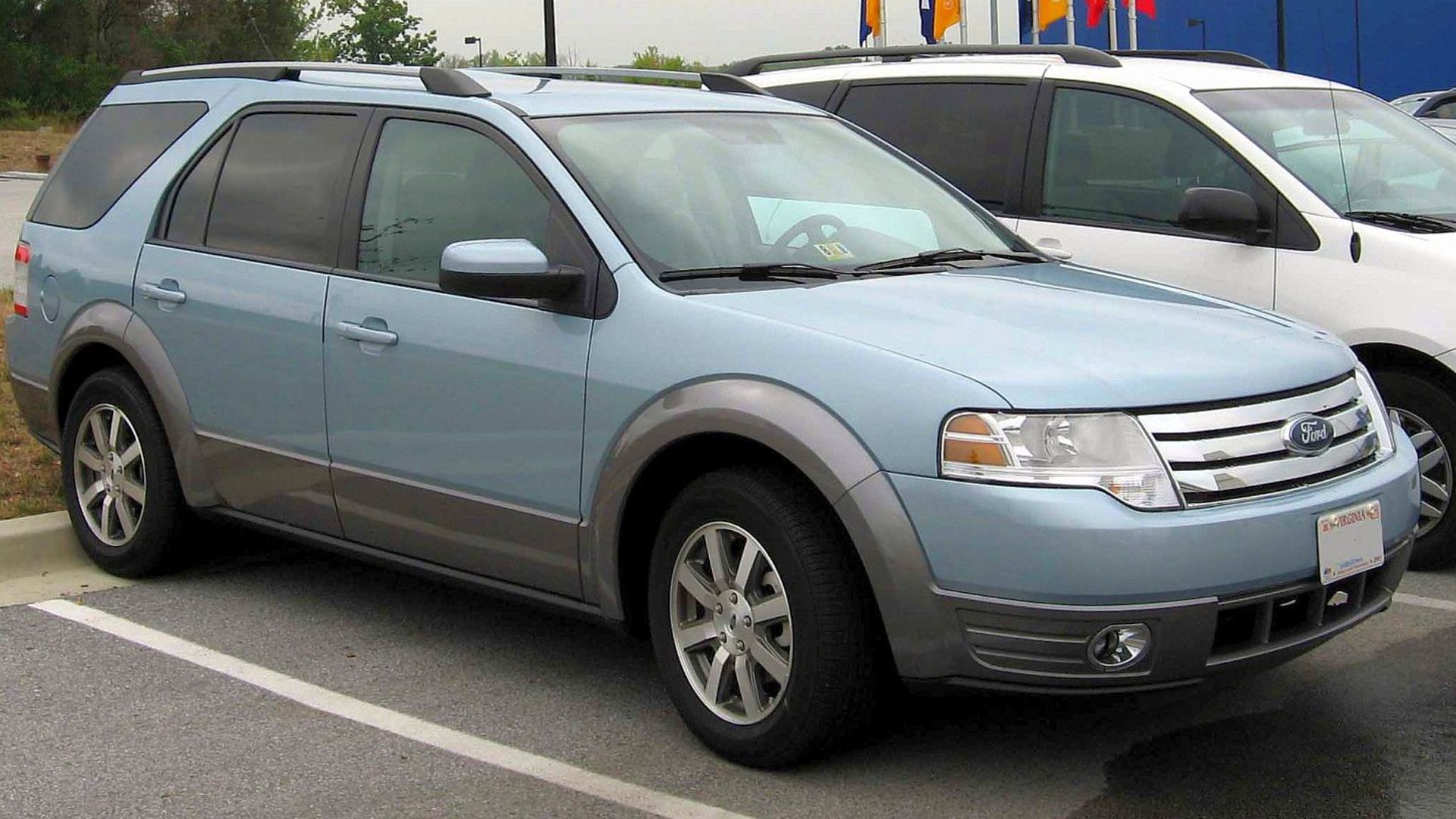
Ford Taurus X (2008–2009)
The Taurus X might be one of the most overlooked vehicles in this entire transition. Originally launched as the Ford Freestyle, it was essentially a tall, three-row unibody wagon that offered available all-wheel drive and family-friendly space without the weight or truck feel of an Explorer. Ford renamed it Taurus X for 2008 and upgraded it with a 263-hp V6 and six-speed automatic. It was basically the sort of crossover families buy constantly today, but buyers barely noticed it then.
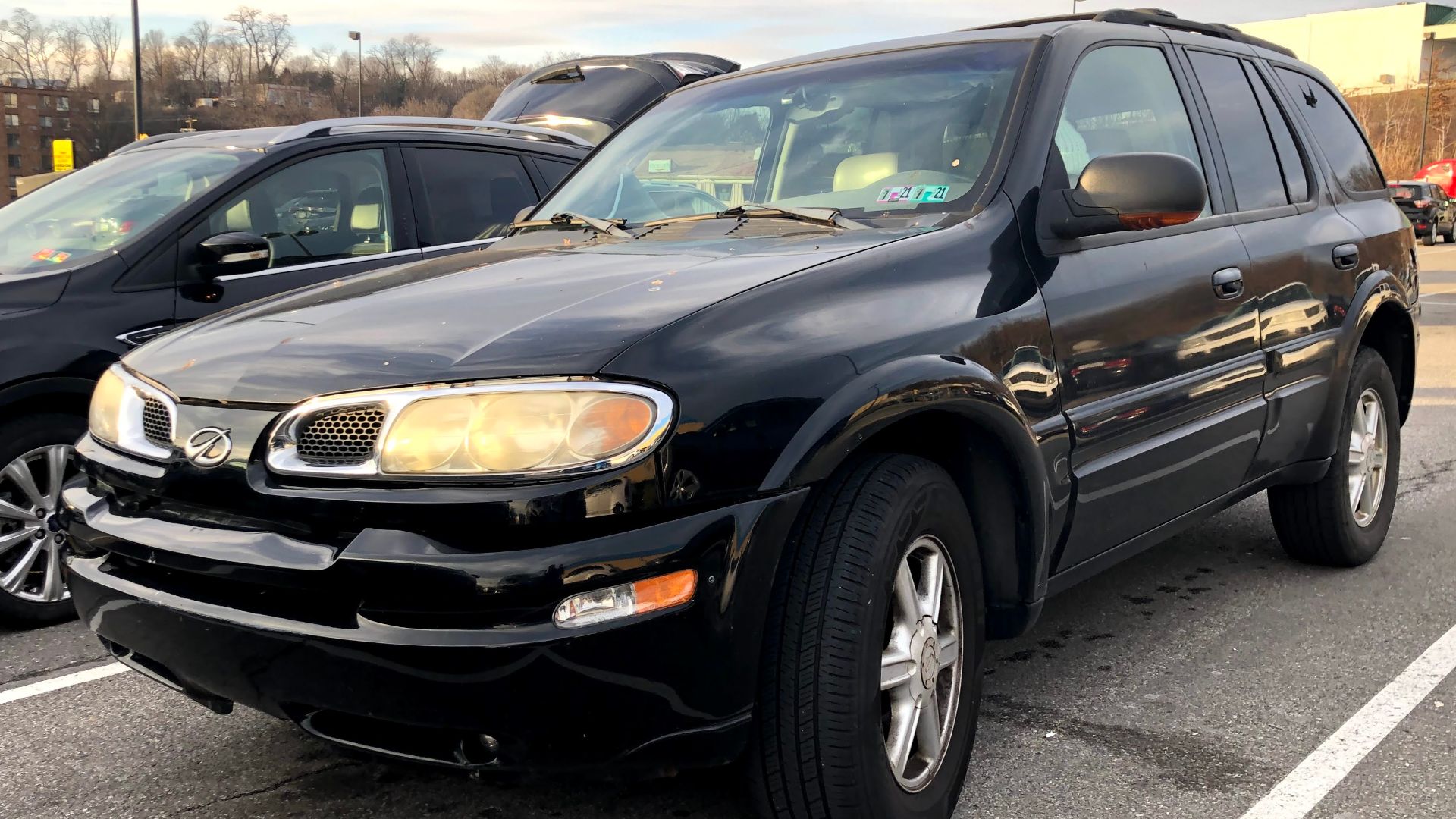
Oldsmobile Bravada (2000–2004)
By its final generation, the Oldsmobile Bravada had become a softer, more upscale relative of the Chevrolet TrailBlazer and GMC Envoy. Its suspension was tuned more for pavement, and standard all-wheel drive helped reinforce its premium image. That was a significant departure from the traditional Oldsmobile formula of comfortable sedans and coupes. The brand itself disappeared after 2004, but the Bravada showed where GM already knew its middle-class and upscale family customers were heading.
 BlueCrabRedCrab, Wikimedia Commons
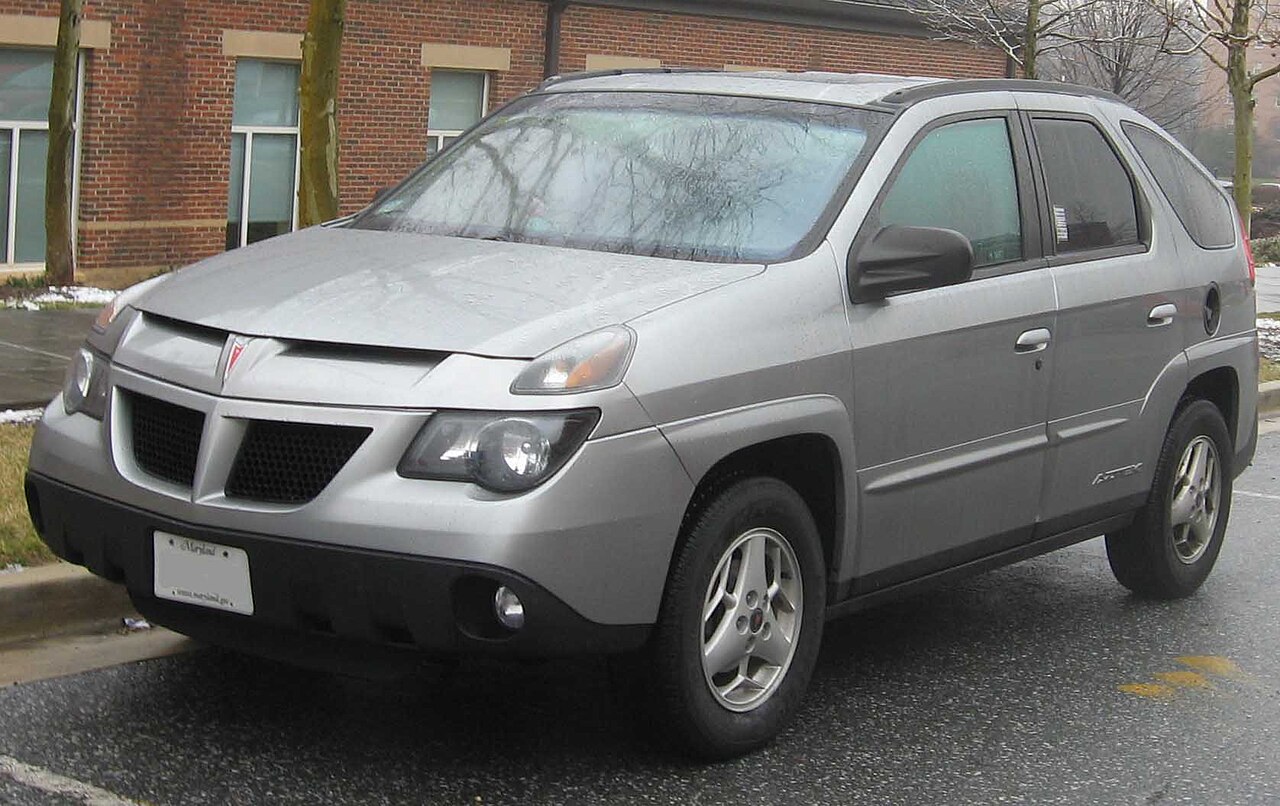
Pontiac Aztek (2001–2005)
Few vehicles were mocked harder than the Pontiac Aztek, but the basic concept aged much better than its styling did. Built on minivan-related underpinnings, it combined a high seating position, large hatch, available all-wheel drive, removable rear cooler, and even an optional camping tent. Pontiac was selling the whole “active lifestyle” crossover idea before that phrase became nearly unavoidable. Had the body looked less shocking, the Aztek might be remembered as visionary instead of infamous.
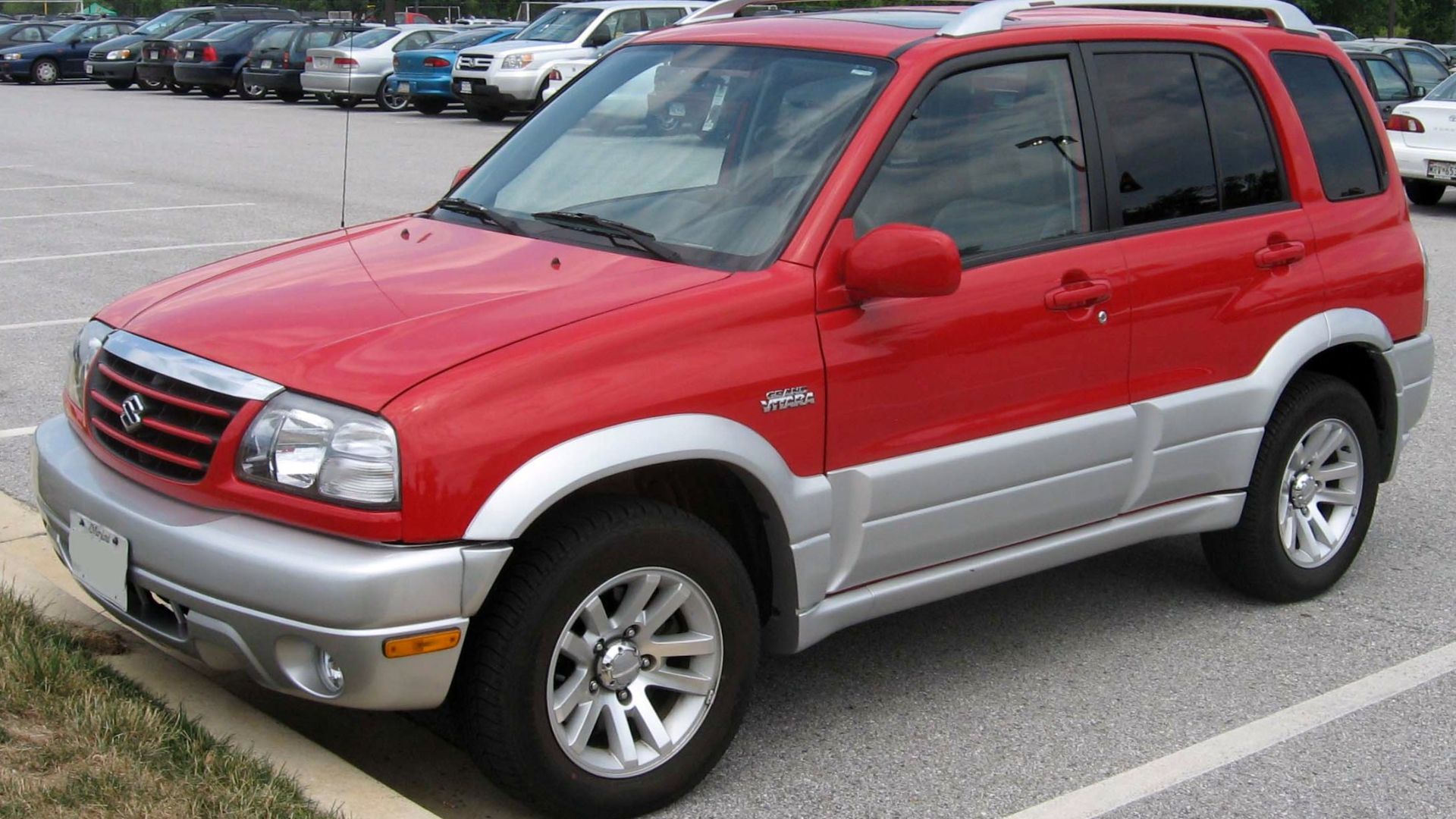
Suzuki Vitara (2000–2004)
The Suzuki Vitara represented the smaller end of the SUV takeover. The second-generation version was compact enough for easy everyday driving but still offered the upright seating position, available four-wheel drive, and outdoorsy look shoppers increasingly wanted. Buyers could choose two- or four-door versions, four-cylinder or V6 power, and even a convertible. It wasn’t as polished as the car-based crossovers that eventually dominated this category, but it helped make compact SUVs feel like perfectly normal daily family transportation.
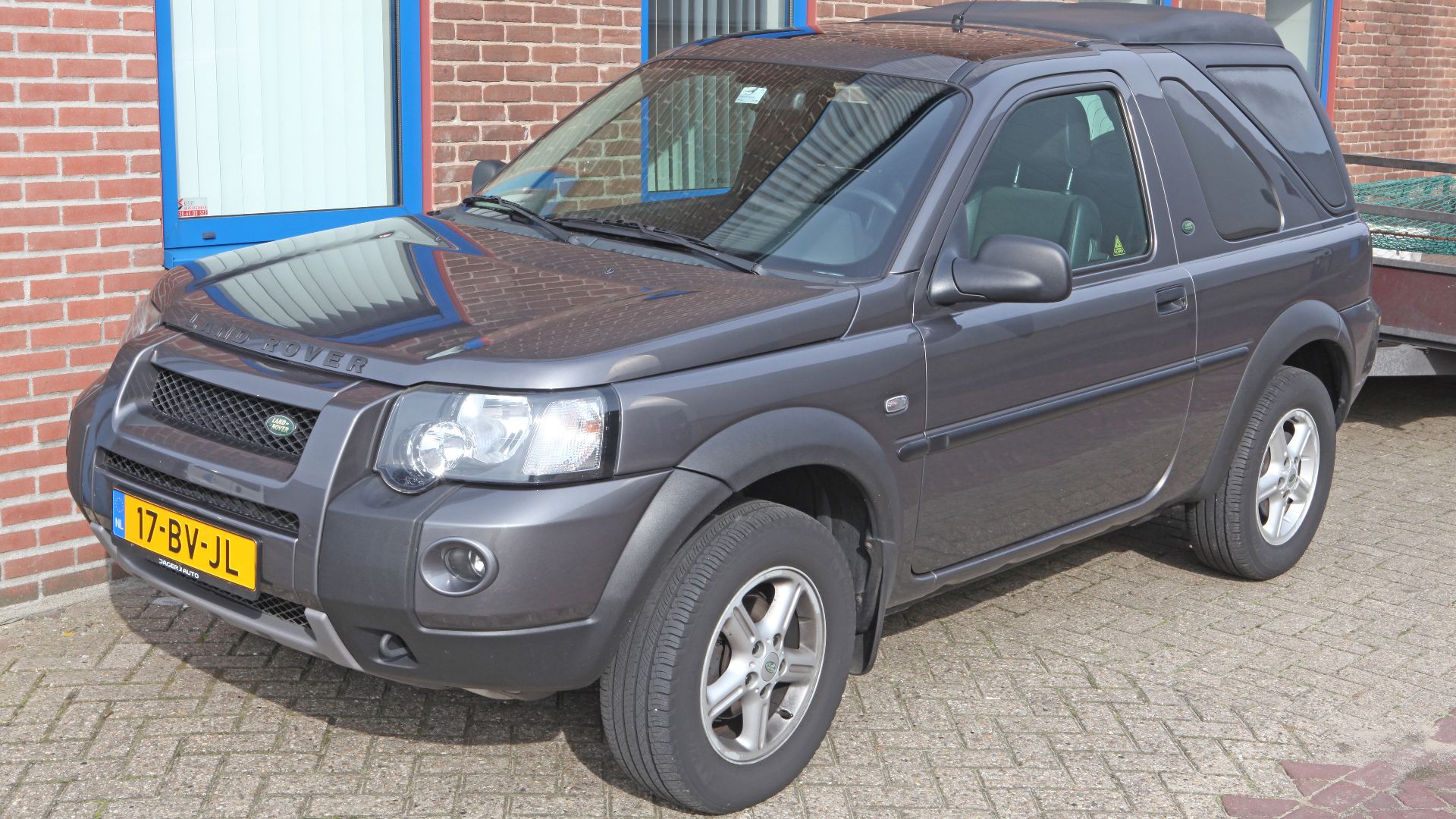
Land Rover Freelander (2002–2005)
The Freelander helped Land Rover discover that not every customer needed low-range gearing and a giant off-road machine. Smaller, lighter, and more road-focused than the Discovery or Range Rover, it used unibody construction and behaved much more like a European car on pavement. That formula sounds completely ordinary now, but it was a major change for Land Rover. The Freelander helped establish the idea that even brands built around serious off-roading could sell smaller crossovers primarily designed for everyday life.
 free photos & art, Wikimedia Commons
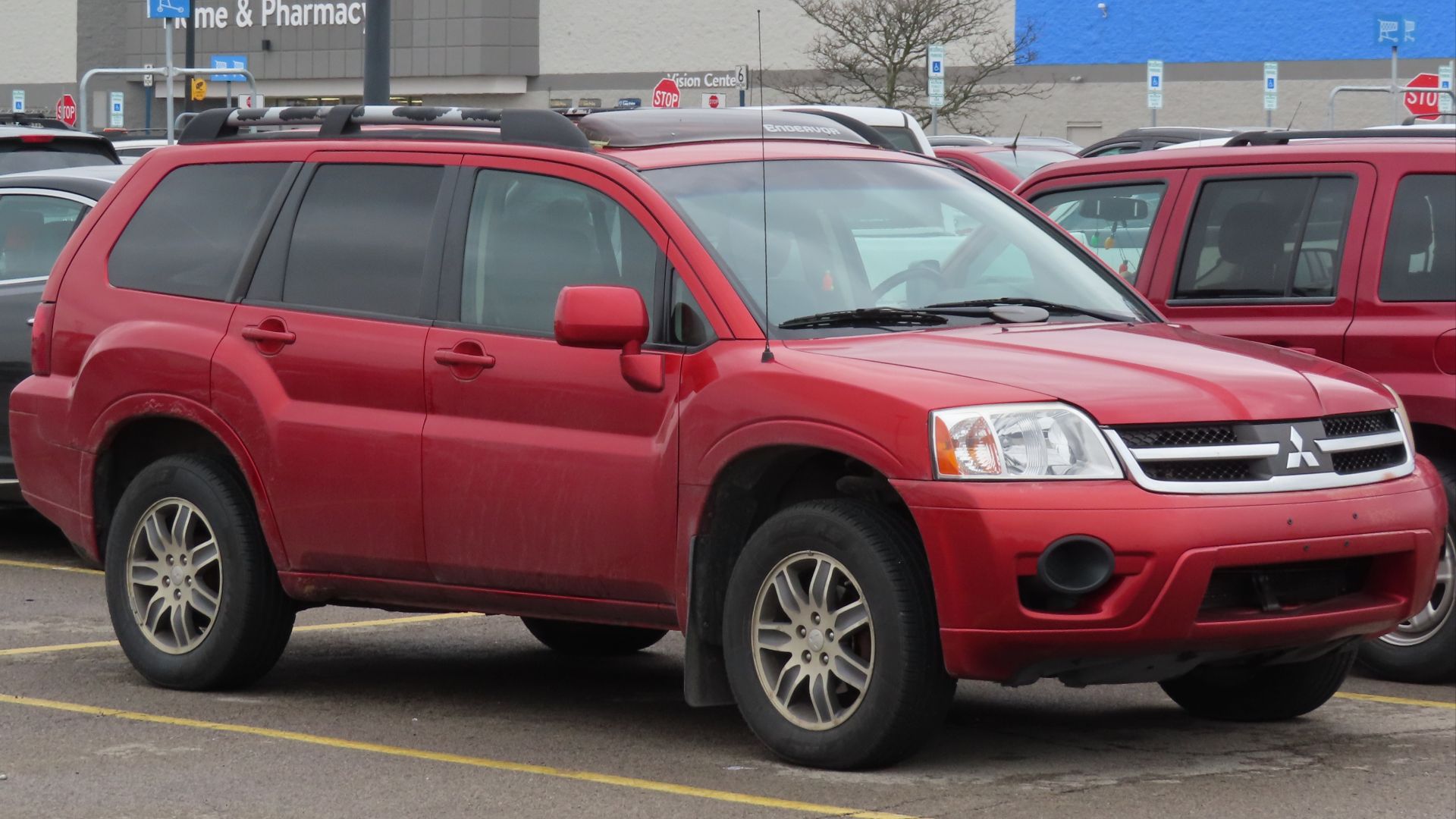
Mitsubishi Endeavor (2004–2008)
Mitsubishi designed the Endeavor specifically with North American buyers in mind, and it looked every bit like a product of the early crossover boom. It used a unibody, front-drive-based platform instead of traditional truck construction, while its V6, roomy cabin, and available all-wheel drive targeted suburban families directly. The dramatic styling made it more interesting than many rivals, even if sales never matched Mitsubishi’s hopes. Mechanically, though, it followed the recipe that would eventually become the default midsize family vehicle.
 MercurySable99, Wikimedia Commons
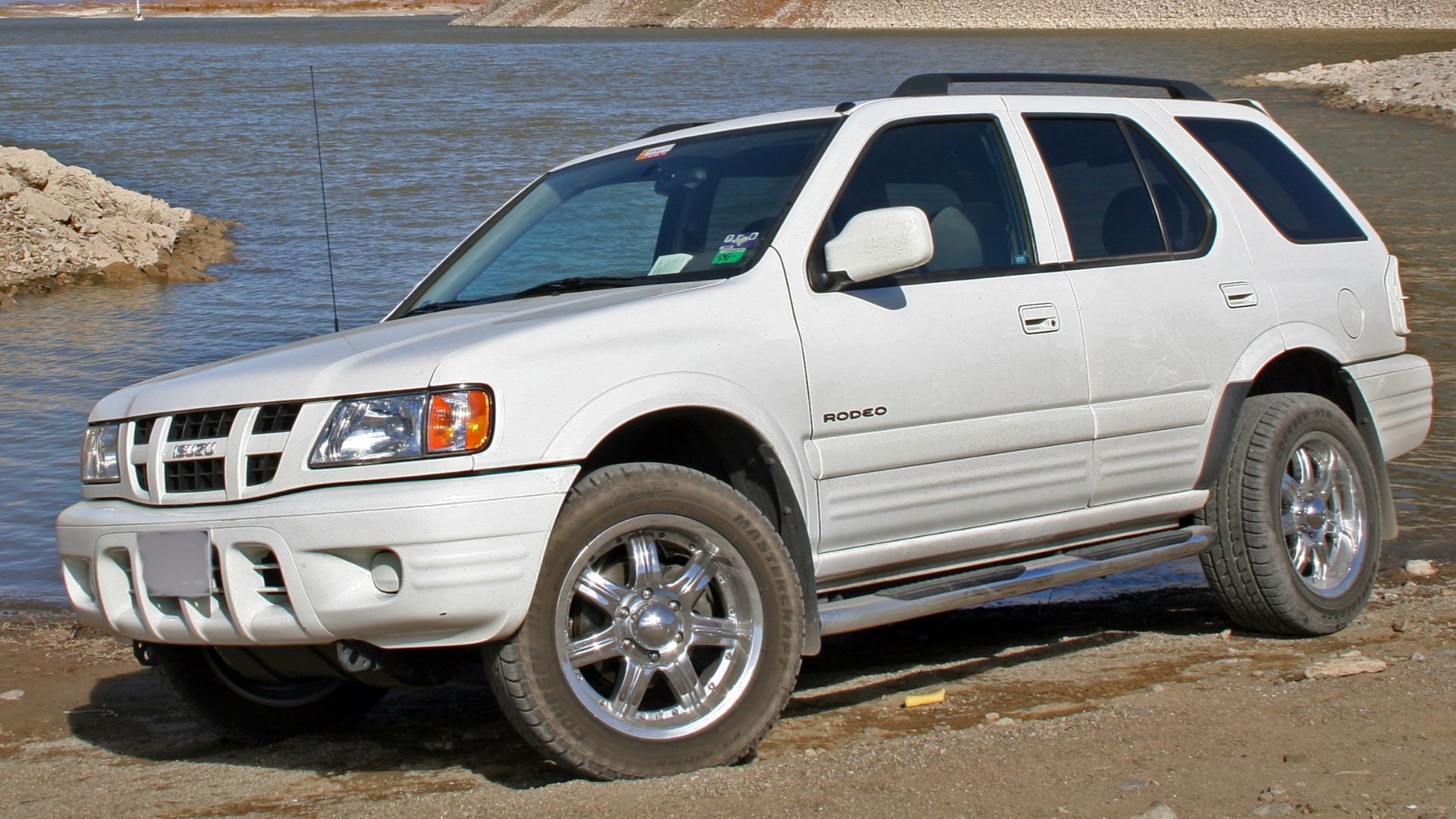
Isuzu Rodeo (2000–2004)
The Rodeo wasn’t technically a crossover, but it helped SUVs invade territory that sedans once owned. The second-generation Rodeo combined genuine truck-based construction and available four-wheel drive with enough comfort and convenience to serve as everyday family transportation. It was cheaper and less imposing than many full-size SUVs, helping normalize the idea that an SUV didn’t need to be a specialty vehicle. By the time Isuzu disappeared from the American passenger-vehicle market, nearly everyone else had copied the broader formula.
 Richard Stephen Haynes, Wikimedia Commons
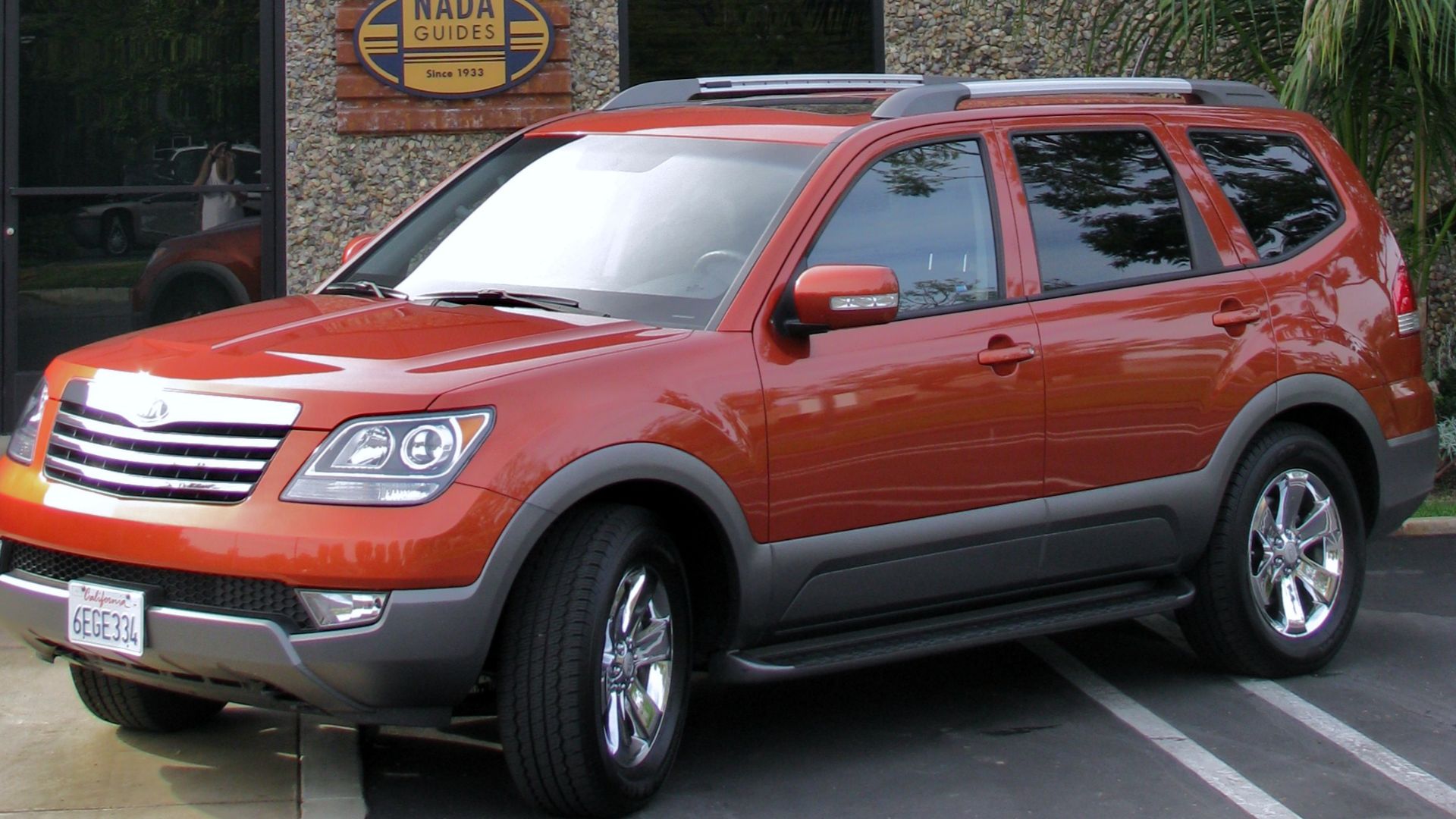
Kia Borrego (2009)
The Kia Borrego arrived in 2009 as if the previous decade of crossover development had never happened. It had a proper body-on-frame chassis, three rows of seats, available four-wheel drive, and even an optional 337-hp V8 capable of serious towing. Those features would’ve been perfect a few years earlier. Instead, it debuted when buyers were rapidly shifting toward lighter, more efficient crossovers, making the Borrego a fascinating example of just how quickly the family-vehicle market had changed.
 Jeff Glucker from Huntington Beach, USA, Wikimedia Commons
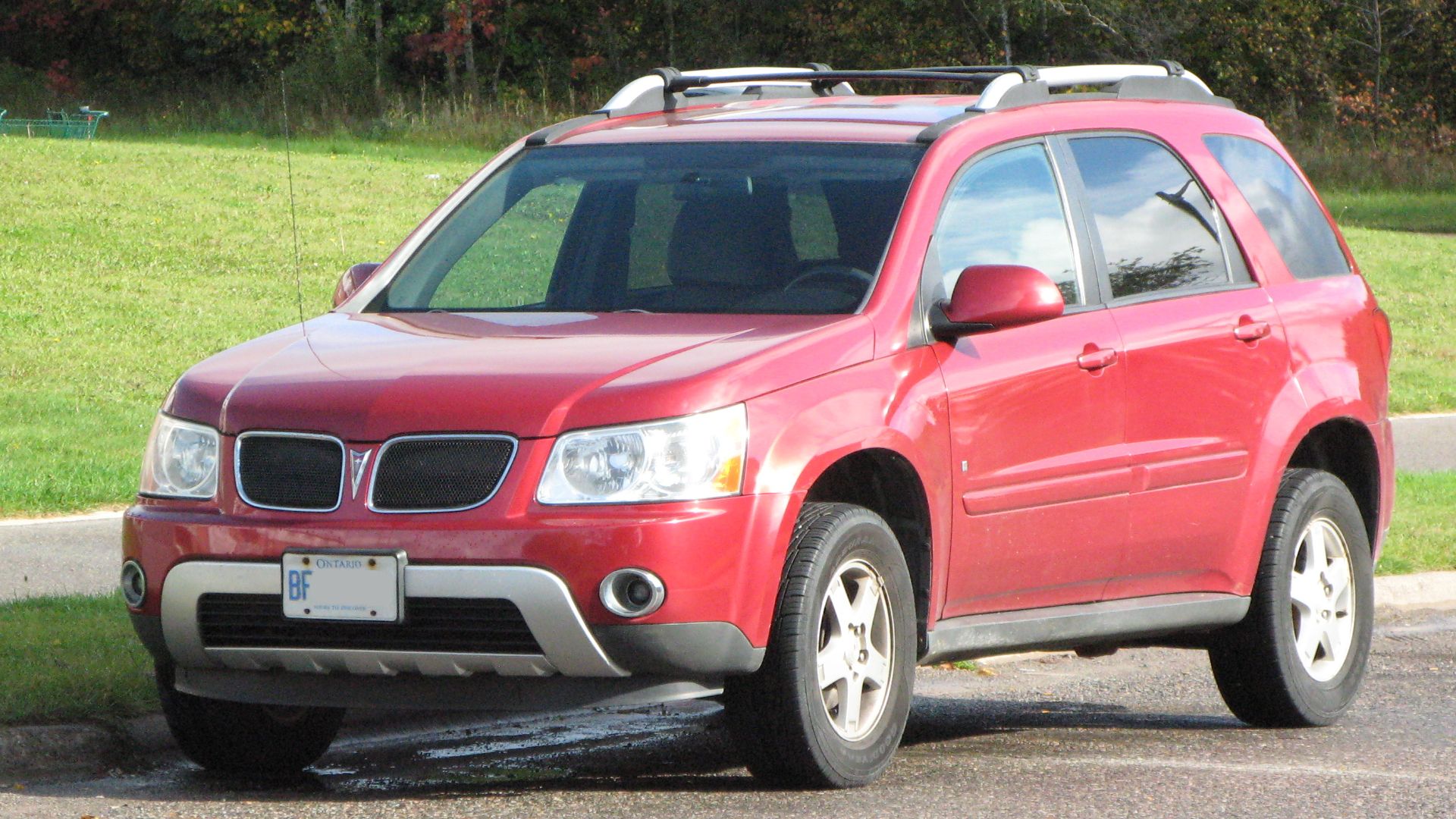
Pontiac Torrent (2006–2009)
The Pontiac Torrent was essentially Pontiac’s version of the Chevrolet Equinox, and there wasn’t anything especially revolutionary about it. That’s exactly what made it important. By the middle of the 2000s, offering a midsize crossover had become so essential that even Pontiac, a brand once built around sporty coupes and sedans, needed one. The Torrent gave families a V6, available all-wheel drive, and a flexible rear seat while quietly showing how far Pontiac’s priorities had shifted.
 SsmIntrigue, Wikimedia Commons
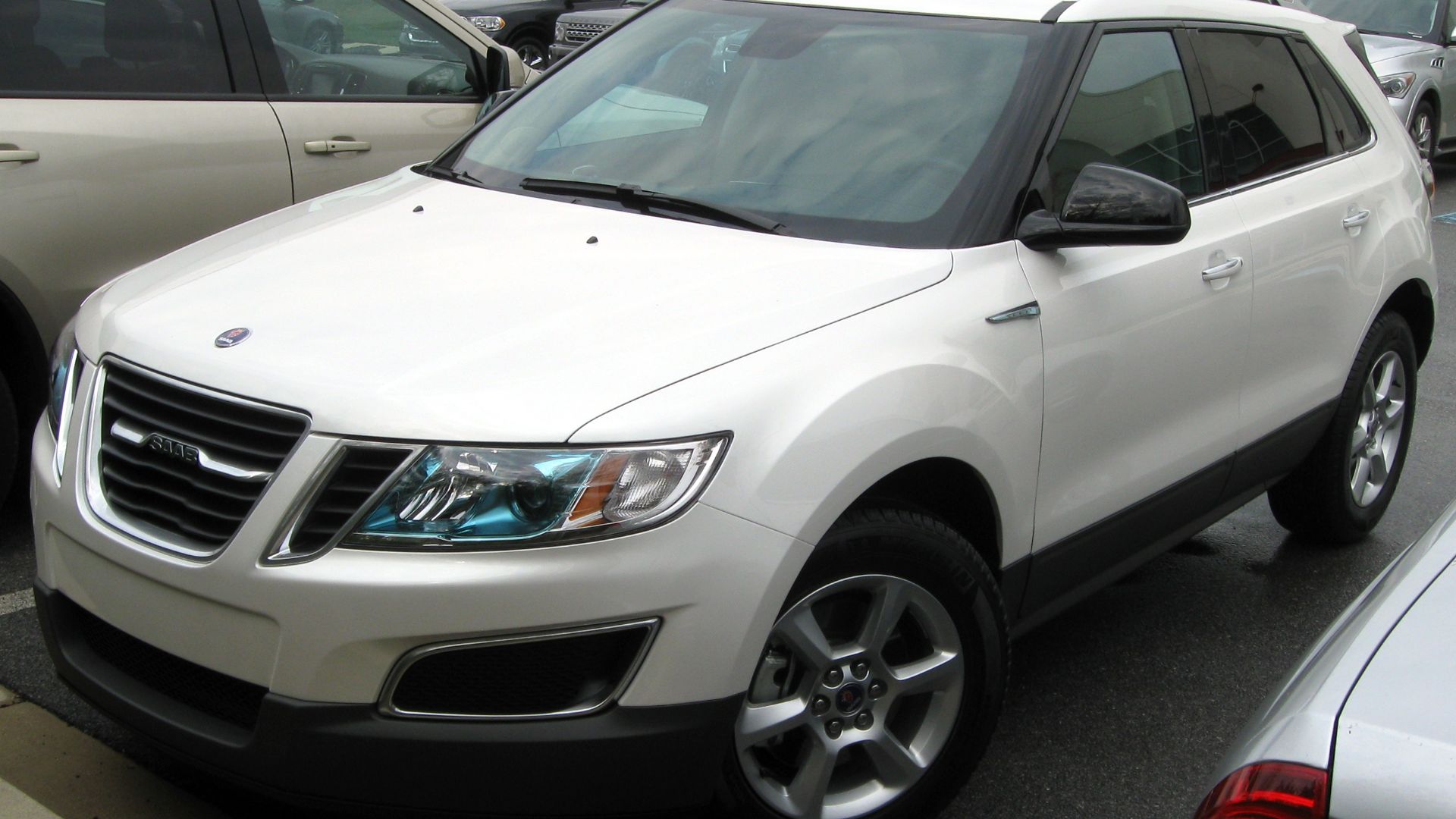
Saab 9-4X (2011)
The Saab 9-4X technically arrived in 2011, but it was very much a product of the 2000s crossover boom and had been developed during Saab’s GM years. Related to the Cadillac SRX, it blended Saab styling and interior touches with a front-drive-based luxury crossover architecture. Only a tiny number were produced before Saab collapsed, making it exceptionally rare today. Its existence says plenty about the market: even struggling Saab was expected to have a crossover if it wanted to survive.
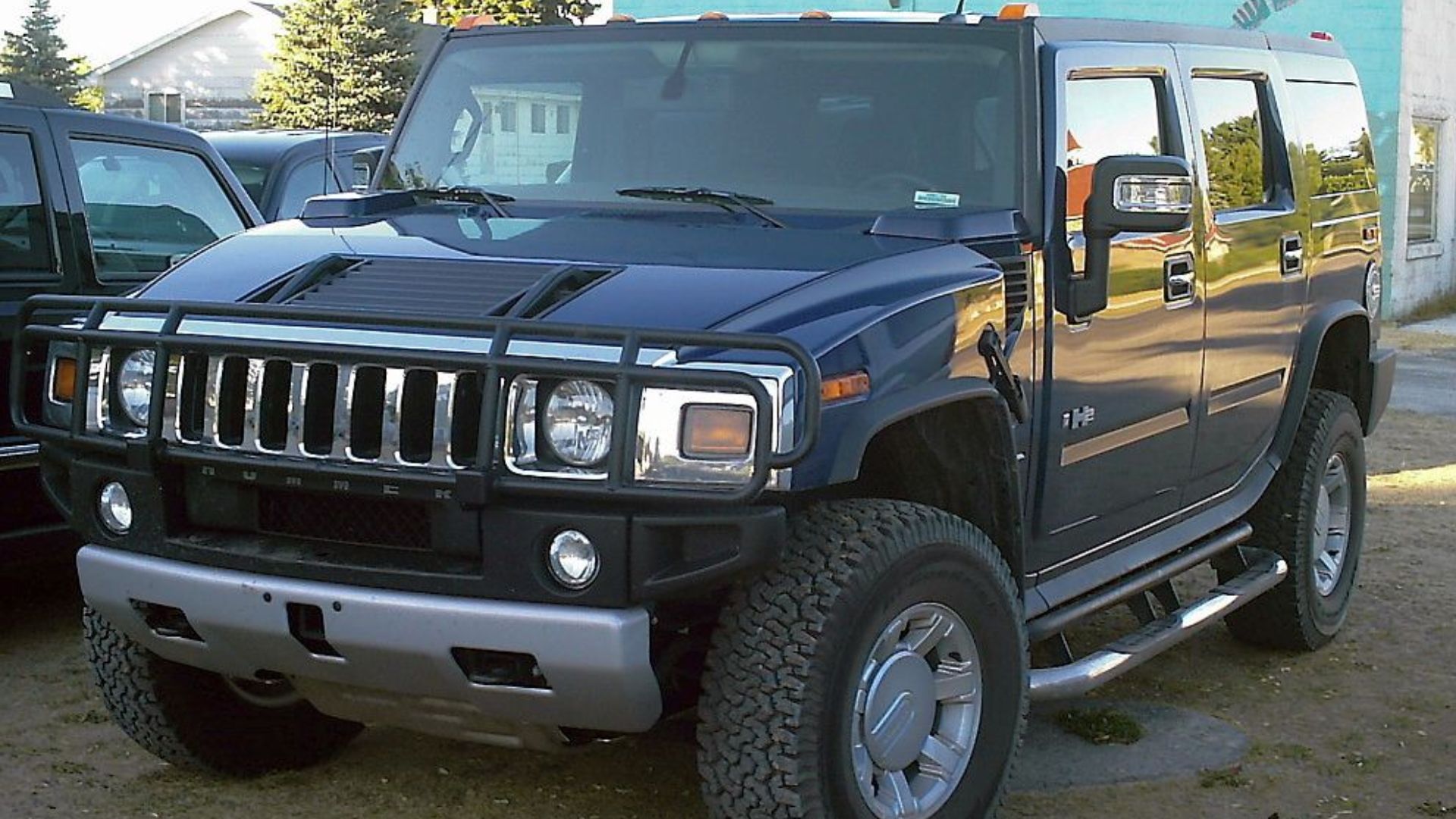
Hummer H2 (2003–2009)
The Hummer H2 was about as far from a family sedan as possible, and that was exactly the appeal. GM took some heavy-duty truck hardware, wrapped it in styling inspired by the military-derived H1, and turned it into an enormous status symbol that was far easier to live with than a real Hummer. It still had genuine off-road ability, but plenty spent their lives commuting through suburbs. The H2 helped cement the SUV as fashion statement, not merely practical transportation.
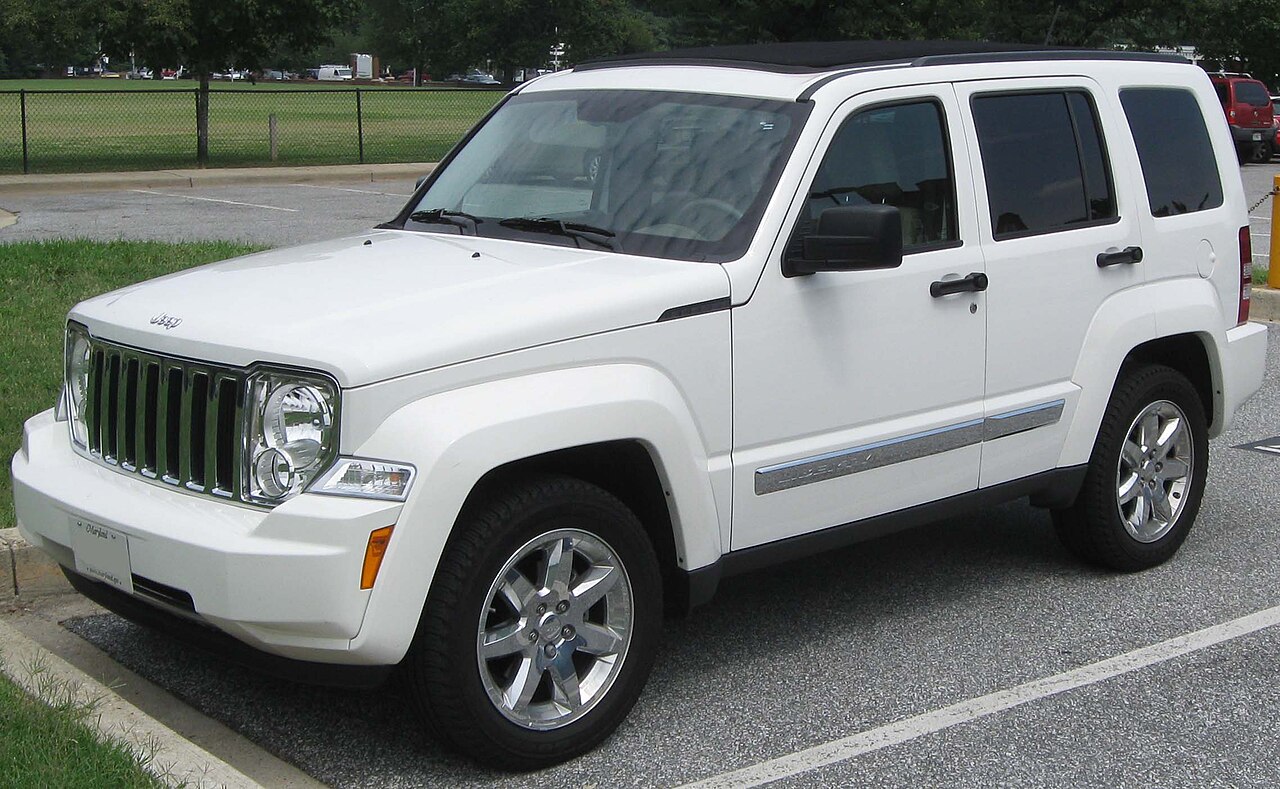
Jeep Liberty (2002–2009)
The Jeep Liberty replaced the beloved Cherokee with something noticeably friendlier to everyday drivers. It retained genuine Jeep hardware such as available low-range four-wheel drive and a live rear axle, but added independent front suspension, better refinement, a roomier cabin, and a more approachable design. Jeep still wanted off-road credibility, yet it clearly understood that buyers expected SUVs to function as comfortable family vehicles. The Liberty was one more step toward making rugged imagery compatible with suburban daily life.
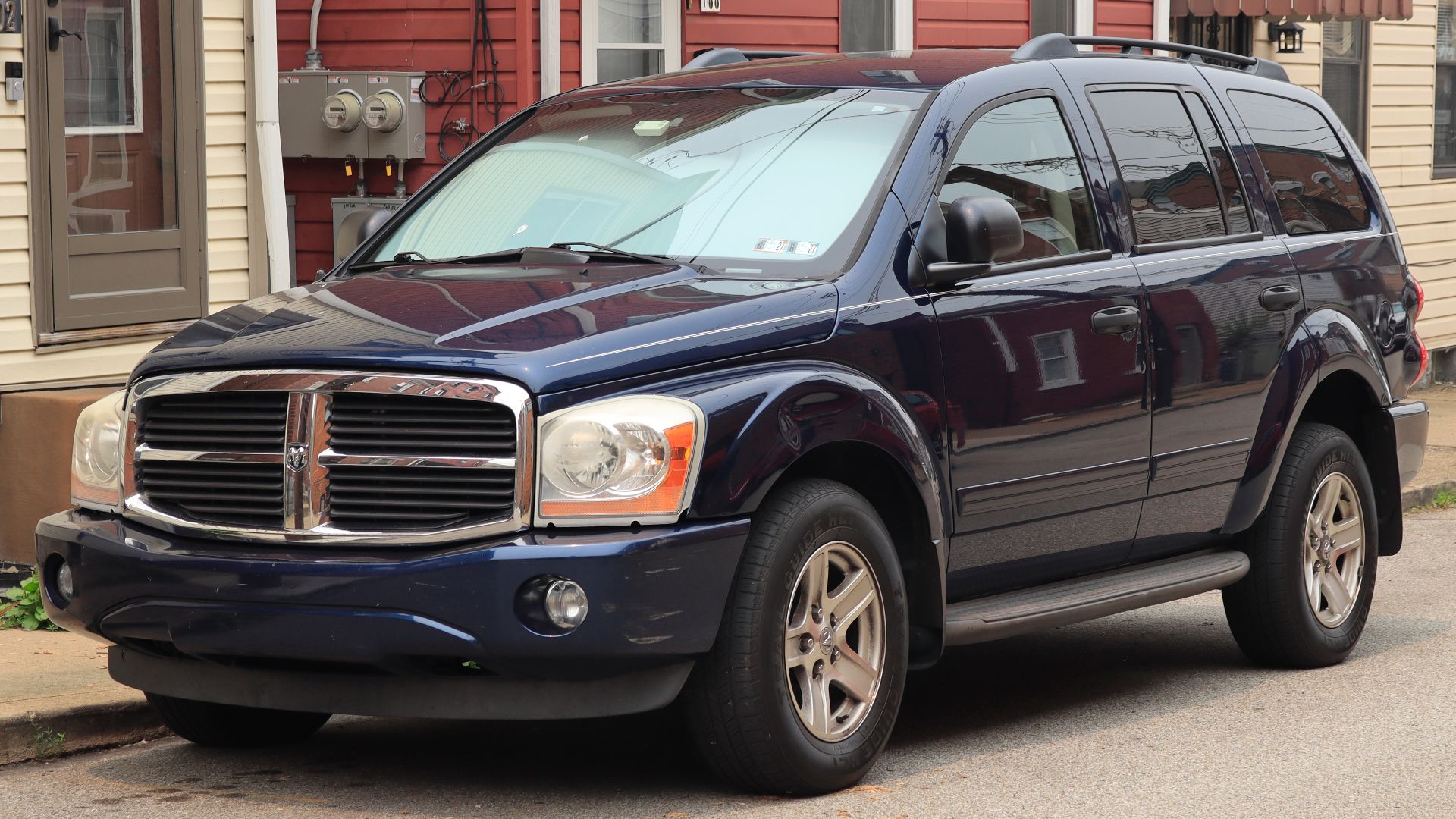
Dodge Durango (2000–2009)
The original Dodge Durango was basically a Dakota pickup transformed into a family SUV, and by the second generation it became substantially larger. Three rows of seating, available V8 power, towing ability, and aggressive styling let it do jobs a sedan couldn’t even attempt. That made compromises like fuel economy much easier for families to rationalize. The Durango helped show that parents didn’t necessarily want something carlike. Sometimes they wanted a truck, provided it had enough cupholders and seats.
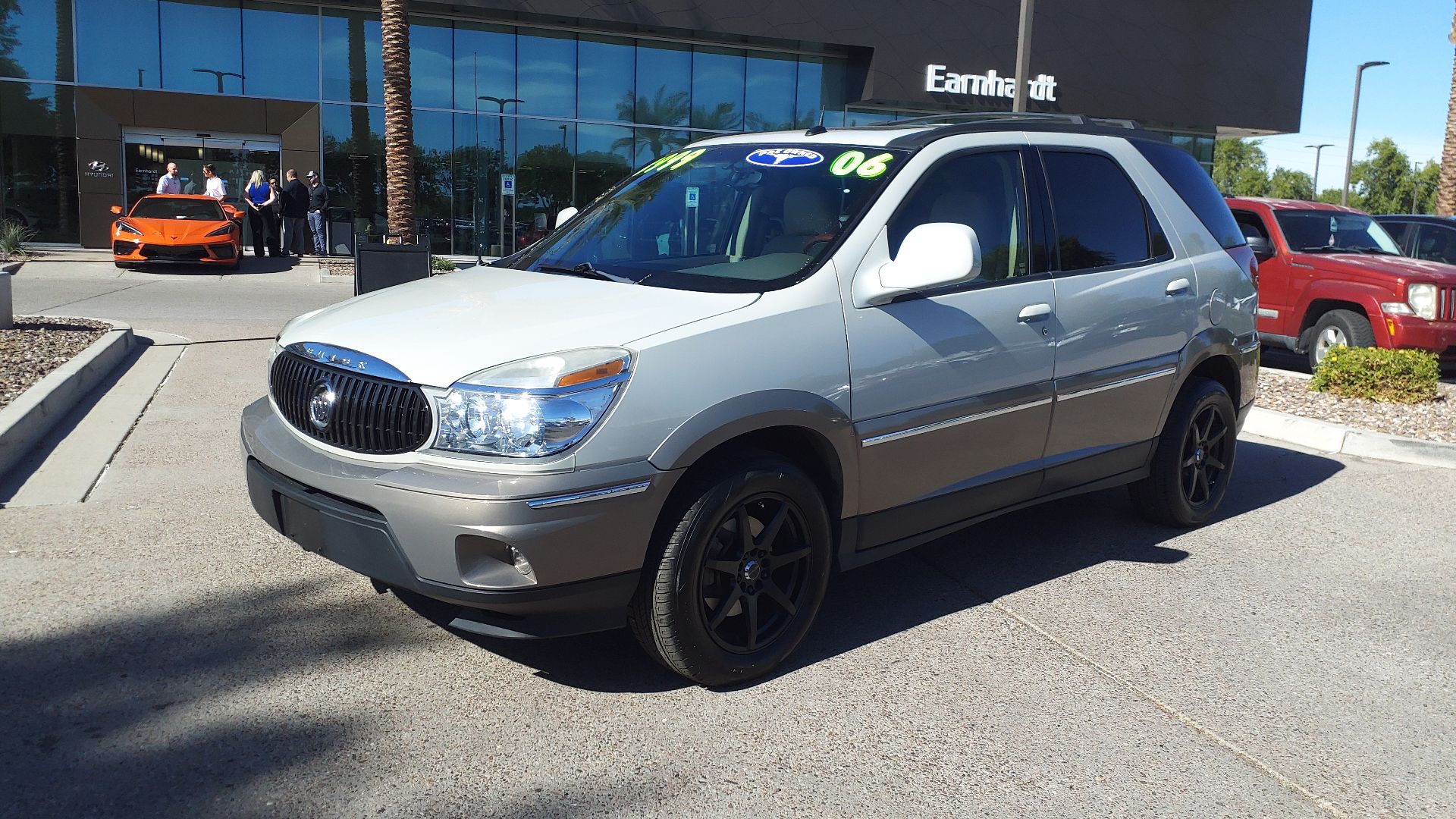
Buick Rendezvous (2002–2007)
The Buick Rendezvous might be one of the most important forgotten crossovers of the era. Buick gave it a low step-in height, available all-wheel drive, optional third-row seating, and much of the everyday usability of a minivan, then wrapped it in SUV-like styling. Car and Driver essentially described it as driving like a minivan, which was part of the point. The Rendezvous let families have minivan practicality without admitting they’d bought a minivan, a trick crossovers would eventually perfect.
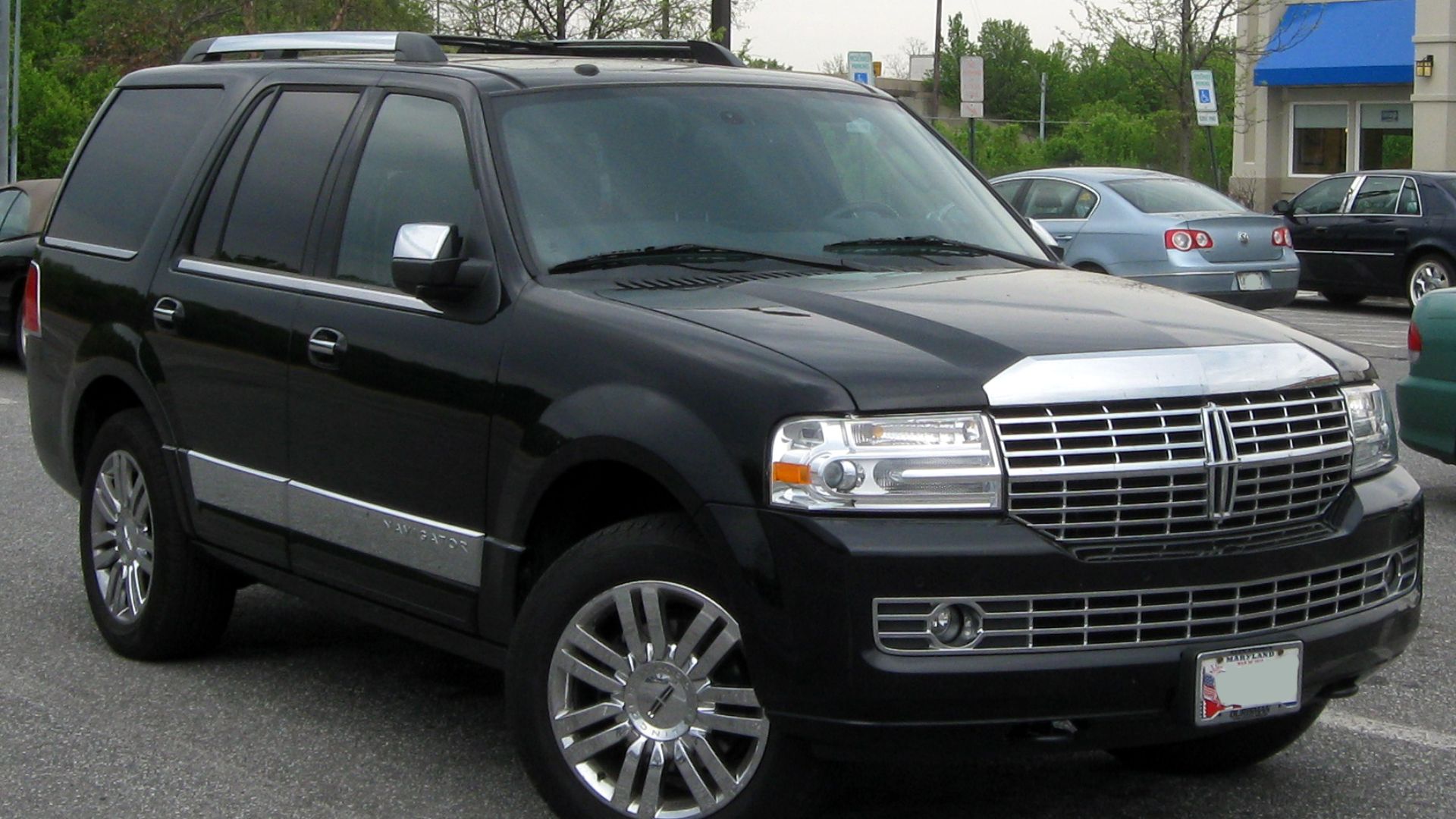
Lincoln Navigator (2000–2009)
The Navigator arrived before the 2000s began, but its influence exploded during the decade. Lincoln proved a Ford Expedition-based SUV could wear leather, chrome, and a luxury badge and become a genuine status object for affluent families. Suddenly, traditional luxury sedans weren’t the automatic reward for professional success. Buyers could get three rows, towing ability, commanding road presence, and plenty of prestige in one vehicle. The luxury SUV boom that followed made the sedan’s decline even harder to stop.
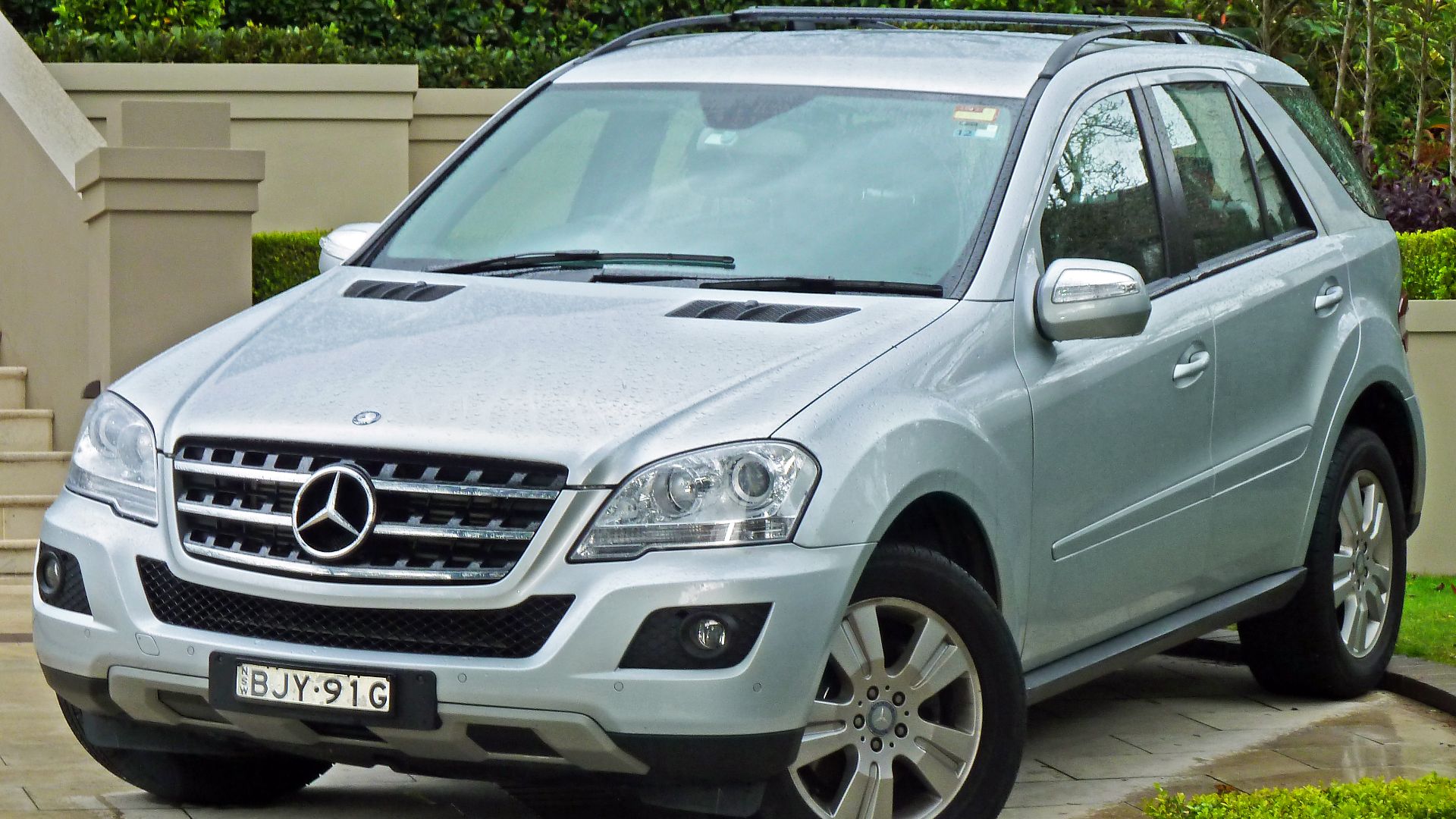
Mercedes-Benz M-Class (2000–2009)
The original M-Class helped legitimize the luxury SUV in a way few vehicles had before. Mercedes engineered it to deliver the familiar atmosphere of its sedans while providing four-wheel drive, a tall seating position, and far more utility. Period reviewers noted how remarkably carlike it felt compared with typical trucks of the era. Once a Mercedes buyer could have that combination without giving up the three-pointed star, sticking with an E-Class suddenly wasn’t such an automatic decision.
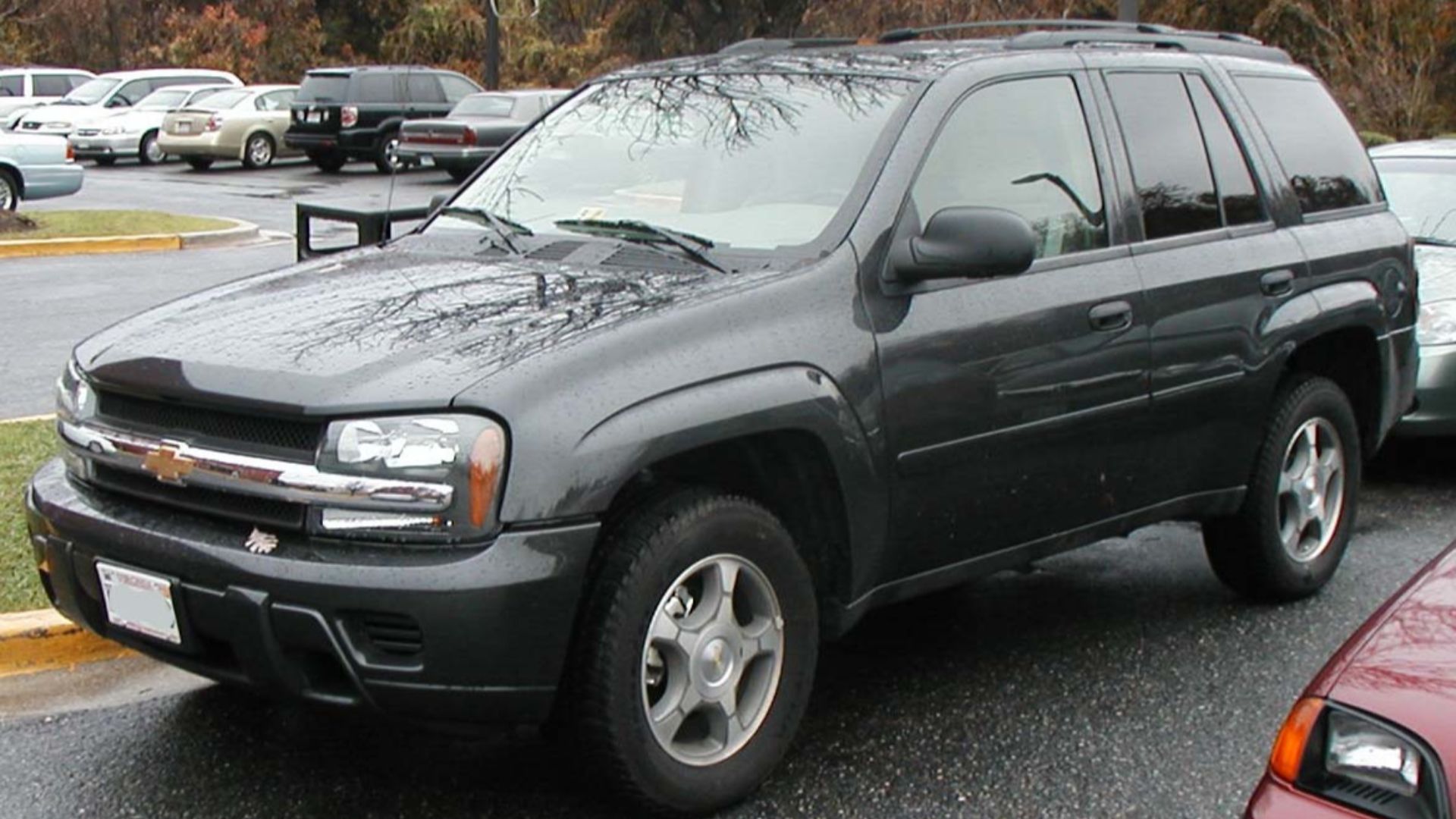
Chevrolet Blazer (2000–2005)
The S-10-based Chevrolet Blazer entered the 2000s already getting old, but vehicles like it had done enormous work preparing Americans for the SUV era. Its manageable size, available four-wheel drive, familiar V6, and two- or four-door bodies made it far easier to use every day than a massive Suburban. Countless families treated Blazers exactly the way previous generations treated sedans. By the time it disappeared, car-based crossovers were ready to take over the job more efficiently.
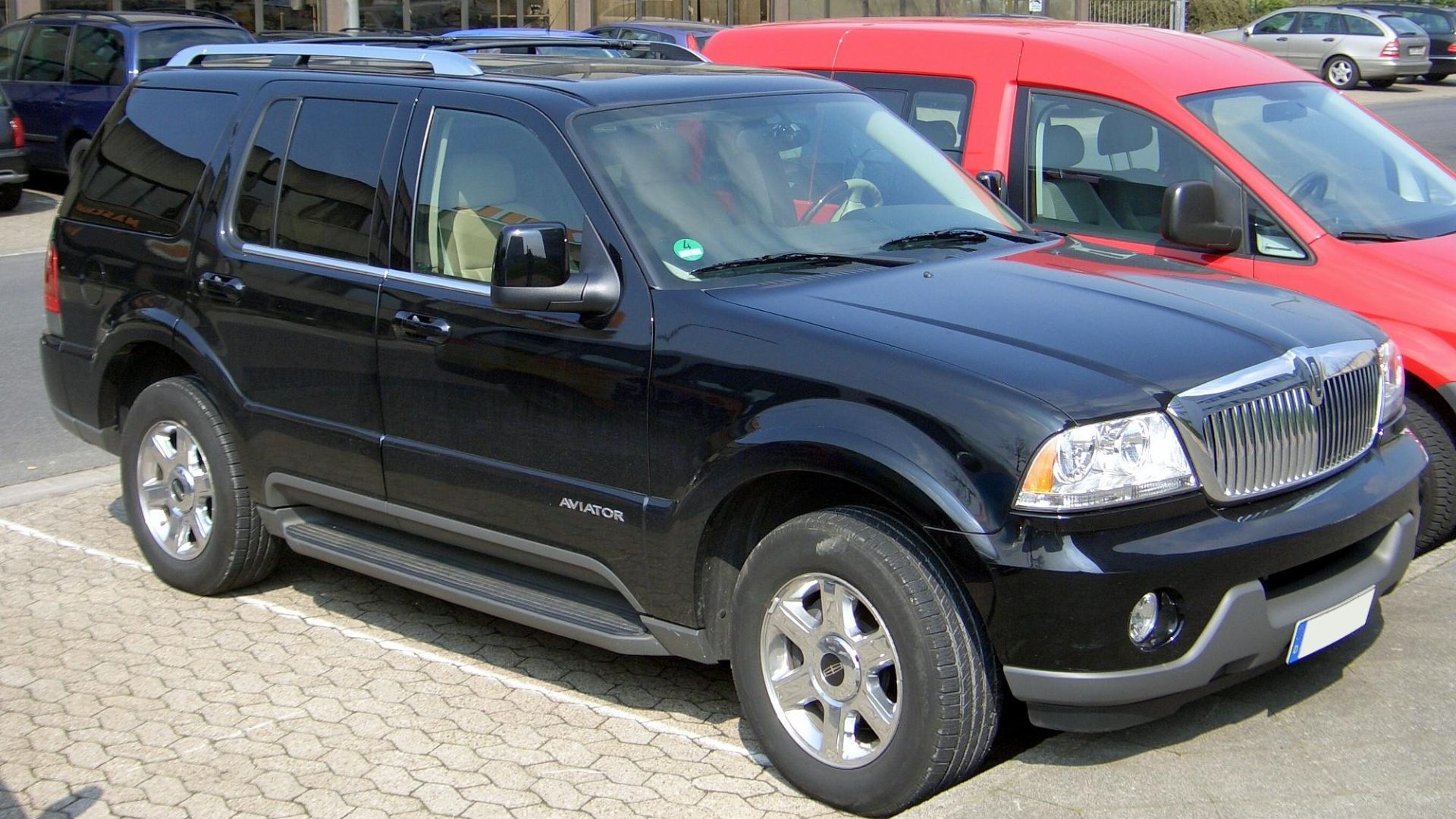
Lincoln Aviator (2003–2005)
The original Lincoln Aviator attempted to squeeze Navigator luxury into a more manageable package. Based on the Ford Explorer, it offered three rows, a powerful V8, available all-wheel drive, and an interior styled to resemble its larger Lincoln sibling. It wasn’t a major sales success, but the idea was dead-on. Luxury brands now rely heavily on multiple SUV sizes, and the Aviator was an early example of manufacturers realizing one expensive SUV simply wasn’t enough.
 Detectandpreserve, Wikimedia Commons
Cadillac SRX (2004–2009)
The first Cadillac SRX was almost a station wagon hiding in SUV clothing, which made it especially important to this trend. It used GM’s rear-drive Sigma architecture related to the CTS, offered V6 or Northstar V8 power, and combined sharp road manners with a tall body and available third-row seating. Cadillac itself described the competition as luxury SUVs, not wagons. That was the magic word by the 2000s: take useful wagon traits, raise the roof, and suddenly Americans wanted one.
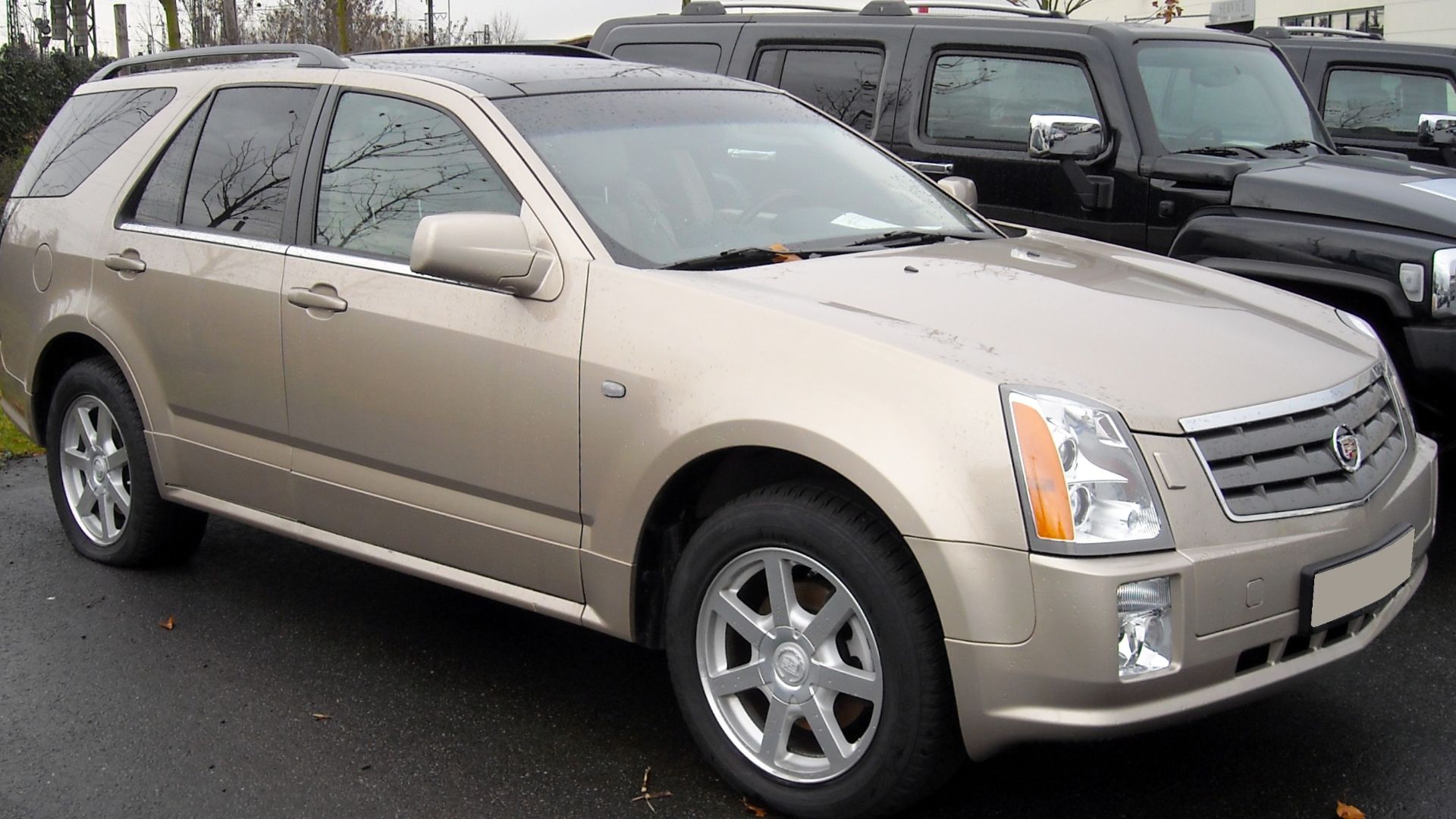 Rudolf Stricker, Wikimedia Commons
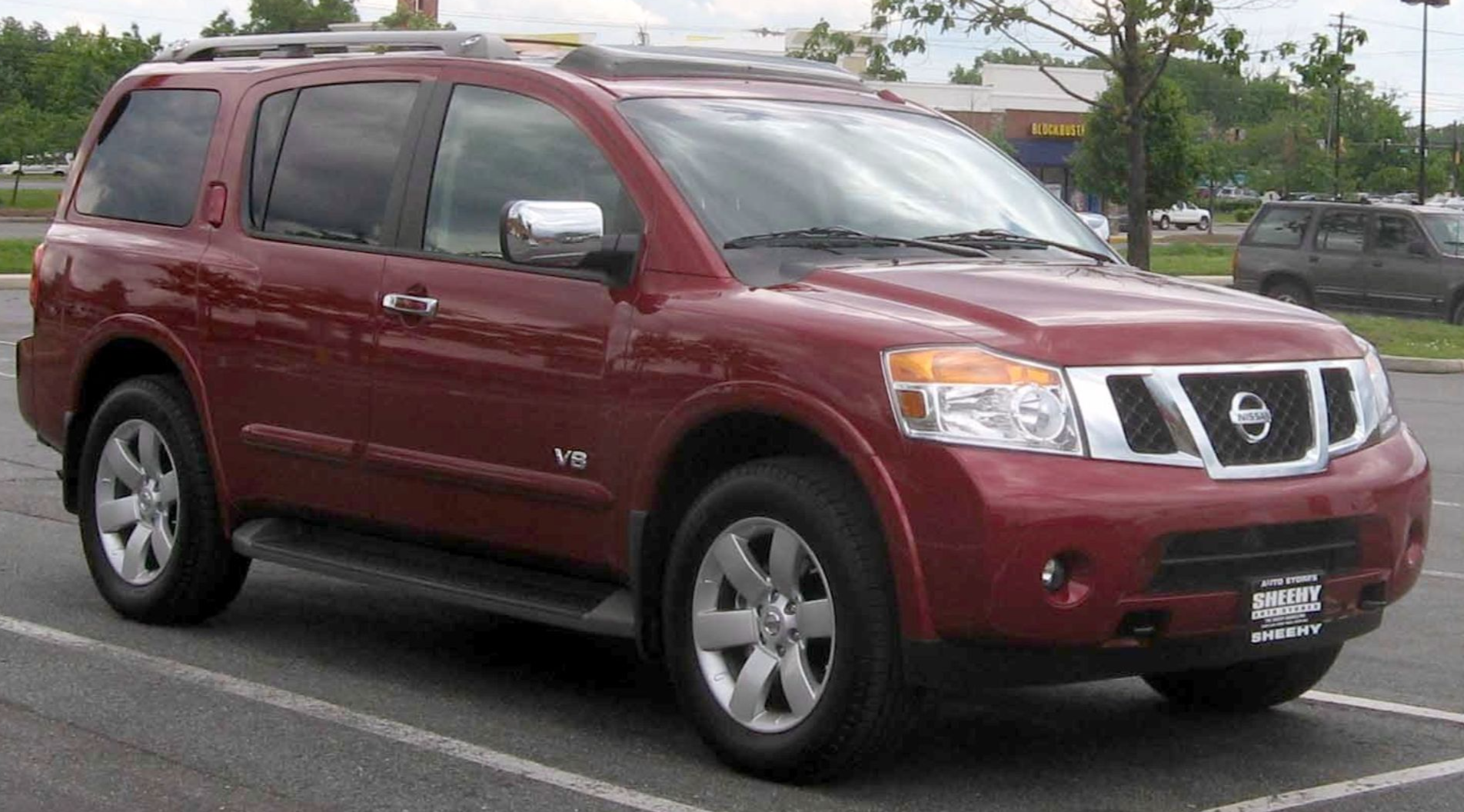
Nissan Armada (2004–2009)
The original Nissan Armada was enormous, thirsty, and unmistakably truck-based, but it gave large families another reason to stop considering sedans altogether. Built from the Titan pickup platform, it offered a standard V8, seating for up to eight, a fold-flat third row, and serious towing ability. Nissan had gone from selling relatively compact Pathfinders to challenging the Tahoe and Expedition directly. Once practically every mainstream brand offered an enormous family SUV, the sedan had competition from every direction.
BMW X3 (2004–2009)
The X3 helped create one of today’s most important vehicle categories: the compact premium crossover. BMW had already found success with the larger X5, so shrinking the idea was logical. The first X3 combined available six-cylinder power, all-wheel drive, useful cargo room, and BMW-like handling in something easier to park than a traditional SUV. Critics didn’t love every aspect of the early version, but buyers understood the concept. Soon virtually every premium manufacturer needed an X3-sized vehicle.
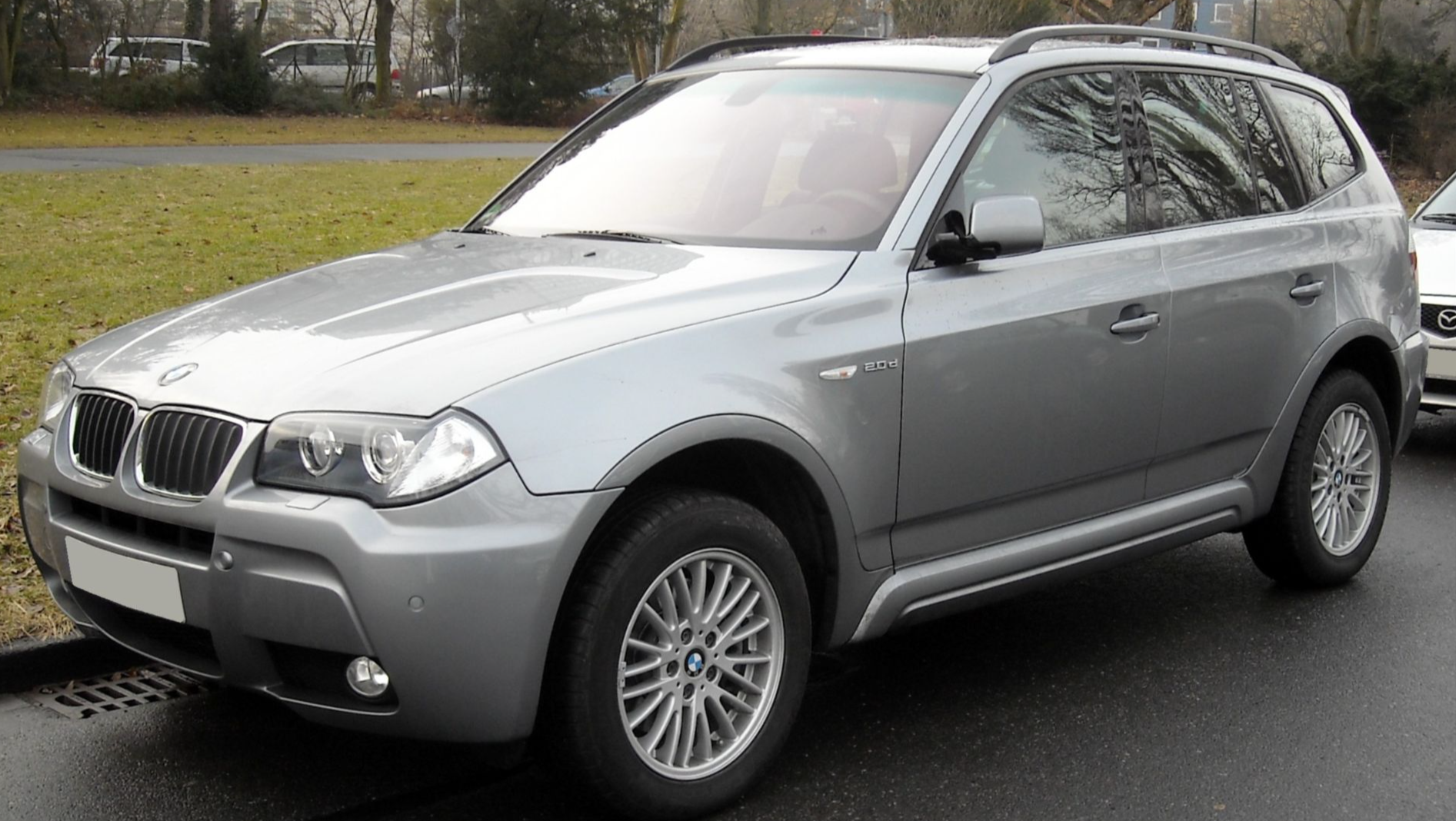 Rudolf Stricker, Wikimedia Commons
Volkswagen Touareg (2004–2009)
The original Touareg was a spectacularly ambitious way for Volkswagen to join the SUV boom. VW wanted something capable of behaving like a luxury sedan on pavement while still possessing serious off-road ability, so the Touareg got sophisticated four-wheel drive, upscale interiors, and eventually engines ranging all the way to a ridiculous V10 diesel. It was expensive and complicated, but it demonstrated just how irresistible SUVs had become. Even the company behind the Golf and Passat wanted a premium family SUV.
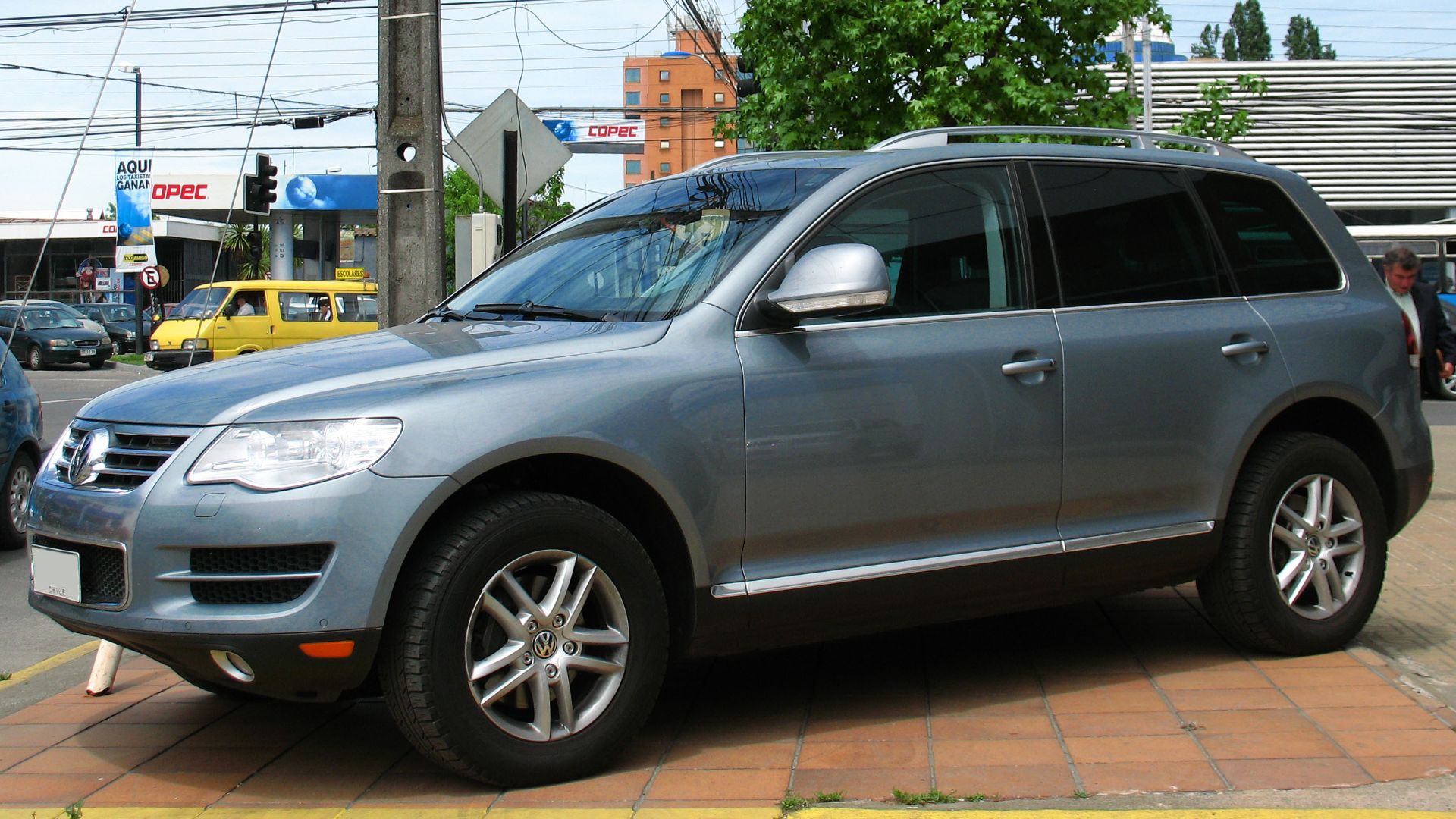 order_242 from Chile, Wikimedia Commons
Ford Excursion (2000–2005)
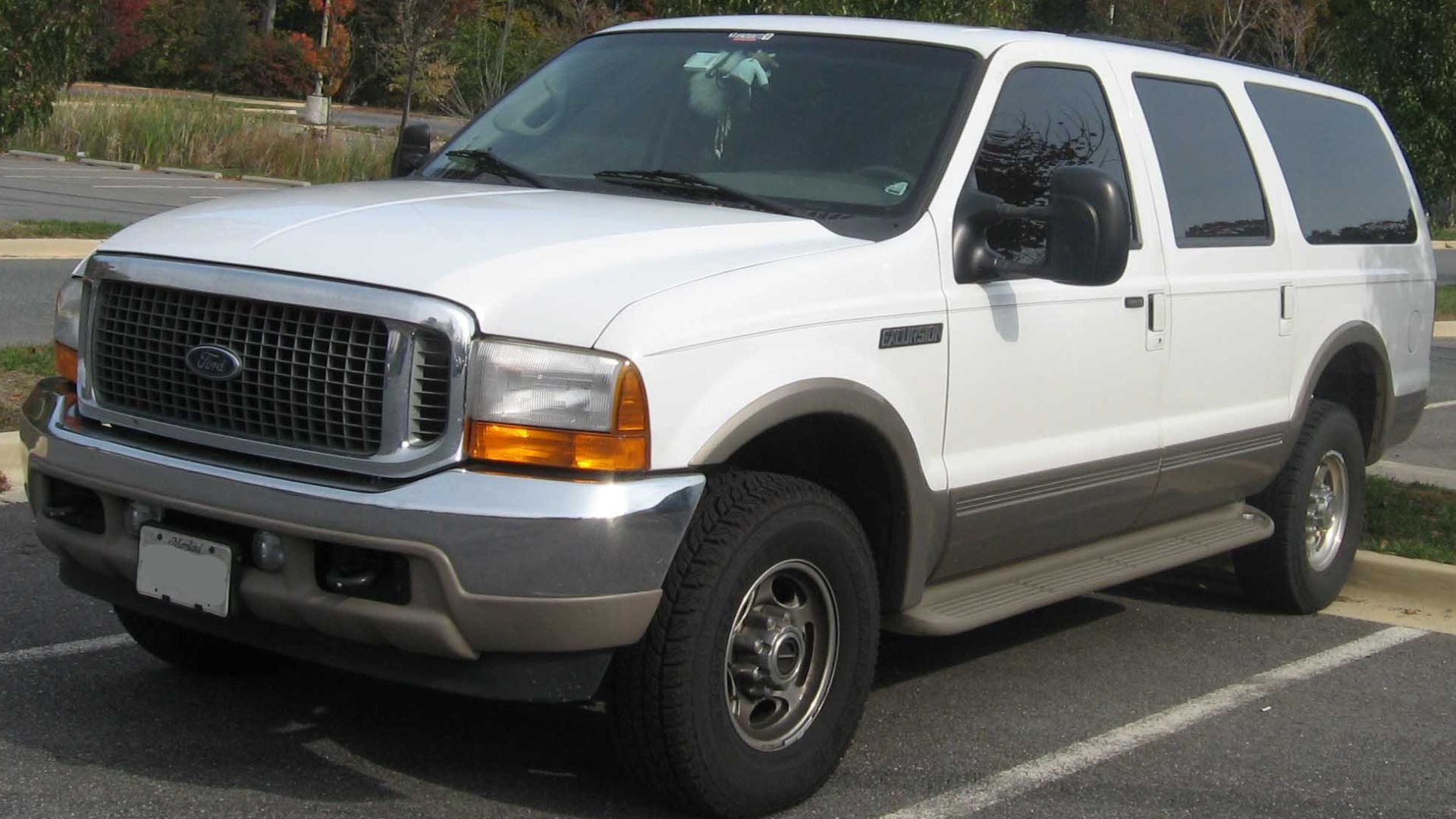
The Ford Excursion was the family-SUV arms race taken to its logical extreme. Built from Super Duty pickup hardware, it was enormous enough to carry a crowd while still towing serious weight, and buyers could choose big gasoline V8s, a V10, or diesel power. It made ordinary family sedans look almost comically small by comparison. The Excursion eventually became too much vehicle for the market, but its existence showed just how far families had moved from the modest four-door formula.
Saturn Vue (2002–2009)
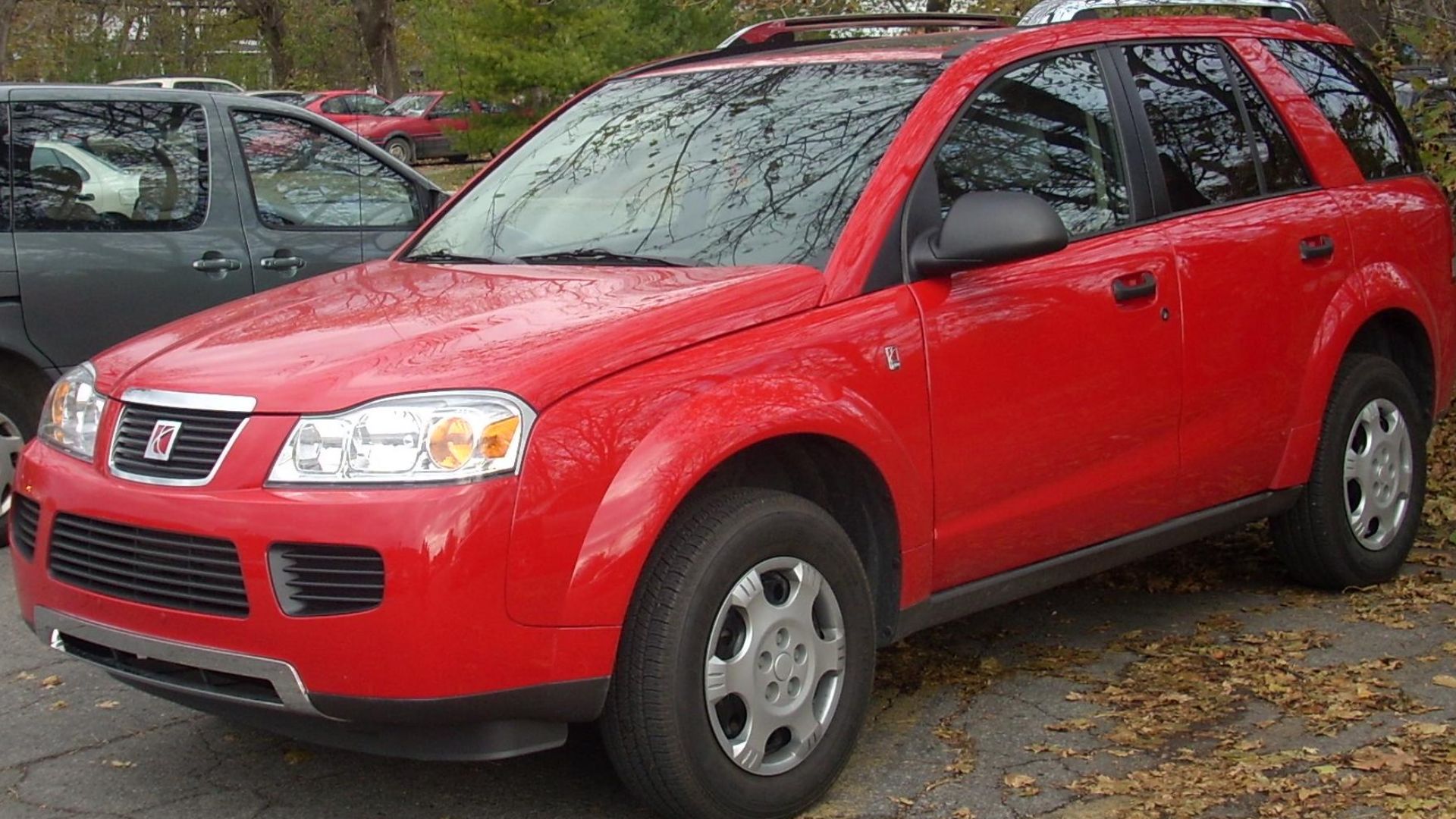
The Saturn Vue arrived for 2002 as one of GM’s early serious attempts at the compact crossover formula. It used unibody construction, offered front- or all-wheel drive, and wrapped practical cargo space in a relatively small footprint. Later versions could even be had with a strong Honda-sourced V6, while the Red Line attempted to add some sportiness. Saturn had been created around small cars, yet even it couldn’t ignore where family buyers were going. The Vue eventually became one of the brand’s most recognizable products.
You May Also Like:
Global SUVs That Prove Americans Don’t Always Get The Best Versions
Forgotten Family Cars From The 1990s That Were Everywhere Before SUVs Took Over
Only Real Gearheads Can Name These Forgotten SUVs From One Rear-End Clue—How Many Do You Recognize?