
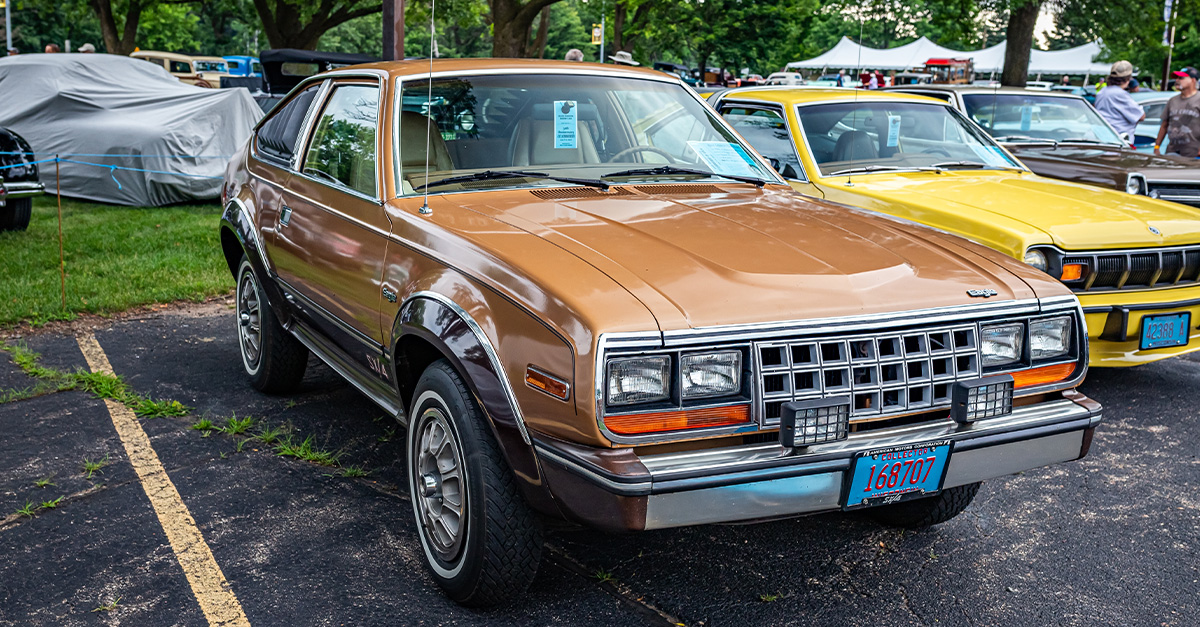
The AMC Eagle Walked So The Subaru Outback Could Run
Before crossovers dominated every suburban driveway, before “active lifestyle vehicles” became their own marketing genre, and long before anyone thought a lifted hatchback with all-wheel drive could become America’s best-selling vehicle segment, there was the AMC Eagle. Built by a scrappy underdog of an automaker, the Eagle SX/4 didn’t just precede the crossover boom—it practically invented the idea. What follows is the story of how one of the most unusual cars of the 1980s became a cult classic.
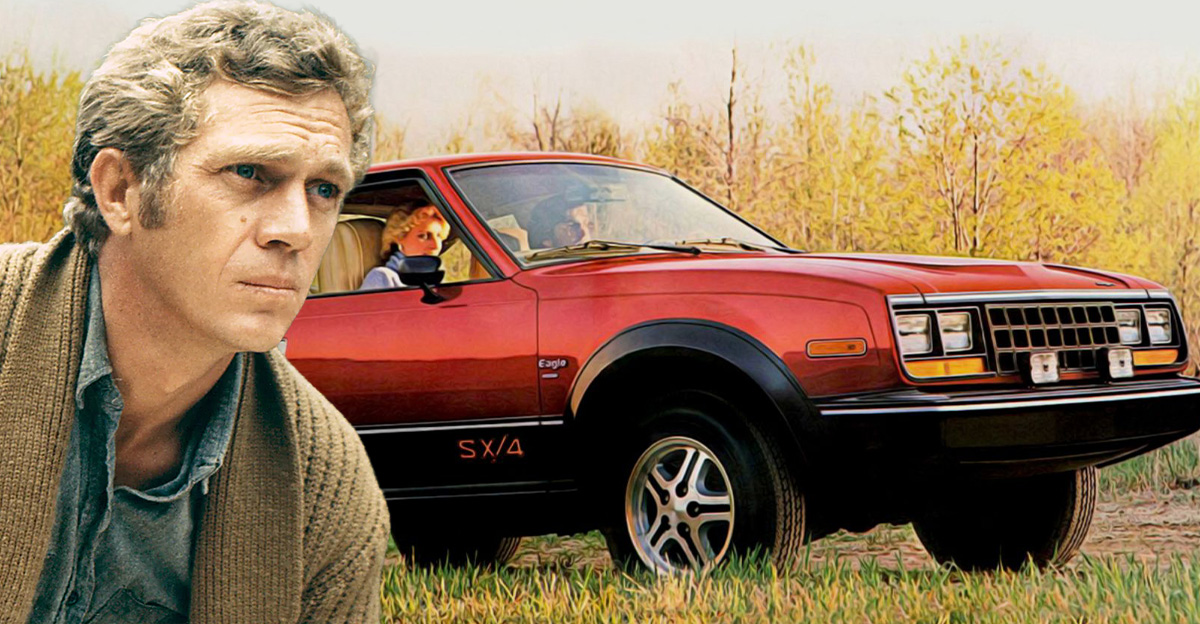
A Car Ahead Of Its Time
In 1979, American Motors Corporation saw something no one else did: drivers craved the confidence of four-wheel drive without giving up the comfort of a passenger car. While other automakers were still obsessed with downsizing and fuel economy, AMC envisioned something bold—an everyday car with off-road capability.
 Greg Gjerdingen, CC BY 2.0, Wikimedia Commons
The Birth Of The AMC Eagle
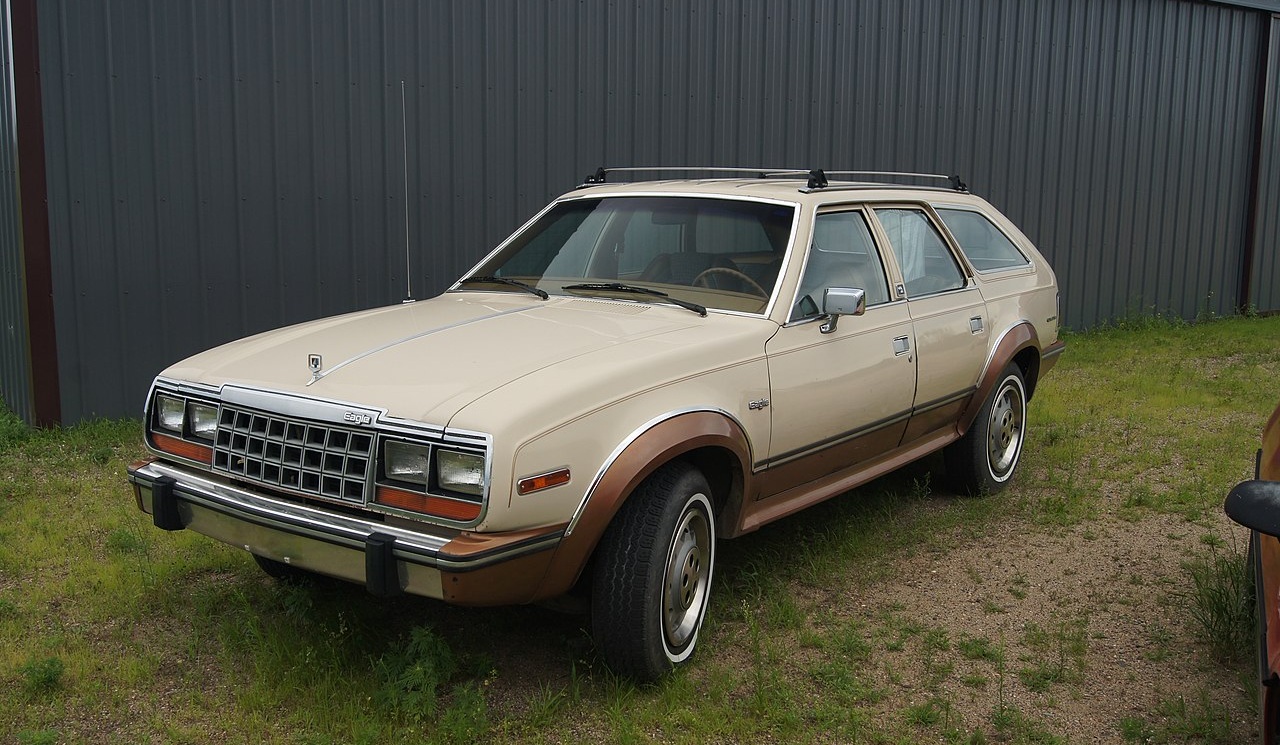
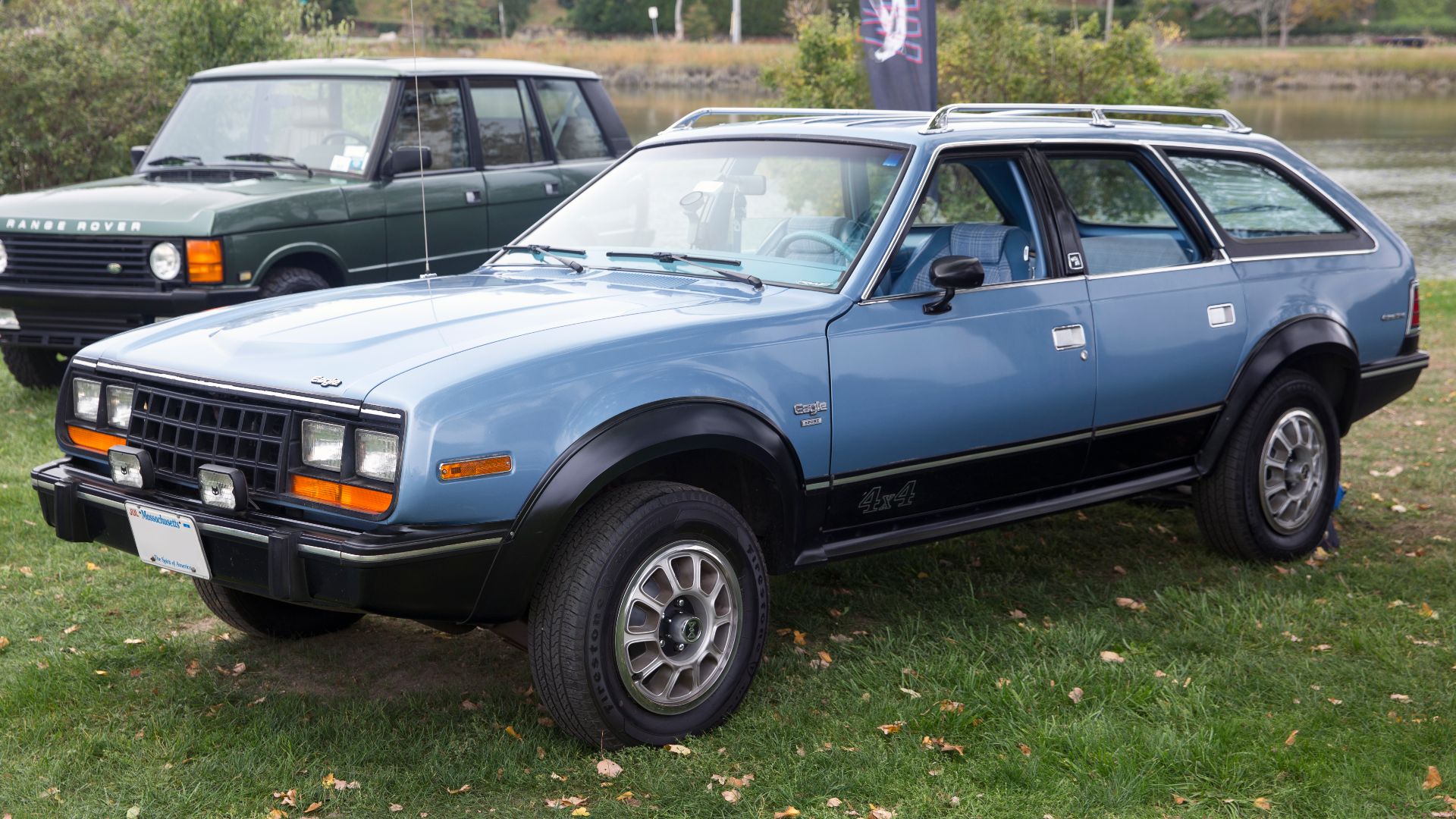
Launched for the 1980 model year, the Eagle wasn’t a single car but an entire lineup: sedans, wagons, and later a sporty hatchback. All were built on modified Concord/Spirit underpinnings but with a secret weapon—full-time all-wheel drive, a first for an American passenger vehicle.
 Mr.choppers, Wikimedia Commons
The SX/4 Joins The Flock
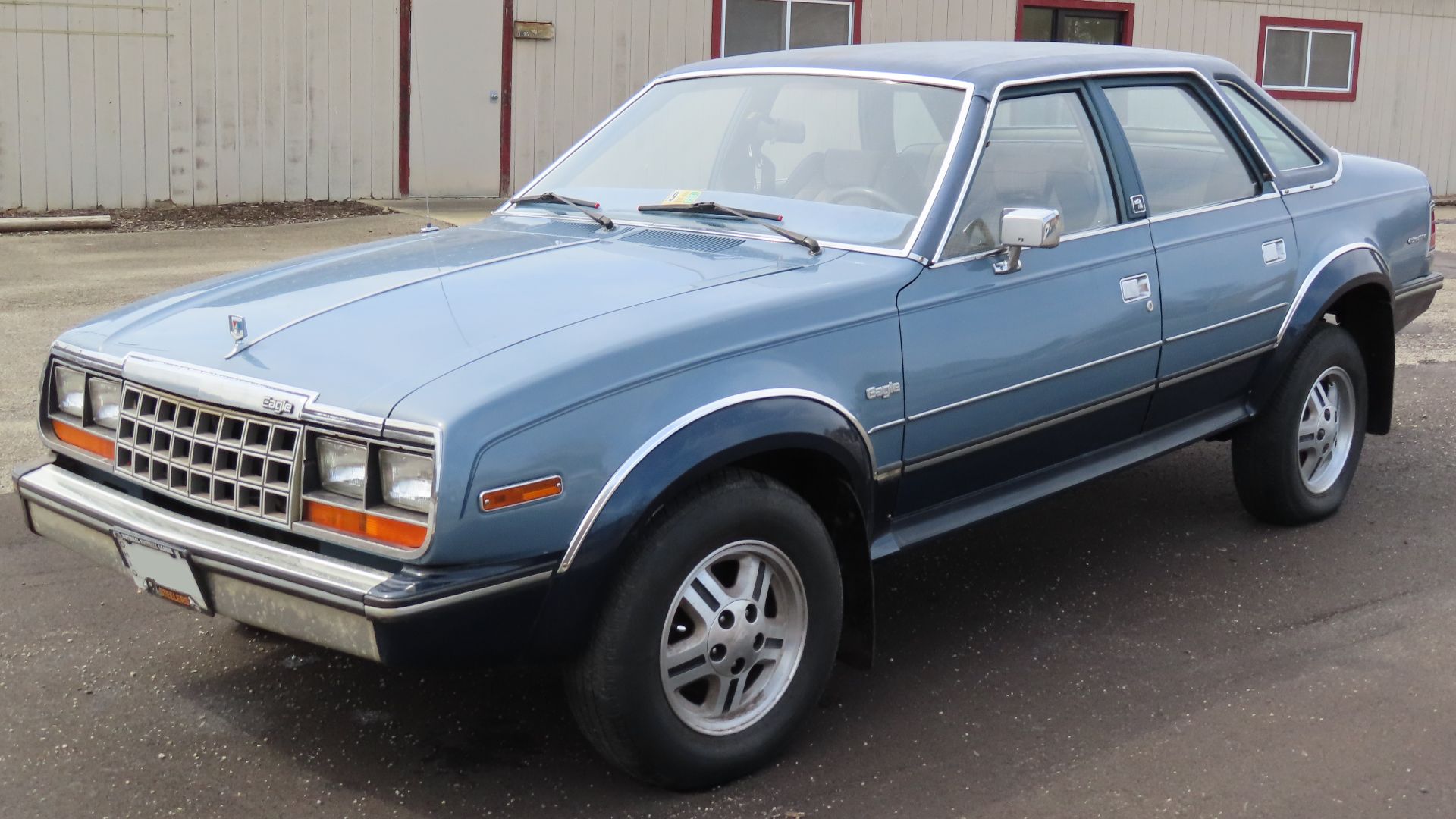
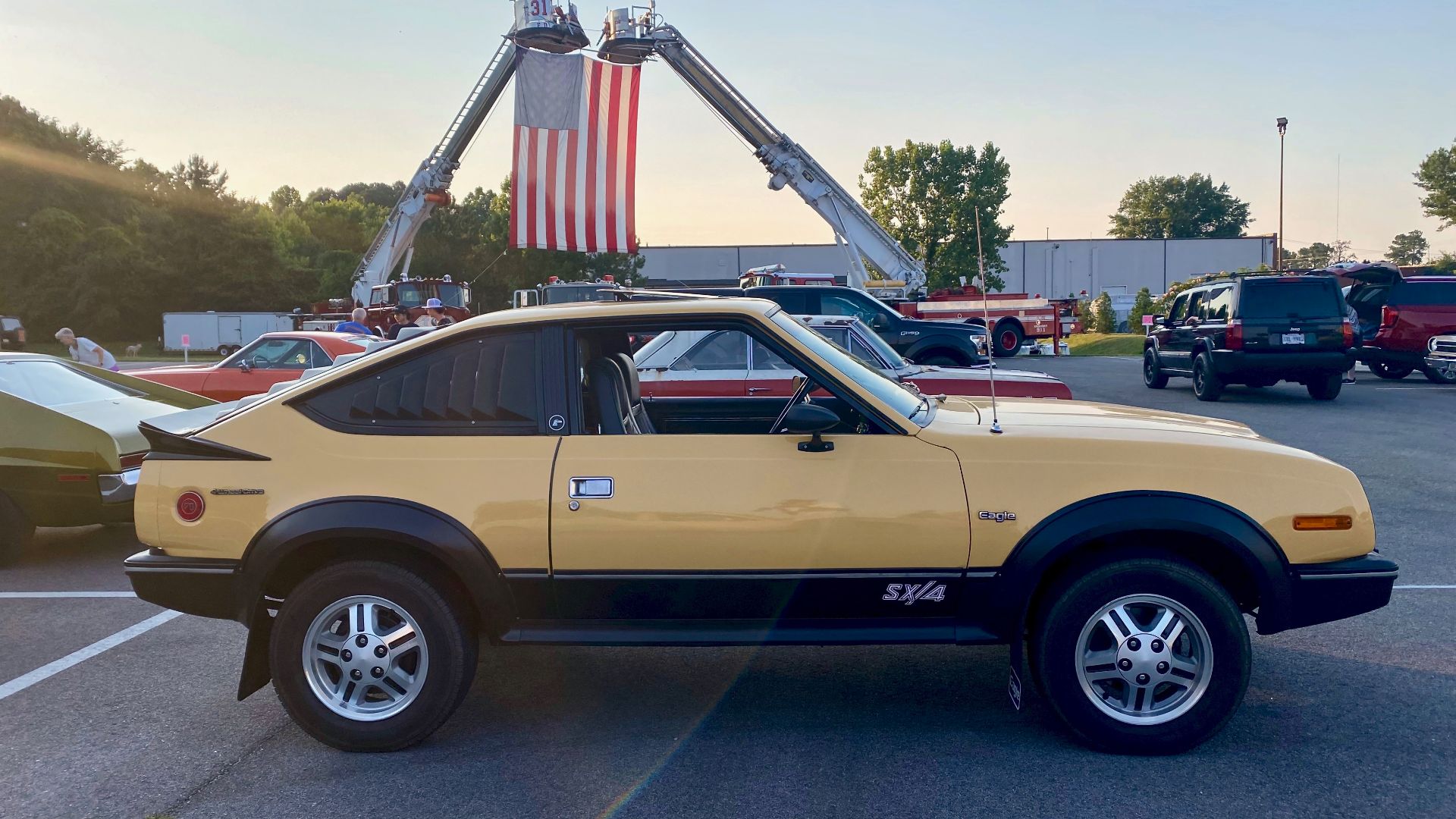
Introduced in 1981, the SX/4 was the Eagle lineup’s fun one—compact, sporty, and full of ’80s personality. Imagine a muscle-ish hatchback that put on hiking boots and decided to try rock climbing. That was the SX/4.
 MercurySable99, Wikimedia Commons
Styling That Broke Rules
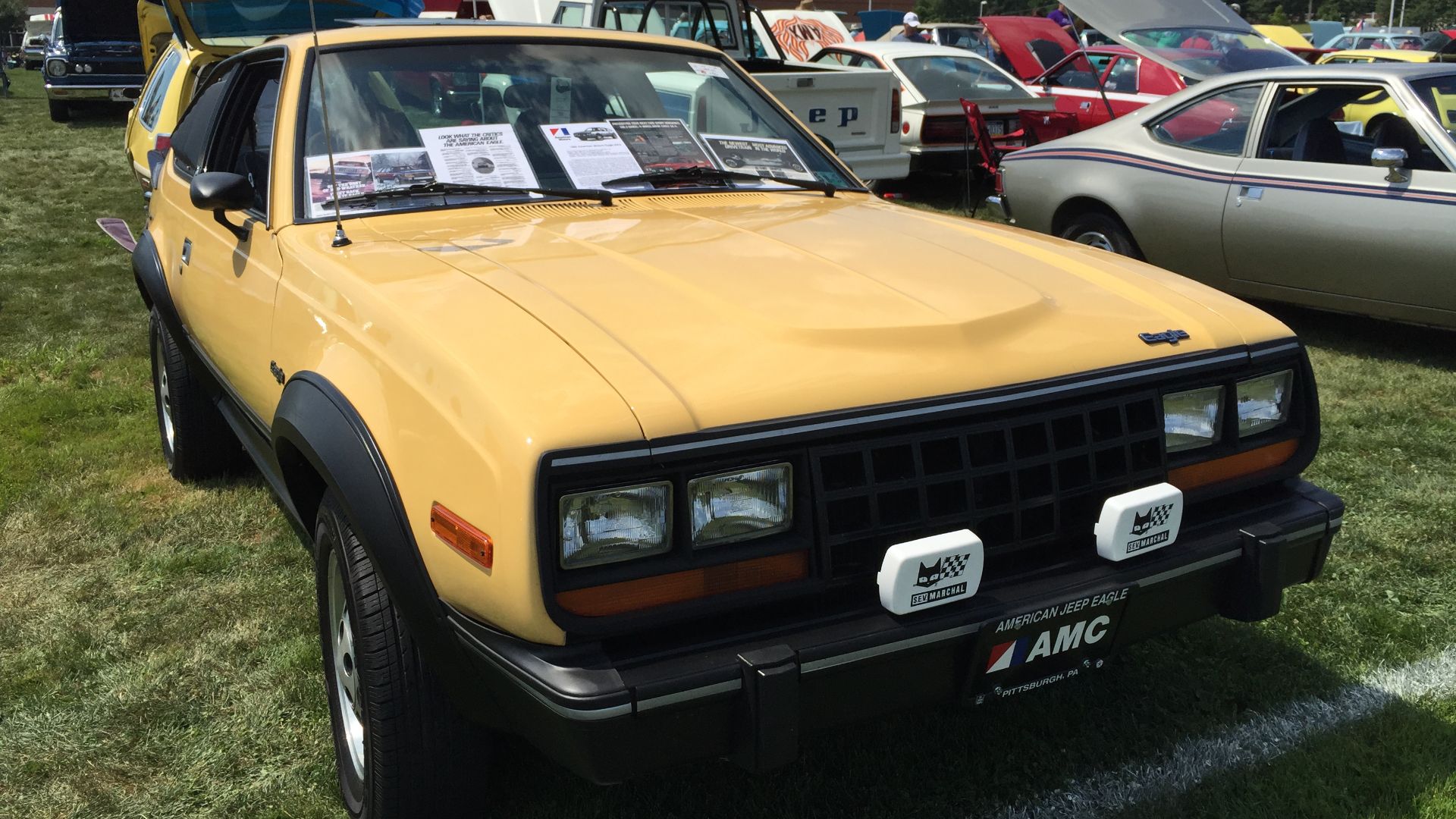
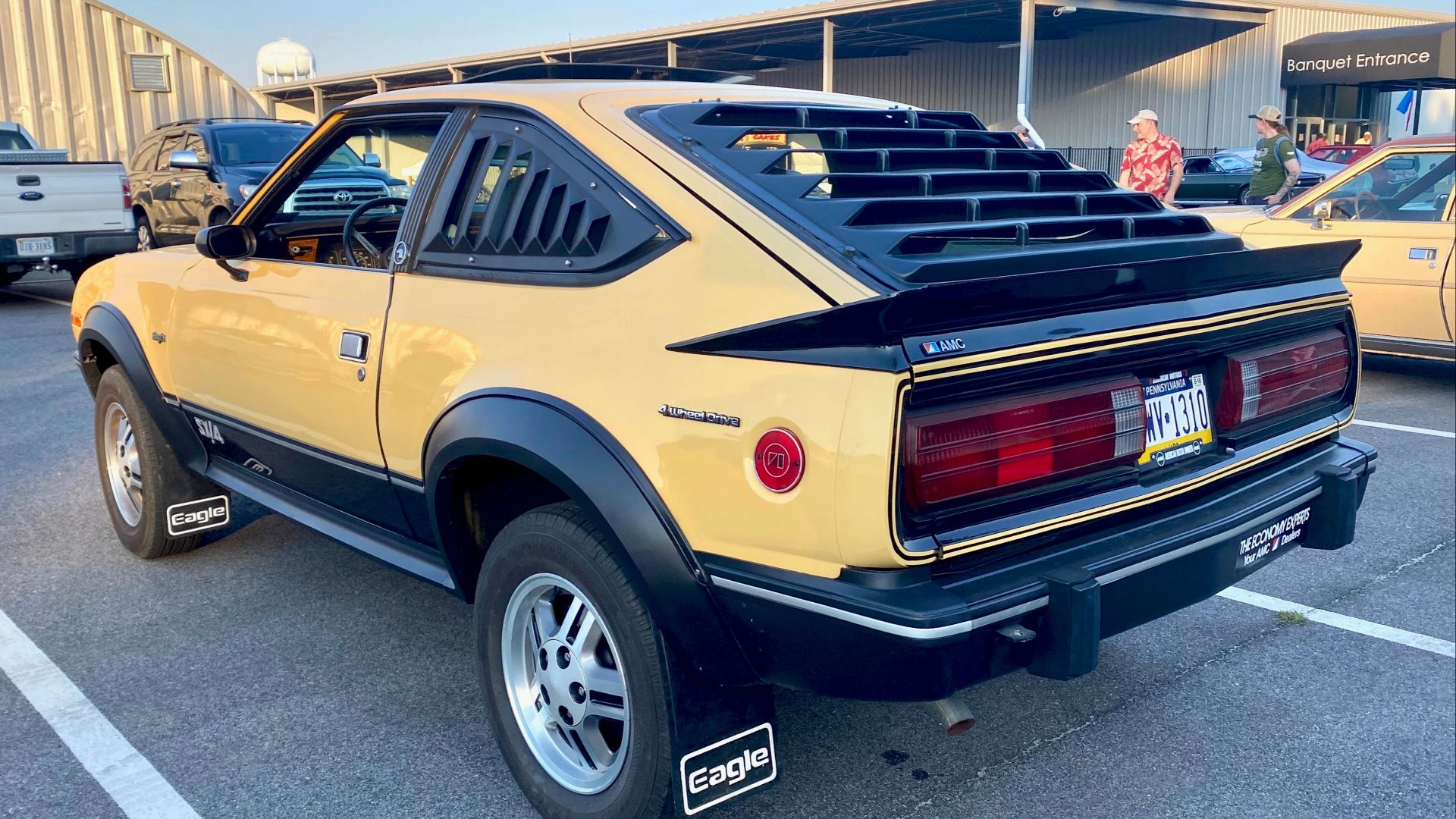
Where most early-’80s cars looked like rolling beige rectangles, the SX/4 had a chunky, athletic stance. Its higher ride height, bold graphics packages, and fender flares set it apart instantly—which is saying something in an era of wood-paneled wagons and velour everything.
 CZmarlin — Christopher Ziemnowicz, Wikimedia Commons
Where The Eagle Took Flight
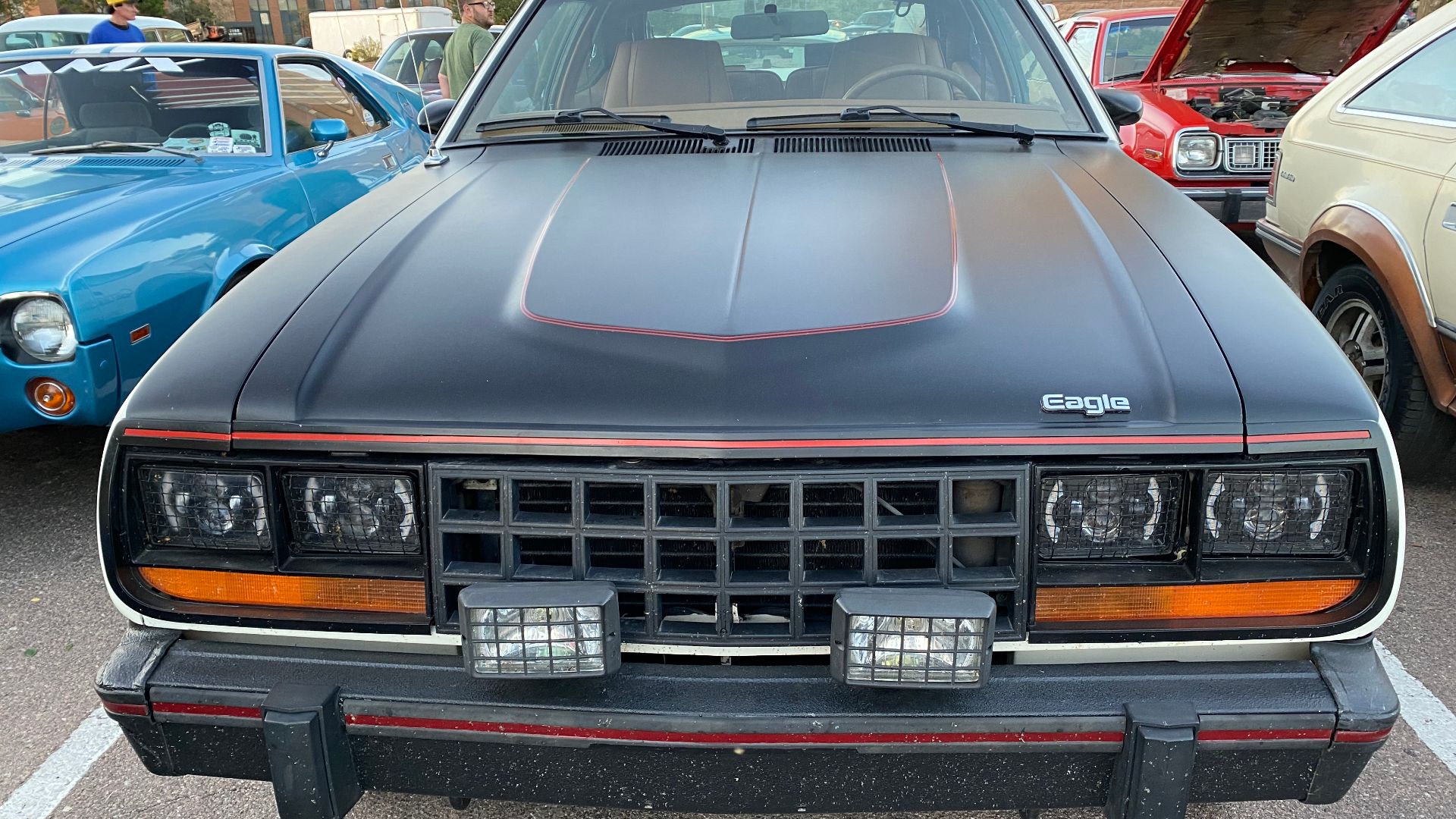
AMC didn’t just lift a regular car and call it a day. The Eagle’s AMC-designed independent front suspension, reinforced chassis, and Jeep-sourced driveline gave it legitimate off-road capability. The SX/4 could tackle snow, mud, and dirt roads with surprising confidence.
 CZmarlin — Christopher Ziemnowicz, Wikimedia Commons
A Four-Wheel-Drive Game Changer
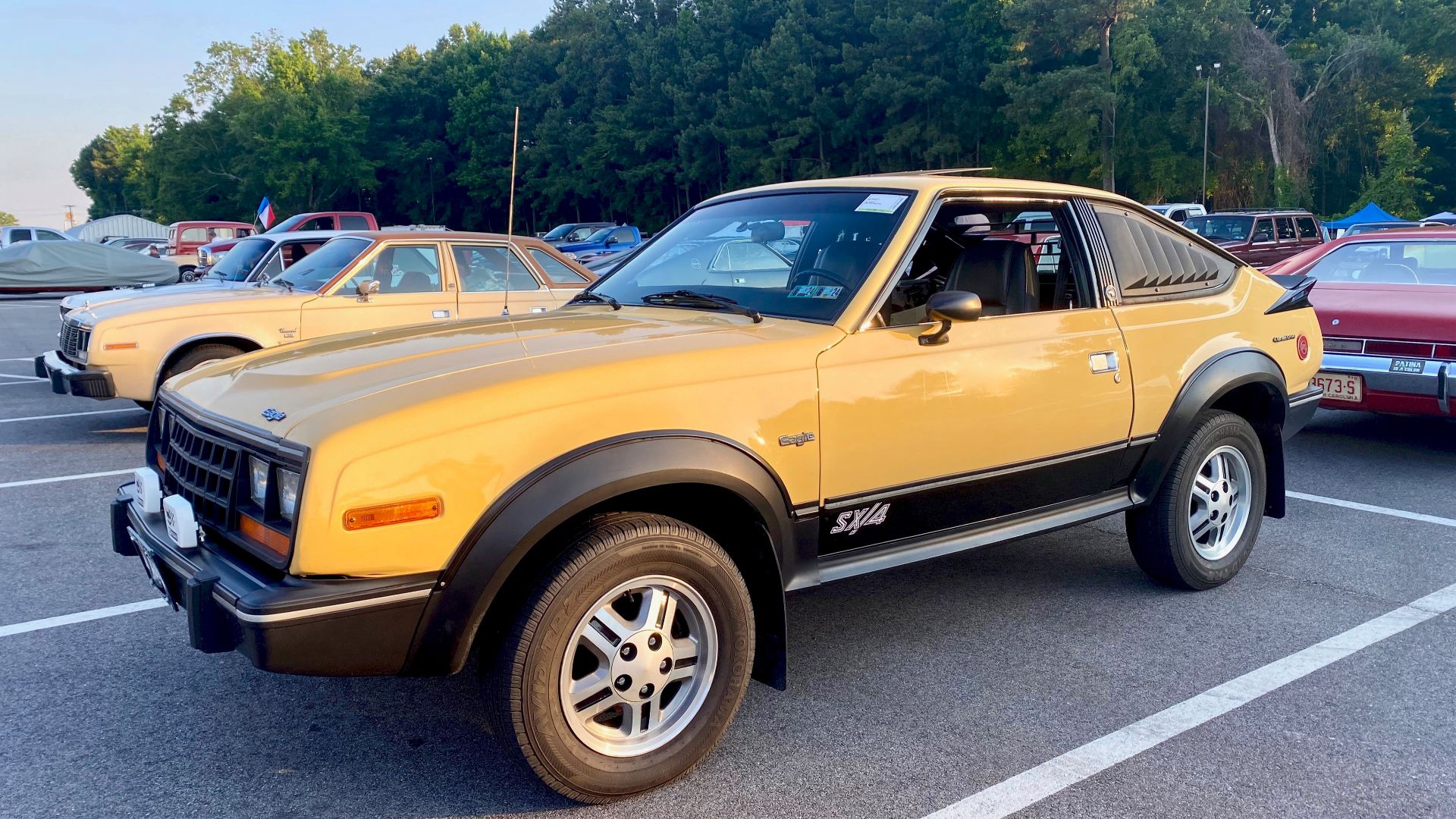
The Eagle’s Ferguson-based full-time 4WD system was revolutionary. Unlike part-time truck systems of the era, drivers didn’t have to stop, think, shift, or pray—they simply drove, and the system engaged seamlessly.
Sound familiar? That’s because modern crossovers use the same philosophy.
 CZmarlin — Christopher Ziemnowicz, Wikimedia Commons
Engine Options For The Everyday Driver
Under the hood, you got AMC’s dependable 2.5-liter four-cylinder or the legendary 4.2-liter inline-six—an engine AMC shared with Jeep. It wasn’t fast, but it was durable. And let’s be honest: nobody was entering their SX/4 in a drag race.
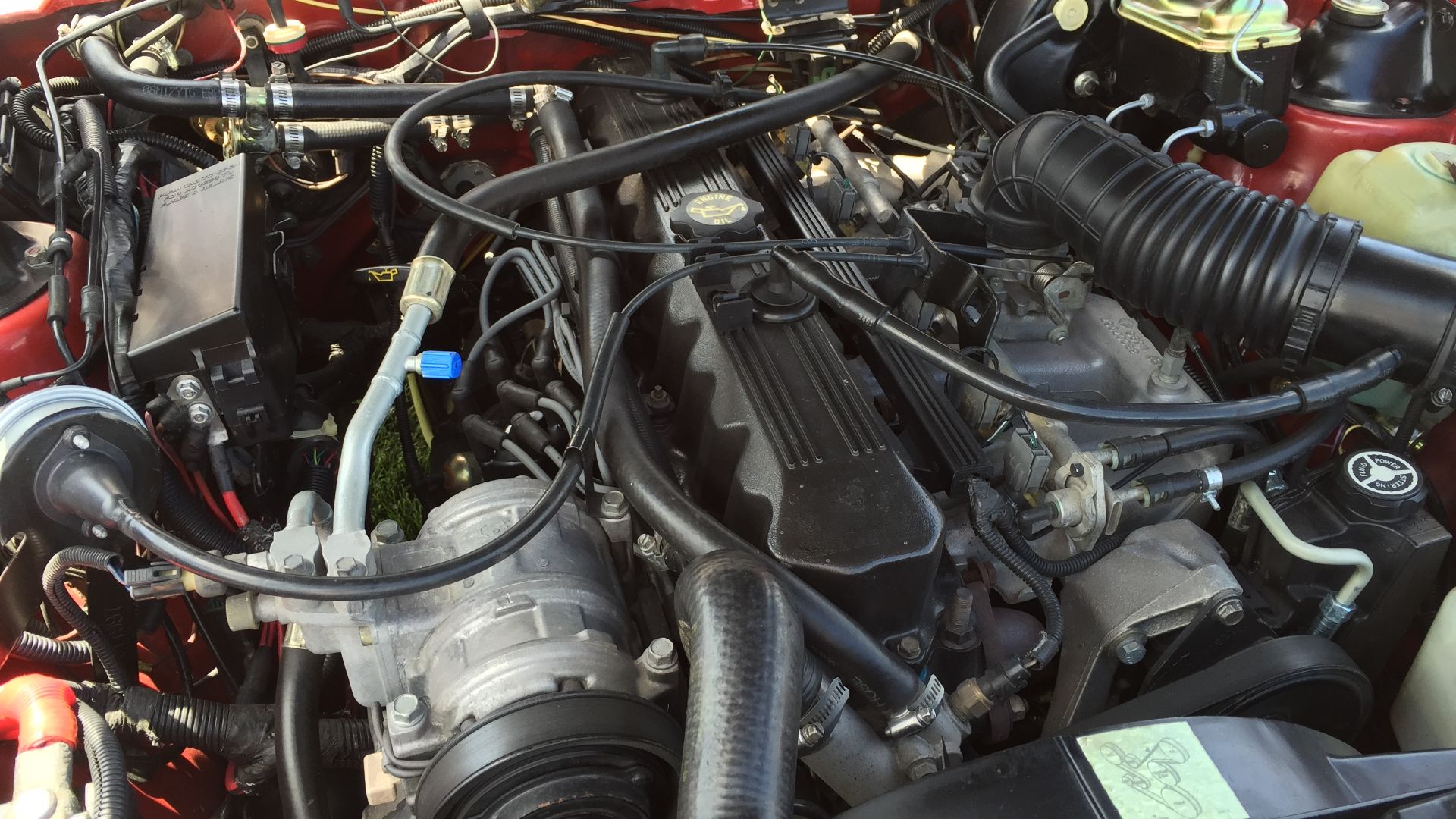 CZmarlin — Christopher Ziemnowicz, Wikimedia Commons
The Sportiest Eagle Of The Bunch
The SX/4’s shorter wheelbase and lighter weight made it the most athletic Eagle. It wasn’t just a utility wagon—it was a car that begged for dirt-road adventures. Think “rally car for people who also shop at REI.”
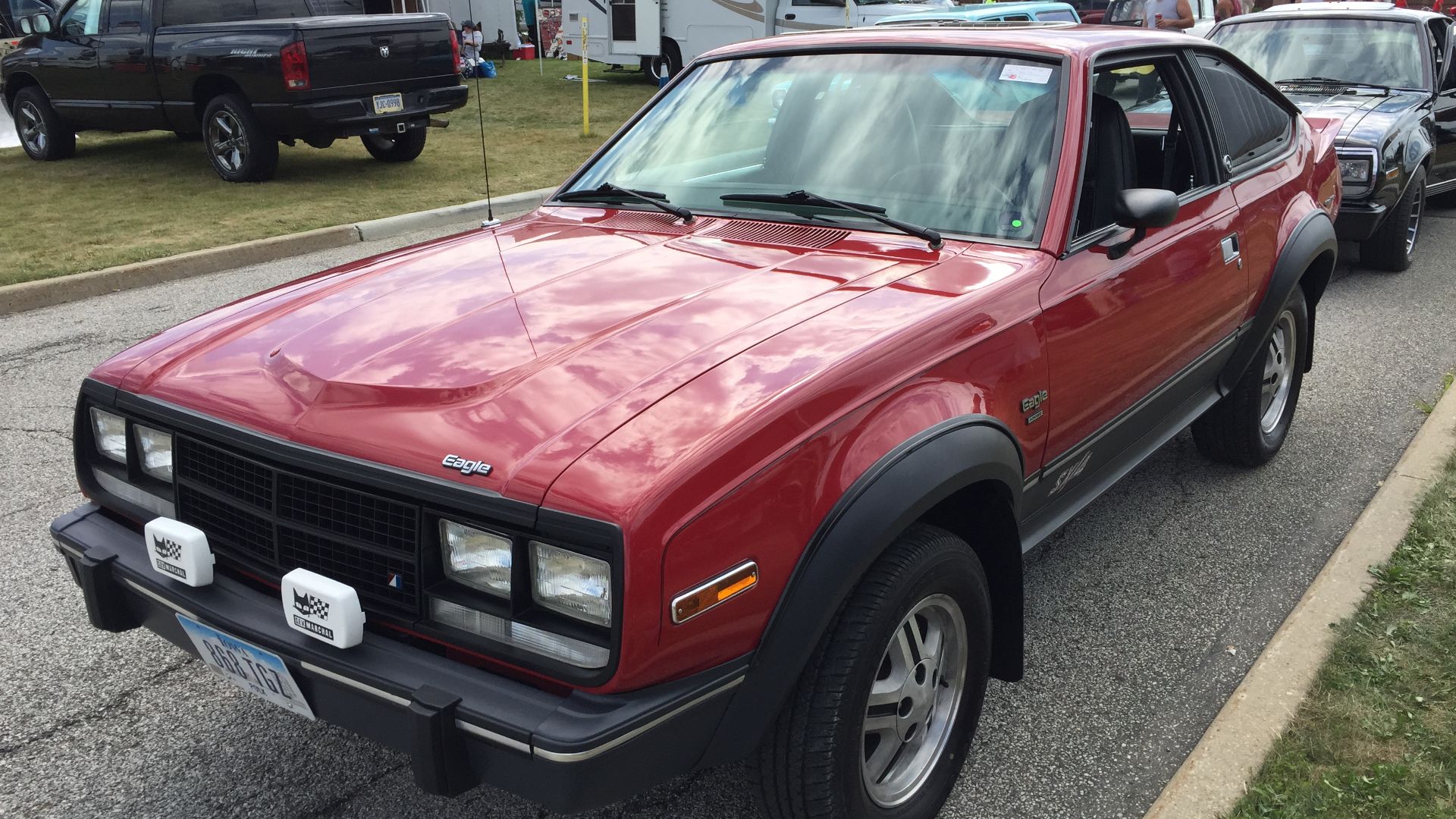 CZmarlin — Christopher Ziemnowicz, Wikimedia Commons
A Bold Answer To Market Challenges
AMC created the Eagle partly out of necessity. The company lacked the budget for entirely new platforms, so it innovated by re-engineering what it already had. As it turned out, that frugality accidentally led to one of the most influential ideas in automotive history.
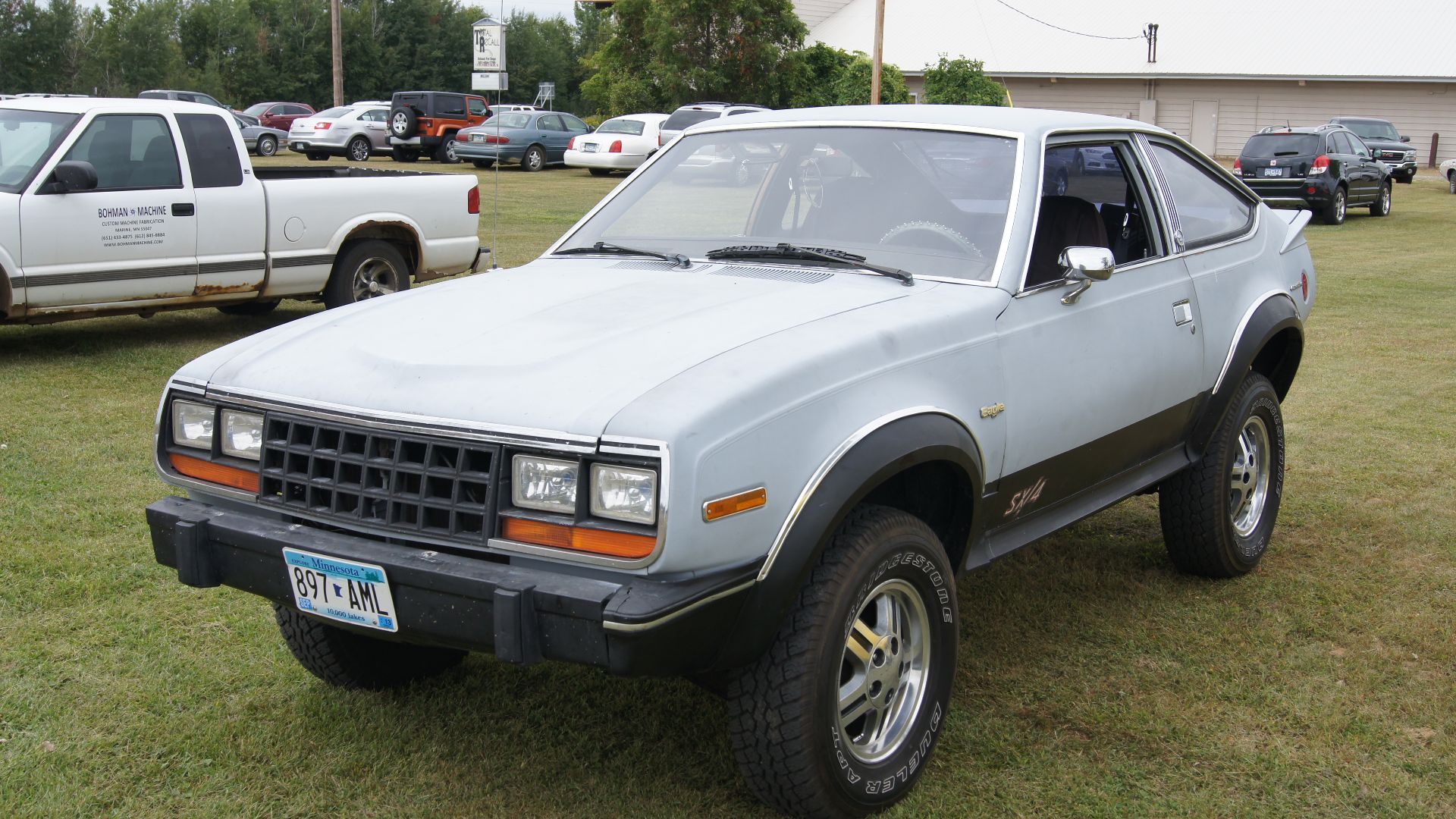 Greg Gjerdingen from Willmar, USA, Wikimedia Commons
Marketing A New Kind Of Car
Advertising the Eagle wasn’t easy—there was no category for it. AMC had to explain that it wasn’t a Jeep, wasn’t a luxury sedan, and wasn’t a station wagon. It was all three. Their ads leaned heavily on snowy-road confidence and “go-anywhere” capability.
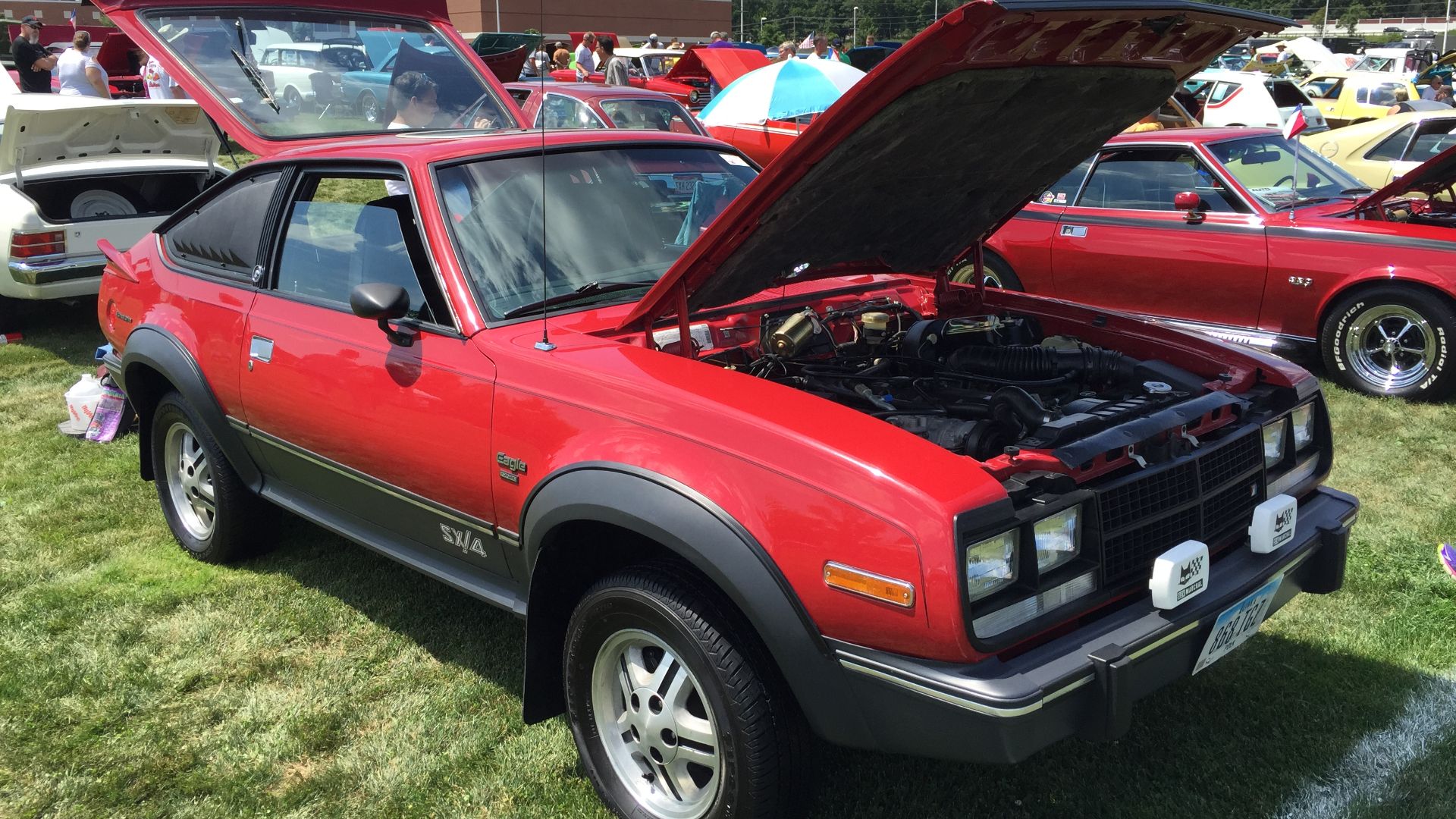 CZmarlin — Christopher Ziemnowicz, Wikimedia Commons
The SX/4 As A Lifestyle Vehicle
The SX/4 especially appealed to younger, outdoorsy buyers—people who wanted something more stylish than a wagon and more capable than a compact coupe. Today we call that audience “crossover buyers.”
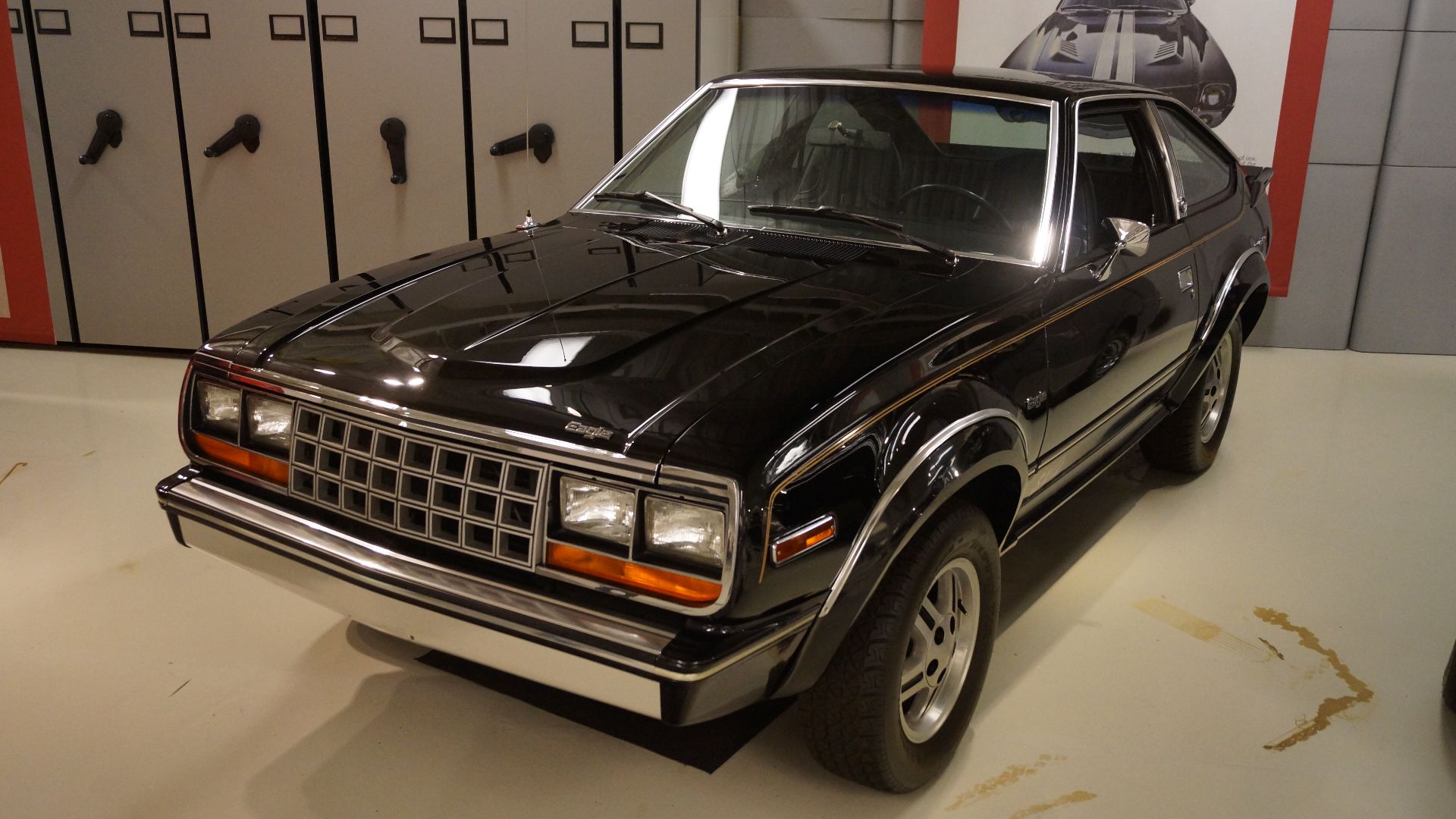 Greg Gjerdingen from Willmar, USA, Wikimedia Commons
Rallying And Motorsports Aspirations
Believe it or not, AMC tried rallying the SX/4. With the right suspension and rally-spec upgrades, it held its own. A few enthusiasts still use them in grassroots rallycross events today—proof that the SX/4 had untapped performance potential.
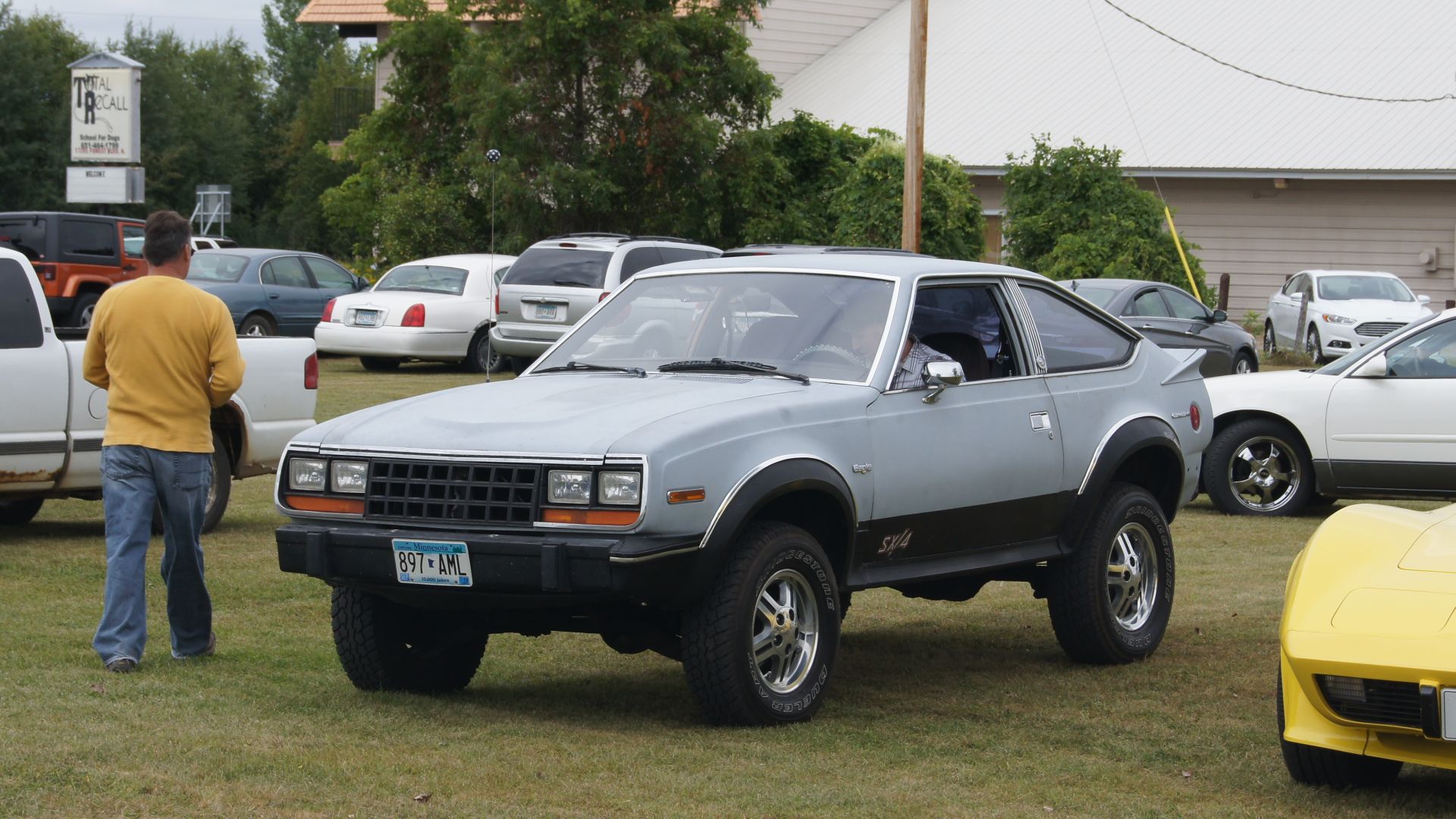 Greg Gjerdingen from Willmar, USA, Wikimedia Commons
A Cabin Frozen In The ’80s
Inside, you got peak ’80s charm: blocky instrument clusters, vinyl and cloth options, and controls that felt halfway between a Jeep and an economy coupe. It wasn’t fancy—but it was uniquely functional.
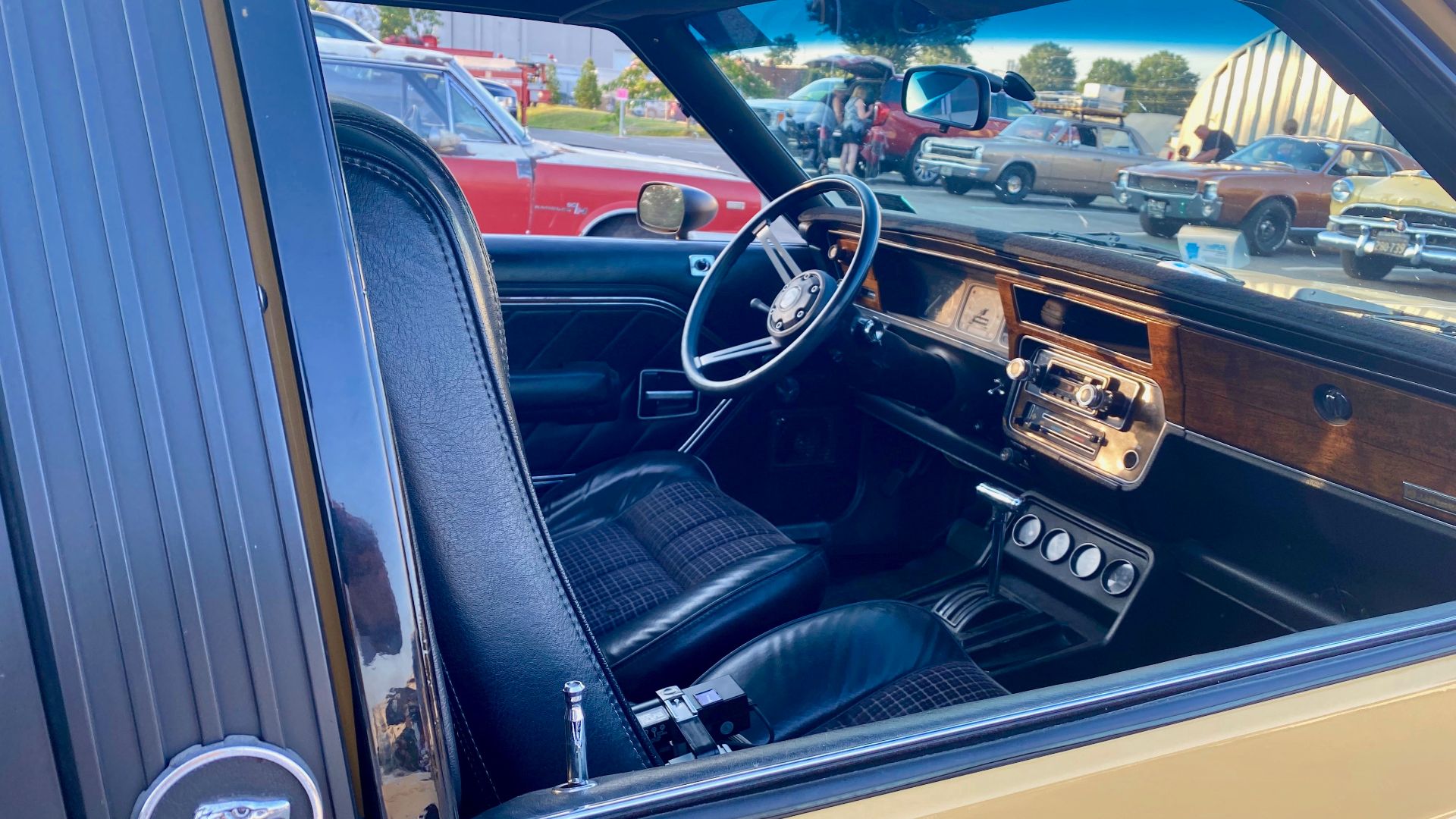 CZmarlin — Christopher Ziemnowicz, Wikimedia Commons
The Eagle’s Competitive Landscape
Throughout the early ’80s, the Eagle had almost no rivals. Subaru offered part-time 4WD wagons, but no true passenger-car-based AWD lineup. Audi’s Quattro system arrived around the same time, but it was high-end, expensive, and performance-oriented.
AMC alone offered an affordable AWD vehicle for everyday Americans.
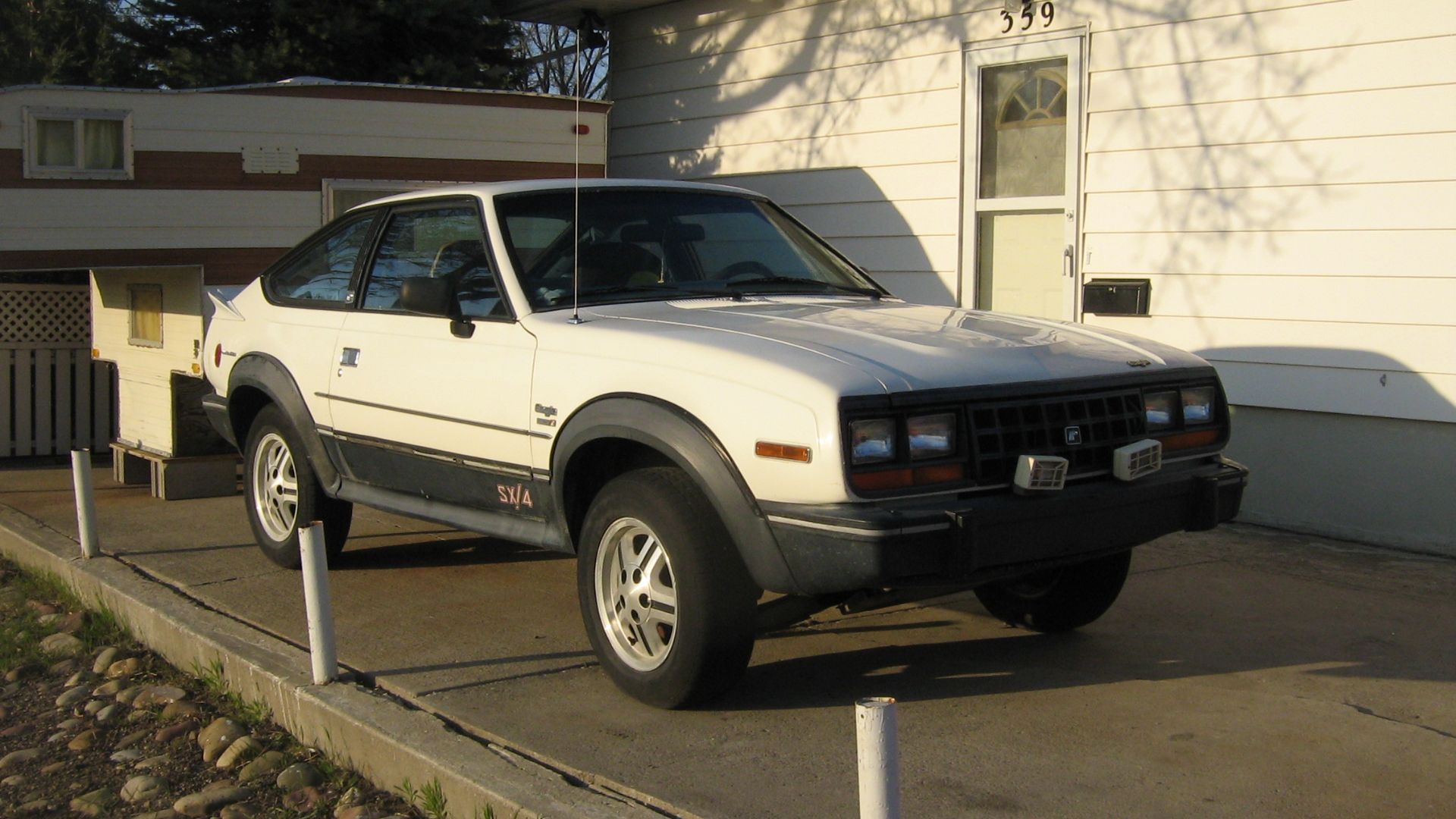 dave_7 from Lethbridge, Canada, Wikimedia Commons
AMC’s Struggles Despite Innovation
Even with the Eagle’s forward-thinking design, AMC’s financial troubles continued. Sales numbers helped, but the company simply didn’t have the resources to compete against the Big Three.
 CZmarlin — Christopher Ziemnowicz, Wikimedia Commons
The Renault Connection
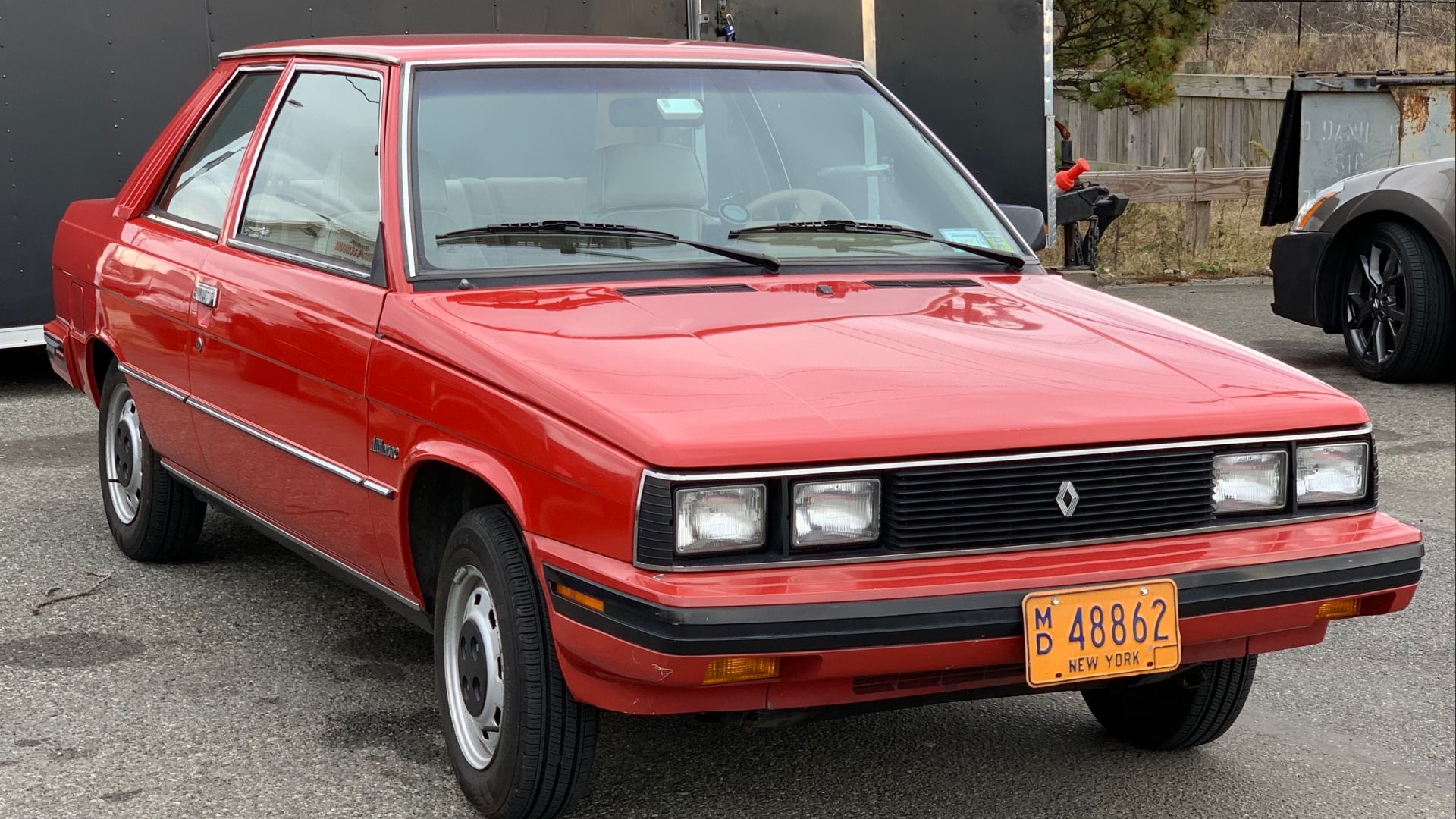
In 1979, AMC partnered with Renault, which invested heavily in Jeep and AMC’s small-car lineup. While the Eagle continued, Renault’s priorities shifted toward compact FWD cars, and the Eagle’s updates became infrequent.
More Style Packages Than Model Years
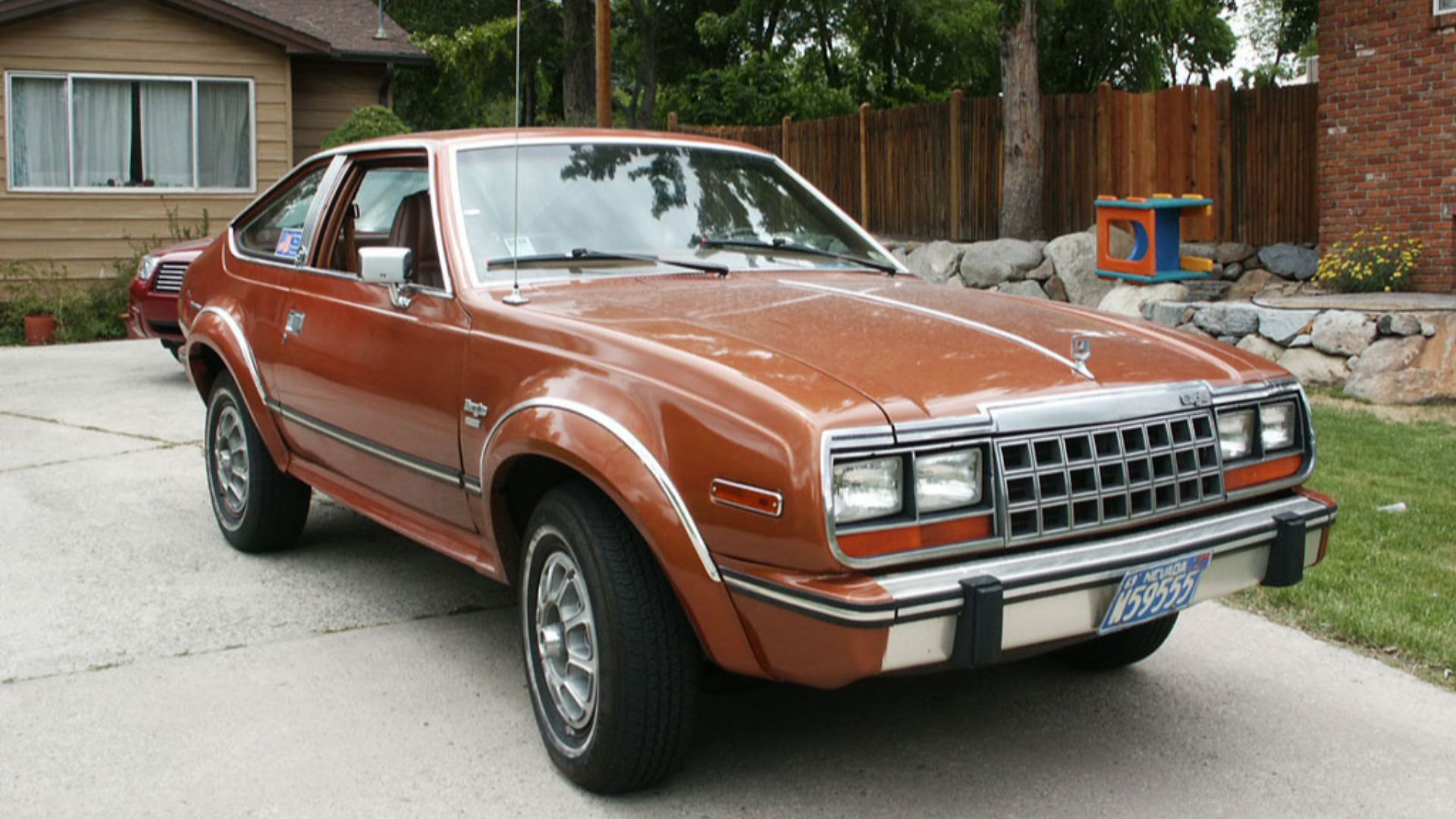
AMC kept the SX/4 exciting with appearance packages like the Kammback-style liftgate, sharp stripes, and special-edition trims. It was the automotive equivalent of giving your car a new wardrobe every year.
The Rise Of Real Competition
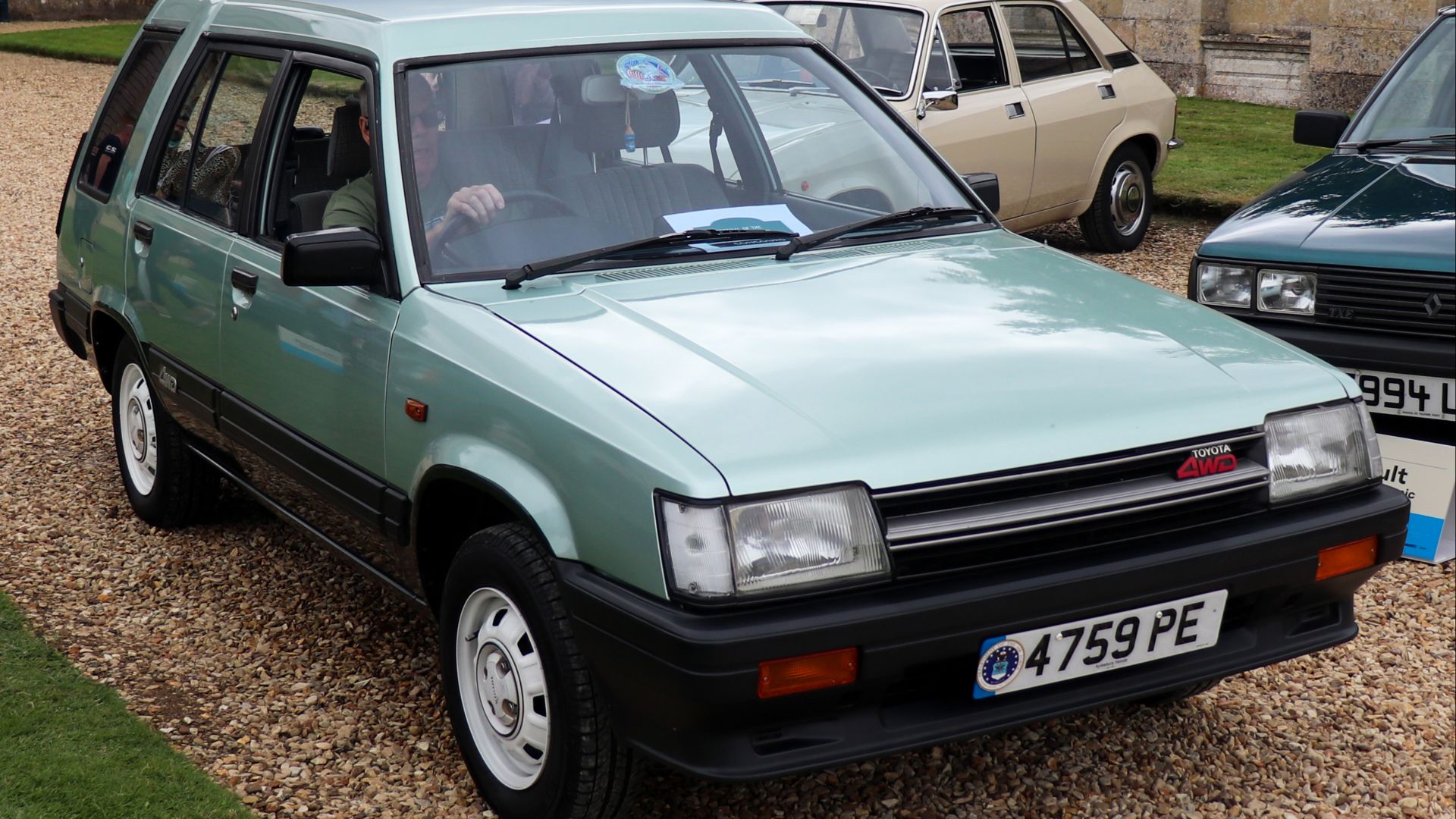
By the mid-1980s, Subaru offered true AWD passenger cars, Toyota had the Tercel 4WD wagon, and Audi had cemented Quattro as a symbol of AWD prestige. The Eagle suddenly had company—and some of it was very good.
The Final SX/4 Rolls Out
Production of the SX/4 ended after the 1983 model year, though some wagons and sedans lingered into 1988. The end was bittersweet: AMC had been right about the future, but too early—and too small—to fully capitalize.
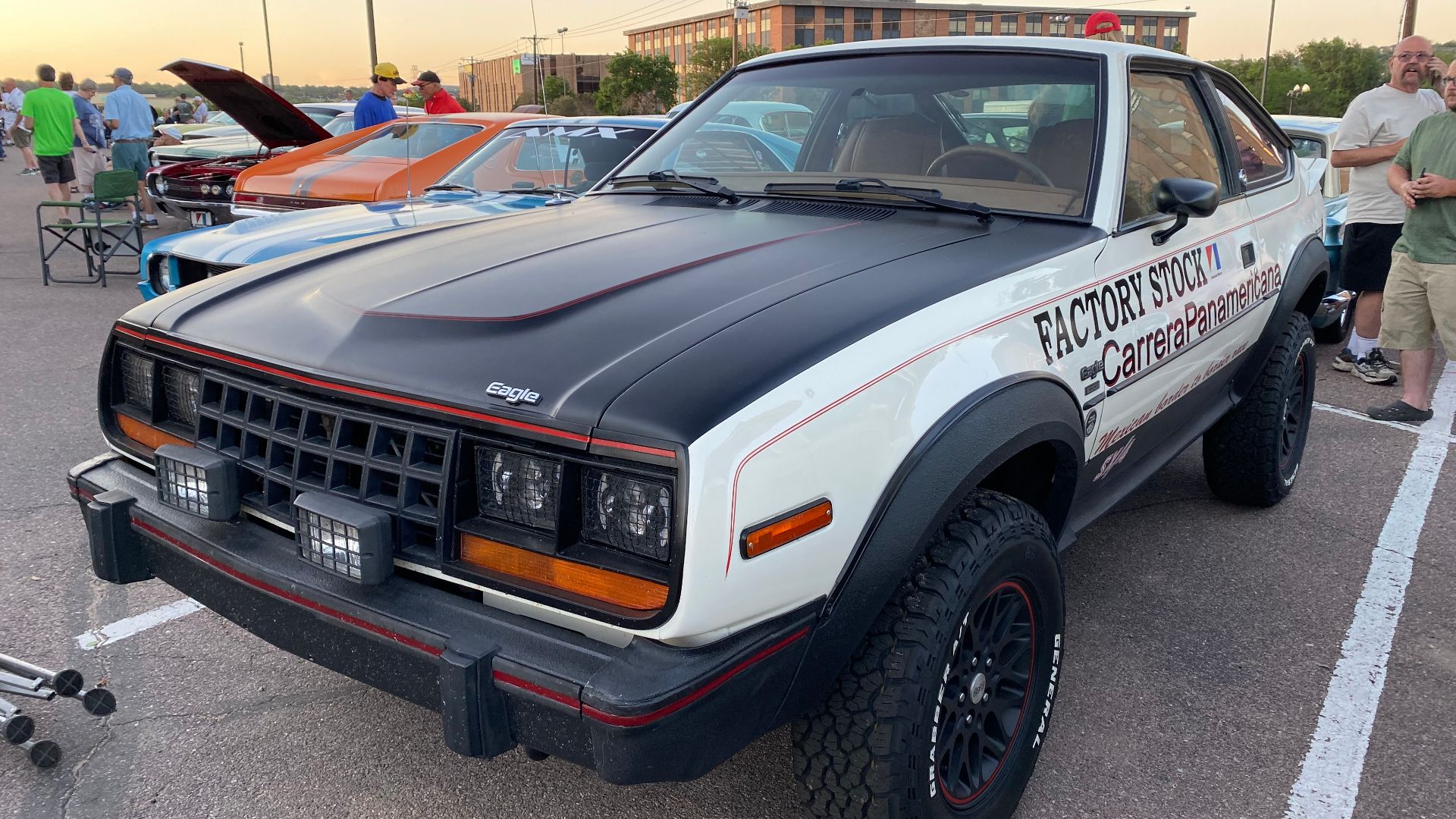 CZmarlin — Christopher Ziemnowicz, Wikimedia Commons
AMC Is Absorbed By Chrysler
In 1987, Chrysler bought AMC primarily for Jeep. The Eagle name eventually re-emerged as its own Chrysler brand…but sadly, none of its vehicles were related to the original AWD pioneer.
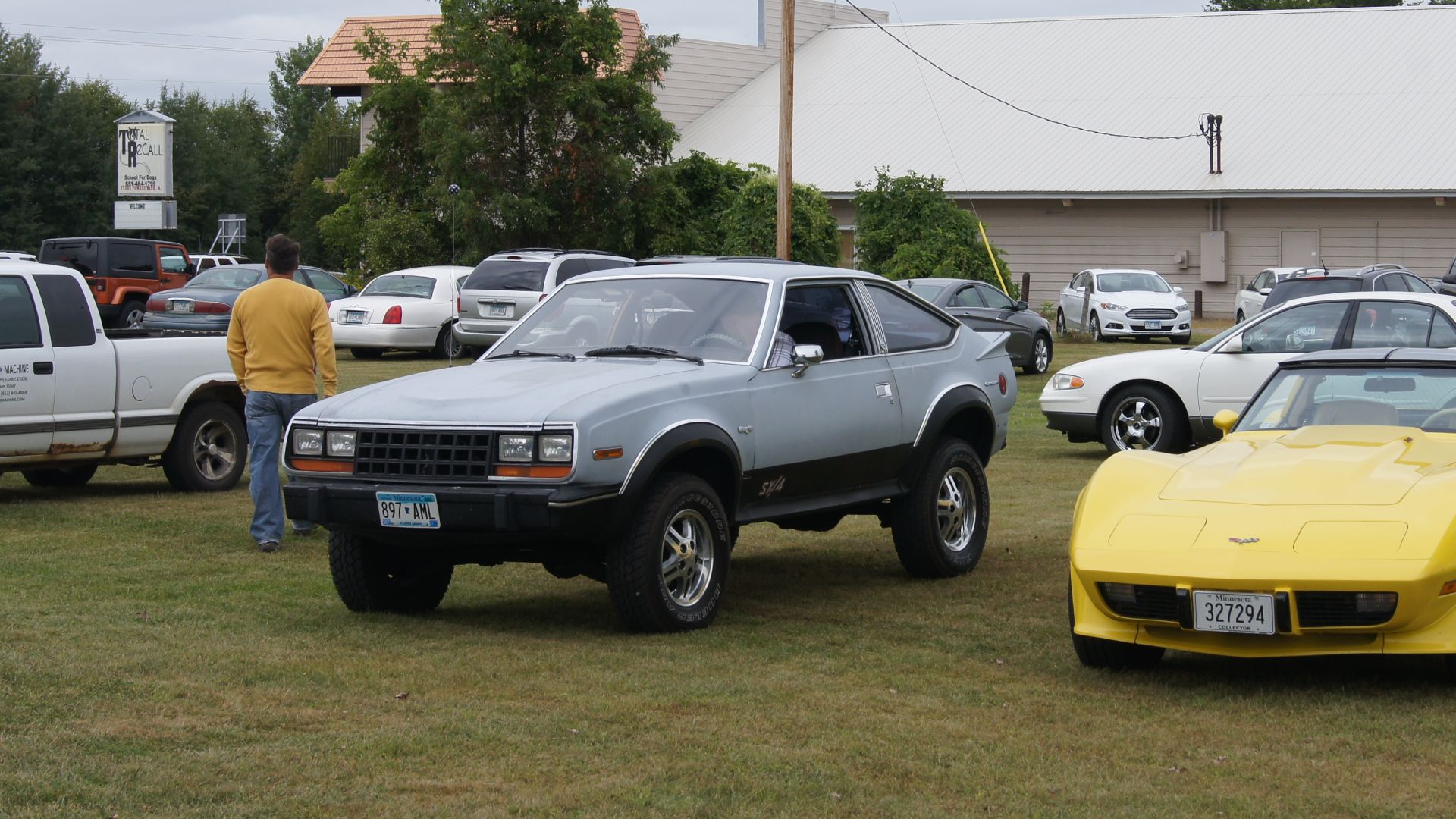 Greg Gjerdingen from Willmar, USA, Wikimedia Commons
The Eagle’s DNA Lives On
Want proof the Eagle was ahead of its time? Look at the modern market. Subaru Outback. Toyota RAV4. Honda CR-V. Ford Bronco Sport. Every single one owes something to the formula AMC invented: a car-based, all-weather utility vehicle for everyday life.
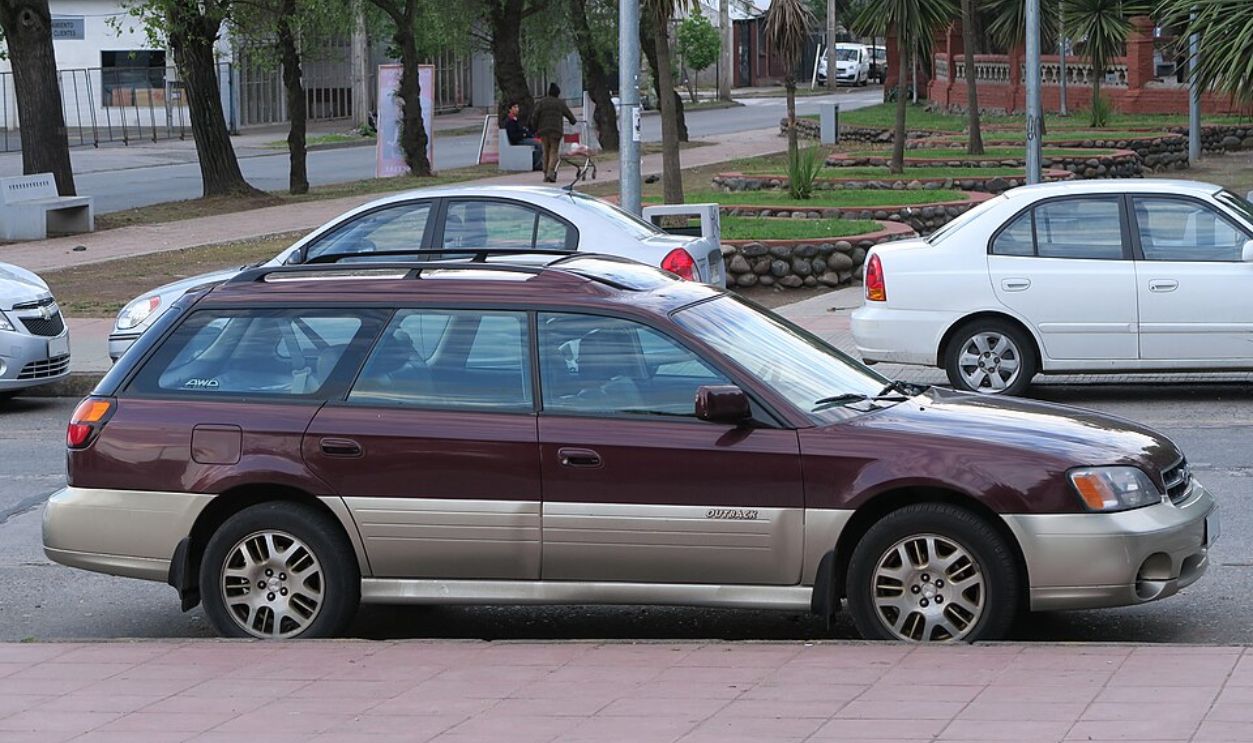
Collectibility In The Modern Era
The SX/4 is now a cult classic. It’s not a concours queen, but enthusiasts adore its quirky styling, rarity, and place in automotive history. And yes—people still take them off-road.
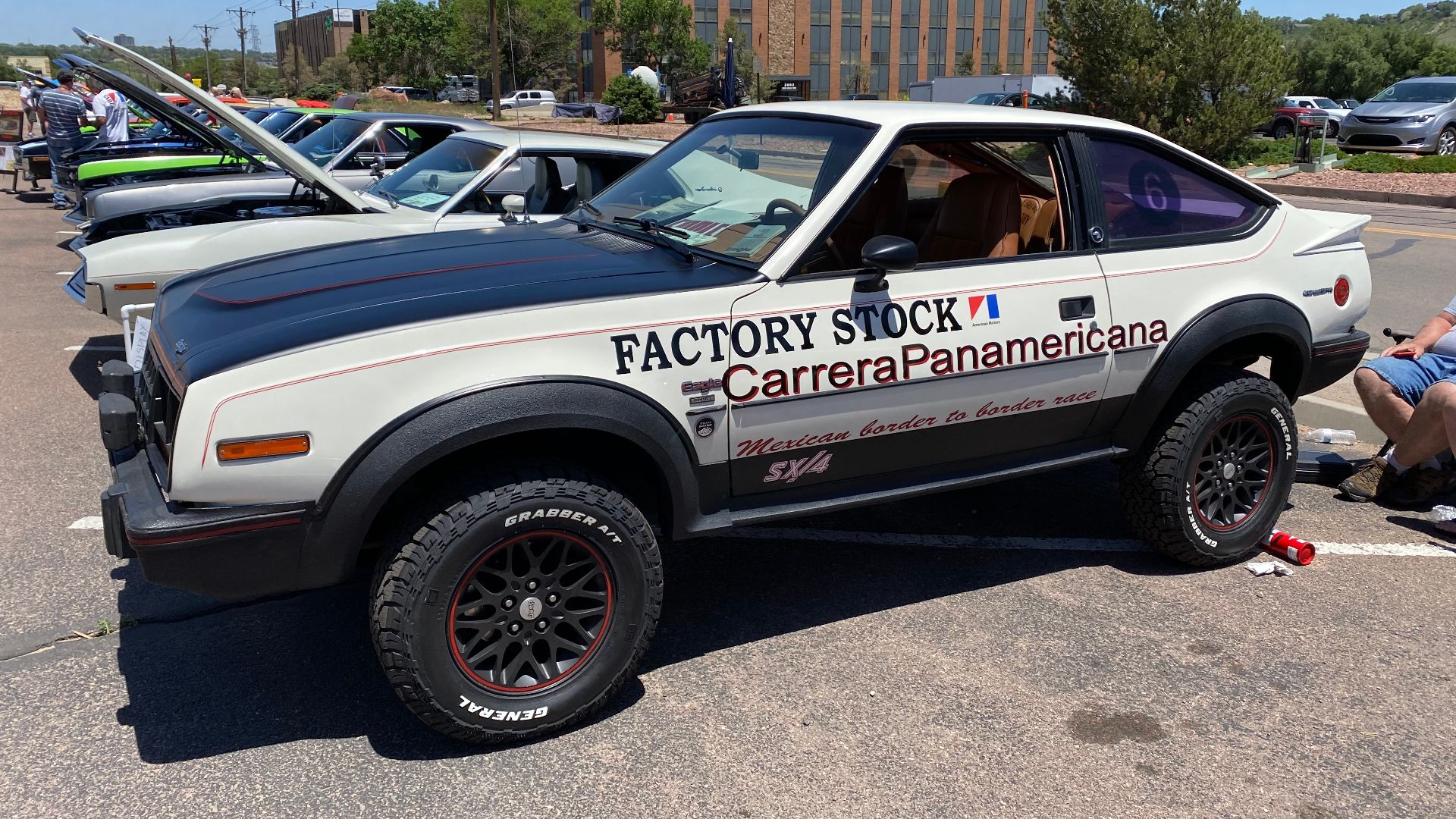 CZmarlin — Christopher Ziemnowicz, Wikimedia Commons
The Eagle In Pop Culture
From retro car magazines to YouTube revival projects, the Eagle has become a beloved oddball. It often shows up in lists of “cars that deserved better,” “weirdest American vehicles,” and “forgotten pioneers.”
And honestly? It deserves all the love it gets.
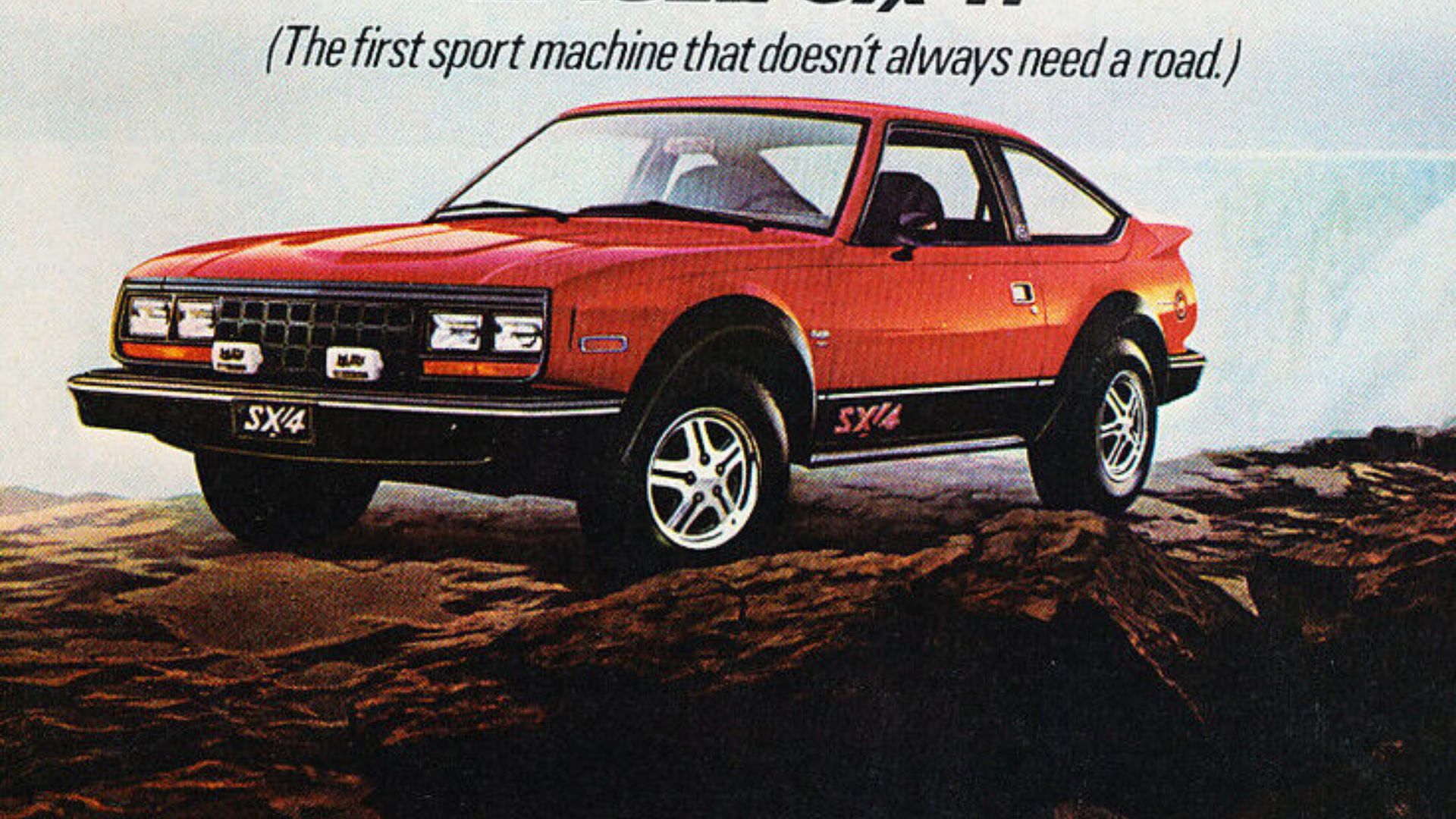 American Motors Corporation, Wikimedia Commons
Why The SX/4 Still Matters
The SX/4 wasn’t just a lifted hatchback—it was a radical rethink of what a car could be. It blended daily-driver practicality with outdoorsy capability decades before the word “crossover” entered the automotive dictionary.
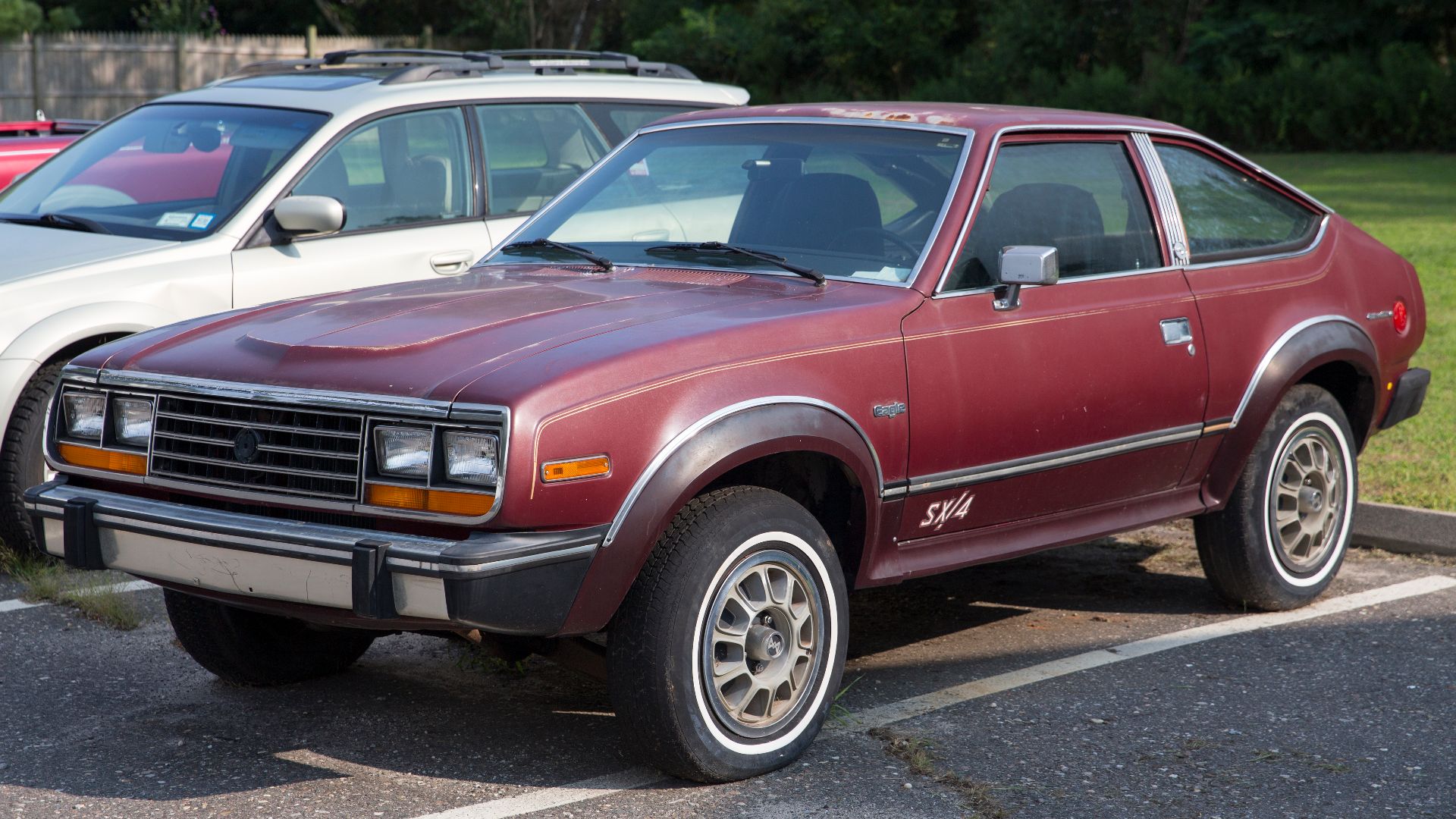 Mr.choppers, Wikimedia Commons
Lessons From An Underdog
AMC taught the industry a critical lesson: innovation doesn’t require deep pockets. Sometimes it takes a small company with big ideas to change the game.
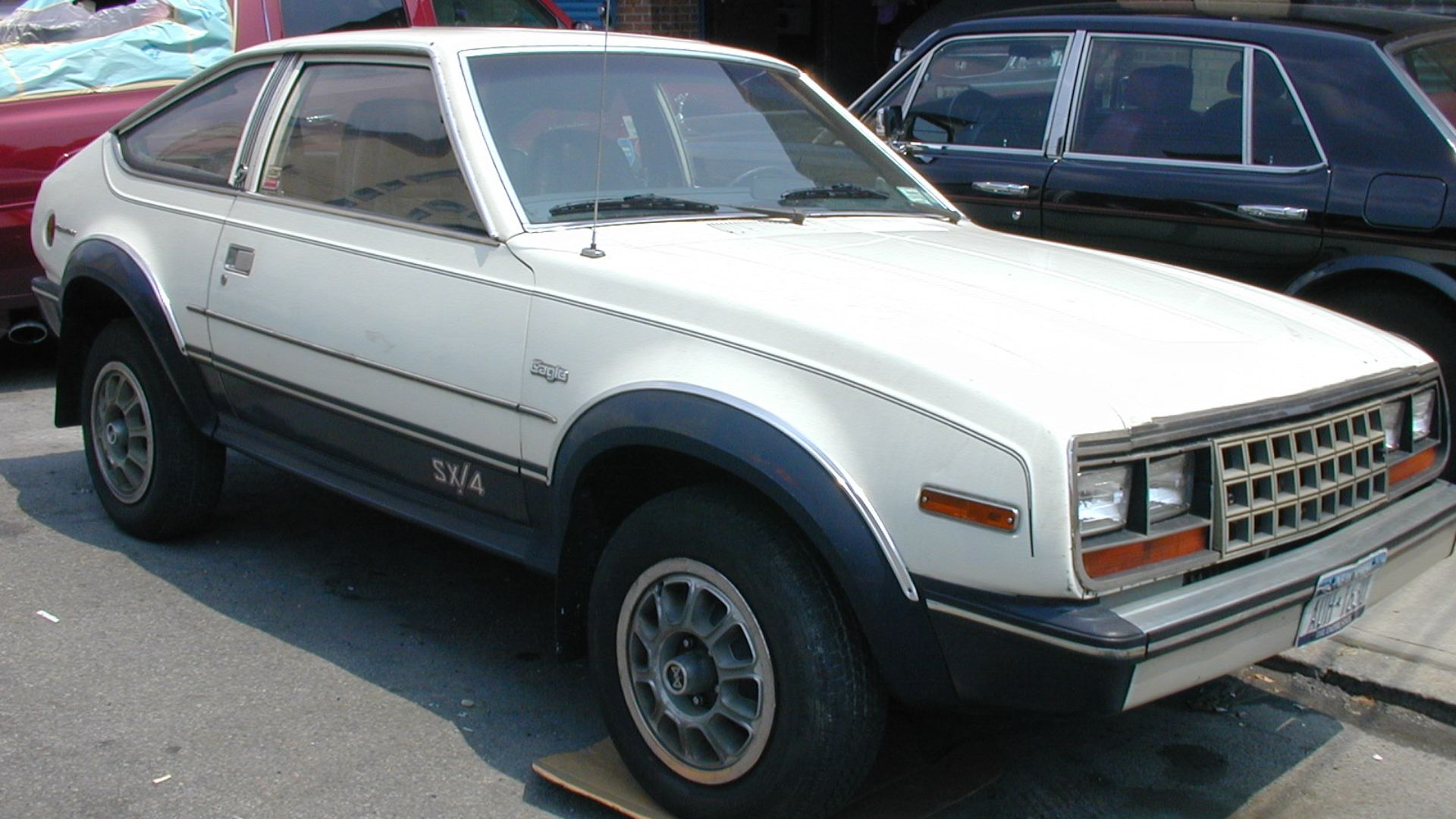 X570 at English Wikipedia, Wikimedia Commons
A Cult Classic With Real Influence
Today, the Eagle SX/4 is celebrated not for its power or luxury, but for its vision. The little car that mixed hatchback fun with Jeep toughness turned out to be the blueprint for one of America’s favorite types of vehicles.
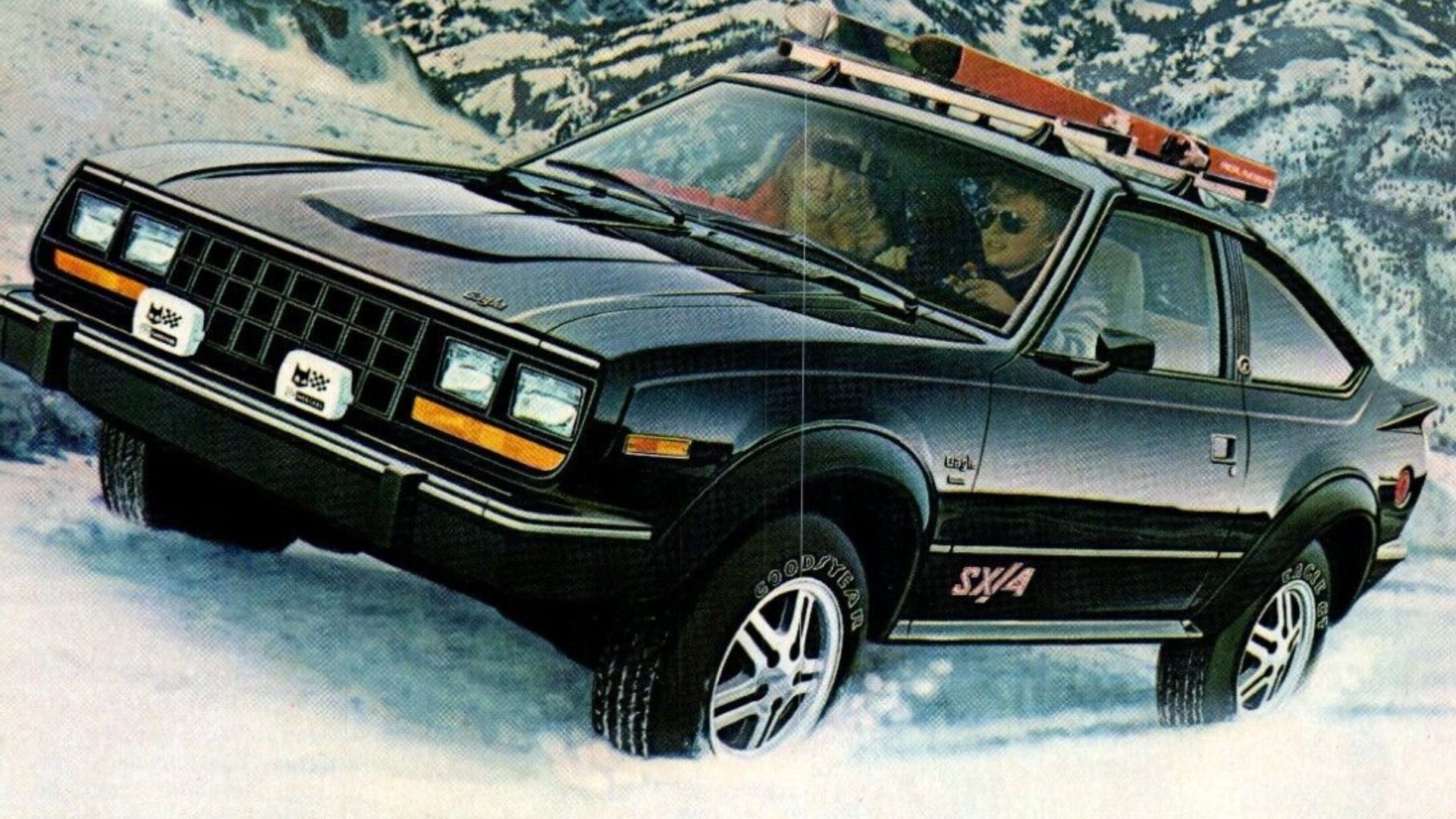 American Motors Corporation, Wikimedia Commons
The First Real Crossover Takes Flight
The AMC Eagle SX/4 was an automotive oddity that became an industry prophet. It predicted the future, carved its own path, and inspired a generation of vehicles that followed. Long before crossovers ruled the roads, AMC’s plucky SX/4 soared above the snowdrifts and refused to fit into any box.
That’s why, more than 40 years later, it still stands as the first real crossover—and one of the most charmingly eccentric cars America ever built.
 CZmarlin — Christopher Ziemnowicz, Wikimedia Commons
You May Also Like:
My insurance premium doubled after I moved one block away. Is there anything I can do?
The Car That Each American President Drove Says A Lot About Them
My mechanic broke something while fixing something else—and now they won’t take responsibility.






.jpg)
.jpg)