Ambitions Unrealized
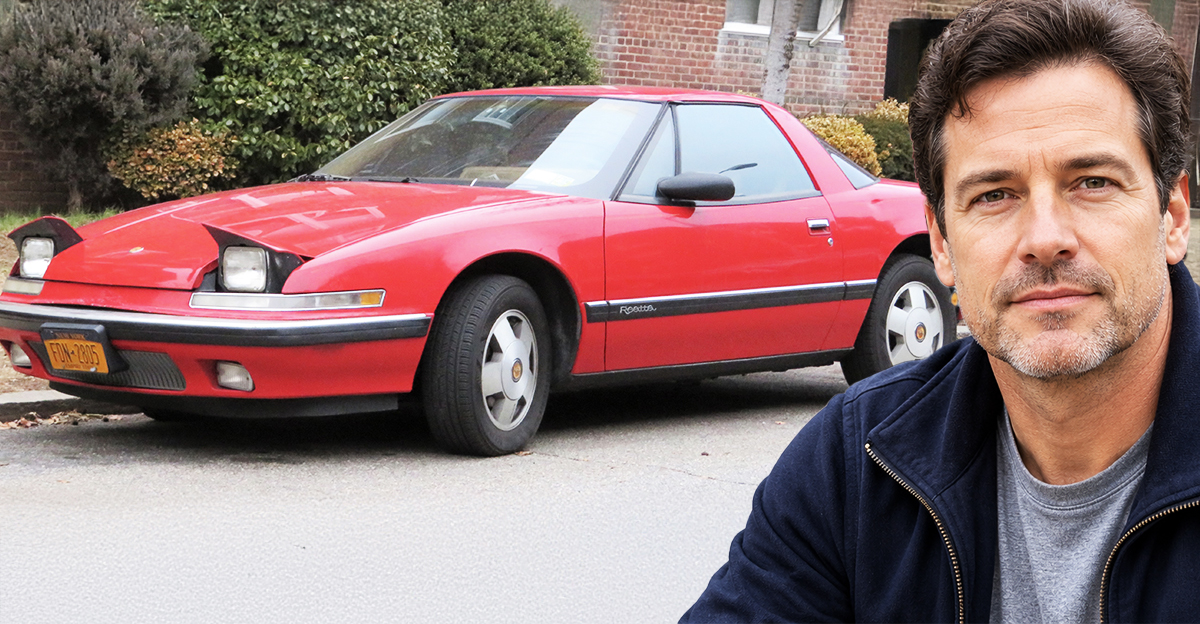
In 1988, Buick introduced a sleek two-seat luxury coupe with a touchscreen dashboard, electronic controls, and a surprisingly sophisticated production process. It sounded like something from the future, especially coming from a brand better known for comfortable sedans. But the Buick Reatta never became the hit General Motors hoped for. Its story is one of ambitious engineering, unusual marketing decisions, and a car that seemed to arrive without a clear audience.
Buick Wanted Something Different
During the 1980s, Buick was trying to attract younger, more affluent buyers without abandoning its traditional reputation for comfort. The company needed a distinctive vehicle that could serve as a technological showcase. Rather than build another conventional luxury sedan, Buick developed a compact two-seat grand touring car. The Reatta was intended to give the brand an entirely different image.
 Kevauto, Wikimedia Commons; Factinate Ltd
A Sports Car That Wasn't
The Reatta looked sporty, with its low profile, pop-up headlights, and sleek, rounded bodywork. But Buick never intended it to compete directly with Chevrolet's Corvette. Underneath, it shared much of its front-wheel-drive engineering with the Buick Riviera. In fact, the Riviera had introduced its own touchscreen Electronic Control Center back in 1986, two years before the Reatta arrived. Its 3.8-liter V6 produced 165 horsepower at launch, paired with a four-speed automatic transmission. Comfortable cruising, not aggressive performance, was the priority.
That Remarkable Touchscreen
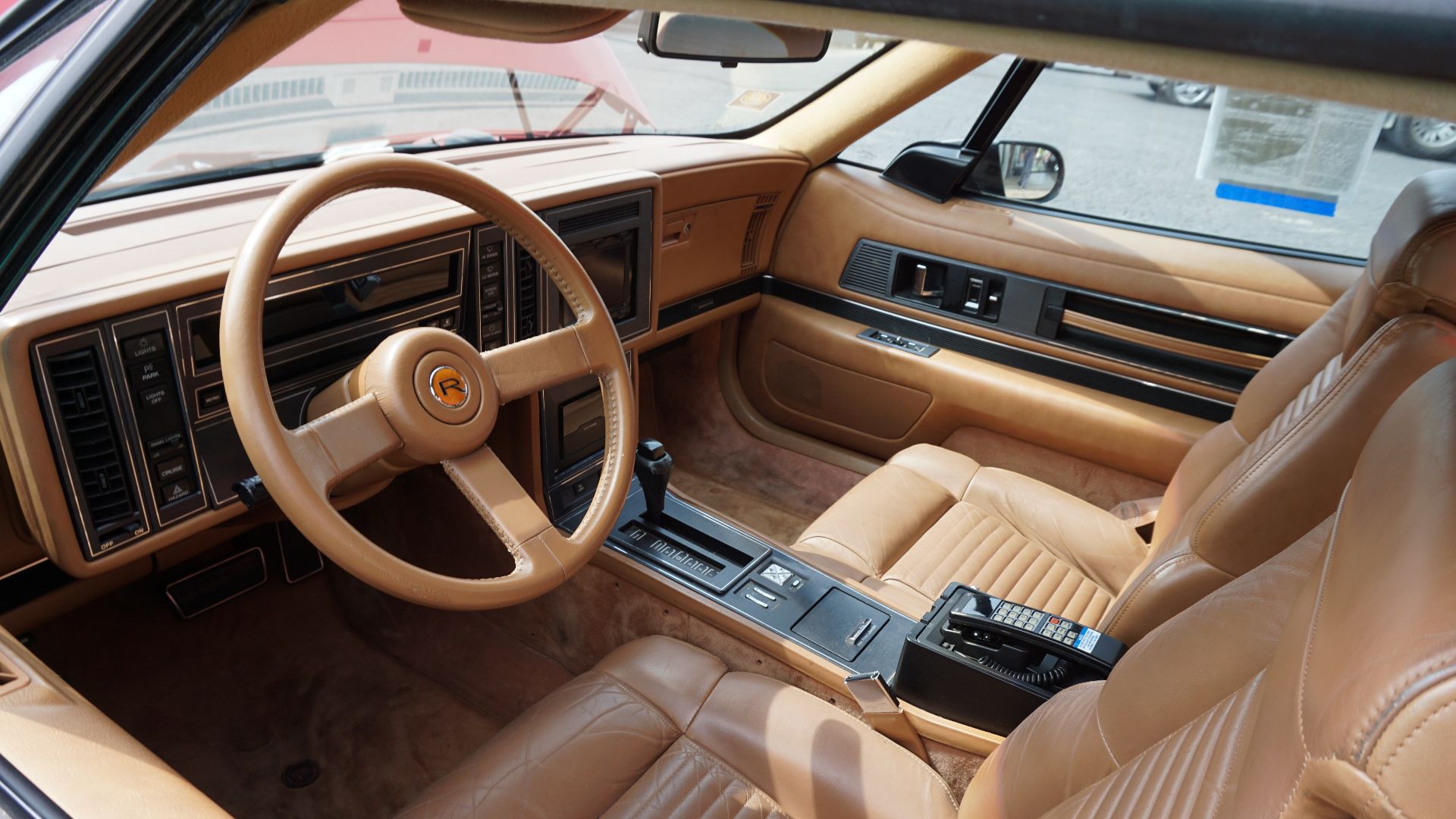
The Reatta's most futuristic feature was its Electronic Control Center, a touchscreen mounted in the center of the dashboard. It allowed drivers to operate the radio, adjust climate settings, access trip information, and view vehicle diagnostics. In 1988, when most cars still relied entirely on knobs, buttons, and analog instruments, the system was extraordinary. Buick had effectively put a primitive automotive computer interface into a production car.
 Michael Barera, Wikimedia Commons
It Was Practically Hand-Built
Unlike most General Motors vehicles, the Reatta wasn't assembled on a conventional moving production line. Workers at the specially established Reatta Craft Center in Lansing, Michigan, built cars at individual workstations. Automated carriers moved the vehicles between stations, while specialized teams performed much of the assembly. This unusual process emphasized quality and craftsmanship, but it also made the Reatta expensive to manufacture.
The Price Was A Problem
When the Reatta arrived, its starting price was approximately $25,000, a substantial amount for a Buick in 1988. Buyers seeking performance could consider established sports cars, while luxury shoppers had alternatives from Cadillac, Mercedes-Benz, and other manufacturers. The Reatta offered comfort, distinctive styling, and advanced technology, but it occupied an awkward position between luxury coupe and sports car.
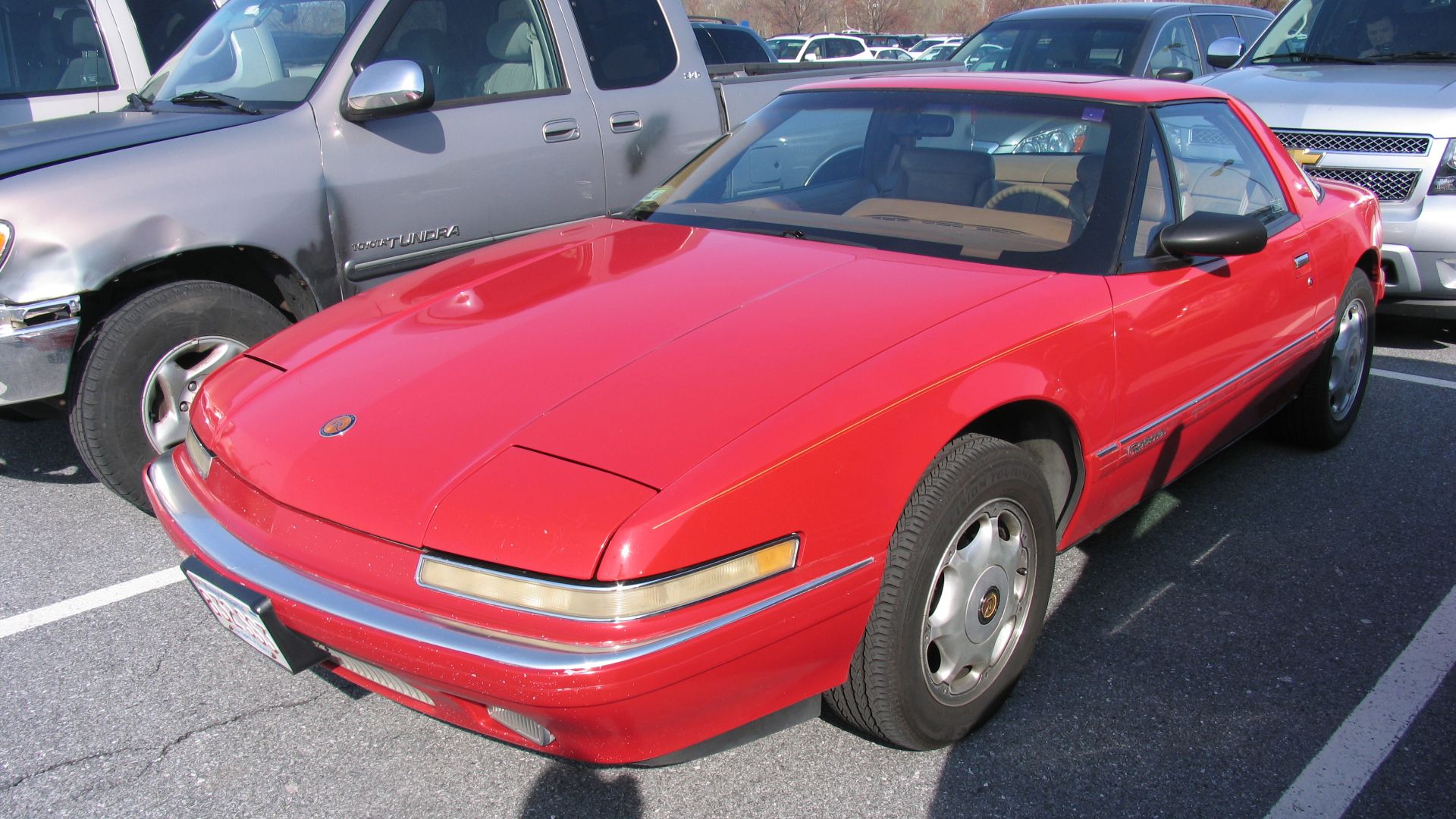 ilikewaffles11, Wikimedia Commons
The Touchscreen Disappeared
For all its innovation, the Electronic Control Center wasn't universally appreciated. Some drivers found the interface distracting or unnecessarily complicated, and the technology developed a reputation for troublesome operation. Buick responded by eliminating the touchscreen for the 1990 model year, replacing it with more conventional dashboard controls. Ironically, the feature that makes the Reatta so fascinating today lasted only two model years.
A Convertible Arrived Late
Buick originally envisioned a convertible Reatta, but engineering challenges delayed its introduction until 1990. Removing the roof required additional structural reinforcement, and the finished convertible wasn't especially rigid. It also carried a substantial price premium over the coupe. The open-top version gave Buick another way to attract buyers, but its arrival came too late to transform the car's fortunes.
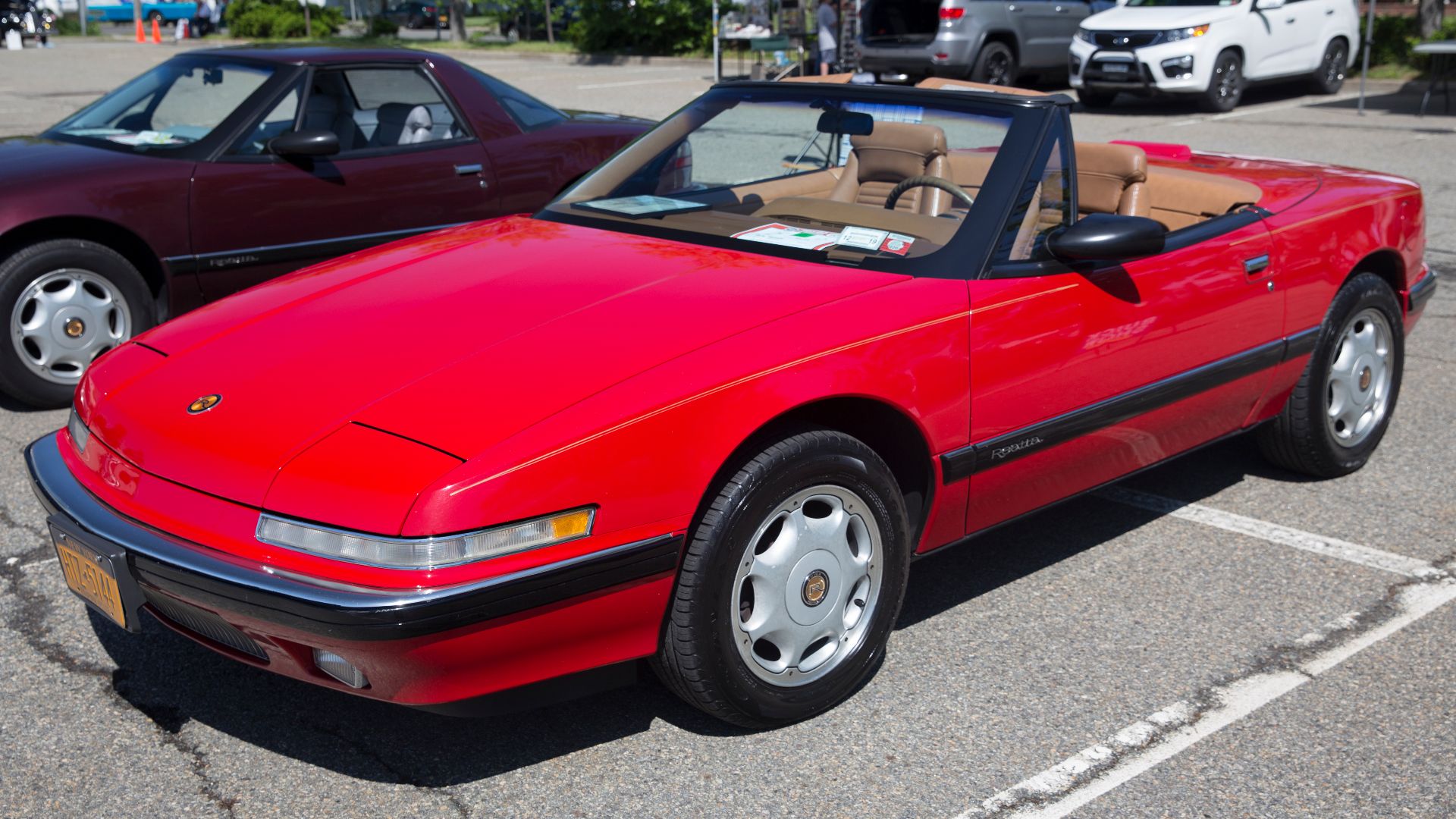 Mr.choppers, Wikimedia Commons
Sales Never Took Off
Buick initially anticipated selling approximately 20,000 Reattas annually. Instead, production totaled just 4,708 cars for 1988 and 7,009 for 1989. Even with the convertible's arrival, 1990 production reached only 8,515. By 1991, output had fallen to 1,519 vehicles. General Motors discontinued the Reatta after four model years, with approximately 21,750 examples built altogether.
A Car Ahead Of Its Time?
The Reatta never achieved its commercial ambitions, but its reputation has become more interesting with age. Its touchscreen anticipated technology that would eventually become commonplace, while its unusual construction and limited production make it distinctive among late-1980s American cars. The Reatta wasn't particularly fast, and it wasn't cheap. But it demonstrated that Buick was once willing to take some genuinely surprising risks.
You May Also Like:
Cars That Were Miles Ahead Of Their Time
Forgotten Coupes From The 1980s—Seriously, Do You Remember Even 5 Of These Cars?
The Hardest 1980s Car Trivia Quiz For Kids Who Grew Up In The Back Seat