The Greatest American Sedans That Time (& You) Forgot
Sedans may not rule the road like they once did, but America produced plenty of four-doors that were shockingly forward-thinking. Some brought wild styling, some introduced clever packaging, and others packed technology that felt years early. These forgotten sedans prove Detroit was not always playing catch-up. Sometimes, it was writing the future.
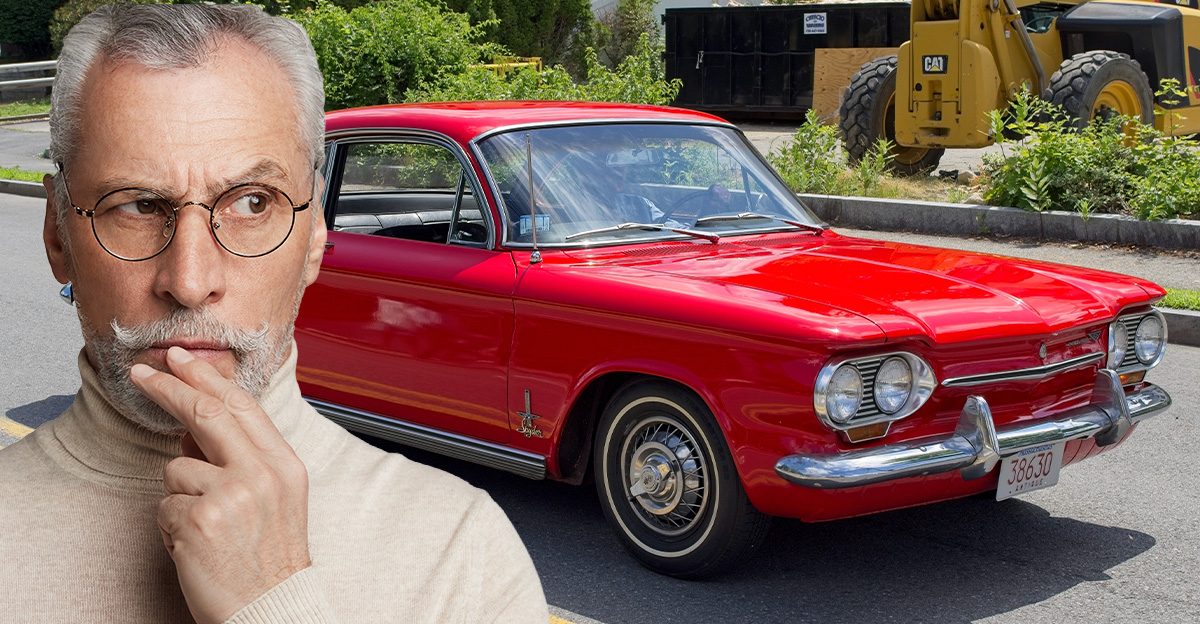
Cord 810 Sedan
The Cord 810 sedan looked like nothing else in the 1930s. Hidden headlights, front-wheel drive, and sleek coffin-nose styling made it feel decades ahead of ordinary cars. It was elegant, daring, and wonderfully strange. Long before futuristic design became common, Cord proved an American sedan could look shockingly modern.
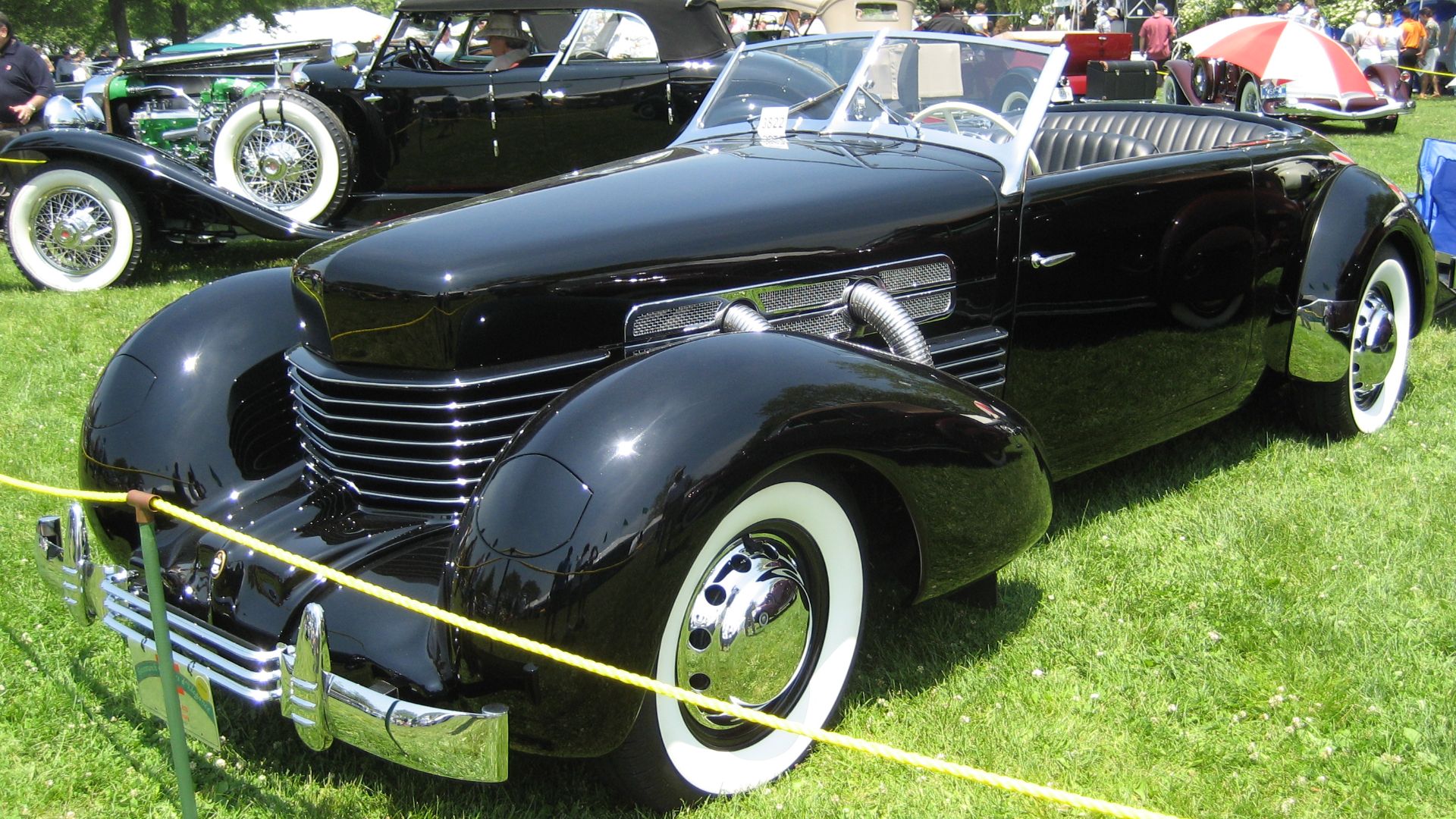
Tucker 48
The Tucker 48 is usually remembered as a dramatic automotive “what if,” but it also deserves credit as a seriously advanced sedan. It featured safety-minded engineering, a padded dashboard, a pop-out windshield, and a central headlight that turned with the steering. In spirit, it felt like tomorrow arriving early.
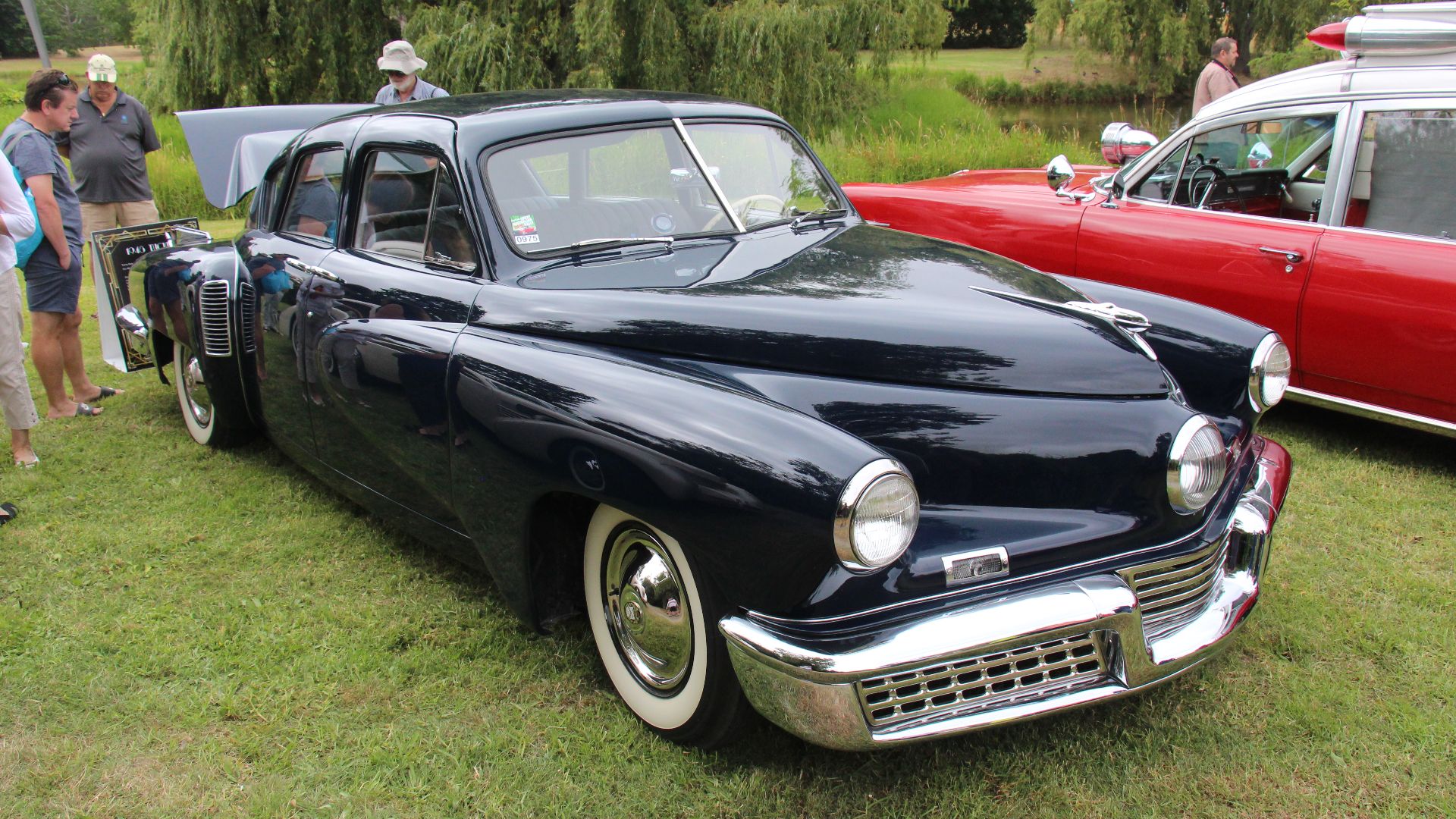
Kaiser Darrin-Inspired Kaiser Sedans
Kaiser’s sedans rarely get the spotlight, but the company pushed hard on modern styling and fresh thinking in the late 1940s and early 1950s. They looked cleaner and lower than many rivals, helping American family cars move away from prewar shapes. Kaisers helped make postwar design feel properly new.
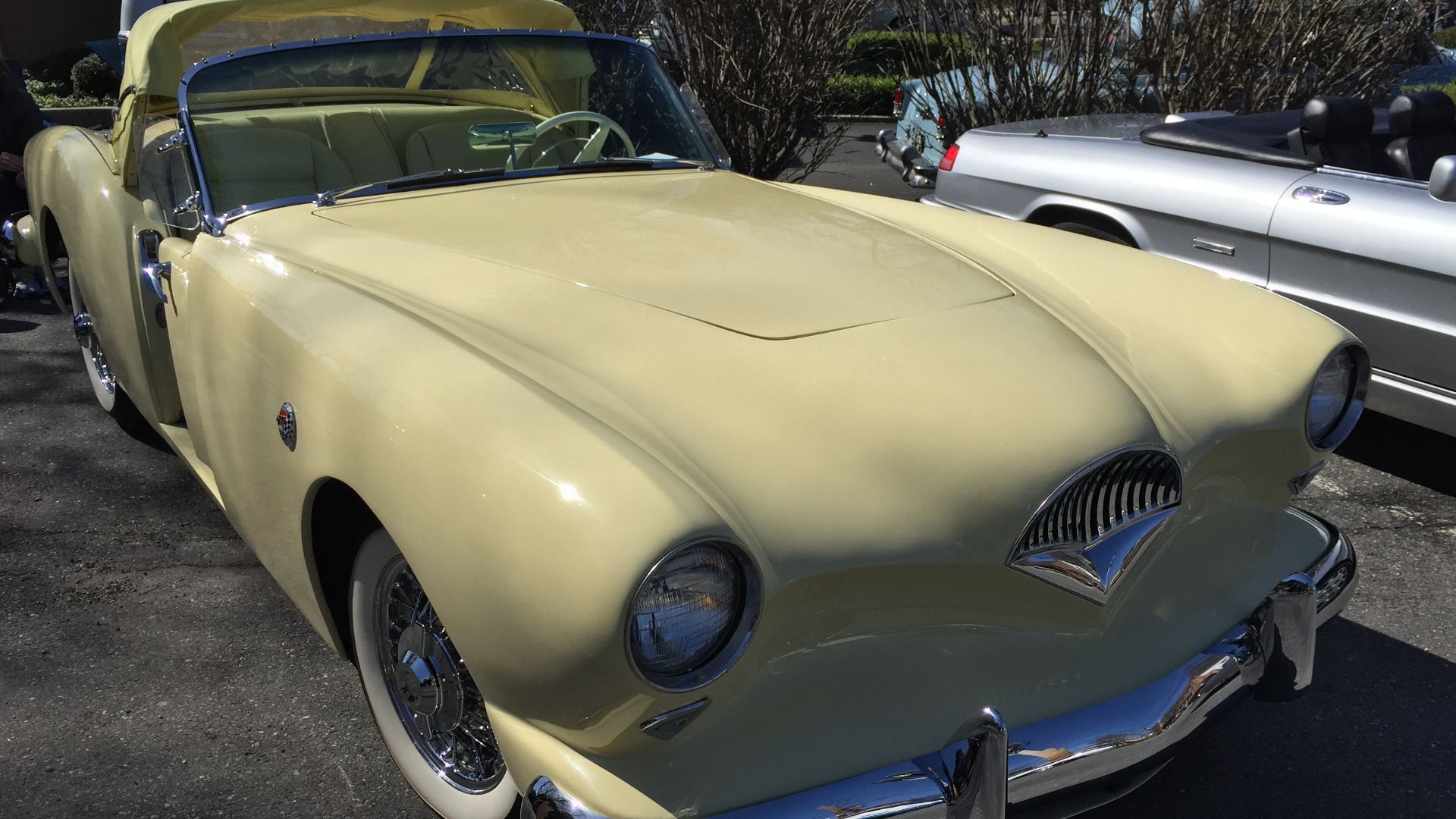
Studebaker Lark
The Studebaker Lark was clever because it saw a market shift before Detroit fully did. At a time when cars kept getting larger, the Lark offered a more manageable sedan without feeling cheap. That basic idea, downsizing before downsizing became necessary, was far more forward-looking than it gets credit for.
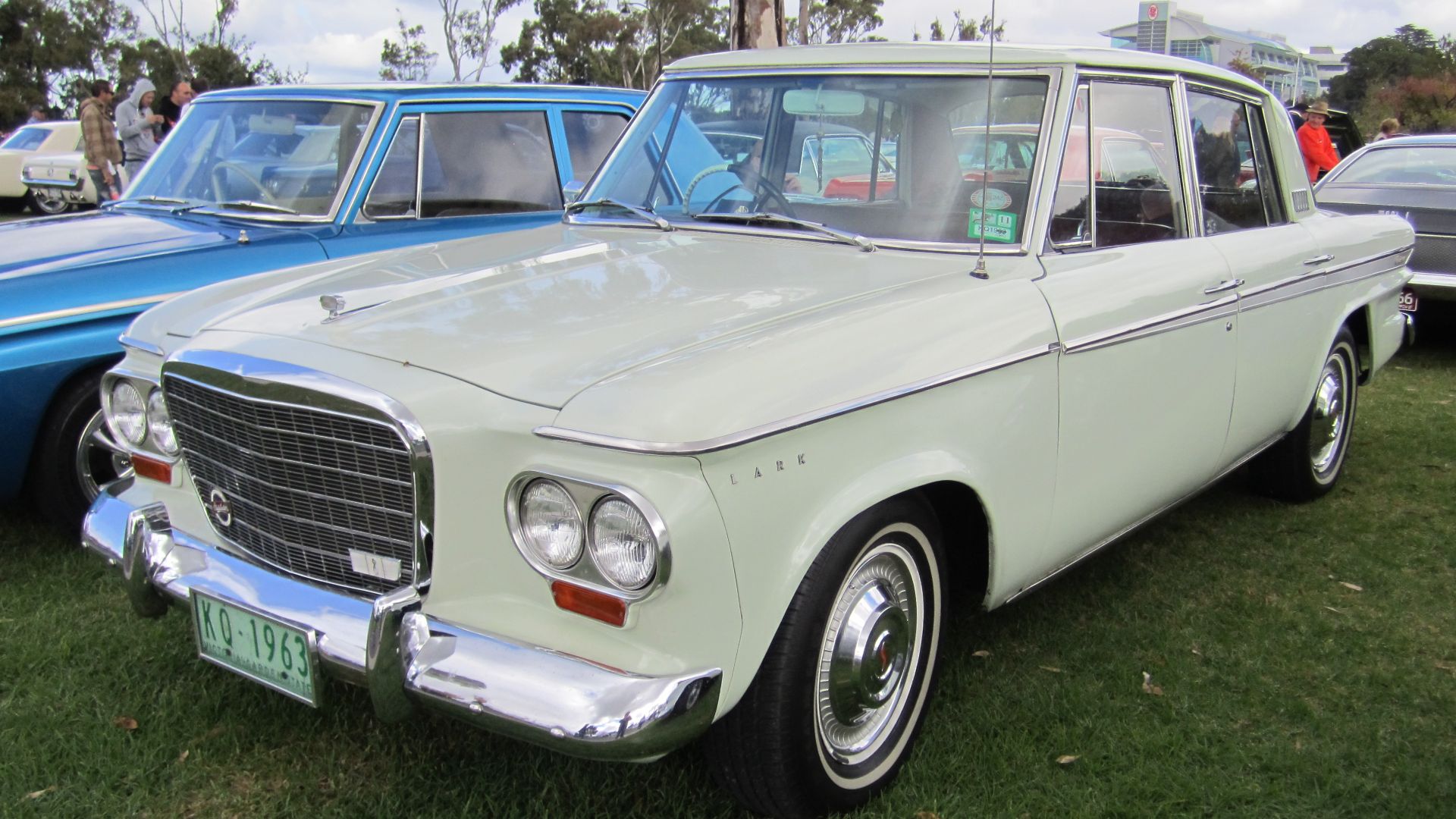
Chevrolet Corvair Sedan
The Chevrolet Corvair sedan was one of the boldest mainstream American cars ever built. Its rear-mounted air-cooled engine and compact proportions broke from Detroit tradition in a huge way. Controversy followed it forever, but the original idea was genuinely adventurous. It imagined a different kind of American sedan entirely.
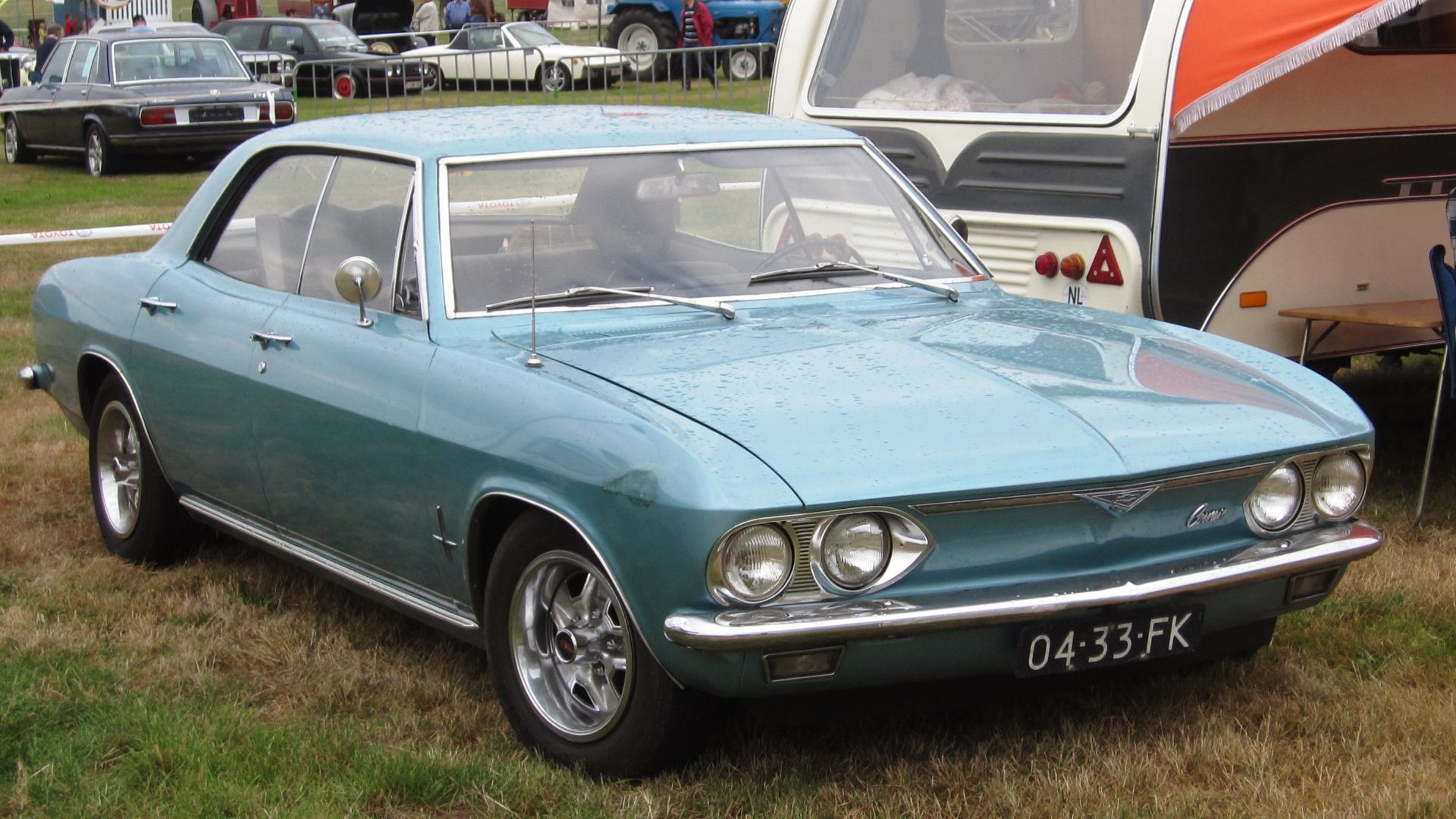
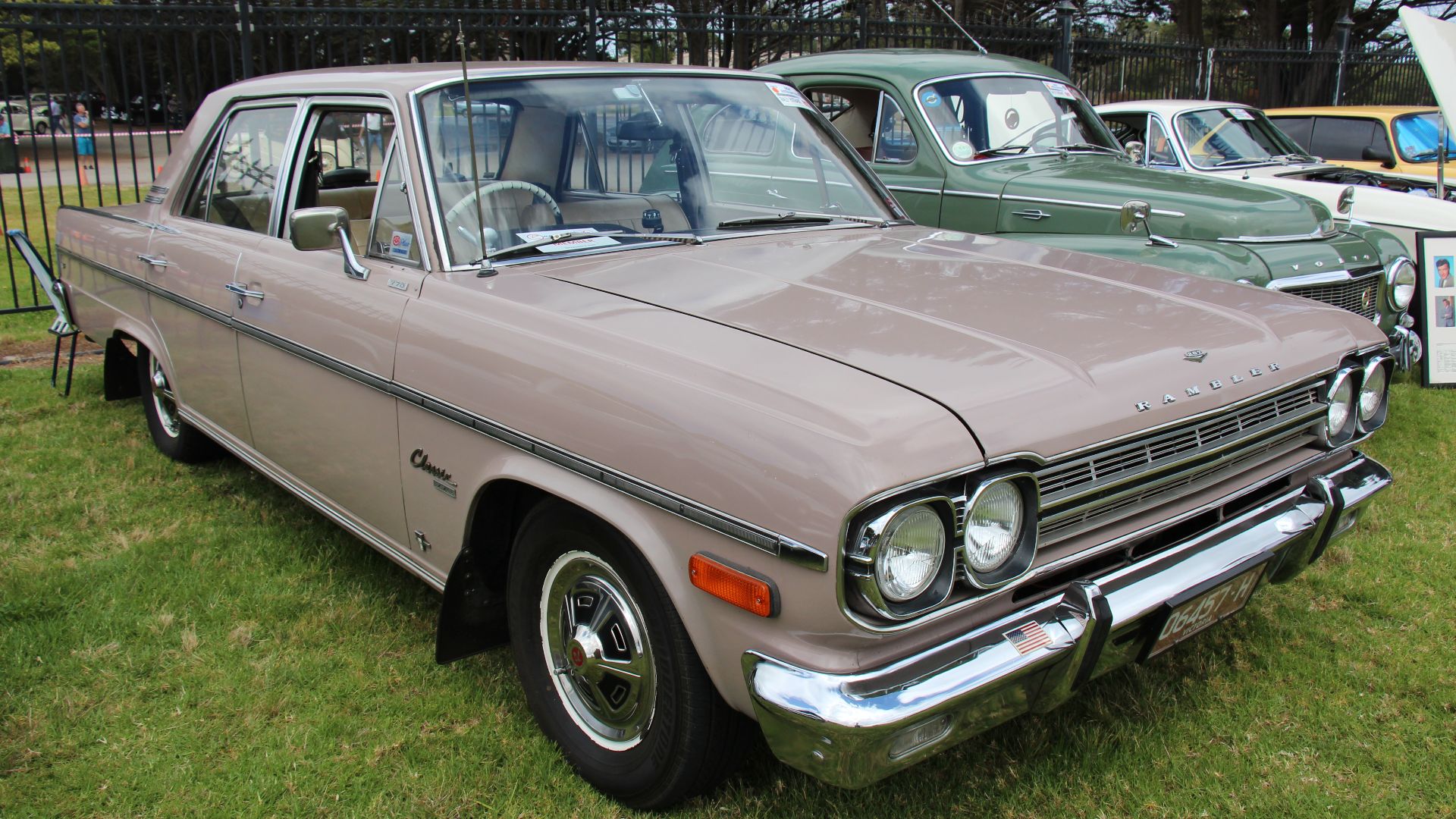
Rambler Classic
The Rambler Classic understood efficiency and sensible size before those became urgent selling points. It offered Americans a sedan that felt practical without seeming stripped down or joyless. In an era obsessed with excess, Rambler was already betting on smarter packaging and moderation, which sounds surprisingly modern now.
Oldsmobile Jetstar 88
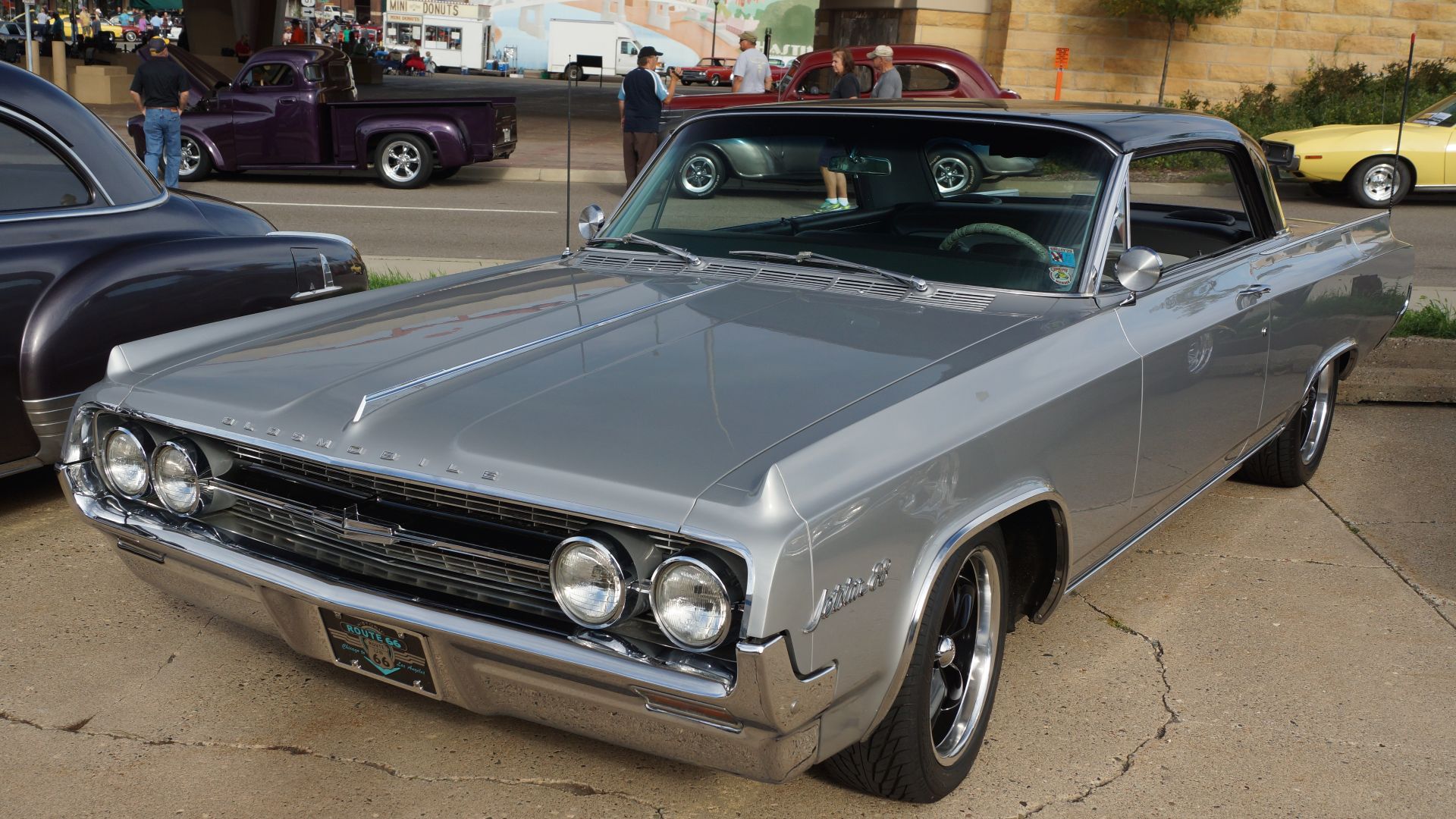
The Jetstar 88 lived in the shadow of flashier Oldsmobiles, but it represented a shift toward cleaner, less fussy performance-oriented sedans. It was muscular without drowning in chrome, hinting at a future where American sedans could be streamlined and purposeful instead of just oversized and decorative.
 Greg Gjerdingen from Willmar, USA, Wikimedia Commons
AMC Ambassador
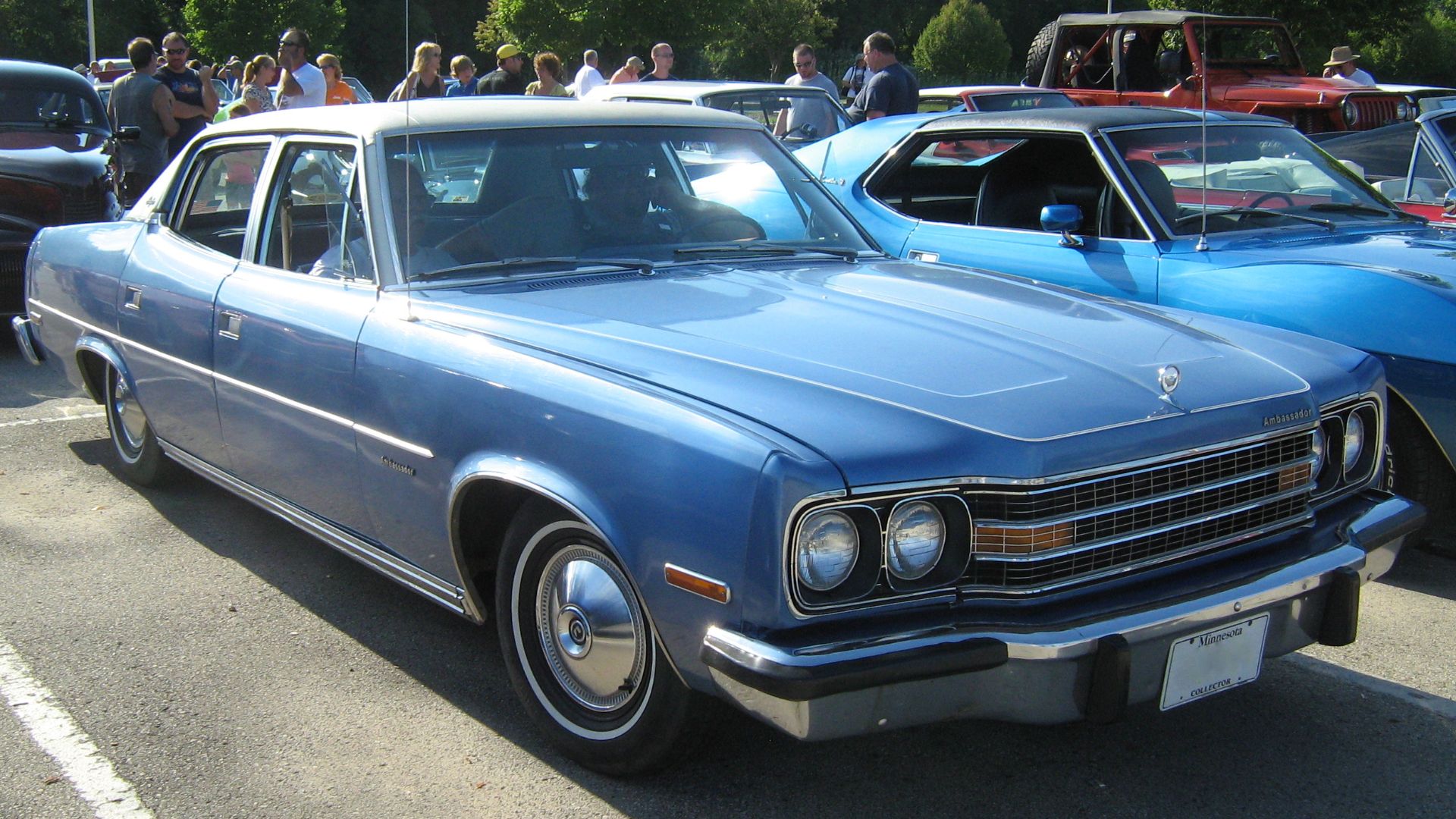
The AMC Ambassador often gets overlooked, but it blended comfort, neat packaging, and an unusually modern sense of proportion. It aimed to give buyers room and style without blindly following Detroit excess. In many ways, it previewed the idea that a sedan could be premium-feeling without being absurdly huge.
Chevrolet Caprice Aero Sedan
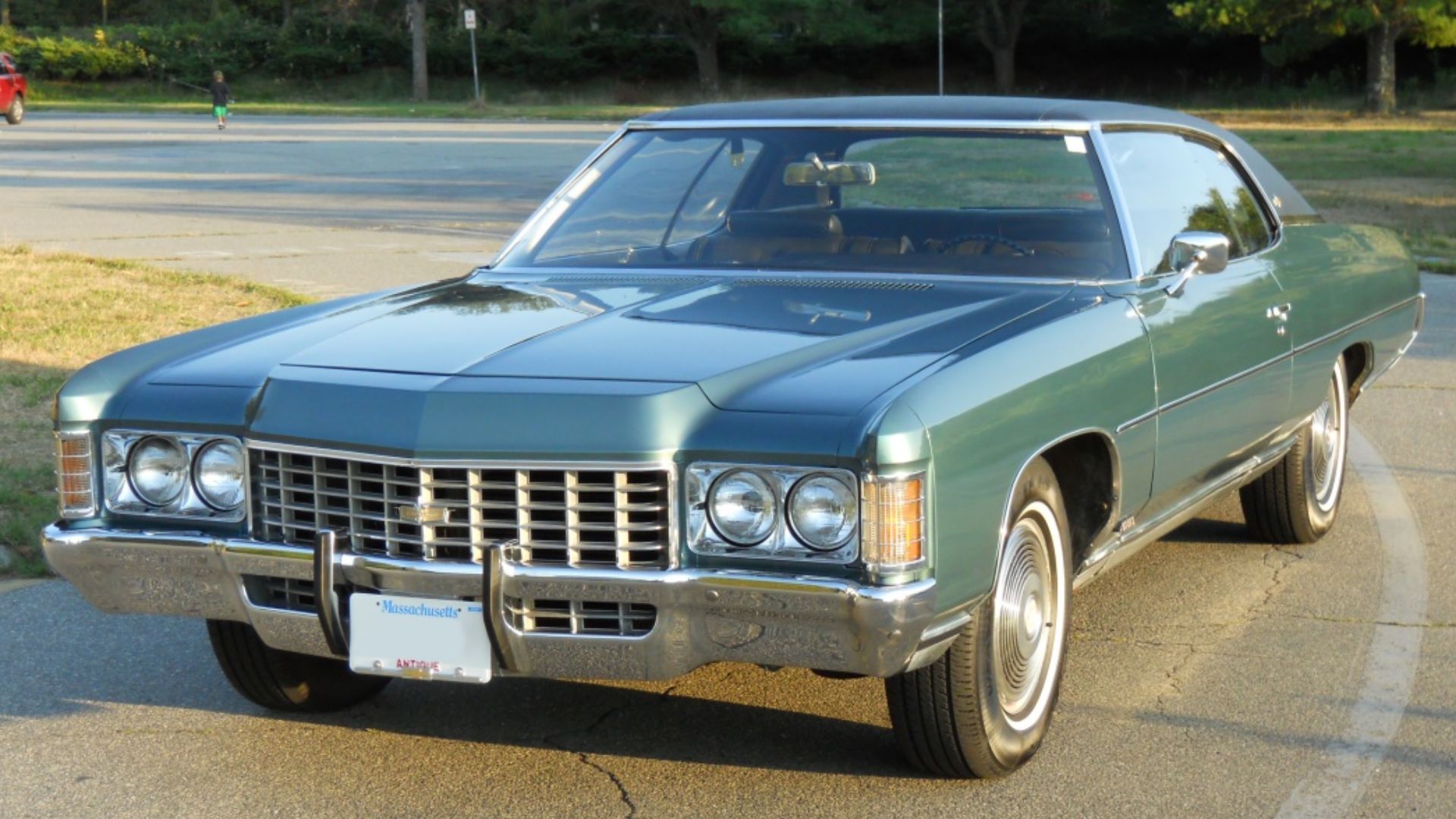
By the 1970s and 1980s, aerodynamics slowly started mattering more, and Chevrolet’s better-shaped Caprice sedans hinted at that transition. These cars were still large, but smoother lines and improved efficiency showed Detroit beginning to think differently. They helped bridge the gap between old-school bulk and modern sedan priorities.
 Ccvelectronics, Wikimedia Commons
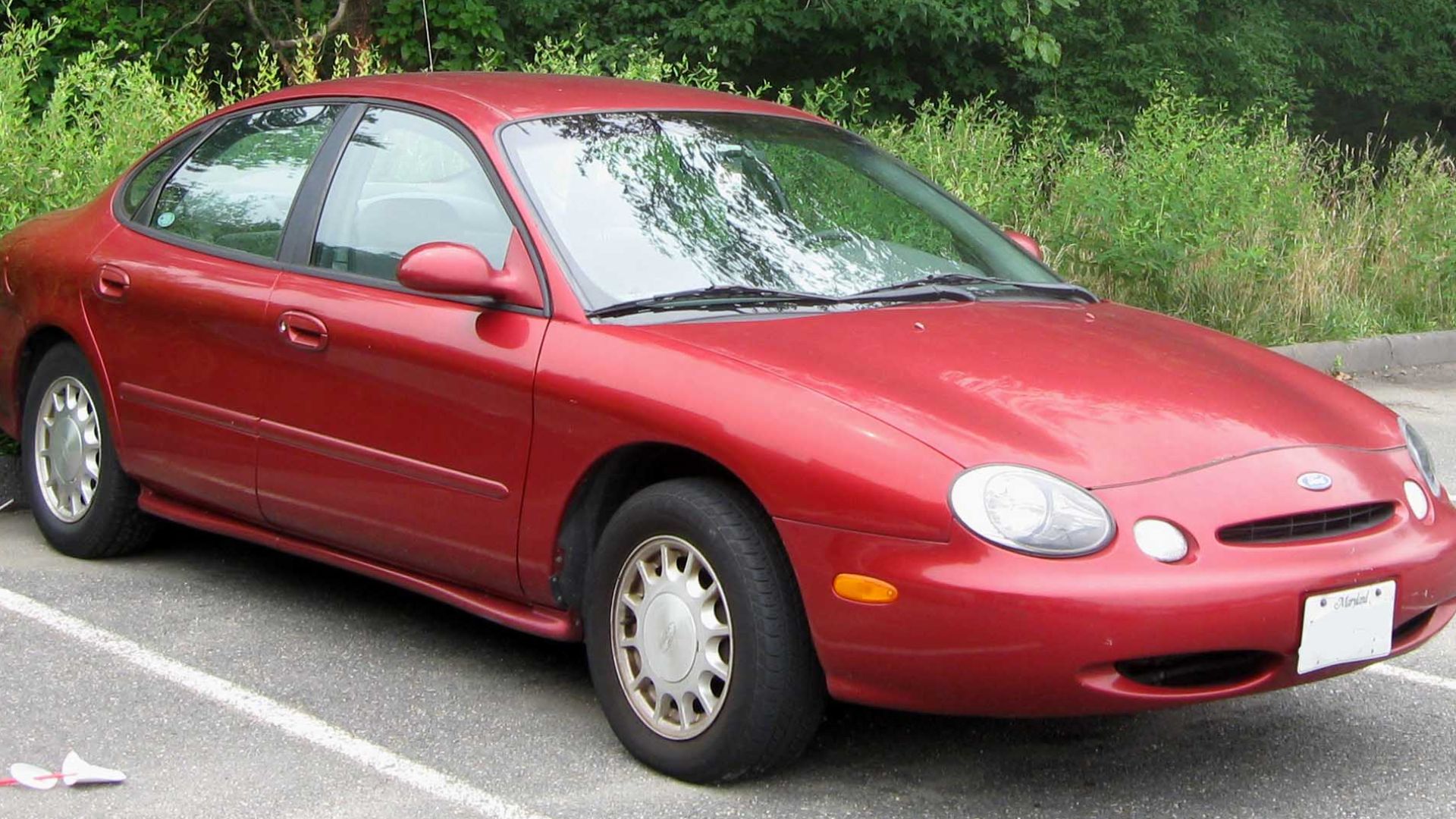
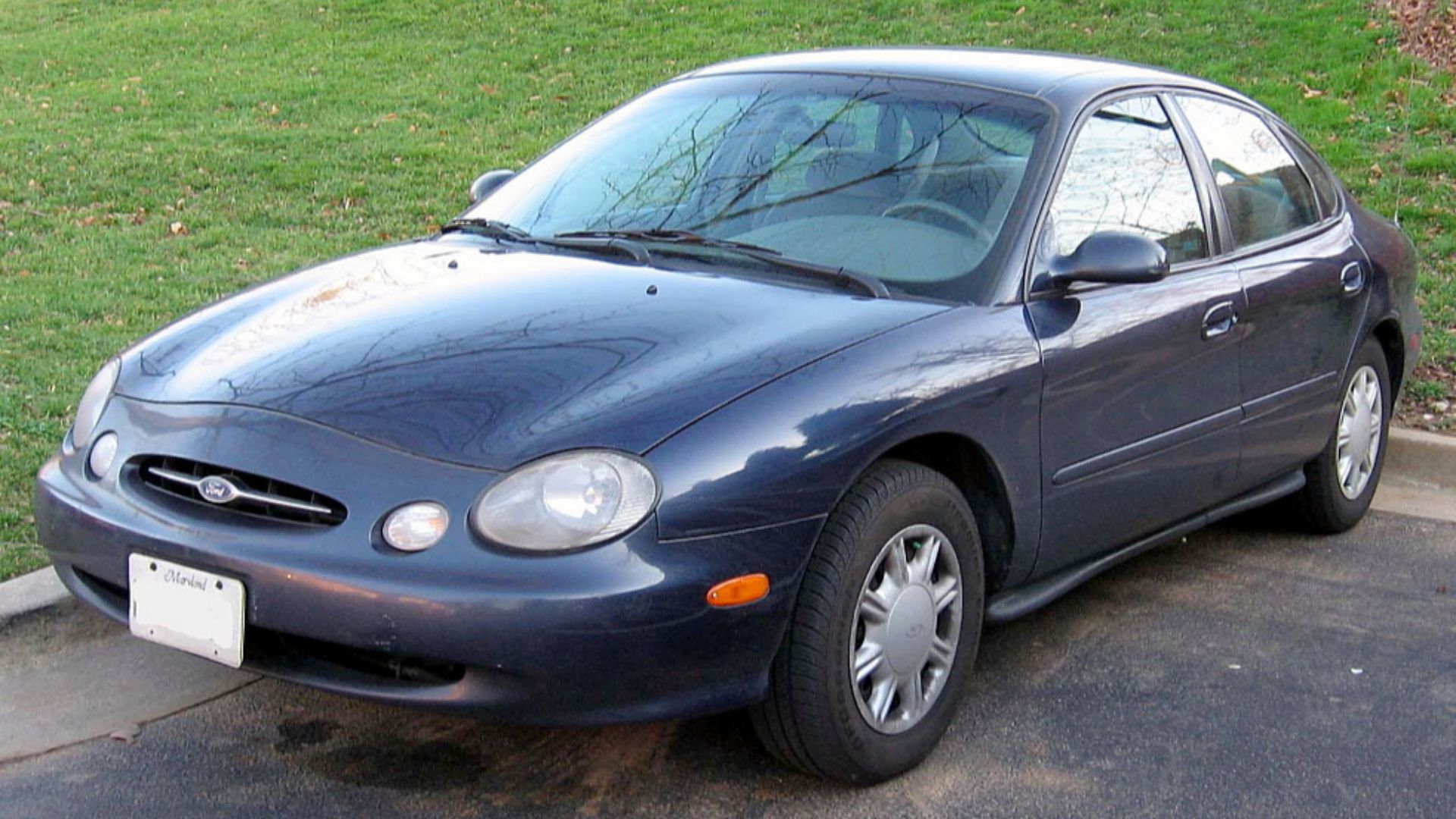
Ford Taurus
The original Ford Taurus was the moment many Americans realized the family sedan had entered a new age. Its rounded shape, airy cabin, and modern dashboard made traditional boxy rivals feel ancient. It was not just a bestseller. It completely reset expectations for how a mainstream American sedan should look.
Mercury Sable
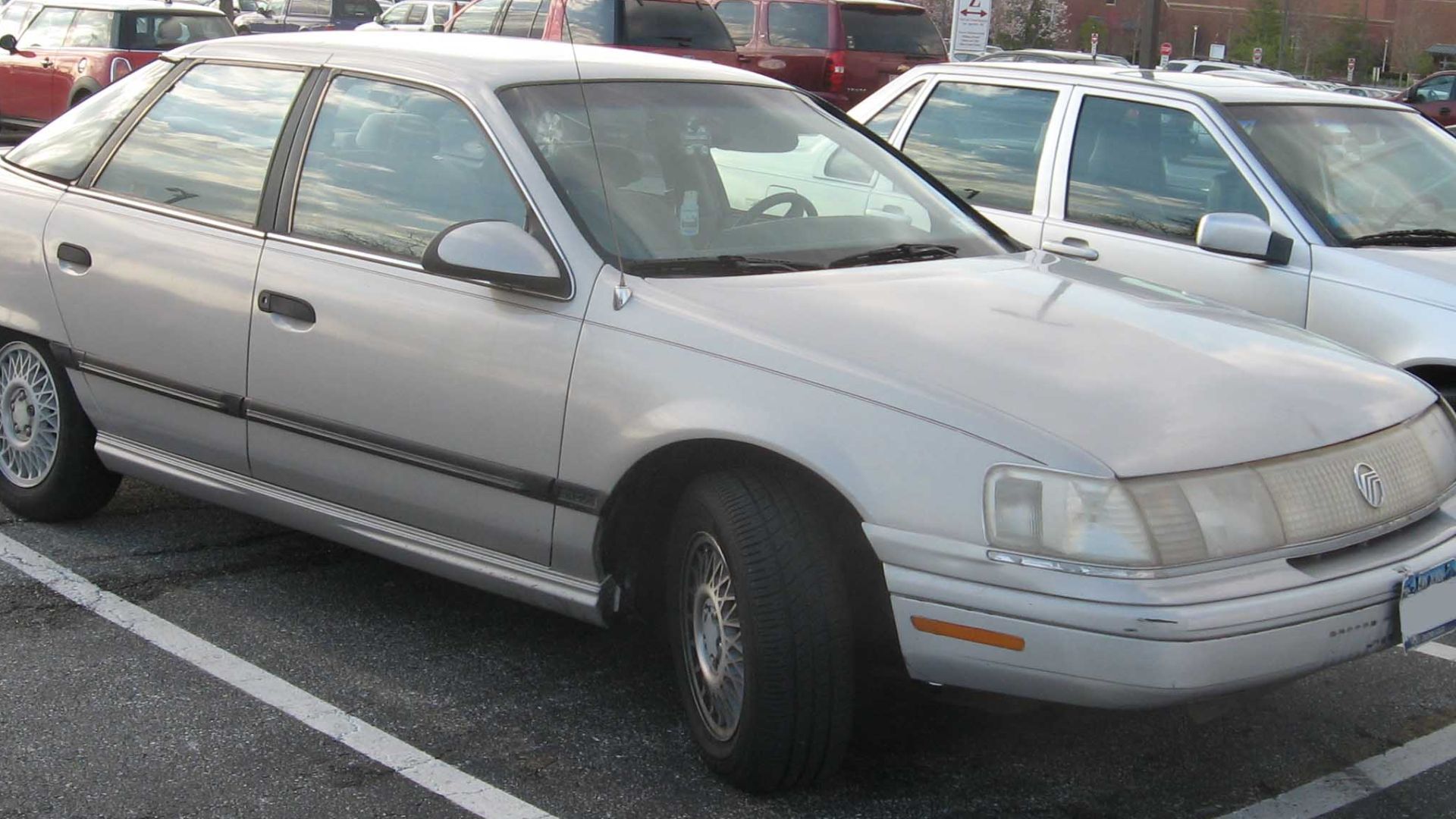
The Mercury Sable took the Taurus formula and added a slightly more upscale, futuristic edge. That famous light bar looked almost space-age in the mid-1980s, and the overall design felt remarkably clean. Today it seems normal, but back then, the Sable looked like tomorrow parked in suburbia.
Chrysler LH Sedans
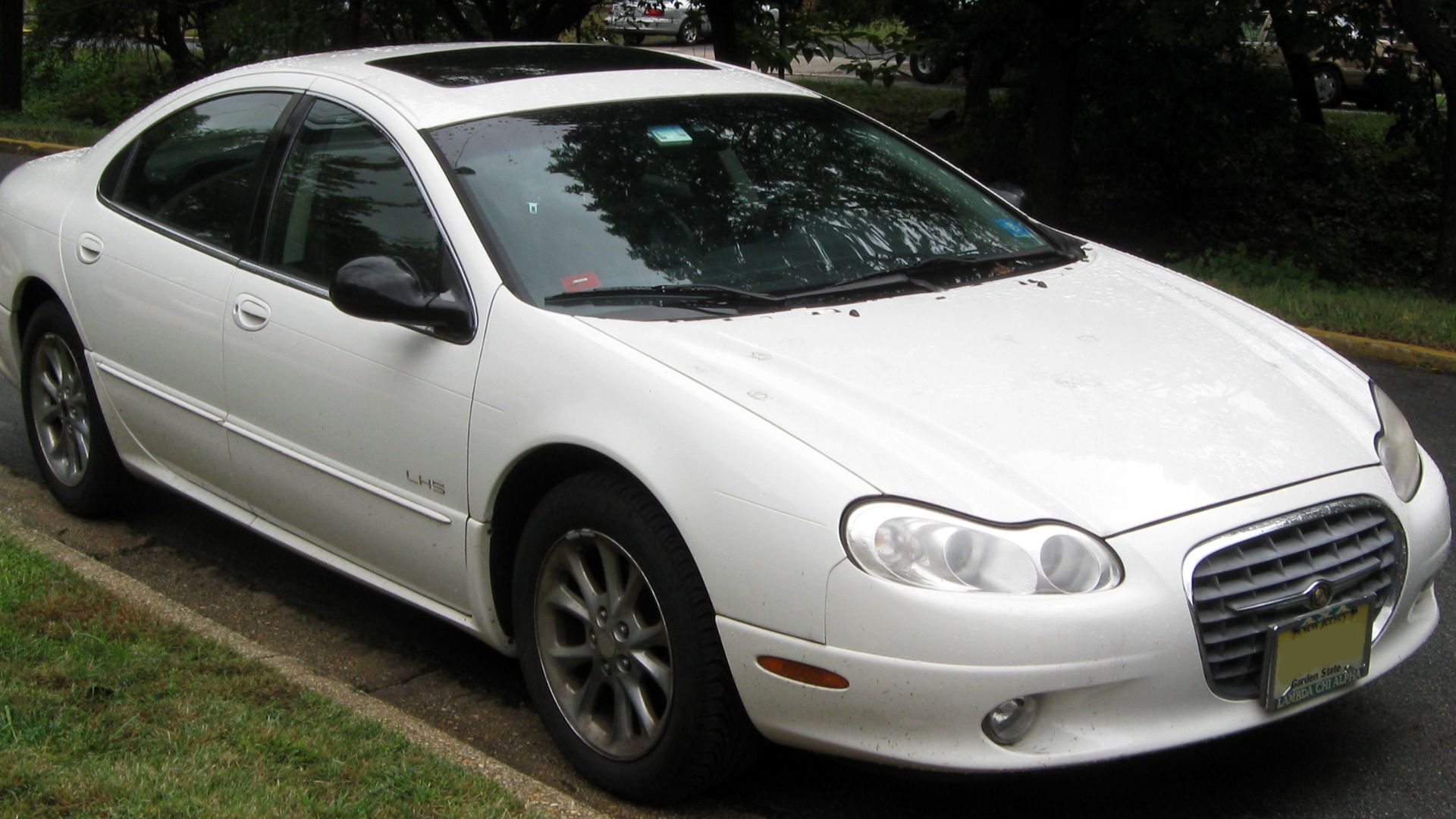
The Chrysler Concorde, Dodge Intrepid, Eagle Vision, and later 300M made cab-forward design one of the boldest American sedan movements of the 1990s. Their huge glass areas, long windshields, and roomy interiors felt dramatic and fresh. For a while, Chrysler made rivals look conservative and slightly behind the times.
Oldsmobile Aurora
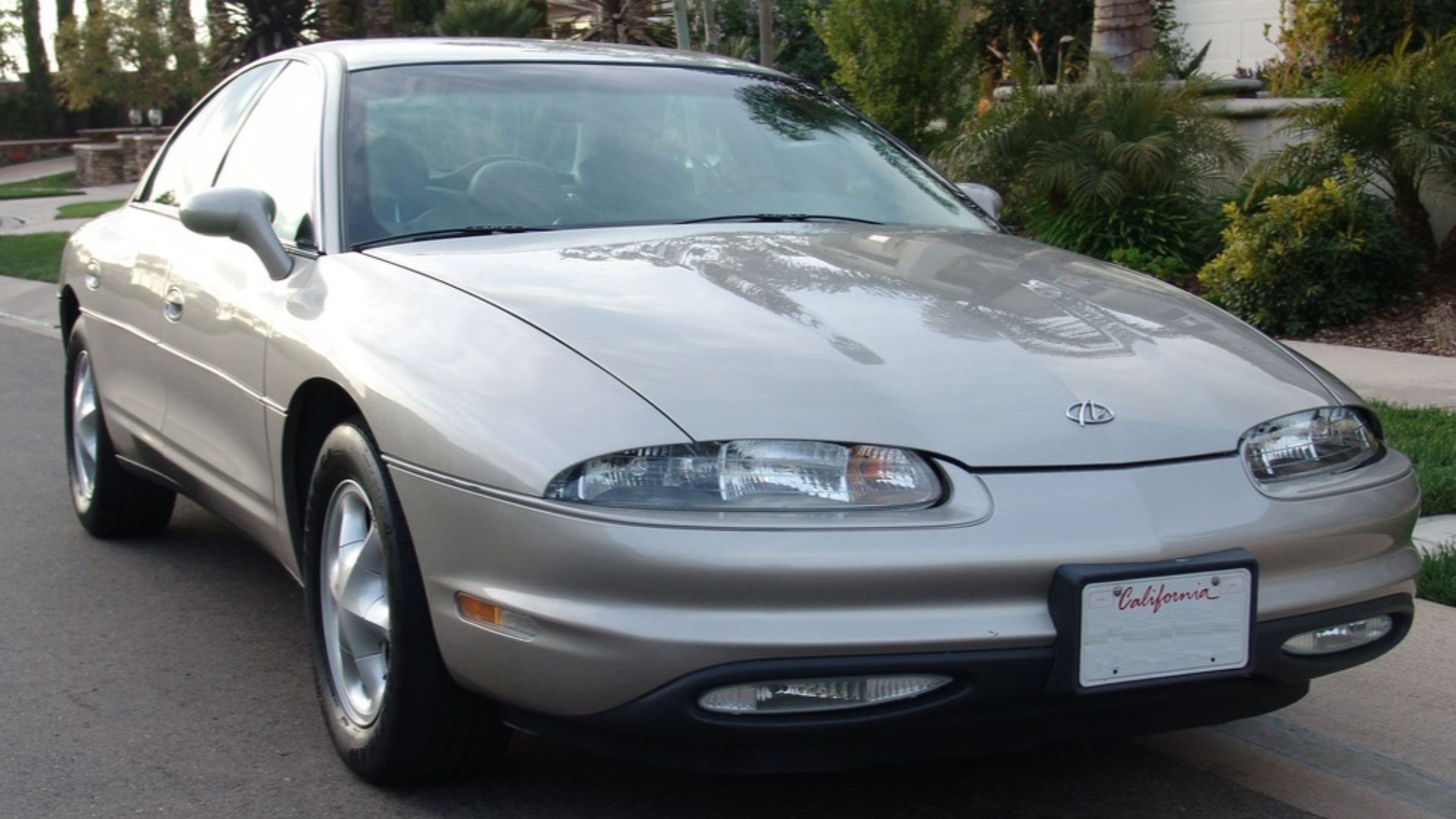
The Oldsmobile Aurora was a serious swing at modern American luxury. It ditched old-fashioned styling cues for a smoother, more integrated shape and backed it up with a refined V8 and upscale interior. It felt like Oldsmobile trying to reinvent itself years before the market fully rewarded that kind of change.
 The Oldsmobile Edge, Wikimedia Commons
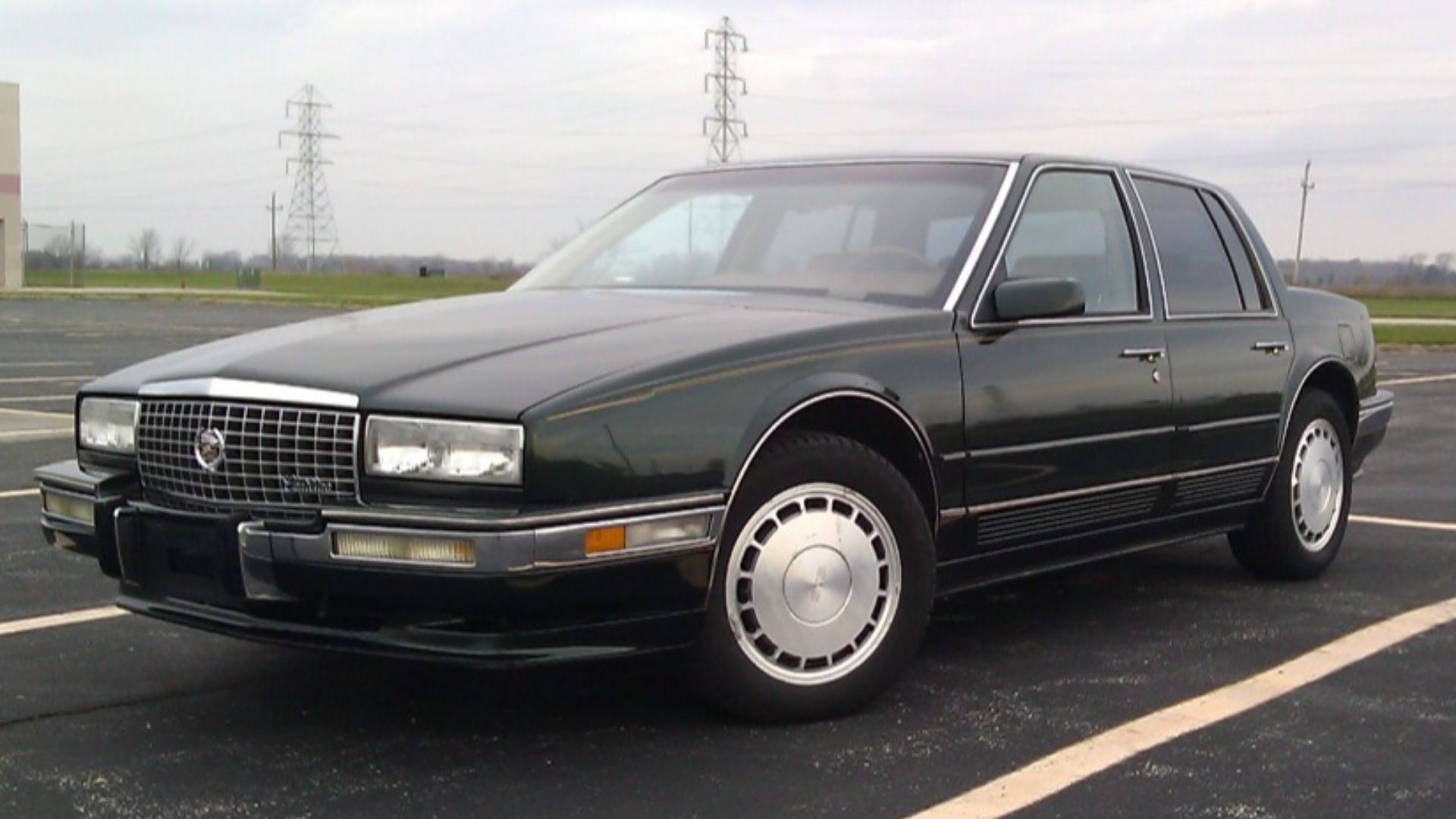
Cadillac Seville STS
The Cadillac Seville STS helped show that an American luxury sedan could be sporty, tech-heavy, and globally competitive. It packed serious performance, electronic features, and a sharper personality than many people expected from Cadillac. Before the brand’s later reinvention, the Seville was already pointing in that direction.
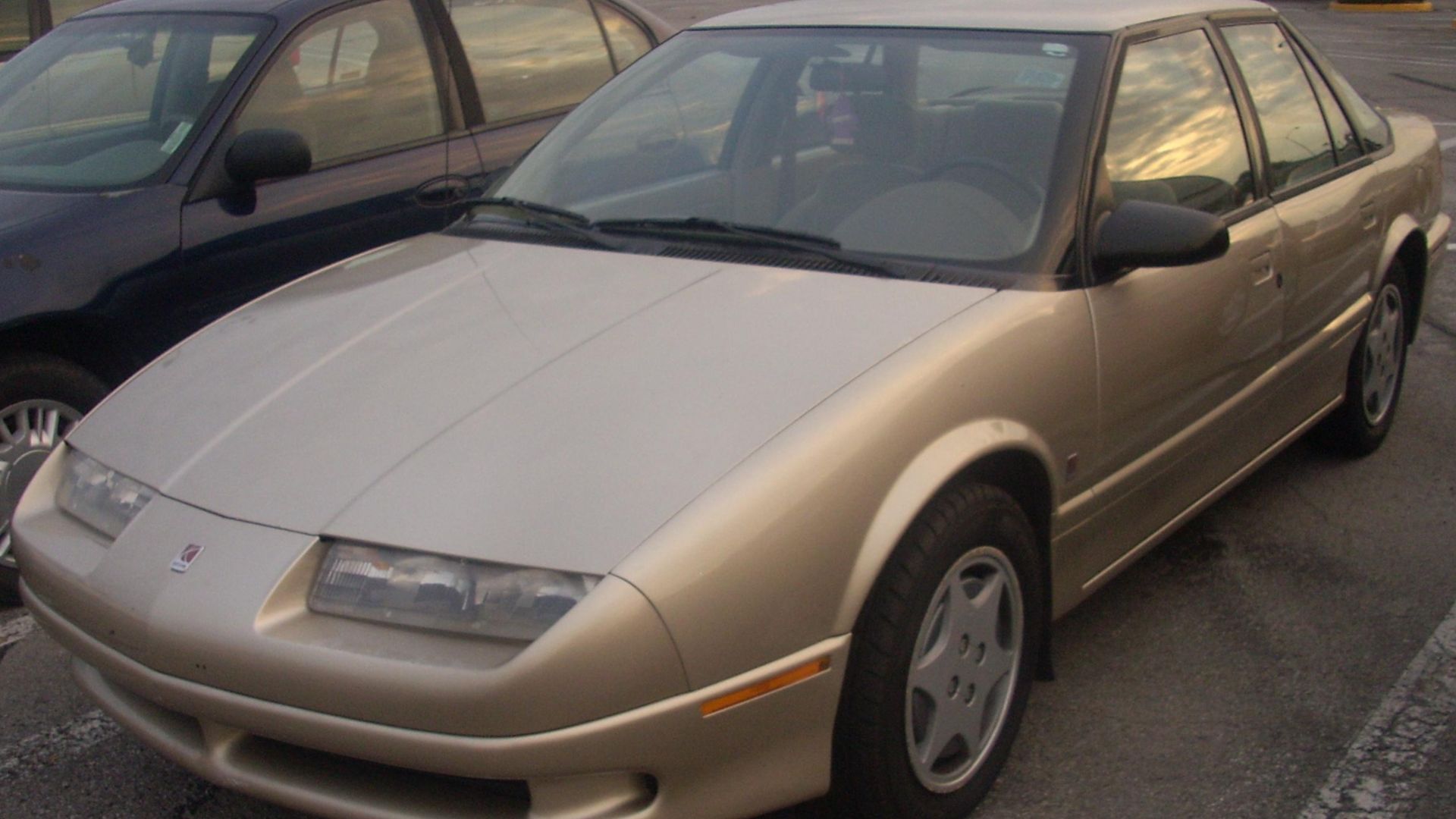
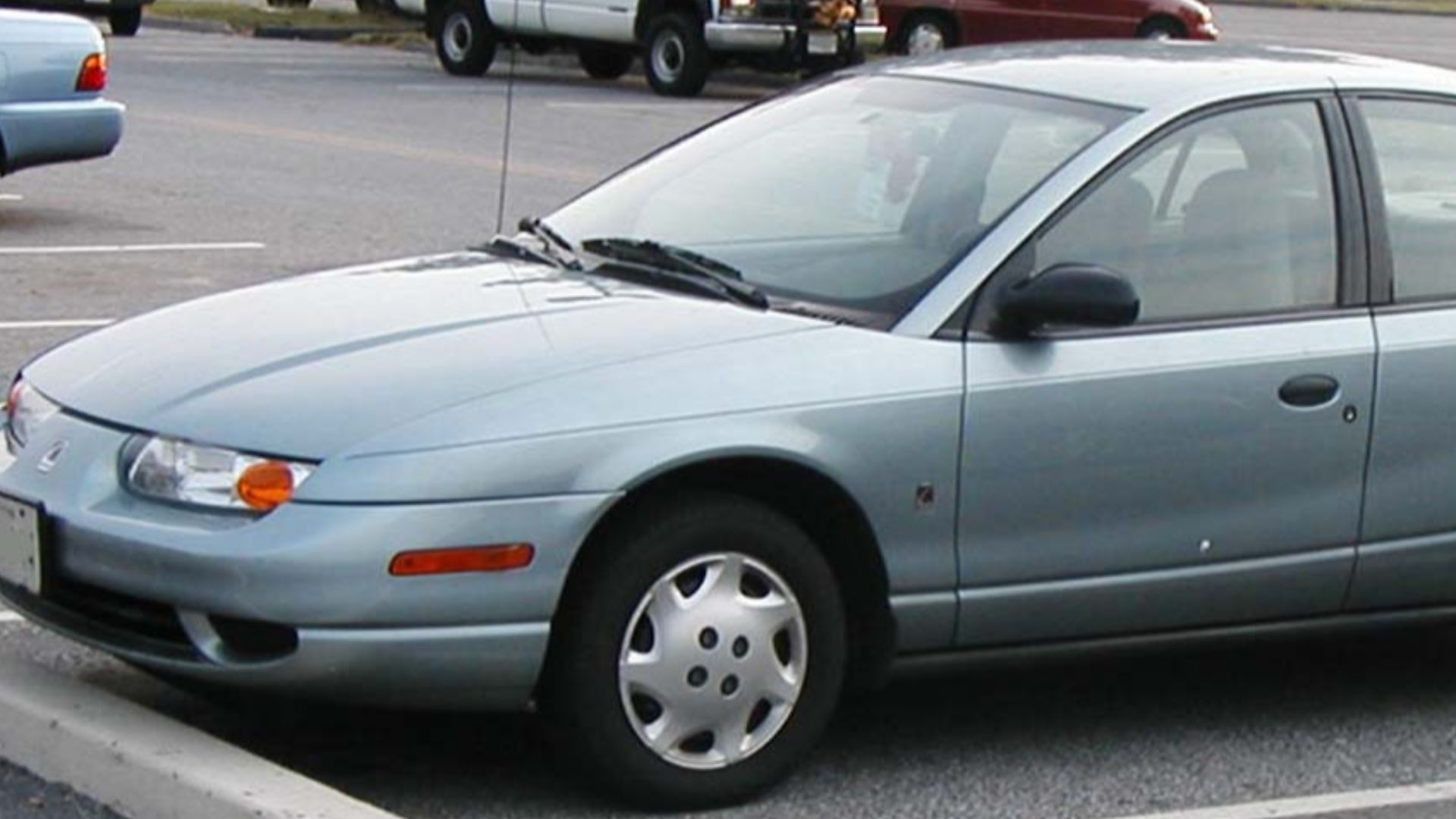
Saturn S-Series Sedan
The Saturn S-Series sedan does not sound glamorous, but it was built around ideas that later became very important. Plastic body panels, efficient packaging, and a different retail experience made it feel unusually fresh. It suggested American carmaking could rethink not just the product, but the whole ownership experience.
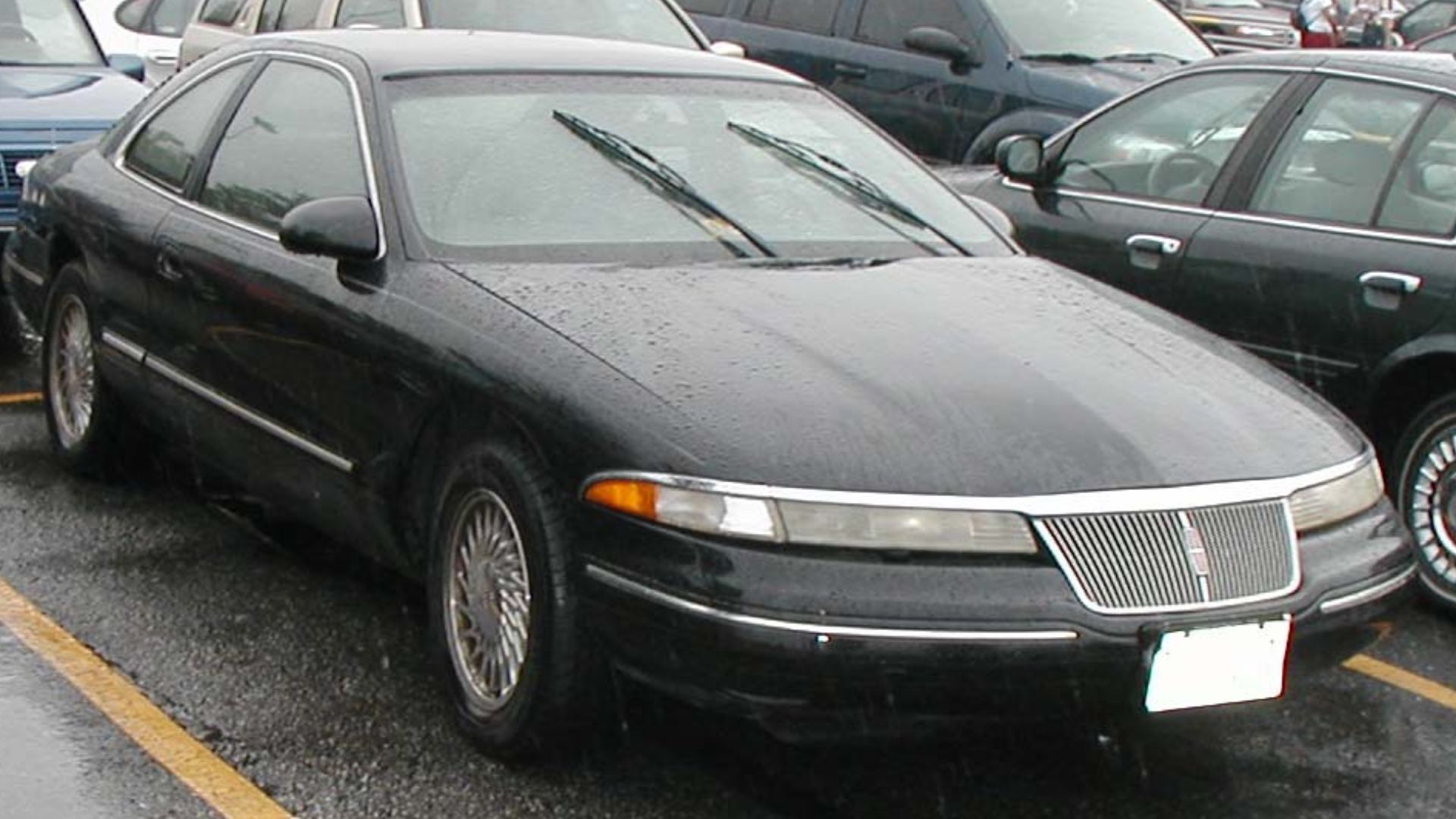
Lincoln Continental Mark VIII-Era Philosophy
Even when Lincoln’s most advanced experiments appeared in coupes, the brand’s sedan philosophy was shifting too. More aerodynamic shapes, better onboard technology, and a greater focus on refinement showed a move away from old-school luxury excess. The modern American luxury sedan was slowly being sketched out in this period.
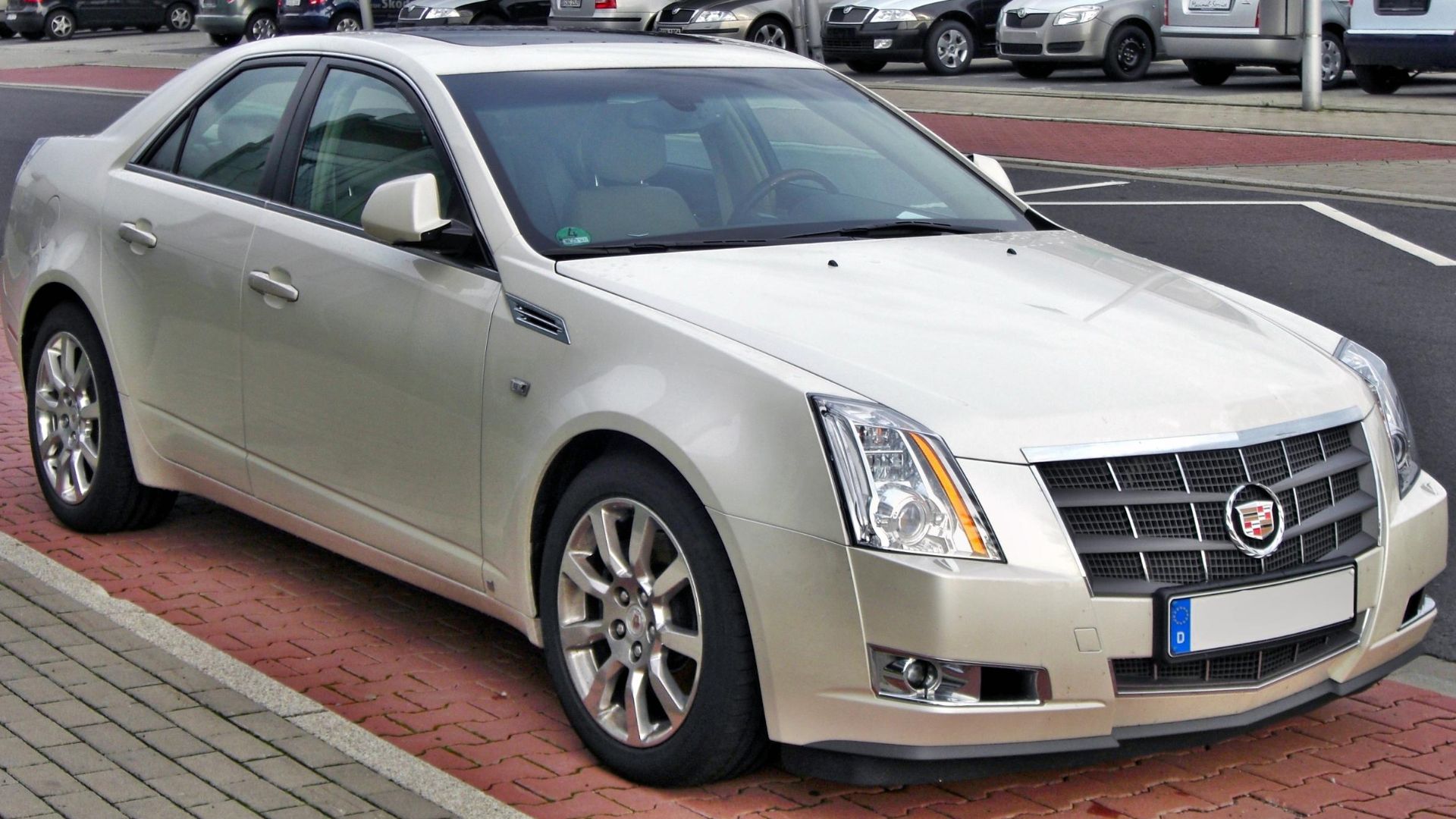
Cadillac CTS
The first Cadillac CTS was a turning point. Sharp-edged styling, rear-wheel-drive dynamics, and a younger attitude made it feel like a clean break from the past. It was not just a new sedan. It was a statement that Cadillac wanted to compete in a more modern, more aggressive way.
Chrysler 300
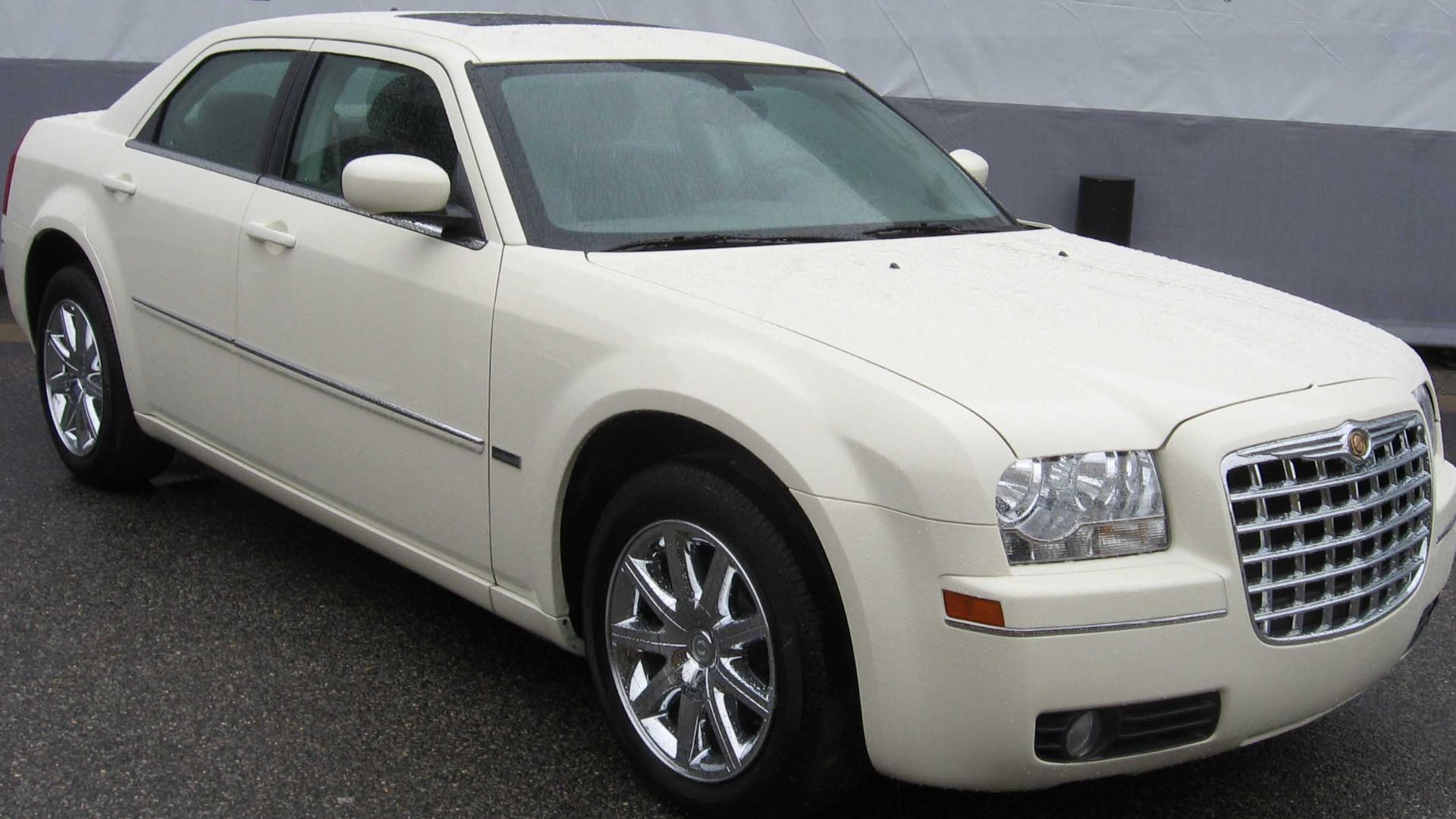
When the Chrysler 300 arrived in the 2000s, it looked bold in a way few sedans dared to be. Rear-wheel drive, available V8 power, and that imposing shape gave it real presence. It predicted the return of personality in a market drifting toward bland front-wheel-drive sameness.
Chevrolet Volt
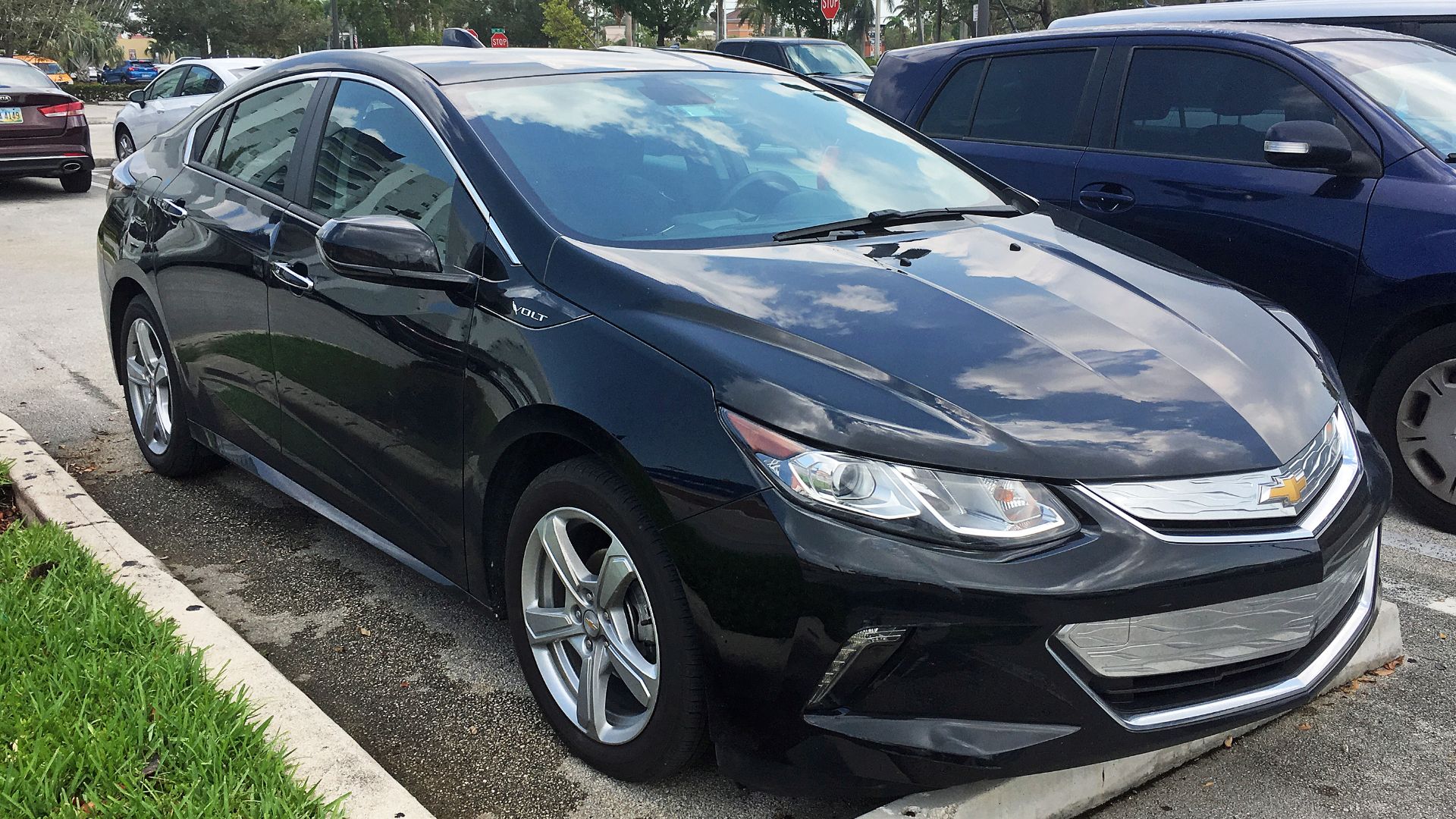
Yes, the Volt was technically a liftback sedan, and yes, it absolutely belongs here. Its extended-range electric setup was one of the smartest American ideas of the modern era. Instead of forcing buyers fully into EV life, it offered a clever bridge to the future long before many rivals caught up.
 Mariordo (Mario Roberto Duran Ortiz), Wikimedia Commons
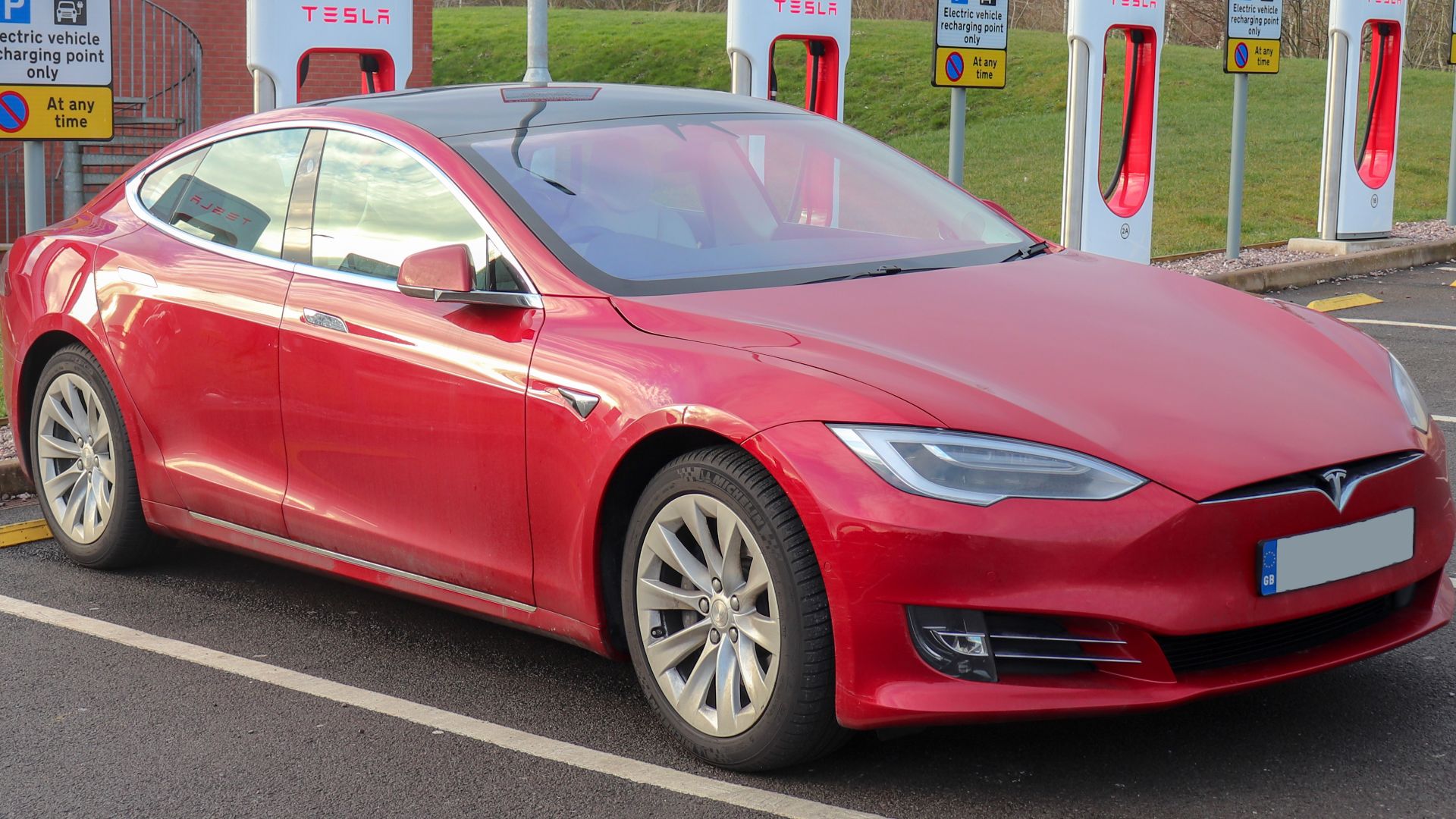
Tesla Model S
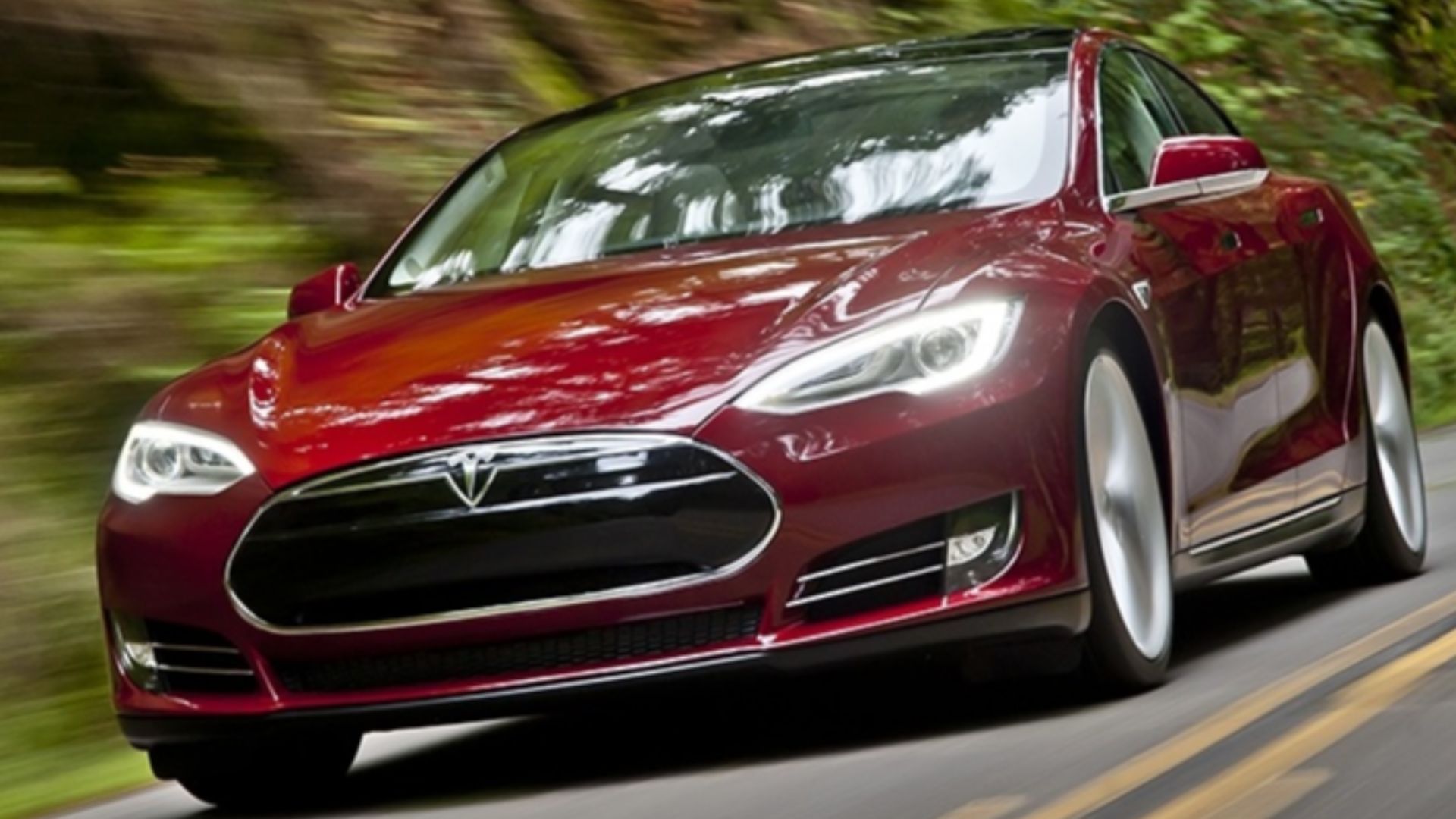
The Tesla Model S changed the sedan conversation almost overnight. Massive touchscreen, over-the-air updates, huge electric range, and shocking performance made it feel like the blueprint for a new era. Whatever people think of Tesla now, the Model S made many traditional luxury sedans look instantly old-fashioned.
 U.S. Department of Energy from United States, Wikimedia Commons
Lucid Air
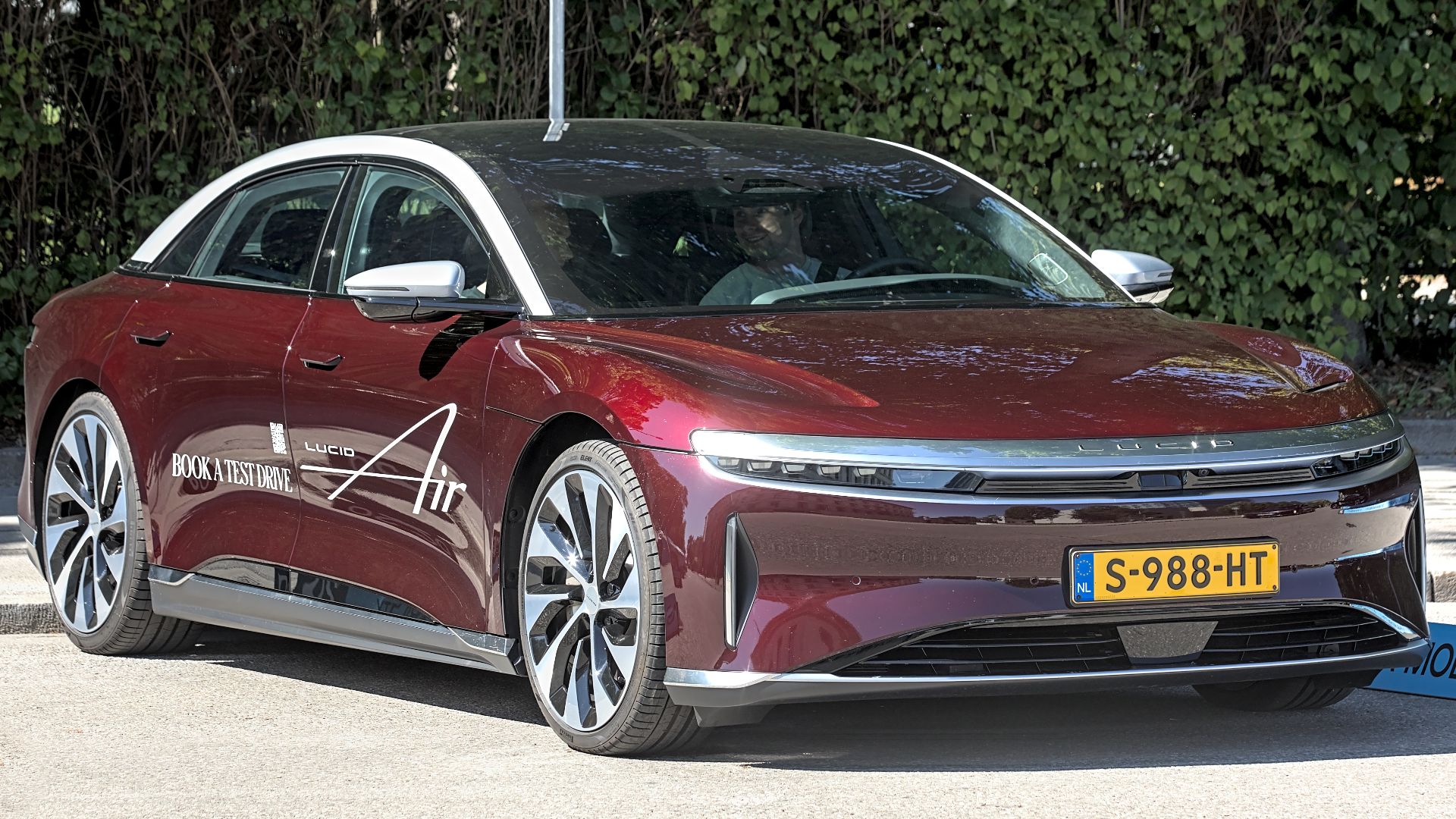
The Lucid Air is proof that the futuristic American sedan is not dead yet. Its packaging, efficiency, interior space, and electric performance feel genuinely next-generation. It takes ideas like aerodynamics and smart cabin design and pushes them even further, showing that the classic sedan can still be a technology showcase.
 Alexander-93, Wikimedia Commons
Why American Sedans Took Big Risks
American automakers were often at their best when they stopped following old formulas. The sedans on this list worked because they tried something different, whether that meant radical design, new powertrains, smarter packaging, or unusual safety ideas. They were memorable because they dared to break routine.
The Features That Seemed Strange Then
Front-wheel drive, aerodynamic bodies, digital-style interiors, alternative powertrains, and safety-focused engineering once sounded risky or even unnecessary. Now they are normal. That is what makes these sedans so fascinating in hindsight. They introduced ideas that felt odd at launch but later became basic automotive common sense.
Why So Many Were Forgotten
Being advanced does not always mean being loved. Some of these sedans arrived too early, some came from struggling brands, and some confused buyers who preferred familiar shapes and habits. Others were simply overshadowed by trucks, SUVs, or sportier models. Great ideas can disappear if timing is wrong.
Their Lasting Influence
Even if many of these sedans are now rare sights, their influence is everywhere. You can see traces of them in modern EVs, family cars, and luxury four-doors. They helped normalize bold styling, smarter engineering, and new ways of thinking. Forgotten does not mean unimportant. Sometimes it means misunderstood.

Did You Drive One Of These?
America has built far more visionary sedans than people remember. Some were commercial hits, others were noble failures, and a few were simply too unusual for their own good. But together, they tell a great story: the American sedan was not just transportation. At its best, it was a rolling experiment.

You May Also Like:
My neighbor's kid keeps revving his car loudly late at night. Is there anything I can do about it?
Volkswagen Dieselgate: The Emissions Scandal That Shook The World
My extended warranty won’t cover a known defect. Isn’t that what extended warranties are for?