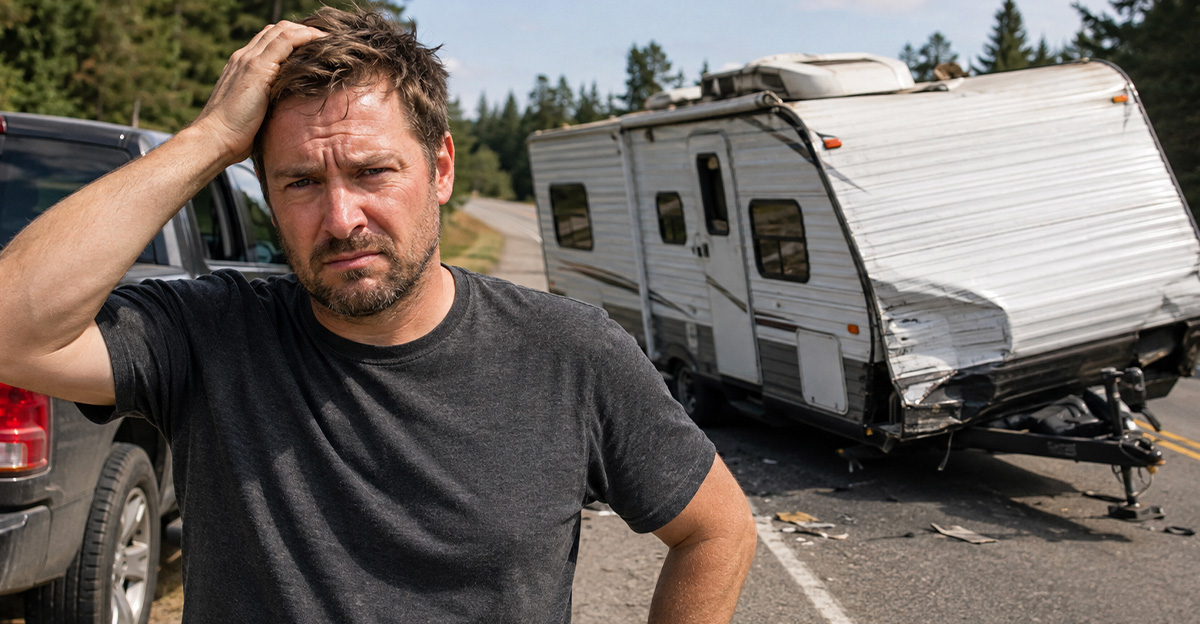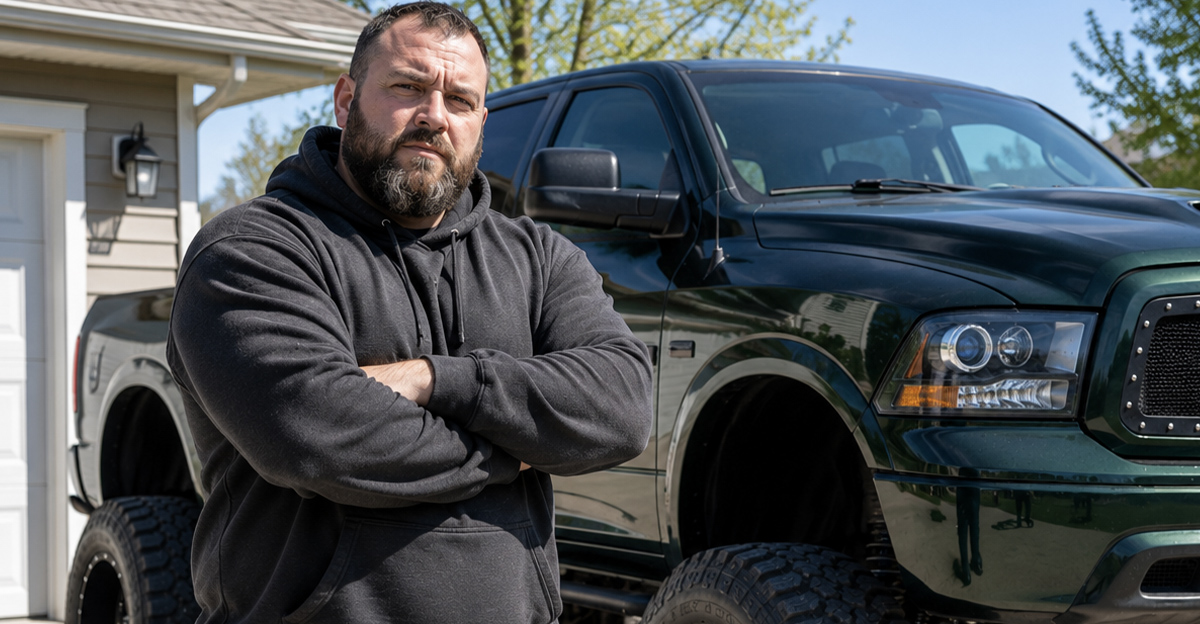
The Accident Was Bad Enough. Then The Insurance Company Saw The Lift Kit
Most drivers assume that if they’re faithfully paying their insurance premiums, the company will step in after an accident without much drama. That’s why it feels so shocking when the insurer suddenly starts questioning your truck modifications and denying part of the claim because the vehicle was lifted. Maybe the lift kit had nothing to do with the crash itself, or maybe you never realized modifications could affect coverage this much. The good news is that insurance companies can’t always simply deny claims without justification, and you probably still have ways to challenge the decision and recover at least part of what you’re owed.

Insurance Companies Pay Very Close Attention To Vehicle Modifications
Lift kits, oversized tires, suspension upgrades, performance tuning, and aftermarket parts often receive special attention from insurers because modifications can change how a vehicle handles, performs, or responds during accidents. Some insurers view heavily modified vehicles as higher-risk to insure altogether.

Policies Often Require Drivers To Disclose Modifications
A lot of drivers don’t realize this part until a claim gets denied. Many insurance policies require policyholders to disclose major vehicle modifications when obtaining or renewing coverage. If modifications were never reported, insurers sometimes argue the policy was issued based on incomplete information.

Not Every Modification Automatically Voids Coverage
This is one of the biggest misunderstandings people have after claim denials. Simply installing a lift kit does not automatically erase your insurance coverage entirely. In many cases, the insurer still needs to show why the modification actually matters to the specific claim being disputed.

The Cause Of The Accident Often Becomes Extremely Important
Insurance companies frequently examine whether the modification contributed directly to the crash or worsened the damage. If the lift kit allegedly affected handling, braking, visibility, rollover risk, or suspension performance, the insurer may try arguing the modification materially contributed to the accident itself.

Some Insurers Deny Only Part Of The Claim
This part surprises many drivers. Sometimes insurers still cover basic accident damages but refuse to pay for aftermarket modifications, upgraded parts, or certain repair costs tied specifically to the lift kit or related customizations.

Modified Parts May Require Special Coverage
Many standard auto policies only cover factory-original equipment unless additional custom equipment coverage was purchased separately. That means expensive lift kits, upgraded wheels, suspension systems, or aftermarket accessories may not automatically be fully insured under ordinary coverage.

Lifted Trucks Sometimes Face Additional Scrutiny After Crashes
Lifted vehicles often attract extra attention because insurers may argue they alter vehicle stability, visibility, or safety characteristics. Whether those arguments are fair or exaggerated depends heavily on the actual facts surrounding the accident.

State Laws And Inspection Rules May Matter Too
Some jurisdictions have regulations limiting bumper height, tire size, suspension modifications, or overall vehicle lift height. If the truck allegedly violated local vehicle laws, insurers may try using that as additional justification for limiting coverage.

Insurance Companies Still Usually Need Evidence
Even if the vehicle was modified, insurers generally cannot simply make unsupported accusations without some factual basis. They often rely on adjuster reports, inspections, photographs, accident reconstruction, or expert opinions when arguing the modifications affected the claim.

The Exact Policy Language Matters Enormously
Many disputes ultimately come down to the wording buried inside the insurance policy itself. Small differences involving exclusions, modification disclosures, aftermarket coverage limits, or material misrepresentation clauses can significantly affect whether the denial holds up legally.

Some Drivers Never Realized The Dealer Didn’t Notify Insurance
People sometimes assume the dealership or installation shop automatically informed the insurance company about modifications. In reality, the responsibility to disclose modifications usually falls on the policyholder unless the insurer specifically handled the upgrade process directly.

Insurance Adjusters May Inspect The Vehicle Carefully
After significant claims involving modified vehicles, adjusters often document aftermarket parts extensively. Photos, measurements, suspension components, tire sizes, and installation quality may all become part of the insurer’s review process.

Poor Installation Can Create Separate Problems
If a lift kit or modification was installed improperly, insurers may argue negligent installation contributed to the accident or worsened the damages. In some situations, shops that performed faulty installations may potentially become part of the dispute.

Denials Don’t Automatically Mean The Insurer Is Correct
This is important because many drivers immediately assume the insurer’s decision is final. Insurance companies sometimes interpret policy language aggressively or rely on weak assumptions connecting modifications to accidents. Some denied claims are later partially reversed after disputes or appeals.

Documentation Can Become Extremely Valuable
Receipts, installation records, inspection reports, maintenance records, photographs, and communications with the insurer may all become useful evidence. If the insurer previously knew about the modifications or accepted premiums after disclosure, that may potentially strengthen your position.

Appeals Processes Sometimes Lead To Better Outcomes
Most insurers have internal appeal or review procedures where policyholders can challenge claim decisions. Additional inspections, independent mechanic opinions, or legal reviews may sometimes push insurers to reconsider disputed denials.

Independent Experts May Help Clarify The Real Cause
In larger disputes, engineers, mechanics, or accident reconstruction experts may evaluate whether the lift kit genuinely contributed to the crash. Those expert opinions can become extremely important if the insurer’s reasoning appears questionable.

Lawsuits Occasionally Become Necessary
If major money is involved and the denial seems unreasonable, some drivers eventually consult attorneys experienced in insurance disputes or bad-faith claim handling. That obviously does not guarantee success, but legal pressure sometimes changes negotiations significantly.

Modified Vehicles Often Cost More To Insure For Exactly This Reason
This is part of the broader reality many truck owners discover too late. Modifications can increase claim disputes because insurers worry about higher repair costs, altered safety performance, or undisclosed upgrades that affect vehicle value.

So What Should You Do Right Now?
Start by carefully reviewing the exact reason the insurer denied part of the claim and compare it against your policy language. Gather all records related to the lift kit, installation, prior disclosures, and accident details, and consider obtaining an independent opinion if the insurer’s explanation feels weak or unsupported. The stronger your documentation and evidence, the better your chances of challenging the denial successfully.

Final Thoughts
Insurance companies absolutely can deny parts of accident claims involving lifted trucks or vehicle modifications under certain circumstances, especially if modifications were undisclosed or allegedly contributed to the crash. But that does not automatically mean every denial is legitimate or impossible to challenge. Much depends on the exact policy wording, whether the modification actually affected the accident, and what evidence supports the insurer’s position. The key now is determining whether the denial genuinely follows the policy or whether the insurer may be stretching the rules to reduce what they pay.

You May Also Like: