When “Borrow The Car” Turns Into A Nightmare
A lot of parents assume their own insurance automatically protects everyone in the household no matter what. Then one traffic stop, fender bender, or report suddenly reveals that insurance rules are far more complicated than they look. That’s when the fines, paperwork, and panic start piling up fast.

Insurance Usually Follows The Car—But Not Always
Many auto policies follow the vehicle rather than the person driving it. That sounds reassuring at first, but there are exceptions hidden in the fine print that can completely change the situation if the driver wasn’t properly listed or regularly uses the car.

“Permissive Use” Confuses A Lot Of Families
Insurance companies often allow occasional drivers under something called permissive use. That means someone can borrow your vehicle with permission and still have some coverage, but insurers may view regular use very differently.

Your Teen Driving Daily Changes Everything
If your child drives the car constantly but was never added to the policy, the insurer may argue they should have officially been listed. That can create huge problems after a ticket or accident because the company may question whether the coverage truly applied in the first place. And yes, that conversation gets expensive fast.

Driving Without Insurance Is A Big Deal In Most States
Almost every US state requires drivers to carry some form of insurance. Getting caught without it can lead to fines, suspended licenses, vehicle impoundment, and other penalties that get worse with repeat offenses.

Parents Usually Feel Blindsided
Many families genuinely believe the parent’s policy protects everyone under the roof automatically. Unfortunately, insurers often expect all regular household drivers to be disclosed, especially younger drivers who use the vehicle often. That misunderstanding catches people off guard every single day.
 Valentin LE RETIF CHAUVIN, Unsplash
Rates Can Jump Even Without A Crash
Even if your child only got pulled over and didn’t hit anyone, the insurance consequences can still sting. Some insurers raise premiums after uninsured driving violations because they see them as signs of higher future risk. Nobody enjoys opening that renewal notice afterward.

If There Was An Accident, The Stress Multiplies
An uninsured driving stop is bad enough on its own, but a crash makes things far messier. Medical bills, property damage, lawsuits, and denied claims can suddenly enter the picture—and parents often discover their financial exposure is larger than expected.

The “But They Had Permission” Argument Doesn’t Always Work
Giving your child permission to drive the car doesn’t automatically guarantee protection. Insurance companies may still investigate how frequently they used the vehicle, whether they lived in the household, and whether policy information was accurate when coverage was purchased.

Young Drivers Already Make Insurers Nervous
Teen and young adult drivers are considered high-risk by many insurance companies because they statistically have more accidents. That’s one reason insurers want them properly listed instead of quietly driving under a parent’s policy without disclosure.

Some Families Accidentally Create Coverage Gaps
Sometimes parents assume a child is covered because they occasionally borrow the car. Meanwhile, the child thinks the parent already added them to the policy months ago. Those crossed wires can quietly create a dangerous coverage gap nobody notices until an officer does.

A Suspended License Creates A Whole New Mess
Losing driving privileges can make everyday life chaotic for young drivers trying to work, attend school, or commute. Parents often end up becoming unpaid chauffeurs overnight while dealing with court notices and insurance paperwork at the same time.

The Car Itself Could Be Impounded
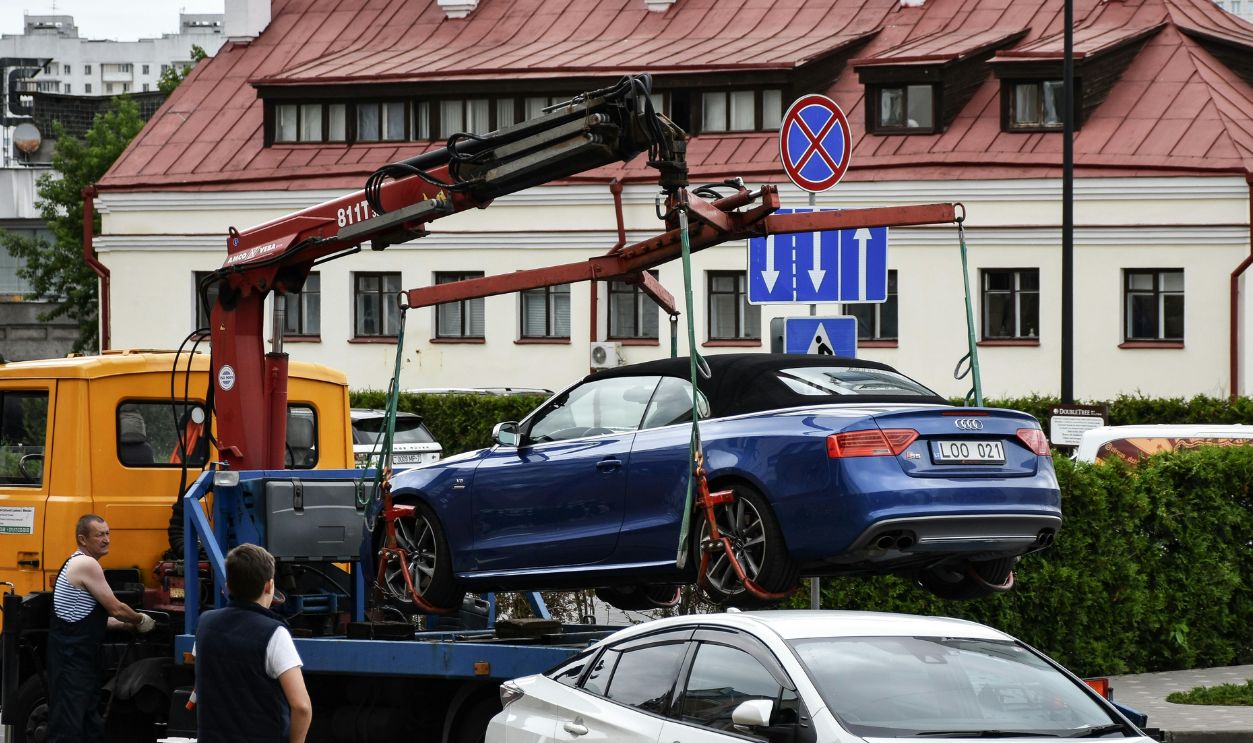
Some states allow uninsured vehicles to be towed or impounded after a stop. Suddenly you’re not just paying fines—you’re also paying storage fees, towing costs, and scrambling to retrieve the vehicle before the bill climbs even higher.
Household Driver Rules Matter More Than People Think
Insurance companies usually expect every licensed household driver to be disclosed. If someone regularly drives the car but wasn’t listed, insurers may view that as incomplete information instead of an innocent oversight. That technicality can become painfully important after an accident.

Some Parents Try To Save Money The Wrong Way
Because teen insurance rates can be brutally high, some families avoid officially adding young drivers to policies. That shortcut may seem harmless until an insurer questions coverage after a crash or traffic stop. Suddenly the savings don’t look very impressive anymore.

Uninsured Driving Can Follow Your Child For Years
One mistake behind the wheel can affect future insurance costs for a long time. Many insurers charge significantly higher premiums after uninsured driving violations because the driver now appears riskier on paper.
“I Thought I Was Covered”
Unfortunately, confusion about insurance rules rarely gets someone out of a citation. Officers typically only care whether valid proof of coverage exists at the time of the stop, not whether the family misunderstood the policy details.

Borrowing A Car Isn’t The Same As Owning One
Coverage rules become especially messy when the vehicle belongs to one family member but another person uses it constantly. Insurers may treat occasional borrowing differently from routine use, even if everyone lives under the same roof.

The Financial Fallout Hits Parents Too
Even if the ticket was issued to your child, parents often absorb the real-world consequences anyway. Increased insurance premiums, lawyer fees, court costs, transportation problems, and repair bills can quickly become a family-wide headache rather than just the child’s problem.

The Smart Move Is Reviewing The Policy Immediately
After something like this happens, the best thing families can do is carefully review who is listed on the policy and how the vehicle is actually being used. A quick conversation with the insurer now may prevent an even bigger disaster later.

The Worst Part Is How Common This Situation Really Is
Families fall into this trap all the time because insurance language can feel confusing and overly technical. One parent assumes coverage is automatic, one teenager assumes everything is handled already, and suddenly everyone is learning expensive lessons the hard way.

You May Also Like: