Paying For One Thing But Getting Another
You dropped your car off at the shop, trusted your mechanic to do the work right, and agreed to pay for original equipment manufacturer (OEM) parts. Then after the service, you discover the parts installed aren’t OEM, they’re aftermarket. That feels like a betrayal, plain and simple. The good news is this isn’t something you just have to live with. There are steps you can take to address it and protect yourself going forward.
Why Mechanics Sometimes Use Aftermarket Parts
Aftermarket parts aren’t inherently bad. Many aftermarket parts are fine or even superior in quality. The problem arises when you paid for OEM and got something else. Some shops make this switch intentionally to save money or boost profit margins. Others do it out of habit or lack of availability of OEM parts. Either way, you deserve transparency. What you paid for should be what you get.
 Retired electrician, Wikimedia Commons
How To Tell If The Parts Are Aftermarket
If you suspect something is off, the first step is to confirm what parts were actually installed. OEM parts usually have manufacturer logos, part numbers that match the vehicle maker’s catalog, and often come in branded packaging. Aftermarket parts often have different branding, generic packaging, or part numbers that don’t match OEM catalogs. If you’re not sure, an independent inspection or even a call to the vehicle manufacturer’s parts department can clarify.

Why This Matters Beyond Money
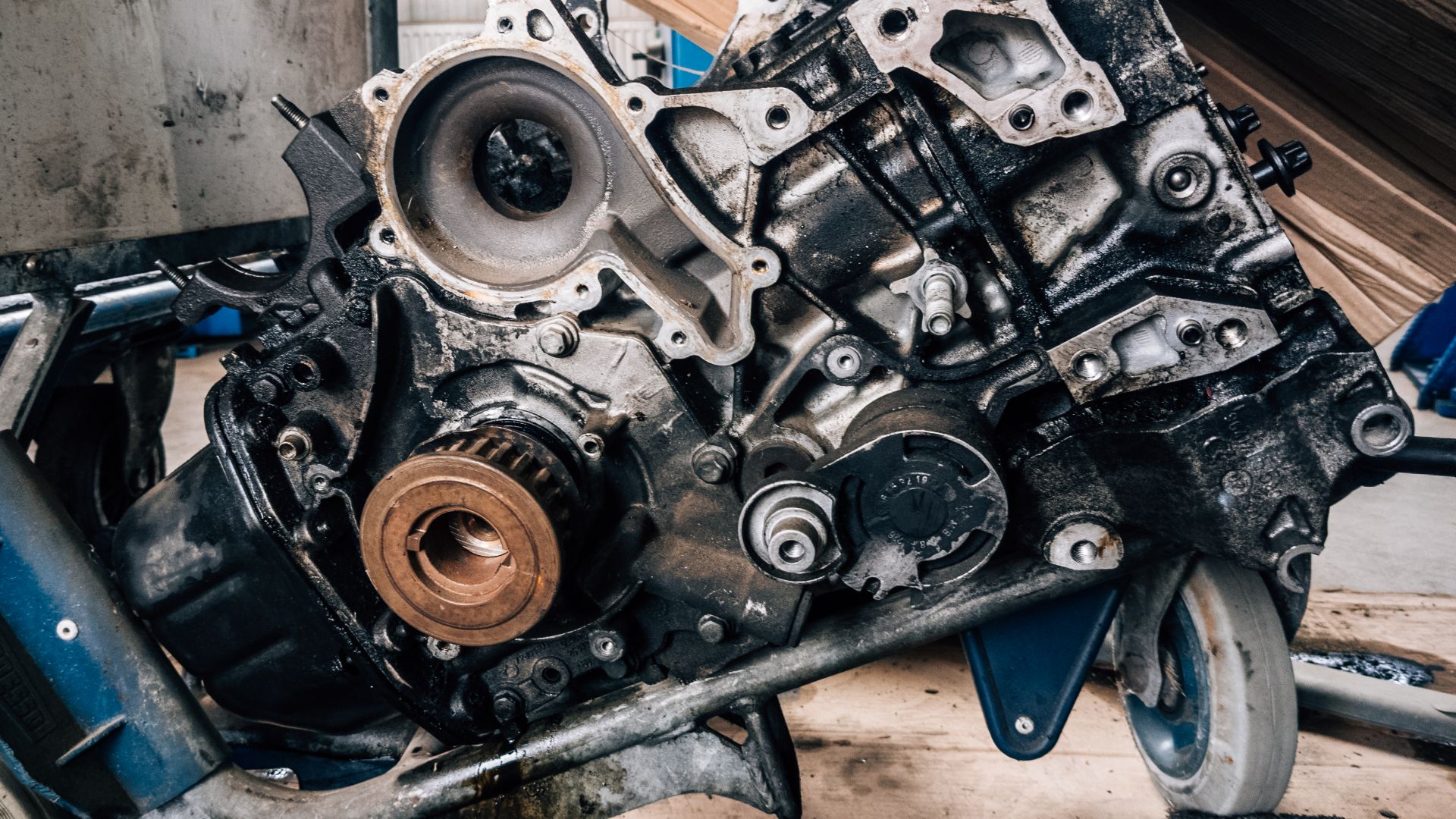
Paying for OEM parts isn’t just about paying more. OEM parts are made specifically for your make and model, and they’re designed to fit perfectly and perform to the standards the manufacturer intended. Aftermarket parts can vary widely. Some are excellent; others are cheap copies with lower durability. If the part in question affects safety (like brakes or suspension), durability (like engine parts), or warranty coverage, having the wrong part installed can have consequences that go far beyond a few dollars.
Check Your Invoice And Work Order Carefully
Look back at your paperwork from the shop. Did the work order explicitly list OEM parts? Did you initial or sign off on a note about parts type? Was there any language that suggested generic or aftermarket parts might be used if OEM wasn’t available? If the invoice explicitly said OEM and you got something different, that’s the strongest evidence you have.

Call The Shop And Ask For An Explanation
Don’t panic; start by talking to the mechanic or service manager. Sometimes mistakes happen—wrong order, part substitution without communication, or a misunderstanding. Ask them to explain why aftermarket parts were used when you paid for OEM. Take notes or record the call (if legal in your state) so you have a record of what they say.

Ask For A Correction Or Refund
If the shop agrees that the wrong parts were installed, a fair outcome is straightforward: either they replace the parts with the OEM versions at no extra cost to you, or they refund you the difference between what you paid for OEM and the cost of the parts actually installed. A reputable shop will often make this right without a fight once the error is clear.

If The Shop Refuses, Put It In Writing
Send an email or certified letter outlining your concerns, what you paid for, what was actually installed, and what resolution you want (refund or replacement). Keep it professional and fact-based. Written communication helps if you need to escalate later.

Consumer Laws Protect You From Misrepresentation
In most states, laws prohibit businesses from misrepresenting what they are selling. Charging for OEM parts and installing aftermarket parts instead could be considered deceptive business practice or fraud. You have the right to accurate product descriptions in auto repair work just like in any other purchase.

Get A Second Opinion From Another Mechanic
If the original shop denies wrongdoing, taking your car to a different reputable mechanic for an inspection can give you a neutral expert opinion. This can confirm whether the parts are indeed aftermarket and whether they are appropriate quality and fit. A written inspection report strengthens your case.
Ask About Warranties And Part Guarantees
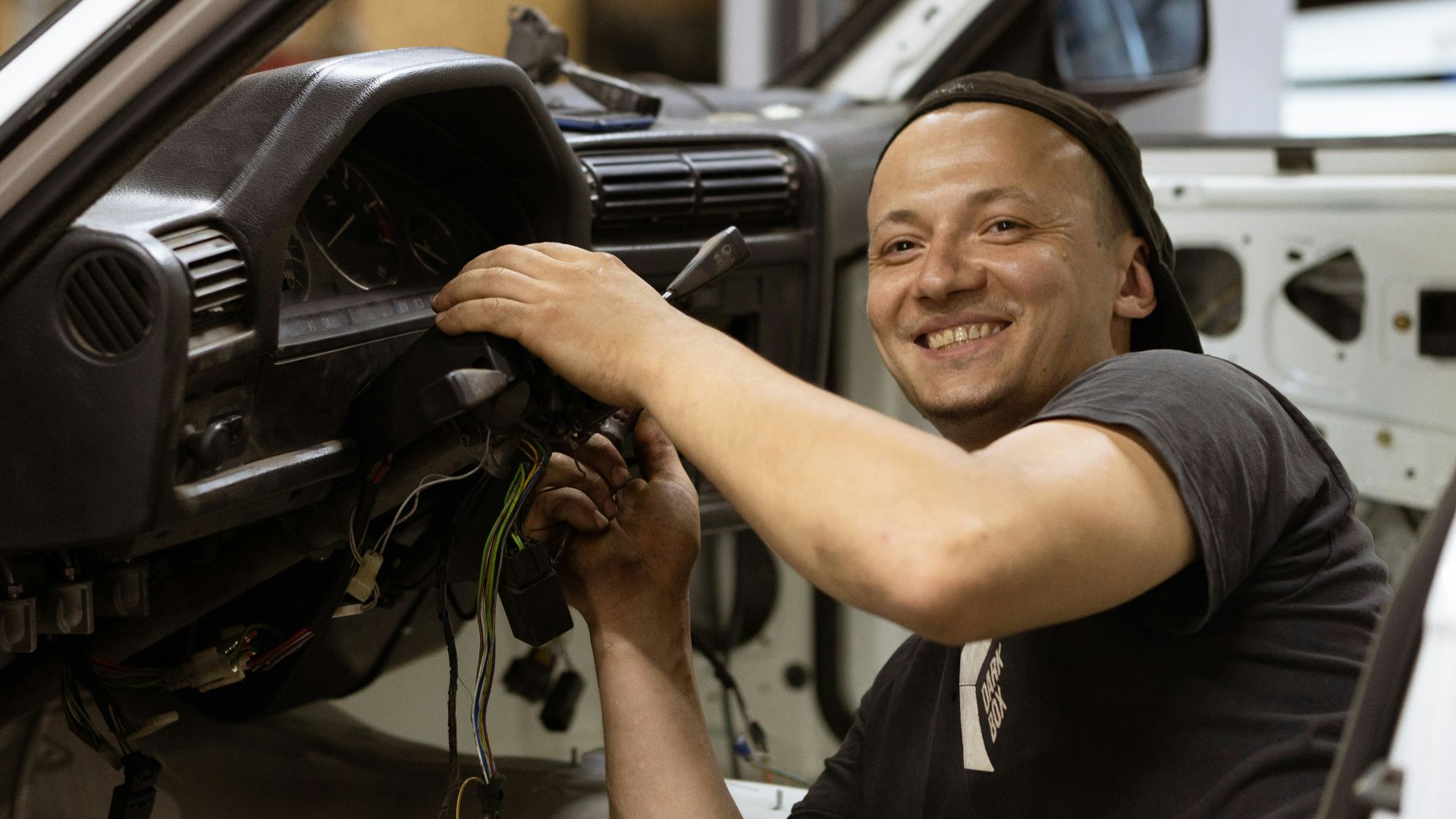
OEM parts often come with warranties from the manufacturer or the dealer. Aftermarket parts may have their own warranties, but they’re usually different in scope. If your vehicle’s warranty requires OEM parts for certain repairs, you may also have a warranty argument with the manufacturer if the wrong part was used.

Document Everything You Can
Photos of the installed parts, copies of invoices, email exchanges, notes from phone calls, and the second mechanic’s inspection report all help build your case. The more you can document, the easier it is to escalate with confidence.

If The Shop Still Won’t Cooperate, Consider Mediation
Many consumer protection agencies offer free or low-cost mediation services for disputes like this. Mediation brings both parties together with a neutral third party who helps you find common ground. This can be faster and cheaper than legal action.
 Christina @ wocintechchat.com M, Unsplash
Filing A Complaint With Consumer Protection Agencies
If mediation doesn’t work or isn’t available, you can file complaints with your state’s attorney general’s office, the local consumer protection bureau, or the Better Business Bureau. These complaints don’t guarantee a refund, but they put pressure on the business and create a public record of the issue.
 Unknown authorUnknown author, Wikimedia Commons
Small Claims Court Is Also A Real Option
If you’re out a significant amount of money and the shop won’t refund or correct the error, small claims court lets you present your case without a lawyer. Bring all your documentation, expert reports, invoices, and correspondence. Judges often side with consumers when there’s clear misrepresentation.

Think About Leaving A Review That’s Fair And Accurate
Sometimes a public review on reputable sites (Google, Yelp, Facebook) that sticks to facts can prompt a business to resolve the issue quickly. Say what happened, show that you communicated your expectations, and note that you paid for OEM parts but got aftermarket ones without disclosure.

Know Your Rights Before You Pay Next Time
Going forward, make your expectations crystal clear in writing before any work starts. Spell out that OEM parts must be used and that any substitution must be approved by you in writing. Having that in the initial work order helps avoid arguments later.

Avoid Signing Blank Or Open-Ended Work Orders
If a shop gives you a vague work order that doesn’t specify parts, you give up leverage. Always ask that the work order list the specific parts to be used, whether they are OEM or aftermarket, and the price for each. Don’t sign vague authorizations that let the shop choose parts without clear limits.

Be Wary Of Shops That Pressure You Upfront
If a shop pushes aftermarket parts without explaining the difference, or suggests they’re better without evidence, that’s a red flag. A good mechanic will explain your options, pros and cons, and let you decide.
 Harrison Keely, Wikimedia Commons
Final Thoughts: You Deserve What You Paid For
Using aftermarket parts instead of OEM after charging you for OEM is not just a minor inconvenience—it’s improper billing and customer service at best. At worse, it’s deceptive. By documenting the issue, communicating clearly, and knowing your rights, you can often resolve it without legal action. When a shop values its reputation, it will work with you to make things right.
 JackF, AdobestockYou May Also Like: