You Modded Your Car — Did You Just Mess Up Your Insurance?
You added new wheels, maybe a lift kit, maybe even tuned the engine. It looks better. It drives better. Then your brother casually drops, “You told your insurance, right?” And now you’re wondering… did you just accidentally void your coverage?
First: Modifications Aren’t Illegal
Customizing your car isn’t a crime. People upgrade suspensions, exhaust systems, stereos, and body kits all the time. Insurance companies don’t automatically cancel policies just because you personalize your ride.
But Insurance Is Based On Risk
Here’s the part that matters: your premium is calculated based on the vehicle’s original specifications. When you modify it, you may change its value, performance, or risk profile — and insurers care about that.

Performance Mods Raise Red Flags
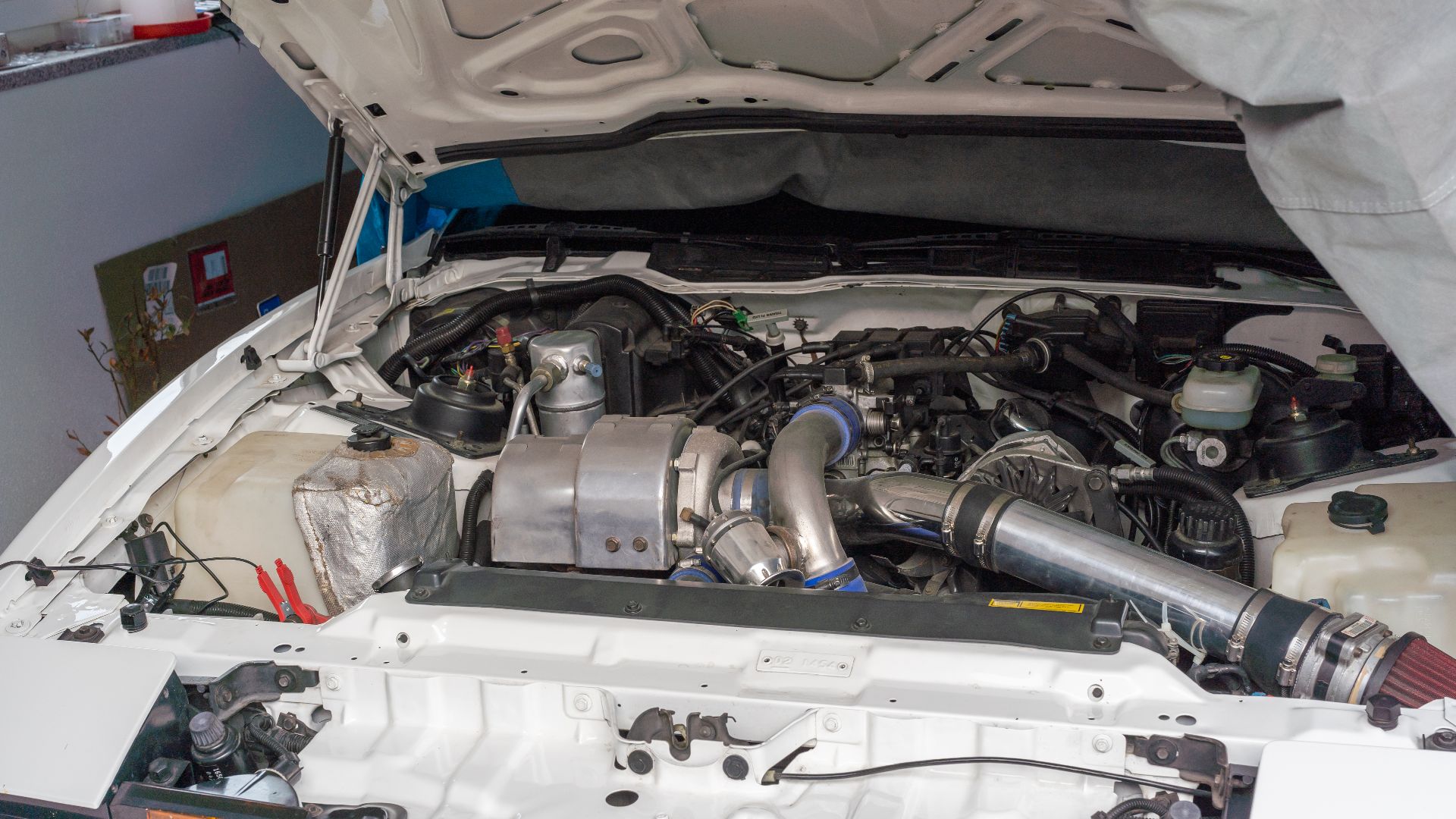
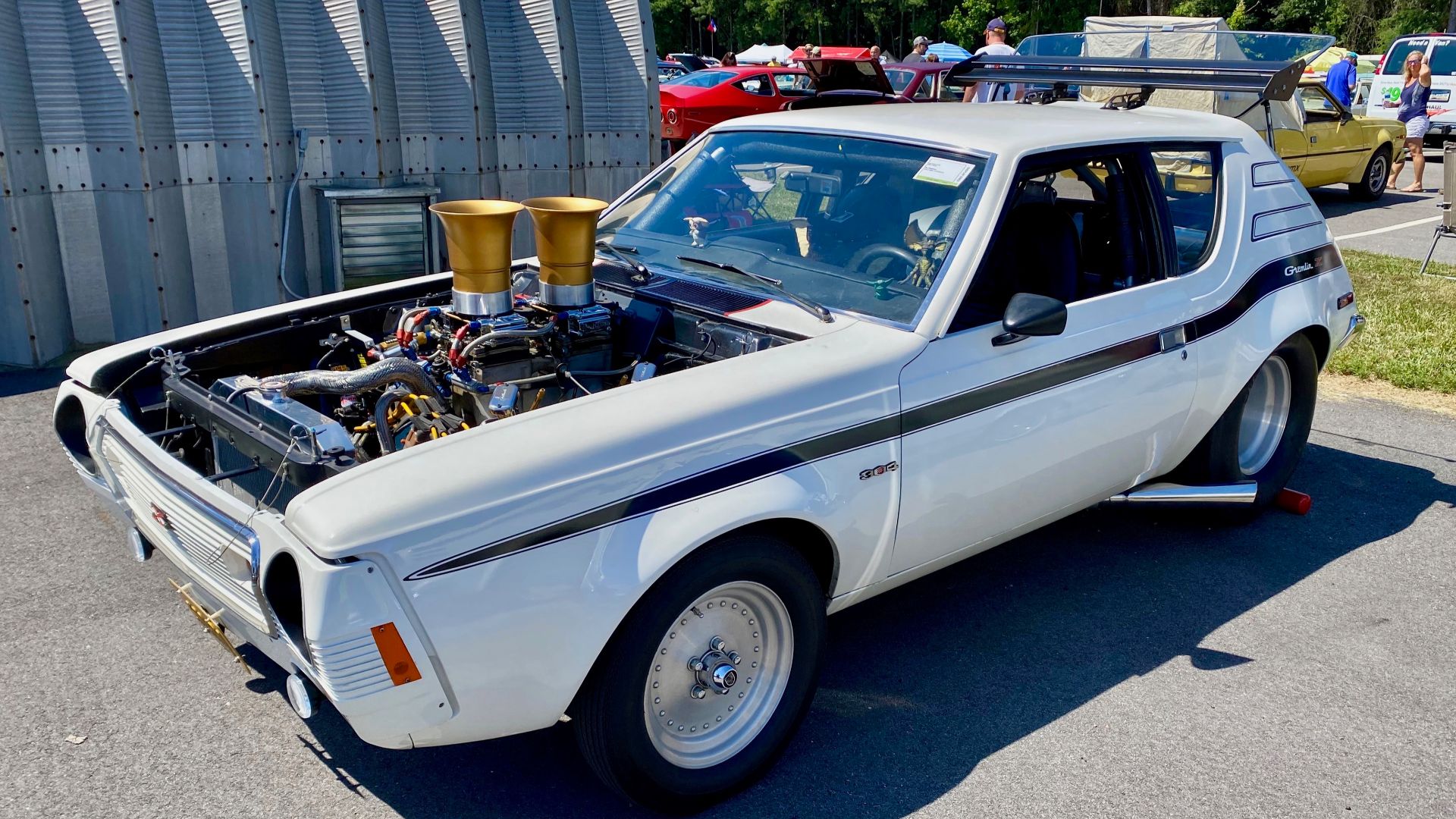
Engine tuning, turbochargers, superchargers, and nitrous systems increase horsepower. More power can statistically increase accident risk. If you didn’t disclose those upgrades, your insurer could argue they weren’t pricing the real vehicle.
 Tobias ToMar Maier, Wikimedia Commons
Cosmetic Mods Matter Too
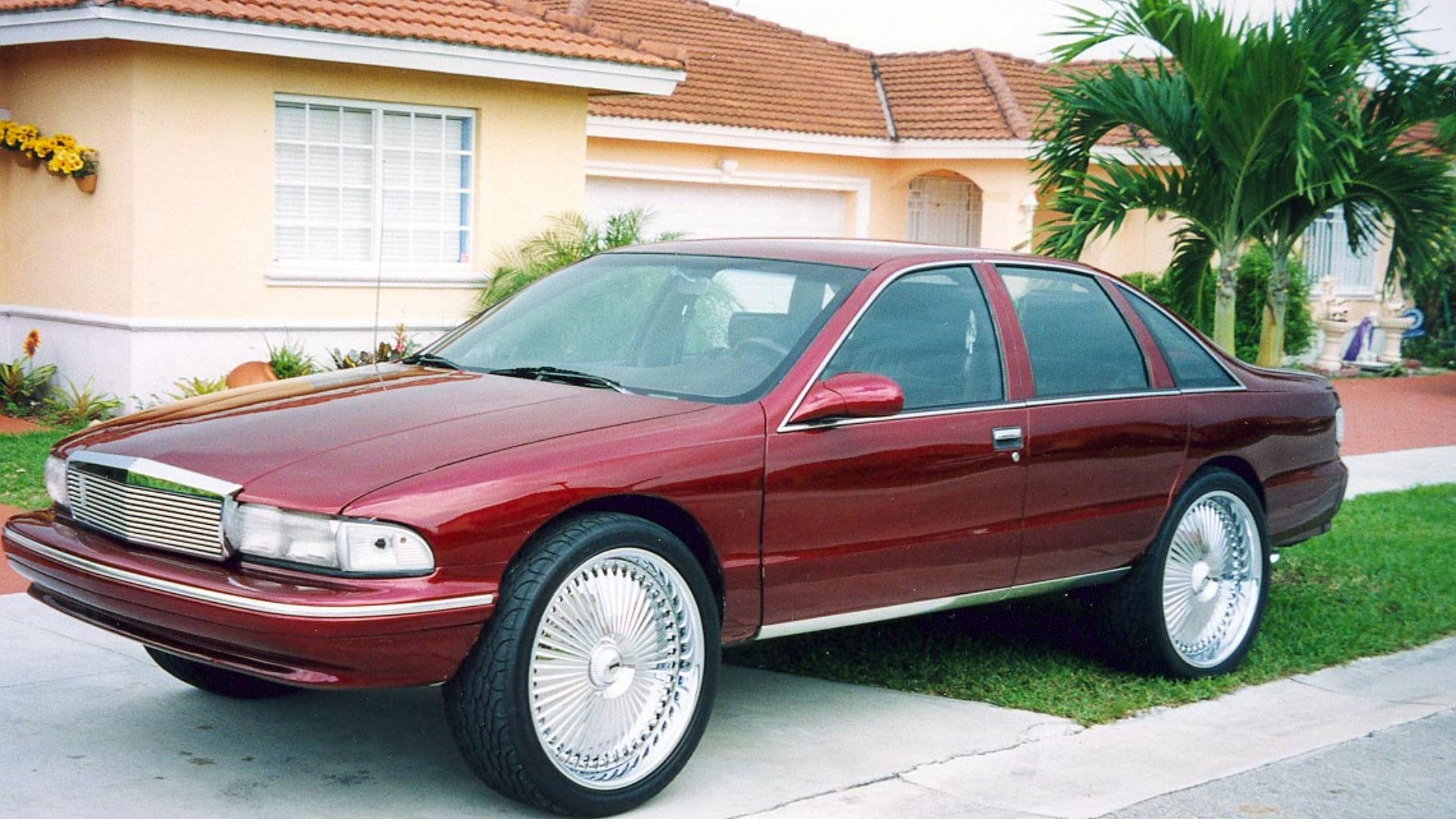
Even non-performance upgrades — custom wheels, wraps, body kits — can increase the car’s value. If you total the vehicle and never declared those modifications, you might not be reimbursed for them.
 KevinRachel2008, Wikimedia Commons
Could Coverage Be Denied?
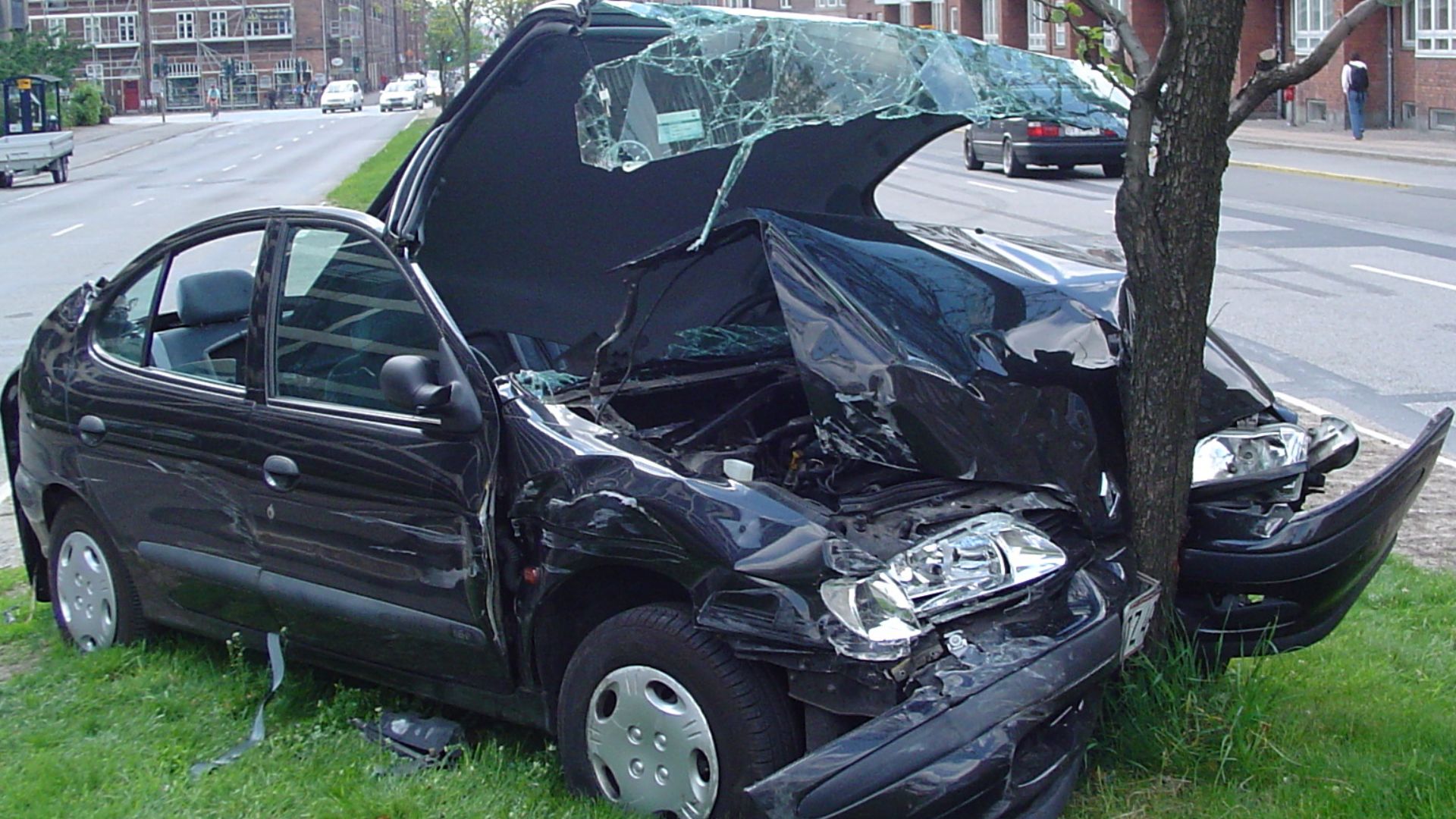
Yes, under certain circumstances. If you file a claim and the insurer discovers undisclosed modifications that materially affect the vehicle, they could reduce the payout or, in some cases, deny the claim.
“Void” Doesn’t Always Mean Cancelled
Your brother might be using dramatic language. Policies aren’t instantly erased the second you install aftermarket parts. But nondisclosure can complicate claims — especially if the modification contributed to the accident.

When It Becomes A Bigger Problem
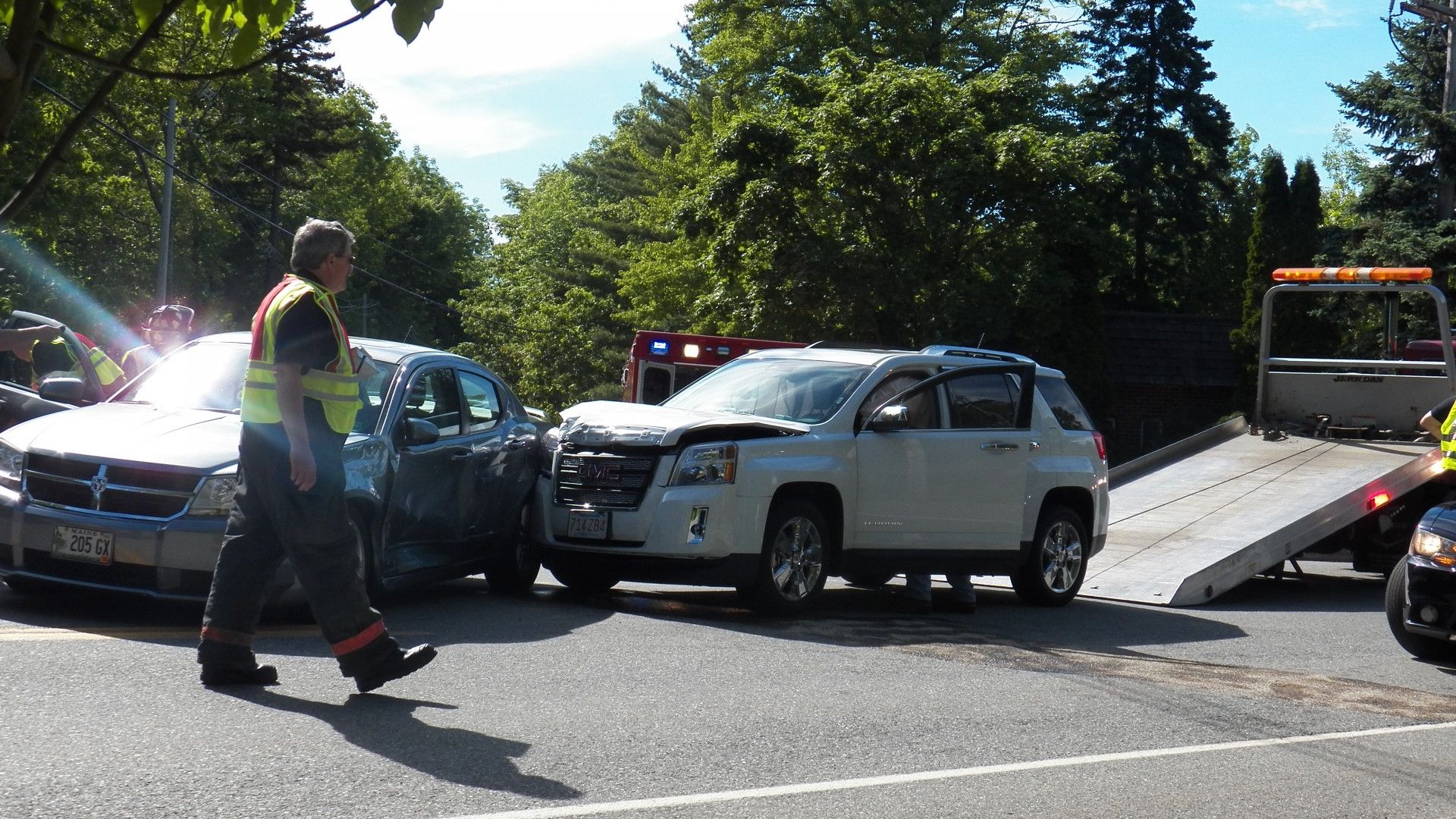
If the modification directly relates to the claim — say suspension changes affecting handling in a crash — the insurer may argue the risk wasn’t properly disclosed. That’s when disputes get serious.
 Junior Libby, Wikimedia Commons
What About Small Mods?
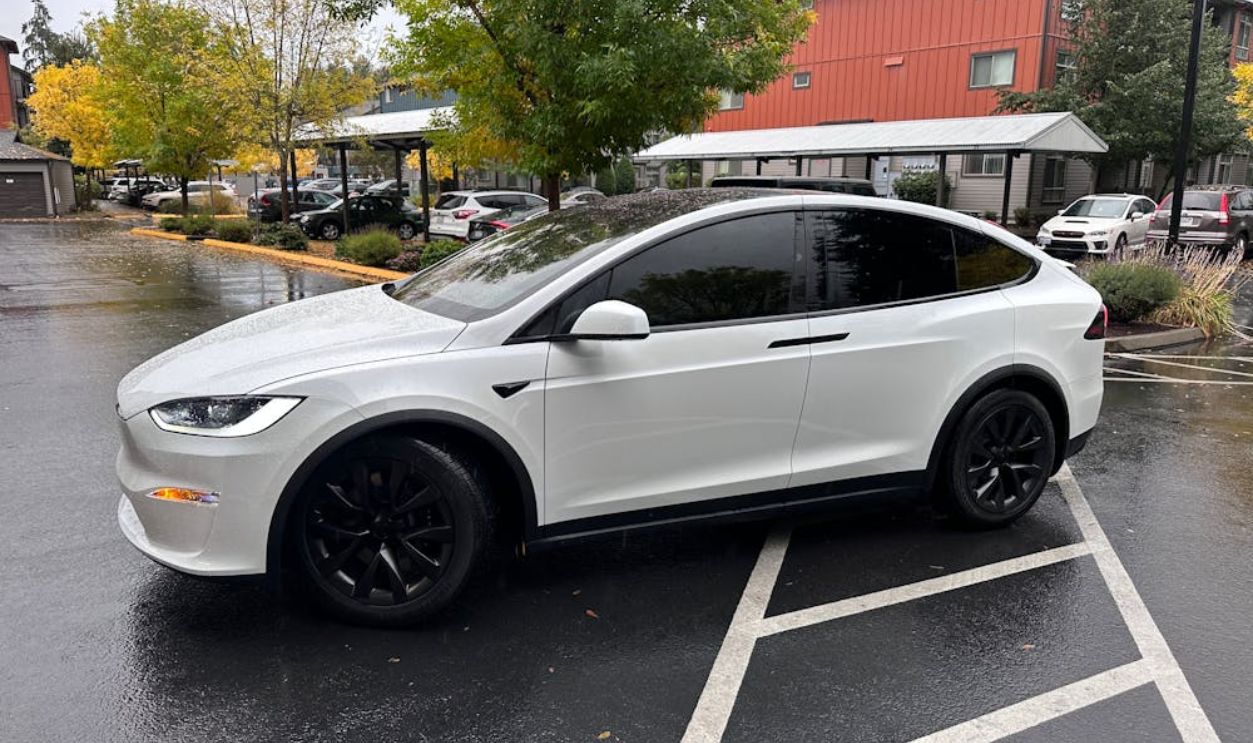
Window tint, minor cosmetic trim, or basic audio upgrades typically don’t trigger major underwriting changes. Still, the safest approach is asking your insurer what needs to be declared.
Why Insurers Care So Much
Insurance is built on disclosure. When you apply for coverage, you agree to provide accurate information. Significant changes to the vehicle can alter the contract terms — even if unintentionally.

Agreed Value Vs. Standard Coverage
Some insurers offer “agreed value” or specialized coverage for modified vehicles. That protects the full value of aftermarket parts. Without that endorsement, upgrades may not be fully covered.
Could They Cancel The Policy?
If an insurer determines there was material misrepresentation — meaning information that would have affected underwriting — they could cancel or non-renew the policy. That’s rare for minor mods, but possible for major undisclosed changes.

What Happens During A Claim Investigation?
After a serious accident, adjusters often inspect the vehicle closely. Undeclared modifications don’t stay hidden for long — especially performance upgrades.

Does This Affect Liability Coverage?
Usually, undisclosed mods impact physical damage claims (like collision or comprehensive). Liability coverage — covering damage to others — is less commonly denied, but misrepresentation can still create legal complications.
 Shuets Udono, Wikimedia Commons
Can You Fix It Now?
Yes. Call your insurer and update your policy. You may see a premium increase, but it’s better than risking denied coverage later. Some companies are surprisingly flexible about certain upgrades.

Will Rates Skyrocket?
Not necessarily. Cosmetic upgrades may have minimal impact. Performance modifications are more likely to affect premiums. Each insurer evaluates risk differently.

Why Your Brother Might Be Right
If the modifications significantly changed the vehicle and you never disclosed them, there is real risk. It might not “void everything instantly,” but it could weaken your position during a claim.

Why It’s Usually Fixable
Most insurance issues related to modifications are about disclosure — not punishment. The sooner you update your policy, the less likely you’ll face problems later.

The Bottom Line
Customizing your car doesn’t automatically cancel your insurance. But failing to disclose meaningful modifications can complicate claims or reduce payouts. Your brother isn’t entirely wrong — and a quick call to your insurer could save you a major headache.
You May Also Like: