The City Car Cost Shock
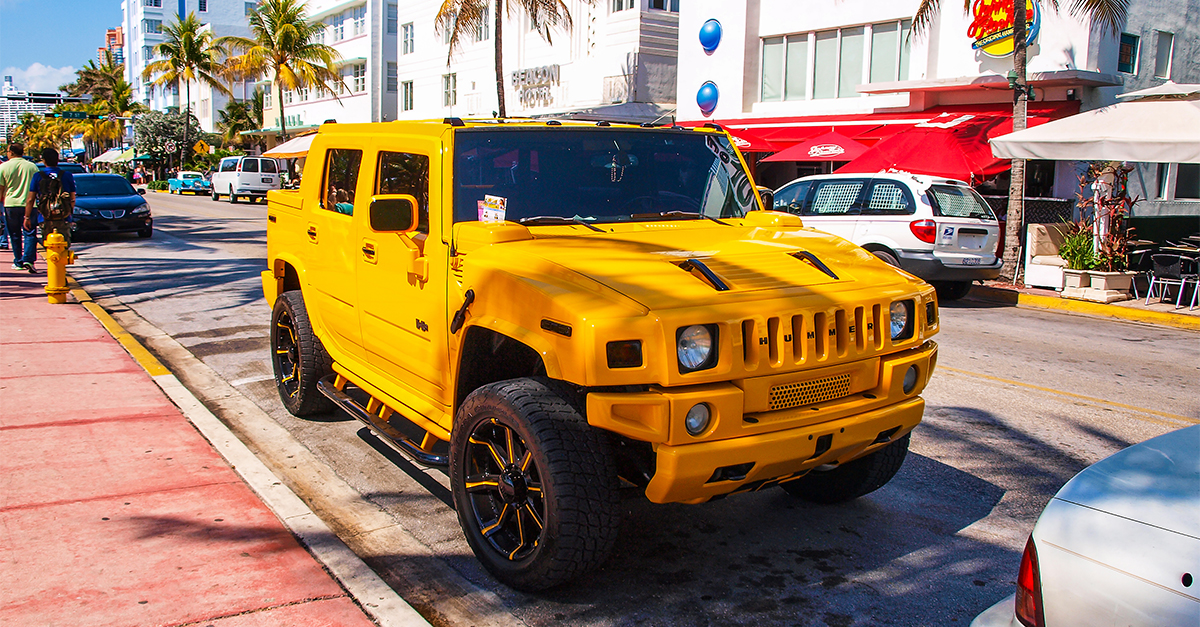
Back home, owning a car felt almost effortless. Parking was free, traffic was manageable, and nobody charged $40 for leaving a vehicle somewhere overnight. Then you moved to the city and discovered that your trusty automobile had somehow transformed into a luxury subscription service with tires. So, how does everyone afford it?
Your Car Did Not Change, But Its Environment Did
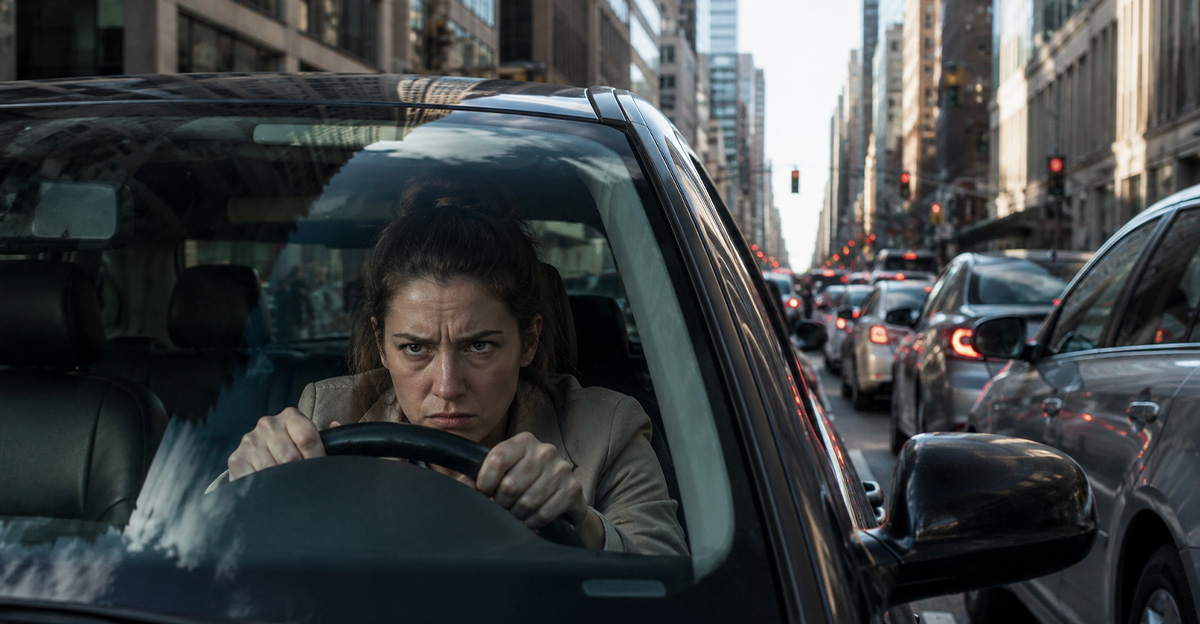
The vehicle sitting outside may be exactly the same, but practically every cost surrounding it has changed. Urban drivers face crowded roads, limited parking, greater theft risks, higher repair prices, and more complicated insurance calculations. You are not imagining the difference. The city has simply added several new layers to your ownership bill.
Parking Becomes A Second Car Payment
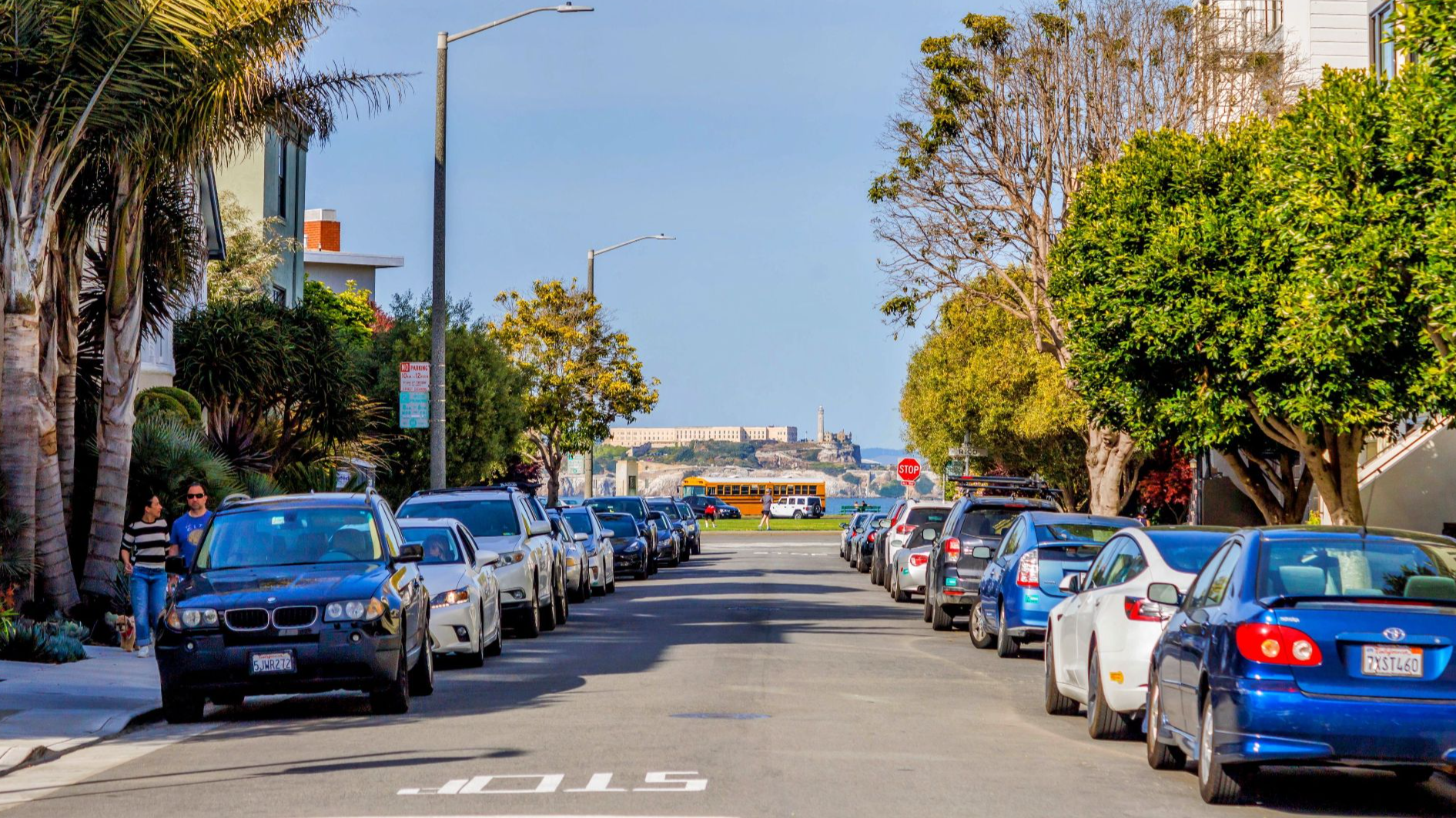
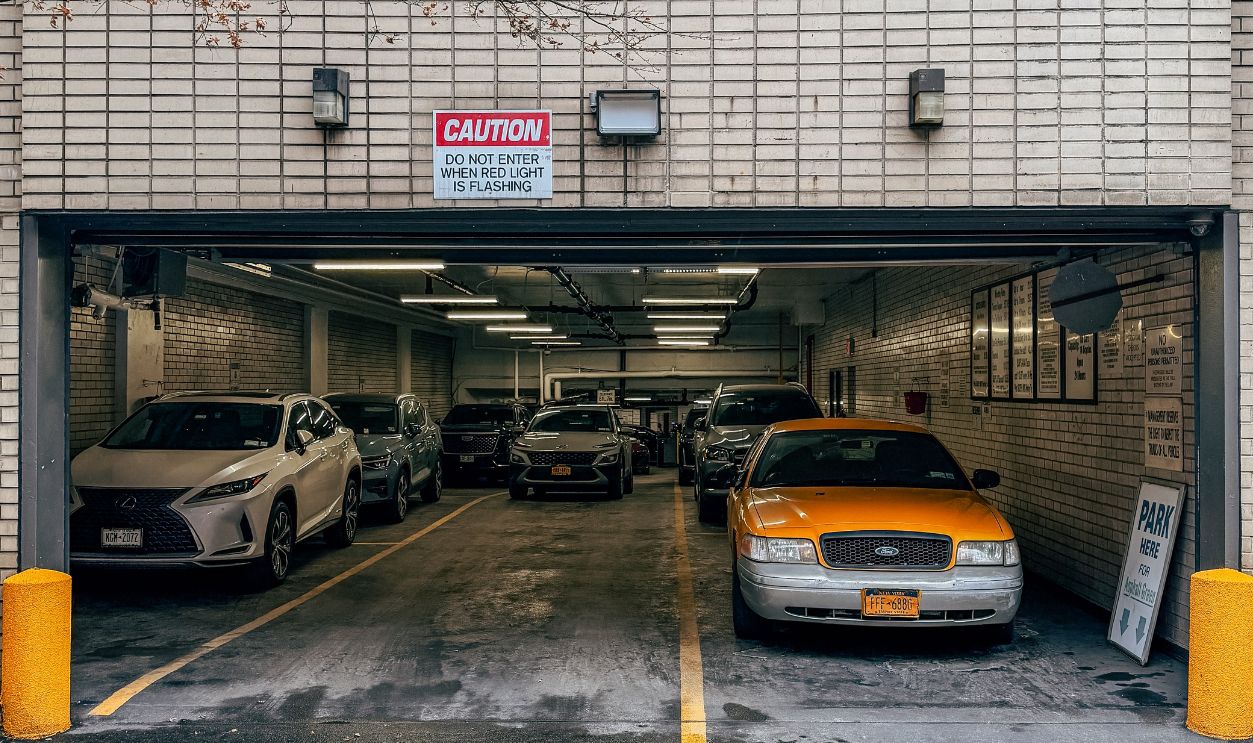
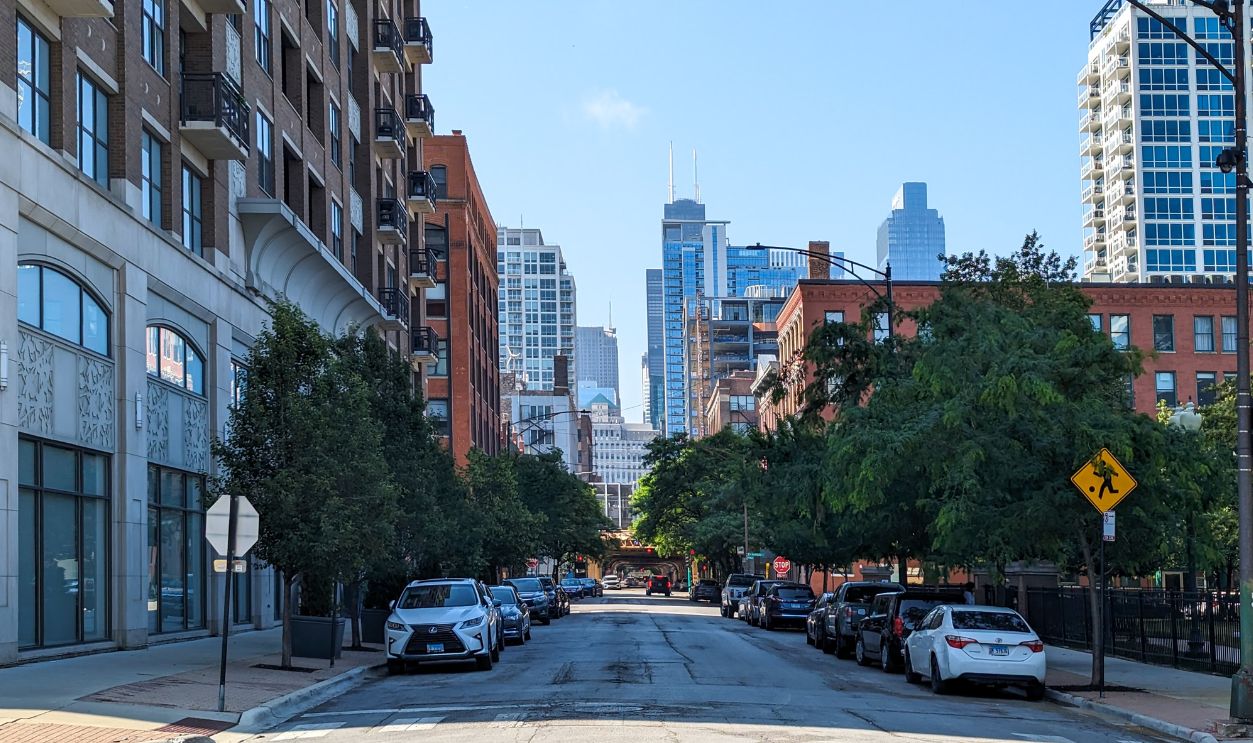
In rural areas, parking is usually a patch of driveway, gravel, or open land. In a dense city, that same rectangle of space is valuable real estate. Apartment buildings may charge separately for parking, while private garages and downtown lots can turn a basic necessity into a significant monthly expense.
Free Parking Is Suddenly A Rare Animal
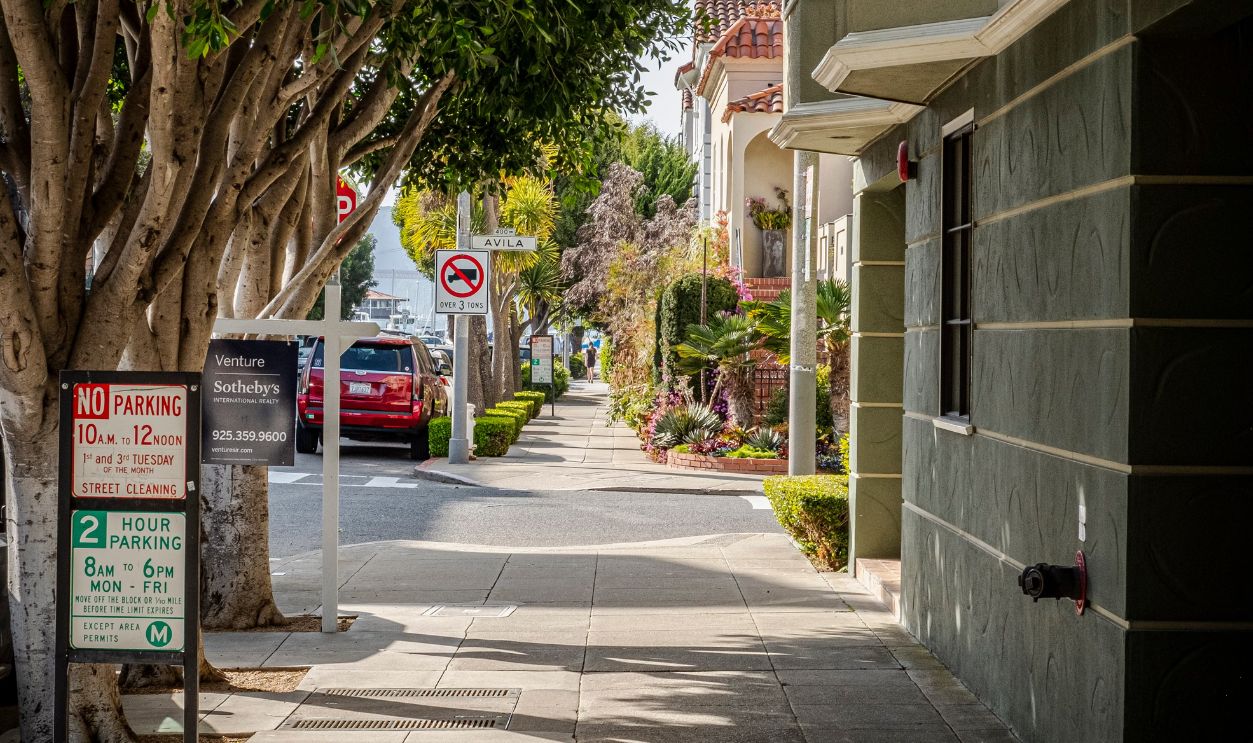
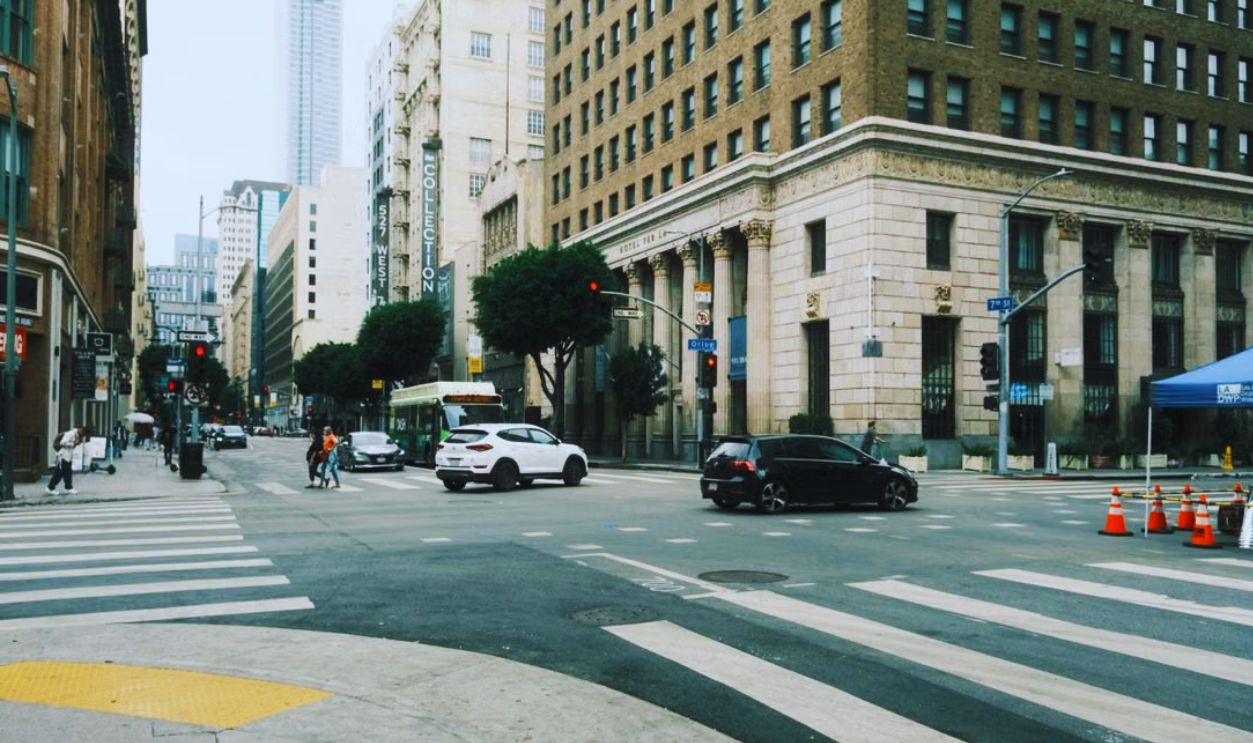
City drivers learn to treat free parking spaces like wildlife sightings. You circle the block, spot one in the distance, and race toward it before another driver claims it. Even after parking, you may face time limits, street-cleaning restrictions, permit zones, snow routes, or signs that seem written as logic puzzles.
Insurance Companies Notice Your New Address
Changing your address can change your insurance premium, even when your car and driving record remain identical. Insurers consider local collision rates, theft, vandalism, repair expenses, traffic density, and claim frequency. The Insurance Information Institute notes that urban drivers generally pay more because accidents, vandalism, and theft occur more frequently in cities.

Theft Risk Is No Longer Abstract
In a small town, you may have worried more about hitting a deer than losing your catalytic converter. City parking exposes vehicles to theft, break-ins, scratches, and vandalism. Some owners respond with steering-wheel locks, secure garages, tracking devices, dash cameras, and insurance coverage that would have seemed excessive back home.

Traffic Burns Fuel Without Taking You Anywhere
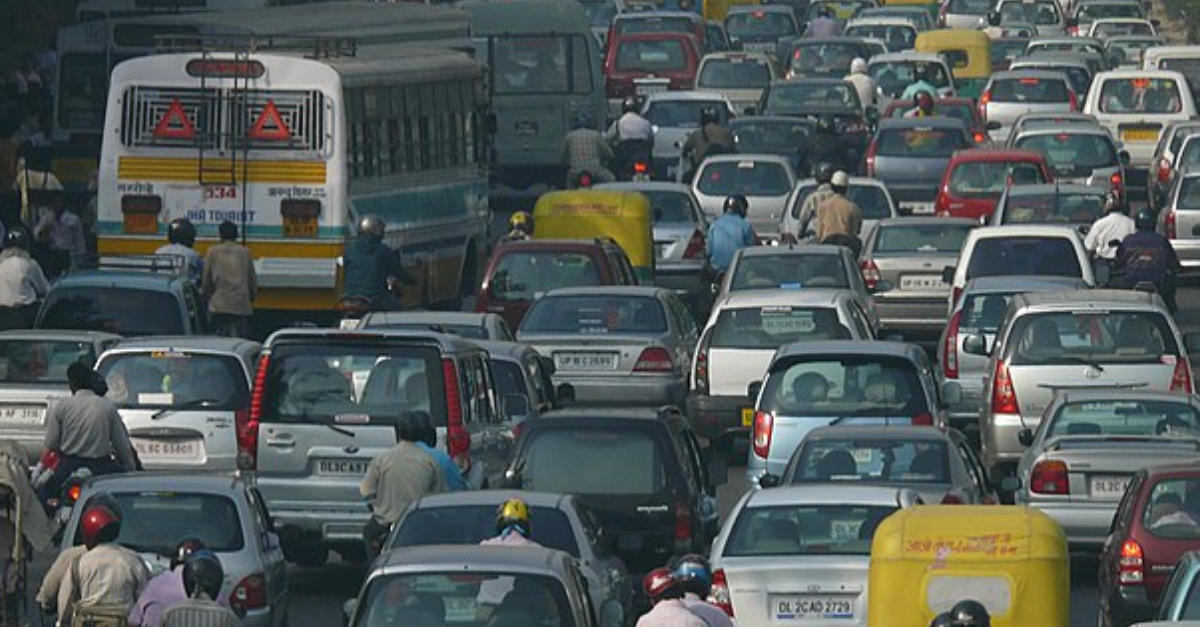
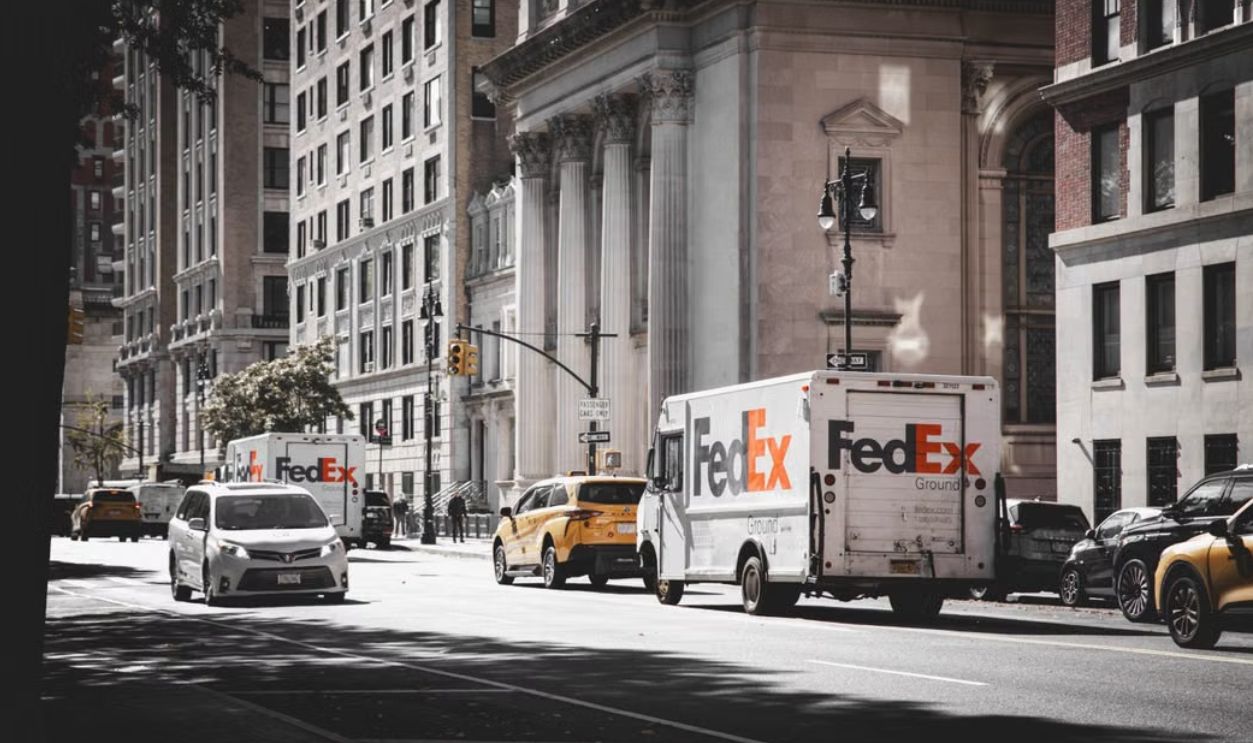
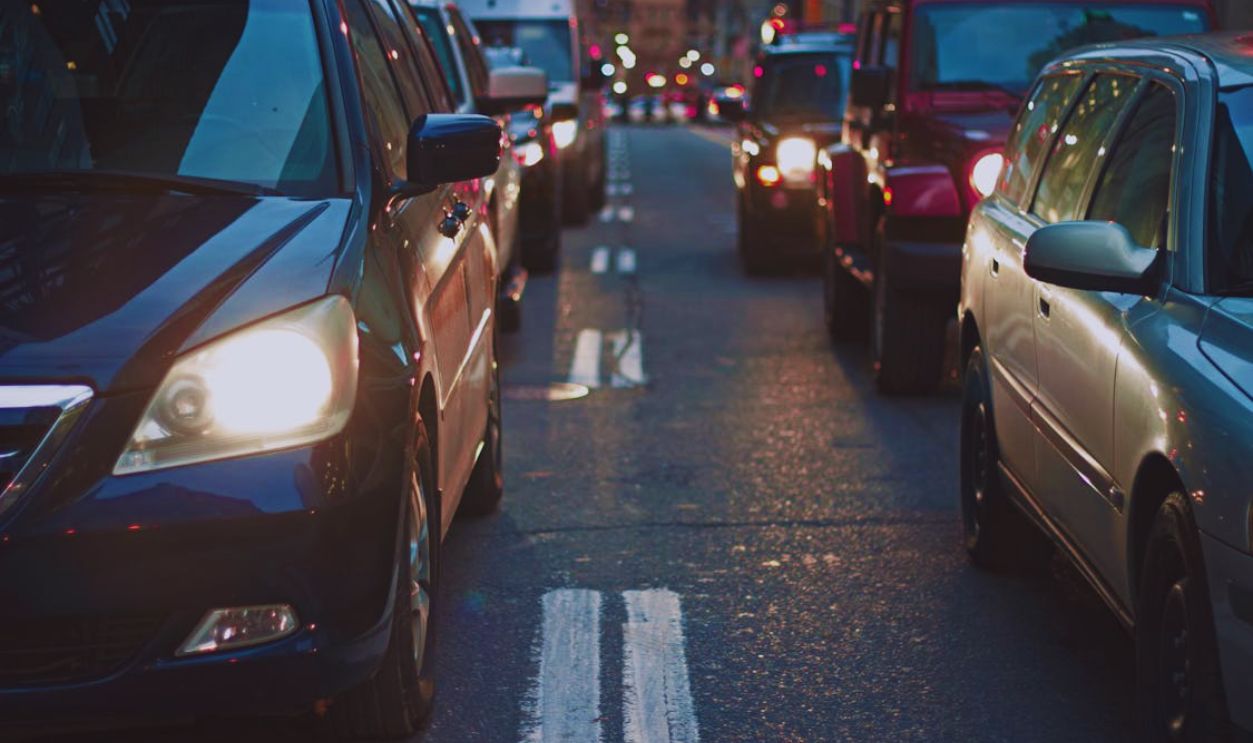
Rural driving often involves longer distances, but the car is usually moving. City driving can mean sitting through several light cycles, crawling behind delivery trucks, and searching for parking. Engines consume fuel while idling, and repeated acceleration and braking can make urban fuel economy noticeably worse than relaxed highway cruising.
Short Trips Can Be Hard On Cars
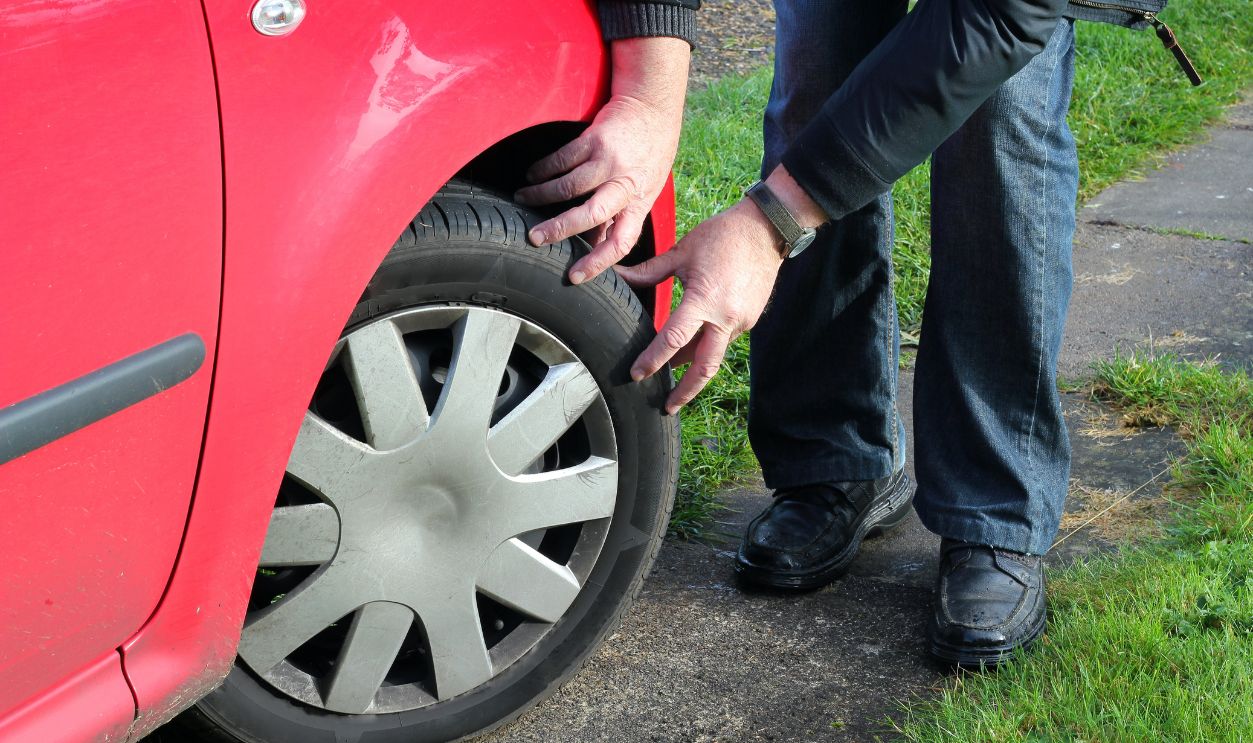
City residents may drive fewer miles overall, yet those miles can be demanding. Frequent cold starts, potholes, stop-and-go traffic, curb contact, and repeated braking add wear. A five-mile urban trip can involve more mechanical stress than a much longer rural drive on a quiet, open road.
Repairs Often Cost More Too
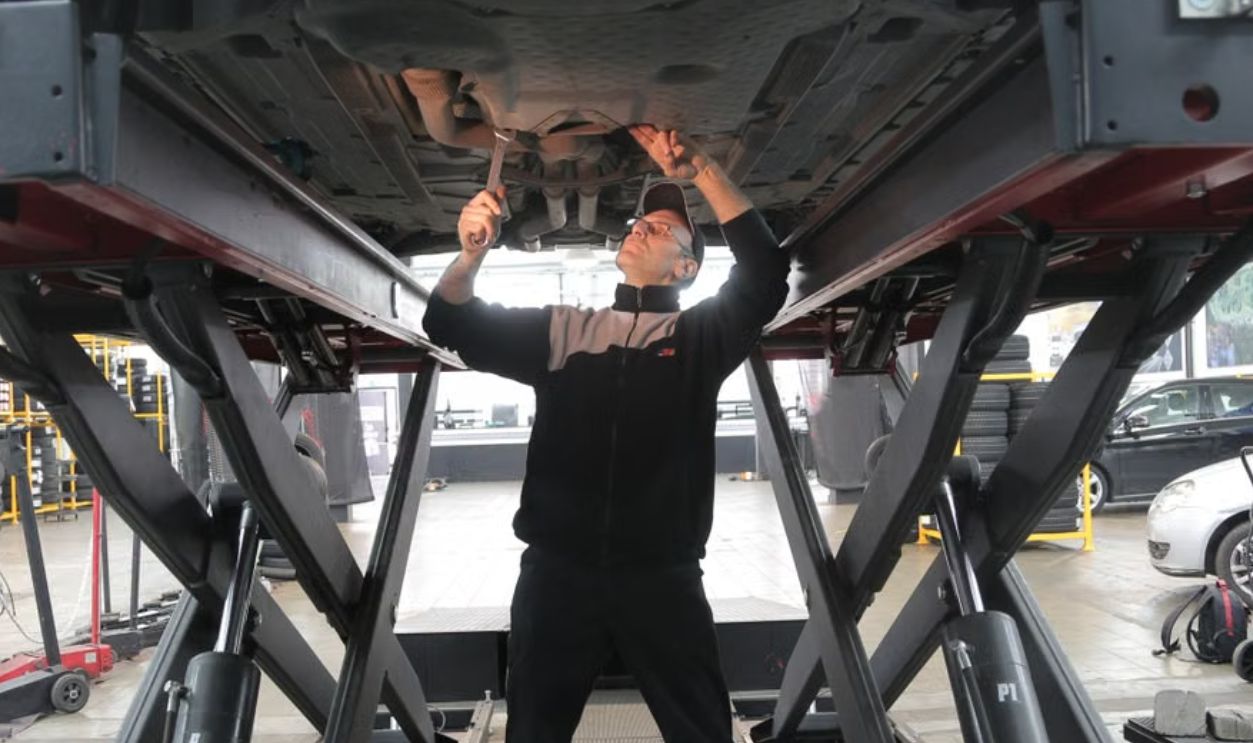
Urban repair shops generally face higher rent, wages, taxes, and operating expenses, and those costs can appear on your invoice. Convenient shops may also charge more because customers have fewer alternatives nearby. Even storing a damaged vehicle while waiting for parts can be difficult when every parking space has a price.
Tickets Become Part Of The Ecosystem
A rural parking mistake might earn you an annoyed look. In the city, it may earn a printed reminder under your windshield wiper. Expired meters, permit violations, street cleaning, loading zones, bus lanes, and automated enforcement can quietly add hundreds of dollars to annual ownership costs if you are not careful.

Tolls And Congestion Charges Change The Equation
Some metropolitan areas use toll roads, express lanes, bridge charges, or congestion-pricing programs to manage traffic and fund transportation. A route that looks faster on your phone may carry an extra fee. Urban drivers often learn that the quickest journey and the cheapest journey are not necessarily the same journey.
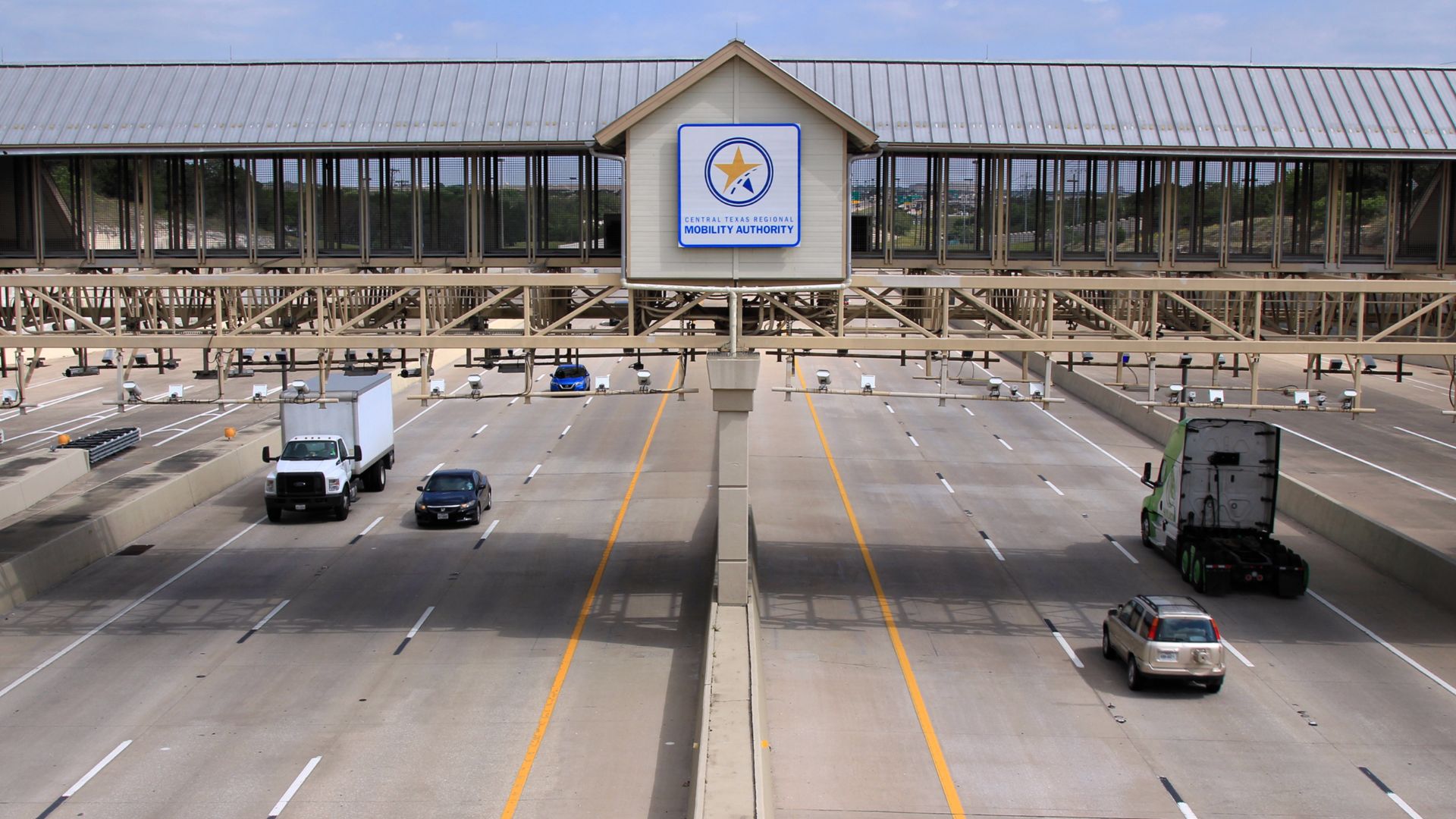 Larry D. Moore, Wikimedia Commons
The Real Cost Was Always Bigger Than Gas
Many drivers mentally calculate car expenses using fuel and monthly payments, while forgetting depreciation, financing, insurance, registration, maintenance, repairs, and tires. AAA estimated that owning and operating an average new vehicle in 2025 cost approximately $11,577 annually, or about $965 per month, before adding unusually expensive city parking.
Most People Do Not Simply Absorb The Increase
The secret is that many city residents do not continue using their cars exactly as they did in the country. They restructure their transportation. Some drive only on weekends, some share one vehicle with a partner, and others combine driving with transit, cycling, walking, car-sharing, and occasional ride-hailing.
They Start Treating The Car Like A Tool
In rural life, the car may be your default answer to every journey. City residents often become more selective. The vehicle is saved for grocery runs, family visits, bad weather, large purchases, or trips outside the transit network. For shorter journeys, another mode may be quicker, easier, and substantially cheaper.

They Calculate Parking Before Signing A Lease
Experienced urban renters ask about parking before falling in love with an apartment. A cheaper home with an expensive garage can cost more than a slightly pricier home with parking included. Others intentionally choose apartments near transit and eliminate the vehicle, trading automotive expenses for higher housing costs in a more convenient location.

Some Households Drop To One Car
A two-car household can become a one-car household surprisingly quickly in a walkable neighborhood. Partners coordinate schedules, use transit for commuting, and reserve the vehicle for shared errands. Losing a second insurance premium, registration fee, parking space, and maintenance schedule can free a substantial amount of money every month.

Public Transit Becomes Financially Interesting
Transit may feel restrictive to someone accustomed to driving everywhere, but the price comparison can be persuasive. A monthly pass may replace fuel, downtown parking, tolls, and daily wear. Bureau of Transportation Statistics research emphasizes that available transportation modes strongly influence how much households ultimately spend getting around.

Walking Is More Useful Than It Sounds
Nobody wants to hear “just walk” while carrying six grocery bags in freezing rain. Still, walkable neighborhoods can eliminate dozens of small car trips. Coffee shops, pharmacies, restaurants, parks, and basic services may be reachable without starting an engine, paying for parking, or entering combat over a merging lane.

Cycling And E-Bikes Fill The Middle Ground
Bicycles and e-bikes work especially well for distances that feel too long to walk but too short to justify driving. They are not perfect for every climate, body, or street network, but they can replace many routine trips. Cargo bikes have even become practical second-car substitutes for some urban families.

Car-Sharing Covers The Occasional Need
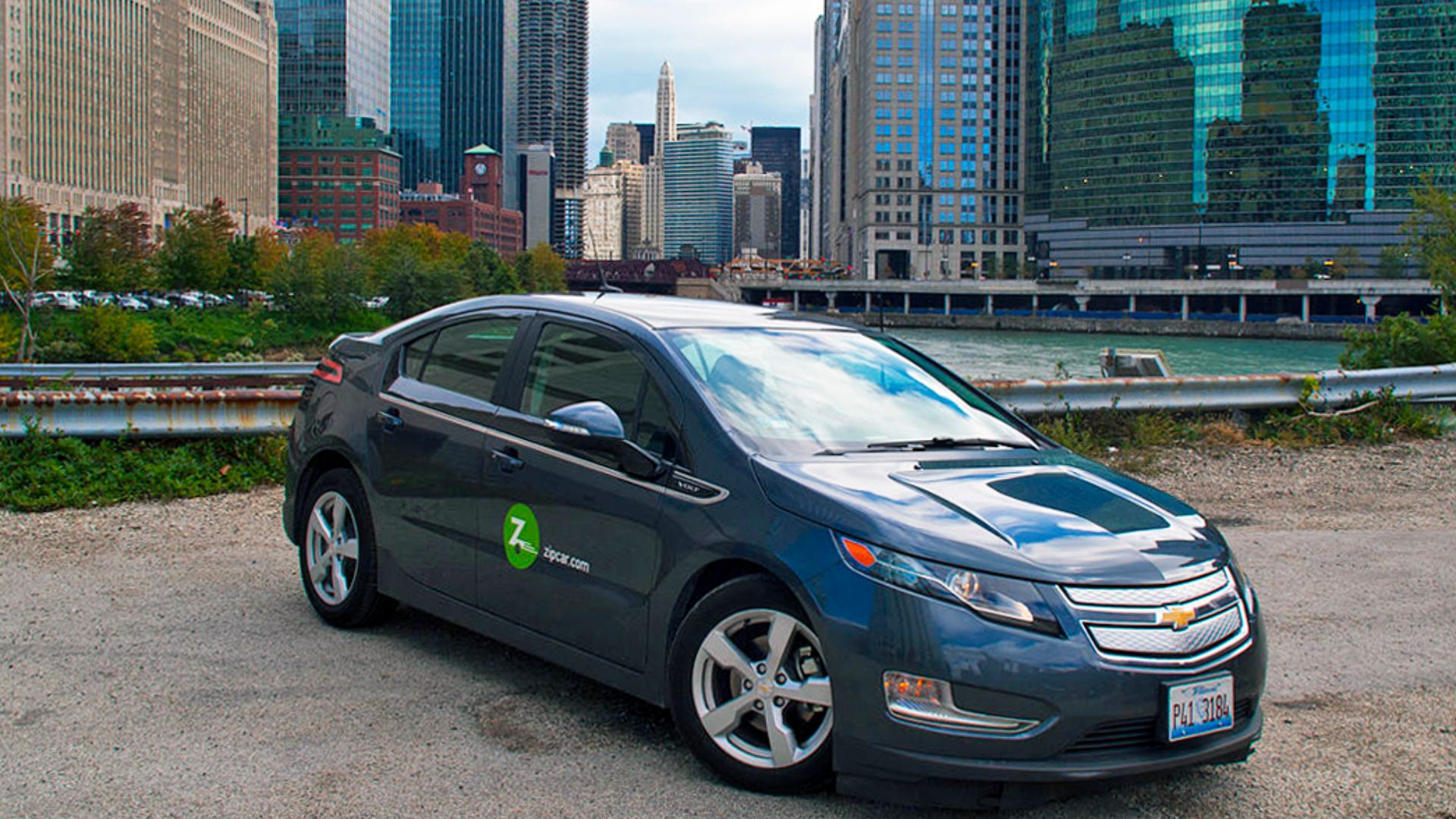
Car-sharing programs let residents access a vehicle for a few hours without carrying year-round ownership costs. You still pay for usage, but insurance, registration, depreciation, and some maintenance expenses are built into the rate. This can make sense for someone who needs a car twice a month rather than twice a day.
Rentals Work Better Than Many Owners Expect
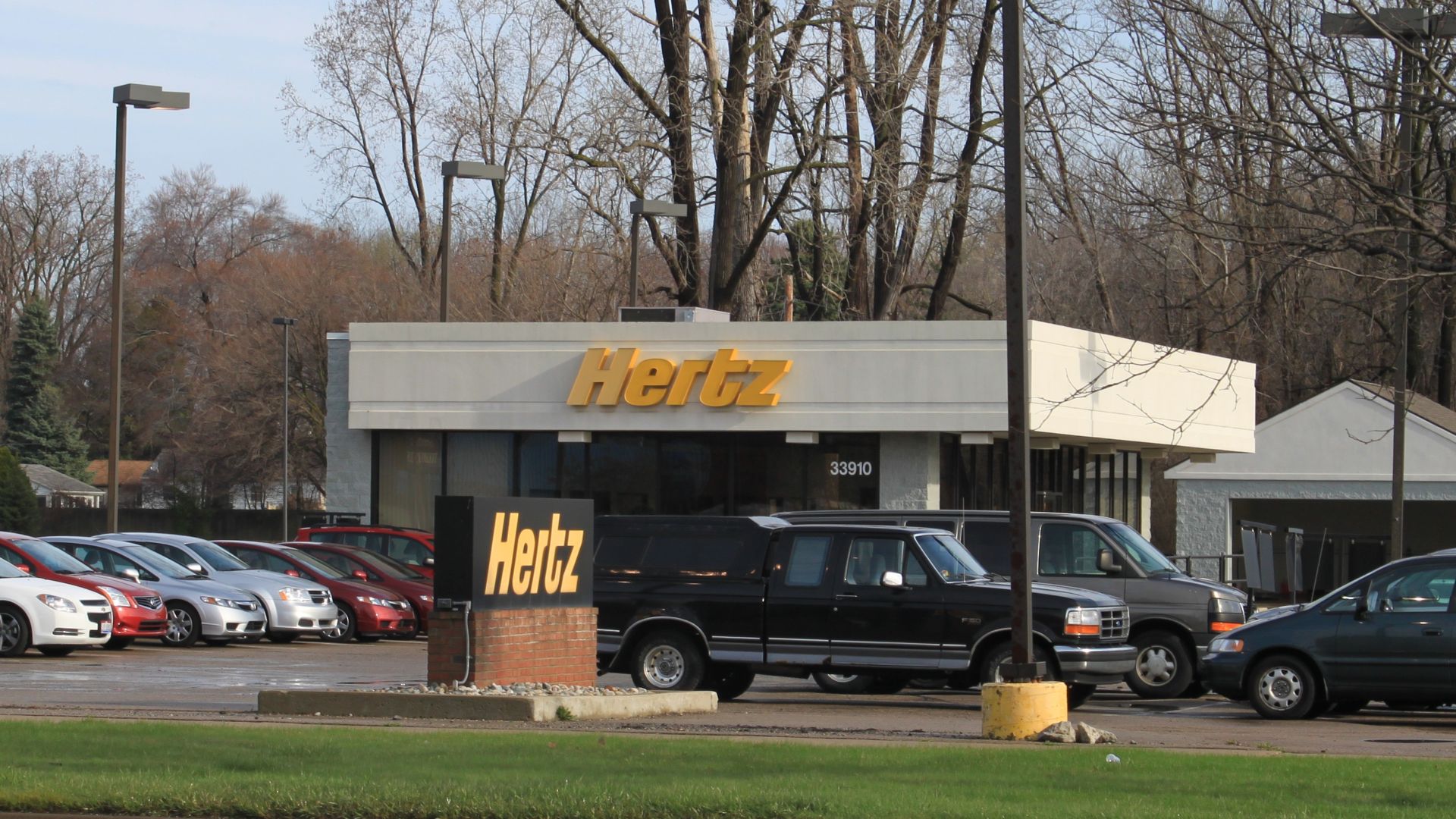
Giving up a car does not mean giving up road trips. Urban residents sometimes rent vehicles for vacations, family visits, or weekends away. Paying several hundred dollars for an occasional rental can feel painful, but it may remain cheaper than paying thousands annually to store, insure, and maintain an underused personal vehicle.
 Dwight Burdette, Wikimedia Commons
Ride-Hailing Is Best Used Selectively
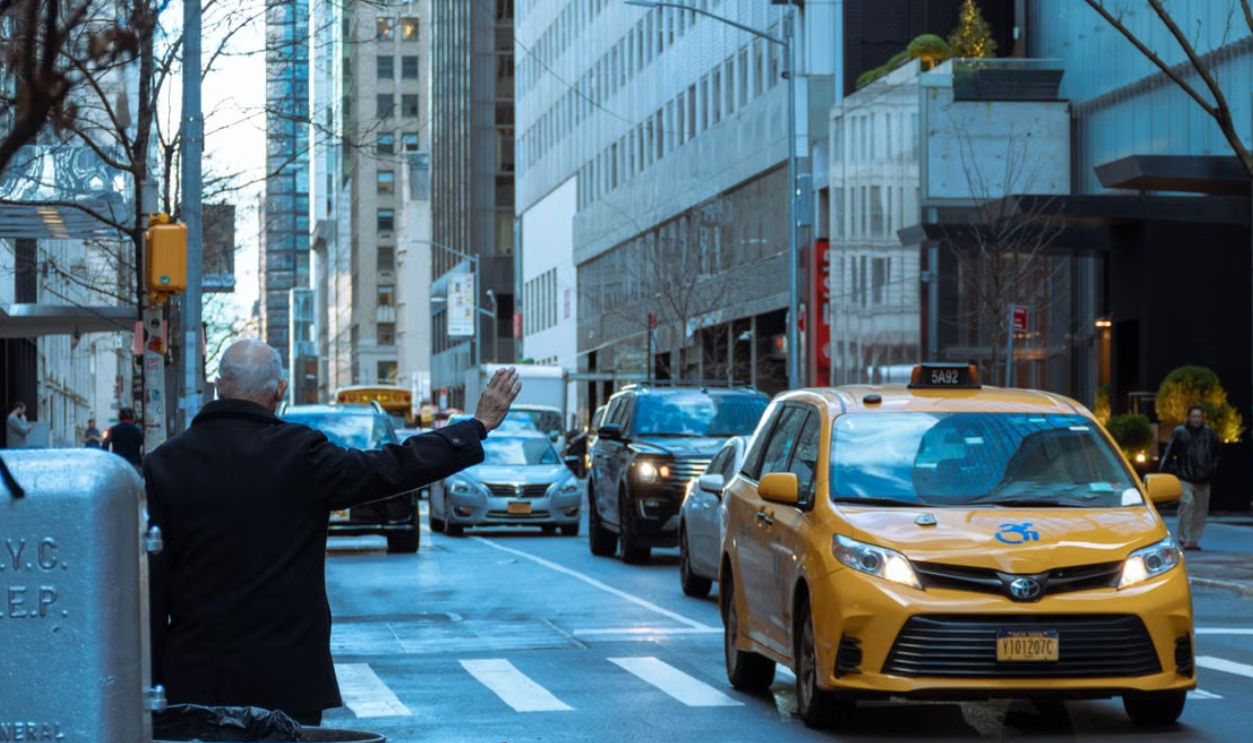
Ride-hailing becomes expensive when it replaces every trip, especially during peak pricing. Used strategically, however, it can solve awkward late-night journeys, airport runs, medical appointments, or bad-weather emergencies. Many car-free residents combine inexpensive daily transit with occasional rides rather than relying entirely on either option.
 Alexandros Chatzidimos, Pexels
Low-Mileage Insurance May Help
Drivers who stop commuting by car should tell their insurers. Some companies offer lower rates for reduced annual mileage, pleasure-only use, telematics programs, or vehicles stored securely. The savings vary, and tracking programs are not for everyone, but an outdated high-mileage policy may be needlessly expensive.

Smaller Cars Fit City Life Better
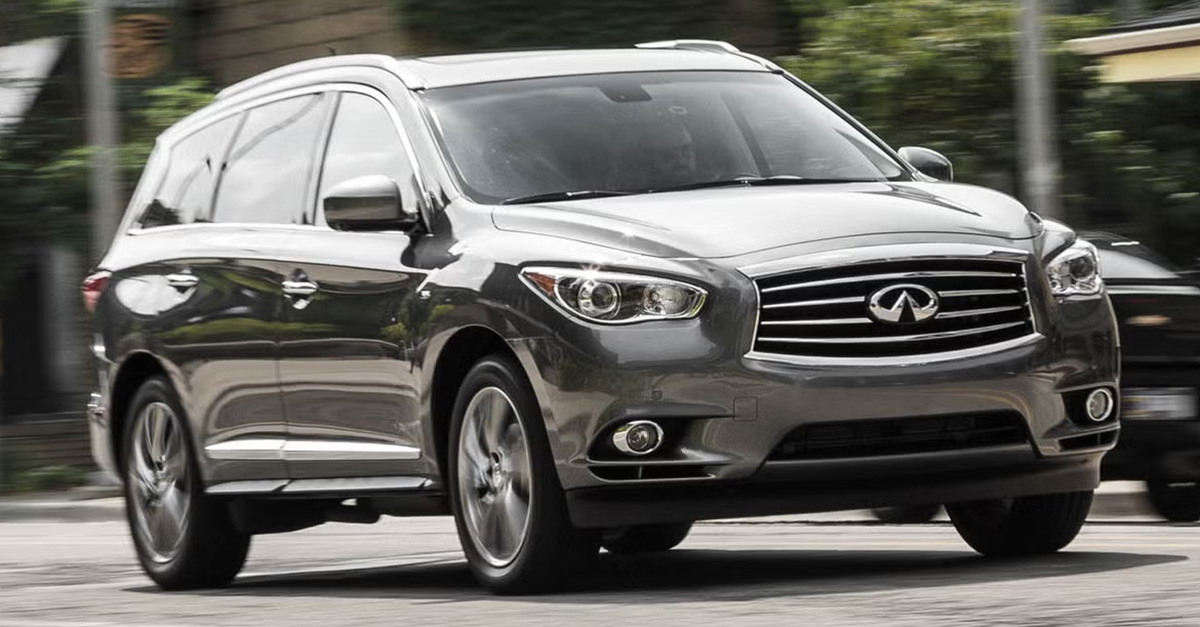
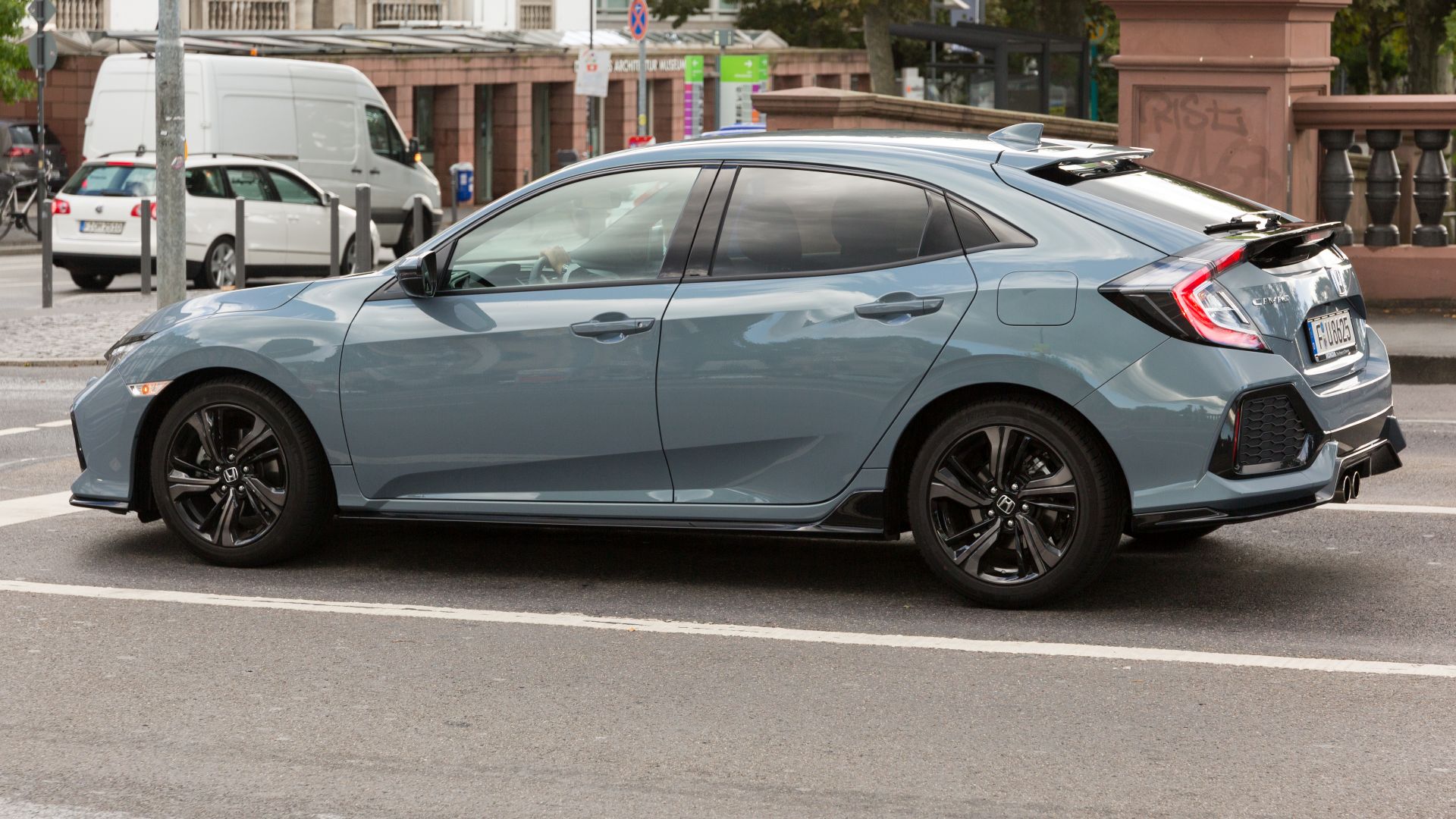
A giant luxury SUV may feel magnificent on an open highway, but less magnificent inside a narrow garage built when cars were much smaller. Compact vehicles are easier to park, often use less fuel, may cost less to insure, and can reduce the likelihood of expensive encounters with curbs, pillars, and unforgiving concrete walls.
Luxury Cars Carry An Urban Premium
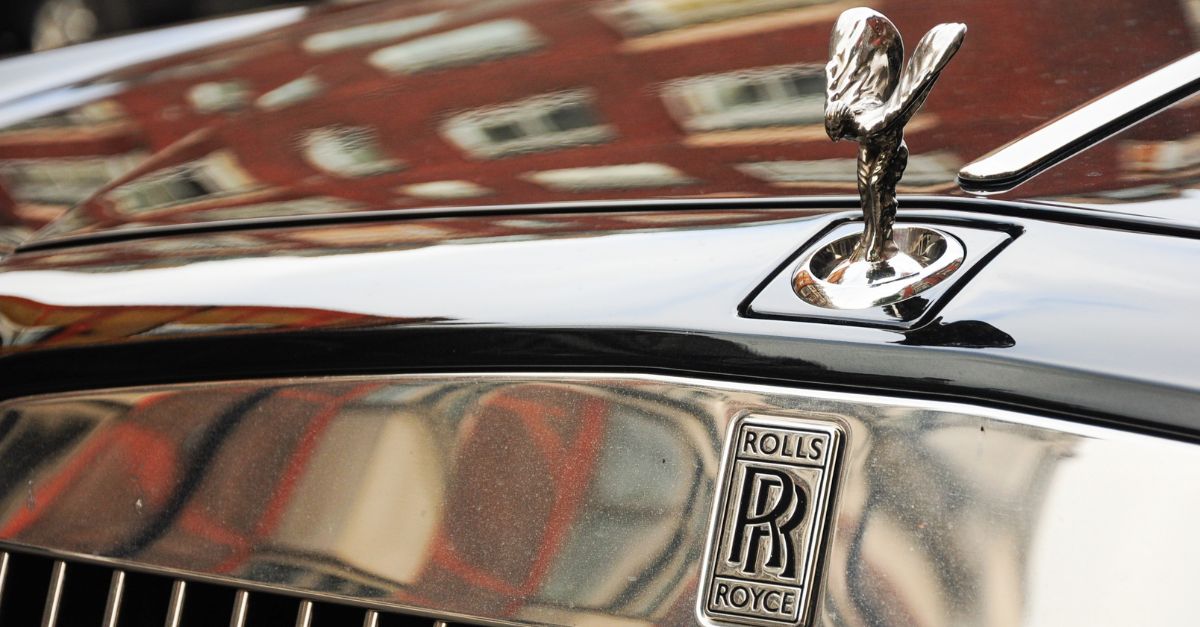
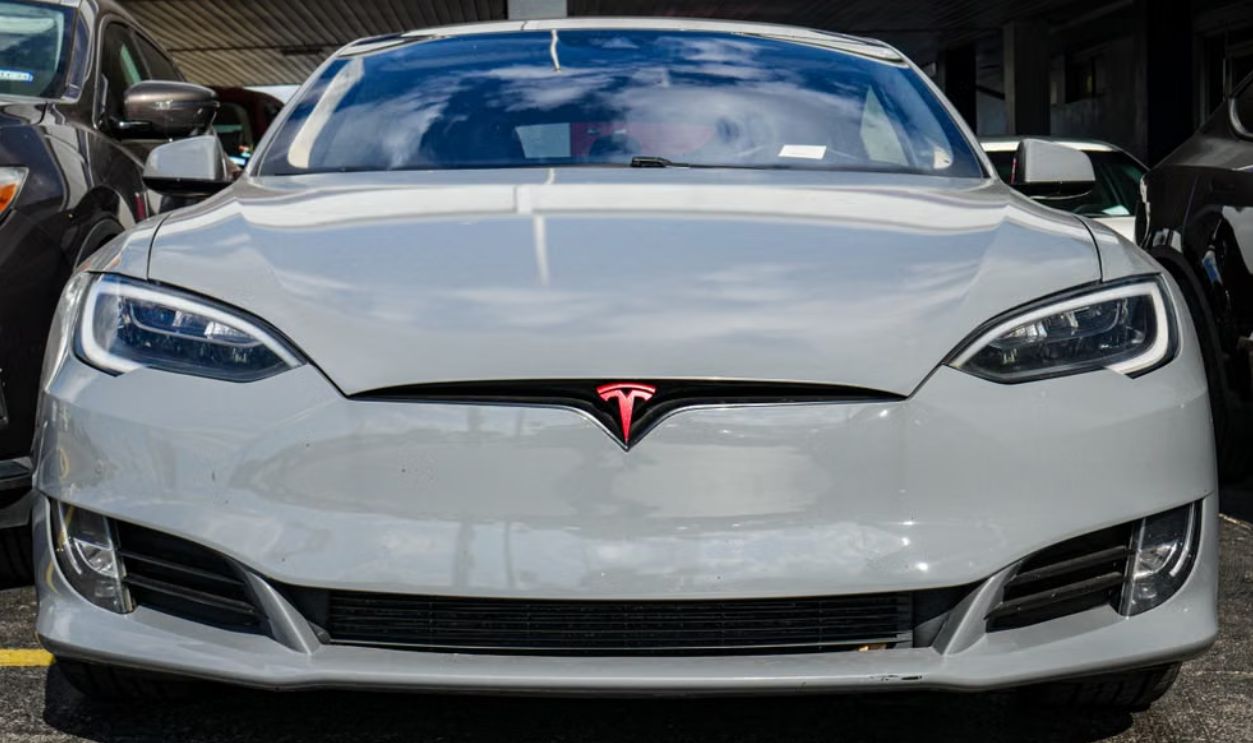
Premium vehicles bring higher parts prices, specialized labor, expensive tires, and complicated bodywork. Minor parking damage can become a four-figure repair when sensors, cameras, paint finishes, or lightweight materials are involved. In the city, an older compact car may provide something even more luxurious than leather seats: peace of mind.
Build A True Monthly Car Budget
Add your payment, insurance, fuel, parking, tolls, registration, maintenance, repairs, tickets, and depreciation. Then compare that total with transit, occasional rentals, car-sharing, and ride-hailing. The result may support keeping the car, downsizing it, sharing it, or selling it. What matters is using the complete number rather than the comfortable one.
 Vodafone x Rankin everyone.connected, Pexels
City Car Ownership Is A Choice, Not A Failure
People in cities manage the cost by refusing to accept an all-or-nothing transportation system. They mix options, reduce unnecessary driving, share vehicles, negotiate parking, and sometimes go car-free. Your rural habits were not wrong; they simply belonged to a different environment. In the city, the smartest luxury may be flexibility.
 Jaime Hernandez Erives, Pexels
You May Also Like: