When More Was Definitely More
The 1970s gave us some truly memorable cars, from the Lamborghini Countach to the Pontiac Firebird Trans Am. Unfortunately, the decade also produced automotive ideas involving fake wood, crushed velour, enormous bumpers, and windows barely large enough to see through. Nostalgia is wonderful, but these features belong safely in the past.
Padded Vinyl Roofs
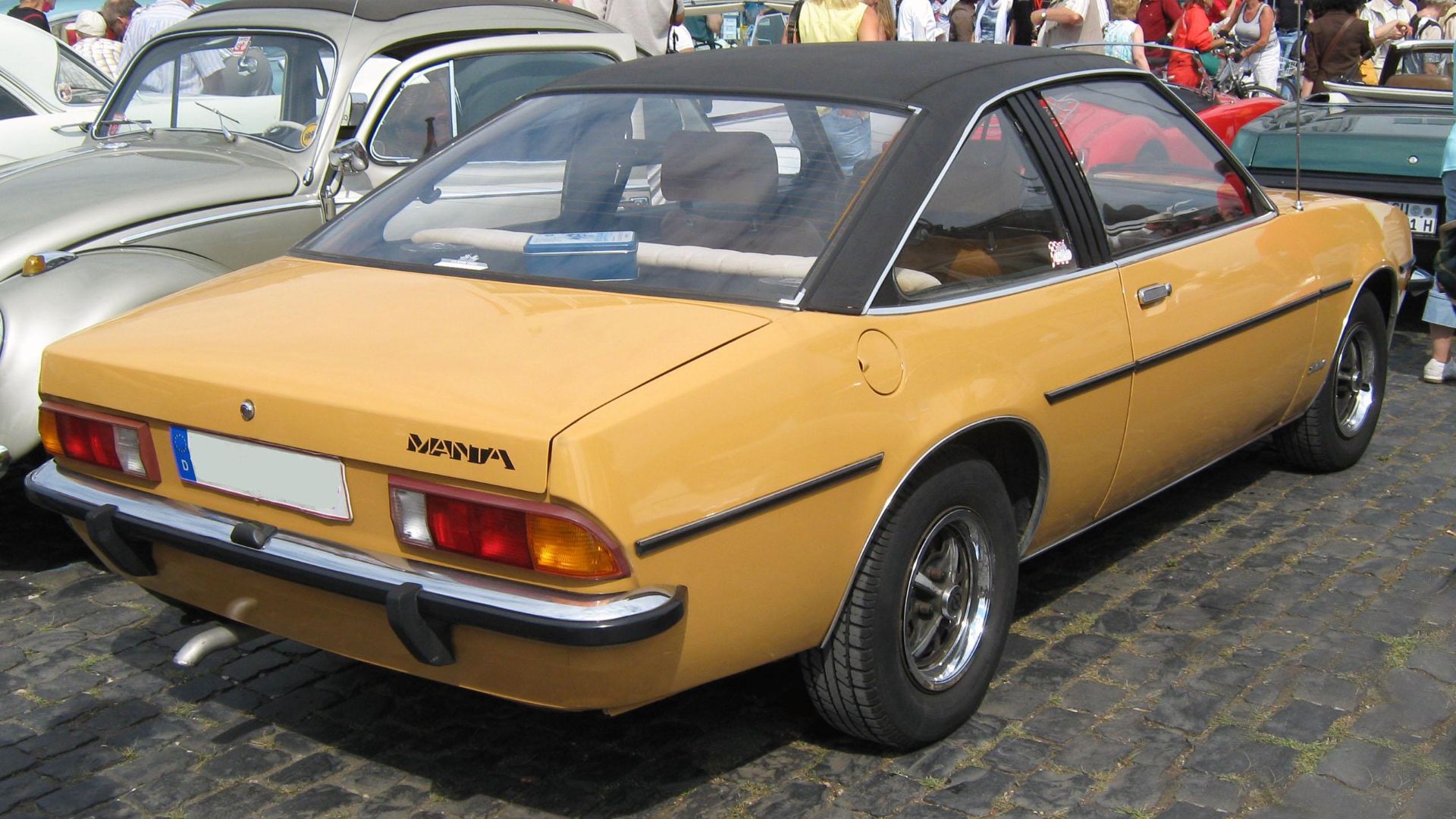
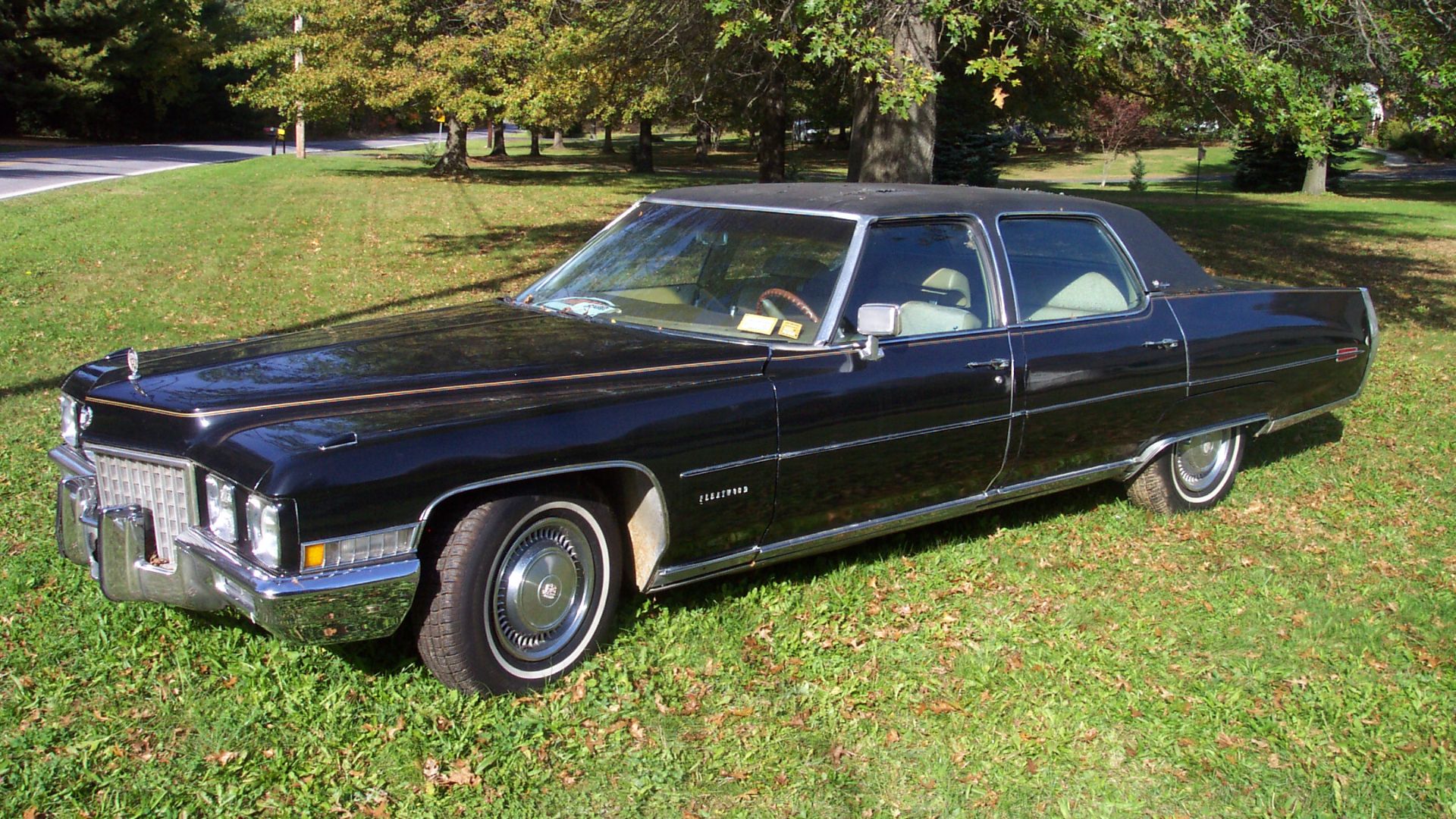
Nothing said “luxury” quite like gluing textured vinyl over a perfectly functional steel roof. Landau tops appeared elegant in advertisements, but moisture could creep underneath, encouraging rust where owners could not see it. Modern automakers should resist any temptation to wrap roofs in material resembling an upscale restaurant booth.
 Kroelleboelle, Wikimedia Commons
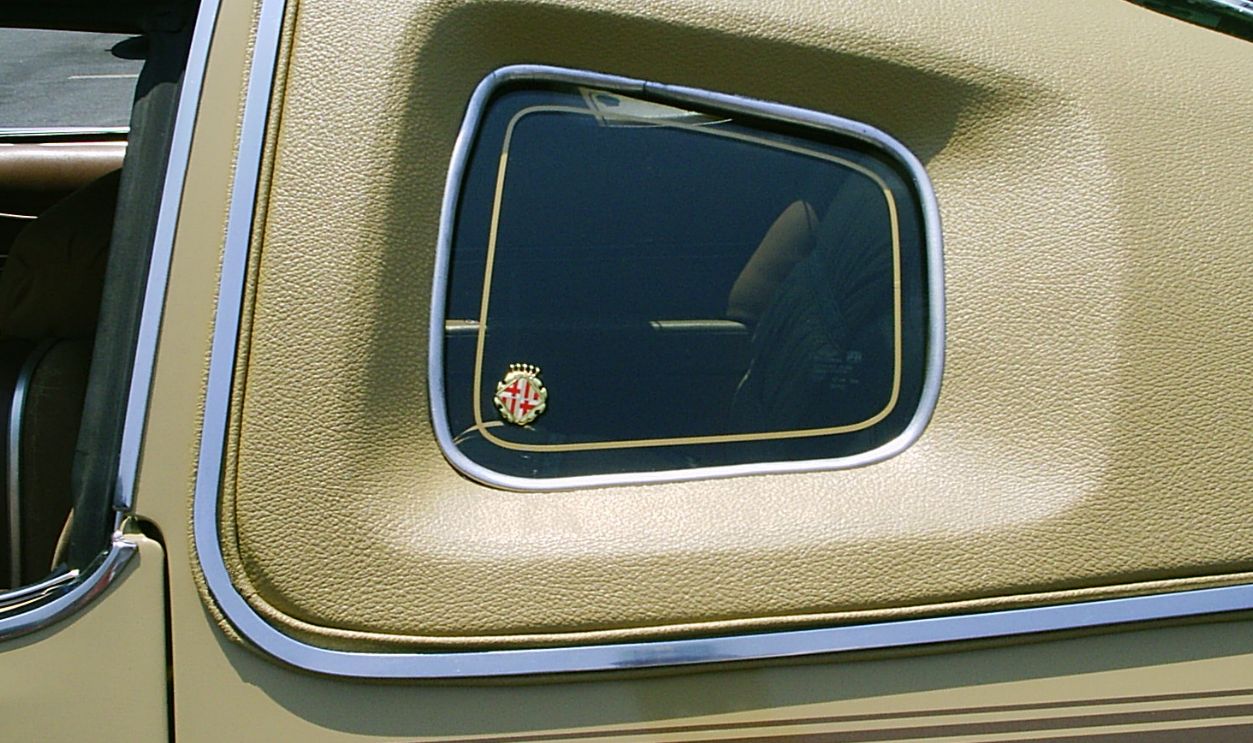
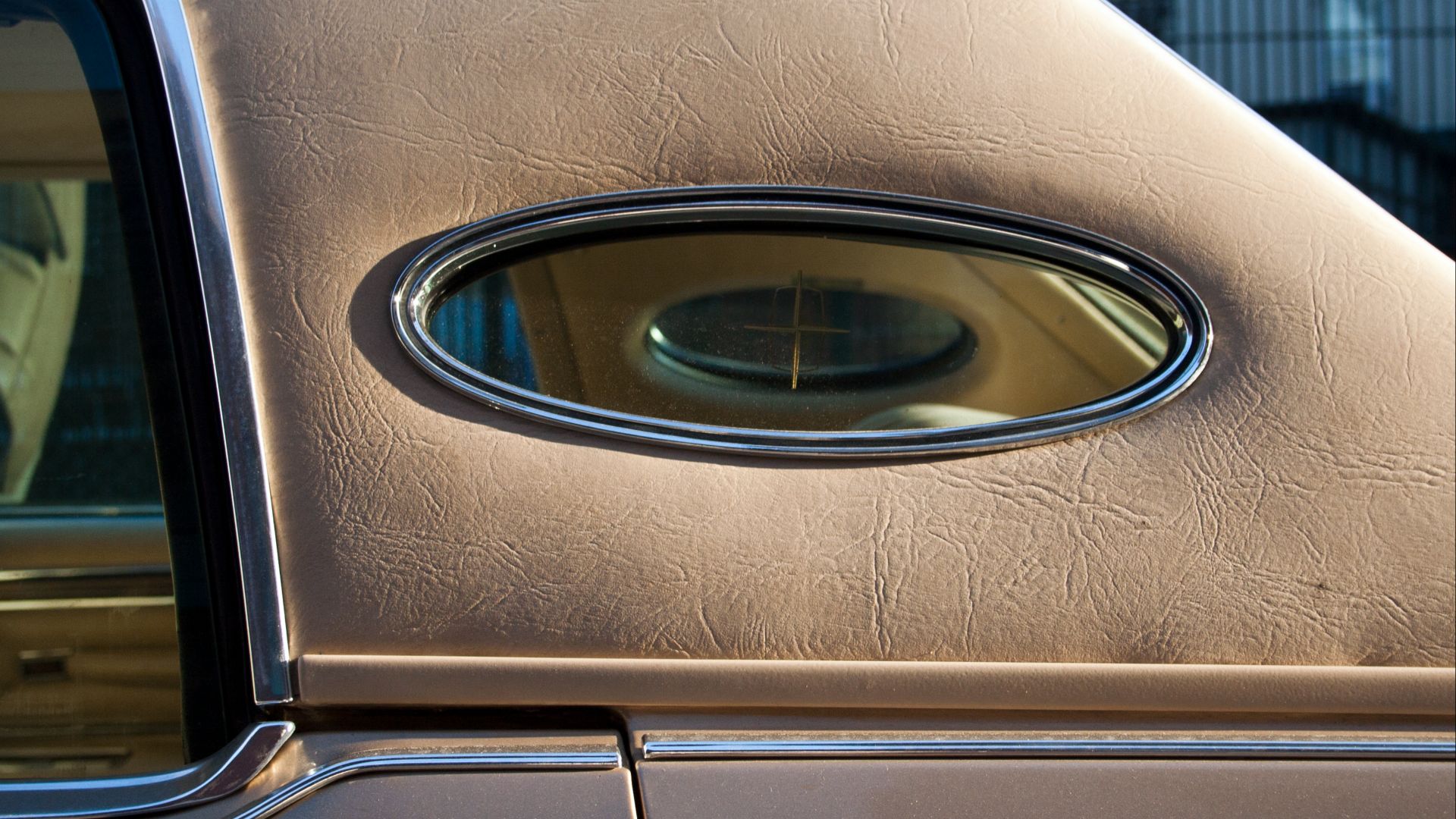
Tiny Opera Windows
Opera windows were small panes installed in the thick rear pillars of personal luxury coupes. They gave passengers a postage-stamp-sized view of the outside world while making the driver’s blind spots considerably worse. They looked glamorous, particularly when surrounded by chrome, but usefulness clearly was not part of the assignment.
 Christopher Ziemnowicz, Wikimedia Commons
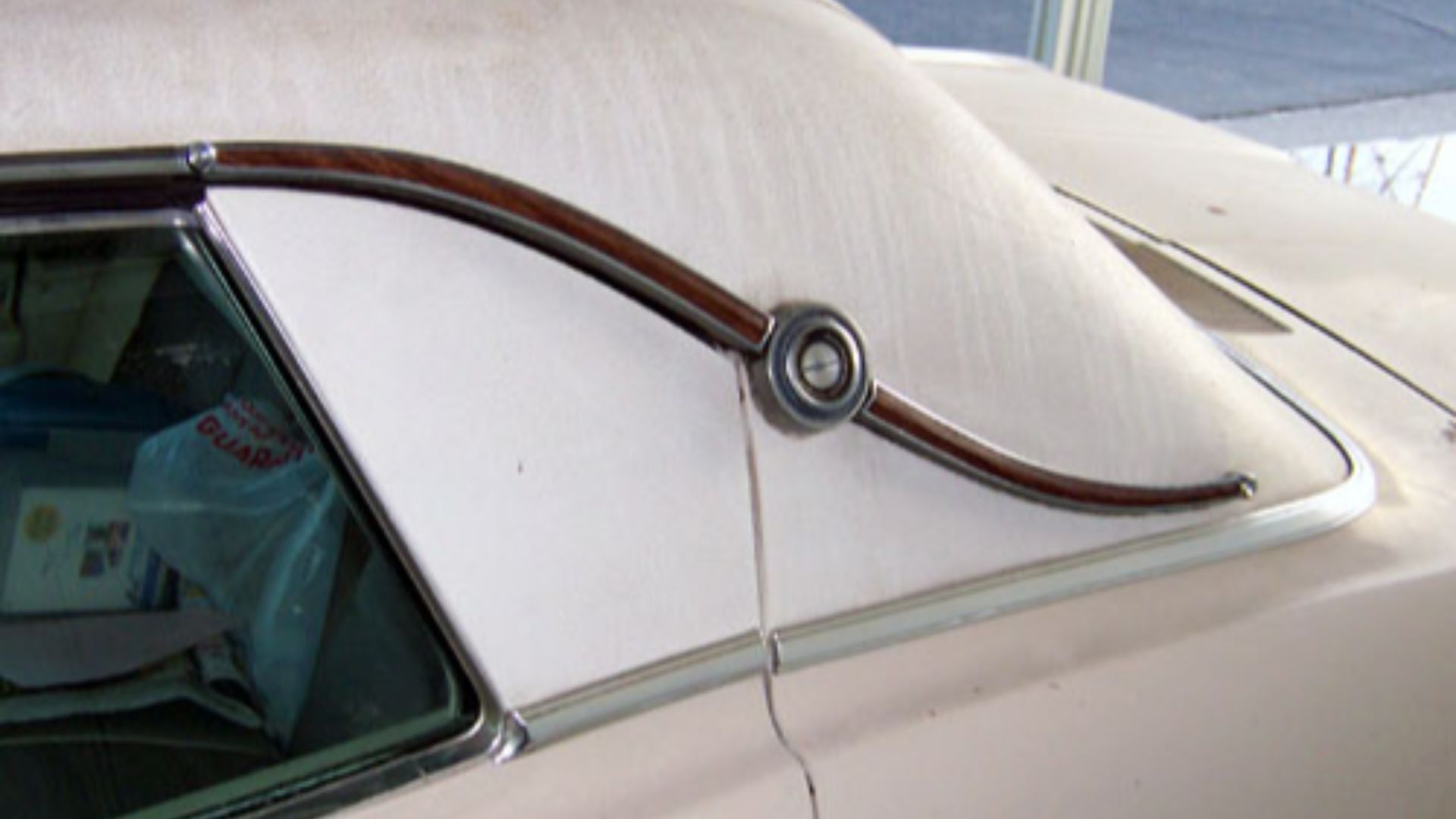
Decorative Landau Bars
A landau bar originally referenced the folding mechanism on an old horse-drawn carriage. On a 1970s coupe, it was merely a decorative strip attached to the roof pillar. It did not fold anything, strengthen anything, or improve the car. It existed solely to convince neighbors that your Chevrolet had aristocratic relatives.
 The original uploader was Morven at English Wikipedia., Wikimedia Commons
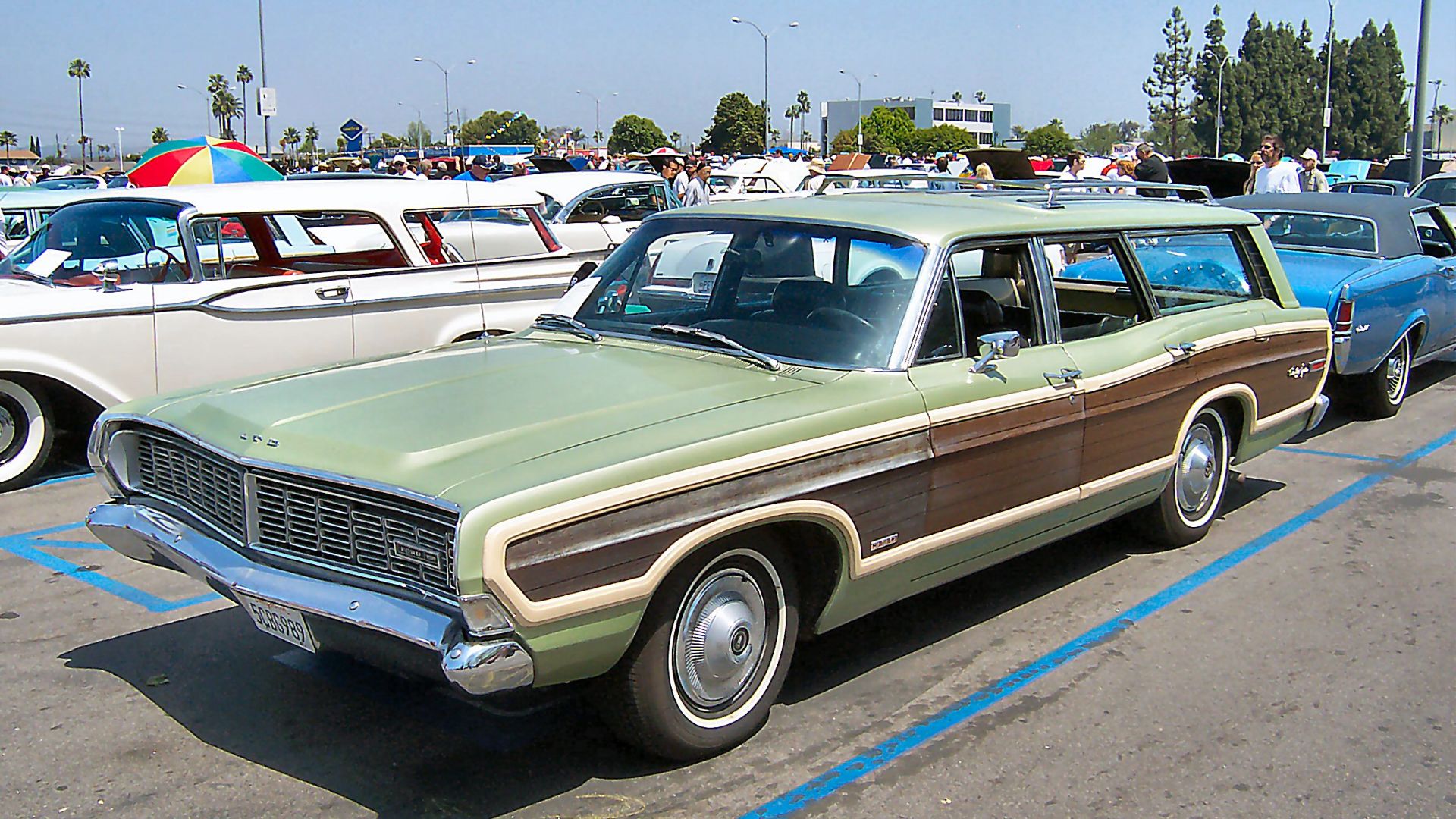
Fake Wood Paneling
Real wooden-bodied station wagons had disappeared, but automakers kept the appearance alive with adhesive vinyl. The results ranged from pleasantly nostalgic to “suburban basement rec room on wheels.” Fake wood became especially questionable once sunlight faded it unevenly and the edges began peeling away from the body.
Five-Mile-Per-Hour Bumpers
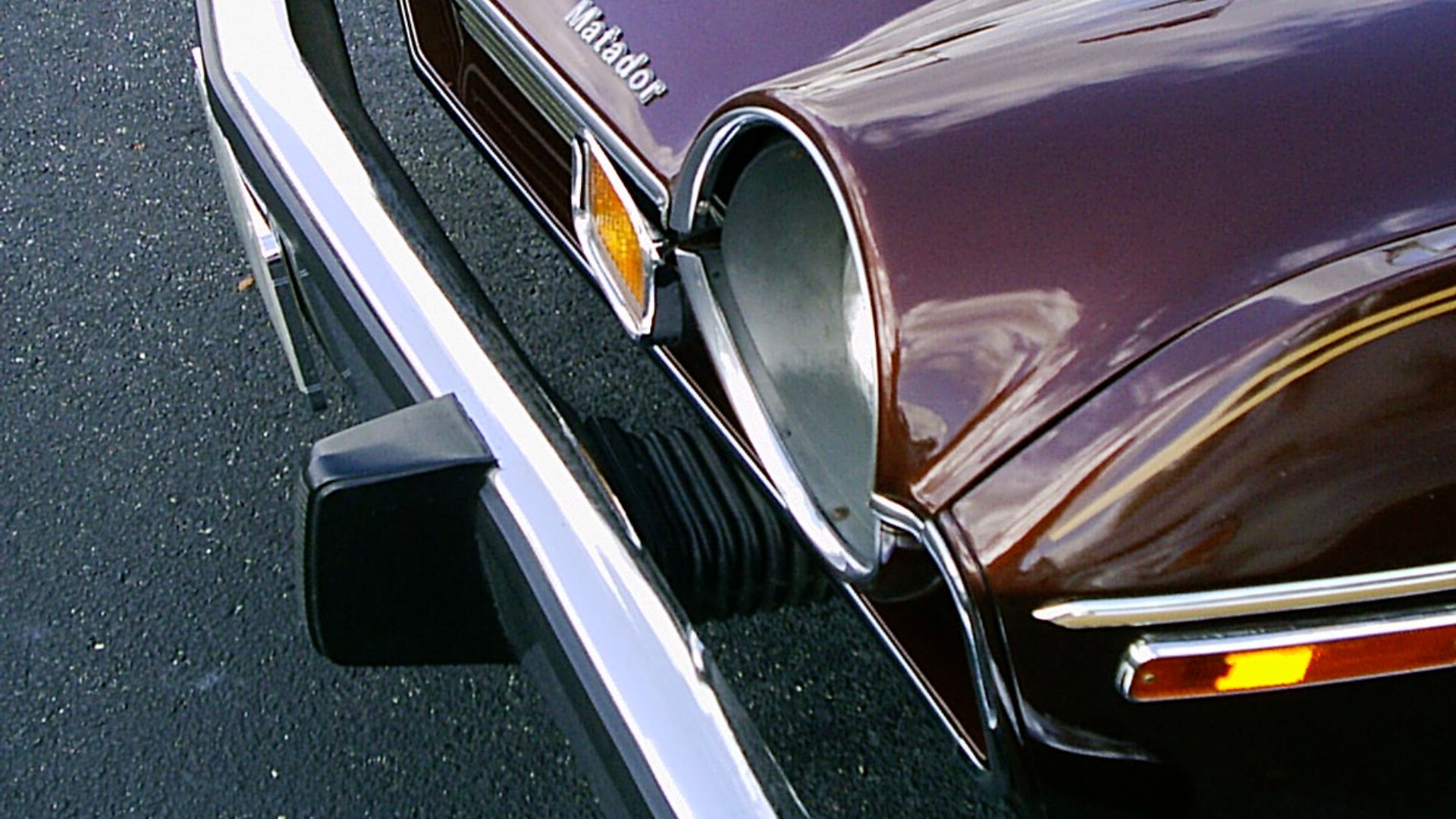
Federal bumper standards were created to reduce damage in low-speed collisions, which was a sensible goal. The execution sometimes involved attaching enormous chrome battering rams to cars never designed to accommodate them. These bumpers added length, weight, and all the visual delicacy of industrial shelving.
 Christopher Ziemnowicz, Wikimedia Commons
Hideaway Headlight Doors
Hidden headlights looked fantastic when they worked. The trouble was that many depended on vacuum systems, electric motors, linkages, and doors that eventually developed minds of their own. One light might appear while the other stayed asleep, leaving the car looking surprised, confused, or mildly intoxicated.
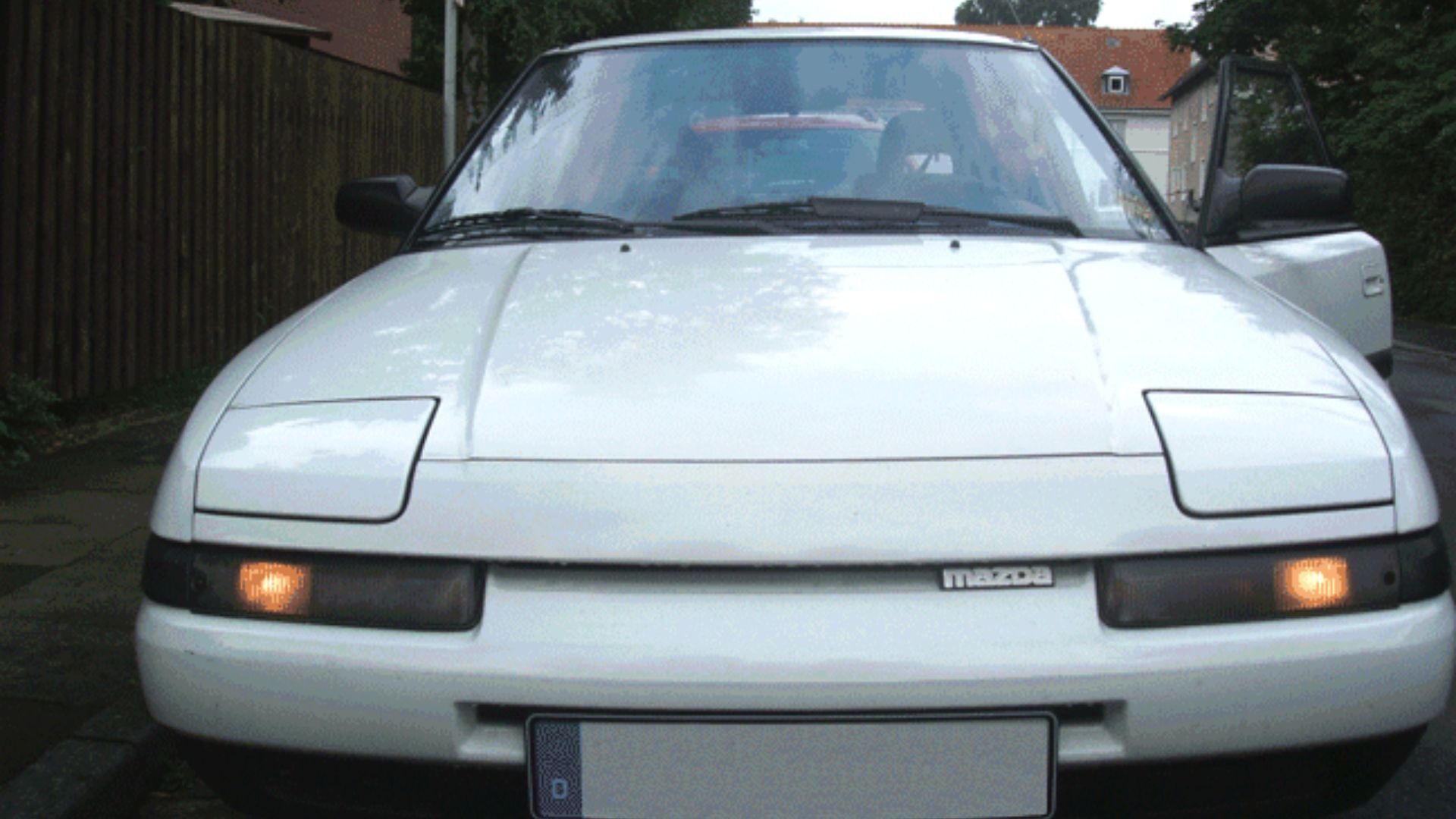 Andybreuhan at de.wikipedia, Wikimedia Commons
Sealed-Beam Headlights
For decades, American regulations effectively limited automakers to standardized sealed-beam headlights. They were inexpensive and easy to replace, but their nighttime performance now feels painfully weak. Driving behind them on an unlit road could resemble holding two household candles outside the windshield and hoping for the best.
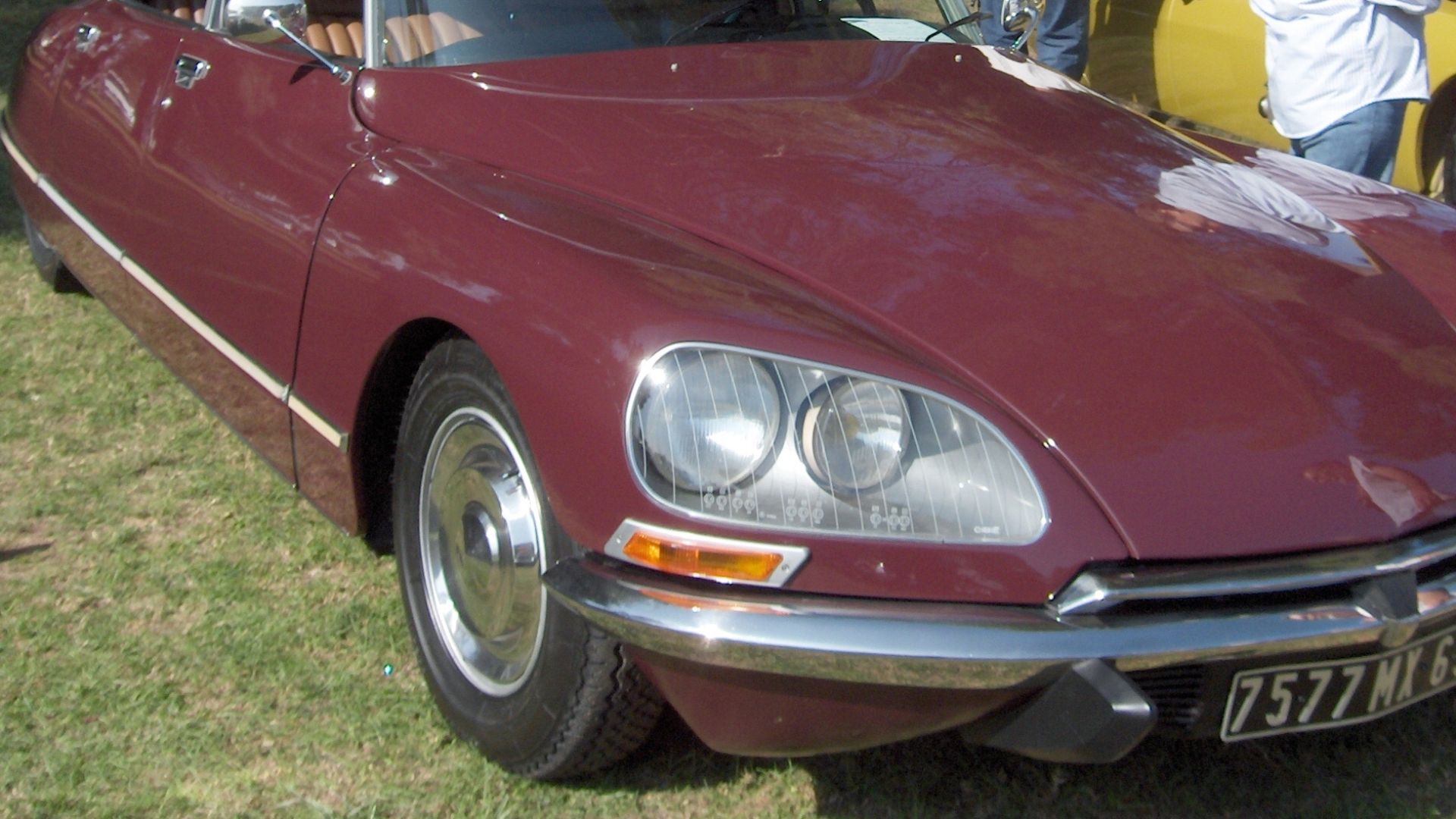 No machine-readable author provided, Wikimedia Commons
Wire Wheel Covers
Actual wire wheels require craftsmanship and maintenance. Wire wheel covers provided the general impression from approximately 30 feet away. Up close, they were elaborate hubcaps collecting brake dust in countless tiny crevices. They could also rattle, loosen, or make an undignified escape after encountering a pothole.
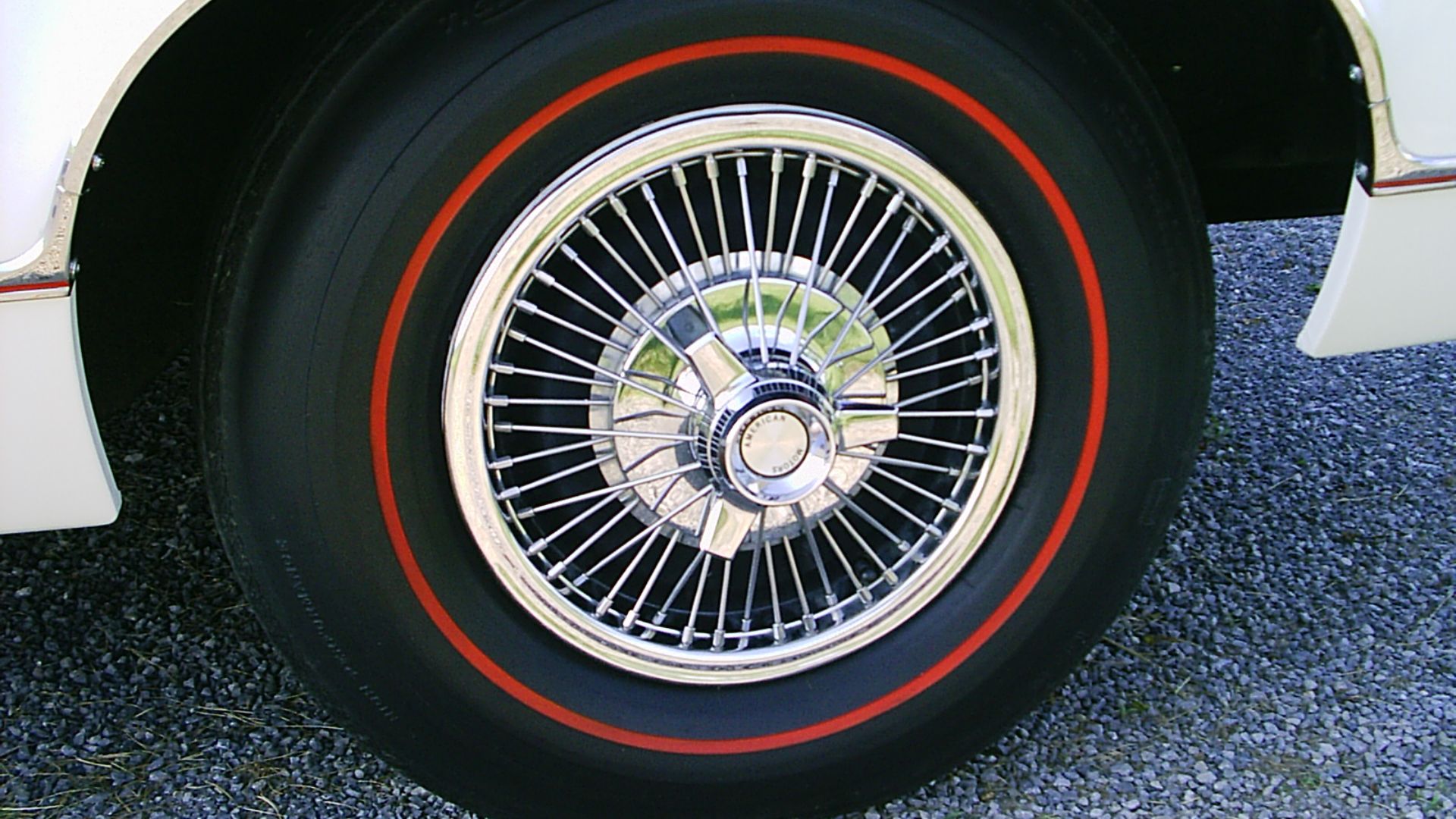 Christopher Ziemnowicz, Wikimedia Commons
Opera Lamps
Why stop at opera windows when you could illuminate them? Opera lamps were small lights mounted on the exterior pillars of luxury cars. They added atmosphere but very little practical value. Today, they would probably be programmable, app-controlled, subscription-based, and capable of displaying a manufacturer’s logo on your garage wall.
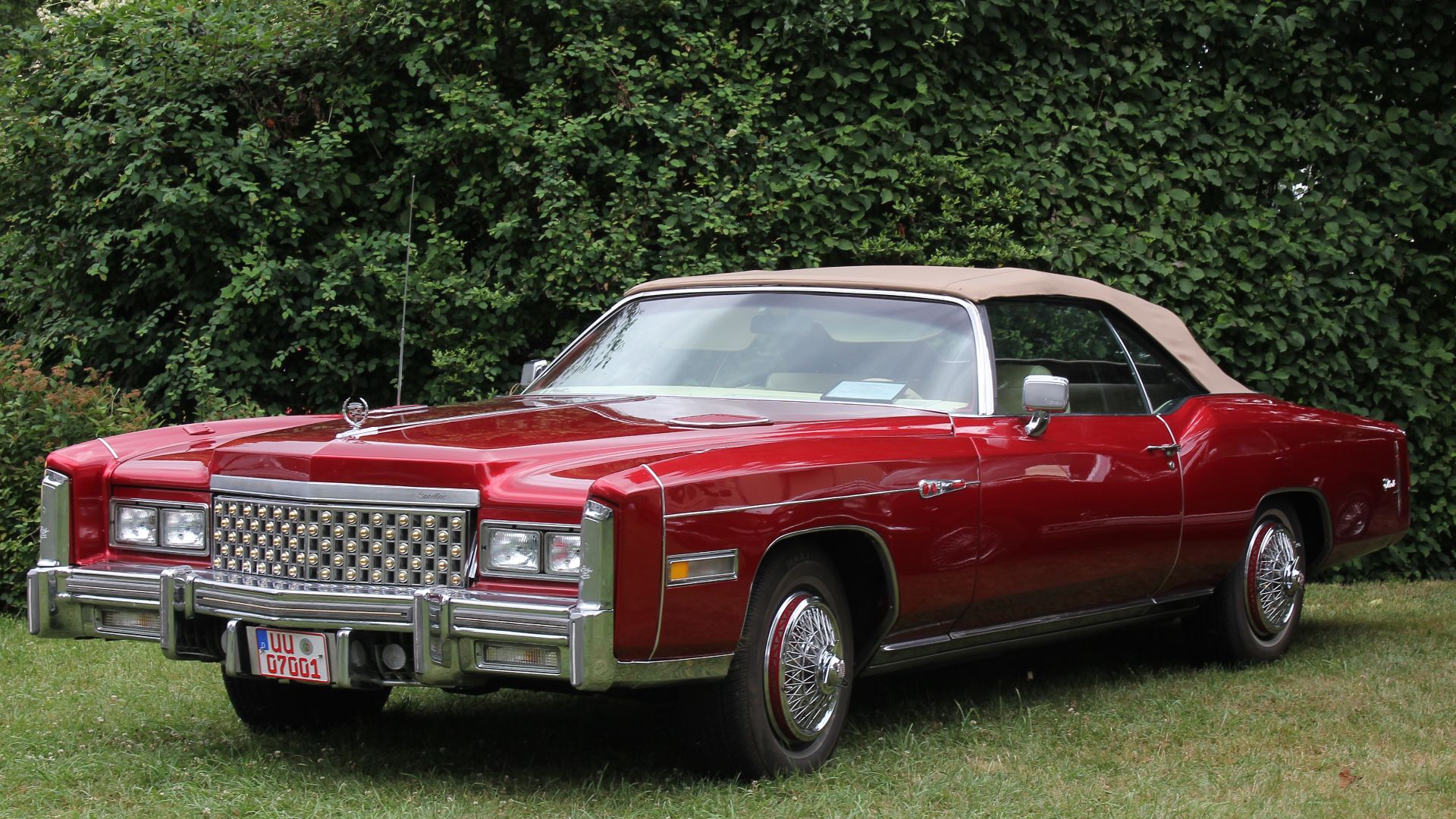 Lothar Spurzem, Wikimedia Commons
Crushed-Velour Interiors
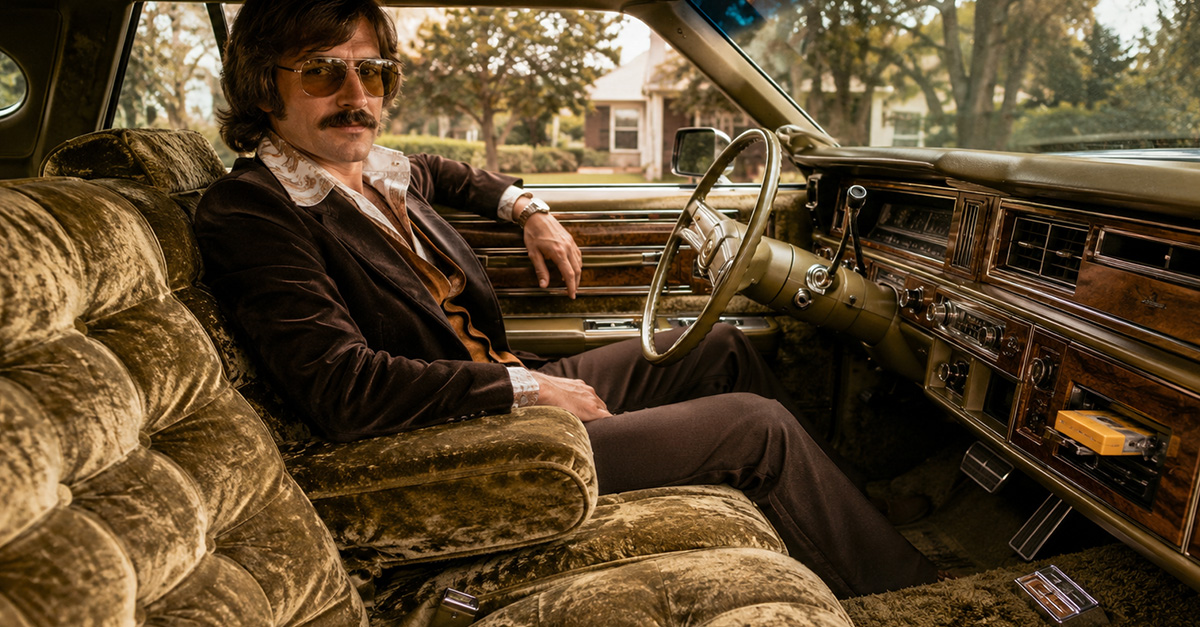
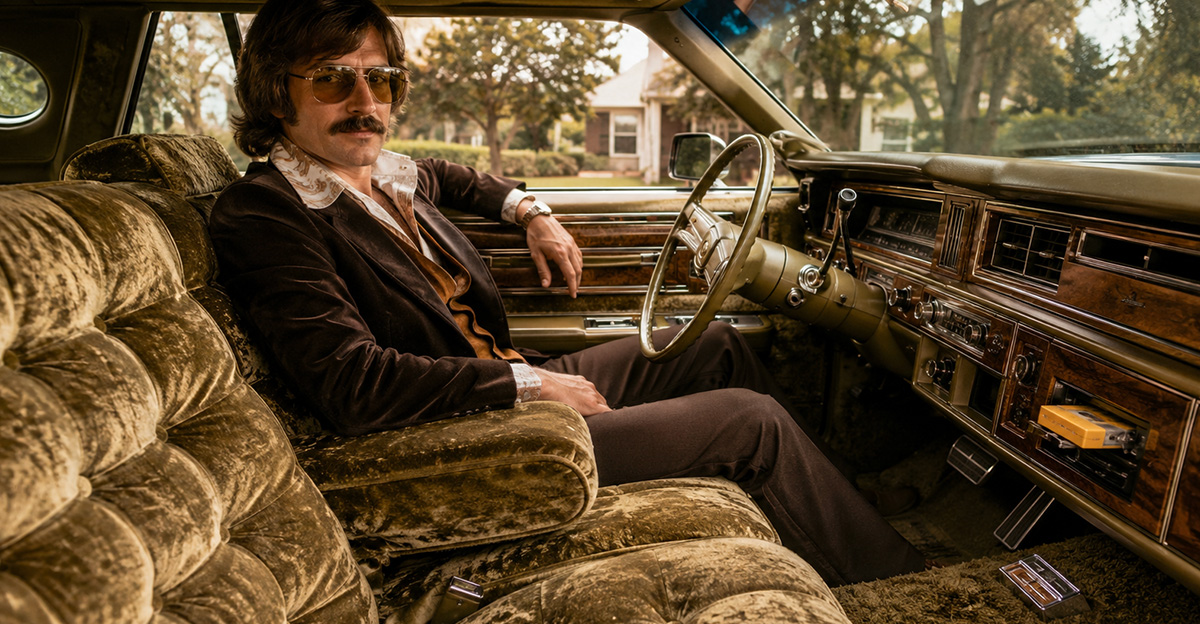
Velour was soft, dramatic, and available in colors normally associated with casino carpets. It also attracted dust, absorbed odors, and became unpleasantly warm in summer. Some luxury packages covered nearly everything in the material, creating cabins that looked less like cars and more like rolling furniture showrooms.
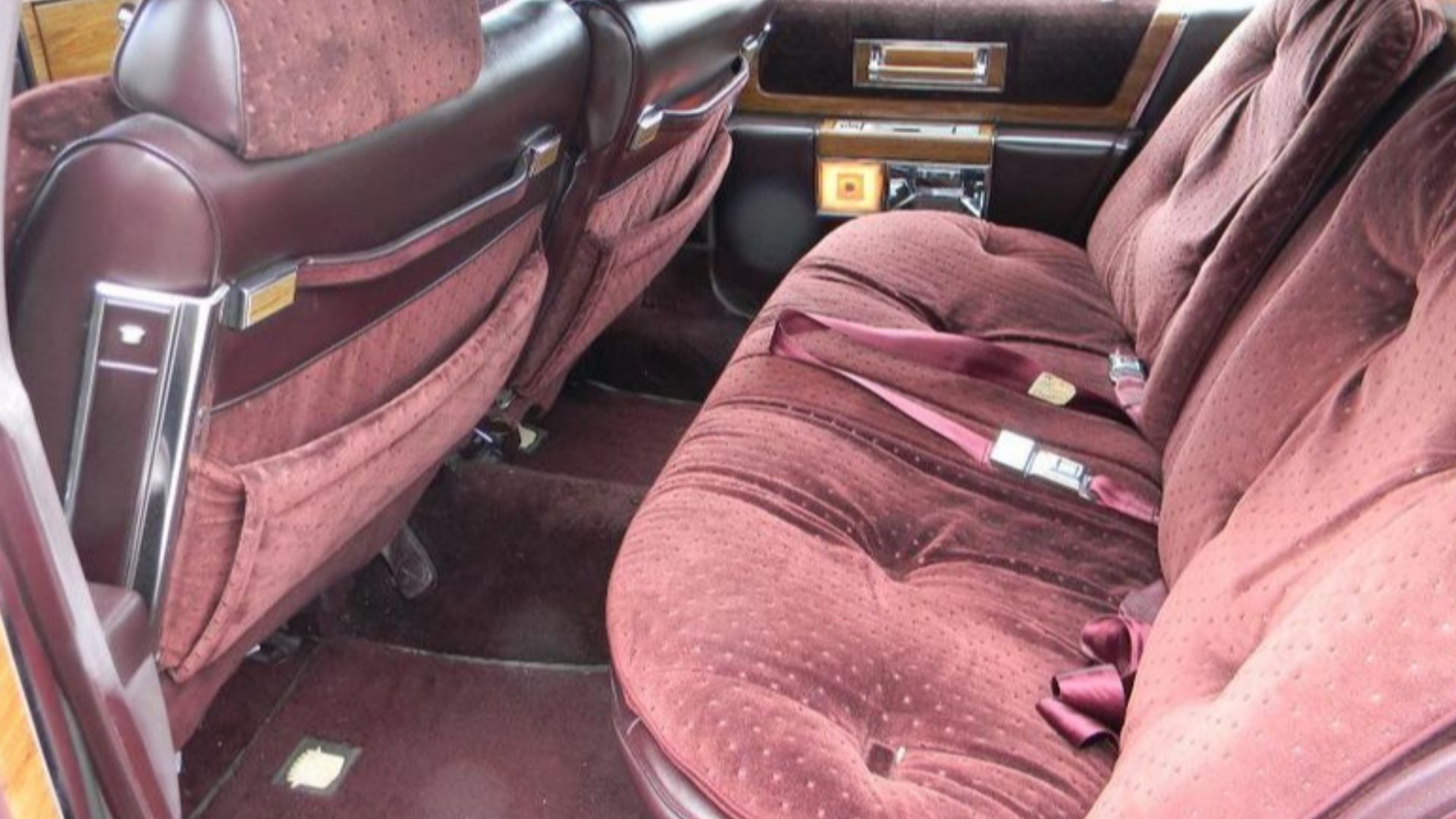 That Hartford Guy, Wikimedia Commons
Button-Tufted Seats
Deeply buttoned upholstery made an ordinary bench seat look like a Victorian sofa. Unfortunately, all those folds and buttons collected crumbs, coins, dust, and unidentified objects from family road trips. They were comfortable in a living-room sense, but they rarely provided the support drivers expect from modern seats.
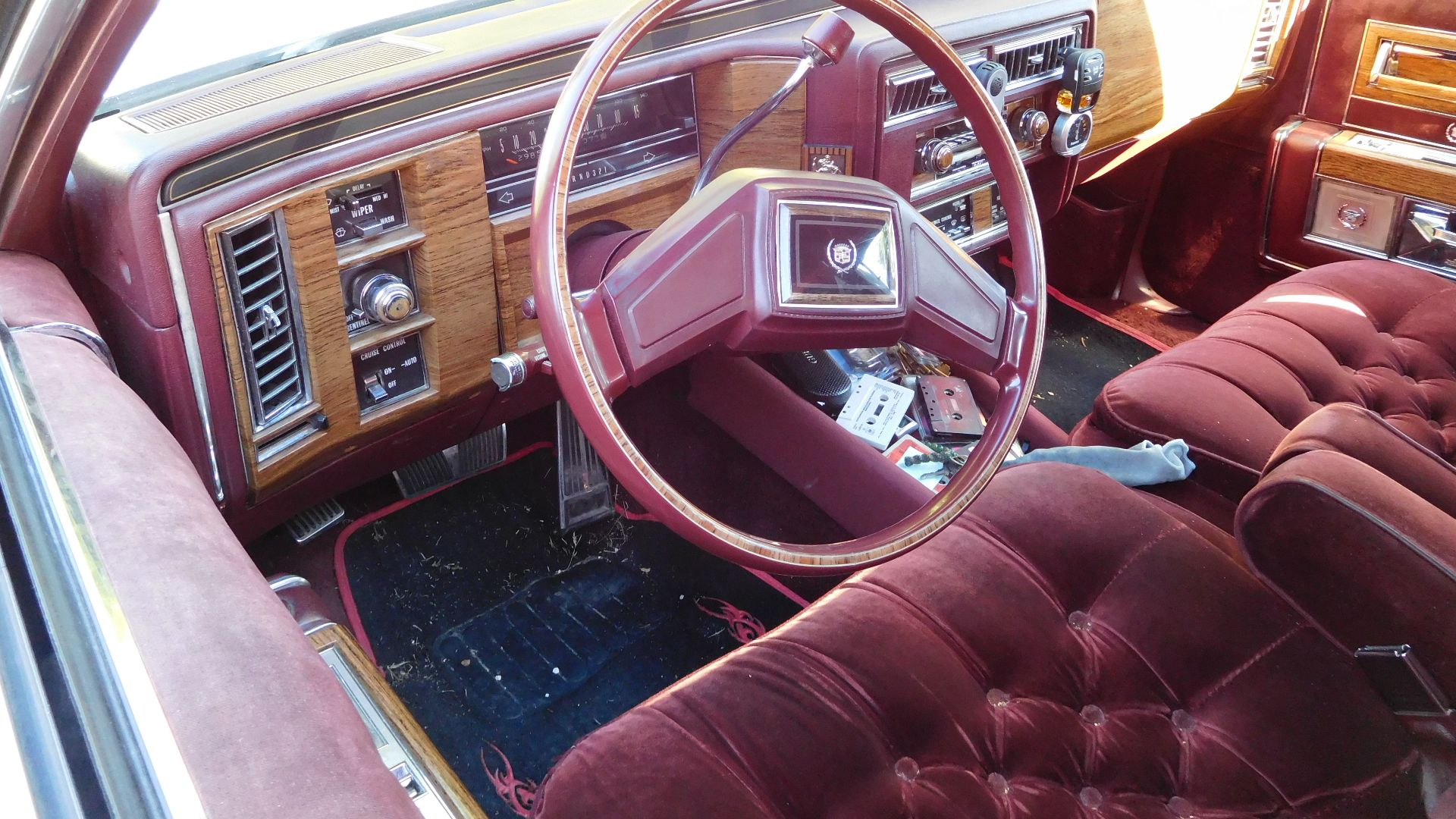
Shag Carpeting
A few luxury interiors went beyond ordinary carpet and embraced genuinely deep-pile flooring. It felt wonderfully plush until mud, road salt, spilled soda, and winter slush entered the picture. Cleaning it required determination, specialist equipment, and possibly the same crew hired to restore the carpet inside an old nightclub.
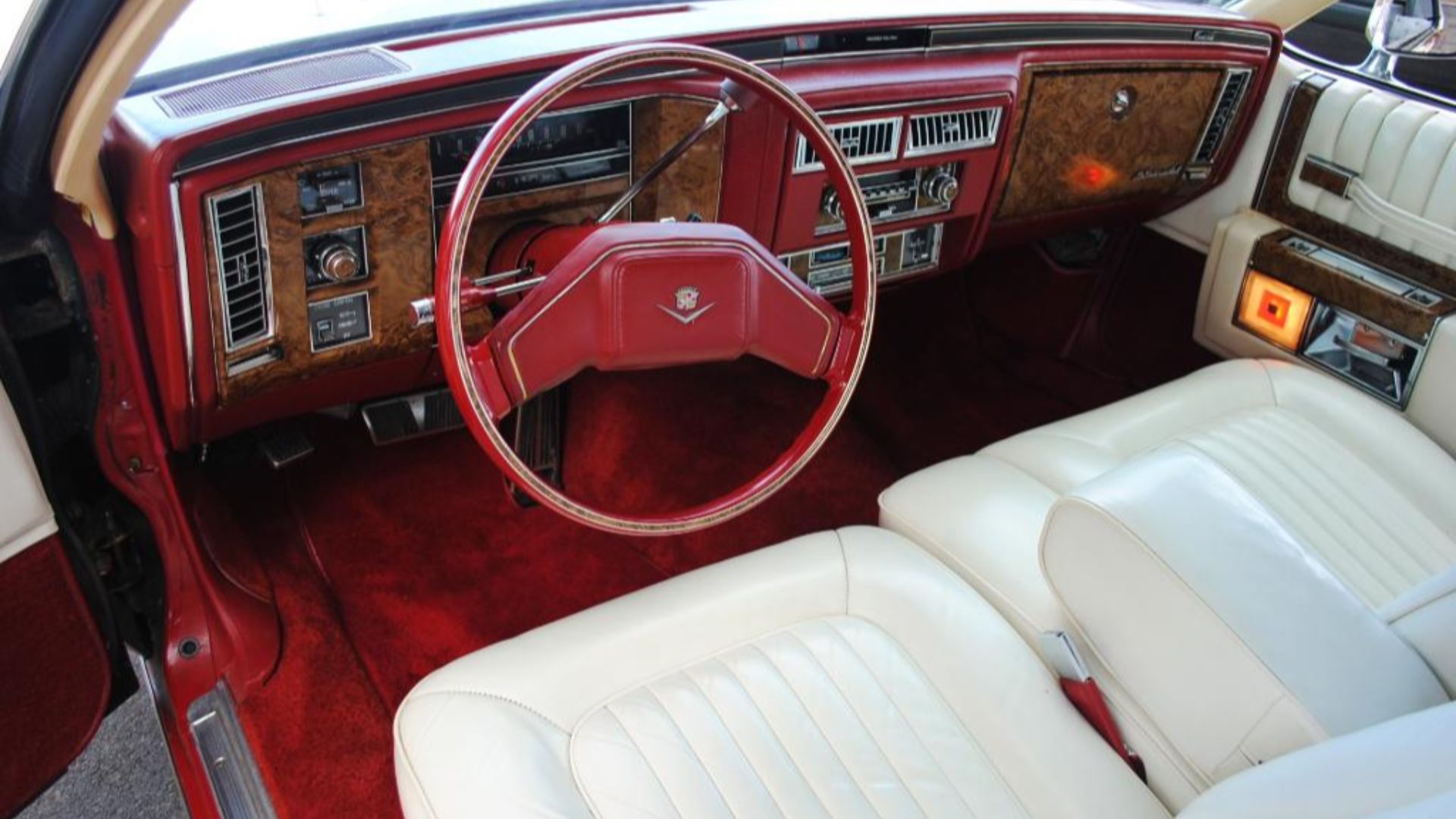 That Hartford Guy, Wikimedia Commons
Front Bench Seats
Bench seats allowed three people to sit across the front, provided nobody required personal space or meaningful lateral support. Slide into a corner too quickly and passengers could travel sideways. They encouraged togetherness, but modern bucket seats, head restraints, airbags, and center consoles are better companions for real-world driving.
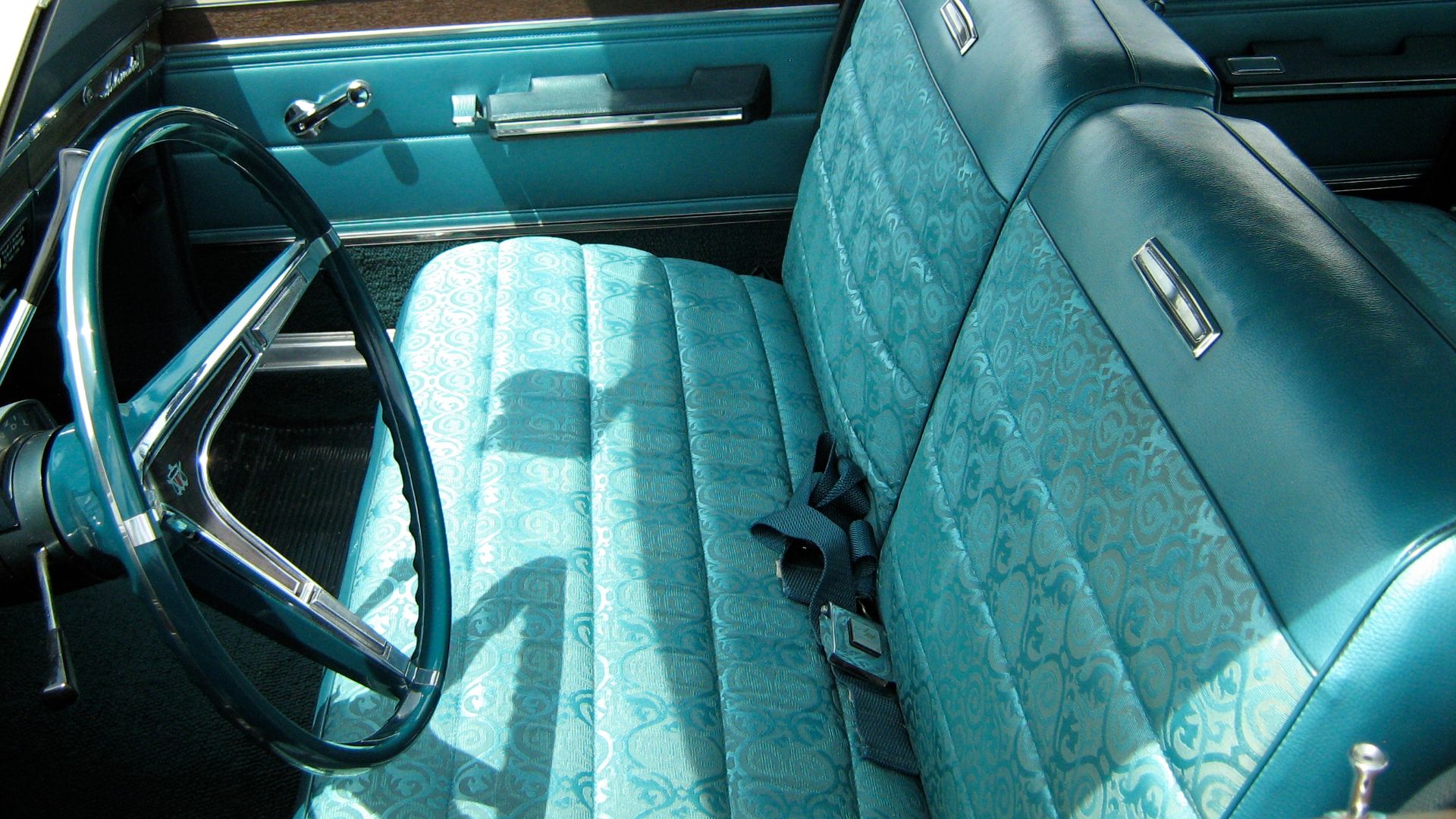 Christopher Ziemnowicz, Wikimedia Commons
Rear-Facing Wagon Seats
Children once happily occupied rear-facing seats in station-wagon cargo areas, waving at drivers behind them while sitting alarmingly close to the tailgate. The view was entertaining, but modern crash protection has made the arrangement difficult to defend. Some nostalgic experiences should remain nostalgic rather than return as family options.
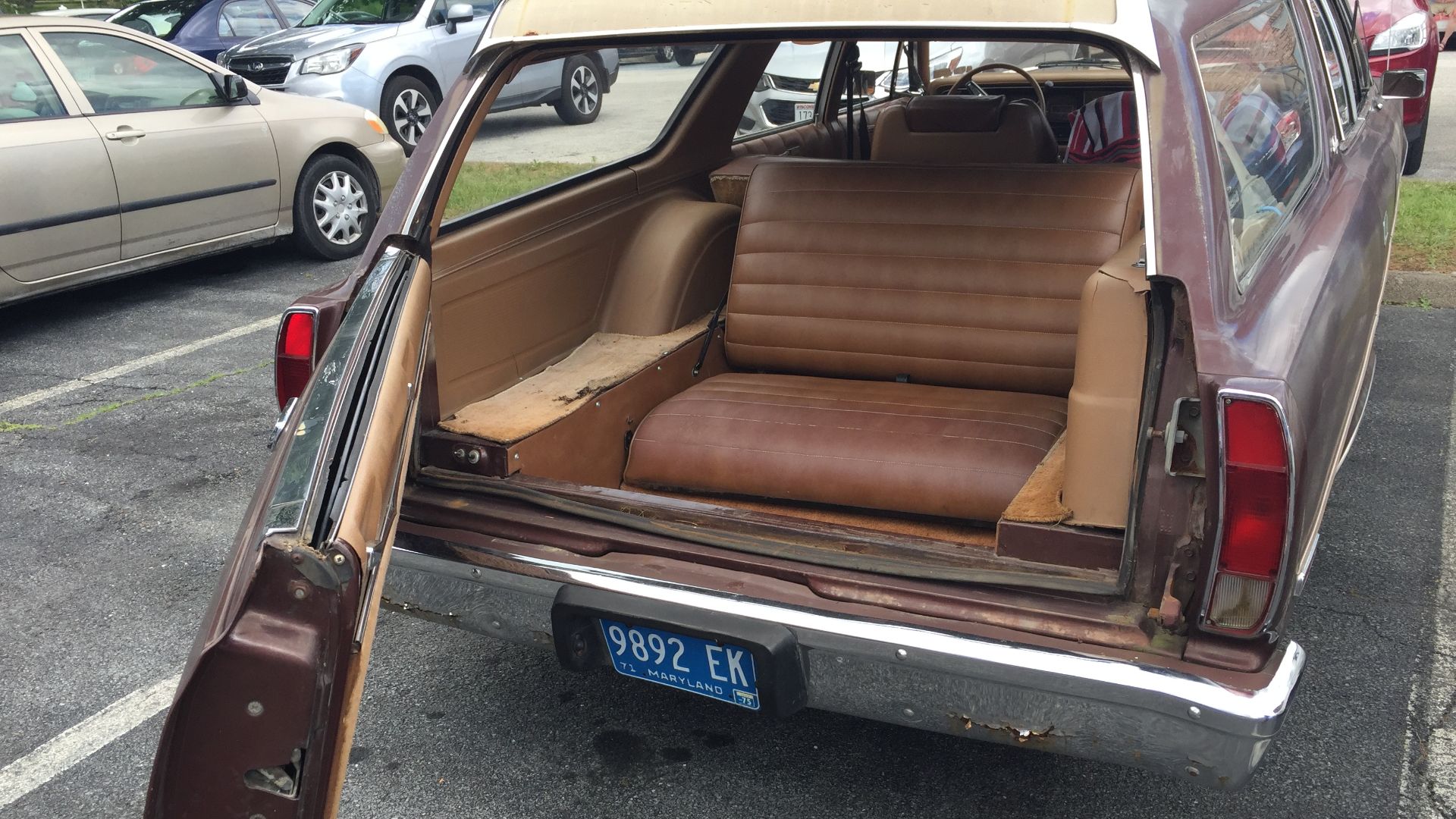 Christopher Ziemnowicz, Wikimedia Commons
Lap-Only Rear Seatbelts
A simple belt across the waist was better than no restraint, but it offered far less protection than a modern three-point belt. NHTSA says lap-and-shoulder belts substantially reduce the risks of fatal and serious injuries. This is one area where technological progress deserves absolutely no retro revival.
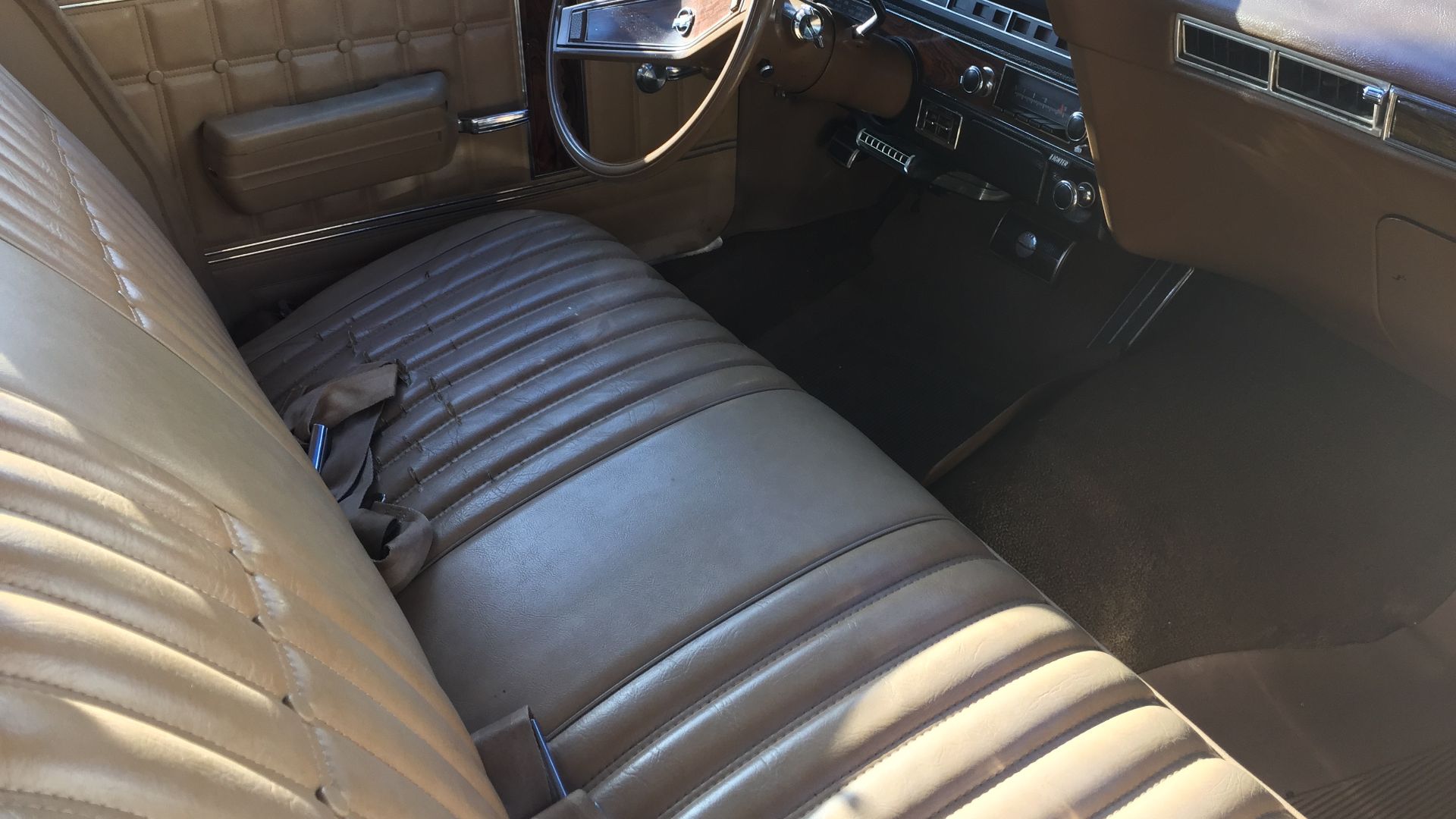 Christopher Ziemnowicz, Wikimedia Commons
Ignition-Interlock Seatbelts
Certain 1974 vehicles would not start unless their front occupants fastened their seatbelts. Encouraging belt use was admirable, but the system proved so unpopular that Congress moved against it during the same year. Drivers complained about malfunctions and awkward operating sequences, while companies sold devices intended to bypass it.
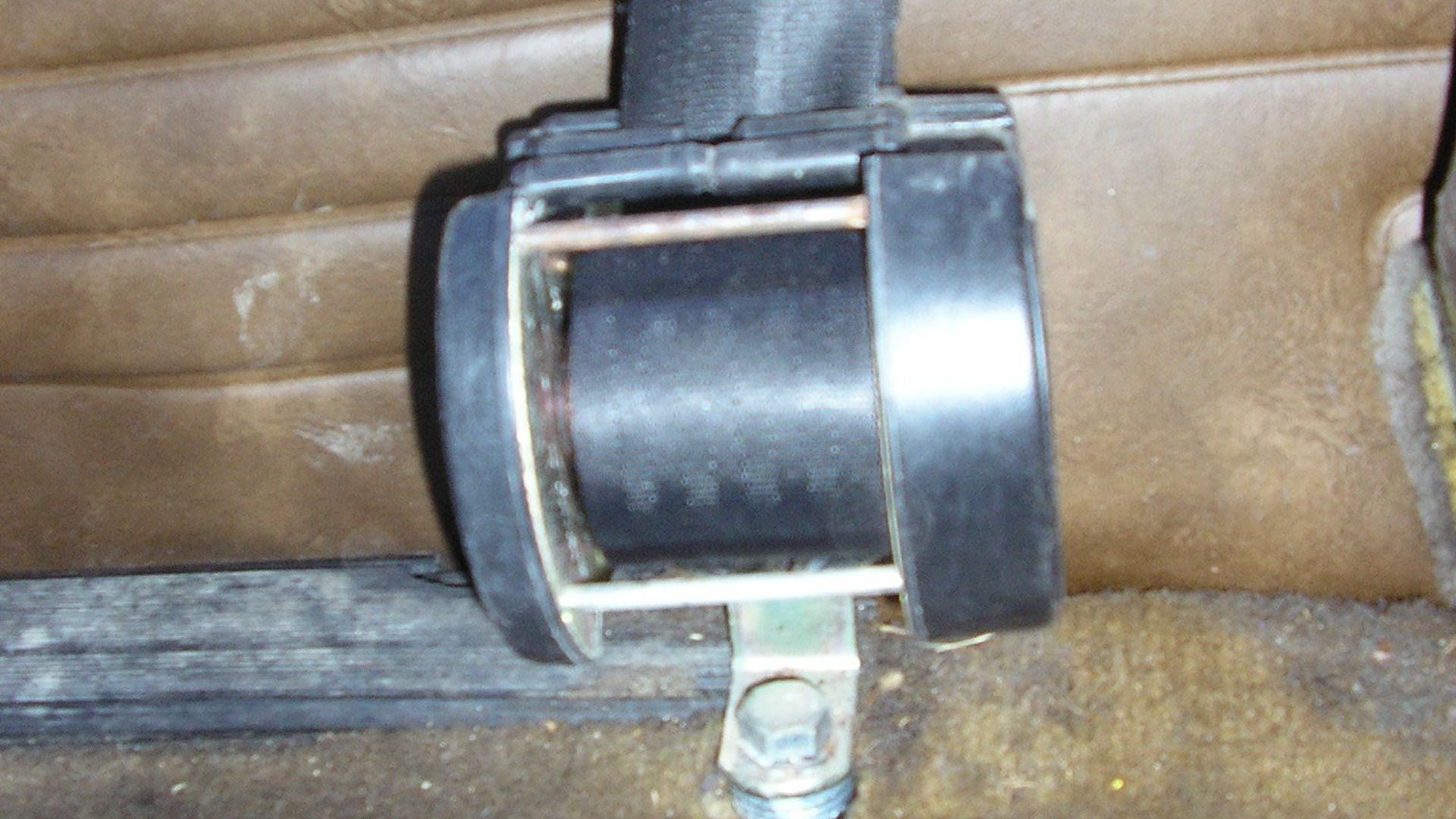
Ashtrays In Every Door
Cars of the era often contained multiple ashtrays, sometimes enough to accommodate a small business conference. Cigarette lighters were equally common. Today, that space is better used for charging ports, storage compartments, or cupholders rather than miniature metal bins designed to preserve the smell of stale smoke indefinitely.
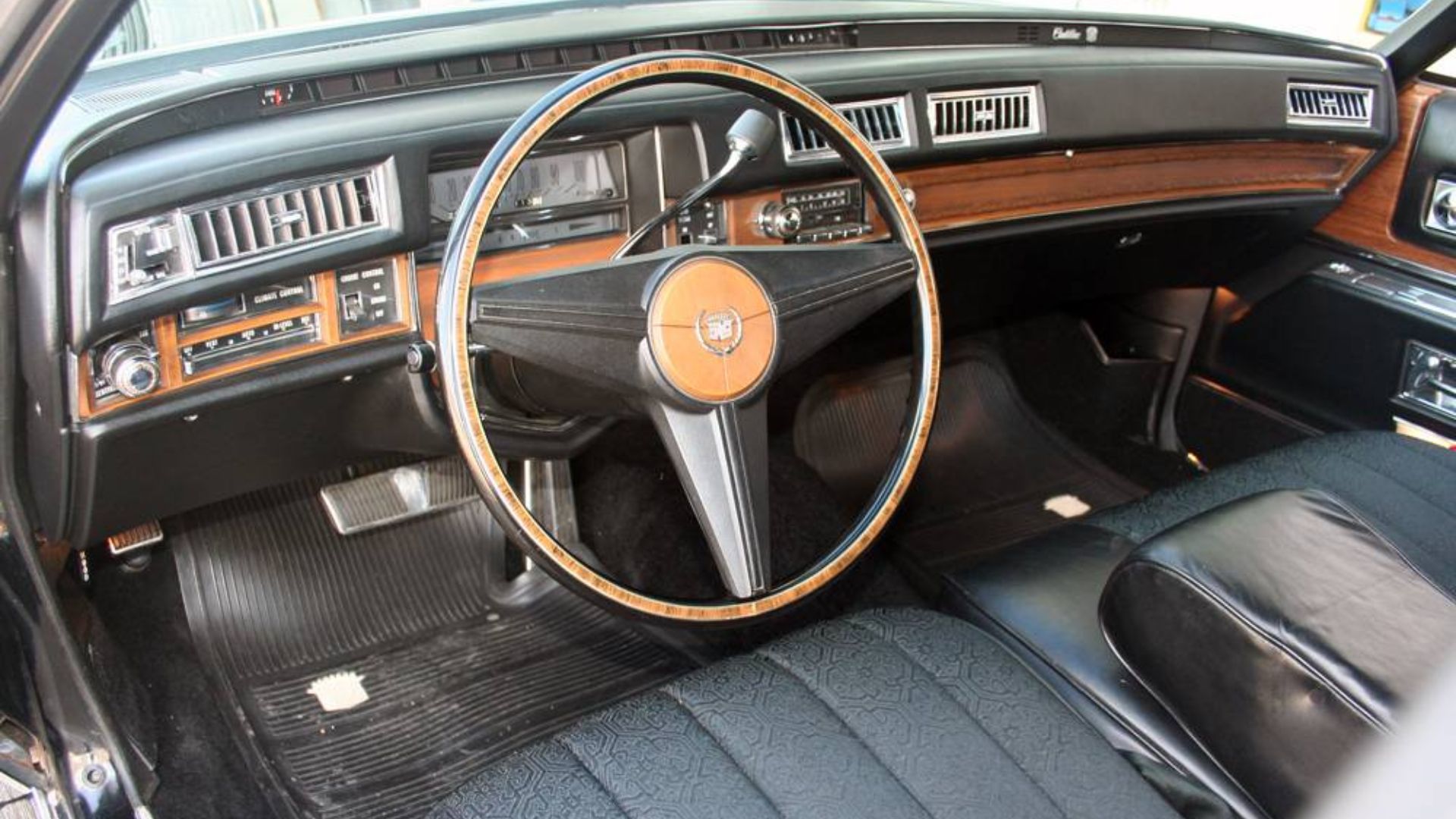 That Hartford Guy, Wikimedia Commons
Eight-Track Players
Eight-tracks gave drivers portable music without relying on radio schedules. They also interrupted songs when changing tracks, jammed unexpectedly, and required bulky cartridges. The format became strongly associated with 1970s motoring, but nobody needs “Hotel California” fading out halfway through a guitar solo ever again.
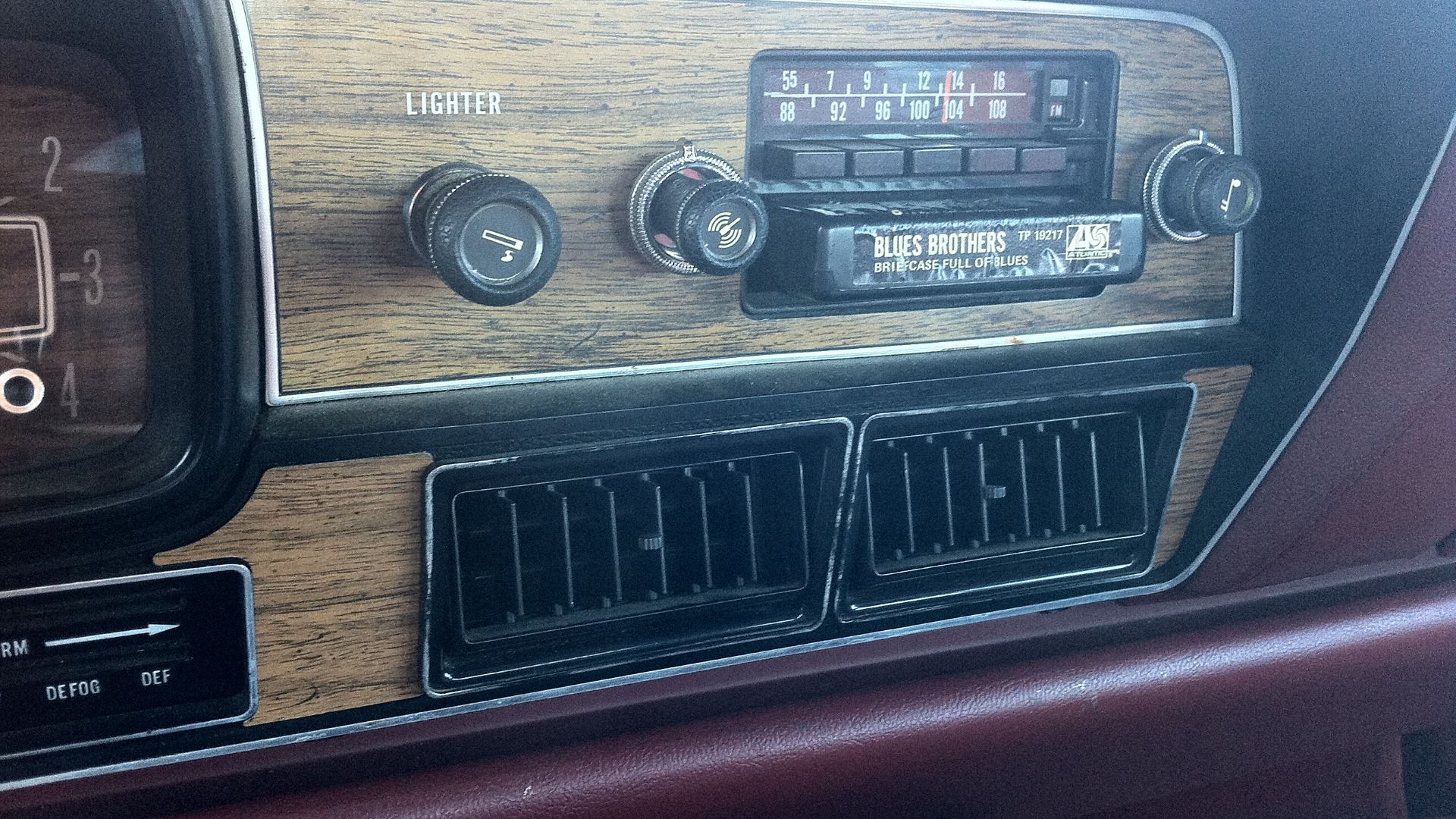 Christopher Ziemnowicz, Wikimedia Commons
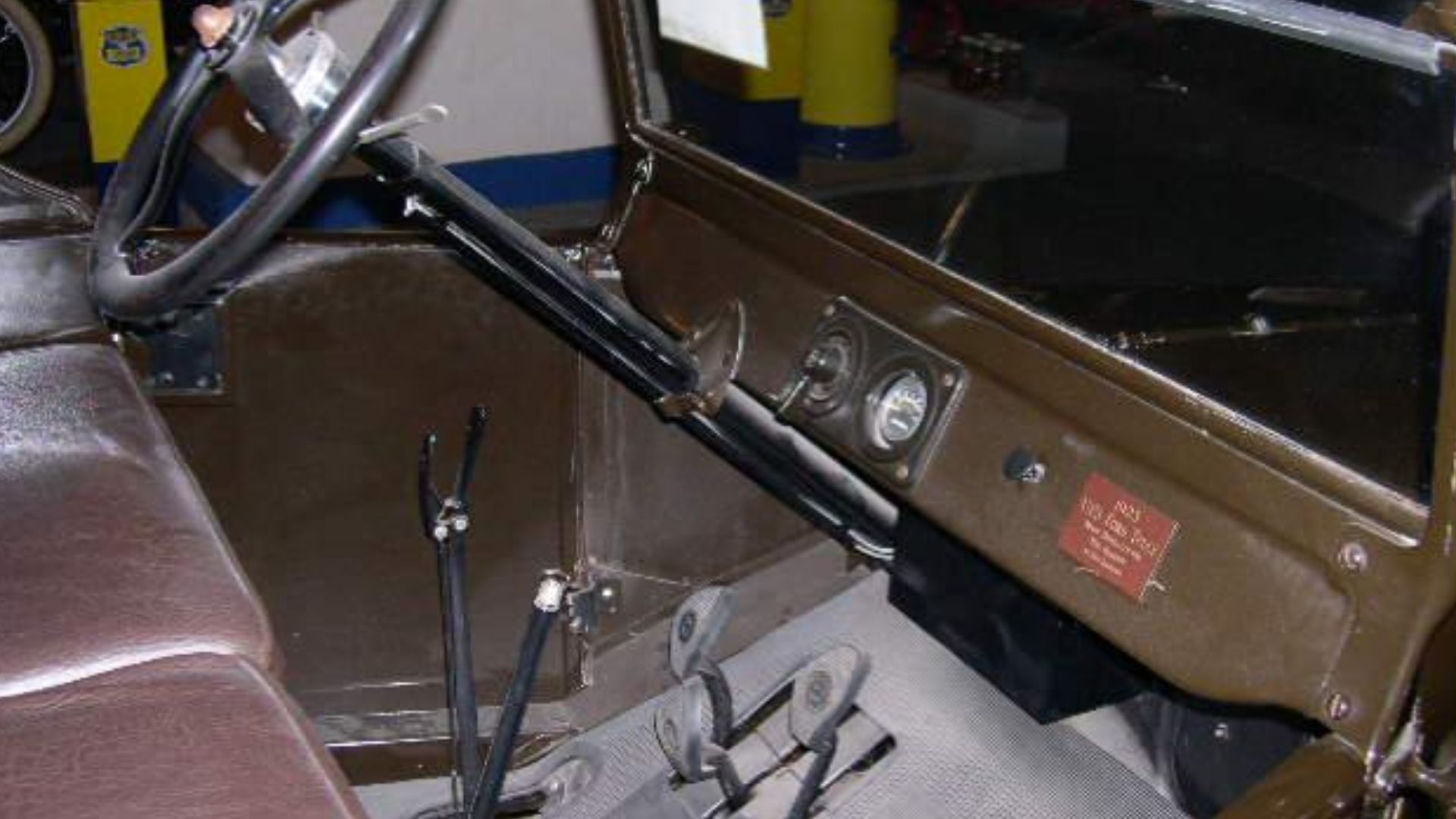
Floor-Mounted High-Beam Switches
Older cars often placed the headlight dimmer button on the floor, where drivers operated it with their left foot. The system was simple, but wet shoes, snowy boots, and dirty carpeting were not ideal partners for electrical hardware. Steering-column controls eventually proved more convenient and considerably less muddy.
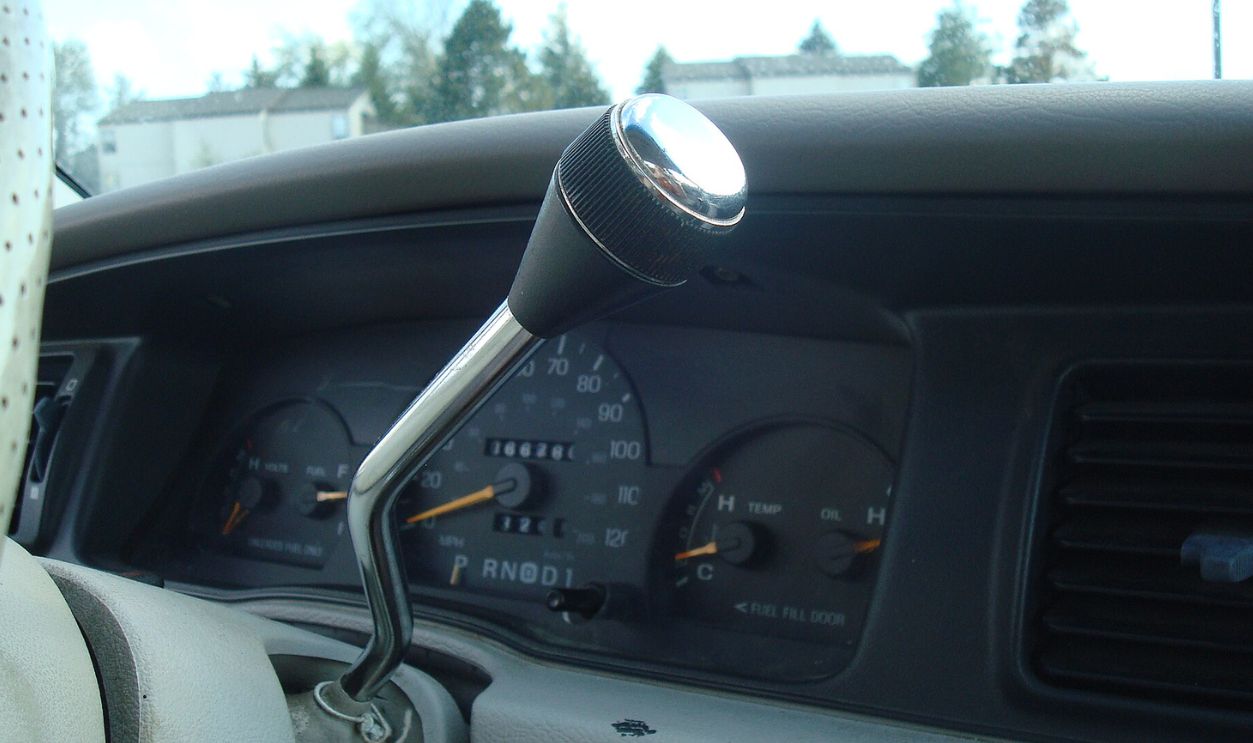
Column-Mounted Automatic Shifters
Column shifters freed space for front bench seats, but they rarely delivered a satisfying mechanical experience. The long lever moved through a vague sequence of letters while drivers hoped they had selected Drive rather than Neutral. Nostalgic truck owners may disagree, but luxury cars are better without the broom-handle gear selector.
Three-Speed Automatic Transmissions
Many 1970s luxury cars paired enormous engines with three-speed automatics. The arrangement offered smooth cruising but little flexibility, mediocre fuel economy, and plenty of engine noise at highway speeds. Today’s transmissions may occasionally hunt between too many gears, but returning to three would feel like replacing a smartphone with a rotary dial.
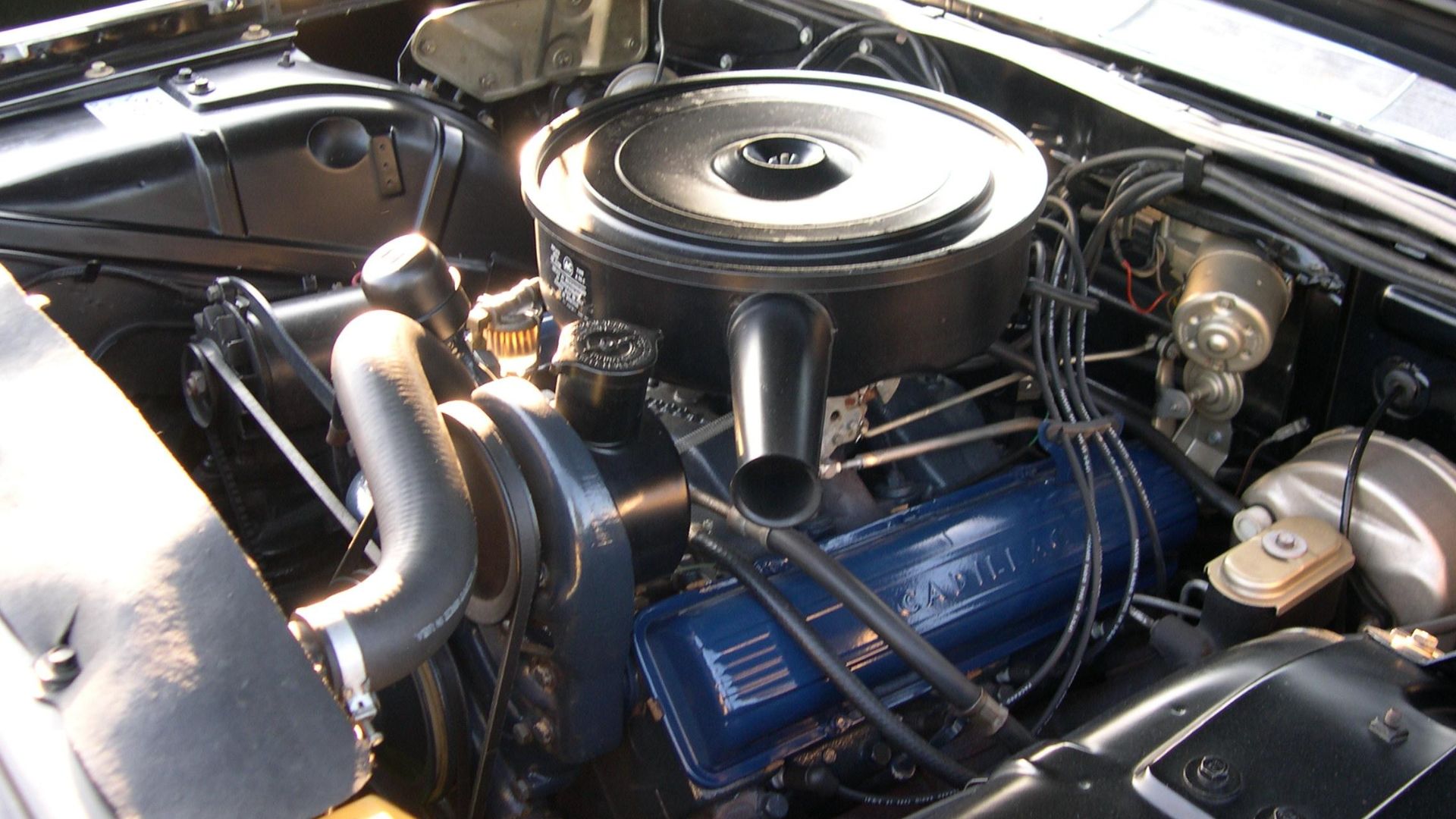 Sfoskett~commonswiki, Wikimedia Commons
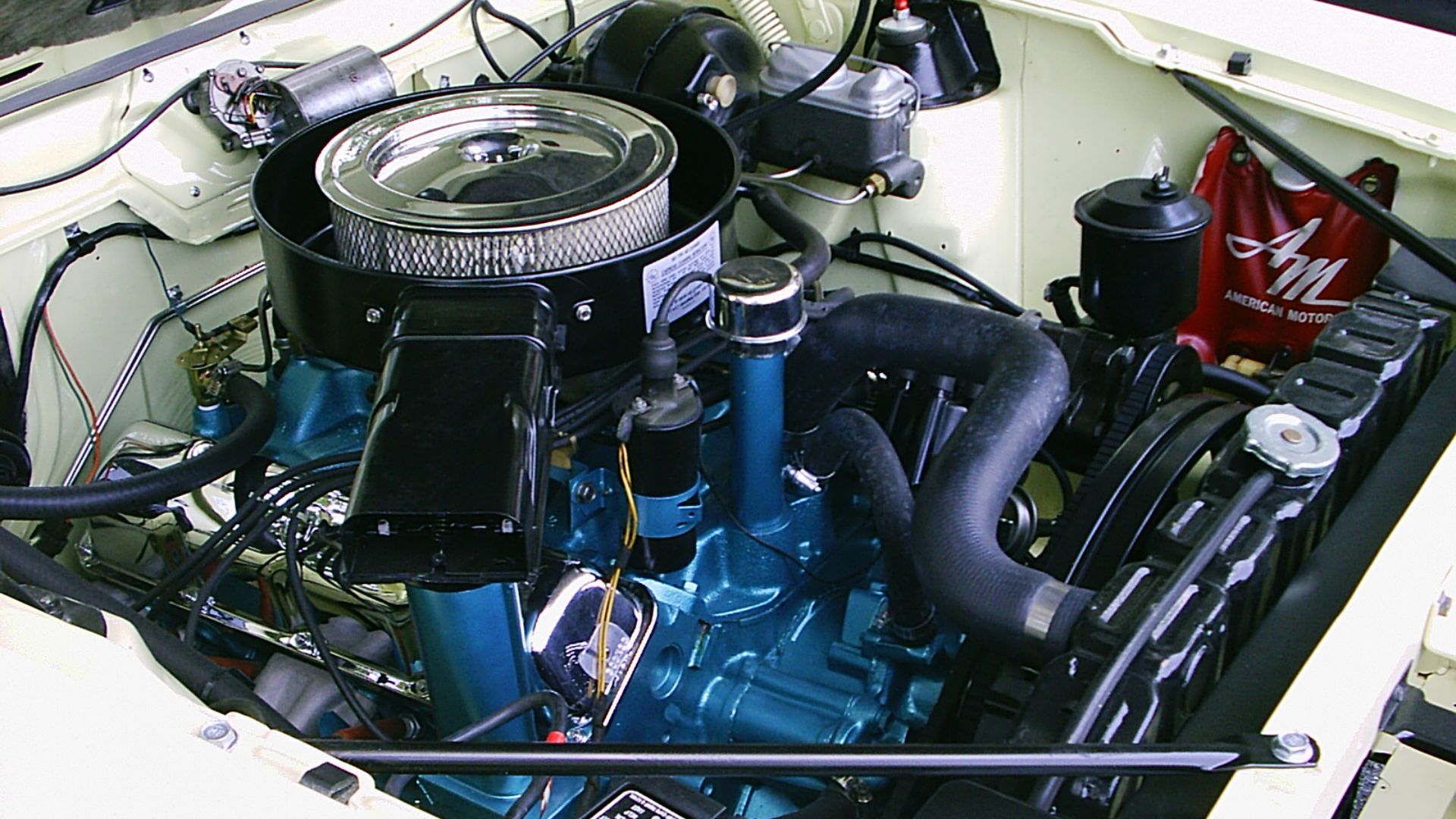
Carburetors And Manual Chokes
Carburetors can be fascinating to adjust on a weekend classic. They are less charming on a freezing Monday morning when the engine refuses to cooperate. Fuel injection provides easier starting, better altitude compensation, and more precise fueling. The carburetor deserves preservation in hobby cars, not a comeback in modern daily transportation.
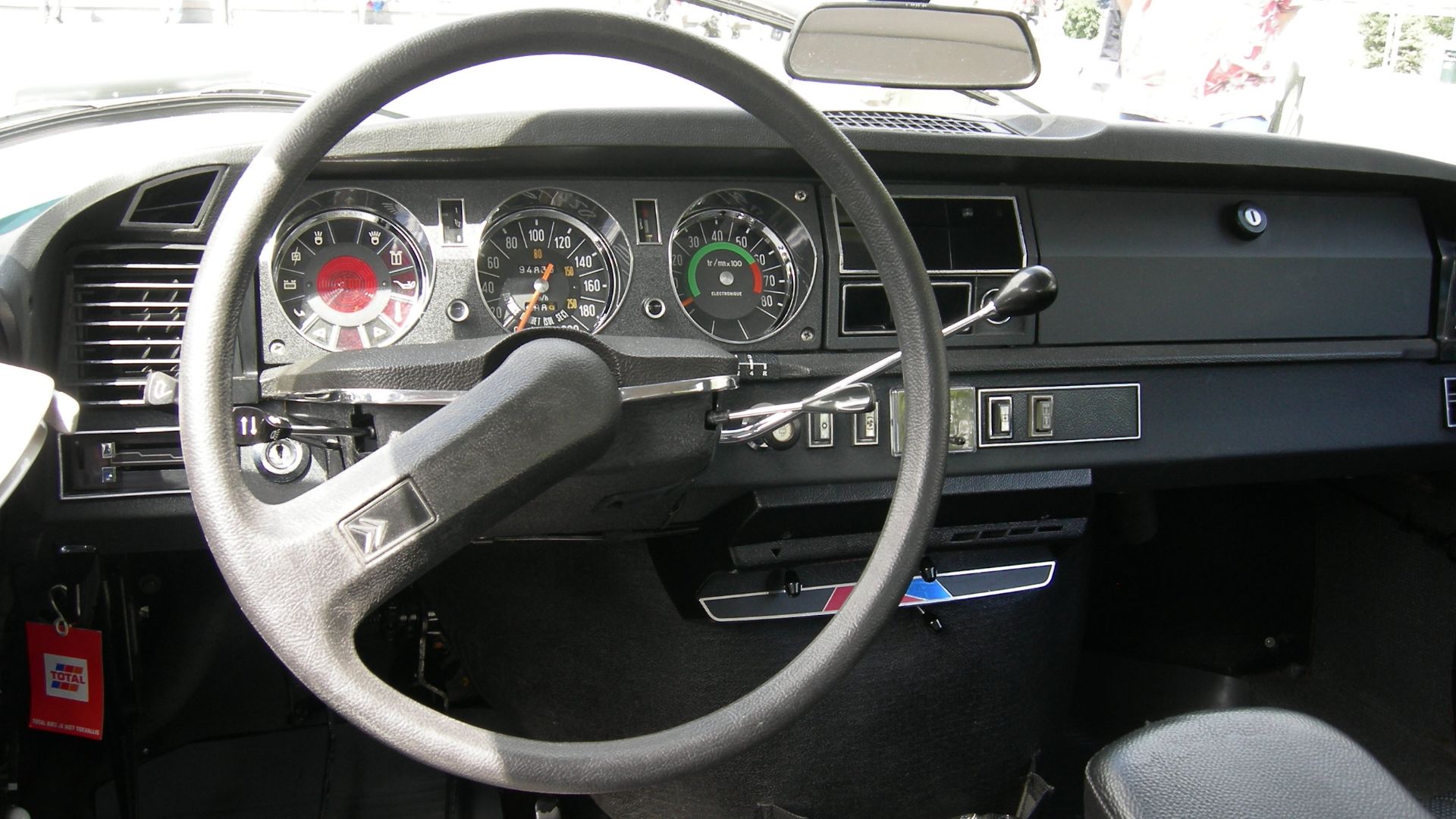
Overboosted Power Steering
Luxury models often featured steering so heavily assisted that drivers could turn the wheel with one finger. Unfortunately, the road seemed to disappear somewhere between the front tires and the driver’s hands. The effortless sensation suited boulevard cruising, but it made placing a massive coupe accurately feel more like educated guesswork.
Pillow-Soft Suspension
Manufacturers frequently advertised a “boulevard ride,” meaning the car floated gently over bumps while continuing to bounce several seconds afterward. Sharp corners encouraged substantial body lean, and sudden lane changes could feel like commanding a small ferry. Comfort is important, but modern adaptive suspension proves that comfort does not require seasickness.
 Paulhavranek, Wikimedia Commons
T-Tops That Leaked
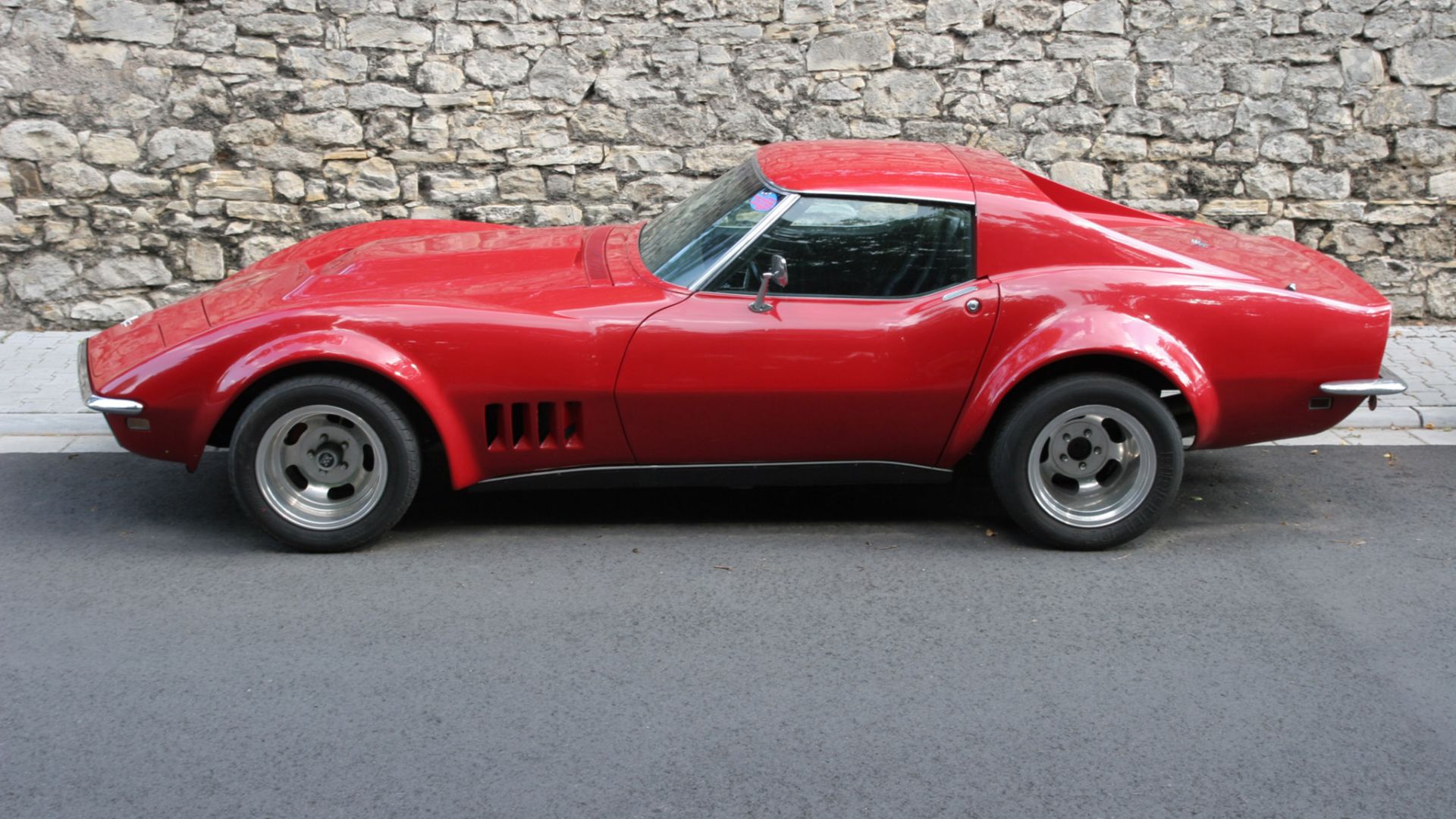
T-tops offered fresh air without fully removing the roof, making them one of the decade’s coolest ideas. They also introduced seals, latches, storage bags, and additional opportunities for water to enter the cabin. When the weather changed, owners sometimes discovered that their sporty coupe had developed an indoor rain feature.
 Kuebi = Armin Kübelbeck, Wikimedia Commons
Giant Blind Spots
Formal rooflines, vinyl-covered pillars, opera windows, and dramatic styling produced some impressively poor rear visibility. Drivers relied on mirrors, instinct, and occasionally prayer before changing lanes. Modern cameras and blind-spot monitors help, but automakers should not use technology as permission to design cars that are difficult to see out of.
 Mr.choppers, Wikimedia Commons
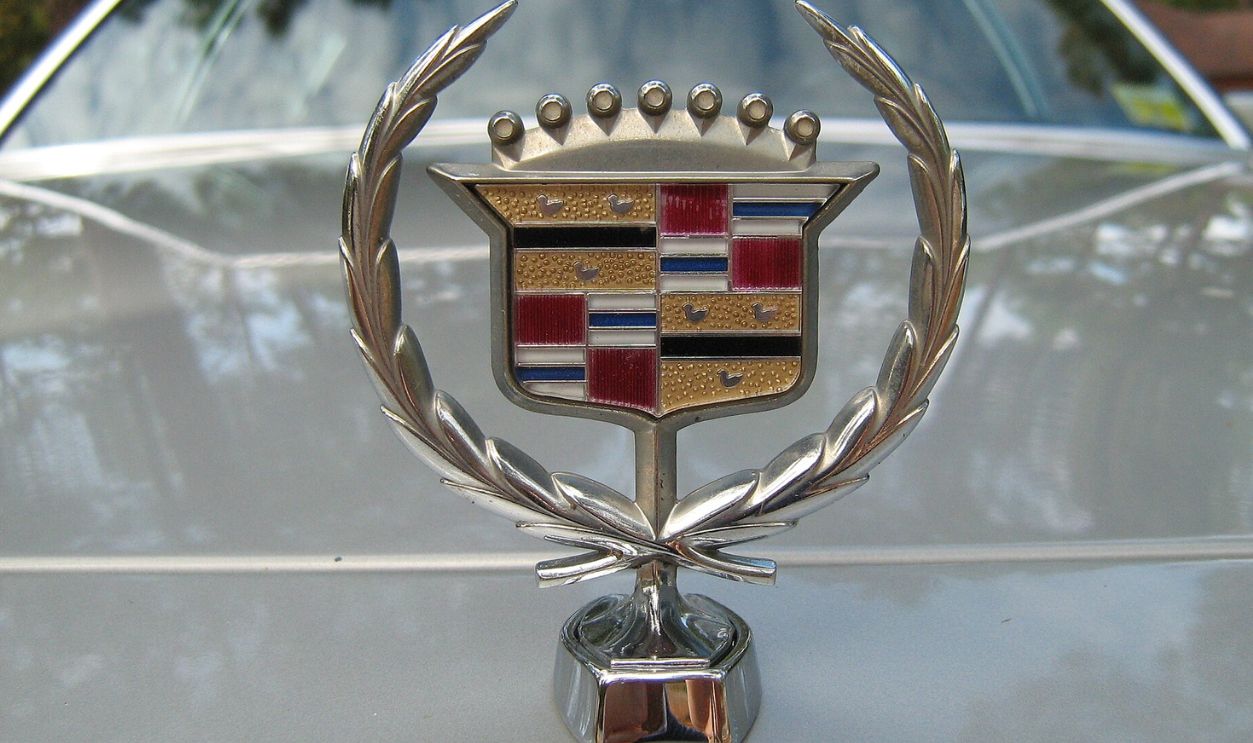
Chrome Hood Ornaments
A hood ornament could make a luxury car feel prestigious, but it also sat in a vulnerable location where it could be damaged, stolen, or turned into a dangerous projection. Retractable versions improved matters somewhat. Even so, modern designers can communicate elegance without attaching metallic jewelry to the front edge of the hood.
 Christopher Ziemnowicz, Wikimedia Commons
Let The Past Stay Stylishly Parked
Cars from the 1970s remain lovable partly because they were so excessive. Their velvet cabins, formal roofs, enormous bumpers, and theatrical details capture a period when designers rarely whispered. We should preserve the survivors and enjoy them at shows, but that does not mean every wonderfully strange feature deserves another production run.
You May Also Like:
Cars Everyone Assumed Would Become Valuable—But Never Did
Inspired By Fighter Jets, The Jesko Absolut Is The World's Fastest Car