This Can’t Be Real…Right?
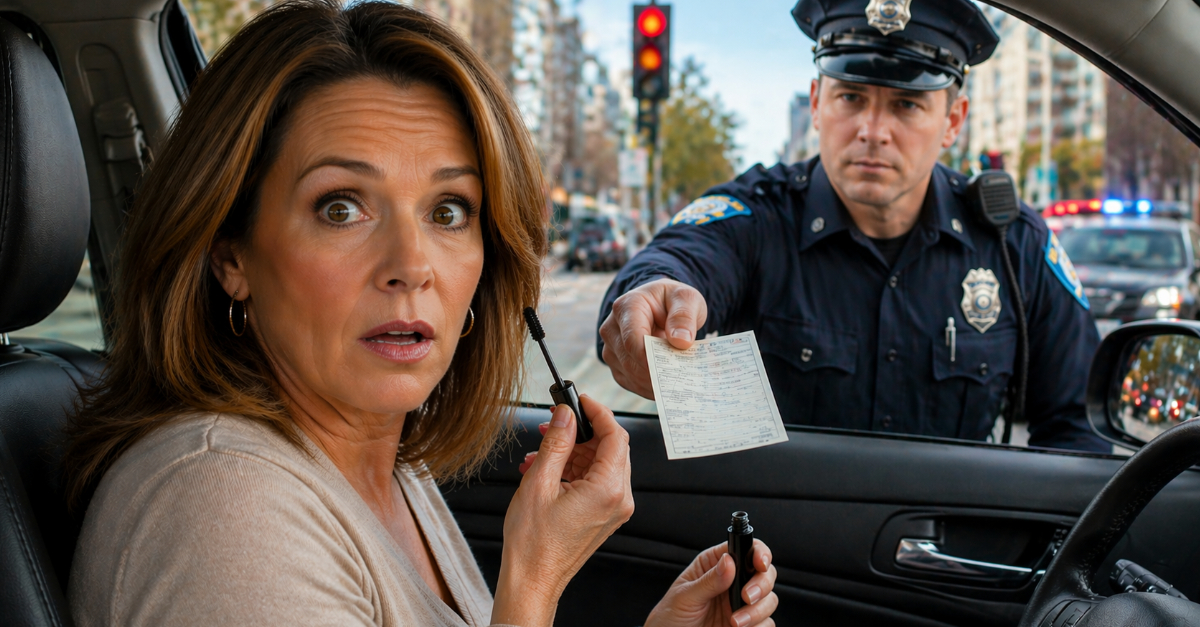
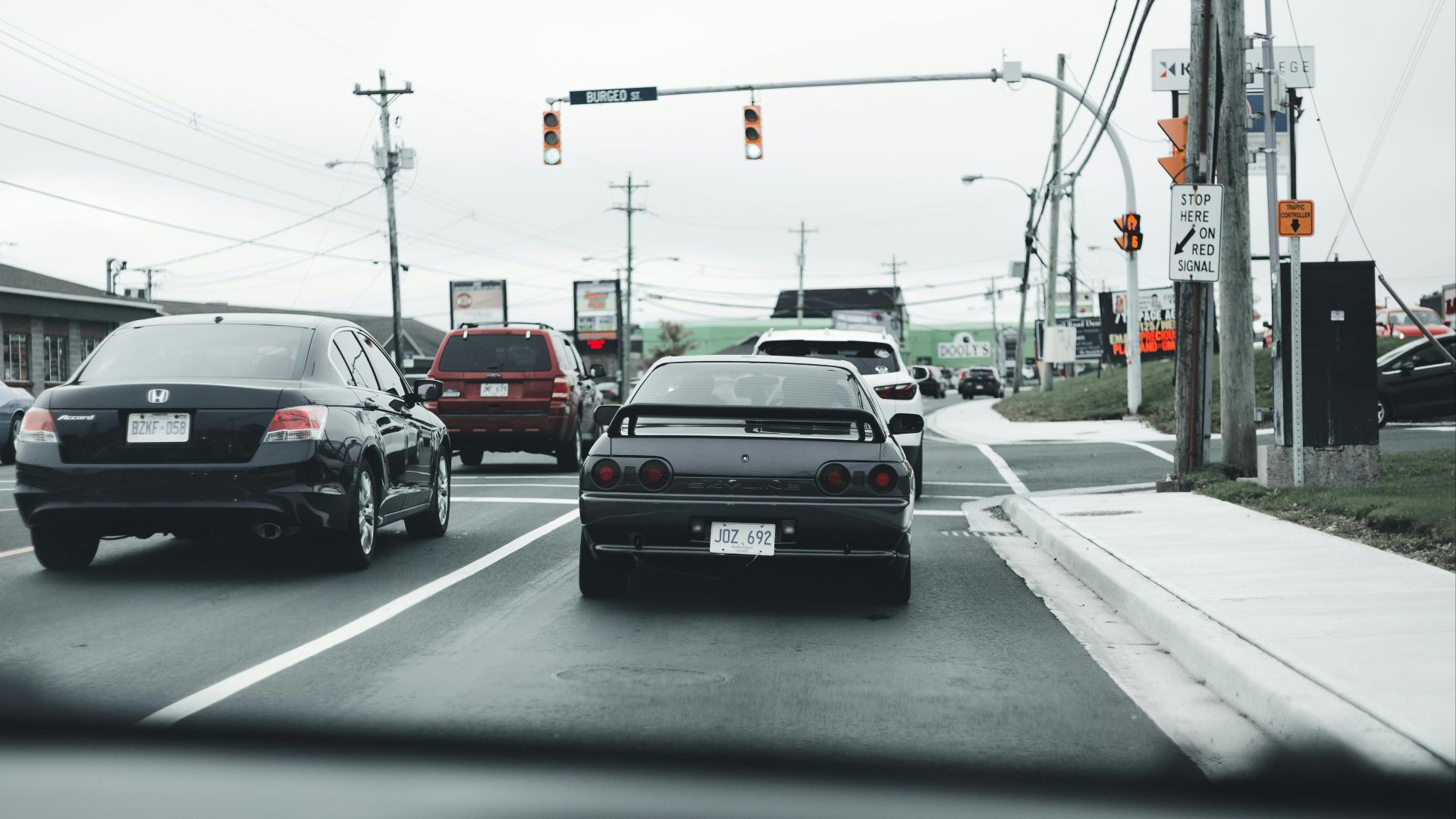
Getting a ticket while fully stopped at a red light sounds ridiculous. You’re not doing anything aggressive, not speeding, not even moving—so how could it possibly count as distracted driving?
But situations like this happen more often than you’d think. What’s actually going on here?
You’re Still “Driving” at a Red Light
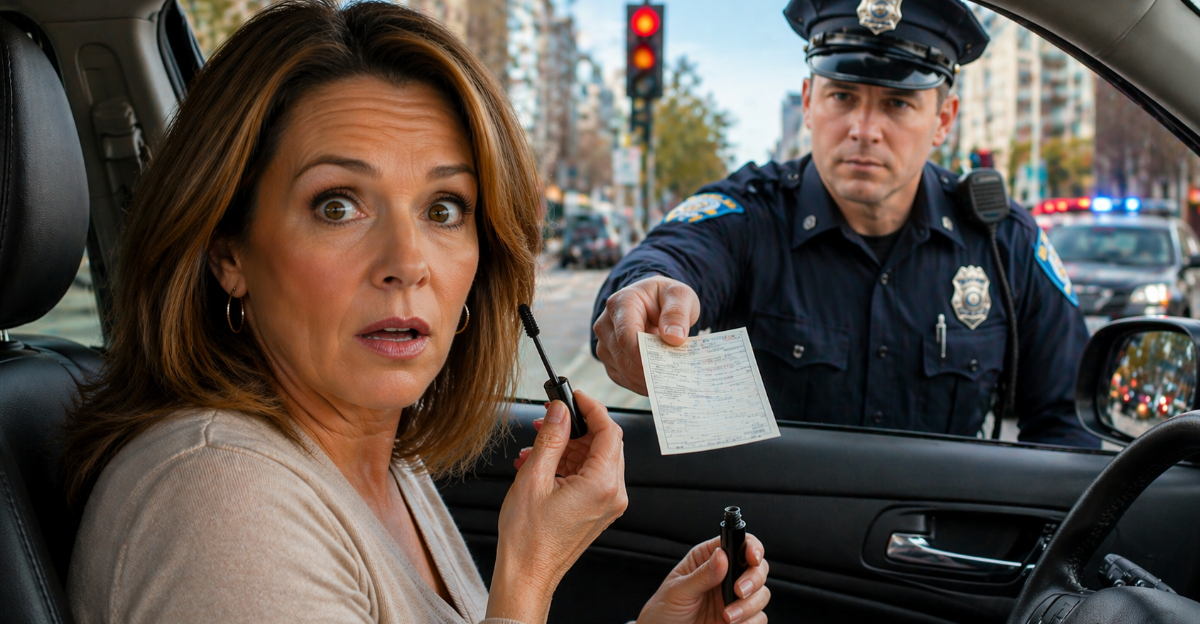
In many places, you’re legally considered to be driving any time your vehicle is in traffic, even if it’s completely stopped. A red light doesn’t change your status. You’re still expected to be attentive, aware of your surroundings, and fully in control of your vehicle at all times.
The Law Isn’t About Movement
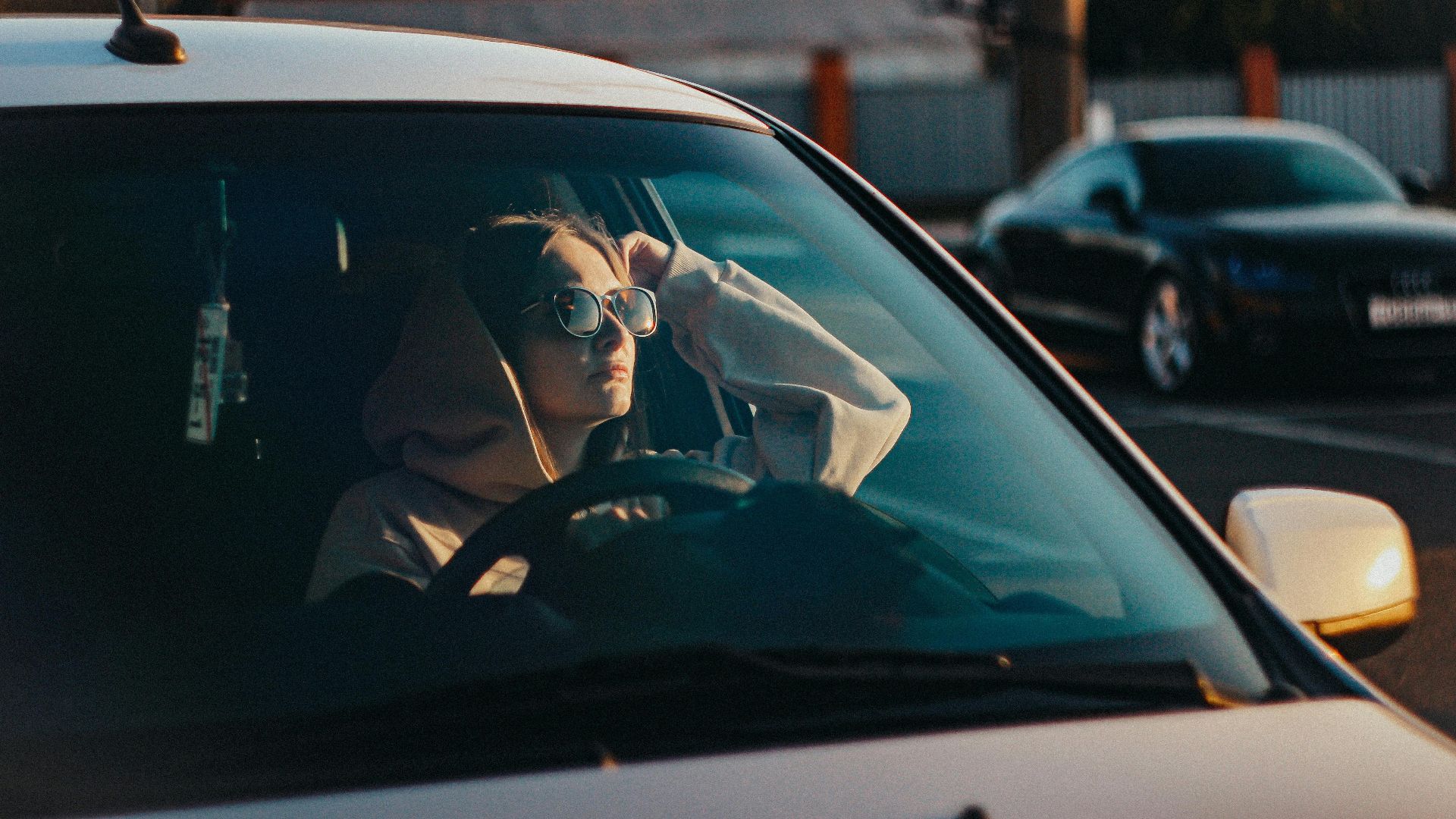
A lot of drivers assume traffic laws only apply when the car is moving. That’s not how the law works. Rules are written around control and responsibility, not motion. Even while sitting still, your actions can still be judged as part of your overall driving behavior.

What Counts as Distracted Driving
Distracted driving includes anything that takes your attention away from the road, even briefly. It’s not just about phones. Eating, adjusting controls, or putting on makeup can all qualify if they divide your focus and reduce your ability to react to changing conditions.

Why Makeup Can Be a Problem
Putting on makeup usually means looking away from the road and using one or both hands. That combination is exactly what distracted driving laws are designed to prevent. Even if it feels quick or harmless, it still reduces your awareness in a meaningful way.
Reaction Time Still Matters
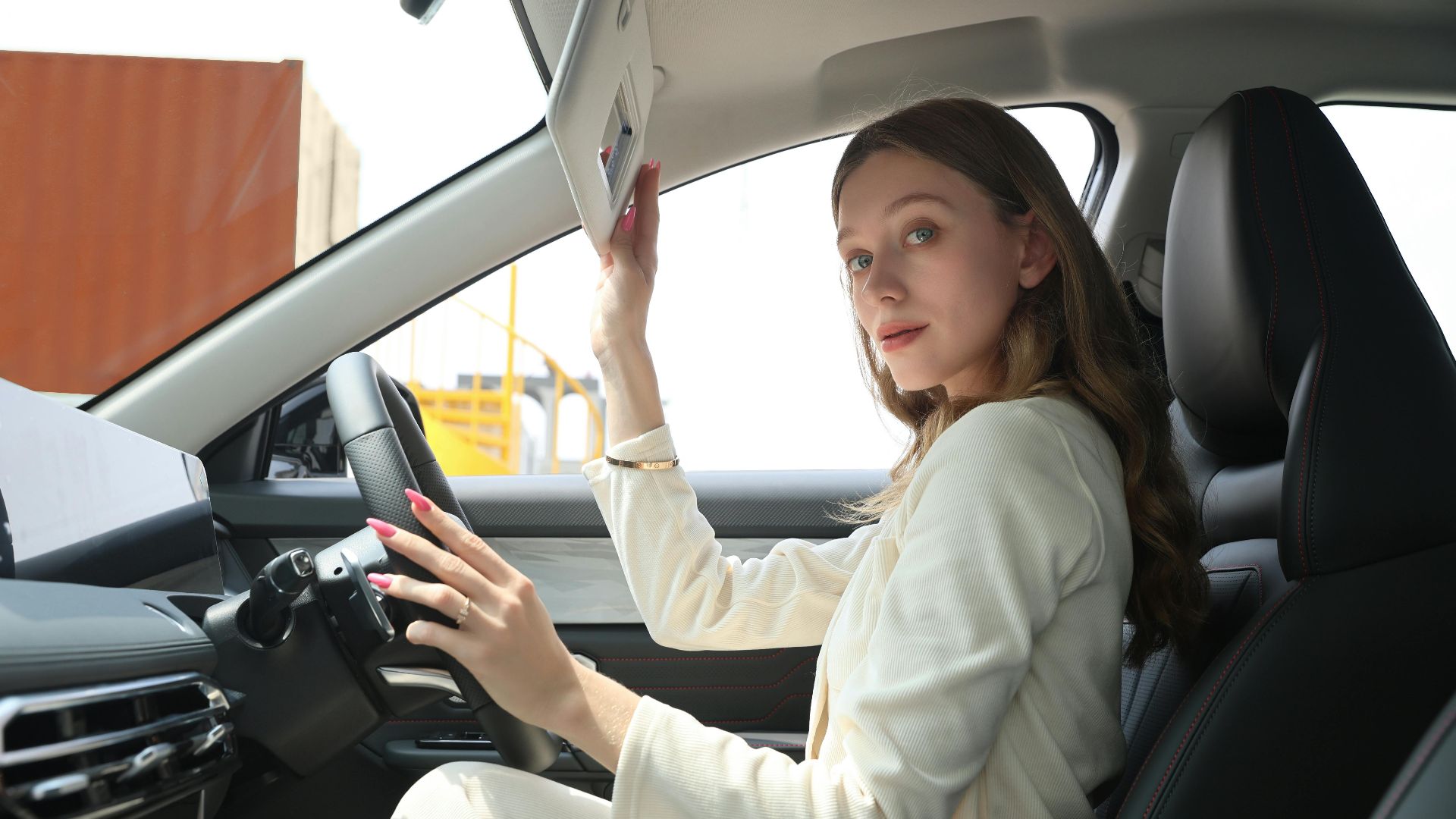
Even at a red light, traffic situations can change quickly. The light can turn, cars can move, pedestrians can step out, or emergency vehicles can appear. If your attention is elsewhere, your reaction time slows down, which is exactly what these laws are trying to avoid.
Officers Don’t Need You to Move
An officer doesn’t have to see your car in motion to issue a ticket. If they observe behavior that suggests you’re not paying full attention behind the wheel, they can act on it. Being stopped doesn’t remove your responsibility as a driver.

“But I Wasn’t Moving…”
This is the most common argument drivers make, and it rarely works. Courts generally treat being stopped in traffic as still being in control of a vehicle. That means your behavior while stopped can still fall under driving laws and expectations.
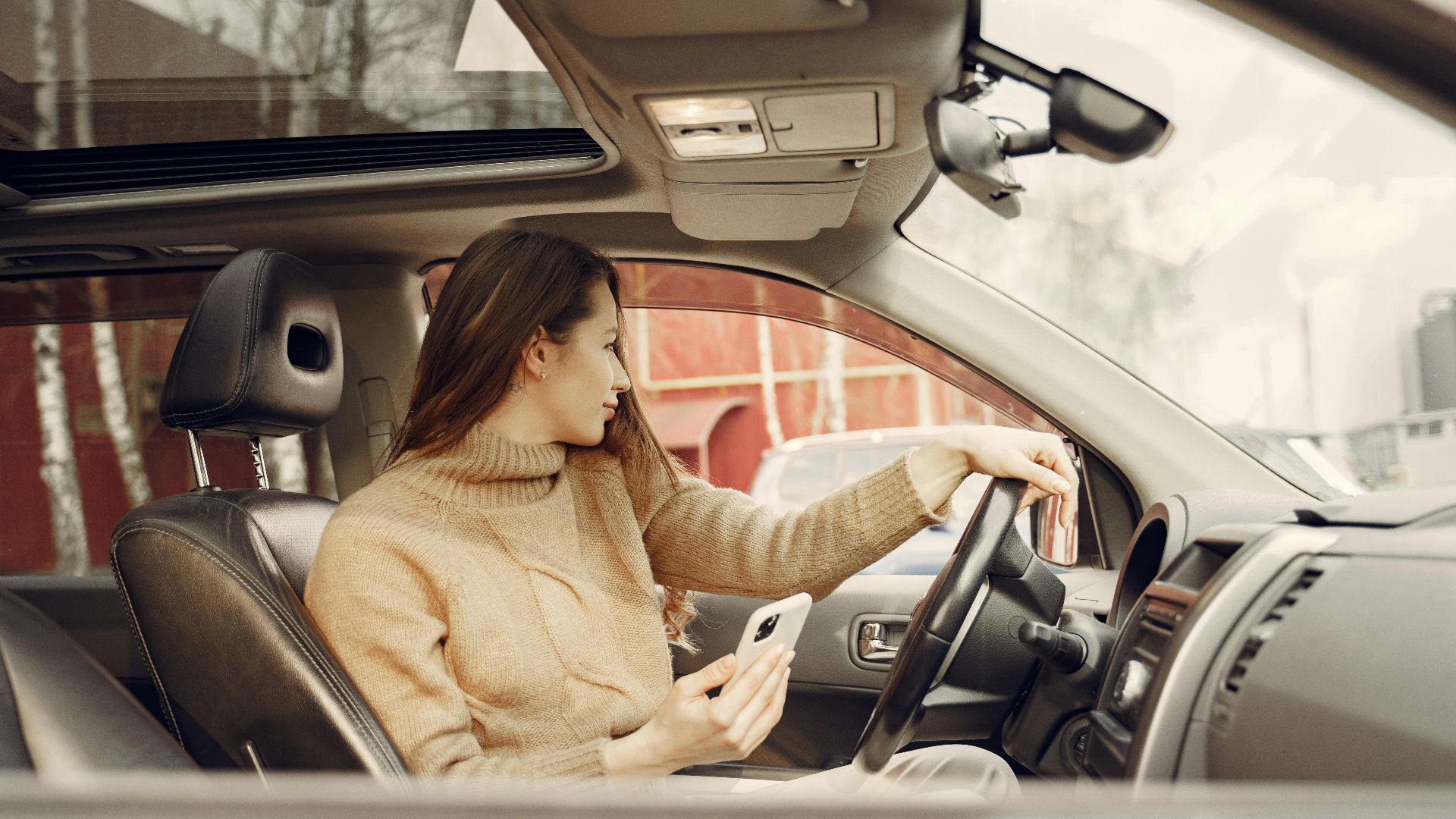
 Kineshma media Evgeny Strunkin, Pexels
It Often Falls Under Broader Laws
These situations usually aren’t about a specific rule banning makeup. Instead, they fall under broader categories like careless or inattentive driving. These laws give officers flexibility to address behavior that appears unsafe, even if it isn’t specifically listed.

Not All Places Treat It the Same
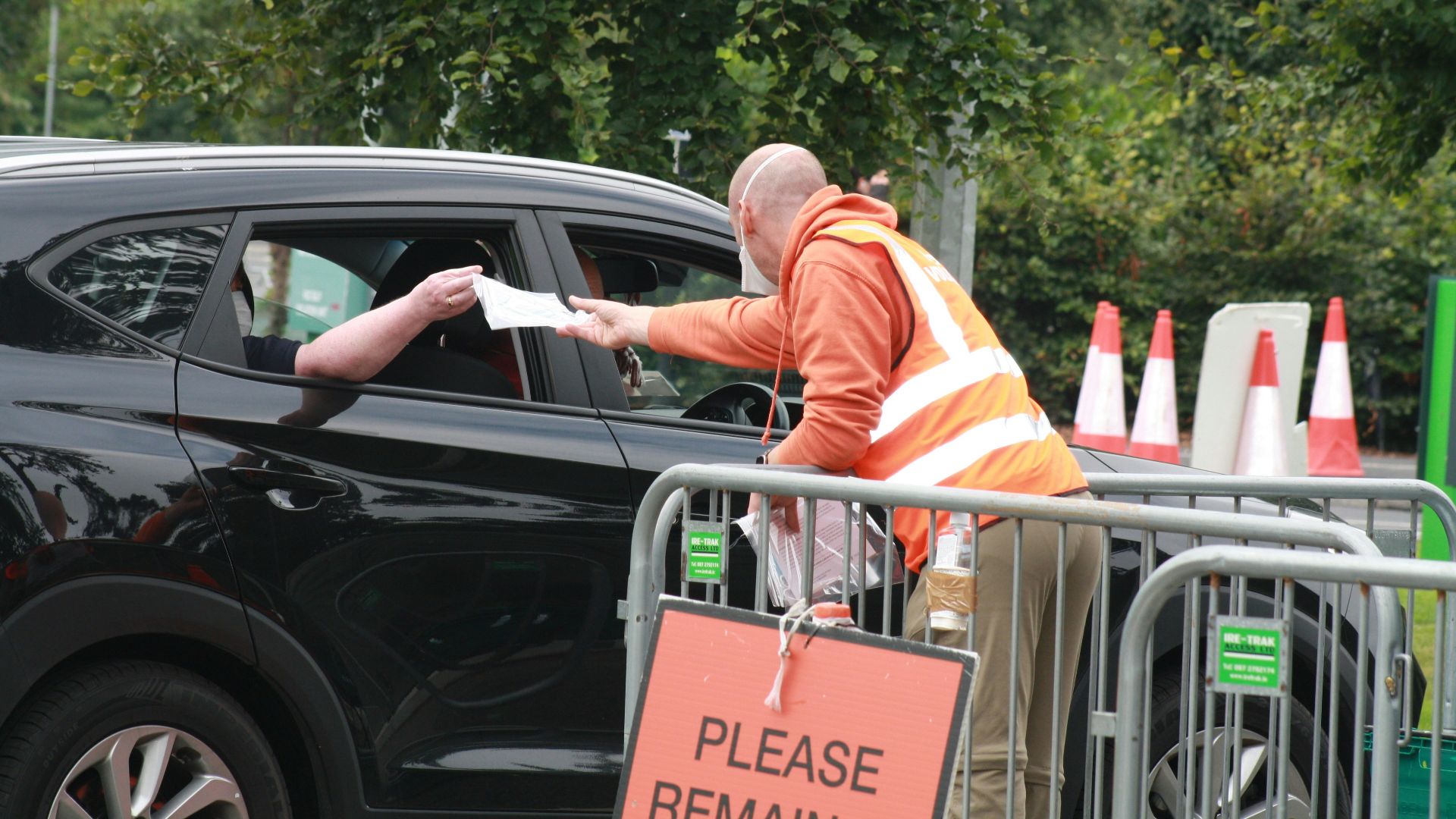
Enforcement can vary depending on where you are. Some places focus mainly on phone use, while others allow officers to cite a wider range of distractions. That’s why someone might get a ticket in one area but not in another for the exact same behavior.
Canada vs. U.S. Differences
In Canada, provinces like Ontario have strict distracted driving laws focused on devices, but officers can still use careless driving laws for other distractions. In the U.S., laws vary by state, but many allow similar broad enforcement depending on the situation.

Some Places Will Absolutely Ticket This
No law literally says you can’t put on makeup while driving, but some places come close in practice. In California, handheld device rules are strict, and other distractions can still be cited if they affect safe driving. New Jersey has cited grooming under careless driving, and Ontario can do the same.
Why It Feels Unfair
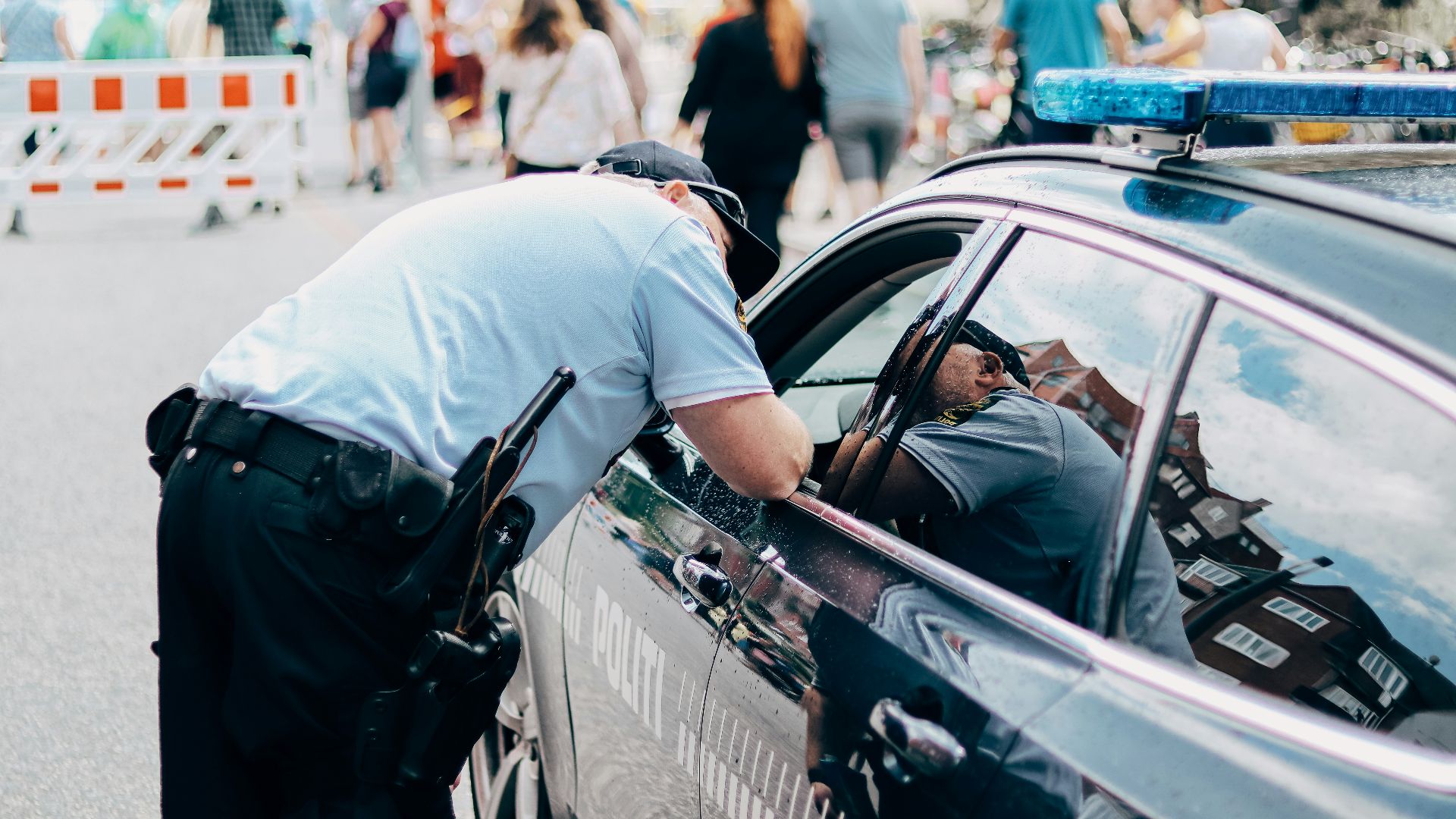
From a driver’s perspective, this kind of ticket feels excessive. You’re stopped, not moving, and not doing anything aggressive. But the law focuses on preventing risk before it turns into a problem, which is why even small distractions can be penalized.
The Officer’s Point of View
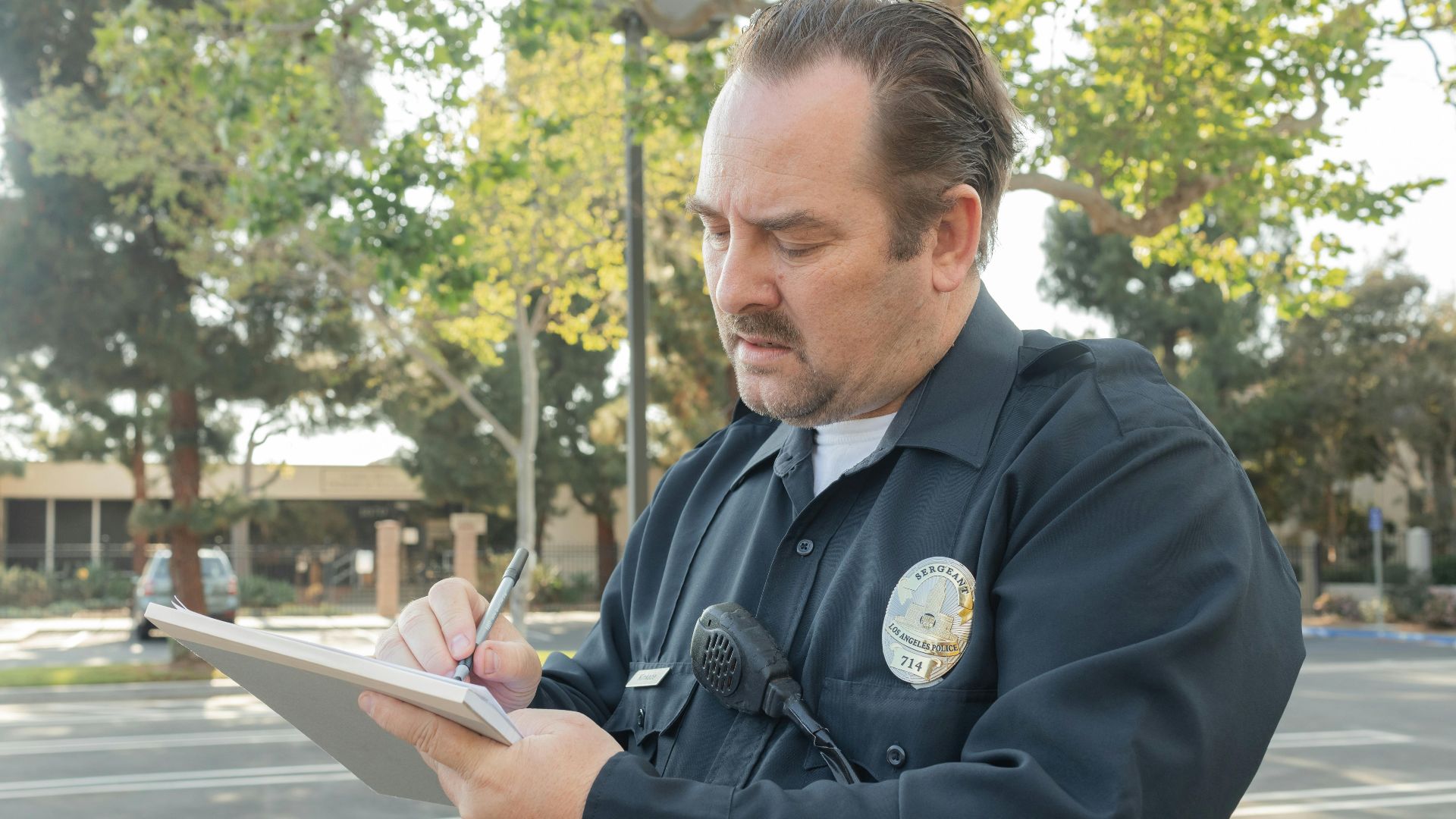
Officers are trained to look for signs that a driver isn’t fully paying attention. Seeing someone applying makeup can signal reduced awareness. From their perspective, it’s not about the makeup itself, but about what it says regarding your focus and control.

It’s Often a Judgment Call
Not every officer would issue a ticket in this situation. A lot depends on how distracted you appeared, how long it lasted, and what was happening around you. Discretion plays a big role, which is why outcomes can vary so much.
Could You Fight the Ticket?
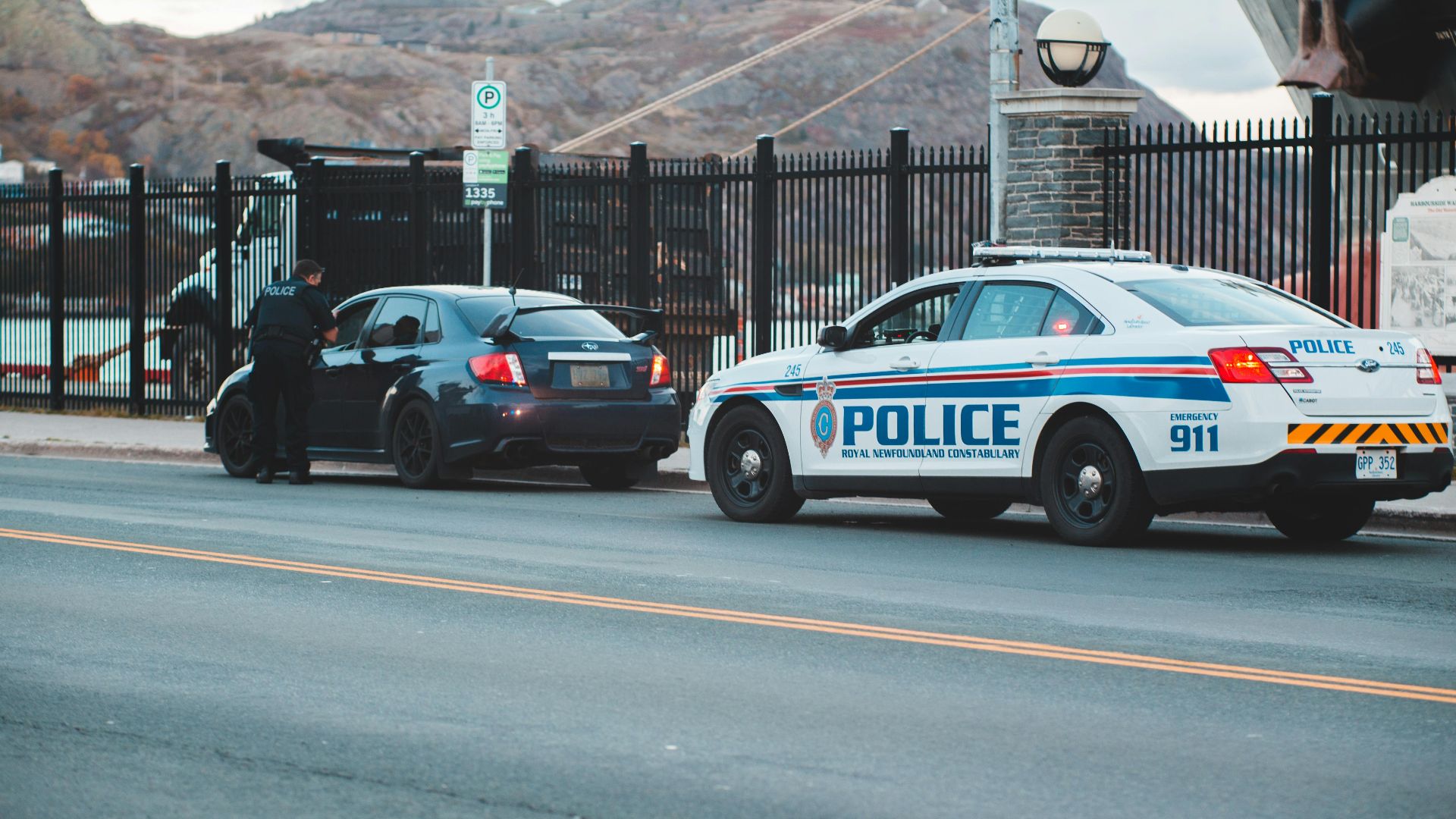
In some cases, yes. Drivers can challenge these tickets by arguing they were still attentive and in control. However, because the laws are broad, the outcome often depends on how the situation is interpreted by a judge reviewing the case.

What Helps Your Case
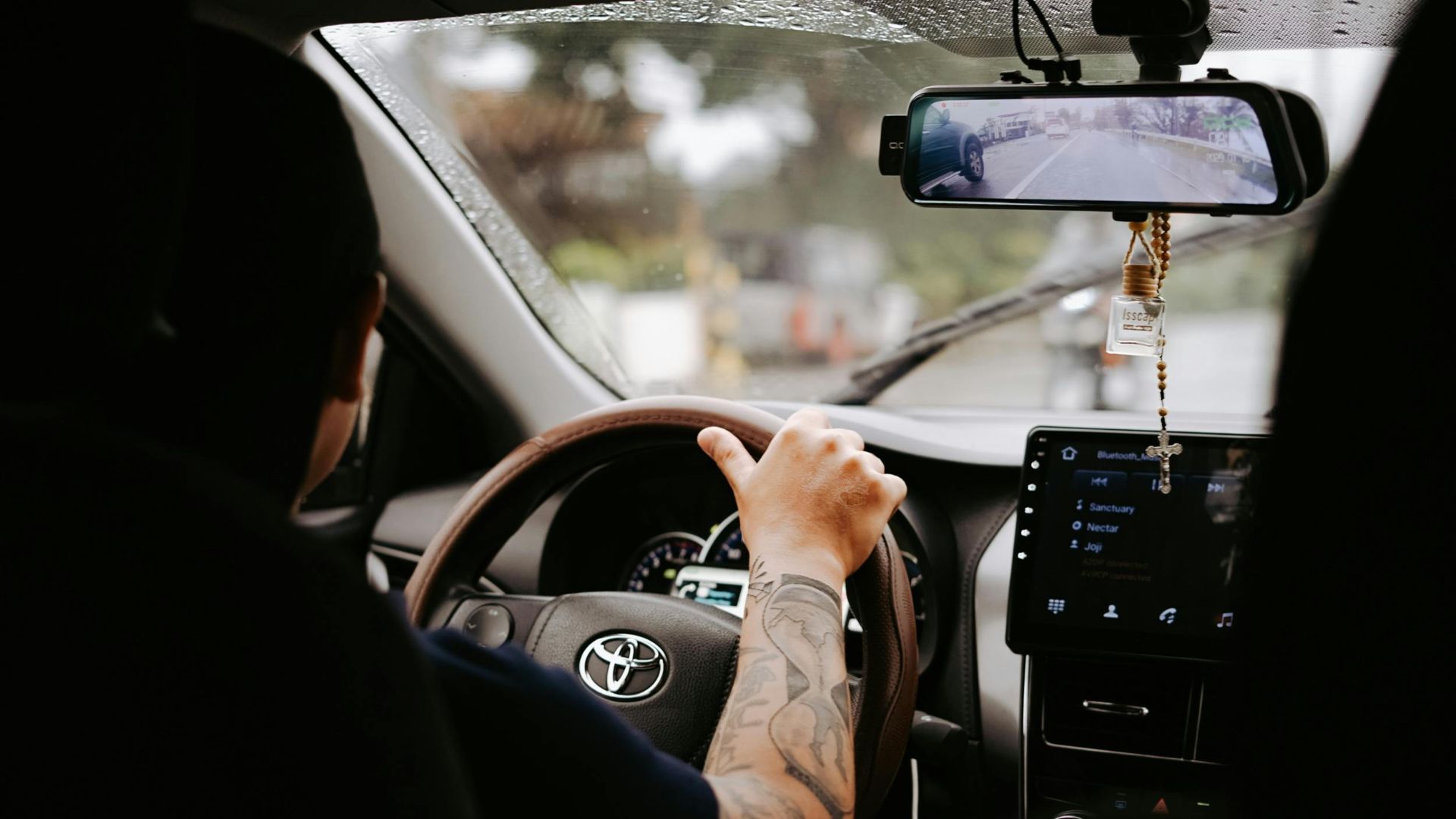
Details matter. If you were fully stopped, aware of your surroundings, and not interfering with traffic, that can support your argument. Evidence like dashcam footage or a clean driving record may also help strengthen your case.
What Hurts Your Case
If there’s any sign you were slow to react, unaware of changing conditions, or otherwise distracted, it becomes much harder to fight the ticket. The more it looks like your attention was off the road, the stronger the case against you becomes.

The Safer Alternative
If you need to fix your makeup, the safest option is to wait until you’re parked. Pulling into a parking lot or designated space removes any ambiguity and ensures you’re not putting yourself in a legally questionable situation.
Why These Laws Are Expanding
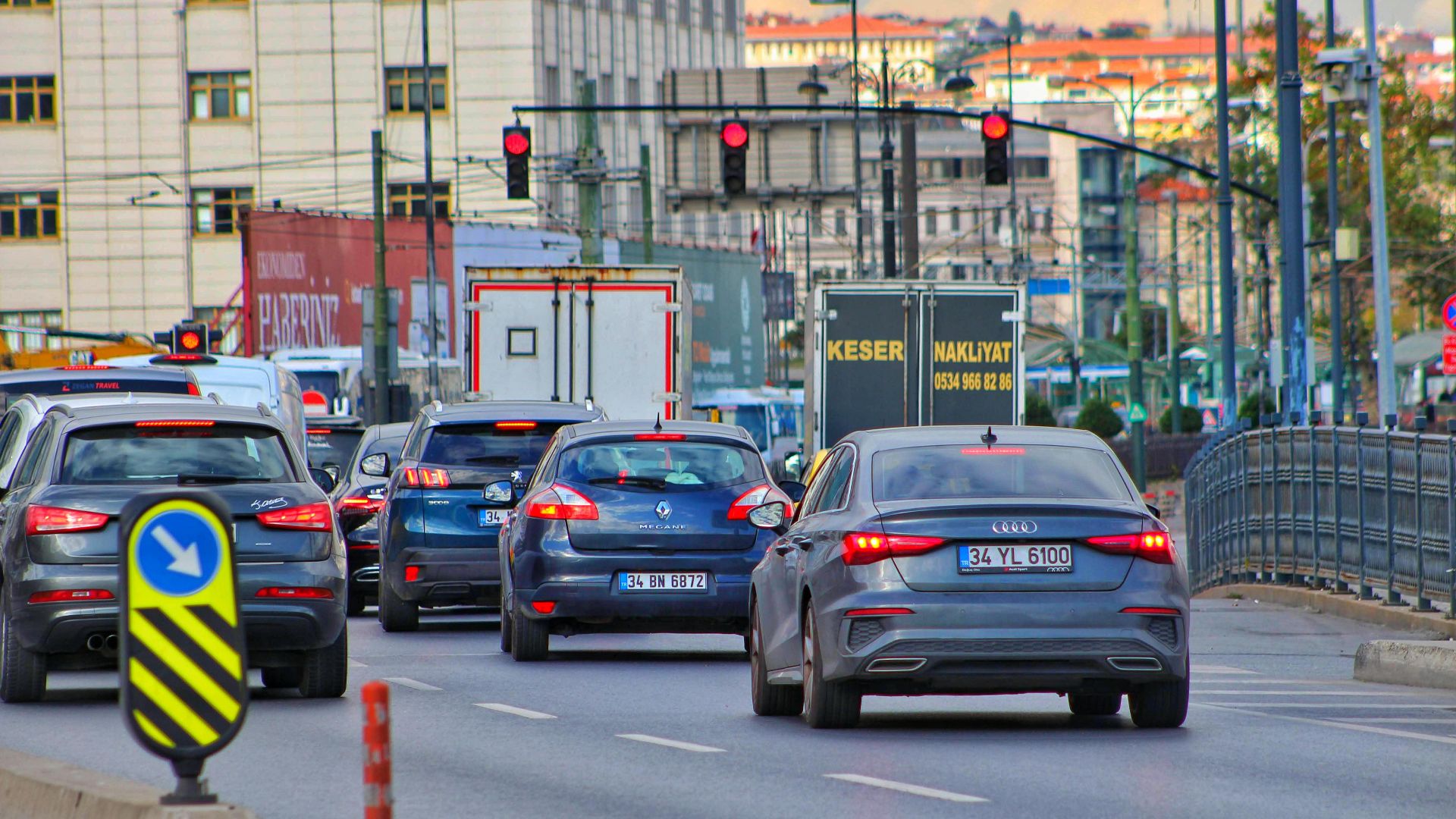
Distracted driving has become a major safety concern, especially with the rise of smartphones. As a result, laws are expanding to cover a wider range of distractions, not just texting, in an effort to reduce accidents and improve road safety.
It’s Not Just About Tickets
Even if you never get pulled over, distractions increase your risk on the road. A quick glance away can have serious consequences. That’s why the focus is shifting toward minimizing all distractions, not just the ones that are explicitly illegal.
The Bottom Line
It may sound extreme, but yes, you can get a ticket while stopped at a red light if your behavior suggests you’re not fully attentive. It’s not about the makeup itself. It’s about control, awareness, and how the law defines what it means to be driving.

You Might Also Like:
Cars From The 1970s That No One Remembers—Seriously, Do You Remember Even 5 Of These Vehicles?