That Didn’t Feel Right at All
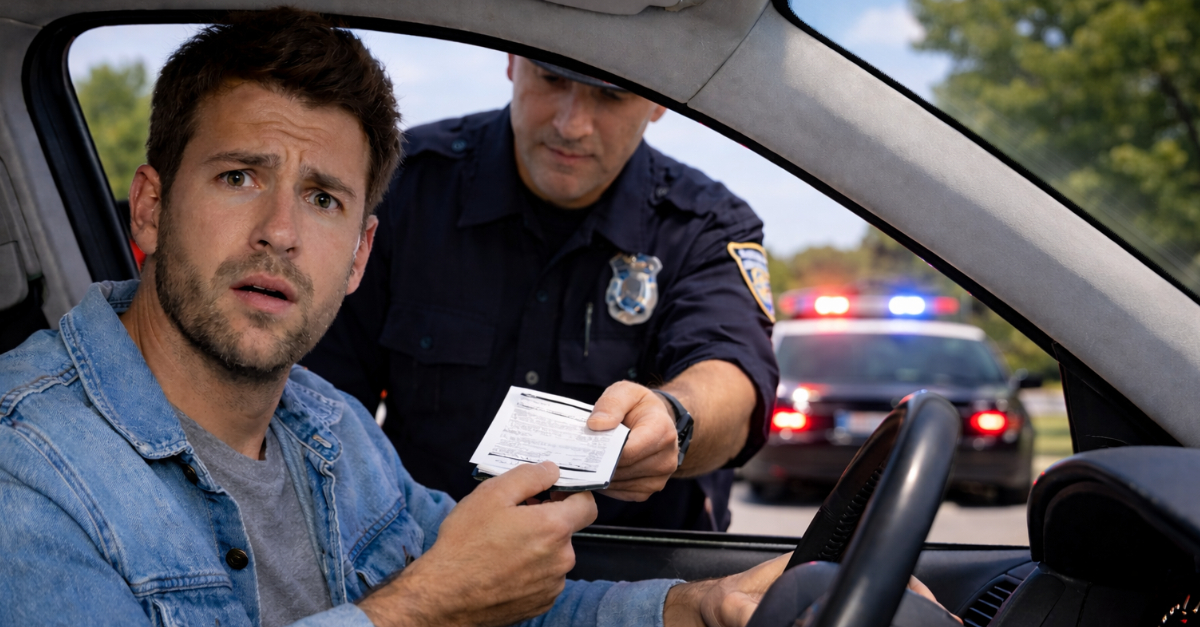
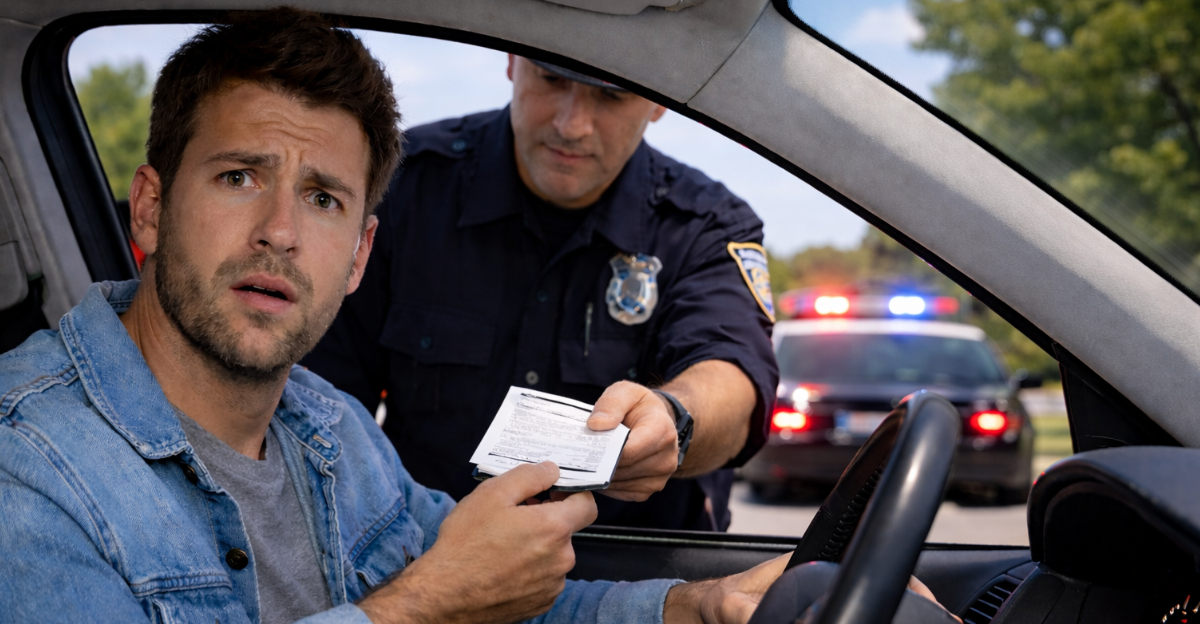
You glance at your speed. Then at the cars around you. Then back at your speed again. Nothing adds up. You were only going 10 mph over the limit—and you weren’t even the fastest car on the road. You weren’t driving aggressively either. So why on earth were you pulled over?
Everyone Thinks There’s a Buffer
A large number of U.S. drivers believe there’s an unofficial cushion before police will pull you over. The most commonly cited number is around 10 mph over the posted limit, especially on highways where traffic tends to move faster than the signs suggest.

There Is No Nationwide 10 MPH Grace Rule
As a rule, posted speed limits in the U.S. are enforceable by law, and there is no nationwide 10 mph grace rule. But traffic law is state-specific, and a few states have unusual exceptions or different speed-law frameworks. That means the “buffer” people talk about is not something drivers can safely rely on.
Where the 10 MPH Myth Comes From
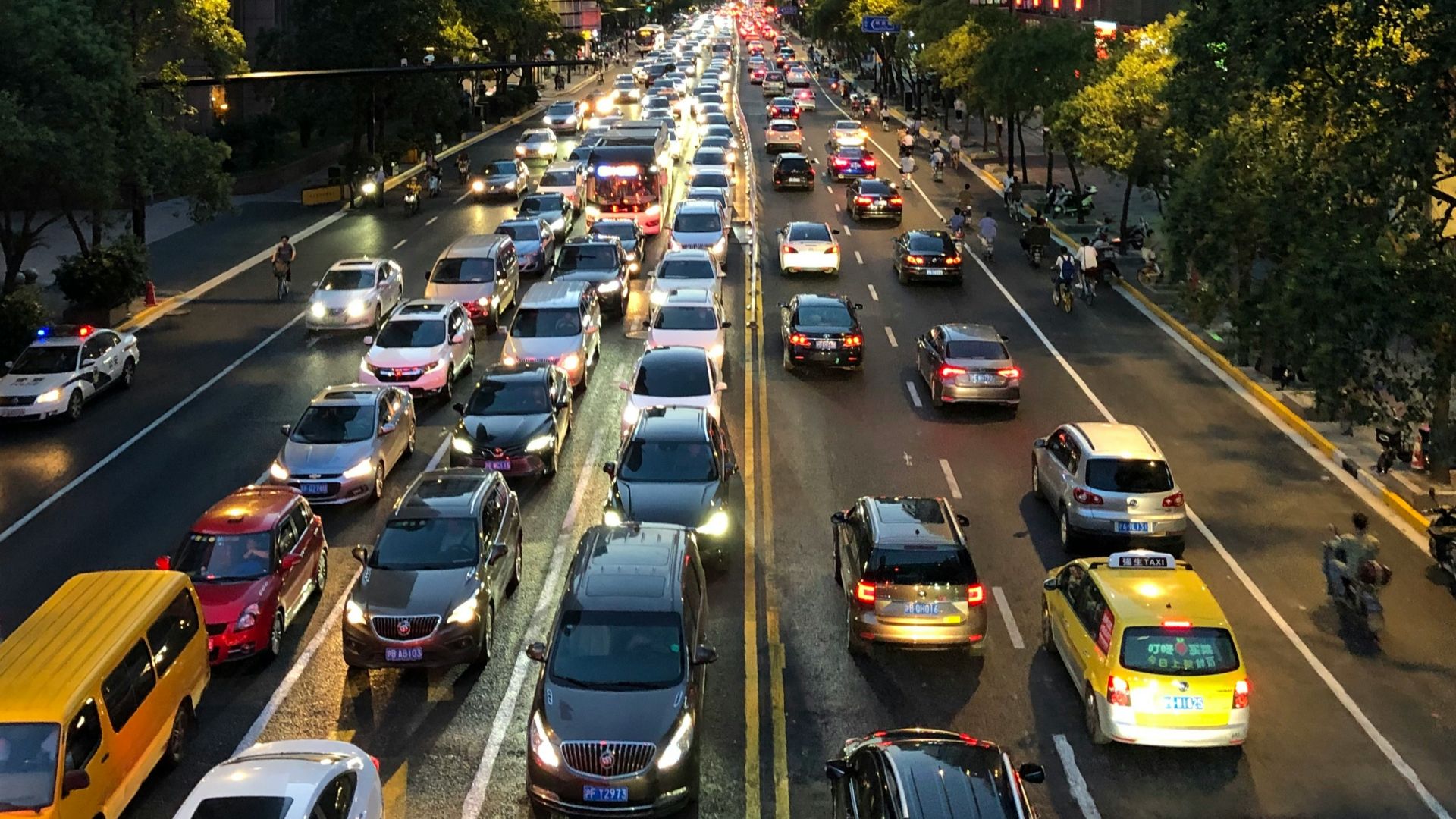
Drivers often go 5–10 mph over the limit without being stopped. Over time, that repeated experience turns into a belief that this range is “safe.” In reality, it’s just inconsistent enforcement—not an actual rule.

Flow of Traffic Doesn’t Matter Legally
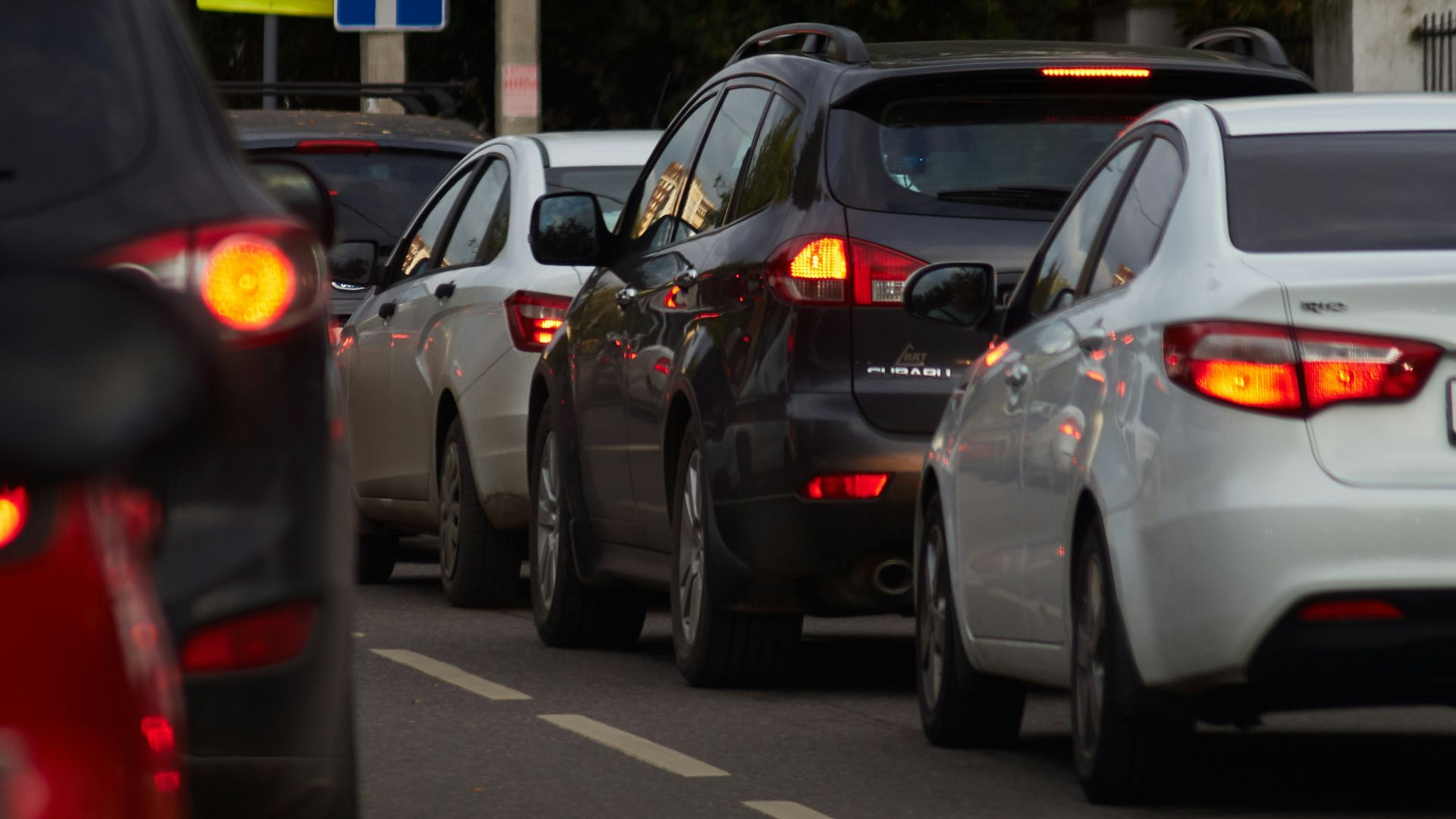
This one often surprises people even more. Even if every car around you is speeding, the law still applies individually. An officer can pull over any one vehicle exceeding the limit, regardless of how fast everyone else is going.
It All Comes Down to Discretion
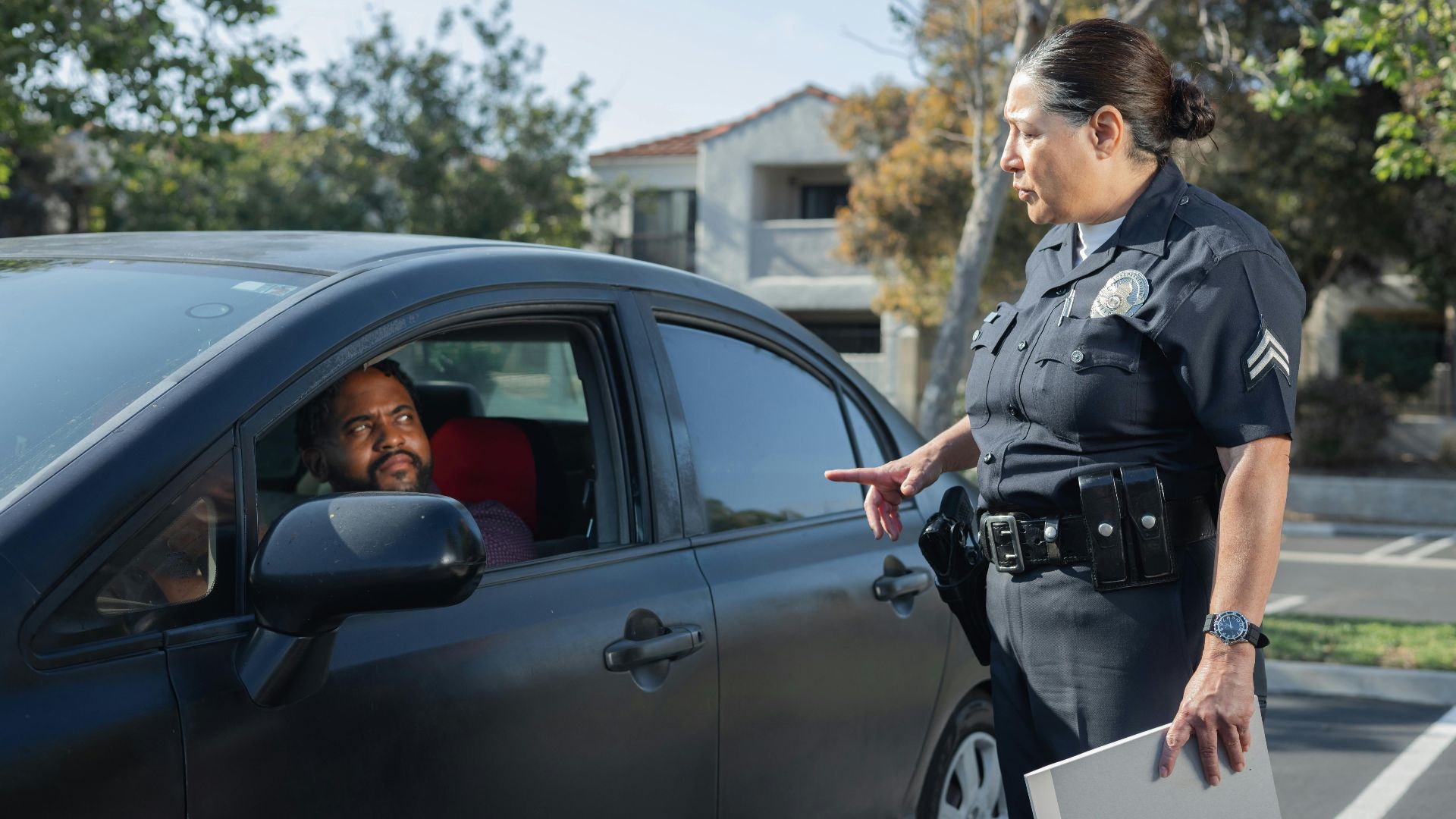
Police officers have full discretion when enforcing speed limits. They can ignore minor speeding—or ticket it. That decision depends on safety, traffic conditions, and enforcement priorities, not a fixed cutoff like “10 mph over.”
The Unofficial Driver “Rules”
Many drivers operate on informal guidelines they’ve picked up over time: 5 mph over feels safe, 10 mph over feels acceptable, and 15+ mph over feels risky. These aren’t laws—just widely shared assumptions based on experience.

“9 You’re Fine, 10 You’re Mine”
This phrase is common across the U.S. and reflects what many drivers believe about enforcement. But it’s not tied to any official policy. Officers are not trained to follow this rule, and many don’t.
Highway Speeds Skew Reality
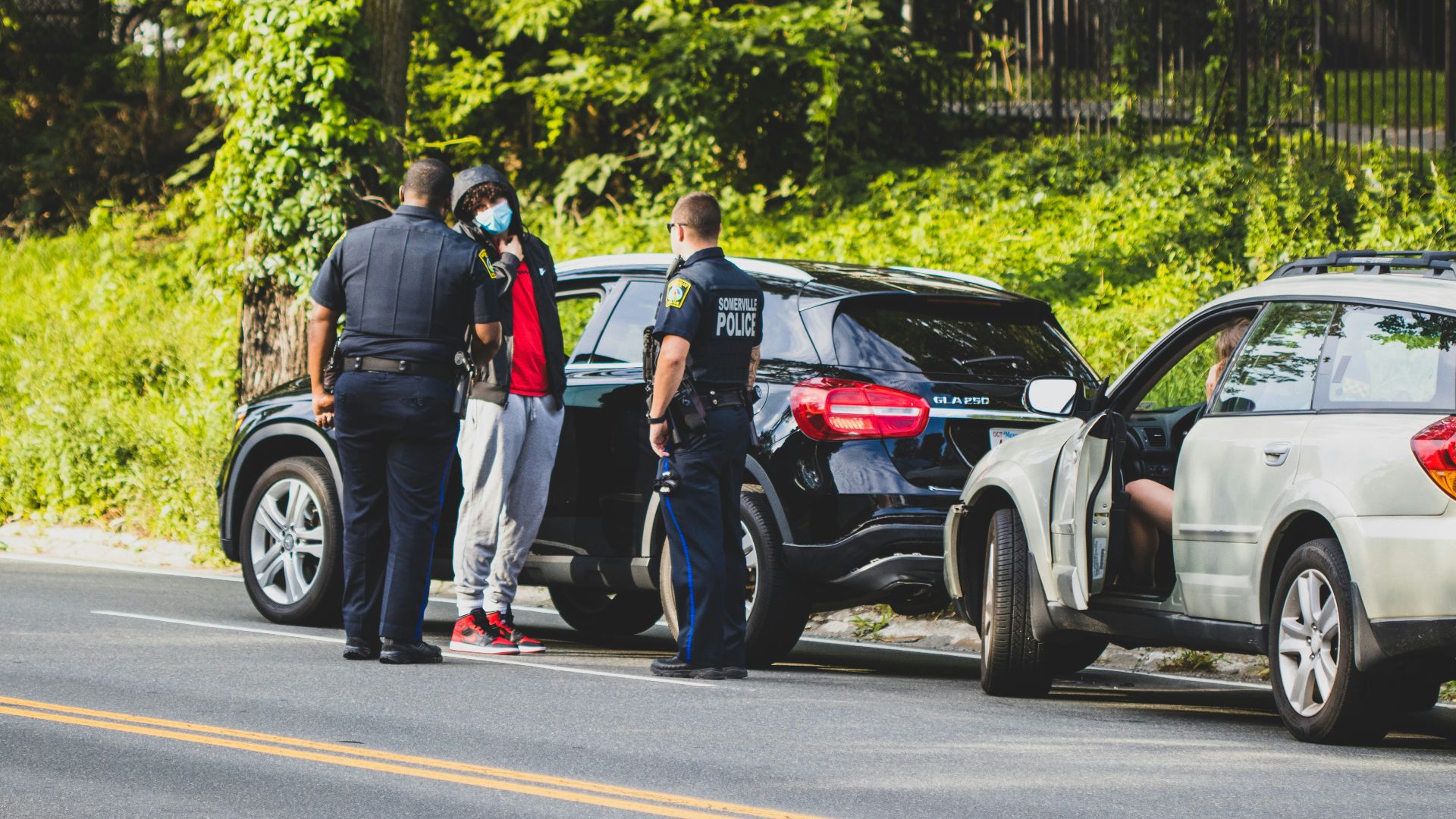
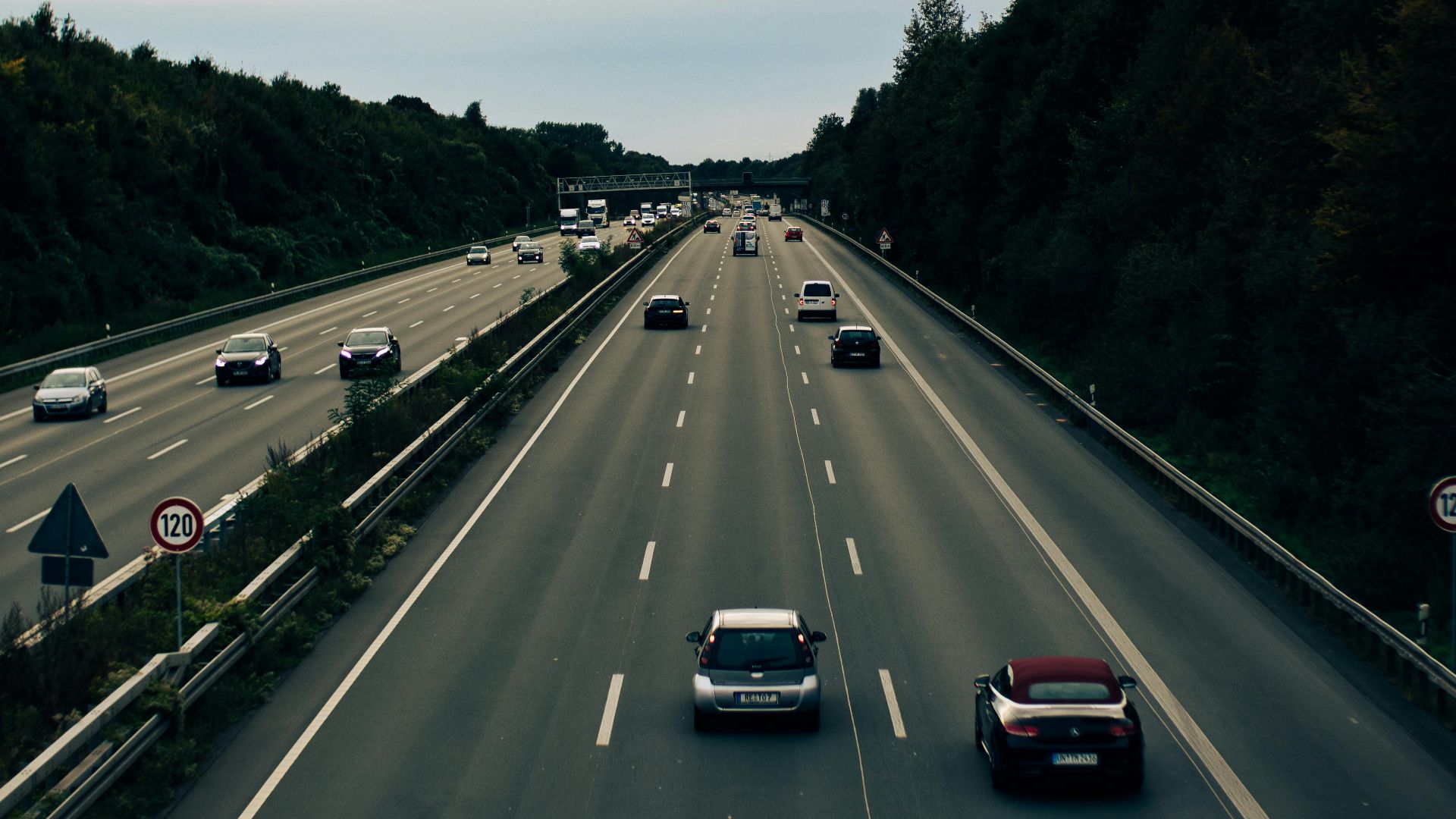
On highways posted at 65 or 70 mph, traffic often flows at 75–80 mph. Vehicles are built for higher speeds, which makes going faster feel normal. But “normal” traffic speed and legal speed are not the same thing.
Why You Got Picked Out
In a pack of speeding cars, police often choose one vehicle based on positioning, spacing, or ease of pulling over safely. It’s not always about who is going the fastest—it’s about who is easiest to stop.
Some Areas Enforce More Strictly
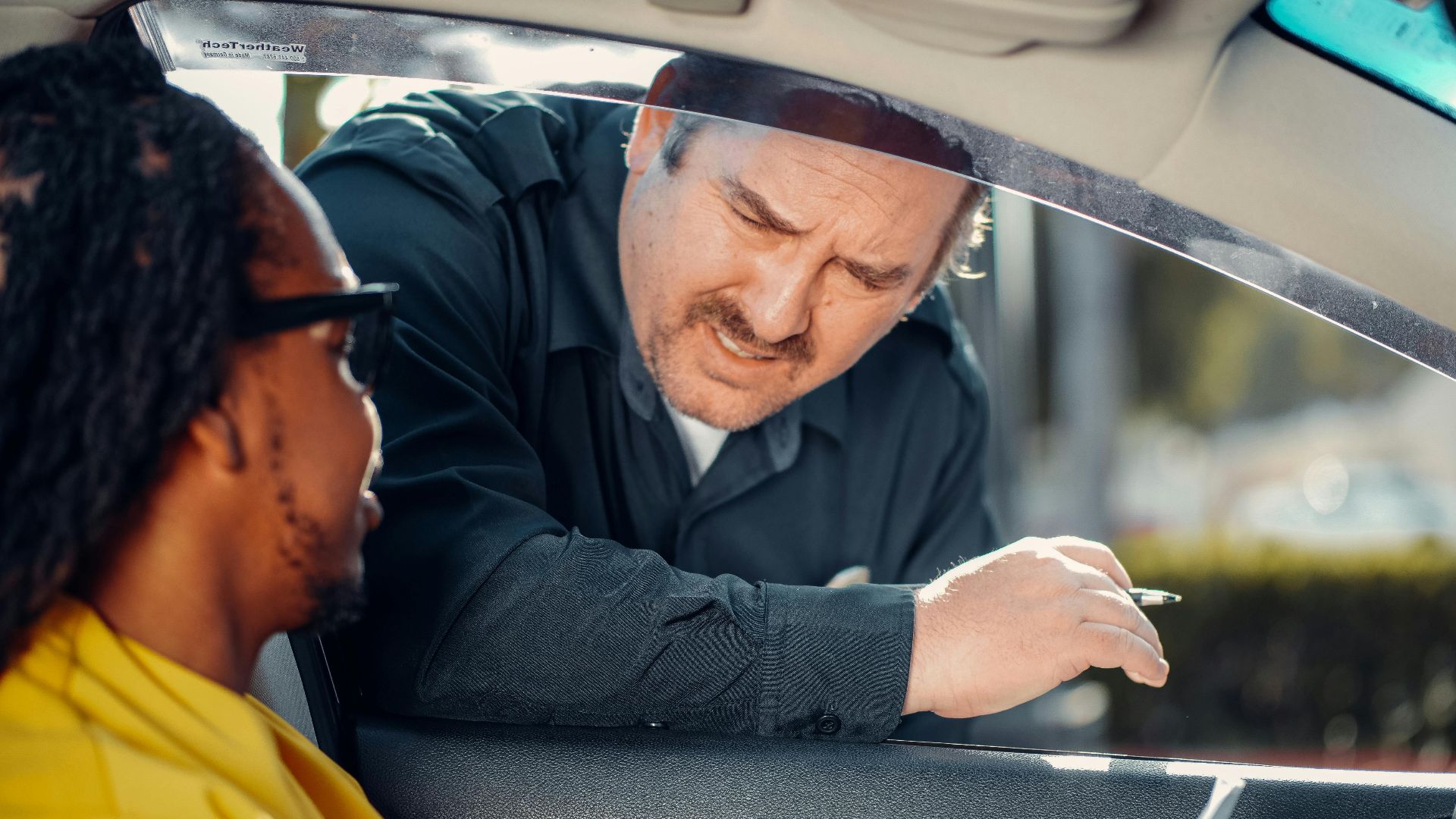
Speed enforcement varies widely depending on location. Certain towns, highway stretches, and known “speed trap” zones are far stricter and may ticket drivers for smaller overages than others.

Construction and School Zones Are Different
These zones often come with stricter enforcement and enhanced penalties. In many places, fines are increased—and sometimes doubled—when speeding happens in a marked work zone or school zone, which is why even a small overage can get expensive fast.

Time of Day Affects Visibility
At night or during low-traffic periods, fewer cars are on the road. That makes even small speed differences stand out more clearly to officers using radar or pacing techniques.

Weather Reduces Tolerance
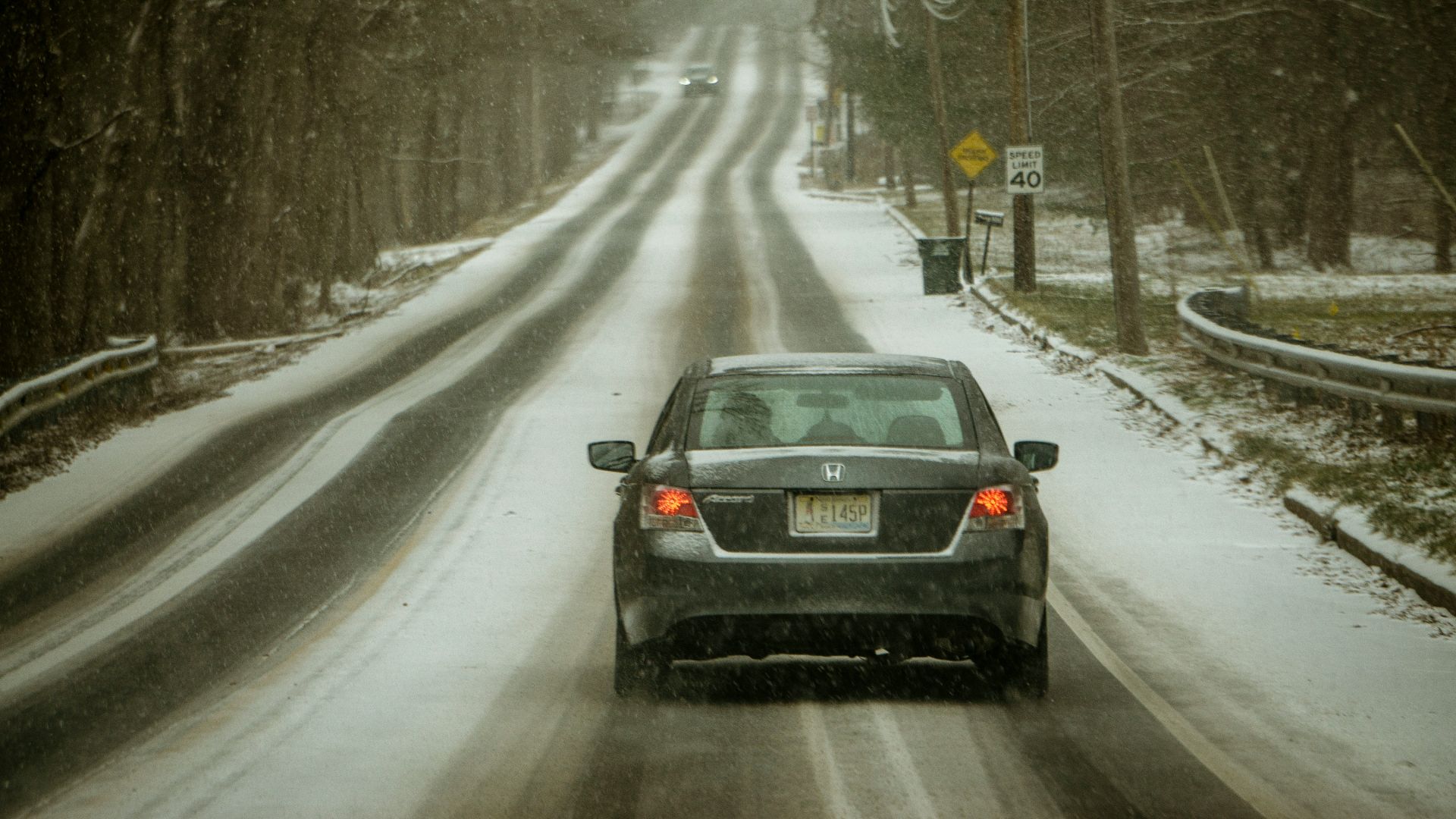
Rain, snow, fog, or icy roads can lead to stricter enforcement. Officers may be less likely to overlook speeding when road conditions increase the risk of accidents.
Speed Thresholds Trigger Penalties
Many states structure fines and penalties based on how far over the limit you are. Going 10, 15, or 20 mph over can trigger higher fines, more points, or additional consequences.
At Higher Speeds, It Can Stop Being a Basic Ticket
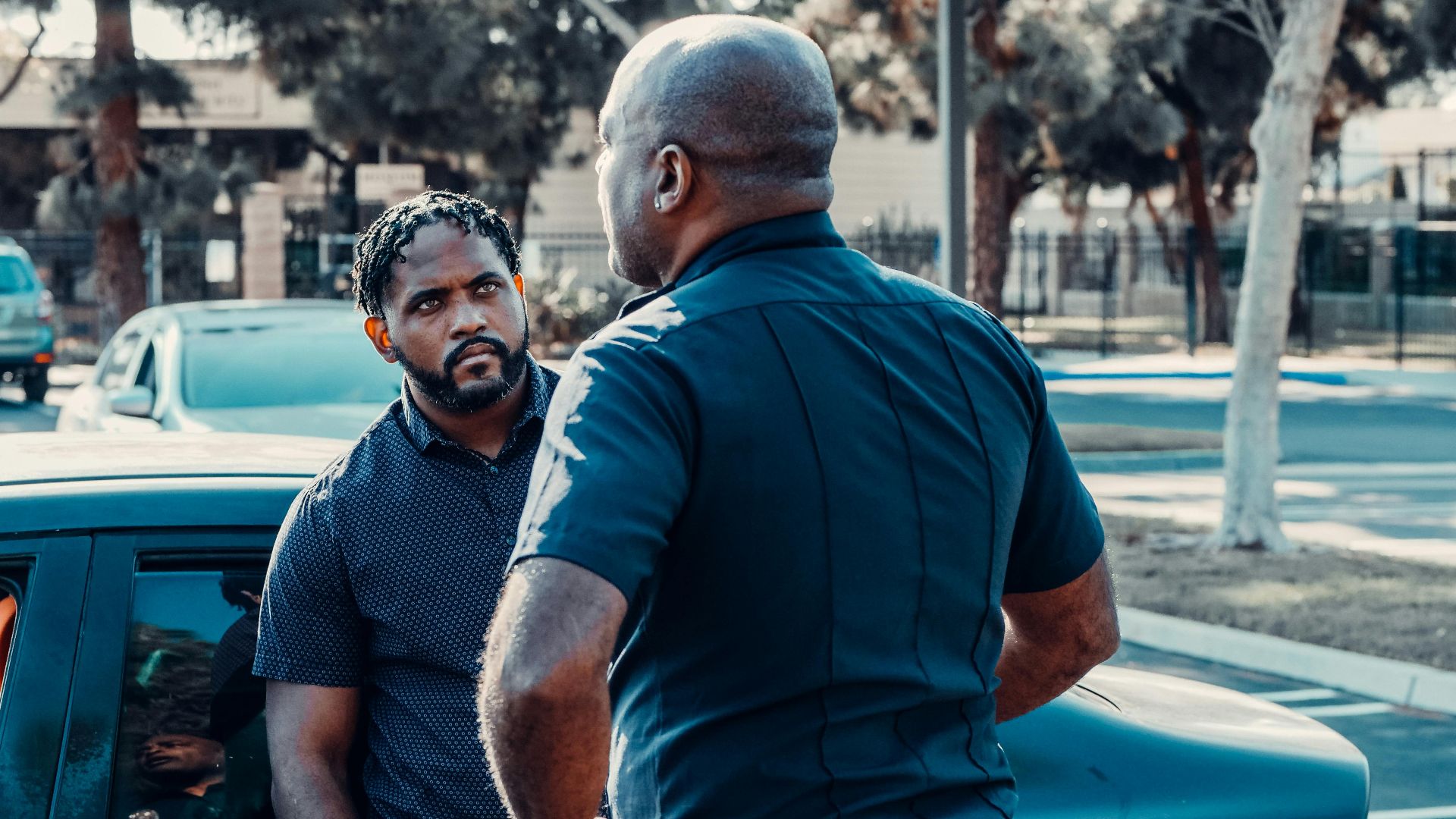
In some places, around 20 mph over the limit can trigger reckless-driving or criminal-speed consequences instead of a routine speeding ticket. In others, even 15+ mph over can bring harsher penalties like bigger fines, points, or license consequences.

Modern Tech Tracks Exact Speed
Police use radar and lidar systems that measure speed very precisely. There’s little guesswork involved, which means even small violations can be accurately recorded and used as evidence.
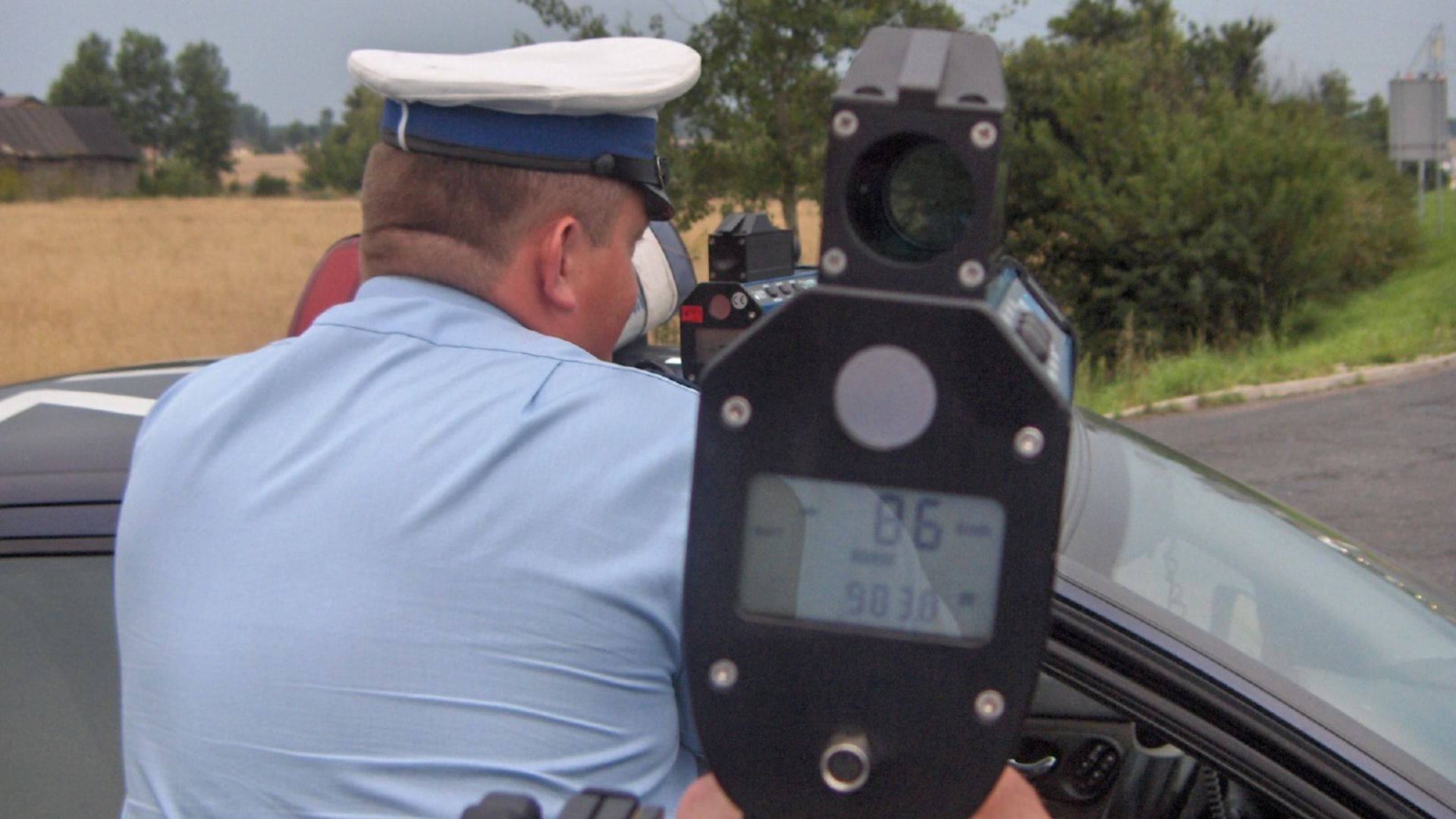 Ekspert brd, Wikimedia Commons
Driving Behavior Still Matters
Speed isn’t the only factor. Following too closely, changing lanes frequently, or driving differently than surrounding traffic can increase the chances of being pulled over—even at moderate speeds.
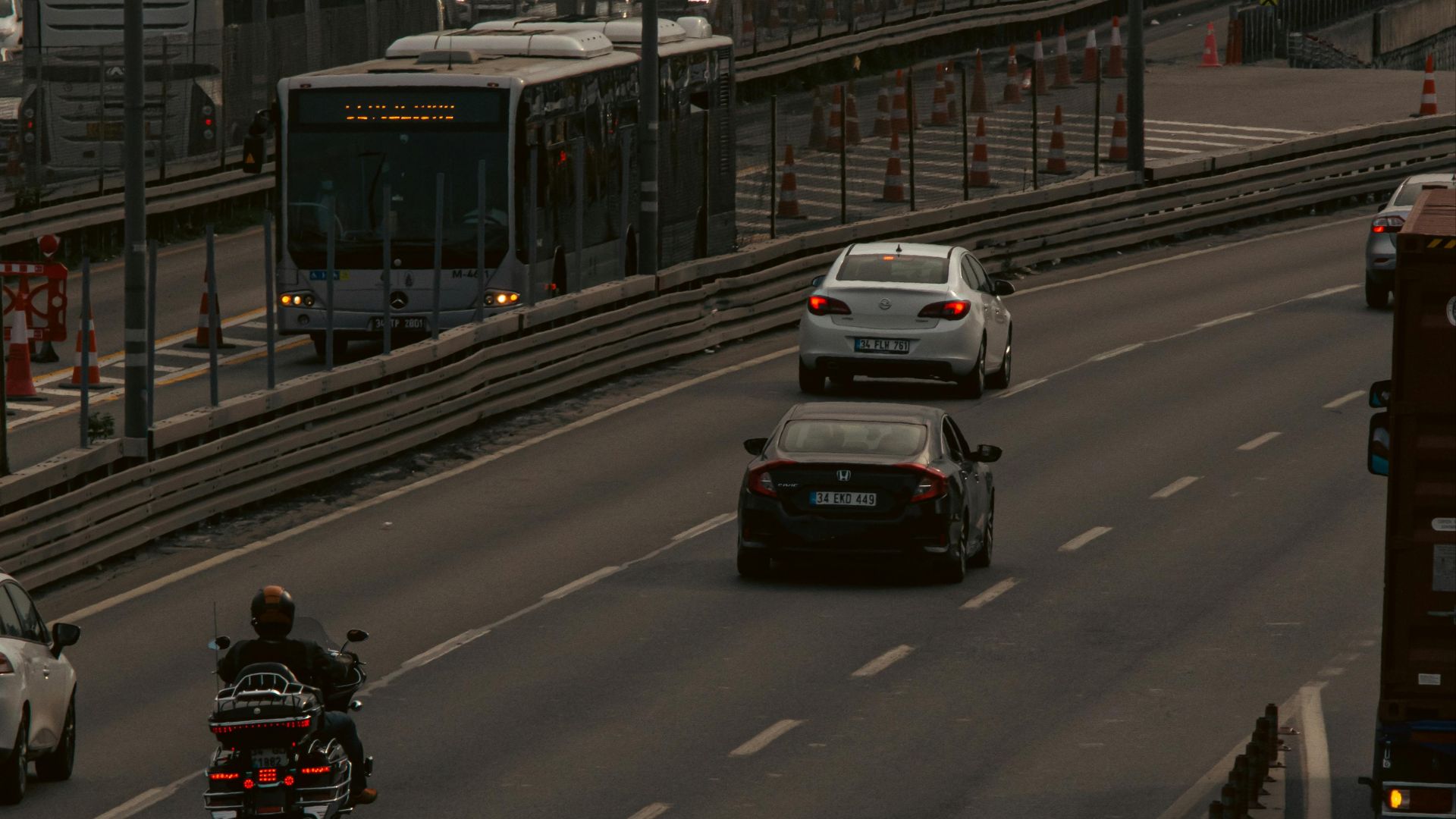
Why 75 in a 65 Gets Ticketed
Going 10 mph over places you right in a very common enforcement range. Many departments begin more consistent enforcement around this point, meaning it may feel minor to drivers but is often treated as clearly ticketable in practice.
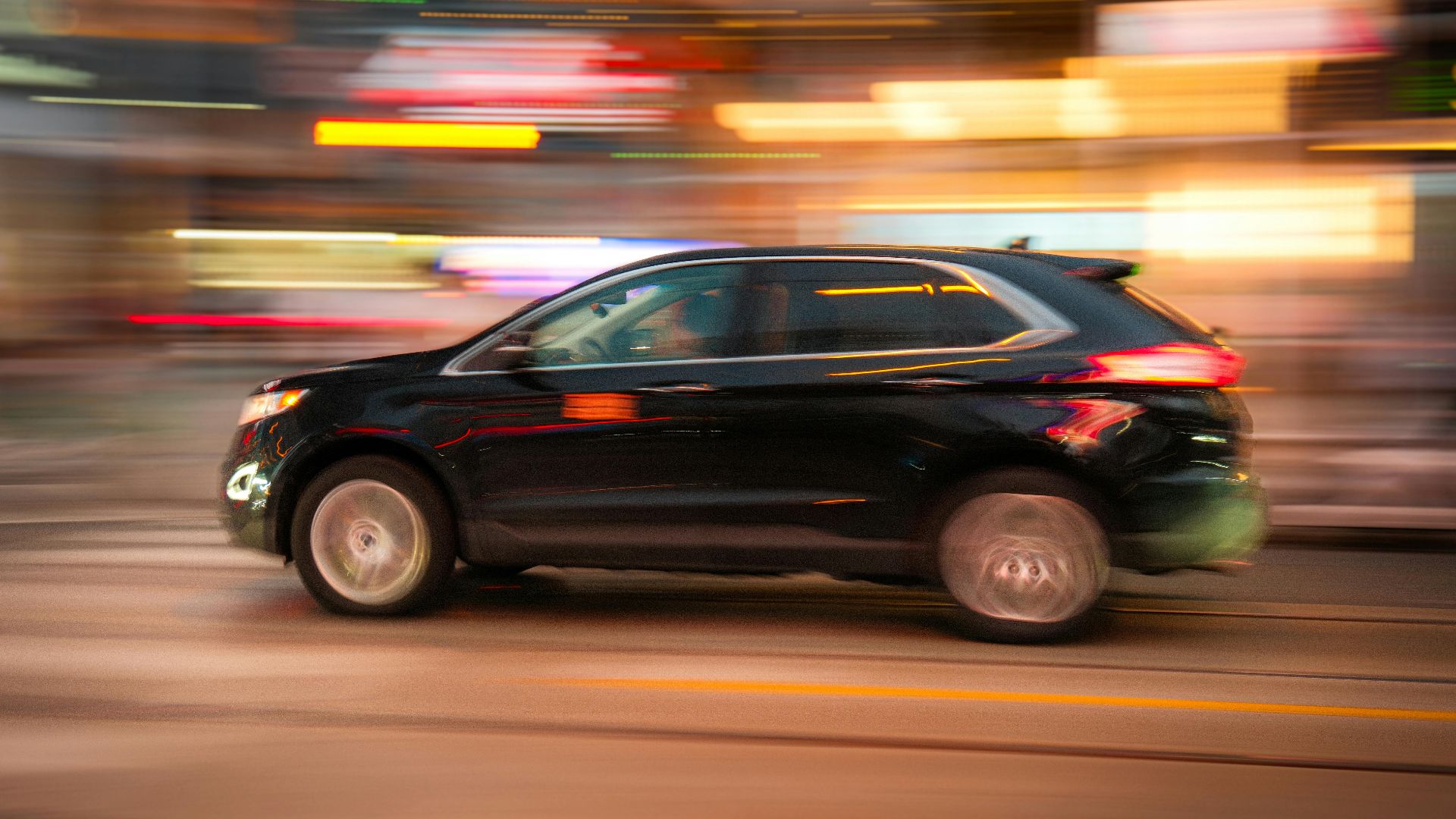
The Myth vs. Reality
The 10 mph buffer exists as a shared belief among drivers, not as a legal standard. It’s built on inconsistent experiences, not rules, which is why some drivers get away with it repeatedly while others get ticketed for the same behavior.

What Most Drivers Learn Eventually
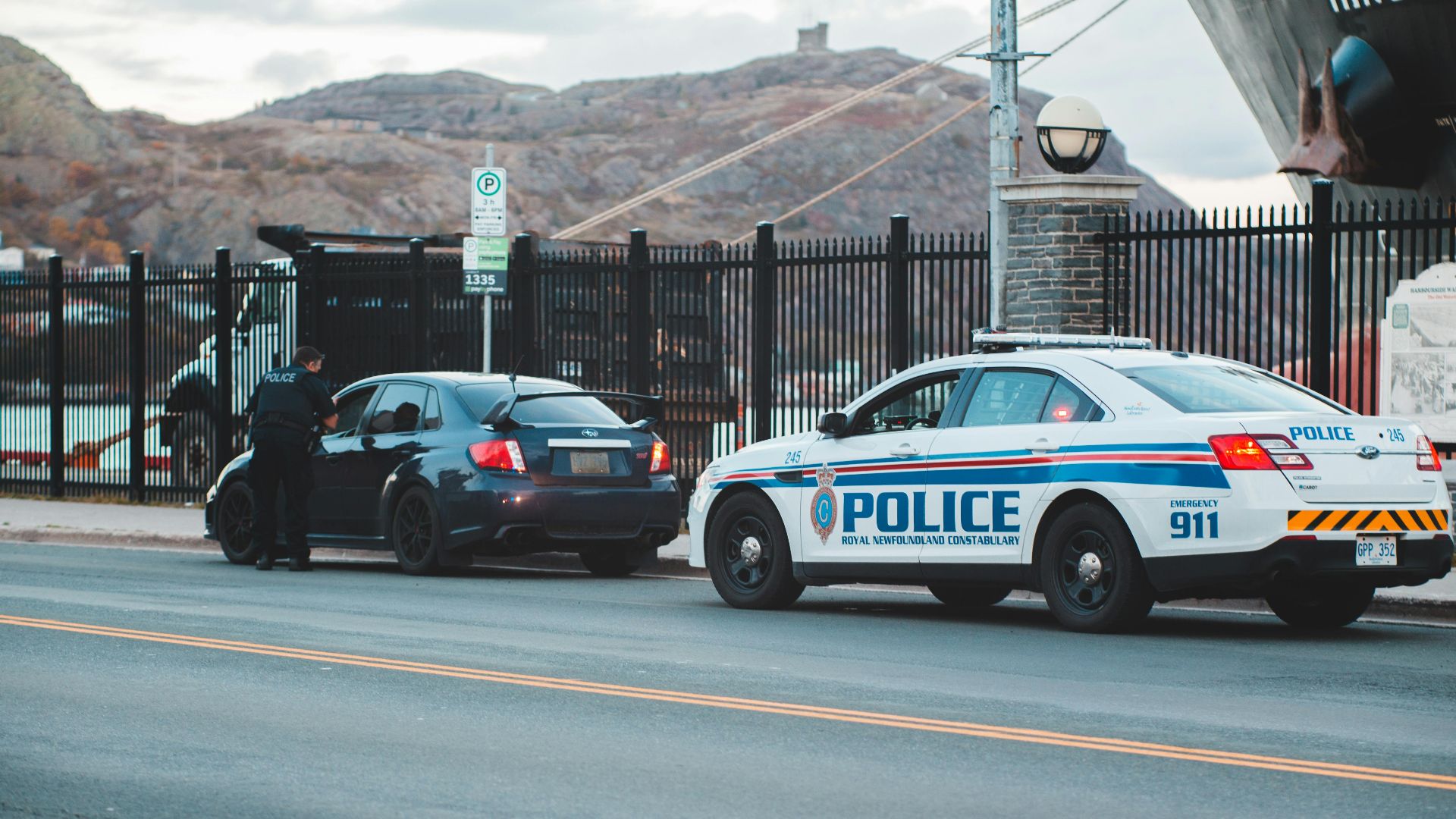
There is no guaranteed “safe” speed above the limit. You might go unnoticed dozens of times, but enforcement is unpredictable, and legally, you’re always at risk the moment you exceed the posted speed—even slightly.
You Might Also Like:
Classic Muscle Cars That Are Impossible To Find Now—According To Collectors
Cars From The 1970s That No One Remembers—Seriously, Do You Remember Even 5 Of These Vehicles?