Blocked Out
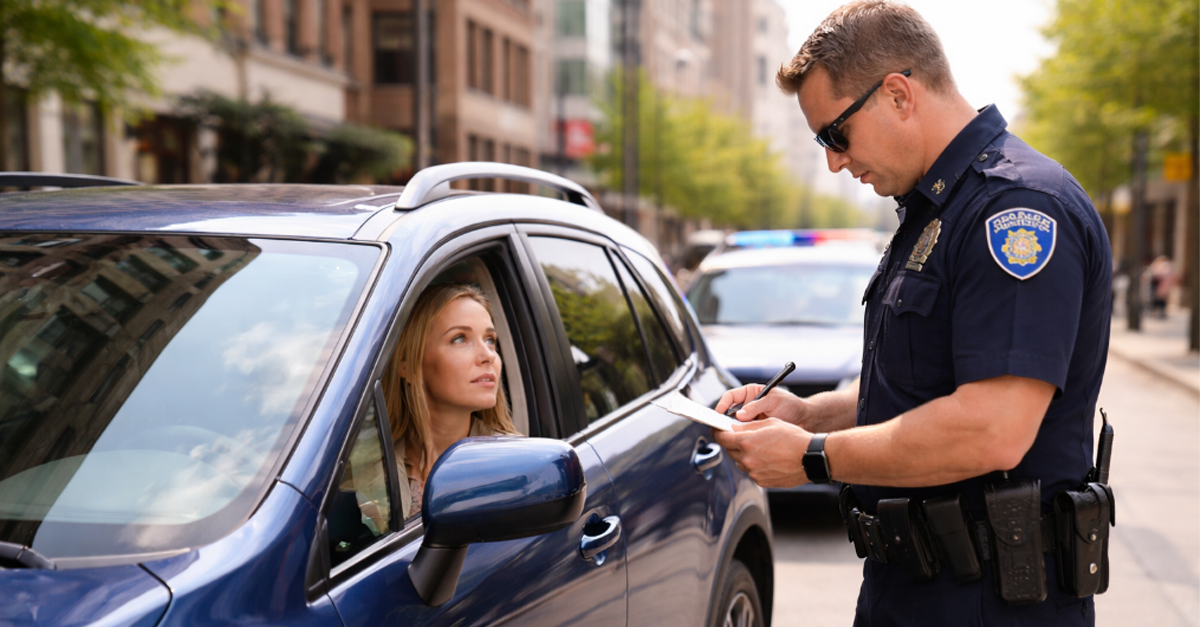
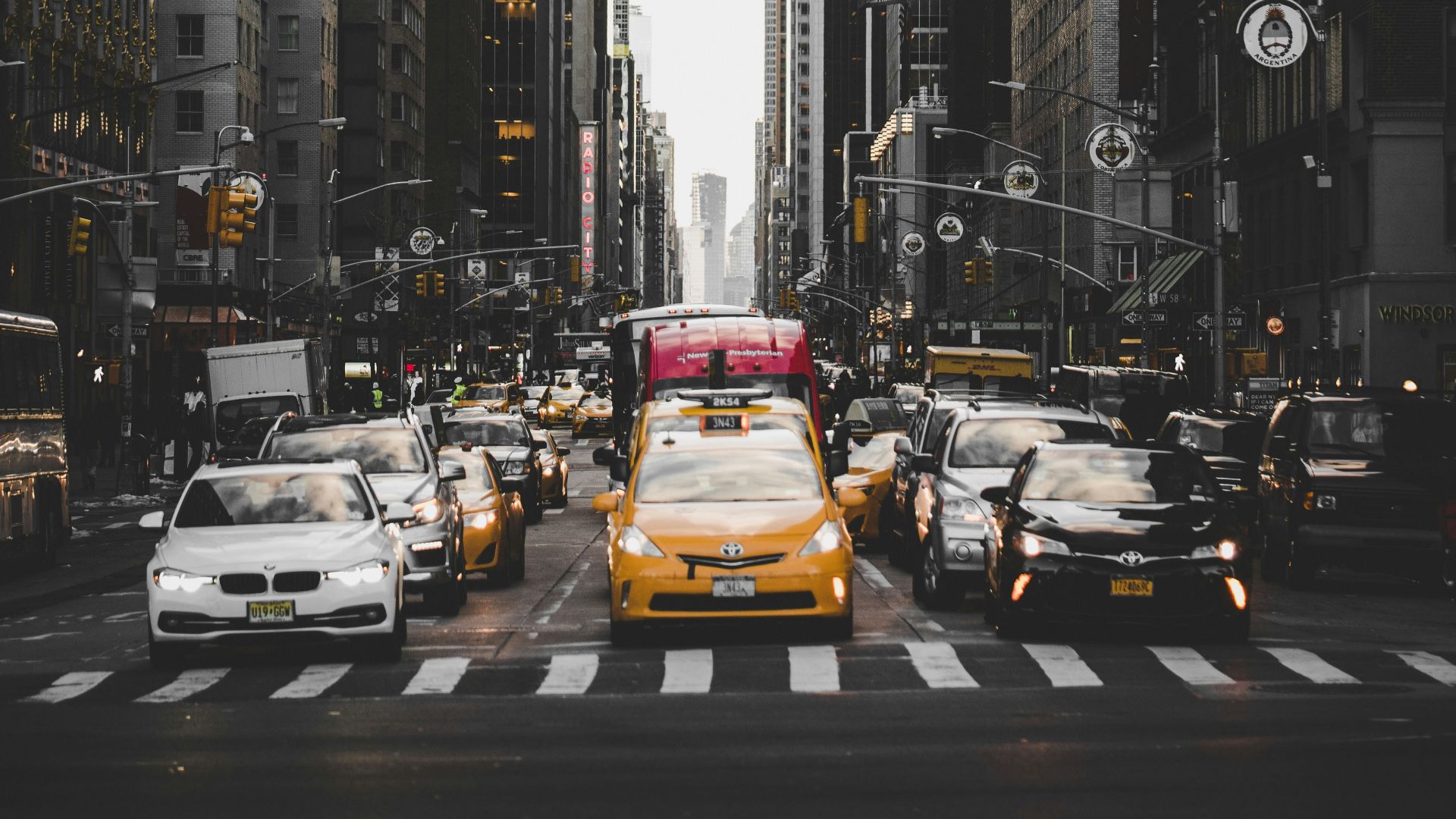
You were sitting in gridlock downtown, traffic crawled forward, and you entered an intersection expecting it to clear. Instead, to yours and everyone else’s extreme annoyance, everything stopped. A few minutes later, a police officer pulled you over and gave you a ticket for blocking the box. You feel blindsided. If you couldn’t move, it seems unfair. But traffic law looks at these situations very differently than a lot of drivers expect.
What “Blocking The Intersection” Actually Means
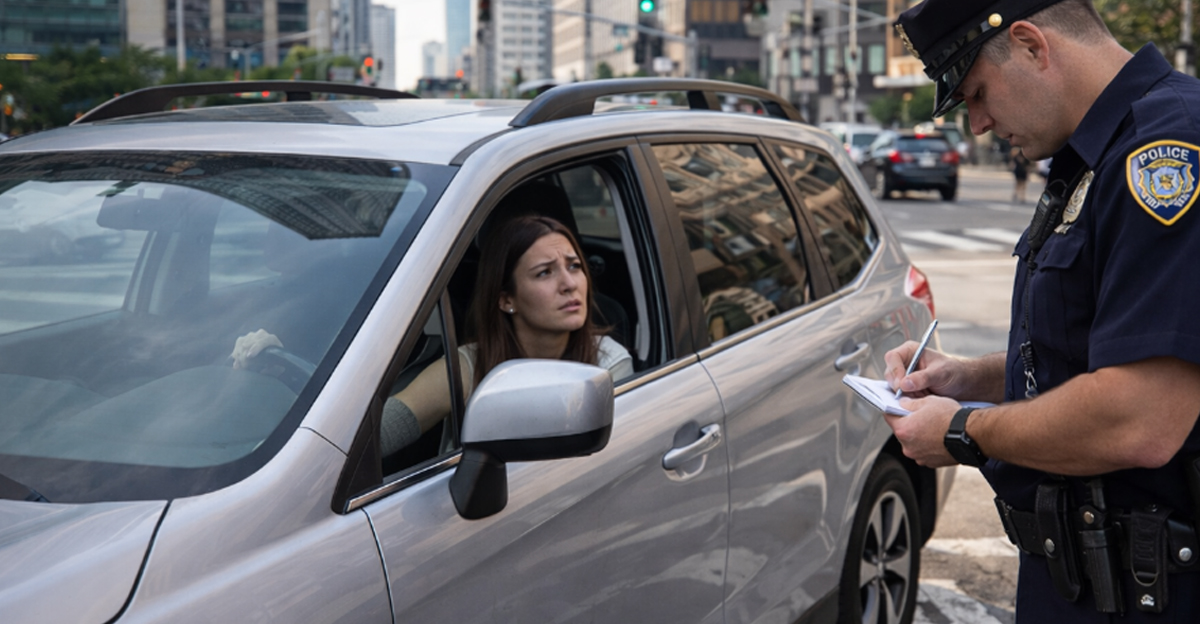
Blocking an intersection, often called “blocking the box,” usually means entering even though there isn’t enough space on the other side to fully clear it. Most traffic codes prohibit this regardless of your intent. The law assumes drivers must predict congestion ahead of time and avoid entering unless they make a clean exit on the other side.
Why Intent Usually Doesn’t Matter
From a legal perspective, intent really doesn’t matter. You didn’t mean to block traffic, of course, but the rule focuses on outcome; it isn’t interested in figuring out your motive. The moment you stopped inside the intersection, the violation technically occurred. Enforcement relies on bright-line rules because police don’t have the time to assess every driver’s good intentions.
Why Police Still Issue Tickets In Gridlock
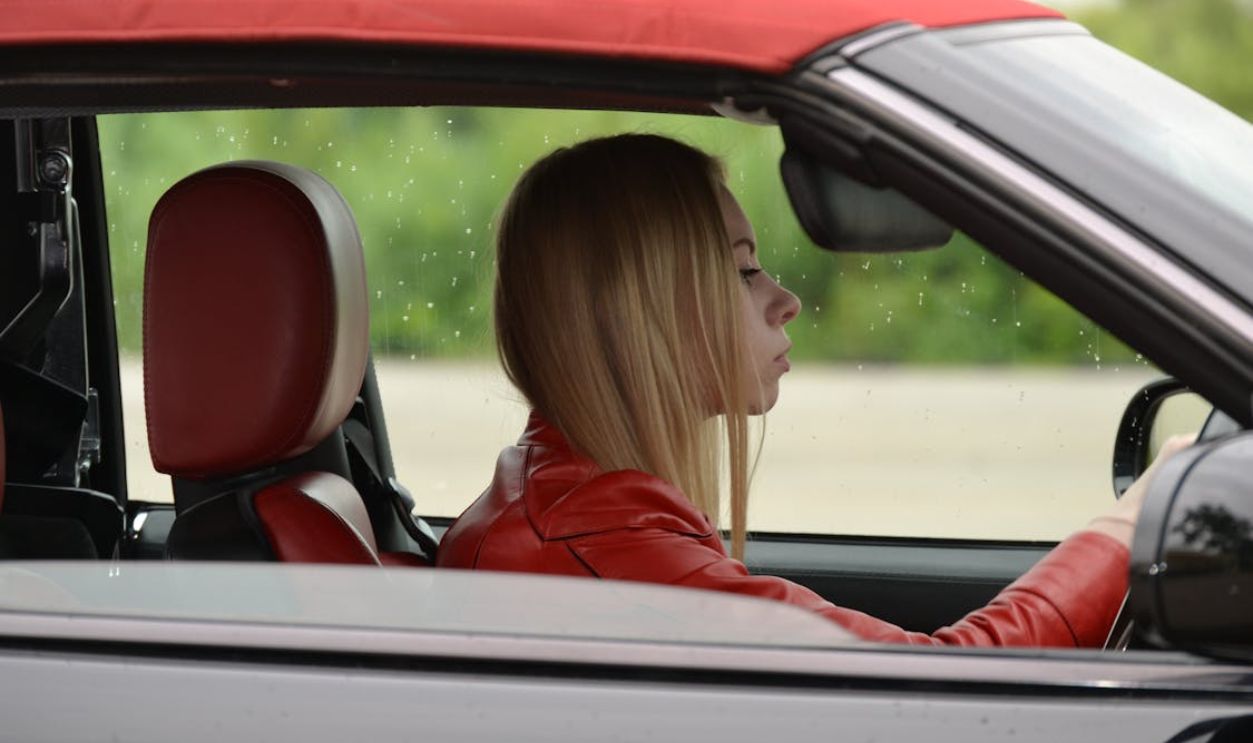
Officers ticket blocked intersections to keep traffic flowing citywide. One car stuck in the box can cascade into miles of gridlock, blocking cross traffic and pedestrians. Cities take these violations seriously because intersection blockages make congestion worse beyond the individual vehicle involved.
“I Had Nowhere To Go” Isn’t A Legal Defense
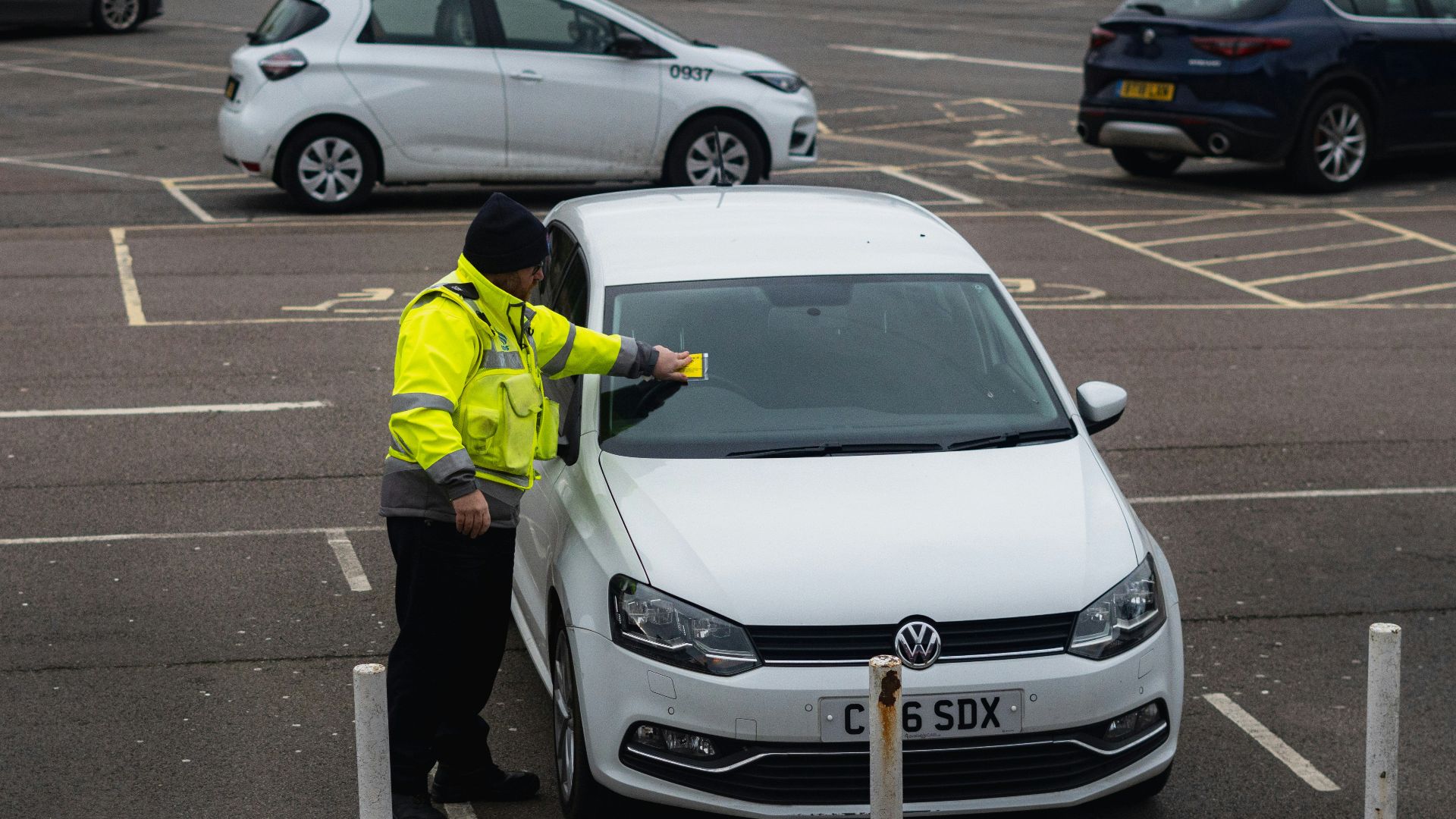
While understandable, “I couldn’t move” rarely works as a defense. Traffic laws usually put the burden on you to wait before entering. Courts often rule that if conditions ahead were visibly congested, you assumed the risk by pulling forward.
 Lenar Nigmatullin, Shutterstock
Traffic Signals Don’t Change The Rule
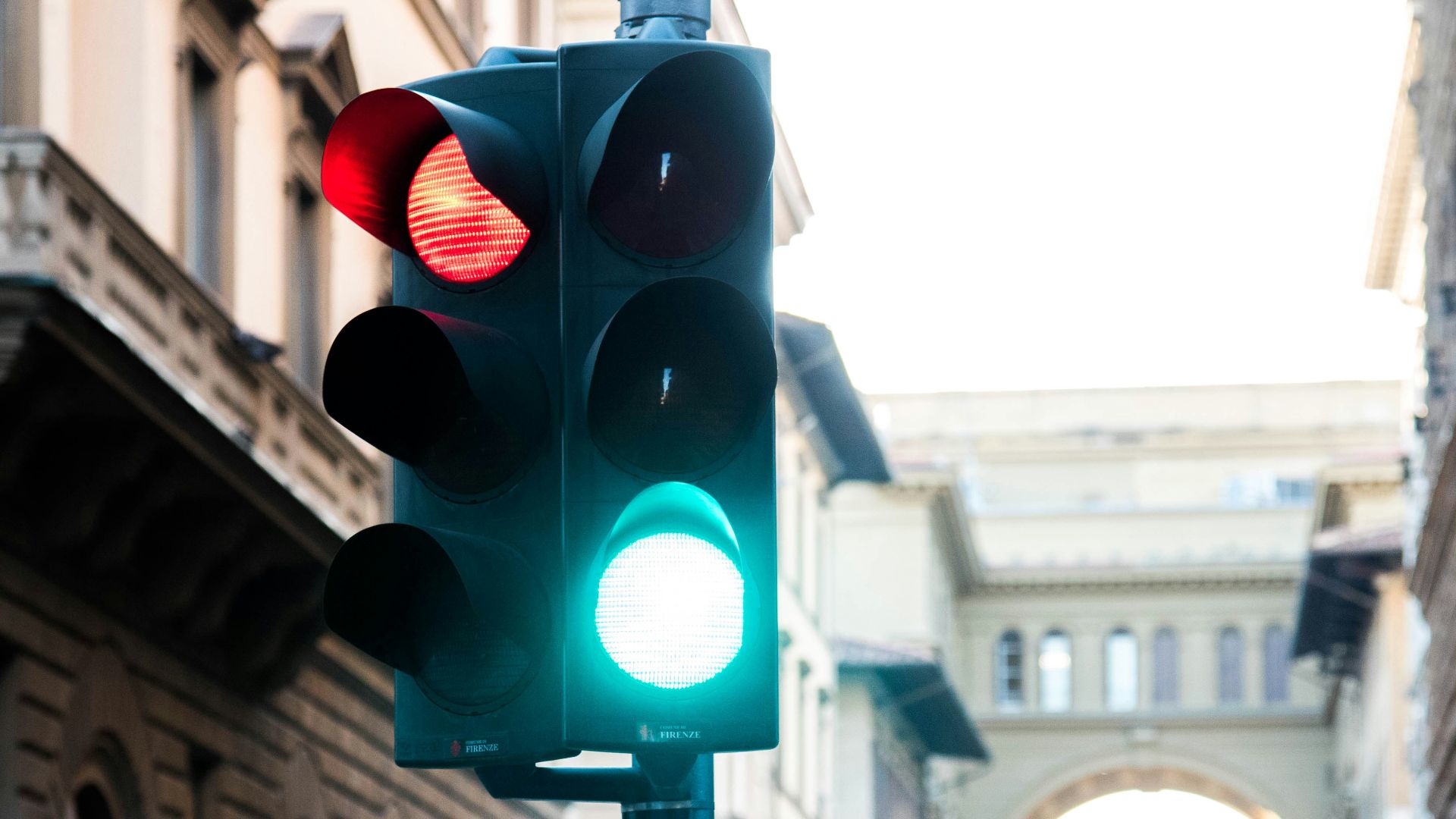
A green light doesn’t automatically give you permission to enter. A surprising number drivers assume it does. In reality, traffic codes typically state that you must not enter unless you can actually proceed through entirely. Even with a green light, blocking the intersection is still citable.
The Role Of Construction And Lane Closures
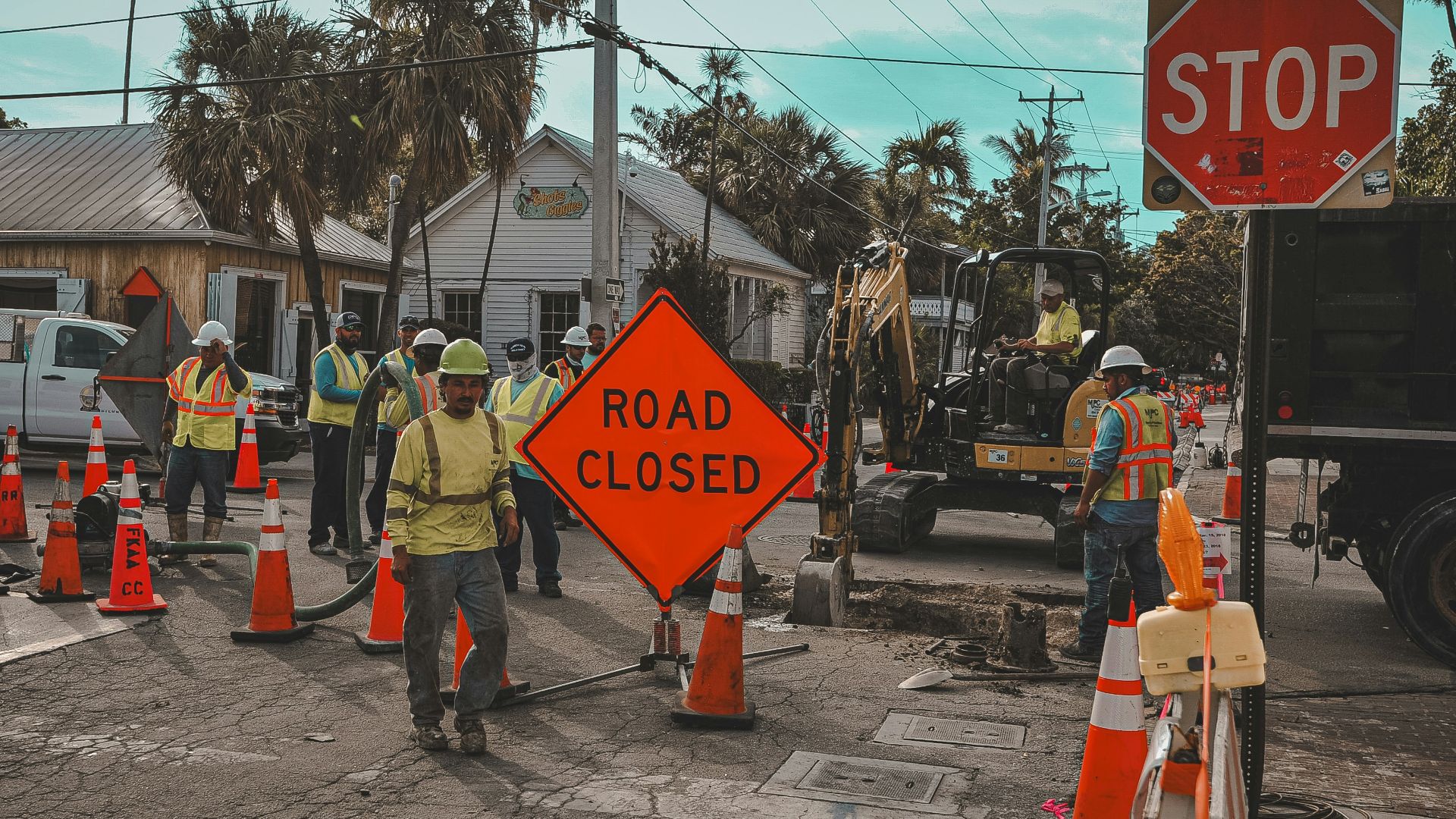
Construction zones in the summer make this problem far more common. Temporary lane reductions cause unpredictable stop-and-go movement. Unfortunately, courts still expect drivers to adjust. You’re expected to pay attention to construction signage which gives you notice that traffic may not behave normally, increasing your responsibility to wait longer than feels reasonable.
When Cameras Enforce Intersection Blocking
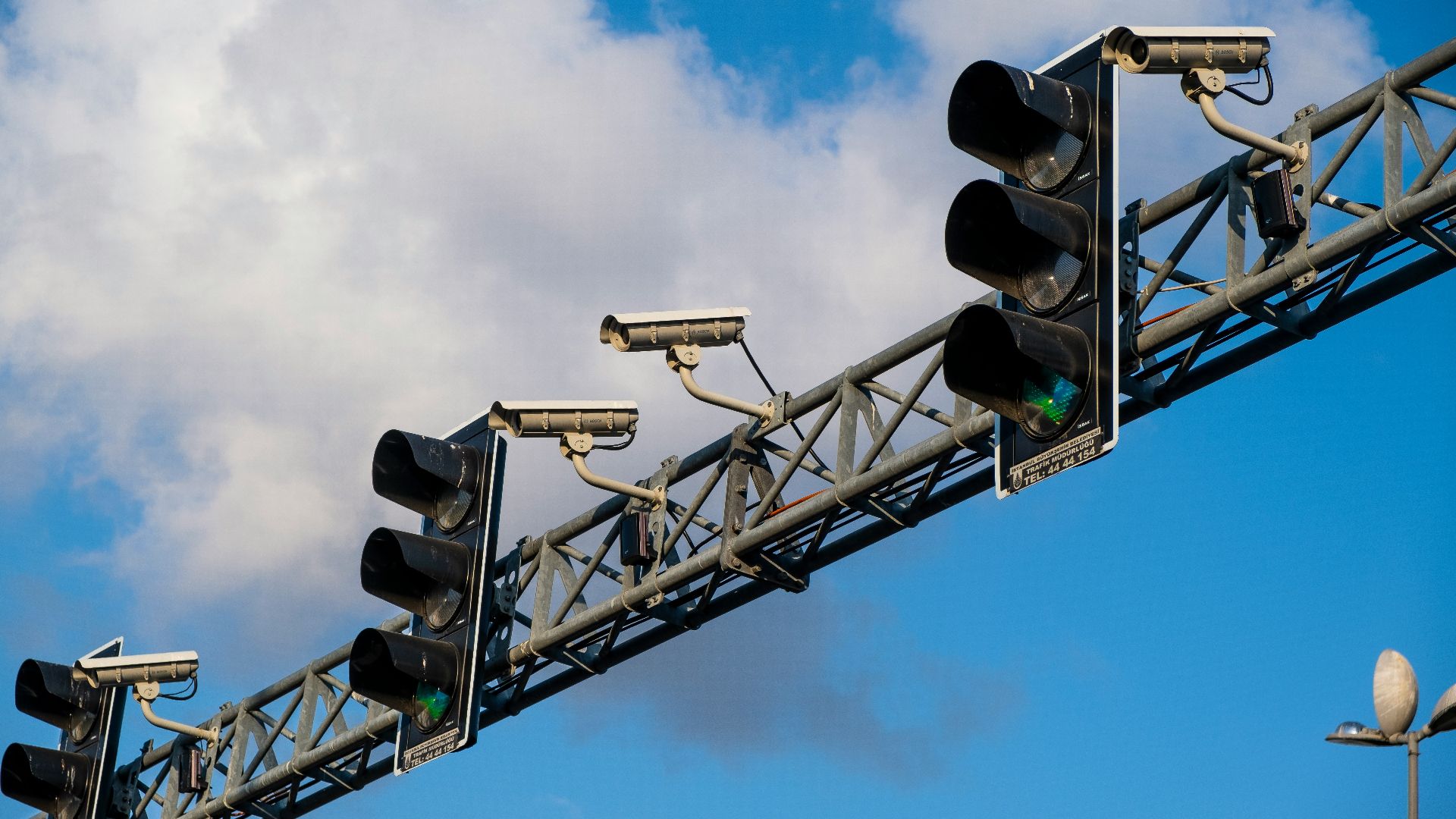
Some cities use automated cameras to ticket blocked intersections. These systems take away officer discretion entirely. If your car is stopped in the intersection when the signal changes, a ticket may be automatically generated, regardless of whether traffic stalled unexpectedly a few moments later.
Can You Fight The Ticket?
You can contest the ticket, but the amount of success you have depends on local rules. If signage was unclear, signals malfunctioned, or enforcement procedures were flawed, you may have grounds. However, arguing that traffic suddenly stopped is rarely persuasive to judges without strong supporting evidence.
Evidence To Help Your Case
Dashcam footage showing sudden, unavoidable stoppages can be helpful, especially if traffic ahead was still in motion when you entered. Photos of obscured signals or confusing construction layouts may also strengthen your case. Still, these arguments are uphill battles rather than guaranteed defenses.
How Common This Ticket Really Is
Blocking-the-box citations have gone up sharply in large cities. Congestion worsens yearly, and municipalities see these tickets as traffic control tools. Many drivers get these tickets without realizing they’re violating a specific law, thinking that they were simply caught in unavoidable traffic chaos, or that a patrolman was in a bad mood and felt like giving you a ticket.
Why Cities Focus On Intersections First
Intersections are traffic choke points. Clearing them keeps buses, emergency vehicles, and pedestrians moving. From a planning point of view, it’s a lot more effective to penalize blockage there than along straight road segments. That policy explains why enforcement feels more aggressive in downtown cores.
Defensive Driving In Dense Urban Traffic
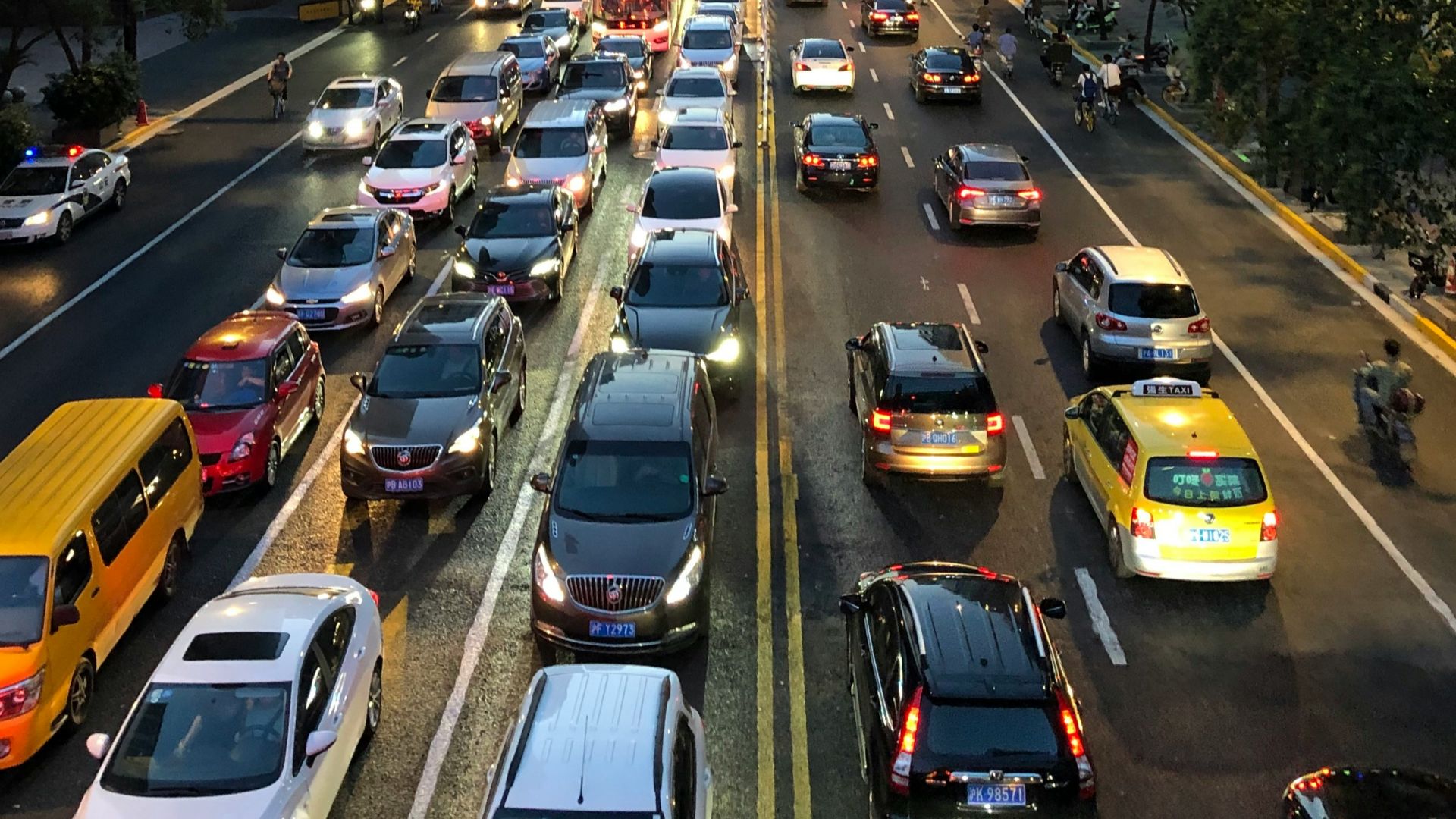
Defensive urban driving means waiting even if the light is green. If there’s any doubt you can clear the intersection, stay put. This feels counterintuitive and invites honks from the motorists behind you, but it dramatically reduces the risk of tickets and prevents making congestion worse.

Dealing With Pressure From Other Drivers
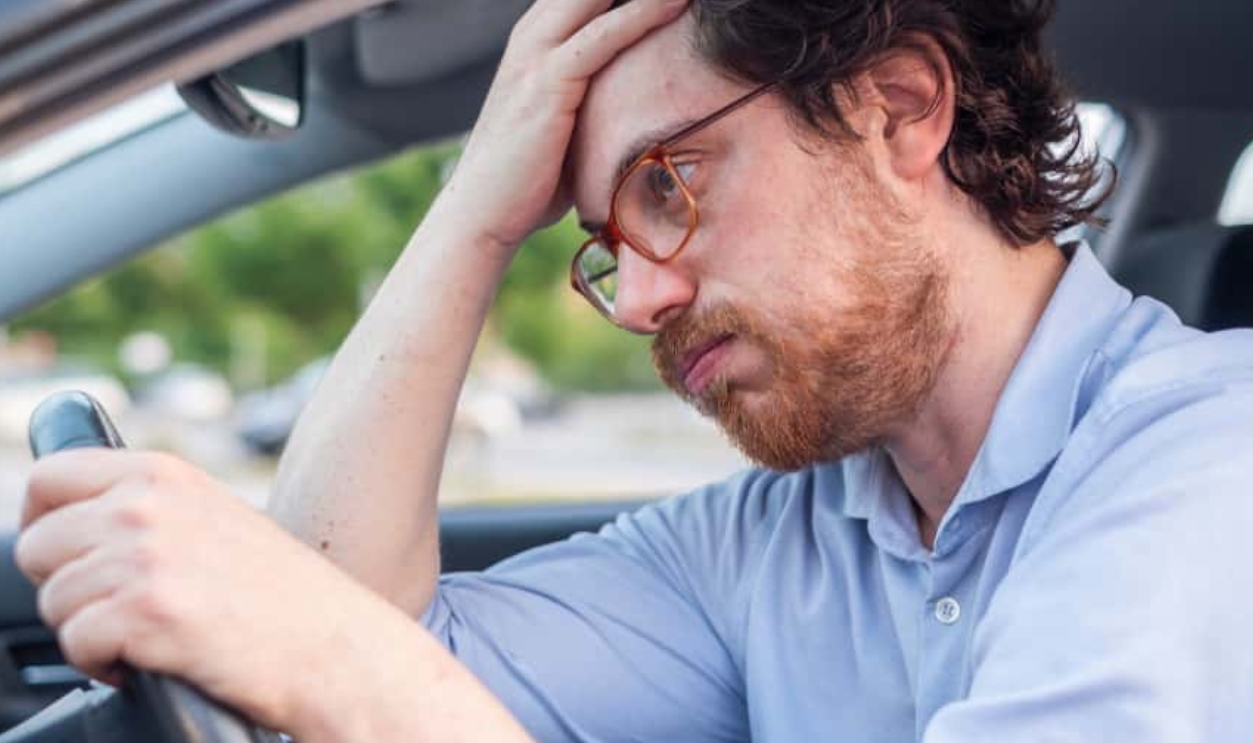
Other drivers will always pressure you to move forward, but that pressure doesn’t protect you legally. Courts don’t accept “the guy behind me was angry” as a justification. Learning to ignore that pressure is important when driving in congested city environments. Don’t let their horn-honking push you into a situation where you're going to get a ticket.
Special Rules For Buses And Emergency Vehicles
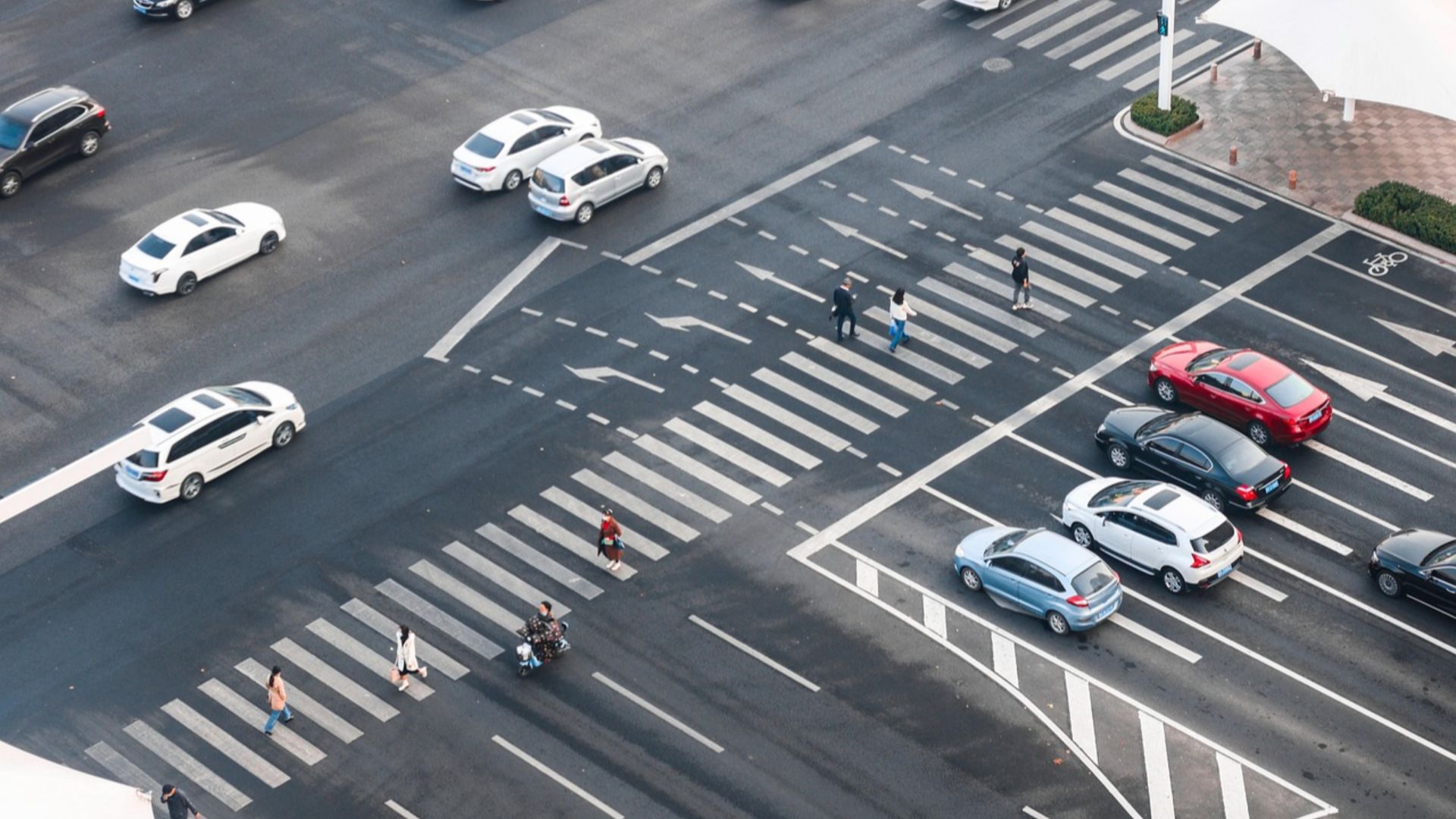
Blocked intersections don’t just affect cars. They interfere with buses trying to stay on schedule and emergency vehicles responding quickly. That public-safety angle is another reason that these violations carry fines even when drivers feel caught in circumstances beyond their control.
This Is Different From An Accident Or Breakdown
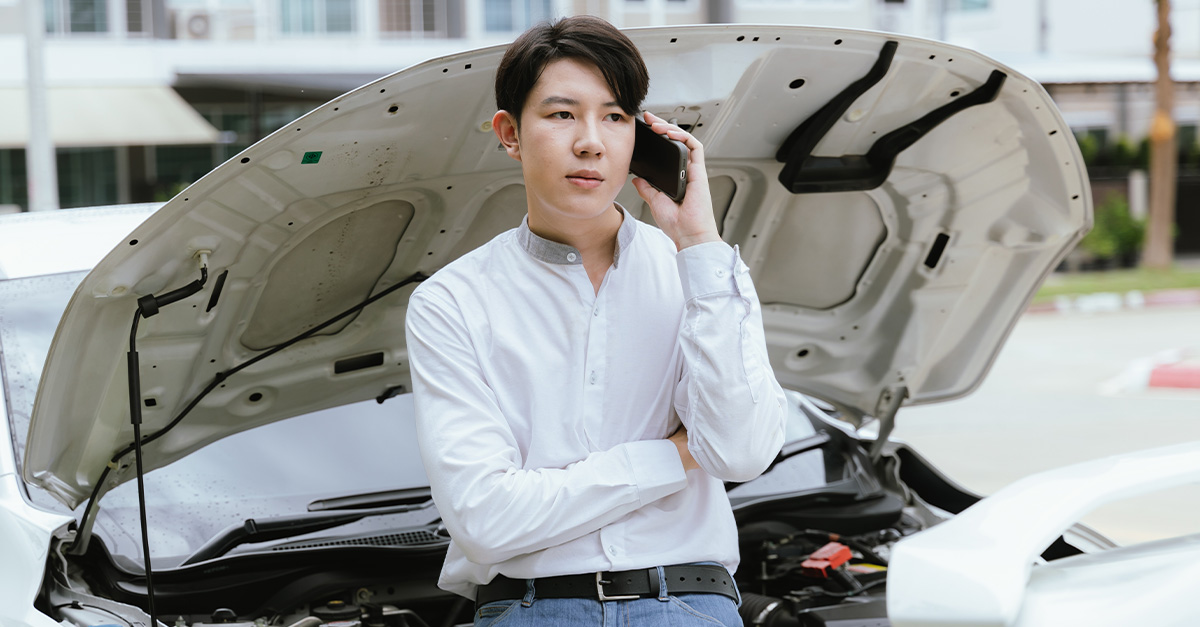
If your vehicle stalls or breaks down mid-intersection, the situation may be treated differently. Mechanical failure may excuse the violation if documented. Simply being stuck in traffic, however, is seen as a predictable condition rather than an unavoidable emergency.
Planning Routes To Avoid These Situations
It helps to choose routes with fewer downtown intersections. Avoid peak congestion hours, use traffic apps that flag gridlock, and steer clear of active construction zones, and you’ll reduce the chances of being caught in a blocked-box scenario altogether.
If An Officer Stops You
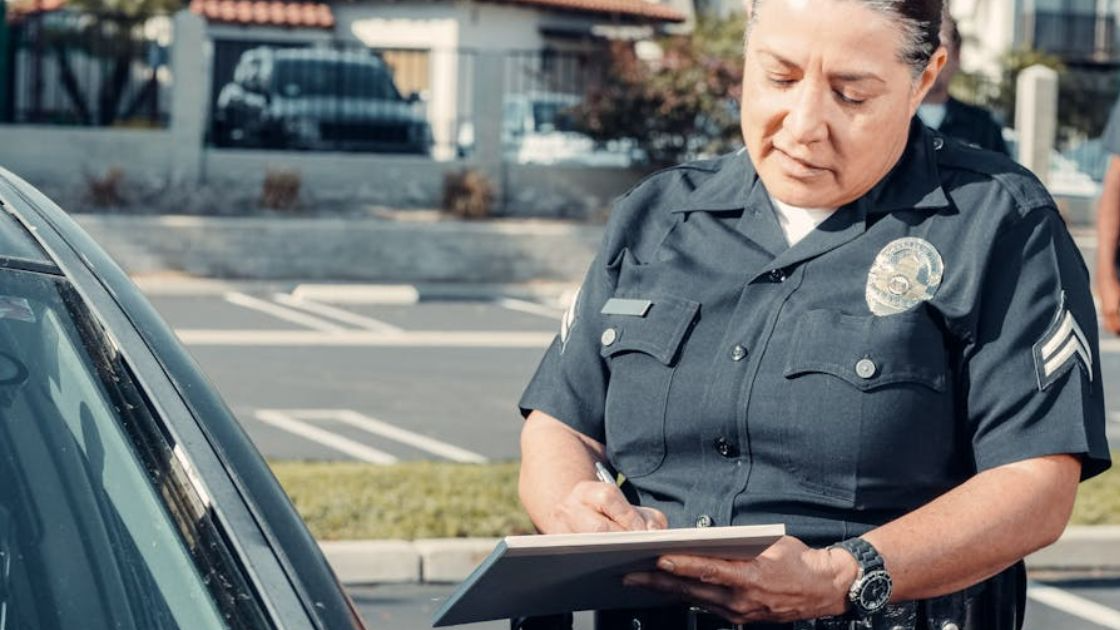
Be polite, calm, and factual. Arguing on the street won’t help your case. Accept the citation and decide later whether disputing it makes sense. Officers have broad discretion, and confrontational behavior only makes the situation worse.
Paying Vs Fighting The Ticket
Sometimes paying the fine is your least costly option. Time off work, court fees, and low odds of dismissal can outweigh the ticket amount. Each case is different, but pragmatism matters just as much as principle.

The Bigger Lesson About Urban Driving
This ticket feels unfair because it clashes with common driving instincts. But urban driving increasingly demands patience and restraint. Learning not to enter intersections unless escape is guaranteed is now a core survival skill for modern city drivers.
You May Also Like:
Is There A Reason Why No One Seems To Understand How 4-Way Stops Work Anymore?
Baby boomers are all stunned at young drivers’ inability to perform these basic driving tasks.