The Old Mustang, The Blue Lights, And The Big Surprise
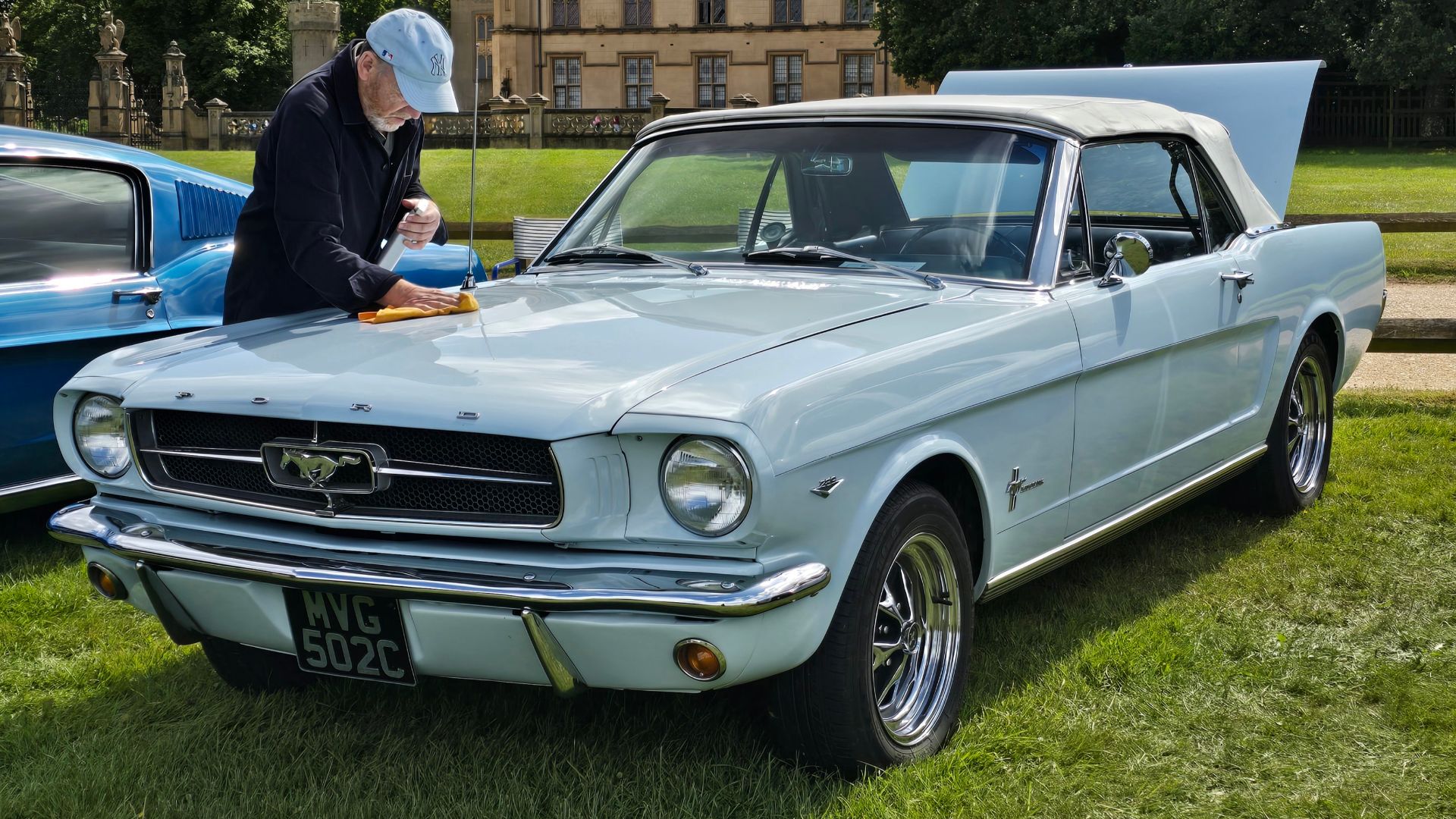
There is something undeniably cool about driving your dad’s old 1965 Ford Mustang. It has the rumble, the smell, the thin steering wheel, and the kind of charm modern cars cannot fake. So getting pulled over for “no inspection” feels less like a traffic stop and more like a betrayal by history itself.

Why This Confuses So Many Drivers
The confusion usually starts with a sentence people hear from a friend, neighbor, uncle, or guy at a car show: “If it’s over 50 years old, you don’t need inspection.” It sounds neat, simple, and believable. The problem is that car laws are rarely neat, simple, or the same everywhere.
Age Alone Does Not Make A Car Exempt
Just because a car is old enough to qualify for senior discounts in spirit does not automatically mean it escapes every rule. A vehicle’s age may matter, but so do registration type, how often it is driven, and what your state actually says. That is where many classic-car owners get caught off guard.

States Make Their Own Rules
This is the biggest thing people miss. Inspection laws are not one giant nationwide policy. They are mostly handled at the state level, which means one state may treat a 1965 Mustang like a museum piece, while another still expects paperwork, safety compliance, or a special plate category to unlock any exemption.

Antique Plates Change Everything
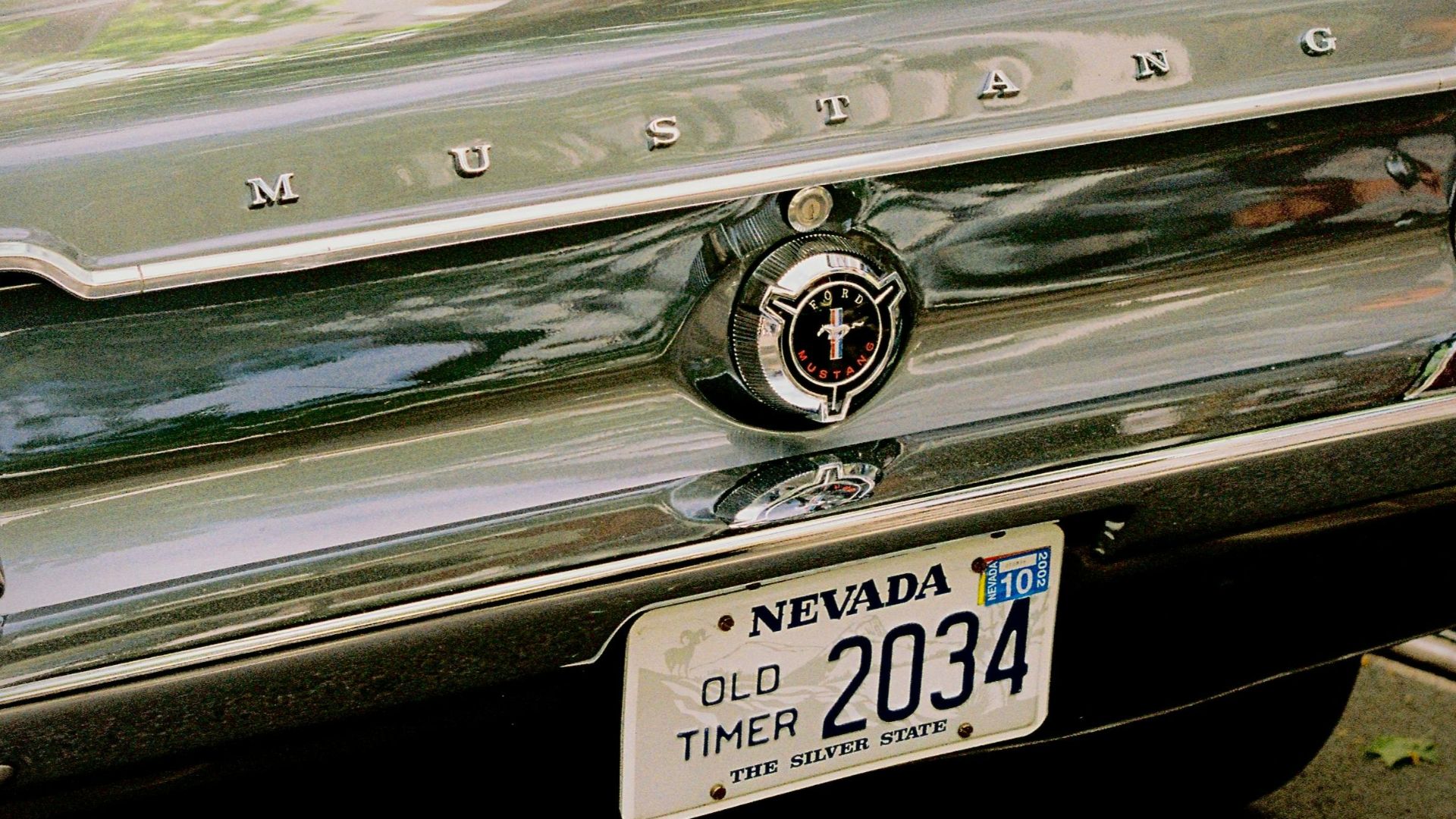
In many places, the magic is not just the year of the car. It is whether the vehicle is registered as an antique, classic, historic, or collector vehicle. That special registration can come with perks, but it also often comes with strings attached, and that is where the fine print starts doing push-ups.
Your Daily Driver Might Not Count
A lot of antique or historic exemptions are designed for cars used sparingly. Think weekend cruises, club events, parades, and the occasional sunny-day drive. If your dad’s old Mustang is also your grocery-getter, commute machine, and Friday-night burger runner, the state may not see it as a hobby car at all.

Inspection And Emissions Are Not The Same Thing
Another trap is mixing up inspection with emissions testing. Some people hear that older cars are exempt from emissions rules and assume that means they are exempt from everything. Not necessarily. A state might skip the tailpipe test but still want a safety inspection covering lights, brakes, tires, and other basics.
 Mustang Joe, Wikimedia Commons
The Word “Classic” Can Be Misleading
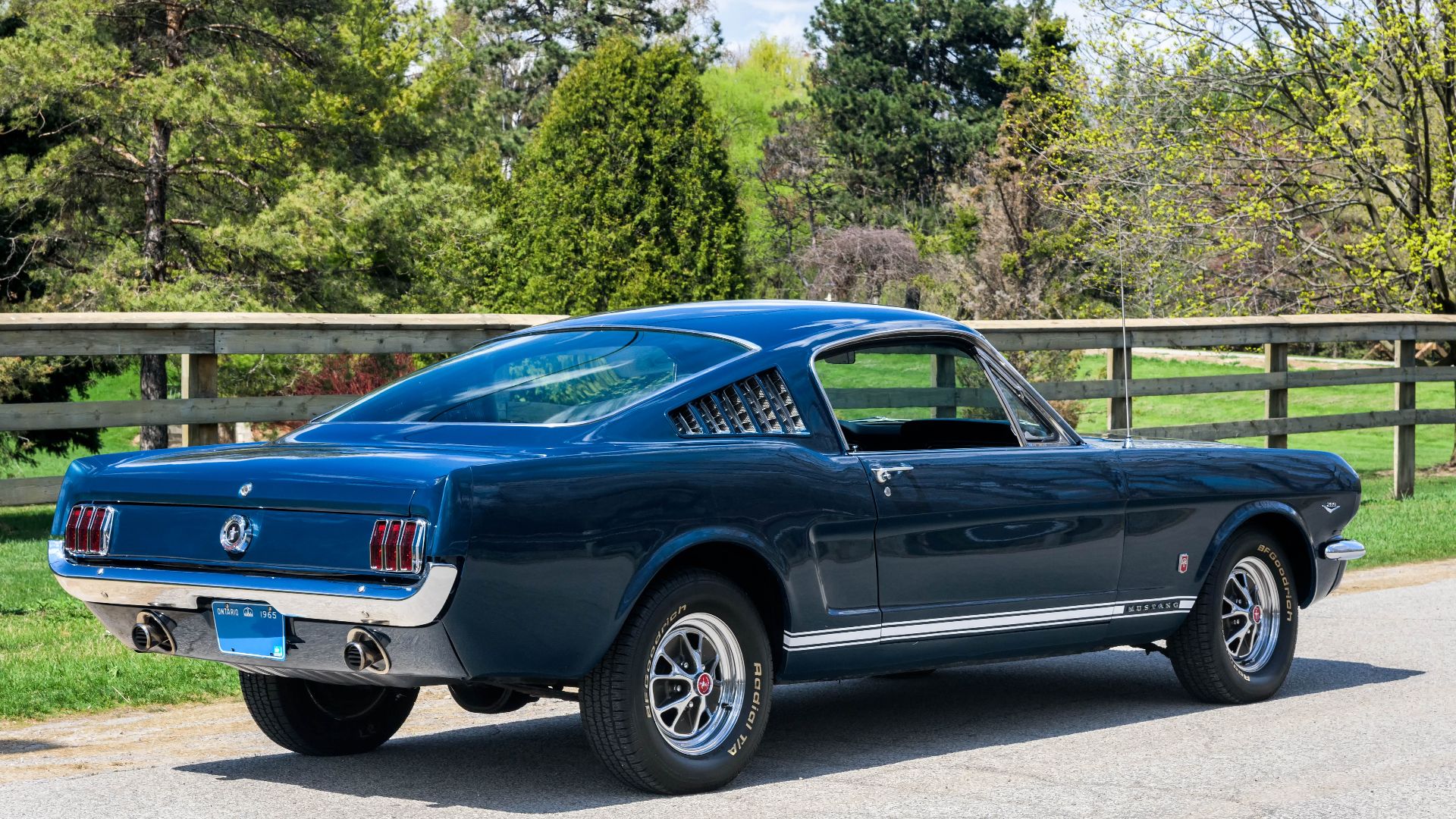
Car enthusiasts use “classic” to mean something cool, desirable, or old-school. The law uses labels much more narrowly. Your Mustang may be a classic in every emotional sense of the word, but the DMV might only care whether it fits a very specific legal category with very specific registration rules.
 Alf van Beem, Wikimedia Commons
A 1965 Mustang Feels Old, But The Law Wants Paperwork
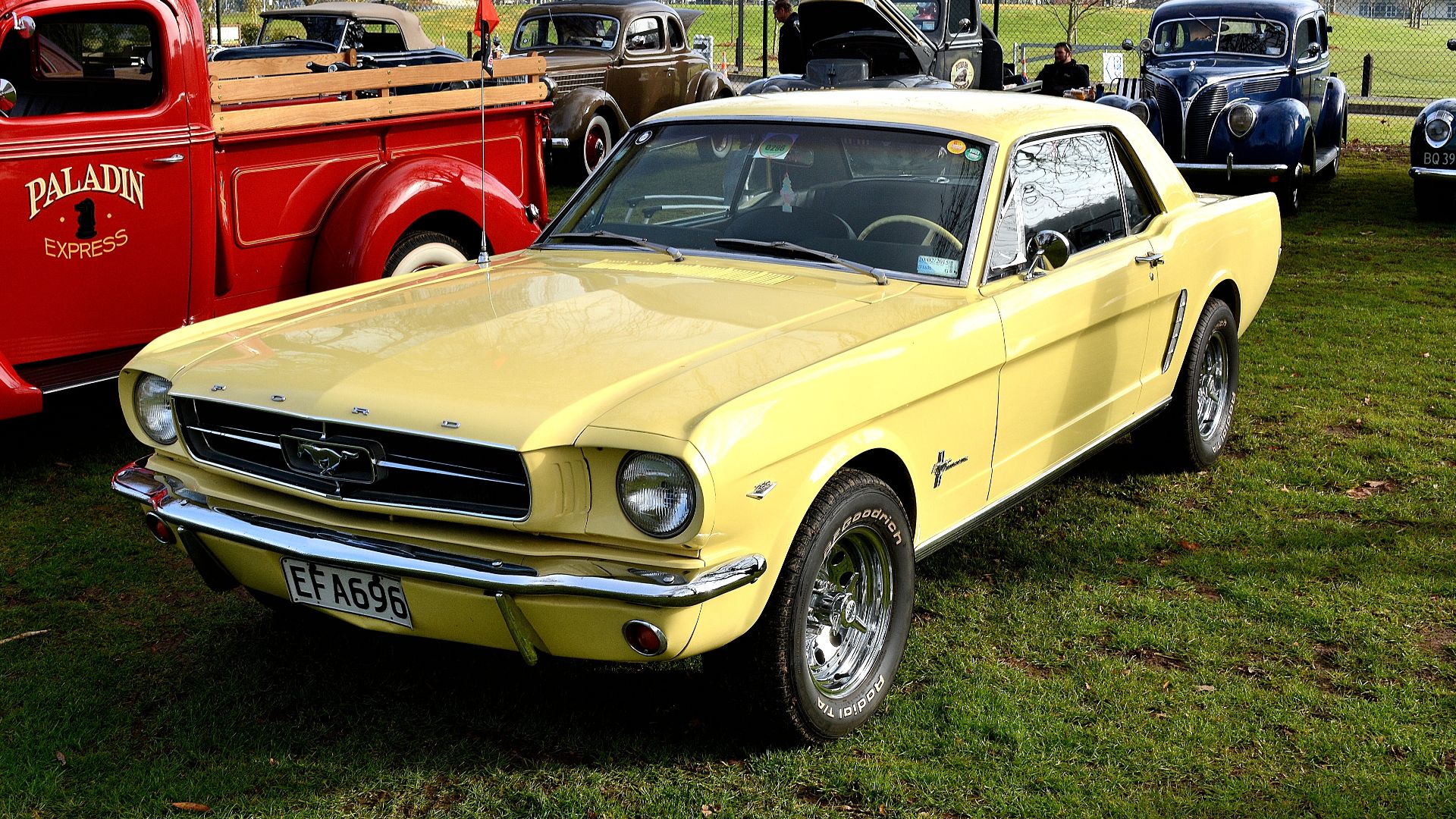
To the average person, a 1965 Mustang is obviously ancient in car years. To the government, it is still a registered vehicle using public roads. That means the romance of old sheet metal does not replace the need for the right documents, the right plates, and the right understanding of what exemptions actually apply.

Family Wisdom Is Not Always DMV Wisdom
This is how the misunderstanding often spreads. Dad remembers that old cars got a break. A friend remembers hearing the same thing. Someone at a cruise night says, “They stopped caring after 25 years.” Suddenly everybody becomes an expert, and nobody has actually checked the current rules where the car is registered.

A Police Officer Sees What The Computer Sees
When you get pulled over, the officer is not judging the car based on nostalgia points. They are looking at registration, stickers, and what comes back in the system. If the record says inspection is required and current proof is missing, that beautiful Mustang turns into just another car with a compliance problem.

Special Registration Often Has Special Limits
Here is the trade-off many people overlook. If antique registration gets you out of some requirements, it may also limit how you can use the car. Some states restrict mileage, everyday transportation, or business use. In other words, you may get freedom from one rule only by accepting a few others.

Modifications Can Muddy The Waters
Classic cars rarely stay fully original forever. Maybe your Mustang has front disc brakes, a newer carb, aftermarket wheels, or a modern ignition system. Those upgrades might make it drive better, but they can also complicate how the car is classified. The more altered it is, the less straightforward the exemption story may become.
 Mustang Joe, Wikimedia Commons
Insurance Can Send Another Signal
Collector-car insurance is another clue. Some policies assume limited use, secure storage, and a second regular-use vehicle in the household. If your coverage treats the Mustang as a collectible but you are using it like a daily driver, that mismatch can become a problem long before you ever argue about inspection.

The Sticker You Do Not Have Says Plenty
Sometimes the issue is not even the age of the car. It is simply the missing sign of compliance. No current inspection sticker, expired paperwork, or no visible proof can be enough to invite questions. Old cars attract attention anyway, so missing details that might go unnoticed on a beige crossover stand out fast.
 MercurySable99, Wikimedia Commons
Classic Cars Still Need To Be Safe
Even when enthusiasts grumble about inspections, the basic idea is not completely unfair. Old brakes, tired tires, dead lights, and worn suspension parts are not charming. They are dangerous. A 1965 Mustang may be a piece of history, but once it is on the road, it still shares space with modern traffic.
 GPS 56 from New Zealand, Wikimedia Commons
The Law Loves Technicalities
That is the part nobody wants to hear, but it is true. A car can be old enough, cool enough, and lovingly maintained, yet still be out of compliance because one box was never checked. The law does not care that your assumption felt reasonable. It cares whether the exemption actually applied to your situation.

“Over 50 Years Old” Is Usually An Oversimplification
That phrase survives because it sounds official, but it leaves out the details that matter most. Over 50 years old may help, but it often is not the whole test. The state may also ask how the car is registered, how it is used, and whether it meets the conditions tied to that status.

The Ticket Is A Lesson In Fine Print
Nobody enjoys learning through a traffic stop, but plenty of classic-car owners do exactly that. The ticket becomes a forced reminder that there is a big difference between what people say at car meets and what the DMV expects in black and white. It is annoying, but it is also extremely common.

What You Should Check First
The first thing to look at is not the age of the Mustang. It is the exact registration category on the car right now. Is it registered like a normal vehicle, an antique, a historic car, or something else? That answer often matters more than the fact that it rolled out of the factory in 1965.

Then Check How The Car Is Used
Usage matters because many exemptions assume limited driving. If the Mustang is mostly for weekend fun, you may have a stronger case for special treatment. If it is used like a normal transportation vehicle, the state may expect it to follow the same inspection rules as a newer car, just with older paint.

Do Not Assume Dad’s Rules Are Today’s Rules
Even if your father was absolutely right once, laws can change. Rules that made sense ten or twenty years ago may not be the same now. That is why relying on family memory is risky. It is not that older enthusiasts are wrong on purpose. It is that legal details tend to drift over time.

The Mustang Is Not The Villain Here
It is worth saying clearly: the car is not the problem. A 1965 Mustang is one of the great icons of American driving. The problem is the gap between what owners believe and what the rules actually require. That gap can turn a proud cruise into an expensive lesson in about thirty seconds.

This Happens To More People Than You Think
If it makes you feel any better, you are far from the only person to get tripped up by this. Classic-car ownership is full of half-true sayings, inherited assumptions, and legal myths that sound right until a police officer, inspection station, or DMV clerk enters the chat with a different opinion.

The Smart Move Is Boring But Effective
The least exciting answer is also the best one: check the current rules tied to your registration and your state. Not what a forum said, not what your uncle remembers, and not what “usually happens.” Classic cars are fun because they are old. The paperwork is annoying because it is modern. Both are real.

Enjoy The Car, Respect The Rules
Owning and driving a vintage Mustang should be fun, not stressful. The trick is understanding that “old” does not automatically mean “exempt.” Sometimes it does. Sometimes it only does with the right registration. And sometimes that legendary pony car still has to play by today’s road rules, whether it likes it or not.

The Real Takeaway From The Traffic Stop
So, were you wrong to think a car over 50 years old might not need inspection? Not exactly. You were just working with one of the most common classic-car myths around. The real answer is more annoying, more technical, and much less cool: maybe, depending on the state, the registration, and how you use it.

You May Also Like: