Yes, That Can Actually Be A Ticket
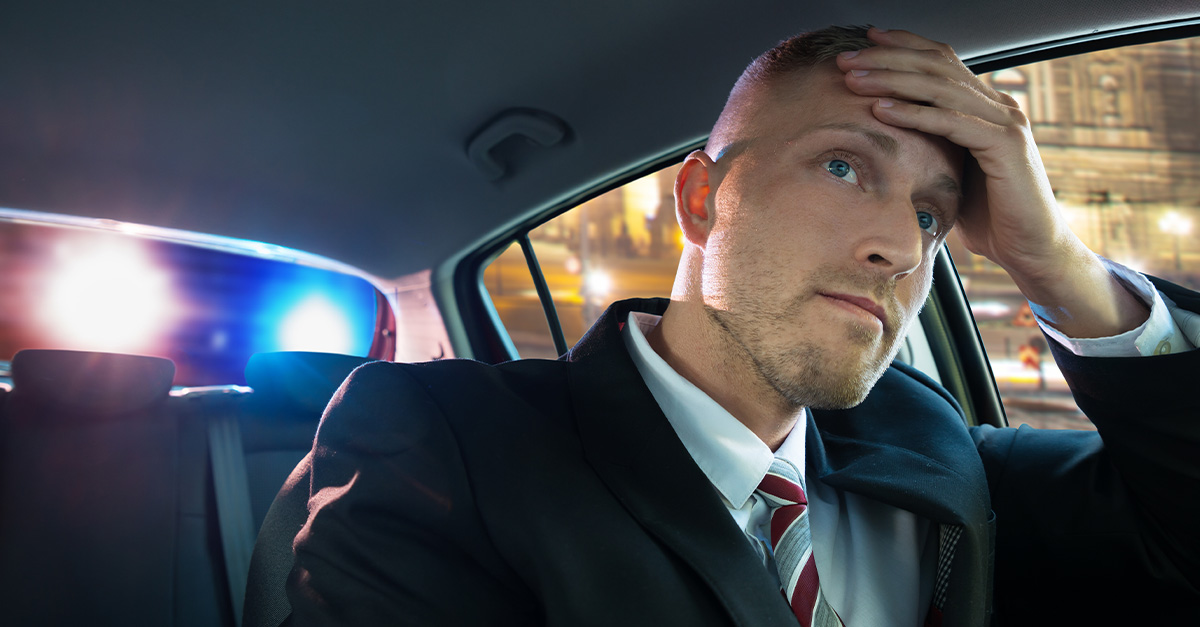
It sounds ridiculous at first, but yes, you really can get ticketed for driving with your music too loud. In many places, loud car audio is treated as a noise violation, and sometimes even a safety issue. So if you just got pulled over for turning your car into a rolling concert, you are definitely not the first person to learn this rule the hard way.
Why It Feels So Random
For a new driver, this kind of stop feels strange because nobody talks about it much. You expect police to care about speeding, texting, or running stop signs, not your playlist. That is exactly why loud-music tickets catch people off guard. It feels like one of those obscure rules you only discover when flashing lights appear in your mirror.
The Law Depends On Where You Are
There is usually no single nationwide rule for car stereo volume. Loud-music laws are often local, which means cities, counties, and states may all handle it differently. In one place, officers might care about how far the music can be heard. Somewhere else, the focus may be whether the noise disturbs people nearby, especially late at night.
Distance Rules Are Common
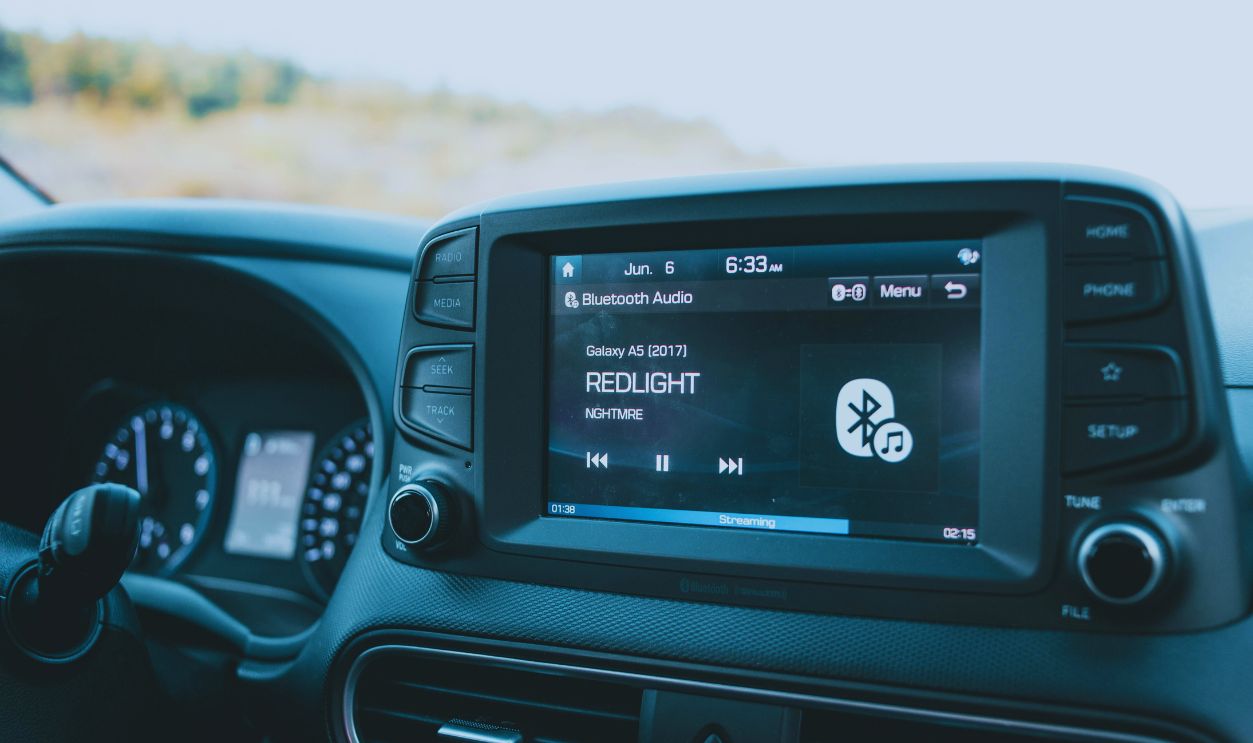
A lot of these laws are based on whether your music can be heard from a certain distance away. That means an officer does not always need fancy equipment to decide your stereo is too loud. If the music is clearly carrying far beyond your car, that can be enough for a stop. It may sound subjective, but plenty of rules are written that way.
Bass Usually Gives You Away
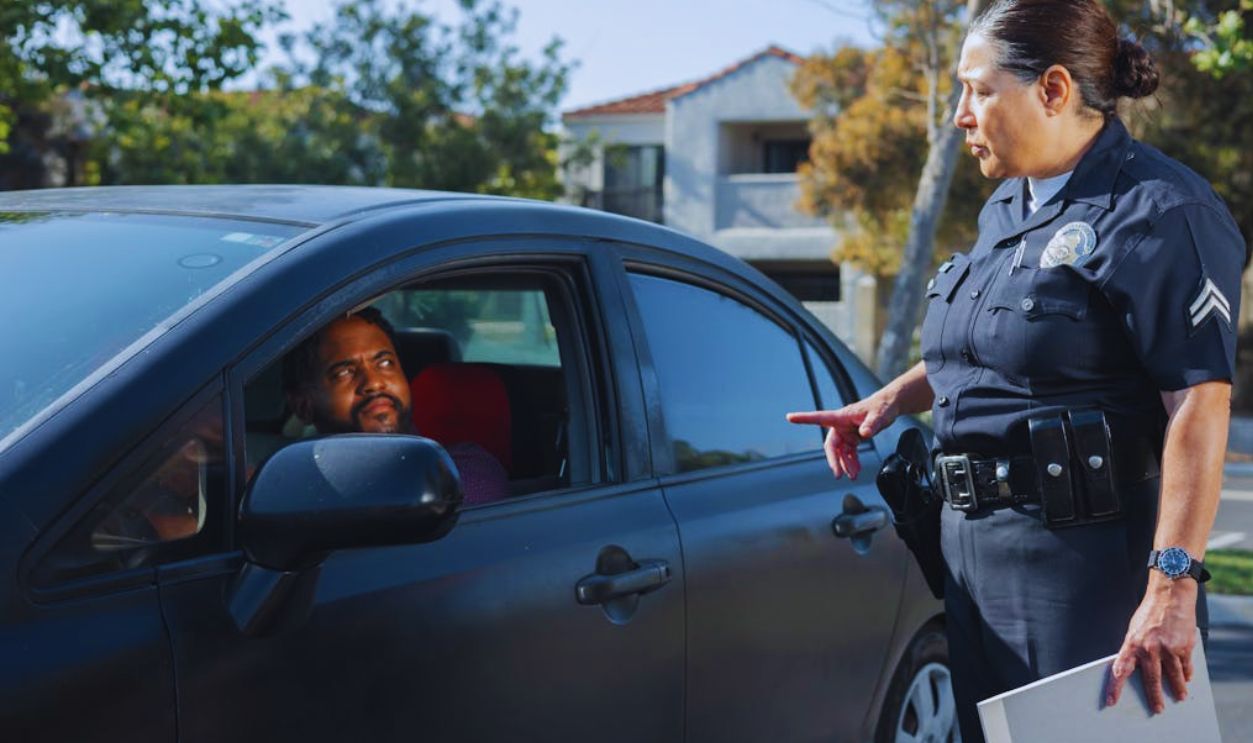
Most of the time, it is not even the song that gets attention, it is the bass. Low frequencies travel farther and feel louder outside the car than they do inside it. What sounds fun and powerful from the driver’s seat can sound like a small earthquake to everyone else. In other words, your speakers may be telling on you before you even realize it.
It Is Also A Safety Issue
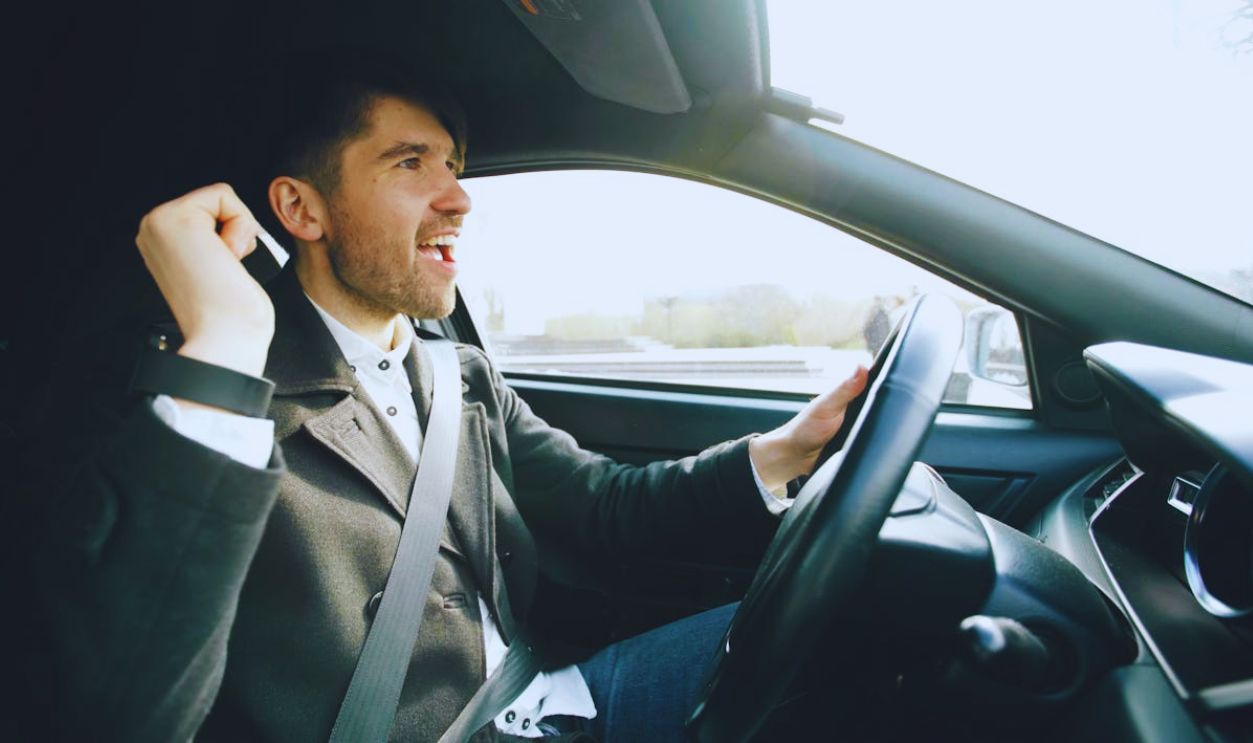
Police may see loud music as more than just a neighborhood nuisance. If your stereo is so loud that you cannot hear sirens, horns, or other warning sounds, that becomes a driving problem. Even if you feel fully in control, an officer may decide the volume is interfering with your awareness. That makes the stop easier to justify.
New Drivers Get Caught By This More Often
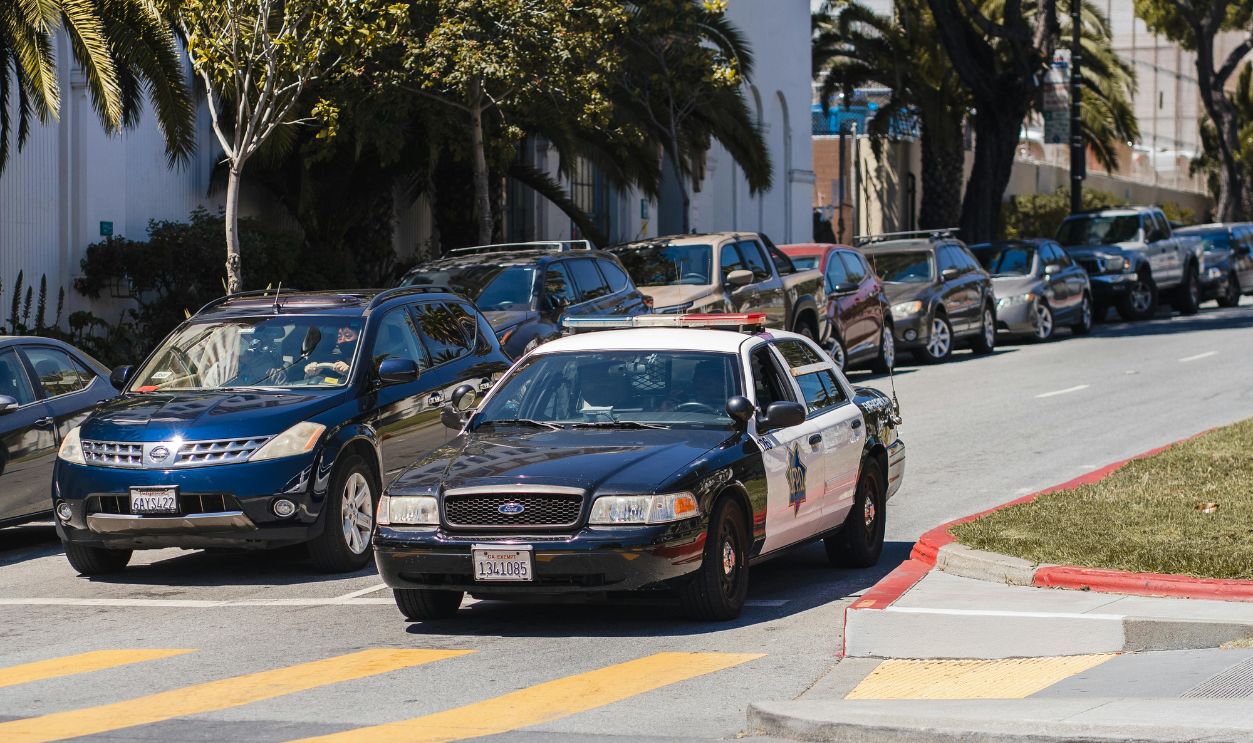
New drivers are already juggling a lot. You are watching traffic, checking mirrors, learning roads, and trying not to miss signs or turns. Add very loud music, and it can make you seem more distracted than you think. Even if you are not doing anything else wrong, booming audio can make you stand out in the worst way.
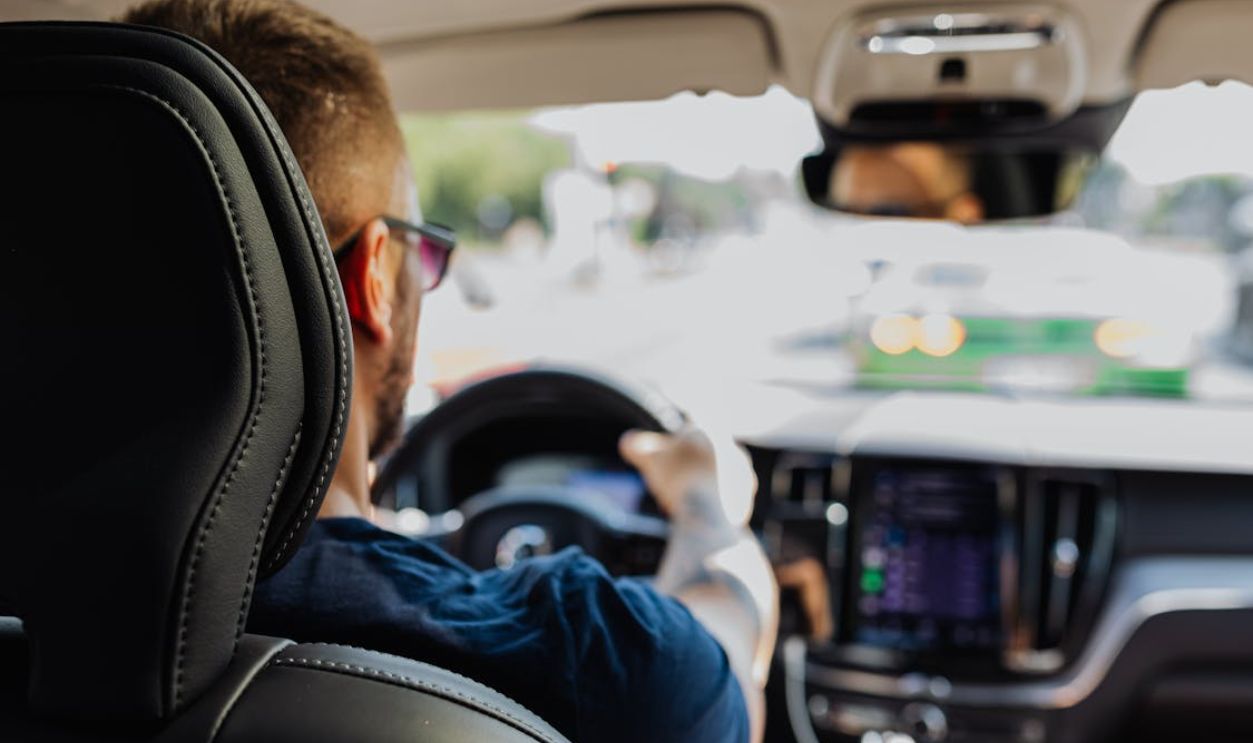 Karolina Grabowska www.kaboompics.com, Pexels
Your Car May Make It Seem Quieter
Modern cars can hide just how loud your stereo really is. If your cabin is well insulated or you have a strong factory sound system, the music may feel perfectly reasonable from inside. Outside the car, though, it can sound much more intense. That gap is why drivers often do not realize they are attracting attention until it is too late.
Nighttime Makes It Worse
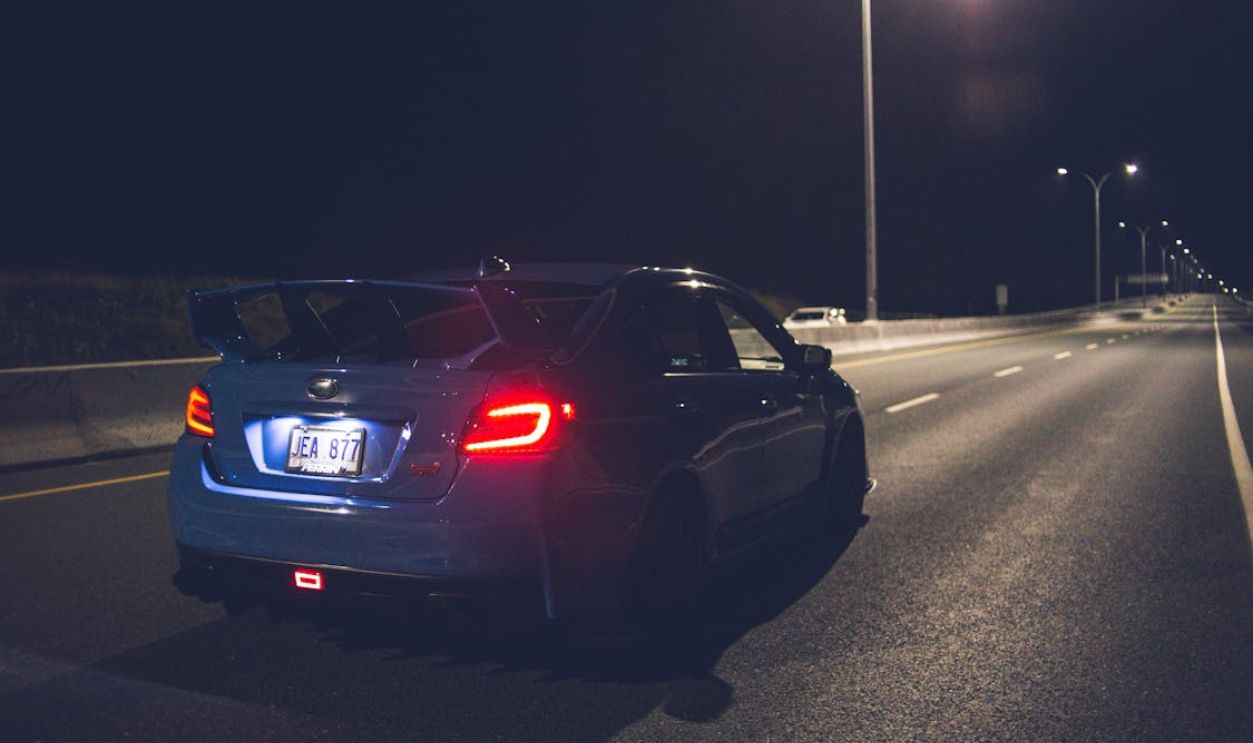
Loud music is much more noticeable at night. Streets are quieter, neighborhoods are calmer, and a thumping stereo sticks out instantly. What might slide during a noisy afternoon can sound outrageous after dark. If you are driving through town late at night with your windows down and the bass up, you are making yourself very easy to notice.
Residential Streets Are Ticket Magnets
Neighborhoods are one of the worst places to test your speakers. People are home, noise echoes more, and one loud car can dominate the whole block. What feels like a quick pass-through to you can feel like a full interruption to everyone else. That is why officers and residents alike tend to have less patience for loud music in residential areas.
Stoplights Put You On Display
A red light is where a loud stereo becomes impossible to ignore. When the car is moving, road noise can blend with your music a little. Once you stop, your audio becomes the main event. That is when nearby drivers, pedestrians, and police can all get a very clear sense of how loud you are being.
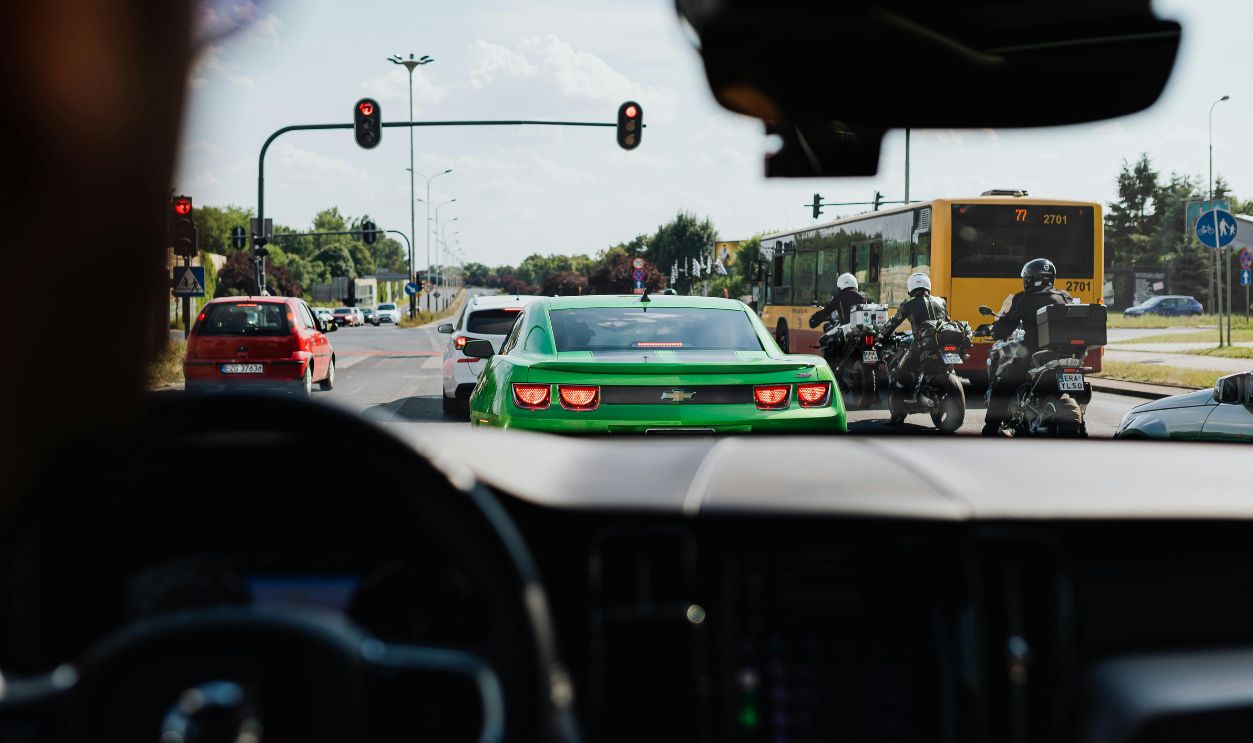
Open Windows Make Everything Worse
Music sounds much louder outside the car when the windows or sunroof are open. That great warm-weather driving vibe comes with a downside: you are basically broadcasting your playlist to everyone around you. If you want to avoid attention, open-air driving and huge volume are not a great combination.
You May Not Notice The Volume Creep
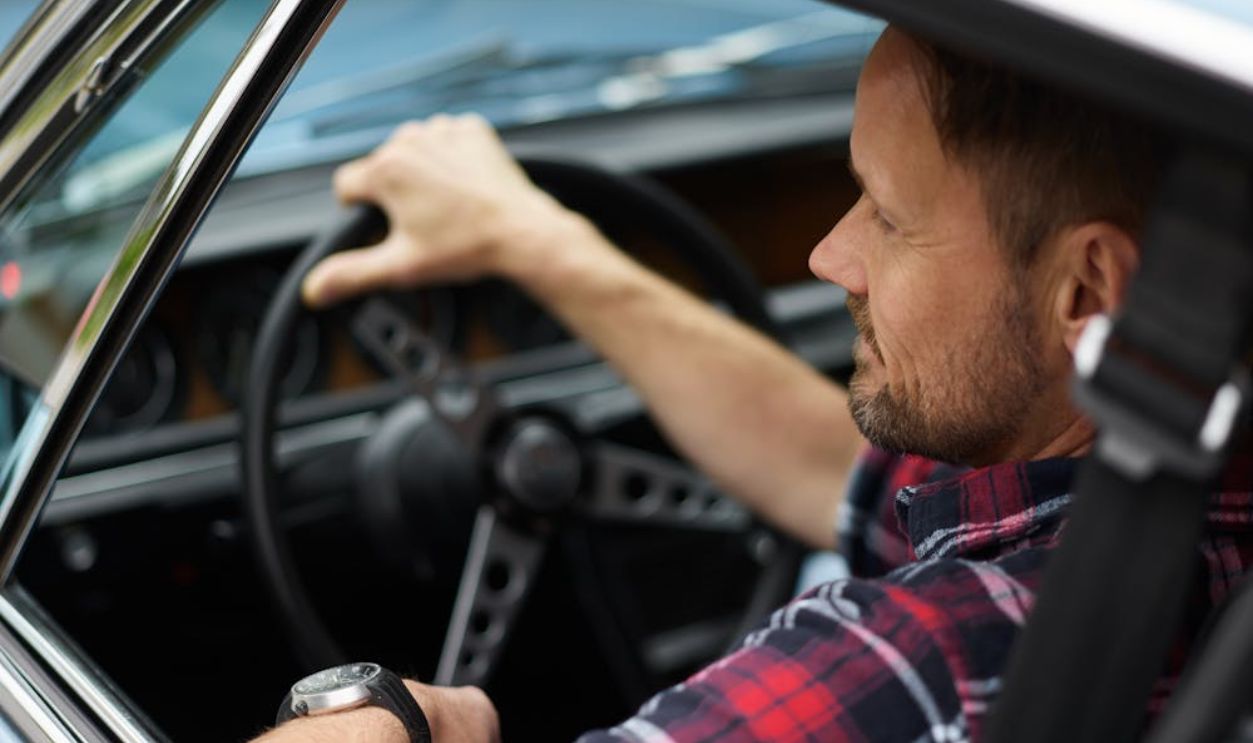
One reason drivers get nailed for this is simple: your ears adjust. After a while, loud music starts to feel normal, so you turn it up another click, then another. Inside the car, it still feels fine. Outside the car, it sounds wild. That mismatch is how a lot of people end up getting stopped without ever meaning to push it that far.
Warning Or Ticket Depends On The Stop
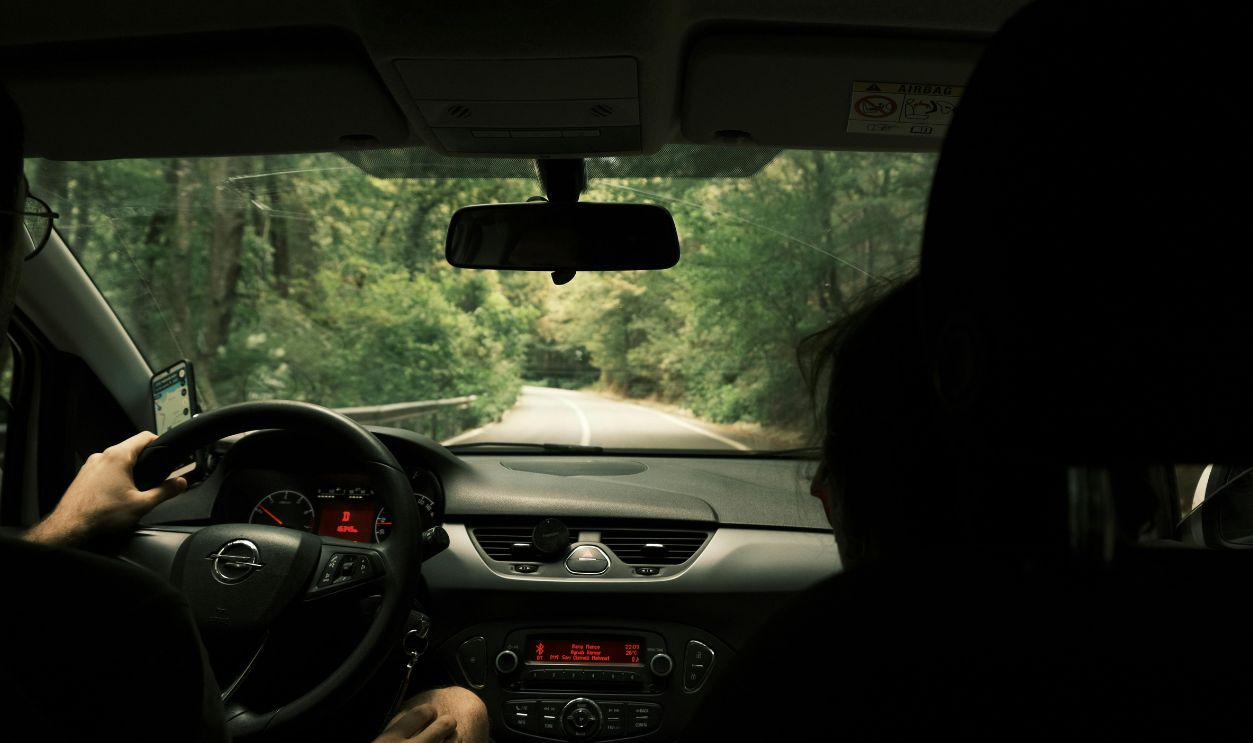
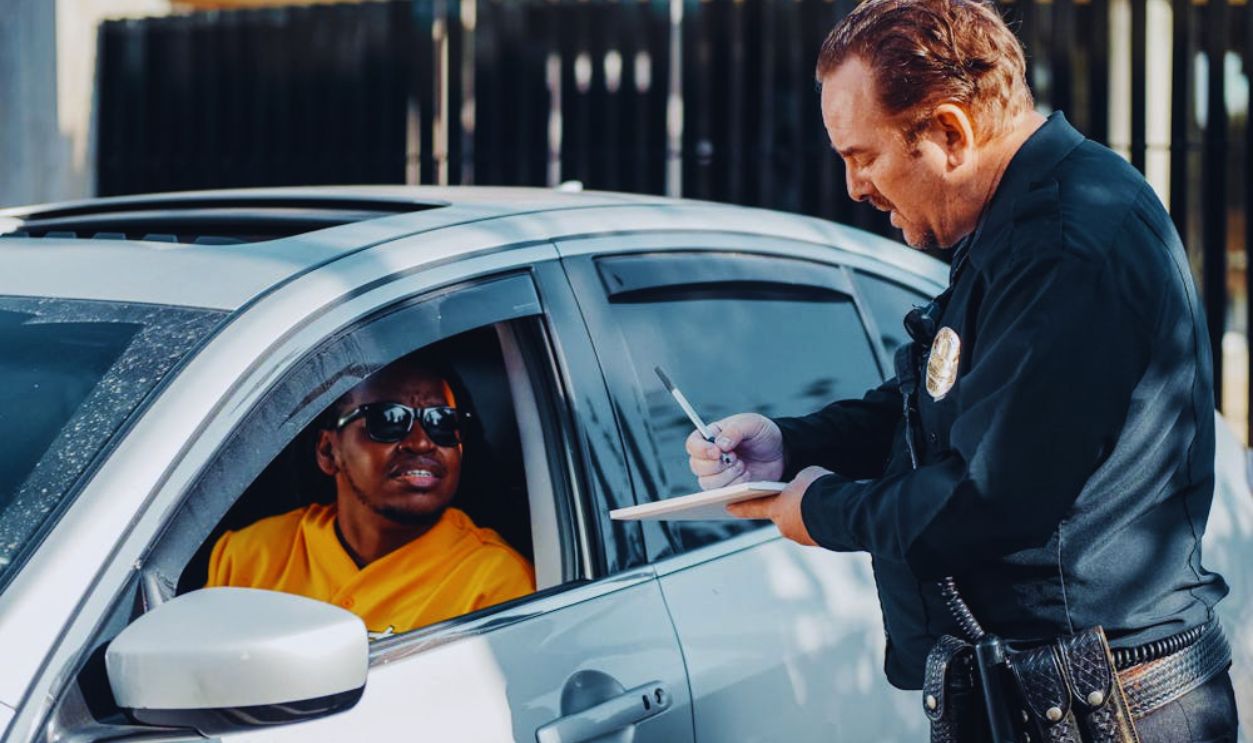
Some officers give warnings. Others write citations right away. A lot depends on where you were, how loud the music was, and how you acted once you got pulled over. If you seem calm and respectful, you might get a break. If you act like the whole thing is beneath you, your chances usually get worse.
Your Attitude Matters
This is not the time to argue like you are defending a world tour. Turning the music off, staying polite, and keeping things simple can help a lot. You do not have to agree with the stop, but acting annoyed or sarcastic rarely improves the outcome. Sometimes the difference between a warning and a fine is how the conversation goes.

The Fine May Not Be Huge, But It Is Still Annoying
A loud-music ticket is not usually as painful as a serious speeding citation, but it still stings. Even a modest fine feels dumb when it came from one overenthusiastic song. Once fees or court costs get added, the whole thing can become much more irritating than the original mistake was worth.

Insurance Usually Is Not The Big Problem
In many cases, a simple noise citation is not the kind of ticket that wrecks your insurance rate. Still, that depends on how local law treats the violation, so it is smart to check. Even when insurance is unaffected, the hassle alone should be enough motivation not to make it a repeat issue.

It Is Not About Ruining The Fun
This does not mean you cannot enjoy music while driving. Music makes boring trips better, helps with nerves, and can make a commute feel way less painful. The problem is not that you were listening to music. The problem is that at some point, your private vibe became everyone else’s problem too.
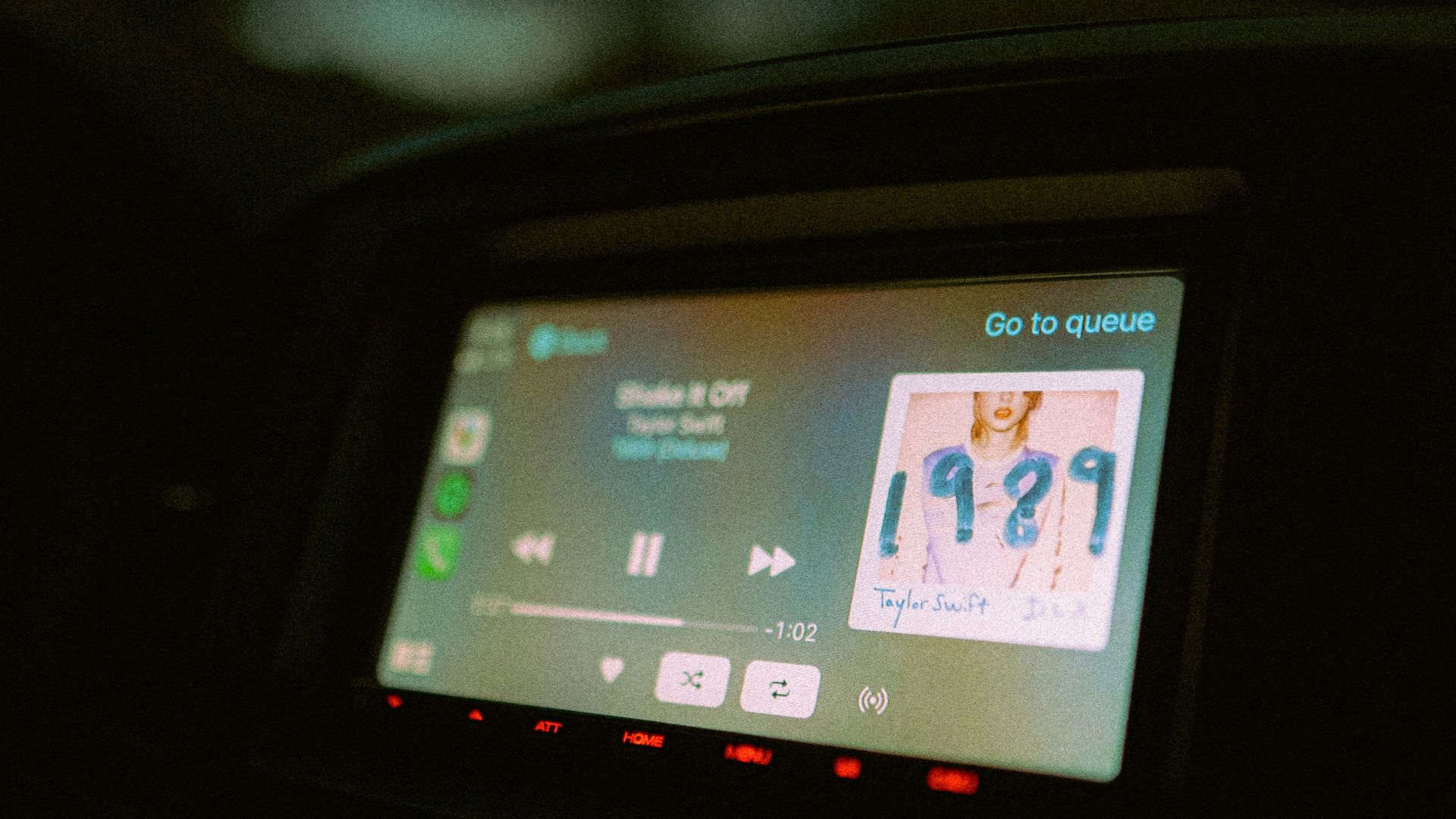
There Is A Better Volume Level
A good rule is simple: keep the music low enough that you can still hear what is happening around you. If a siren, horn, or strange sound from your own car would have trouble cutting through the speakers, it is probably too loud. Driving music should add to the experience, not take over it.
Save The Big Volume For Better Situations
There is a time and place for turning the stereo way up. Crawling through neighborhoods, sitting at stoplights, and rolling through town at night are not it. A quieter road with the windows up is a much safer bet. You can still enjoy your music without making your car the loudest object in the zip code.
One Easy Habit Helps A Lot
An easy trick is to lower the volume when you hit intersections, residential areas, or anywhere crowded. It takes no effort, and it instantly makes you less noticeable. Think of it as using common sense, not giving up fun. You are just choosing better moments for the full soundtrack treatment.
It Is A Weird But Real Driving Lesson
Every driver learns some oddly specific lesson nobody warned them about. Loud-music tickets absolutely fall into that category. They seem silly until they happen to you, and then suddenly they are very real. It is one of those classic new-driver moments that feels unfair, but is actually pretty easy to avoid next time.
It Does Not Mean You Are A Terrible Driver
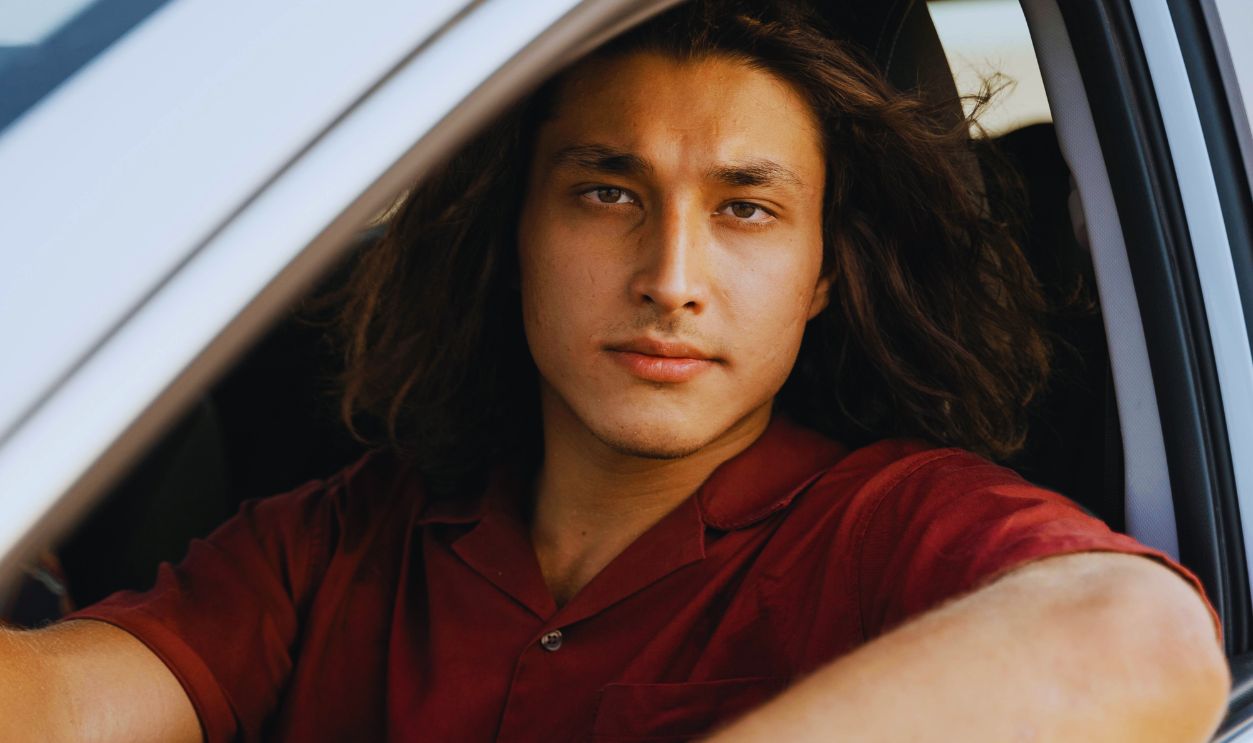
Getting pulled over for loud music does not mean you are reckless or hopeless behind the wheel. It usually means you are new, you got carried away, and you ran into a rule that does not get much attention until it matters. It is embarrassing, sure, but it is also a pretty fixable mistake.
The Takeaway Is Simple
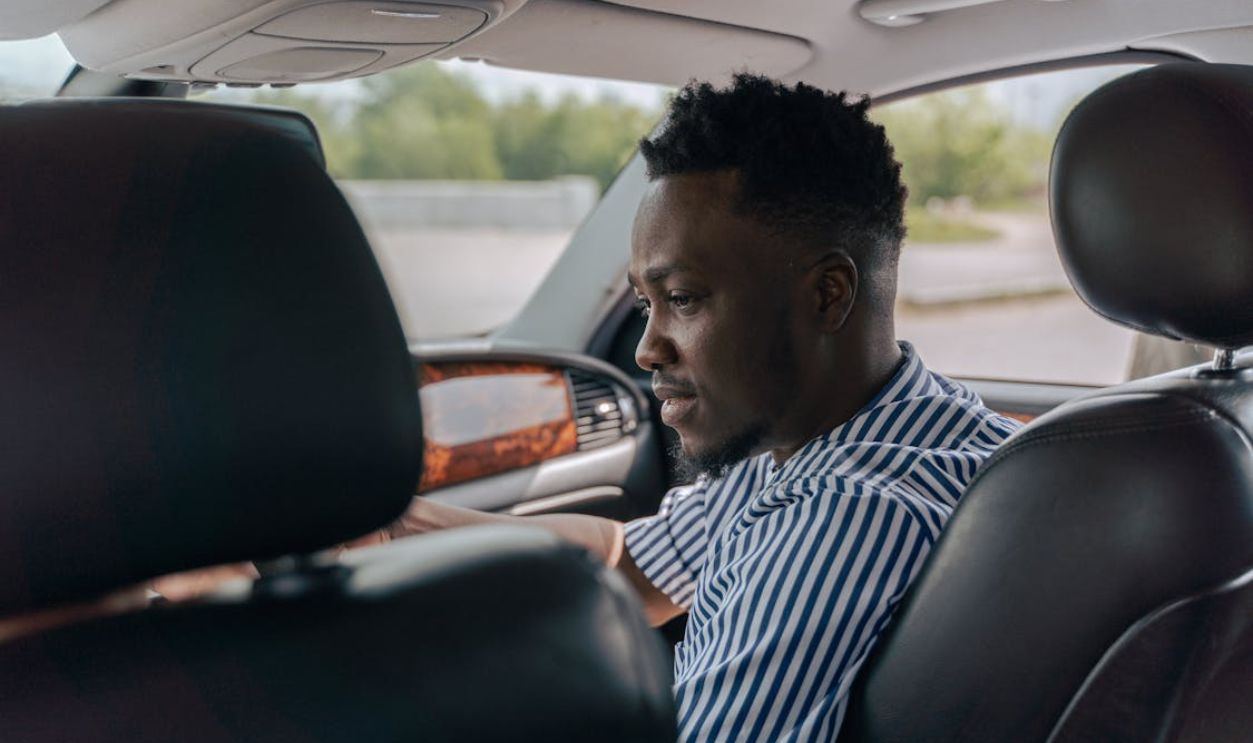
Yes, you can absolutely get a ticket for driving with your music too loud. It may sound petty, but it is a real thing in many places, and it is often treated as both a noise issue and a safety issue. Keep the volume reasonable, stay aware of your surroundings, and save the full concert experience for somewhere that does not end with red-and-blue lights.

You May Also Like:
Americans Should Know That These “Normal” Driving Things They Do Are Illegal In Canada
Cars From The 1970s That No One Remembers—Seriously, Do You Remember Even 5 Of These Vehicles?