
Forgotten Rides From The 70s That Time Left Behind
The 70s gave us muscle cars, gas crises, and some truly… questionable design choices. But for every Mustang or Camaro, there were a dozen cars that quietly faded into oblivion.
Sure, some of them made waves at the time (good and bad), but by the time those waves hit the shore, they pretty much washed away and out of our collective memory banks.
How many of these do you actually recognize…and how many are completely new to you?
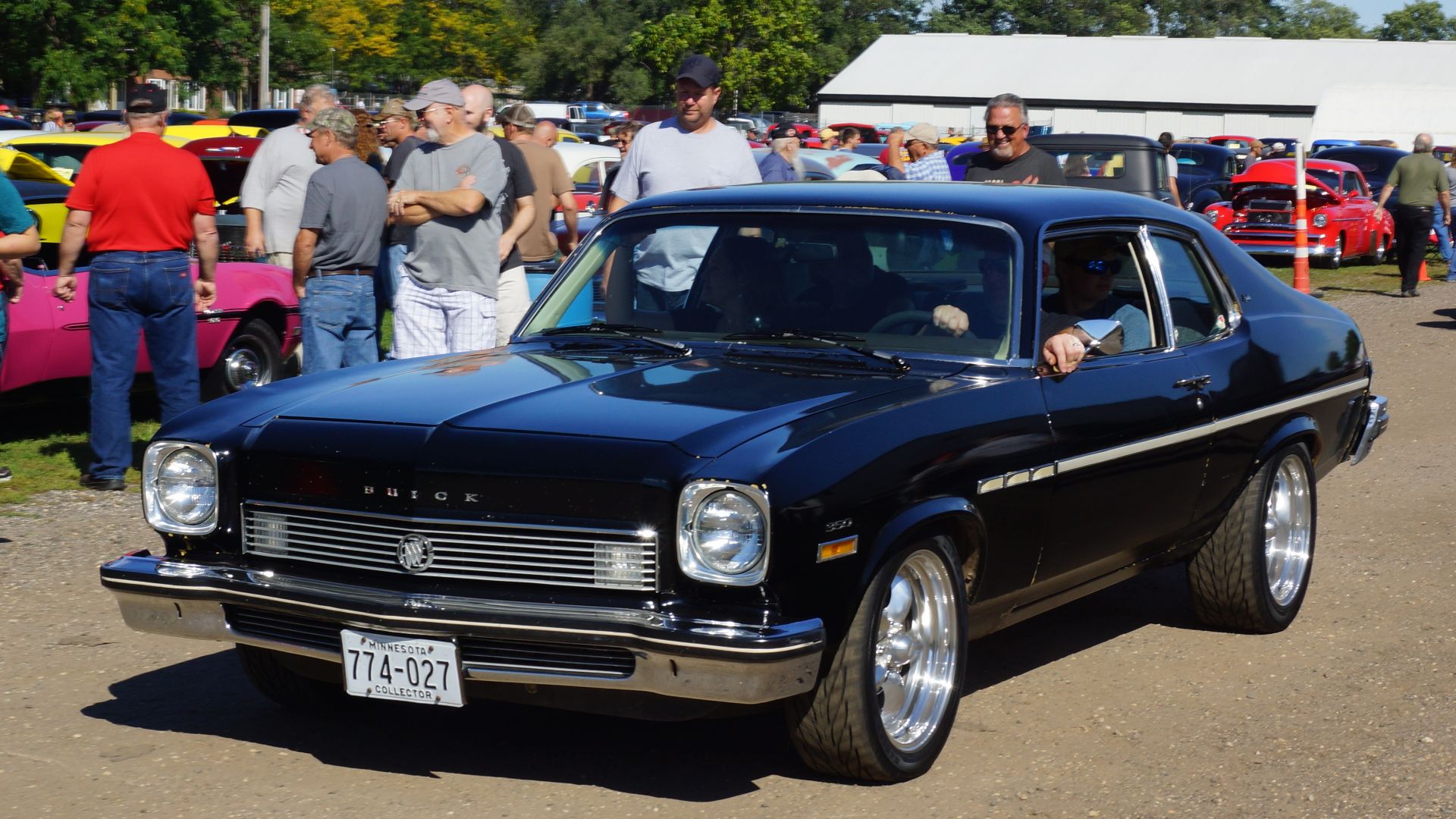
Buick Apollo
Before Buick fully leaned into its luxury image, the Apollo was its shot at the compact market. It didn’t last long and never carved out an identity. It’s one of those cars where the name sounds familiar, but the face is completely blank.
 Greg Gjerdingen from Willmar, USA, Wikimedia Commons
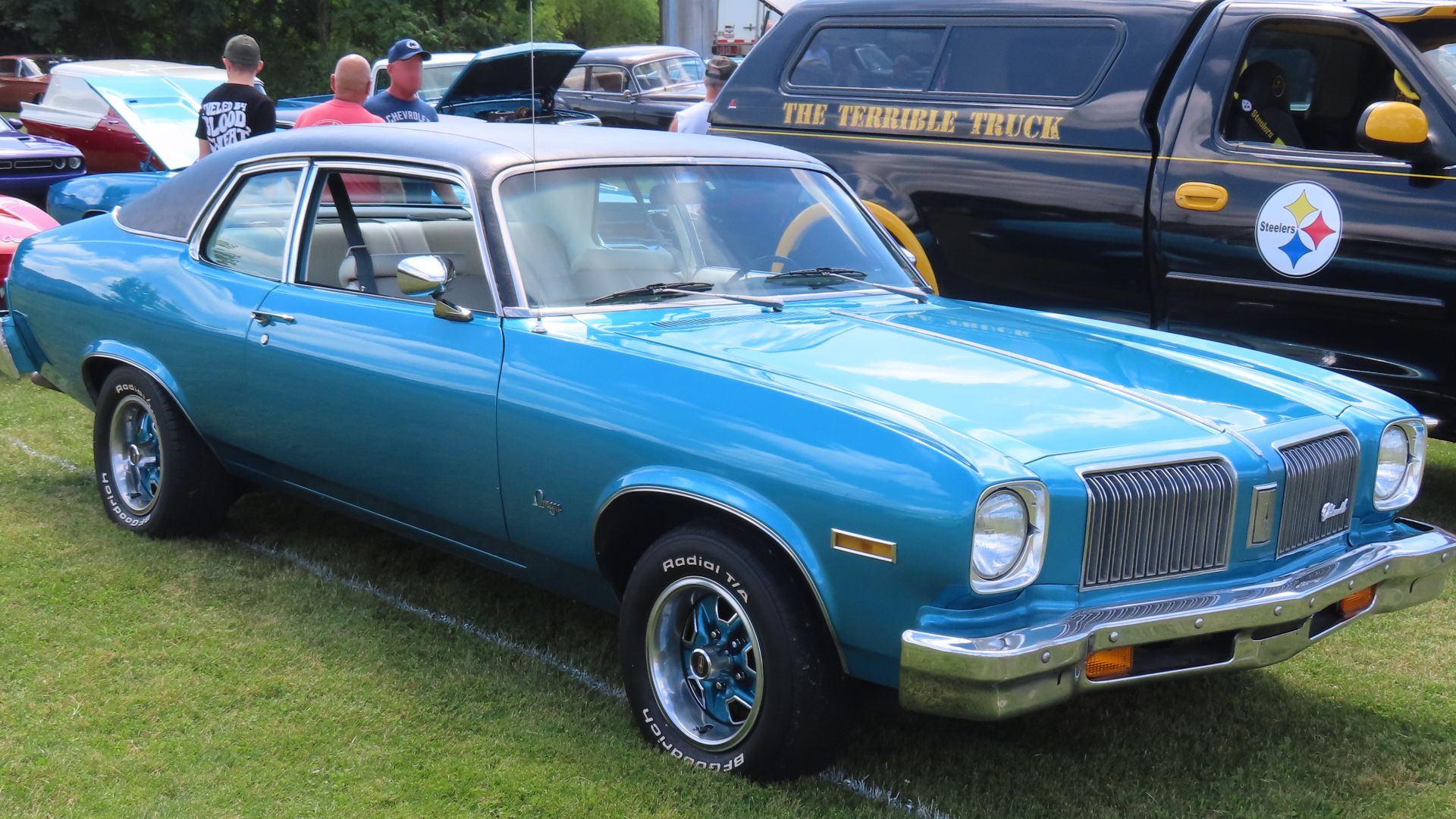
Oldsmobile Omega
Oldsmobile had a strong reputation in the 70s, but the Omega didn’t do much to stand out. It was basically a clone of other GM compacts, blending into the background. Even car people sometimes pause and go, “wait… what was that one again?”
 MercurySable99, Wikimedia Commons
Plymouth Sapporo
The Sapporo was a rebadged Mitsubishi, part of the early wave of imports wearing American badges. It wasn’t bad, it just wasn’t memorable. It came, it went, and barely anyone noticed.
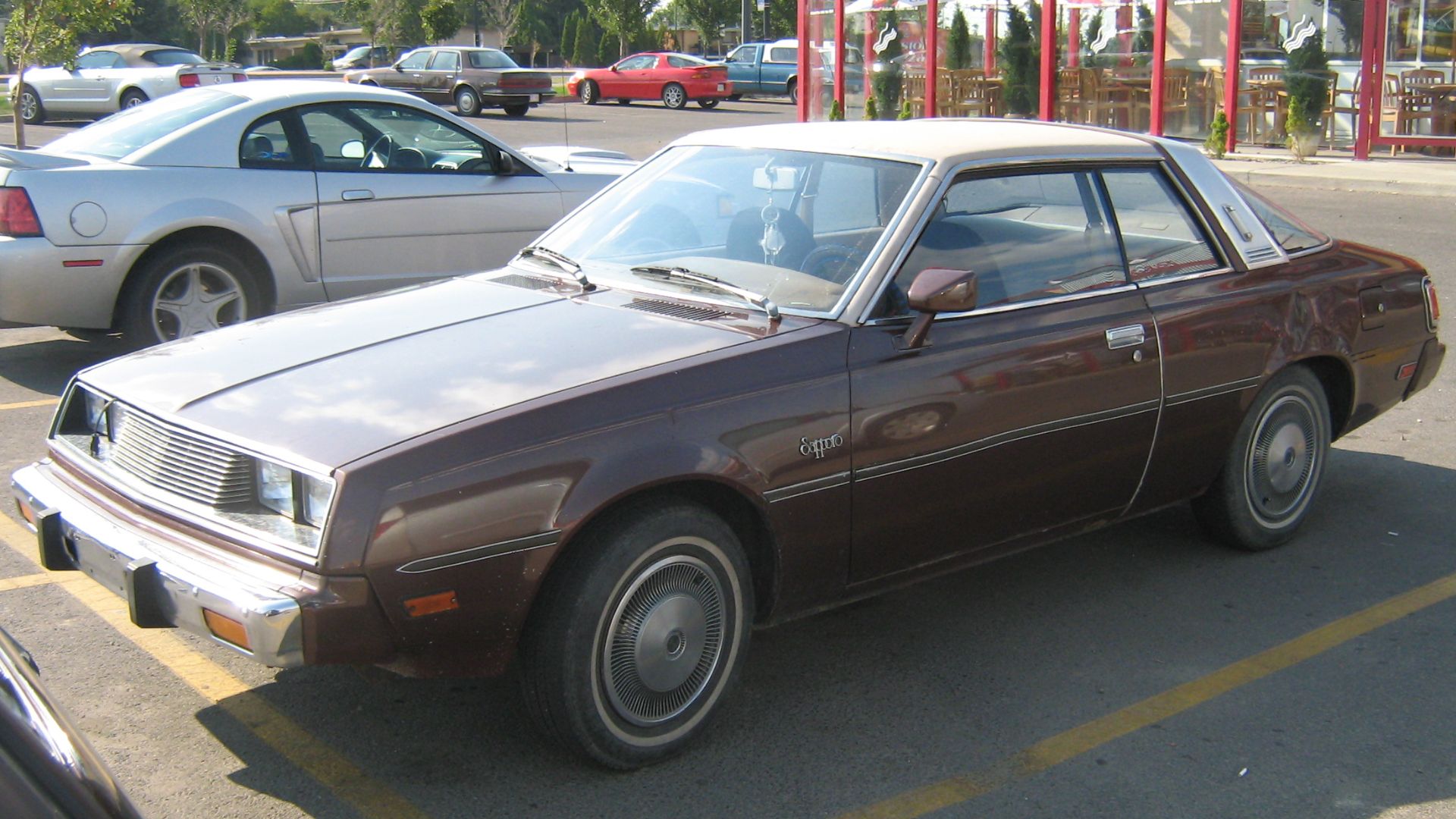 dave_7 from Lethbridge, Canada, Wikimedia Commons
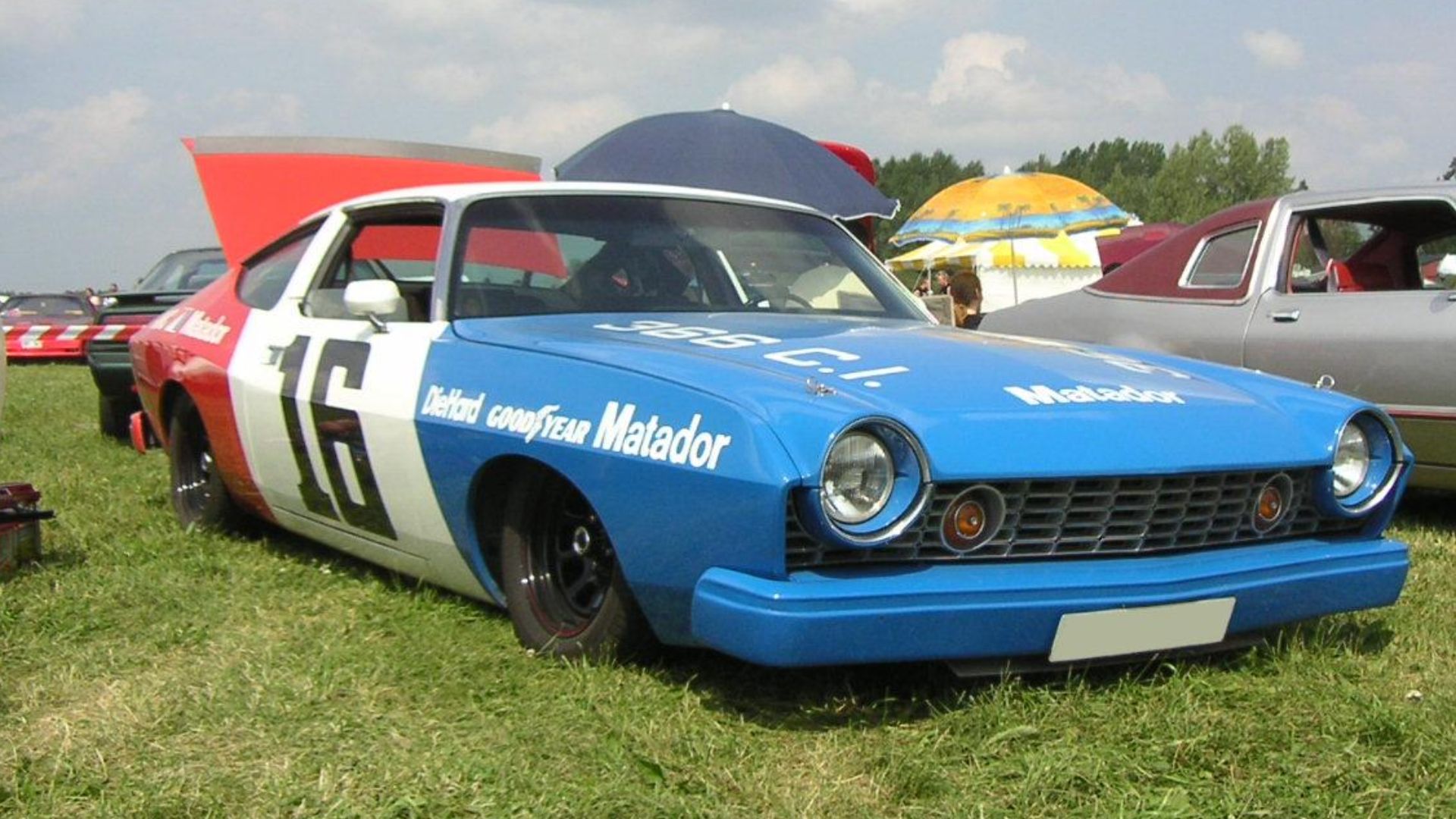
AMC Matador Coupe
AMC tried to get bold in the 70s, and the Matador Coupe proves it. With its swoopy, almost spaceship-like shape, it looked futuristic…but also kind of like it melted a little. You’d think that if James Bond drove it, it would be unforgettable. So what if we told you it showed up in The Man with the Golden Gun?
Chevrolet Vega
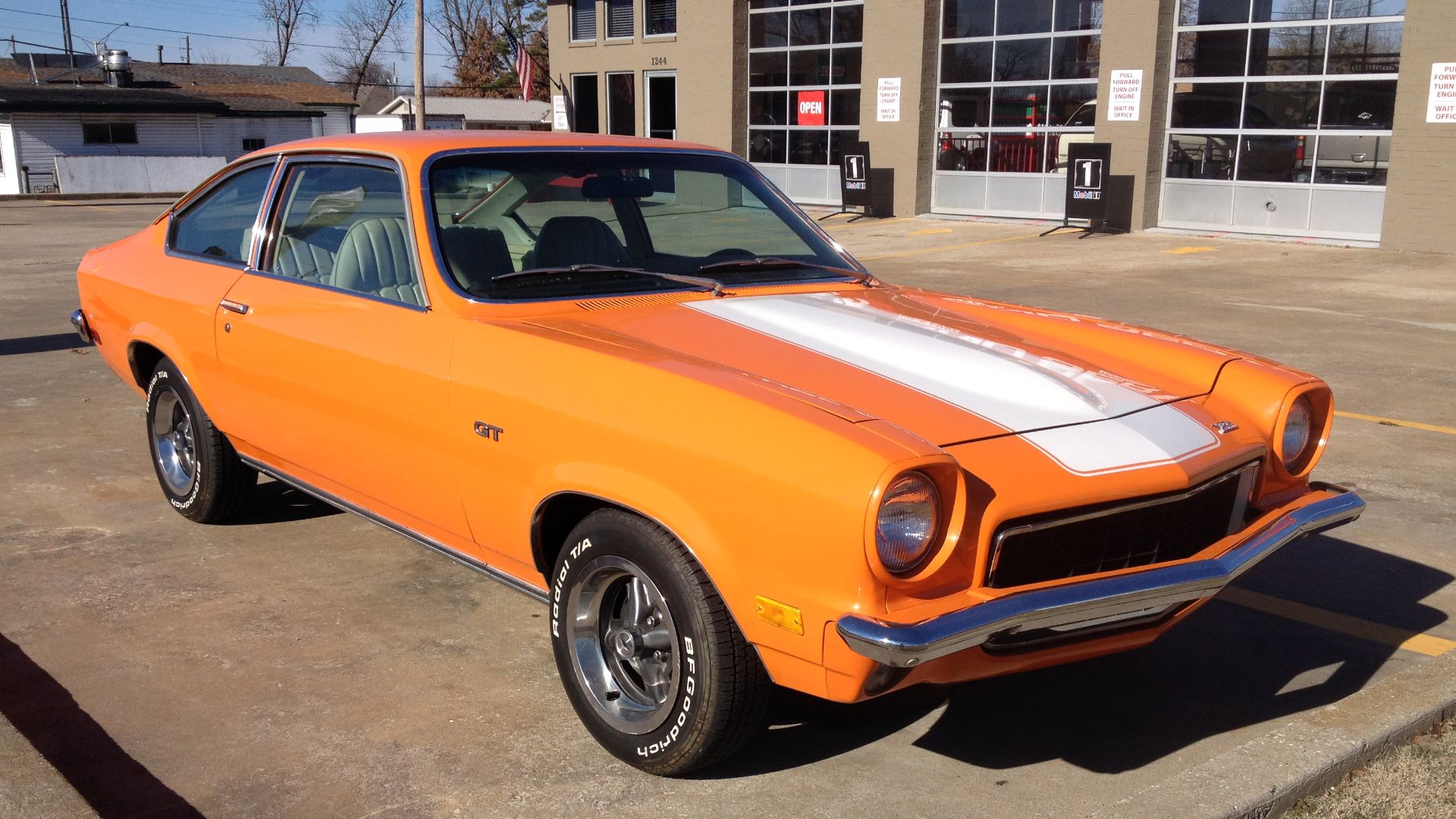
The Vega started strong—Motor Trend’s Car of the Year in 1971—but quickly developed a reputation for engine problems and rust issues. It was everywhere for a few years, then disappeared just as fast. Today, most people only remember it for what went wrong (although most probably don't remember it at all).
Pontiac Astre
Pontiac’s version of the Vega, the Astre came with the same problems and the same fate. It tried to add a sporty twist to a flawed car, which… didn’t really work out. Unsurprisingly, it didn’t stick around in people’s memories either.
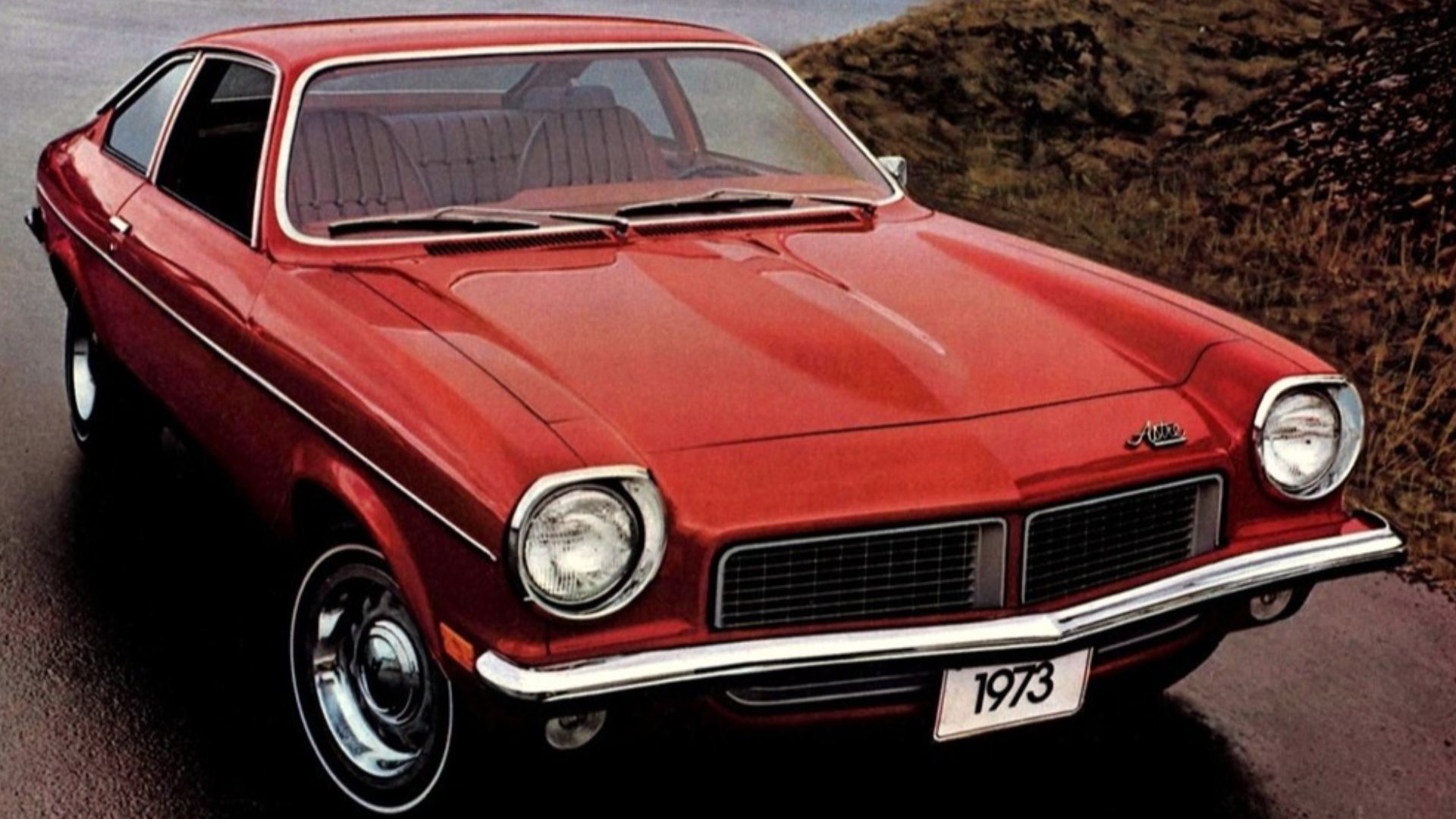 Pontiac pre-1978, Wikimedia Commons
Ford Pinto Wagon
Everyone remembers the Pinto sedan for obvious reasons, but the wagon version is almost completely forgotten. It had the same controversial fuel tank design, just with a bit more room for groceries. Not exactly the kind of upgrade people were hoping for.
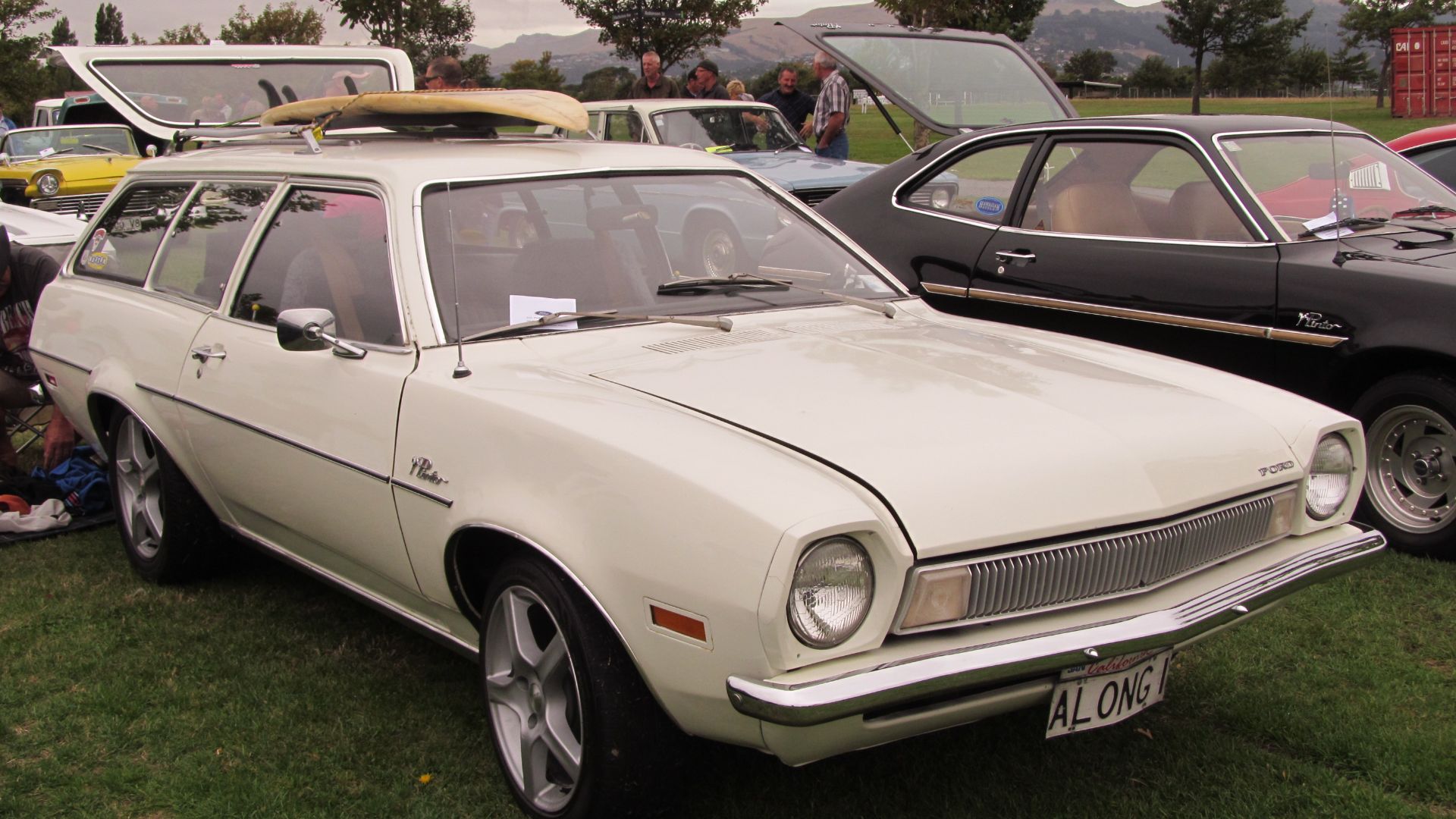 Riley from Christchurch, New Zealand, Wikimedia Commons
Mercury Bobcat
The Bobcat was Mercury’s version of the Pinto, which means it shared both the platform and the problems. It also shared the same fate—except even fewer people remember it existed in the first place, which is kind of impressive.
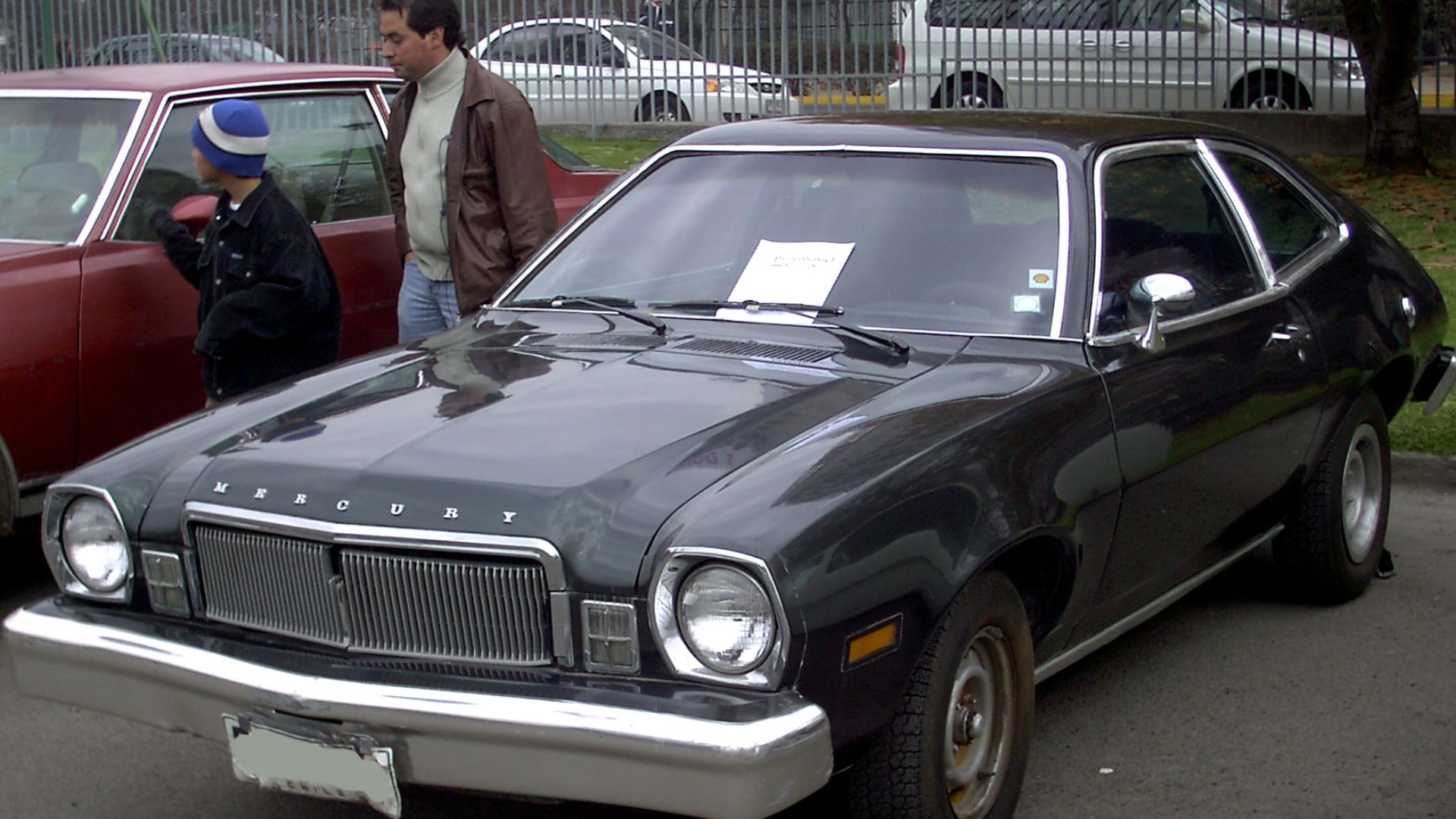 order_242 from Chile, Wikimedia Commons
Dodge Aspen
The Aspen was Chrysler’s attempt at a compact car, but it never really made an impression. It sold decently for a few years, then quietly faded away. Unless your neighbor had one growing up, this name probably means absolutely nothing to you.
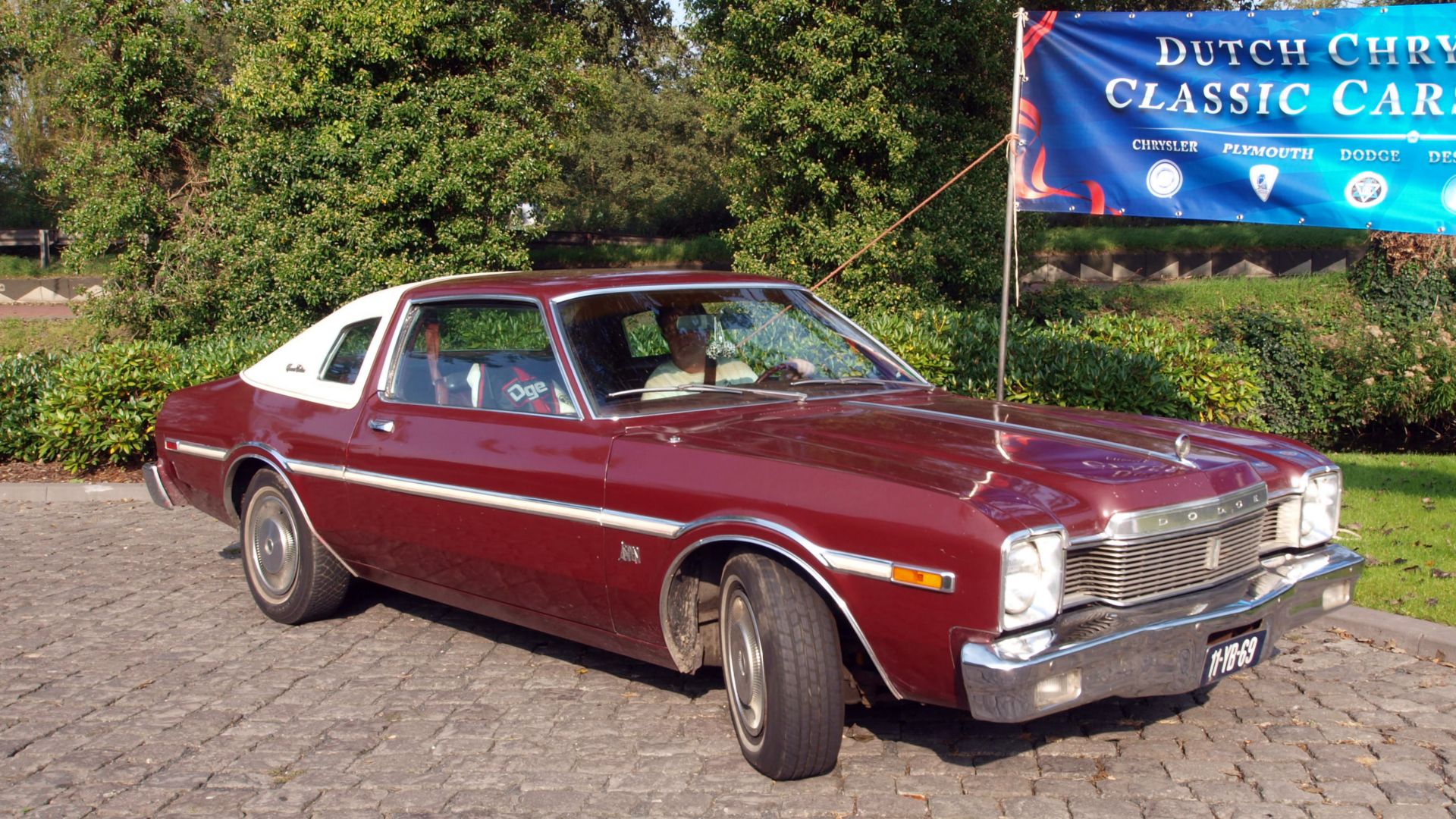
Plymouth Volaré
Basically the Aspen’s twin, the Volaré had similar issues—quality problems, recalls, and a short-lived run. It even shared MotorTrend’s 1976 Car of the Year honors with the Dodge Aspen, which feels surprising now. Proof that awards don’t always age well.
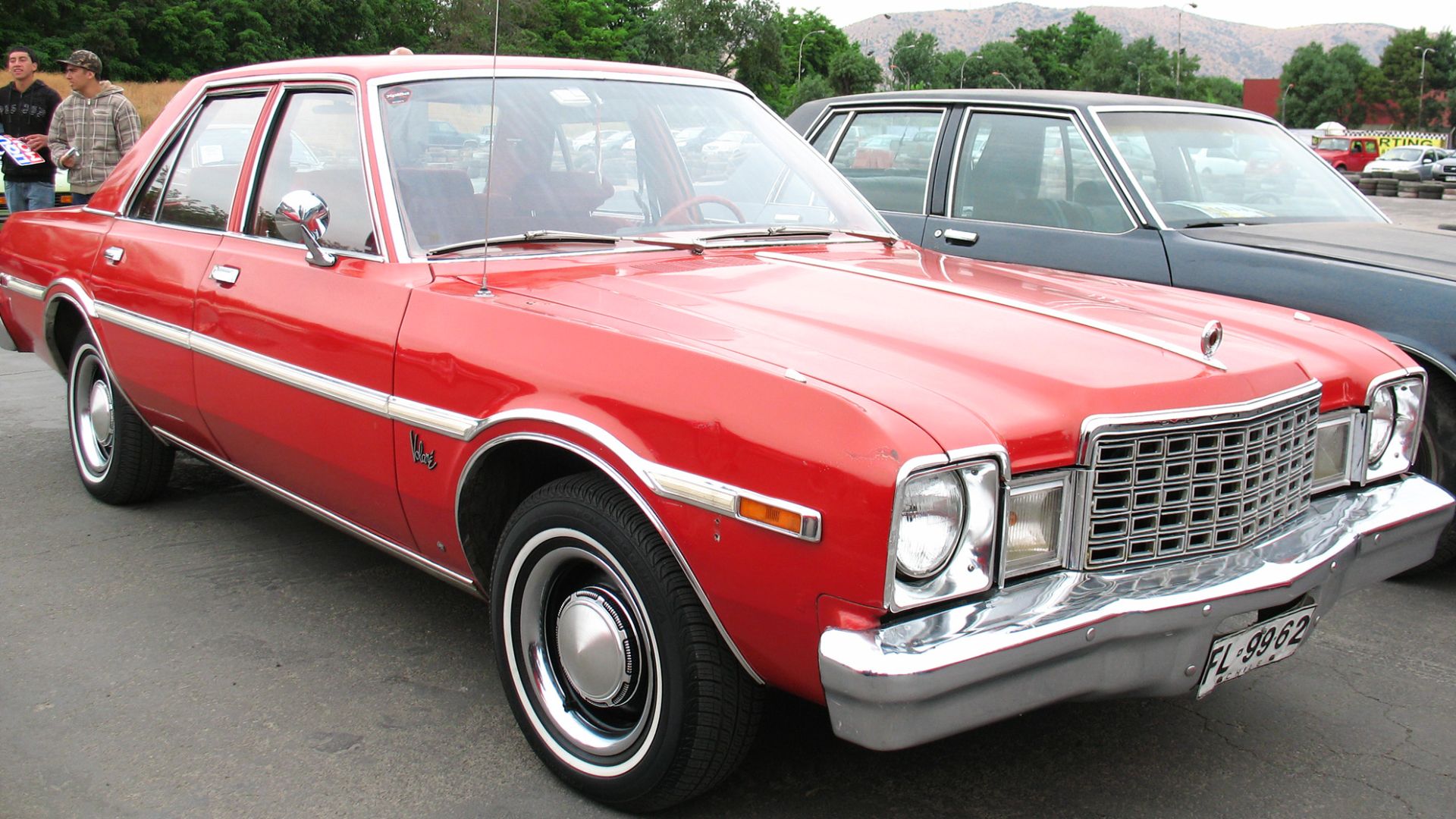 order_242 from Chile, Wikimedia Commons
Mercury Monarch
The Monarch was Ford’s attempt to add a touch of luxury to a compact platform. It wasn’t flashy, fast, or particularly memorable. It just kind of existed… and then stopped existing in people’s memories.
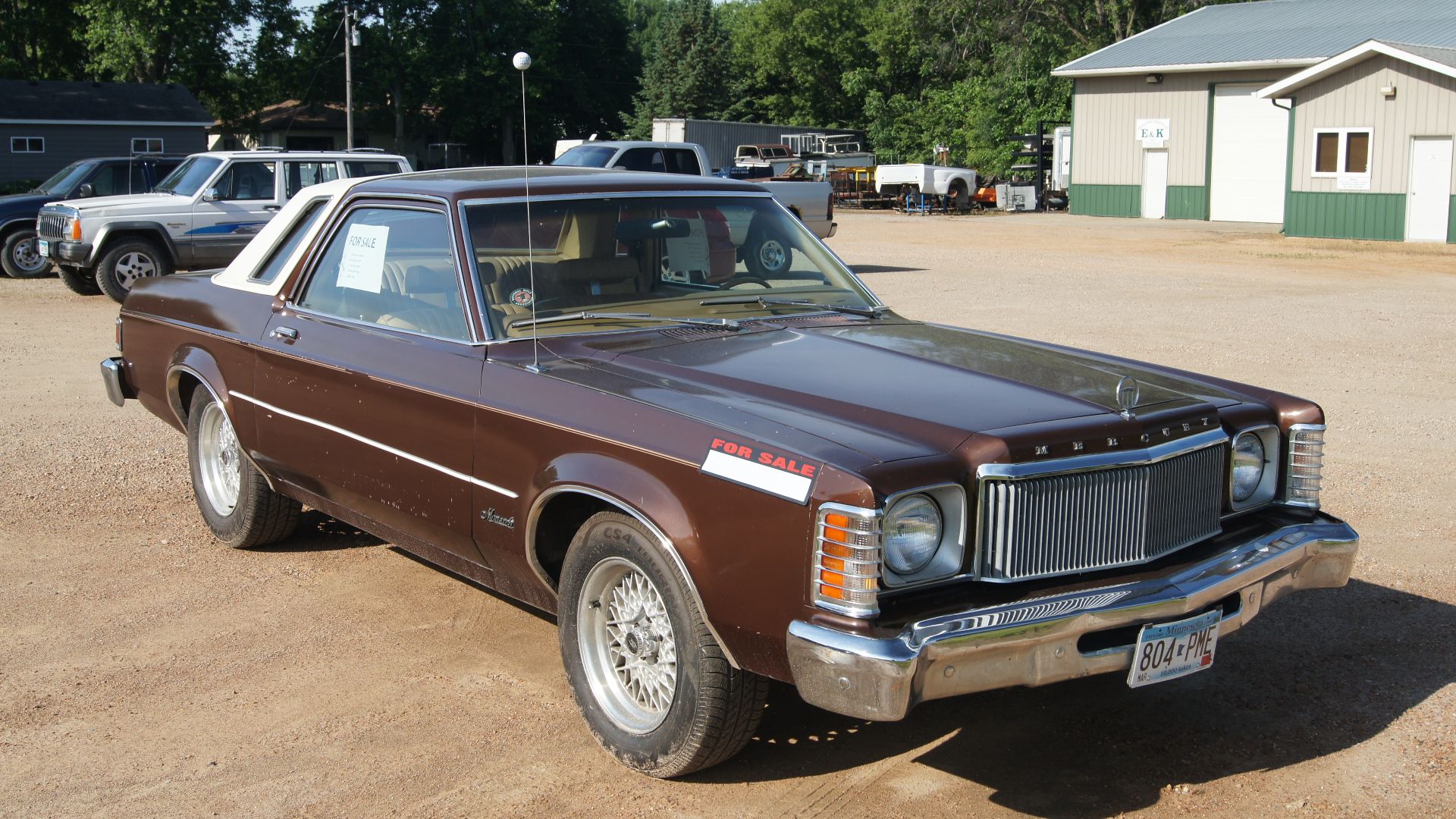 Greg Gjerdingen from Willmar, USA, Wikimedia Commons
Ford Granada
The Granada promised a European-style driving experience. What buyers got was more comfort than excitement. It sold well enough at the time, but nothing about it really stuck with people afterward.
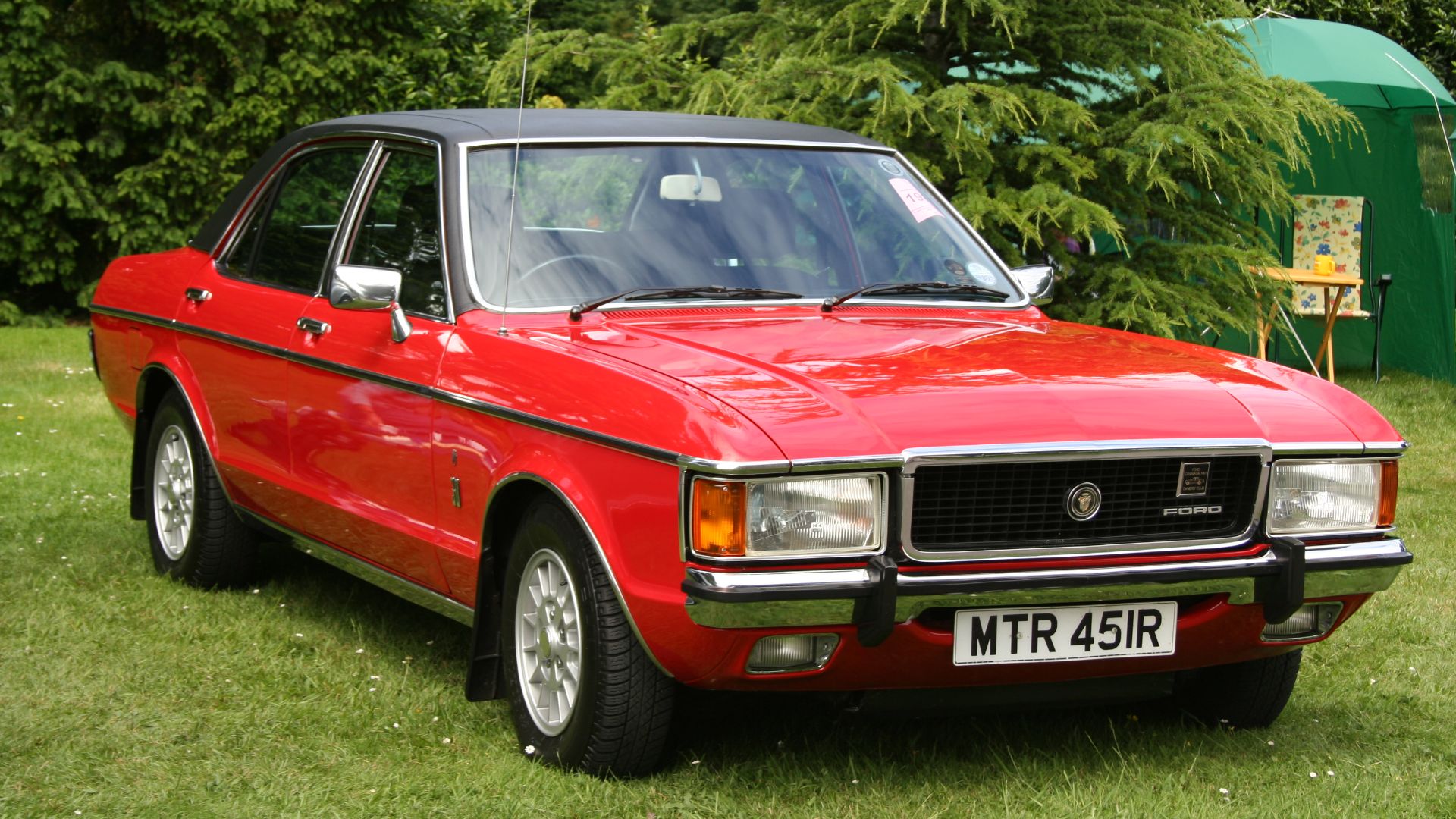
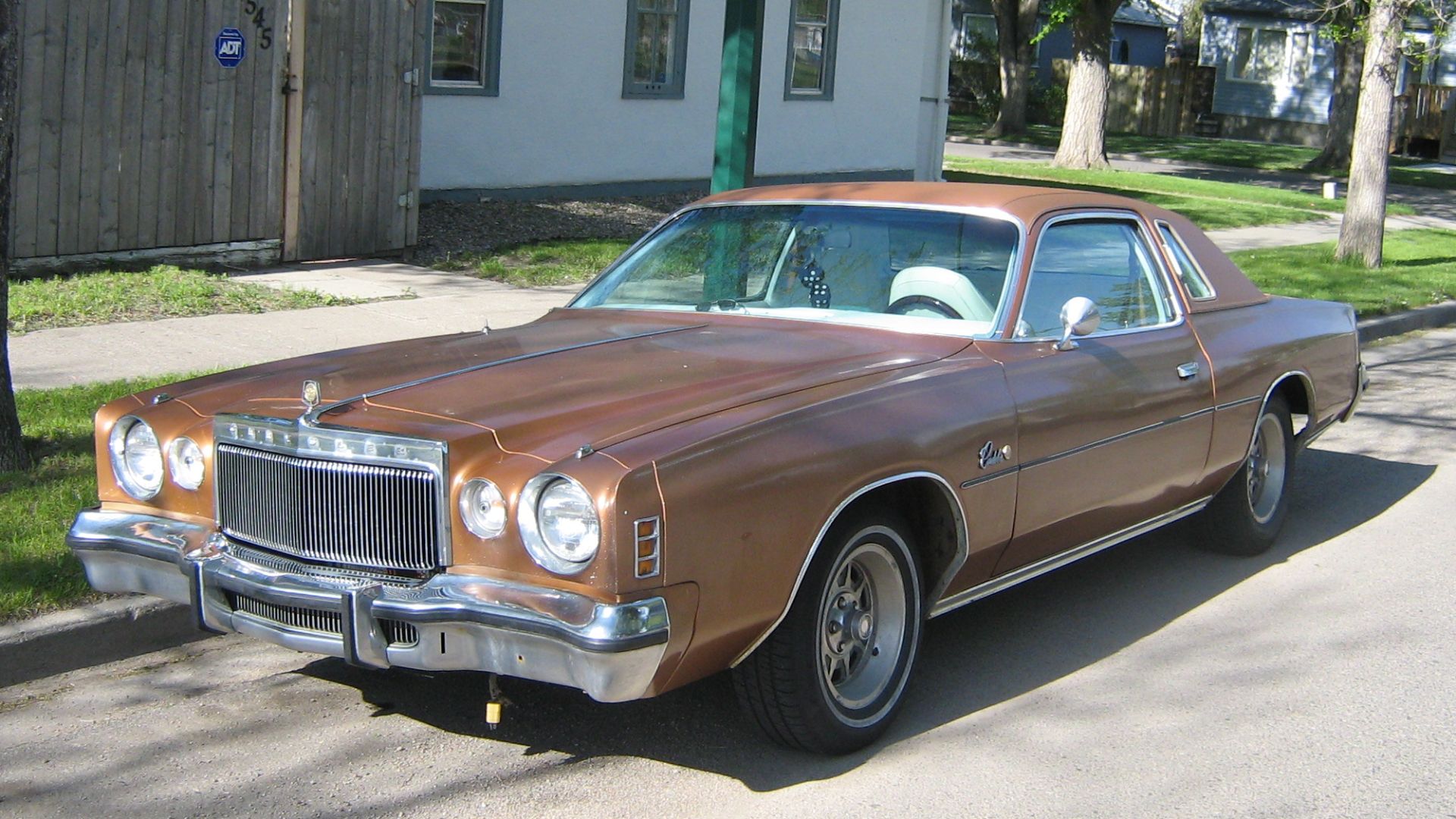
Chrysler Cordoba
“Rich Corinthian leather” made the Cordoba famous for a while, thanks to Ricardo Montalbán’s commercials. And honestly, the ads did most of the heavy lifting. The car itself? Not nearly as memorable as the pitch.
Chevrolet Chevette
The Chevette was about as basic as it gets. Cheap, simple transportation with zero personality. It sold well because it was affordable, but no one was putting posters of this thing on their wall.
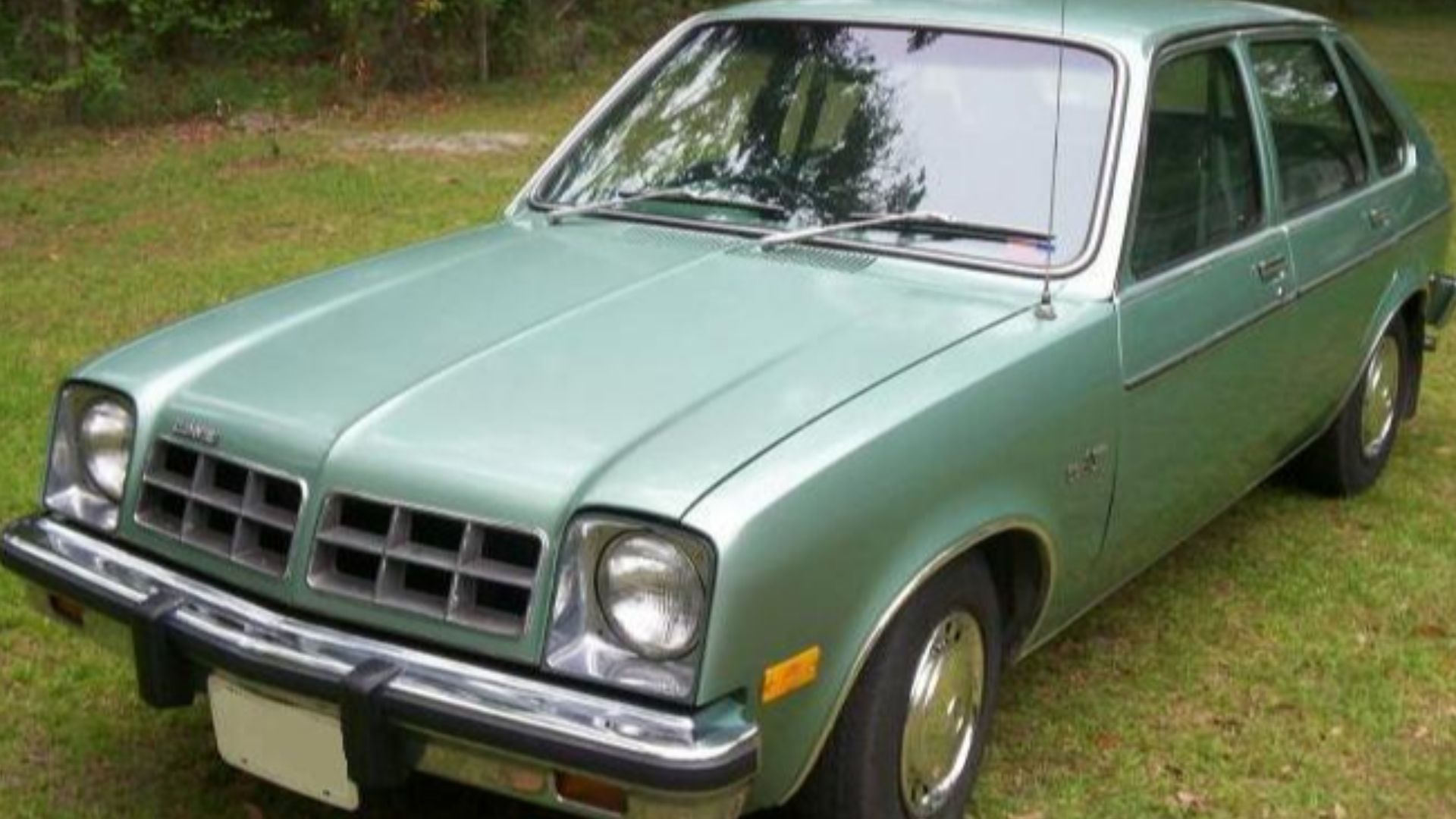 User ThePaper on en.wikipedia, Wikimedia Commons
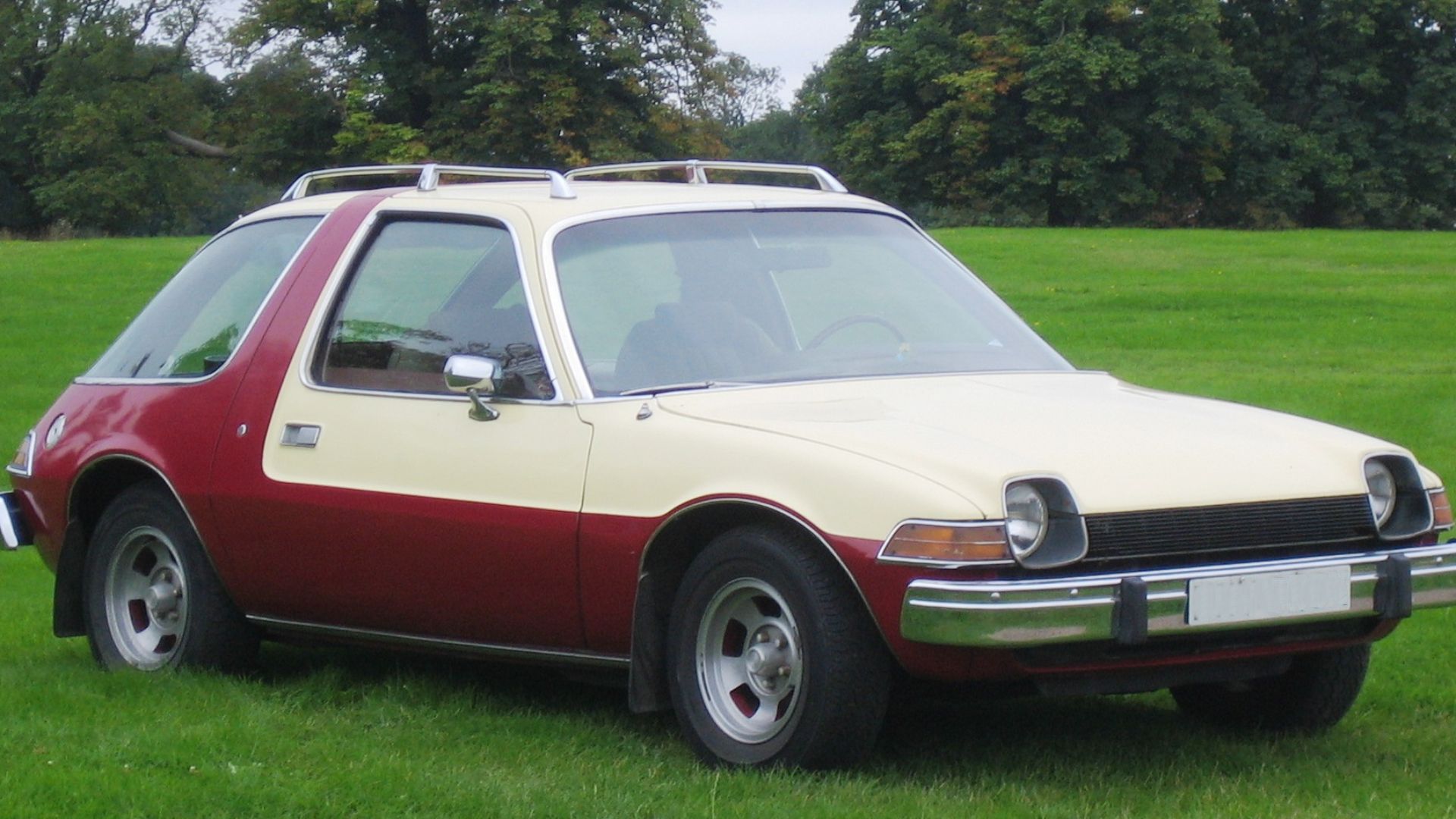
AMC Pacer
The Pacer looks unforgettable, and yet somehow it still is. That bubble design made it stand out, but mostly as something people joked about. You recognize it instantly… you just never think about it.
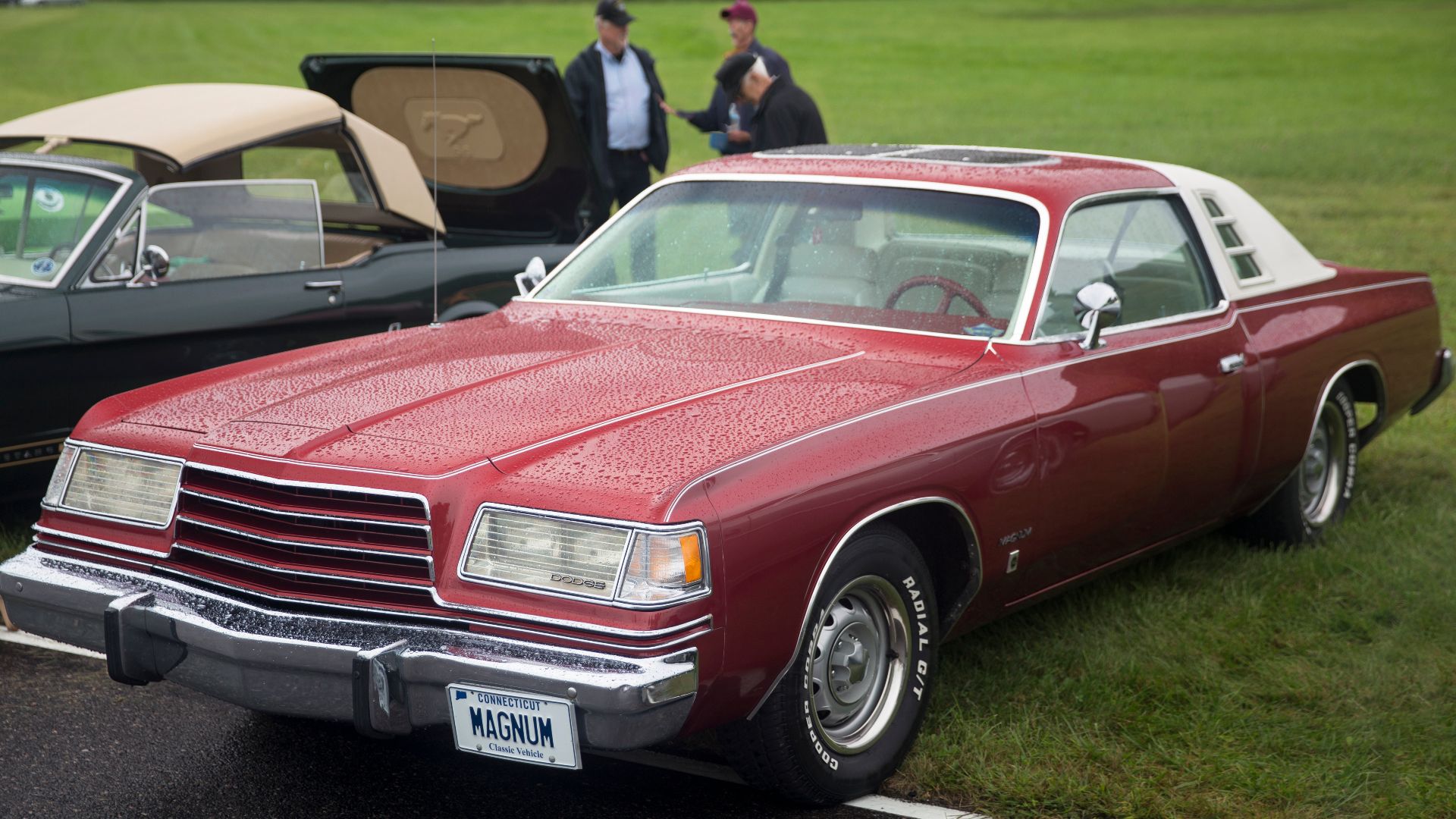
Dodge Magnum XE
Not to be confused with the later Magnum wagon, this 70s version was a personal luxury coupe that didn’t make much noise. Even among Mopar fans, it’s usually followed by, “oh right, that thing.”
 Mr.choppers, Wikimedia Commons
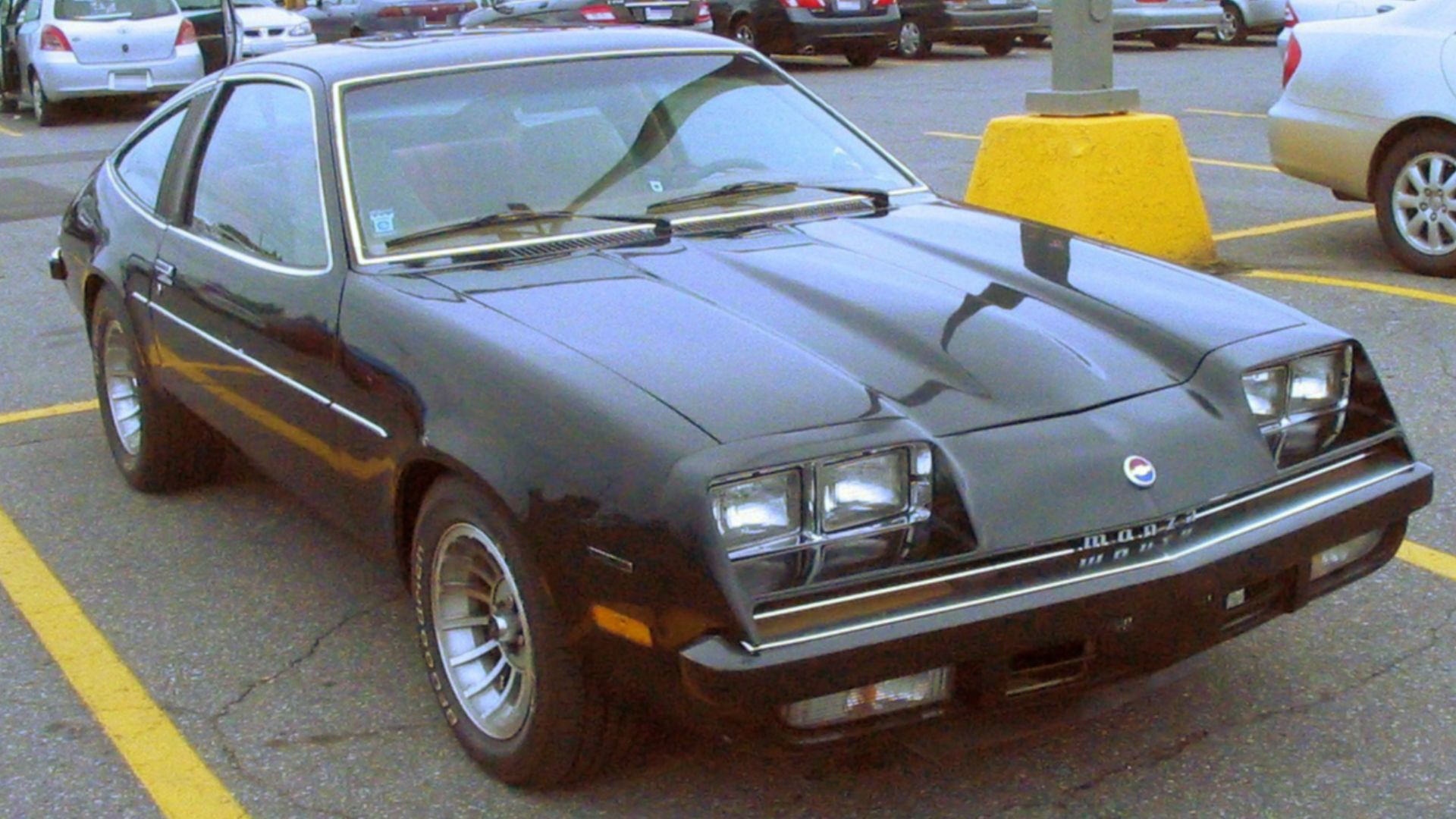
Chevrolet Monza
The Monza had sporty intentions and even offered V8 options, which sounds promising. But somehow it still never became a standout. It’s one of those cars that feels like it should be more famous than it is.
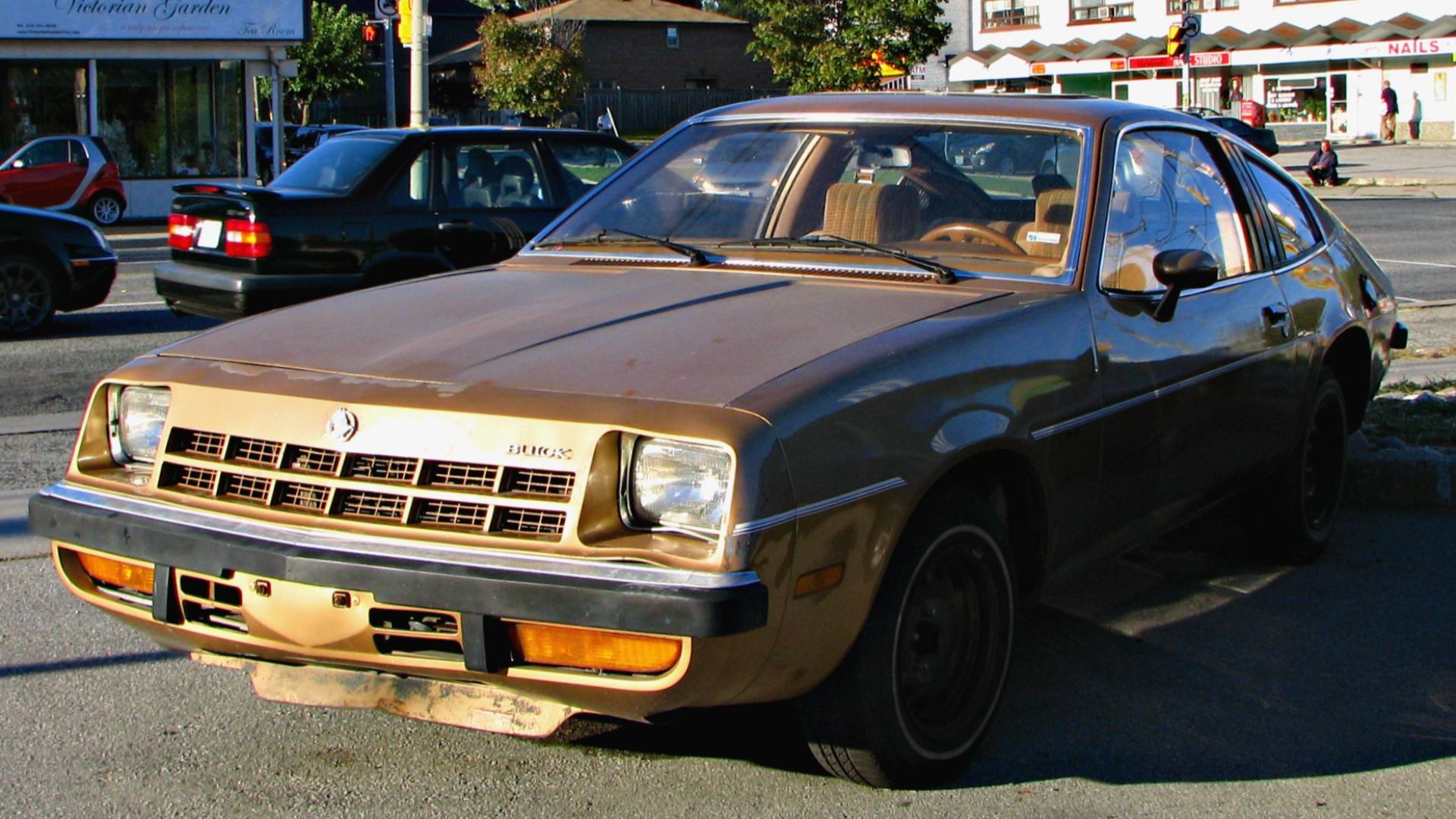
Buick Skyhawk (1970s Version)
Not the later sporty coupe you might be thinking of. This earlier Skyhawk was quieter, more reserved, and very easy to overlook at the time. The name stuck around, but this version didn’t leave much behind in anyone’s memory.
 Michael Gil from Calgary, AB, Canada, Wikimedia Commons
Oldsmobile Starfire (70s Version)
The Starfire name had some history, but the 70s version didn’t live up to it. It was smaller, less exciting, and quickly overshadowed by flashier options. It’s basically the forgotten middle chapter of a much better story.
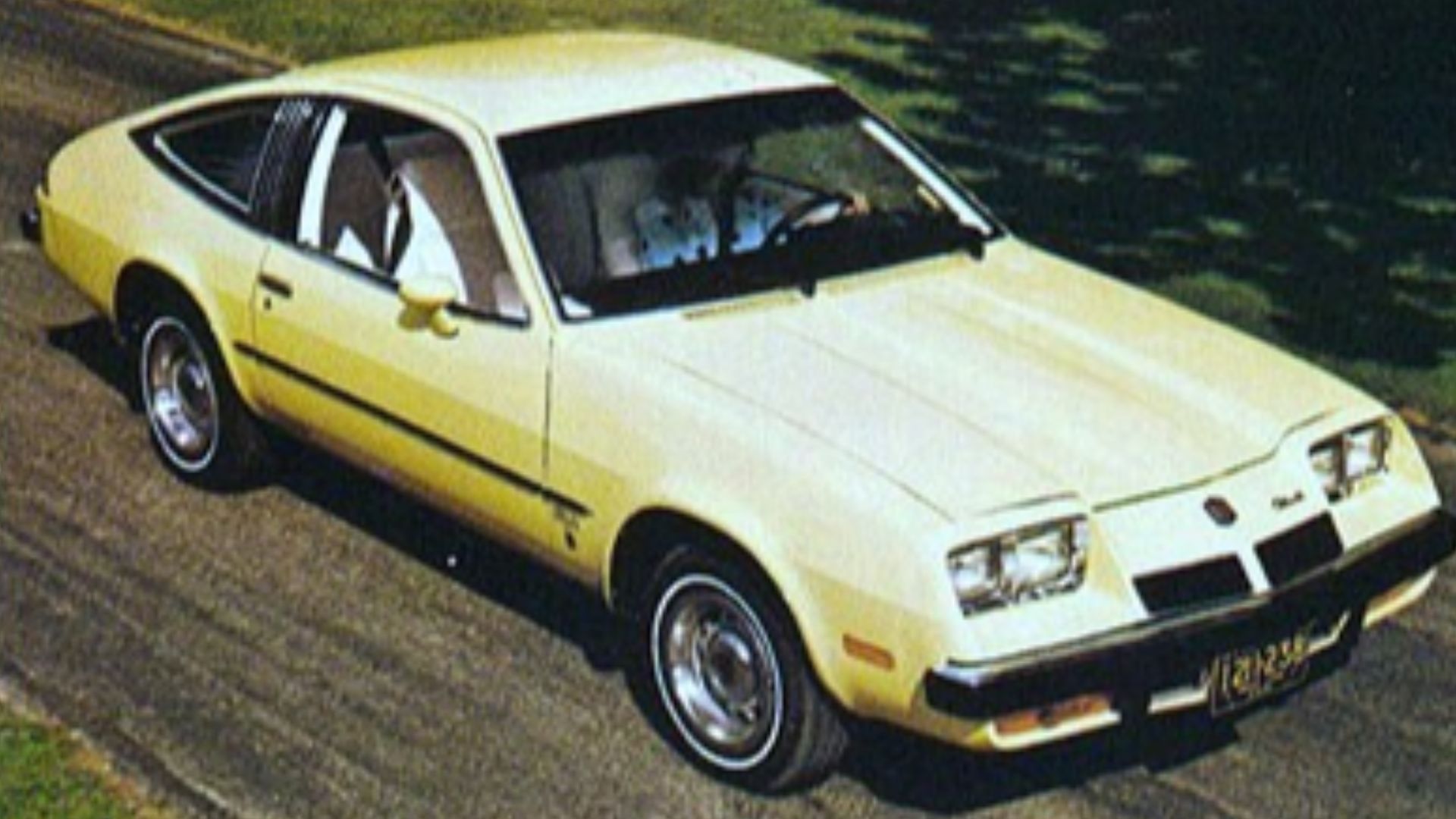 Oldsmobile pre-1978, Wikimedia Commons
Pontiac Grand Am (First Generation)
The Grand Am eventually became a household name, but the original 70s version is easy to forget. It had sporty intentions, but didn’t quite deliver where it mattered. Later versions completely stole the spotlight and never looked back.
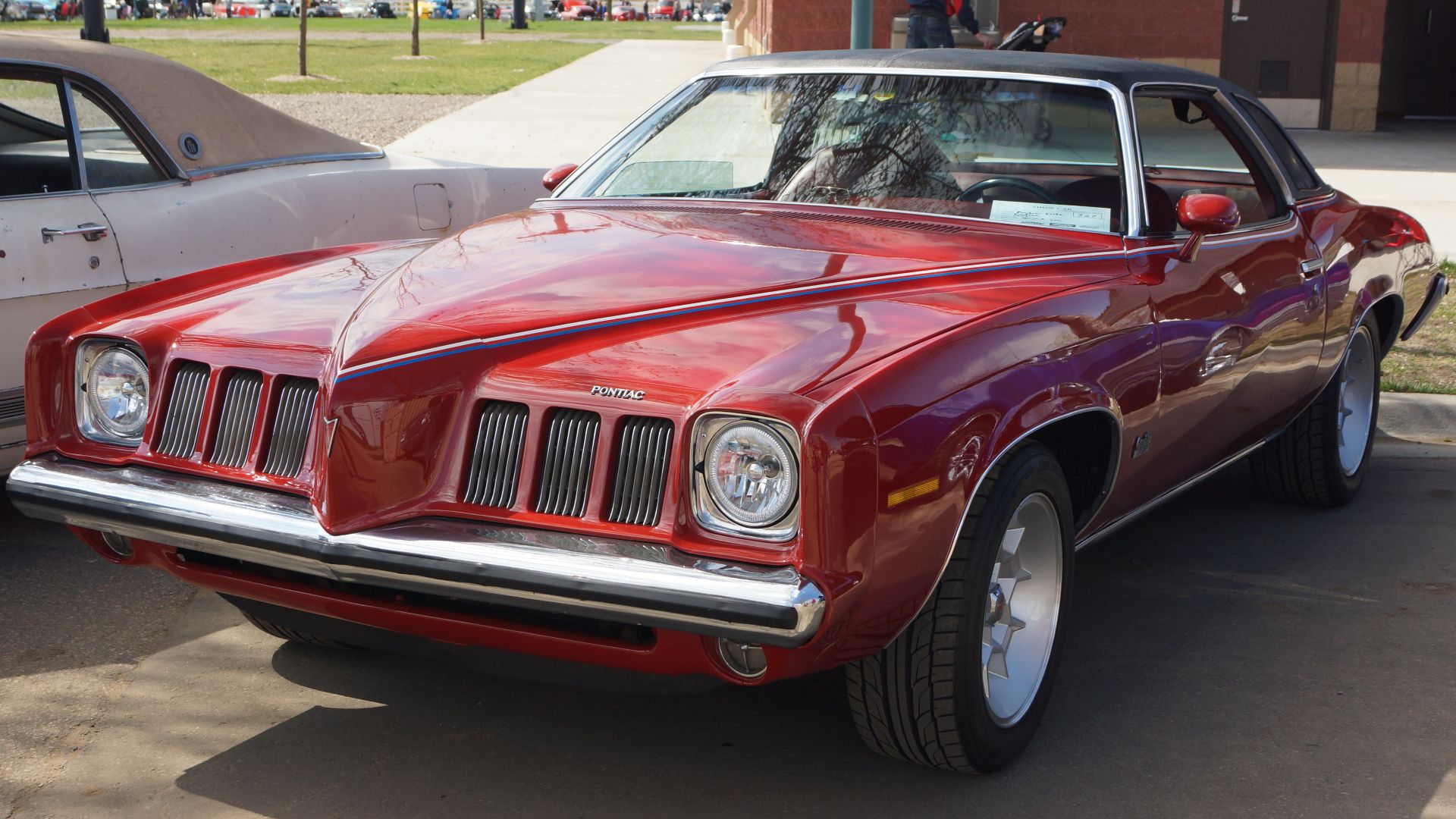 Greg Gjerdingen, Wikimedia Commons
Ford Maverick Grabber
The Maverick is somewhat remembered, but the Grabber trim? Not so much. It tried to add some attitude and visual flair, but never quite reached true muscle car status. It ended up stuck in that awkward in-between zone.
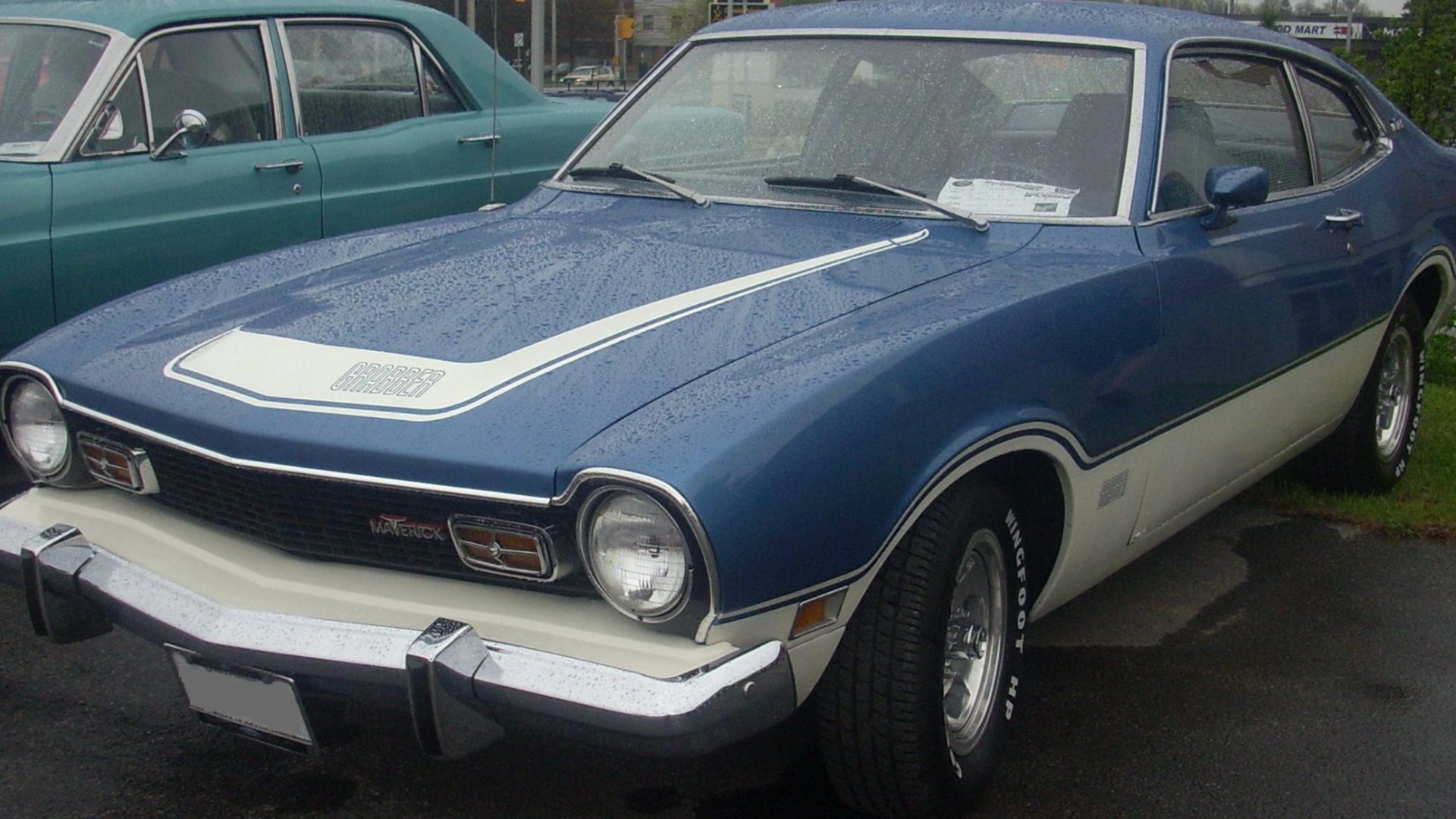
AMC Gremlin
The Gremlin had a quirky design that people recognize, but not necessarily in a good way. It sold decently at the time, but became more of a novelty than a respected classic. And if you're thinking it’s the one you can’t get wet or feed after midnight…that’s a different Gremlin.
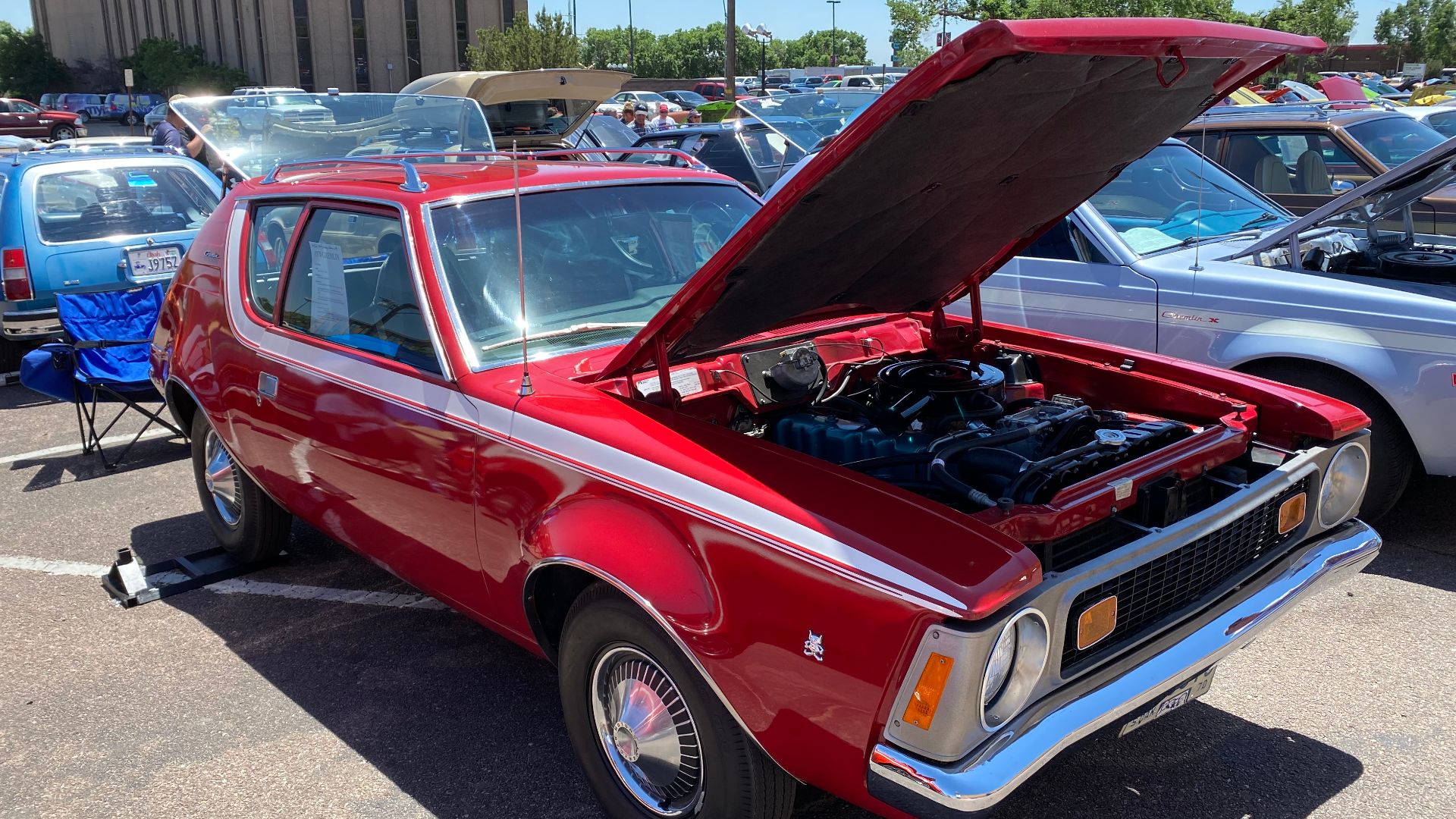
Dodge Dart Sport (70s Version)
The Dart name carries weight, but the 70s Sport version didn’t quite live up to earlier models. It lacked the punch and presence people expected, which made it easy to overlook in a crowded decade full of better options.
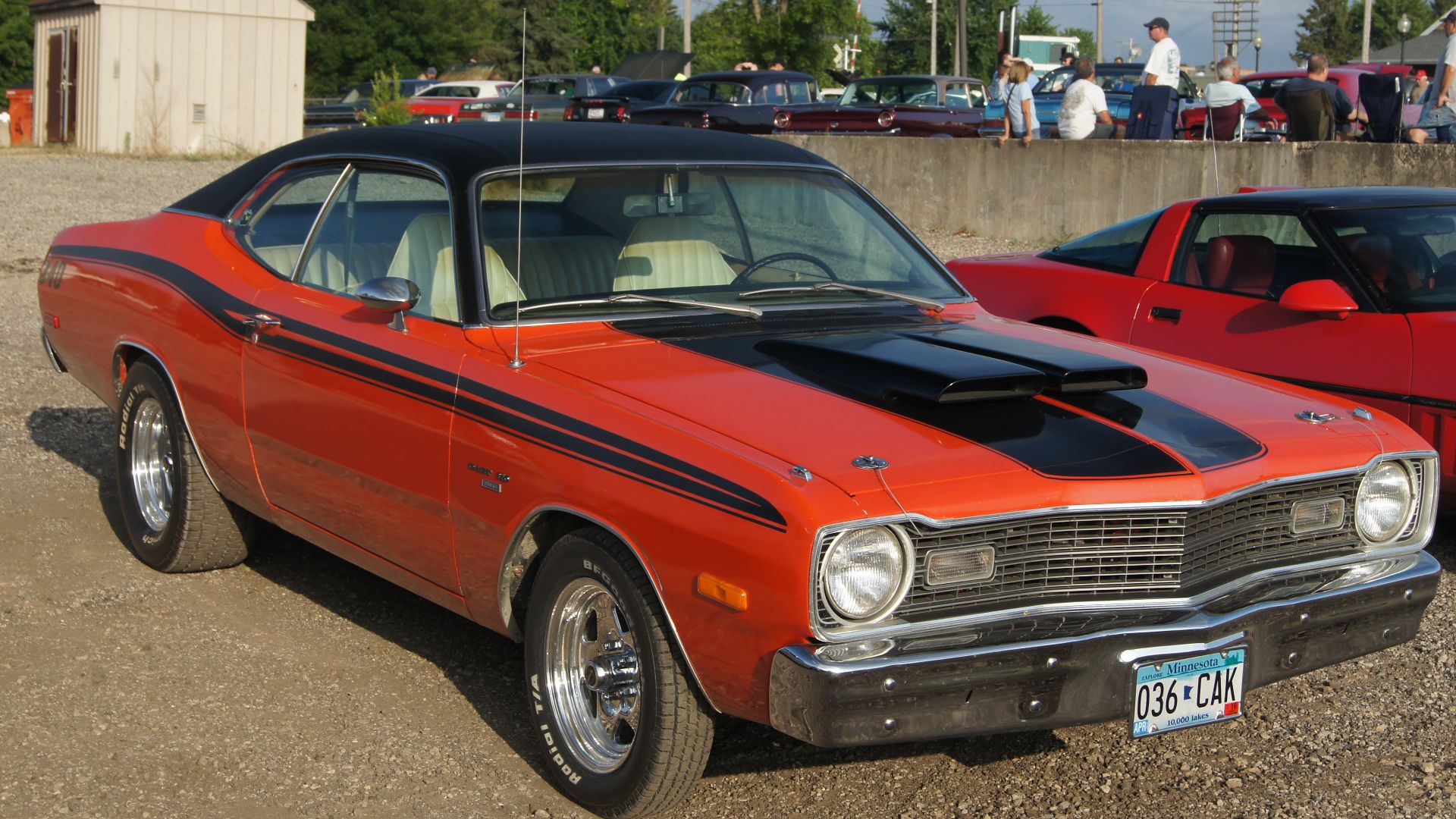 Greg Gjerdingen from Willmar, USA, Wikimedia Commons
Chrysler LeBaron (Early Version)
The LeBaron became more recognizable later on, but its early 70s version is mostly forgotten. It didn’t have much of an identity yet, which makes it easy to skip right past when looking back at the decade.
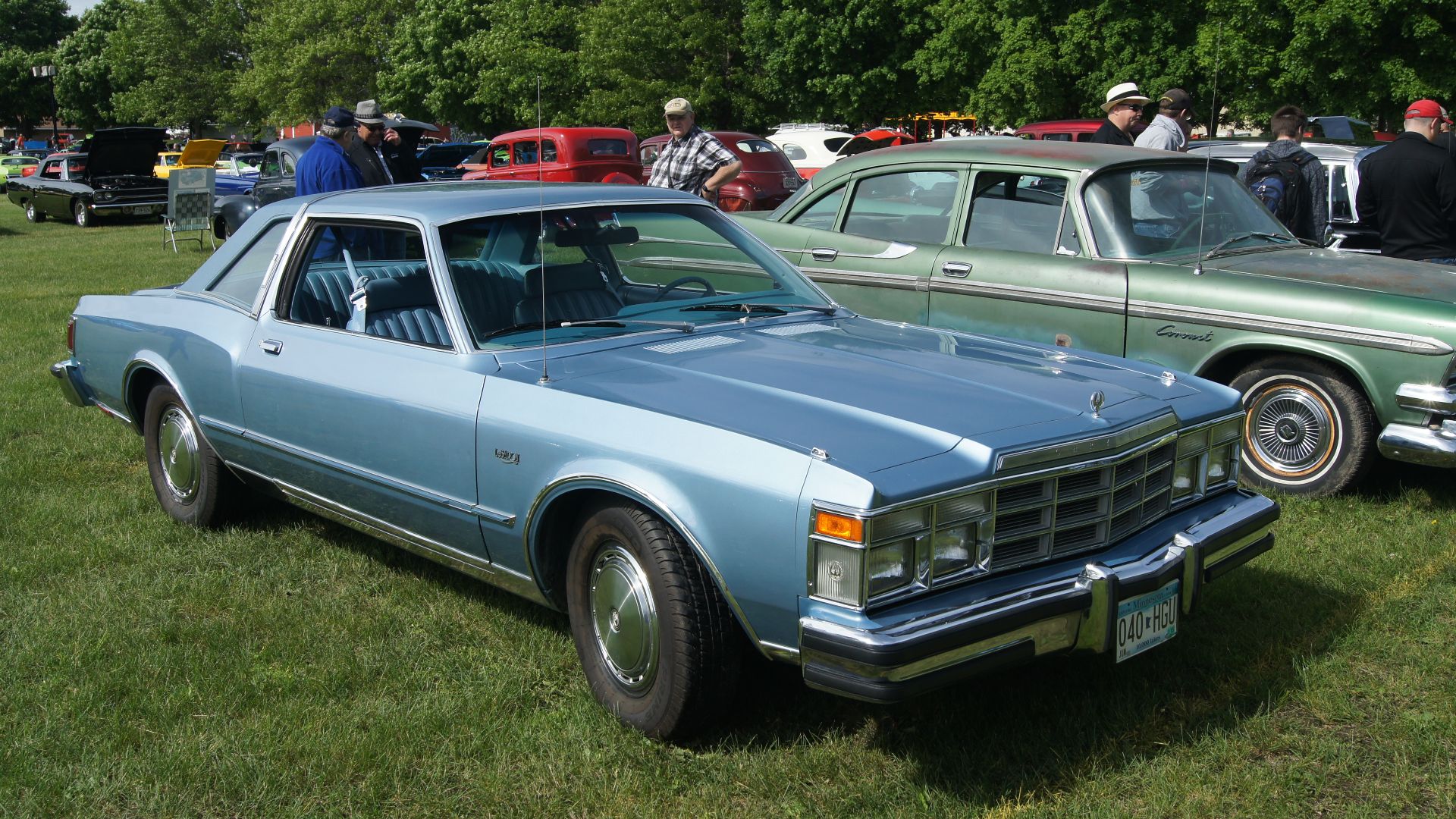 Greg Gjerdingen from Willmar, USA, Wikimedia Commons
Did You Actually Remember Five?
Be honest—how many of these did you really recognize without Googling? A couple? Maybe one? Are you one of the ones who remembers most of these cars? The 70s were packed with cars, but not all of them earned a lasting spot in people’s memories. Some became legends, and some…didn’t.
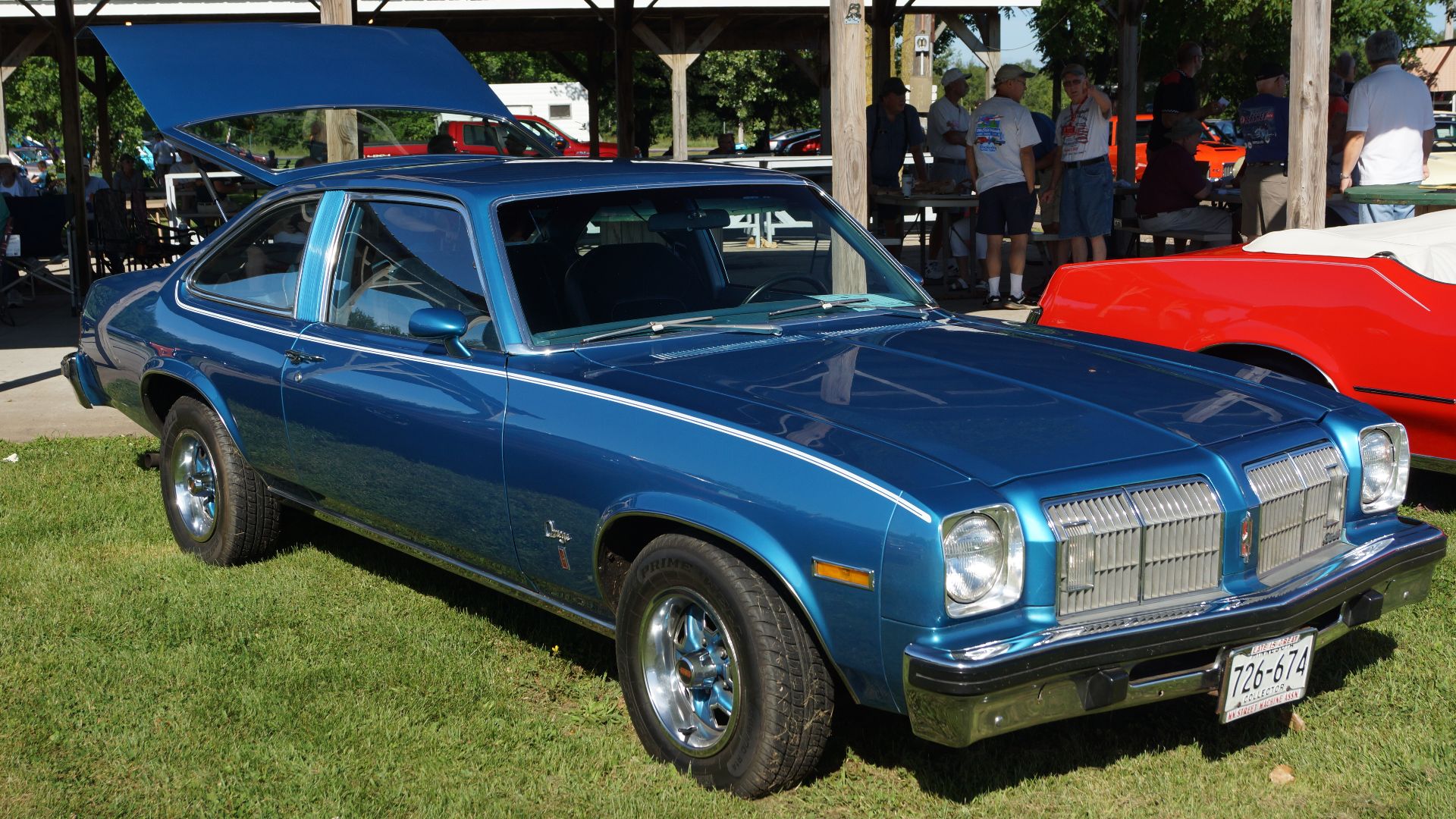 Greg Gjerdingen from Willmar, USA, Wikimedia Commons
You Might Also Like:
Baby Boomer Driving Rules Millennials Completely Ignore




.jpg)

.jpg)

