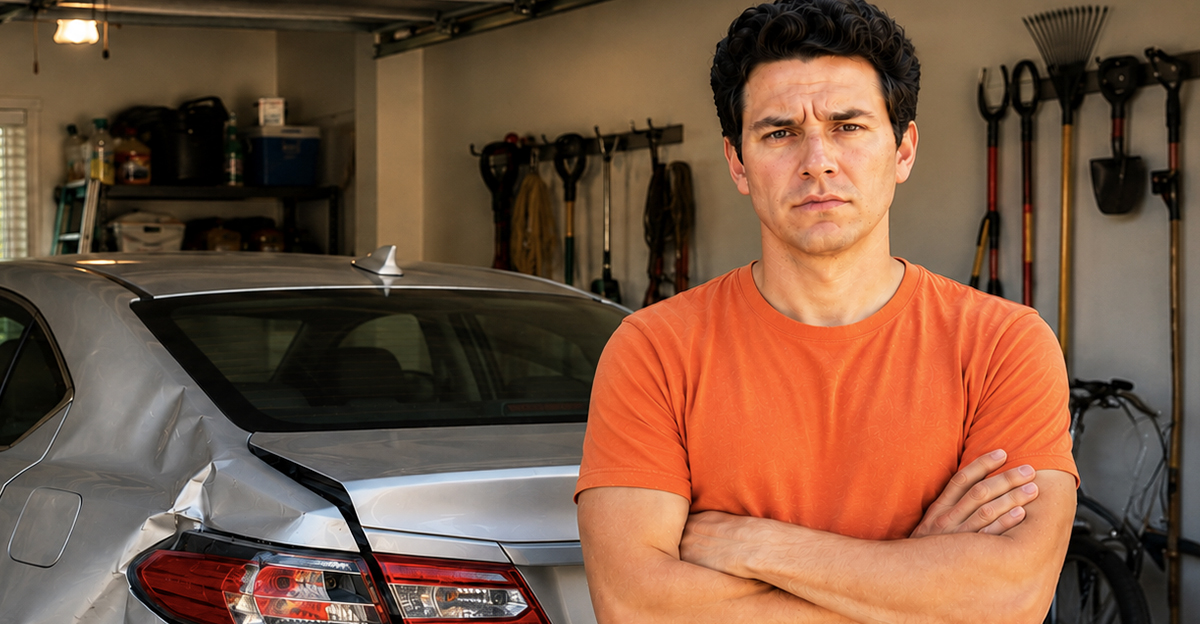
I’m The Victim, But Now The Insurance Company Is Blaming Me
Most drivers assume a rear-end collision is one of the simplest accident scenarios imaginable: someone crashes into the back of your vehicle, their insurance pays, and everyone moves on. Then the insurance company starts asking questions about your brake lights, and suddenly a case that seemed straightforward becomes much more complicated. The good news is that an insurer raising the brake-light issue doesn't automatically mean they can avoid responsibility for the accident.
Rear Drivers Are Usually Presumed To Be At Fault
In most rear-end collisions, the driver who strikes the vehicle in front is generally presumed to be responsible. Drivers are expected to maintain a safe following distance and pay attention to traffic conditions ahead. That presumption exists because motorists should be able to stop safely even when the vehicle in front slows or stops unexpectedly. While exceptions exist, rear-end crashes often start with the rear driver's liability rather than the lead driver's.
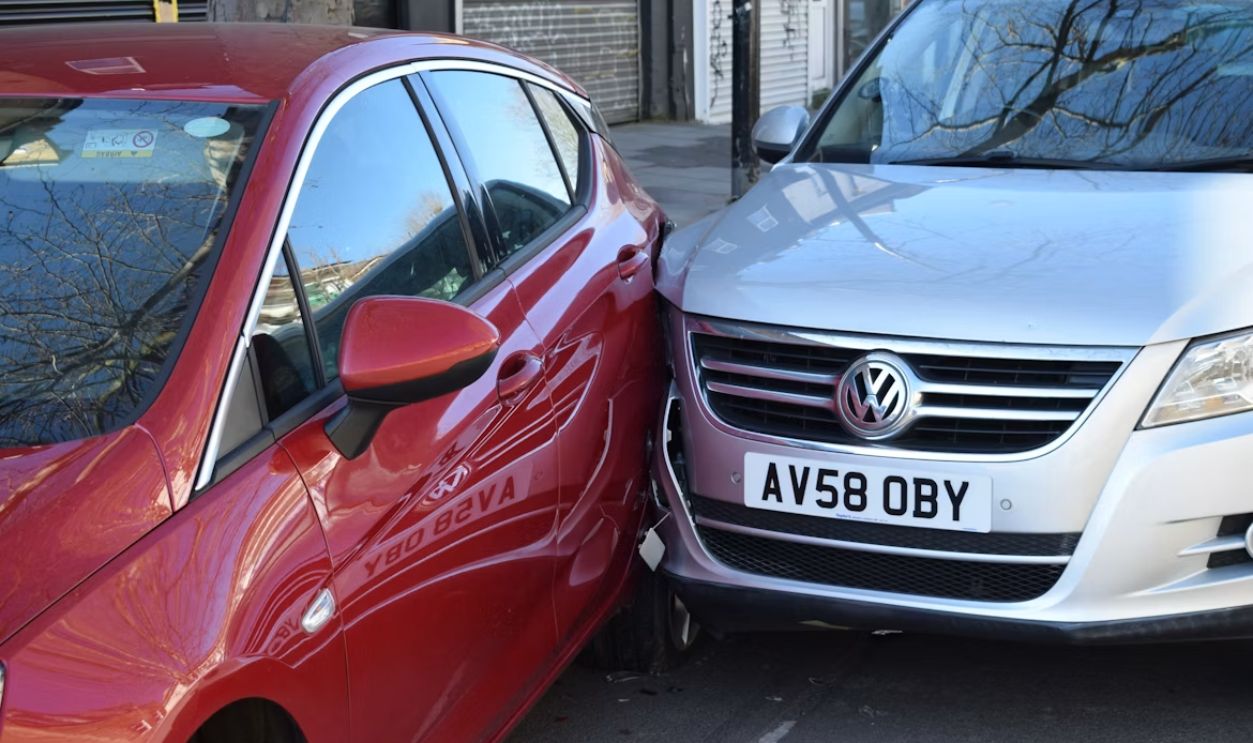
Distracted Driving Makes The Other Driver's Position Harder
If there is evidence that the other driver was texting, using a phone, interacting with a touchscreen, eating, or otherwise distracted, that can become a significant factor. Distracted driving is one of the leading causes of rear-end crashes nationwide. Even if questions exist about your brake lights, evidence of distraction may still support the argument that the other driver failed to maintain proper attention and control.

Brake Lights Can Change The Conversation
Insurance companies look for any factor that could reduce their payout. If an insurer believes your brake lights were not functioning properly, it may argue that the other driver had less warning that you were slowing or stopping. That does not automatically eliminate the other driver's responsibility, but it can become part of a comparative negligence argument designed to shift some of the blame onto you.
They Still Have To Prove The Brake Lights Were Not Working
An insurance adjuster cannot simply claim your brake lights failed and expect everyone to accept it as fact. The insurer generally needs evidence supporting that position. That evidence could come from police observations, photographs, witness statements, repair inspections, vehicle data, or admissions made at the scene. A mere allegation is not necessarily enough to establish that the lights were defective before the collision.
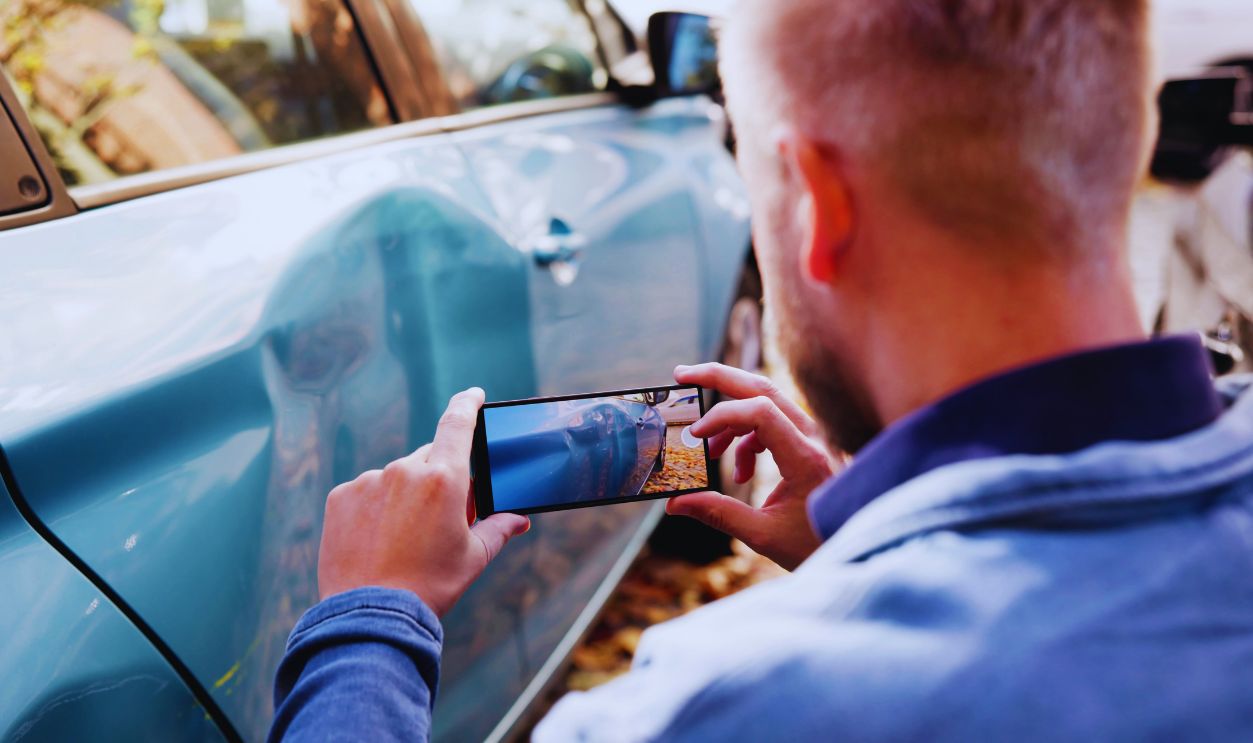
Crash Damage Can Create Confusion
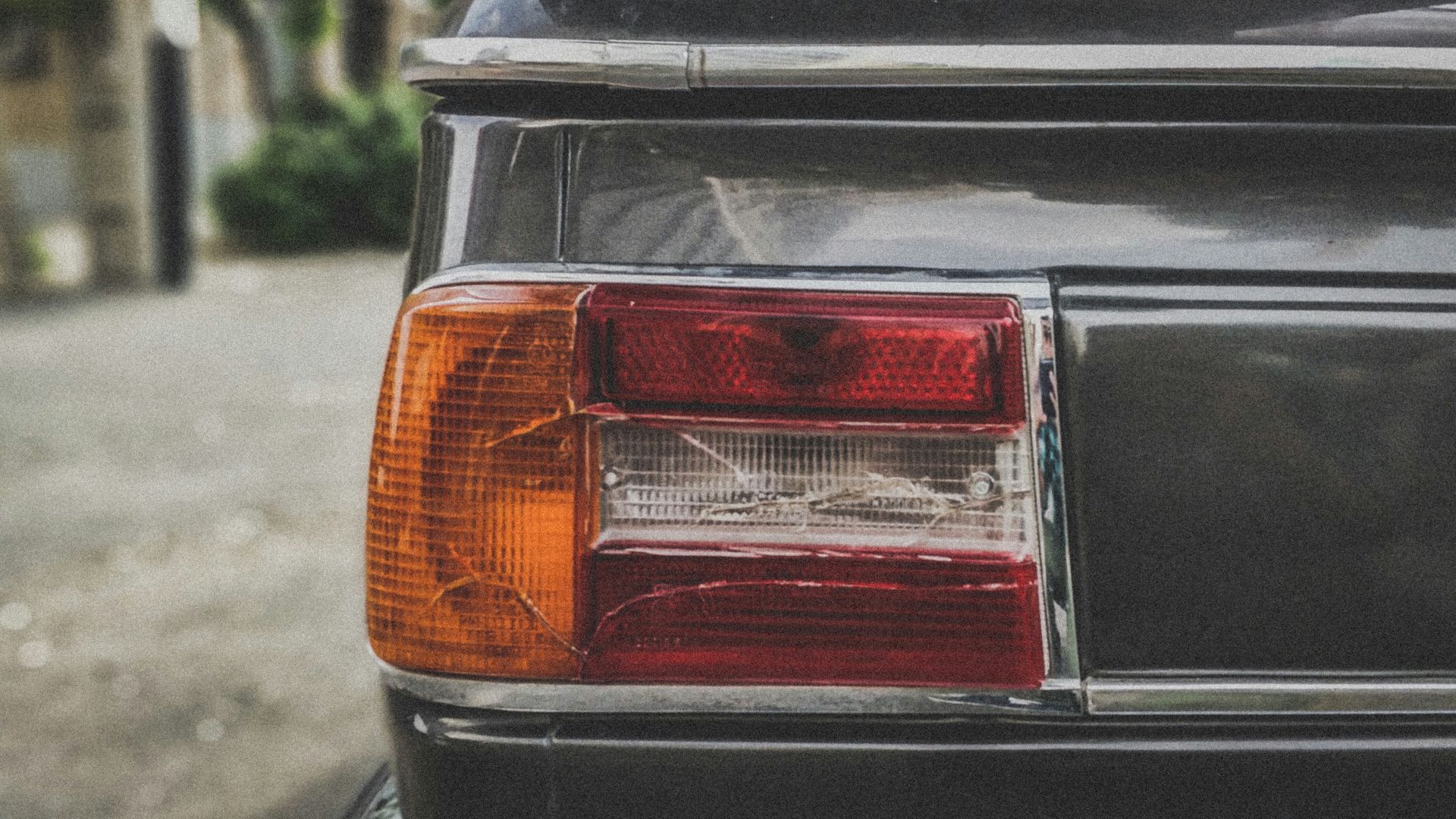
One major complication is that rear-end collisions often destroy brake lights during the impact itself. After the crash, an investigator may find broken bulbs, damaged wiring, shattered lenses, or nonfunctional lighting. The challenge is determining whether those problems existed before the accident or were caused by the collision. That distinction can become extremely important during the claims process.
Witnesses Can Be Very Valuable
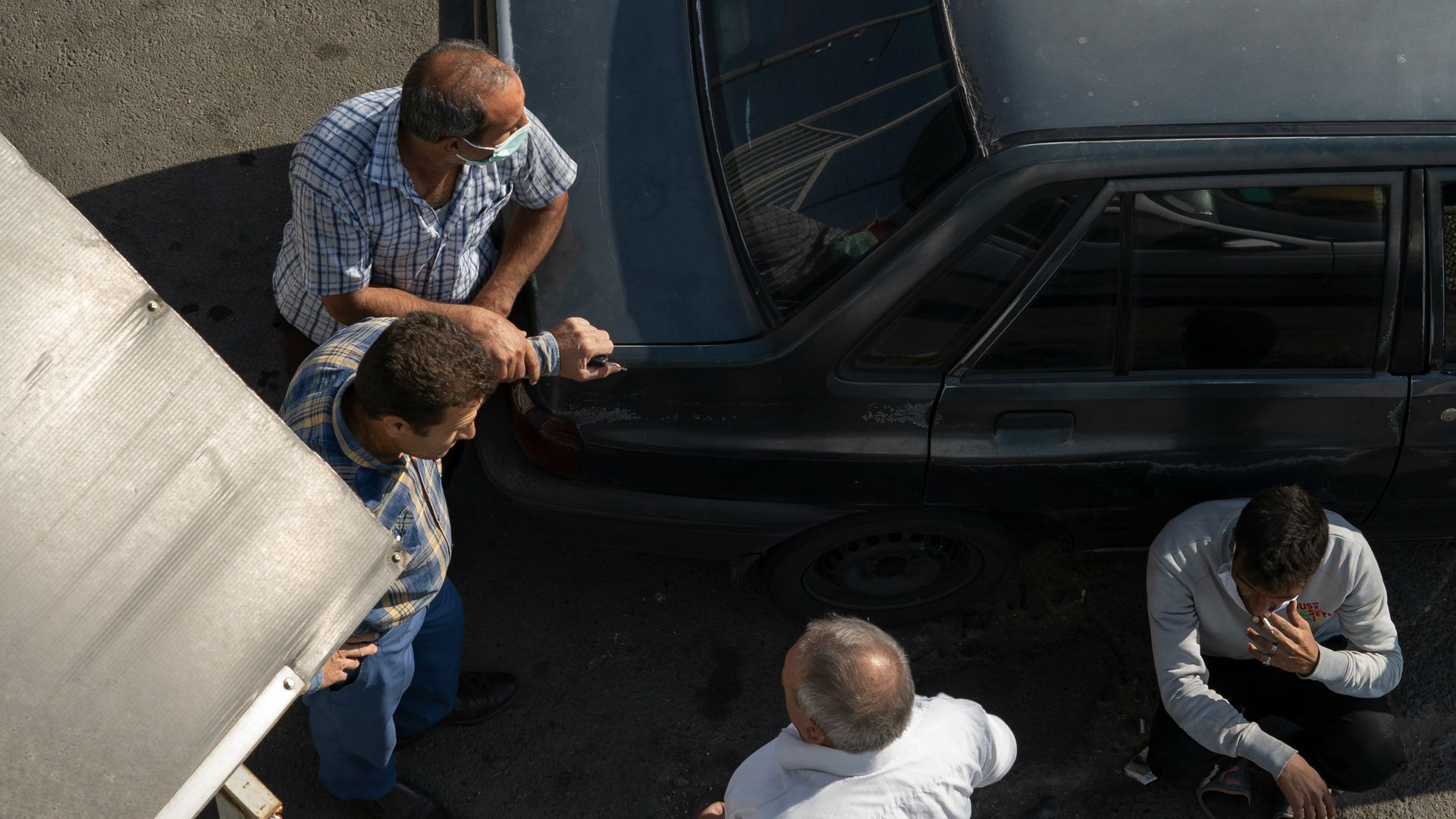
Independent witnesses sometimes provide some of the strongest evidence in these disputes. A witness may have observed your brake lights working before the collision occurred. They may also have noticed the other driver looking down at a phone or otherwise failing to pay attention. Neutral third-party observations often carry significant weight with insurers and courts alike.
Dash Cameras Can Change Everything
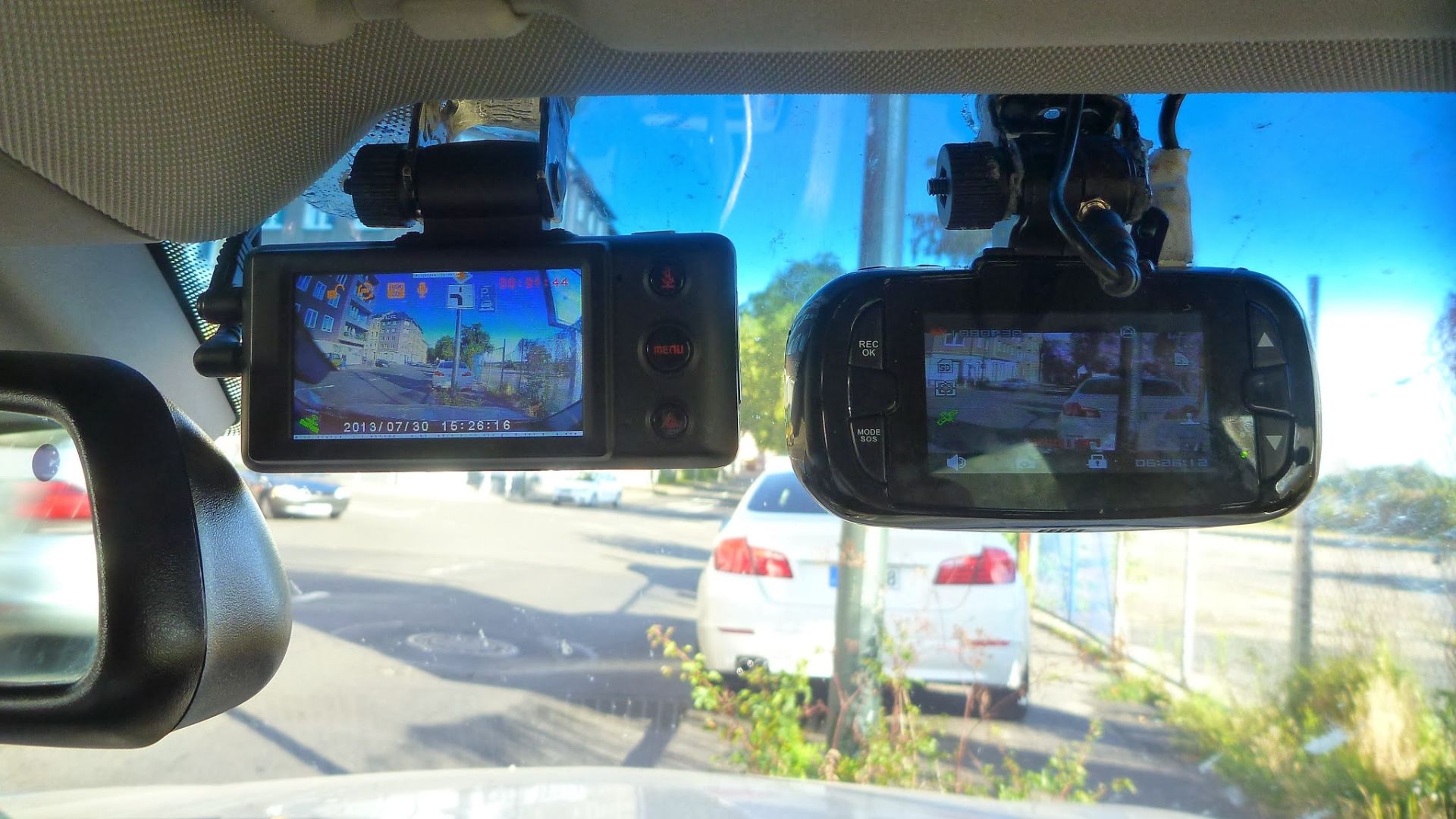
Dash camera footage has become one of the most powerful forms of evidence in traffic accident cases. Depending on the camera angle, footage may show your brake lights activating before impact. It may also capture the behavior of the rear driver leading up to the crash. A single video clip can sometimes resolve questions that would otherwise lead to months of argument.
Vehicle Data May Help Tell The Story
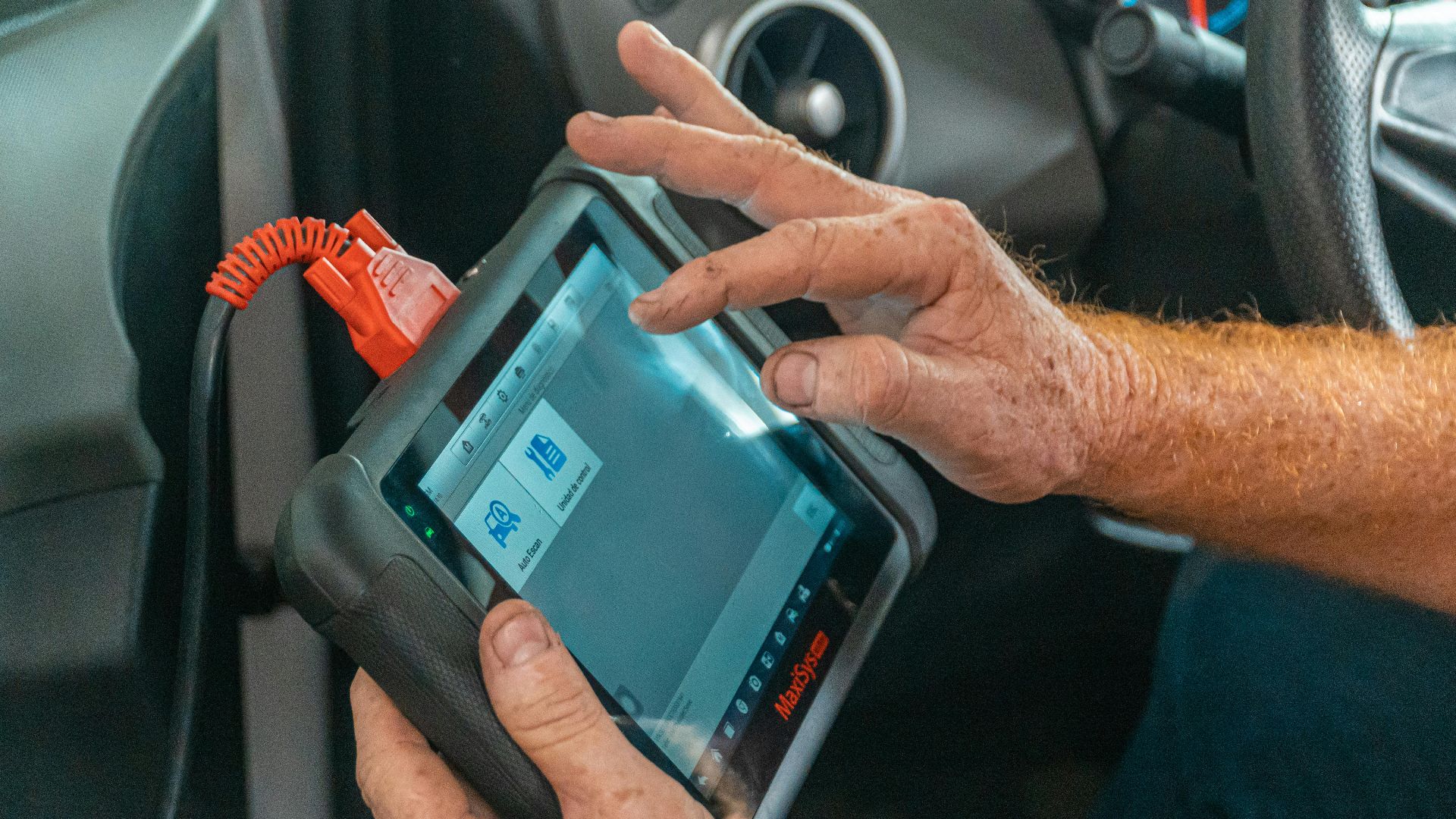
Many modern vehicles store electronic data related to speed, braking, and other vehicle operations. Event data recorders, sometimes called "black boxes," can sometimes show whether braking occurred before the collision. While the data may not always prove that brake lights illuminated, it can help establish what the vehicle was doing immediately before impact.
 Jose Ricardo Barraza Morachis, Pexels
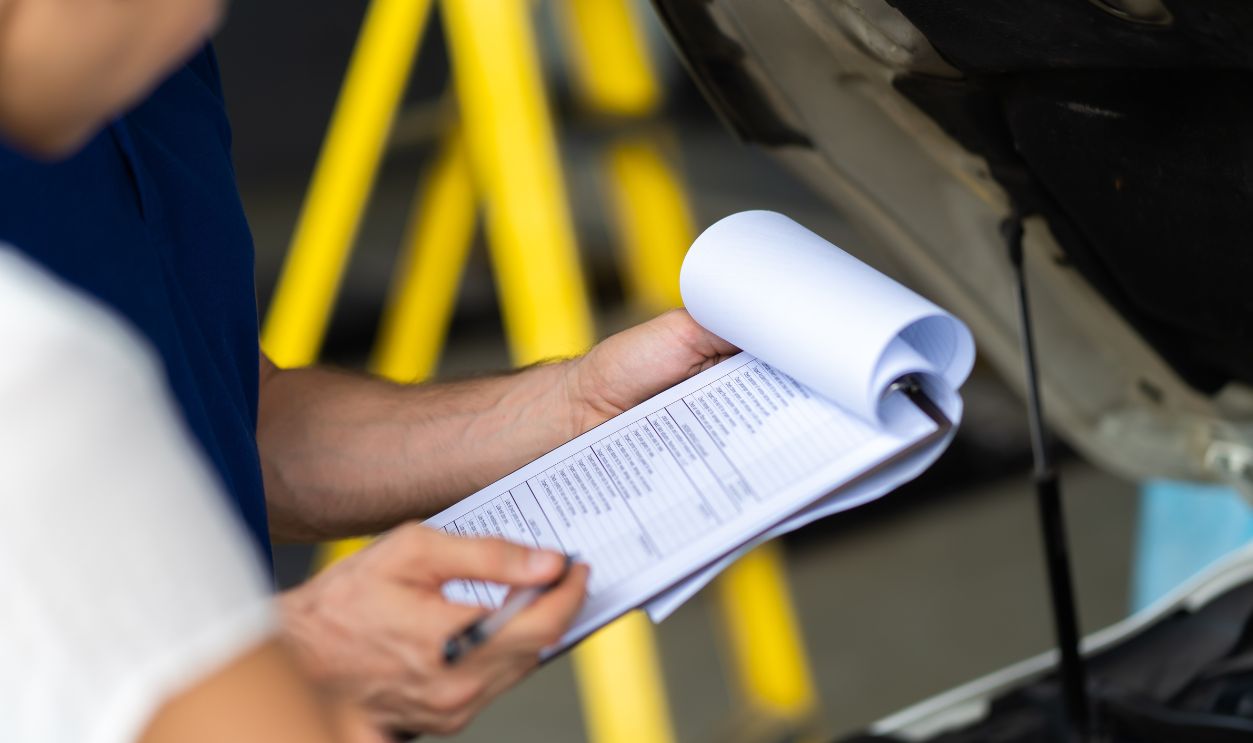
Maintenance Records Can Strengthen Your Case
If you regularly service your vehicle, maintenance records may become useful evidence. Records showing recent inspections, bulb replacements, safety checks, or repair work can help demonstrate that the vehicle was being maintained properly. While they may not prove the brake lights worked on the exact day of the accident, they can support your credibility.
Police Reports Often Matter
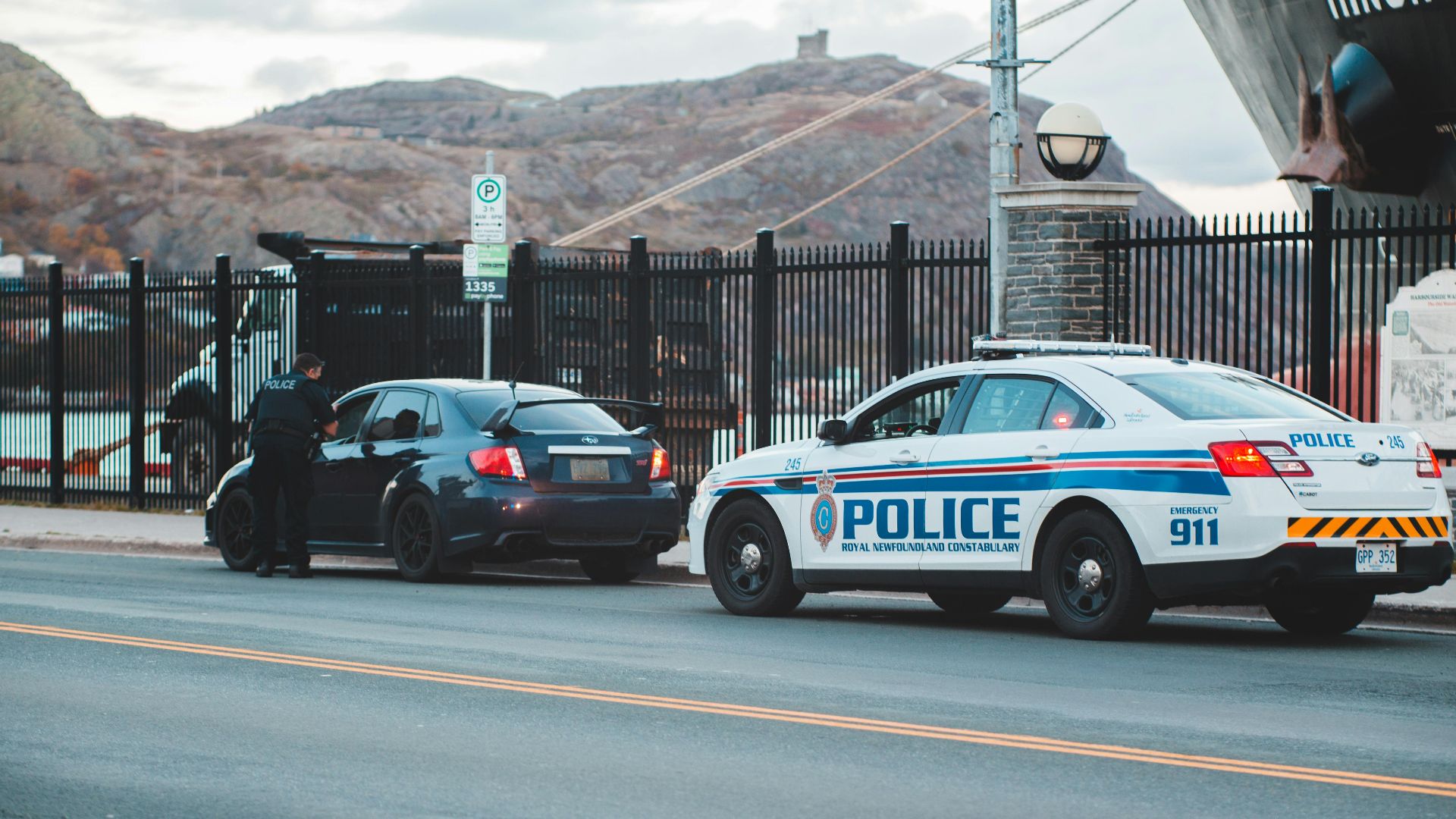
Police officers frequently document observations made at the scene. If an officer noted damaged brake lights only after the collision, that may support your position that the crash caused the damage. If the report specifically mentions distracted driving, phone use, admissions by the other driver, or citations issued at the scene, those details can become important later.
Comparative Negligence Rules Vary By State
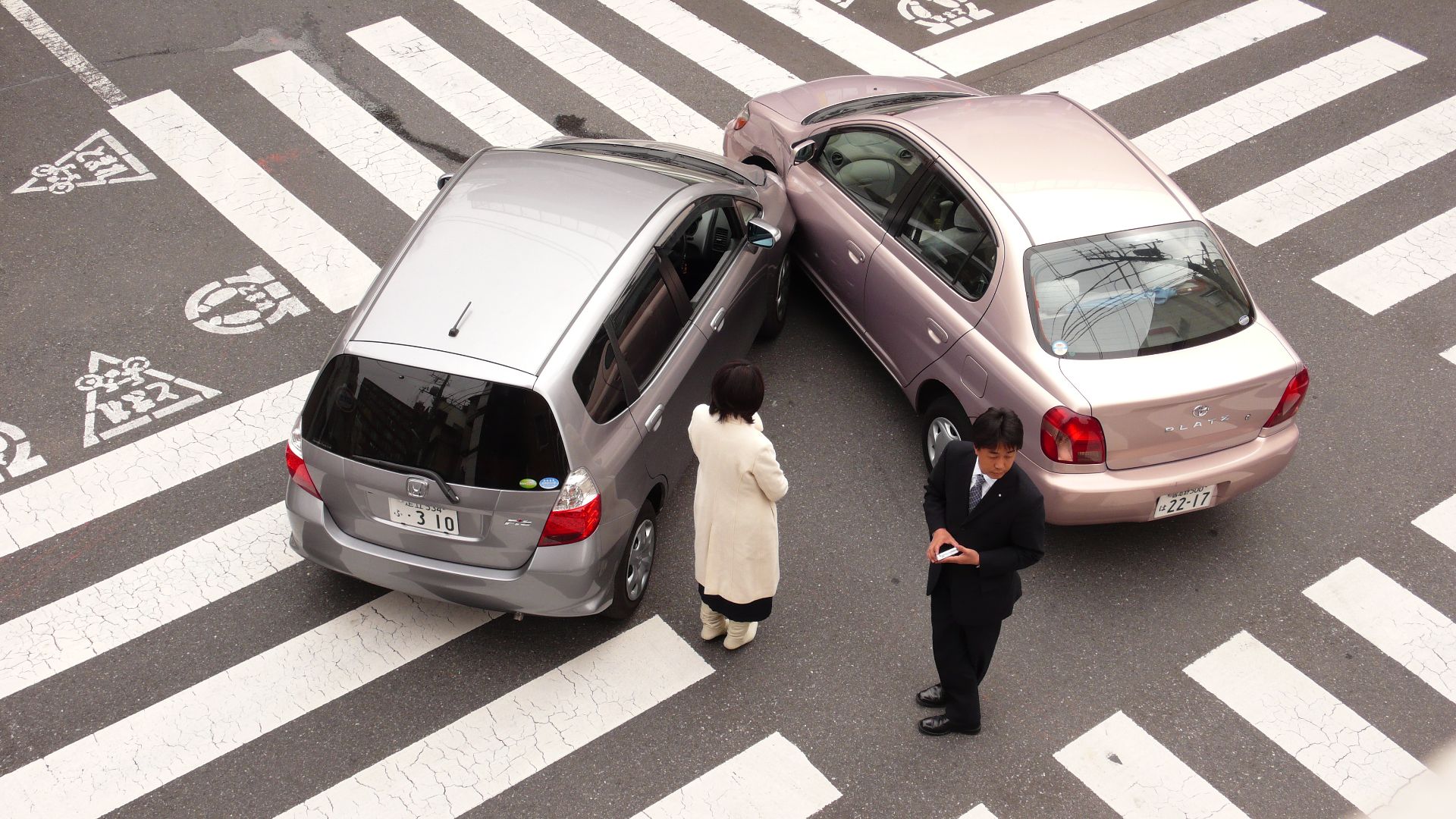
Many states use comparative negligence systems that allow fault to be divided among multiple parties. Under these rules, an insurer may argue that both drivers contributed to the accident. Even if your brake lights were partially responsible for the severity of the crash, that does not necessarily mean you lose the entire claim. The exact impact depends heavily on the laws where the accident occurred.
 Shuets Udono, Wikimedia Commons
The Insurer Has A Financial Incentive
It is important to remember that the other driver's insurance company is not a neutral party. The insurer's goal is often to reduce what it pays on the claim whenever possible. That does not mean every argument it makes is dishonest, but it does mean you should evaluate its claims carefully. Allegations about brake lights sometimes arise because they provide a potential path toward reducing liability.

Photos From Before The Crash Can Help
Many people unknowingly possess useful evidence on their phones. Photos, videos, social media posts, vehicle listings, or maintenance documentation taken before the accident may show the rear of the vehicle. If those images clearly show functioning brake lights shortly before the crash, they may help counter the insurer's argument.

Repair Shops May Have Relevant Information
If your vehicle was recently serviced, the repair shop may have records regarding lighting inspections or electrical work. Some shops routinely check basic safety equipment during maintenance visits. A recent service record showing no lighting issues could help support your position if the insurer claims the brake lights had been defective.

Admissions By The Other Driver Matter
Sometimes the strongest evidence comes from the driver who caused the crash. If they apologized for looking at a phone, admitted they were distracted, said they never saw traffic stop, or acknowledged following too closely, those statements can be extremely important. Witnesses, police reports, and recorded conversations sometimes preserve these admissions.
Phone Records Can Become Relevant
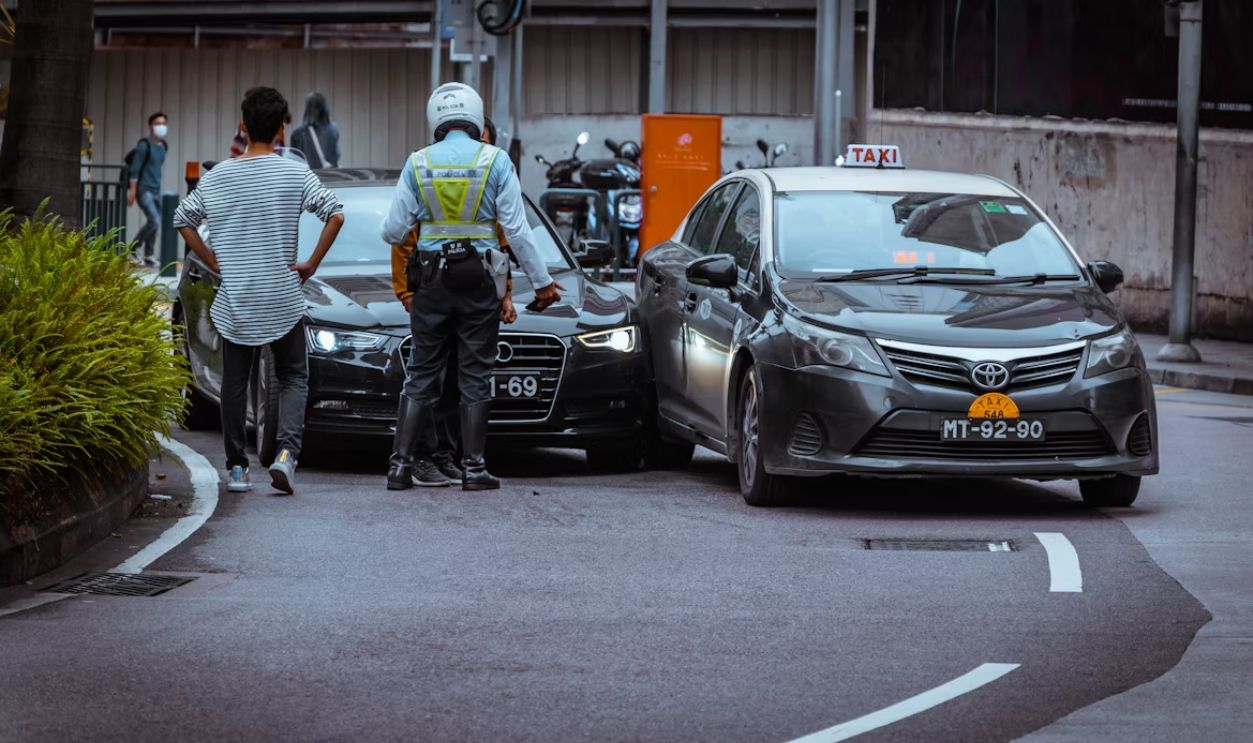
In serious cases, phone records may become part of the investigation. If there is evidence suggesting the rear driver was texting, browsing, calling, or using apps immediately before the collision, that information can strengthen the distracted-driving argument considerably. The availability of such records depends on the circumstances and legal procedures involved.

Expert Analysis Is Sometimes Used
Larger claims occasionally involve accident reconstruction experts. These professionals analyze vehicle damage, speeds, braking patterns, roadway conditions, visibility, and other factors. Their findings may help determine whether defective brake lights actually contributed to the collision or whether the rear driver simply failed to react in time.
Do Not Assume The Insurer's Conclusion Is Final
Many drivers hear an insurance company's position and assume the matter is settled. In reality, claims decisions are often negotiable and subject to appeal, additional evidence, or legal challenge. If you believe the insurer's conclusion is wrong, you have every right to request explanations, provide evidence, and dispute its findings.

An Attorney May Be Worth Considering
If significant injuries, vehicle damage, or disputed liability are involved, consulting an attorney may be worthwhile. Lawyers who handle auto accident claims deal with comparative negligence arguments regularly. They can evaluate the evidence, communicate with insurers, and determine whether the brake-light argument has genuine merit or is simply an attempt to reduce the payout.

The Accident Is Still About More Than Your Brake Lights
Even if questions exist about whether your brake lights were functioning properly, that does not automatically erase the responsibility of a distracted driver. Rear-end collisions often involve multiple factors, and insurers still need evidence connecting the alleged brake-light issue to the crash itself. Before accepting a reduced settlement or denial, gather documentation, review the evidence carefully, and remember that the insurer's first version of events is not always the final word.
 Junior Libby, CC0, Wikimedia Commons
You May Also Like: