The Dream Car Nobody Got To See
Chrysler spent a full year designing it, another 15 months building it and a small fortune turning an almost impossible sketch into a fully functioning car. It was supposed to be the company’s most dramatic glimpse of the future.
But the public never got to see it...
Meet The Chrysler Norseman
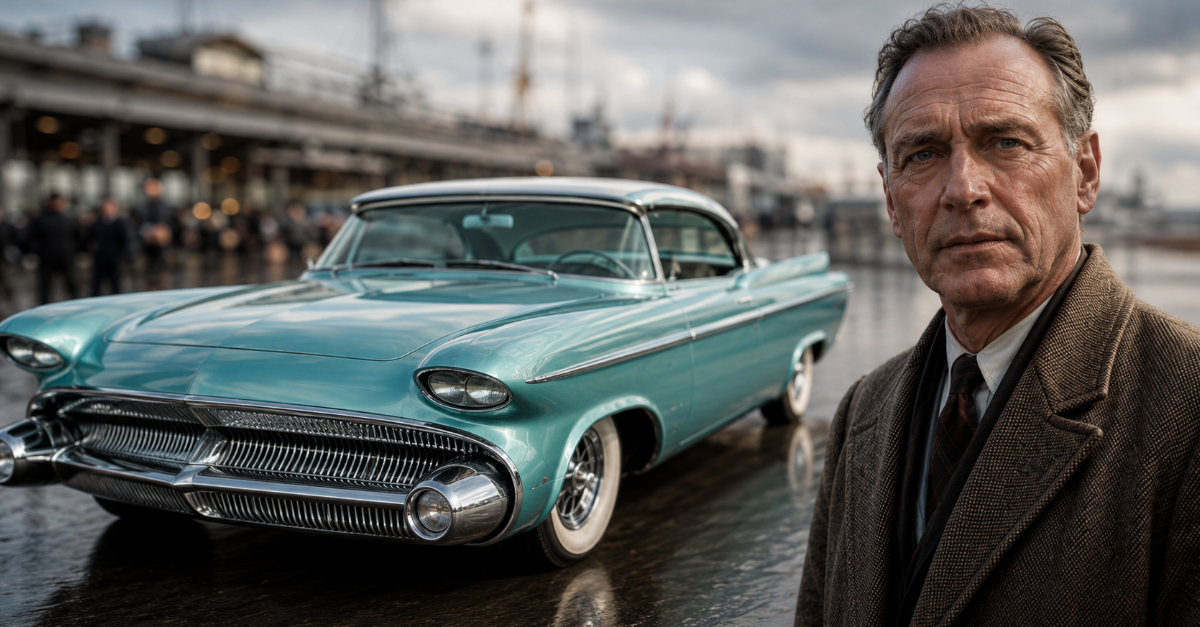
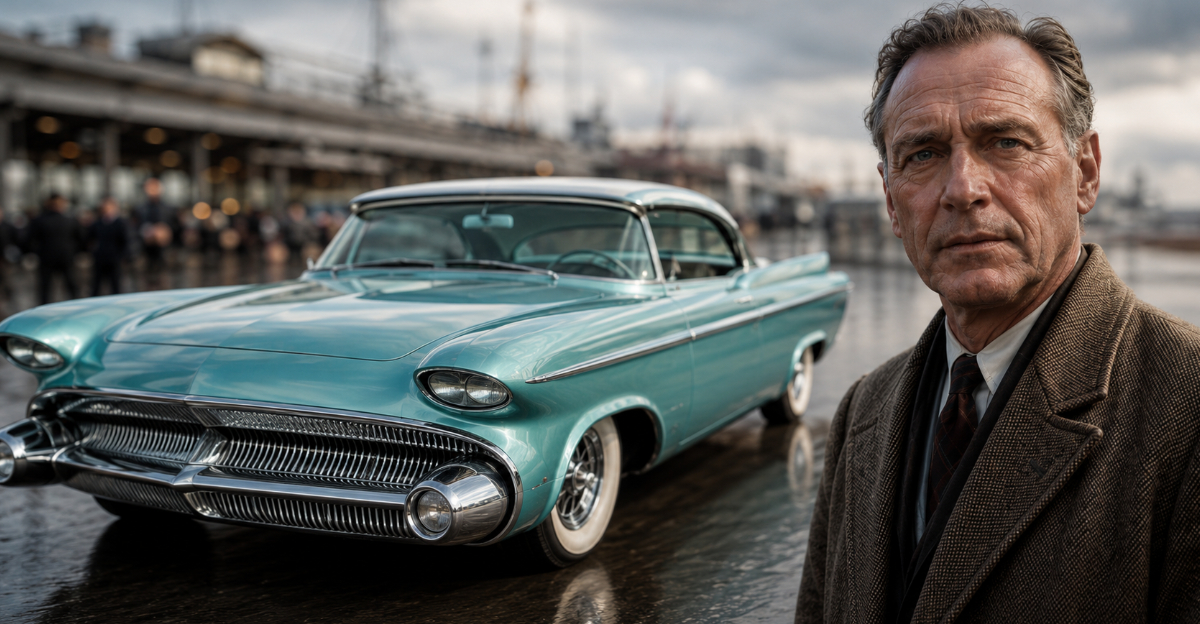
The car was called the Chrysler Norseman, and it was never intended for an ordinary showroom. It was a one-of-a-kind, fully functioning dream car designed in Detroit and hand-built in Italy to show Americans what Chrysler believed the automobile of the future might look like.
 Unknown authorUnknown author, Wikimedia Commons
Chrysler Wanted More Than A Pretty Show Car
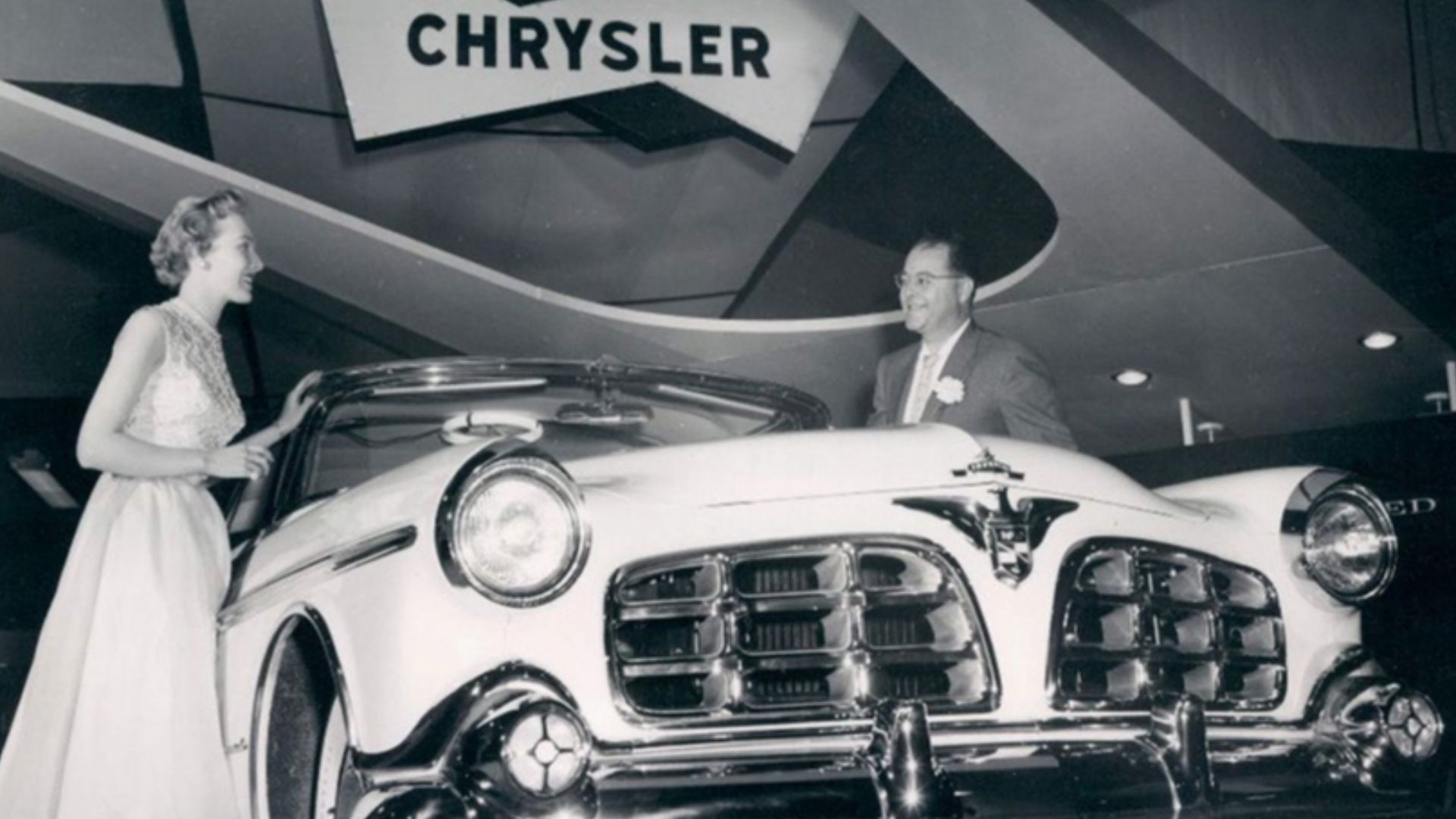
Chrysler’s “idea cars” were not supposed to be ordinary production models with shinier paint and nicer seats. The company wanted completely new bodies, startling designs and practical features that might eventually influence the cars Americans could actually buy. The Norseman would take that idea further than anything Chrysler had attempted before.
 Historianbuff, Wikimedia Commons
This Was Chrysler’s Ultimate Dream Car
Chrysler claimed the Norseman contained more styling, structural, chassis and electrical innovations than any previous idea car the company had created. That is corporate language for: We threw every wild idea we had into one vehicle and hoped somebody could actually build it.
 Tichnor Brothers, Publisher, Wikimedia Commons
Virgil Exner’s Team Drew The Future
The Norseman was developed by Chrysler’s styling department during the era of Virgil Exner, the designer leading the company toward its longer, lower and far more dramatic “Forward Look.” Chrysler stylist Billie Brownlie reportedly oversaw the project, but turning those ambitious drawings into metal would become somebody else’s headache.
Detroit Designed It—Italy Had To Build It
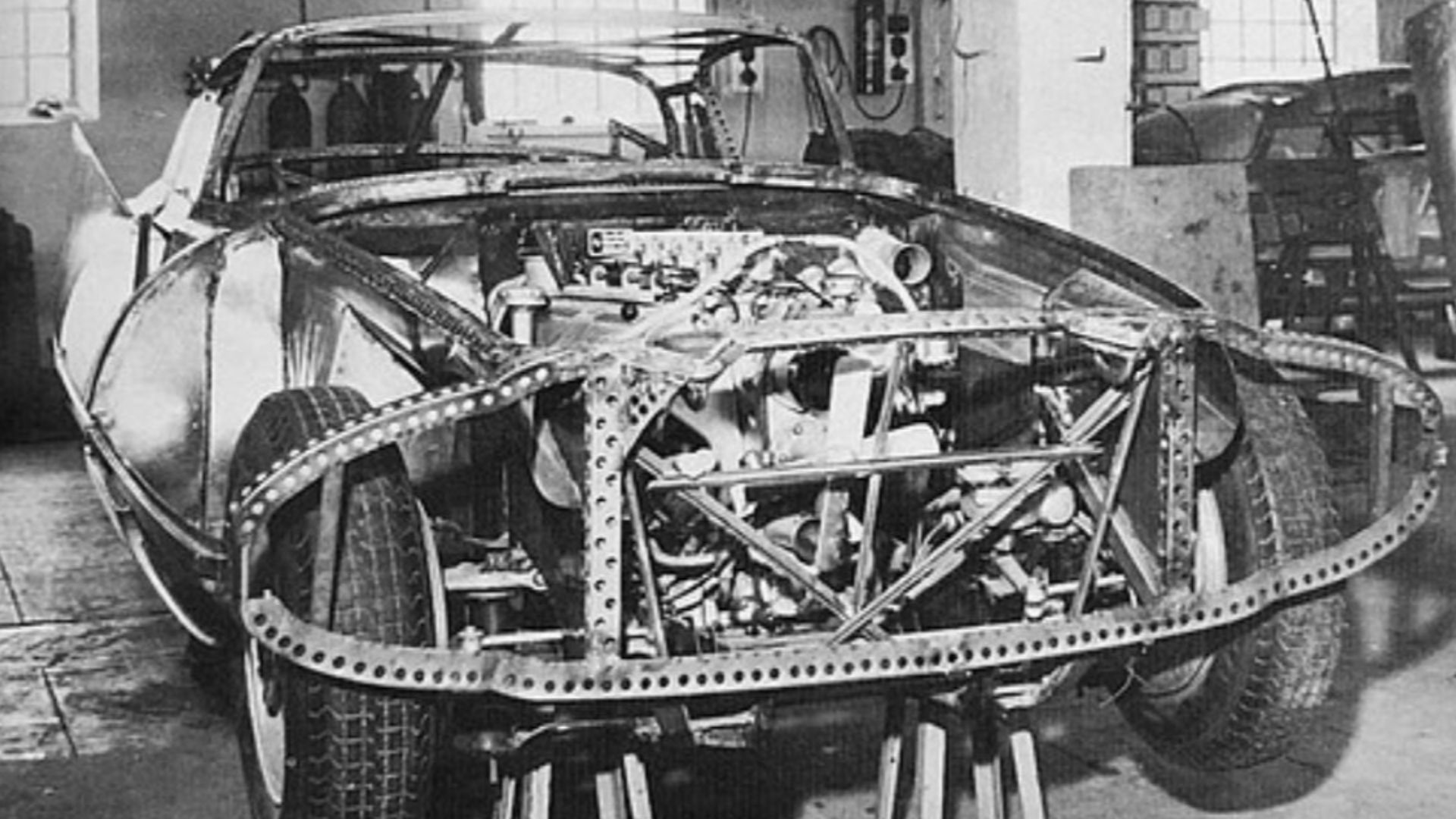
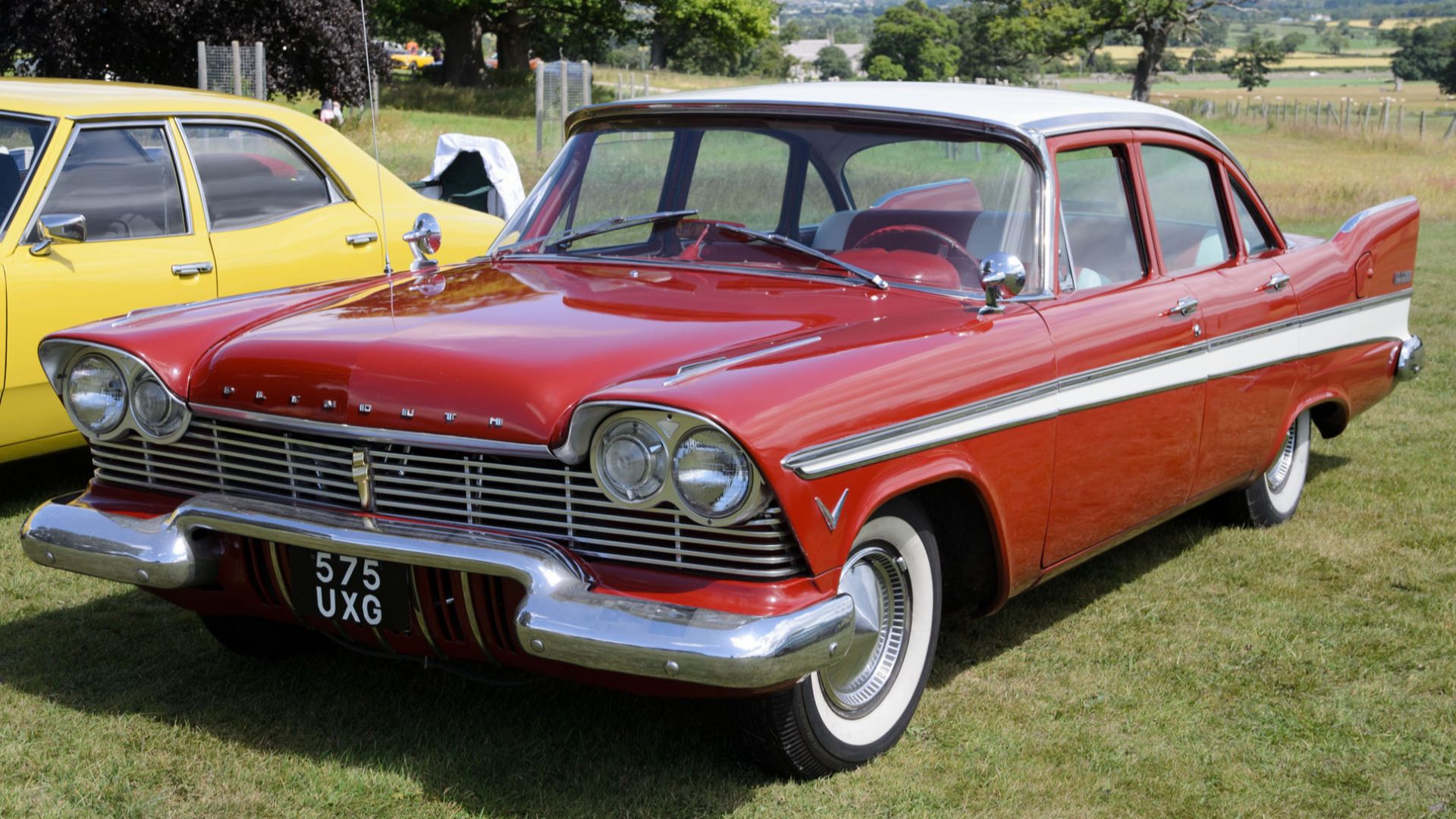
Chrysler sent the plans to Carrozzeria Ghia in Turin, Italy, the coachbuilder trusted to construct many of Detroit’s most ambitious one-off creations. Ghia’s craftsmen worked from a full-size wooden model and hand-built the Norseman’s aluminum body, producing something no ordinary assembly line could have managed.
 Alfred T. Palmer, Wikimedia Commons
This Was Not A Fancy Rolling Prop
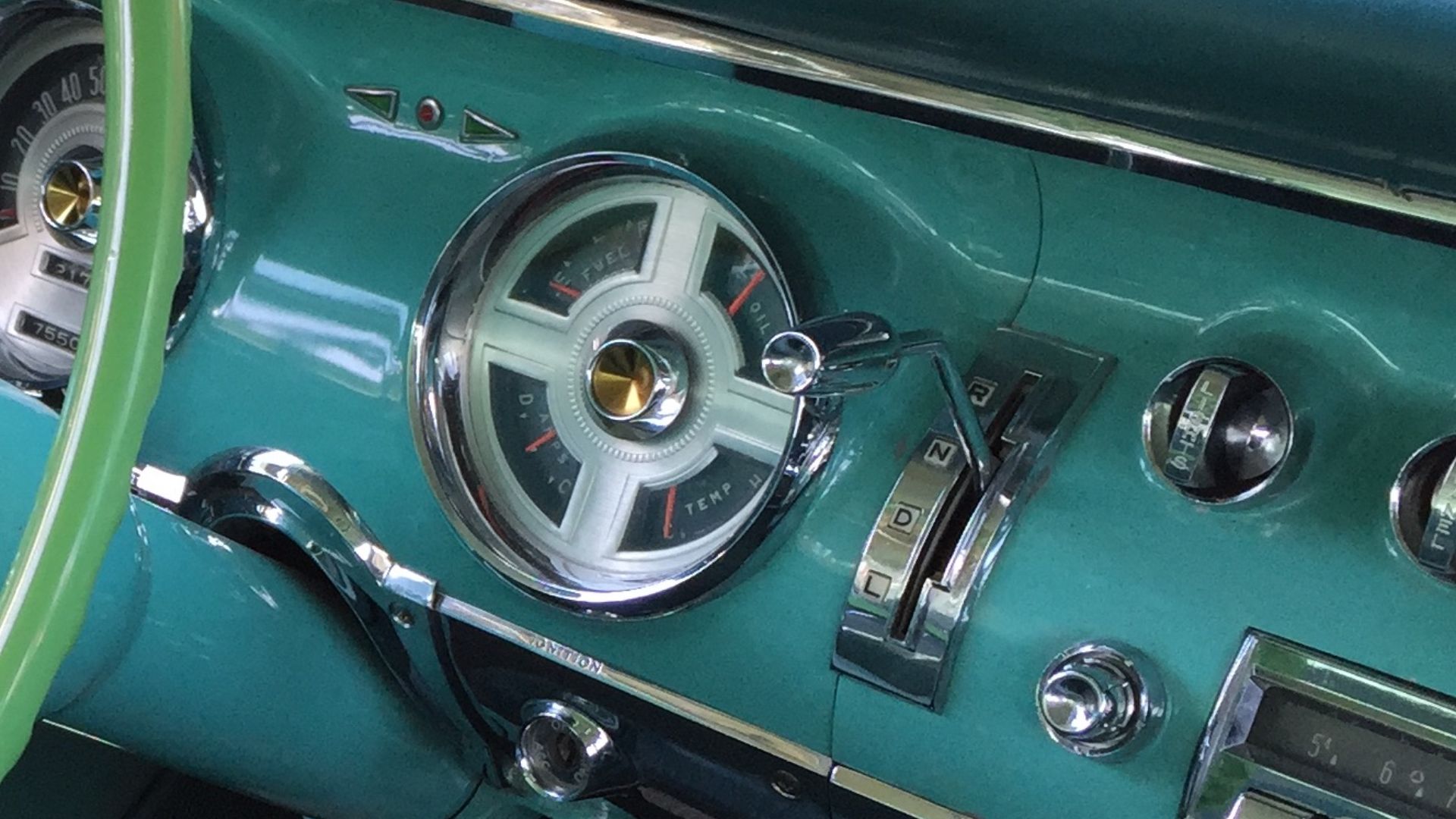
Many concept cars were little more than sculptures with wheels, but Chrysler wanted the Norseman to operate like a real automobile. It had functioning brakes, suspension and electrical systems, along with a special advanced Chrysler engine and a pushbutton PowerFlite automatic transmission. This was a real car—not just something designed to look good beneath auto-show lights.
The Roof Looked Physically Impossible
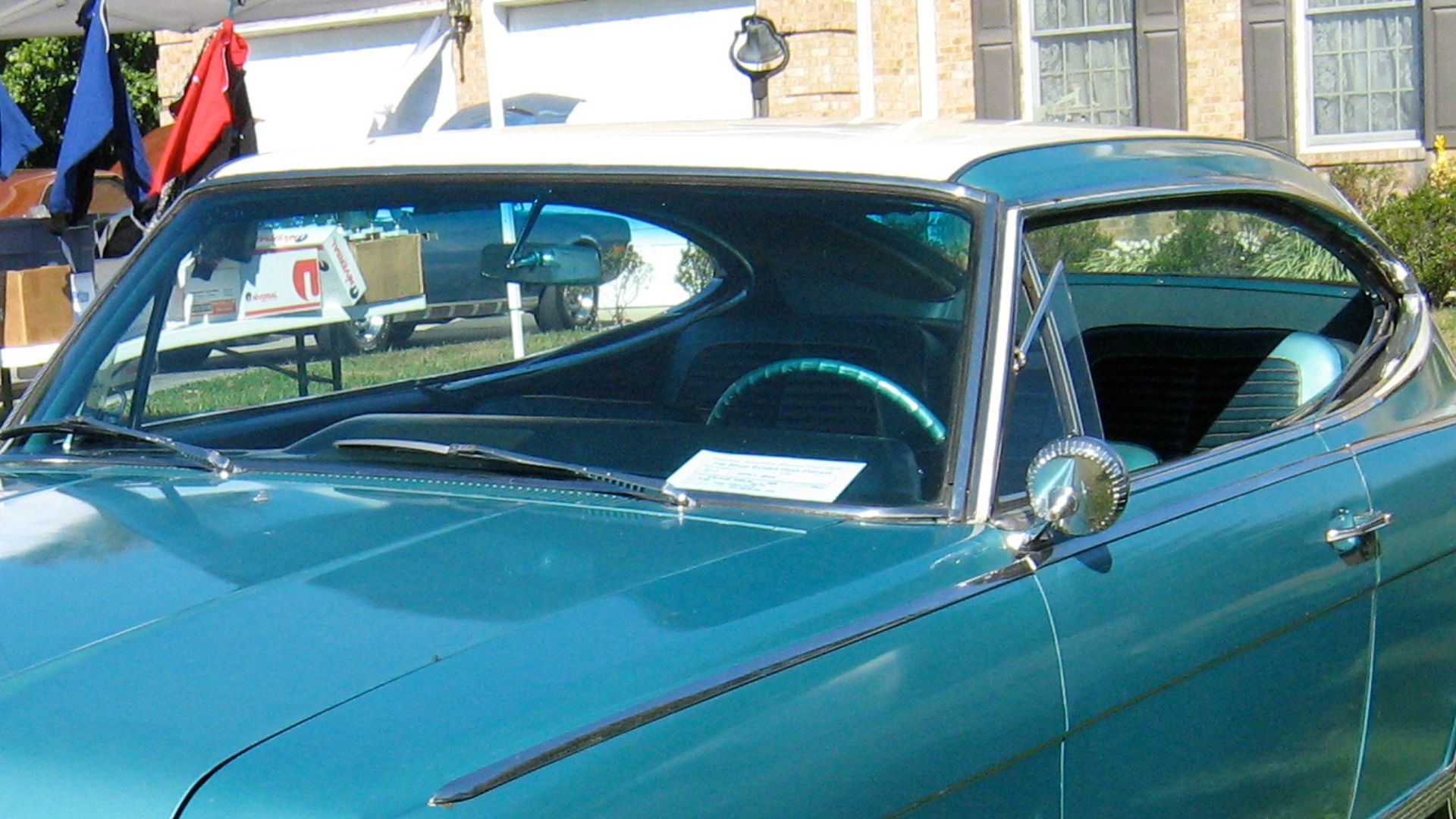
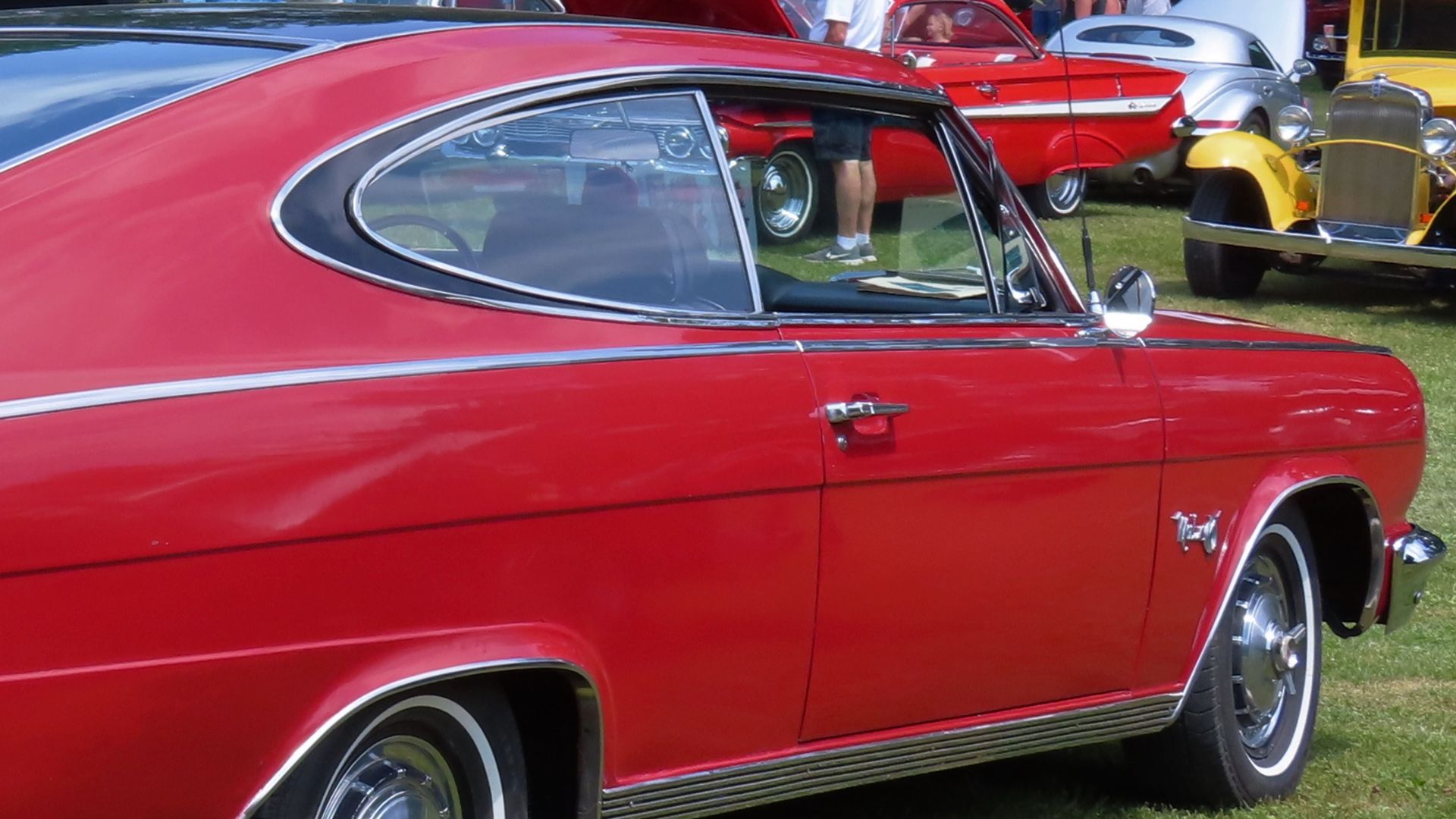
The Norseman’s biggest trick was its cantilevered roof. Exner wanted the car to appear lighter while giving the driver a nearly unobstructed view ahead. The main roof structure extended forward from the rear, while slender chromed rods at the windshield corners replaced the thick pillars found on ordinary cars.
Ghia Had To Make The Impossible Work
Removing the conventional front roof pillars created exactly the engineering nightmare you would expect. The roof still had to remain rigid without transferring body movement into the huge windshield beneath it. Solving that problem reportedly gave Ghia prototype-shop chief Sergio Coggiola some serious headaches.
 MercurySable99, Wikimedia Commons
Then Chrysler Added A Giant Glass Sunroof
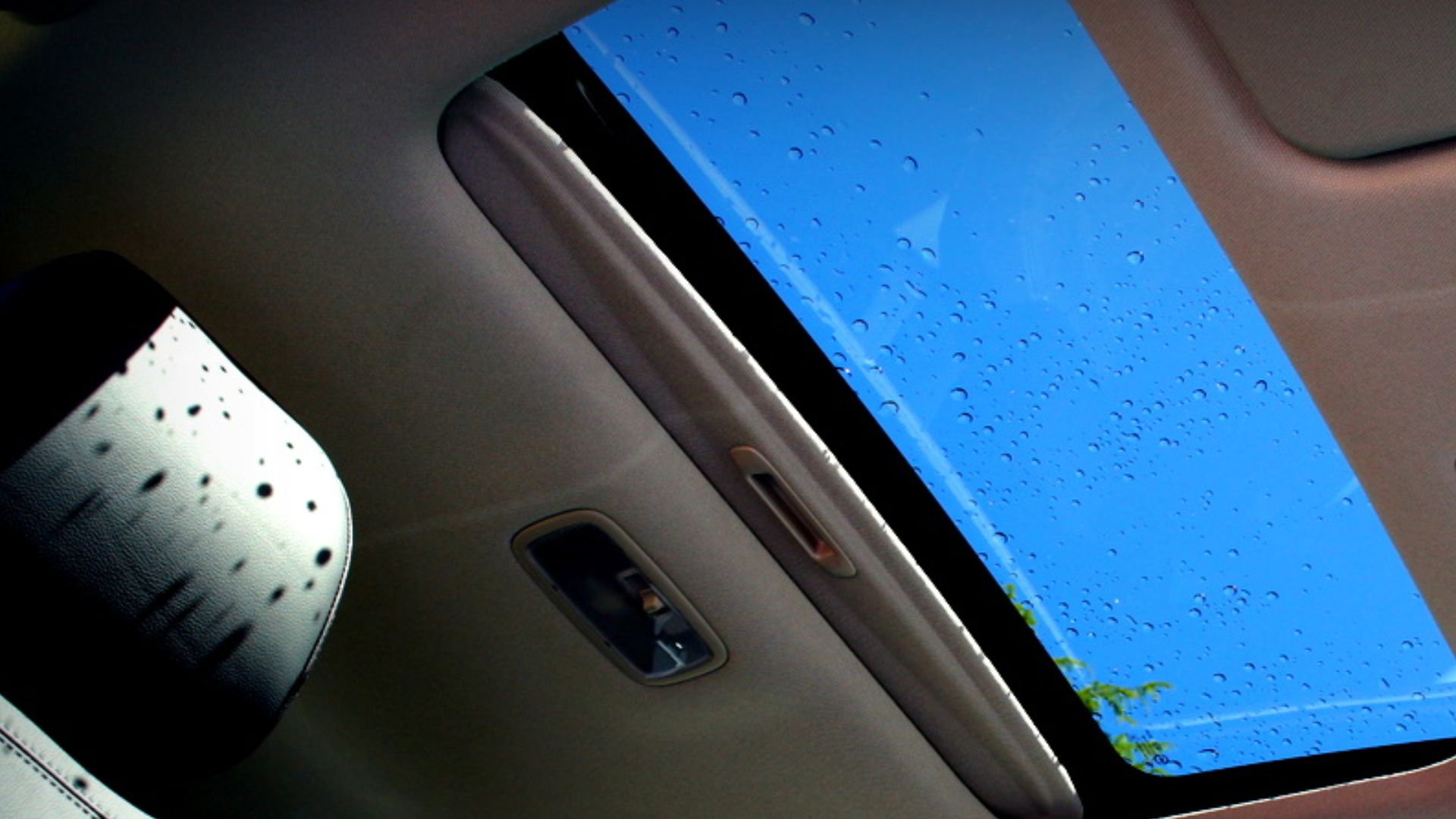
Because the unusual roof apparently was not difficult enough, Chrysler added a 12-square-foot power-operated glass panel. It slid forward to open the roof above the rear passengers, while its motor and mechanism somehow had to fit inside an already thin and structurally complicated section of the car.
 Michael Sheehan, Wikimedia Commons
Chrysler Hid Nearly Everything
The Norseman featured concealed automatic headlights, hidden door handles and a concealed trunk-release mechanism. Its underbody was enclosed to improve airflow, while its aluminum body included a sharply sloping hood, sweeping fastback roofline and upswept tailfins. Chrysler was hiding nearly everything except its ambition.
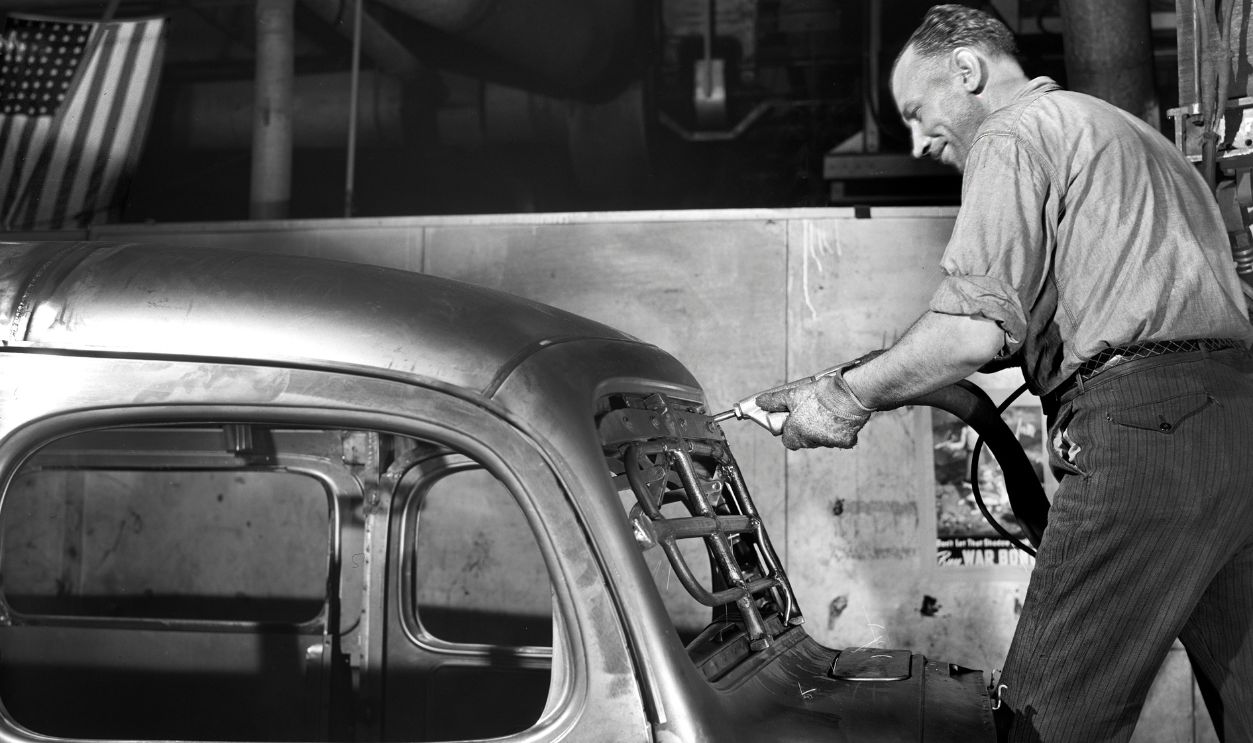 Universal History Archive, Getty Images
The Paint Was Not Exactly Subtle
Chrysler described the finished car as two-tone metallic green with flashes of red inside its flared wheel openings. Combined with the bright chrome grille, wraparound glass, hidden headlights and dramatic rear fins, it must have looked like something that had escaped from a 1950s science-fiction movie.
It Was Nearly 19 Feet Long
For all its sleek styling, the Norseman was enormous. It measured 227.5 inches from nose to tail—just under 19 feet—with a 129-inch wheelbase. Yet it stood only 57 inches high, giving it the long, low proportions Exner loved. Subtle was never part of the plan.
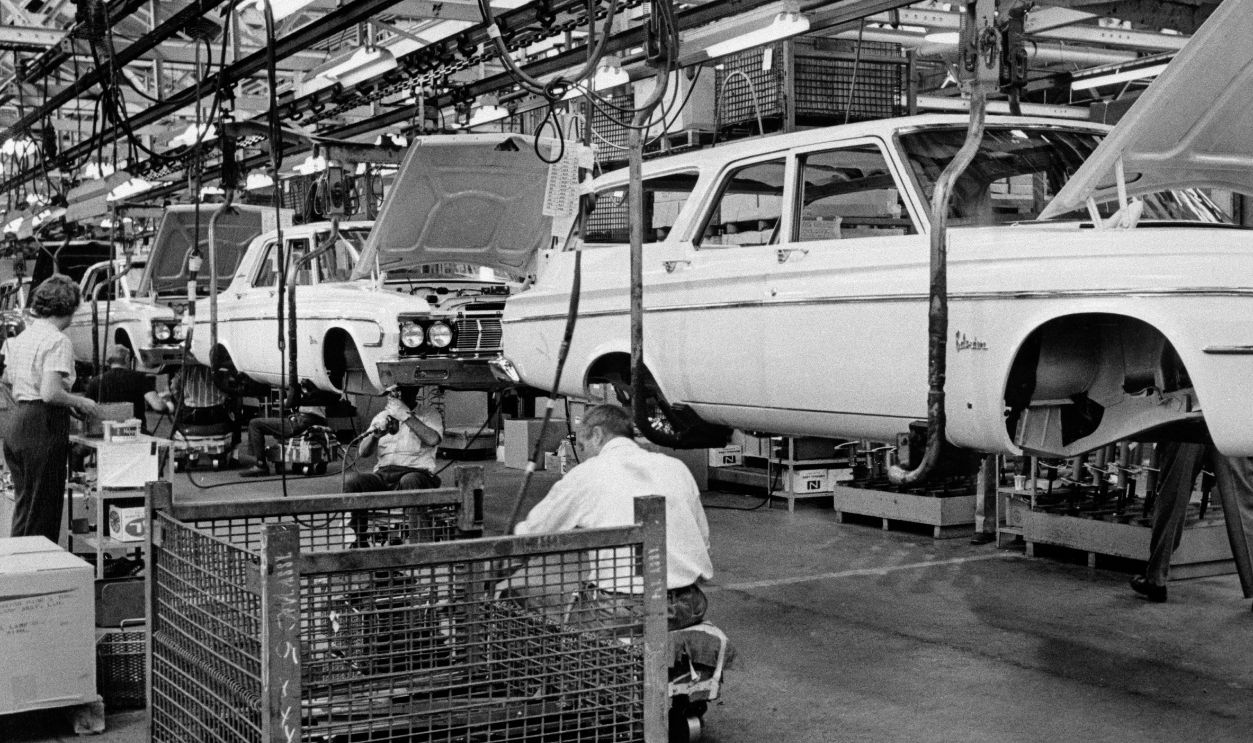
The Interior Was Just As Futuristic
Inside were four individual seats separated by a long padded center console, along with power adjustments and reel-style seatbelts. Some accounts also describe a pull-out writing desk for the front passenger and unusual interior lighting. This was less a normal coupe than Chrysler’s idea of tomorrow’s luxury lounge.
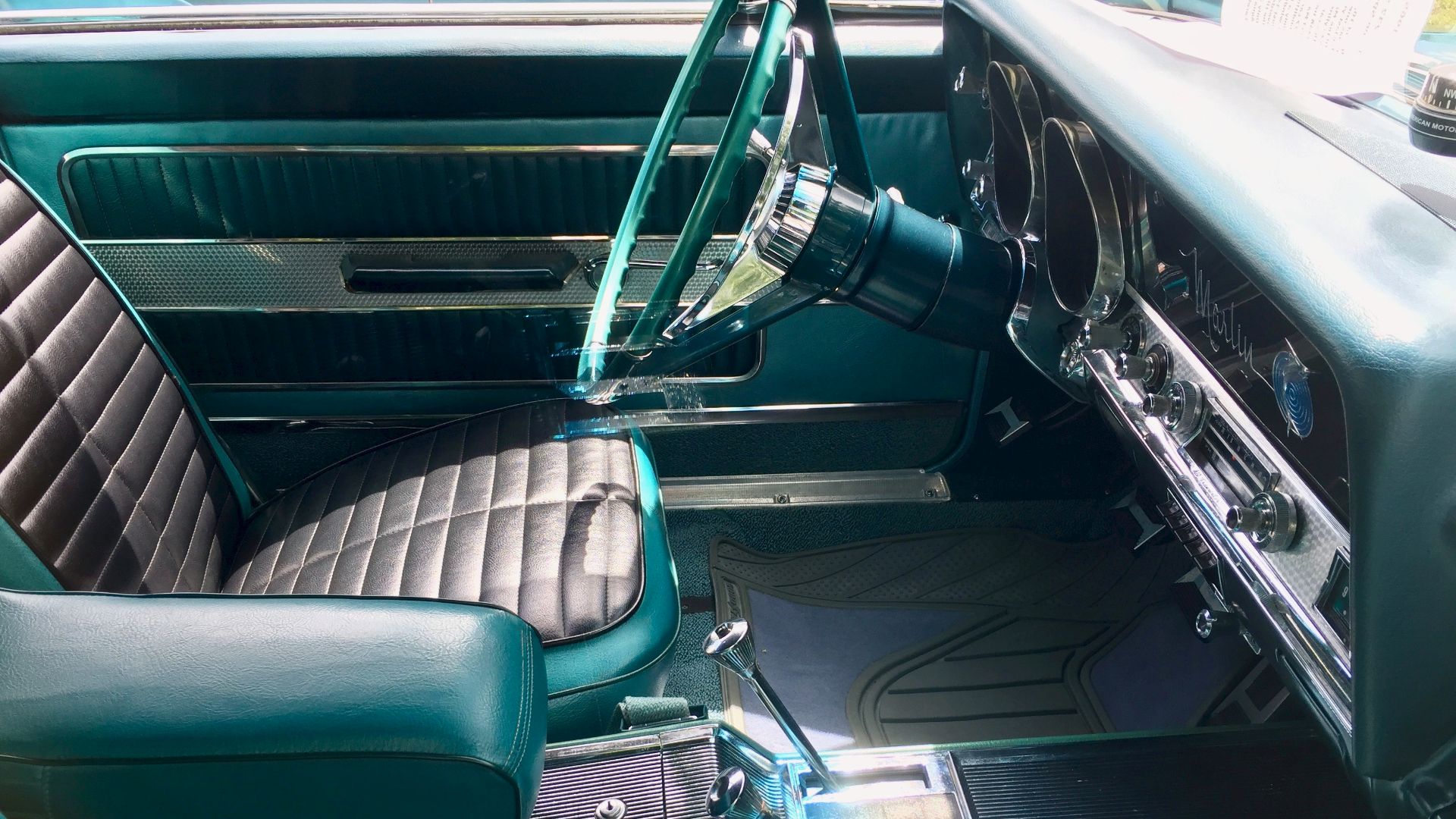
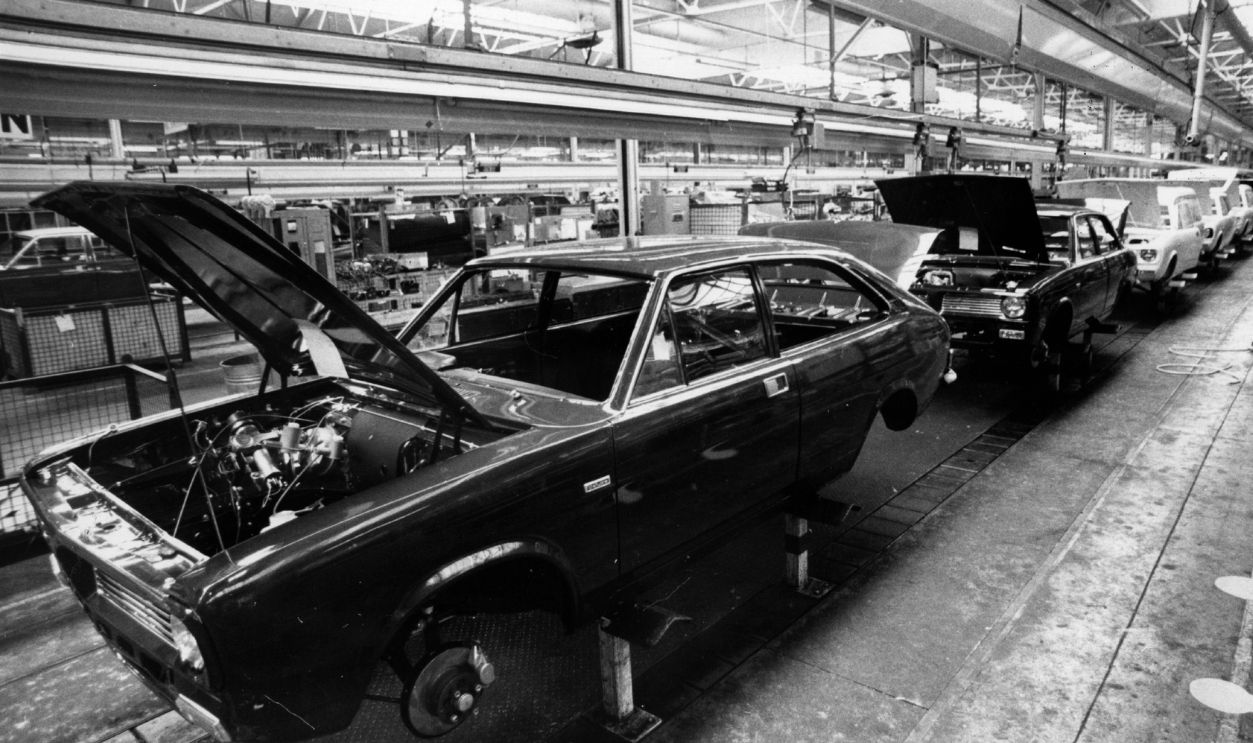
It Took More Than Two Years To Create
According to Chrysler’s own announcement, the Norseman spent a full year on the drawing boards before Ghia required another 15 months to construct it. Later accounts commonly place its cost at around $150,000 in 1956 money—an extraordinary investment in a car Chrysler intended to build only once.
 Evening Standard, Getty Images
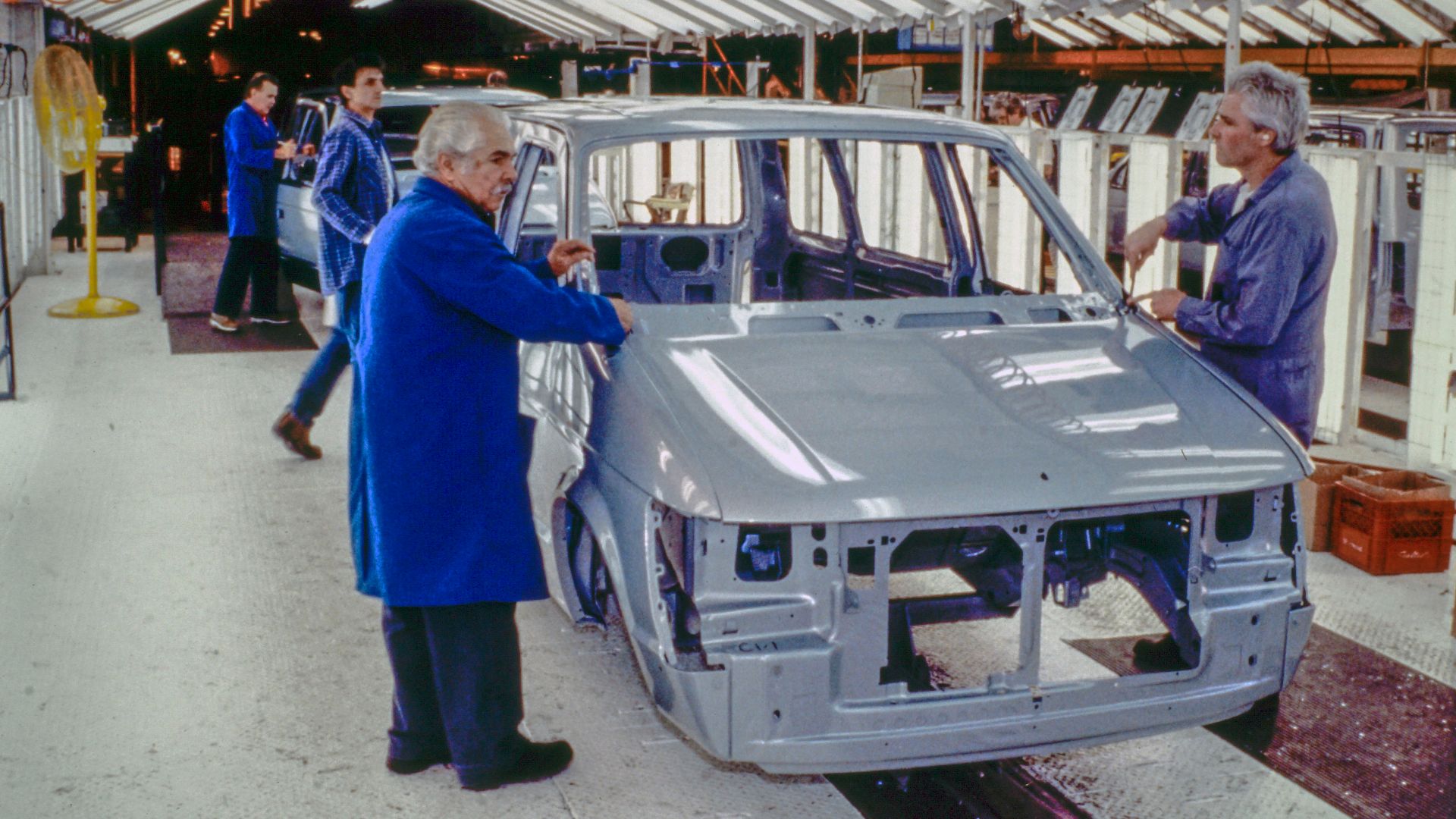
Most Chrysler Designers Never Saw It Finished
Because the Norseman was being constructed in Italy, most of the Chrysler employees who helped create it knew the finished car only through plans and photographs. They were waiting in Michigan for their masterpiece to arrive, much like everyone else expecting to see it on the upcoming auto-show circuit.
 Lawrence monkhouse, Wikimedia Commons
It Was Packed Like A Priceless Artifact
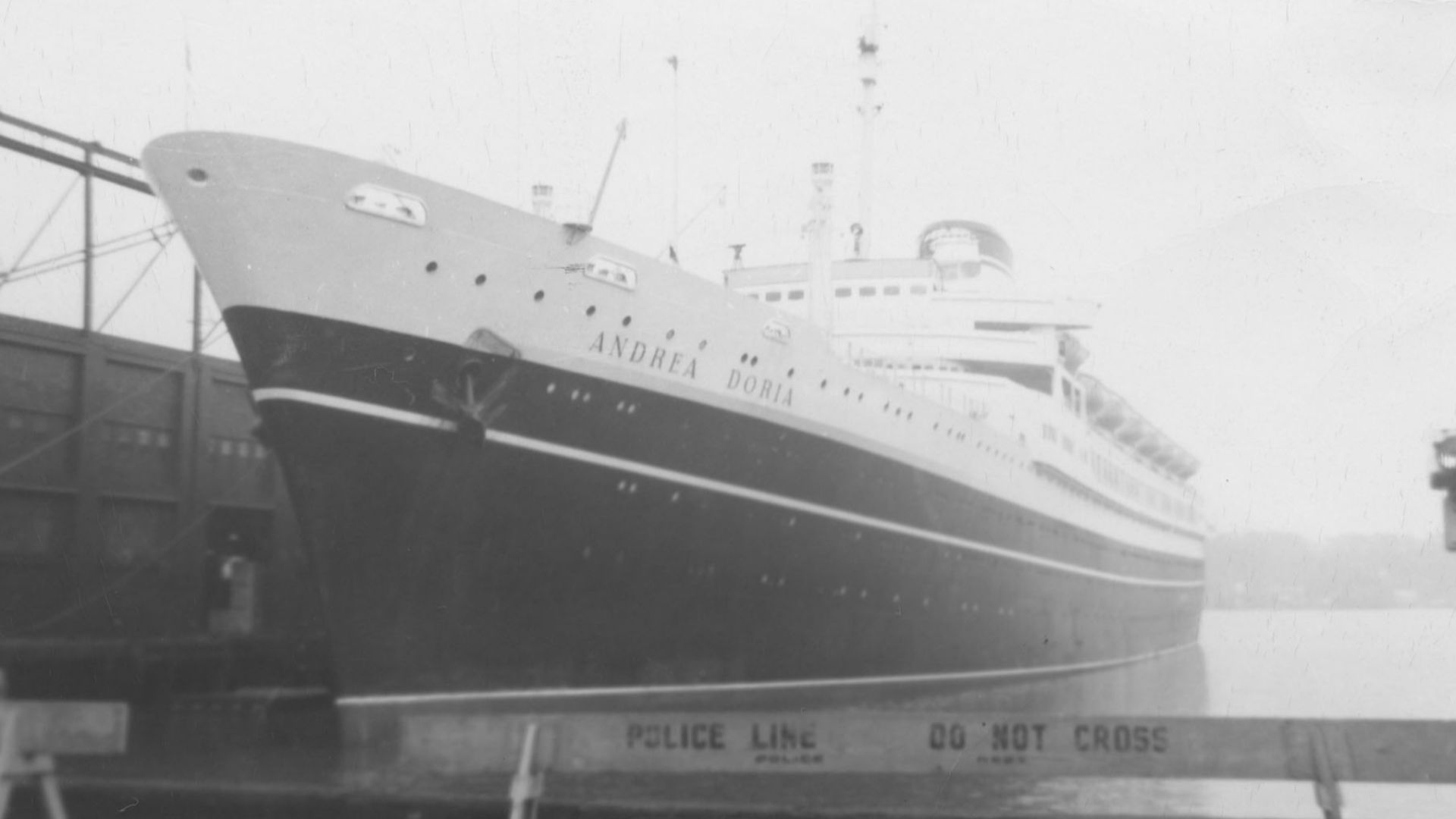
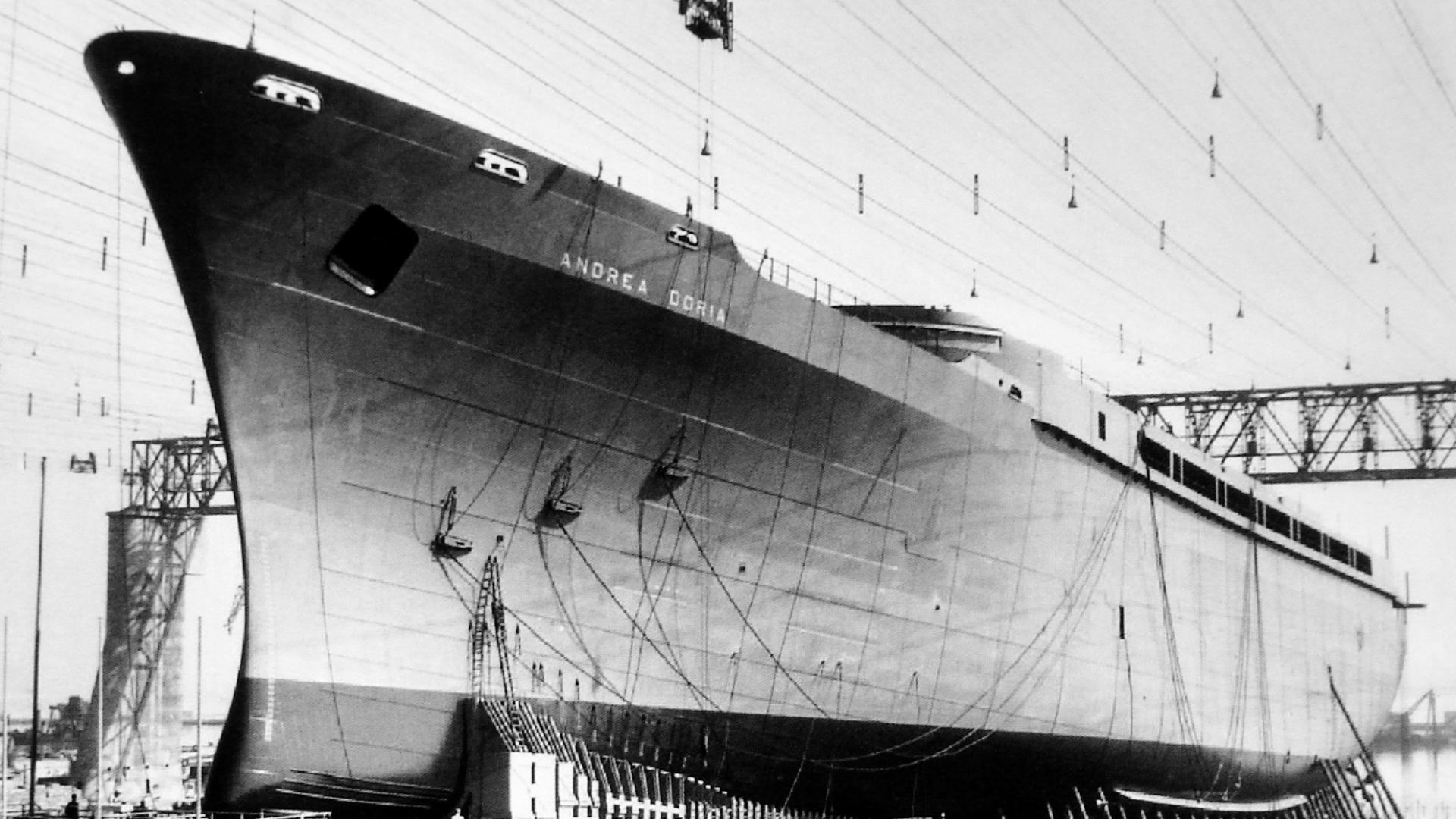
On July 17, 1956, the completed Norseman was carefully sealed inside a large wooden crate. It was then loaded into the No. 2 cargo hold of the Italian luxury liner Andrea Doria for the trip to New York. After years of work, the difficult part seemed to be over.
 Unknown authorUnknown author, Wikimedia Commons
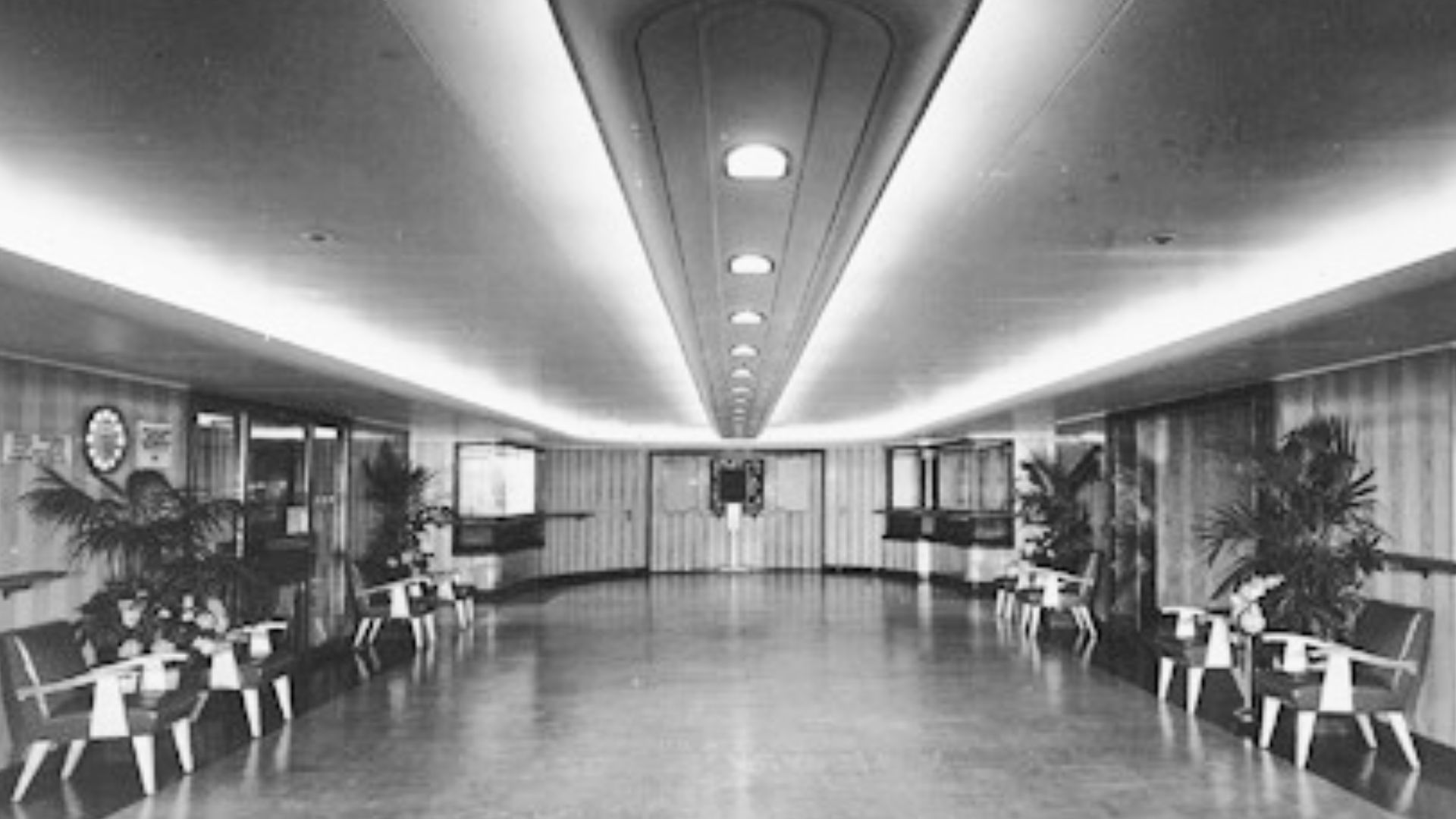
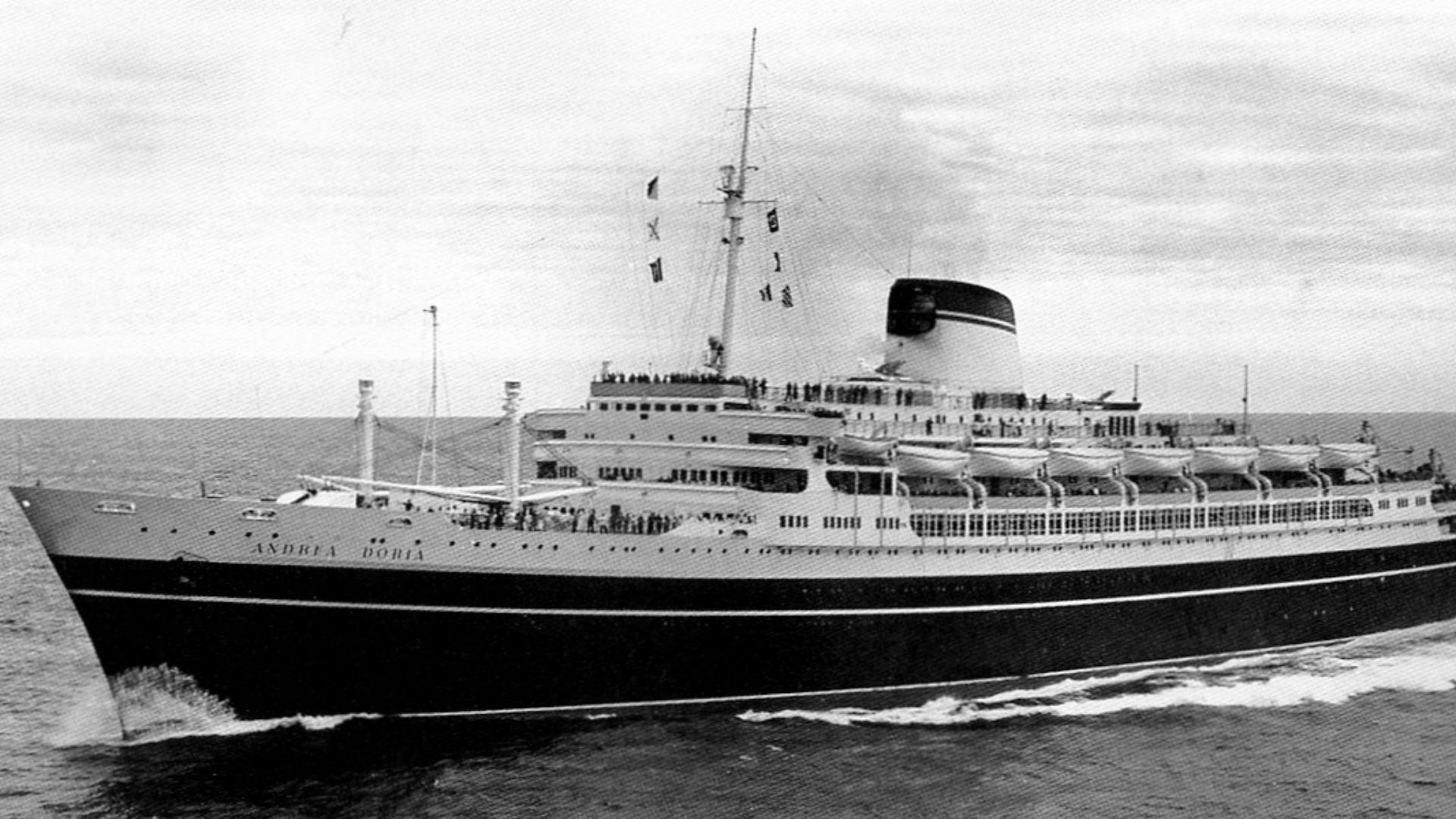
The Andrea Doria Seemed Like A Safe Choice
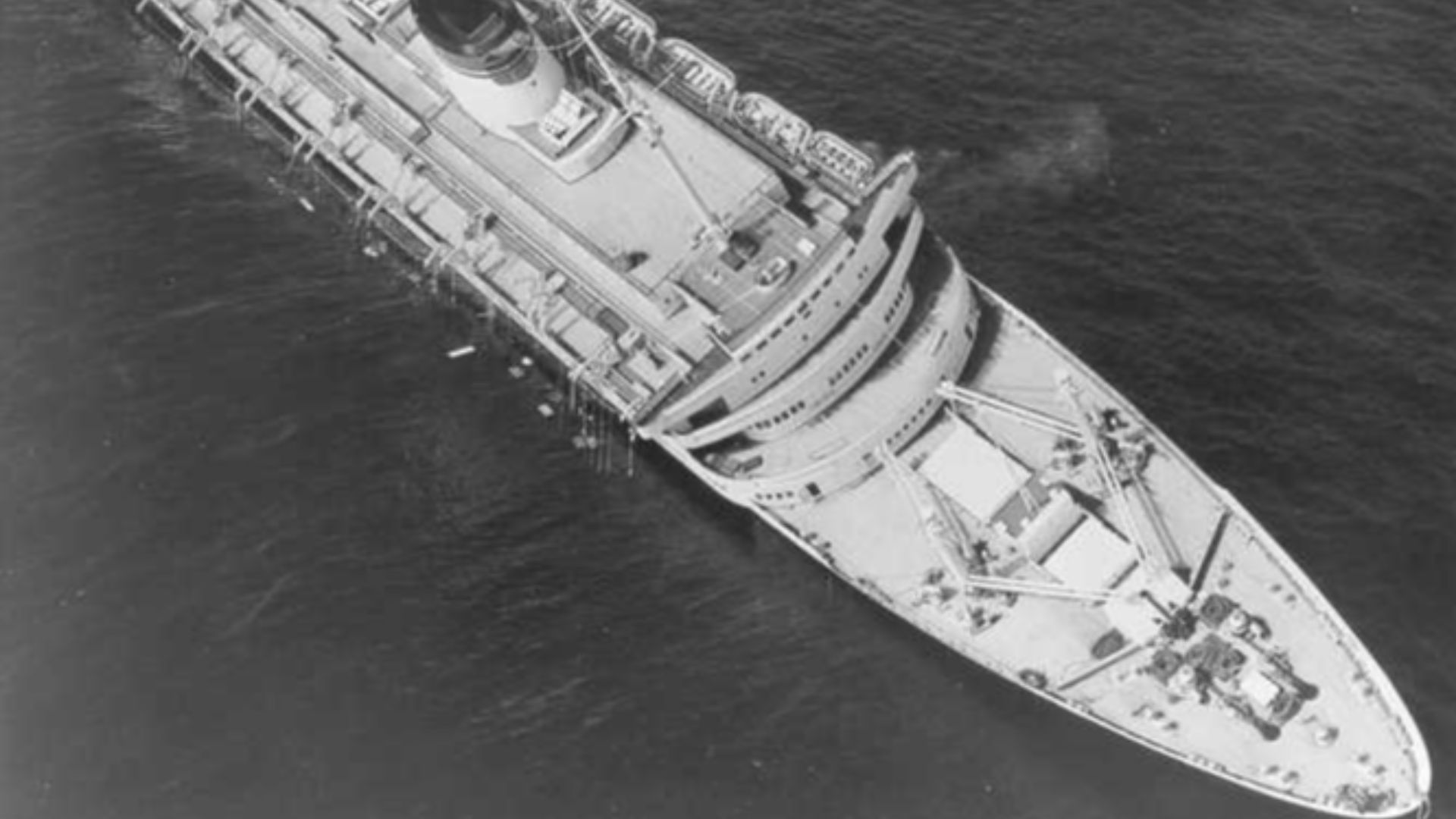
The Andrea Doria was one of Italy’s most prestigious ocean liners and was widely regarded as a modern and exceptionally safe ship. It was nearing the end of another transatlantic crossing, carrying the Norseman toward America and the public debut Chrysler had spent years preparing.
 Unknown photographer, Wikimedia Commons
Then The Ship Entered Heavy Fog
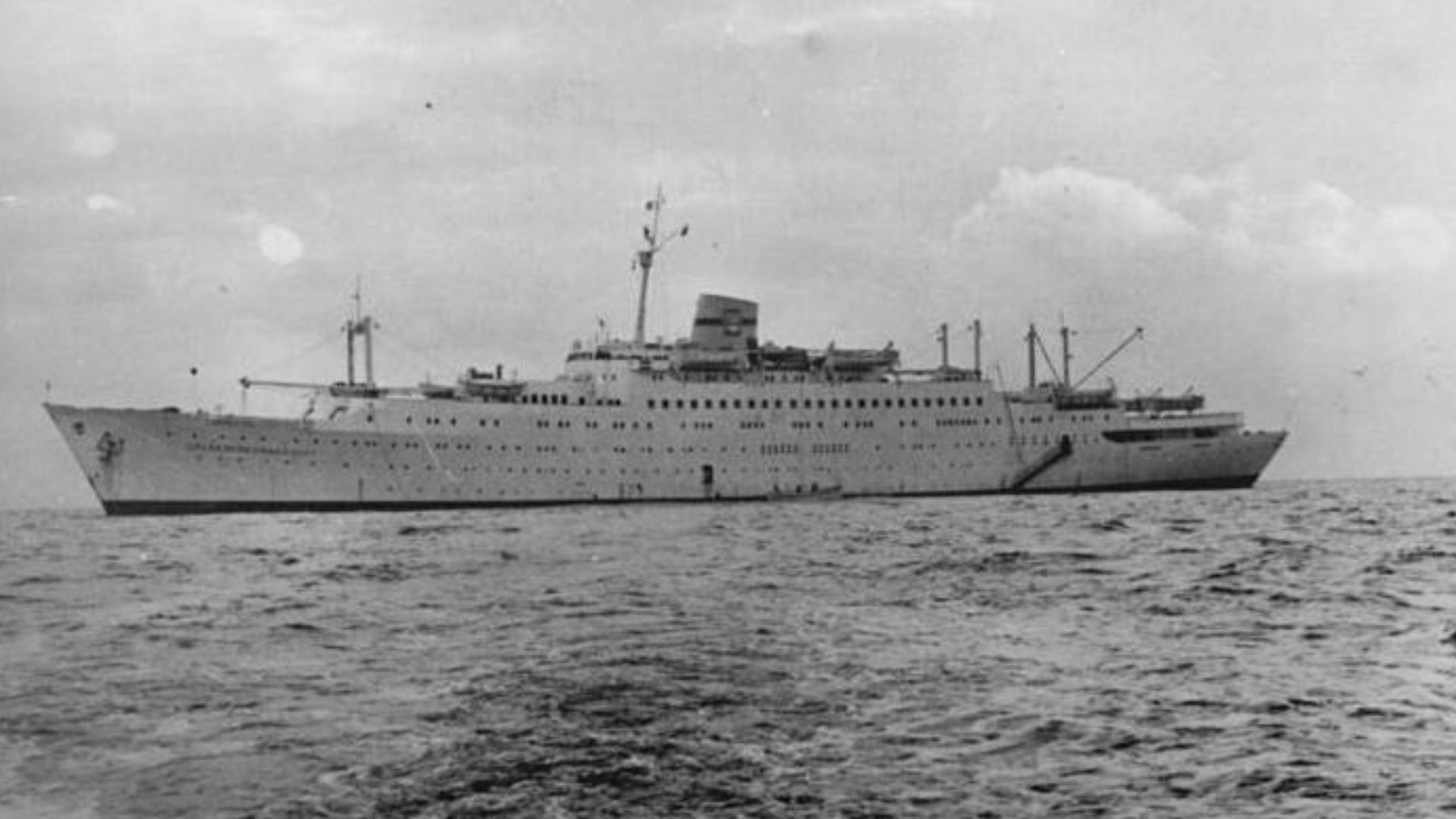
Late on July 25, 1956, the Andrea Doria approached the American coast through thick fog roughly 45 miles south of Nantucket. The Swedish passenger liner Stockholm was travelling in the opposite direction. The Norseman had almost reached America, but its journey was about to take one final, disastrous turn.
 Congregation of Sisters of St. Joseph in Canada from Canada, Wikimedia Commons
The Crews Saw Two Different Situations
Both ships detected one another on radar, but their crews interpreted the situation differently and made turns that placed the vessels on a collision course. Exactly how the blame should be divided remains disputed because the legal hearings ended after the shipping companies reached a private settlement.
 Helmut Schaar, Wikimedia Commons
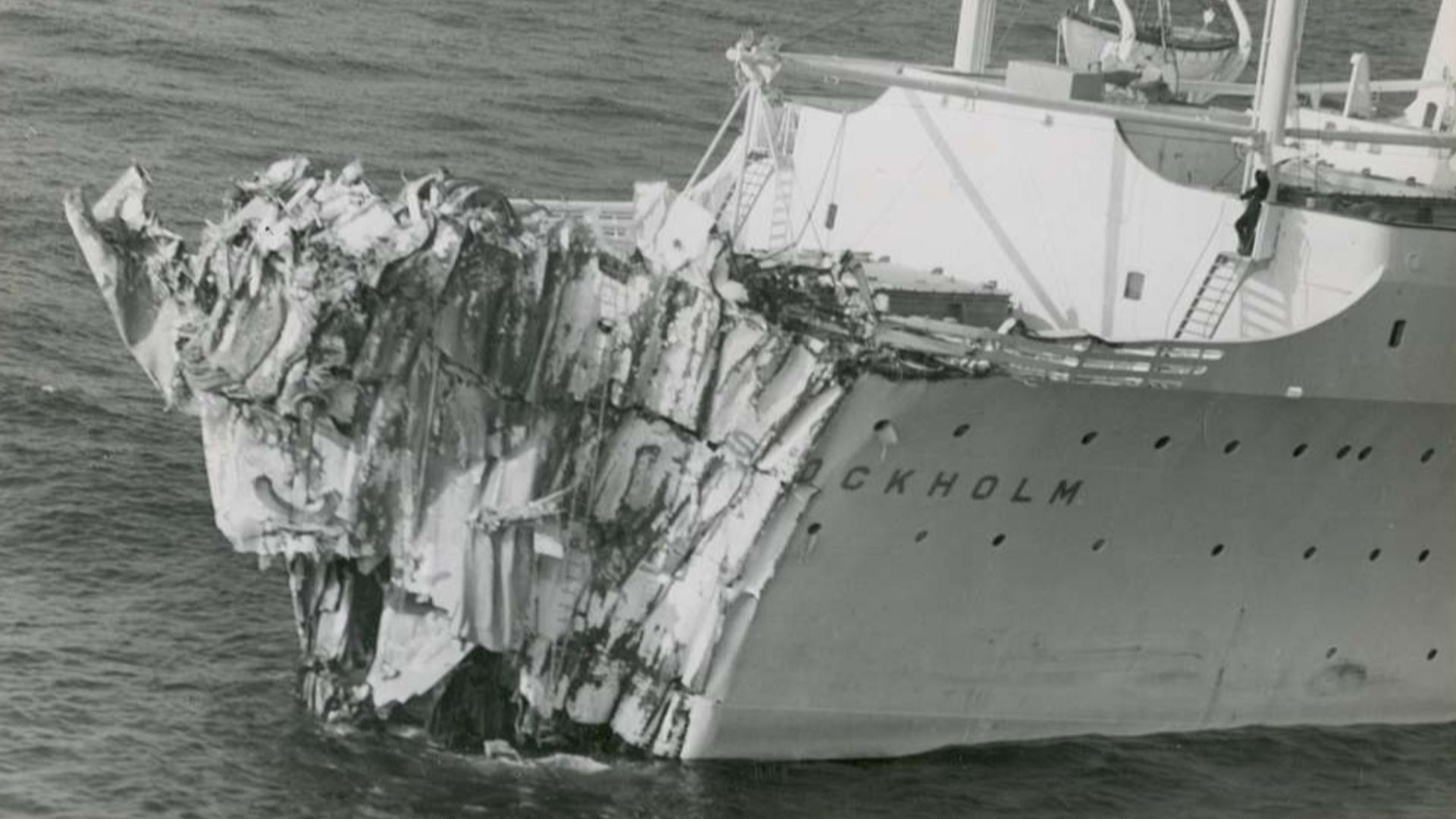
The Stockholm Tore Into Its Side
At approximately 11:10 p.m., the Stockholm’s reinforced bow drove deep into the Andrea Doria’s starboard side. The impact tore through passenger decks and opened parts of the ship to the sea, producing such a severe list that half of its lifeboats became unusable.
 John Rooney, Wikimedia Commons
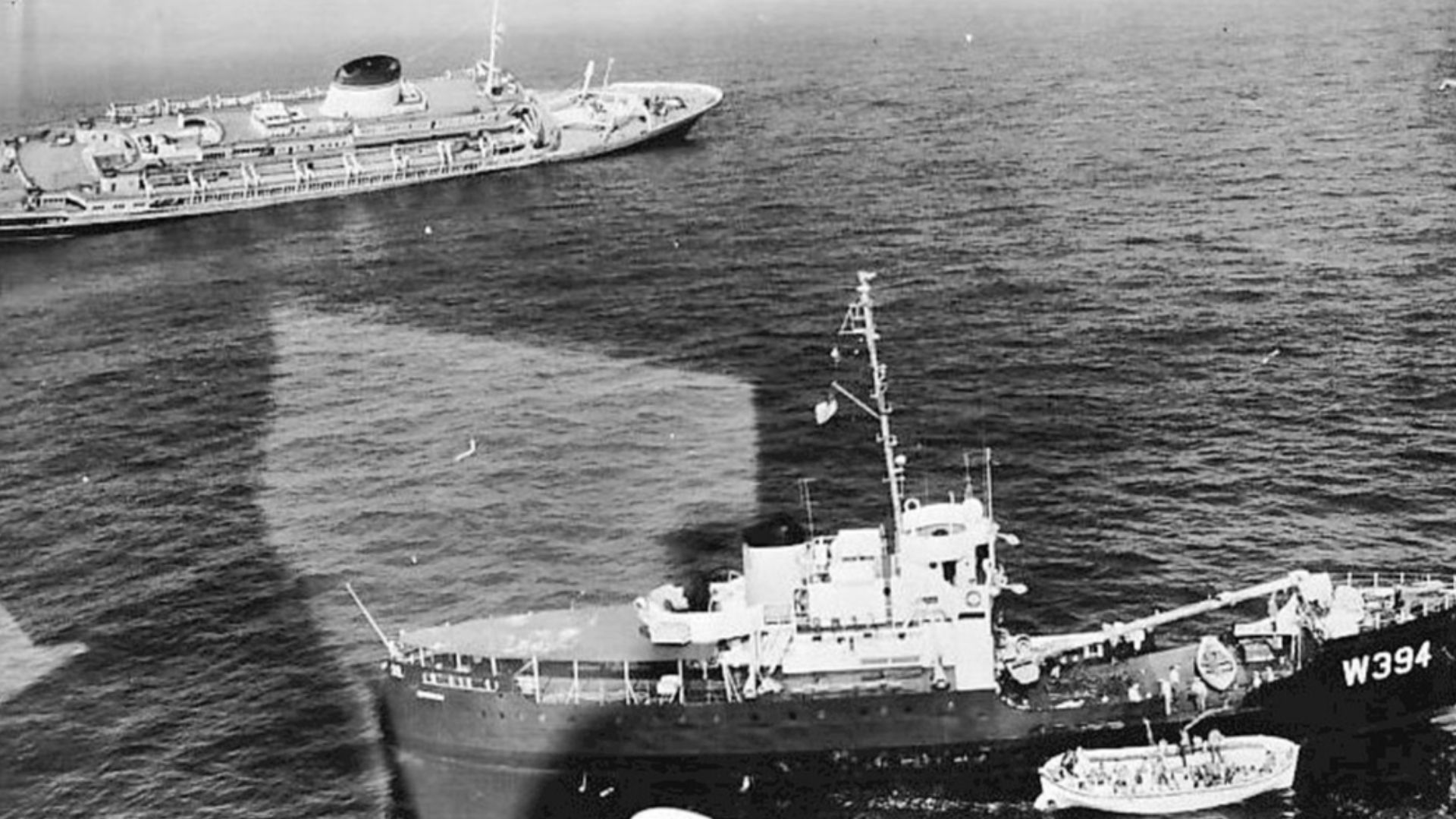
The Rescue Became The Only Thing That Mattered
Nearby ships rushed to help, and more than 1,600 passengers and crew were rescued during one of the largest civilian maritime rescue operations ever attempted. Fifty-one people aboard the two vessels did not survive. Against that human loss, the fate of even Chrysler’s greatest dream car was understandably only a footnote.
 Harry A. Trask, Wikimedia Commons
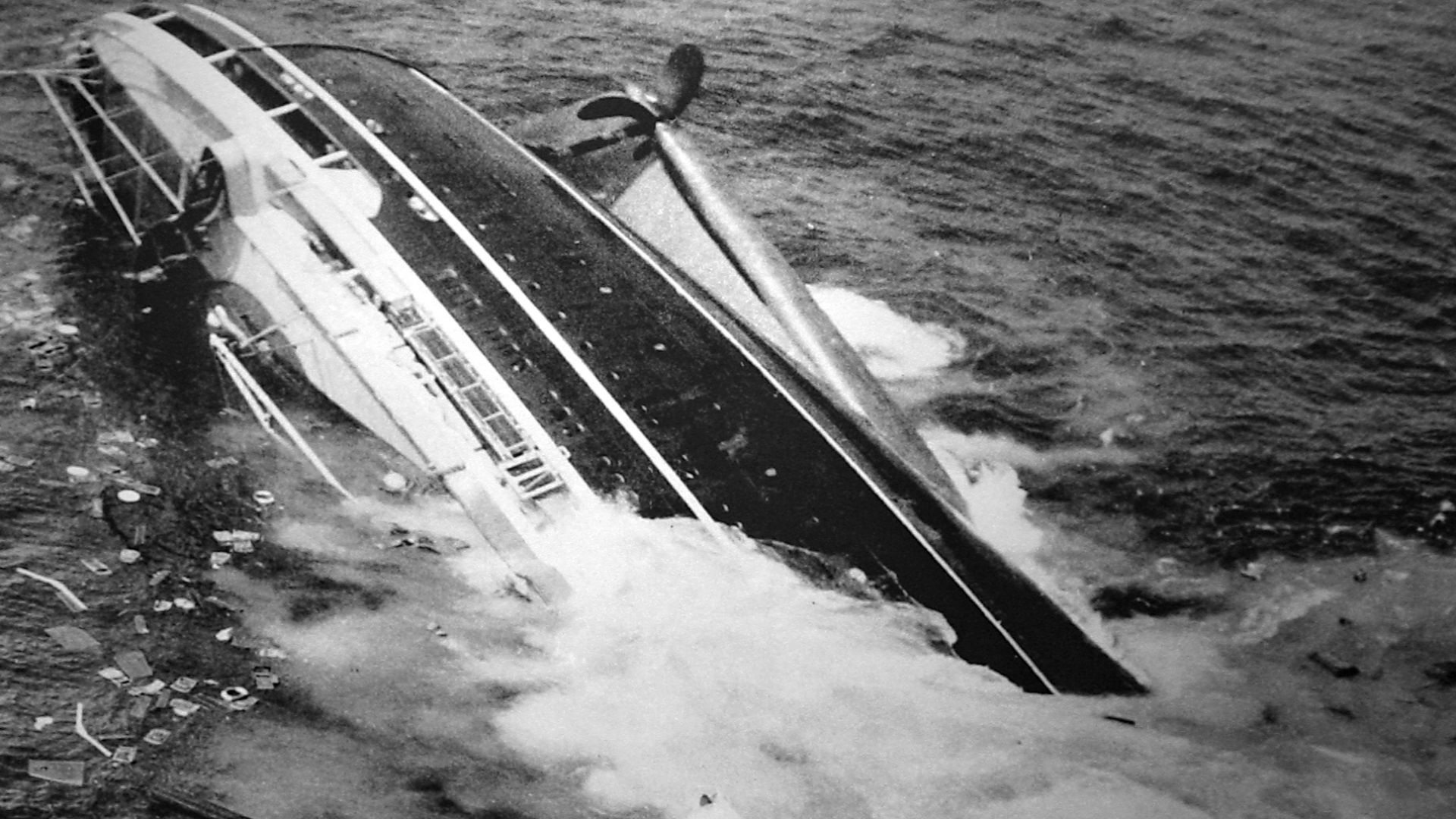
The Norseman Went Down The Next Morning
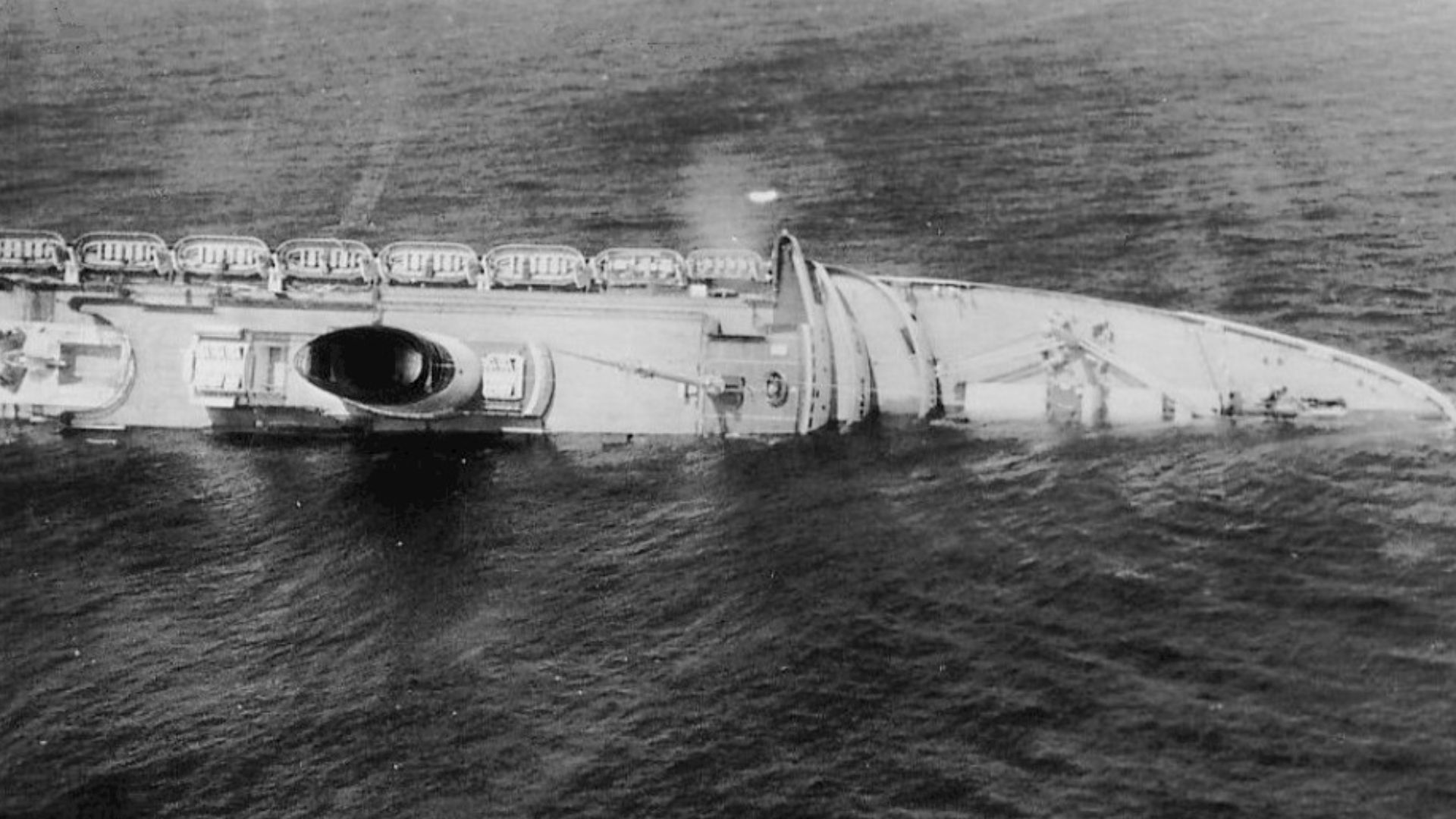
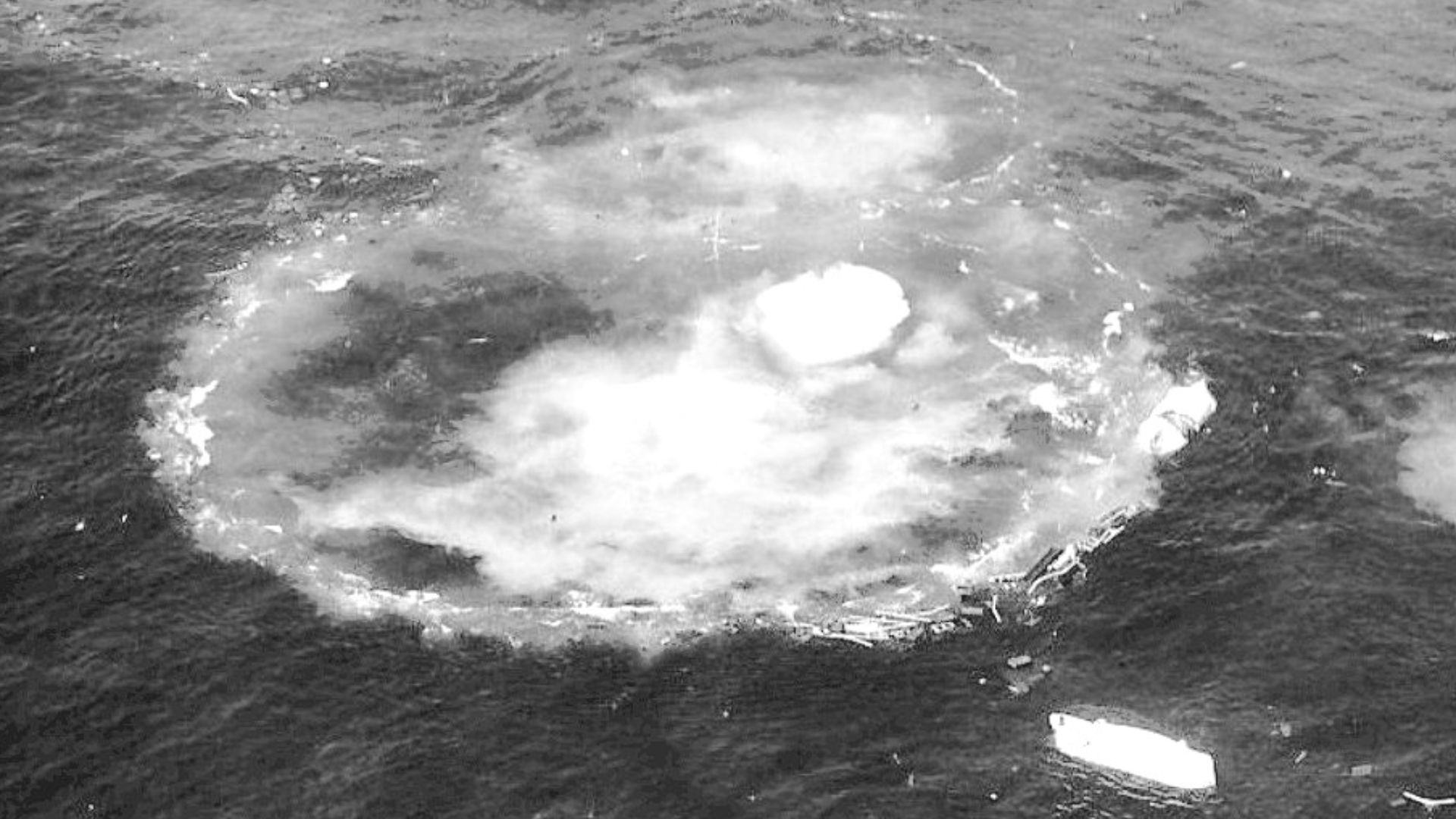
The Andrea Doria remained afloat for roughly 11 hours before rolling onto its side and sinking on the morning of July 26. Still trapped inside its wooden crate, Chrysler’s futuristic masterpiece descended with the ship and came to rest roughly 250 feet beneath the Atlantic Ocean.
 Harry A. Trask, Wikimedia Commons
Chrysler Confirmed The Loss That Same Day
Chrysler released a short statement confirming that its revolutionary new idea car had been aboard the Andrea Doria. The company noted that the Norseman was insured and had to be considered a complete loss. That probably comforted the accountants more than it comforted anyone who had designed it.
 United States Coast Guard, Wikimedia Commons
The American Public Never Saw The Finished Car
There had been no unveiling, magazine road test or brightly lit auto-show appearance. Only Ghia employees, shipping workers and a small number of others had seen the completed Norseman. Most of Chrysler’s own designers never stood beside the finished car they had helped create.
 Unknown authorUnknown author, Wikimedia Commons
Only A Few Photographs Survived
The surviving record consists mainly of a handful of black-and-white factory photographs and Chrysler’s published specifications. There was no American unveiling, no crowd surrounding the car and no chance for journalists to examine it. Most people learned what the Norseman looked like only after it was already gone.
A Diver Reportedly Found What Was Left
Underwater explorer David Bright later wrote that he saw the remains of the Norseman inside the ship’s No. 2 cargo hold during a dive in the mid-1990s. The wooden crate had disappeared, and decades of pressure, corrosion and collapsing wreckage had reportedly reduced the car to badly damaged, largely unrecognizable debris.
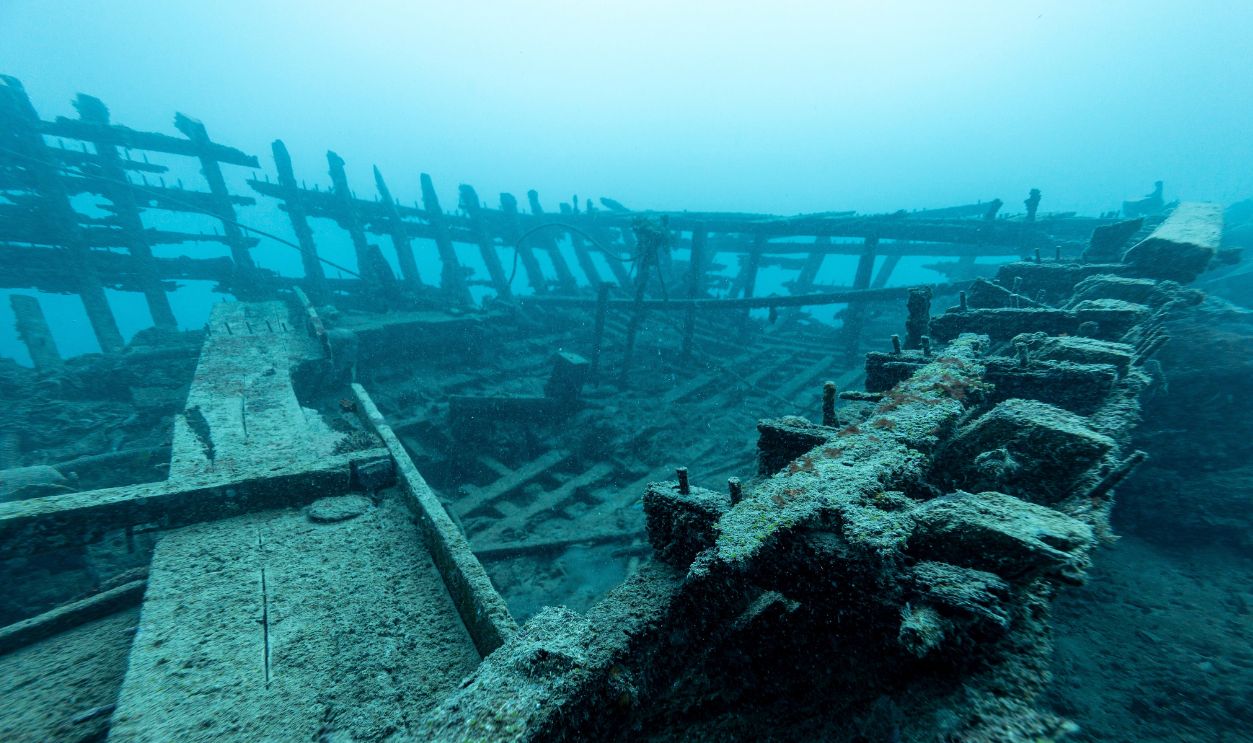
It Was Never Coming Back Up
The wreck of the Andrea Doria has steadily deteriorated, making its interior increasingly unstable and dangerous to explore. Even before that deterioration accelerated, the Norseman was believed to be far too badly damaged to recover or restore. Chrysler’s missing masterpiece remains down there—but little of the actual car survives.
 Harry A. Trask, Wikimedia Commons
The Atlantic May Have Only Changed Its Ending
Some later accounts claim Chrysler intended to display the Norseman during the 1957 show season before eventually using it for structural or destructive testing. Had that happened, the one-of-a-kind car might not have survived anyway. The Atlantic simply gave it a far stranger ending than Chrysler ever planned.
 Harry A. Trask, Wikimedia Commons
The Most Famous Car Nobody Saw
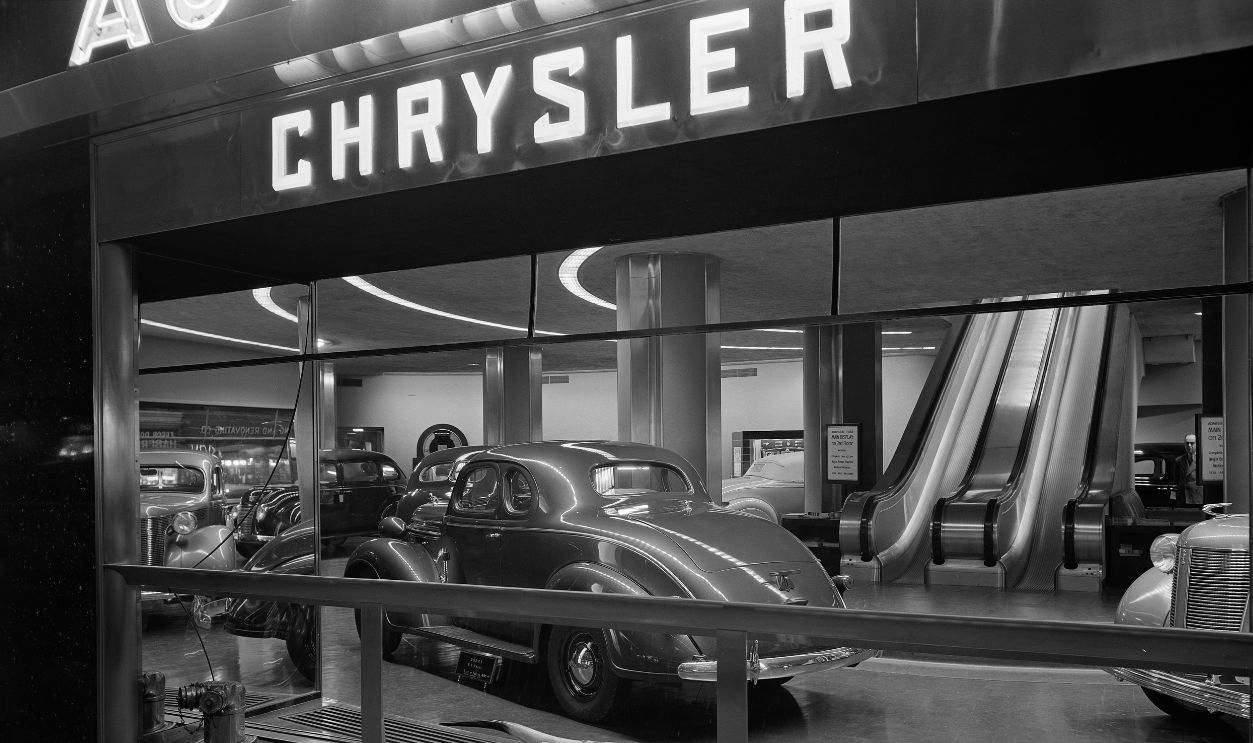
The Norseman never reached a showroom or turned slowly beneath auto-show spotlights. Yet its almost impossible roof, hand-built Italian body and extraordinary disappearance made it one of Chrysler’s most famous dream cars. Seven decades later, people remain fascinated by a vehicle whose public debut never happened.
 MCNY/Gottscho-Schleisner, Getty Images
You Might Also Like:
Pickup Trucks From The 1960s That No One Remembers—Seriously, How Many Do You Recognize?
Car Brands Baby Boomers Thought Would Last Forever—Now No One Born After 2000 Has Even Heard Of Them