You Tinted Your Brake Lights… But Could That Get You Pulled Over?
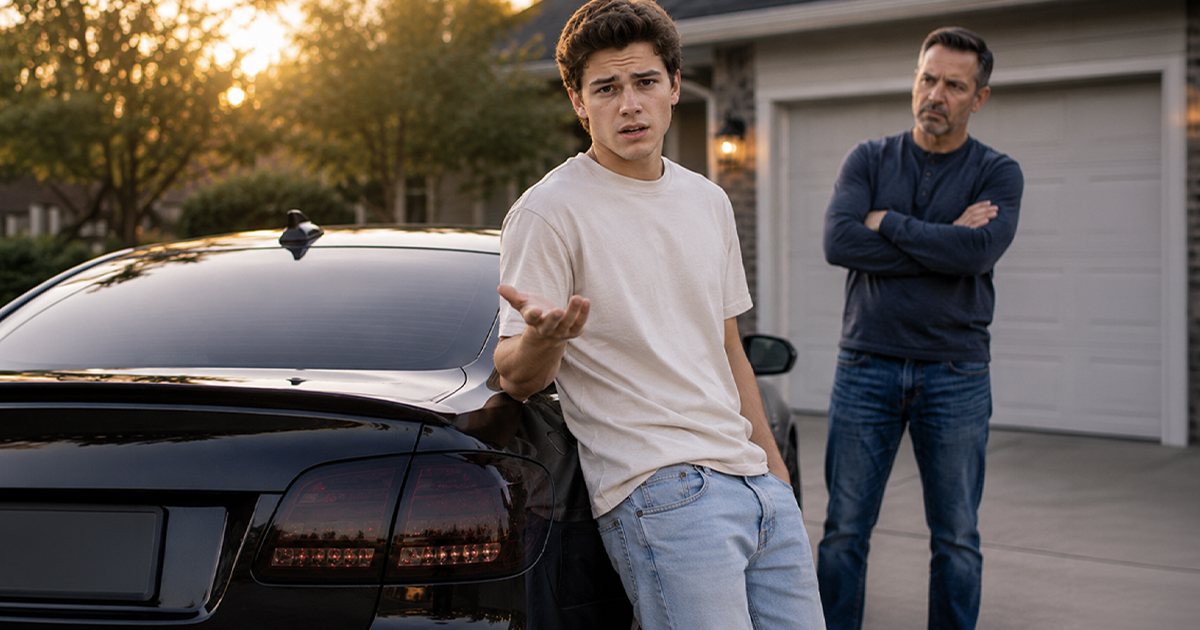
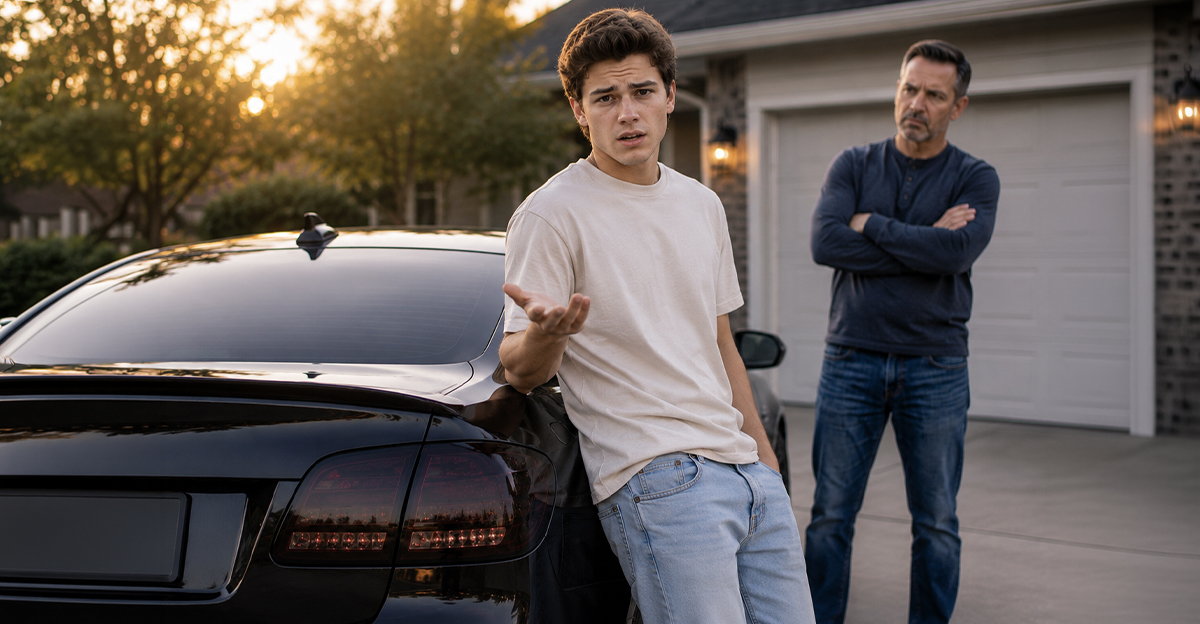
You added tinted brake lights to your car, stepped back, and thought—it actually looks pretty good. But then your dad points out that it might not be legal. Now you’re stuck wondering…could this actually get you a ticket?
Why People Tint Brake Lights in the First Place
Let’s be honest—it’s mostly about style. Darkened tail lights give cars a sleek, custom look. It’s a popular mod, especially among younger drivers trying to stand out. But unlike cosmetic changes, this one affects something pretty important: visibility.
What Brake Lights Are Supposed to Do
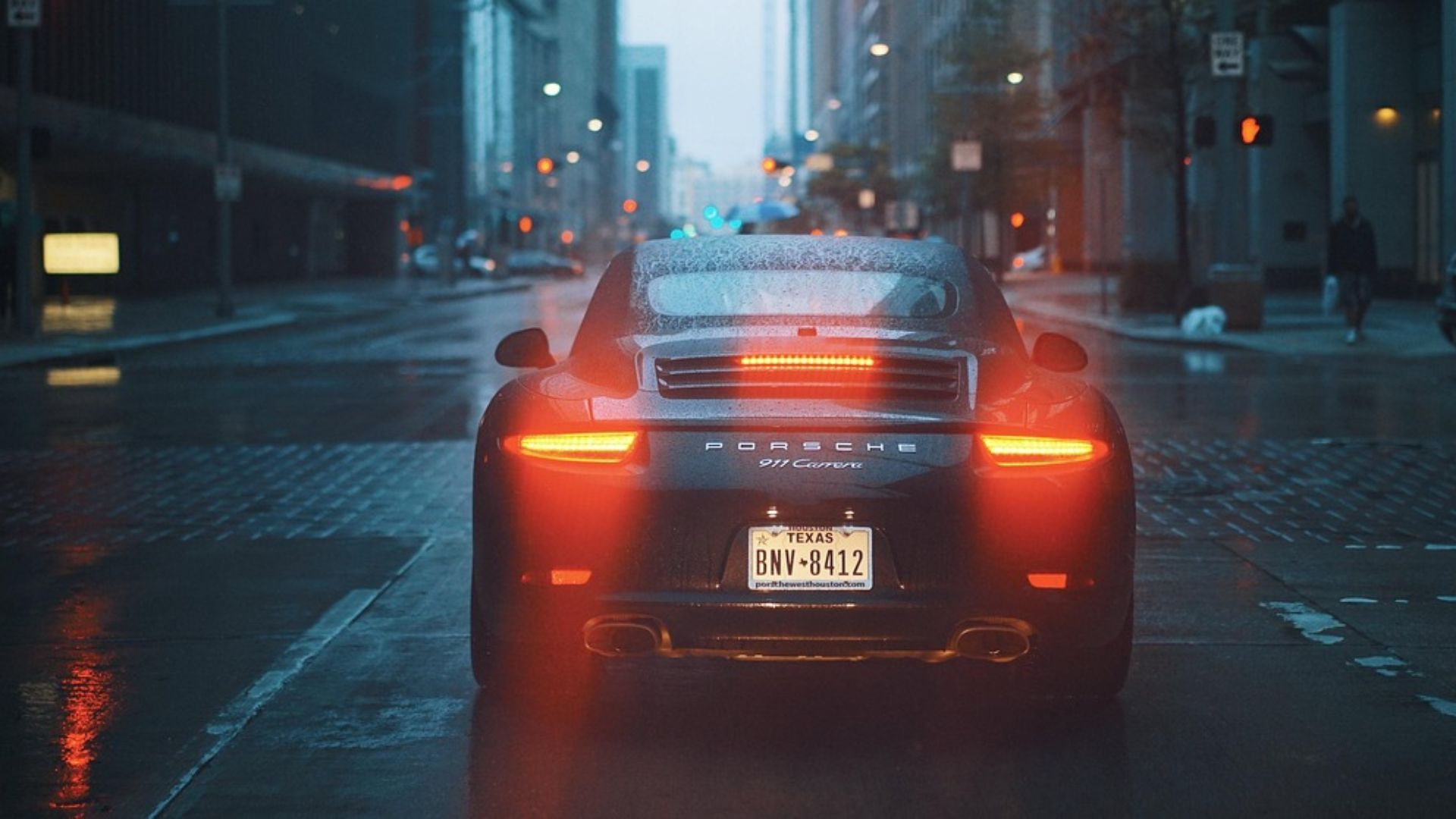
Brake lights aren’t just decoration—they’re a safety feature. Their job is to clearly signal to drivers behind you that you’re slowing down or stopping. If they’re harder to see, that increases the risk of rear-end accidents.
So Where Does the Law Come In?
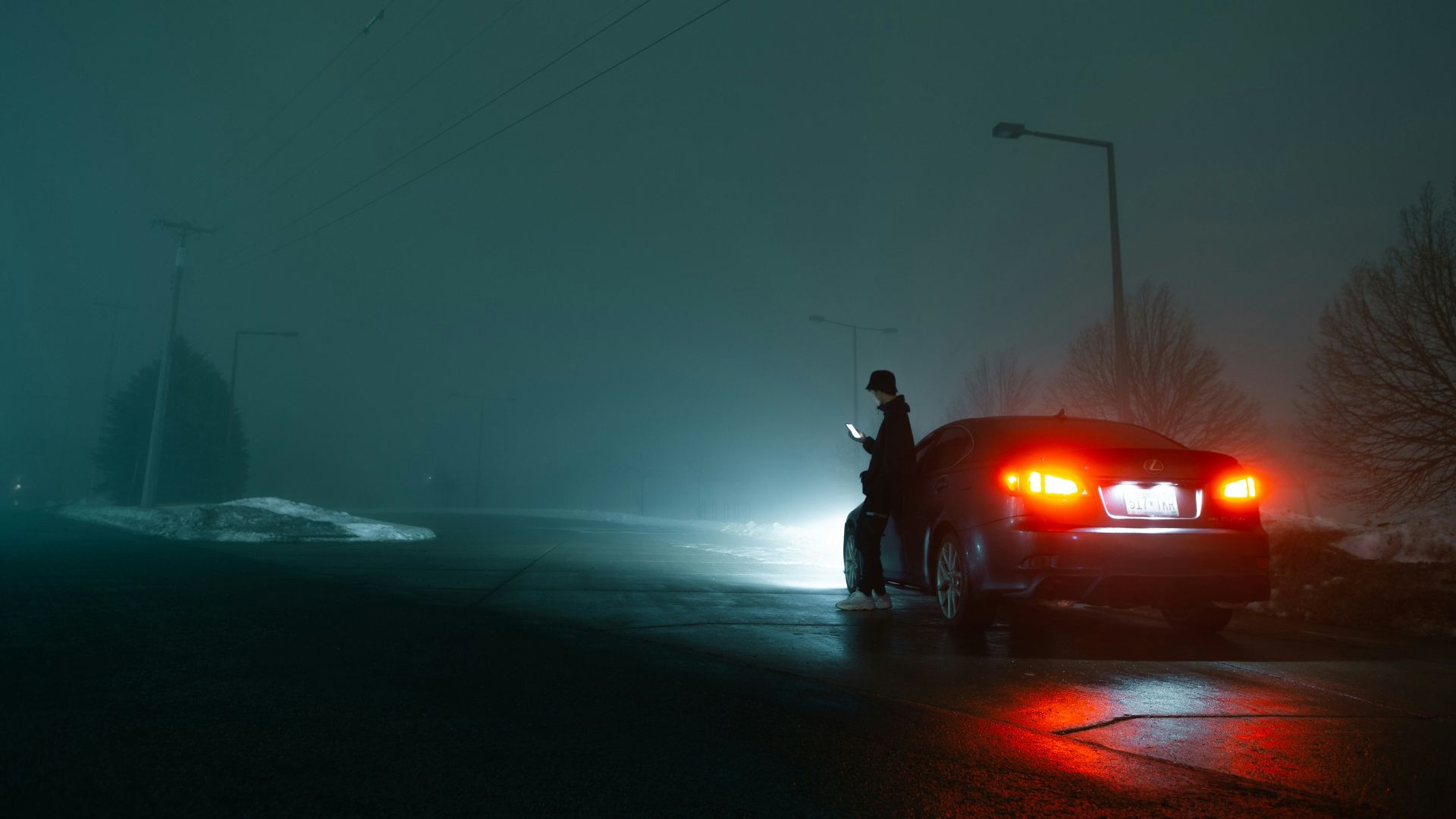
This is where things get serious. Most states have laws requiring brake lights to be clearly visible from a certain distance—often around 300 feet or more. If tinting reduces that visibility, you could be violating the law.
Are Tinted Brake Lights Always Illegal?
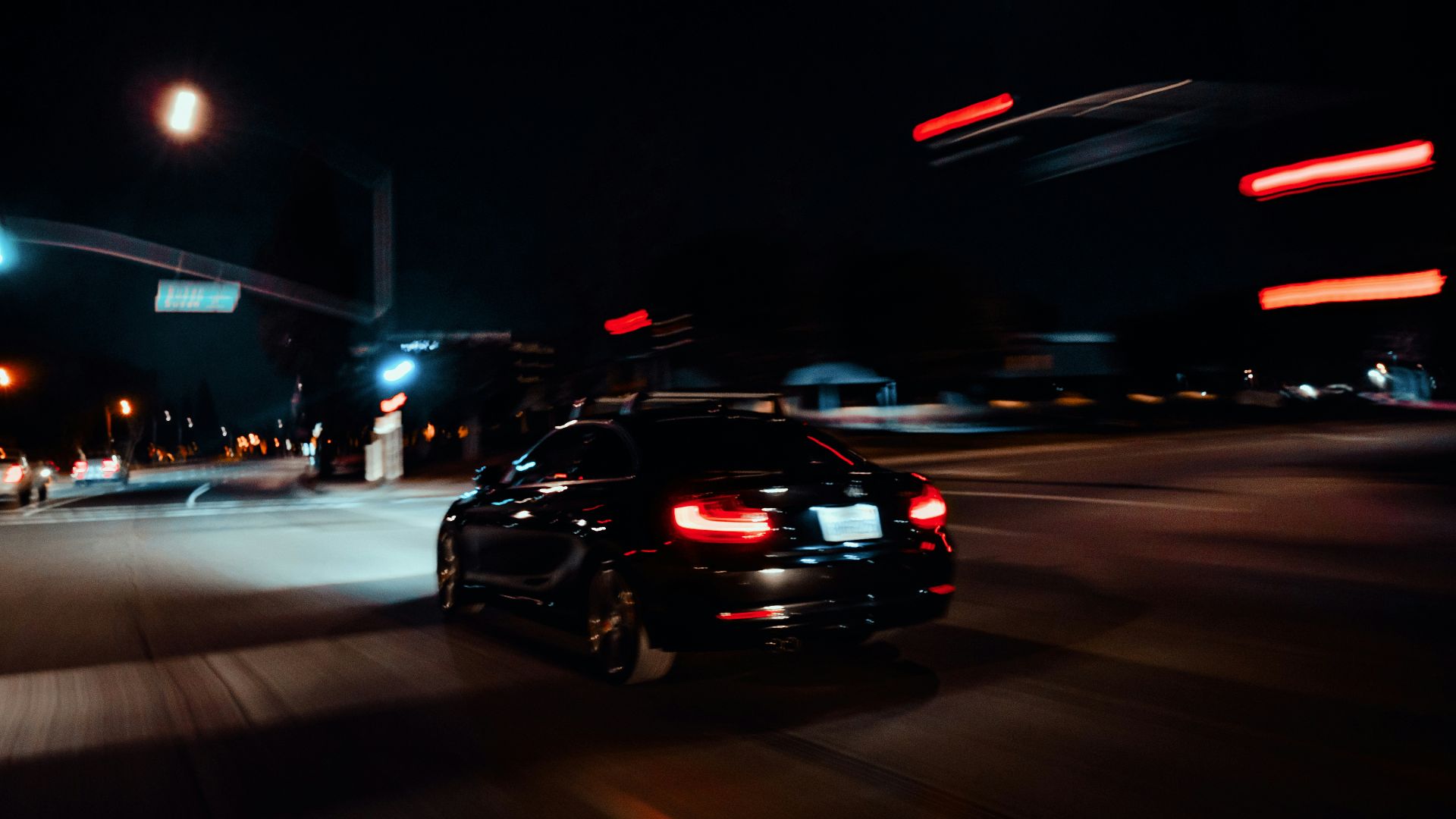
Not always—but they’re in a gray area. Light tinting might be okay in some places, but darker tint often crosses the line. The problem is, laws don’t usually say “no tint at all”—they focus on visibility standards instead.

Why This Gets Confusing Fast
Because “visibility” isn’t always obvious to you as the driver. Your lights might still look bright at night—but during the day, especially in sunlight, tinted lights can become much harder for other drivers to see.
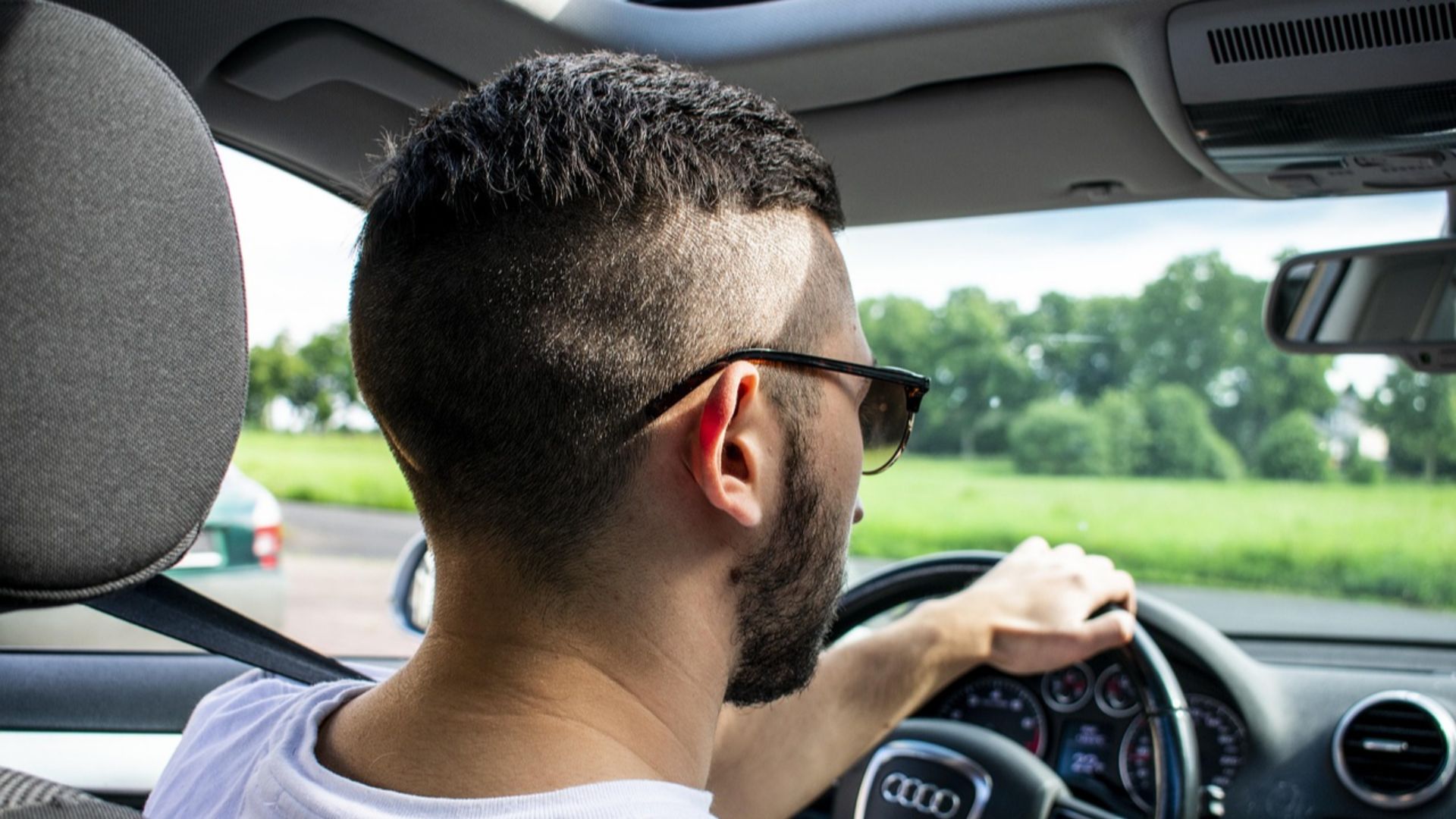
What Police Officers Look For
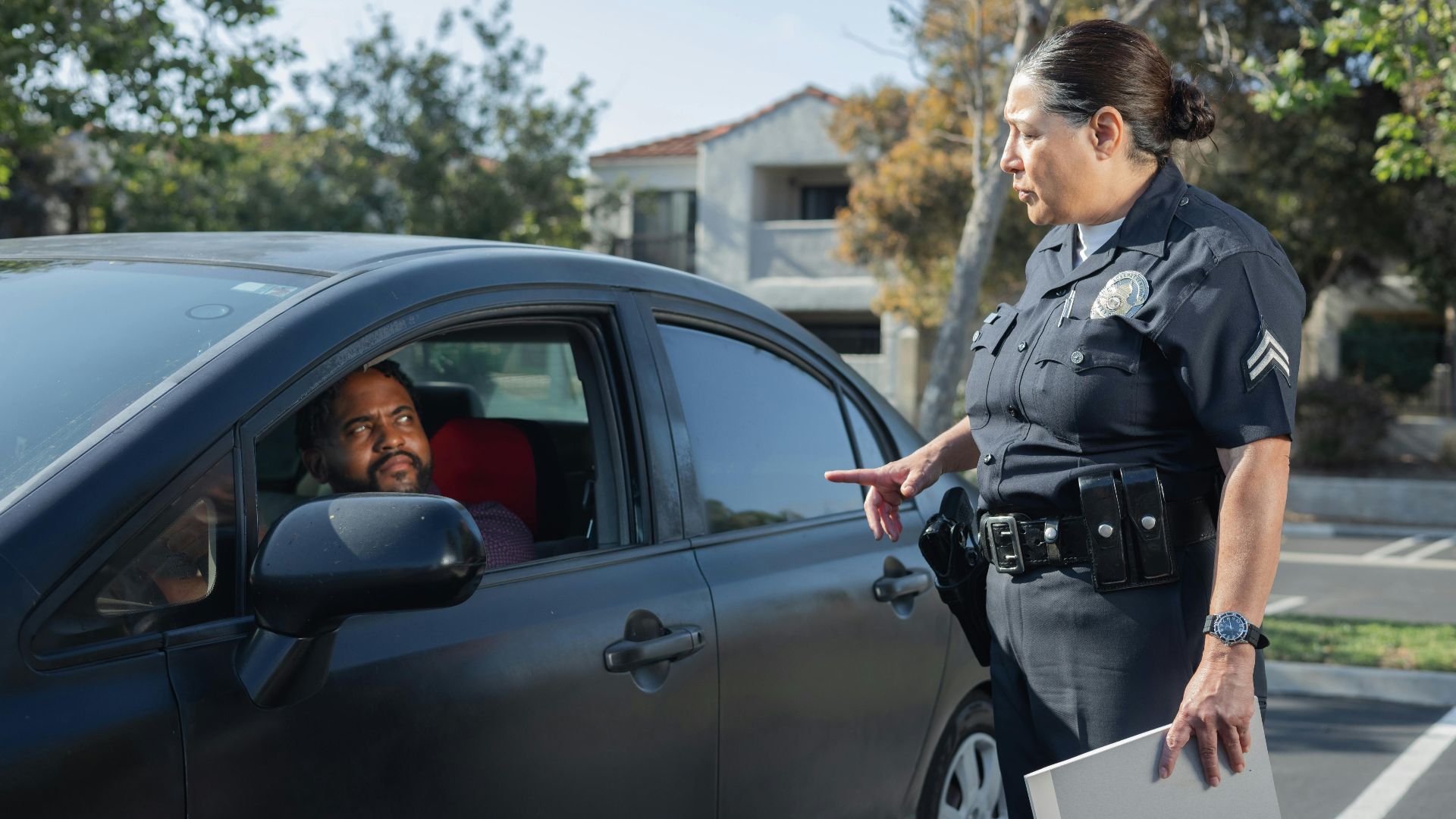
Officers aren’t measuring your tint with a ruler—they’re looking at whether your lights are clearly visible and functioning properly. If your brake lights look dim, delayed, or hard to see, that’s usually enough for a stop.
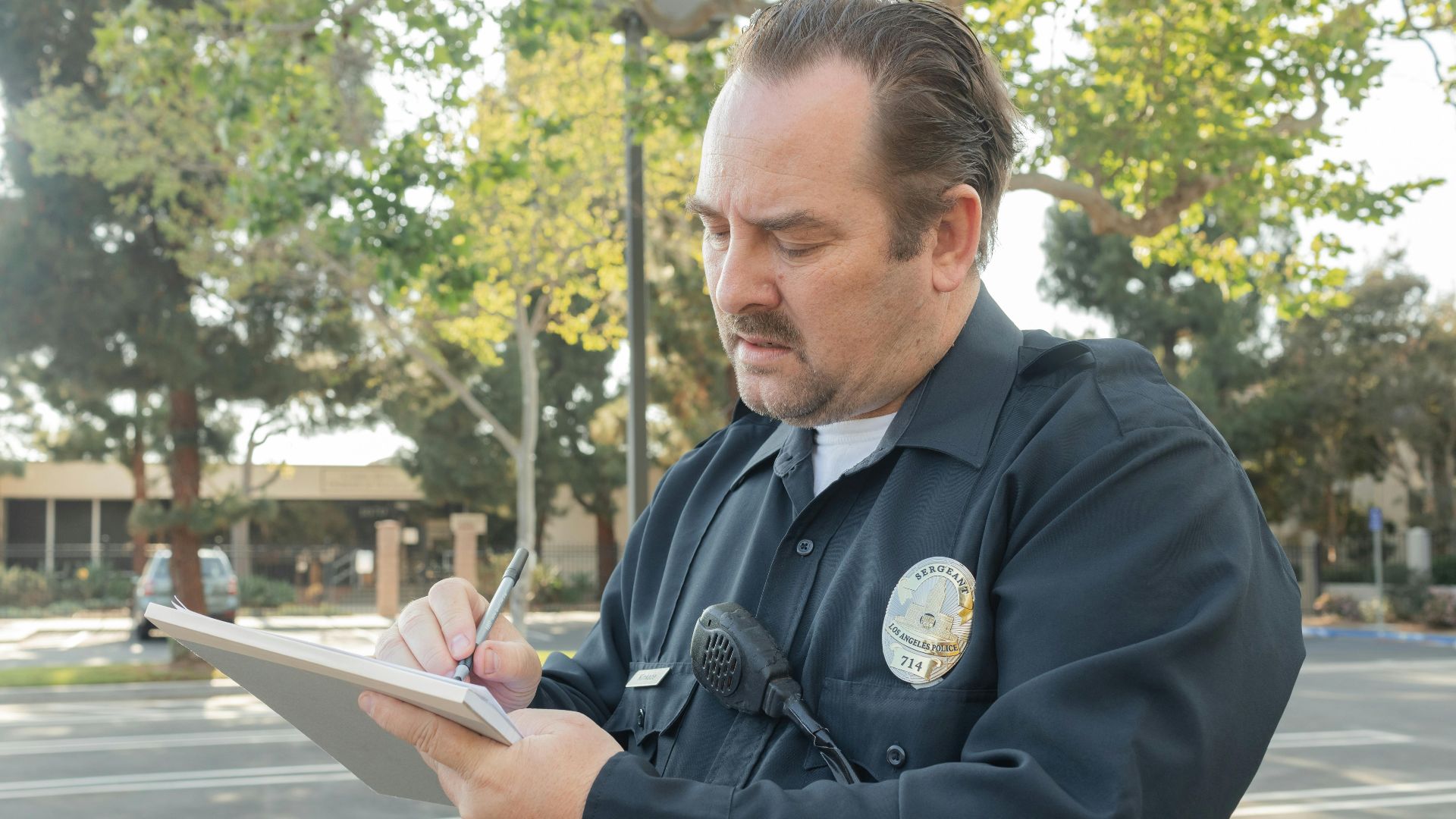
Could You Actually Get Pulled Over for This?
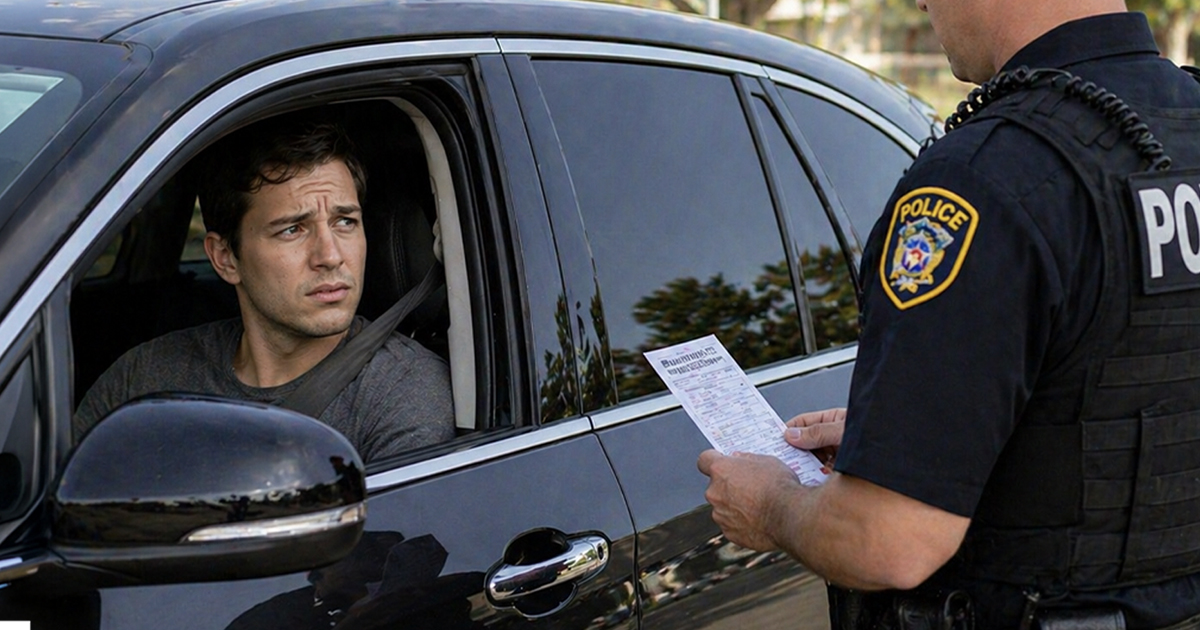
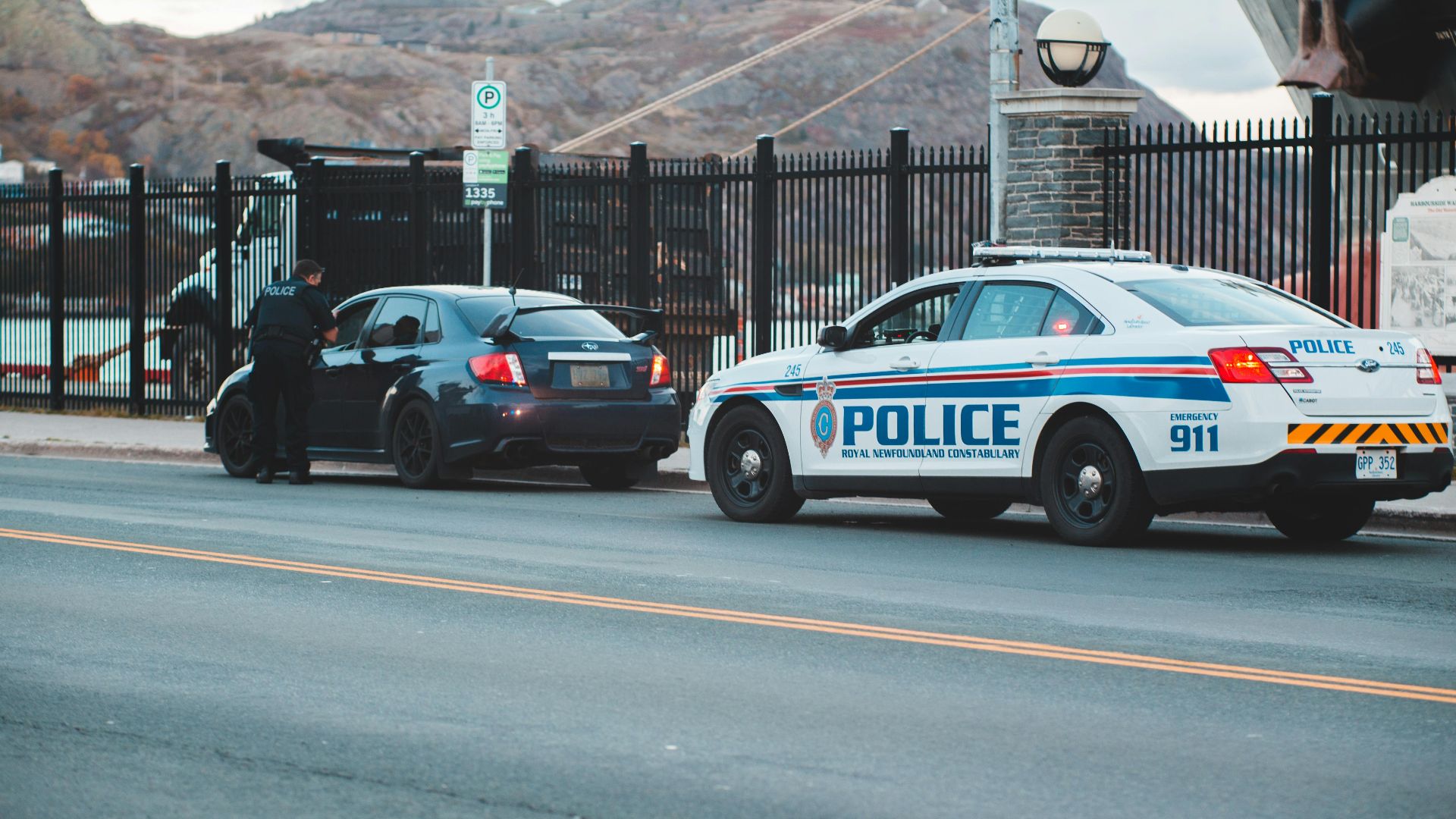
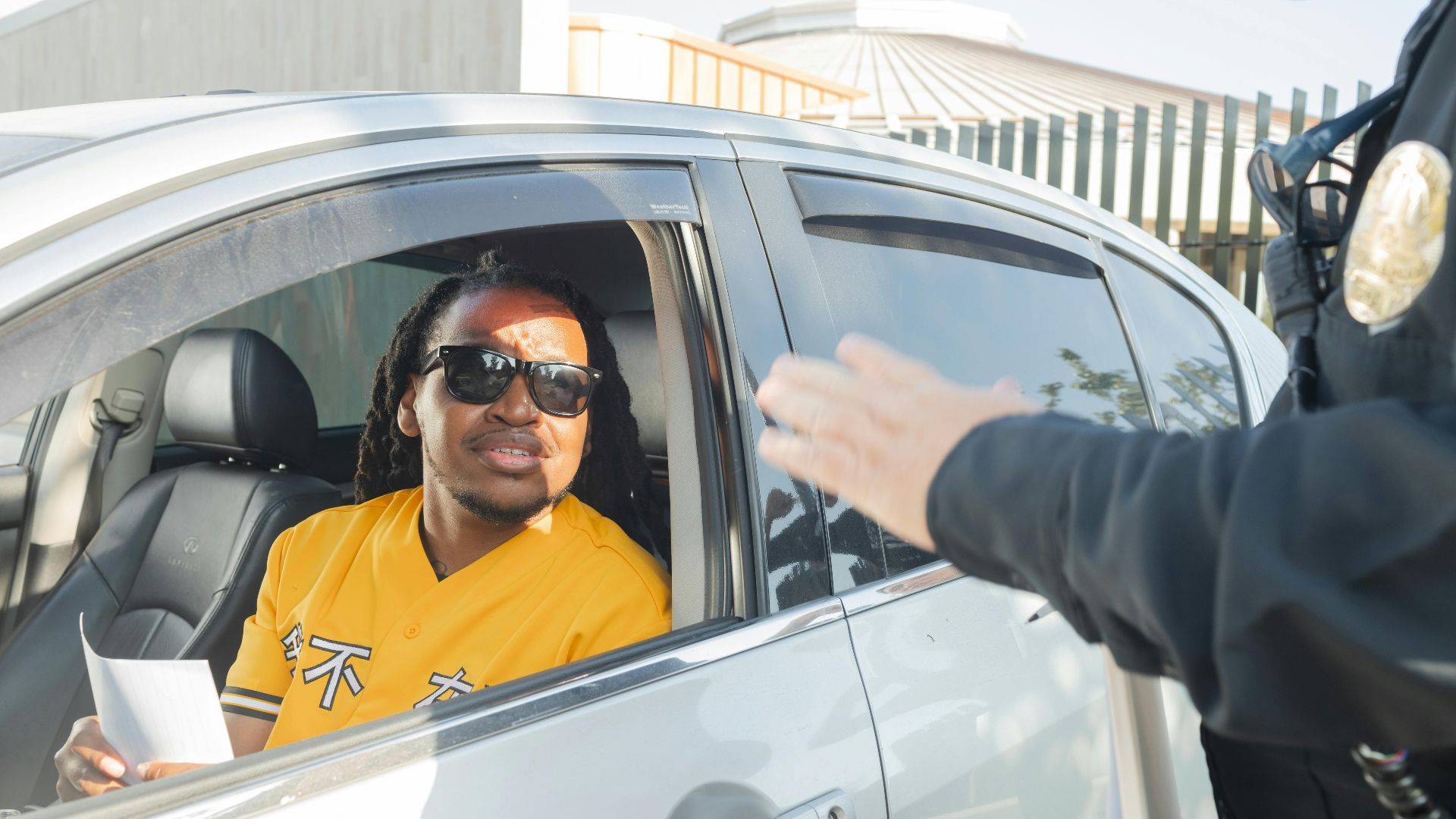
Yes, you can. Tinted brake lights are a common reason for traffic stops, especially if the tint is noticeably dark. It’s often considered a “fix-it ticket,” but it can still cost you time and money.
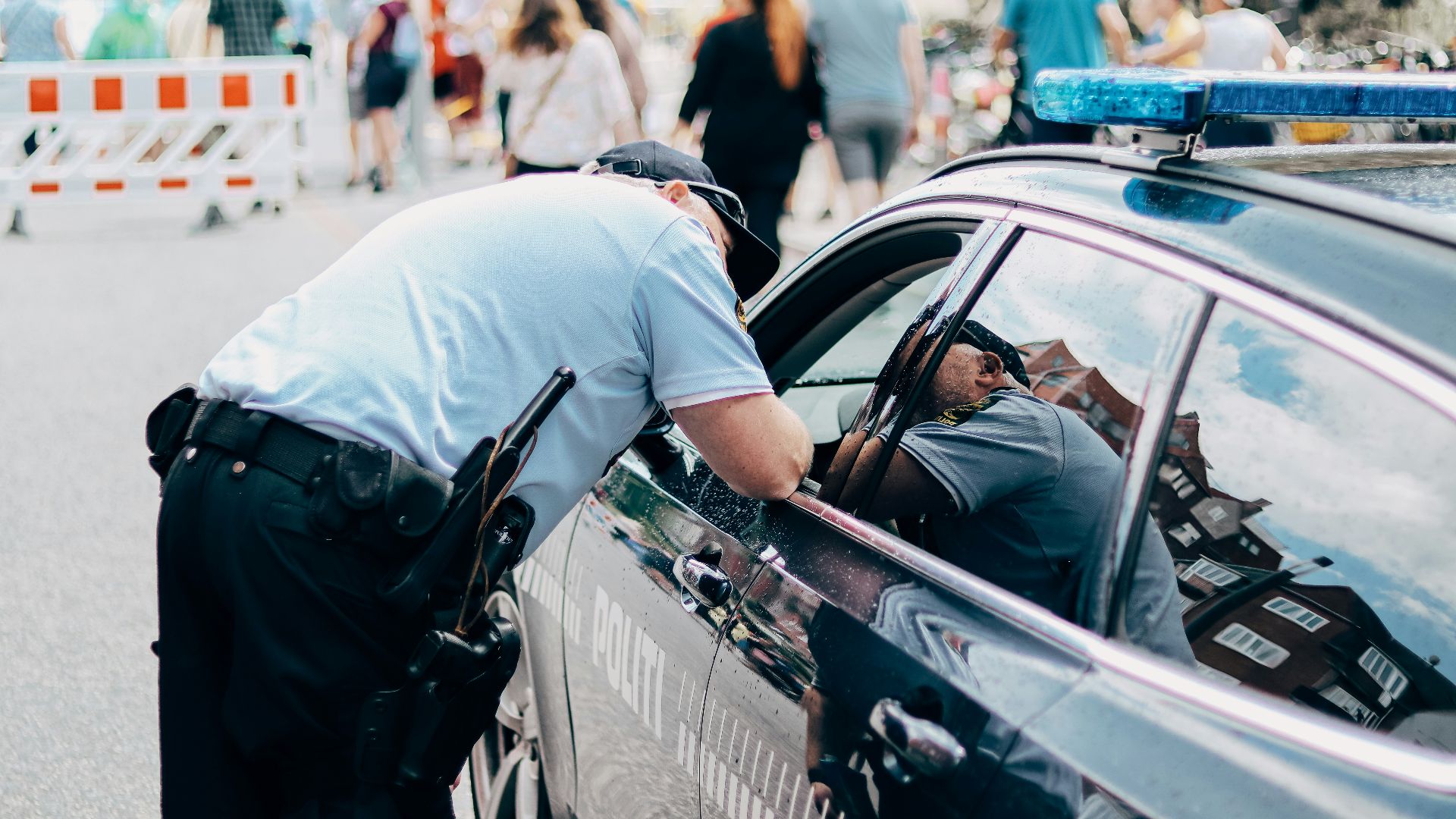
What Is a “Fix-It Ticket”?
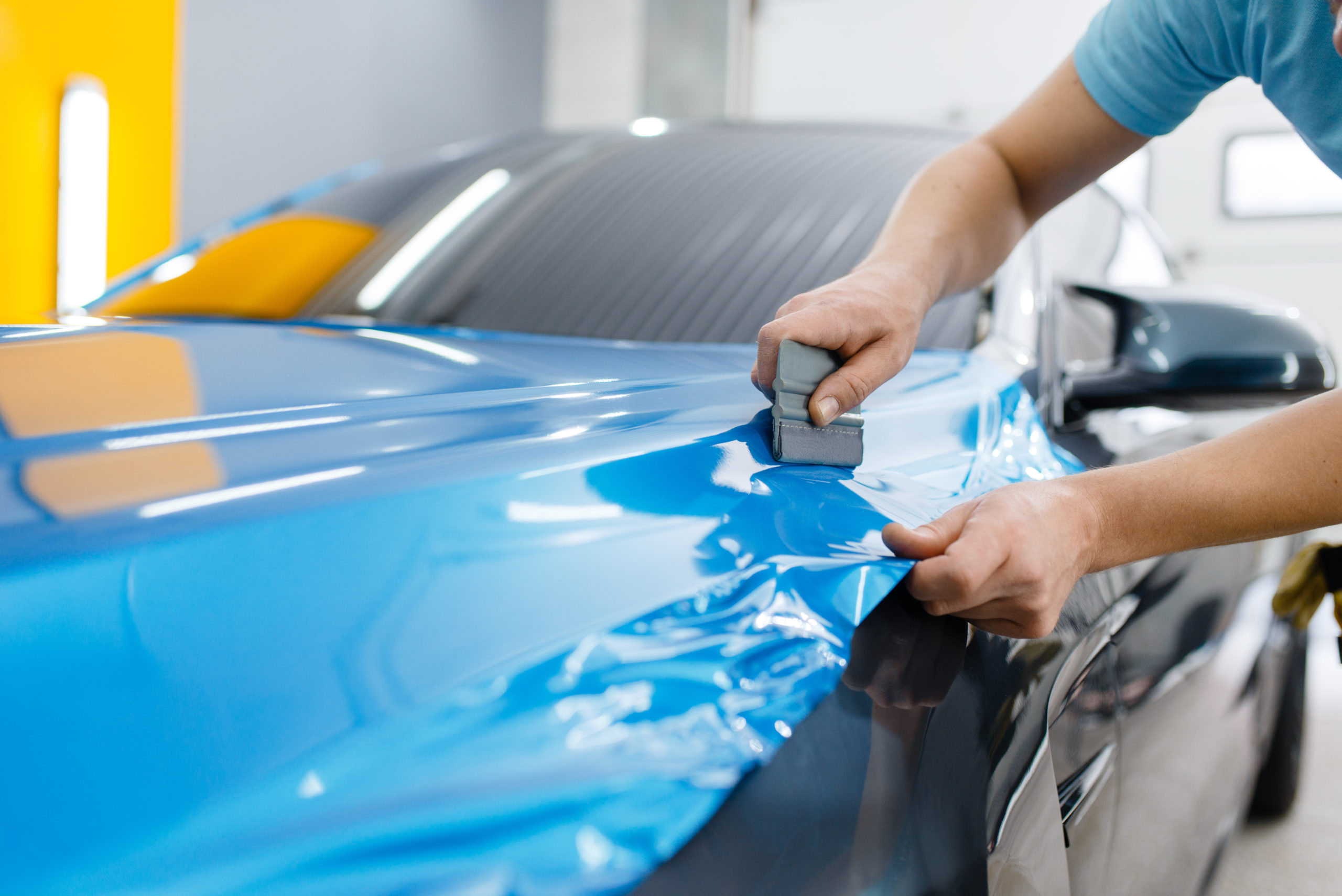
This type of ticket usually means you’re required to correct the issue—like removing the tint—and show proof that you fixed it. If you do, the fine may be reduced or dismissed.
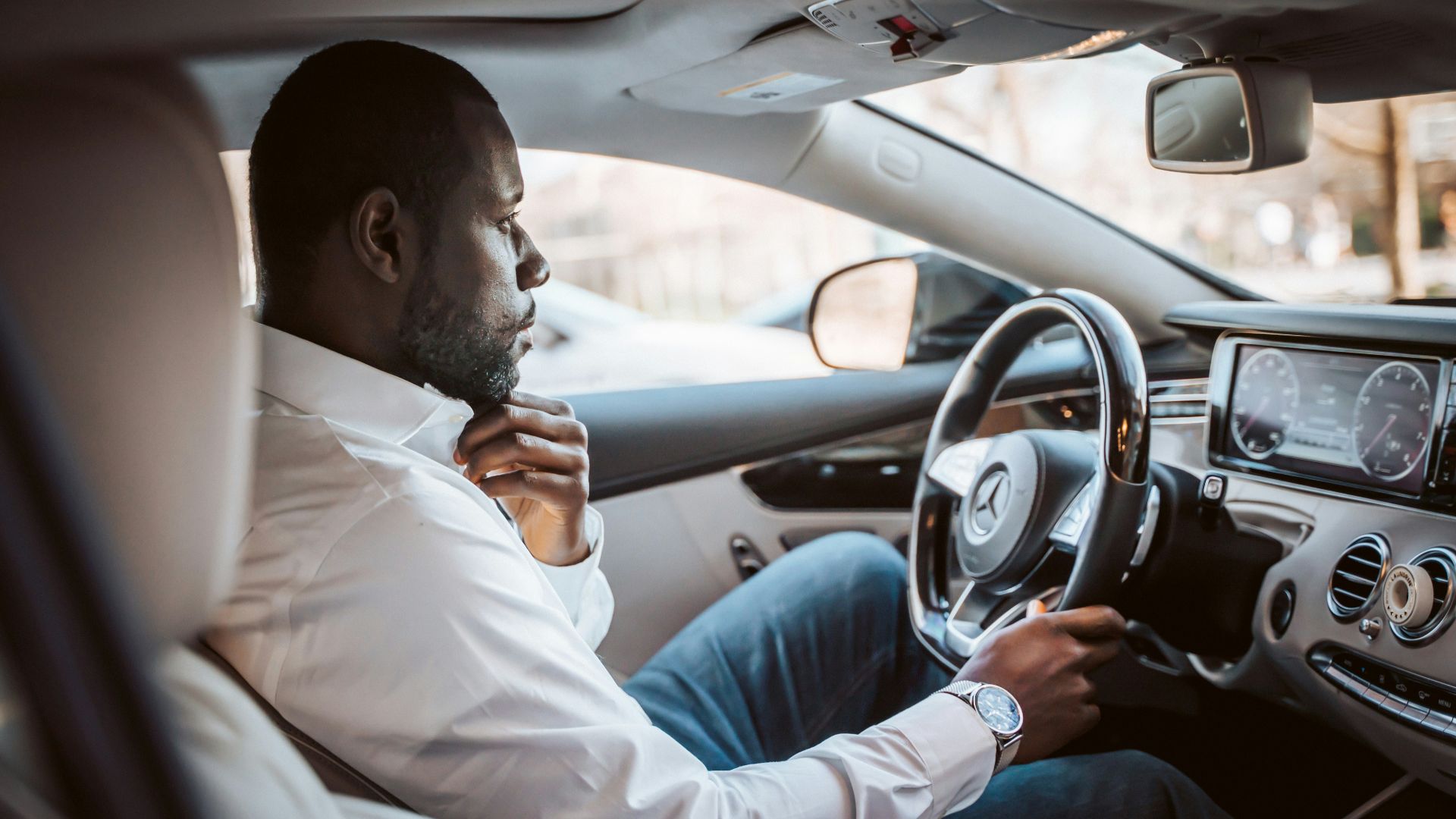
 Кинешма сми Евгений Стрункин, Pexels
What If You Ignore It?
That’s when it gets worse. Ignoring a fix-it ticket can lead to additional fines, penalties, or even issues with your registration. It’s one of those things that’s easier to fix early than deal with later.
Do Some States Enforce This More Strictly?
Absolutely. Laws vary by state, and some places are much stricter than others when it comes to vehicle modifications. What might slide in one state could get you pulled over quickly in another.
What About Inspections?
If your state requires vehicle inspections, tinted brake lights could cause you to fail. Inspectors are specifically checking for safety compliance—and dim or altered brake lights can be an immediate red flag.
Could This Affect Liability in an Accident?
Here’s something people don’t always think about. If someone rear-ends you and your brake lights were tinted or hard to see, it could complicate fault. That’s not a situation you want to be in.
Is There a “Safe” Level of Tint?
There’s no universal rule, but lighter smoke-style tint that doesn’t reduce brightness too much is less likely to cause issues. Still, even lighter tint can technically violate the law if it affects visibility.
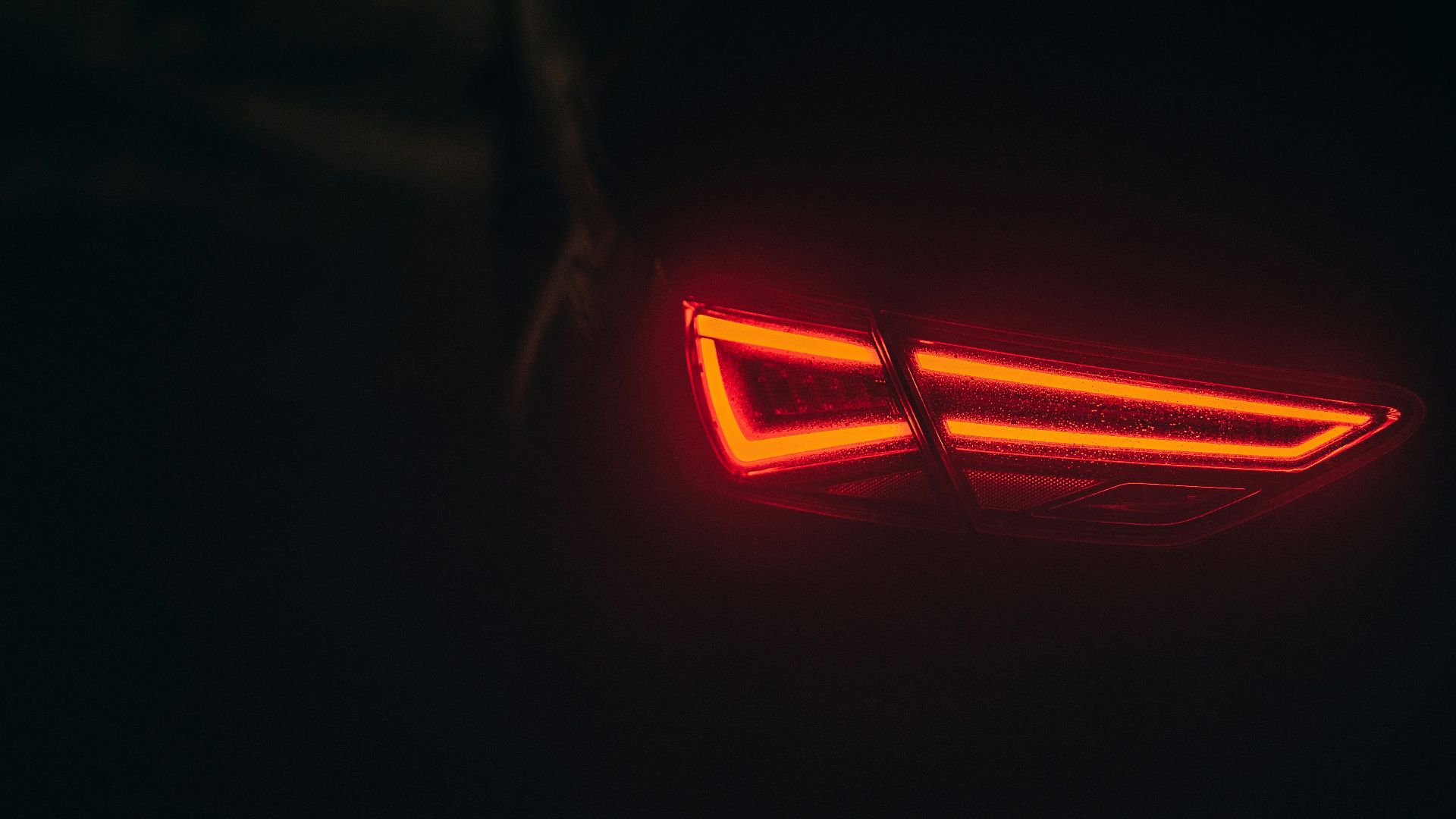
Why Your Dad Might Actually Be Right
It’s not just paranoia—this is one of those mods that looks cool but comes with real legal and safety risks. Parents tend to zero in on stuff like this for a reason.

Can You Test It Yourself?
You can try. Have someone stand a few hundred feet behind your car during the day and check visibility when you hit the brakes. If it’s even slightly hard to see, that’s a warning sign.
So… Is It Worth Keeping Them Tinted?
That depends on how much you value the look versus the risk. For some people, it’s not worth the potential tickets, inspection issues, or safety concerns.
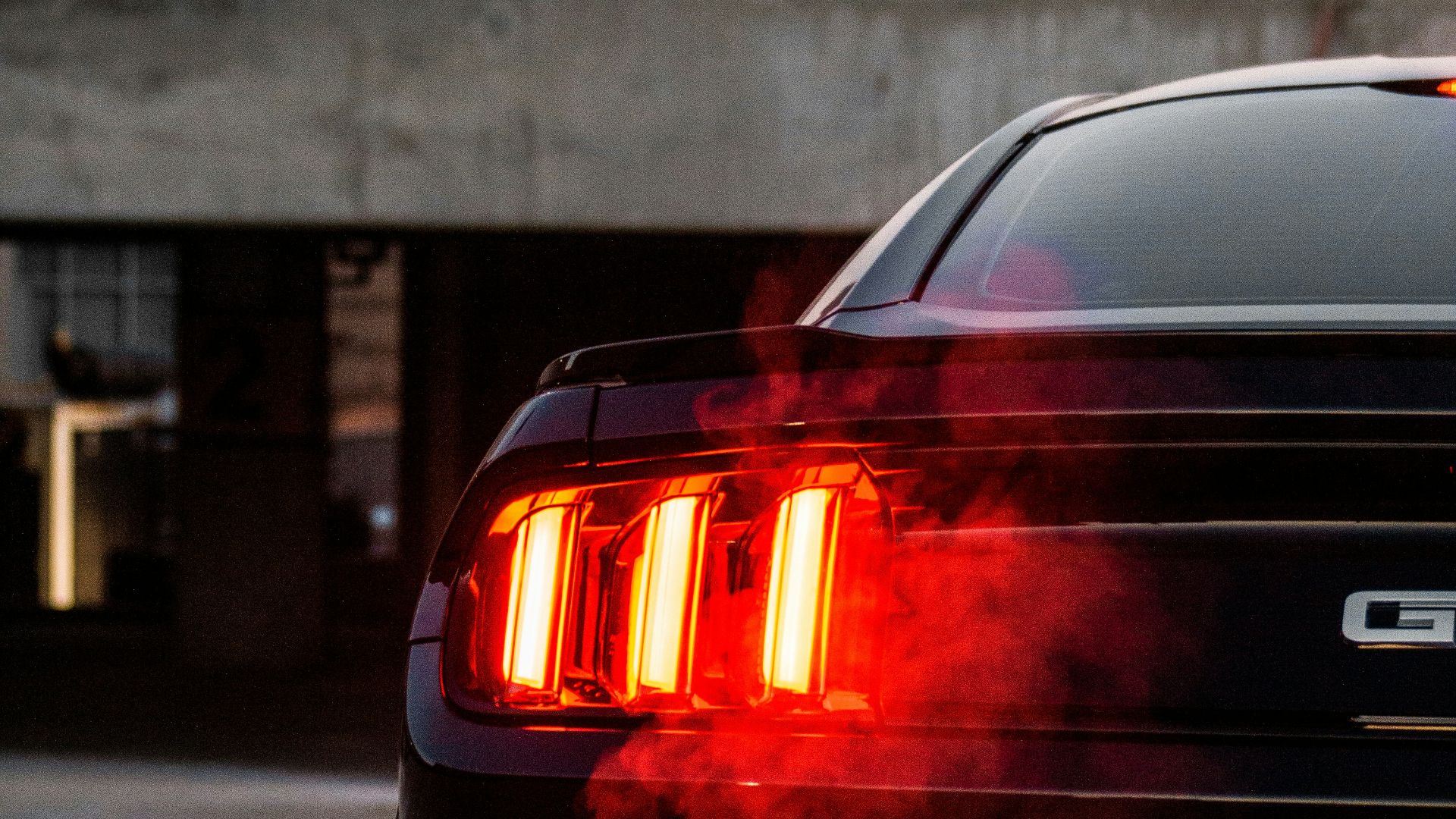
The Big Question—Can You Get a Ticket for This?
Yes, you absolutely can.
If your tinted brake lights reduce visibility or don’t meet your state’s safety requirements, it’s considered a violation—and you can be pulled over and ticketed for it.
The Bottom Line Before You Hit the Road
Car mods are fun—but anything that affects safety equipment is always going to be scrutinized. Brake lights fall squarely into that category. It’s one of those upgrades that can quickly turn into a headache.

One Last Look Before You Drive Off
Next time you hit the brakes, take a second to think—can the driver behind you clearly see it? If the answer isn’t a confident yes, it might be time to rethink that tint.
You May Also Like: