The Lease Return Countdown
You’ve been making your monthly payments, cruising through the lease term, and suddenly you realize the return date is right around the corner. That little scrape on the door you got in the parking garage? Those light scratches from everyday use? It’s easy to start worrying about whether a few cosmetic imperfections will turn into an unexpected bill. The good news is that most leasing companies expect some wear and tear, but whether you’ll be charged depends on how deep the damage goes and whether it crosses the line into “excessive” territory.

What Normal Wear And Tear Usually Looks Like
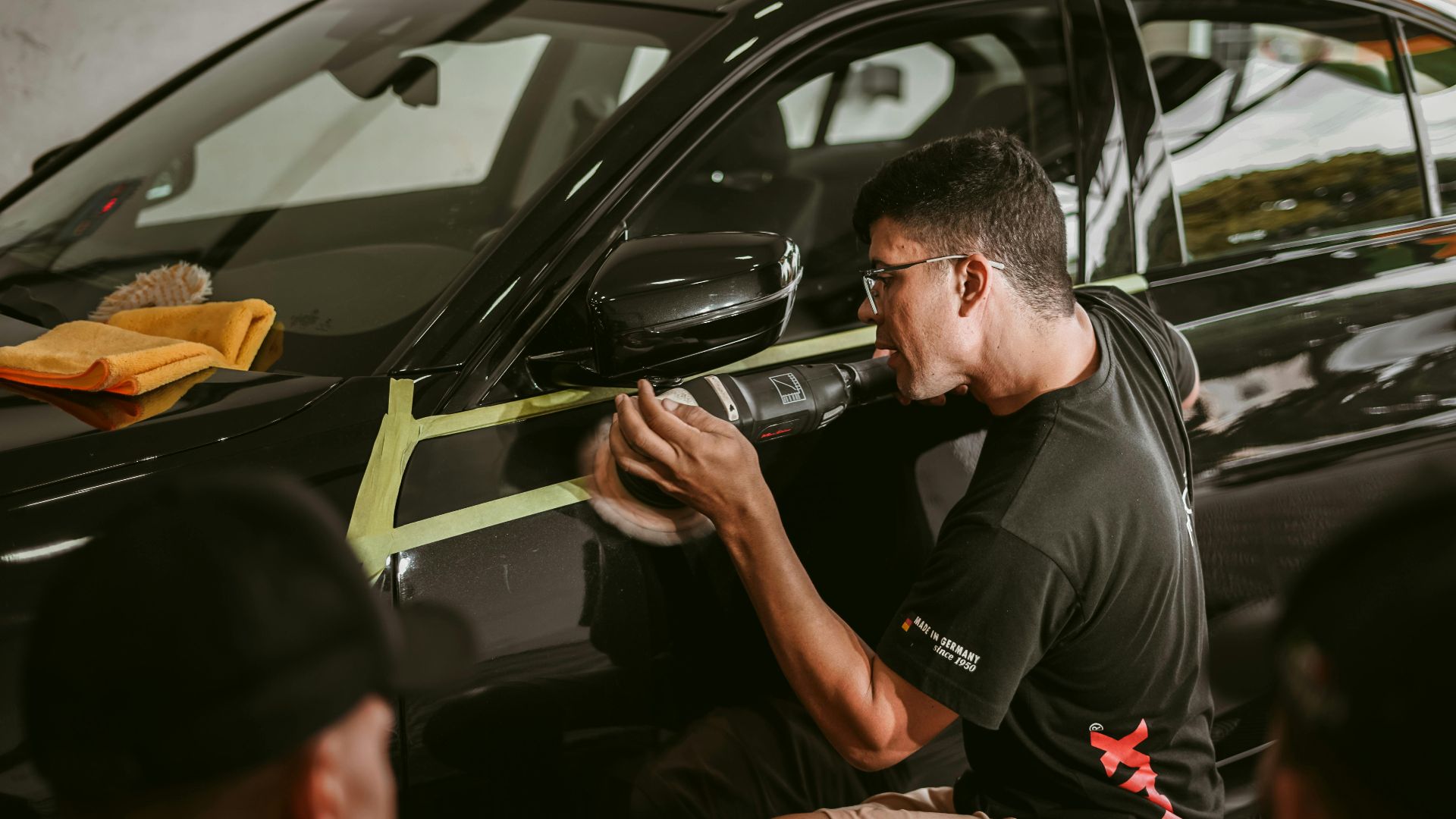
Almost every leasing company agrees that minor surface blemishes are part of everyday driving. Light scratches that haven’t penetrated the paint, tiny paint chips, and small scuffs from typical parking use are generally considered normal. Some dings and scratches that can be buffed or polished out may fall into this category too, as long as they’re small, shallow, and spread out rather than concentrated in one area.
Where Scratches Cross The Line
Not all scratches are created equal. Scratches that are longer, deeper, or show bare metal under the paint are usually considered "excessive" damage. That means they’re beyond what a l easing company expects from normal use and could result in extra charges. These can include scratches that require repainting panels or replacing trim pieces.
Dents, Panels, And Paint: How They Judge What’s Too Much
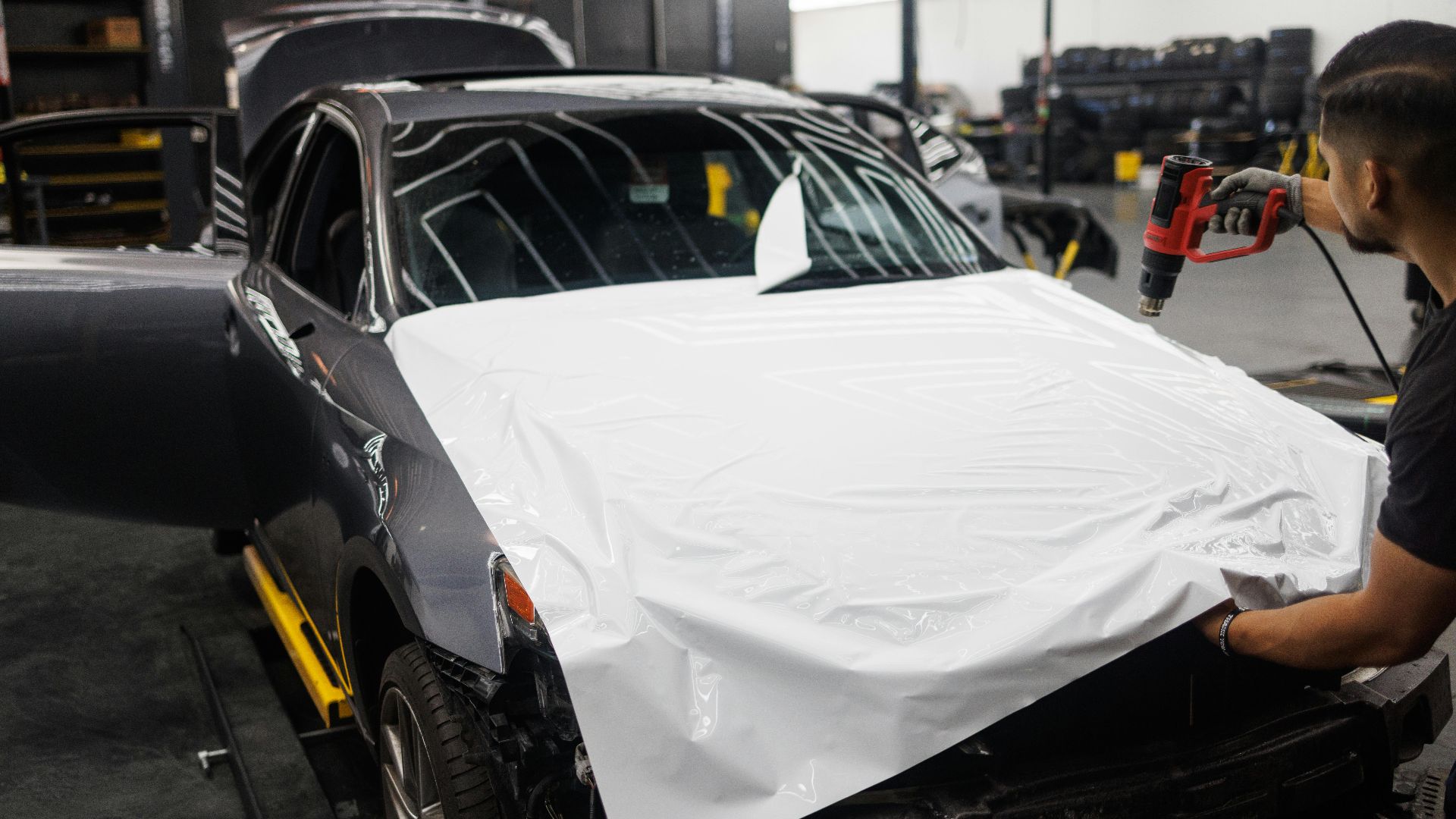
It isn’t just about a scratch’s length. Leasing companies often gauge damage based on how it affects the car’s resale value. A small, isolated scratch that a detailer can fix easily might be acceptable, whereas a series of deep scratches across a panel, or any that show through to bare metal, may be a different story. Larger dents, cracked panels, or paint damage that needs professional attention is much more likely to trigger fees.

Interior Scuffs And Damage Matter Too
It’s not only the outside that gets examined. Interior wear, like seat tears, stains, excessive wear on materials, and damage to trim pieces, is often considered separately. Light, expected wear (like faint seat creases) is usually fine, but larger scratches, rips, or permanent stains can result in charges as well.

Tires, Wheels, And Other Common Inspection Points
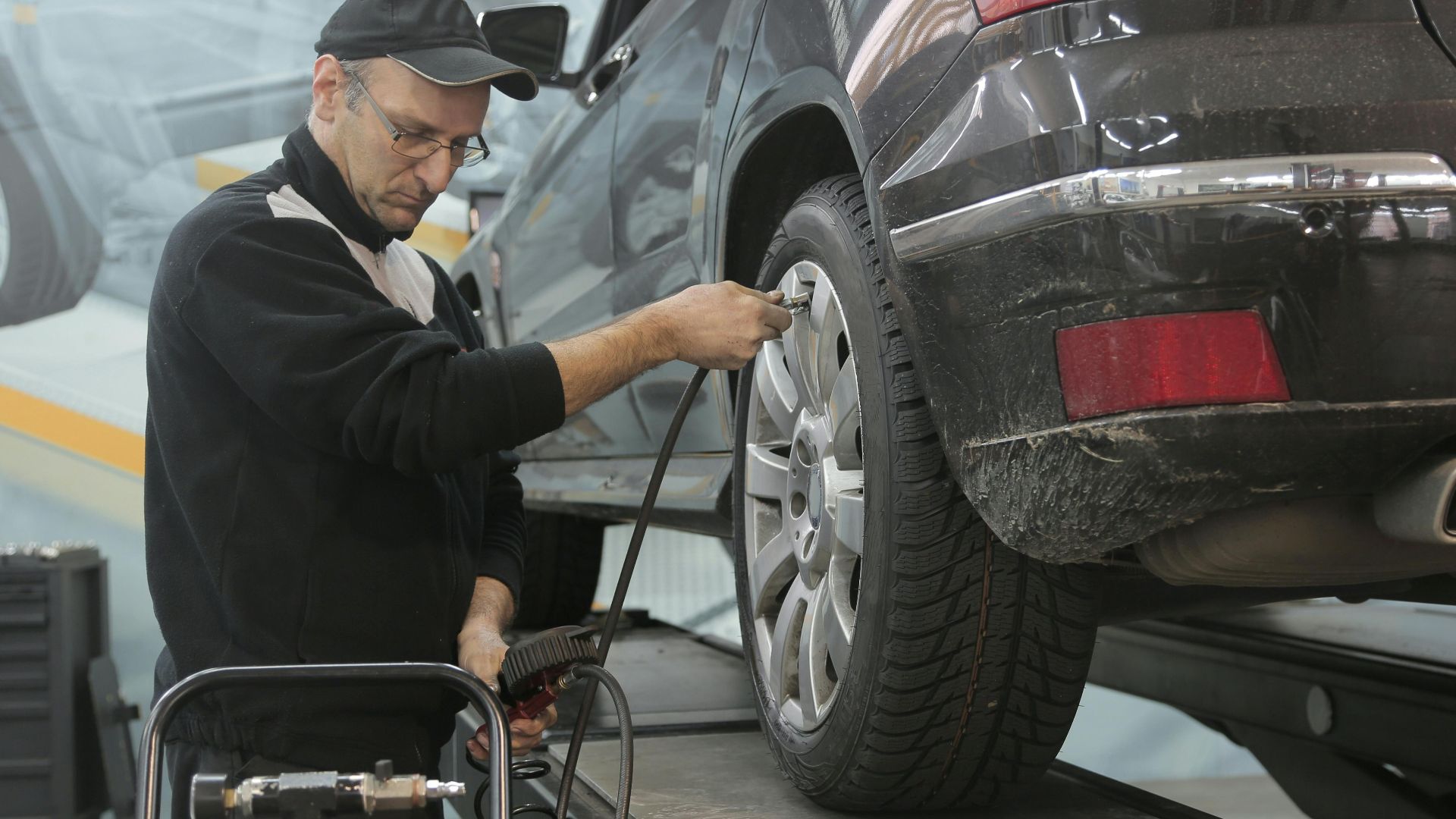
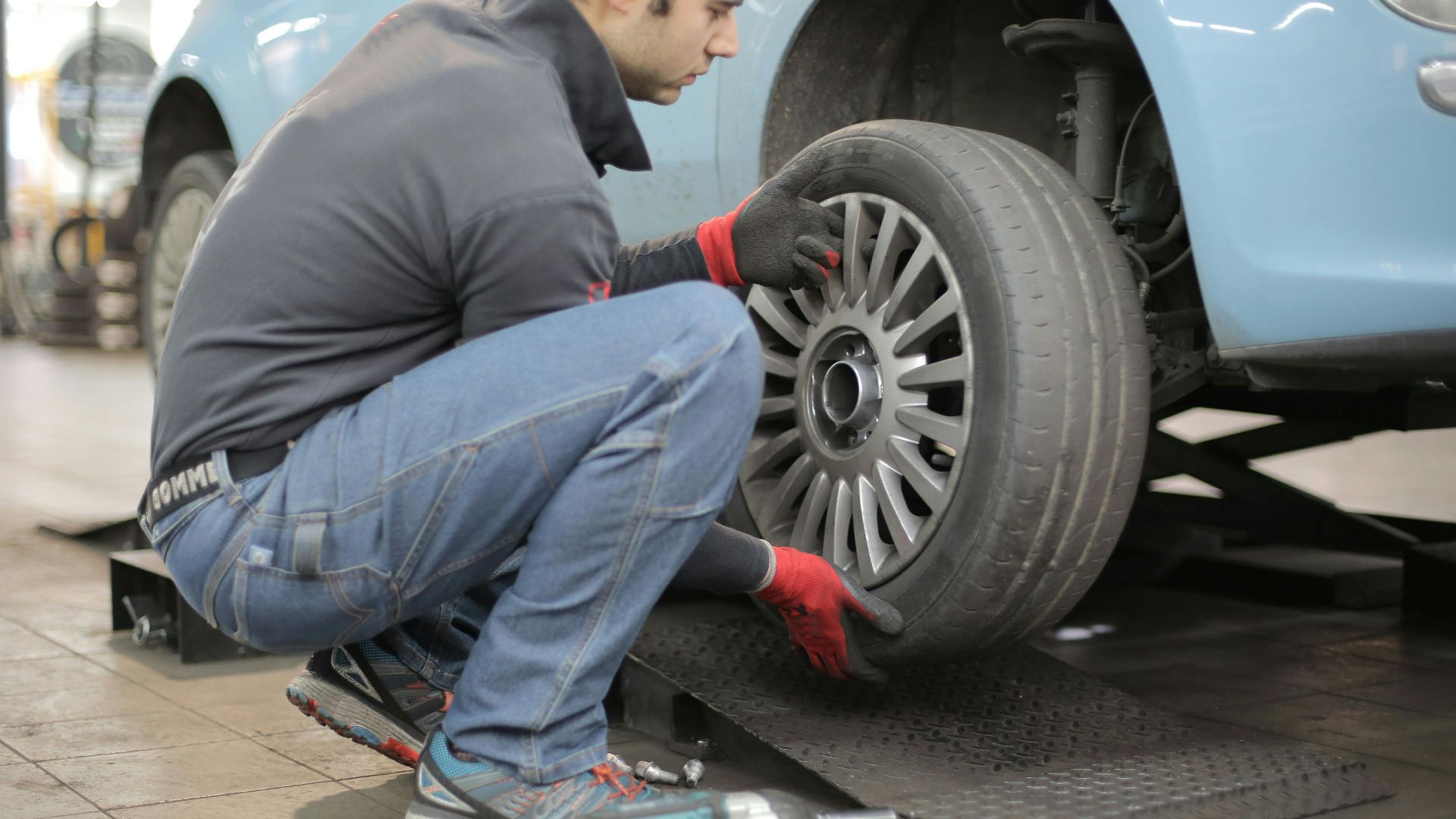
Lease inspections are surprisingly thorough. They typically include tire condition, wheel damage, windshield chips, and more. Tires that are worn beyond legal standards or rims with obvious curb damage may result in additional charges. These might have nothing to do with your scratches, but they’re part of the overall condition assessment.
Pre-Inspection Is Your Best Friend Before Lease End
Most leasing companies (and many dealers) offer a free pre-inspection 30–90 days before your lease ends. This gives you a heads-up on what the official inspection will flag, and lets you decide whether you want to fix things yourself or bite the bullet and let the lease company handle it later. Proactively scheduling this inspection can help reduce surprises and give you time to shop around for repair quotes.
Should You Repair Scratches Yourself Before Returning?
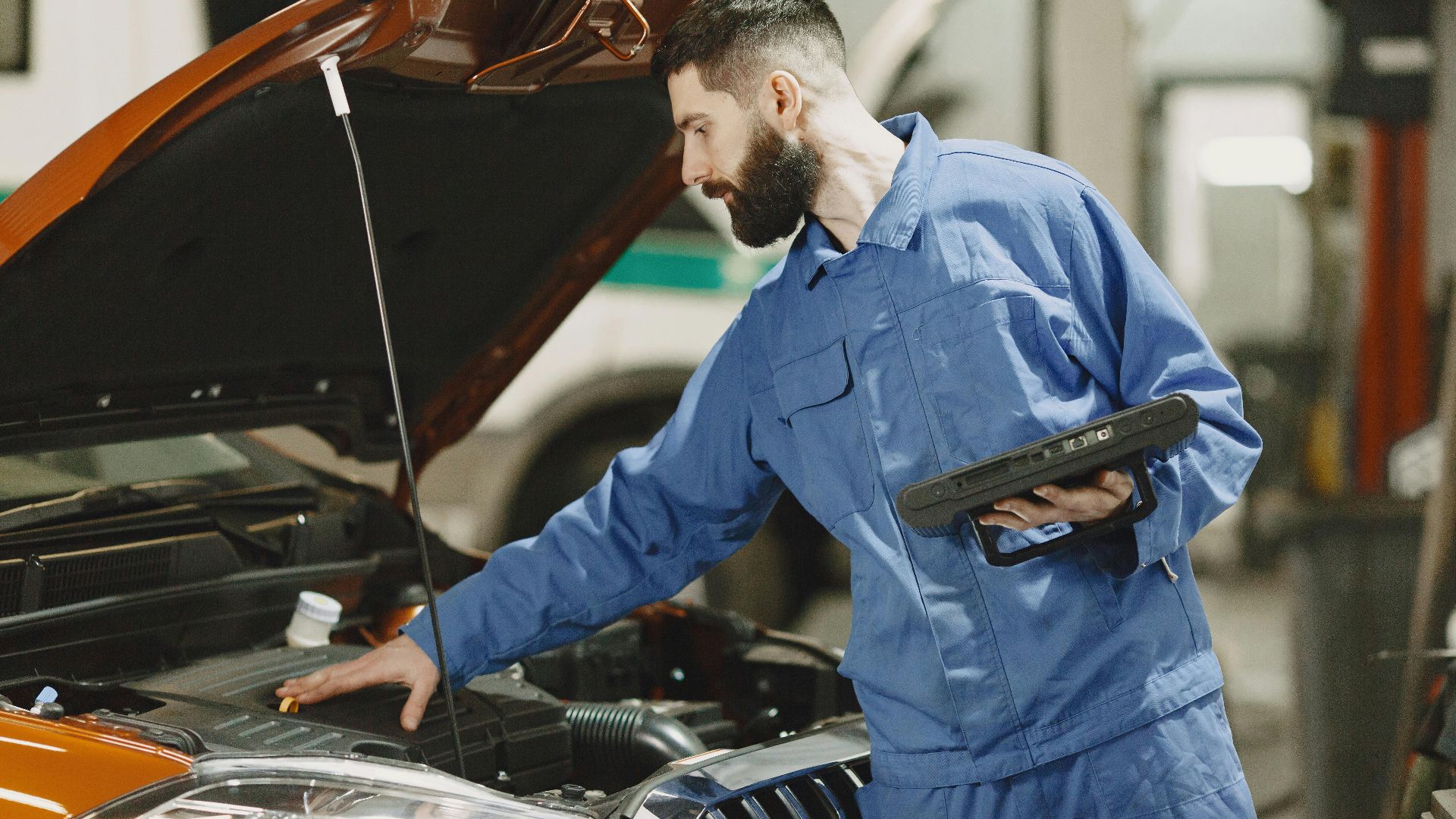
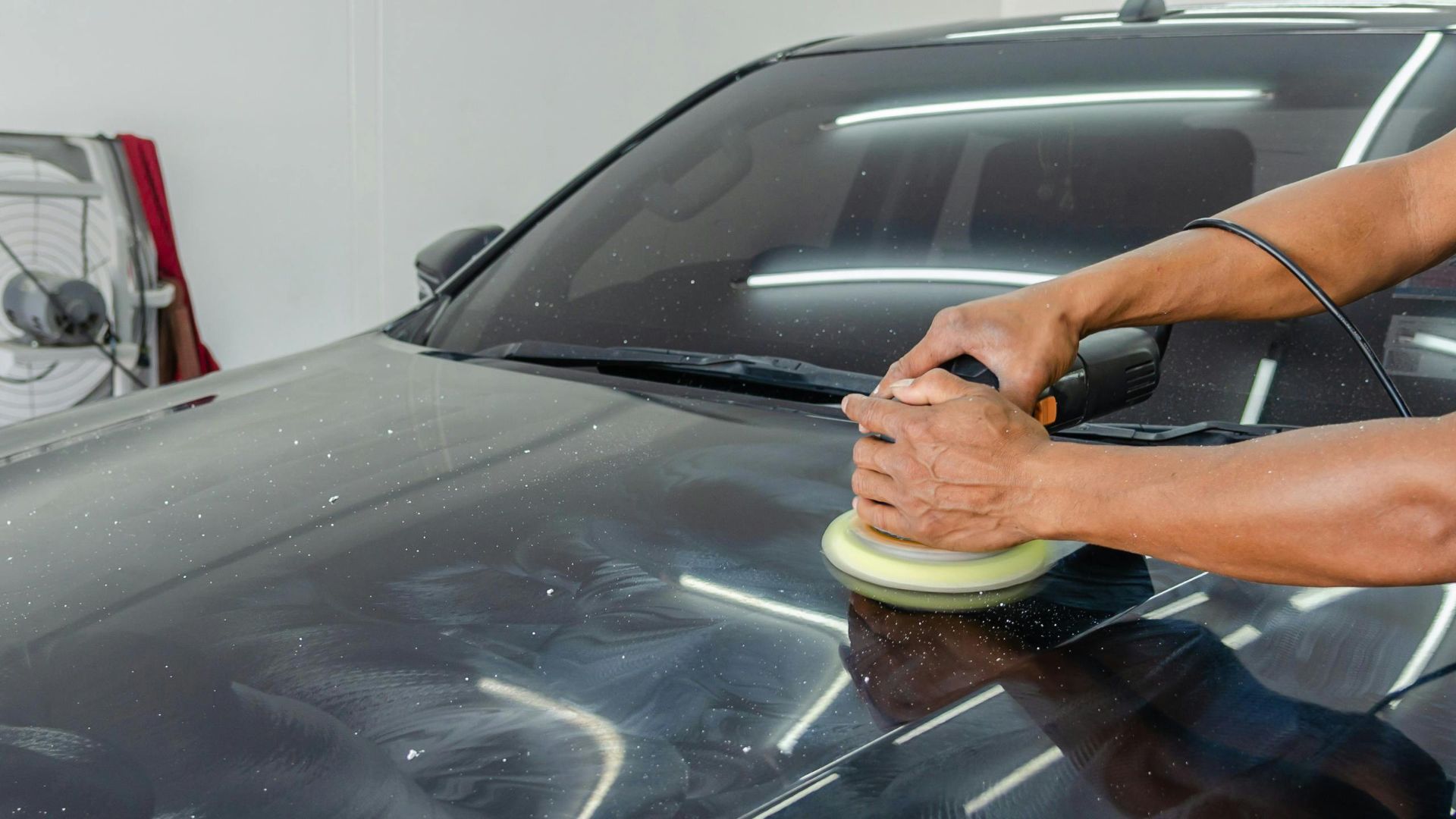
When minor scratches show up, it might make sense to handle repairs yourself if you can afford quality fixes. Touch-up paint, professional scratch removal, or dent pull-outs can cost far less than the dealer’s repair fees. But beware: shoddy DIY jobs can cost more in the long run if the dealership considers them poorly done and still charges you for professional work.
Getting Professional Repair Quotes
Before paying to fix anything, get a few quotes from reputable body shops or detailers. These quotes help you estimate whether repairing scratches and dents yourself will save you money compared with letting the leasing company charge you for repairs after inspection. Sometimes a dealer’s own shop charges significantly more, so getting outside quotes can offer big savings.
Insurance And Lease End Damage
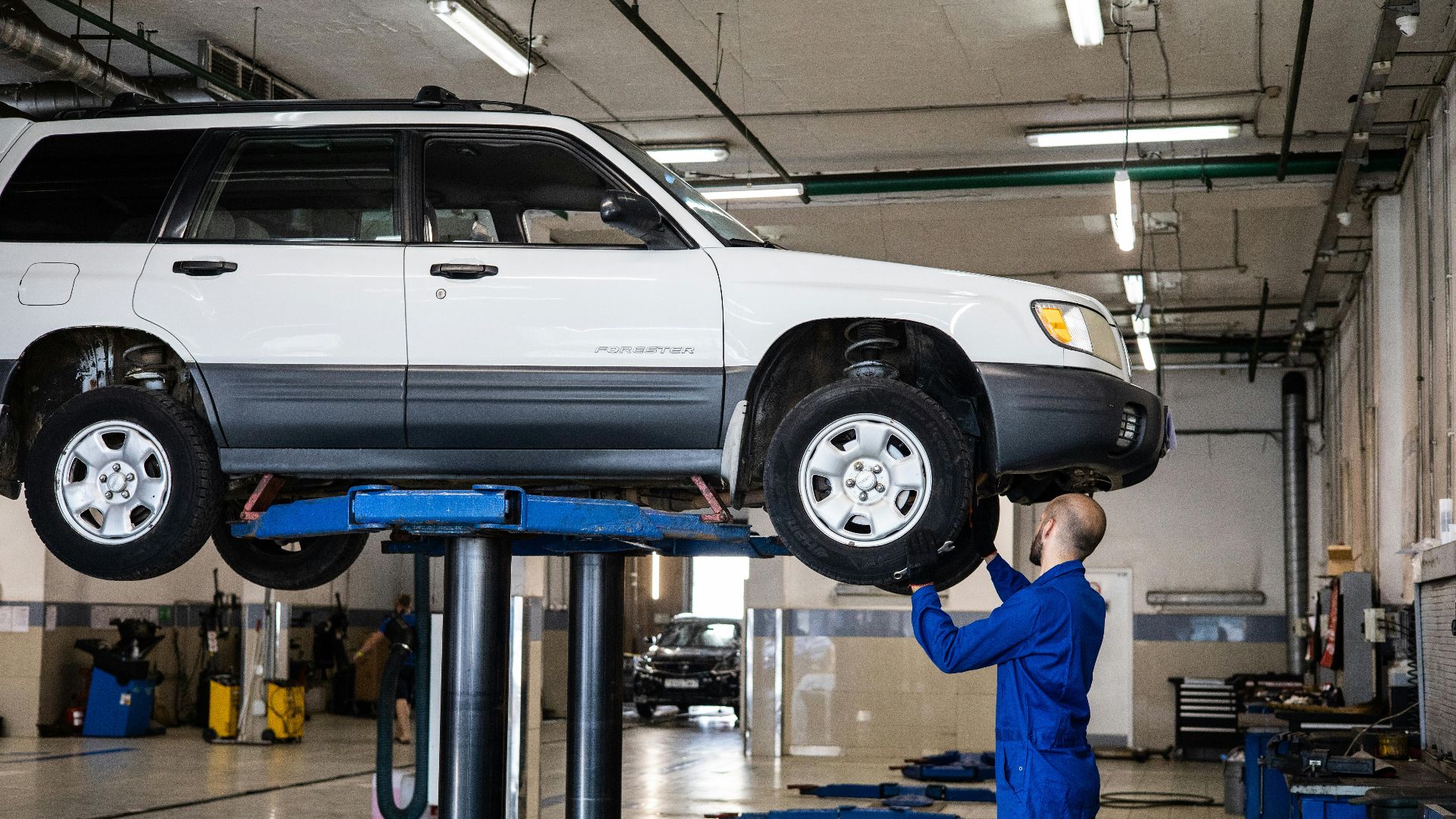
If your scratches or dents are the result of an accident covered by insurance, it’s usually better to handle the repair through your policy (if you have collision coverage). This ensures the work is documented and done to standard, and it can avoid lease-end penalties. Just check your deductible and coverage details before filing.

Buyout Versus Repair: When Keeping The Car Helps
In some cases, the cost to fix lease return damage is higher than buying the car outright. If the buyout price is reasonable and you like the vehicle, purchasing it and fixing it yourself afterward can be cheaper overall, especially if the damages are mostly cosmetic. Review your contract’s residual value and compare it to market prices and repair estimates to see if this makes sense.

Document Anything You Plan To Fix Or Leave
Take dated photos of all scratches, dents, and areas of concern before any repairs—and even after. This documentation can help in disputes with the leasing company over whether a charge was fair. It helps to show the condition at multiple points in time, especially if you corrected an issue before turning in the car.
Keep Maintenance Records Handy
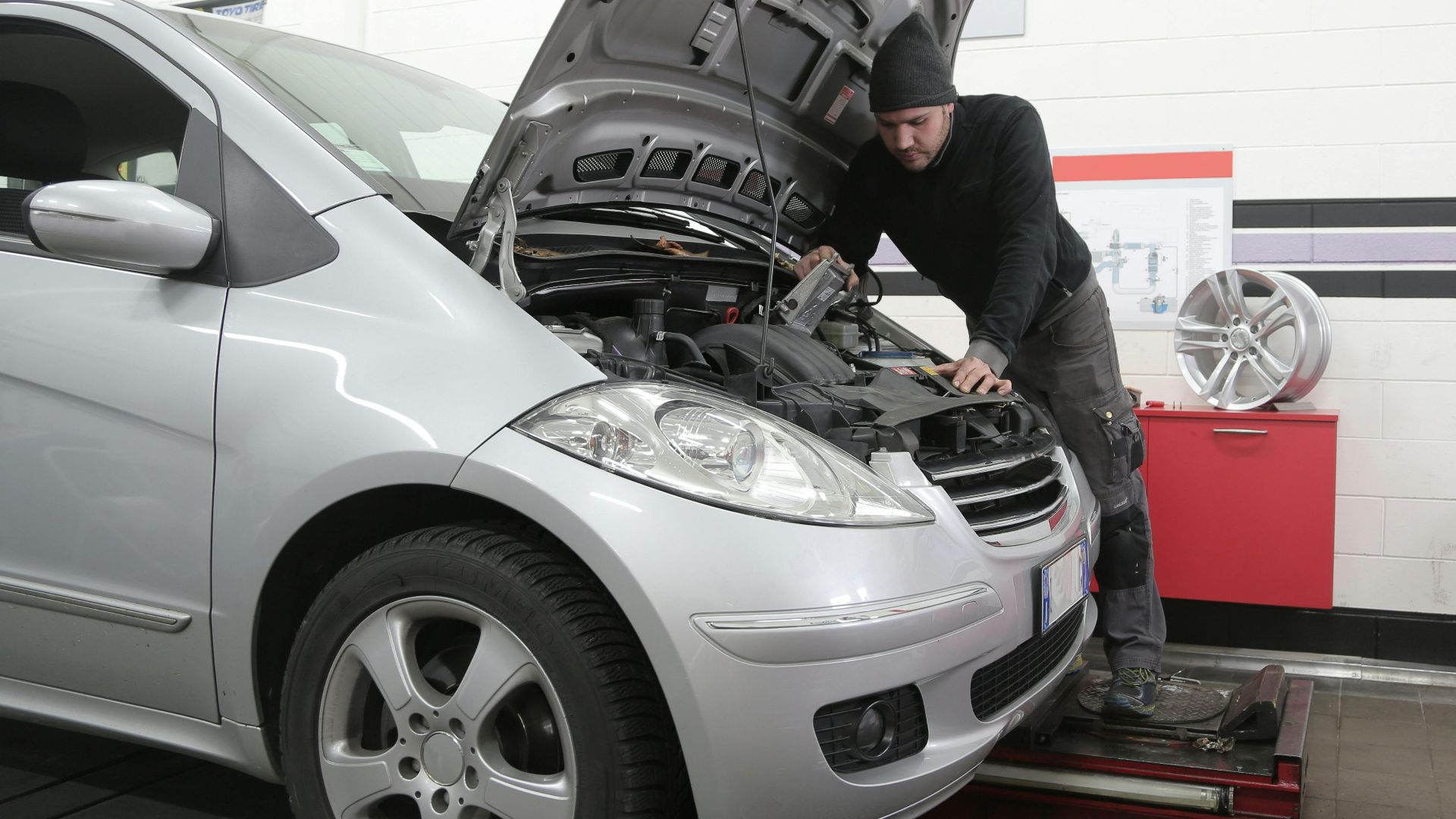
Showing that you’ve been on top of regular maintenance (oil changes, tire rotations, etc.) reinforces that you’ve taken good care of the car overall. While maintenance isn’t directly tied to cosmetics, it indicates responsible use, which inspectors appreciate during return assessments.
Negotiate If You Disagree With Charges
If the leasing company says you owe money for scratches or other damage, you can absolutely ask for clarification or challenge it if you feel it’s unfair. Sometimes a supervisor or lease return manager can reassess the damage or re-classify it as acceptable wear and tear. It never hurts to speak up politely and armed with evidence.

Spring Cleaning Matters More Than You Think
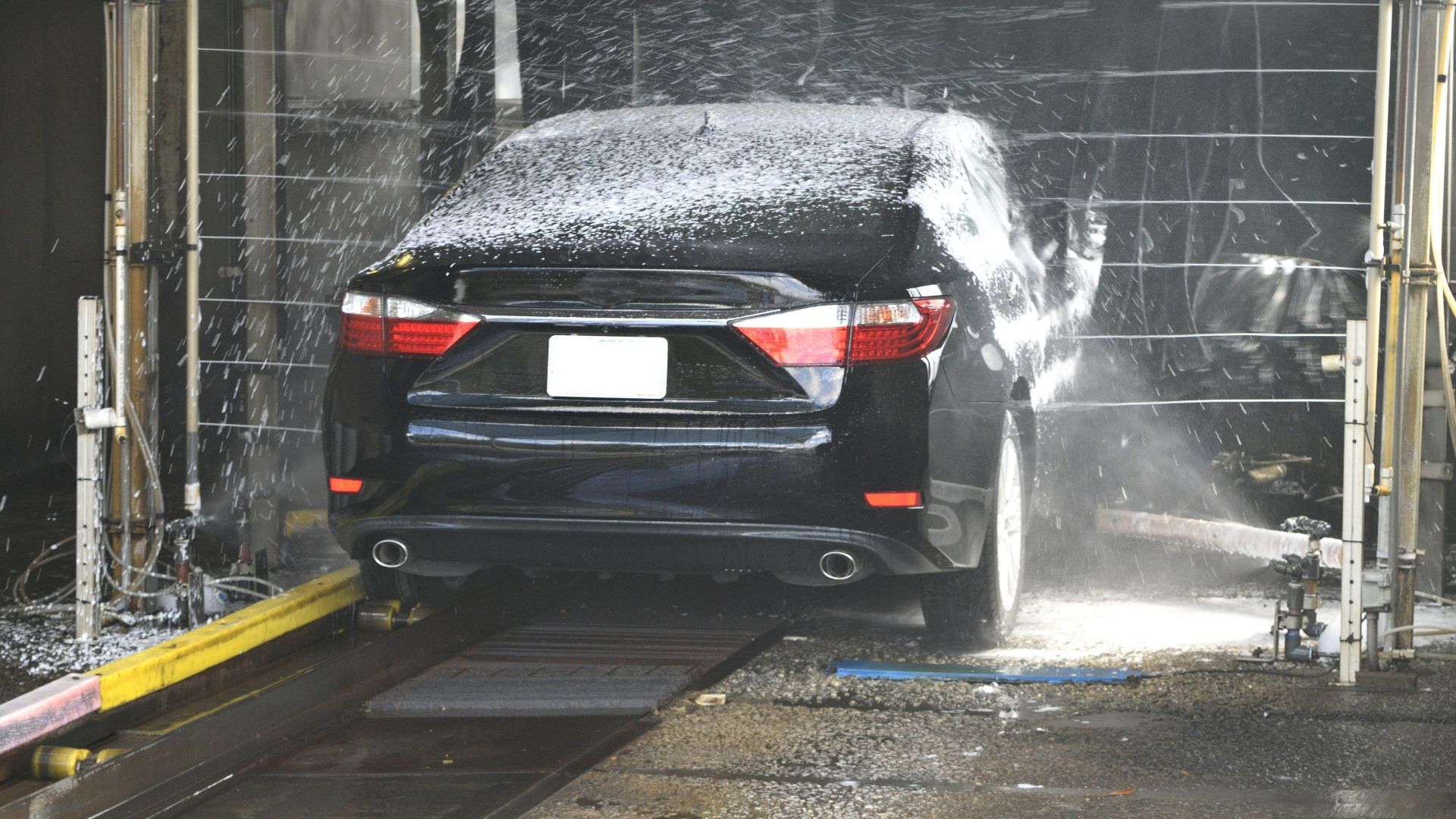
A thoroughly cleaned car (inside and out) makes any scratches stand out less and suggests care and respect for the vehicle. Detailing before return doesn’t directly erase damage, but it makes it less likely that normal wear and tear gets flagged during the inspection.
Lease Protection Plans And Wear-And-Tear Coverage
Some lease agreements offer optional wear-and-tear protection or maintenance plans that cover minor cosmetic issues at lease end. If you purchased such a plan when you signed, it might cover scratches and small dents, saving you potentially hundreds in repair fees. Check your paperwork to see if you added this option.

Mileage Limits And Other Fees Still Apply
Remember that scratches are just one piece of the lease return puzzle. Mileage overages, missing keys, irreparable damage, or delinquent maintenance can also trigger charges. Knowing your contract’s terms (and sticking to them) helps avoid a multi-hundred-dollar surprise.

The Bottom Line: Small Scratches Are Usually Okay, But Not Too Big, Too Many, Or Too Deep
Most lease agreements allow a bit of cosmetic wear, including light scratches and minor dings, without charging extra. However, once the damage gets deeper, longer, or more noticeable than “normal wear and tear,” expect a charge unless you repair it before turning the car in. Pre-inspection, documentation, and smart decisions about repairs can make the difference between a clean lease return and a surprise bill.

You May Also Like:
My catalytic converter got stolen and my insurance says it’s not covered. What now?
My neighbor backed into my car and swears it was already damaged. How do I prove it wasn’t?
My neighbor keeps blocking my driveway with their car. Should I call the cops or talk to them first?