
“But I Wasn’t Even Driving!”
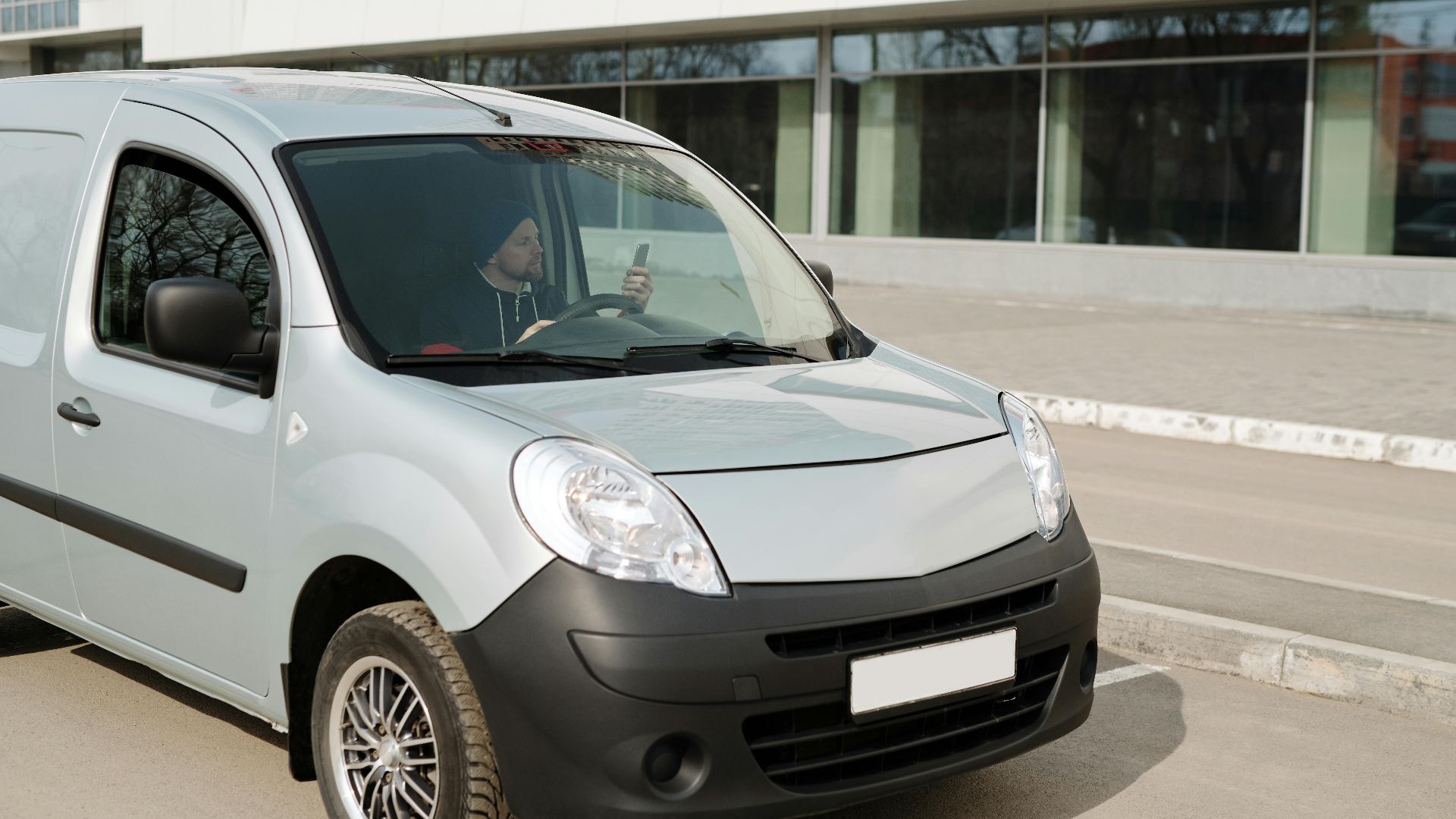
You pulled over, you weren’t moving, and the engine might’ve even been off. You figured you were doing the responsible thing by parking before checking your phone...until a police officer walks up and hands you a distracted driving ticket anyway. Your first reaction is probably: “How is that even legal? I wasn’t driving”.
But the frustrating truth is that in many places, distracted driving laws don’t just apply when your car is in motion. Whether that ticket sticks depends on how your state defines “operating,” “driving,” or “control” of a vehicle.

Distracted Driving Laws Are Broader Than Most People Think
A lot of drivers assume the law only applies when the vehicle is actively moving. But many distracted driving statutes use language like “operating” or “in control of a motor vehicle.” That wording can include situations where the car is stopped but still running—or even just positioned in traffic. The details matter a lot.

What Counts As “Operating” A Vehicle?
In some states, you’re considered to be operating a vehicle as long as you’re in the driver’s seat with access to the controls. That can include being stopped at a red light, stuck in traffic, or temporarily pulled over without fully exiting the roadway. If your car is on a public road and you’re behind the wheel, an officer may argue you were still “operating” it.

Fully Parked Versus Temporarily Stopped
There’s an important difference between pulling into a legal parking space and stopping on the shoulder. If you were legally parked in a designated parking spot with the car in park and engine off, your argument is stronger. If you were on the shoulder, partially in traffic, or in an emergency lane, officers may view that as still part of the roadway.

Engine On Or Off Can Matter
In some jurisdictions, having the engine running is a key factor. If the car was on, even if stationary, that can be enough to qualify as operating the vehicle. If the engine was off and the vehicle was safely parked, your defense becomes stronger—but it still depends on local law.
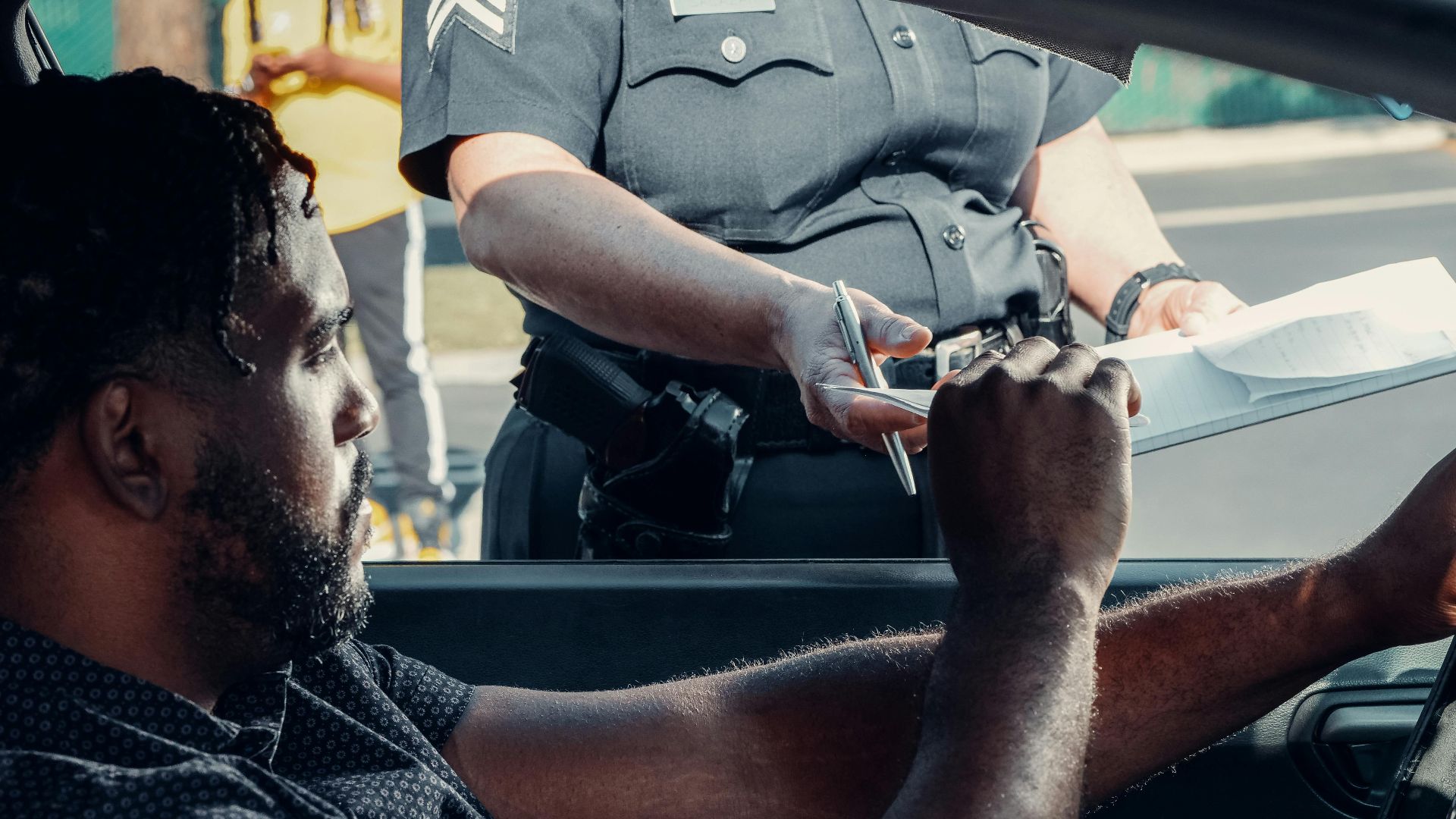
 Nicholas Derio Palacios, Pexels
Each State (Or Province) Has Its Own Rules
Distracted driving laws vary widely. Some states specifically prohibit holding a phone while driving, regardless of whether you’re actively moving. Others require proof that you were texting or interacting with the device while the vehicle was in motion. That means the legality of your ticket depends heavily on where you are.

Shoulder Parking Isn’t Always “Parked”
Many drivers believe pulling to the side of the road counts as parking. Legally, that’s not always true. Shoulders are typically considered part of the roadway system. If traffic is passing next to you, law enforcement may still treat you as being in active control of a vehicle.
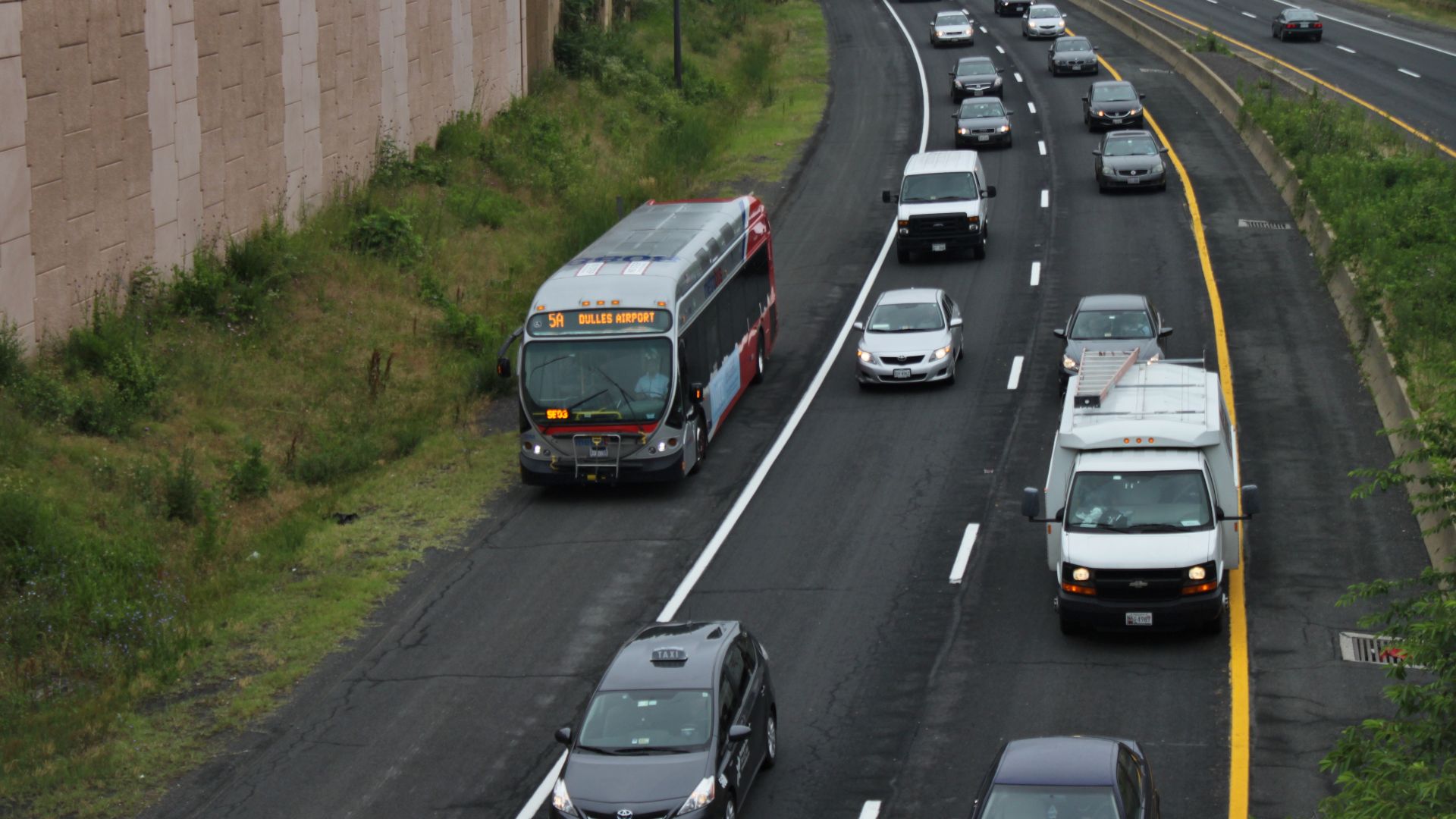 SounderBruce, Wikimedia Commons
Hazard Lights Don’t Automatically Protect You
Turning on your hazard lights doesn’t necessarily make you legally parked. It signals caution, yes, but it doesn’t override distracted driving laws.

What If You Were In A Parking Lot?
Private parking lots are different. Some distracted driving laws only apply on public roadways. If you were fully inside a private lot, especially with the vehicle parked, the ticket may be more questionable. Again, location matters.

Officers Have Discretion
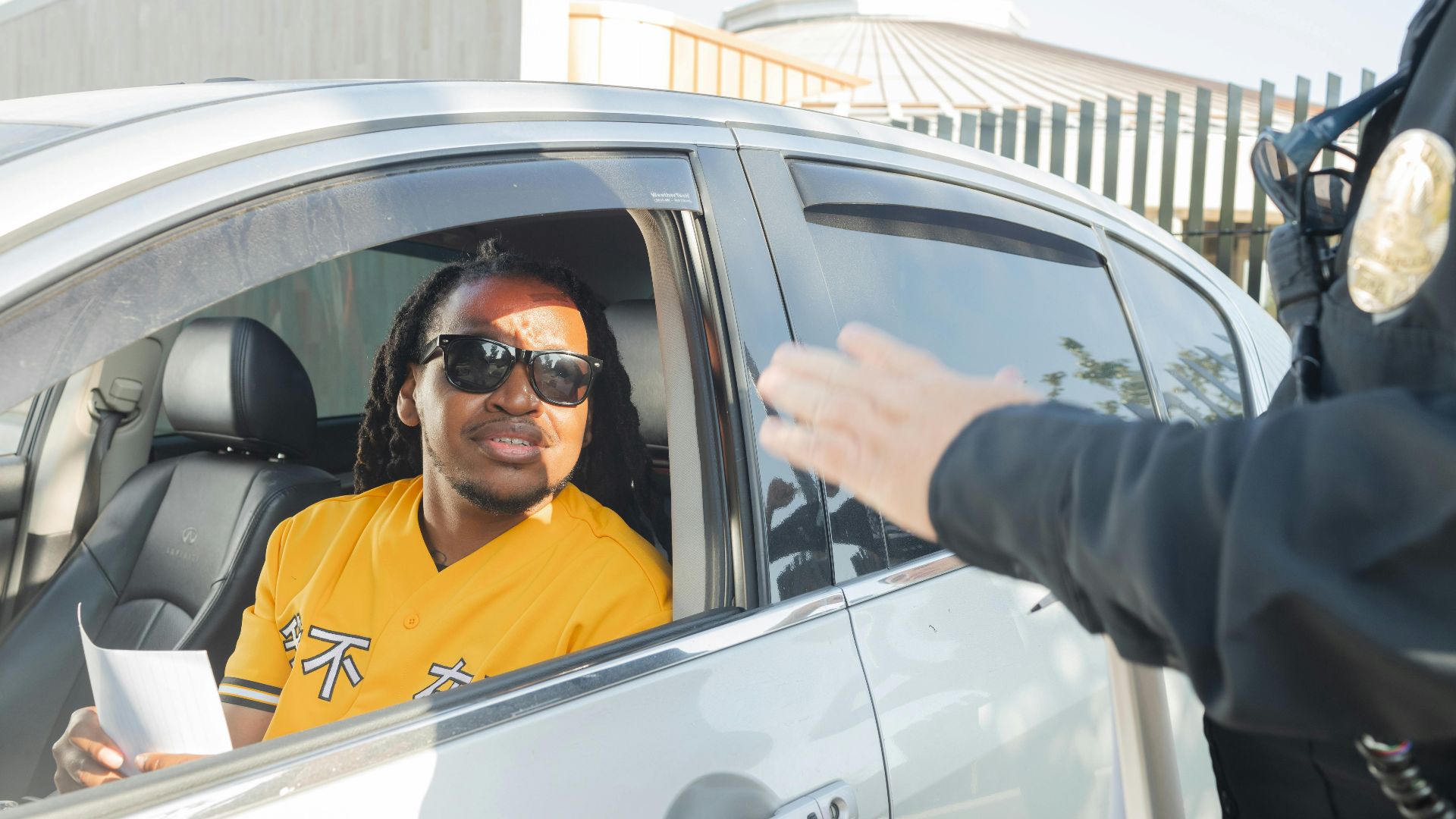
Traffic enforcement often involves officer interpretation. If an officer believes your vehicle was positioned unsafely or that you were still in active control, they may issue a citation even if you believe you were parked. That doesn’t automatically mean the ticket will hold up in court—but it explains how it can happen.

The Ticket Language Matters
Look carefully at what the citation actually says. Were you cited for “texting while driving”? “Using a handheld device”? “Operating a vehicle while distracted”? The exact wording of the statute referenced on your ticket is critical to understanding your options.
Check The Law In Your Jurisdiction
Look up your state or province’s distracted driving statute online. Pay attention to definitions of “operate,” “drive,” or “control.” Courts rely on those definitions when deciding cases. You’re looking for whether motion is required—or whether simply being in the driver’s seat is enough.

Your Defense May Depend On Details
If you were legally parked, engine off, vehicle fully out of traffic, and not impeding movement, that’s a stronger defense. If you were partially blocking a lane or stopped in a no-parking zone, the officer may argue you were still part of active traffic.

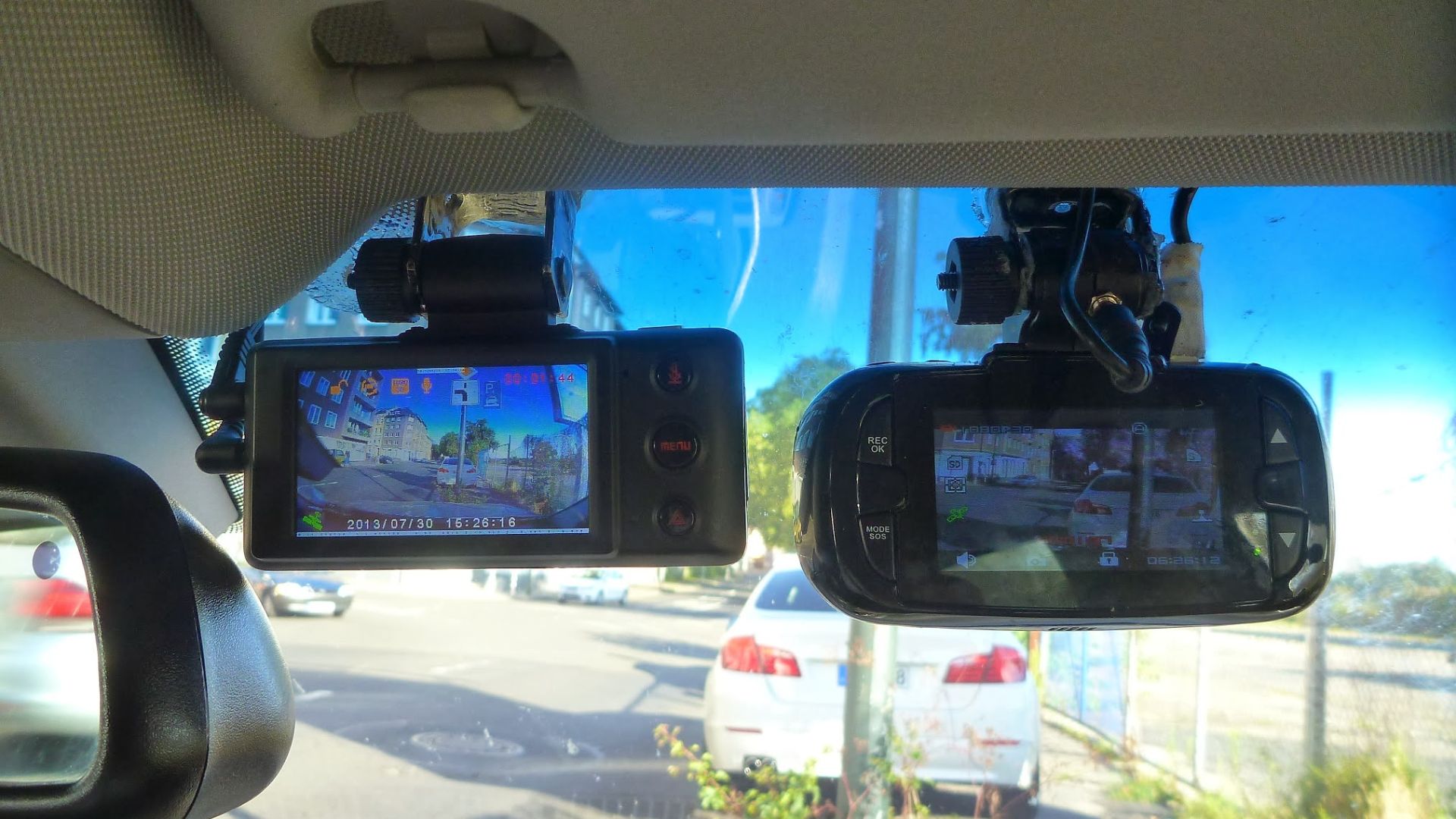
Body Camera And Dash Cam Footage Can Help
If you plan to challenge the ticket, footage matters. If you have dash cam video showing you were fully parked, that strengthens your case. You may also request any officer body cam footage through proper legal channels.
Distracted Driving Fines Can Be Serious
Many distracted driving violations carry heavy fines, license points, and insurance consequences. Even a first offense can increase premiums significantly. That makes it worth reviewing the citation carefully rather than automatically paying it.

Should You Fight The Ticket?
If you genuinely believe you were legally parked and not operating the vehicle under the law, it may be worth contesting the ticket. Some drivers successfully challenge citations when the facts don’t meet statutory definitions. However, weigh the cost of court time against potential insurance impacts.

Traffic Attorneys Can Clarify Your Chances
A brief consultation with a local traffic attorney can quickly tell you whether your case is strong. Laws vary enough that general advice isn’t always enough—you need local interpretation.

What Courts Often Look At
Judges typically consider the following circumstances:
• Was the vehicle in motion?
• Was it legally parked?
• Was it in a travel lane?
• Was the engine running?
• Did the driver pose a safety risk?
The more clearly you were out of active traffic flow, the stronger your argument.

How To Avoid This In The Future
If you need to use your phone, pull into a clearly marked parking space or lot. Turn off the engine. Remove any ambiguity. The less room there is for interpretation, the less likely you are to face another citation.
Final Thoughts: Yes, It’s Possible, But Not Always Automatic
Can an officer ticket you for distracted driving while parked? In some jurisdictions, yes, especially if you’re still considered to be operating or in control of the vehicle. If you were fully, legally parked with the engine off and out of traffic, you may have grounds to challenge it. The answer isn’t universal. It comes down to how your local law defines “driving,” where you were stopped, and whether you were still in control of the vehicle under that definition.
When in doubt, check your local statute—and next time, make your stop unmistakably a full park, not just a pause.
You May Also Like:
My lease is up next month and the car has a few scratches. Will I be charged for them?