The Claim Sounds Scary For A Reason
If your mechanic says start-stop is quietly chewing up engines, it sounds plausible. More starts must mean more wear, right? Plus that seems like a lot of tech in the car that the automaker didn't include. But the truth is a lot less dramatic than that.
What Start-Stop Actually Does
Automatic start-stop shuts the engine off when the car is standing still, then starts it again when you lift off the brake or press the clutch. The systems spread across the industry in the 2000s and 2010s as automakers pushed for better fuel economy and lower emissions. The Environmental Protection Agency says this tech can improve fuel economy, especially in city driving where idling adds up.

Why Automakers Adopted It So Aggressively
This was not some random gimmick. It showed up because emissions and fuel-economy rules got tighter, and because idling burns fuel without moving the car an inch. The Department of Energy notes that idling can waste a surprising amount of fuel over time, which is exactly what start-stop is meant to cut down.

The Big Fear Is Engine Wear At Restart
The case against start-stop usually starts with one simple idea. Engine wear is often highest during startup, so adding more startups sounds like a good way to shorten engine life. That concern is not made up, but it leaves out a big point: modern start-stop hardware was built for repeated restarts.

Modern Engines Are Not Cold-Starting Every Time
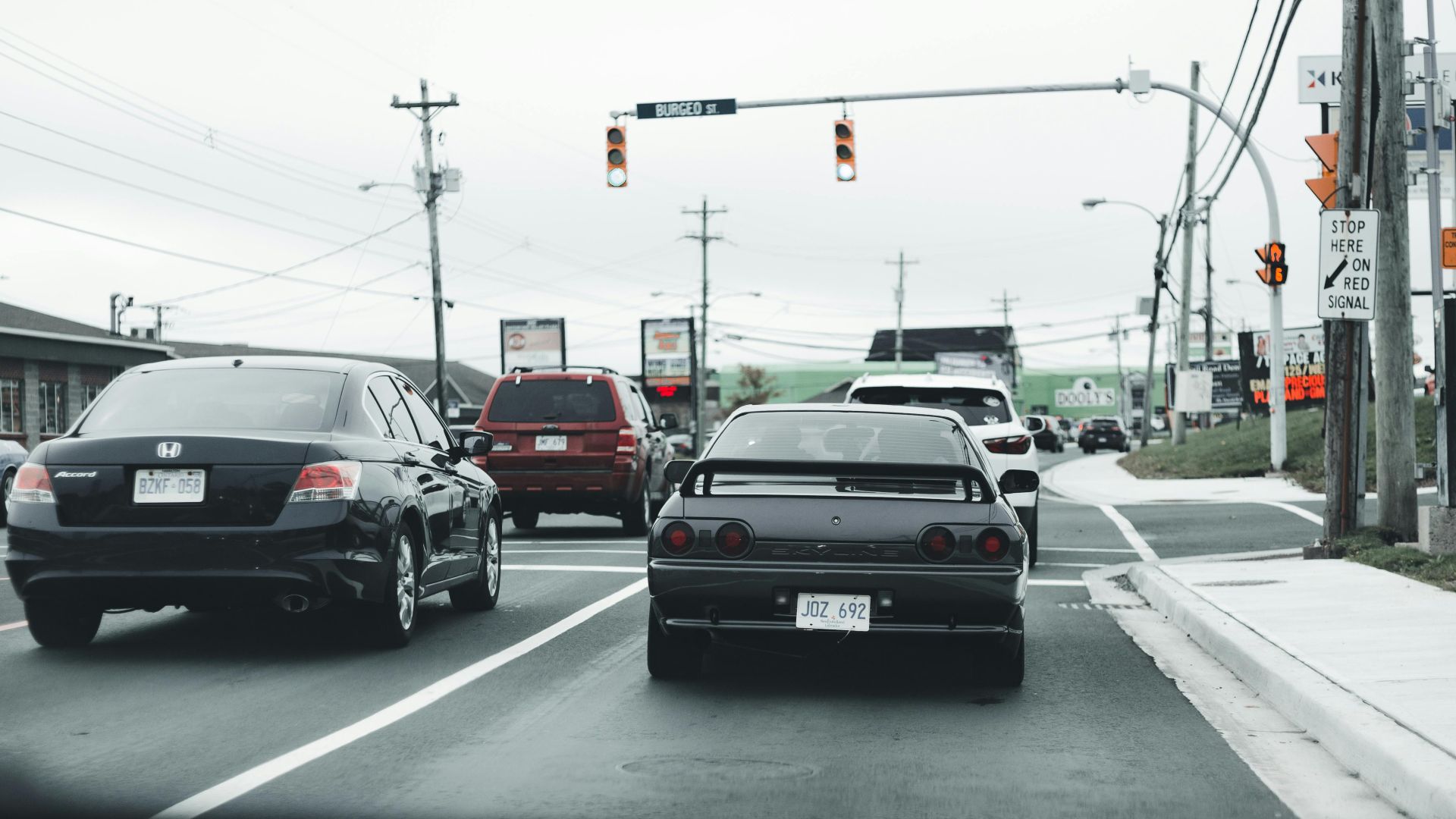
This is one of the most important parts of the whole debate. A start-stop event at a red light is not the same as starting a car on a freezing morning after it sat all night. The engine is already warm, oil is already moving, and the restart comes after only a short pause.

Warm Restarts Are A Different Mechanical Situation
That matters because the roughest startup conditions usually happen when oil has drained down after a long shutdown and the engine is cold. At a stoplight, the engine has usually been off for only a few seconds. SAE International has explained that start-stop systems were developed around this warm-restart situation, not around repeated cold starts.
Automakers Did Not Ignore The Starter Motor Problem
If start-stop used the same hardware as an older non-start-stop car, critics would have a stronger case. But start-stop vehicles usually get reinforced starter motors, upgraded ring gears, and smarter control software. Bosch, one of the major suppliers in this space, has long said these systems are designed for far more start cycles than conventional setups.
The Battery Is Usually Upgraded Too
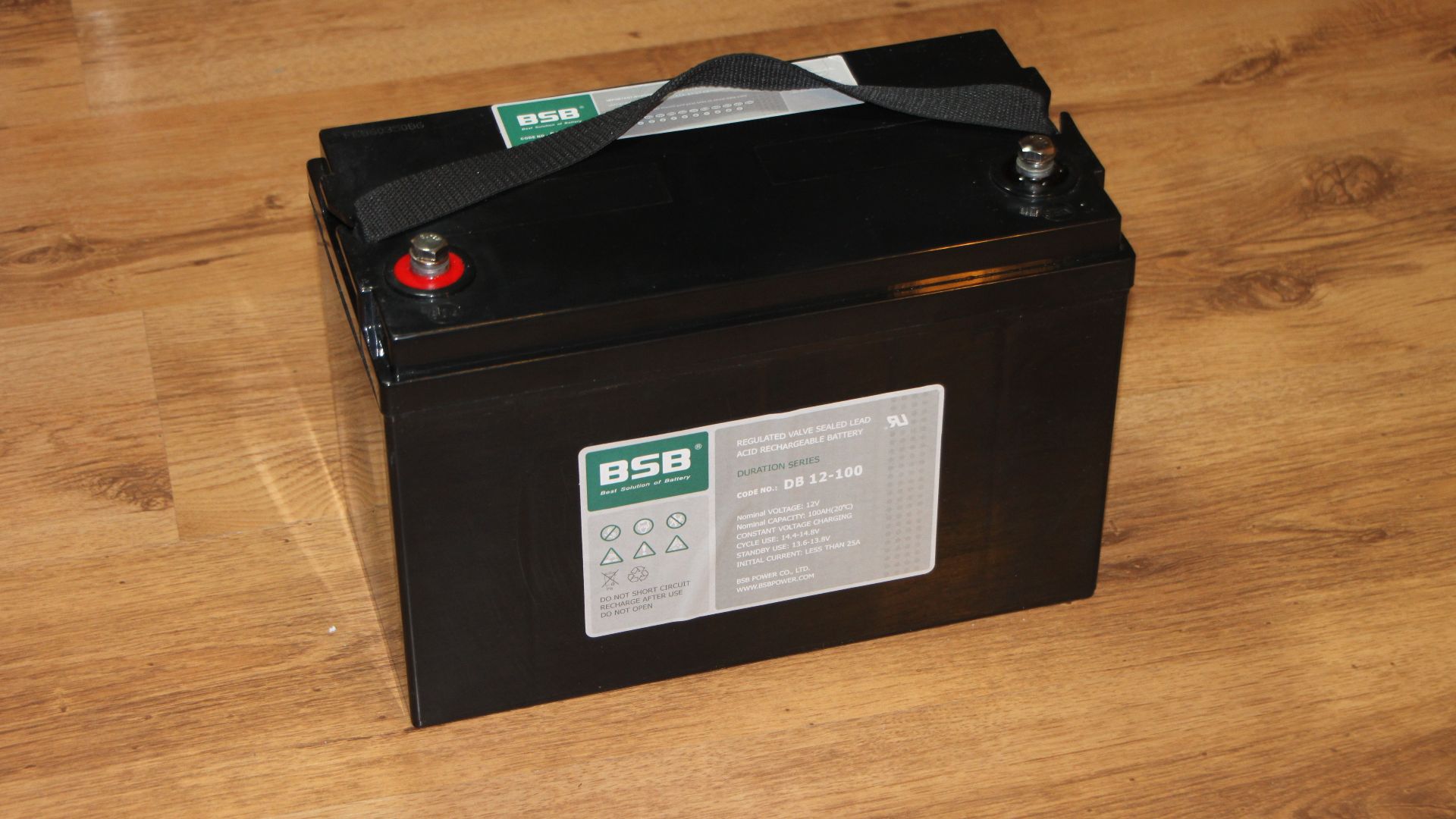
Start-stop cars also do not usually use the same battery type found in older vehicles. They often use AGM or EFB batteries because those designs handle deeper cycling and frequent restarts better. That helps explain why battery replacements can cost more on start-stop cars, but it is also what makes the system workable in everyday driving.
 Emilian Robert Vicol, Wikimedia Commons
Lubrication Was Part Of The Engineering
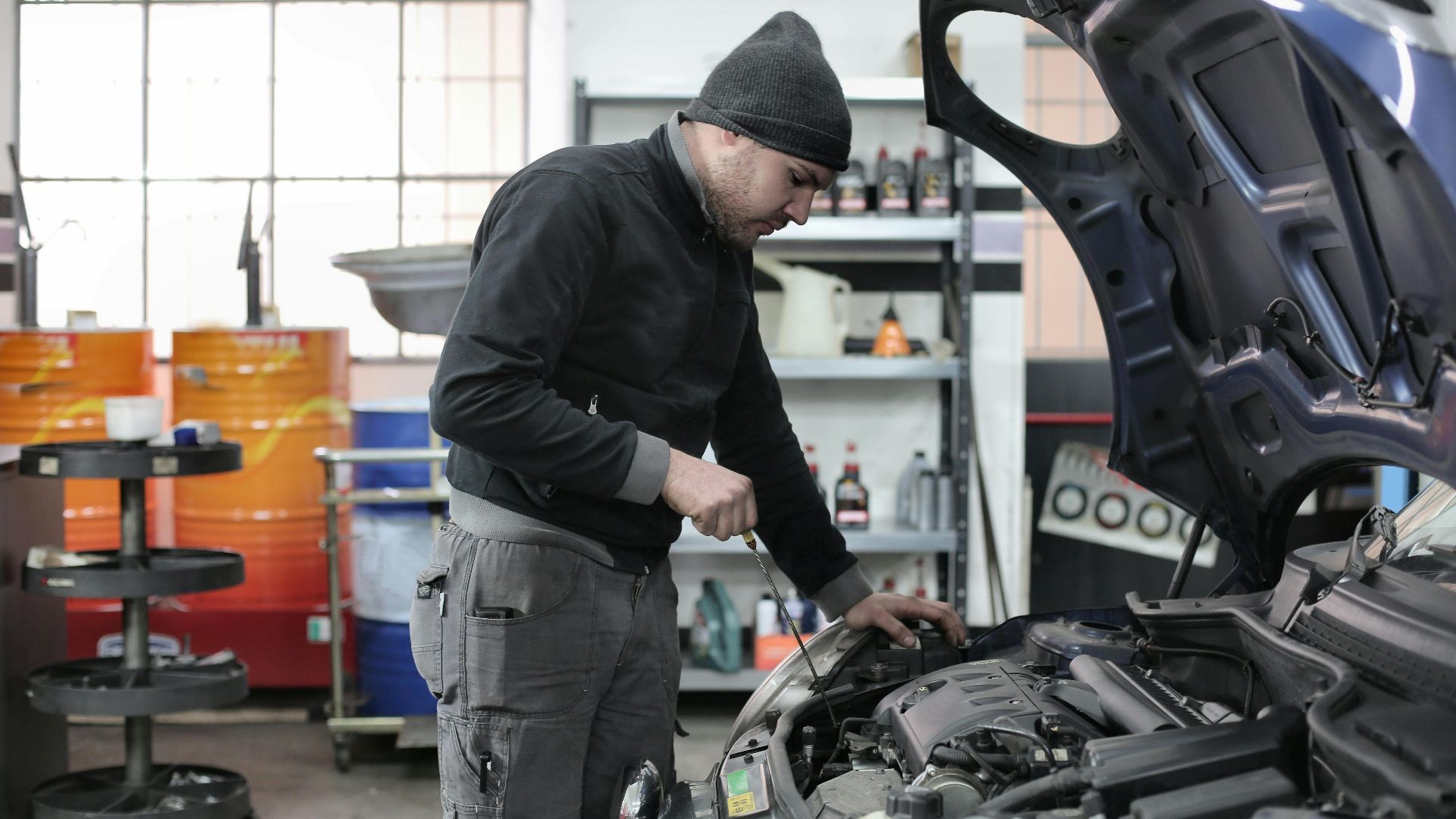
Automakers know lubrication is central to durability, so start-stop systems are calibrated with oil pressure, temperature, and engine condition in mind. Some engines use low-friction coatings, optimized bearing designs, or electric support systems to reduce restart stress. Engineers did not just bolt on a switch and hope for the best.
The Control Logic Often Cancels Start-Stop On Purpose
If conditions are not right, many cars will not shut the engine off at all. Low battery charge, strong air-conditioning demand, steep hills, engine temperature, and other factors can temporarily disable the feature. That built-in caution is one reason the real-world risk is usually lower than the internet version of the story.

What The Fuel-Economy Data Actually Shows
The gains are real, though they are usually modest rather than huge. The EPA and DOE both point to the biggest benefit in stop-and-go traffic, where cutting idle time matters most. Depending on traffic and vehicle design, the improvement is often in the low single digits, not some giant leap for most drivers.

That Modest Gain Helps Explain The Backlash
Drivers feel the restart every time they stop, but they may save only a little fuel on each trip. That mismatch can make the system feel annoying compared with the benefit. It is one reason start-stop gets so much pushback even when the engineering behind it is solid.

So Is It Destroying Engines Long Term
There is no broad, credible evidence that modern start-stop systems are generally destroying engines over the long haul. The stronger consensus is that they put more demand on starters and batteries, and that manufacturers design around those demands with upgraded parts. The weak point is usually not catastrophic engine wear, but added complexity and occasional frustration.
Consumer Reports Found A Similar Bottom Line
Consumer Reports has addressed this question directly and noted that start-stop is not the same as cold-starting an engine over and over all day. It also points out that vehicles with the feature are engineered with heavier-duty starters and batteries. That does not make them immune to failure, but it does weaken the idea that the system is quietly grinding engines down.

AAA Also Looked At The Tech
AAA has explained that start-stop systems are matched with more durable starters and batteries because the load is different from that of a conventional car. It has also noted that modern controls can keep the system from operating when battery charge or other conditions are not right. That is a practical response to the wear question.
 Coolcaesar at en.wikipedia, Wikimedia Commons
Where Problems Really Do Show Up
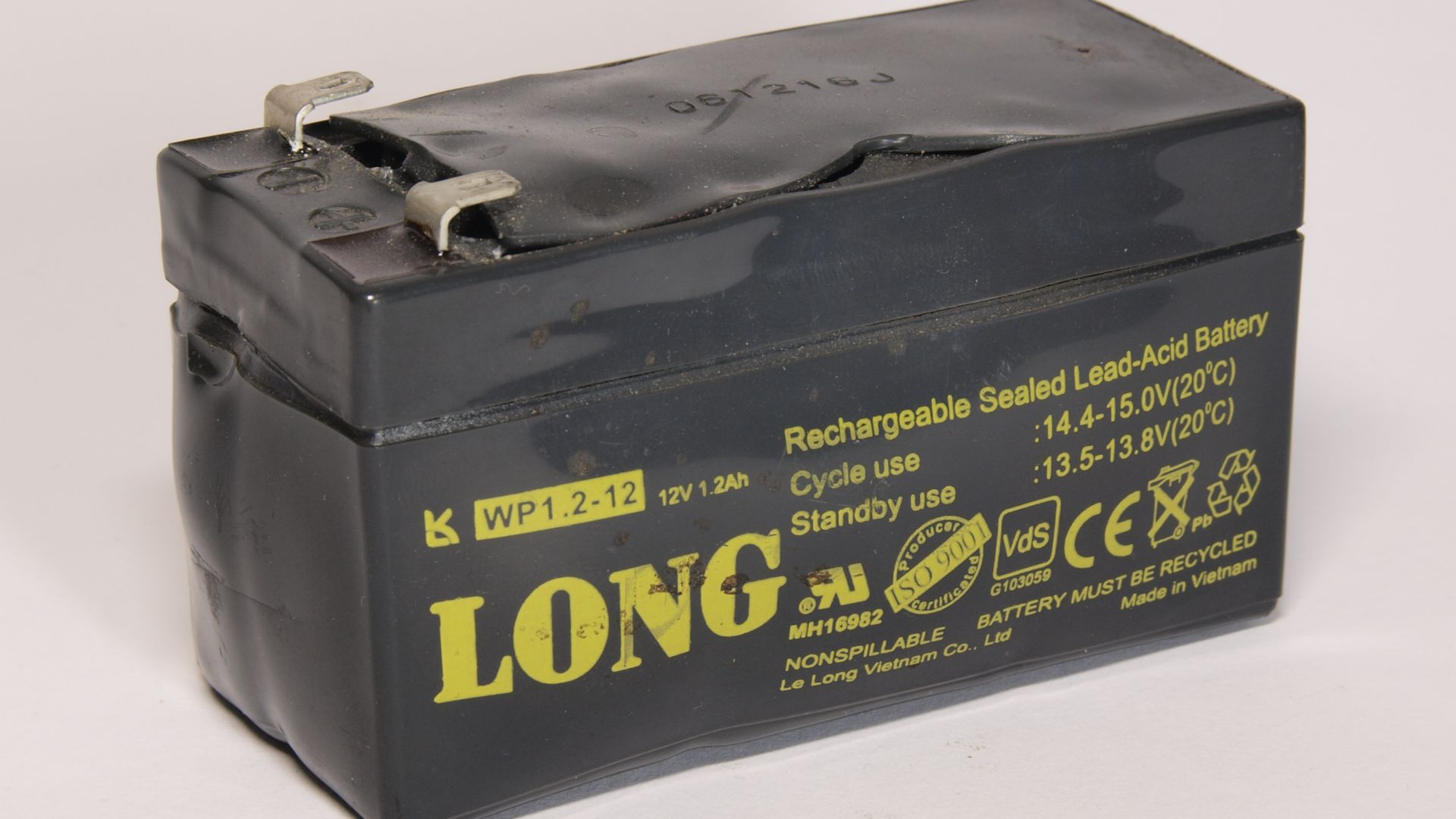
If there is a common real-world pain point, it is often the battery. AGM and EFB batteries are better suited to repeated cycling, but they are not cheap, and they still wear out. Owners can also run into problems when replacement batteries are not correctly matched or registered to the vehicle where required.
 User:Bullenwachter, Wikimedia Commons
Starter Wear Can Increase, But That Is The Design Brief
Yes, start-stop means more starter engagements over a vehicle’s life. The key question is whether the starter was built for that duty, and in start-stop vehicles it usually was. Bosch has said that start-stop starters are designed for a much higher number of starts than conventional systems, which is exactly the point of the hardware upgrade.

Engines Themselves Face Short Restarts, Not Endless Abuse
The engine internals are not dealing with the same event as a full overnight startup every time the light turns green. Oil temperature and metal temperatures stay much closer to normal operating conditions. That does not mean zero wear, but it does mean the simple formula of more starts equals destroyed engine misses a lot of context.

There Is Another Nuance People Miss
Reducing idle time can also cut some low-load running that does not help the driver at all. An idling engine is still accumulating operating time, still making heat, and still burning fuel. Start-stop trades some extra restart events for less unnecessary idle operation.
Mechanics Are Not Crazy To Be Skeptical
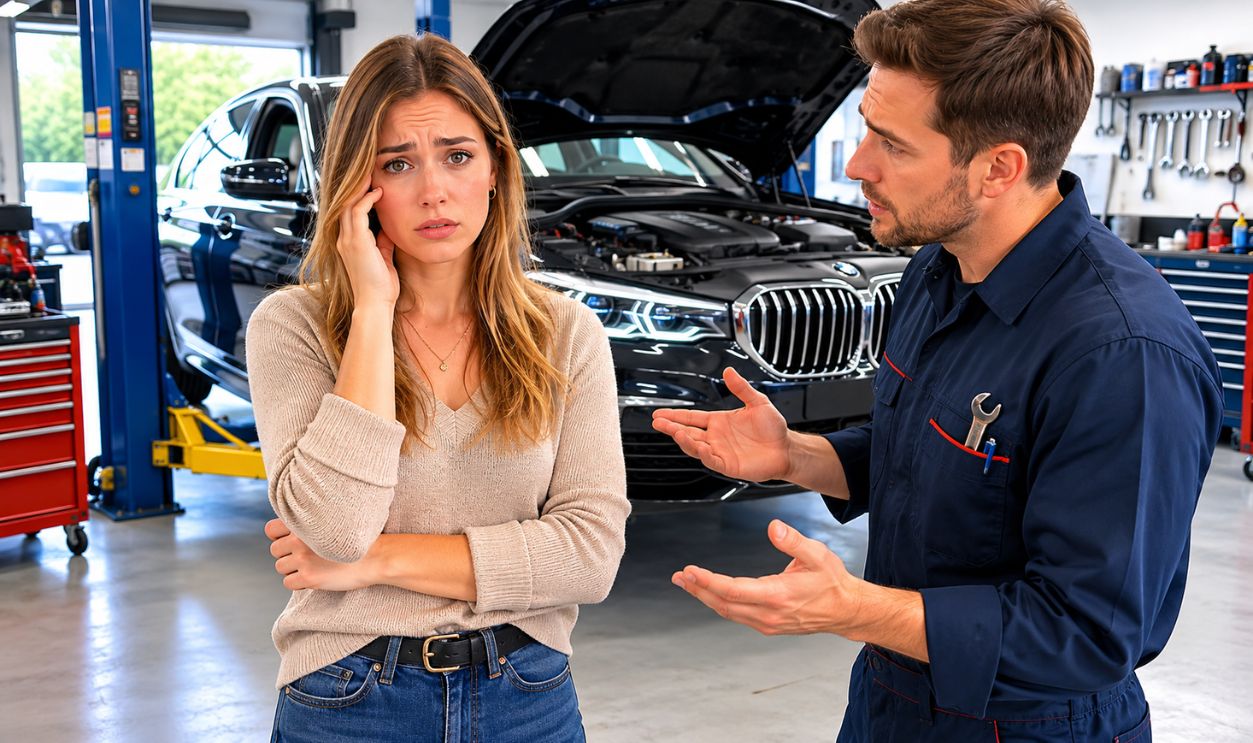
Some technicians see expensive battery replacements, picky sensors, or customer complaints about rough restarts and decide the whole idea is bad. From the repair shop’s point of view, that skepticism makes sense. But that is different from proving that the feature is broadly wrecking engines over time.
Older Cars And Newer Cars Should Not Be Lumped Together
People often compare modern start-stop vehicles with older cars that were never designed for this pattern of use. That can be misleading because the hardware and software are different. A 1998 commuter car is not a fair model for judging a 2022 start-stop system.

Some Automakers Have Had Rougher Systems Than Others
Not every start-stop setup feels equally smooth. Some brands tuned their restarts so well that drivers barely notice them, while others feel clumsy and make owners think something is wrong. Refinement matters because a harsh restart can feel damaging even when it is not actually taking a big bite out of engine life.

If You Mostly Drive In Heavy Traffic, The Feature Makes More Sense
The benefit depends a lot on how much time you spend stopped with the engine idling. In dense city traffic, the fuel savings and emissions cuts are more meaningful. On long highway drives with few stops, the system does very little, and the annoyance can feel less worth it.

Can You Turn It Off
Many vehicles let you disable start-stop with a dashboard button, though it often turns back on the next time you restart the car. Some drivers use that option when parking or crawling through traffic where they dislike the feel. If your issue is comfort rather than durability, that can be a reasonable middle ground.

Maintenance Matters More Than Internet Myths
If you own a start-stop car, the smartest move is not panic but proper maintenance. Use the correct battery type, keep the charging system healthy, and follow the oil spec recommended by the manufacturer. A neglected battery or the wrong replacement part is more likely to cause trouble than the basic idea of start-stop itself.

Watch For Battery And Charging Symptoms First
If the system suddenly stops working, that does not automatically mean anything is wrong with the engine. It often points to battery charge, battery age, or a charging-system issue. Many cars disable start-stop early when they detect conditions that are not ideal, which is a protective move, not a sign of disaster.
The Verdict Is Less Dramatic Than The Warning
Start-stop technology is not best described as an engine killer. The evidence points to a tradeoff that mostly affects batteries, starters, system complexity, and driver satisfaction, while delivering modest fuel-saving benefits in the right conditions. Your mechanic may be reacting to real service headaches, but the claim that start-stop is broadly destroying engines over the long term does not match the best available evidence.

What Drivers Should Take Away
If you hate the feel of start-stop, you are not alone. If you worry it is silently ruining your engine, the factual case for that is weak. It makes more sense to see it as a system that adds complexity for a modest efficiency gain, not as a ticking time bomb under the hood.