
A Sudden Offer
You’re sitting on the shoulder after getting rear ended, adrenaline still pumping, when the other driver suddenly makes an offer: skip insurance, take some cash, and sign a release form so everyone can wash their hands of it and move on with their lives. It sounds fast and painless—but signing too quickly can leave you stuck with repair bills, injuries, and legal headaches later.

Why Drivers Want To Avoid Insurance
Sometimes the other driver genuinely wants to avoid higher premiums. Other times, they may already have tickets, previous accidents, or even lapsed coverage. Either way, their motivation is usually financial. That doesn’t automatically make the offer dishonest—but it does mean their interests and yours are no longer perfectly aligned.

A Release Form Changes Everything
A release form isn’t just a casual receipt. In many cases, it is a legal document saying you agree not to pursue further claims related to the crash. Once you sign it, you may give up your right to ask for additional money later—even if hidden damage or injuries show up afterward.
 Vodafone x Rankin everyone.connected, Pexels
Car Damage Can Get Worse Later
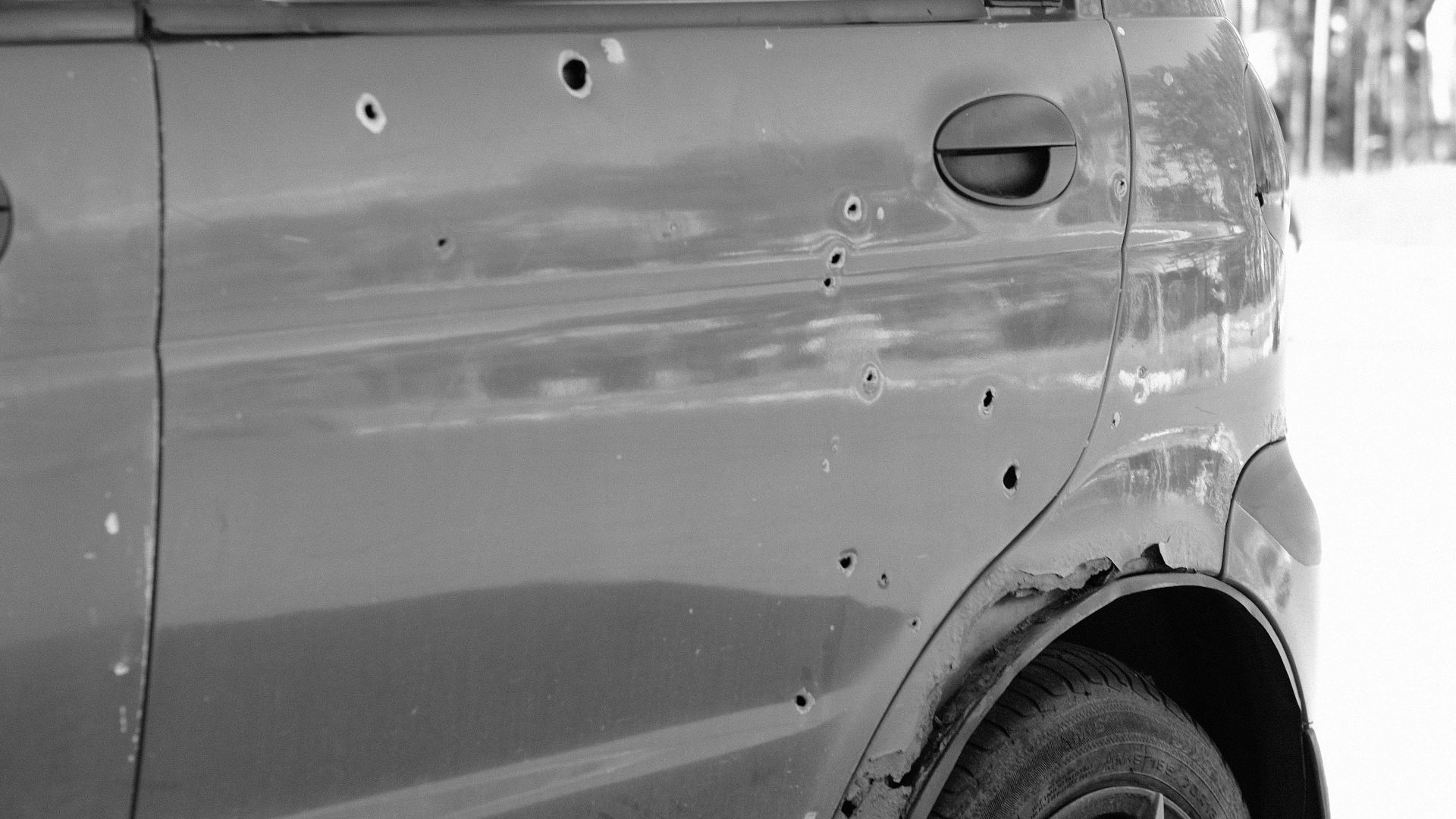
Modern vehicles hide damage well. A bumper may look lightly scratched while the frame, sensors, backup camera system, or trunk alignment underneath are badly affected. You could sign a release thinking repairs will cost $800, only to discover a week later that the real bill is closer to $6,000.
Injuries Often Show Up Slowly
Whiplash, back strain, and concussion symptoms sometimes take days to fully appear. Right after the crash, you might feel mostly fine thanks to adrenaline. Signing a release before getting checked out can become a huge mistake if pain, dizziness, headaches, or mobility problems start developing afterward.
 Boys in Bristol Photography, Pexels
Cheap Cash Offers Are Common
Some drivers carry around a few hundred dollars specifically hoping they can settle small accidents immediately. That quick cash can feel tempting when you want the stress over with. But accepting a fast payment before you fully understand the real damage can end up costing you a lot more in the long run.

You Might Accidentally Waive Future Medical Claims
Once a release is signed, your future medical expenses may become entirely your responsibility. Physical therapy, prescriptions, missed work, or specialist appointments could all land on your shoulders. Insurance companies and courts may point to the signed document and argue that you already accepted final compensation.

Not Every Private Settlement Is A Scam
To be fair, some minor accidents really do get resolved privately without problems. A tiny parking lot scrape between honest drivers may not require a full insurance battle. The issue is that rear-end crashes can involve hidden injuries and complicated liability, which makes quick releases a lot riskier.

Always Document The Scene First
Before discussing any settlement, take photos of everything. Capture the damage, license plates, driver’s license, insurance card, road conditions, skid marks, and surrounding area. The more documentation you have, the harder it gets for the other driver to change their story later if the situation escalates.

Call Police When Appropriate
In many places, you are legally required to report accidents involving injuries or significant damage. Even when it’s optional, a police report creates an independent record of what happened. That paperwork can become incredibly valuable later if the other driver suddenly disputes responsibility after you leave the scene.

Don’t Let Yourself Get Rushed
Drivers who want private settlements often push urgency. They may say things like “let’s handle this right now” or “insurance will ruin both of us.” That pressure works because people naturally want stressful situations resolved quickly. Slowing down and refusing immediate decisions protects you from costly mistakes.

Get A Professional Repair Estimate
Never rely on a roadside guess about repair costs. Body shops frequently uncover hidden structural or electronic issues after they start taking things apart. Getting at least one detailed professional estimate gives you a realistic picture of what the accident actually caused before discussing any settlement terms.

Watch Out For Homemade Forms
Some release forms are downloaded from the internet or typed up quickly on a phone. Just because something looks simple does not mean it is harmless. Even informal wording may still be enforceable. Signing paperwork you don’t fully understand after an accident rarely turns out to be a smart move.

Insurance Exists For A Reason
People sometimes treat insurance claims like personal failures, but insurance exists specifically for situations like this. Your premiums help fund protection when accidents happen. Using the system may feel inconvenient, but it also creates structure, documentation, and financial backing that private handshake agreements don’t have.

Your Own Insurance Company Can Help
Even if the other driver caused the crash, contacting your insurer can still benefit you. They can explain your coverage, help document the incident, and advise you about next steps. Waiting too long to report the accident could cause serious problems if the private settlement later falls apart.

If You’re Considering A Settlement
If you genuinely want to settle privately, slow the process down. Get checked out by a doctor first, obtain written repair estimates, and make sure payment fully clears before signing anything. Some drivers even wait until repairs are completed before talking about a final release, which reduces the chance of unpleasant surprises later.

Read Every Word Carefully
Many people sign documents without noticing phrases like “full and final settlement” or “release of all future claims.” Those few words can totally shut the door on future compensation. If anything feels unclear, complicated, or overly broad, it’s worth getting legal advice before signing.

Small Accidents Can Become Big Problems
A collision that seemed minor on Tuesday can become a nightmare by Friday. Delayed injuries, rental car costs, repair delays, and disputes about fault all have a way of growing over time. That is why experienced drivers tend to approach release forms far more cautiously than newcomers.

Lawyers Often Recommend Patience
Personal injury attorneys often warn people not to settle immediately after accidents because the full impact takes time to understand. Even if you never hire a lawyer, that advice matters. Patience gives you more information, better leverage, and a clearer sense of what the crash truly cost you.

Protect Yourself Before Protecting Them
Feeling sympathetic toward the other driver is understandable, especially if they seem apologetic or financially stressed. But your first responsibility is to protect yourself. A release form can permanently affect your rights and finances. Before you sign anything, make sure you fully understand the risks and the real cost of the accident.

You May Also Like: