The Update Finished, But My Car Got Worse
Most people install vehicle software updates expecting improvements. Automakers often promise bug fixes, better performance, enhanced reliability, and new features. But then the update finishes, and suddenly something you paid for no longer works properly. Maybe the navigation system disappeared, the heated seats stopped responding, the app lost functionality, or the infotainment system started acting strangely.
While that situation feels outrageous, software-related disputes are becoming increasingly common as modern vehicles behave more like computers on wheels.
Cars Are Now Software Products
Modern vehicles rely on millions of lines of code to control everything from entertainment systems to safety features. Over-the-air updates, often called OTA updates, allow manufacturers to fix bugs, improve performance, add features, and sometimes even resolve recalls without requiring a dealership visit. Consumer Reports notes that OTA updates have become increasingly common across the industry as automakers move toward software-driven vehicles.
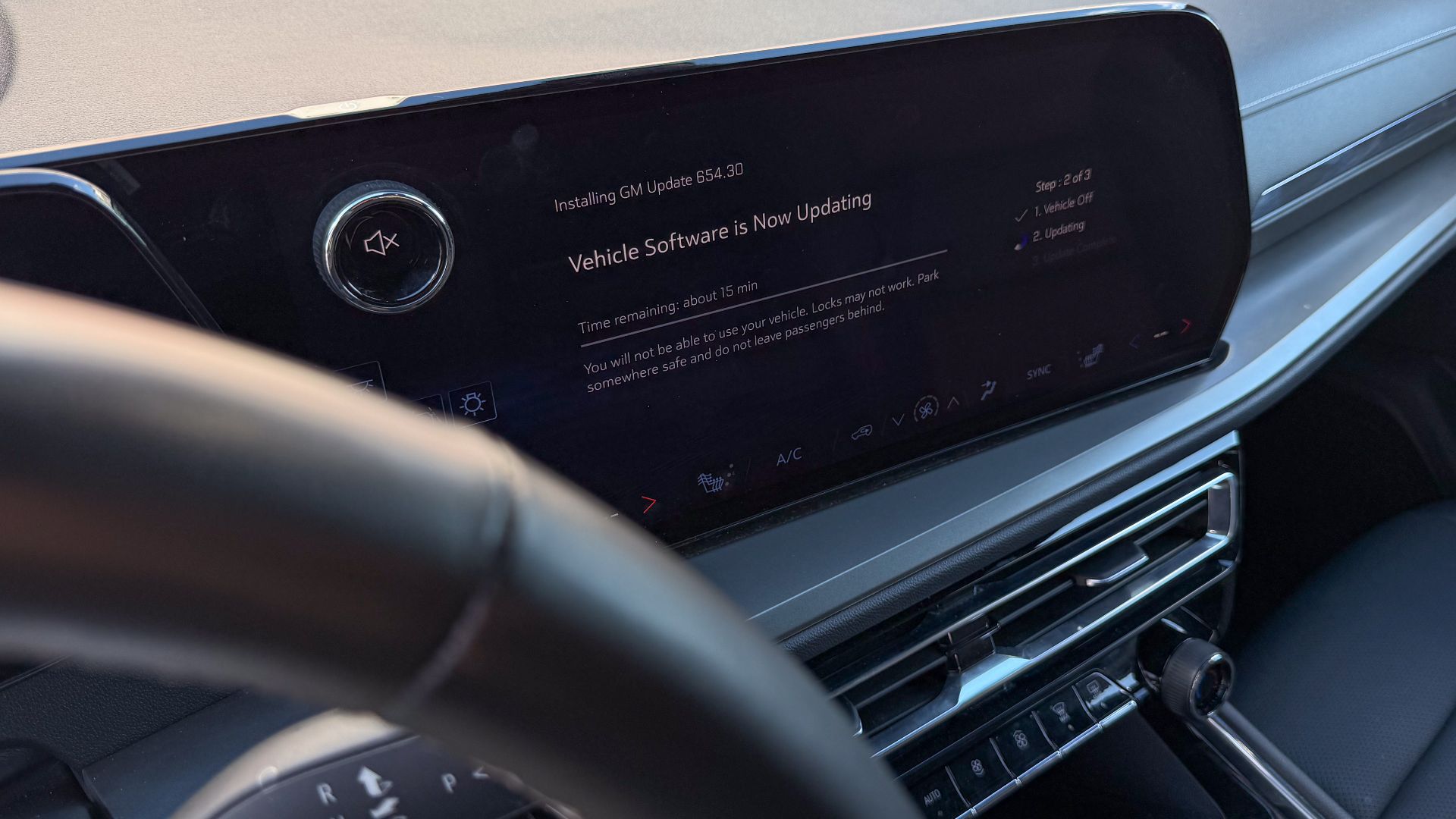 Tony Webster, Wikimedia Commons
Updates Sometimes Break Things
While manufacturers advertise updates as improvements, they do not always go smoothly. Owners across multiple brands have reported infotainment failures, connectivity problems, disabled features, and unexpected glitches after software updates. Subaru owners, for example, have reported cases where updates affected STARLINK functionality or infotainment performance, leading to troubleshooting and reset procedures.

A Temporary Glitch Is Different From Losing A Feature
One of the first questions is whether the feature is actually gone or simply malfunctioning. Some updates create temporary software bugs that prevent systems from working correctly until another update, reset, or repair is performed. Other situations involve a manufacturer intentionally changing how a feature works. Determining which category applies is important because the available remedies can be very different.
Reboots And Resets Sometimes Fix Everything
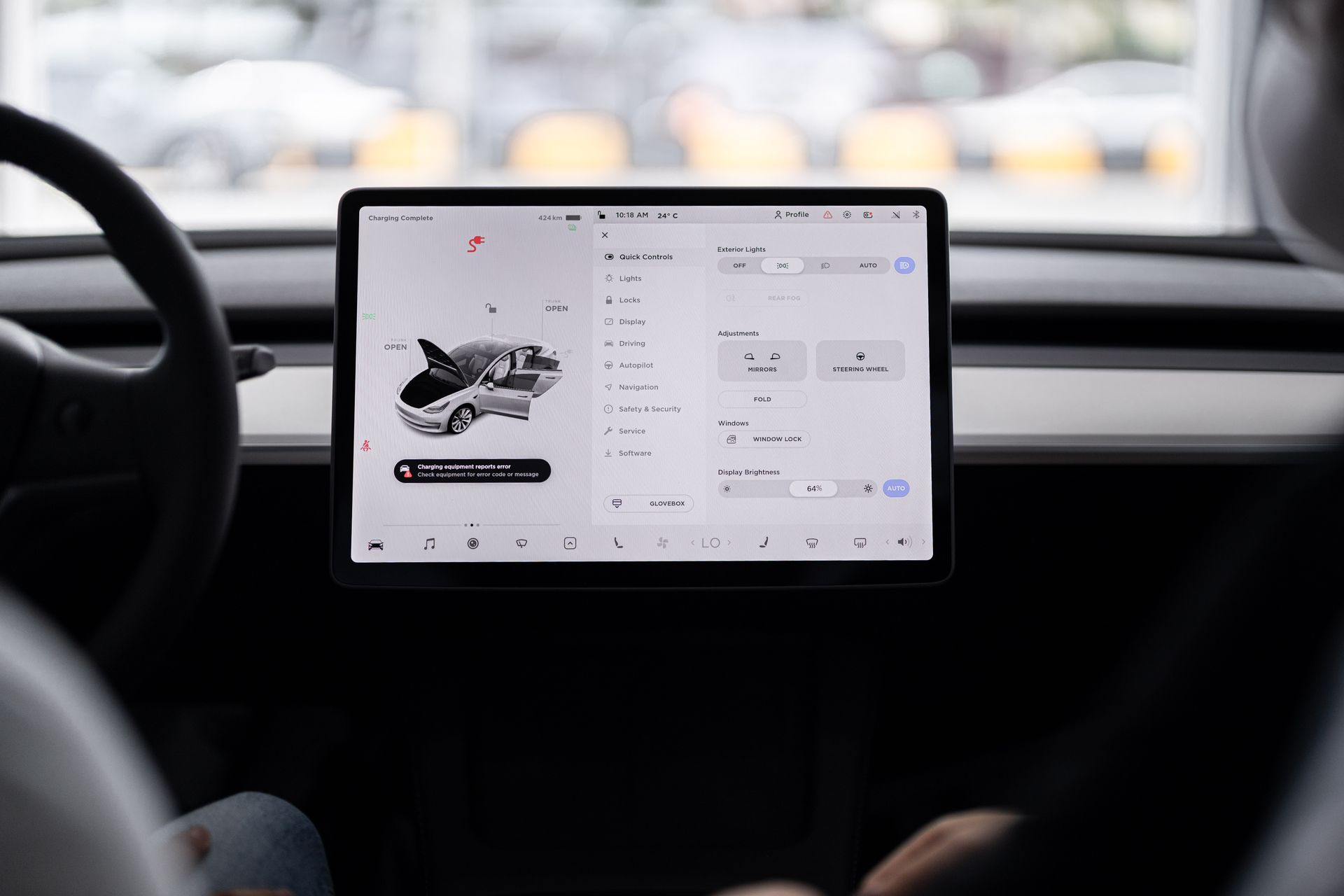
Before assuming the manufacturer removed a feature, it is worth checking whether a reset procedure exists. Infotainment systems occasionally require reinitialization after major updates, and some features may not function correctly until the software finishes background processes. Subaru and other manufacturers have published troubleshooting guidance for situations where updates temporarily disrupt system performance.
 Maurizio Pesce from Milan, Italia, Wikimedia Commons
Subscription Features Complicate Everything
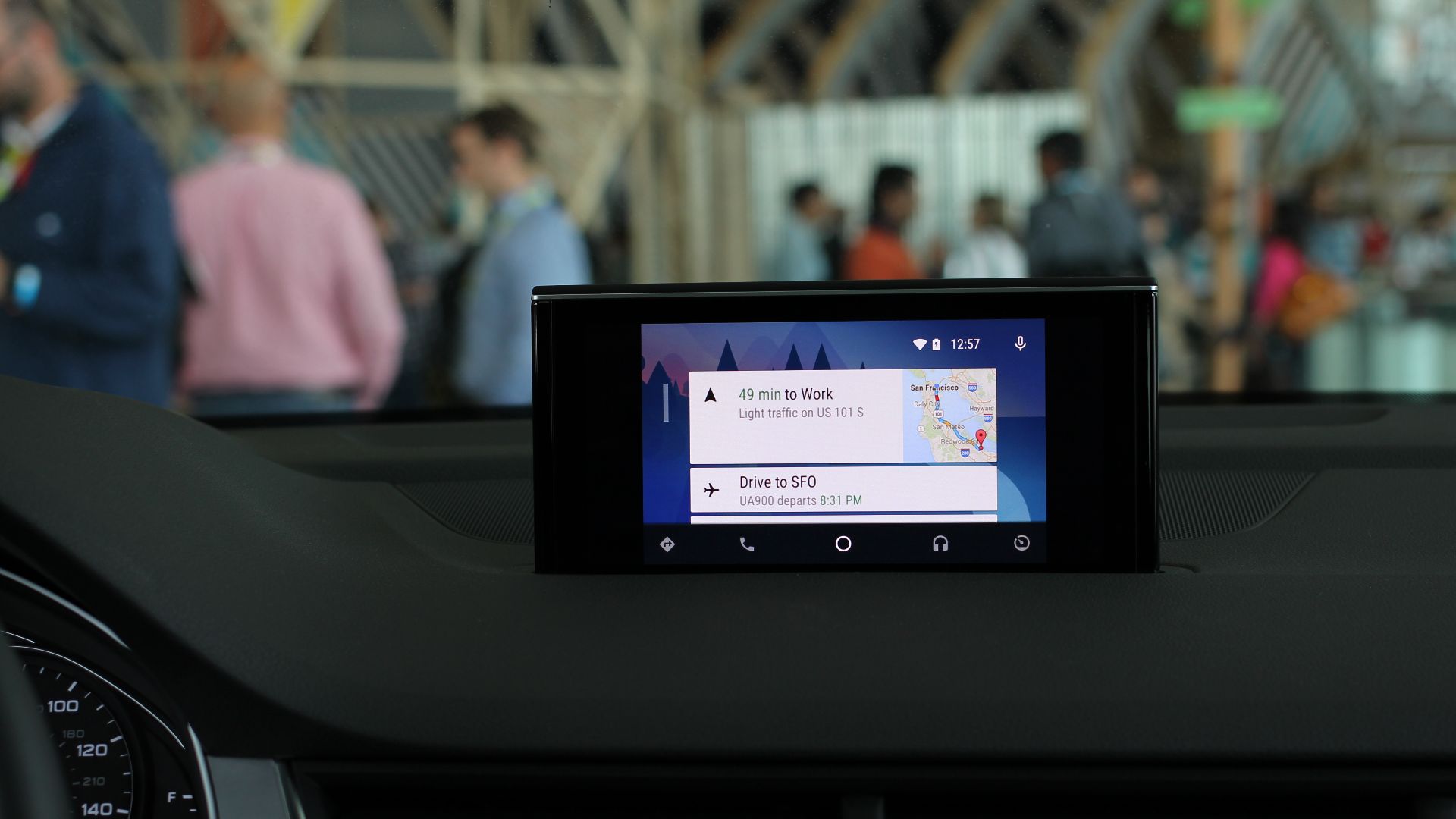
Many modern vehicles include features that are controlled through software licenses or subscriptions. Remote start apps, connected services, Wi-Fi hotspots, navigation enhancements, driver-assistance upgrades, and other functions may depend on ongoing software support. MotorTrend has reported that automakers can discontinue certain connected services or stop supporting features entirely, sometimes leaving owners without functionality they previously relied upon.

Manufacturers Sometimes Remove Support
One of the biggest frustrations for owners is discovering that a feature stopped working because the manufacturer ended support rather than because the vehicle itself broke. Connected services depend on servers, cellular networks, apps, and backend systems that manufacturers control. If support ends, some features may disappear even though the hardware remains in the vehicle. Several automakers have faced criticism for discontinuing connected services on older vehicles.

The Purchase Agreement Matters More Than You Think
Many owners assume that buying a vehicle guarantees permanent access to every feature included at the time of purchase. Unfortunately, modern purchase agreements, software licenses, and connected-services contracts often contain language allowing manufacturers to modify, update, discontinue, or change software functionality. The exact wording varies by manufacturer, which is why the paperwork becomes extremely important when disputes arise.

Features You Bought Outright Are Different
There is a major distinction between losing a subscription service and losing a feature that was specifically included in the purchase price of the vehicle. If a buyer paid extra for a package that included certain capabilities, manufacturers may have a harder time justifying permanent removal of those features. The stronger the evidence that the feature was part of the original sale, the stronger the owner's argument tends to become.

BMW Sparked A Huge Debate
Few companies generated more controversy than BMW when it experimented with subscription-based access to certain vehicle functions, including heated seats in some markets. The backlash was so intense that BMW eventually acknowledged the heated-seat subscription approach had been a mistake. The controversy highlighted growing concerns about who truly controls software-enabled vehicle features after purchase.

Software Updates Can Change Vehicle Behavior
Some updates do more than fix bugs. Automakers have used software updates to alter performance characteristics, adjust user interfaces, modify feature availability, and introduce entirely new functions. Wired reported that software updates have even raised concerns about manufacturers changing vehicle capabilities after purchase. While some updates improve the ownership experience, others generate complaints when owners feel features were reduced or altered unexpectedly.

Documentation Is Your Best Friend
If a feature stops working after an update, gather evidence immediately. Save screenshots, update notifications, purchase documents, window stickers, marketing materials, subscription agreements, and service records. If you can show that the feature existed before the update and disappeared afterward, your position becomes much stronger. Documentation often becomes the deciding factor in these disputes.

Check The Release Notes
Many manufacturers publish update notes describing what changed. Unfortunately, some release notes are extremely detailed while others contain vague language about "performance improvements" or "system enhancements." If the update documentation specifically references the affected feature, that information may help explain what happened. If it does not, the lack of transparency may become part of the dispute itself.
Dealerships May Not Have Immediate Answers
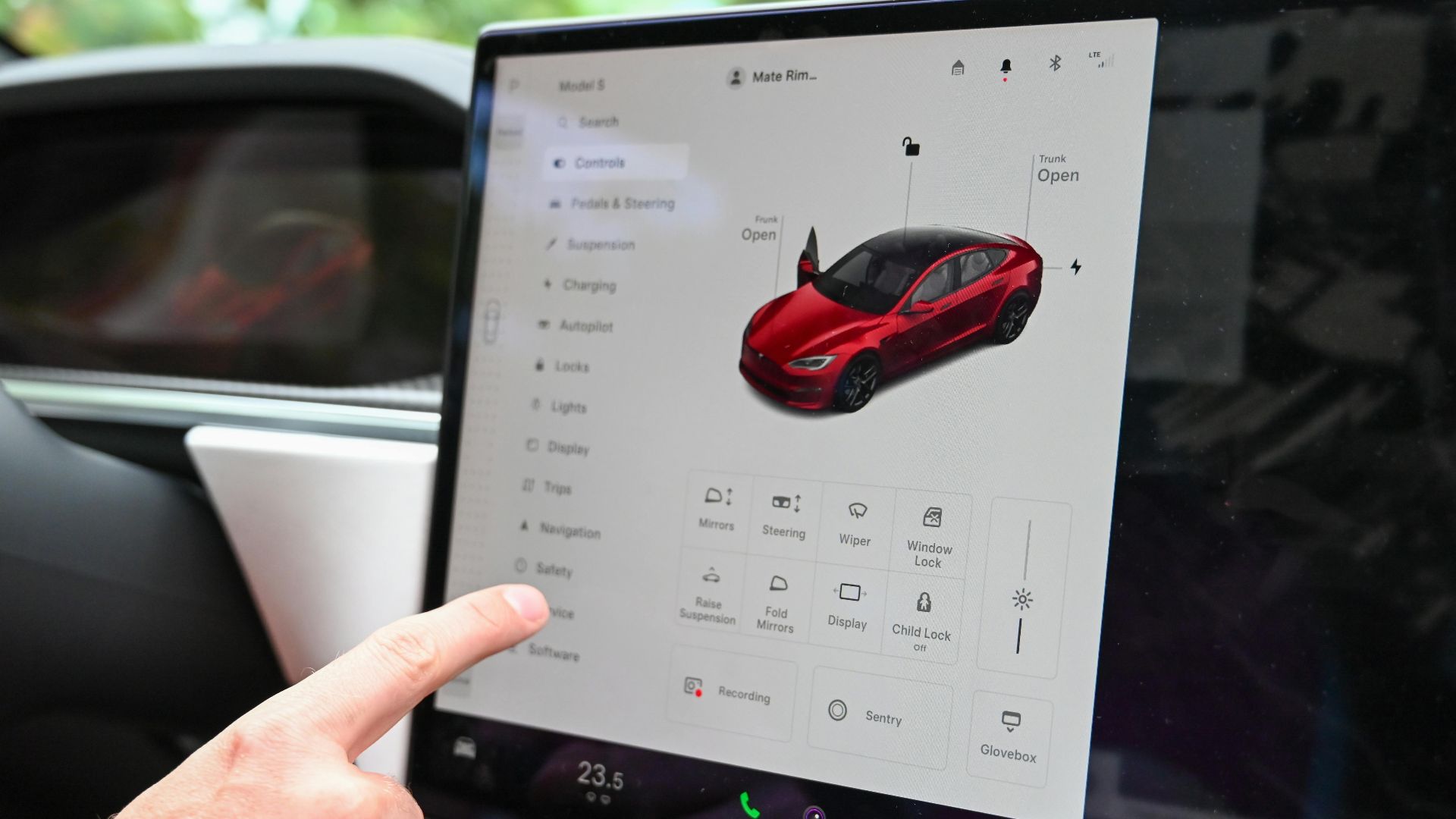
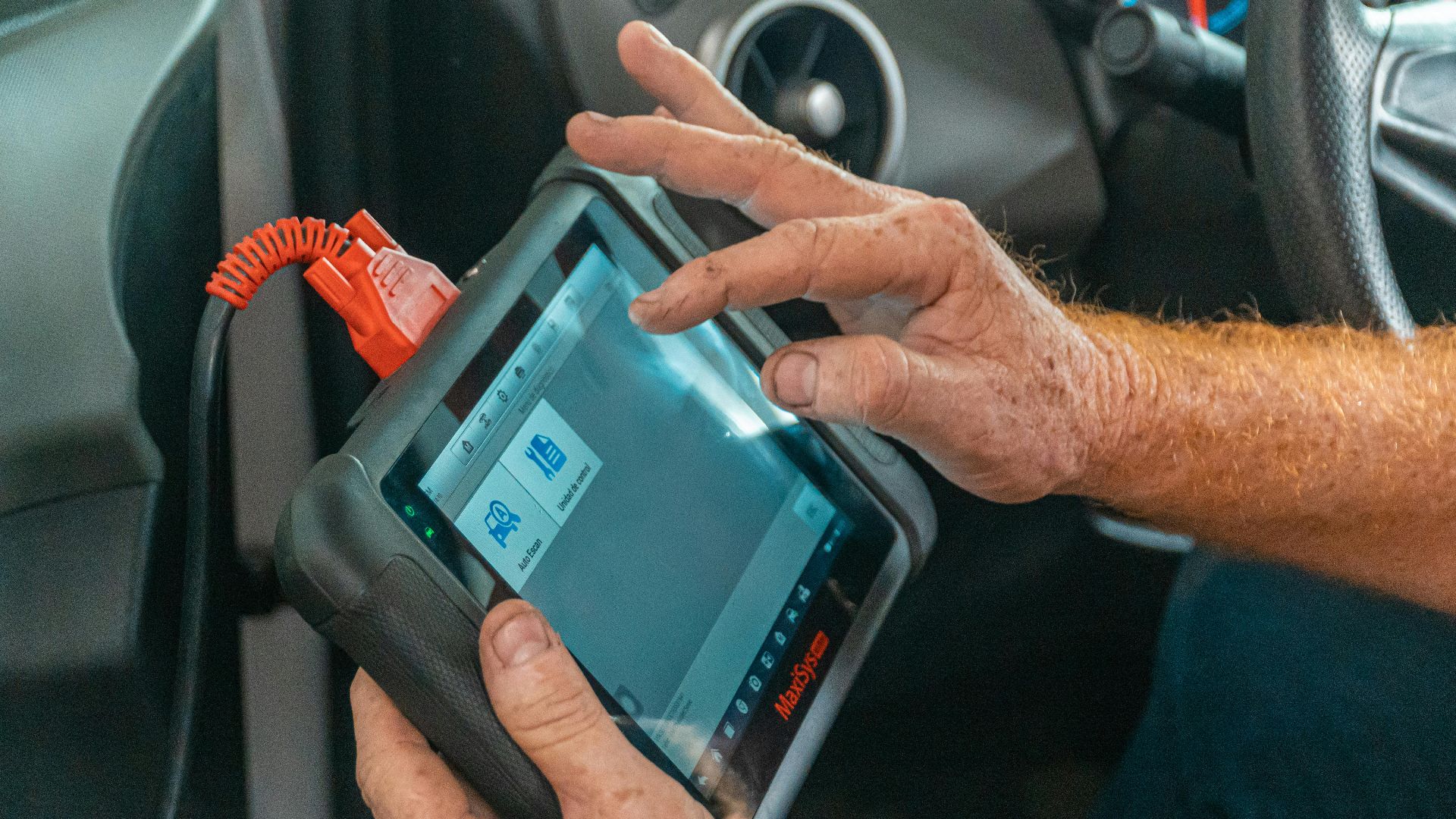
When a software issue appears, many owners head straight to the dealership. Unfortunately, dealership staff are not always informed about every software change before customers arrive with complaints. Service departments may need time to diagnose the issue, contact the manufacturer, or determine whether the problem is a known bug. That can be frustrating, but it does not necessarily mean the problem will remain unresolved.
 Jose Ricardo Barraza Morachis, Pexels
Warranty Coverage Could Apply
If the update itself caused a malfunction, warranty coverage may become relevant. Manufacturers generally cannot release defective software updates and simply abandon customers afterward. In fact, GM has stated that damage caused by an update itself would remain covered under warranty, even while encouraging owners to keep their software current.

Some Problems Get Fixed In Later Updates
Software issues often follow a familiar pattern. A new update introduces unexpected bugs, owners begin reporting problems, dealerships gather data, and a follow-up update eventually resolves the issue. While that does not make the experience any less frustrating, it means a feature's disappearance may not always be permanent. Sometimes the manufacturer is already working on a fix behind the scenes.
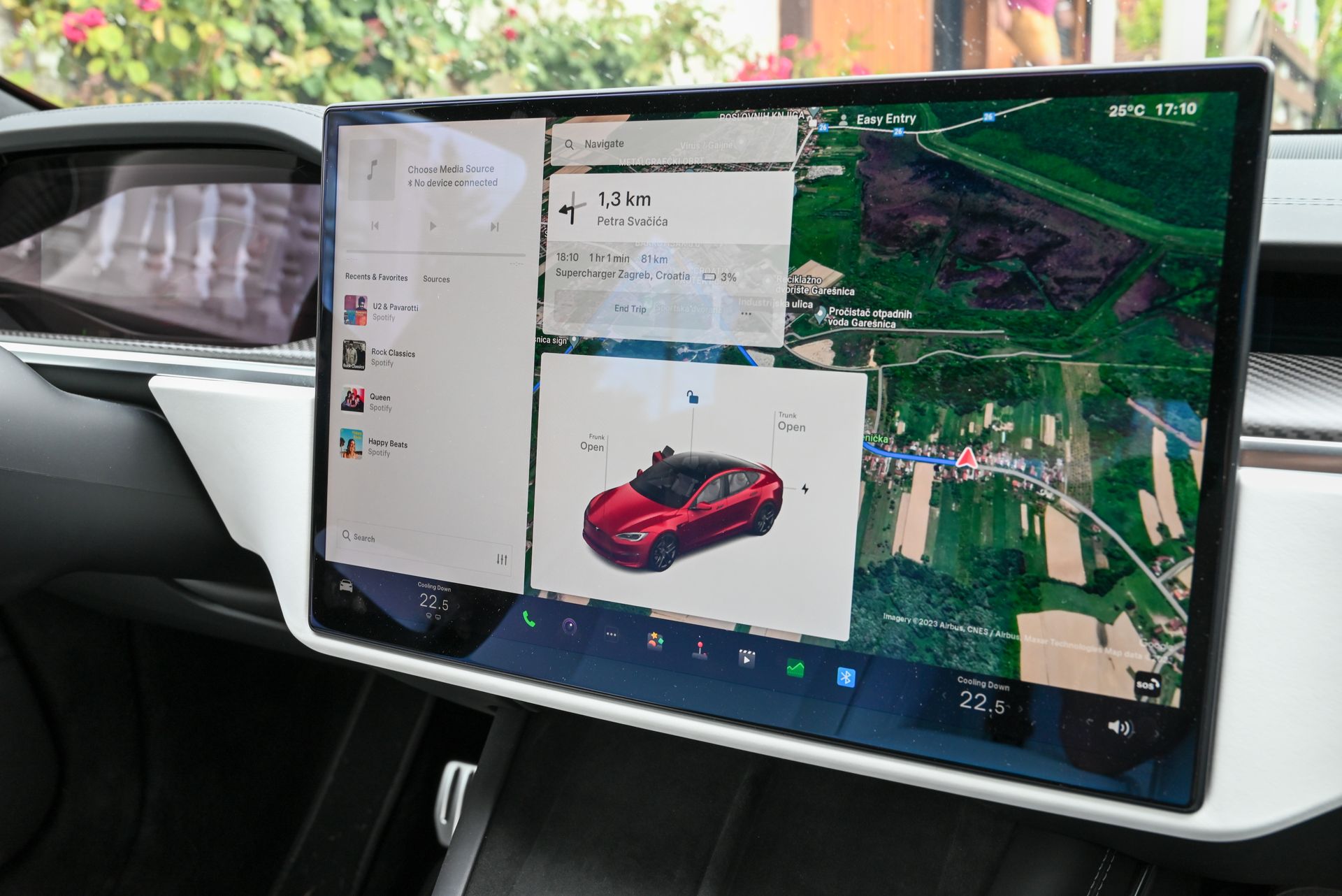
Consumer Protection Laws May Still Matter
Even though vehicles now operate more like software platforms, traditional consumer protection laws have not disappeared. If a manufacturer materially alters a product after sale, regulators and courts may examine what was promised, what was delivered, and whether the customer suffered financial harm. The legal landscape is still evolving as software becomes a larger part of vehicle ownership.
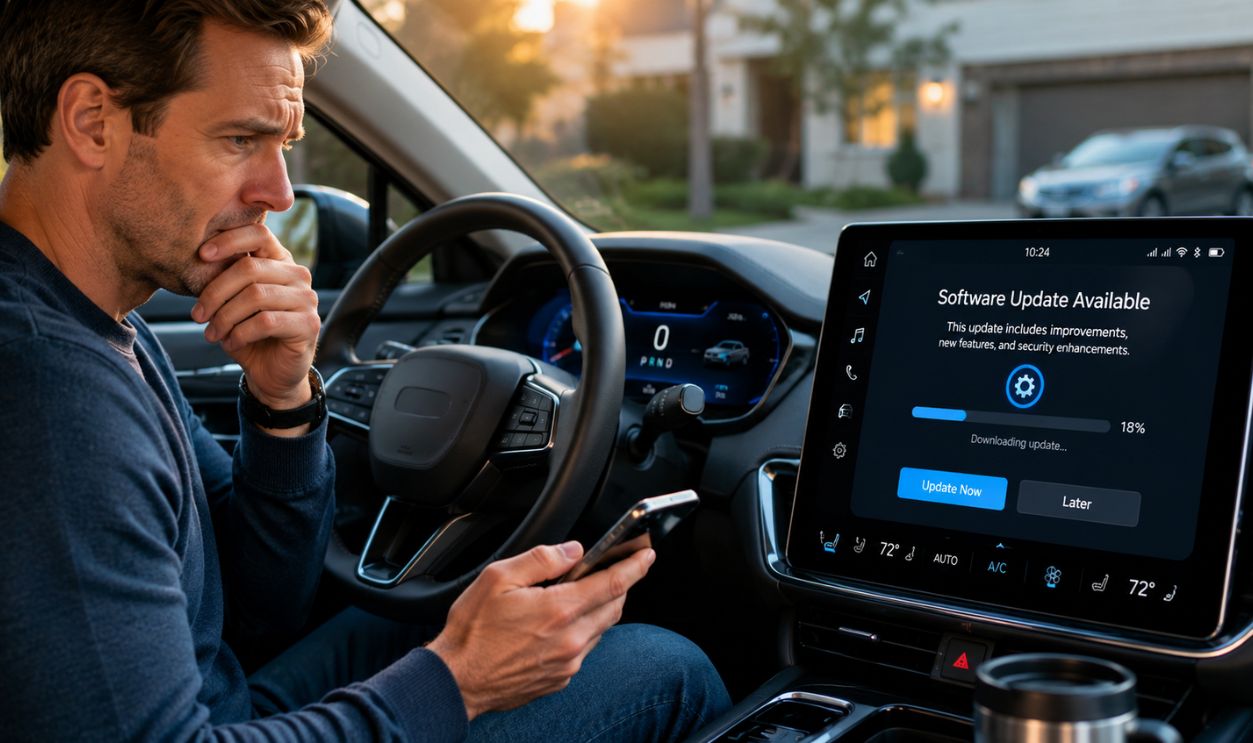
Class Actions Sometimes Follow Major Software Problems
When large numbers of owners experience the same issue, lawsuits occasionally follow. Automakers have faced legal challenges involving software defects, infotainment failures, battery management systems, and connected vehicle services. Most owners will never become involved in litigation, but widespread software problems often attract legal attention if enough customers are affected.
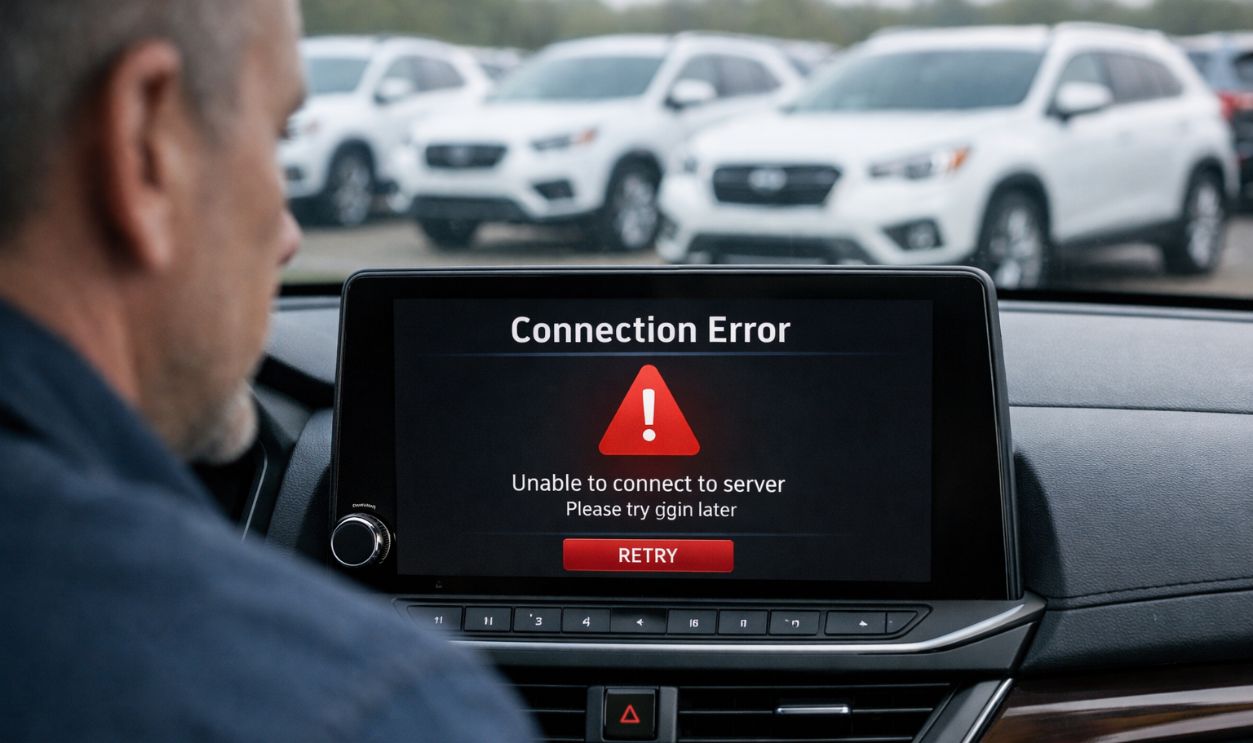
Contact Customer Support Directly
If the dealership cannot explain the problem, contacting the manufacturer's customer support department may be worthwhile. Corporate support teams often have access to technical bulletins, known issue databases, and engineering updates that local dealerships may not see immediately. Escalating the issue sometimes produces faster answers than relying solely on the service department.

The Difference Between A Bug And A Business Decision Matters
Some software problems are accidental. Others are deliberate business decisions involving subscriptions, licensing, connectivity support, or feature management. If the feature disappeared because of a bug, the solution is usually technical. If it disappeared because the manufacturer intentionally changed access, the dispute often becomes a much larger consumer rights issue. Understanding which situation applies is critical.

You May Have More Rights Than You Realize
Finding out that a software update disabled a feature you paid for feels incredibly unfair, especially when the update was supposed to improve the vehicle. Manufacturers do have broad authority to modify software, but that authority is not unlimited. If the feature was sold as part of the vehicle, stopped working after an update, and has not been restored, you may have grounds to seek repairs, warranty coverage, reimbursement, or other remedies. Before accepting that the feature is gone forever, gather your documentation, review the purchase terms, and push for a clear explanation of what actually changed.

You May Also Like: