Subscription Surprise
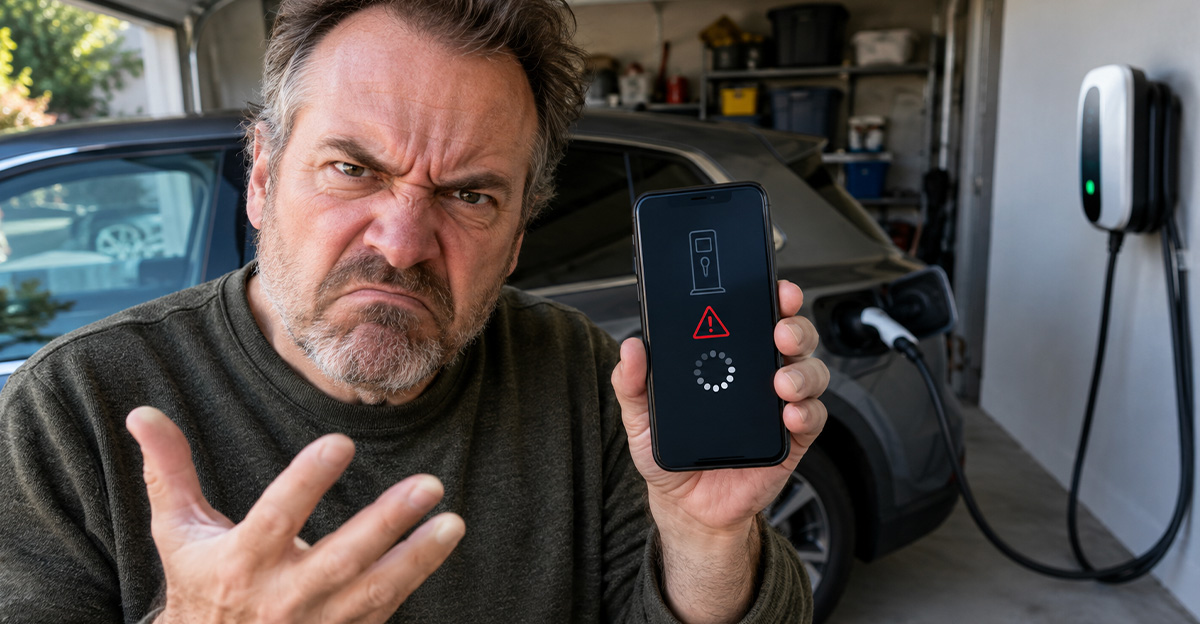
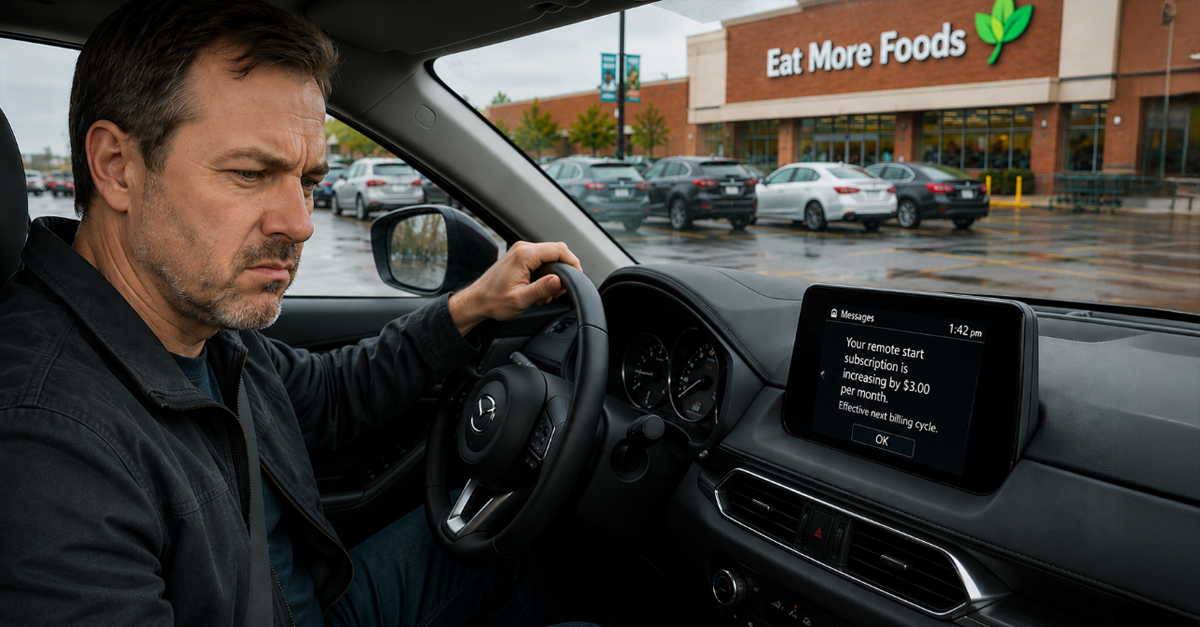
You buy a brand-new car expecting the latest tech, only to discover one feature is locked behind a monthly fee. Suddenly, your remote start, navigation, or heated seats stop working unless you subscribe. If that sounds ridiculous, you’re not imagining things. Automakers really are turning parts of new cars into recurring revenue streams.
Why Remote Start Became A Subscription
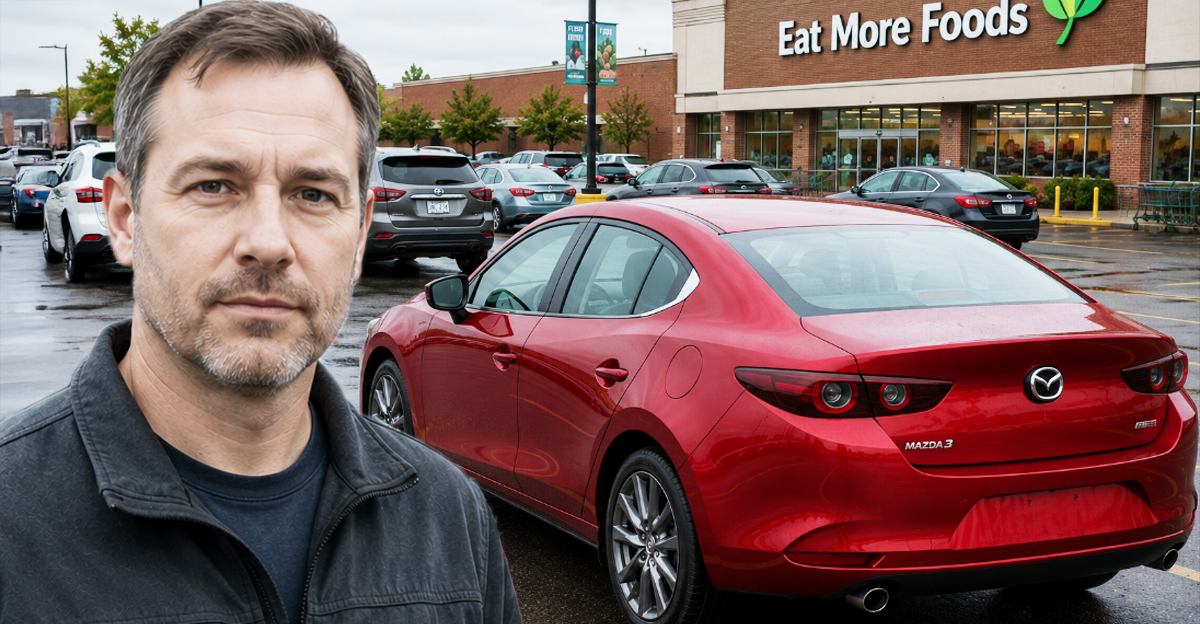
Years ago, remote start was just another button on your key fob. Today, many systems rely on smartphone apps and cloud-based connectivity. Automakers argue that maintaining those connected services costs money. Drivers often respond with the obvious question: “Didn’t I already pay for the car?”

Toyota Helped Spark The Backlash
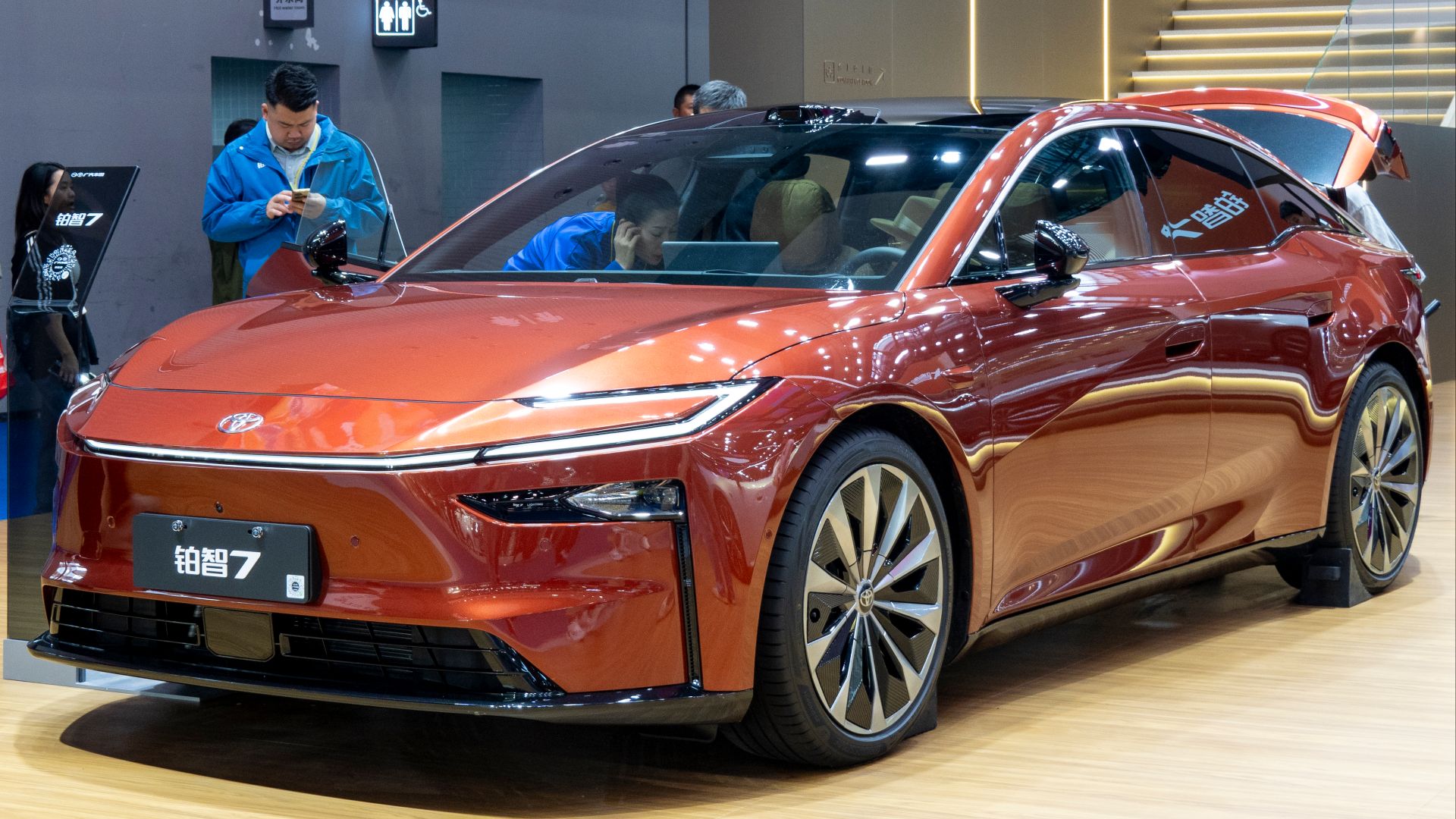
Toyota became one of the most talked-about examples when owners realized remote start functionality could disappear after a trial subscription expired. Some vehicles still allowed limited key-fob use, but app-based remote features required paid “Remote Connect” plans. Drivers were furious because many assumed the feature came permanently with the vehicle.
BMW Opened Pandora’s Box
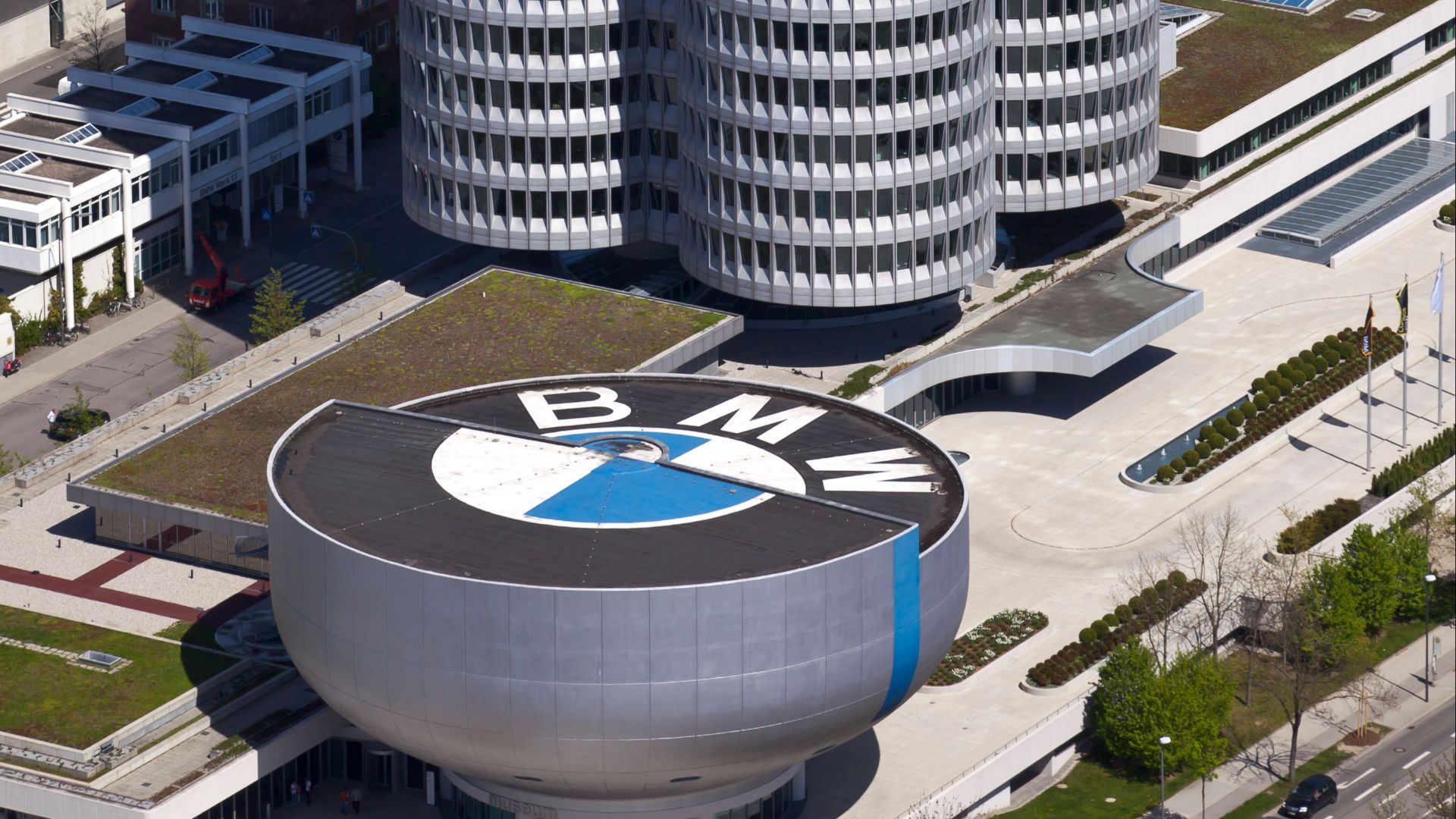
BMW triggered massive backlash when it experimented with charging monthly fees for heated seats in some markets. The hardware was already physically installed in the car, but software locked owners out unless they subscribed. Consumers mocked the idea relentlessly, and BMW eventually backed away from parts of the strategy after terrible public reaction.
 Diego Delso, Wikimedia Commons
Carmakers Love Recurring Revenue
From the automaker perspective, subscriptions are incredibly attractive. Instead of making money once when they sell you the vehicle, they now earn income every month afterward. Executives openly discuss subscriptions as a major future profit center, especially as cars become more software-driven and connected to cloud services.

Remote Start Is Only The Beginning
Once automakers normalized subscription remote start, other features quickly followed. Navigation, advanced driver-assistance systems, premium audio, onboard Wi‑Fi, extra horsepower, and even climate controls are increasingly tied to paid software packages. Your vehicle is slowly becoming more like your smartphone with optional digital upgrades.
The Software-Defined Car Era
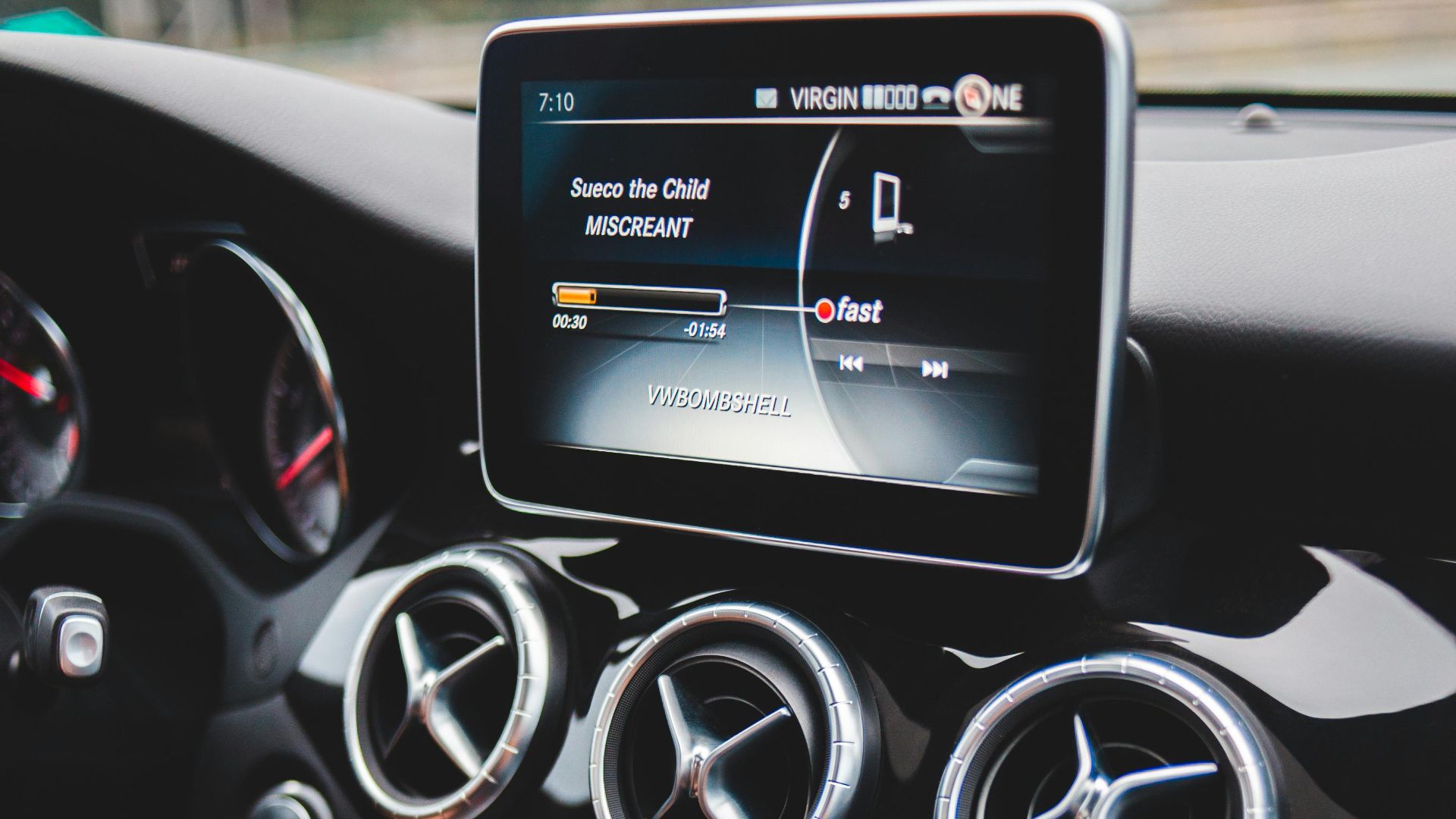
Modern vehicles are packed with computers, internet connections, and over-the-air update capability. Automakers now describe many new models as “software-defined vehicles.” That means features can be turned on, updated, restricted, or removed digitally long after the car leaves the dealership lot.
Some Subscriptions Actually Make Sense
Not every subscription is automatically unreasonable. Services involving live emergency response, stolen vehicle tracking, cellular data, or constantly updated maps genuinely require ongoing infrastructure and support. Most drivers can at least muddle through the reasoning behind paying something for those systems. The controversy usually starts when basic convenience features get locked behind recurring fees.

Drivers Hate Paying Twice
The biggest complaint is psychological as much as it is financial. Drivers know the hardware is already sitting inside the vehicle they bought. That makes subscription fees feel less like buying a service and more like renting access to something they technically already own. That perception fuels enormous resentment online and in real life.

Trial Periods Can Be Misleading
Many buyers don’t realize their connected services are temporary because dealerships often present them as standard features during test drives. Then one, three, or even five years later, the free trial expires and important functions vanish unless payment information gets entered into an app.

General Motors Went All-In
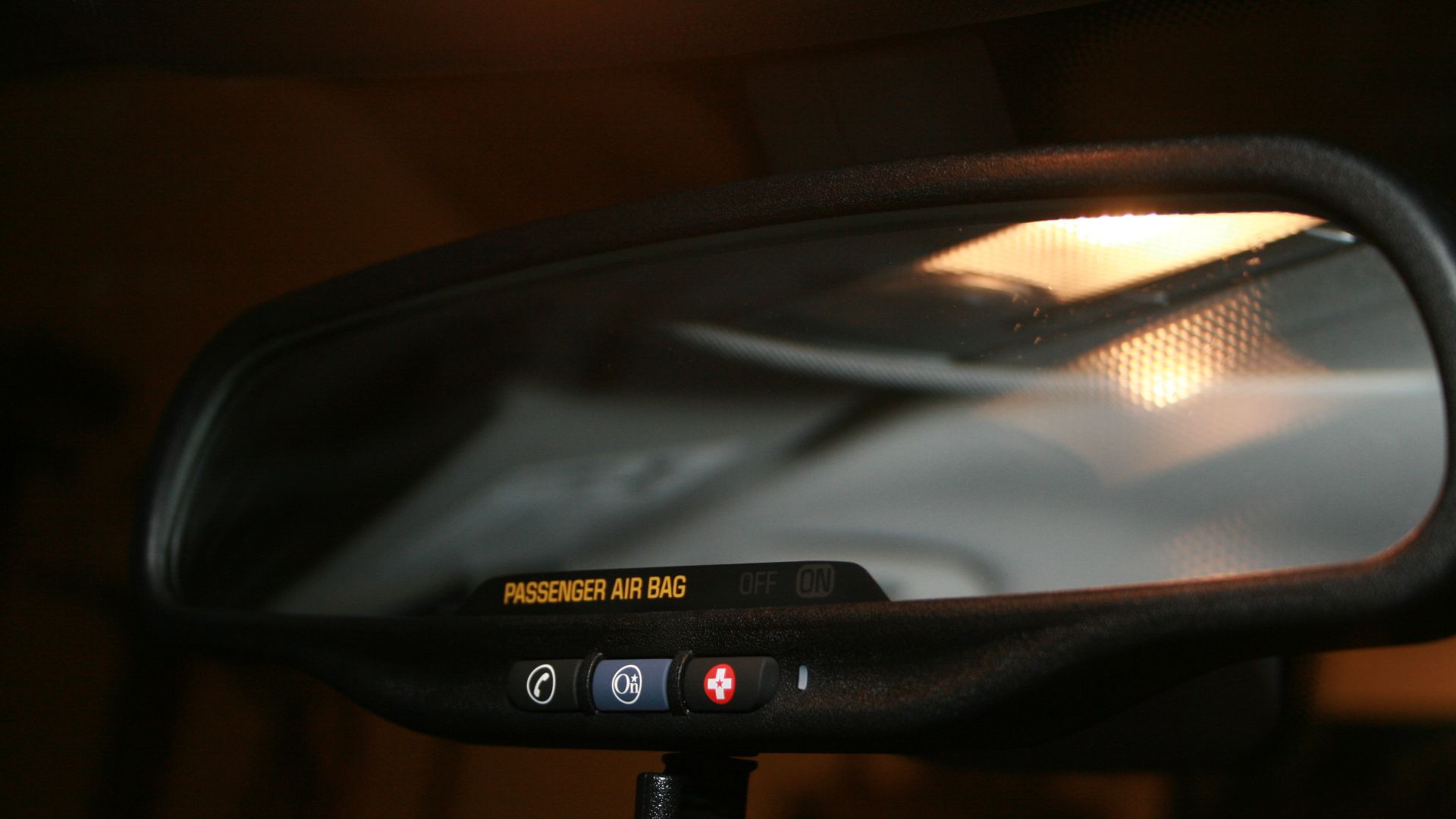
GM has aggressively expanded subscription services through its OnStar and Super Cruise features. The company now openly treats software services as a huge long-term business opportunity. GM executives have discussed subscription revenue becoming even more profitable than selling vehicles themselves, which tells you exactly where this trend may be heading.
 Tyler from Riverside, USA, Wikimedia Commons
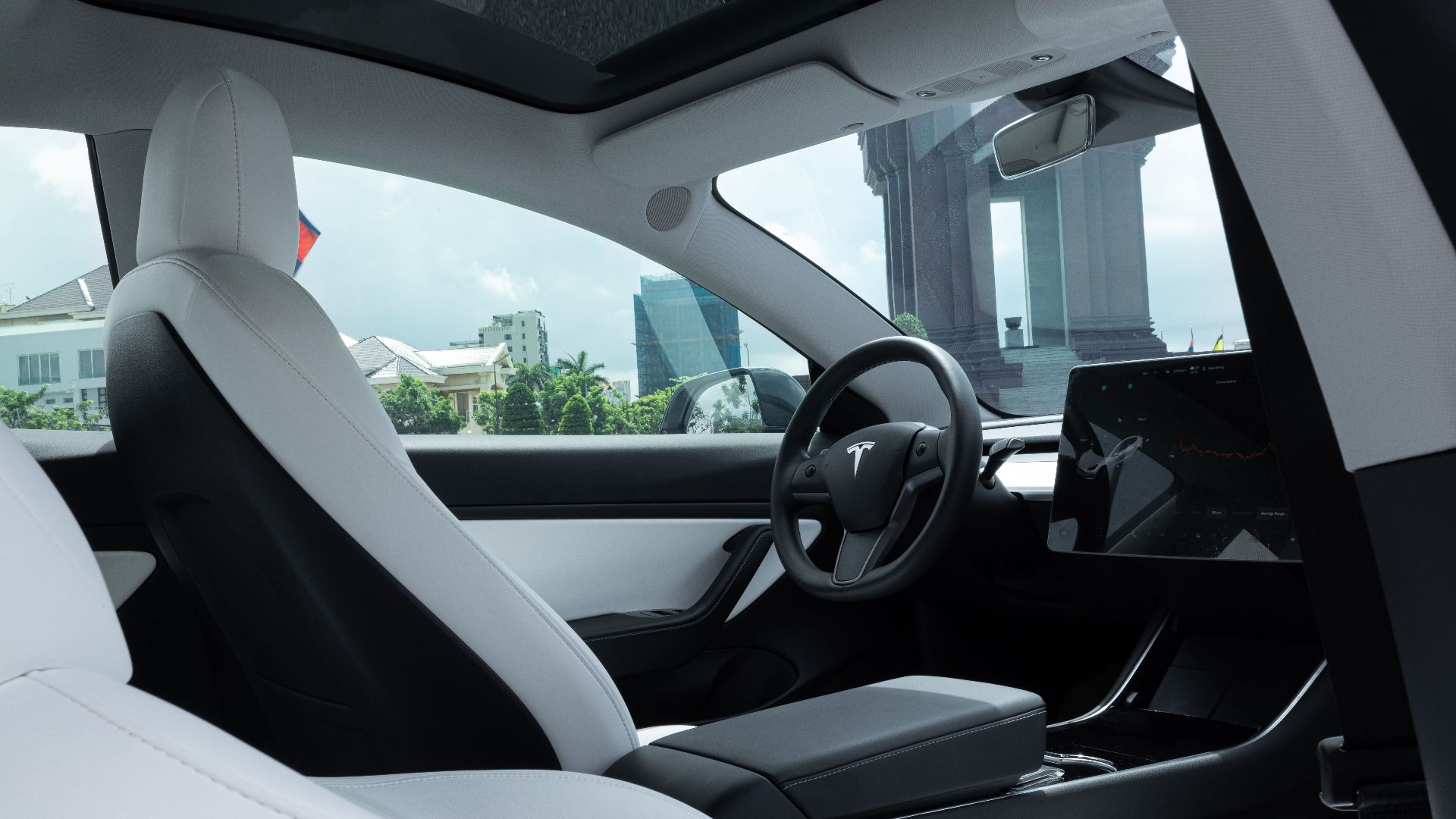
Tesla Changed Customer Expectations
Tesla helped normalize software-based upgrades in cars. Owners got used to paying for Full Self-Driving subscriptions, connectivity packages, and downloadable features. Traditional automakers watched Tesla generate billions from software services and understandably wanted a piece of that recurring revenue stream for themselves.
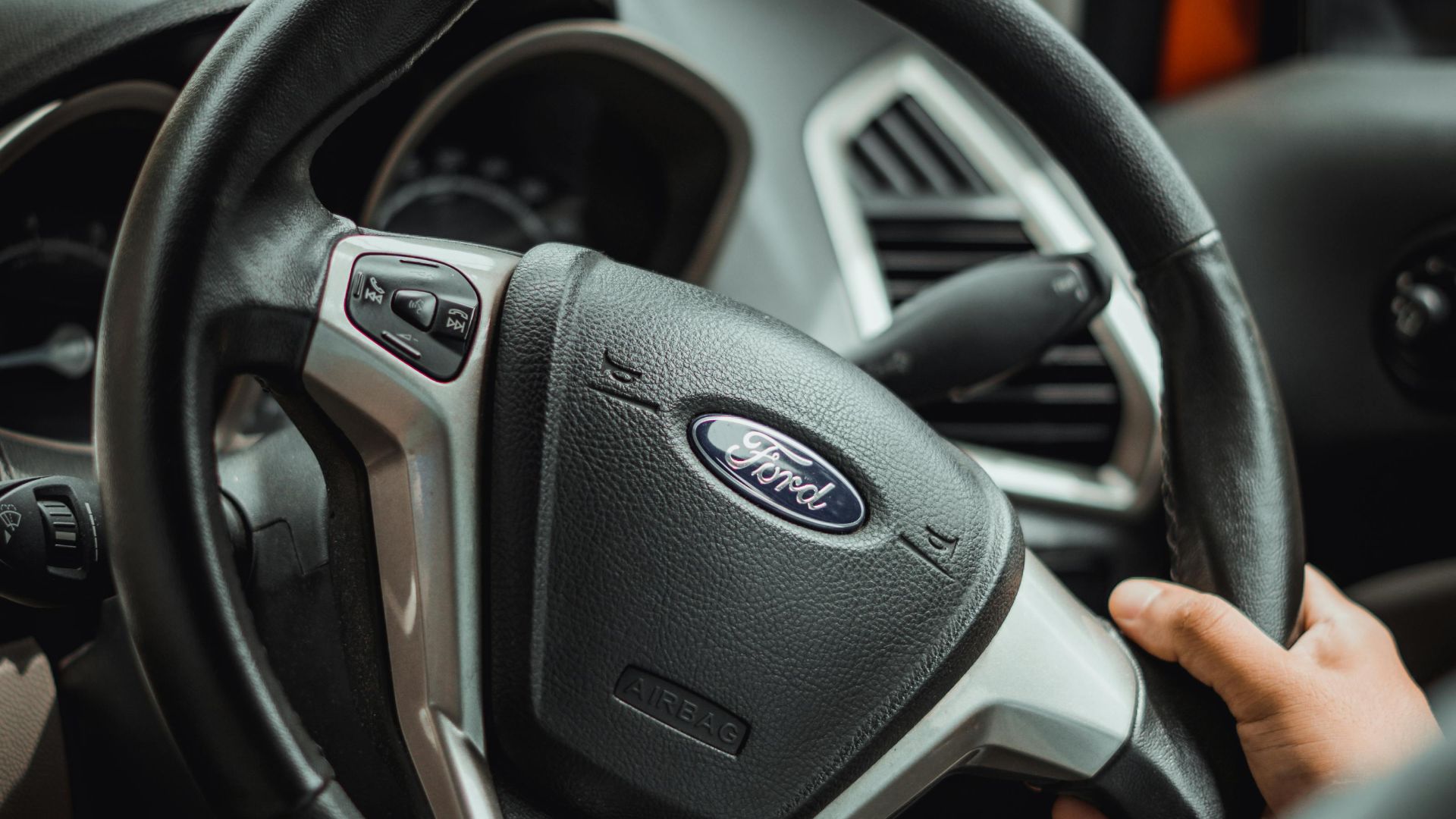
Ford Joined The Subscription Race
Ford’s BlueCruise hands-free driving system also uses subscription pricing after an introductory period. Buyers can pay monthly, yearly, or sometimes purchase longer-term access up front. Automakers increasingly present software features the same way streaming services package premium content tiers.
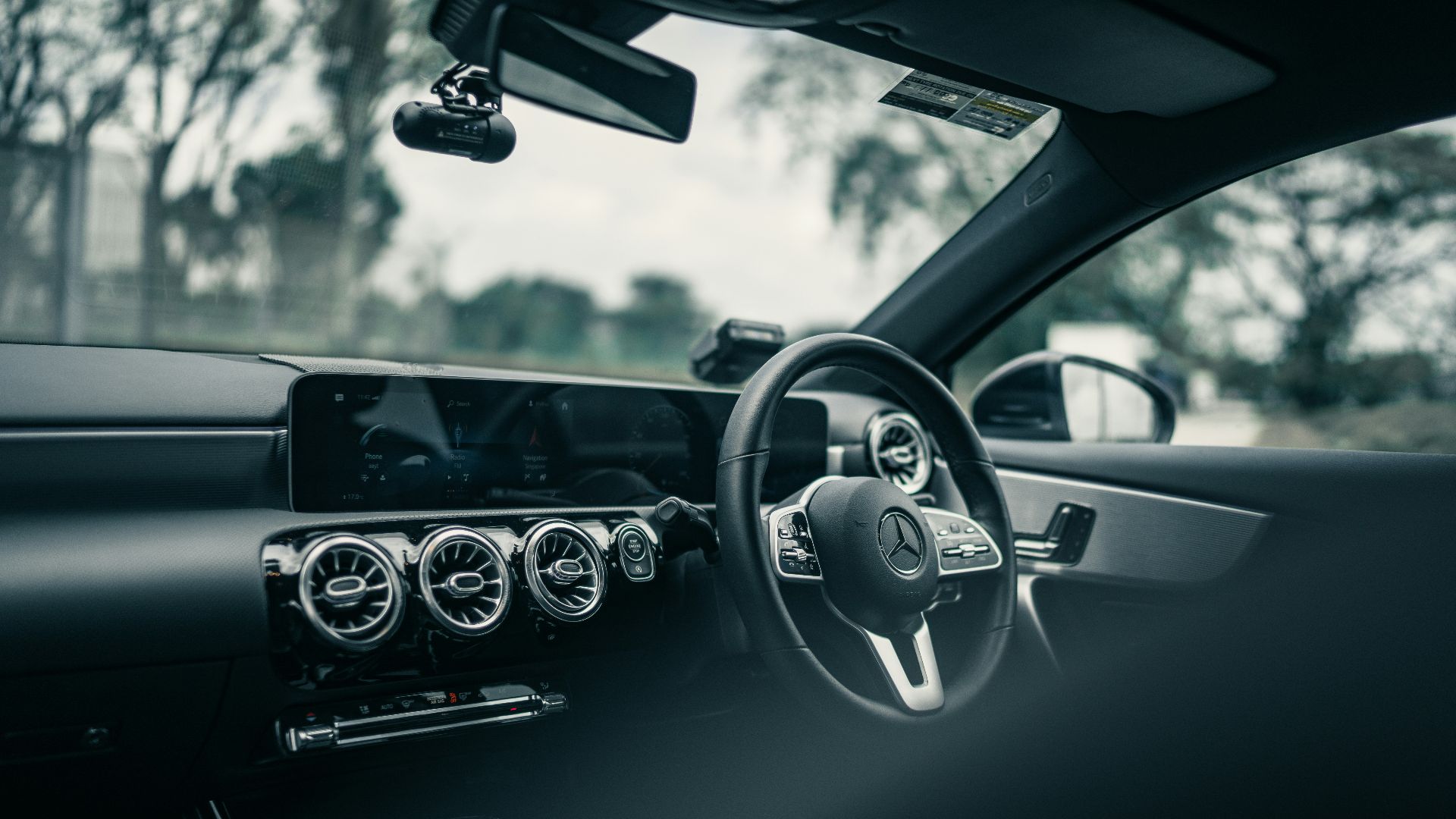
Luxury Brands Pushed The Trend First
Luxury automakers introduced many of these subscription ideas because premium buyers were seen as more willing to tolerate recurring fees. Mercedes-Benz, BMW, Audi, and Tesla experimented aggressively with digital upgrades before mainstream brands slowly brought the strategy into ordinary family vehicles and crossovers.
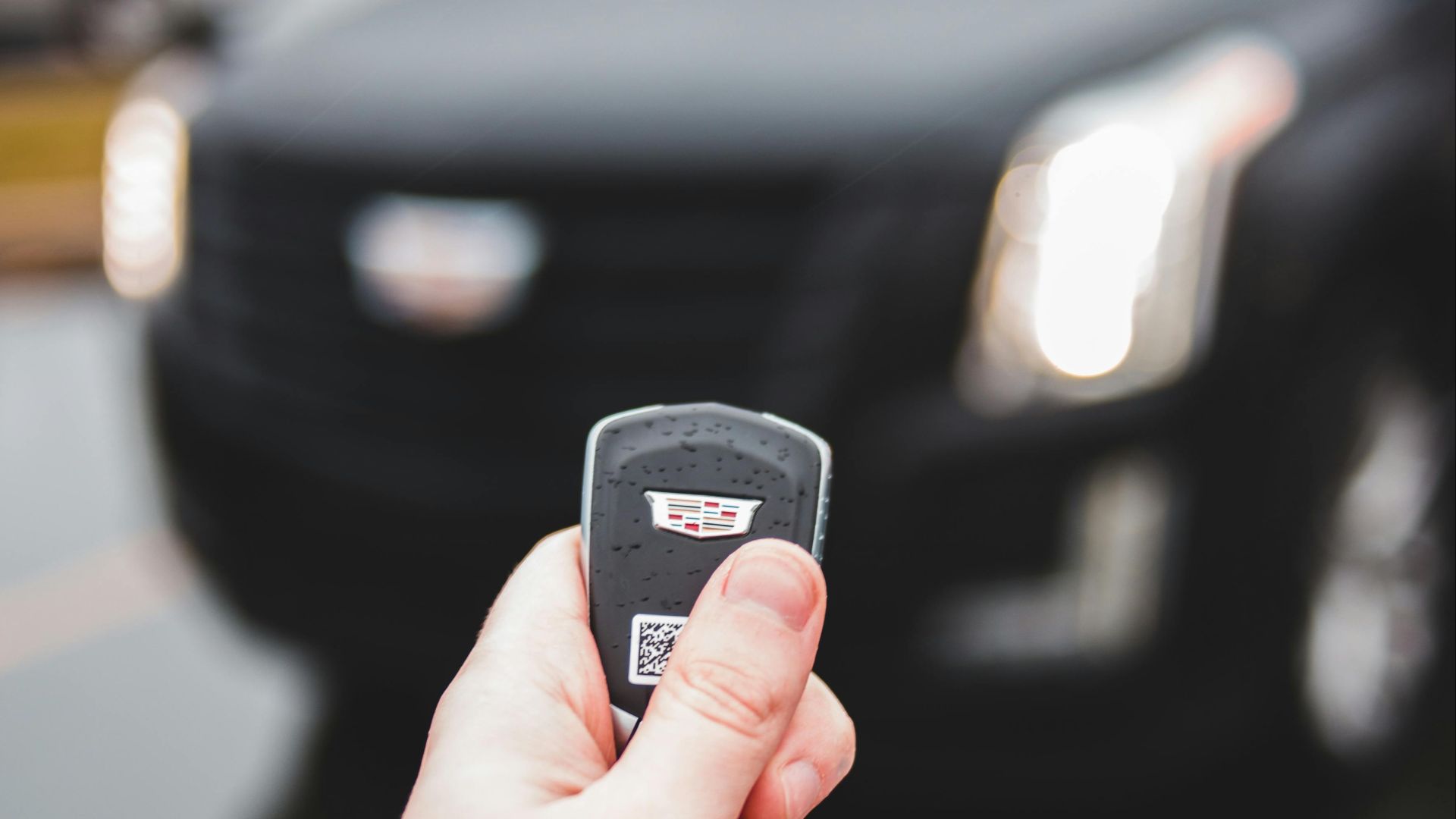
The Key Fob Debate
One particularly touchy issue involves whether remote start from the physical key fob should require a subscription at all. Many drivers argue that app-based features are one thing, but basic key-fob remote start should remain permanently included because it doesn’t necessarily require cloud connectivity or cellular service.
Dealers Don’t Often Explain The Details
Many buyers only learn about subscription limitations months after purchasing the car. Some dealership salespeople either gloss over the details or don’t fully understand the expiration timelines themselves. That confusion creates angry customers who feel blindsided after the honeymoon period ends.

Winter Drivers Feel Especially Burned
In colder climates, remote start isn’t just a luxury; it can mean warming the cabin, defrosting windows, and making the car comfortable before commuting. Drivers in northern states and Canada often react particularly strongly when they discover cold-weather convenience now comes with an annual fee.

Subscription Fatigue Is Real
Streaming television, cloud storage, music apps, gaming services, security cameras, and smartphones already bombard consumers with recurring payments. Drivers increasingly complain that modern life has become an endless collection of monthly charges. Adding your own car to that pile feels like crossing a psychological line for many people.

Some Brands Are Pulling Back
Not every automaker thinks subscriptions are smart long-term strategy. Volvo recently criticized the practice of charging monthly fees for basic comfort features like heated seats. That suggests that at least some companies worry the backlash could eventually damage customer loyalty and brand reputation.

You Need To Read The Fine Print
Before buying a new vehicle, carefully ask what features require subscriptions, how long the trial lasts, and what stops working afterward. Ask specifically about remote start, navigation, smartphone apps, Wi‑Fi hotspots, driver-assistance systems, and connected services. Never assume the salesperson volunteered every limitation upfront.

Ownership Means Something Different Now
For decades, buying a car meant owning every installed feature permanently. Software-defined vehicles are changing that understanding. Increasingly, ownership grants access to hardware while software licenses determine what you can actually do with the vehicle on a daily basis.

Aftermarket Options Still Exist
Some drivers avoid factory subscription systems entirely by installing aftermarket remote-start kits. These systems may not integrate as seamlessly as factory apps, but they often avoid ongoing fees. That workaround has become more appealing as automaker subscription plans expand across the industry.

The Regulatory Questions Are Growing
Lawmakers have started paying attention to subscription-based vehicle features. Critics argue consumers deserve clearer disclosures and stronger ownership rights when purchasing expensive vehicles. While regulations remain limited for now, public frustration is growing loud and cantankerous enough that governments may eventually step in.

Your Next Car May Be Even More Locked Down
The trend appears likely to continue because software subscriptions are extremely profitable for automakers. Expect future vehicles to include even more optional digital packages, feature unlocks, and app-based services. The industry increasingly sees vehicles not just as products, but as long-term digital revenue platforms.

Consumers Still Have Power
The good news is drivers can still influence the market. BMW’s heated-seat controversy proved backlash matters when enough buyers complain publicly or shop elsewhere. If customers consistently reject excessive subscription fees, automakers may rethink how aggressively they lock everyday features behind paywalls.

You May Also Like: