The Monthly Fees For My Car Are Starting To Feel Like Another Car Payment
A few dollars a month may not sound like much at first. But when multiple subscriptions start stacking up for navigation, remote access, connectivity, and other built-in features, the total can become surprisingly expensive. Many car owners are now questioning whether these subscriptions are worth it and whether they can get out once they've signed up. While every situation is different, escaping the fees may be easier than it first appears.
Car Subscriptions Are Becoming More Common
Automakers have been experimenting with subscription-based features for years, especially as vehicles become more software-driven. Some subscriptions cover services that clearly require ongoing support, like satellite radio, cellular data, live traffic, emergency assistance, or cloud-based navigation. Others are more controversial because they unlock hardware already built into the vehicle. That difference matters because customers often feel differently about paying for ongoing services than paying again to use equipment already sitting in their own car.

Some Features Really Do Require Ongoing Service
Not every car subscription is automatically unfair or suspicious. Features that rely on cellular networks, cloud servers, live map data, app connectivity, emergency call centers, or streaming services usually cost automakers money to operate after the vehicle is sold. In those cases, a subscription can function more like paying for phone service or internet access. The frustration usually grows when automakers blur the line between connected services and basic built-in hardware.
Hardware Paywalls Make Drivers Especially Angry
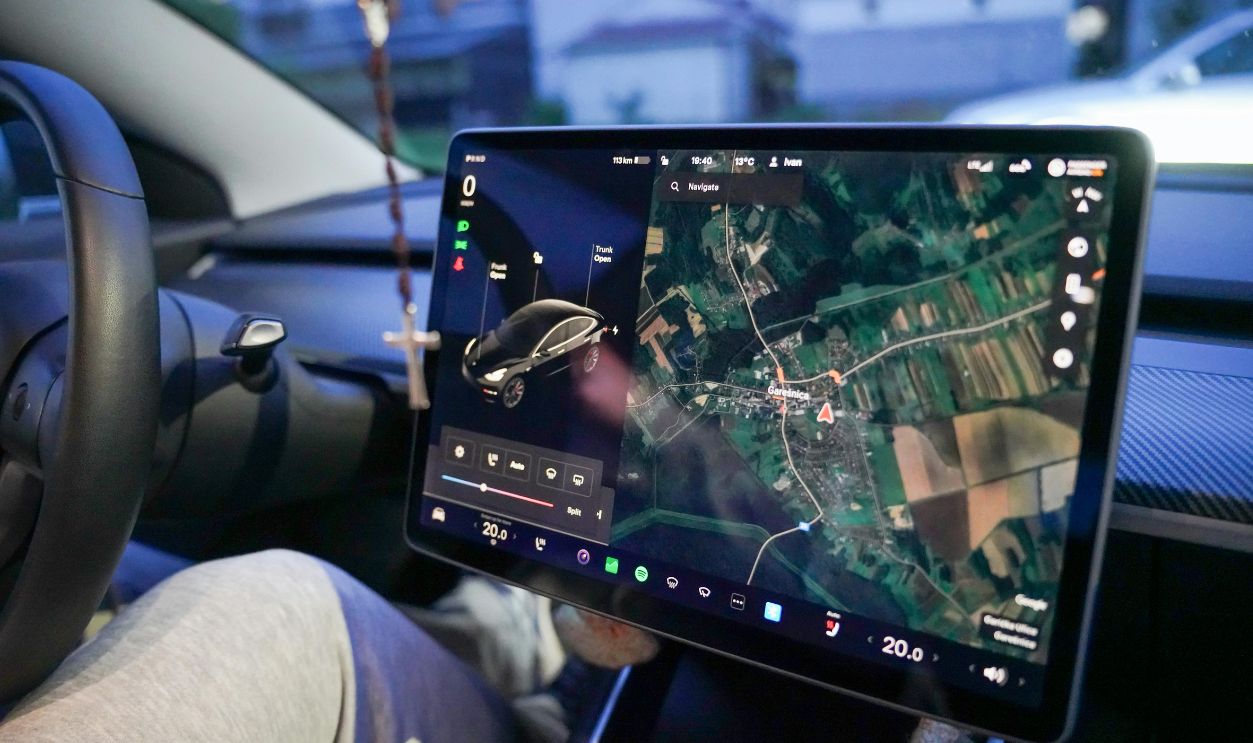
Drivers tend to get most upset when a subscription unlocks something physically installed in the car. Heated seats, heated steering wheels, remote start, acceleration boosts, and certain camera functions have all appeared in subscription discussions or programs. Many consumers feel they already paid for the hardware through the purchase price of the vehicle. That is why these fees are often described as paying twice for the same feature.

The Contract Usually Decides Your Options
The first thing to check is the purchase agreement, lease agreement, app terms, subscription terms, and any connected-services disclosures you received. Automakers and dealers often explain that certain features are included only during a free trial and then become paid subscriptions afterward. If those terms were clearly disclosed and accepted, canceling may be possible, but escaping past charges or breaking a longer commitment can be harder. If the subscription was hidden, misrepresented, or added without clear consent, your position may be stronger.

Free Trials Can Turn Into Paid Plans
Many vehicle subscriptions begin as free trials. The car may include connected services for a few months or years, then the automaker starts charging once the trial ends. This catches people off guard because the feature may feel like part of the car by the time the trial expires. If the plan auto-renews, check whether you received proper notice, whether payment authorization was clear, and whether cancellation steps were made reasonably available.

Canceling Should Not Be A Maze
Subscription cancellation rules have been getting more attention from regulators because consumers often complain that companies make cancellation harder than signup. The FTC finalized a “click-to-cancel” rule in 2024 for negative-option programs, but that rule was later blocked by a federal appeals court in 2025 before full enforcement. Even so, companies can still face legal problems if they mislead consumers about recurring charges, hide material terms, or continue billing after cancellation. That means confusing cancellation procedures may still be worth challenging.

Start With The Automaker Account
For built-in vehicle subscriptions, the cancellation path usually starts with the automaker’s owner portal, mobile app, connected-services account, or customer support line. Look for sections labeled subscriptions, connected services, remote access, digital services, or billing. Canceling through the dealership may not always work because many subscriptions are managed directly by the manufacturer or a third-party service provider. Save screenshots of every cancellation attempt because proof matters if billing continues afterward.

Dealerships May Not Control The Subscription
A dealership may sell the vehicle, explain the features, or help activate the trial, but the ongoing subscription is often handled by the automaker or connected-services provider. That can make the situation confusing when the dealer says it cannot cancel the plan. It does not necessarily mean they are dodging responsibility, but it does mean you may need to contact the company actually billing your card. Still, if the dealer misrepresented the subscription at the sale, that is a separate issue worth documenting.

Look For Add-Ons Buried In The Deal
Some car buyers discover recurring charges were bundled with other products or services during the sale. Connected service packages, theft recovery systems, maintenance plans, roadside assistance, and app subscriptions can sometimes appear in the paperwork alongside warranties or dealer add-ons. Review the retail installment contract, lease documents, itemized price sheets, and any separate enrollment forms. If you were charged for something optional without clear consent, you may have grounds to push for cancellation or a refund.

State Laws May Help In Some Places
Some states have started looking closely at vehicle feature subscriptions, especially those involving hardware already installed in the car. New York lawmakers passed a bill aimed at restricting certain post-sale subscription fees for motor vehicle functions, although the bill was vetoed in December 2025 according to the state Senate record. New Jersey lawmakers have also considered bills targeting subscriptions for features already built into vehicles. These efforts show that lawmakers are paying attention, but protections still vary heavily by state.

BMW Became The Famous Example
BMW drew major backlash after offering subscriptions for heated seats in some markets. The idea angered drivers because the heating hardware was already installed in the vehicle, and many saw the plan as a symbol of automakers charging extra for things people believed they already owned. BMW later stopped that particular heated-seat subscription approach, though it has continued exploring subscriptions for software-driven and connected features. The public reaction showed automakers how sensitive customers are to paywalled car functions.

Remote Start Is Another Common Flashpoint
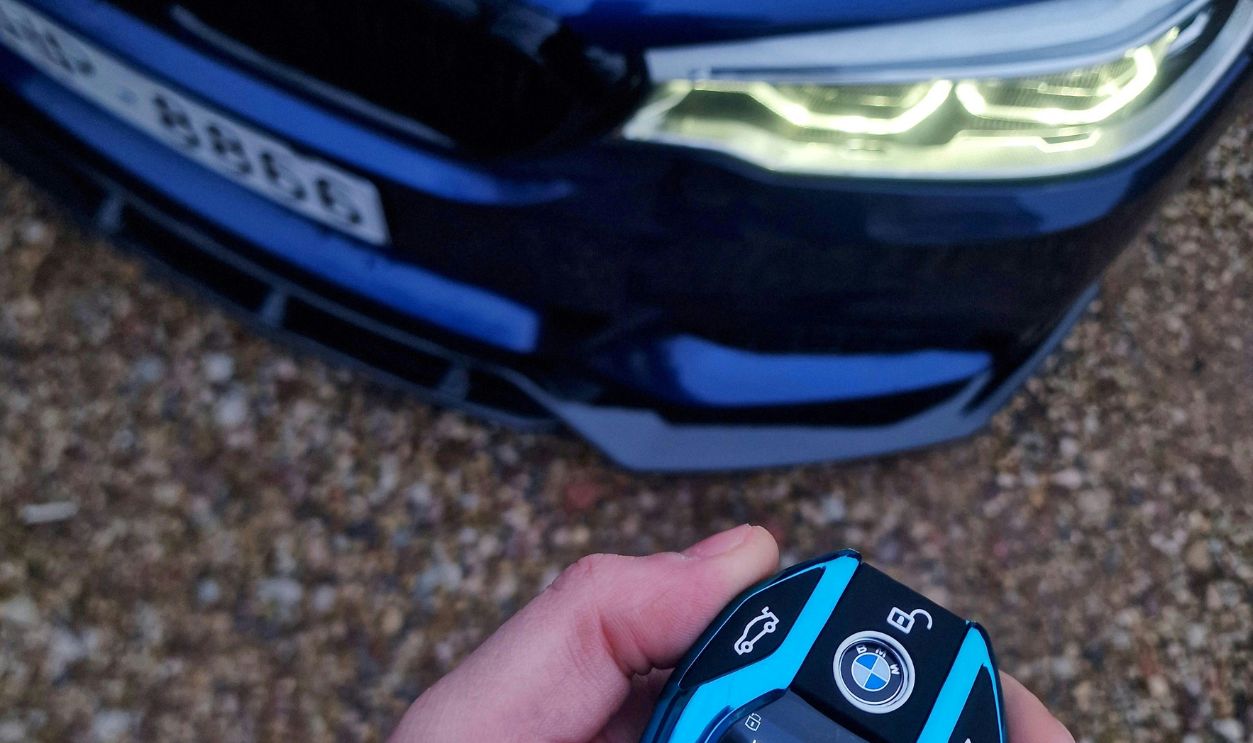
Remote start has become one of the most frustrating examples for many drivers. Some automakers include remote start through connected-service packages that may be free at first and then become paid after a trial period. Drivers get especially annoyed when a feature they used through a key fob, phone app, or factory system suddenly becomes tied to a recurring plan. Before paying, check whether your specific vehicle supports any non-subscription version of the feature.
Leases Can Be Extra Complicated
If you lease the vehicle, subscription issues can become more confusing because you do not own the car outright. Some connected services may be included temporarily as part of the lease package, while others may require separate enrollment. Canceling a service usually does not cancel the lease itself, and refusing to pay the lease because you are angry about subscriptions can create much bigger problems. It is usually safer to challenge the subscription separately while keeping required vehicle payments current.

Financing Does Not Always Include Feature Access
Buying or financing a car does not always mean every digital feature is permanently included. Automakers increasingly separate the physical vehicle from software access, connected services, and ongoing feature subscriptions. That can feel unfair, but the legal question often comes back to what was promised at purchase. If a window sticker, advertisement, sales contract, or salesperson represented a feature as included without clearly explaining later fees, that evidence may help your dispute.

Gather Every Piece Of Proof
Before calling customer service, collect the documents and screenshots that show what you were told. Save the window sticker, sales listing, buyer’s order, lease paperwork, finance contract, subscription emails, app screenshots, billing statements, and any messages from the dealer. If a salesperson told you the feature was included permanently, write down the date, name, and exact wording as best you remember. Strong documentation makes it much harder for a company to dismiss the complaint as confusion.

Ask For Cancellation And A Refund Clearly
When contacting the company, be direct and specific. State that you want the subscription canceled, ask for written confirmation, and request a refund for any charges you believe were unauthorized or misrepresented. Include dates, account numbers, vehicle information, and copies of supporting evidence. Keep the tone calm because a clear paper trail often works better than an angry phone call.

Watch For Early Termination Terms
Some plans are month-to-month, while others may involve prepaid annual terms or longer commitments. If you agreed to a yearly subscription, the company may allow cancellation but refuse a prorated refund depending on the terms. If the plan was sold as part of a financing package, cancellation may be even messier because the cost could be built into the loan rather than billed separately. That is why reading the exact cancellation and refund language matters so much.

Credit Card Disputes Can Sometimes Help
If you believe charges continued after cancellation or were never properly authorized, a credit card dispute may be worth considering. Card issuers often ask for proof that you tried to cancel, evidence of the billing problem, and copies of communications with the merchant. A chargeback is not guaranteed, but it can create pressure when a company keeps billing after receiving a valid cancellation request. Keep in mind that disputing charges does not automatically end the underlying subscription account.

Complaints Can Put Pressure On Companies
If customer service refuses to help, consider filing complaints with your state attorney general, consumer protection office, the FTC, or the Better Business Bureau. For financing-related add-ons, the Consumer Financial Protection Bureau may also be relevant if the issue involves credit, loan disclosures, or financing paperwork. Regulators may not solve every individual dispute, but companies often respond more seriously once a formal complaint is filed. Patterns of complaints can also draw broader attention to questionable billing practices.

Avoid Sketchy Unlocking Services
Some drivers look for unofficial software hacks to unlock paywalled vehicle features. That may be tempting, especially when the hardware is already installed, but it can create warranty problems, cybersecurity risks, software update issues, and possible legal trouble. Modern vehicles rely heavily on encrypted software and connected systems, so unauthorized modifications can cause bigger headaches than the subscription itself. A legitimate cancellation or dispute is usually safer than paying someone to bypass the automaker’s system.

Some Features May Disappear After Cancellation
Canceling a subscription may mean losing access to features you have gotten used to using. Remote app controls, live navigation, emergency services, Wi-Fi, voice assistants, traffic data, and certain driver-assistance upgrades may stop working once the plan ends. Before canceling, make sure you understand which features are actually tied to the subscription. That prevents another frustrating surprise after the billing stops.

Negotiate Before Giving Up
Some companies offer discounts, free extensions, downgraded plans, or temporary pauses when customers call to cancel. That does not mean you should keep a plan you cannot afford, but it may help if you need certain features and the full price is too high. Ask whether there is a cheaper plan that keeps only the features you actually use. Many drivers pay for bundles without realizing they only care about one or two tools.

Future Buyers Should Ask Direct Questions
Car feature subscriptions are now something buyers need to ask about before signing. Ask which features are permanent, which ones require subscriptions, when free trials expire, and what each plan costs after the trial ends. Get those answers in writing whenever possible. A few direct questions during the purchase process can prevent years of frustration later.

There May Be A Way Out
If the subscription is month-to-month, canceling may be as simple as using the app, owner portal, or customer support line and saving confirmation. If the plan was misrepresented, hidden, bundled without consent, or billed after cancellation, you may have stronger grounds to demand a refund or file complaints. Longer contracts and financed add-ons can be harder to unwind, but they are still worth reviewing carefully. The key is to separate frustration from proof and focus on the paperwork, billing history, and exact promises made when the car was sold.

You May Also Like: