Information Overload
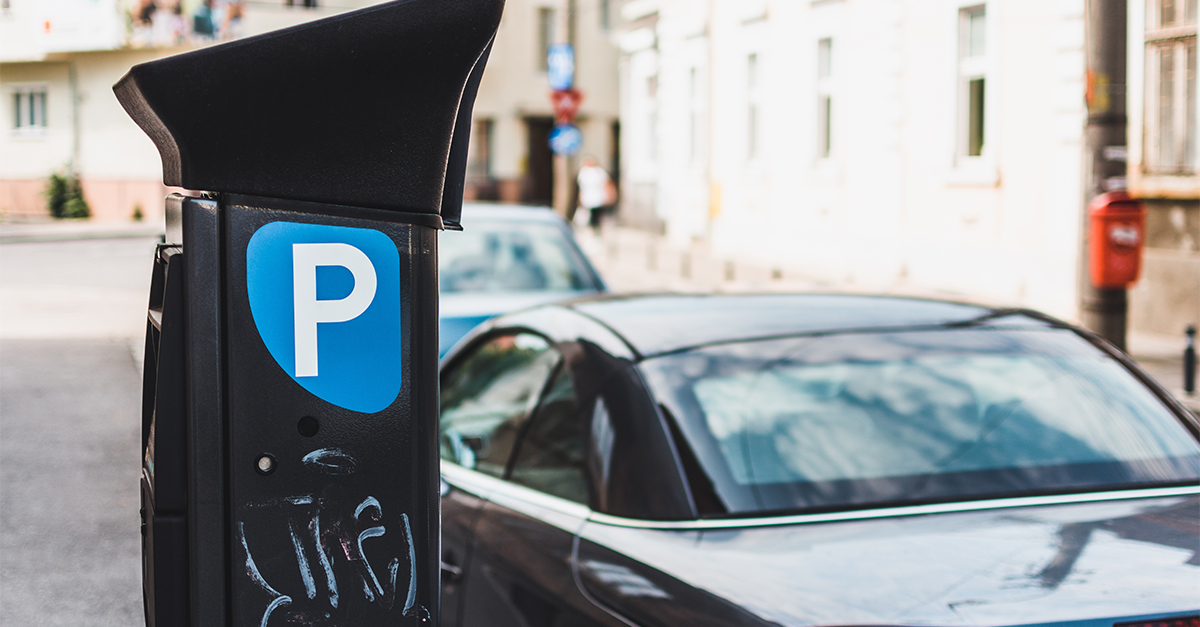
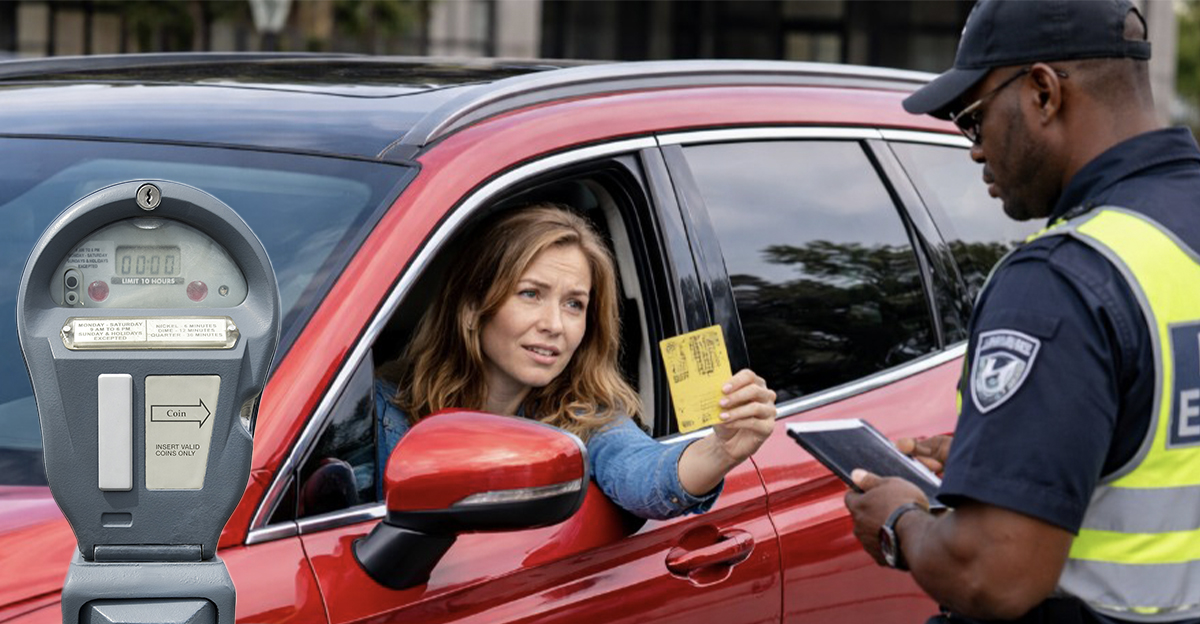
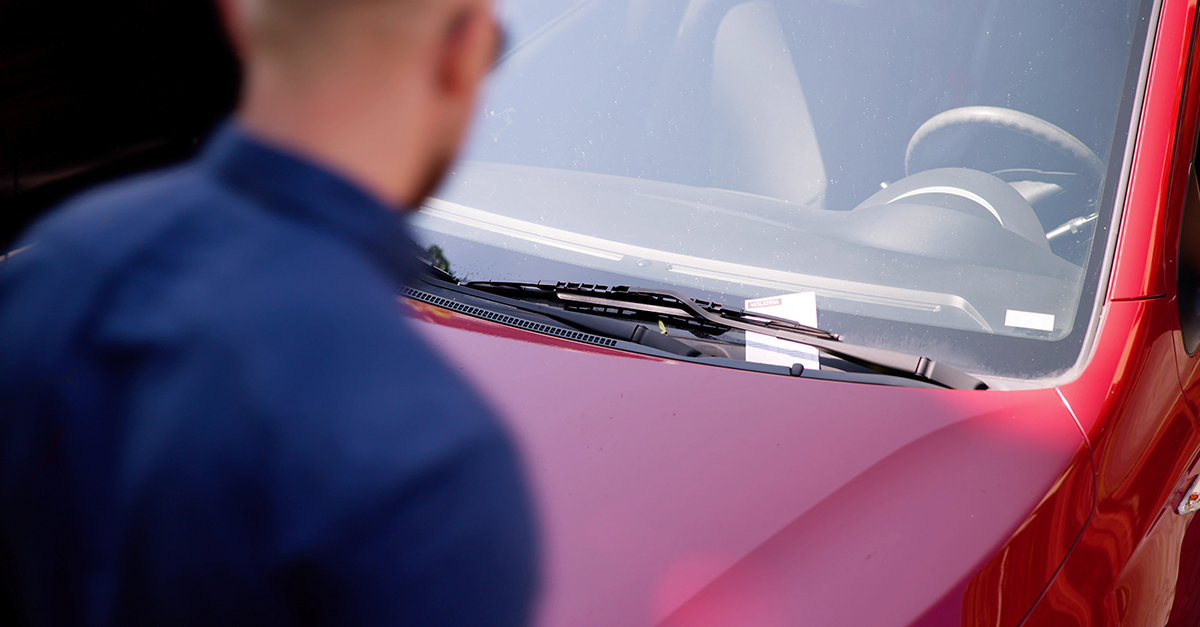
You were sitting in your car when a software update began. Before you could decline it, the vehicle was immobilized. You were stuck there until the update finished. The update dragged on past the 30-minute time limit on your city parking spot. Then a parking enforcement officer issued you with a ticket right as you were sitting in the car. You now wonder if you can challenge the ticket, and/or the automaker can be held responsible for this screw-up.
 Christian Delbert, Shutterstock, Factinate
Why The Car Was Immobilized
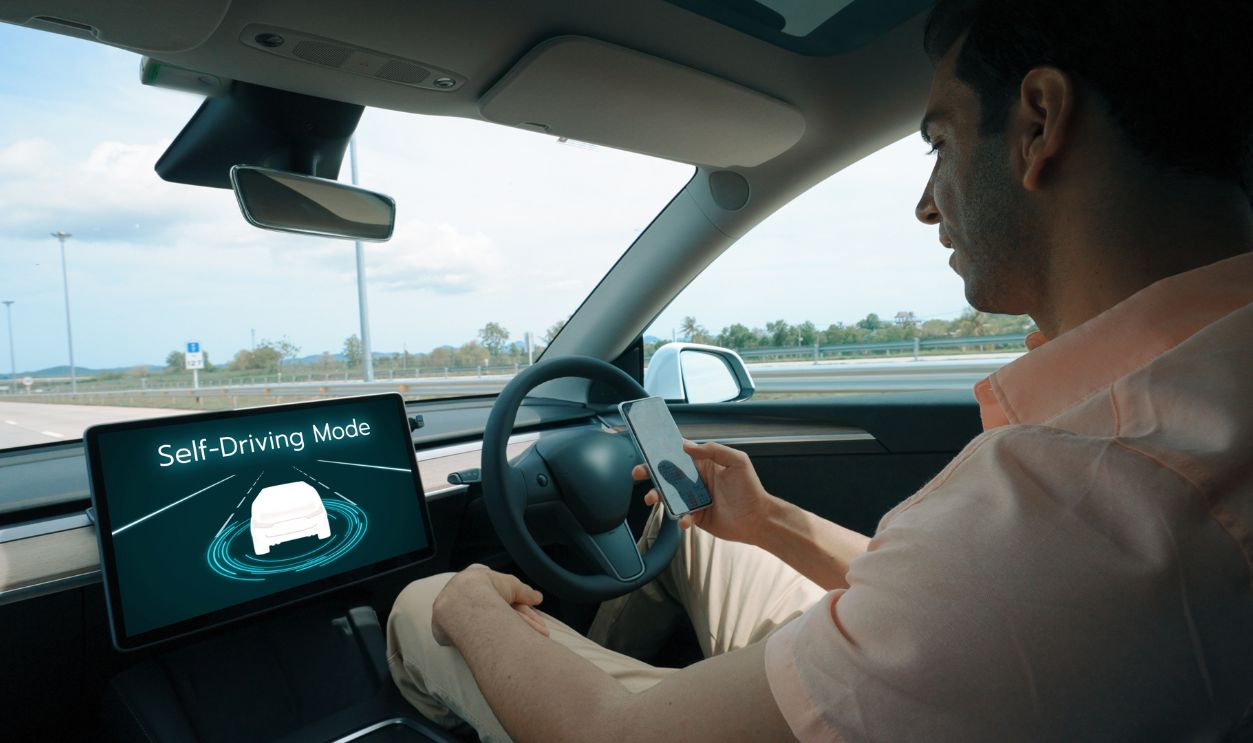
A lot of today’s vehicles disable driving during major software updates to prevent system corruption or safety failures. Steering, braking, or power delivery has to be temporarily locked. Even though you are physically inside the car, the law usually treats the vehicle as parked if it can’t legally or safely be moved.
 Summit Art Creations, Shutterstock
Cities Still Issue Tickets
Parking enforcement is concerned with time limits, not driver presence. A car occupying a metered space past its paid time is typically in violation, even if someone is sitting inside. From the city’s point of view, the reason you stayed parked doesn’t matter unless a narrowly defined emergency exception can be invoked.
Why This Feels Unfair
To you, this feels different from thoughtlessly leaving your car unattended. You had every intention of driving away before the 30-minute cutoff. The update stopped you from moving. Unfortunately, parking rules rarely take into account modern vehicle software behavior. Many ordinances were written long before cars could lock themselves in place without driver input.

What You Should Have Done
The best practice is to always run updates at home, in a private driveway, or in long term parking. If an update pops up while you’re in a time-limited space, postponing it is usually safer. Some manufacturers allow scheduling updates overnight, for the exact reason of avoiding situations like this.

Can You Fight The Ticket?
You can usually dispute the ticket, but your probability of success is wildly unpredictable. You would argue that the vehicle was temporarily immobilized by a manufacturer-required process and wasn’t simply overstaying. Some municipal judges may sympathize, especially if you provide documentation showing the update duration and immobilization warning.

Evidence That Helps Your Case
Screenshots of the update notification, timestamps, and owner’s manual language stating that the car can’t be driven during updates all bolster your argument. Receipts showing you paid the meter initially also matter. Without proof, enforcement may treat your claim as indistinguishable from any other overstay excuse.

Why So Many Appeals Fail
Parking authorities almost always reject explanations that aren’t related to meter payment. Their stance is that you assumed the risk of parking there. From their point of view, mechanical or software issues are your responsibility, not the city’s obligation, unless a clearly documented emergency or official vehicle exemption applies.

Is Sitting In The Car A Defense?
In most jurisdictions, sitting in the car doesn’t override parking restrictions. The legal distinction is between parking and standing, not the presence of the driver in the vehicle. If the engine is off and the vehicle is stationary in a marked space past its paid time, it usually counts as parked under municipal codes.
Can You Claim This As A Breakdown?
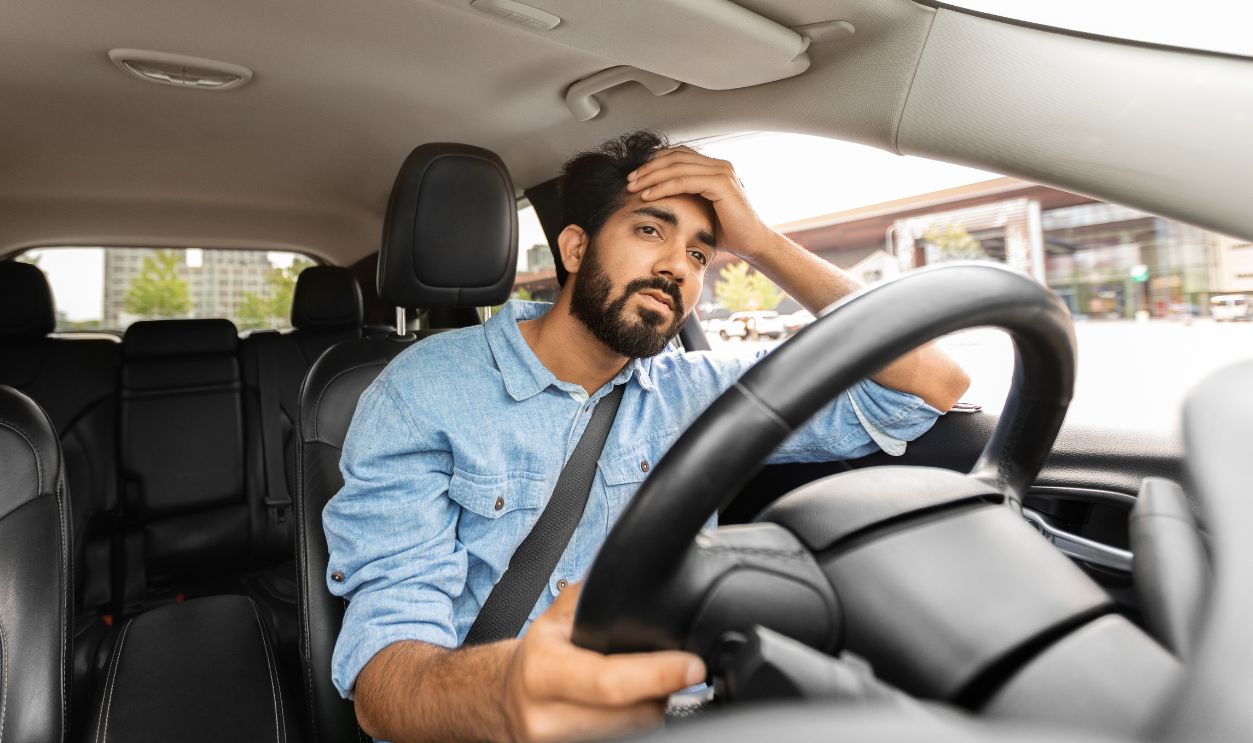
Some drivers try to frame such situations as a temporary mechanical failure. This argument won’t carry much water unless the city explicitly excuses disabled vehicles and you sought assistance in a timely fashion. Software updates initiated by the owner or, in this case by the vehicle are rarely treated the same way as unexpected mechanical breakdowns.

Manufacturer Responsibility
It’s natural to wonder if the automaker should be the one to cover the ticket. The update was required, immobilized the vehicle, and gave very limited warning. However, most manufacturers disclaim liability for consequential costs like fines, tickets, or lost time within their software and warranty agreements.
Why Automakers Will Probably Refuse
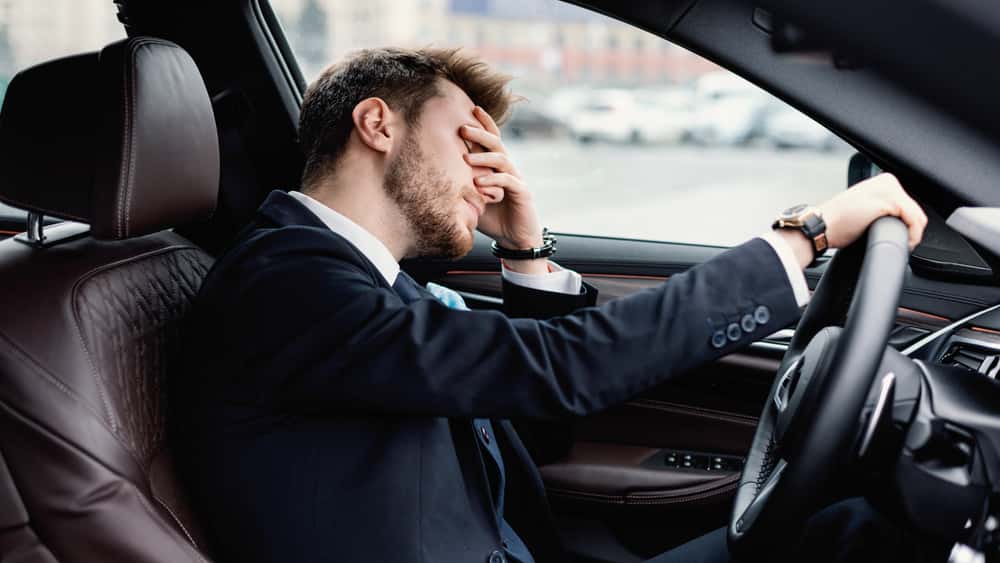
Automakers will argue that updates are optional, can be scheduled, and that the parking choice was yours. They generally limit their responsibility to vehicle function, not legal or situational consequences. Customer service may make a mild show of sympathy but usually won’t reimburse parking tickets.

When You Might Get Goodwill Compensation
Occasionally, manufacturers offer goodwill credits or reimbursements if the update triggered an abnormally long delay or you lacked sufficient warning. This is rare and discretionary. It often requires steady escalation, polite persistence, and proof that the update couldn’t be postponed once it was set in motion.

The City Argues
Cities will argue that allowing software-based exceptions will trigger enforcement chaos. If updates qualify, then dead batteries, entertainment system resets, or phone calls would also qualify. Clear rules are a lot easier to enforce, even if edge cases feel unfair to individual drivers.
Counterargument From Automakers
Manufacturers may argue that immobilization protects you. Allowing driving mid update could cause a serious safety failure. From their perspective, that inconvenience is an acceptable tradeoff for system integrity, and drivers have to plan accordingly in public spaces.
What You Can Do Going Forward
Disable automatic updates outside safe locations, monitor update prompts carefully, and avoid triggering updates while parked in metered or restricted zones. If you rely on street parking, familiarize yourself with update settings and estimated durations to avoid repeat incidents.

Should You Still Contest The Ticket?
If the fine is modest, contesting it may not be worth your time. If it’s a hefty fine or carries escalation risk, filing an appeal is reasonable. Best outcomes tend to happen when you stay calm, factual, and give documentation without attacking enforcement officers.
What The Incident Means Long Term
This situation highlights a growing conflict between vehicle software control and real world rules written for older cars. As vehicles get more and more autonomous internally, laws and parking policies may eventually have to evolve and adapt. For now, drivers carry the cumbersome burden of navigating that mismatch.

Could Laws Eventually Change?
Possibly, but slowly. Municipal codes change cautiously. Until immobilizing software updates become widely recognized as a common issue, regulators aren’t likely to carve out exceptions that would more often than not make their lives more complicated. Early cases like yours may influence discussion, but they rarely help in the time frame you’re interested in.

Longing For A Simpler Time
You were caught between modern vehicle design dictates and onerous, outdated parking rules. While you can try to contest the ticket and politely seek goodwill from the manufacturer, success is not at all a sure thing. The safest approach is prevention. Until laws get up to speed, responsibility for update timing effectively stays with the driver.
You May Also Like:
My car got towed from my own apartment complex and management won’t help. What can I do?