HOA Trouble In The Driveway
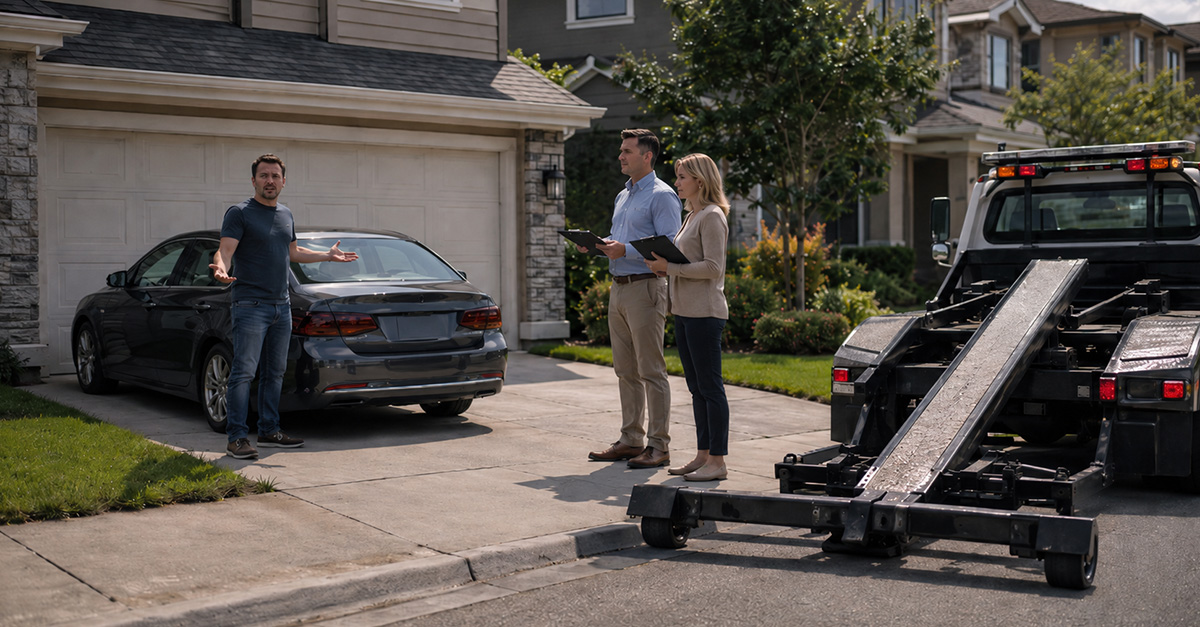
You bought the house. You pay the mortgage. The driveway is literally attached to your property. So when your HOA starts mailing fines over the car parked outside, it feels like someone ticketed you in your own kitchen. But before you toss those letters into the glovebox, let’s talk.
Your Driveway May Not Be Fully Yours
Here’s the weird part: owning your driveway does not always mean you can use it however you want. If your home sits inside an HOA community, you likely agreed to follow a pile of rules called covenants, conditions, and restrictions. Yes, even the boring ones about parking.
The HOA Rulebook Is The Boss Battle
The first thing to check is your HOA’s governing documents. Look for rules about parking, vehicle storage, commercial vehicles, project cars, non-operational vehicles, oversized vehicles, or street visibility. The fine may feel ridiculous, but the rule might already be sitting there in black and white.

Driveway Parking Rules Are Common
Many HOAs regulate what can sit in a driveway because they want the neighborhood to look neat and uniform. Some allow daily drivers but ban trailers, RVs, boats, work vans, or cars with expired tags. Others require vehicles to be parked inside garages whenever possible.

The Car Itself Might Be The Issue
Sometimes the HOA is not angry that a car is in the driveway. It is angry about what kind of car is there. A classic Camaro under restoration, a lifted work truck, a company-branded van, or a car on jack stands can trigger rules faster than a cold start in a quiet cul-de-sac.

Ignoring Fines Can Get Expensive Fast
Ignoring the HOA is tempting, especially when the fine seems silly. But HOAs are not usually bluffing. Late fees, interest, collection costs, attorney fees, and more fines can stack up. That $50 driveway ticket can turn into a much uglier bill if left alone.

They May Be Able To Place A Lien
Depending on your state and HOA documents, unpaid fines can sometimes lead to a lien against your property. That means the dispute is no longer just about a parked car. It can become a real estate problem, which is exactly the kind of boring nightmare nobody wants.

Foreclosure Is Rare But Not Impossible
Nobody wants to hear that a driveway fight could turn into a foreclosure threat, but in some places, unpaid HOA debts can eventually get serious. That does not mean it happens overnight. Still, treating every HOA notice like junk mail is a risky strategy.

Start With The Actual Violation Notice
Read the notice carefully. What rule did they say you broke? What date did it happen? How much is the fine? Is there a deadline to appeal? HOAs sometimes send vague letters, but they usually need to identify the rule they claim you violated.

Take Photos Before Moving Anything
Before you change the parking situation, take clear photos of the car, driveway, street, garage, license plate, registration sticker, and surrounding area. If the car is clean, working, legally registered, and parked neatly, that evidence could help if you challenge the fine.

Check Whether The Rule Is Being Enforced Fairly
Look around the neighborhood. Are other homeowners parking similar vehicles in their driveways without fines? Selective enforcement can matter. An HOA generally should not hammer one homeowner while ignoring the same conduct everywhere else. Take photos, but do not start a neighbor war.

Do Not Make It Personal
It is easy to assume the board has it out for you, especially if the fine feels petty. But angry emails rarely help. Keep your response calm, short, and paper-trailed. Think less “burnout in the cul-de-sac” and more “organized owner with receipts.”

Ask For A Hearing Or Appeal
Most HOAs have a process for contesting fines. Use it. Send a written appeal before the deadline and ask for a hearing if allowed. Bring your photos, registration proof, and any rule language that supports you. Do not rely on “but it’s my driveway” alone.

The Garage Requirement Can Be Tricky
Some communities require residents to park in the garage first, then driveway second. That gets annoying when the garage is full of bikes, boxes, tools, and one treadmill from 2014. Unfortunately, “my garage is full” may not beat a written parking rule.
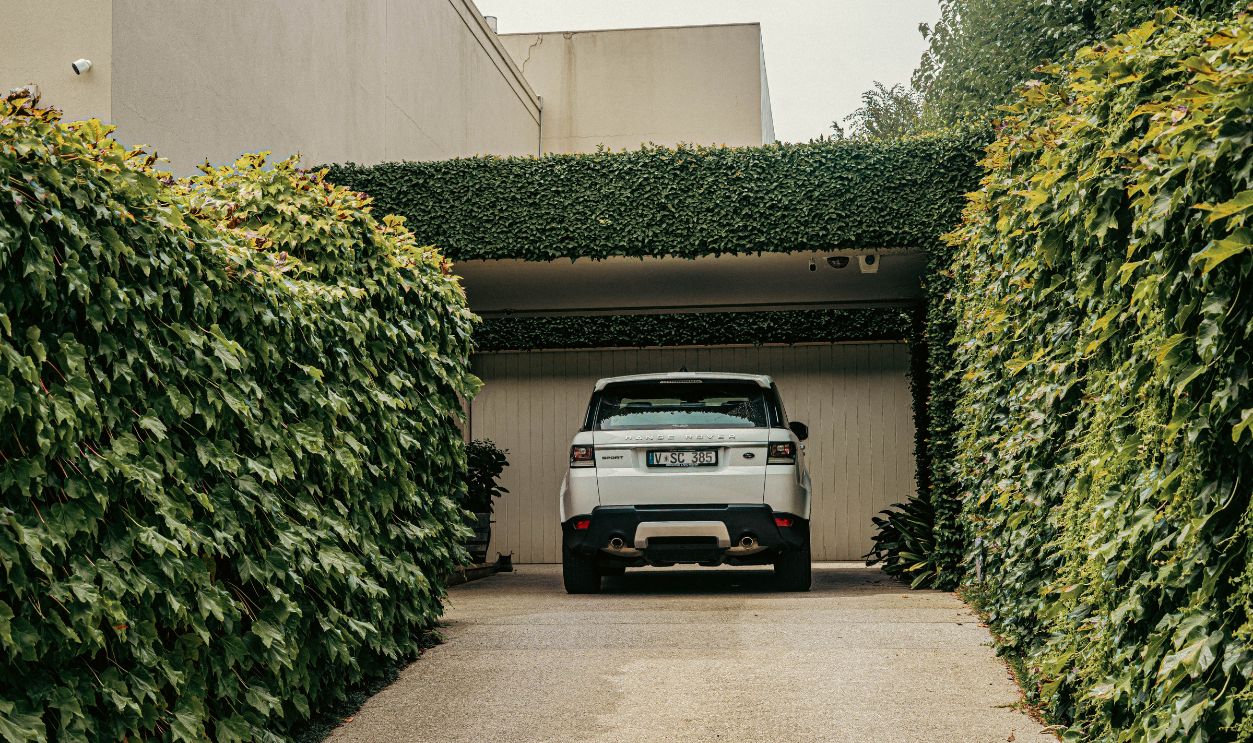
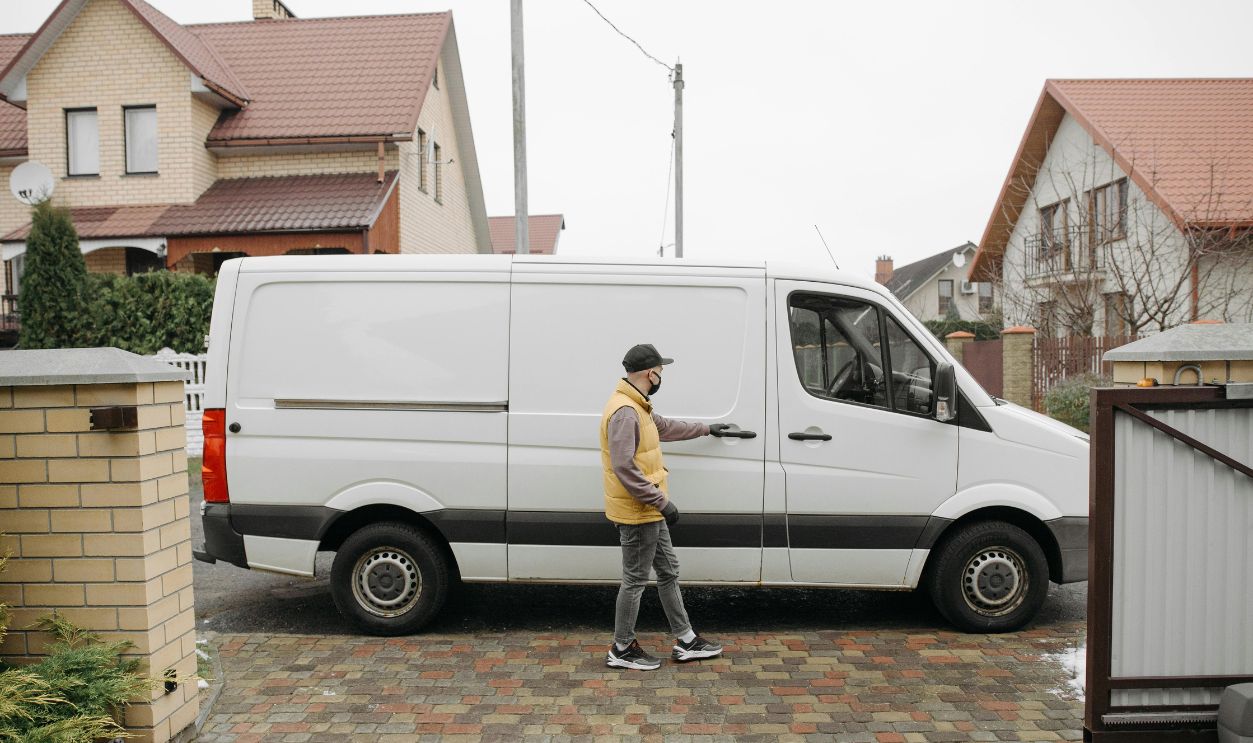
Commercial Vehicles Are A Classic HOA Fight
Work trucks and vans cause a lot of HOA drama. Even when they are personal transportation, logos, ladders, racks, or equipment can make them look commercial. If your vehicle is part of your job, check whether the rules ban commercial appearance, business use, or both.
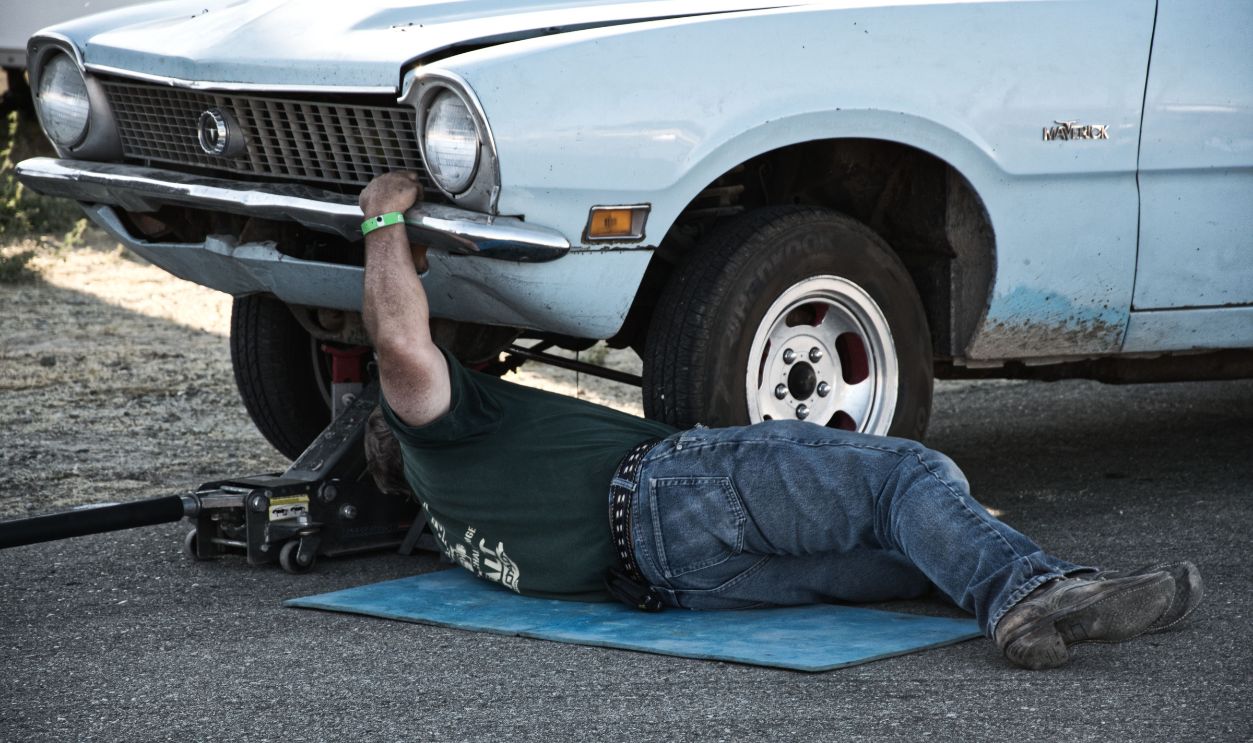
Project Cars Can Be A Red Flag
Automotive people know that a project car is not “junk.” It is potential. HOAs may not share that emotional attachment. If the car is covered, inoperable, missing parts, leaking fluids, or sitting long-term, the HOA may classify it as stored, abandoned, or unsightly.
Car Covers May Or May Not Help
A car cover seems like the perfect compromise, but some HOAs restrict those too. A clean, fitted cover might be allowed, while a faded tarp with bungee cords may scream “trouble.” Before covering the vehicle, check whether your community has rules about appearance.

Your State Law Could Matter
HOA power is not unlimited. State laws can affect notice requirements, fine limits, appeal rights, towing rules, and lien procedures. Some states also protect certain vehicles or uses. That is why the answer can change wildly from one neighborhood to the next.

The HOA Must Follow Its Own Rules
Even if the parking rule is valid, the HOA usually has to follow proper procedures. That may include notice, a chance to cure, a hearing, or board approval. If they skipped steps, you may have grounds to dispute the fine.

Do Not Block The Sidewalk
If your car hangs over the sidewalk or extends into the street, the HOA may have a stronger case. Cities can also enforce sidewalk and street obstruction rules. Even if the driveway is yours, the public walkway is not your personal extended parking pad.

Towing Is A Different Level Of Serious
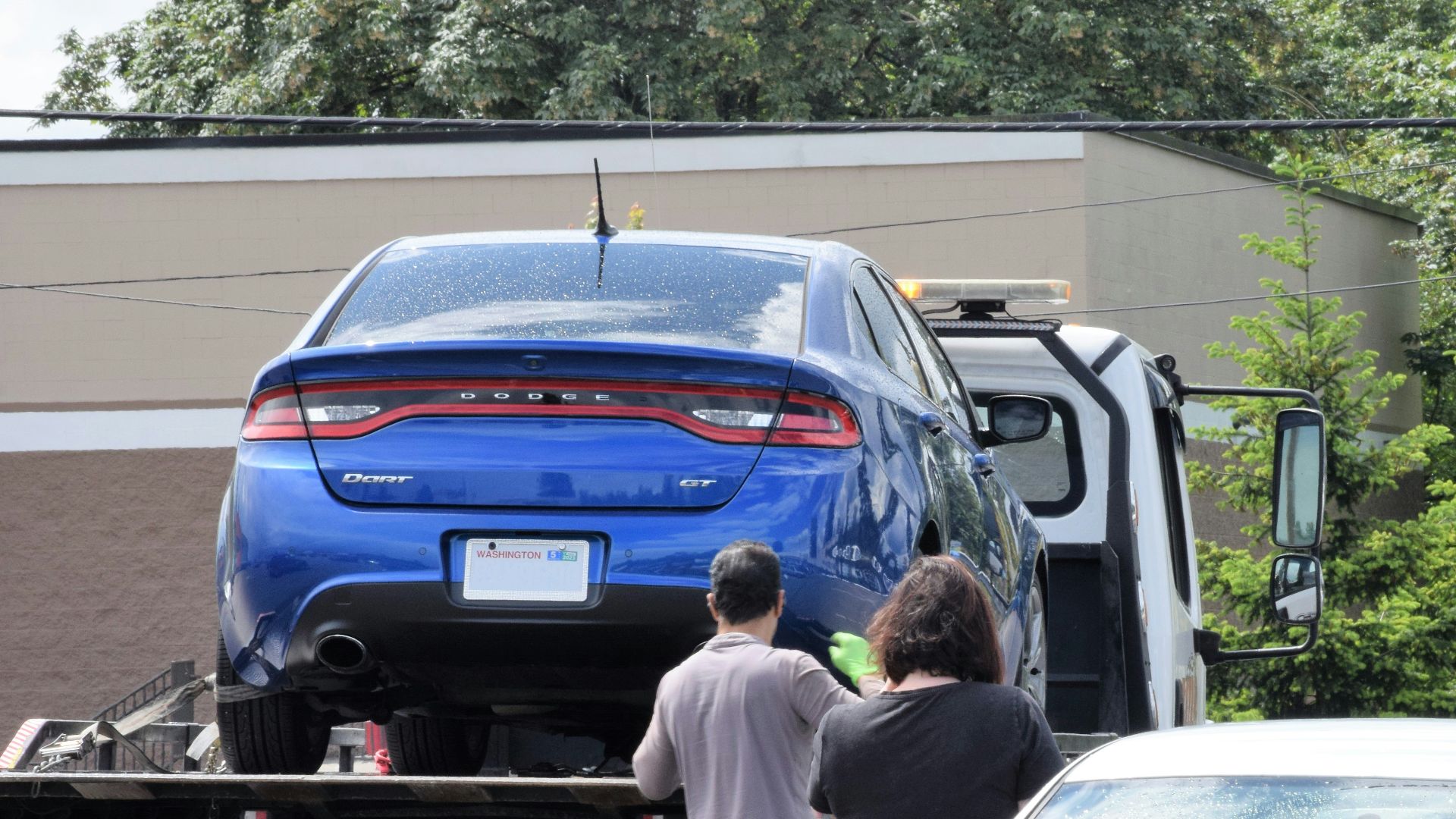
Some HOAs can tow vehicles under certain conditions, especially from common areas or streets they control. Towing from a private driveway is more complicated and depends on local law and governing documents. Either way, do not assume they have zero power.
Try A Practical Fix First
Sometimes the cheapest solution is not a courtroom showdown. Move the car into the garage, rotate vehicles, remove commercial magnets, update registration, fix visible damage, or ask for temporary approval. You can still dispute the fine while stopping new ones from piling up.

Ask For A Variance
If you have a good reason, request a written variance or accommodation. Maybe your garage is temporarily unusable, the vehicle belongs to a caregiver, or the car is awaiting repairs. A polite request with a clear timeline can work better than a driveway standoff.

Keep Everything In Writing
Phone calls are fine for quick questions, but written records win disputes. Save emails, letters, photos, rules, envelopes, payment receipts, and meeting notes. If the issue escalates, a neat folder of evidence beats “I talked to someone last month, I think.”

Paying Under Protest Is Sometimes Smart
If the fine deadline is coming and the amount is small, you may consider paying under protest while continuing the appeal. That can help prevent late fees while preserving your argument. Write clearly that payment does not mean you agree with the violation.

When To Call A Lawyer
If the fines are growing, a lien is threatened, your vehicle is at risk of towing, or the HOA refuses to explain the violation, talk to a local attorney. You do not need a legal drag race, but you may need someone who knows HOA law.

The Smart Move Is To Respond, Not Ignore
So, can you just ignore HOA fines because the car is parked in your own driveway? Usually, no. Your best move is to read the rules, document everything, appeal on time, and stop extra fines if possible. It is your property, but the HOA rulebook may still be riding shotgun.

You May Also Like: