A Fast Launch Can Turn Into A Much Bigger Problem
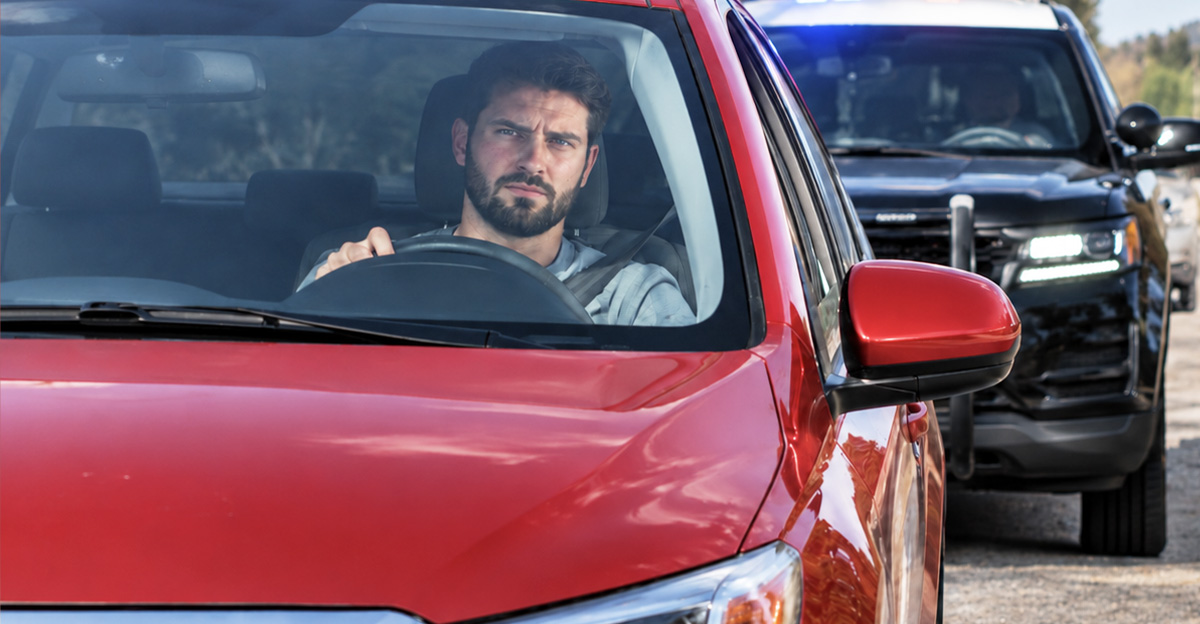
The light turned green, you accelerated, and a few moments later there were flashing lights behind you. You weren’t speeding or weaving through traffic, yet the officer said you accelerated too fast and called the maneuver reckless. Before assuming the charge either has to stick or has to disappear, figure out exactly what the state says prosecutors need to prove.
Start With The Exact Statute On The Citation
“Reckless driving” doesn’t mean the same thing everywhere. Look at the code section written on the ticket or charging document rather than relying on the officer’s description. The actual statutory language tells you whether prosecutors need to prove danger, willful disregard, a particular speed, or some other conduct.
There Isn’t A National Maximum Acceleration Rate
Traffic laws generally aren’t written around a universal zero-to-60 time or maximum amount of acceleration. A powerful car can legally get up to the speed limit quickly in many situations. The judicial problem usually arises from how that acceleration occurred and whether it created the kind of danger prohibited by the applicable state law.
State Reckless-Driving Laws Can Be Very Different
California, Florida, Texas, and Washington use versions of a willful or wanton disregard standard. Arizona refers to reckless disregard for safety, while New York focuses on unreasonable interference with or endangerment of highway users. Virginia goes further and also has specific speed thresholds that independently qualify as reckless driving.
Staying Under The Speed Limit Helps, But It Isn’t An Automatic Defense
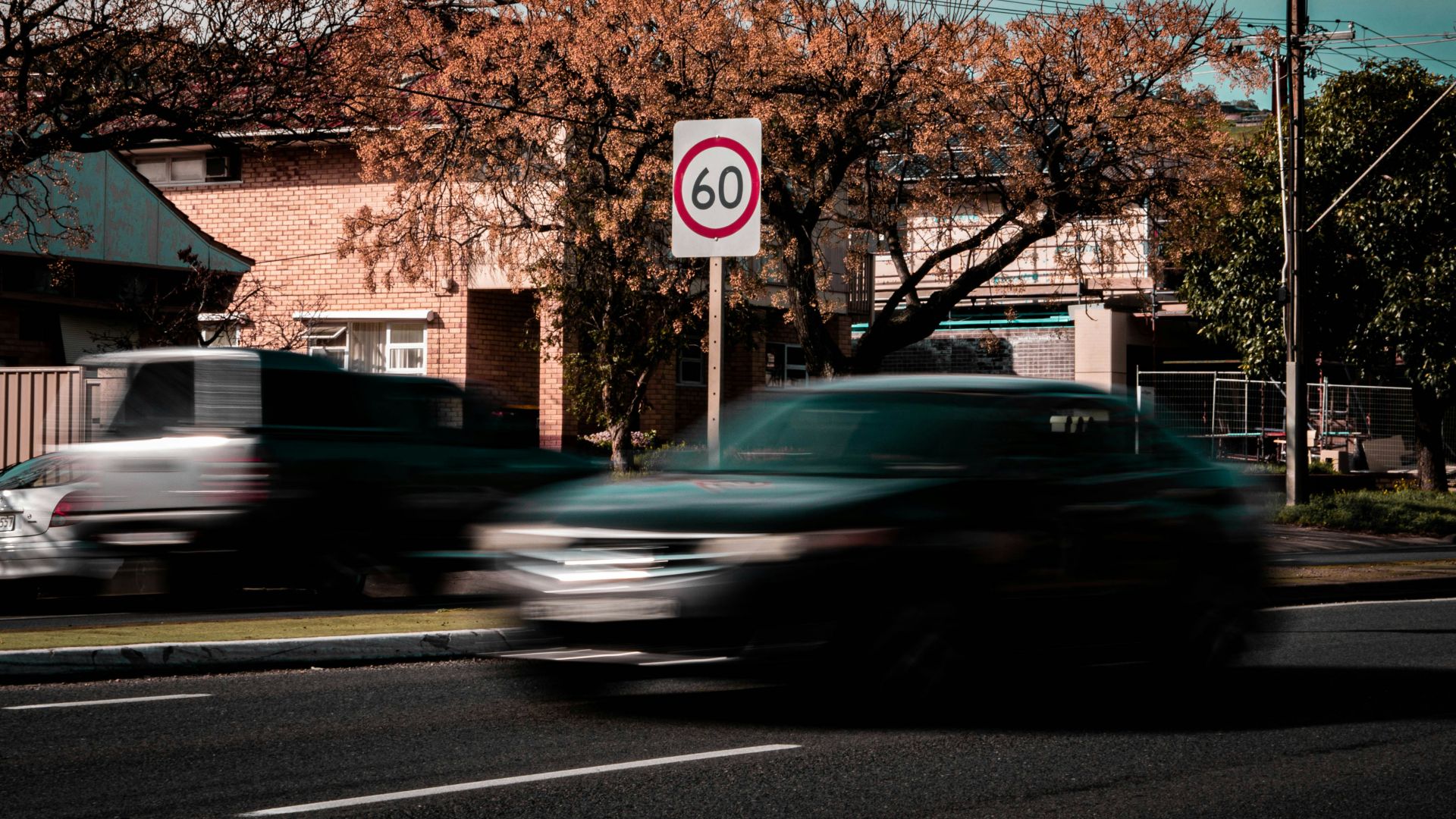
Being below the posted limit eliminates one obvious argument, but it doesn’t necessarily resolve a reckless-driving charge. A driver can theoretically be under the limit while accelerating around pedestrians, cutting across lanes, losing control, or creating some other danger. The question becomes what the officer says made the maneuver reckless besides the number on the speedometer.
No Radar Reading Doesn’t Automatically End The Case
If the charge isn’t based on exceeding a particular speed, prosecutors may not need a radar or lidar measurement. An officer can testify about what they personally observed. However, the absence of measured speed becomes more important when the officer’s entire accusation boils down to an impression that the car accelerated “too fast".
Some States Have A Different Offense For Showing Off Acceleration
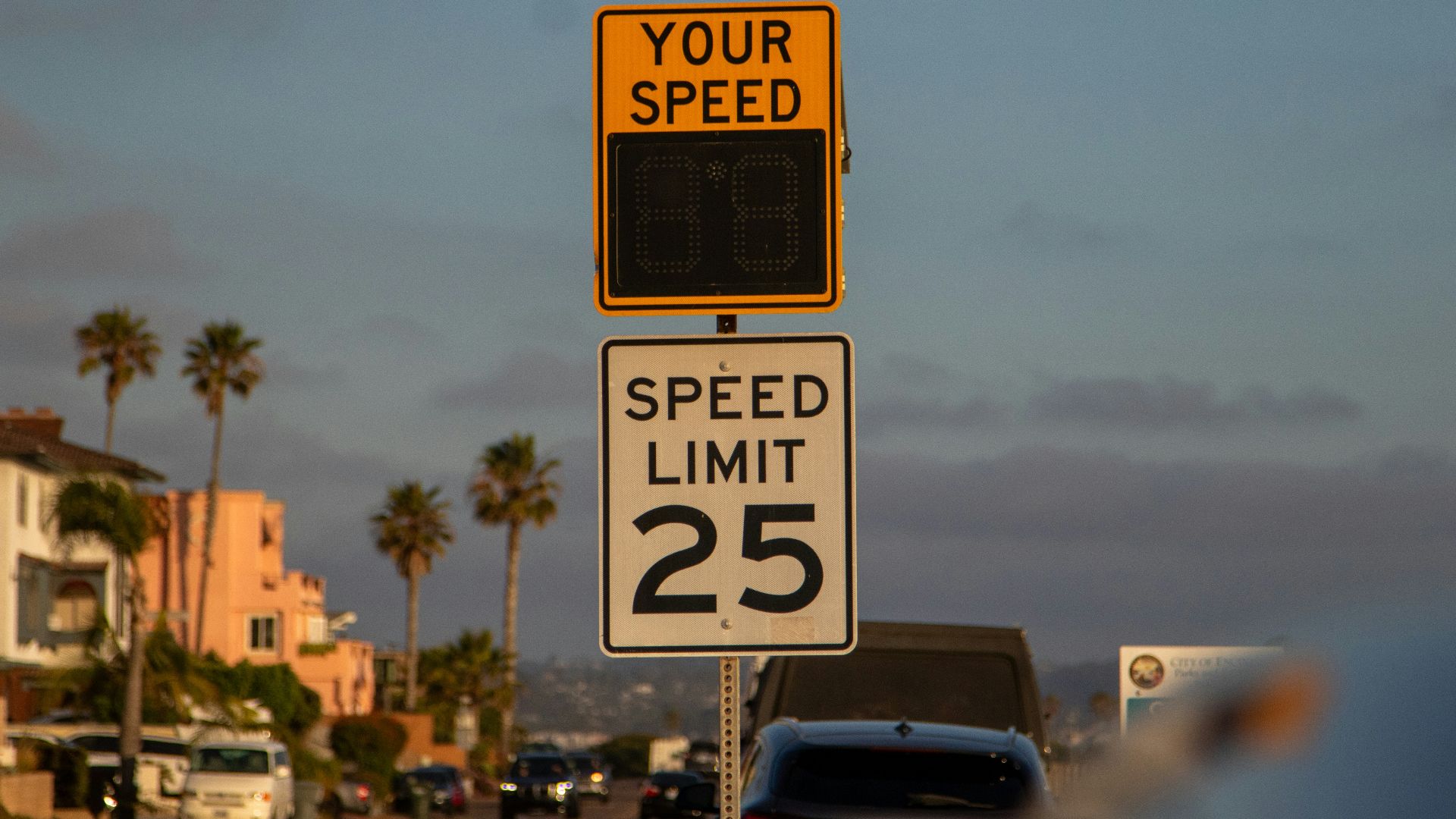
Don’t assume reckless driving is the only statute that might apply. California separately prohibits an exhibition of speed, while Arizona prohibits racing, acceleration contests, and exhibitions of speed or acceleration. That distinction can matter because each offense has its own elements that prosecutors must prove.
Find Out Exactly What The Officer Claims You Did
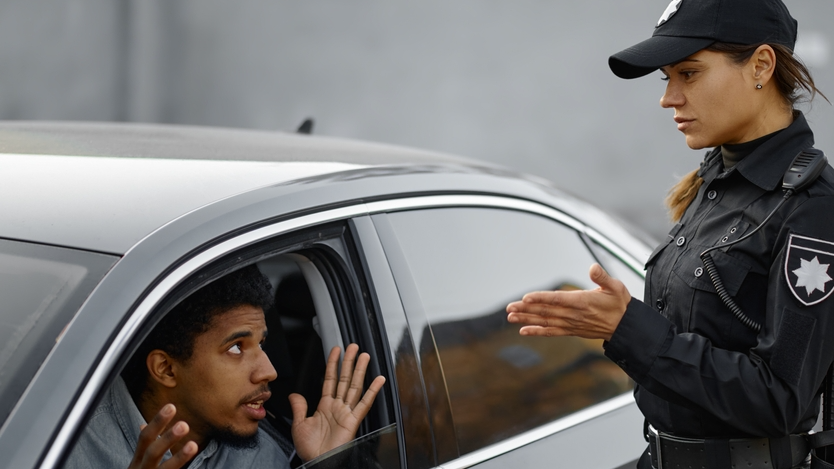
“Accelerated quickly” is vague. Did the officer claim the tires spun, the car fishtailed, you raced another vehicle, cut somebody off, exceeded the limit, or forced another driver to brake? The more specific allegation contained in the report will usually matter more than the shorthand explanation given at roadside.

The Surrounding Traffic Matters
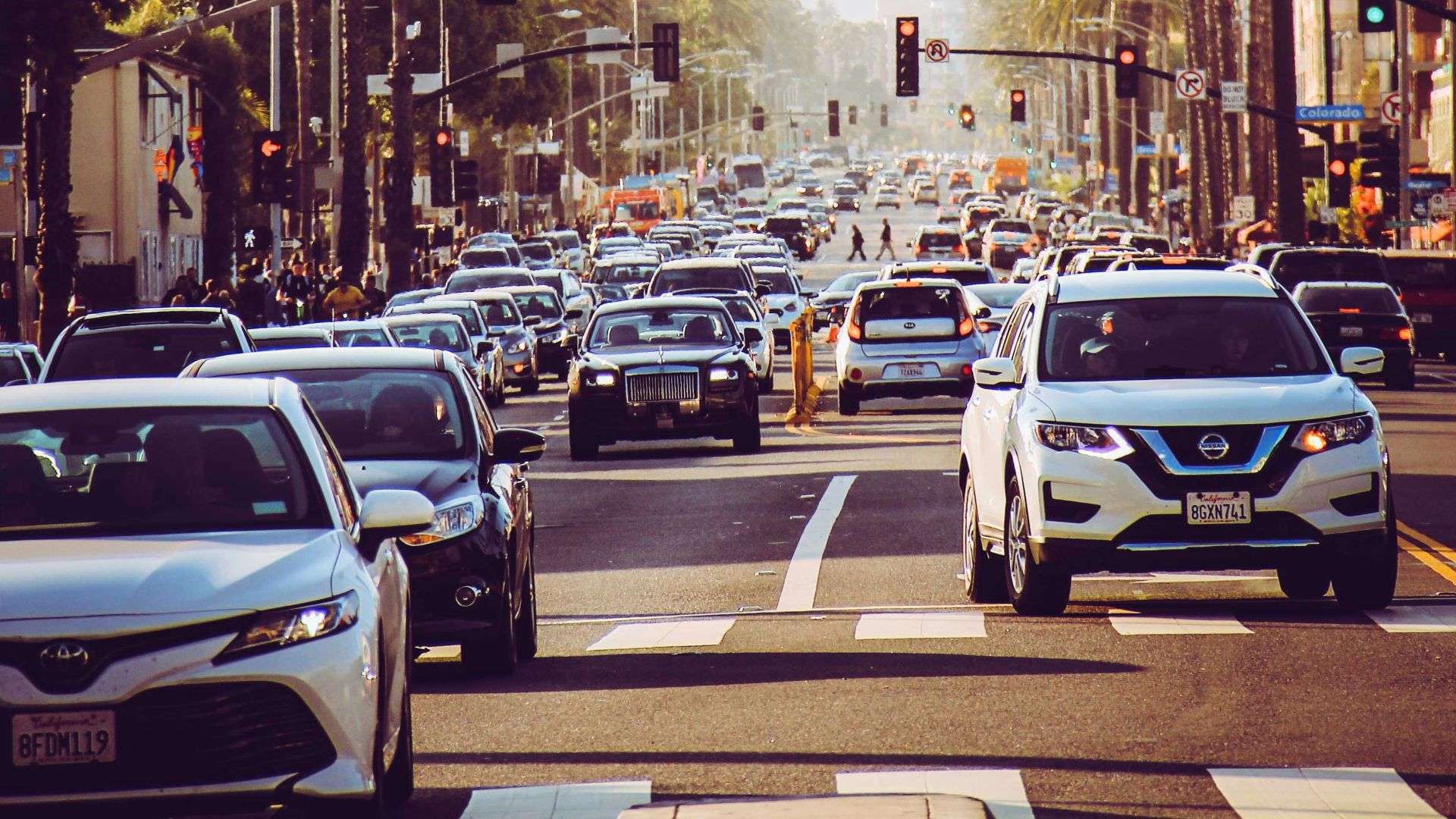
Hard acceleration on an empty road can look very different from the same maneuver beside cyclists, pedestrians, turning vehicles, or heavy traffic. Reckless-driving laws frequently focus on danger to people or property. Document how much traffic was actually present and whether anyone had to react to what you did.
So Does The Road Itself
An intersection, school zone, wet road, construction area, blind hill, or crowded downtown street changes the context. A prosecutor may argue that acceleration that would be relatively harmless on an open road was reckless under the particular conditions present that night.

Tire Spin Can Change The Case
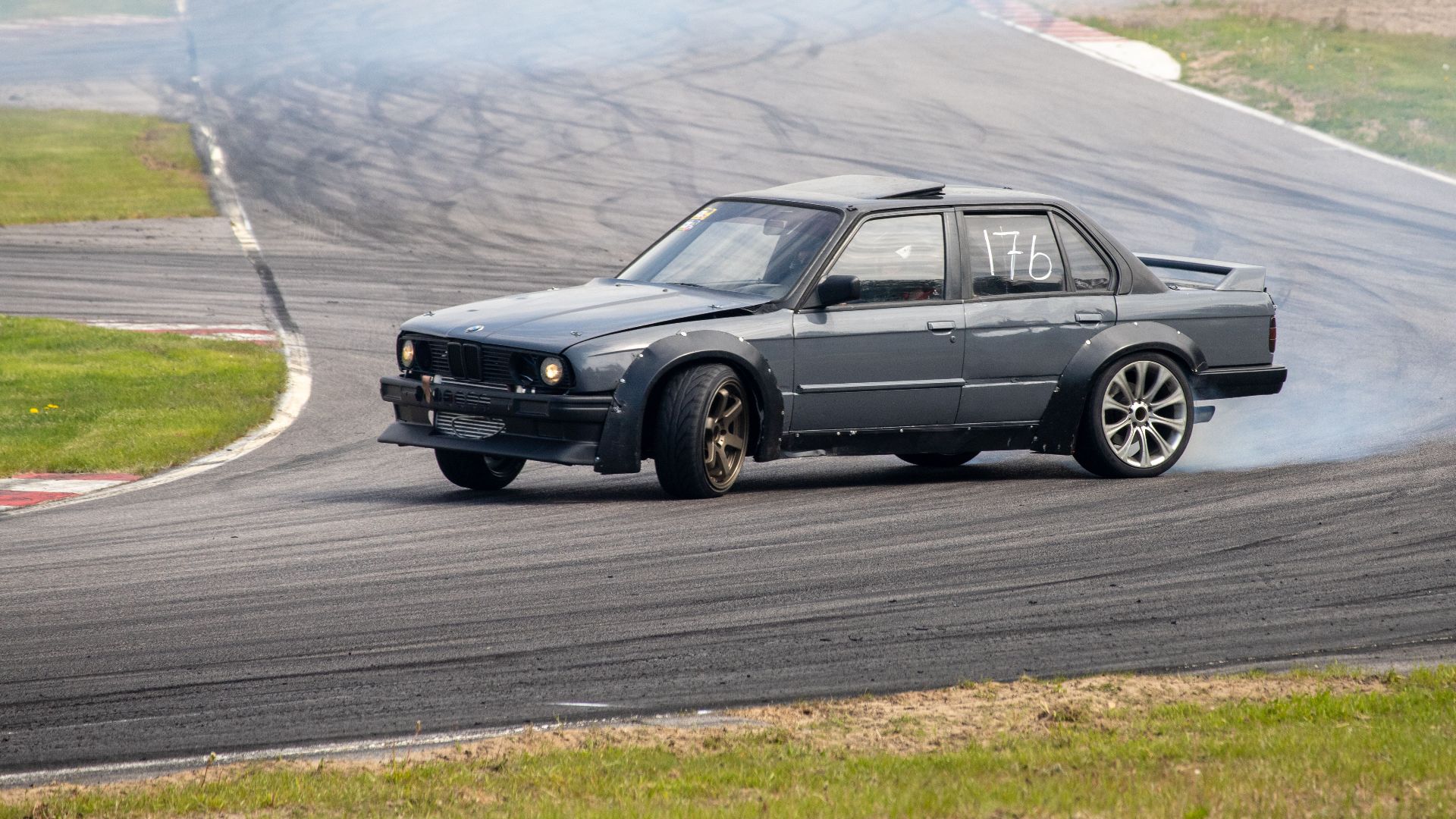
A brief squeal doesn’t automatically establish reckless driving, but visible wheel spin, smoke, a loss of traction, or the rear of the car stepping sideways gives an officer more concrete conduct to describe. If none of those things happened, that absence may be worth emphasizing when comparing the evidence with the statute.
Engine Noise Isn’t The Same Thing As Speed
Performance cars can sound dramatic even during relatively ordinary acceleration. A loud exhaust, downshift, or high-revving engine can draw attention without proving how fast the vehicle was traveling. Evidence of noise may help explain why an officer noticed the car, but it doesn’t automatically establish every element of reckless driving.
The Kind Of Car You Drive Shouldn’t Decide The Case
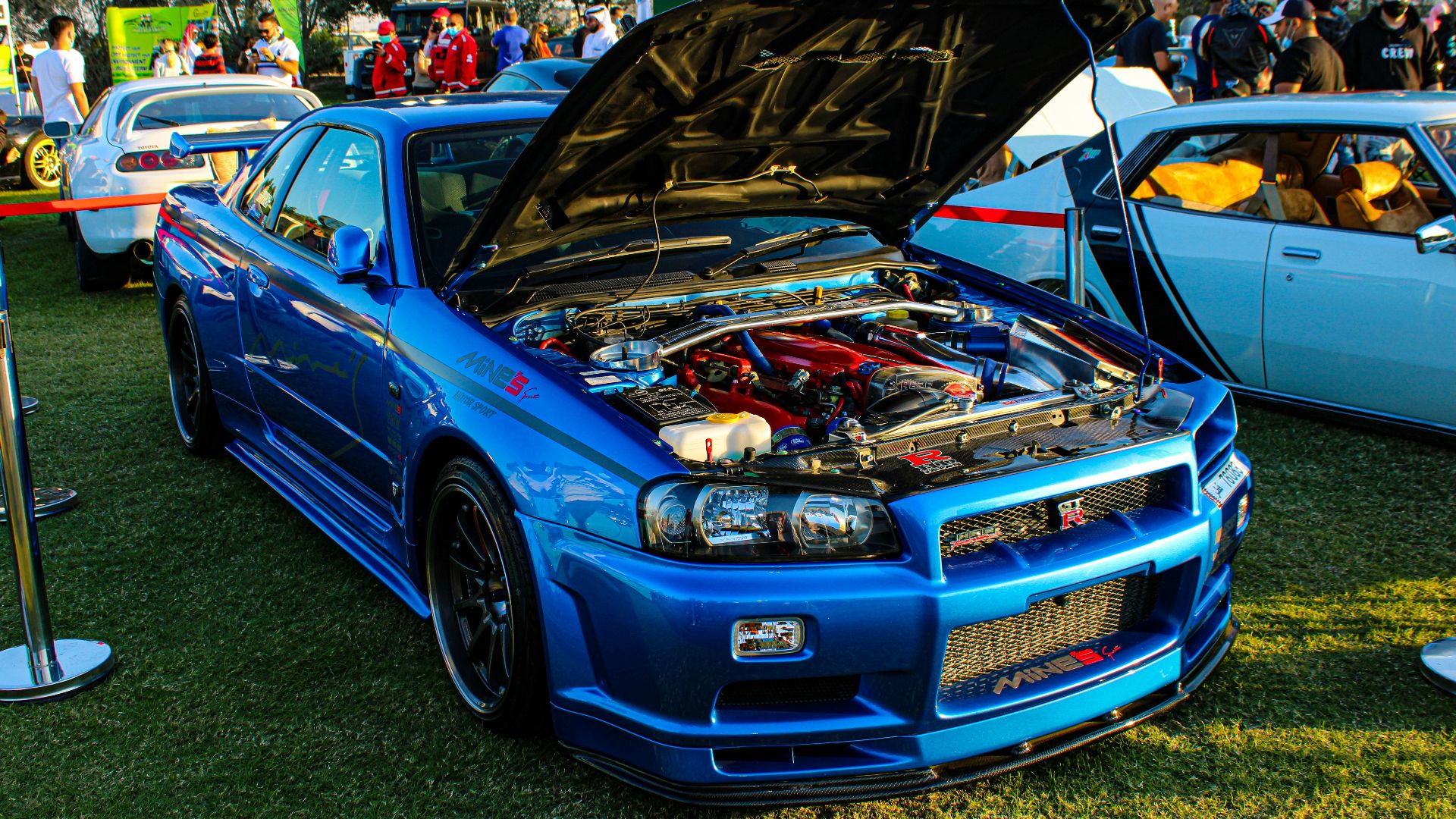
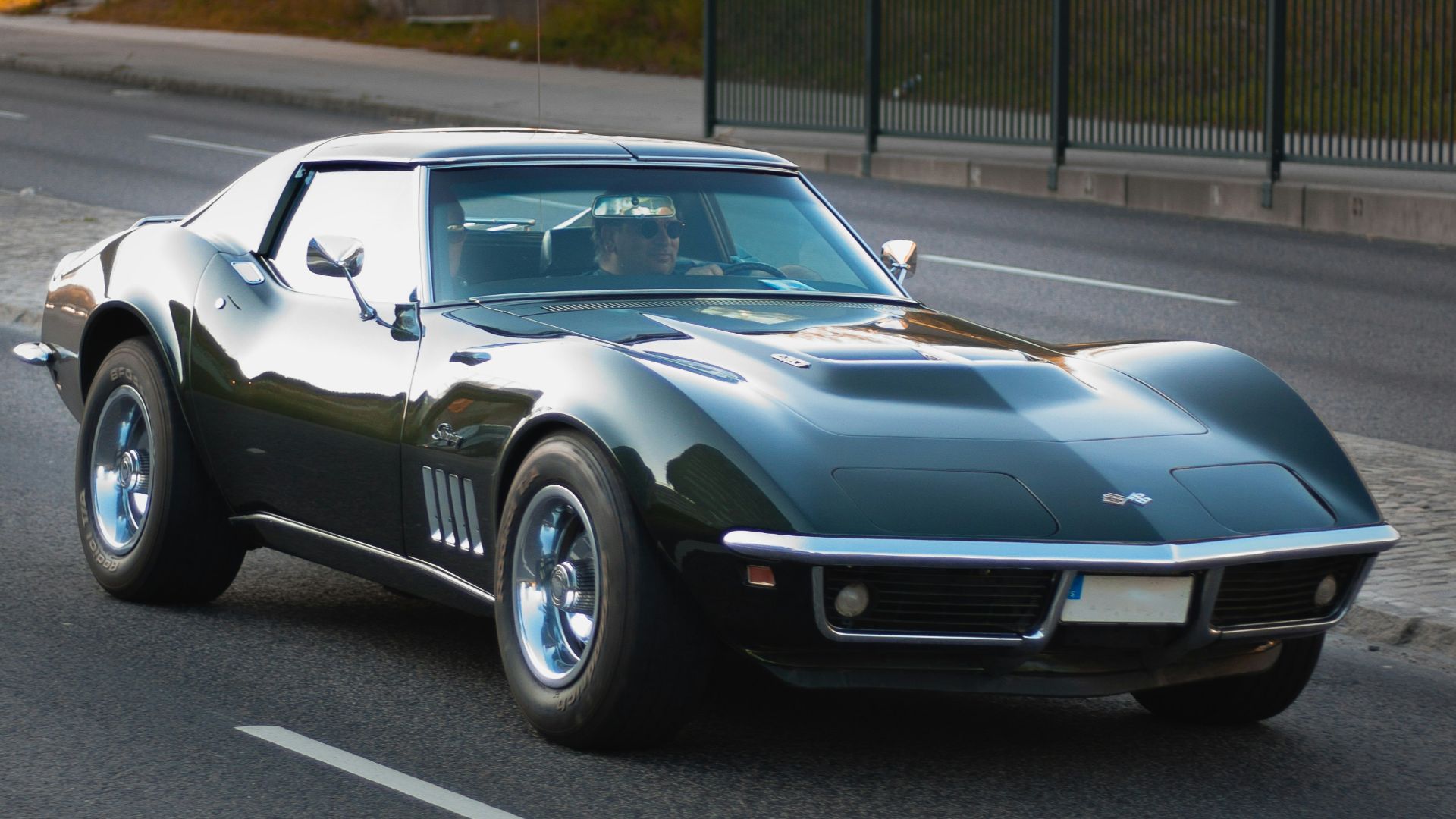
A Mercedes-AMG, Corvette, Mustang, motorcycle, or high-powered EV can reach legal speeds extremely quickly. The vehicle’s capability isn’t proof that it was driven recklessly. What matters is what the driver actually did and what evidence supports the officer’s account.
Consider The Officer’s Vantage Point
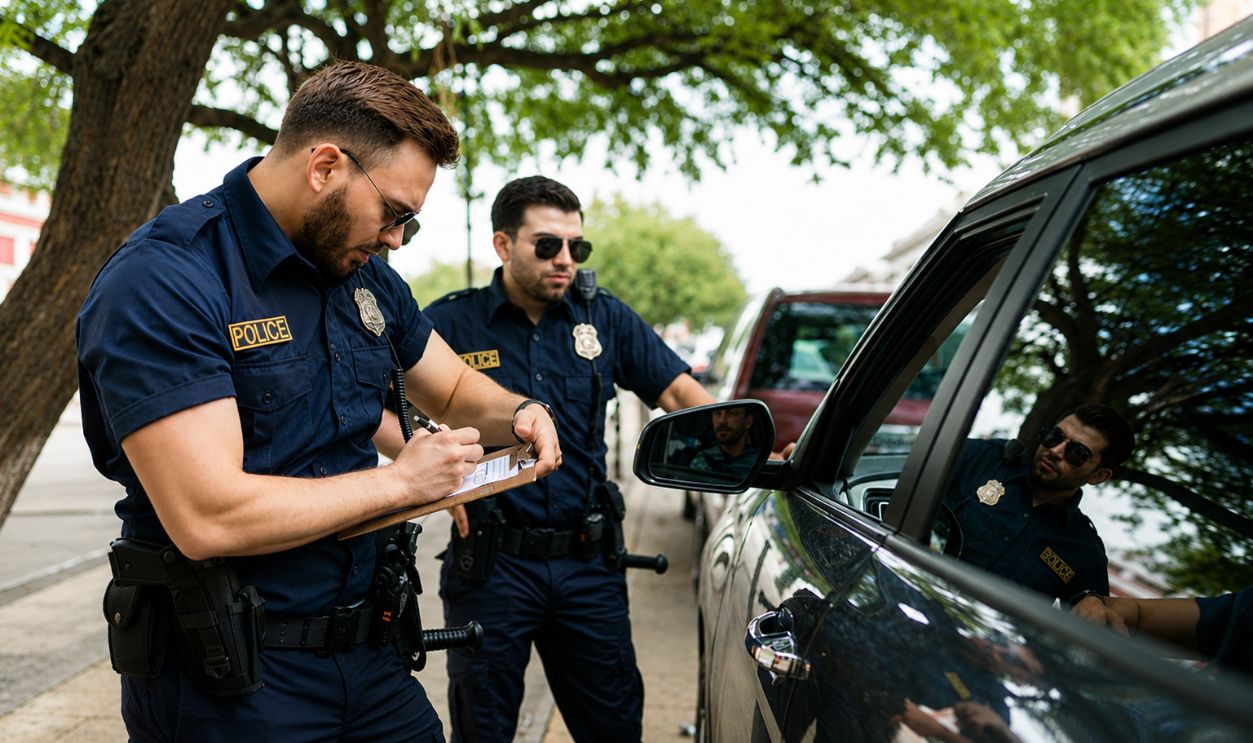
Where was the patrol car when the acceleration happened? An officer directly behind you may have a clearer view than someone several vehicles back, around a bend, or approaching from another direction. Distance, traffic between the vehicles, lighting, and sight obstructions can all affect how confidently an officer could judge the maneuver.
Get The Dashcam And Body-Camera Footage
Video may be some of the most useful evidence in a dispute based largely on observation. It can show traffic density, lane position, whether the tires lost traction, how rapidly you pulled away, and where the officer was positioned. Through the appropriate discovery process, a lawyer can determine what bodycam video exists and seek to preserve it.
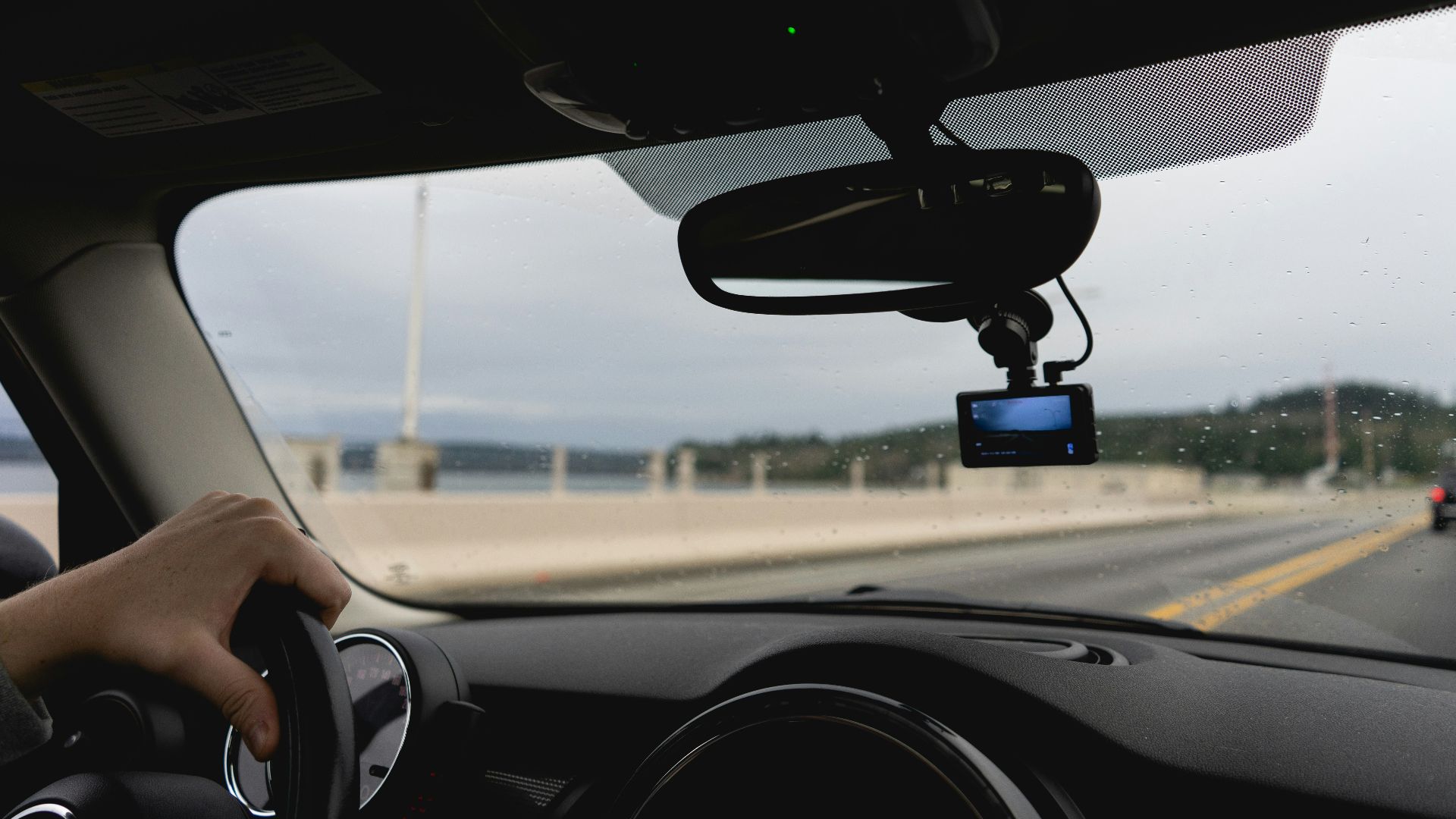
Preserve Your Own Dashcam Immediately
If your car has a dashcam, save the clip before the system overwrites it. Preserve footage from before and after the stop rather than cutting out only the seconds that seem favorable. Complete footage provides context and avoids arguments that something important was omitted.
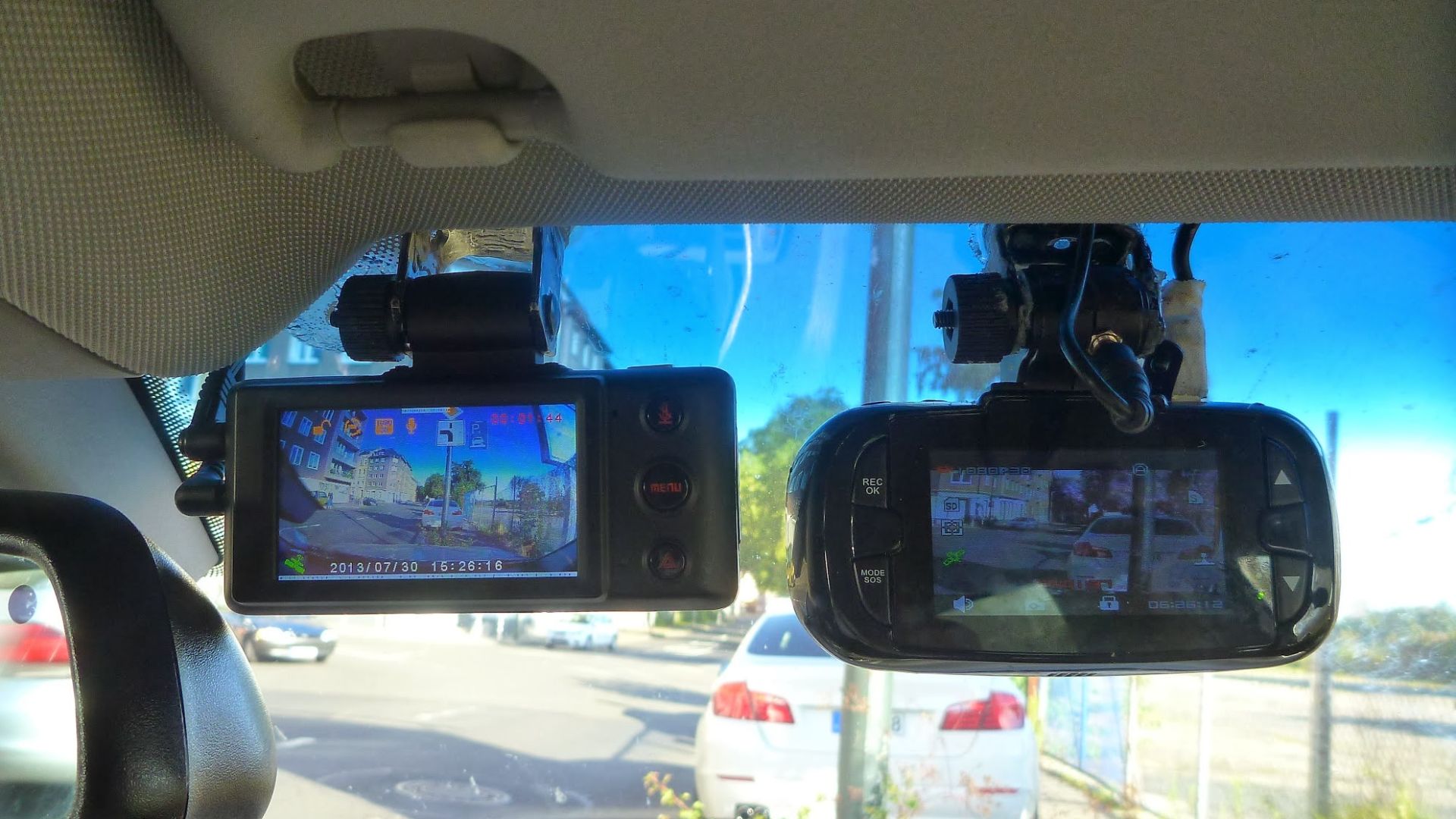
Passengers And Other Witnesses Can Matter
Someone in the vehicle may remember whether the tires squealed, whether another car was nearby, or whether you changed lanes. Nearby businesses or homes may also have security cameras facing the intersection. Video systems frequently overwrite old footage, so potentially useful evidence should be identified quickly.

Your Vehicle May Have Useful Data Too
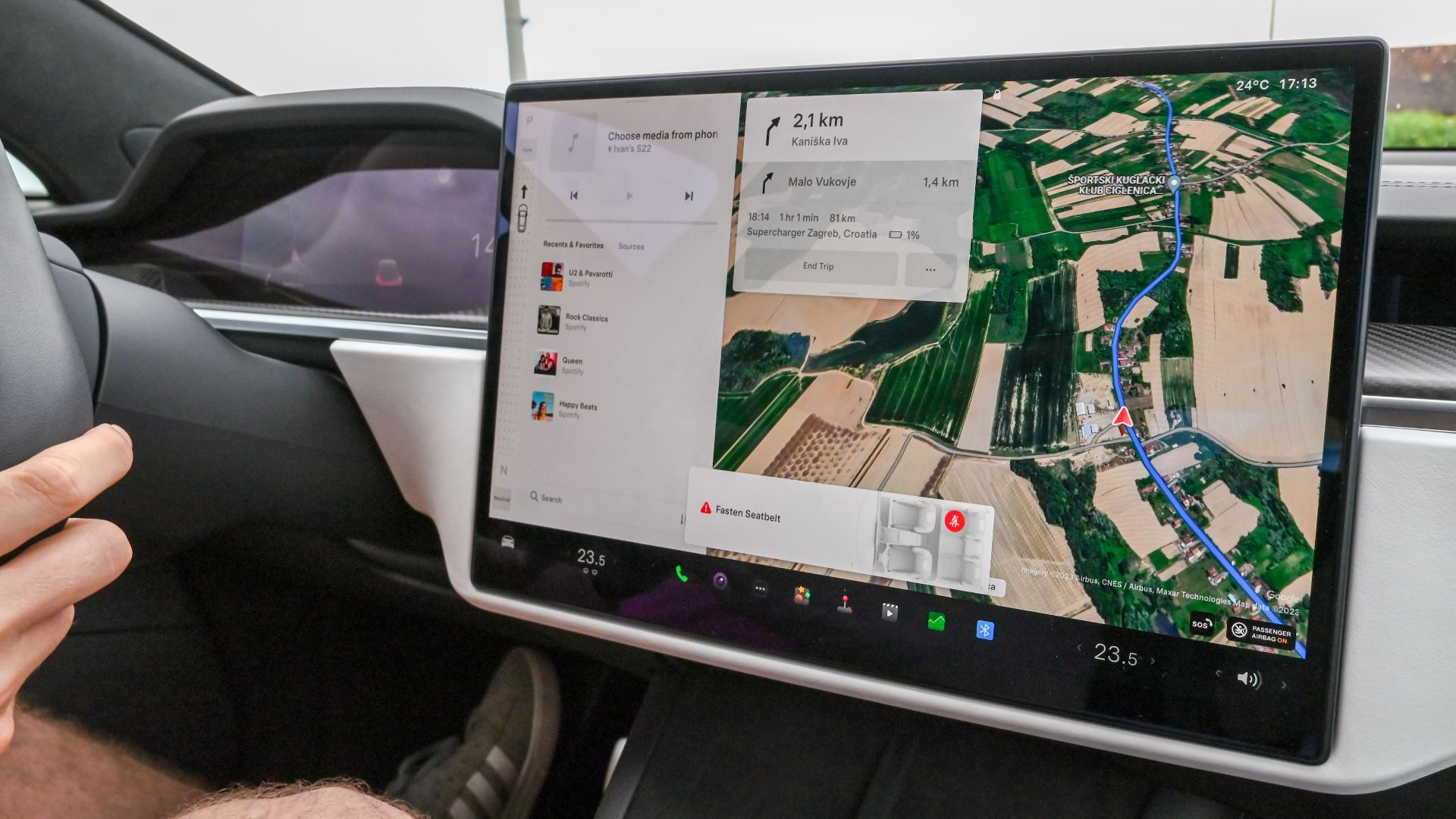
Modern cars can store more information than drivers realize. Depending on the model, dashcam telemetry, onboard performance data, GPS histories, connected apps, or other logs may contain speed or timing information. Not every vehicle records useful acceleration data, so don’t assume the car can automatically prove your version of events.
Photograph The Intersection
Return safely and photograph lane markings, traffic signals, sight lines, posted speed limits, nearby businesses, crosswalks, and road layout. If the officer was several cars behind you, photographs can help explain exactly what would have been visible from that location.

Obtain The Officer’s Report And Notes
The roadside conversation may have been only a simplified explanation. Discovery can reveal the officer’s full description, observations, video, witness information, and any speed-measuring evidence. What’s actually documented may either make the charge considerably stronger or reveal that the allegation is surprisingly thin.
Compare The Evidence With Every Element Of The Offense
A good defense isn’t simply, “I don’t think I was reckless". Break the statute down. If the state must prove willful or wanton disregard for safety, ask what evidence demonstrates that mental state and what specific driving conduct supposedly endangered anyone.

When It’s A Charge, The Burden Is On The State
In jurisdictions where reckless driving is a misdemeanor or other offense, the prosecution has to prove the required elements beyond a reasonable doubt. The driver doesn’t have to establish that the acceleration was ideal driving. The issue is whether the government can prove the particular offence charged.
Reckless Driving Is Often More Than Ordinary Carelessness
California’s official jury guidance, for example, notes that gross negligence alone is insufficient for its reckless-driving offense and focuses on willful or wanton disregard. Other states phrase their standards differently. That distinction is one reason a momentary judgment call isn’t necessarily equivalent to recklessness everywhere.
Ask Whether A Lesser Offense Fits The Facts Better
Even if the driving wasn’t perfect, reckless driving may not be the only possible characterization. Depending on the state, improper driving, careless driving, unsafe movement, exhibition of speed, or another traffic offense may better match the conduct. A lawyer may be able to discuss a reduction with the prosecutor when the evidence for the more serious charge is debatable.
Don’t Evaluate A Plea By The Fine Alone
A reduced charge with a manageable fine can sound attractive, but compare everything attached to it. Look at DMV points, license consequences, insurance treatment, whether it remains a conviction, and how long it stays on the driving record before deciding whether an offer is actually favorable.
A Clean Driving Record Can Still Matter
Having no prior tickets doesn’t prove that the current allegation is false. It may, however, be useful when an attorney is seeking a reduction, arguing mitigation, or explaining that the incident was out of character. Bring an accurate copy of your driving record if your lawyer recommends it.

Reckless Driving Can Be Much More Serious Than A Speeding Ticket
Several states classify reckless driving as a misdemeanor rather than an ordinary infraction. Florida authorizes incarceration on a first conviction, Texas treats it as a misdemeanor with possible incarceration, Washington classifies it as a gross misdemeanor, and Virginia treats reckless driving as a Class 1 misdemeanor. That’s why simply paying whatever amount appears on a citation may not even be an option.

The License Consequences Can Be Significant Too
The court fine isn’t always the biggest problem. Washington generally imposes a license suspension after a reckless-driving conviction, Arizona assigns eight points, Florida assigns four, and Virginia assigns six points to many reckless-driving offenses. The precise consequences depend heavily on the state.
Insurance Can Cost More Than The Original Fine
A serious moving offense can affect insurance pricing long after the court case ends. DMV points and an insurer’s internal rating system aren’t necessarily the same thing. Before accepting a plea, it’s reasonable to understand exactly which offense will appear on the driving record.

Don’t Miss The Court Date While Building Your Defense
Read every document you received during the stop. Reckless-driving charges may require a court appearance rather than allowing simple prepayment. Virginia courts, for example, expressly state that reckless-driving charges can’t be prepaid like ordinary traffic citations.

This Is One Of The Traffic Charges Where A Lawyer Can Be Worth It
If the allegation carries possible incarceration, license suspension, a court record, or substantial insurance consequences, consult a traffic or defense attorney who regularly handles reckless-driving cases in that particular court. Local practice matters because prosecutors, plea policies, discovery procedures, and judges vary enormously.
“You Accelerated Too Fast” Should Be The Beginning Of The Analysis, Not The End
Rapid acceleration can contribute to a reckless-driving case, but the phrase itself doesn’t answer the legal question. Find the exact statute, determine what the officer actually claims happened, preserve video and vehicle evidence, examine the officer’s viewing position, and compare those facts with what prosecutors must prove. If the evidence really consists of little more than a subjective impression that a proper launch looked unusually quick, that’s something a defense attorney can evaluate much more effectively than simply accepting the label “reckless”.

You May Also Like: