
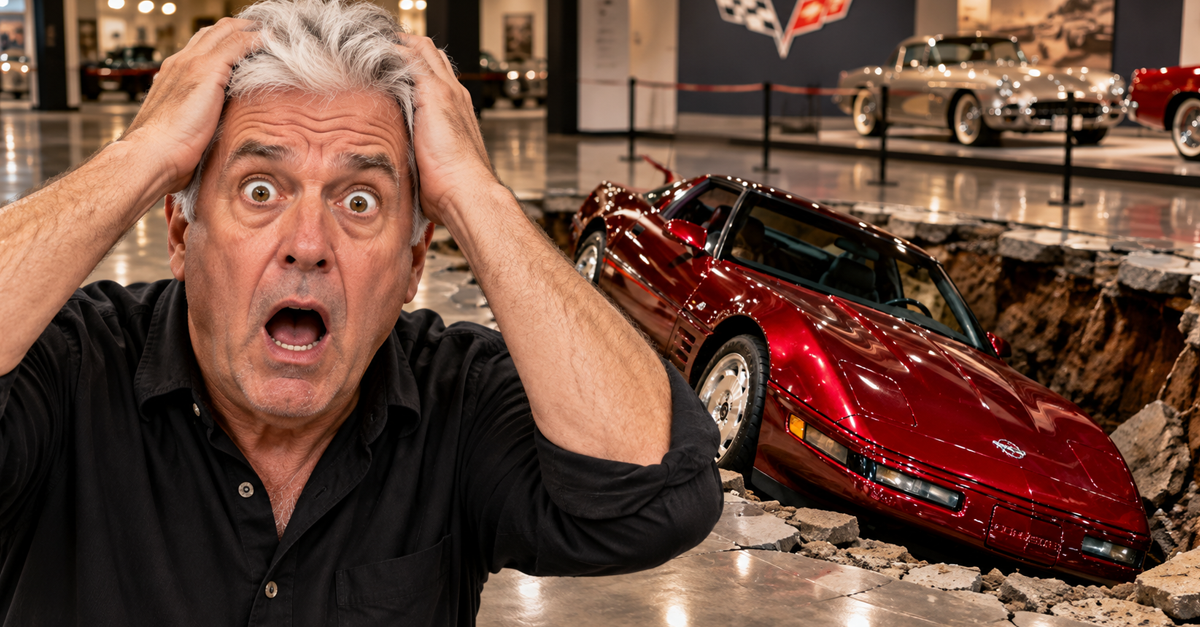
The Morning The Floor Gave Way
On February 12, 2014, part of the floor inside the National Corvette Museum suddenly collapsed into the earth. Eight rare Corvettes disappeared into the opening, including prototypes, milestone cars, and one-off machines. Some would eventually look as good as new again, while others would never be repaired.
The Alarm Went Off Before Sunrise
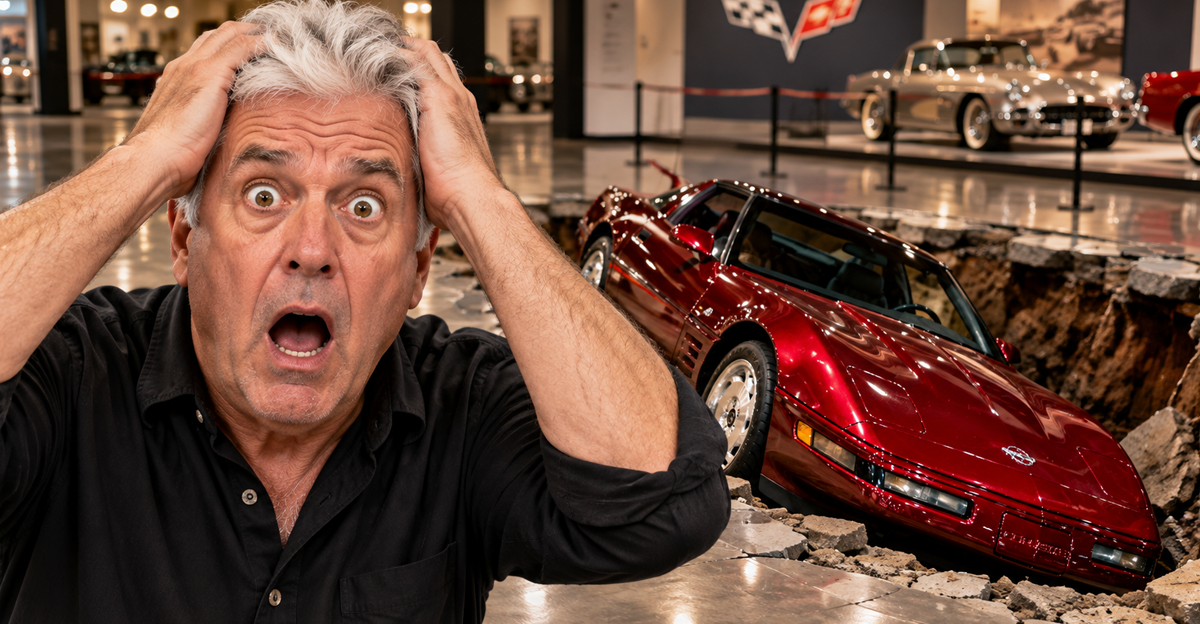
At 5:44 that morning, the museum's security company called after motion detectors went off inside the Skydome. Staff arrived to discover a huge hole where part of the display floor had been. Fortunately, nobody was inside or around that section of the museum when it collapsed.
 RyanEichlerNCM, Wikimedia Commons
Eight Very Special Corvettes Were Gone
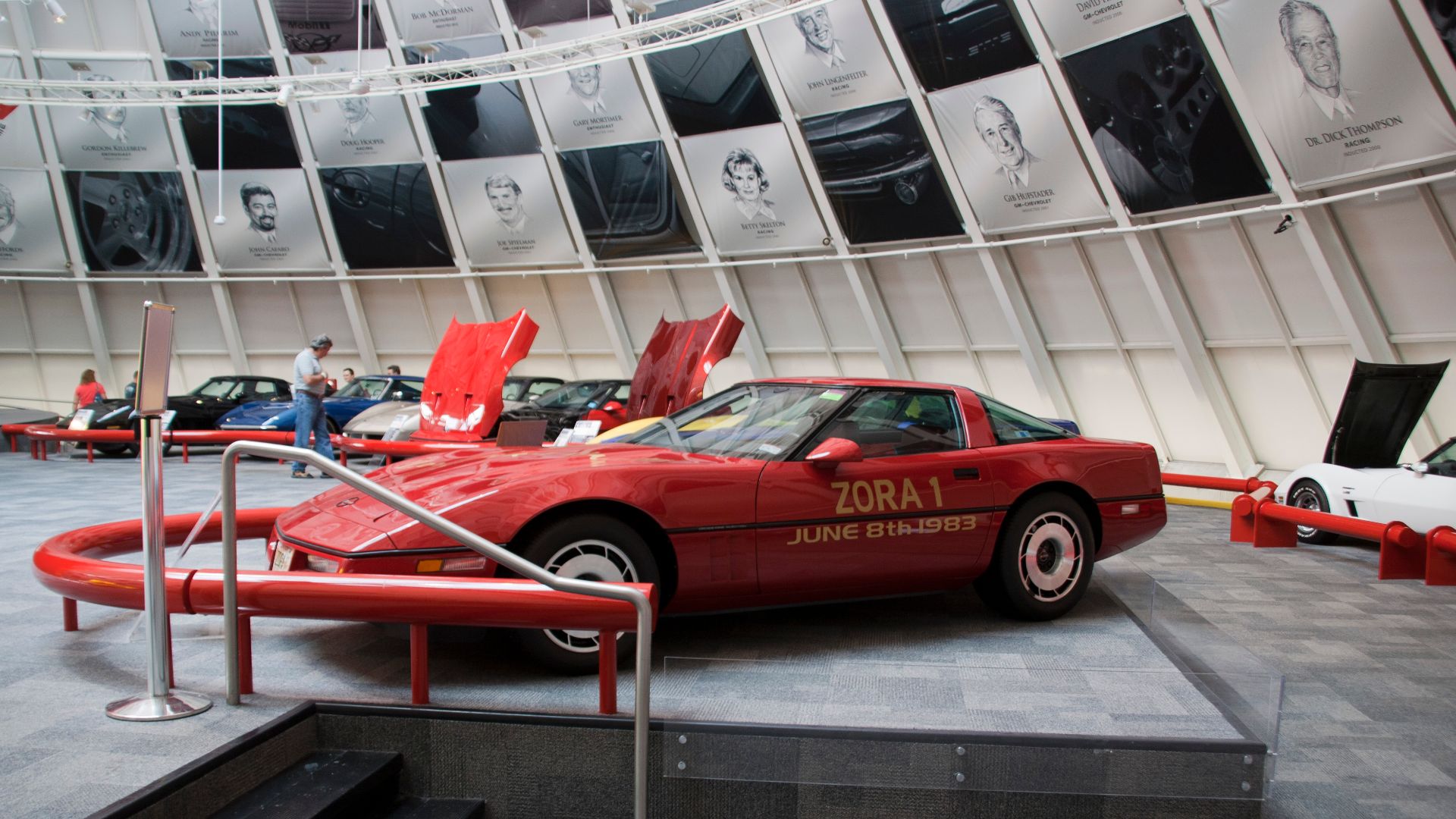
The victims ranged from a 1962 Corvette to two historically important 2009 models. Two belonged to General Motors, while the other six belonged to the museum. The list included prototypes, production milestones, a heavily modified Z06, and an unusual racing pace car.
 Alberto Cabello from Vitoria-Gasteiz, Spain, Wikimedia Commons
There Was A Cave Under The Museum
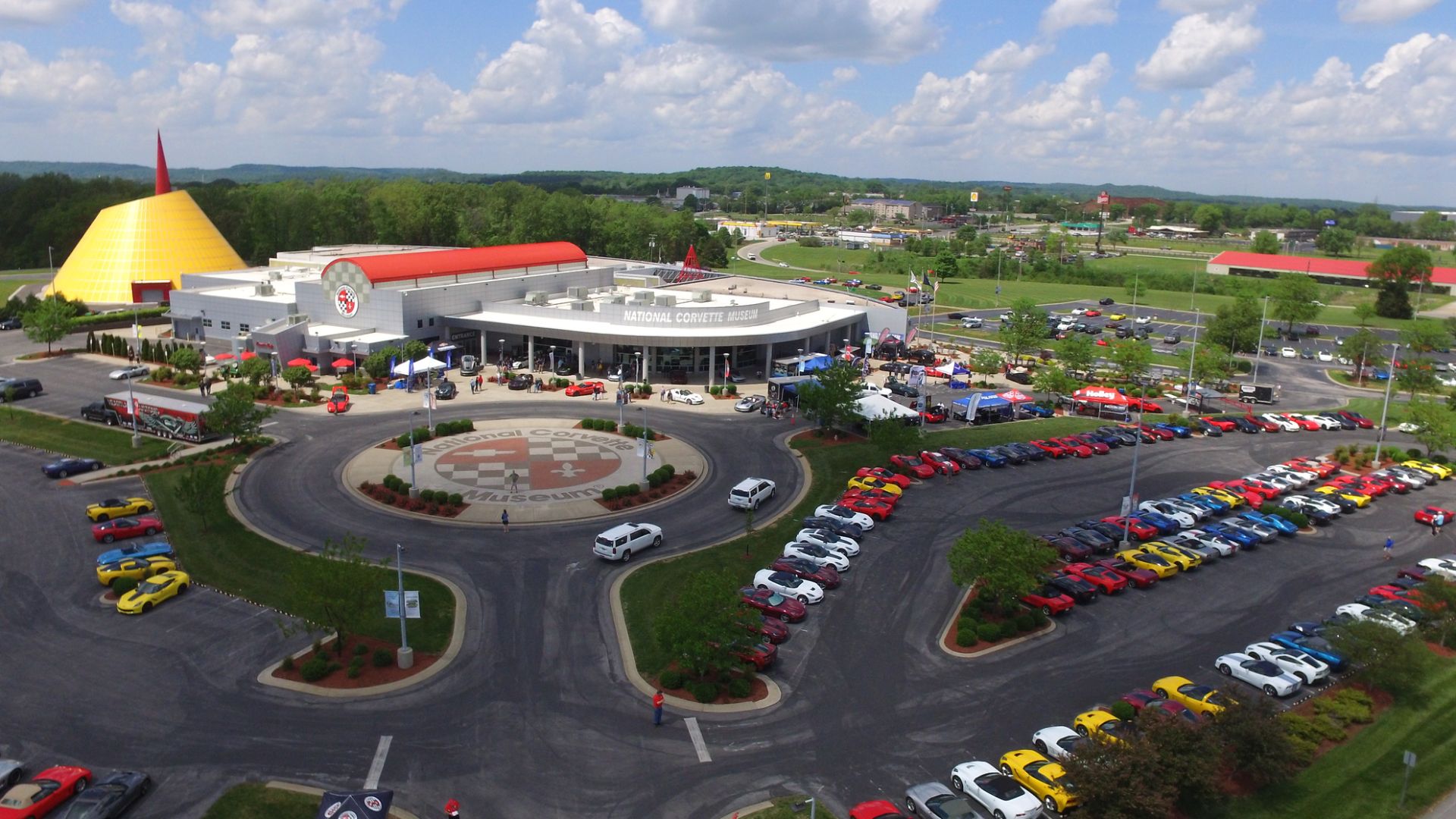
Bowling Green sits in a region filled with karst terrain, where water gradually shapes and dissolves limestone underground. Researchers later determined that the museum collapse resulted from the failure of a cave roof beneath the Skydome. Their investigation found an underlying cave roughly 220 feet long, making the problem far larger than a simple hole beneath the floor.
 thatlostdog--, Wikimedia Commons
Getting The Cars Out Wasn't Simple
Before crews could start grabbing Corvettes, engineers had to make sure workers and equipment would not trigger another collapse. The building was stabilized while investigators examined the underground void and planned safe lifting points. Only then could the painstaking vehicle recovery begin.
 Alberto Cabello from Vitoria-Gasteiz, Spain, Wikimedia Commons
The Blue Devil Was First Up
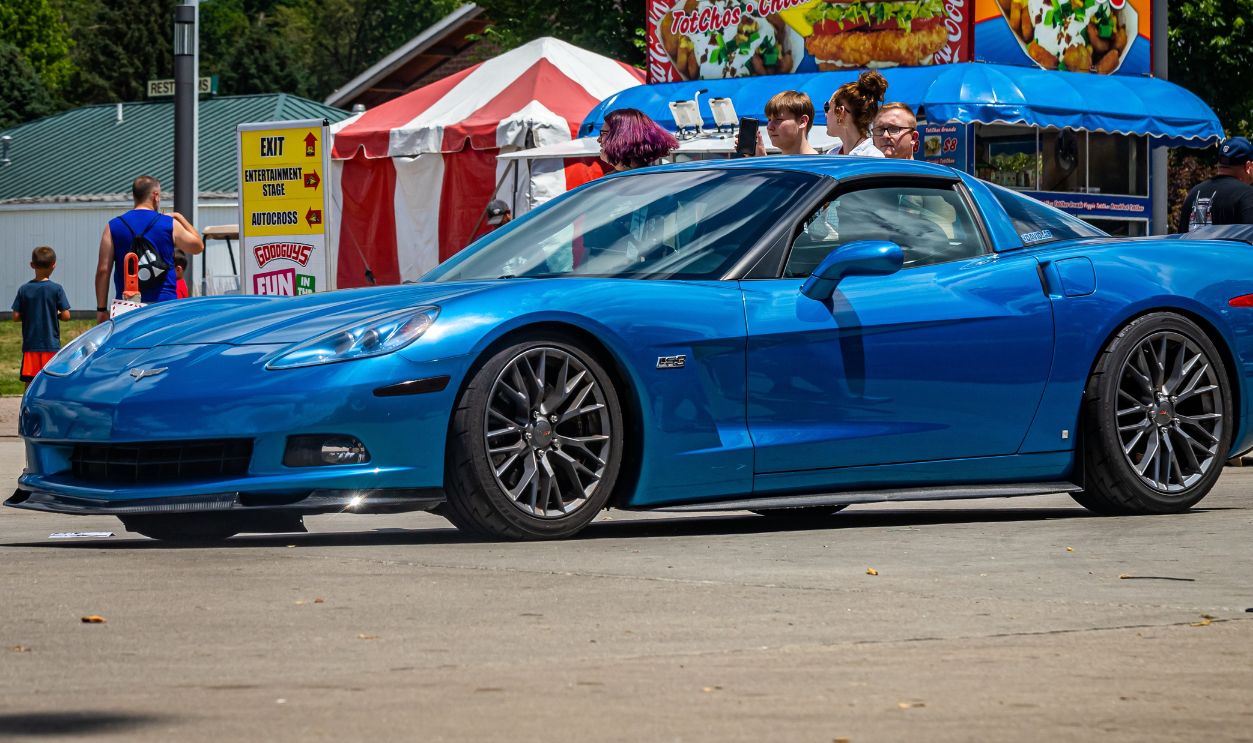
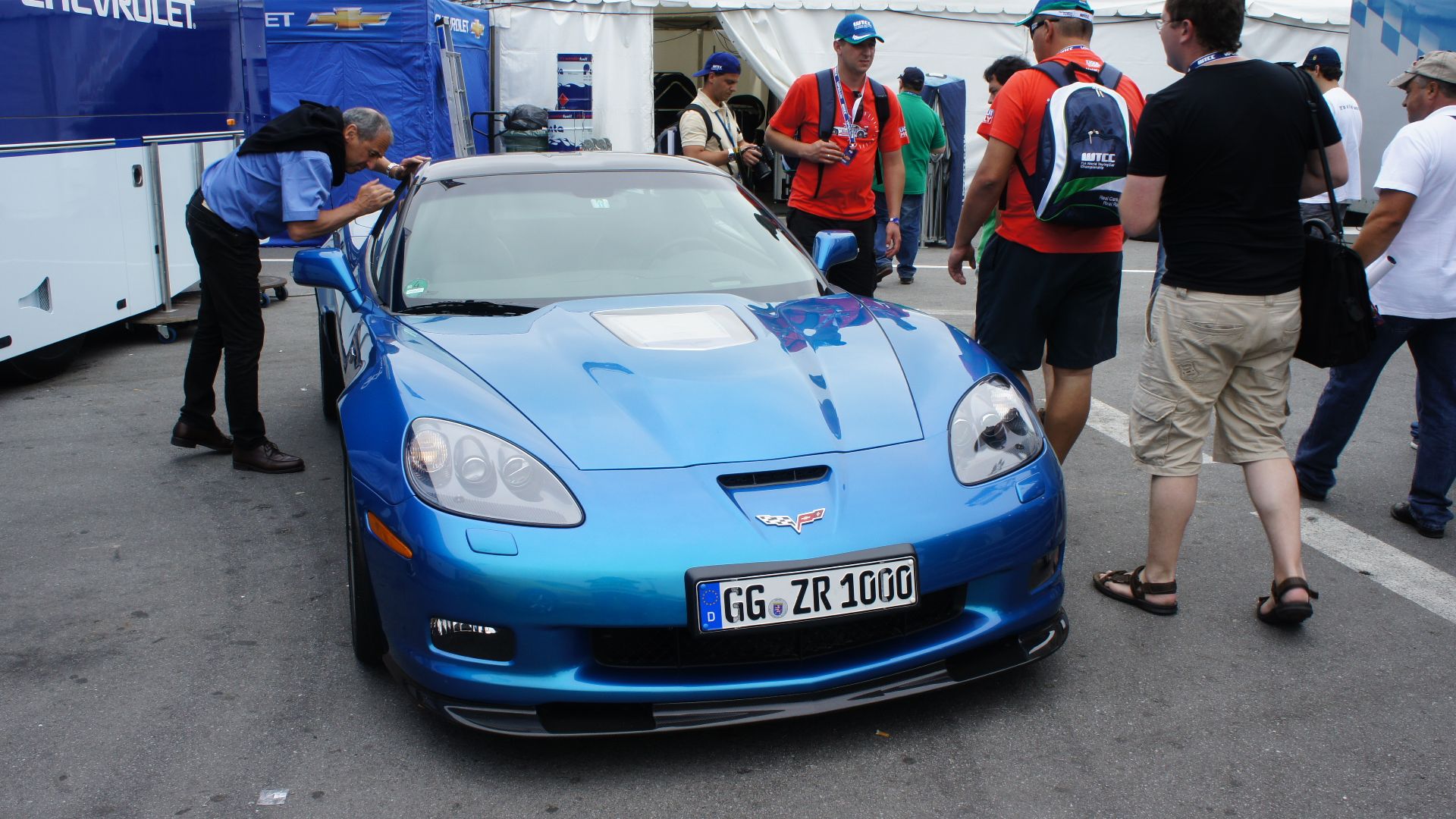
The 2009 ZR1 known as the Blue Devil was a Chevrolet show car used during the introduction of the then-new ZR1. Despite falling nearly 30 feet, it landed relatively well compared with the cars buried deeper in the rubble. On March 3, crews made it the first Corvette lifted out.
Then It Did Something Nobody Expected
After crews lowered the Blue Devil onto solid ground, the battered Corvette actually started. It then drove roughly 20 feet toward the Skydome doorway under its own power. Considering where it had spent the previous three weeks, that short drive became one of the most memorable moments of the recovery.
 Rosemarie Mosteller, Shutterstock
The Blue Devil Went Back To Chevrolet
The ZR1 still had cracked carbon-fiber pieces and glass, bent rear suspension components, body damage, and damaged oil lines. Chevrolet took the car back and completed its restoration in about six weeks before displaying it at the 2014 SEMA Show. It later returned to Bowling Green as the first sinkhole Corvette restored to its previous condition.
Ruby's Birthday Present Ended Badly
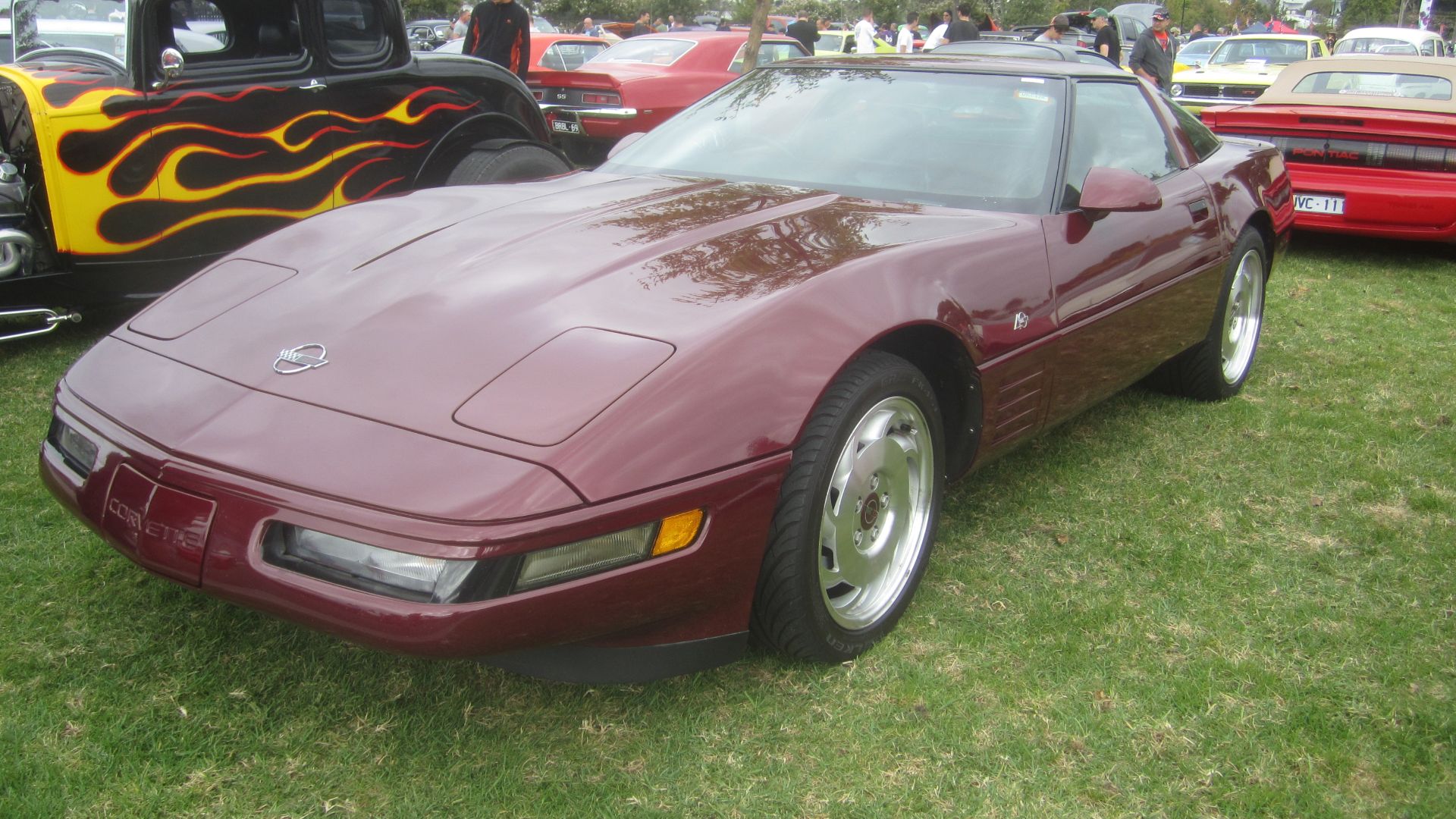
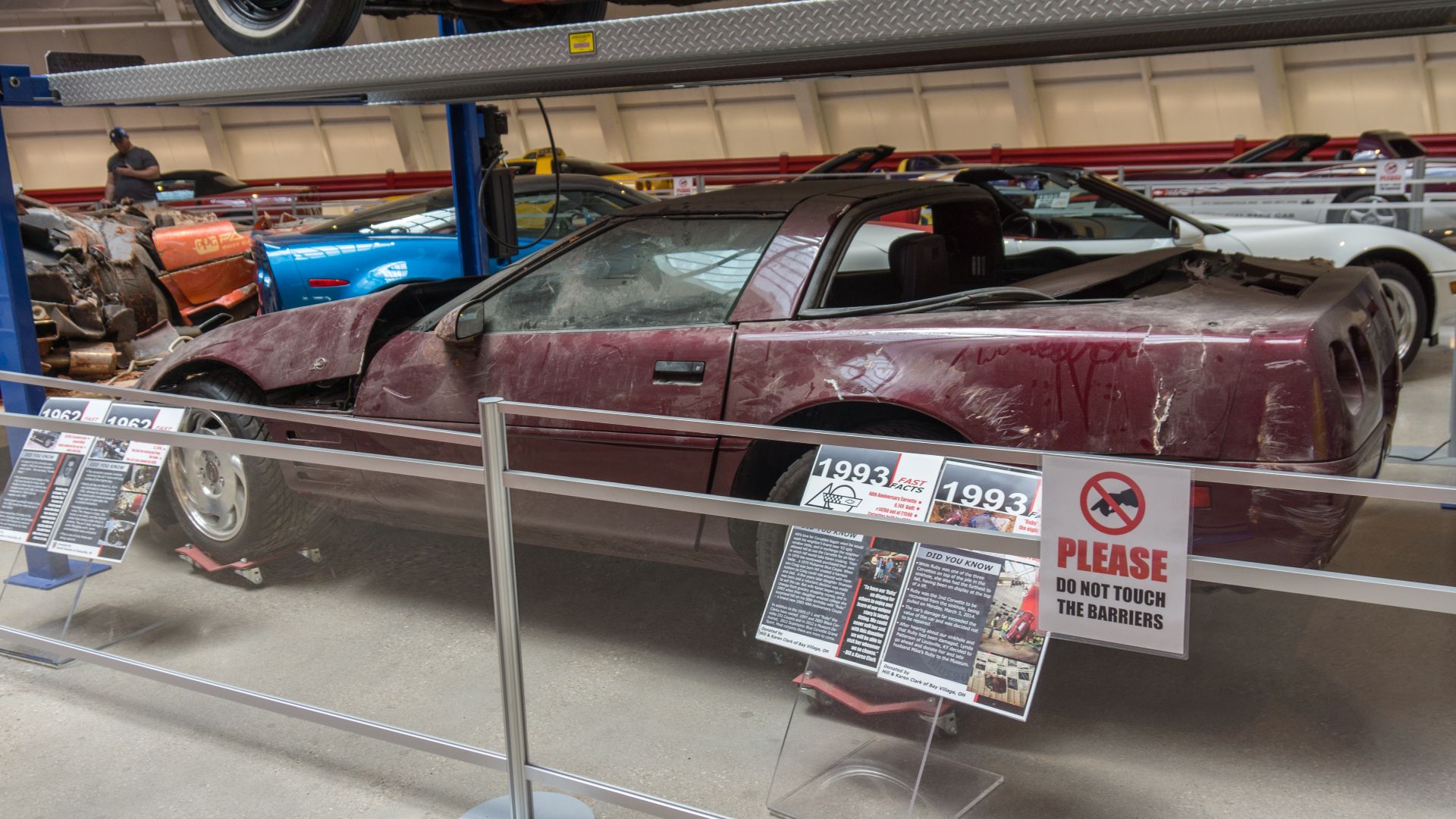
The 1993 40th Anniversary Corvette was nicknamed Ruby by original owners Karen and Hill Clark. Karen had spent years saving money before surprising her husband with the Ruby Red Corvette for his 50th birthday, and the couple later donated it to the museum. When the floor collapsed, Ruby fell from the lift on which it had been displayed.
Ruby Was Beyond Repair
Ruby became the second car recovered, but the fall had caused extensive damage. The museum ultimately classified the Corvette as beyond repair and kept the wrecked original as part of its collection. After hearing what happened, another owner donated a different 1993 40th Anniversary Corvette to help fill the gap Ruby had left.
 thatlostdog--, Wikimedia Commons
The 1962 Corvette Had Survived Worse Than Expected
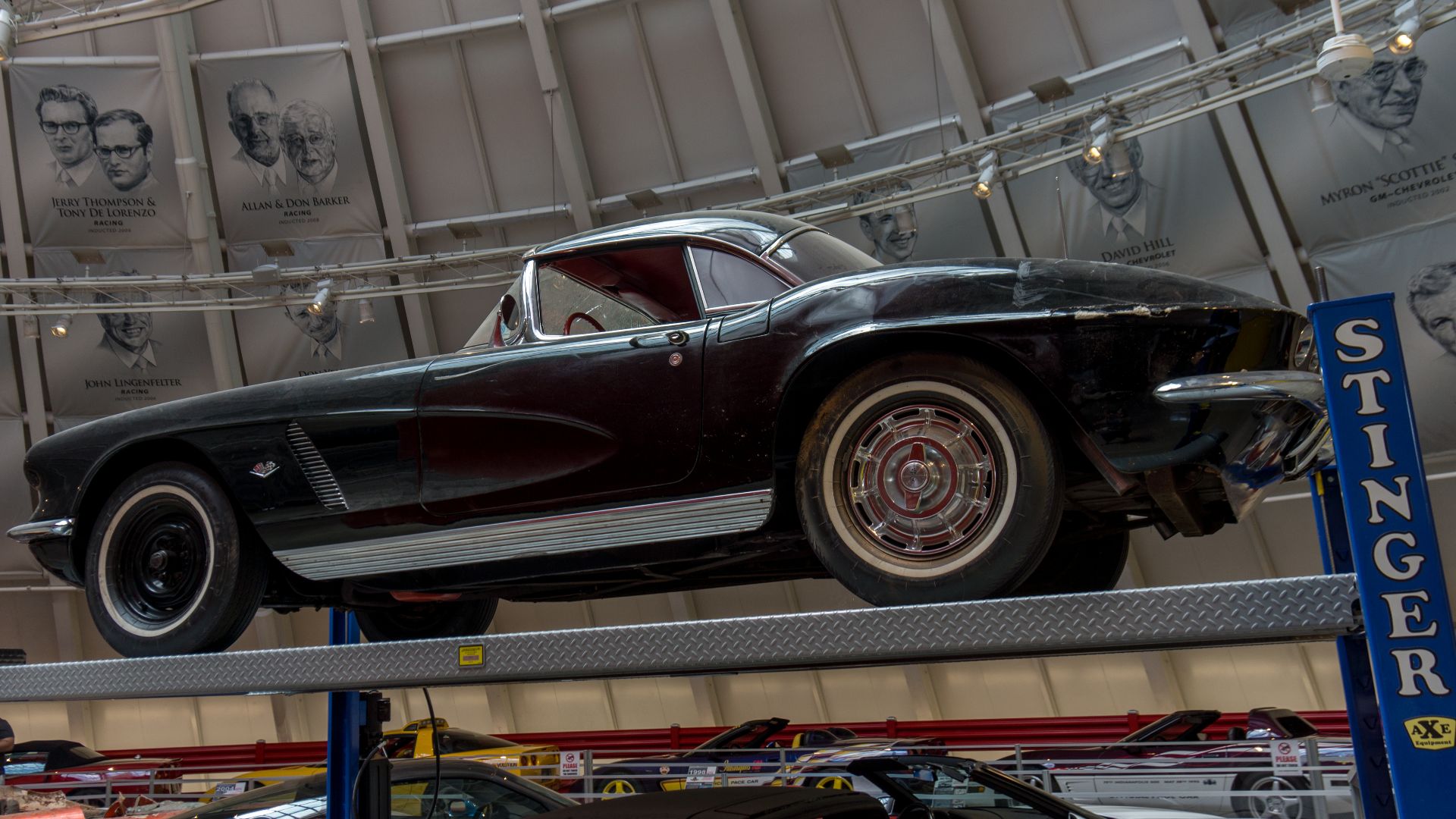
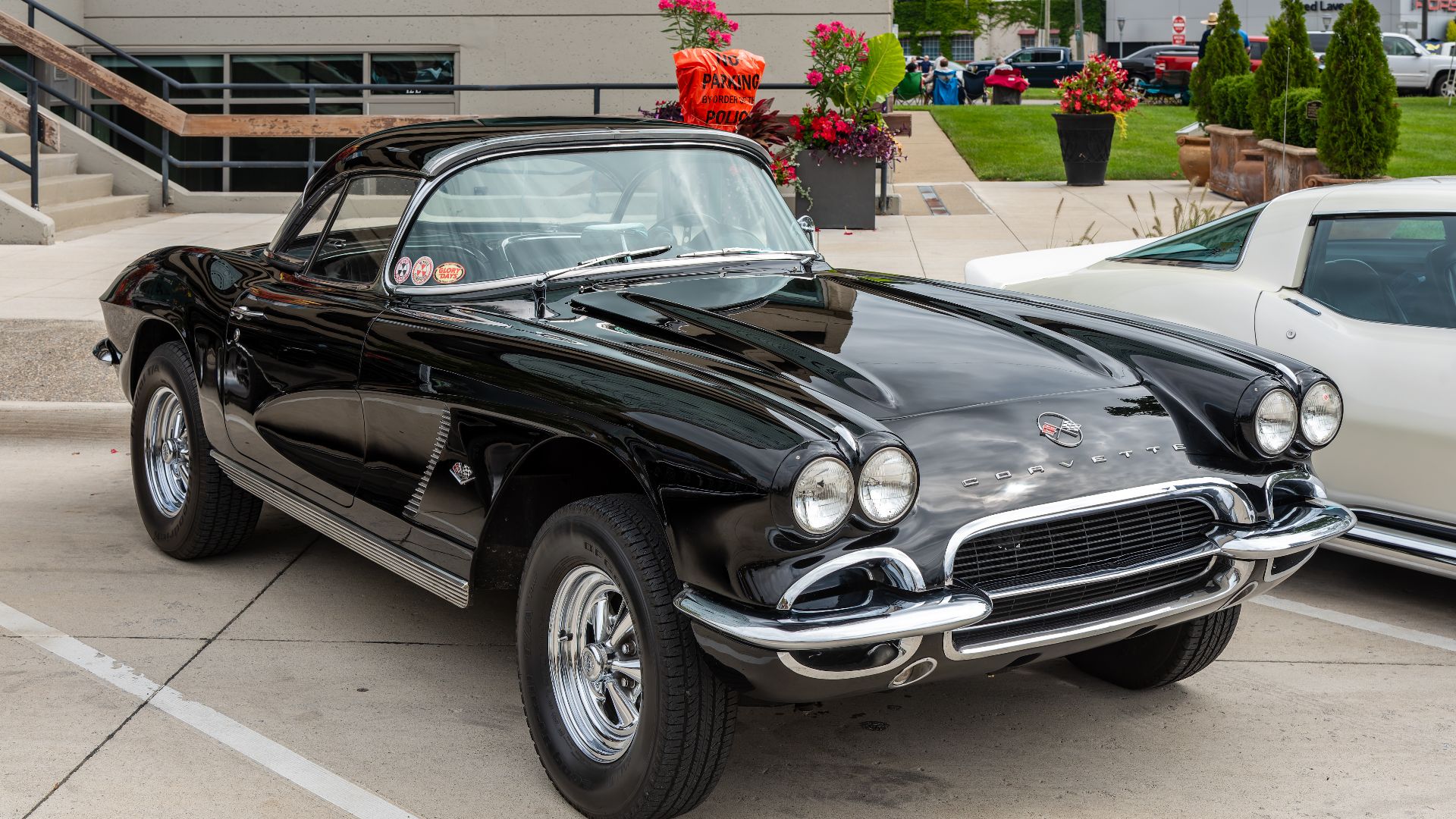
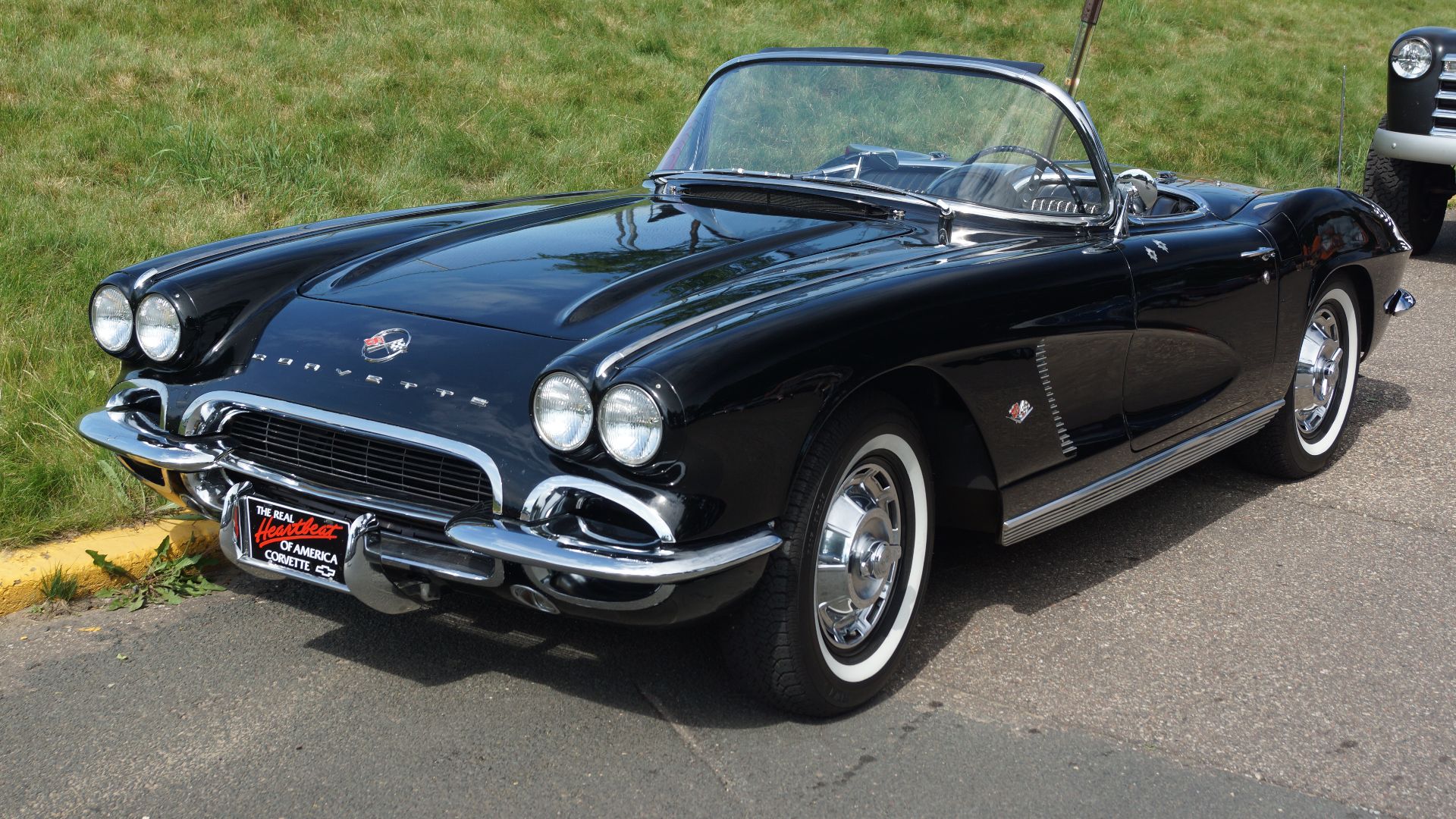
The oldest car swallowed was a Tuxedo Black 1962 Corvette donated by its original owner, David Donoho. Removing it required crews to work around wreckage and a large section of concrete near the car. It became the third Corvette recovered, emerging on March 4 after nearly three weeks underground. (Corvette Museum)
 thatlostdog--, Wikimedia Commons
This Corvette Got A Second Chance
The museum initially displayed the damaged 1962 exactly as it came out of the hole. In 2017, its preservation team began repairing it, concentrating on straightening the frame and saving as much original fiberglass as possible. The finished car was unveiled on February 12, 2018, exactly four years after the collapse. (National
 Mustang Joe, Wikimedia Commons
They Even Saved A Sugar Packet
The goal was not simply to create the shiniest possible restored Corvette. Museum workers wanted the 1962 to resemble the car its longtime owner would have remembered, while retaining as much original material as possible. They even returned an old empty sugar packet found beneath the seat to its original location after the restoration.
 Greg Gjerdingen from Willmar, USA, Wikimedia Commons
The One-Millionth Corvette Was In Trouble
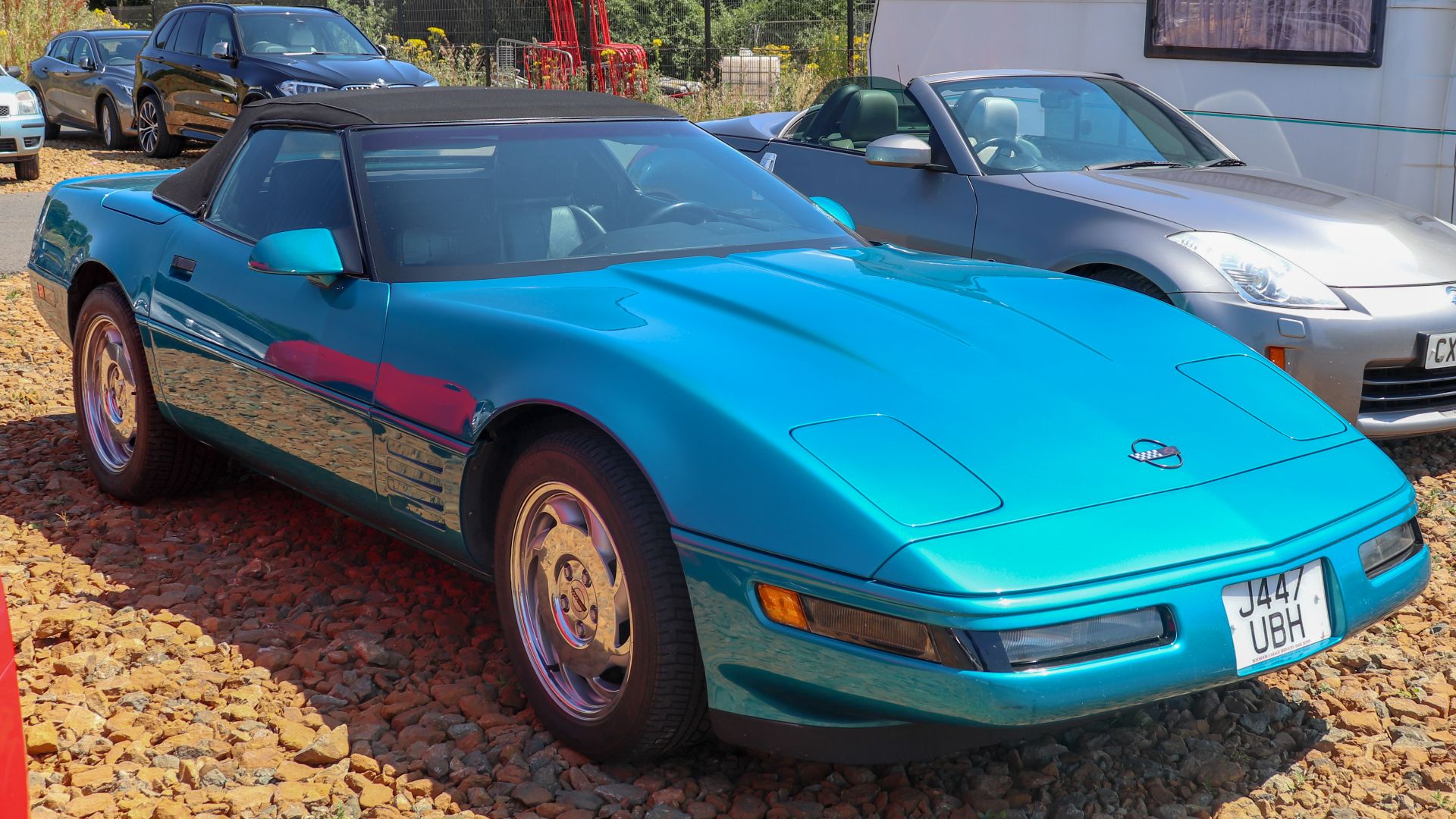
Another victim was the white 1992 convertible that had become the one-millionth Corvette produced. Crews initially did not plan to retrieve it early, but its precarious position convinced them that waiting could cause further damage. On March 5, they carefully freed it, repositioned it inside the hole, and finally lifted it out.
This Was More Than An Ordinary C4
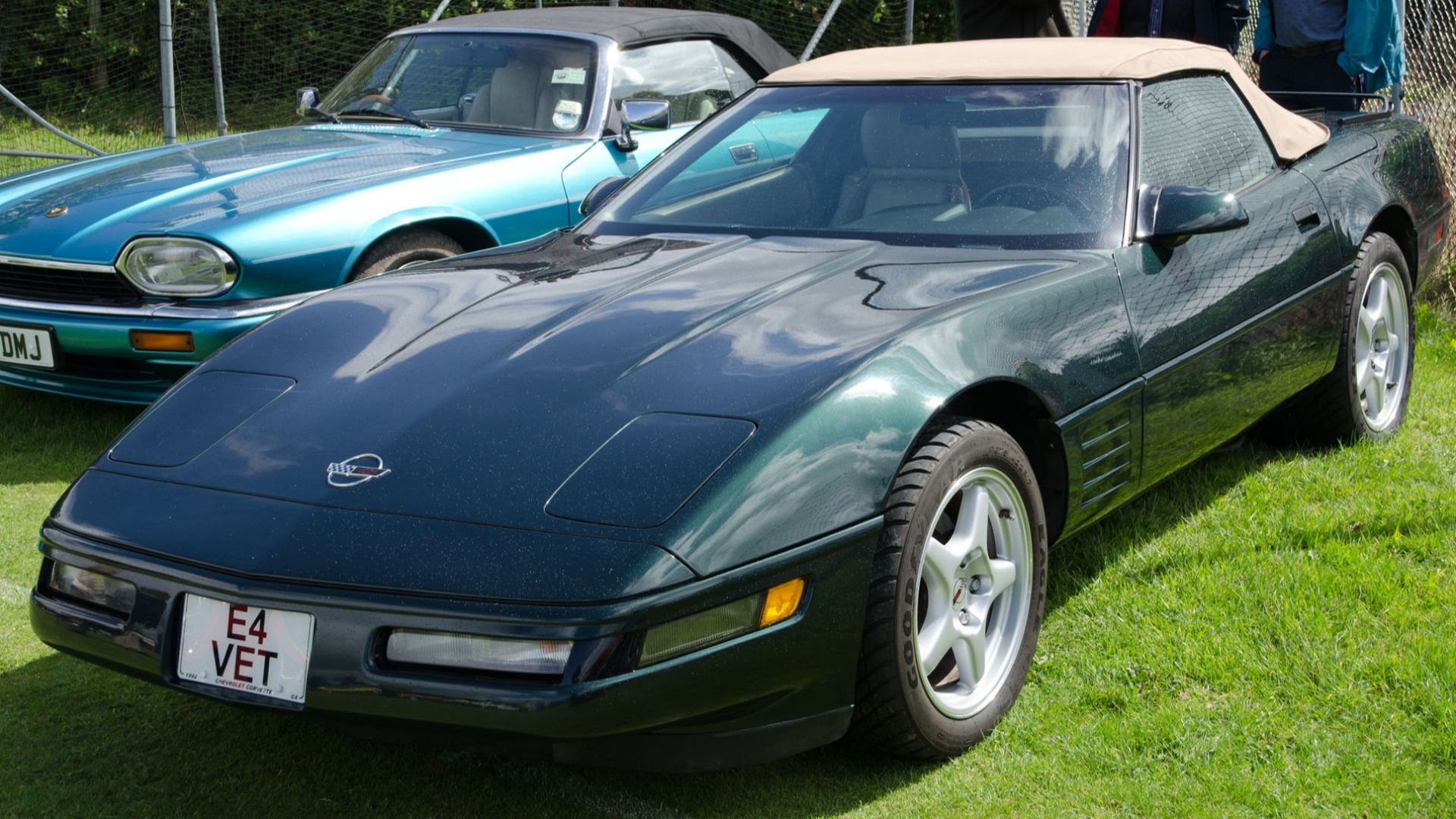
The one-millionth Corvette had been deliberately finished in white with a red interior, echoing the original 1953 Corvettes. Once GM technicians began taking the damaged car apart, they discovered another remarkable detail. Bowling Green Assembly workers had signed numerous parts of the car when it was originally built.
GM Spent About 1,200 Hours Bringing It Back
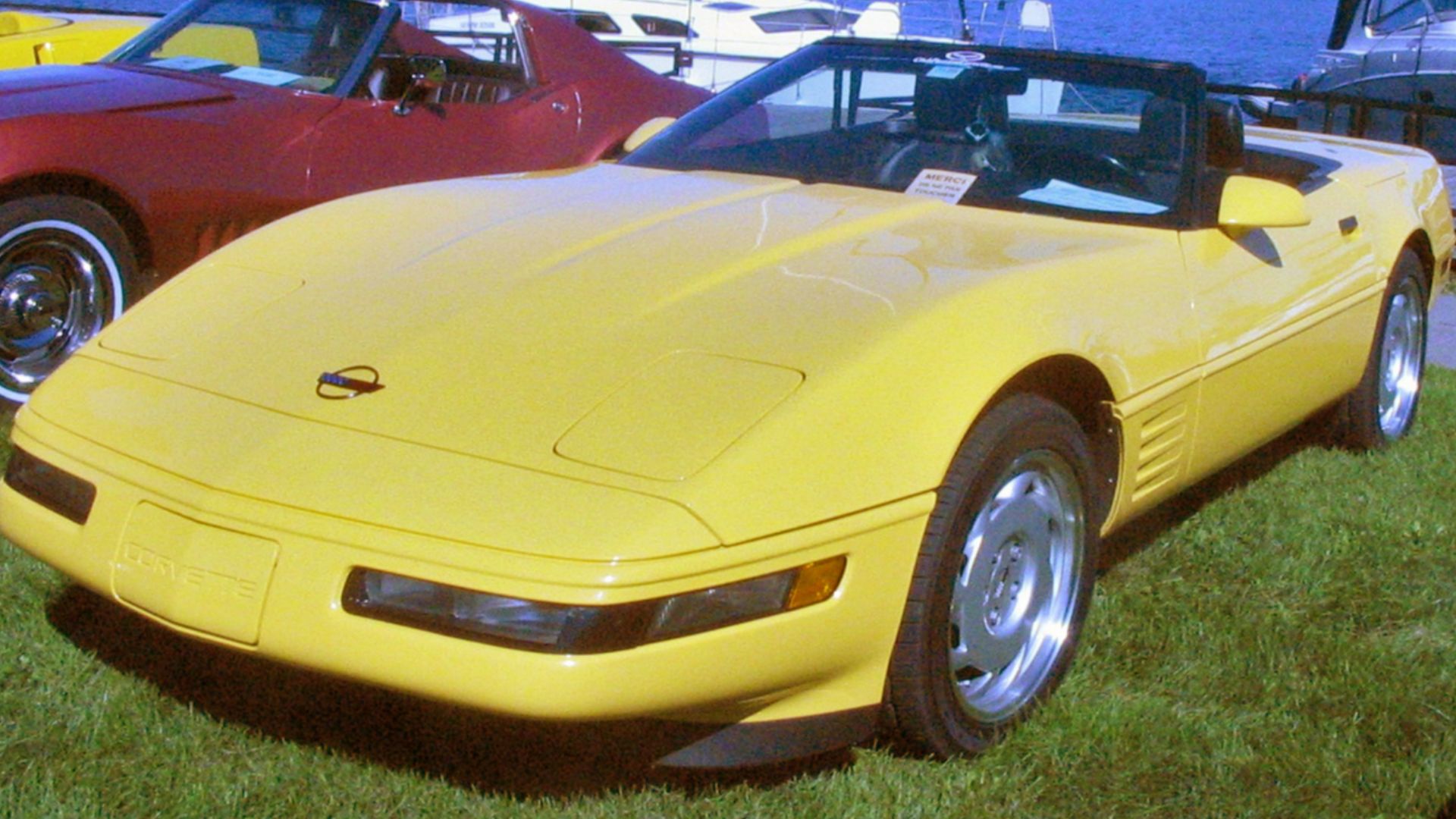
The restoration took more than four months and approximately 1,200 labor hours. GM repaired or preserved many original pieces, including the wheels and seats, while replacing parts such as the hood and front fascia. The completed one-millionth Corvette returned to the museum in September 2015, complete with its historically important employee signatures.
The PPG Pace Car Was Practically One Of A Kind
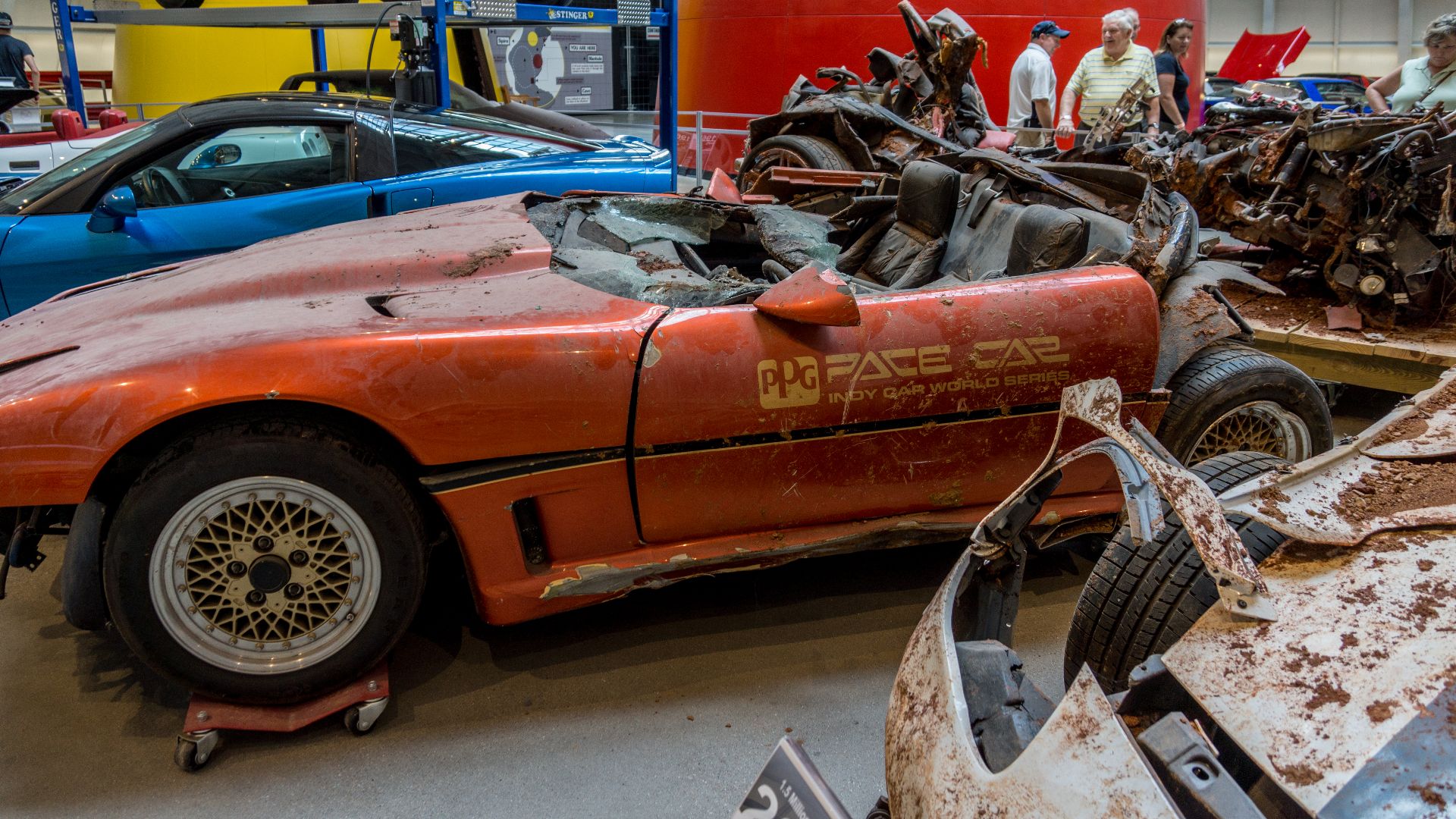
The 1984 PPG Pace Car was far removed from an ordinary showroom C4. Its special equipment included a 450-horsepower V8 built by Katech, a five-speed transmission, coil-over suspension, and extensive custom bodywork. PPG had donated the unusual machine to the National Corvette Museum around the time the museum opened in 1994.
 thatlostdog--, Wikimedia Commons
Rebuilding It Would Have Meant Re-Creating It
The PPG Corvette suffered devastating damage after tumbling into the hole, including major destruction to its custom body. Many of those components were unique to the car, making an authentic restoration extremely difficult. The museum therefore chose to preserve the PPG Pace Car in its battered post-sinkhole condition rather than effectively manufacture large portions of it again.
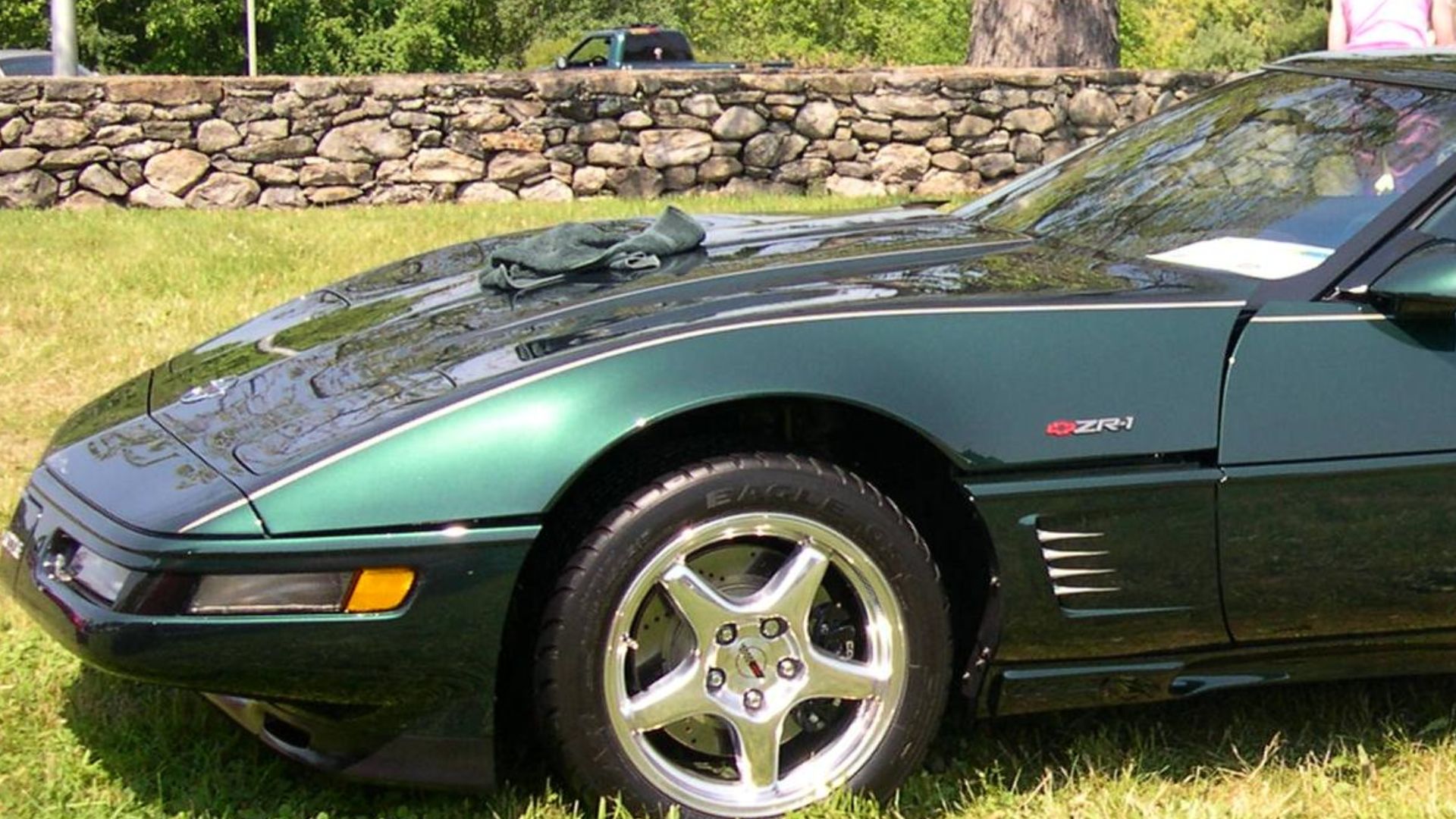
The ZR-1 Spyder Wasn't A Production Corvette
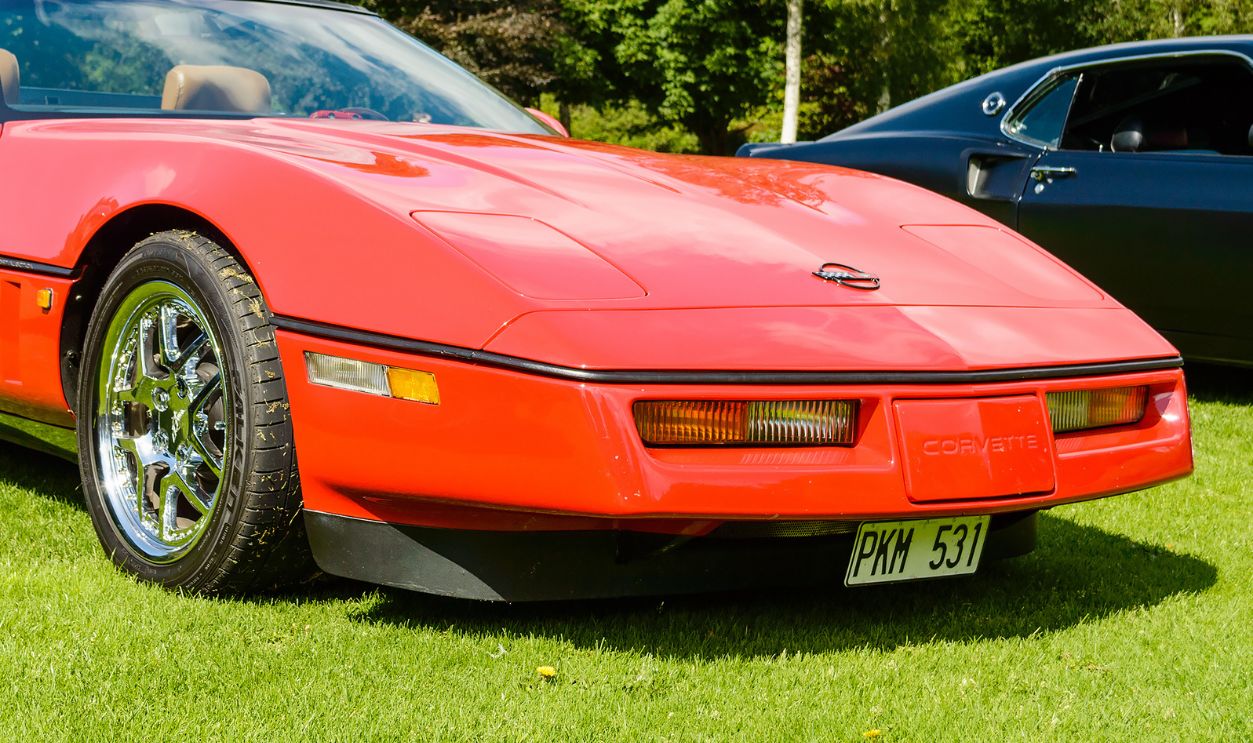
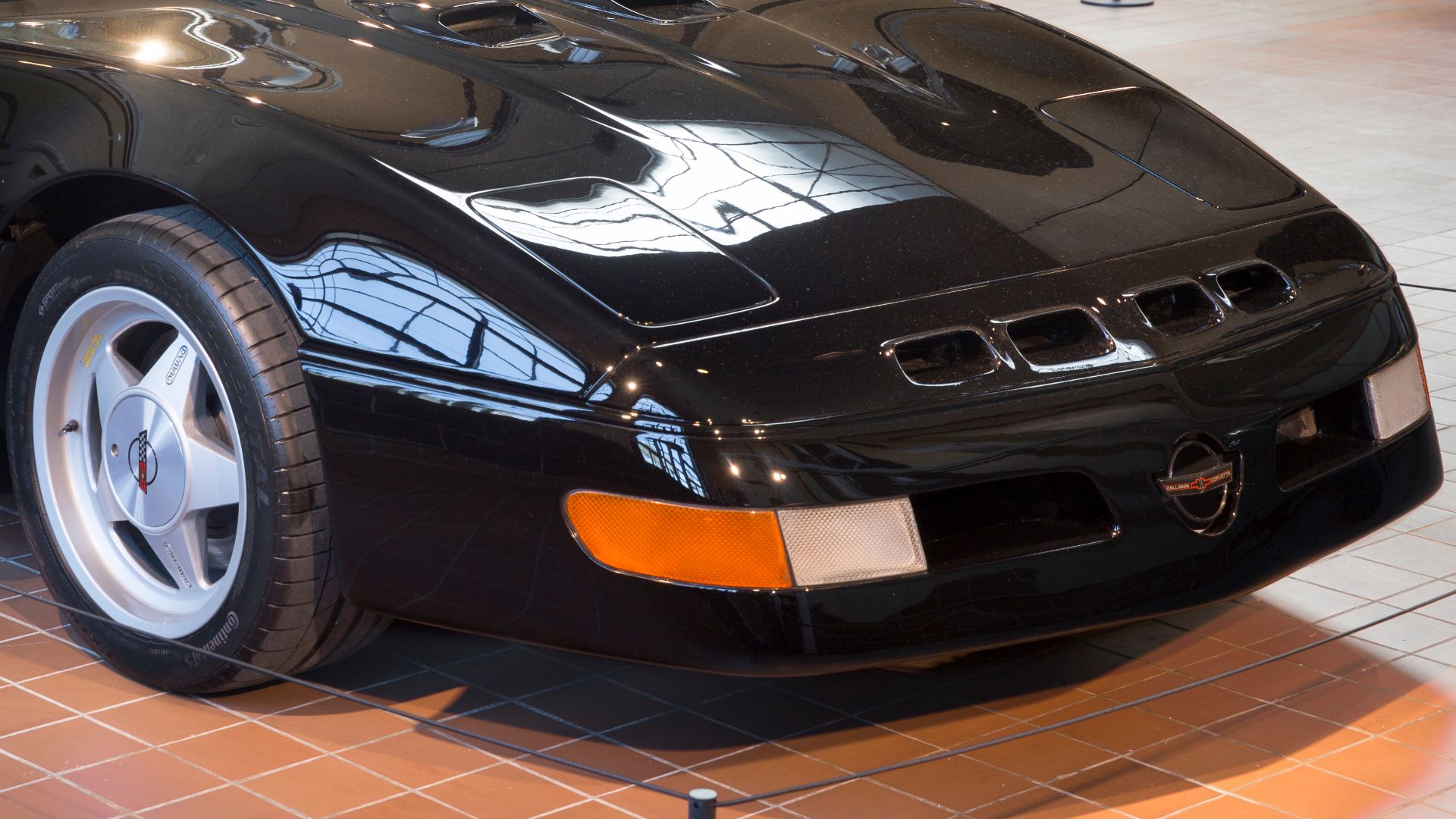
The black 1993 ZR-1 Spyder was one of the most unusual cars in the Skydome. The GM concept had a dramatically shortened windshield, unusual bodywork, lowered seating, and other custom features, and an earlier version of the car debuted at the 1991 North American International Auto Show. It was one of only two sinkhole cars that were still owned by GM.
 Mr.choppers, Wikimedia Commons
The Spyder Came Out Looking Devastated
Crews had to excavate around the Spyder before finally removing it on April 1. A boulder had ended up in its cabin, pieces of the unique car had broken away, and the museum reported that it emerged in even worse condition than the PPG Pace Car. Rather than attempting an enormous reconstruction, the Spyder became one of the five cars preserved in its damaged state.
 Sfoskett~commonswiki, Wikimedia Commons
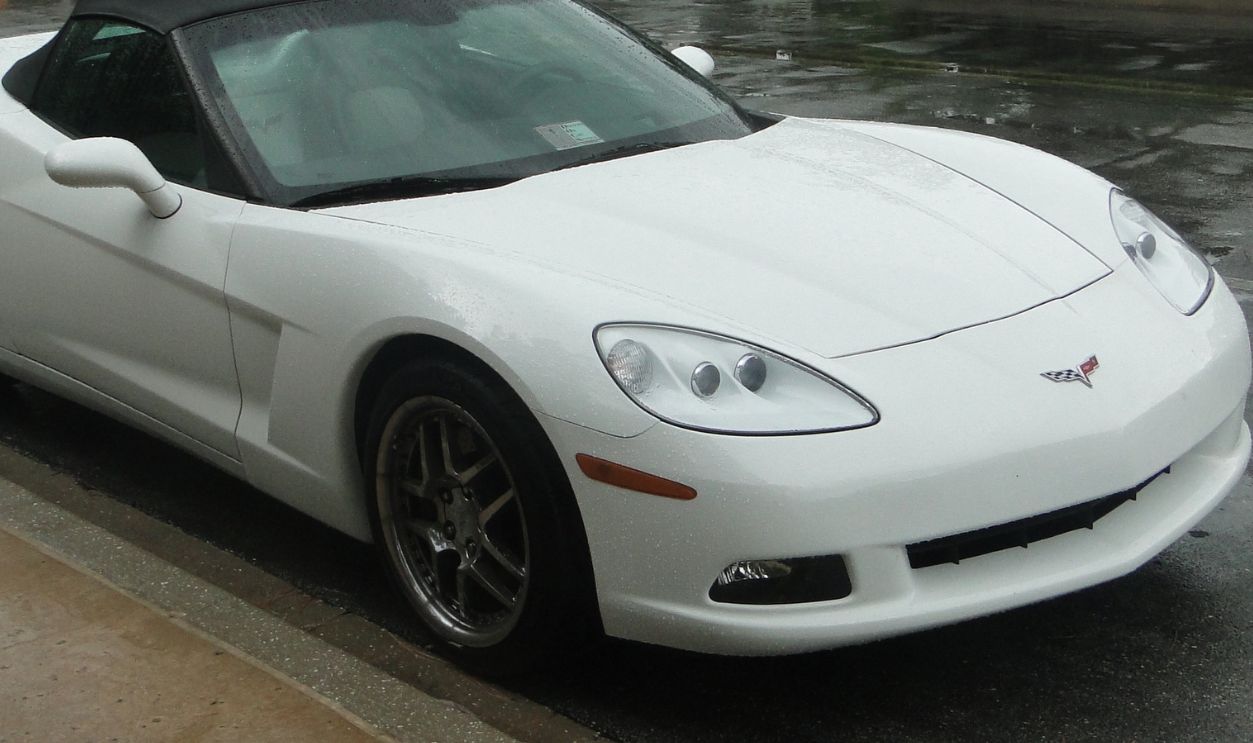
The 1.5-Millionth Corvette Completely Disappeared
The white 2009 convertible marking Corvette production number 1.5 million was initially buried so thoroughly that crews could not locate it. Probing rods and metal detectors failed to solve the mystery. Workers finally spotted white fiberglass beneath the Spyder while excavating around that car.
 Leonardo M. e Silva, Shutterstock
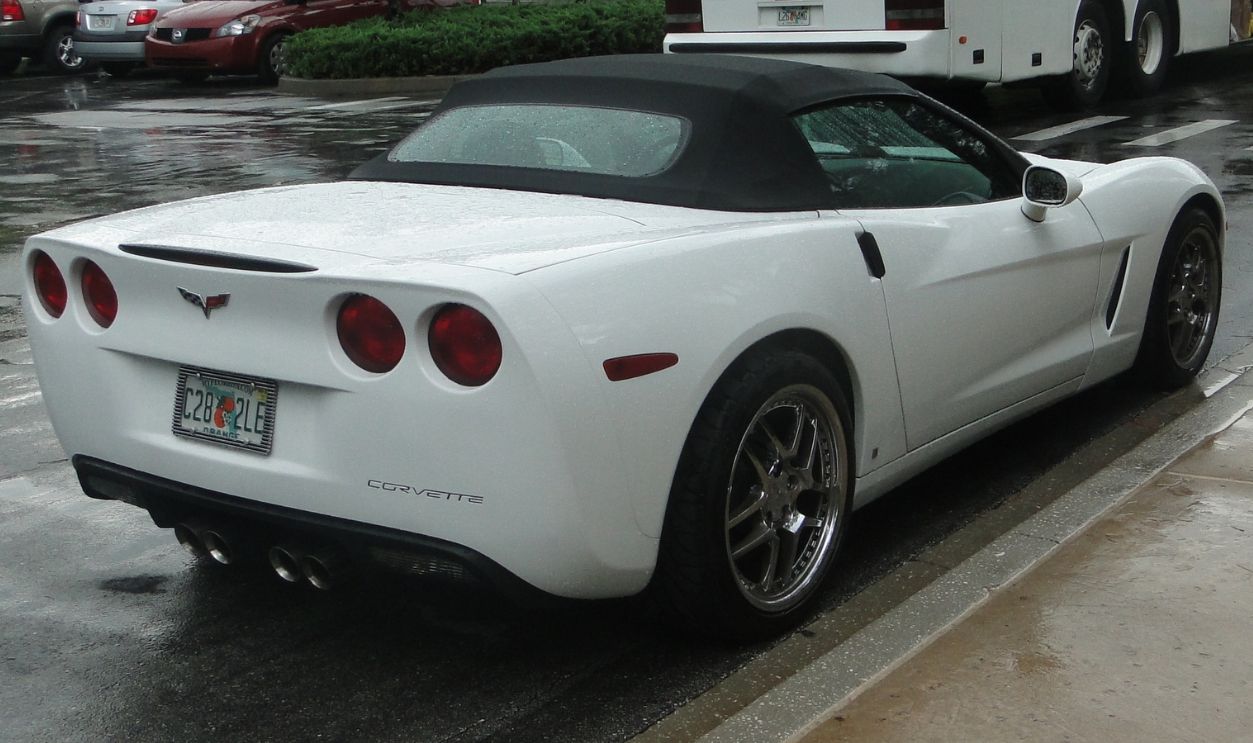
Another Milestone Car Stayed Damaged
The 1.5-millionth Corvette was pulled free and lifted out on April 3. Like the millionth car, it wore a white exterior and red interior as a nod to the first Corvettes, but its sinkhole damage was far more severe. Museum officials determined that restoring it was impractical, so the battered milestone was preserved instead.
 Leonardo M. e Silva, Shutterstock
The Mallett Hammer Was A 700-Horsepower Monster
The final missing car was a red 2001 Z06 modified by Mallett Performance Cars. Its conversion pushed output from the standard Z06's 385 horsepower to roughly 700 horsepower, turning it into a serious performance machine. Kevin and Linda Helmintoller had donated the Corvette to the museum only months before the sinkhole opened.
A Boulder Nearly Erased The Mallett Hammer
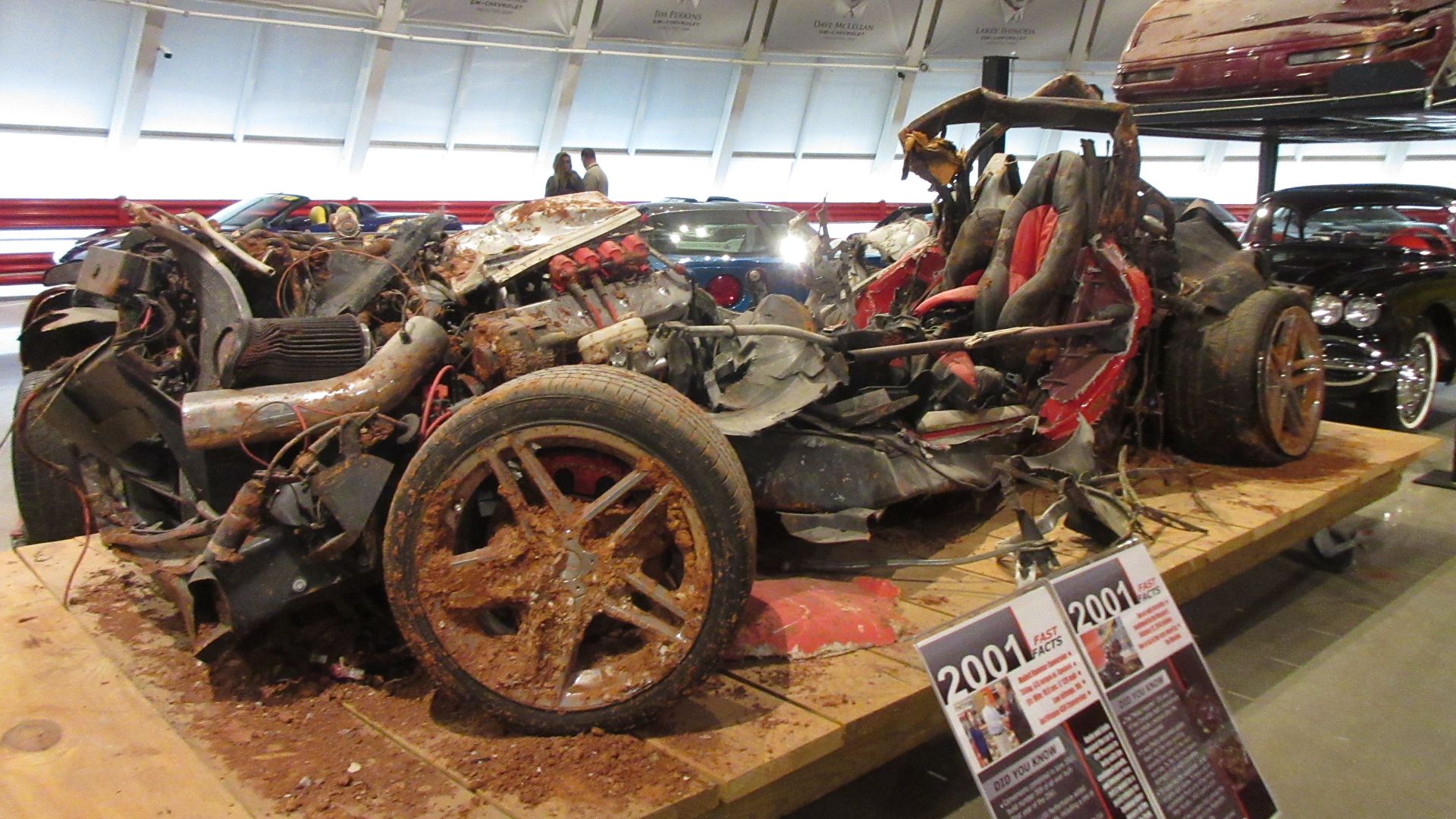
Workers initially could not even find the Mallett Hammer beneath the collapsed earth. When they finally reached it, they discovered that the car had been crushed by a boulder and was the most heavily damaged Corvette of the eight. It was lifted out on April 9, eight weeks after the disaster, and remains preserved in that mangled condition.
Restoring Every Car No Longer Made Sense
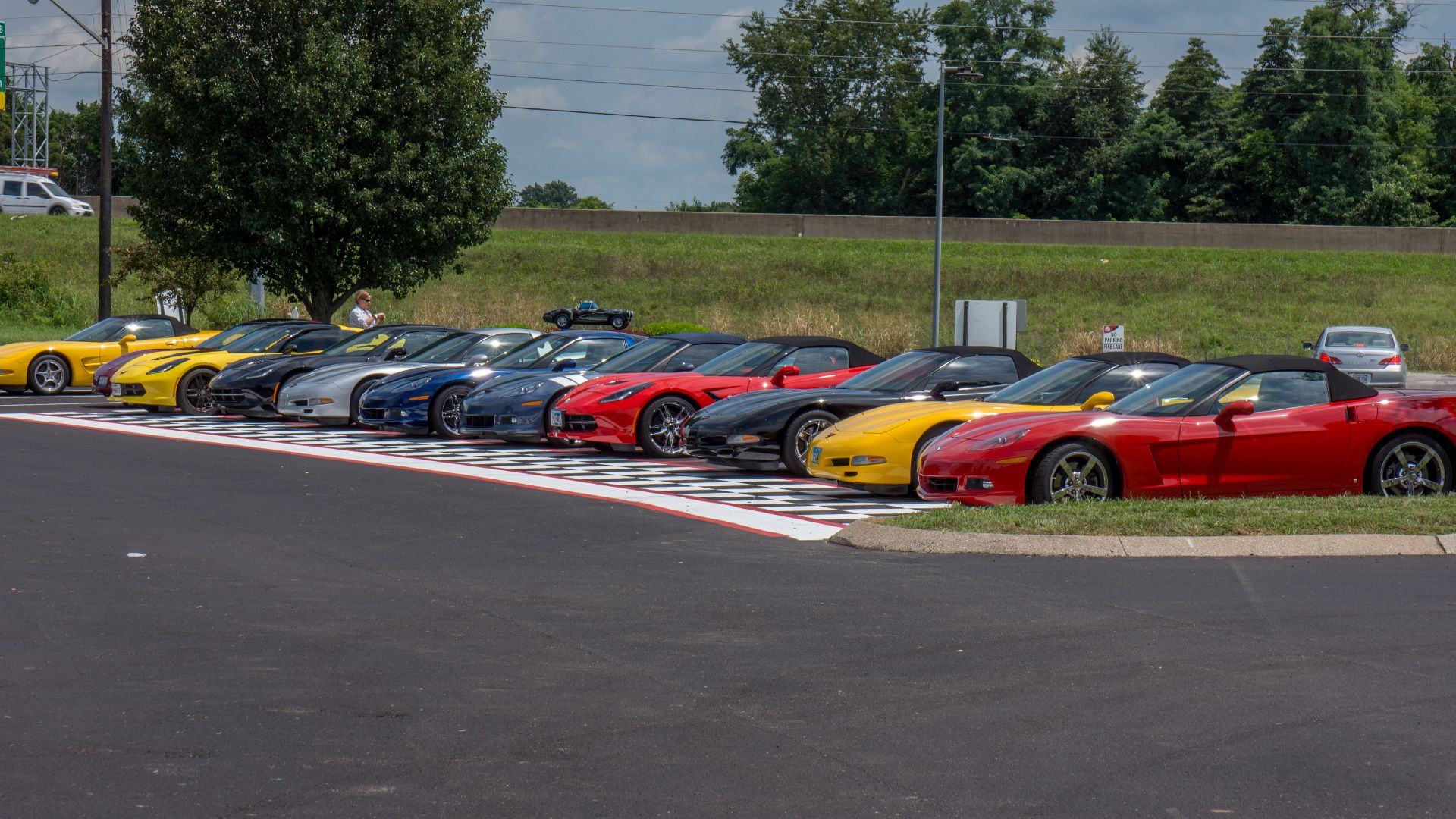
Chevrolet initially offered its expertise to help save as many of the Corvettes as possible. After the damage could actually be evaluated, however, GM and the museum decided that only the Blue Devil, one-millionth Corvette, and 1962 Corvette would be restored. Keeping the other five damaged also preserved physical evidence of an event that had suddenly become part of Corvette history itself.
 thatlostdog--, Wikimedia Commons
The Museum Considered Keeping The Hole
The sinkhole itself became so popular with visitors that officials considered incorporating part of it into a permanent display. Engineers and museum leaders studied different possibilities while visitors came specifically to see the cavern and damaged cars. Ultimately, preserving a large open portion proved impractical, and the museum decided to fill the void.
They Rebuilt More Than The Floor
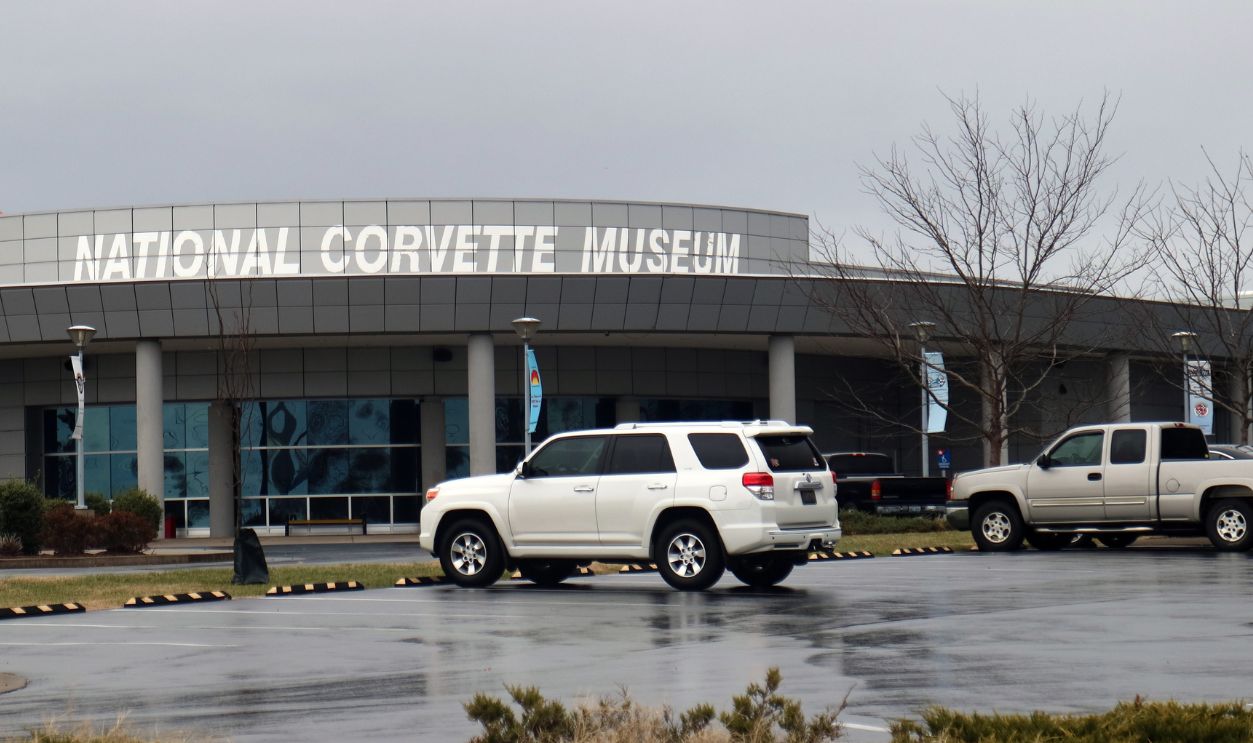
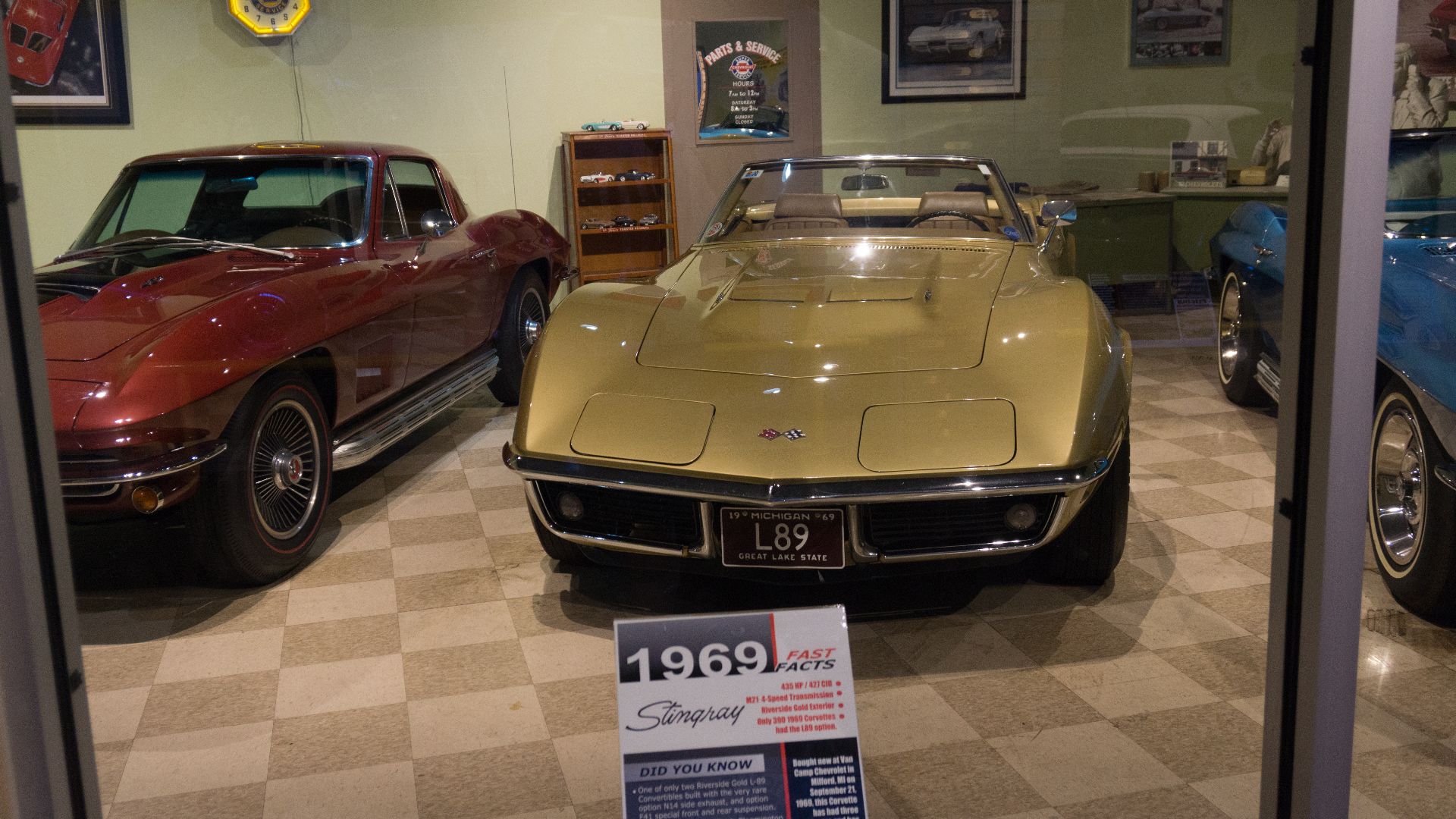
Repair crews filled the enormous cavity and reconstructed the Skydome floor with extensive structural reinforcement. Deep micropiles were installed to support the building and reduce the risk that another underground collapse would take the new floor with it. The repaired Skydome reopened to visitors in July 2015.
 thatlostdog--, Wikimedia Commons
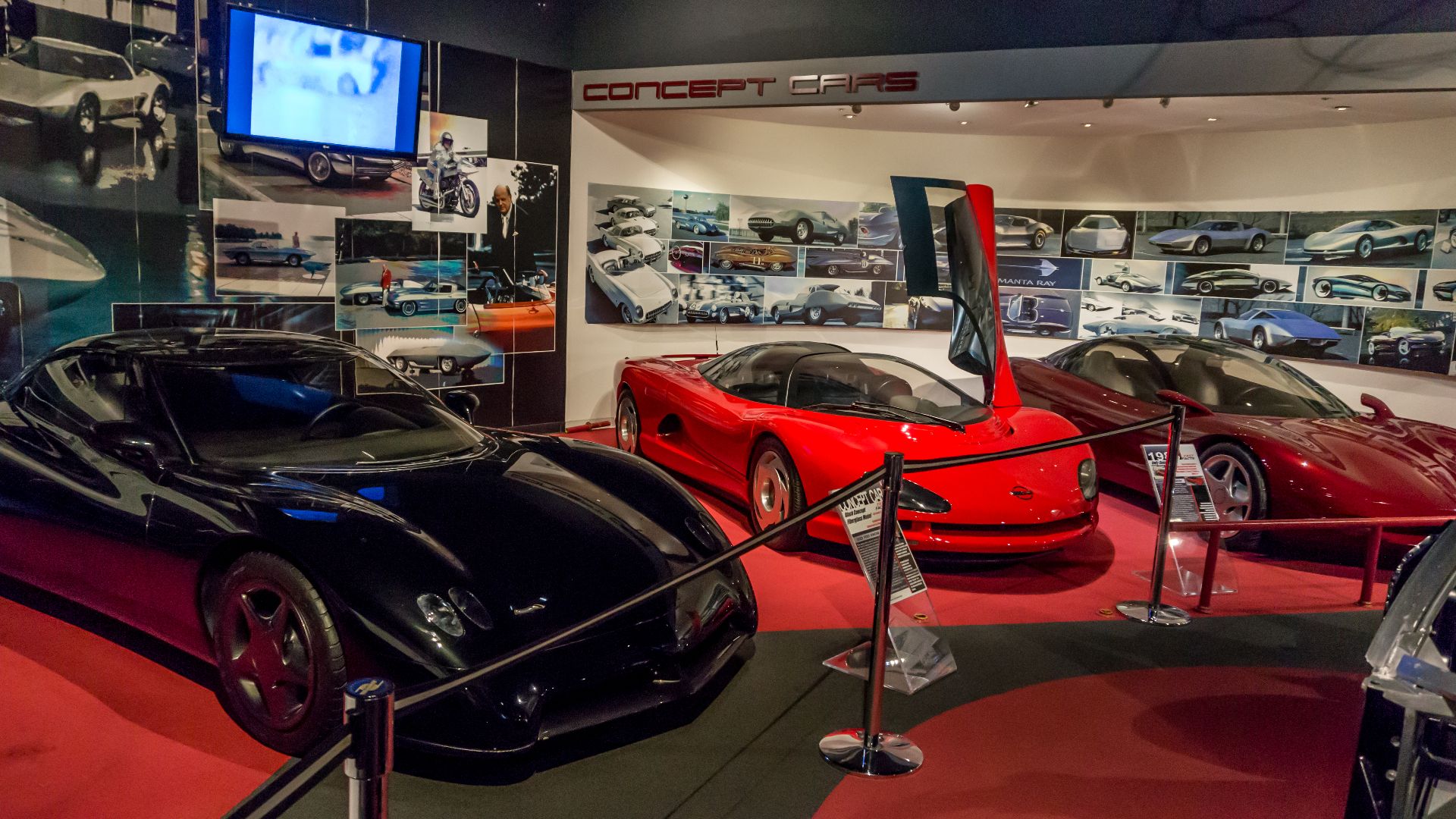
The Disaster Actually Sent Attendance Soaring
As terrible as the collapse was for the collection, public fascination gave the museum an extraordinary surge in attention. Museum figures credited the sinkhole with helping attendance rise 67 percent in 2014. Visitors wanted to see the hole, the smashed cars, and the recovery story for themselves.
 thatlostdog--, Wikimedia Commons
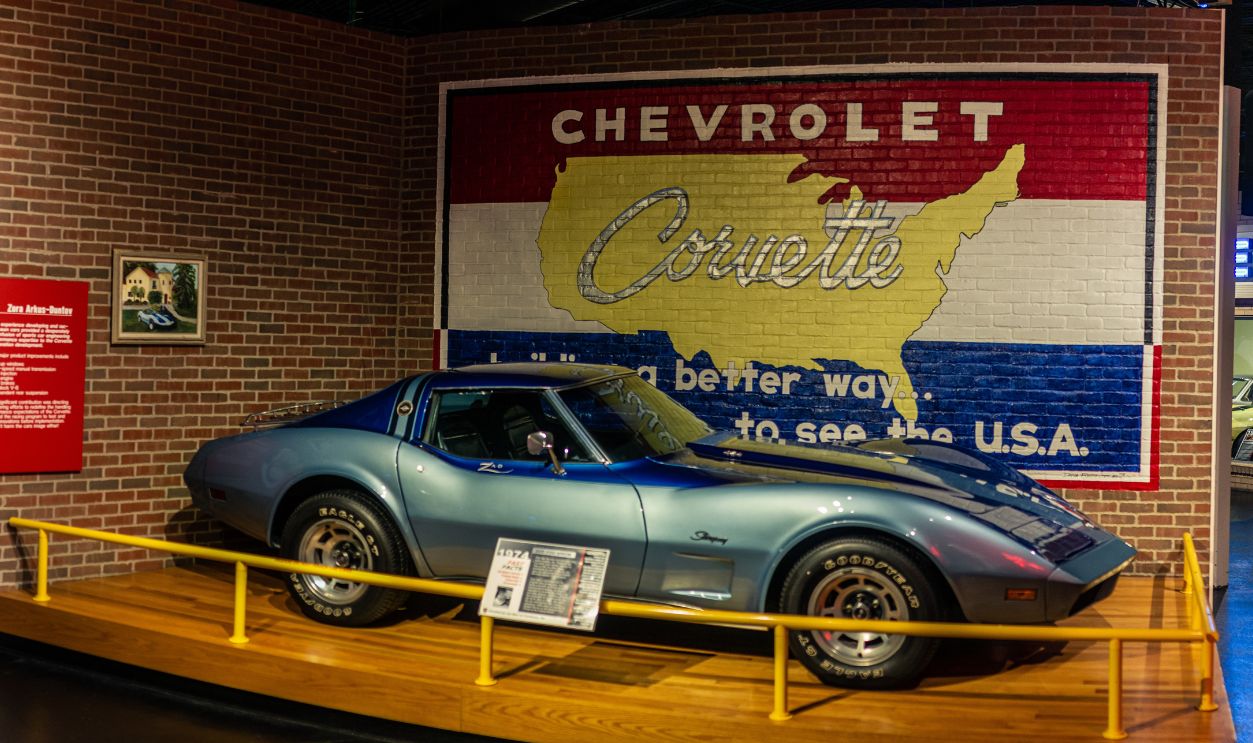
The Wreckage Became Part Of The Museum
The museum resisted hiding the event once repairs were completed. It developed sinkhole-focused exhibits and continued displaying selected restored and unrestored cars, including a special 10th-anniversary exhibition in 2024. Even the boulder that struck the Mallett Hammer was retained as an artifact from the collapse.
Eight Corvettes Now Tell Two Different Stories
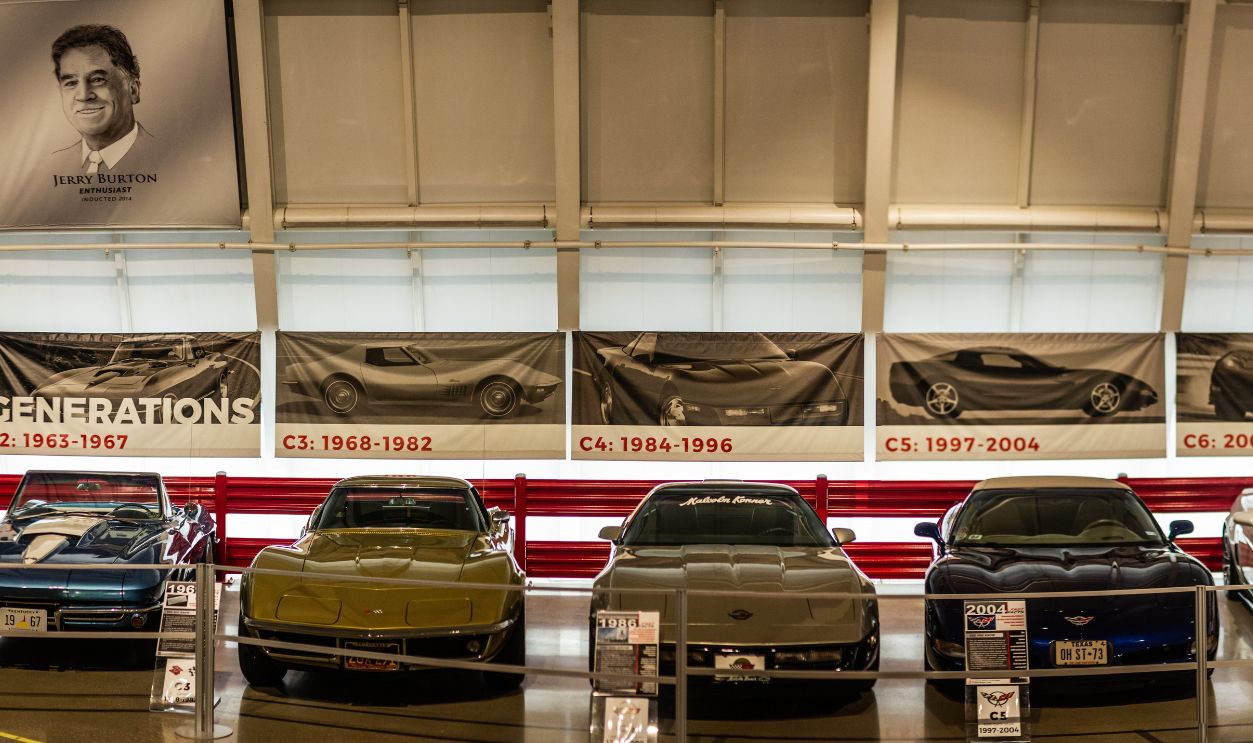
The Blue Devil, one-millionth Corvette, and 1962 Corvette ultimately returned to restored condition, while the Ruby Red 40th Anniversary car, PPG Pace Car, ZR-1 Spyder, 1.5-millionth Corvette, and Mallett Hammer were preserved as damaged survivors. The giant open cavern is gone, with a floor hatch now marking what remains of the original sinkhole area. More than a decade later, all eight cars help tell a story that no museum curator could ever have planned.
You May Also Like:
Inside Rock Legend Eric Clapton's Incredible Ferrari Collection


.jpg)